Hydraulics
 Call Kai
 Learn
Learn Practice Test
 Spaced Repetition
 Match
Match Flashcards
 Knowt Play
1/80

There's no tags or description
Looks like no tags are added yet.
Name | Mastery | Learn | Test | Matching | Spaced | Call with Kai | Chat |
|---|
No analytics yet
Send a link to your students to track their progress
81 Terms
density of water in kg/m³
1000 kg/m³
specific gravity of mercury
13.6
1 horsepower is equal to how many watts
746
total hydrostatic pressure on plane area (plane surface)

Location of force P on the plane surface
eccentricity

Total hydrostatic pressure on a curved surface

Horizontal component of total hydrostatic pressure on a curved surface

Vertical component of total hydrostatic pressure on a curved surface

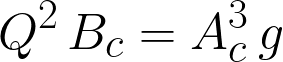
formula for buoyant force from Archimedes’ Principle

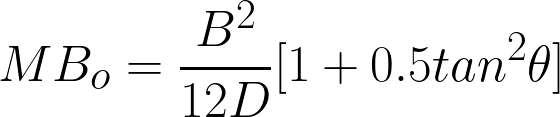
Distance from metacenter to the center of buoyancy for rectangular sections (MB_o)
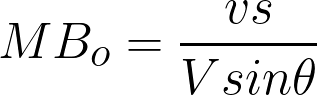
Distance from metacenter to the center of buoyancy for other sections (EXACT)
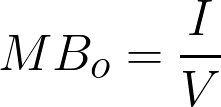
Distance from metacenter to the center of buoyancy for other sections (APPROXIMATE)
Factor of safety against overturning in DAMS
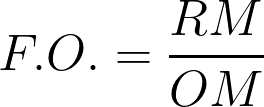
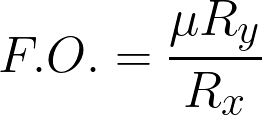
Factor of safety against sliding in DAMS
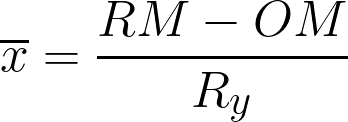
Location of Ry (x bar) in DAMS
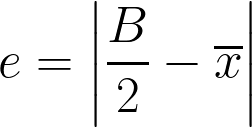
e in DAMS
foundation pressure when e <= B/6 (DAMS; min and max)
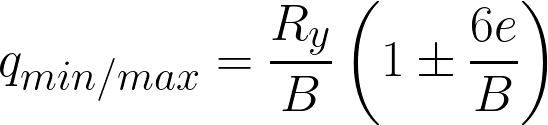
foundation pressure when e > B/6 (DAMS; min and max)
qmin is 0
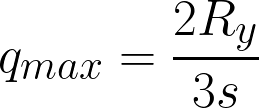
Walls carrying stress in pipes and tanks (thickness of wall)
where St is the actual or allowable tensile stress in the wall
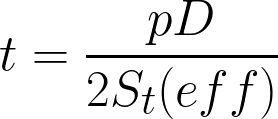
Walls carrying stress in pipes and tanks (center-to-center spacing of the hoops)
where T is the tensile force in one hoop (N)
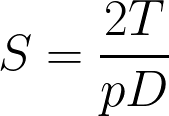
angle theta for a horizontally moving vessel
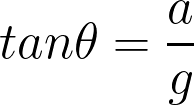
angle theta for a vessel moving on an inclined plane
use plus when upward and minus when downward
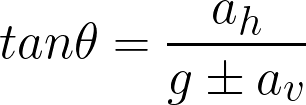
pressure p when the vessel is moving vertically
use plus when upward and minus when downward
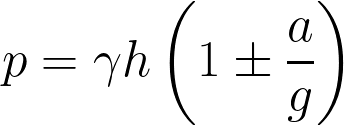
angle theta for rotating vessels
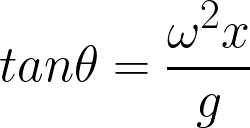
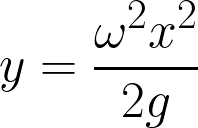
distance y for rotating vessels
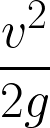
velocity head
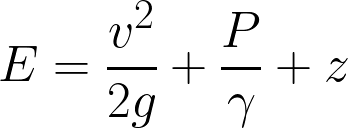
total head or energy (meters)
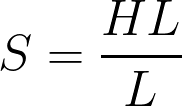
slope of the energy grade line
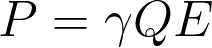
Power
power computed using this formula is in watts
In pumps, the first power solved is an?
Output
In turbines, the first power solved is an?
Input
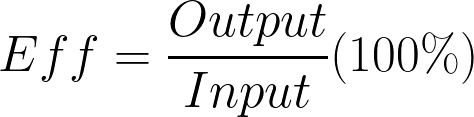
formula for efficiency
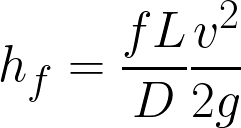
general Darcy-Weisbach Formula (hint: uses f)
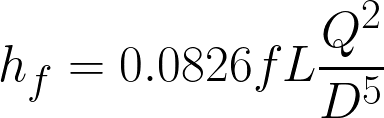
Darcy-Weisbach formula for circular pipes
MaNNing formula
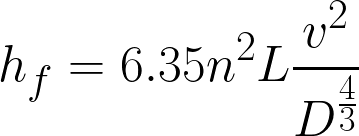
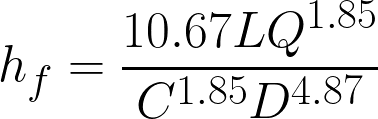
Hazen-Williams formula (for circular pipes)
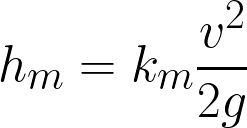
minor loss (given km)
Relationship of the flow rates of pipes in series
Q1 = Q2 = Q3
Relationship of the head losses of pipes in series
total head loss is hf1 + hf2 + hf3
Relationship of the flow rates of pipes in parallel
total flow rate is Q1 + Q2 + Q3
Relationship of the head losses of pipes in Parallel
hf1 = hf2 = hf3
celerity for RIGID pipes (water hammer)
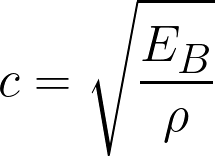
celerity for NON-RIGID pipes (water hammer)
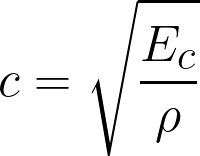
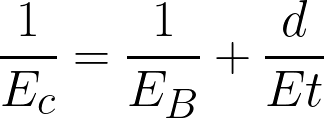
composite modulus of elasticity
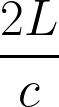
time required for the pressure wave to travel from the valve to the reservoir and back to the valve (hint: time limit for water hammer)
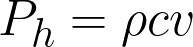
water hammer pressure for rapid closure
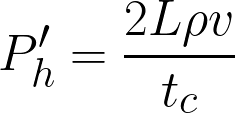
water hammer pressure for slow closure
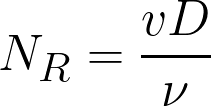
Reynold’s Number
altenate formula substituting nu: magtanim ay dvrho
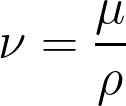
kinematic viscosity, nu
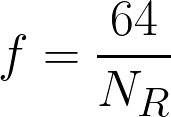
friction factor when flow is laminar
friction factor when flow is turbulent

type of flow where its flow rate is the same along its length
Continuous flow (think equation of continuity)
type of flow where its flow rate does not vary over time
steady flow
type of flow where its flow rate varies over time
unsteady flow
type of flow where its velocity does not vary over its length
uniform flow
type of flow where its velocity varies over time
non-uniform flow
type of flow where its specific energy is at its minimum
critical flo
mababaw tapos mabilis
supercritical flow
malalim tas mabagal
subcritical flow
theoretical velocity used for orifices
Toricelli’s Formula
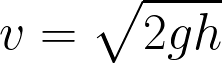
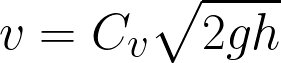
actual velocity used for orifices
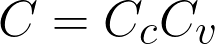
coefficient of discharge
C
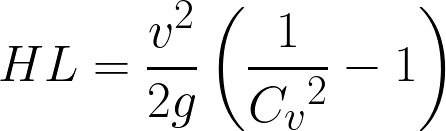
Head loss when orifices are involved
specific gravity of air
0.0012
Impact of a jet on a plane/ Force on the Jet (at a right angle)
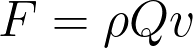
Force on Pipe’s Bend and Reducer, also used for curved vanes/blades

Q for a rectangular-shaped weir (neglecting velocity of approach)
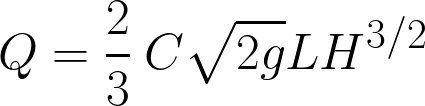
Francis formula for rectangular-shaped weirs (neglecting velocity of approach)

WEIRS: for contracted sections, replace L with L’. What is L’ for singly contracted sections?

WEIRS: for contracted sections, replace L with L’. What is L’ for doubly contracted sections?

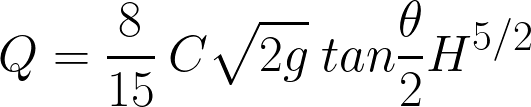
Q for triangular shaped weirs
or use 1.4H5/2 when theta is 90o
Cipolletti Weir
4V : 1H

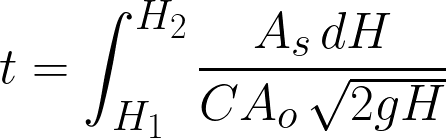
orifice tapos constant width
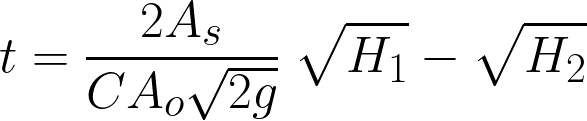
orifice tapos varying width
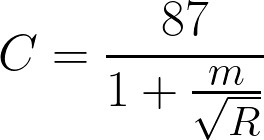
C by Bazin
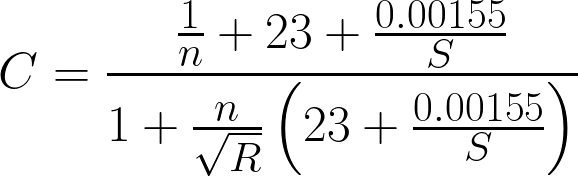
C by Kutter
most efficient circular pipe for max Q
d=0.94D
most efficient circular pipe for max v
d=0.81D
most efficient trapezoidal section
width at the top = sum of the sides
Froude number for rectangular sections
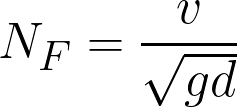
equation to get critical depth