Cytoskeleton
 Call Kai
 Learn
Learn Practice Test
 Spaced Repetition
 Match
Match Flashcards
 Knowt Play
1/16

There's no tags or description
Looks like no tags are added yet.
Name | Mastery | Learn | Test | Matching | Spaced | Call with Kai | Chat |
|---|
No analytics yet
Send a link to your students to track their progress
17 Terms
cytoskeleton functions
maintain cell shape/structure
cellular motion
cellular adhesion
intracellular transport
cell division
some cells have specialized cytoskeleton - muscle, cilia
cytoskeletal components
microfilaments - smallest
intermediate filaments
microtubules - largest
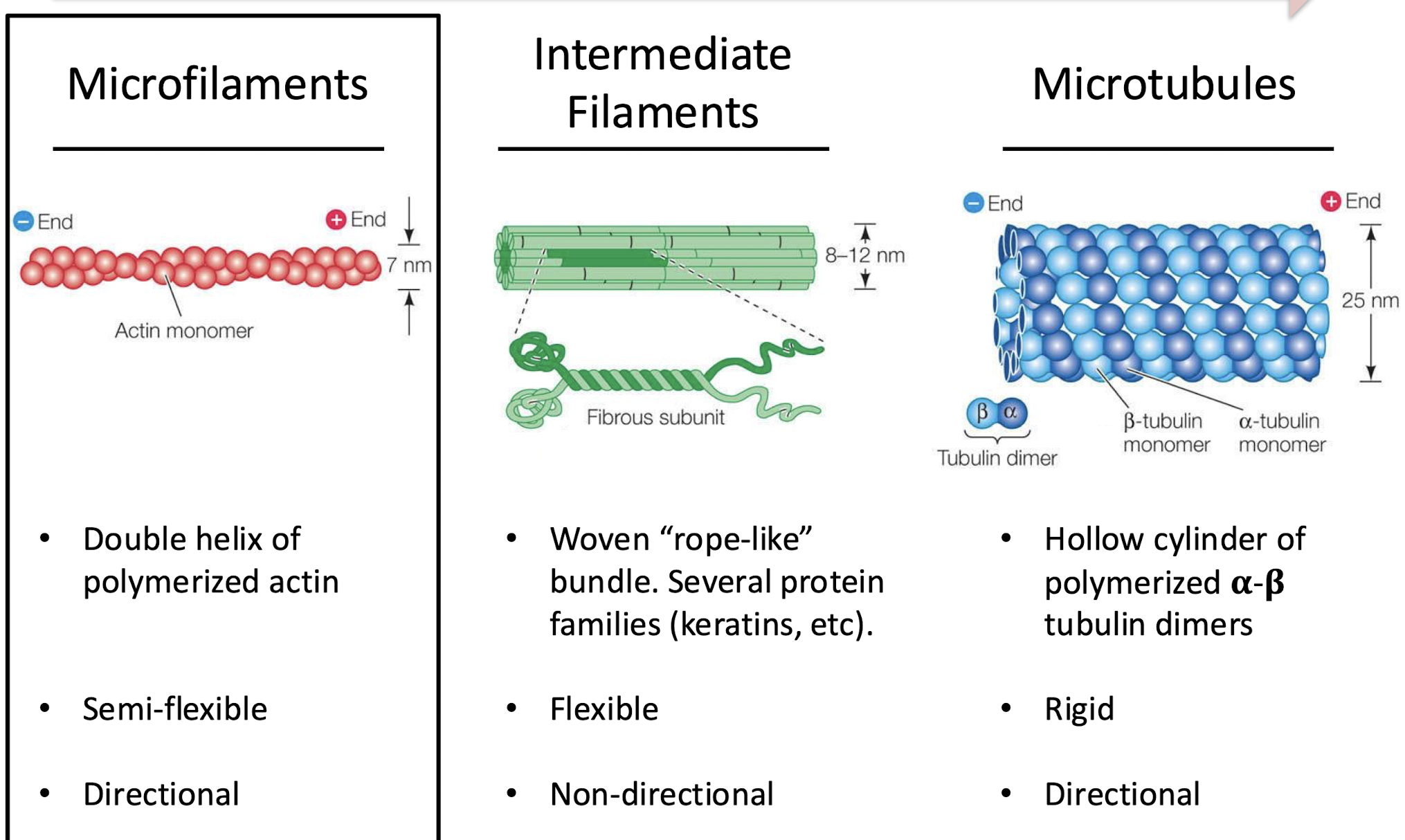
actin microfilaments
dynamic
made of many small globular subunits (g-actin)
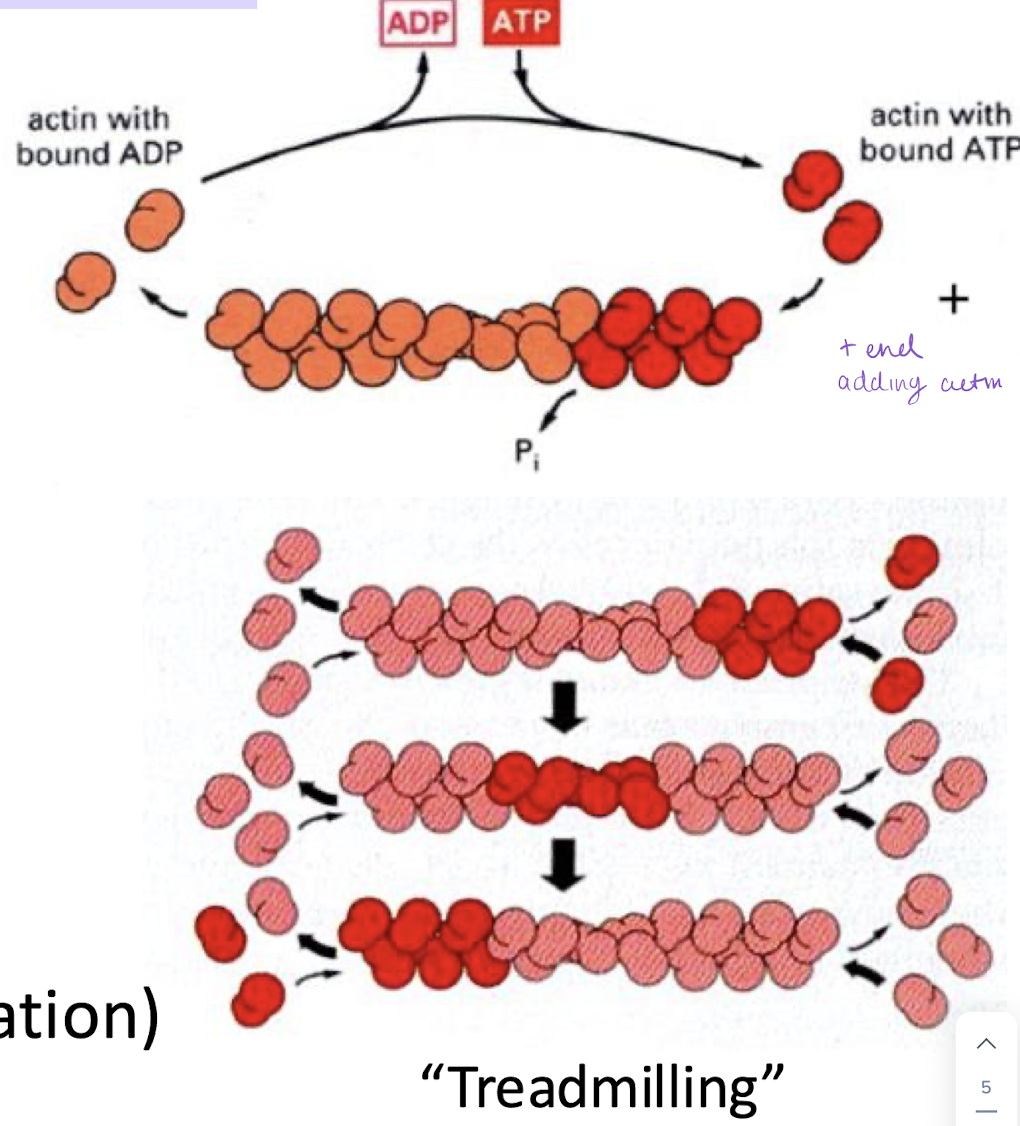
polymerize into filaments (f-actin), bonds not strong, add actin to +end
ATP/ADP binding acts as a molecular switch by changing conformation
Filaments in constant flux (polymerization/depolymerization)
accessory actin binding proteins control diverse arrangement of microfilaments (nucleate polymerization, crosslink, branch, and cap polymers)

microfilament function - structure
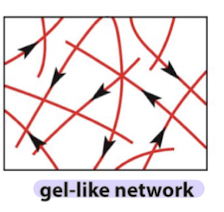
different types of filaments with structural roles to support and shape the plasma membrane at the cell periphery
microfilament function - adhesion
actin cytoskeleton attached to the extracellular matrix


microfilament function - movement
directly through actin polymerization (leading edge of cell moves out into environment)


through myosin motor proteins

microfilament function - cell division
cleavage furrow

actin - cancer
actin based motility is critical to cancer metastasis

dystrophin
a large scaffolding protein that supports muscle structure and function by linking actin filaments with the membrane and ECM of muscle cells (adhesion)
Muscular Dystrophy (MD)
mutations in dystrophin - splicing error causing exon 50 to be cut out, leading to a premature stop codon
x-linked - females are symptomless carriers
complex events lead to muscle cell death
animals waste leading to premature death
canine MD ia analogous to Duchenne in humans
genome editing with CRISPR/Cas9
RNA guided DNA nuclease programmed for precision targeting
viral delivery
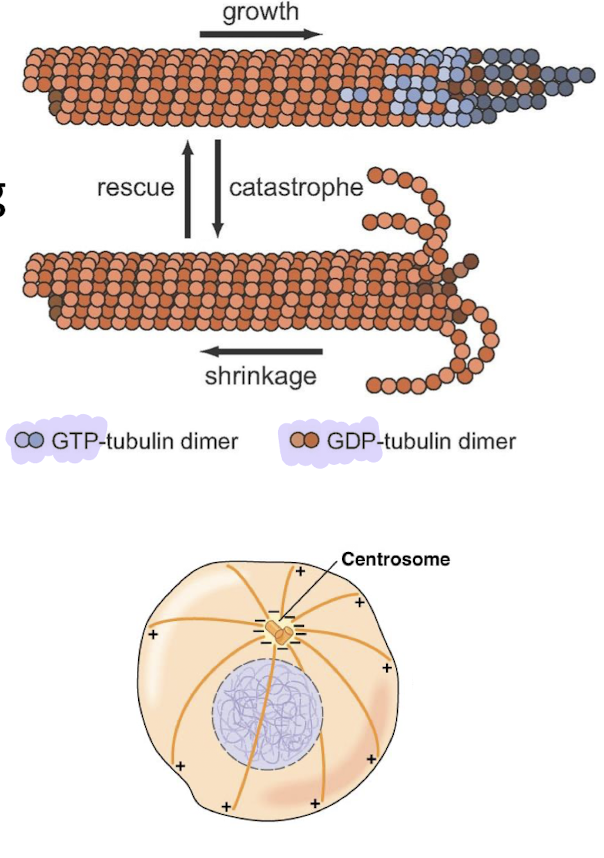
microtubule (MT) polymerization
dynamic instability
constant polymerizing/depolymerizing
rapid alteration allows for aupport of dynamic cellular processes
microtubule organizing centers (MTOCs) nucleate
centrosomes/centrioles near center of cell
plus ends face out
microtubule functions
structure - resist compressive forces
cell division - mitotic spindle separates replicated chromosomes into each daughter cell (blocking polymerization or stabilizing polymers can inhibit mitosis [cancer chemotherapies])
microtubule based movement
motor protein classes
kinesin - generally +end directed
dynein - always -end directed
intracellular transport to move cargo around the cell
flagella/cilia
sperm motility
movement of mucus in upper respiratory system
movement of egg through oviduct to uterus
fluid flow in developing embryo - body symmetry
non-motile “primary cilia” are key signaling sites for olfaction and vision

intermediate filaments function
large and diverse groups of proteins - keratins, desmins, laminins, etc
many are cell type specific
~50 distinct keratins in mammals
can indicate tissue of origin or epithelial cancers (cacinomas)
tension bearing element in cell
laminins support nuclear envelope
keratins
provide cells with mechanical stability
intracellular keratins interact with
hemidesmosomes for cell-ECM adhesion
desmosomes for cell-cell adhesion
epidermolytic hyperkeratosis
splice site mutation in keratin 10 gene (frame shift leading to truncation)
norfolk terrier
skin is fragile and prone to blister
skin thickening (hyperkeratosis)
increased pigmentation