Congenital Anomalies of the Alimentary Tract
 Call Kai
 Learn
Learn Practice Test
 Spaced Repetition
 Match
Match Flashcards
 Knowt Play
1/52

There's no tags or description
Looks like no tags are added yet.
Name | Mastery | Learn | Test | Matching | Spaced | Call with Kai | Chat |
|---|
No analytics yet
Send a link to your students to track their progress
53 Terms
upper alimentary tract
mouth to stomach
optimal nutrition therapy after alimentary tract surgery is essential to avoid
overfeeding
following alimentary tract surgery once intestinal motility returns and feedings are gradually started the use of what source of nutrition should be considered
human milk
specific anomalies of upper alimentary tract
cleft lip/palate
esophageal atresia or tracheoesophageal fistula
pyloric stenosis
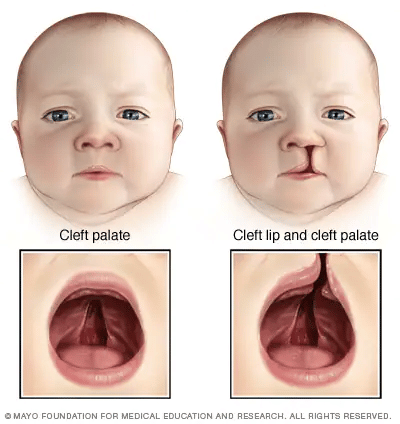
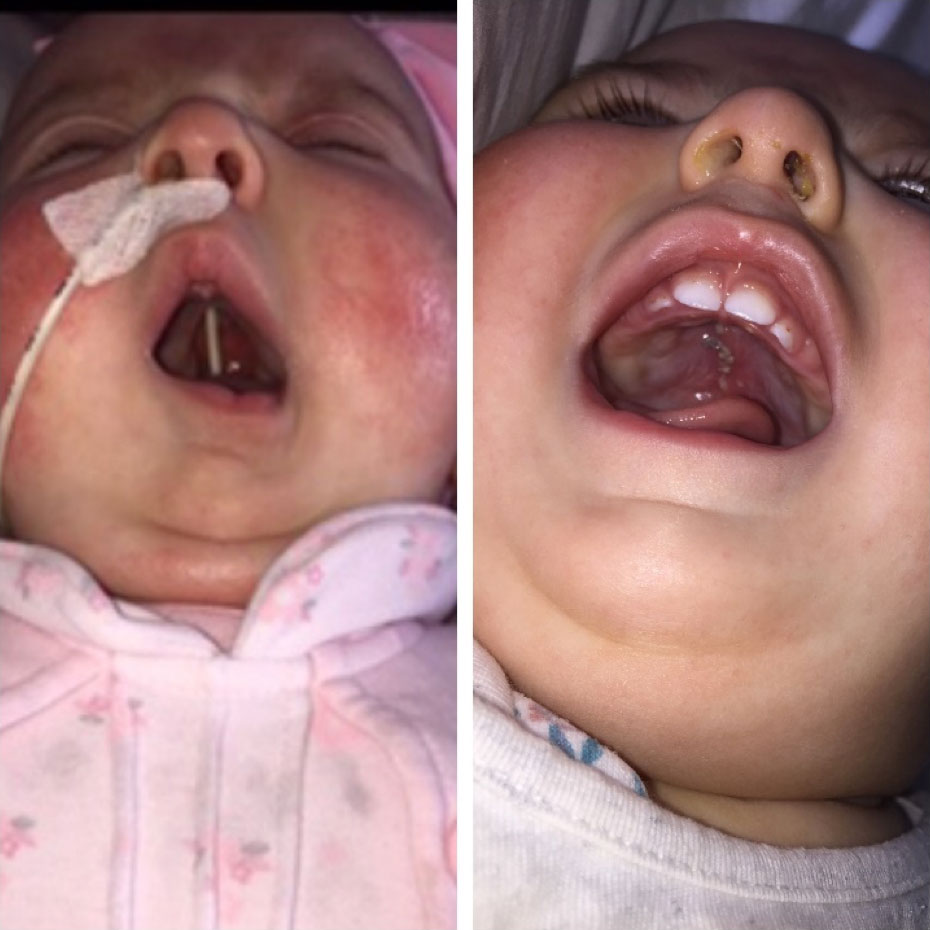
cleft lip/palate
A congenital condition characterized by a split or opening in the upper lip and/or roof of the mouth (palate), which can occur separately or together, impacting feeding, speech, and appearance.
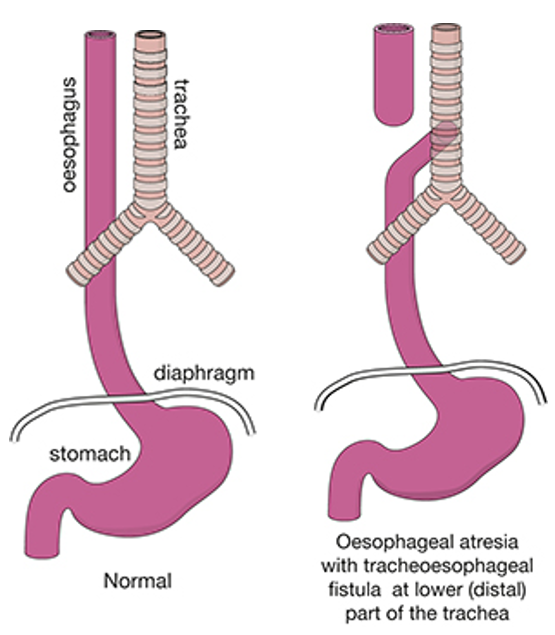
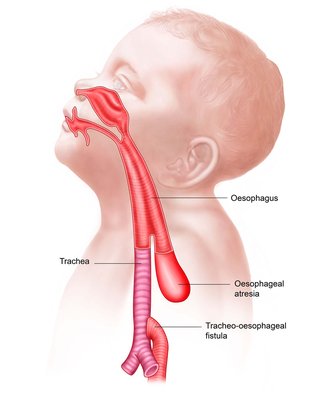
esophageal atresia + tracheoesophageal fistula
A congenital defect in which the esophagus does not connect properly to the stomach, leading to feeding difficulties and aspiration risks. It often occurs with tracheoesophageal fistula.
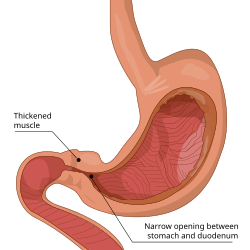
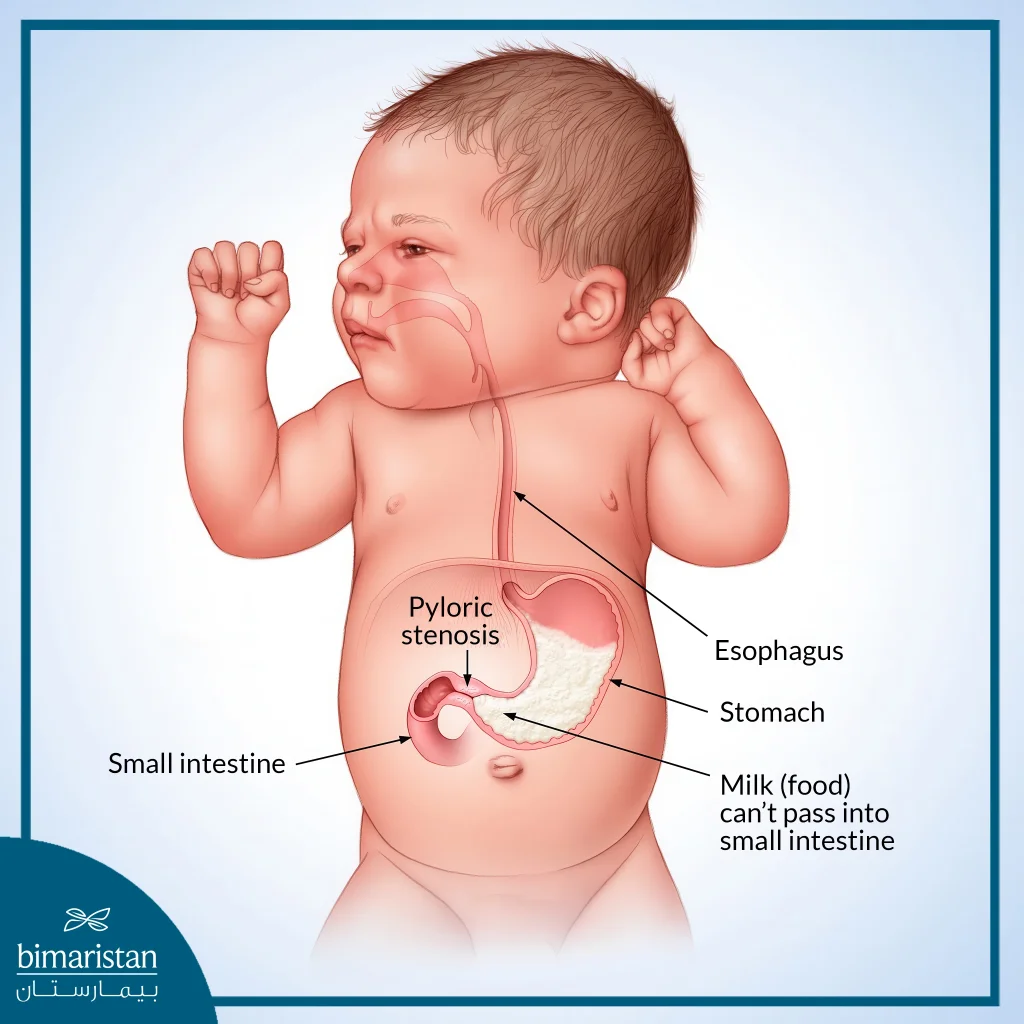
pyloric stenosis
A condition in infants where the pylorus, the opening from the stomach to the small intestine, is narrowed, causing projectile vomiting and dehydration. It typically requires surgical intervention to correct.
small intestine anomalies
omphalocele
gastroschosis
congenital diaphragmatic hernia
congenital obstruction: atresia, malrotation, volvulus
meconium ileus
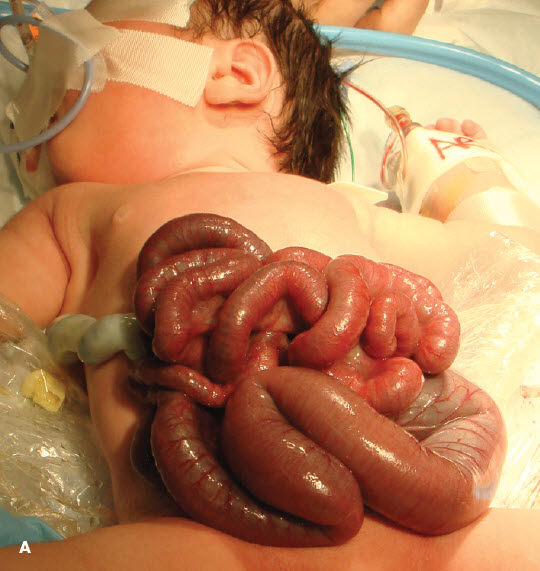
gastroschisis
A congenital defect in which an infant's intestines protrude outside of the body through a hole in the abdominal wall. This condition usually occurs to the right of the umbilical cord and requires surgical intervention after birth.
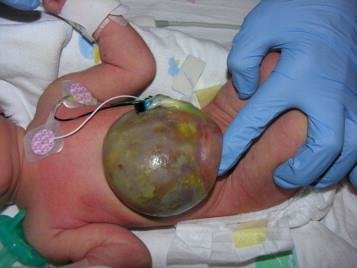
omphalocele (ahm-fa-lo-seal)
A congenital defect where the infant's intestines or other abdominal organs protrude into the umbilical cord, covered by a thin membrane. Unlike gastroschisis, the abdominal wall is intact.
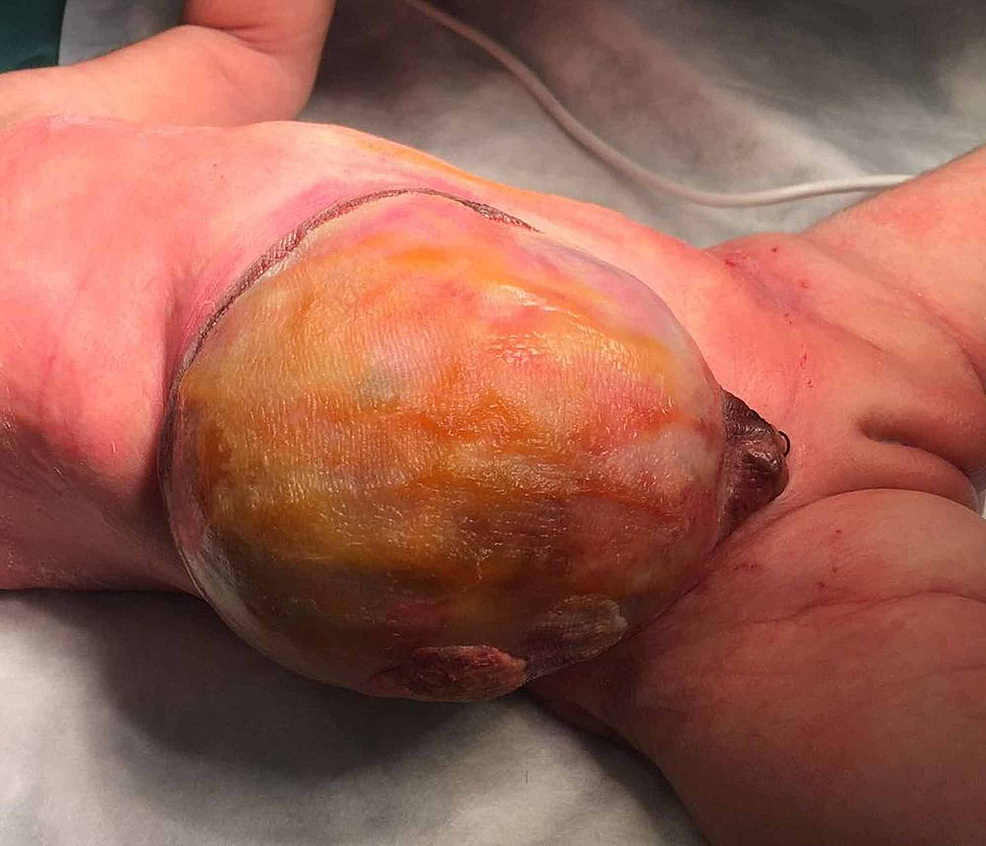
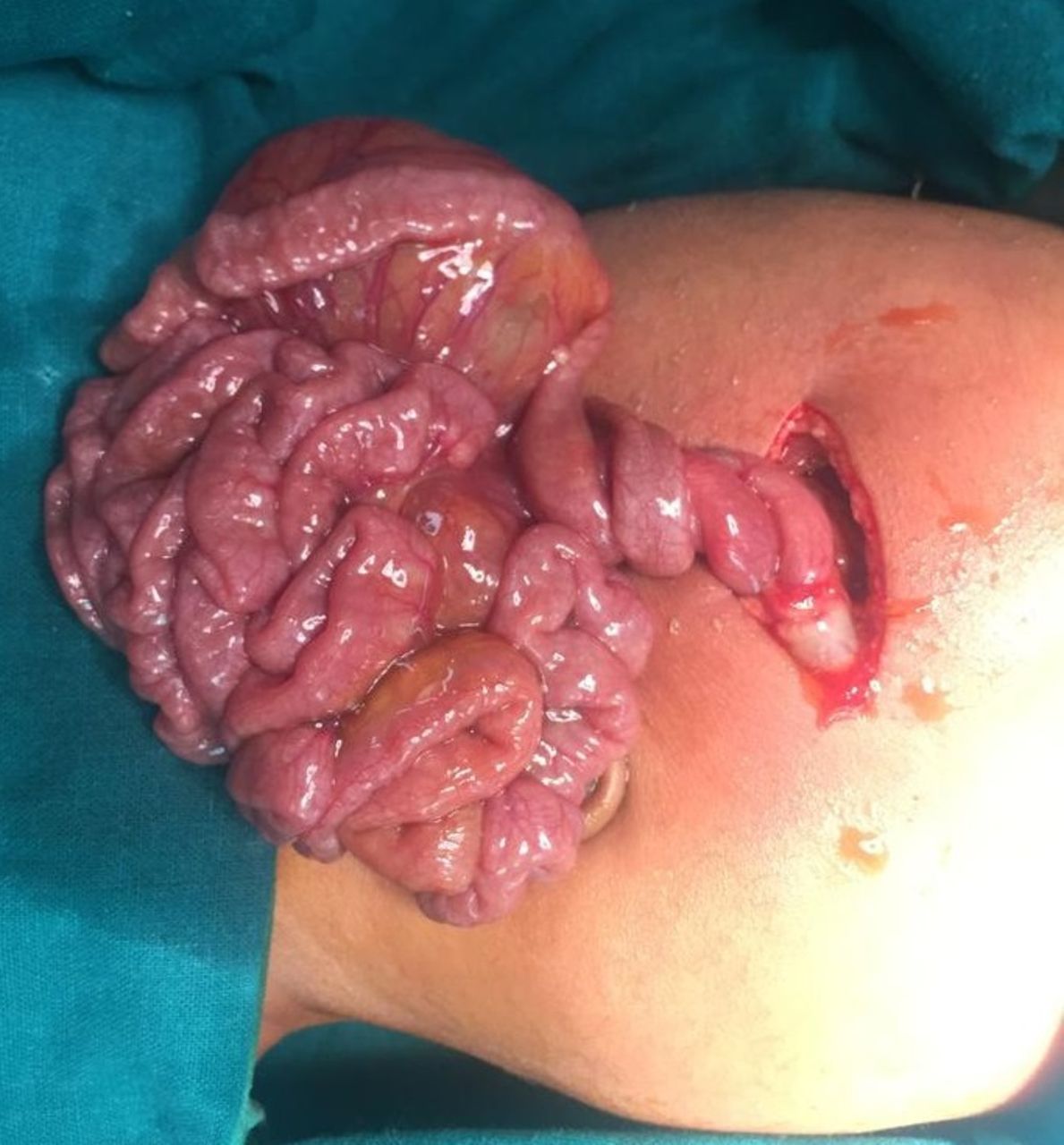
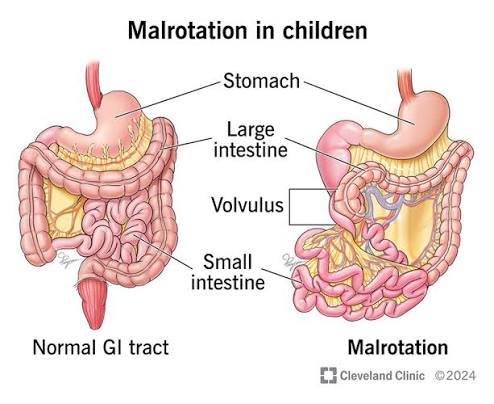
volvulus
A condition in which the intestine twists around itself, leading to obstruction and blood supply compromise. This surgical emergency can cause severe pain and requires prompt intervention.
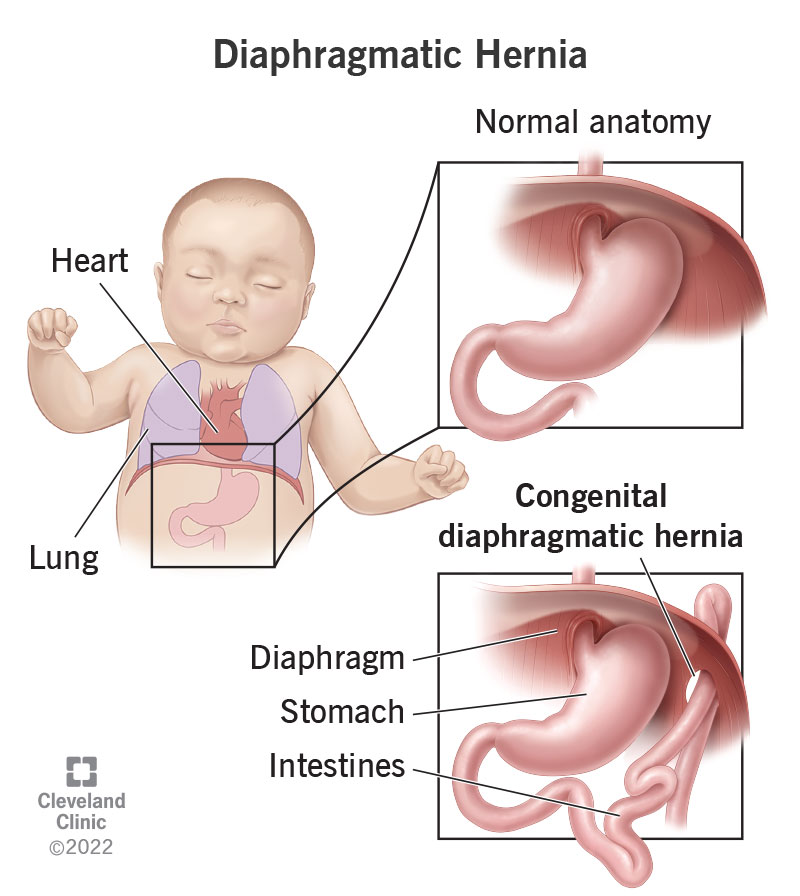
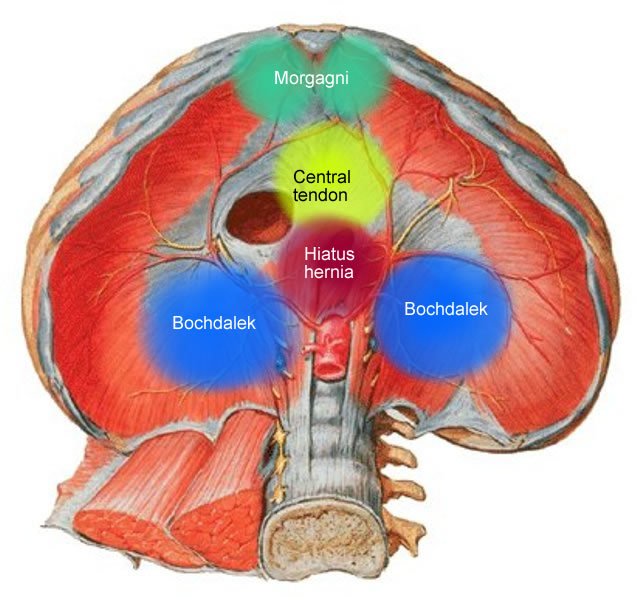
congenital diaphragmatic hernia
a birth defect in the diaphragm allowing abdominal contents to move into the thoracic cavity, potentially causing respiratory distress and other complications in the newborn.
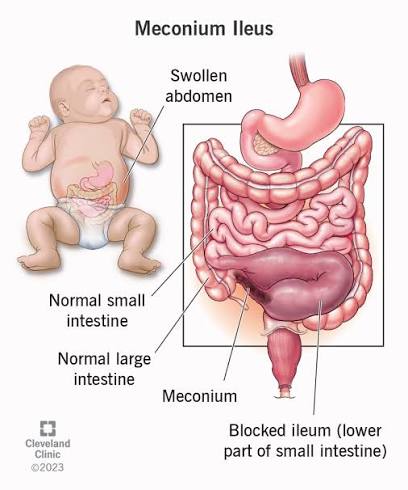
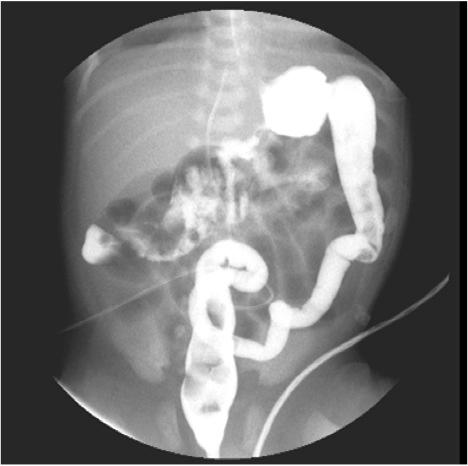
meconium ileus
A condition in which the ileum becomes blocked due to thick, sticky meconium in newborns, often associated with cystic fibrosis. It can lead to bowel obstruction and requires surgical intervention.
large intestine anomalies
Hirschsprung disease
meconium plug
imperforate anus
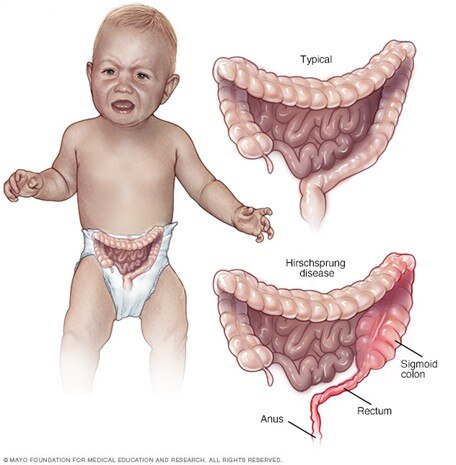
Hirschsprung disease
A congenital condition characterized by the absence of ganglion cells in the bowel wall, leading to a lack of peristalsis and resulting in severe constipation or intestinal obstruction. It primarily affects the rectum (narrowed) and sigmoid colon (enlarged), leading to bowel distension and requiring surgical intervention.
not passing meconium in first 48 hrs
swollen belly
vomiting green or dark-colored fluid
constipation
poor weight gain and slow growth
explosive release of stool after rectal exam
hirschsprung disease common in children with what other genetic condition
down syndrome or other inherited syndromes
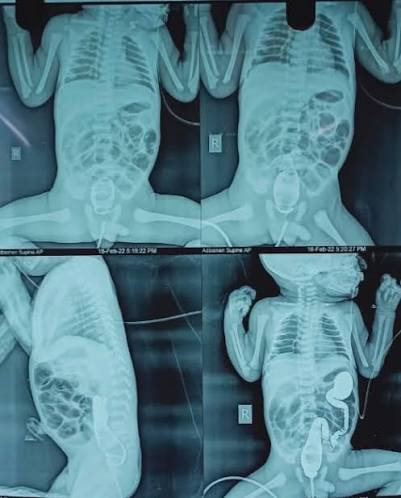
meconium plug
Short-term delay in normal gut movement that blocks the large intestine (the colon). The stool forms a hard, rubbery cast or plug, but the physical makeup of the meconium is usually normal.
often associated with:
maternal diabetes, prematurity, or magnesium treatment
meconium ileus strongly associated with what respiratory condition
cystic fibrosis
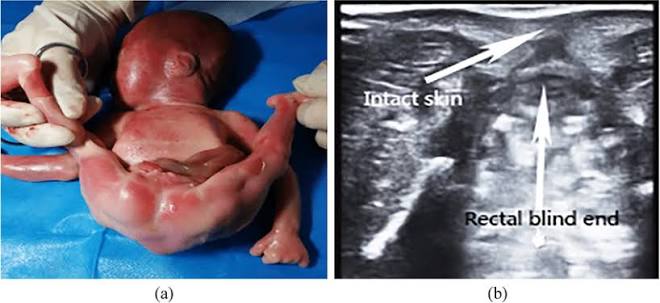
imperforate anus
A congenital defect where the anus is malformed or absent, leading to a blockage in the bowel. It can be diagnosed prenatally or at birth and may be associated with other anomalies.
feeding/nutrition challenges of the upper alimentary tract
ingesting and retaining feedings
gastroesophageal reflux
oral feeding aversion
aspiration
feeding/nutrition challenges of the small intestine
digesting and absorbing feedings
gastroesophageal reflux
oral feeding aversion
parenteral nutrition-associated cholestasis
feeding/nutrition challenges of the large intestine
excreting intestinal waste products
Regarding congenital alimentary tract anomalies and feeding/nutrition implications in which area (upper alimentary tract, small intestine, large intestine) are digestion and absorption affected
small intestine, not usually large intestine
Regarding congenital alimentary tract anomalies and feeding/nutrition implications in which area (upper alimentary tract, small intestine, large intestine) is long term PN expected
small intestine, provide central venous access early
enteral products used for the upper alimentary tract in preterms
human milk (+HMF) @80-100 mL/kg/d
preterm formula
or both
enteral products used for congenital anomalies of the small intestine for preterms
human milk (+ HMF @80-100 mL/kg/d)
preterm formula: protein hydrolysate or amino acid-based formulas
or both
hydrolysate formula
protein that has been broken into short peptide chains
infant still absorbs these as dipeptides and tripeptides (how the normal intestine prefers to absorb proteins)
hydrolysate formula examples
Pregestimil
Alimentum
amino acid-based (elemental) formula
protein has been broken down all the way to individual amino acids
no peptide bonds left
amino acid-based (elemental) formula examples
Neocate Infant
EleCare Infant
PurAmino
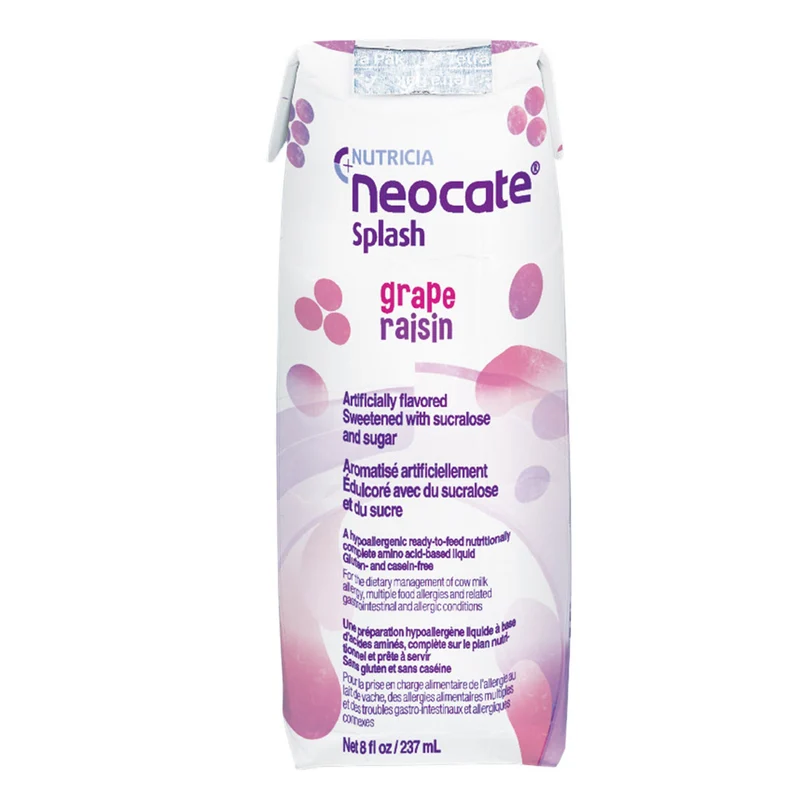
Why not always use amino acid formulas?
intestine is very efficient at absorbing small peptides
Enterocytes have a transporter called PepT1 that rapidly transports dipeptides and tripeptides into the cell
So hydrolyzed formulas are often:
physiologically normal,
well absorbed,
and less expensive than elemental formulas
Indications for amino acid-based or hydrolyzed formulas
severe cow’s milk protein allergy
failure to tolerate hydrolyzed formula
severe malabsorptive disorders
SBS 2/2 NEC, midgut volvulus, intestinal atresia, gastroschisis with bowel loss
cholestatic liver disease
biliary atresia, PNAC
pancreatic insufficiency (rare)
severe mucosal injury: NEC, infectious enteritis
rare congenital enteropathies
microvillus inclusion disease
congenital tufting enteropathy
congenital chloride or sodium diarrhea
Glucose-galactose malabsorption
Autoimmune enteropathy (rare in infancy
significant gastrointestinal disorders
eosinophilic disease
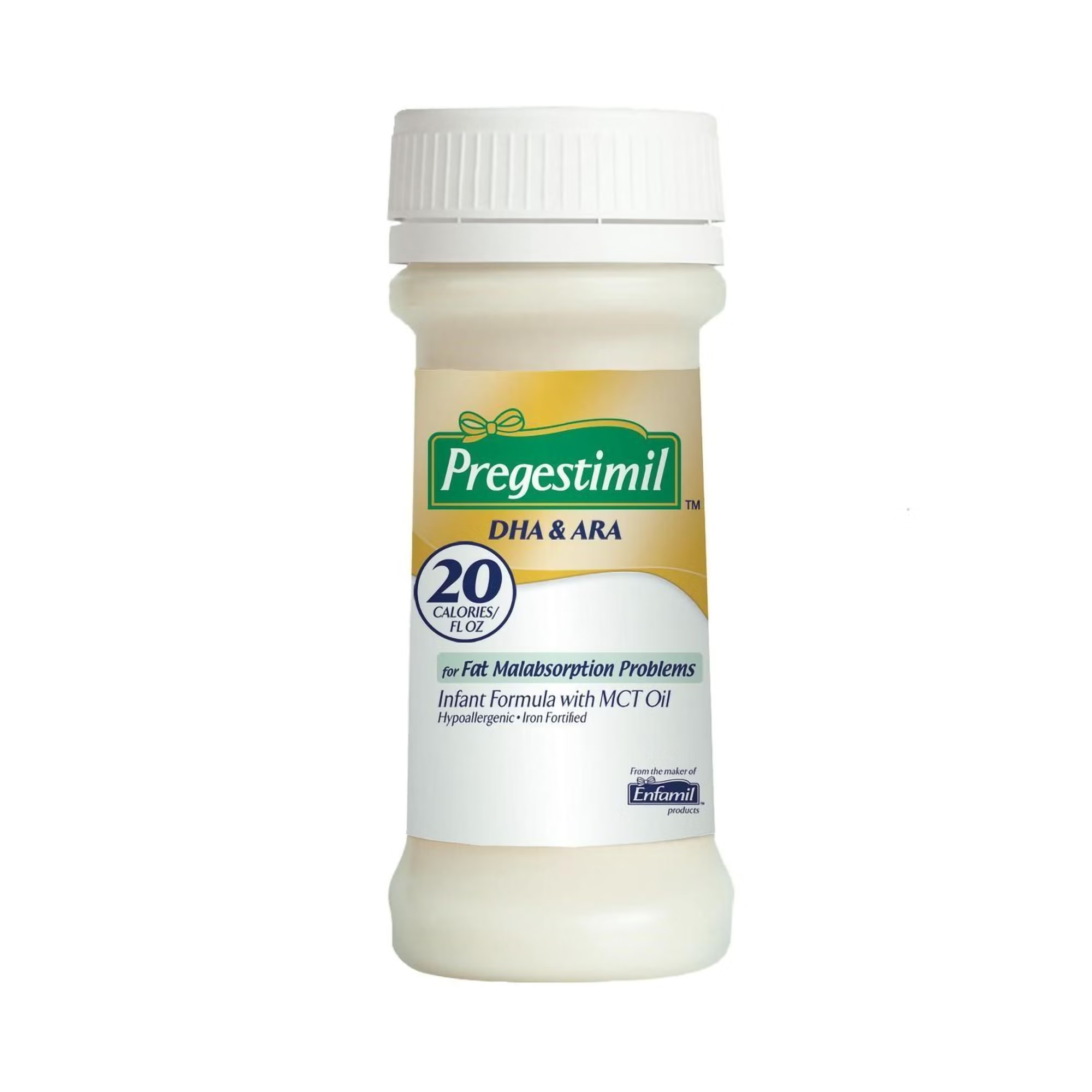
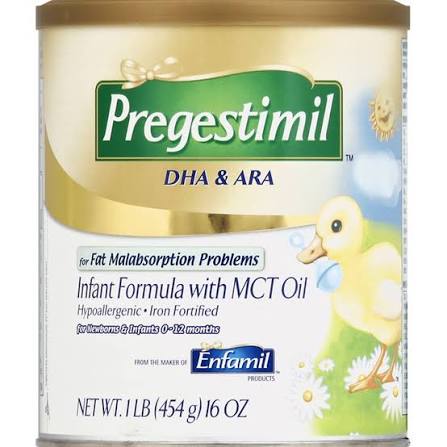
Pregestemil
hypoallergenic formula
extensively hydrolyzed casein (cow’s milk protein) ~small peptides (not free aa) → easier protien absorption
MCTs ~55% → easier fat absorption
cow’s milk protein allergy why hydrolyzed formula containing hydrolyzed casein (cow’s milk protein) doesn’t trigger immune response
Many of the original epitopes have been destroyed.
The protein can no longer fold into its original three-dimensional structure.
Most infants' immune systems no longer recognize these tiny peptide fragments as "cow's milk protein."
→ 90% of infants with cow's milk protein allergy tolerate an extensively hydrolyzed formula
what is indicated in CMPA infant still symptomatic on hydrolyzed formula
Consider an amino acid-based formula or further evaluation for other underlying issues.
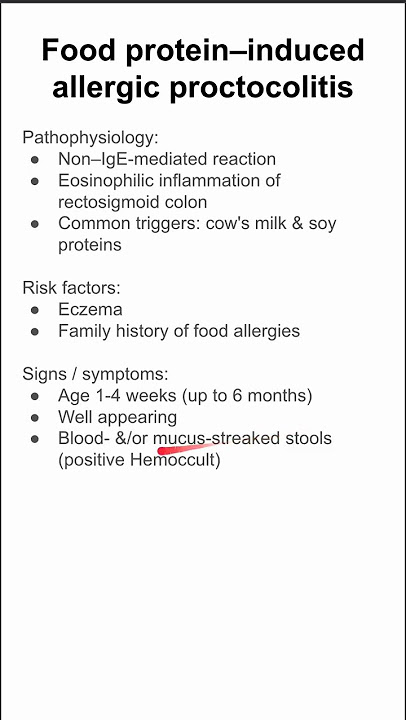
food protein-induced allergic proctocolitis (FPIAP)
a benign, non-IgE mediated immune reaction to food proteins affecting young infants, causing hematochezia and mucus in the stool, and typically resolving by one year of age
often associated with cow's milk or soy protein
blood streaked/mucus stool
mild fussiness
gas or colic
affected babies usually act healthy, feed well, and grow normally
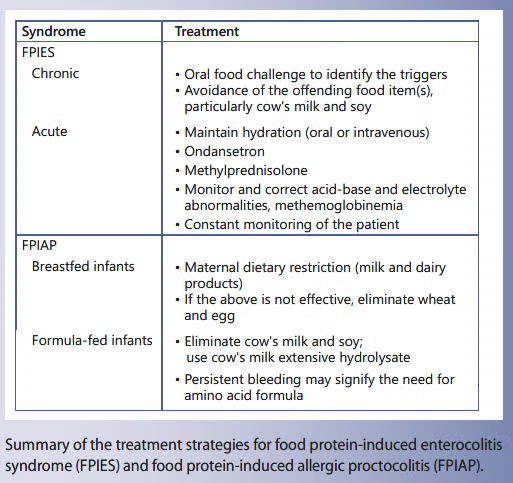
allergic proctocolitis MNT
eliminate dairy from maternal diet
switch infant to EHL or elemental formula
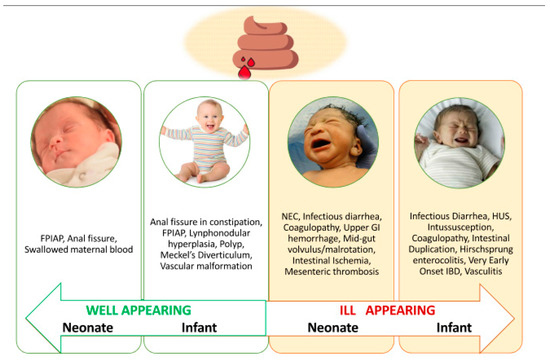
hematochezia (hee·muh·tuh·kee·zee·uh)
the passage of fresh blood through the rectum, often indicating bleeding in the lower gastrointestinal tract.
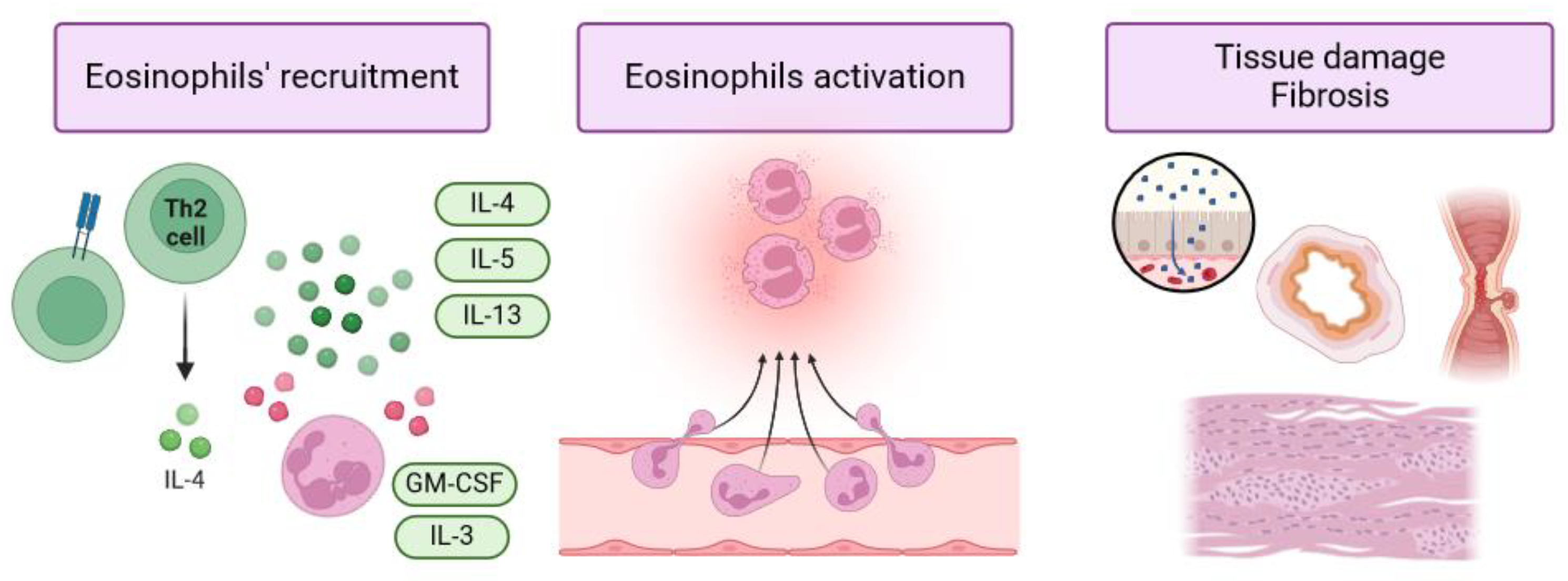
eosinophilic colitis
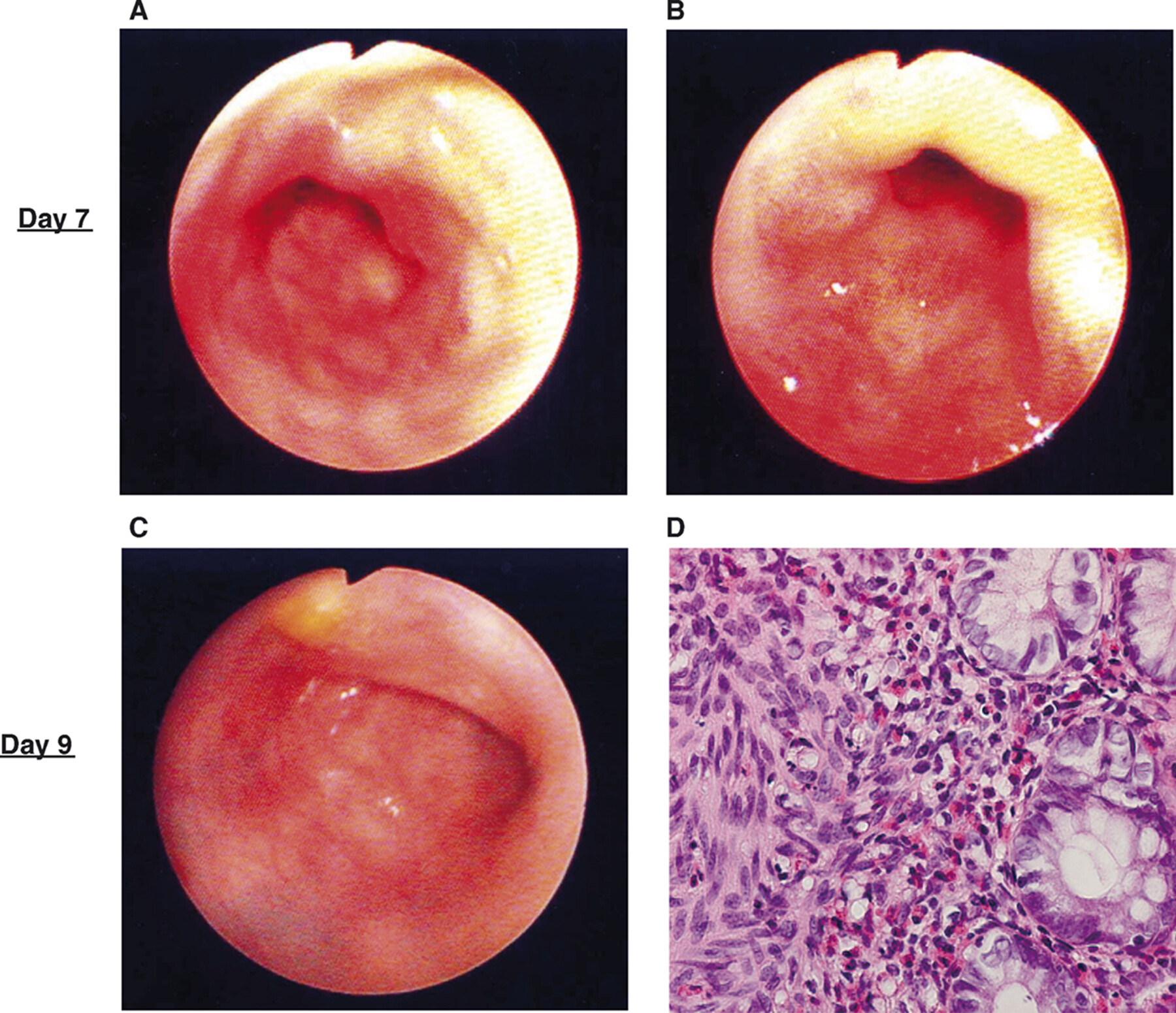
a type of inflammatory bowel disease characterized by an elevated number of eosinophils in the intestinal lining, often manifesting as diarrhea, abdominal pain, and poor growth in infants and children.
enteral products used for congenital anomalies of the large intestine for preterms
human milk (+HMF) @80-100 mL/kg/d
preterm formula
or both
Minimal enteral nutrition rate for congenital anomalies of all three areas
10-20 mL/kg/d
feeding rate progression in congenital anomalies of the upper alimentary tract and large intestine
40 ml/kg/d or less
feeding rate progression in congenital anomalies of the small intestine
highly individualized
MEN may be maintained for weeks
feedings usually advance slowly: 10-20 mL/kg/d
time to reach full feedings in congenital anomalies of upper alimentary tract and large intestine
rapid: 1-2 weeks
time to reach full feedings in congenital anomalies of the small intestine
could be slow
weeks to months
maintain PN
acute phase after surgery what is elevated
C-reactive protein (CRP)
provides less than what kcal/kg/d while serum CRP > 5 mg/dL
70 kcal/kg/d
in acute phase after surgery PN provision
aa: 2.5-3 g/kg/d
dextrose: 8.5 - 10 g/kg/d
lipids: 1-2 g/kg/d
severity of metabolic response to injury is reflected in
the level of C-reactive protein (CRP) in the serum.
what kinds of changes in what two lab values (proteins) indicate recovery post-op
CRP ↓
indicates reduced metabolic stress
prealbumin ↑
indicates resumption of anabolism
for preterm infants on protein hydrolysate or elemental formula consider what for imrproved nutritional adequacy
a transition to fortified human milk or preterm formula
when oral feedings must be delayed provide opportunities for
nonnutritive sucking at breast or pacifier if possible
aganglionosis
simply the underlying cause of Hirschsprung disease
is a congenital condition characterized by the absence of ganglion cells in the bowel, leading to a lack of peristalsis and bowel obstruction.