NR 304 Health Assessment II Exam #1 questions and answer with detailed rationales
 Call Kai
 Learn
Learn Practice Test
 Spaced Repetition
 Match
Match Flashcards
 Knowt Play
1/138

There's no tags or description
Looks like no tags are added yet.
Name | Mastery | Learn | Test | Matching | Spaced | Call with Kai | Chat |
|---|
No analytics yet
Send a link to your students to track their progress
139 Terms
arteries
active blood flow, heart pumps fresh oxygenated blood through arteries
veins
passive blood flow - do not have a pulse, returns to the heart via movement through the skeletal muscles
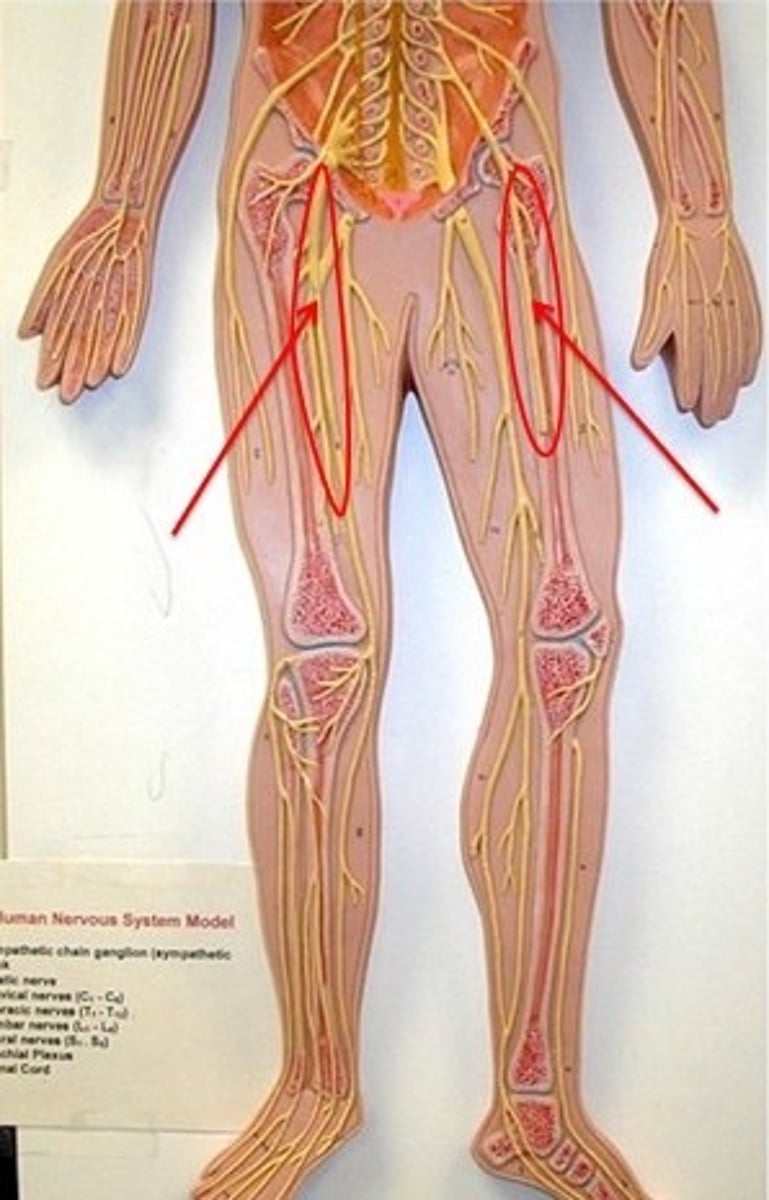
femoral pulse site
groin
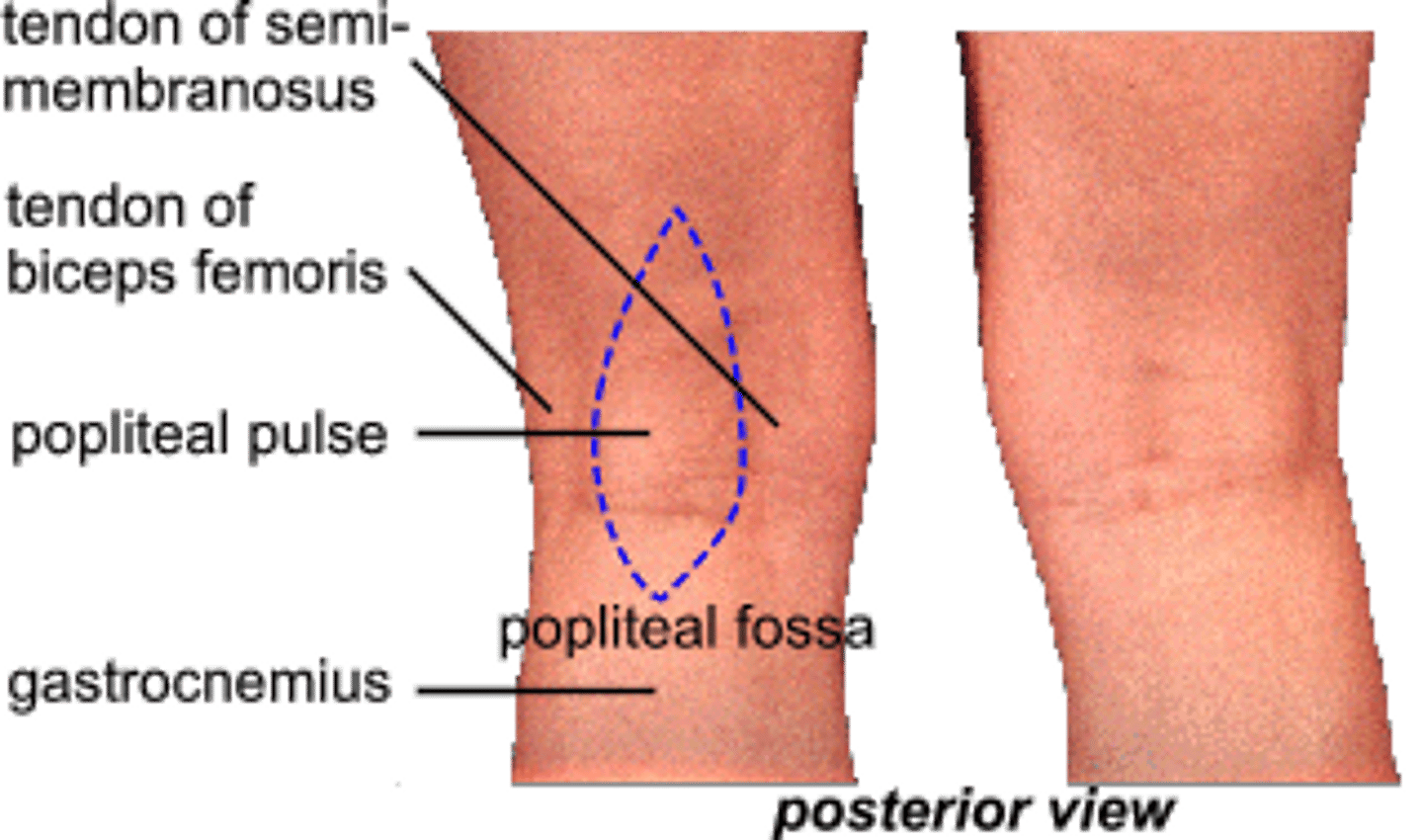
popliteal pulse site
back of knee
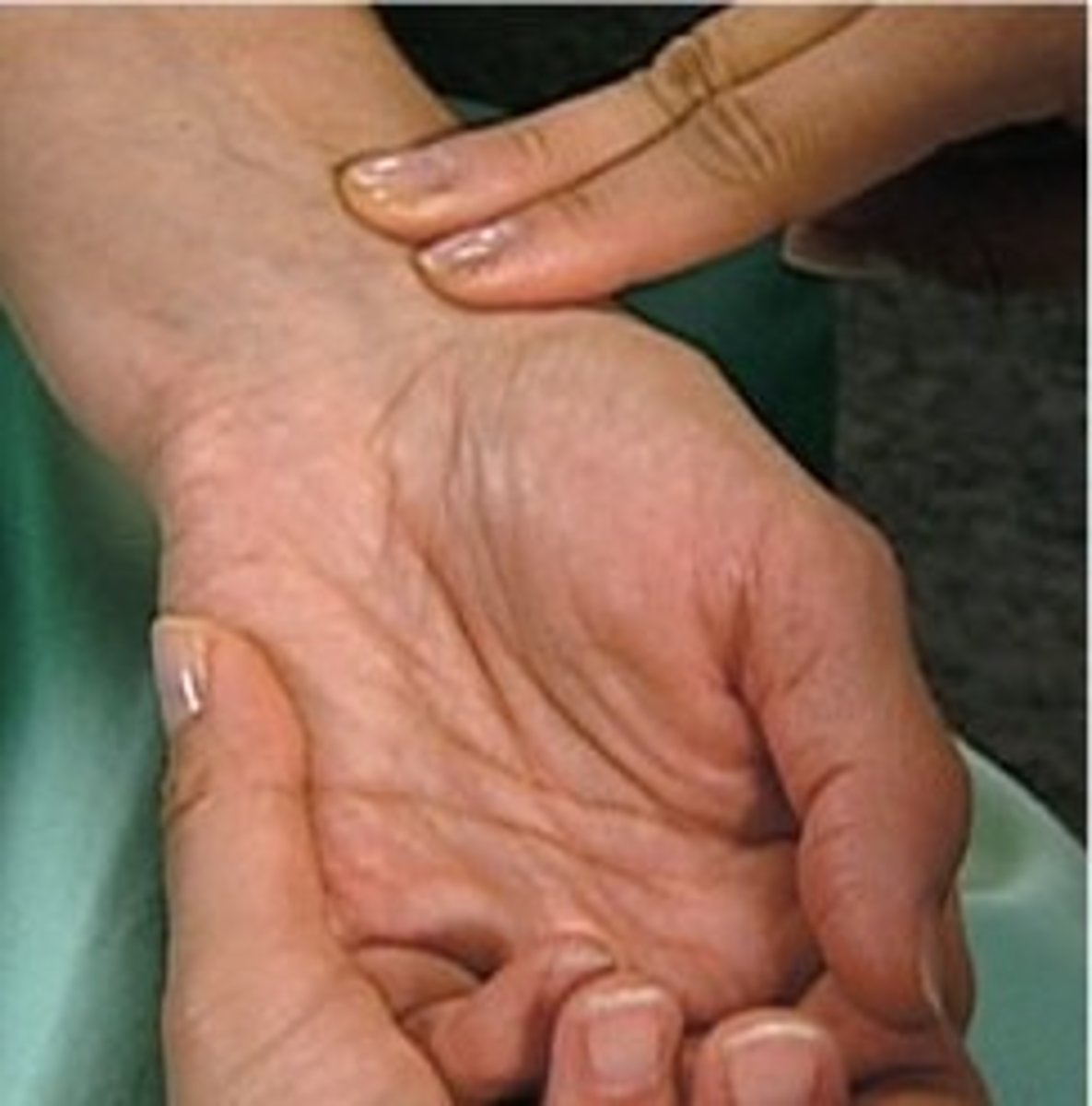
radial pulse site
Located at the wrist on the thumb side
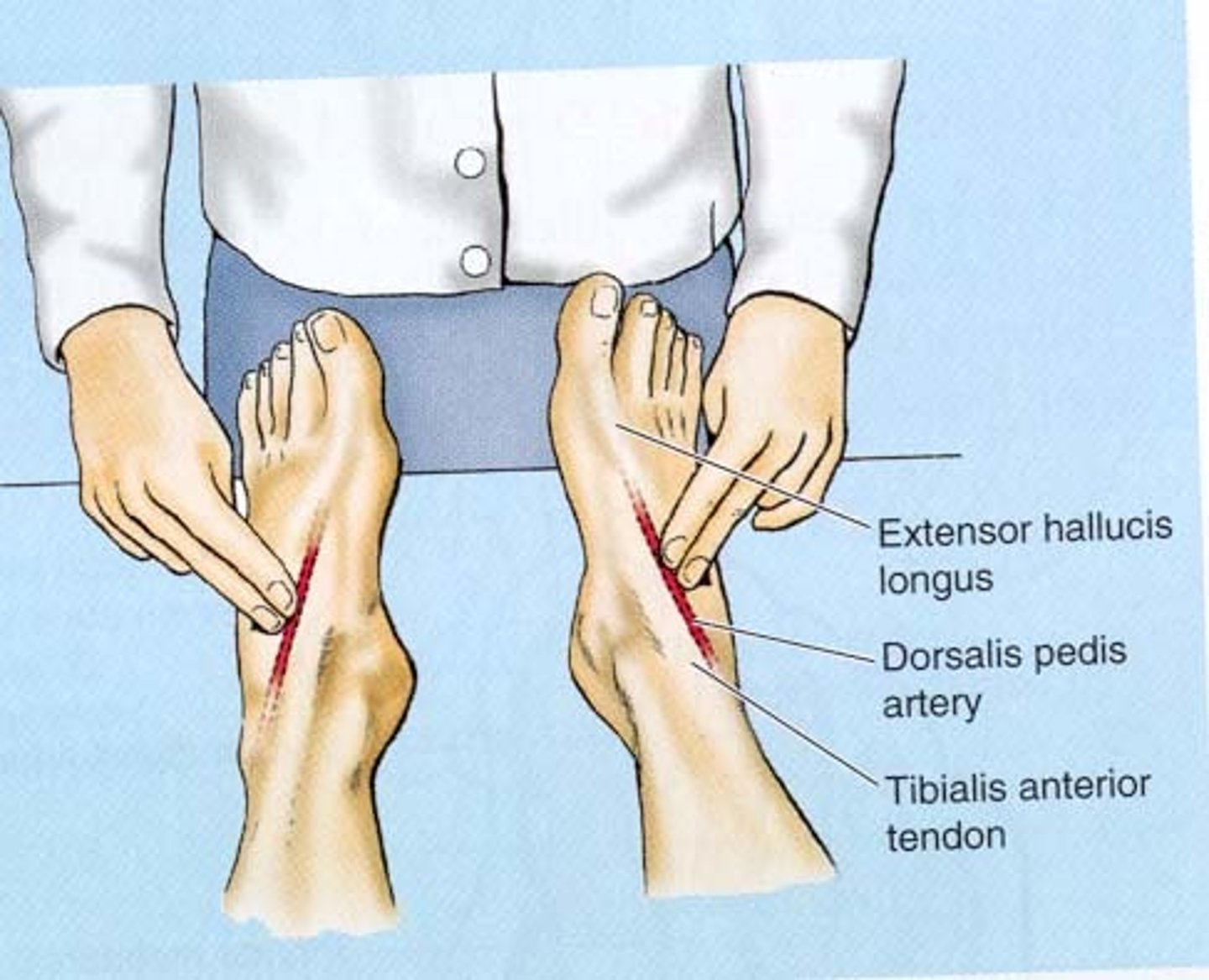
dorsalis pedis pulse site
top of foot
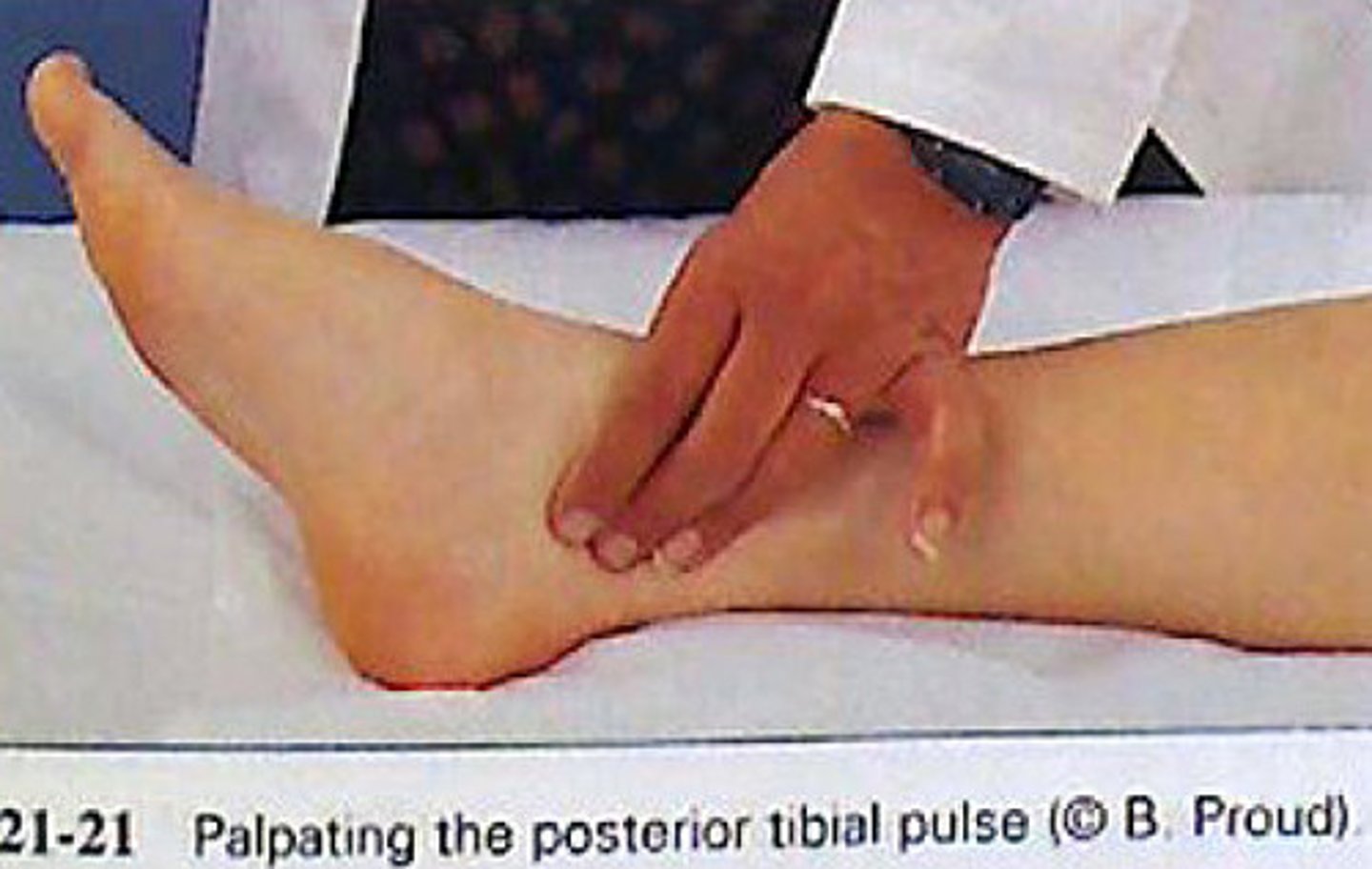
posterior tibial pulse site
on medial surface of ankle near ankle bone
ischemia
Lack of blood supply, causes pain
necrosis
long term lack of blood supply, tissue death
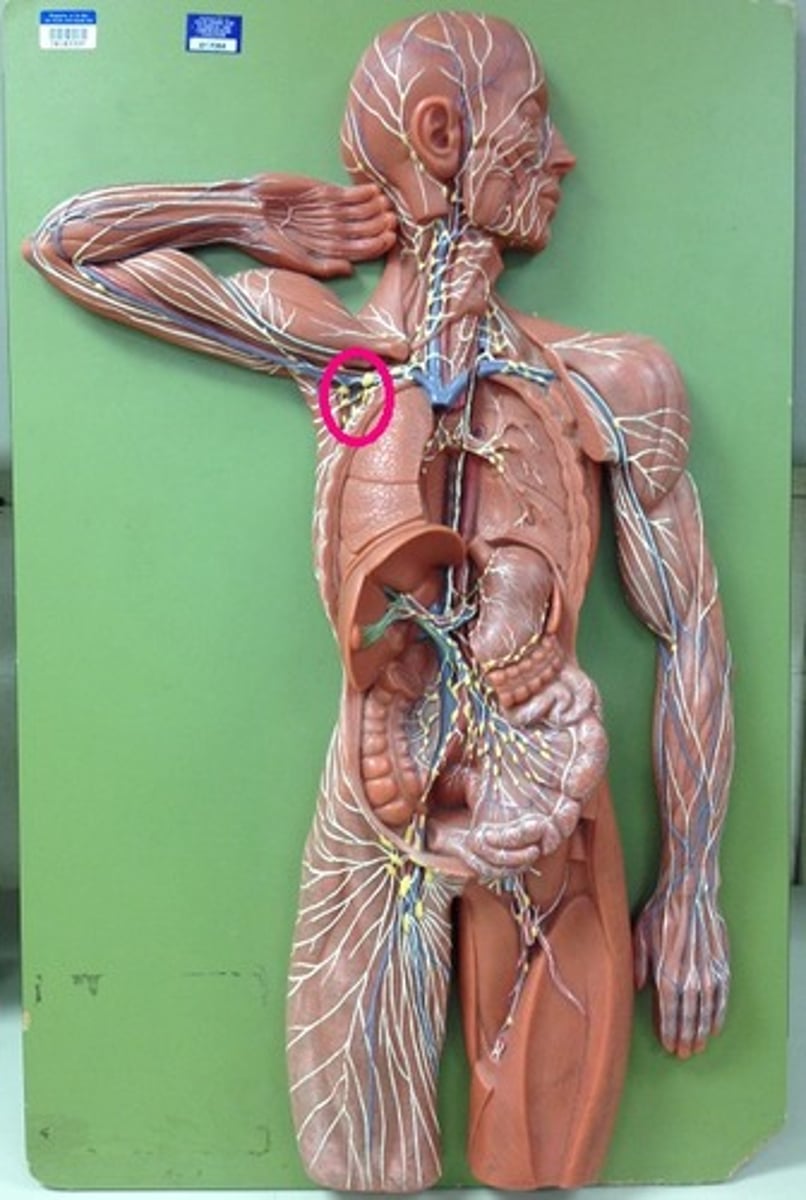
axillary lymph nodes
located under the arms in the armpits
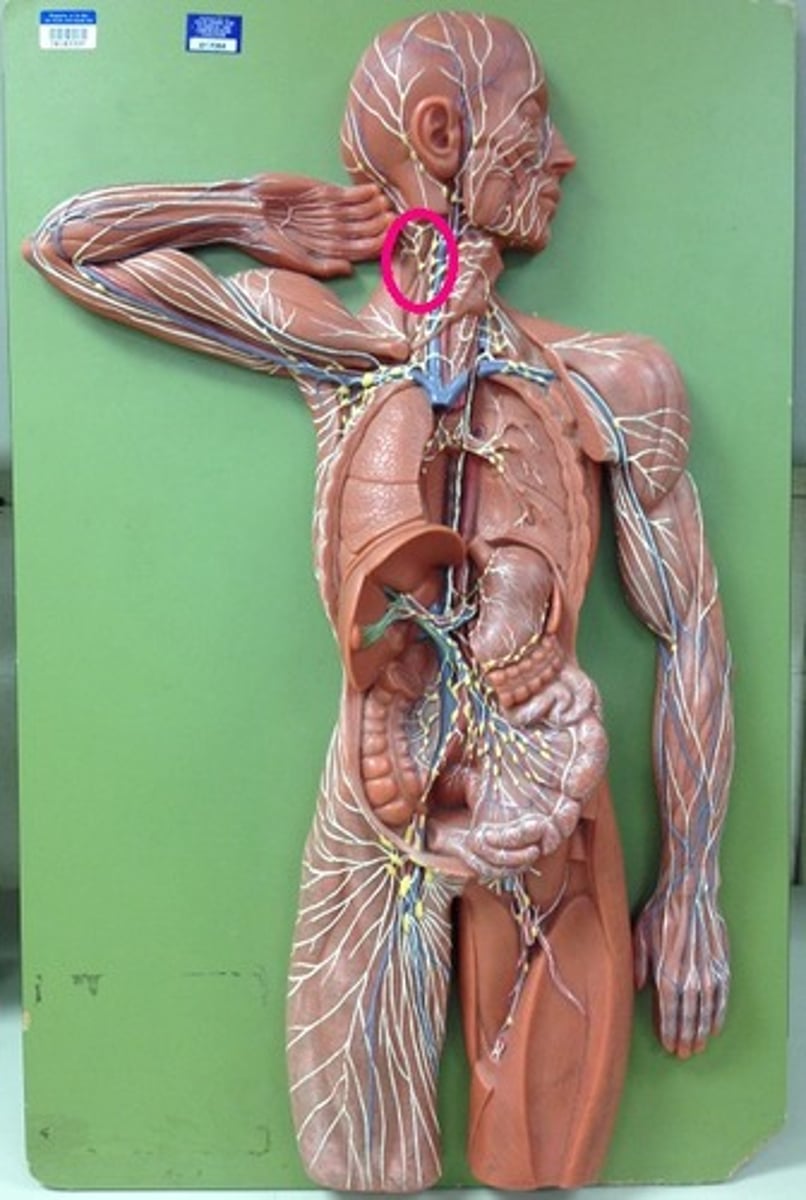
cervical lymph nodes
located along the sides of the neck
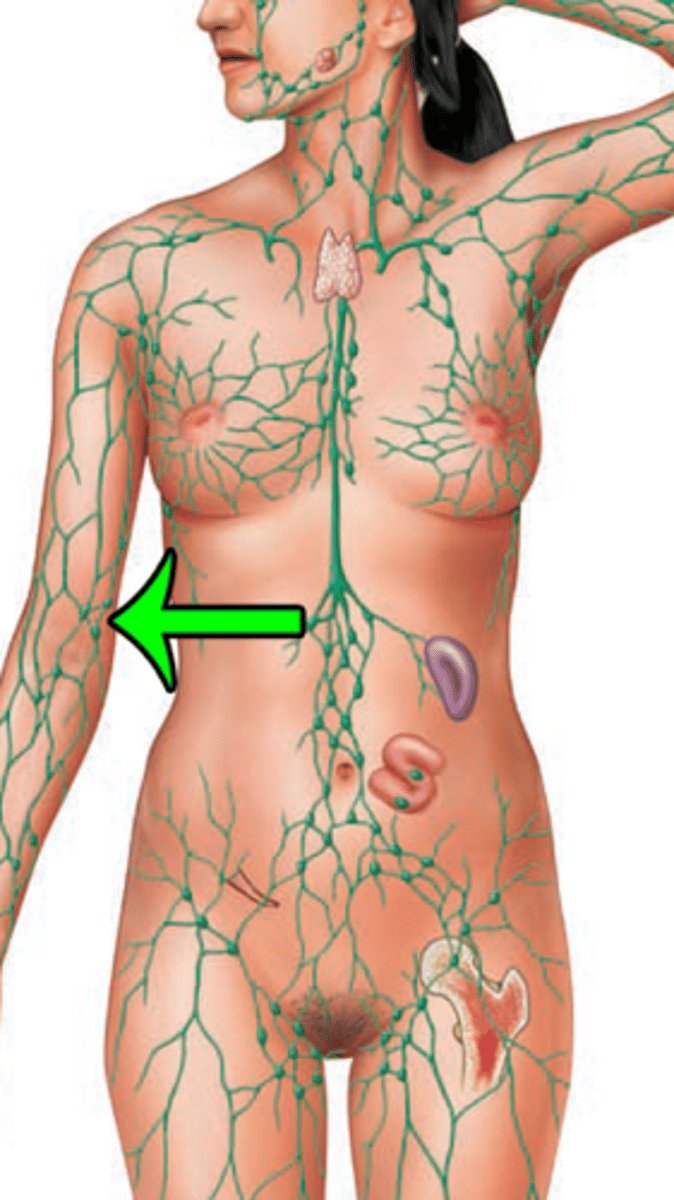
Epitrochlear lymph nodes
Epitrochlear lymph nodes- drains from the hand and forearm
inguinal lymph nodes
located in the inguinal (groin) area of the lower abdomen
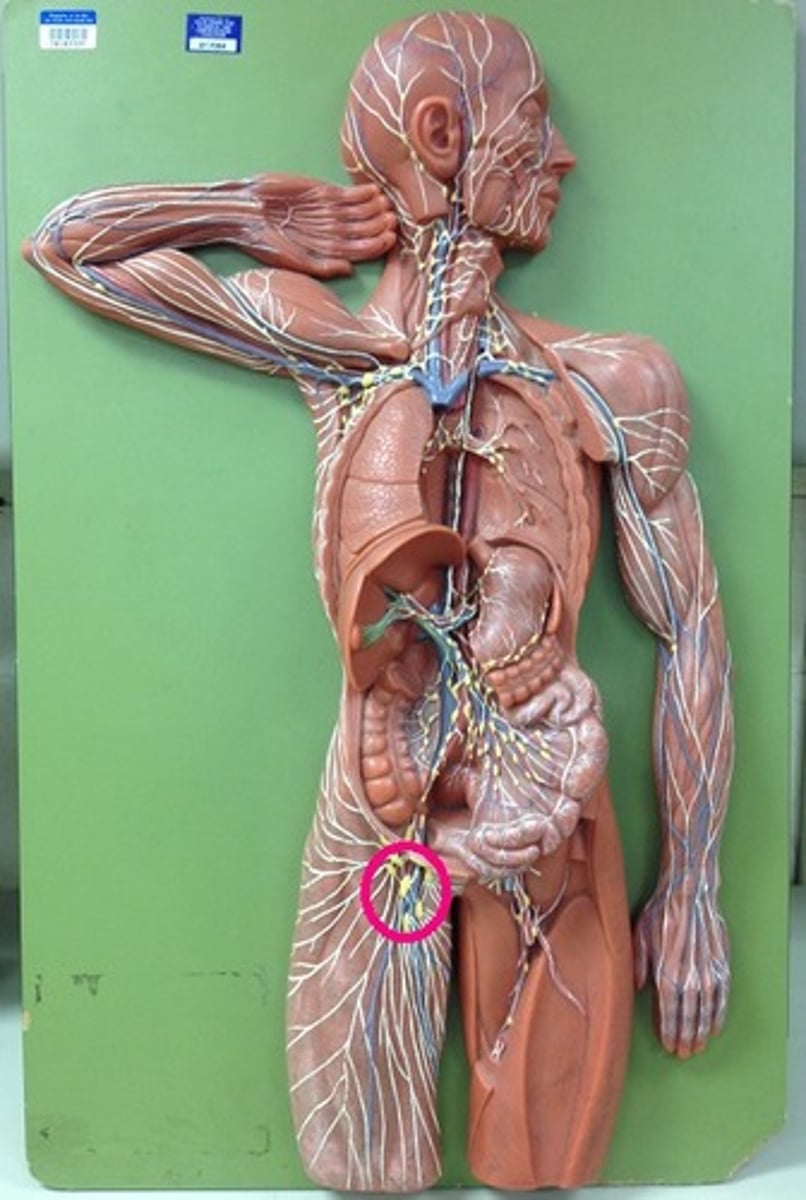
lymphatic system
Composed of a network of vessels, ducts, nodes, and organs. Provides defense against infection.
conserve fluid of proteins that leak out of capillaries
Children and Lymph Nodes
nodes can be enlarged with no pain/infection
Pregnancy and PV
dependent edema, varicose veins
peripheral artery disease
A form of peripheral vascular disease in which there is partial or total blockage of an artery, usually one leading to a leg or arm. 50% of cases are African Americans. RF: smoking, HTN, diabetes
intermittent claudication
when walking, muscle needs more O2 blood, and you have any kind of occlusion, when walking pain is increased
Pulse Scale
0: absent
1+: weak
2+: normal
3+: increased, full, bounding
Allen test
determining the patency of the radial and ulnar arteries by compressing one artery site and observing return of skin color as evidence of patency of the other artery, determine if radial artery has been damaged, press radial artery then see if ulnar artery perfuses to hand
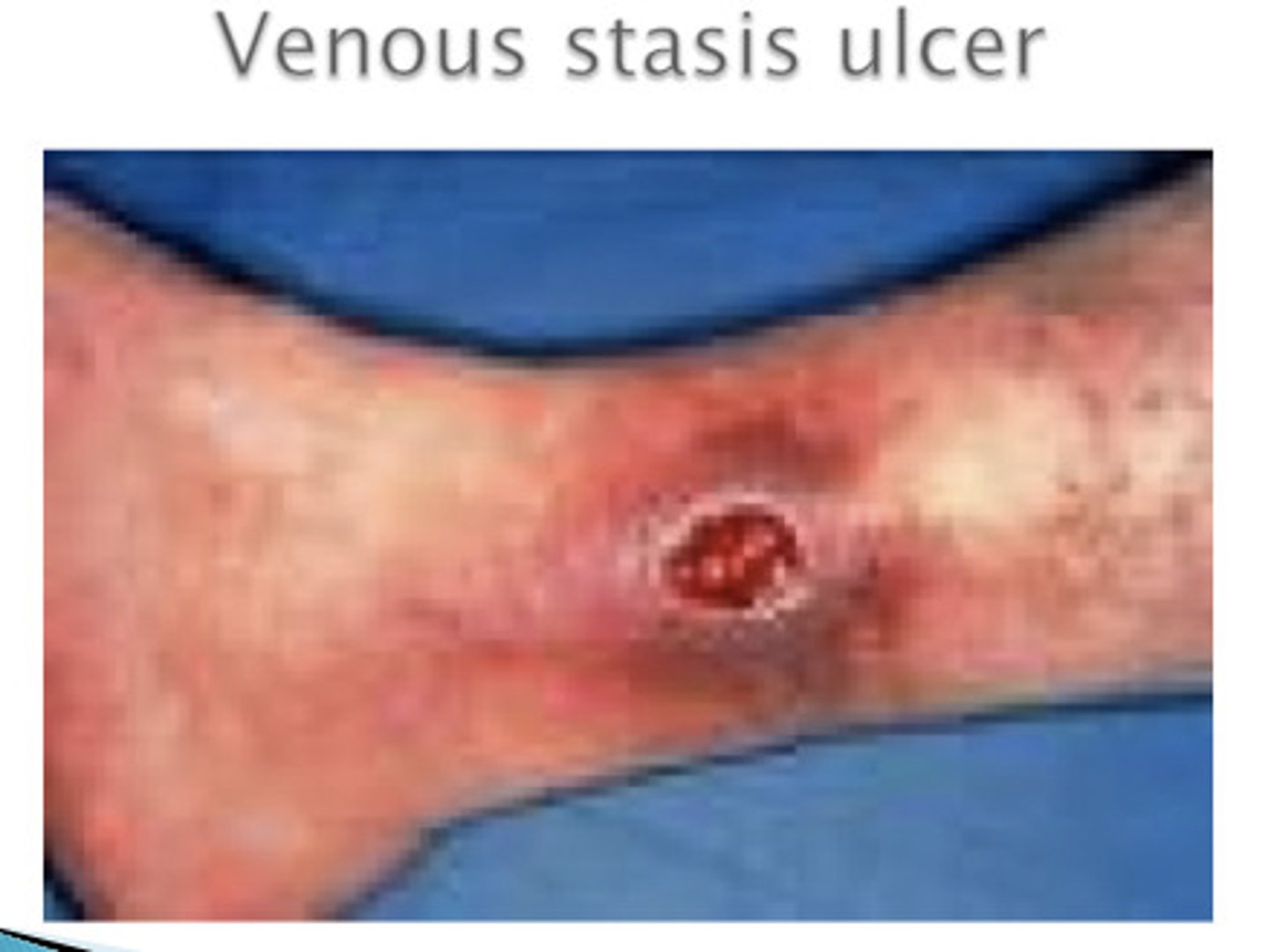
venous ulcers
bleed, medial malleolus
arterial (ischemic) ulcers
does not bleed, has a necrotic black crust, lateral malleolus
neuropathic ulcer
destroys nerve endings, burning pain/numbness
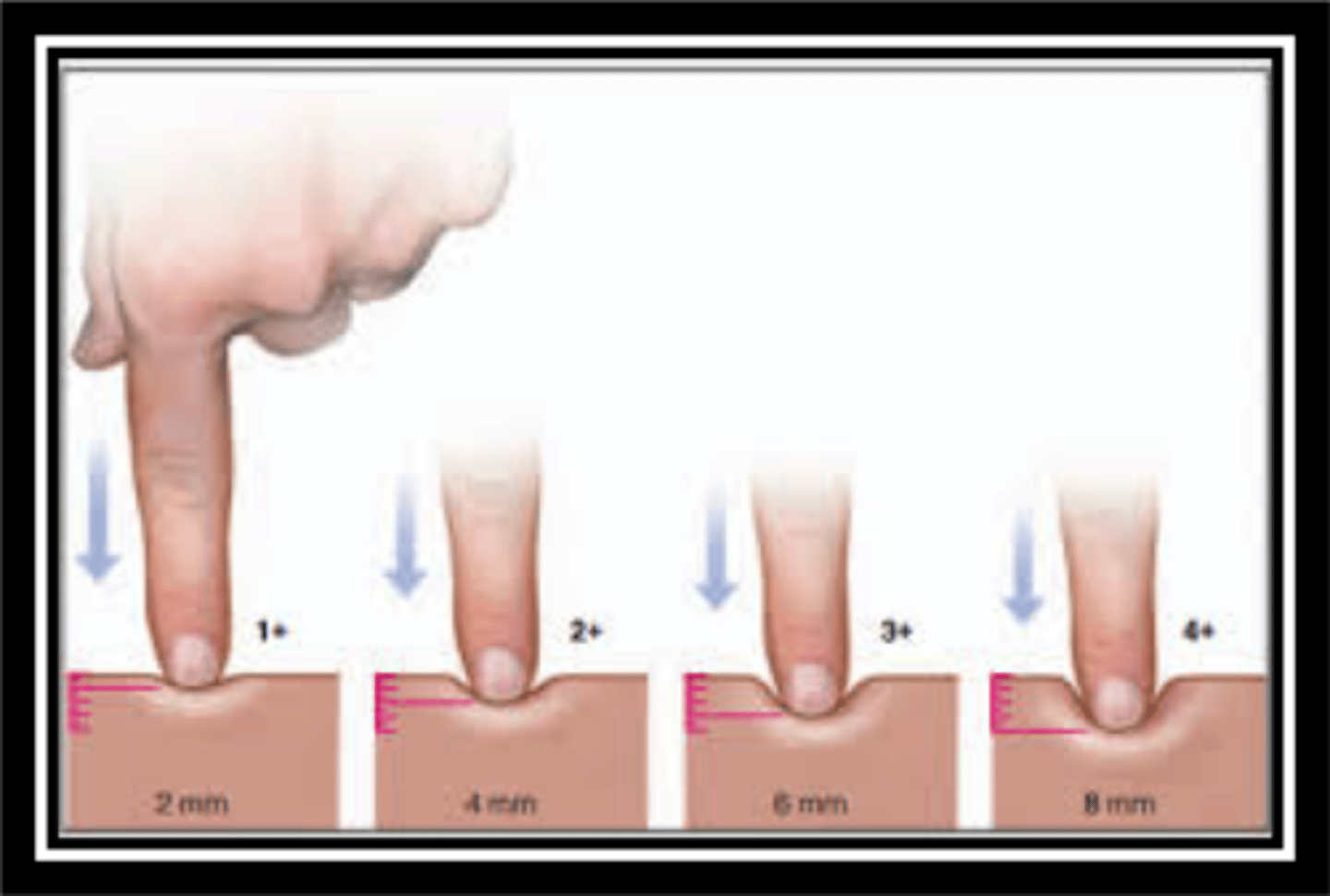
Edema Scale
• 1+ Mild pitting, slight indentation, no perceptible swelling of the leg
• 2+ Moderate pitting, indentation, subsides rapidly
• 3+ Deep pitting, indentation remains for a short time, leg looks swollen
• 4+ Very deep pitting, indentation lasts a long time, leg is very swollen
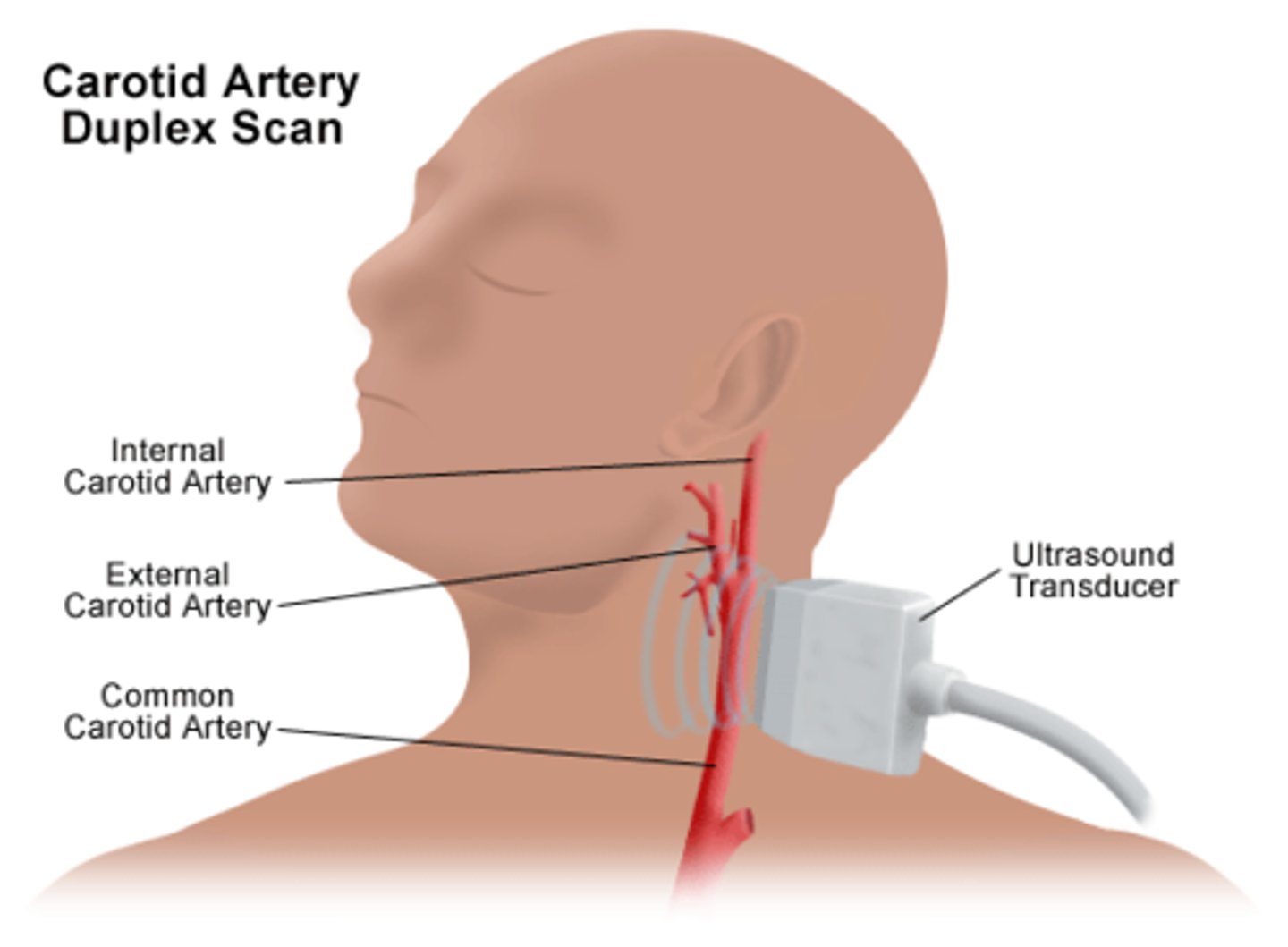
Doppler ultrasound
determine location of pulse
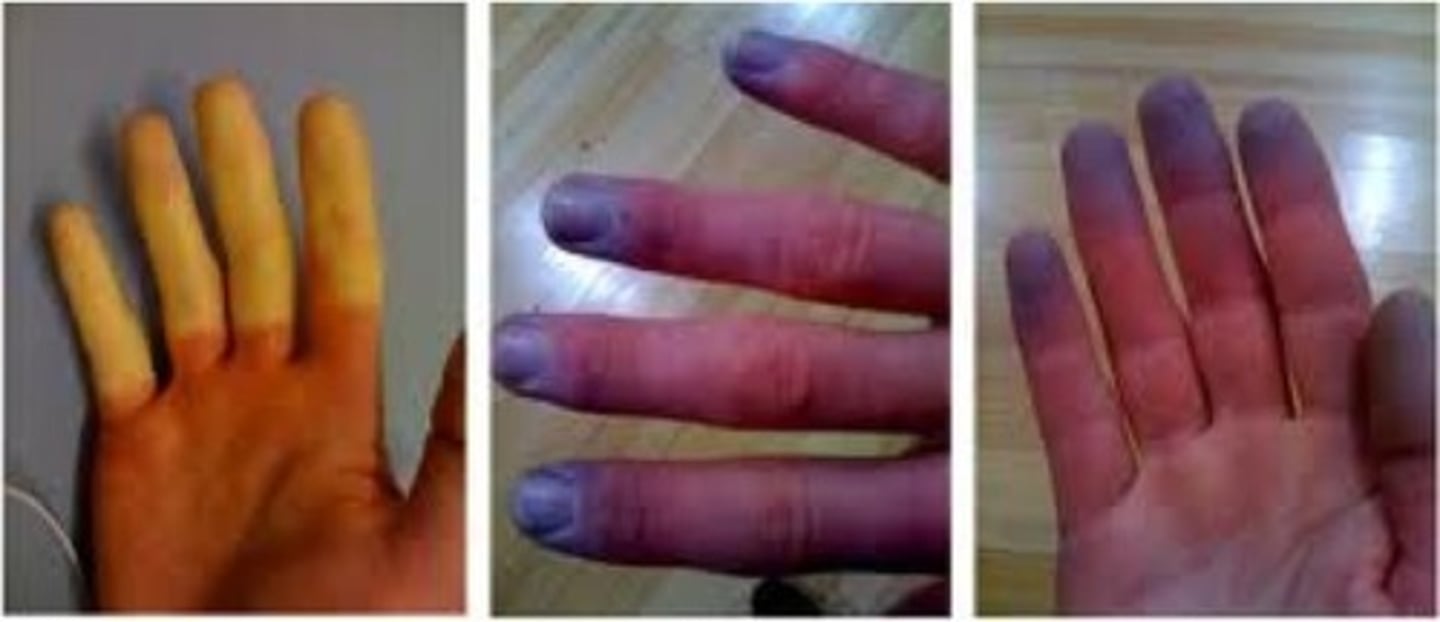
Raynaud's disease
autoimmune, sporadic vasoconstriction then relaxation, happens in hands/toes usually
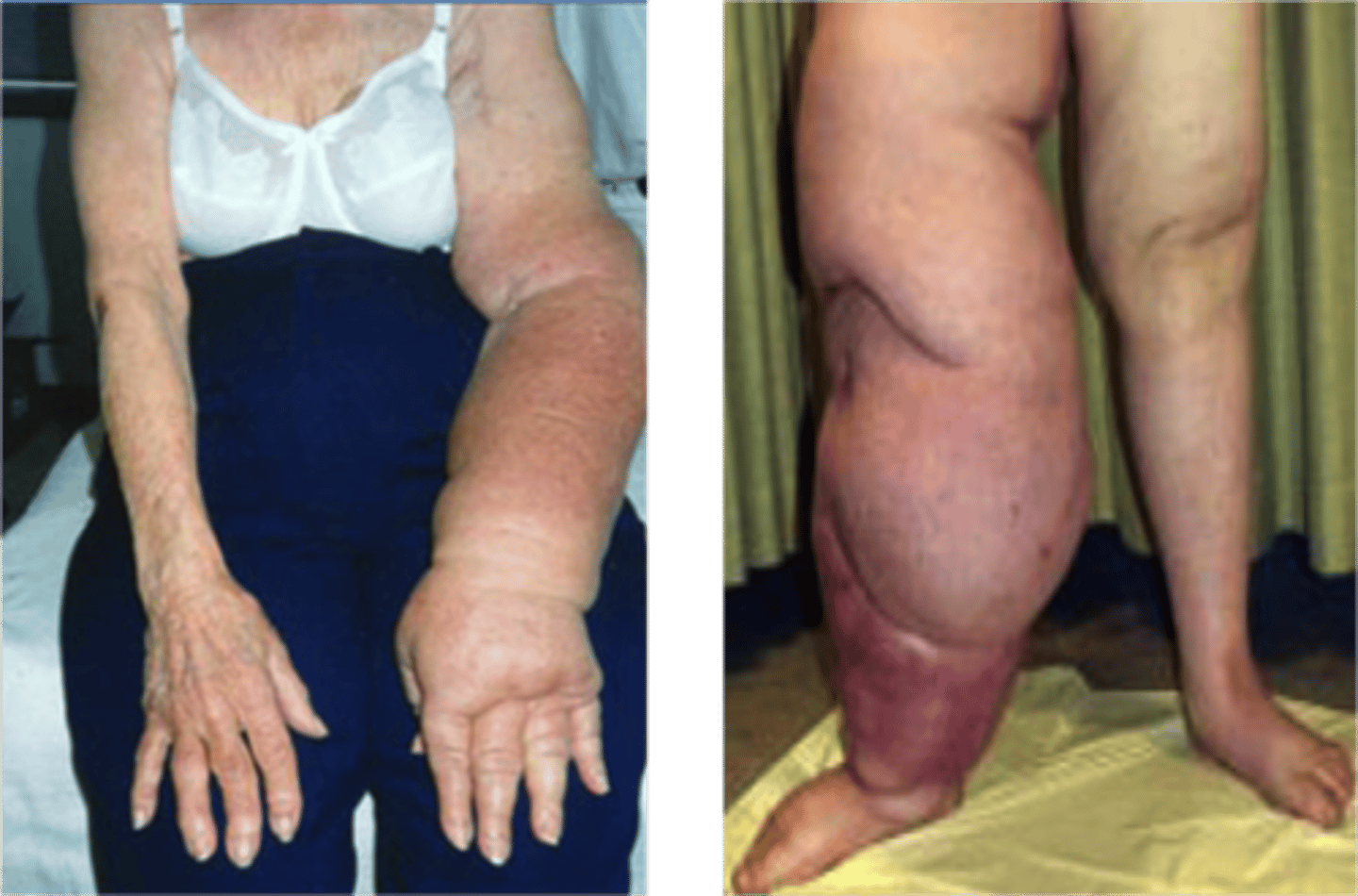
Lymphadema
enlarged lymph nodes, hard edema
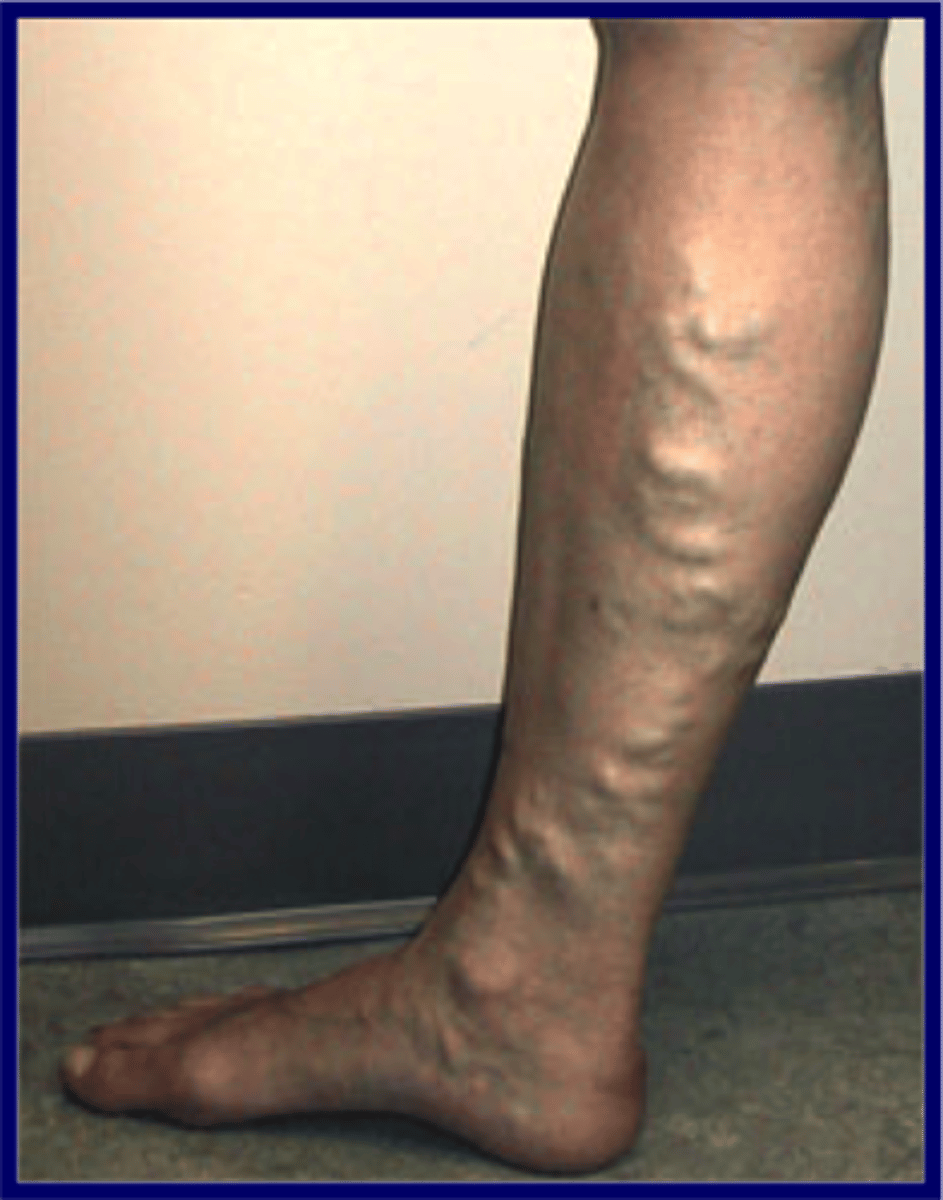
Varicose veins
abnormally swollen, twisted veins with defective valves; most often seen in the legs
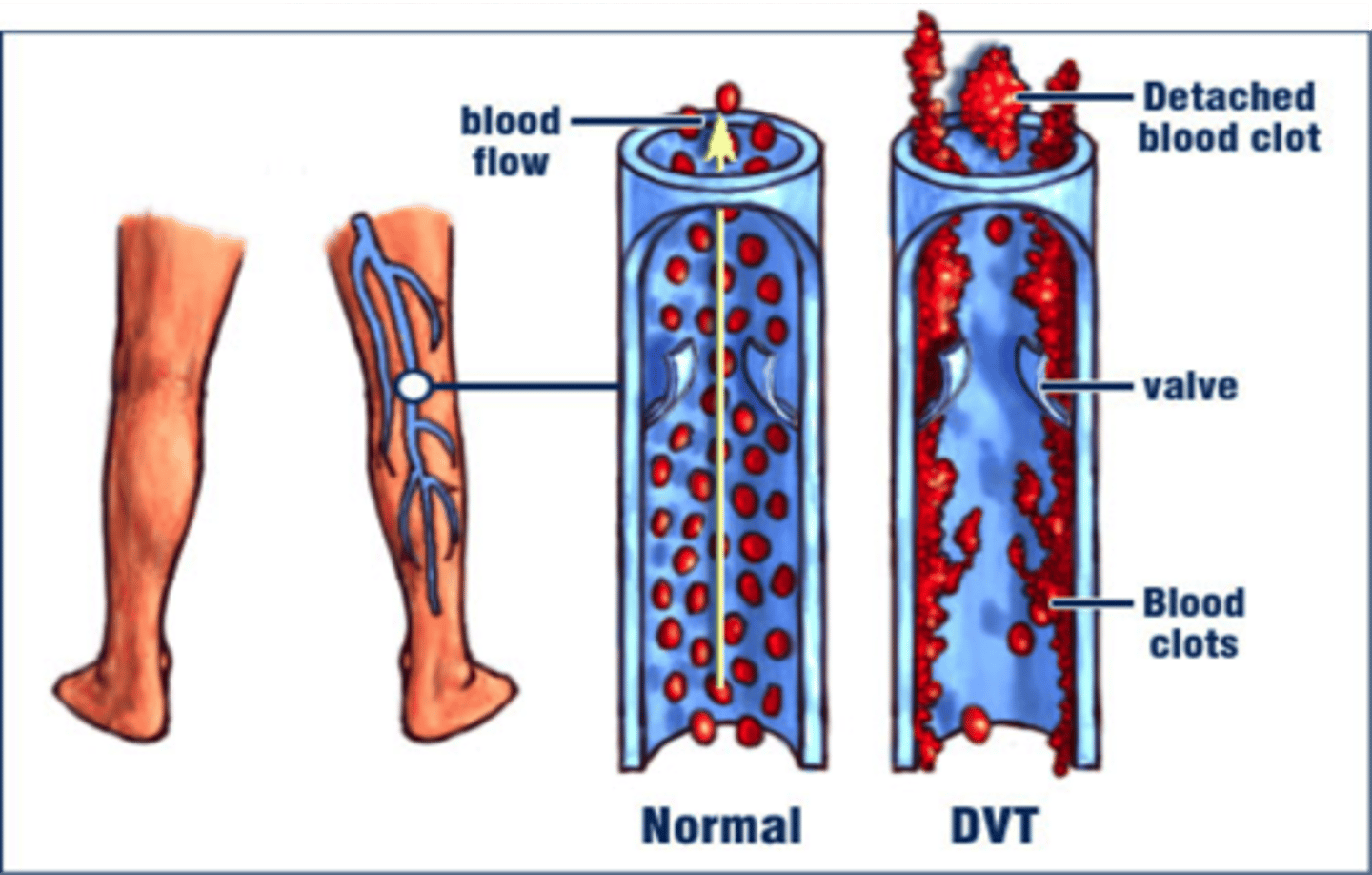
DVT
inflammatory process, swelling, redness, heat, pain, happens from venastasis, pooling of blood in calf
-tachycardia, low grade temp
-women on birth control who smoke are at a higher risk, and also those who are dehydrated since blood is more viscous
-Do not perform homan's sign test (flexing foot back)
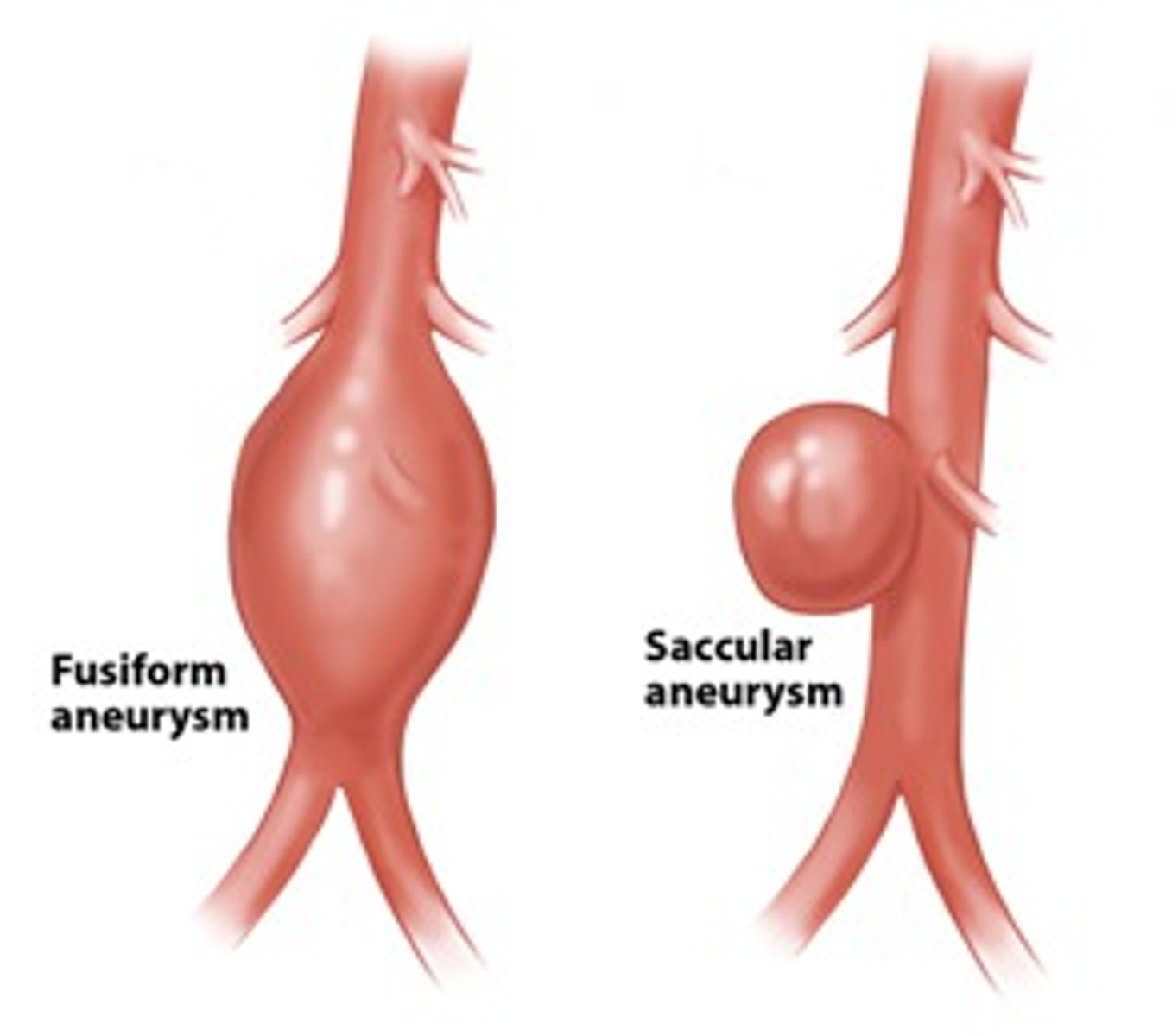
anneurysm
can be born with or develop, serious with abdominal aorta/coronary arteries/brain
Decreased Arterial Flow
doesn't work well around gravity, blue then pallor
Decreased Venous Flow
brown, using muscles improves
What happens when valves of the veins do not work right
edema/varicose veins
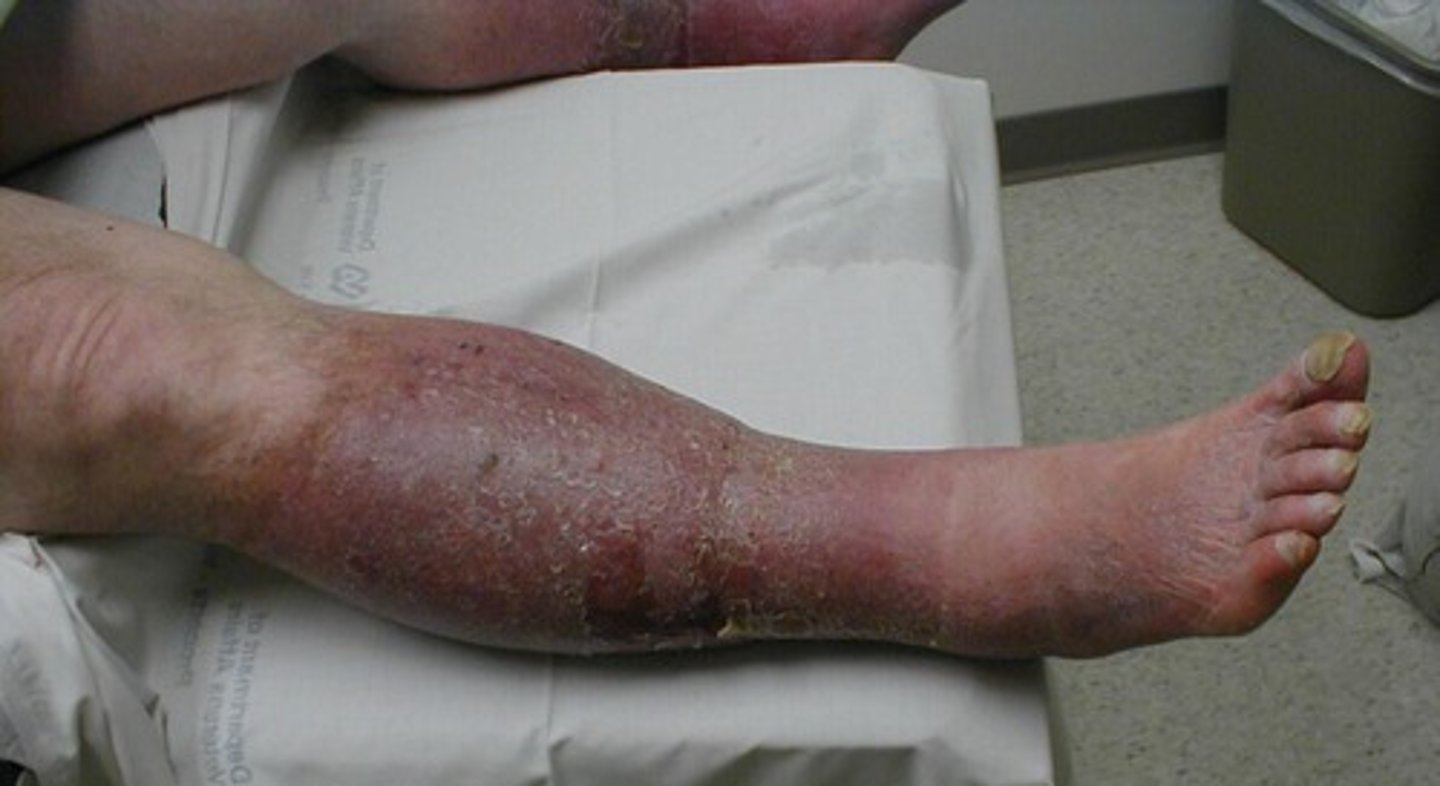
arterial insufficiency
not getting enough arterial blood flow = ischemic pain, usually happens on one leg, leg appears shiny, hairless, red/blue then pallor, limb gets cool, pain gets better when resting since the limb doesn't need as much O2 blood flow (intermittent claudication), gravity works for it when legs are down, causes impotence in males, can affect nails/toes
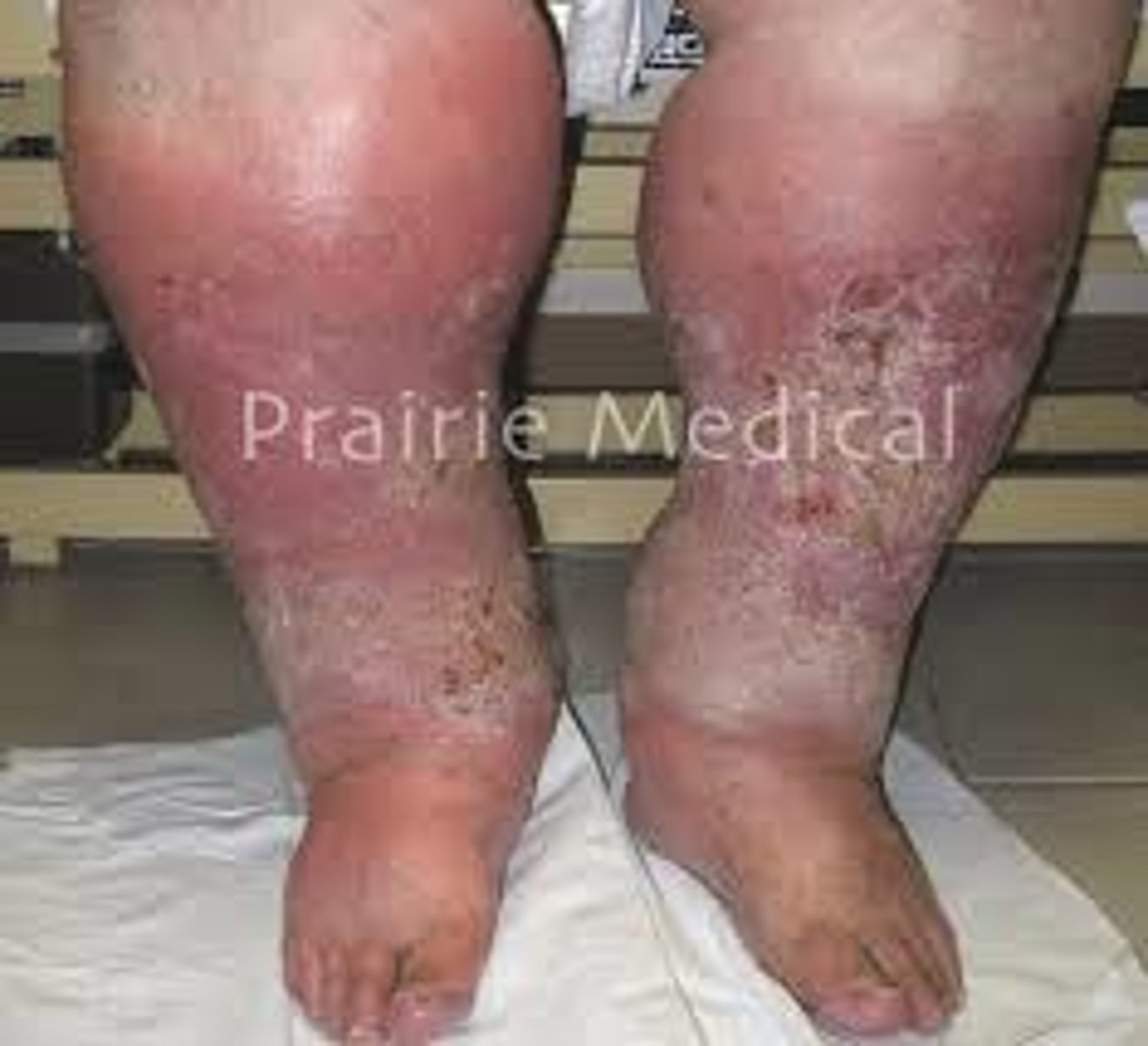
venous insufficiency
constant, achy, fullness, pain. Pain gets better by moving. When you stand/sit pain gets worse. Gravity works against when legs are down. Usually happens on both legs, skin turns red/brown, starts below the knee to the ankle, skin is scaly, can get slits in skin (weeping edema), there is no cure, no change in skin temp.
pulse
rhythm, rate, symmetry, amplitude/strength
arterial occlusion
-extreme coolness
-pain
-loss of sensation
-hair loss and skin changes
-pallor
-pulselessness
arterial insufficiency
-intermittent claudation (pain brought on by exercise and relieved with rest)
-hair loss on toes and shiny skin
-impotence
-pain (gnawing, sharp or stabbing and increases with exercise, relieved with rest)
-decreased pulses
-rusty discoloration due to blood leaking out of vessel and difficulty being reabsorbed
-skin ulcers on pressure points, toes, and lateral malleoli
-necrosis
-bluish/red feet with dependence and pallor with elevation
-sensory and motor loss
-thickened, yellow toenails
-cool skin
venous insufficiency
-pitting edema due to fluid leaking into tissue due to incompetent valves
-pain (aching or feeling of fullness and increases with standing/sitting and improves with elevating legs or walking)
-varicosities may be present
-possible leg ulcers on medial malleoli
-normal temperature
-skin thickened with brown discoloration of ankles and flaky
deep vein thrombosis
-edema (only on one leg)
-pain - no pain or sharp, intense pain/tenderness
-red skin area
-warmth
-mass
-low grade fever
-tachycardia
Peripheral Neuropathy
-burning skin
-numbness
-loss/decreased sensation
GERD
(pyrosis) - failure of pyloric valve, dont eat before bed or in middle of night, dont lie down after eating for at least 30 mins
What causes peptic ulcers?
H. pylori - loved acid
Small Bowel
-small in diameter, huge in length 20ft
-where most digestion/breakdown ocurrs
-where enzymes from pancreas go
-most of absorption of nutrients ocurrs
large bowel
-shorter but larger diameter
-condense stool into formed stool (pulls water out)
-where you metabolize fats to absorb vit. D
E.coli
-essential bacteria that breaks down food in bowel
-if it is any other placer than the gut, it can kill you
-in wound = infection
-bladder = UTI
-lungs = dangerous pneumonia
C. Diff
-if you take antibiotics you kill e.coli in gut, so you have an overgrowth of other microbes (importance of probiotics)
-when you kill all this bacteria you get C.diff - terrible bacteria that can kill you
-explosive diarrhea, highly contagious, gown/glove precautions, horrible smell
-can prevent C. Diff by probiotics - can have yogurt with live cultures or need probiotic with 50 million bacteria
Peristalsis
Involuntary waves of muscle contraction that keep food moving along in one direction through the digestive system.
hyperactive peristalsis
diarrhea
slowed peristalsis
constipation, any type of narcotic slows peristalsis a lot and can even cause a bowel obstruction/impaction
-prevention: have pt. take a stool softener with pain pill
-anesthesia, immobility, and dehydration can also slow peristalsis
Ileostomy
removal of part of small bowel, can lead to malnutrition
Colostomy
removal of part of large bowel, reversible
hernia
protrusion of an organ or part through the tissues and muscles normally containing it
chron's disease
autoimmune, destroying parts of lining of bowel, nutritionally depleted, anemia from bleeding
Can you live without a liver?
no, it is extremely important
Liver Functions
-produces bile (enzyme that breaks down fat)
-metabolizes proteins/fats/CHO
-stores vitamins - B vitamins
-detoxifies alcohol and Tylenol
-produces all coag factors, controls clotting, if failed then bleed easily
-produces AB's
Leading cause of liver transplant in children
extra doses of tylenol
Pancreas
-produces pancreatic enzymes/insulin
-pancreatitis: very painful, inflammation of pancreas
Gallbladder
stores bile
Spleen
-provides a site for lymphocyte proliferation (filter microorganisms from blood)
-cleans blood then sends breakdown to liver ( destroys old blood cells)
-can live without
Pregnancy and Abdominal
-morning sickness, heart burn (pushing up on stomach), cant eat a big meal since stomach is smaller, constipation, striae, linea nigra
Tonsils
located at entrance to respiratory and gastrointestinal tracts, respond to local inflammation
Thymus
An immune organ located near the heart. THe thymus is the site of T cell maturation and is larger in children and adolescents.
Aging and Abdominal
-decreased saliva, taste, smell, teeth become lose/diseased, more frequent constipation = malnutrition
anorexia
loss of appetite
Infants and children and Lymphatic System
lymph nodes are large in children and with infection, excessive swelling and hyperplasia occur
Pregnant Women and Lymphatic System
hormonal changes cause vasodilation and decrease blood pressure
growing uterus obstructs drainage of iliac veins ( dependent edema ,varicosities in legs and hemorrhoids)
Aging adult and lymphatic system:
anorexia nervosa
bad self image, starvation
dysphagia
difficulty swallowing
hepatitis c
- no vaccine
-shared needle - can show later in life
-damage on liver, can kill you
-very prevalent in third world countries
-heroin use - increases in HIV and hep c
bulimia
binge eat then vomit, takes enamel off of teeth
Order in which you assess abdomen
-start in RLQ and move clockwise, IAPP
Inspection of Abdomen
-looks for symmetry, color, masses, buldges, hernias (common in children)
Hernias
most are related to inguinal hernias, common in men, striae muscle wall gets weak, bowel protrudes, men more likely because when testes move down in fetal development, causes weakness in abdominal wall
-if you cant push hernia back in, if it gets cut off by abdominal muscle, the bowel has necrosis which causes bacteria in the abdomen - peritonitis
Ausculation of Abdomen
-listen until you hear 5-30 bowel sounds in each quadrant, if you dont hear any, listen for 1 full minute in each quadrant for a total of 5 minutes.
-listen for a bruit in the aorta
-listen for a venous hum in the vena cava
Venous Hum
increased portal hypertension
Hyperactive Bowel Sounds
diarrhea, IBS, laxative
borborygmus
the rumbling noise caused by the movement of gas in the intestine
Hypoactive Bowel Sounds
peristalsis is slow
No bowel sounds
problem
Obstruction in Bowel
hypoactive above blockage, absence below
Percussion of Abdomen
listen for hollow sound (tympany)
-dull = fluid, stool, or organ
-LLQ can have dullness from stool
Ascites
fluid in abdomen, from cirrhosis, osmotic shift, protein pulls fluid into abdomen, will push up on diaphragm, hard belly, petechiae, bruises -> cirrhosis
Peritoneum
covering of abdomen
Palpation of abdomen
-if it is painful dont push hard
-aorta: dont push on if you notice pulsations/thrill
-if liver or spleen is enlarged, if it causes pain, dont push, same with appendix
-use pads of fingers in circular motion, press fingers an inch, start at RLQ and go clockwise
-have patient take a breath in, on exhalation palpate liver, repeat for spleen
Light Palpation
1 inch
Deep Palpation
2 inches
Murphy Sign
tenderness in the right subcostal area on inspiration, associated with acute cholecystitis
Pain in RLQ
appendicitis, mcburney's point, assess with rebound tenderness on opposite side
Rebound Tenderness
pain that increases when pressure (as from a hand) is removed
Psoas Sign
RLQ pain with extension of right thigh indicative of appendicitis
Fluid Wave Test
this test for ascites
by standing on the right side of the person-place the ulnar edge of another person's hand or patient's hand firmly in the middle of the abdomen-place your hands on the patient's right and left flank-give left flank a firm strike
if ascites is present= a wave will generate through abdomen & you will feel a distant tap on your left hand
a positive test occurs with large amounts of ascitic fluid
if distention is due to gas or adipose tissue=no change
Liver Failure can lead to
sanguination - bleeding from all orifec
Green vomit
bile
fowl, brown vomit
feces
coffee ground vomit
blood that is partially digested, upper GI bleed
melena
anytime feces has blood in it
occult blood
hidden blood - test is a hemocult
frank blood
bright red, fresh (hemorrhoids)(colon cancer)