4.4: Blood Pressure
 Call Kai
 Learn
Learn Practice Test
 Spaced Repetition
 Match
Match Flashcards
 Knowt Play
1/48

There's no tags or description
Looks like no tags are added yet.
Name | Mastery | Learn | Test | Matching | Spaced | Call with Kai | Chat |
|---|
No analytics yet
Send a link to your students to track their progress
49 Terms
Blood pressure (BP)
The force that blood exerts against the walls of arteries
Systolic BP
Maximum BP during the contraction of the heart
Diastolic BP
The pressure level in the arteries during the relaxation of the heart (occurs between beats)
Unit of measurement for BP
mmHg (millimeter of mercury)
Normal systolic BP range for adults
90-120 mmHg
Normal diastolic BP range for adults
60-80 mmHg
Normal BP for adults

Elevated BP

Hypertension
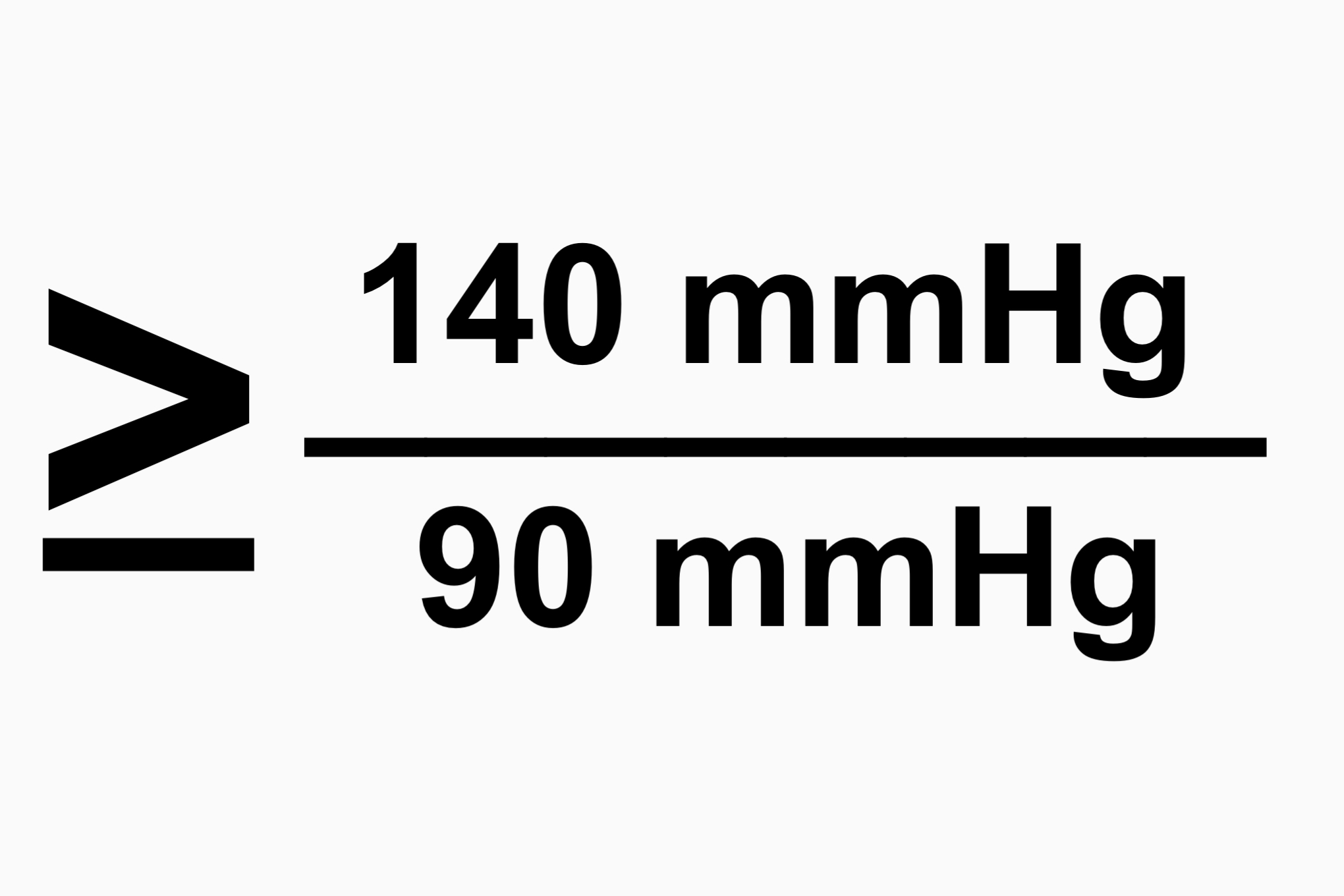
Hypotension
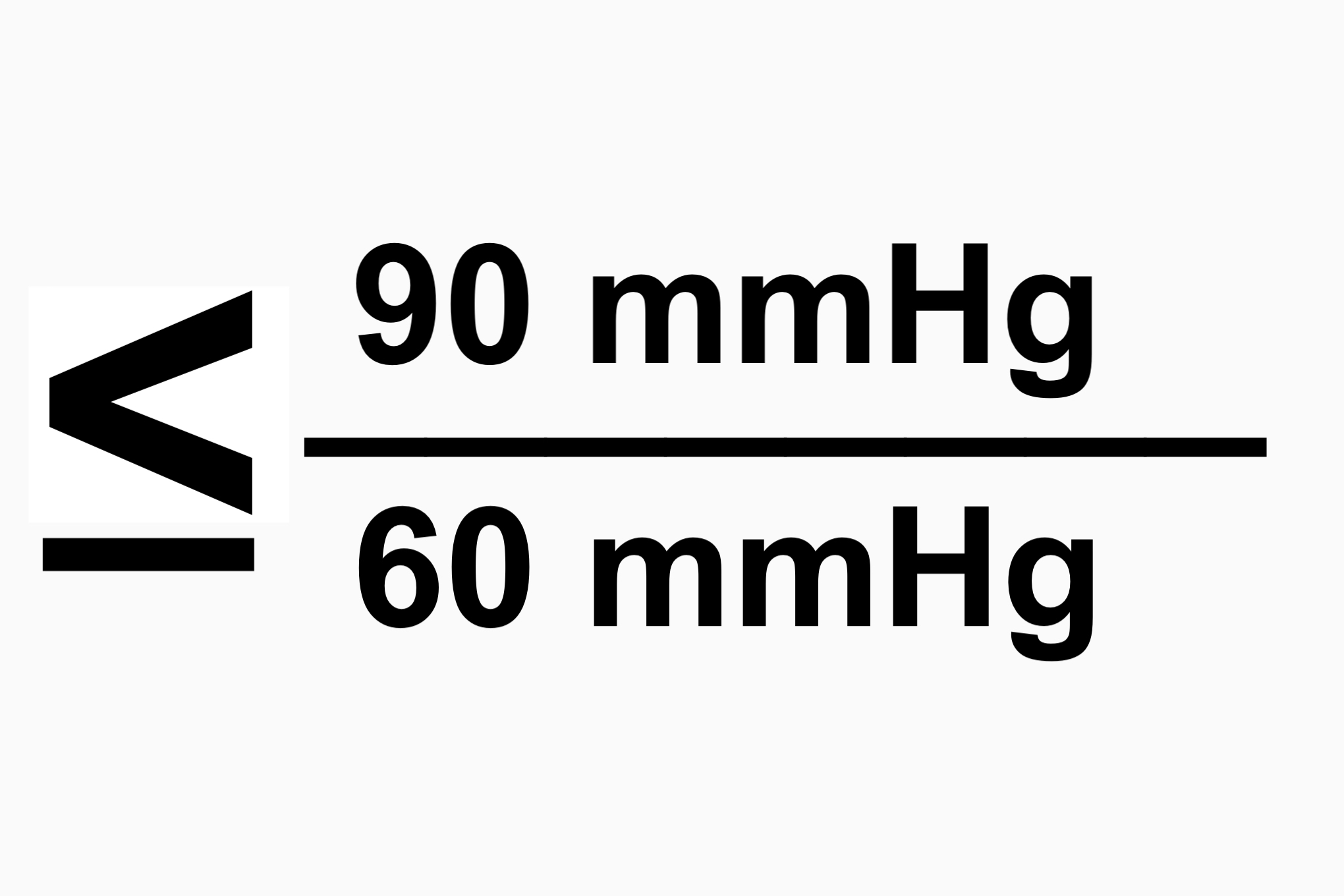
Premature BP

0-3 months old BP

3-6 months old BP
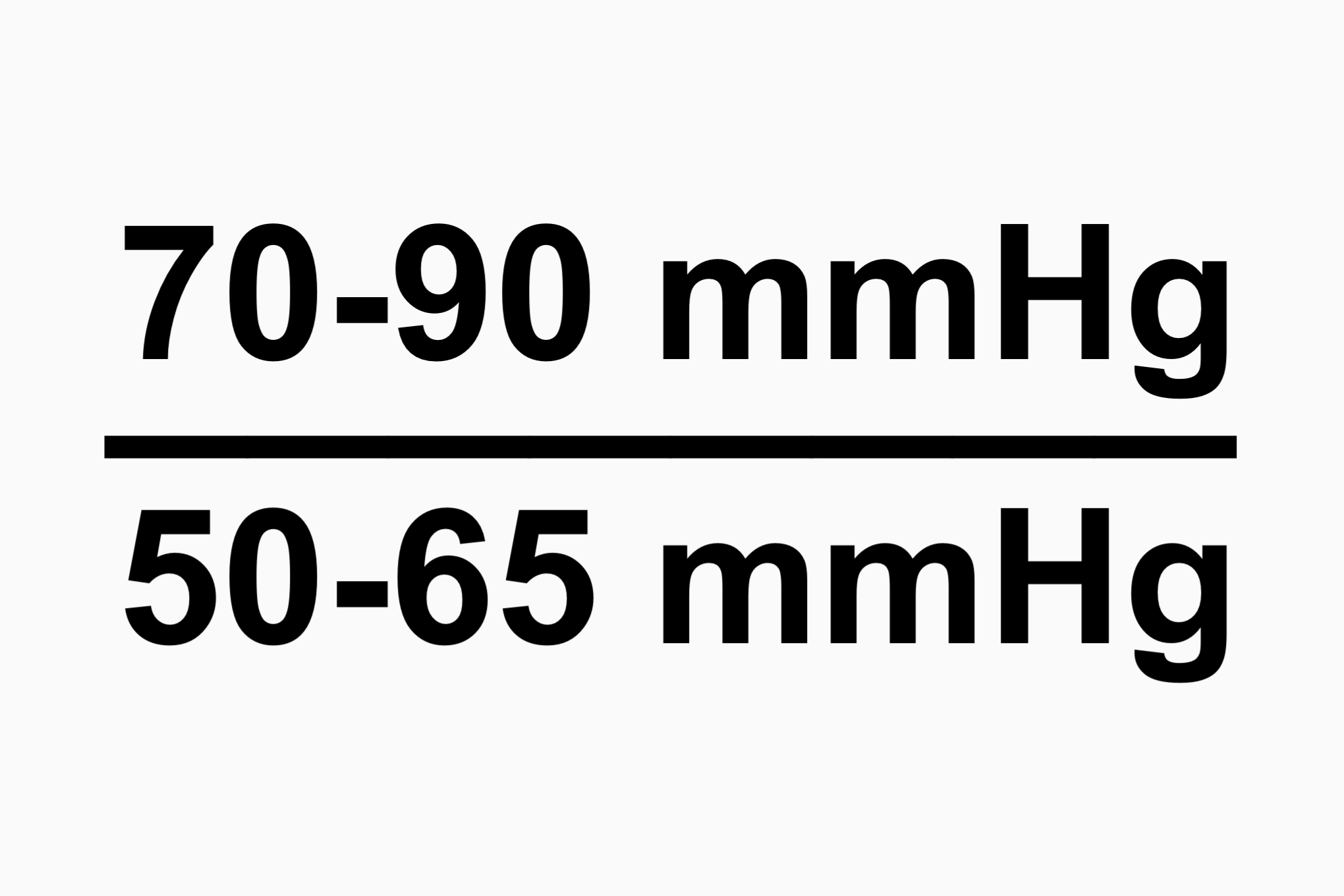
6-12 months old BP
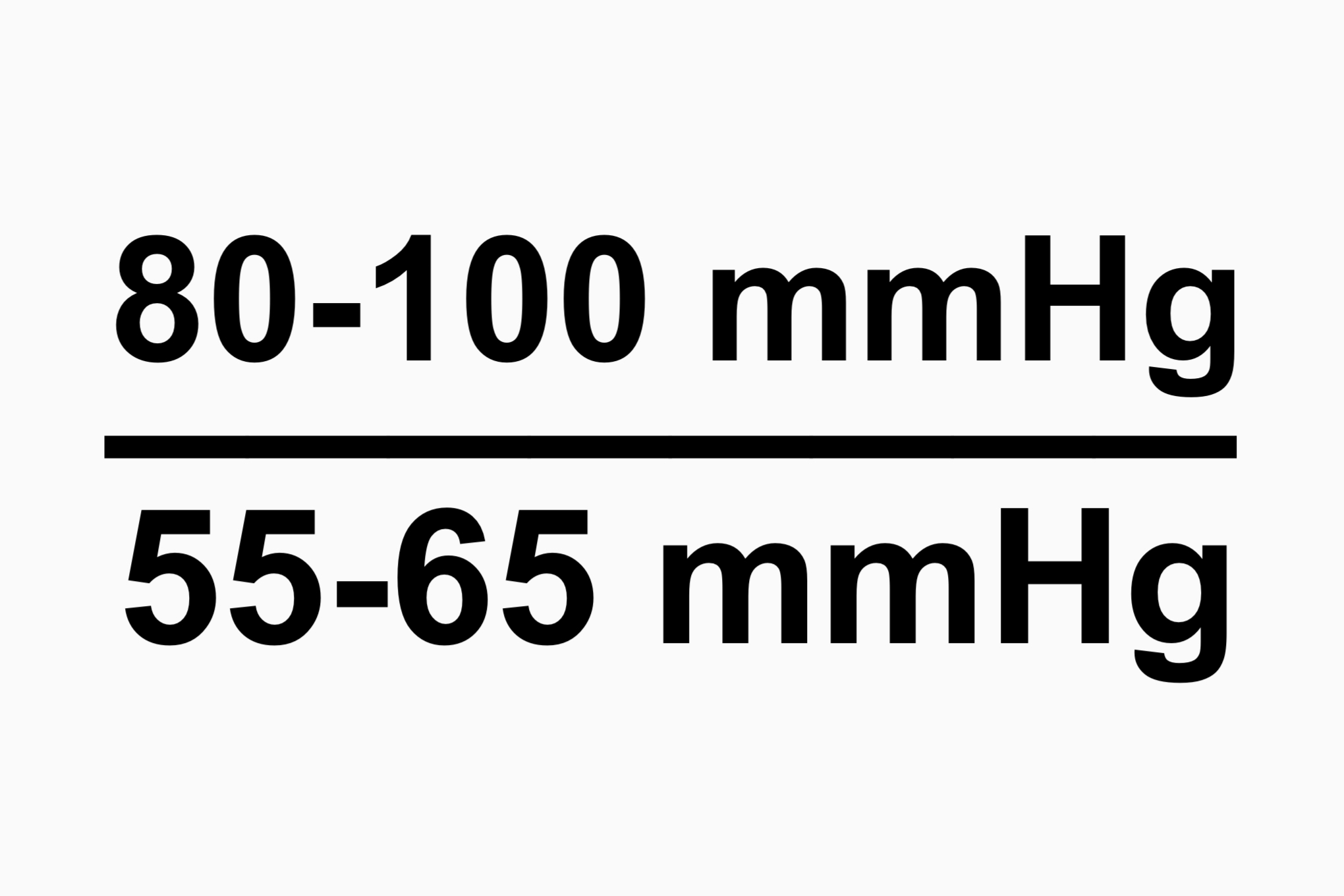
1-3 years old BP

3-6 years old BP

6-12 years old BP

12 years old and above BP

Auscultation method
Listen for sounds in the brachial artery using a sphygmomanometer and a stethoscope
Electronic sphygmomanometer
Step 1 of measuring BP
Gather a stethoscope, a sphygmomanometer, and the patient’s medical record
Step 2 of measuring BP
Identify the patient by confirming their name and date of birth
Step 3 of measuring BP
Expose the entire arm
Step 4 of measuring BP
Lay the patient’s bare arm on a flat surface, making sure that the upper arm is on the same level as their heart
Step 5 of measuring BP
Select the appropriately sized cuff
Step 6 of measuring BP
Located the brachial artery in the antecubital space
Antecubital space
The area inside the elbow crease that must be palpated deeply to palpate the brachial artery
Step 7 of measuring BP
Step 8 of measuring BP
Ensure that the gauge is clearly visible and that the tubing is unobstructed
Step 9 of measuring BP
Step 10 of measuring BP
Find the radial pulse with one hand and pump the bulb with your other hand
Step 11 of measuring BP
Wait 30 seconds once you have deflated the cuff to give time to the brachial artery to refill
Step 12 of measuring BP
Insert the stethoscope earpieces, making sure the sound is loud and clear
Step 13 of measuring BP
Step 14 of measuring BP
Step 15 of measuring BP
Obtain the systolic pressure by taking note of the first time you hear a repetitive sound on the dial as the pressure falls
Step 16 of measuring BP
Continue to deflate the cuff
Step 17 of measuring BP
Obtain the diastolic pressure by listening for the last static sound
Step 18 of measuring BP
Continue to deflate the cuff another 10 mmHg
Auscultatory gap
An interval of absent Korotkoff sounds, which usually occurs in patients who are hypertensive
Step 19 of measuring BP
Rapidly deflate the cuff, remove it, and sanitize it
Step 20 of measuring BP
Record the BP in the patient’s medical chart
Korotkoff sounds
Sounds heard during BP measurement made up of 5 phases
Phase I of Korotkoff sounds
The systolic pressure; take note where the first sound appears on the dial
Phase II of Korotkoff sounds
Softer swishing sound caused by increased arterial blood flow
Phase III of Korotkoff sounds
The sounds become louder and crisper, then a rhythmic tapping is heard
Phase IV of Korotkoff sounds
The sounds become muffled and softer as the blood starts to flow fairly easier
Phase V of Korotkoff sounds
Diastolic pressure; where on the dial that the sounds disappear completely
For hypertensive patients with an auscultatory gap
Monitor the pulse through palpation to determine the systolic BP before, then record the BP manually or electronically