bio chpt 6
 Call Kai
 Learn
Learn Practice Test
 Spaced Repetition
 Match
Match Flashcards
 Knowt Play
1/33

Earn XP
Description and Tags
pls use ur tb still b/c not everything is tested in this test. pgs not covered 104, 109, 110, 112, 114, 115, 119, 120 (cardiac cycle IS NOT tested)
Name | Mastery | Learn | Test | Matching | Spaced | Call with Kai | Chat |
|---|
No analytics yet
Send a link to your students to track their progress
34 Terms
What are the components of blood?
Plasma
Red blood cells
White blood cells
Platelets
What does plasma contain?
Water
Glucose
Salts
Proteins
Amino acids
Fats
Hormones
Excretory products (e.g. urea)
What does plasma transport
Blood cells around the body
Nutrients from the small intestine to other parts of the body
Excretory products from excretory organs for removal
Hormones from endocrine glands to target organs
What is a red blood cell’s main function?
To transport oxygen from the lungs to the other parts of the body
What features do red blood cells have
Circular biconcave shape
No nucleus
Contains a red pigment called haemoglobin
Flexible
What does haemoglobin do in the red blood cell?
Binds reversibly with oxygen to form oxyhaemoglobin that allows for oxygen to be transported
What does the absence of a nucleus do in the red blood cell?
Increases the cell’s ability to pack more haemoglobin, hence increasing the amount of oxygen being transported
What does a circular, biconcave shape do in the red blood cell?
Increases the Surface Area-To-Volume ratio which increases the rate of diffusion of oxygen in and out of the cell
What does being flexible do in the red blood cell?
It’s flexible to be transported through narrow capillaries easily
What are the two main types of white blood cells?
Phagocytes (lobed nucleus)
Lymphocytes (big nucleus)
What is the function/s of phagocytes?
To perform phagocytosis which is the process where a white blood cell engulfs and destroys foreign particles (e.g. bacteria)
What is the function/s of lymphocytes?
To produce antibodies that recognise foreign particles, destroy disease-causing organisms, clumps bacteria together for easy engulfment by phagocytes, and neutralise toxins produced by bacteria
What are platelets?
Fragments of cytoplasm that contains an enzyme that catalyses fibrinogen to fibrin thread
What does blood clotting do?
Prevents excessive blood loss and entry of pathogens into the bloodstream
How does blood clot
When a blood vessel is damaged, platelets begin the clotting process. An enzyme called thrombin converts soluble fibrinogen into insoluble fibrin threads. These fibrin threads form a mesh that traps blood cells, creating a blood clot or scab. The clot seals the wound, preventing excessive blood loss and stopping microorganisms from entering the bloodstream.
What are antigens?
Special proteins located on the surface of your red blood cells. They are designated using capital letters (e.g., antigen A, antigen B).
What are antibodies?
Proteins present in the blood plasma produced by white blood cells. They are designated using lowercase letters (e.g., antibody a, antibody b).Proteins present in the blood plasma produced by white blood cells. They are designated using lowercase letters (e.g., antibody a, antibody b).
How do blood groups work?
Your own antibodies do not react with the antigens on your own red blood cells
What is agglutination?
If foreign blood is introduced, corresponding antibodies bind to matching antigens (e.g. antibody a binds to antigen A), causing red blood cells to clump together
How are blood types classified?
A person's blood group is determined by the specific antigens and antibodies present in their blood.
What are the function/s and mechanism/s of the heart?
Function: Acts as a muscular pump to keep blood circulating continuously throughout the body.
Mechanism: Fills with blood when it relaxes, and squeezes blood out under high force when it contracts.
What are the function/s of the arteries?
Function: Blood vessels that carry blood away from the heart to the rest of the body.
What is the aorta?
The main, large artery leaving the left side of the heart, which branches into smaller arteries.
What are the function/s of the arterioles?
Function: Smaller vessels formed when arteries branch out. They divide further into even smaller blood vessels called capillaries.
What is the structure of blood capillaries
Microscopic blood vessels found between cells in nearly all tissues. Their walls consist of a single layer of flattened, partially permeable cells.
How do the structures of blood capillaries enable them to do their job better?
Exchange of Substances: The thin walls allow substances to diffuse quickly between the blood and tissue cells.
Branching & Surface Area: Extensive branching provides a large surface area for efficient exchange of materials.
Pressure & Speed: As arterioles branch into numerous capillaries, the total cross-sectional area increases. This drops blood pressure and slows blood flow, allowing adequate time for substance exchange.
What are venules?
Venules are small vessels formed by capillaries before they leave an organ
Veins
Venules join to form bigger veins. Veins carry blood back to the heart
What is the structure of arteries and how does it help arteries to carry out its function better
Thick, Muscular, and Elastic Walls: Arteries receive fast-moving blood directly from the heart under high pressure. Their thick walls prevent bursting, with the elastic layer being thickest in arteries closest to the heart.
Elastic Recoil & Pulse: The elasticity allows arterial walls to stretch as blood enters and recoil (spring back) to help push blood along in spurts, creating the pulse.
What is the function of arteries and how do they carry out regulation of blood flow?
Constriction & Dilation: Smooth muscle in the arterial wall controls the diameter of the lumen (inner space):
Constriction: Narrower lumen=less blood flow per unit time.
Dilation: Wider lumen=more blood flow per unit time.
Oxygenated Blood: Arteries carry oxygenated blood throughout the body, except for the pulmonary arteries, which carry deoxygenated blood to the lungs.
Branching: Arteries branch into smaller vessels called arterioles.
What are the 4 chambers, 4 valves, and 4 vessels
Chambers: Left atrium, right atrium, left ventricle, right ventricle
Valves: Bicuspid valve, tricuspid valve, semi-lunar valves
Vessels: Aorta, Vena Cava, and the Pulmonary Arteries and Veins
What are some risk factors of heart disease
Smoking
Unhealthy diet
Genetic factors
Age
Sedentary lifestyle
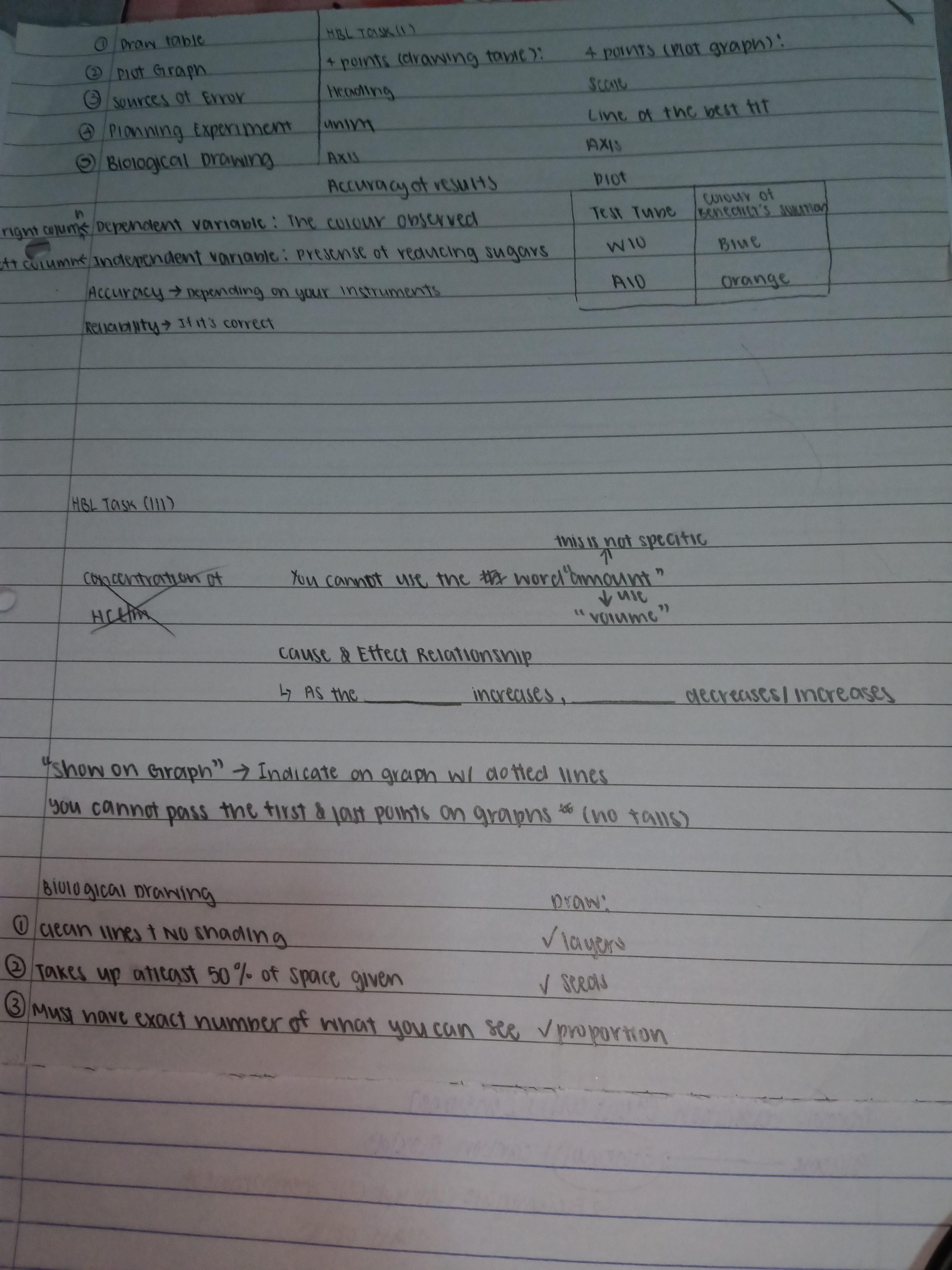
some practicle tips js cus
happy studying!
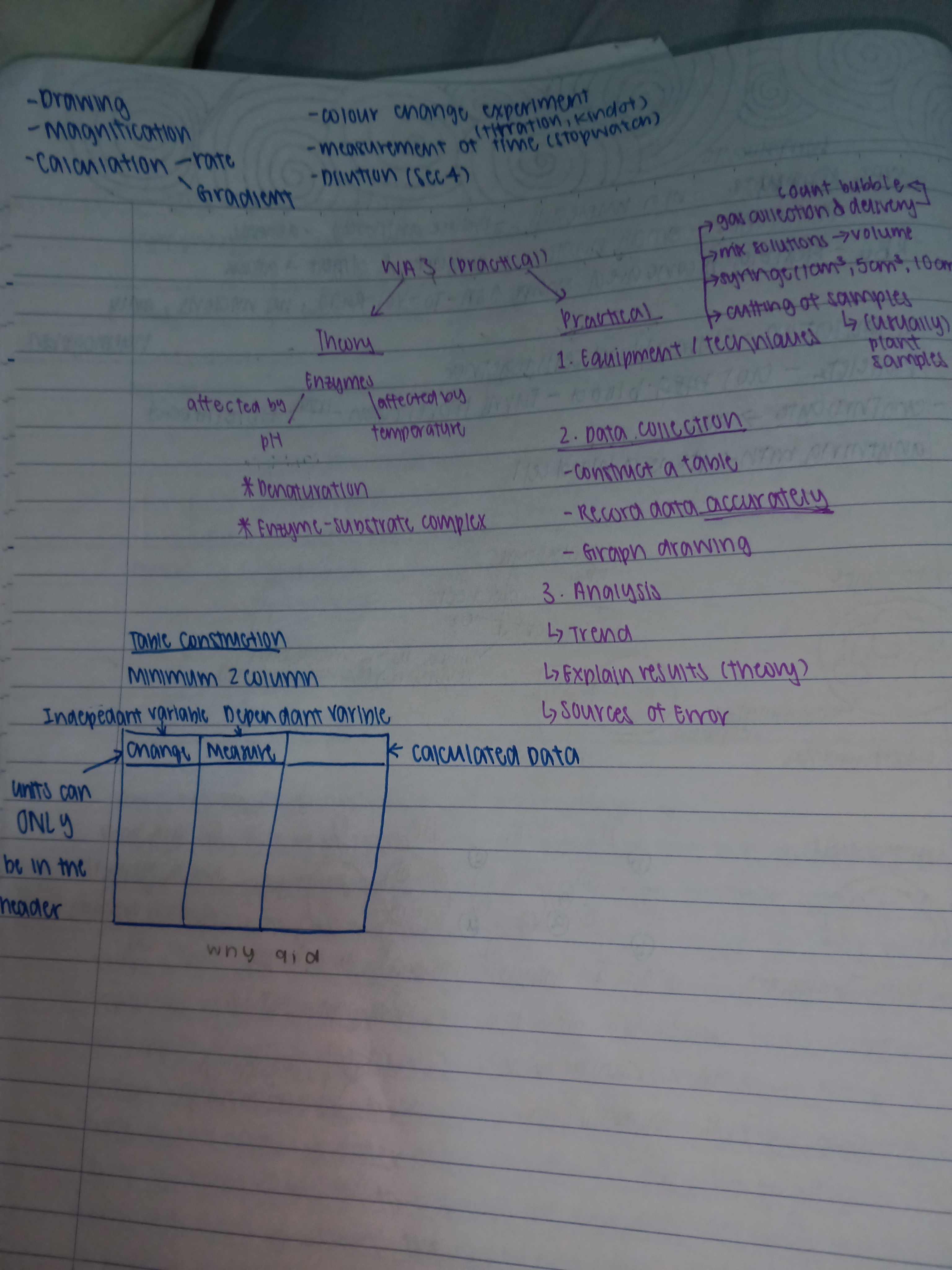
more practical
happy studying!