Cancer
 Call Kai
 Learn
Learn Practice Test
 Spaced Repetition
 Match
Match Flashcards
 Knowt Play
1/33

There's no tags or description
Looks like no tags are added yet.
Name | Mastery | Learn | Test | Matching | Spaced | Call with Kai |
|---|
No analytics yet
Send a link to your students to track their progress
34 Terms
What is Cancer?
a group of diseases capable of abnormal cell growth that has the potential to invade other parts of the body
Describe how cancer is different from normal cells
cancer cells do not die
therefore they infinitely replicate
they do not communicate w/ healthy cells
Metastasis
cancerous cells moving to other parts of the body away from the primary location
Malignant Tumour. What effect do they have to surrounding tissue?
Cancer
disrupt surrounding tissue
What is cancer in relation to genetics?
Cancer is a genetic disorder involving mutations in cells
Cancer is not _________, but certain _________ _________ can predispose one to cancer
inherited
inherited mutations
Cancer cell growth is…
uncontrolled
Oncogenesis
the development of a tumor
begins w/ loss of cell cycle control
tumor cells undergo further changes that allow them to invade and disrupt other tissues
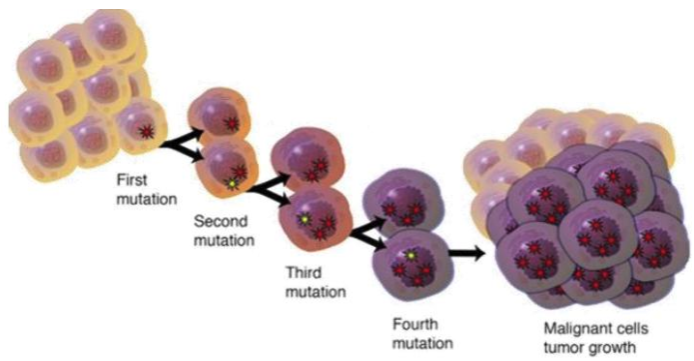
Tumour
a swelling of tissue caused by uncontrollable cell growth due to the cell cycle losing control
The Cell Cycle
The repeating pattern of cell growth, mitosis and cell division
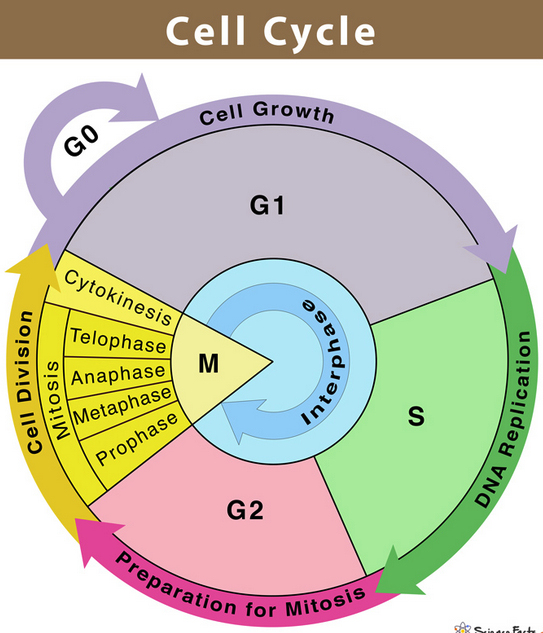
What are the 4 (5) phases of the cell cycle?
G1
G0
S
G2
M
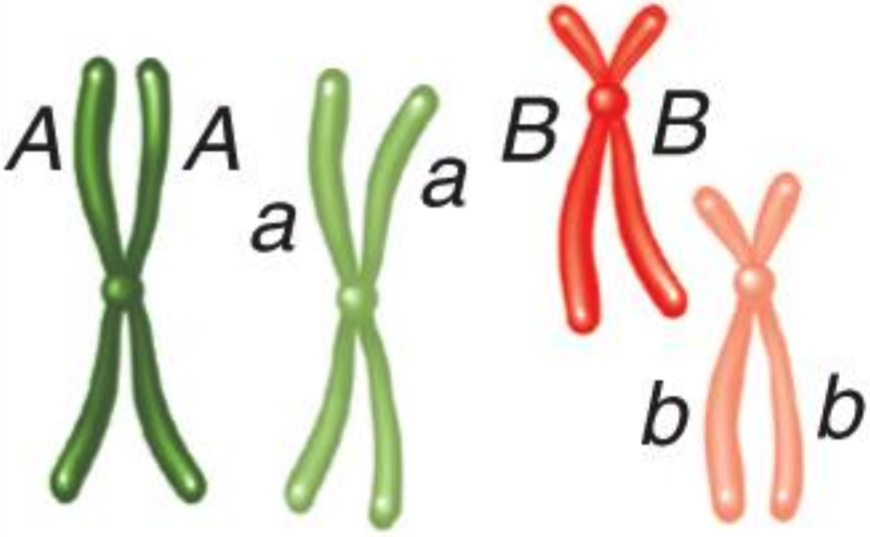
When do chromosomes replicate?
S phase!
What happens in G1?
interphase, gap before duplication
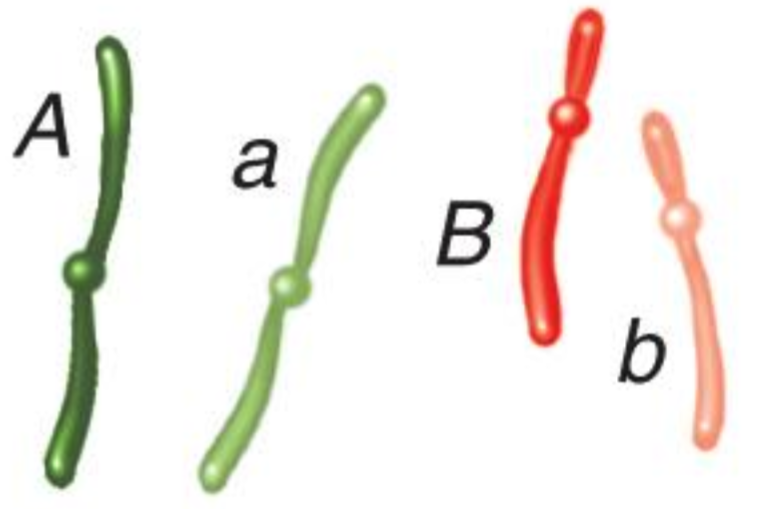
What happens in S?
DNA synthesis + chromosome duplication
What happens in G2?
interphase, gap before mitosis
Cell Cycle Checkpoints
control mechanisms to ensure proper progression
monitor major events in the cell cycle
e.g. growth (cell size), DNA replication, chromosome segregation
Involve different CDK complexes (cyclin-dependent kinase)
What happens the cycle cannot progress to G2?
stops division
does not cause cancer
Would a mutation of p53 lead to cancer?
No.
cancer is multistep
cells gradually accumulate mutations in genes controlling
these are somatic mutations = mutations acquired during life, not inherited
Contact Inhibition
Which of the following is characteristic of cancer cells, but not of normal cells?
The ability to proliferate
Contact inhibition
Metastasis
All of the above
Metastasis
the ability to travel to other parts of the body away from the primary source of cells
all cells can grow and duplicate (proliferate)
this is actually a property of normal cells, where they stop dividing when touching neighbours
How does cancer usually develop?
It happens when cells can not progress to G2 phase.
It is caused by a mutation in p53.
It happens when a cell accumulates a series of somatic mutations.
It is caused by inheriting two recessive alleles, one from each parent
3. It happens when a cell accumulates a series of somatic mutations.
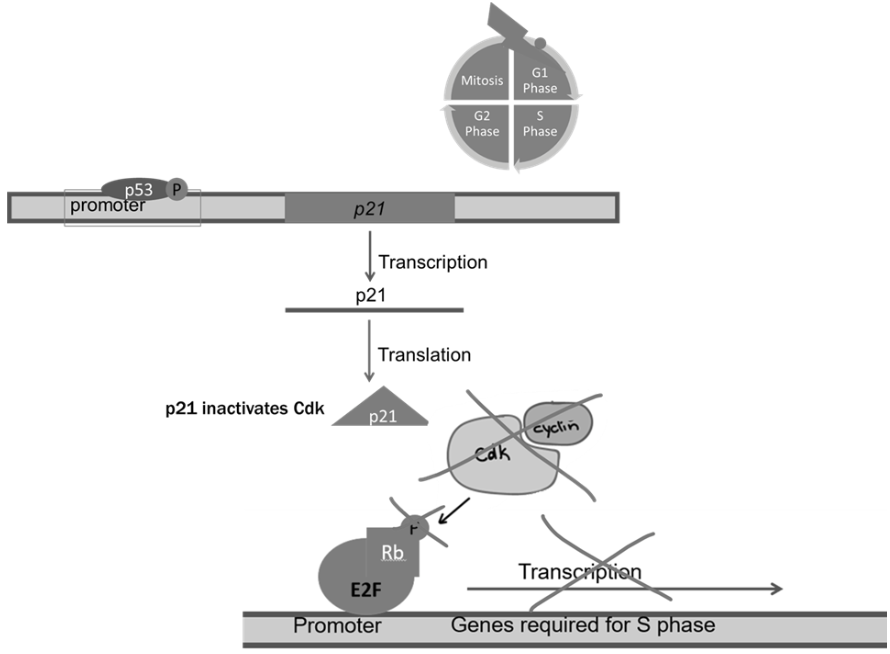
If one allele of p21 was mutated such that it could not interact with CDK, and the other allele was normal, could this lead to cancer?
No, because only one normal allele is required to perform the function
No, because this mutation would inhibit cell proliferation.
Yes, because mutations that alter, rather than completely eliminate, protein function are always dominant
Yes, because p21 is a proto-oncogene.
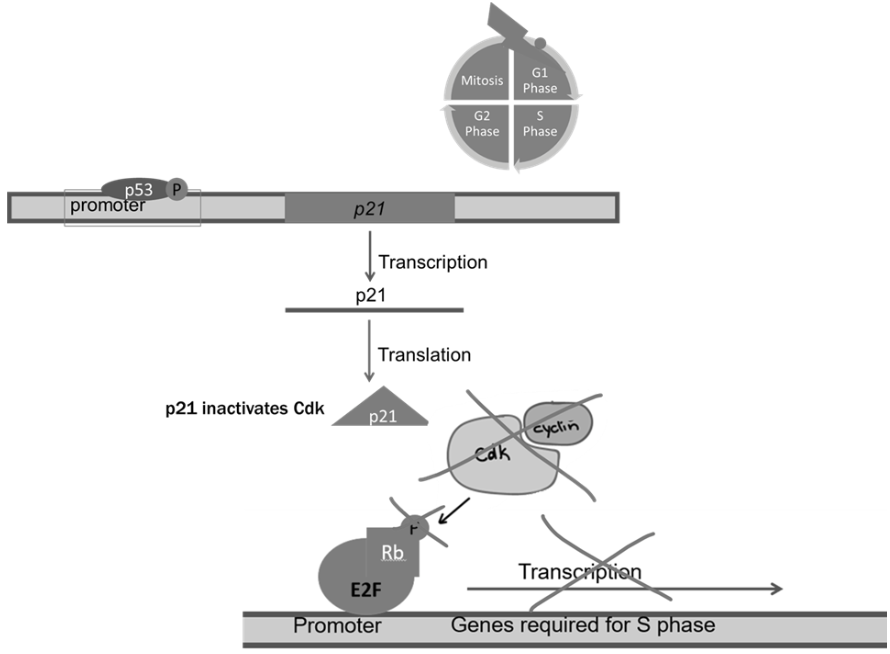
If both alleles for one of the "genes required for S phase" were mutated such that there was no gene expression at all from these alleles, could this lead to cancer?
No, because these mutations would inhibit cell proliferation.
No, because these genes have no impact on the cell cycle.
Yes, because these genes are tumor-suppressor genes
Yes, because these genes are proto-oncogenes.
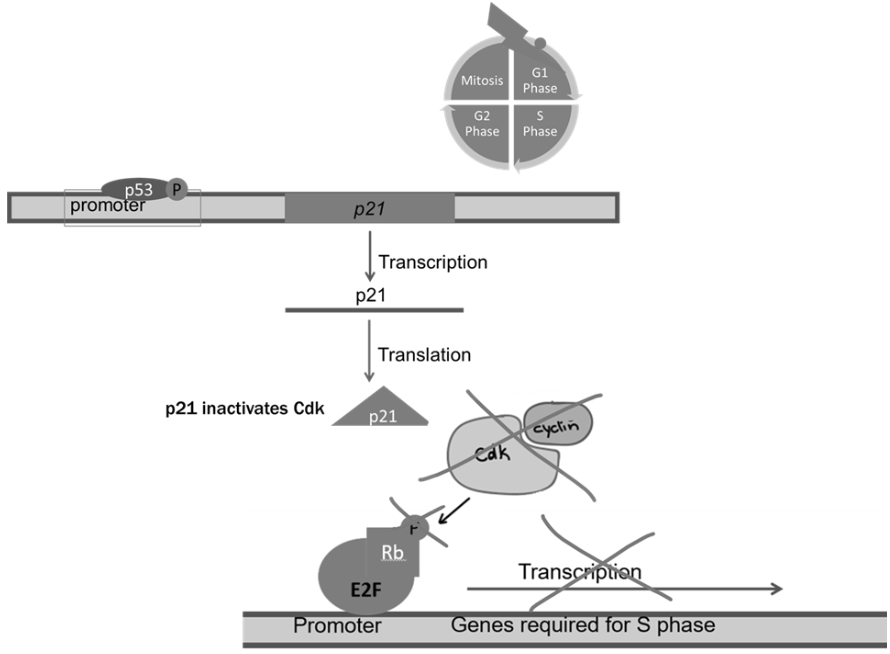
Would the mutation be dominant or recessive?
It would be recessive when inherited, but act dominantly in a cell.
It would be dominant.
It would be recessive.
It would be dominant when inherited, but act recessively in a cell.
When does Rb get phosphorylated?
When the cell experiences stress or DNA damage.
When the cell should undergo apoptosis.
When the cell should progress to S-phase.