Endocrine Lab Quiz
 Call Kai
 Learn
Learn Practice Test
 Spaced Repetition
 Match
Match Flashcards
 Knowt Play
1/102

There's no tags or description
Looks like no tags are added yet.
Name | Mastery | Learn | Test | Matching | Spaced | Call with Kai | Chat |
|---|
No analytics yet
Send a link to your students to track their progress
103 Terms
ACTH
adrenocorticotropic hormone
ADH
antidiuretic hormone
FSH
follicle stimulating hormone
GH
growth hormone
LH
luitinezing hormone
PRL
prolactin
TSH
thyroid stimulating hormone
T3 T4
triiodothyronine
thyroxine
Epi
epinephrine/adrenaline
PTH
parathyroid hormone
ANP
atrial neturetic peptide
Gland/target,
release/inhibition mechanisms
ACTH
anterior pituitary
adrenal cortex
stimulated by CRH+
Released by feedback inhibitors exerted by glucocorticoids
ACTH
effect
impact on body
tropic?
promotes release of glucocortoids and gonadocorticoids that help body resist stressors
not tropic
Gland/target
release/inhibition mechanisms
aldosterone
adrenal gland
kidneys
stimulated by: low blood volume/Na+/low BP
INHIBITYED BY: ANP, dopamine, high sodium
aldosterone
effects
tropic?
increase Na+ and H2O reabsorption, increase blood volume and BP
not tropic
Gland/target
stimulated by
epinephrine
adrenal medulla
heart, liver, blood vessels, lungs
stimulatyed by: stress/fight or flight
epinephrine
effects
tropic hormone
increased heart rate, blood pressure, blood glucose
not a tropic hormone
Gland/target
stimulated/inhibited by
FSH
anterior pituitary
ovaries./testes
stimulated by: GnRH+
inhibited by: estrogen/testosterone
FSH
effect
tropic hormone?
follicle maturation, sperm/estrogen production
tropic hormone
Gland/target
stimulated/inhibited by
ADH
posterior pituitary gland
kidneys
stimulated by: increased blood solute concentration, low blood volume, pain
inhibited by: adequate hydration, alcohol
ADH
effect
tropic?
kidneys
stimulate kidney cells to reabsorb water back into blood, reducing urine output
not tropic
Gland/target
stimulated/inhibited by
calcitonin
thyroid gland
bone
stimulated by: high calcium levels in blood
inhibited by: low blood calcium levels
calcitonin
effects
tropic hormone
lowers Ca and phosphate levels in the blood
no role in humans
not tropic
Gland/target
stimulated/inhibited by
glucagon
pancreas
liver/adipose tissue
stimulated by: drop in blood glucose levels
inhibited by: high blood glucose
glucagon
effects
tropic hormone?
increase blood glucose levels, breakdown glycogen to glucose
not tropic
Gland/target
stimulayted by
ANP
heart
kidney, blood vessels, adrenal, glands
stimulated by: atrial stretch
ANP
effects
tropic hormone?
decrease blood pressure and volume
not tropic
Gland/target
stimulated/inhibited by:
PTH
parathyroid gland
bones/kidneys
stimulated by: low blood calcium levels
inhibited by: high levels of iondized calcium and active vit D
PTH
effects
tropic
increase blood calcium, convert vit D to calcitol
not tropic
Gland/target
stimulated/inhibited by
GH
anterior pituitary gland
liver, muscle, bone, cartilage
stimulated by: GHRH+ release, deep sleep, low blood glucose, exercise
GH
effect
tropic?
liver, muscle, bone, cartilage, tissue
direct impact on metabolism and growth, mobilize fats for energy needs, increase blood glucose, increase cellular uptake of amino acids, stimulates cell divison
not tropic
Gland/target
stimulated by
insulin
pancreas
most cells
stimulated by: elevated blood glucose levels
insulin
effects
tropic hormone
removes glucose from bloodstream, regulated metabolism
not tropic
Gland/target
stimulated/inhibited by
LH
anterior pituiaary gland
ovaries/testes
stimulatyed by: GnRH+
inhibited by: estrogens/progesterone/testosterone
LH
effects
tropic?
menstral cycle - ovulation
testosterone production
yes tropic
Gland/target
simulated/inhibited by
oxytocin
posterior pituitary gland
uterus/mammary glands
stimulated: stretching of uterine cervix, infant sucking breast
inhibited by: stress, lack of appropiate stimuli
oxytocin
effects
tropic hormone?
stimulates uterine contrcations, initiates labor and milk ejection
not tropic
Gland/target
stimulayed/inhibiyted by:
PRL
anterior pituitary gland
mammary glands
stimulatyed by: decrease in dopamine blocking drugs, estrogen, sucking on breast
inhibited by: dopamine
PRL
effects
tropic hormone?
stimulate milk production and maternal behavior
NOT TROPIC
Gland/target
stimulated/inhibited by
TSH
anterior pituitary
thyroid gland
stimulqated by: TRH+, cold temperature
TSH
effect
tropic hormone?
strimulates T3/T4 secretion
yes tropic
Gland/target
stimulated by
T3 T4
thyroid gland
most body cells
stimulated by TSH
T3 T3
effects
tropic hormone?
regulate tissue growth/development
increase BMR
not tropic
Gland/target
stimulayed
cortisol
adrenal cortex
most body cells
stimulated by: stress, body clock, bodys needs
cortisol
effects
tropic?
increase blood glucose and protein/fat metabolism
not tropic
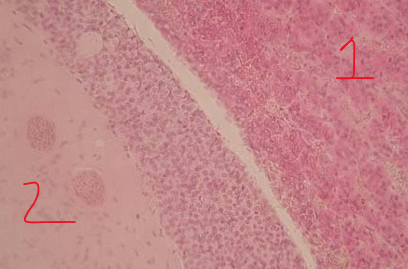
what kind of cell
pituitary
1 - anterior pituitary
2- posterior pituitary

a - thyroid gland
1 - follicles/colloid filled follicles
2- follicular cells

1- parafollicular cells
2- c cell
3- colloid
4- follicular cells

1- thyroid
2 -parathyroid gland

pancreas gland
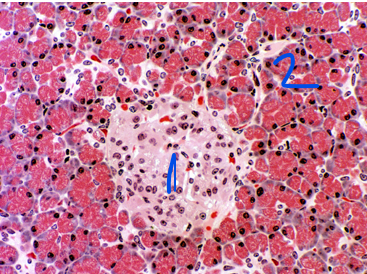
2 - acinar cells
1- islet cells (islet of langerhans)

adrenal gland

1 - zona glomerulosa
2- zona fasciculata
3- zona reticularis
4 - medulla

posterior pituitary gland

anterior pituitary gland
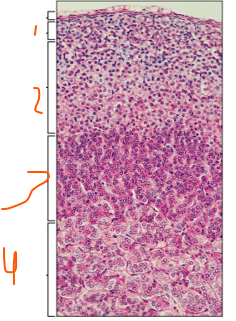
1 - zona glomerulosa
2- zona fasciculata
3- zona reticularis
4 - medulla
ANP
atrial natriuretic peptides.
gland/target ANP
heart
basic roles of the endocrine system
reproduction
growth/development
chemical/fluid balance of the body
cellular metabolism
mobilization of body defense

pineal gland
hypothalamus
pituitary gland
thyroid gland
parathyroid glands
thymus
adrenal glands
pancreas
gonads - ovaries/testis
nervous system vs endocrine system
Electrical impulses - # of action potential relates to signal strength
2. Rapid response – short duration
Targets specific locations – need neuro cells
nervous system vs endocrine system
Chemical messengers – concentration of hormones relates to signal strength
2. Response time : seconds to minutes – long
Targets anywhere blood goes – can affect any system or cell
target tissue
respond to electrical/chemical signals
cells with receptor that specifically respond to particular ligands
receptor
specialzed molecule/structure that detects a signal and allows a cell to respond to it
receptor specificity
specific protein in/on cell that a particular hormone can bind to
cell responds to hormone ONLY IF it has matching receptor
hormones
chemical messengers
go into extracellulae fluids and travel to target cells
paracrines
chemical messengers
basically hormones but dont travel into bloodstream
act locally within the secreting tissue
autocrines
chemical messengers
exert effects on the same cells that secrete them
target cells
must have receptors for hormones
activation depends on blood level of hormone, receptor #, affinity
receptor activation depends on
blood level of hormone
receptor # on target cell
affinioty between hormone and receptor
AFFINITY
how well recwptors and hormones fit together
different chemical classes of hormones
amino acid derivatives
peptide hormones
lipid derivatives
amino acid based hormones
water soluable
cannot cross plasma membrane
cellular response to hormones
enzymes activate/deactivate
induce cellular secretion
stimulate mitosis (GH)
steroid hormones
synthesized from cholesterol
lipid soluable
can cross plasma membrane
amino acid/peptide hormone communication with cells
via second messenger systems
water soluable hormones
lipid soluable hormones communication with cells
via direct effect on transcription
hormones diffuse through cell membrane
bind to intracellular receptors
humoral stimulus
blood levles of certain ions/nutuirents stimulate endocrine gland to release hormone
ex. insulin released in response to increase of blood glucose
neural stimulus
nerve fibers directly stimulate endocrine glanbd
modify release as needed due to stress/neural stimuli
ex. response to stress: sympathetic nervous system stimulates adrenal medulla to release epinephrine
hormonal stimulus
hormone from one source stimulate another endocrine gland
ex. releasing/inhibiting hormones produced by the hypothalamus regulate seccretion of most hormones of the anterior lobe of pituitary gland
tropic hormone
hormone from one source stimulates another endocrine gland to release
negative feedback
internal/external stimulus triggers hormone secretion. as hormone levels rise, causes effect on target organ
ex. insulin regulation. when blood glucose levels rise, pancreas secretes insulin which facilitates glucose uptake by cells
positive feedback
amplifies physiolgical change until a specific endpoint is reached.
ex. oxytocin secretion is amplified by uterine contrcations which in turn promotoe more contractions
what hormones does the anterior pituitary gland produce
ACTH
FSH
GH
LH
PRL
TSH
what hormones does the posterior pituitary gland/hypothalamus produce
ADH
oxytosin
what hormones does the adrenal cortex gland produce
aldostrone
cortisol
what hormones does the adrenal medulla produce
epinephrine
what hormones does the throid gland produce
calcitonin '
T3/T4
what hormones does the pancreas produce
glucagon
insulin
what hormones does the parathyroid gland produce
PTH
what hormones do the gonads produce
estrogen
progesterone
androgens
testosterone
diabetes mellitus Type 1
young onset age
no production of insulin
high levels of blood glucose in body
diabetes type 2
adult onset
receptors do not respond to insulin produced
cells get tired of responding to the overproduction of insulin
diabetes insipidus
endocrine disorder
large amounts of dilute urine and increased thirst
happens when body cant balance its fluid levels
gigantism
excessive growth/height significantly above average
excessive amount of growth hormone
pituitary dwarfism
lack of growth hormone
slow growth and short stature with normal body proportions
hyperthyroidism
too much thyroid hormone
antibodies mimic TSH to make more T3/T4
elevated metabolism and weight loss
graves disease
hypothyroidism
too little thyroid hormone
infants: die very early
adults: lethargic, intolerance to cold, gain weight easily
cushing disease
excess ACTH
usually caused by beneign tumor in pituitary gland
lipids redistrubuted, increased Na/H2O retention, muscle weakness