Module 8: Musculoskeletal
 Studied by 0 people
 Call Kai
 Learn
Learn Practice Test
 Spaced Repetition
 Match
Match Flashcards
 Knowt Play
1/29

There's no tags or description
Looks like no tags are added yet.
Name | Mastery | Learn | Test | Matching | Spaced |
|---|
No study sessions yet.
30 Terms
osteoblasts
build new bone
osteoclasts
break down and reabsorb bone
fibrous joints
sutures between skull and bone
cartilaginous joints
connect spinal vertebrae
synovial joints
knee, hip, shoulder
ligaments
a short band of tough, flexible fibrous connective tissue which connects two bones or cartilages, or holds together a joint
bursae
small, fluid-filled sacs that act as cushions between bones, tendons, and muscles
Phalen’s test
test for carpel tunnel syndrome. Ask the client to place the backs of both hands against each other while flexing the wrists 90 degrees with fingers pointed downward and wrists dangling. pain, numbness or tingling may be reported with CTS
Lasegue test
client lays flat on back with both legs extended, raise one leg straight while keeping the other leg flat. pain = positive test, seen with herniated disc
Allen test
occlude radial and ulnar arteries, release either and watch for coloration return. if pallor persists, indicates arterial insufficiency or occlusion of artery
hallux valgus
abnormality in which the great toe is deviated laterally and may overlap the second toe. An enlarged, painful, inflamed bursa (bunion) may form on the medial side
gout
a form of inflammatory arthritis caused by the accumulation of uric acid crystals in the joints. These crystals trigger an inflammatory response, leading to pain, swelling, and redness
osteoporosis
a medical condition in which the bones become brittle and fragile from loss of tissue, typically as a result of hormonal changes, or deficiency of calcium or vitamin D
scoliosis
lateral curvature of the spine with an increase in convexity on the side that is curved
rheumatoid arthritis
chronic autoimmune disease that causes inflammation and damage to the joints. characterized by symptoms such as joint inflammation, syonvitis, joint destruction, fatigue.
plantar fascitis
an inflammation of the plantar fascia, a thick band of tissue that runs along the bottom of the foot from the heel to the toes
carpal tunnel
condition that occurs when the median nerve, which runs through the carpal tunnel in the wrist, becomes compressed
kyphosis
a spinal condition characterized by an excessive forward curvature of the spine, typically in the thoracic (upper back) region
lordosis
excessive inward curvature of the spine
degenerative disc disease
a condition where the intervertebral discs, the soft cushions between the vertebrae in the spine, deteriorate over time
lumbar disc herniation
occurs when the soft, jelly-like center of an intervertebral disc (cushion between the vertebrae) pushes through the tough outer layer (annulus) of the disc and presses on nearby nerves
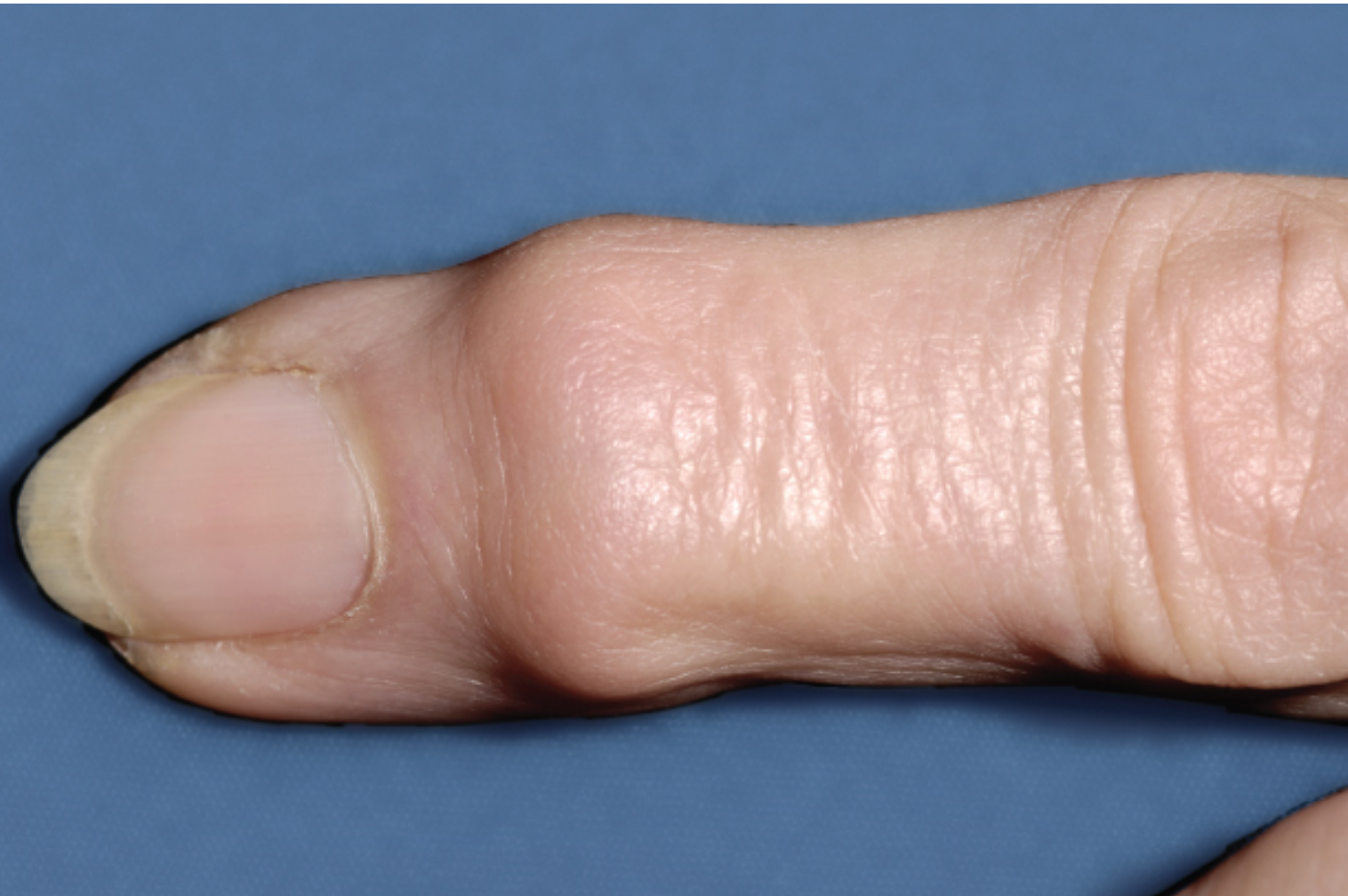
Heberden nodes - Enlargements of the distal, interphalangeal joints of the fingers. indicators of degenerative joint disease, a common age-related condition involving joints in the hips, knees, and spine as well as the fingers
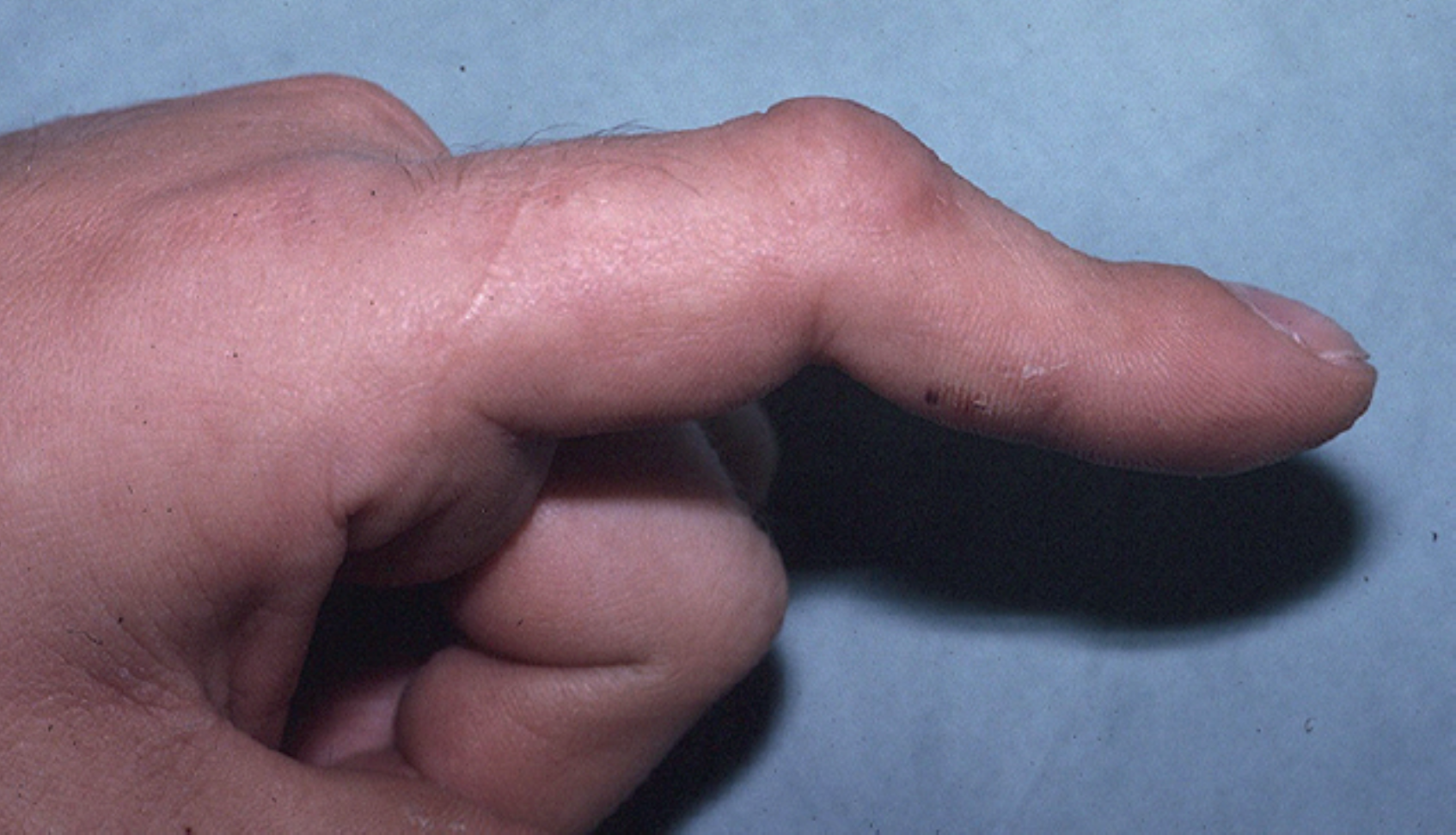
boutonnière deformity - Flexion of the proximal interphalangeal joint and hyperextension of the distal interphalangeal joint
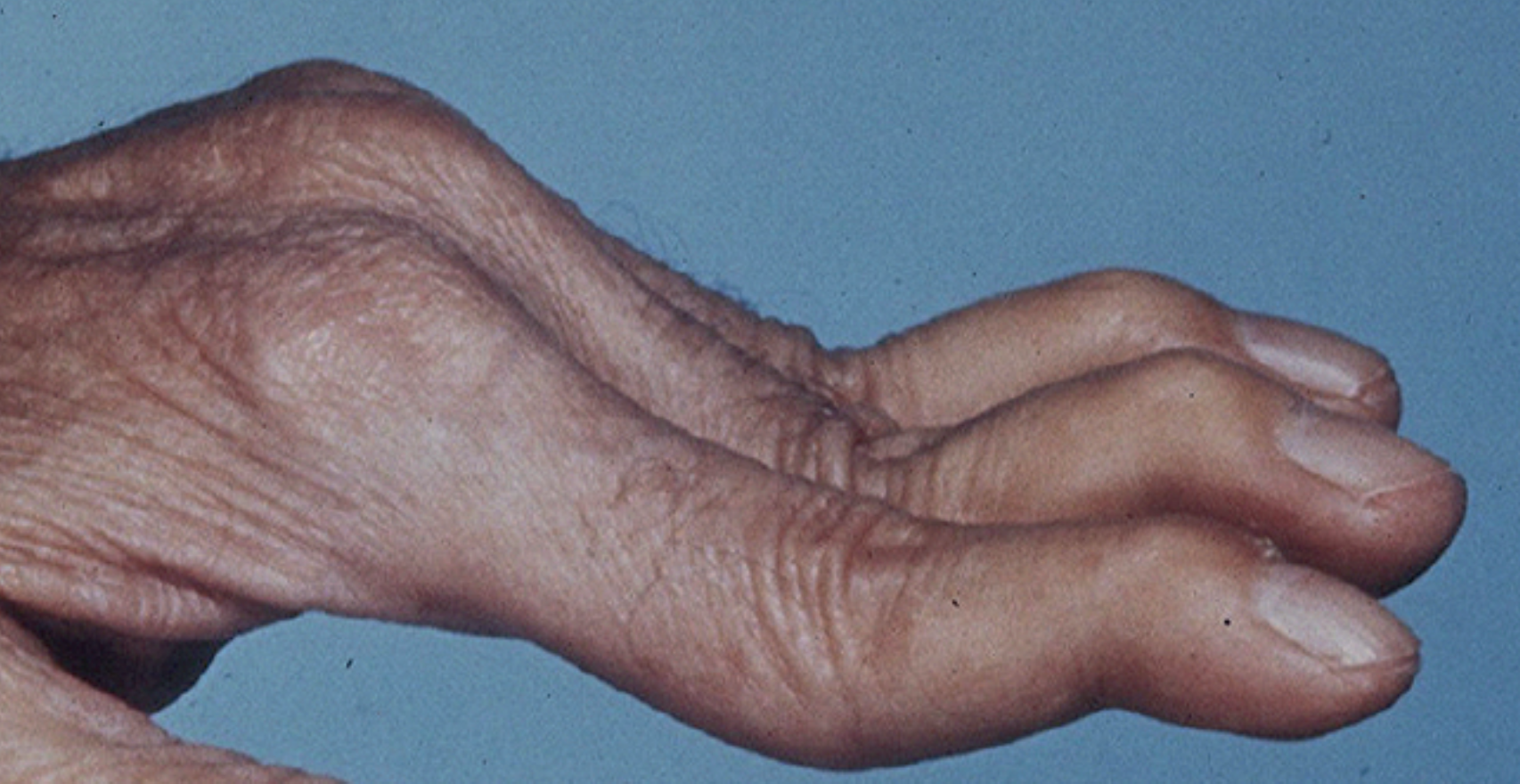
swan-neck deformity.hyperextension of the proximal interphalangeal joint with flexion of the distal interphalangeal joint
Tinel test
can be used to test for carpal tunnel syndrome. a physical examination maneuver used to assess for nerve compression or irritation. examiner gently taps over the suspected area of nerve compression, patient is asked if they feel any tingling, numbness or burning sensation in area supplied by nerve
arthritis
group of conditions that cause inflammation and pain in the joints. includes osteoarthritis, rheumatoid arthritis, gout, psoriatic arthritis
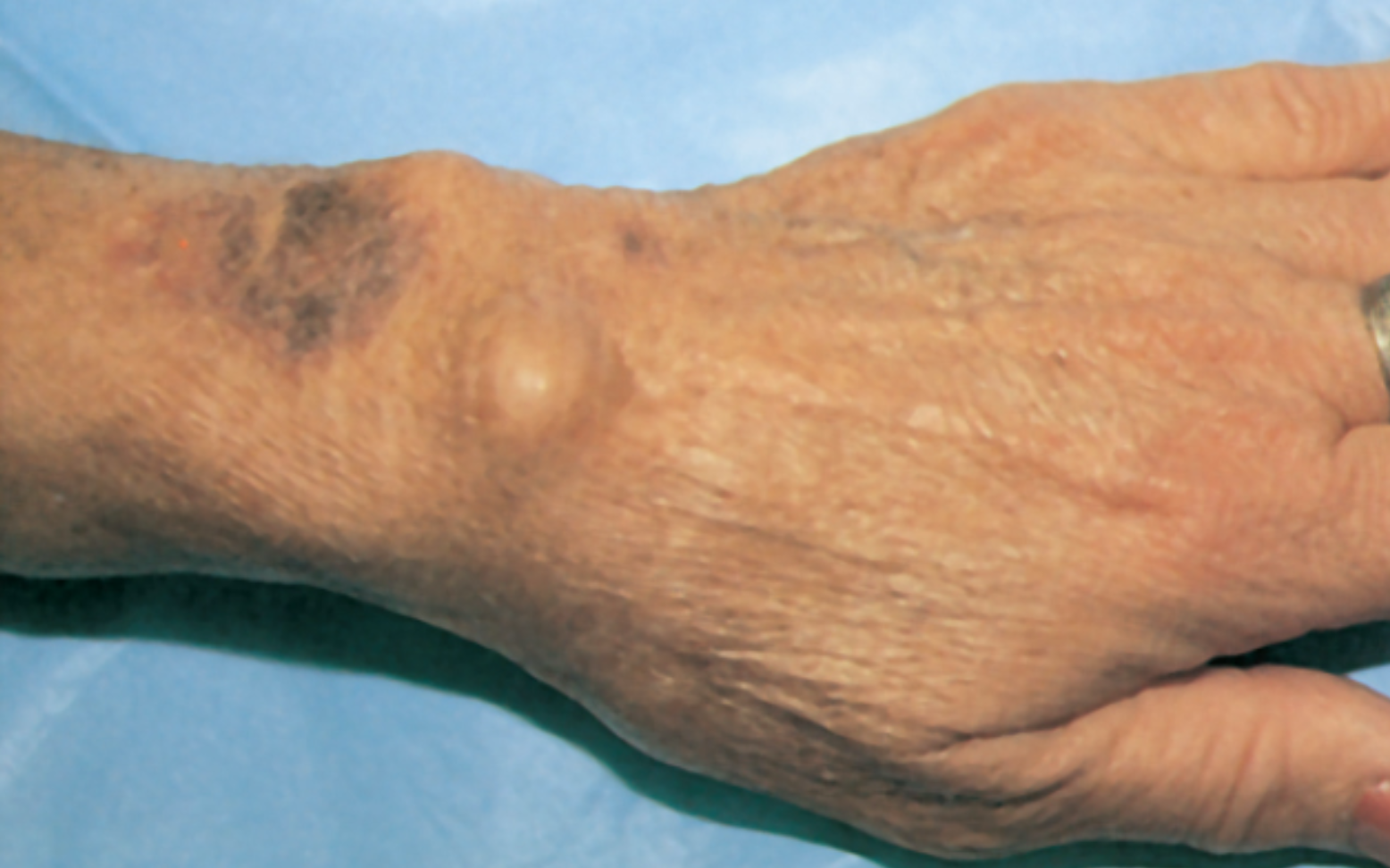
ganglion - Nontender, round, enlarged, swollen, fluid-filled cyst (ganglion) is commonly seen at the dorsum of the wrist
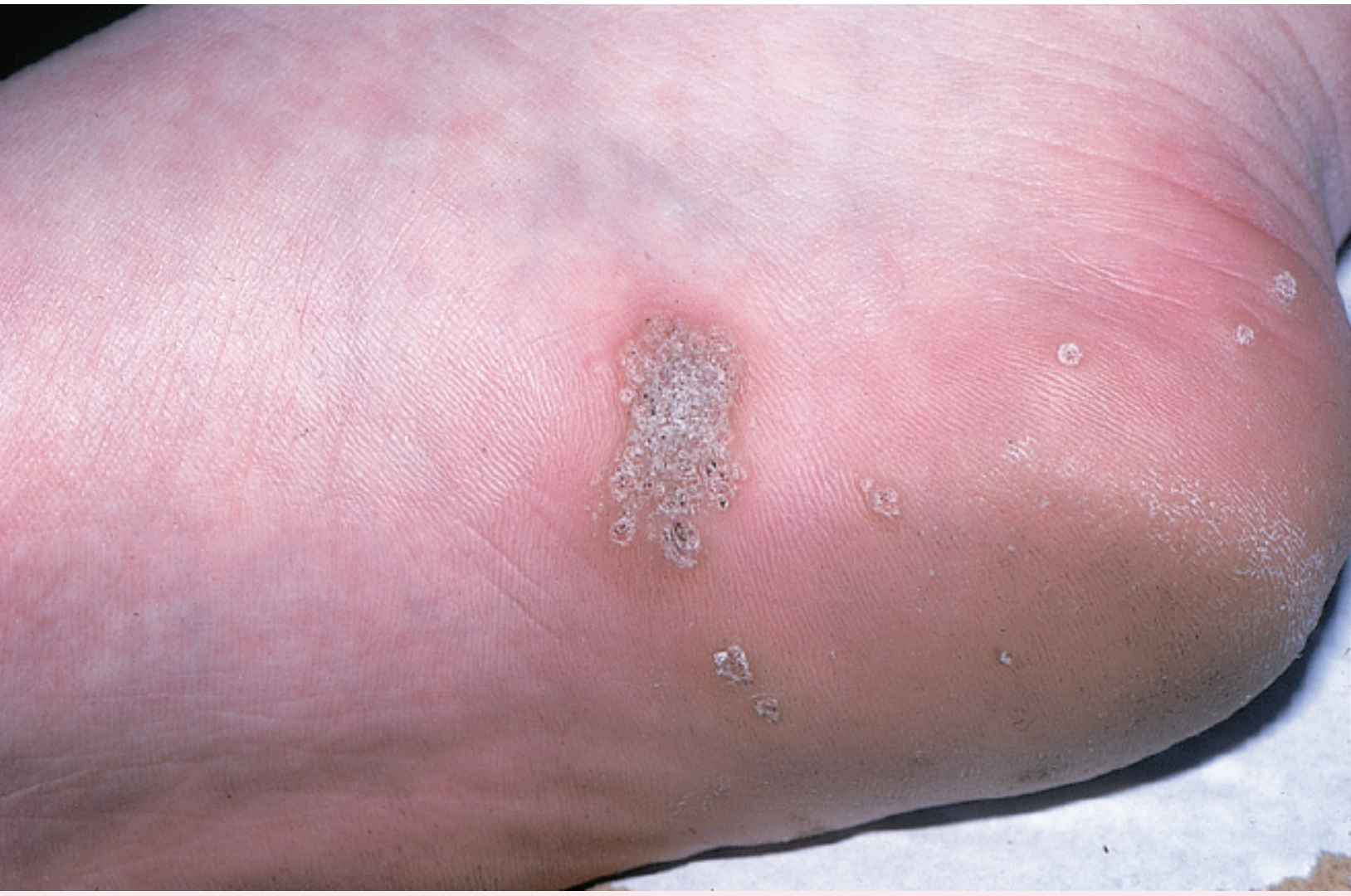
plantar wart - painful warts (verruca vulgaris) that often occur under a callus, appearing as tiny dark spots
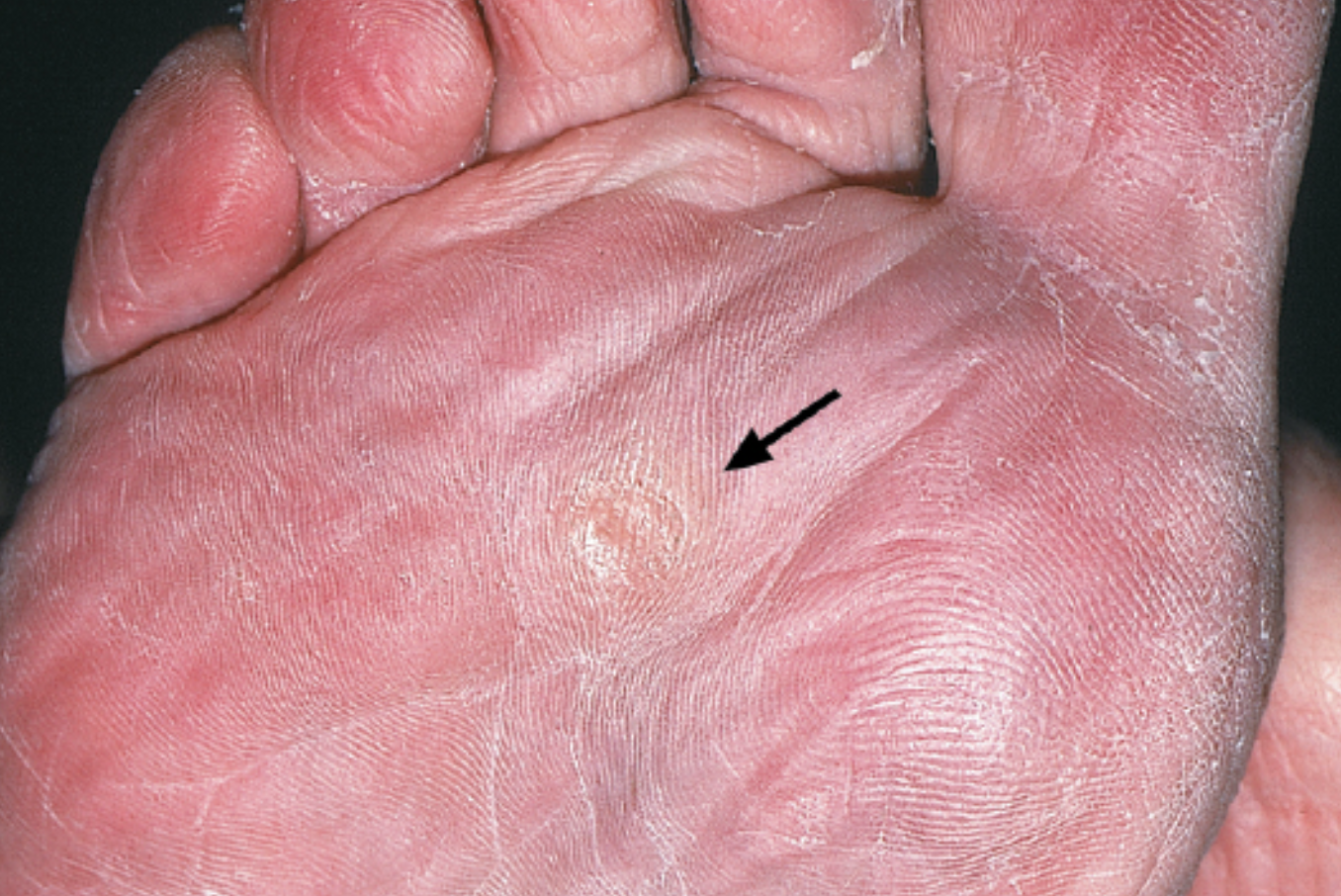
corn - painful thickenings of the skin that occur over bony prominences and at pressure points
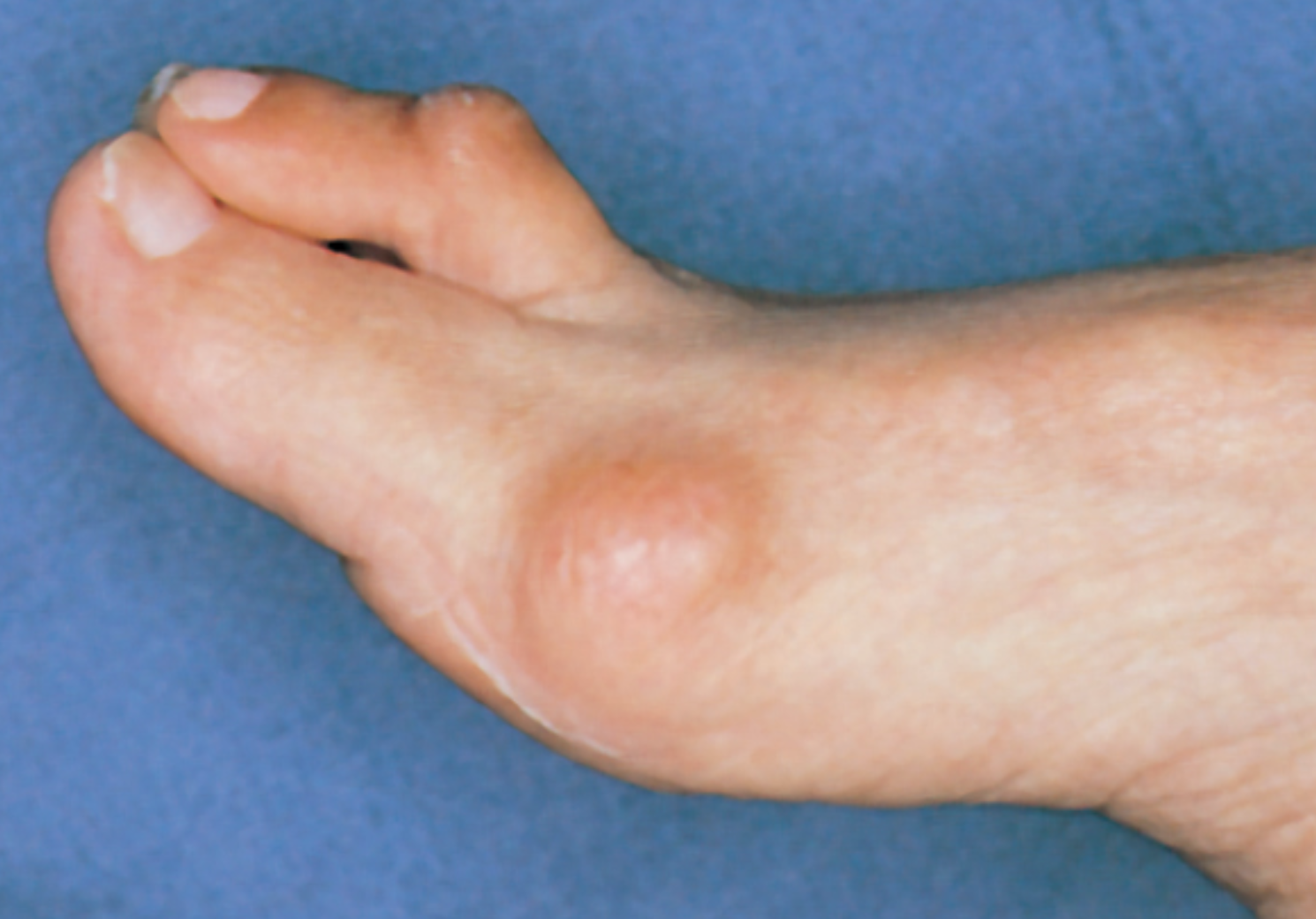
hammer toe - Hyperextension at the metatarsophalangeal joint with flexion at the proximal interphalangeal joint (hammer toe) commonly occurs with the second toe