ABA1
 Call Kai
 Learn
Learn Practice Test
 Spaced Repetition
 Match
Match Flashcards
 Knowt Play
1/62

There's no tags or description
Looks like no tags are added yet.
Name | Mastery | Learn | Test | Matching | Spaced | Call with Kai | Chat |
|---|
No analytics yet
Send a link to your students to track their progress
63 Terms
Whole Interval Time Sampling
bx has to occur the entire time
Whole Interval Advantage
provides estimate of duration of bx without measuring every incident
whole interval disadvantage
underreport frequency, requires sustained observation
partial interval time sampling
A method where the observer records whether the target behavior occurred at any time during the interval.
Partial-Interval Disadvantage
overestimate frequency; less precise
partial-interval advantage
good for brief/frequent behaviors
Momentary Time Sampling
records whether the target behavior is occurring at that moment each time interval ends
Momentary time sampling advantage
least effort; good for many clients at once
momentary time sampling disadvantage
can under- or overestimate; may miss behavior between checks.
Reinforcement
delivery of the reinforcer and the resulting change in behavior
Reinforcer
a consequence that increases future behavior
punishment
a consequence that decreases future behavior
discriminative stimulus
any stimulus that provides a cue for a certain response to gain reinforcement (reinforcement is available)
Stimulus class
A group of stimuli that share specified common elements along formal, temporal, and/or functional dimensions.
Establishing Operation (EO)
A motivating operation that increases the effectiveness of some stimulus as a reinforcer. for example: food deprivation-food becomes more reinforcing
Abolishing Operation (AO)
A motivating operation that decreases the reinforcing effectiveness of a stimulus, object, or event. For example, the reinforcing effectiveness of food is abolished as a result of food ingestion.
factors that impact effectiveness
rate, response cost, response delay
positive reinforcement
adding a stimulus to increase a behavior
negative reinforcement
removing a stimulus to increase behavior
Premack Principle
High-probability behavior reinforces low-probability behavior (first, then)
response deprivation hypothesis
a behavior becomes a reinforcer when access to it is restricted below baseline levels
Fixed Ratio (FR)
produces high rate of responding; post-reinforcement pause
Variable Ratio (VR)
high, steady rate of responding; very resistant to extinction
Fixed Interval (FI)
scallop effect
Variable Interval (VI)
moderate, steady responding
Differential Reinforcement of Other Behavior (DRO)
reinforcement of any other behavior during a time period
Noncontingent Reinforcement (NCR)
Reinforcement is delivered on a schedule independent of behavior.
Limited Hold
reinforcement only available for a brief time after interval ends
ratio strain
breakdown in responding when ratio increases too quickly; can result in avoidance, pauses
positive punishment
Adding a stimulus to decrease behavior.
negative punishment
Removing a stimulus to decrease behavior.
Conditioned Punisher
learned punisher through pairing
Unconditioned Punisher
A stimulus that decreases behavior regardless of the clients previous learning history
essential characteristics of punishment
consistent, immediacy, varied punisher, decreases future behavior
Potential Negative Effects of Punishment
emotional responding
Avoidance and escape
Modeling of undesirable behavior
Extinction
withholding reinforcement for a previously reinforced behavior until the behavior decreases
Extinction Burst
a temporary increase in the frequency and intensity of responding when extinction is first implemented
Response Variation
new forms of behavior appear
emotional responding
crying, aggression, frustration
spontaneous recovery
the reappearance of a learned response after extinction has occurred
gradual decline
behavior decreases over time
respondent behavior
involuntary, elicited, reflex
operant behavior
voluntary, controlled by consequence
neutral stimulus (ns)
stimulus that doesn't elicit a response before conditioning
Unconditioned Stimulus (US)
naturally elicits a reflex (UR)
Conditioned Stimulus (CS)
a stimulus that elicits a response only after learning has taken place
stimulus salience
more noticeable stimuli become conditioned faster
Conditioned Emotional Response (CER)
learned emotional reaction (fear, joy, anxiety)
Tier 1: Universal
supports for all students; school wide expectations
Tier 2: Targeted
supports for students at risk; small group intervention; frequent monitoring
Tier 3: Intensive
Individual treatment; high intensity interventions; one on one supports
treatment integrity
degree to which intervention is implemented as designed
Social Validity
ensures goals are meaningful and acceptable to stakeholders
dimensions of social validity
goals; procedures; outcomes
Importance of Progress Monitoring
determines effectiveness, helps modify interventions early
Ways to Measure Target Behaviors
progress monitoring, universal screening (benchmarking)
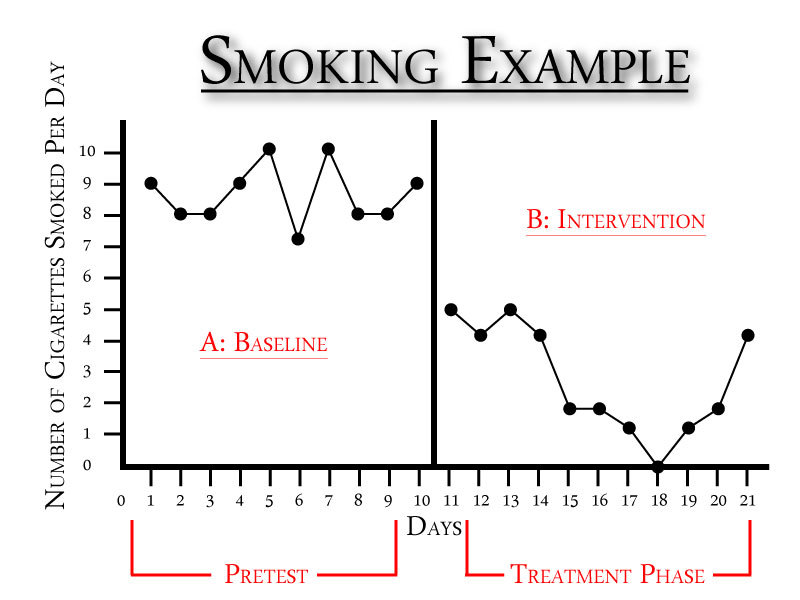
AB Design
baseline; intervention; simple comparison
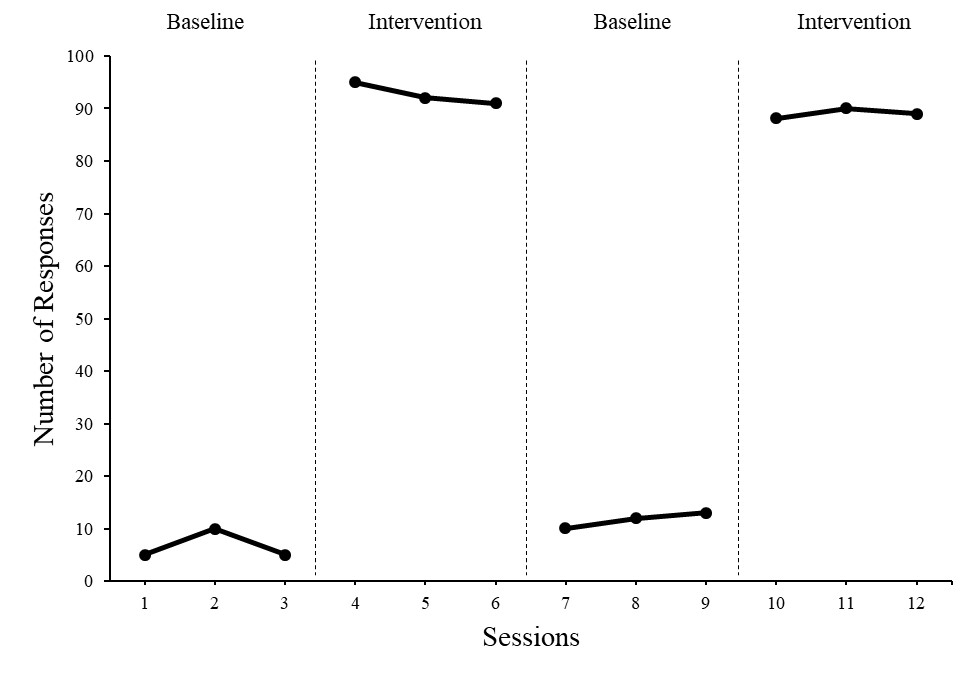
ABAB (Reversal) Design
Replication of effect; strong experimental control
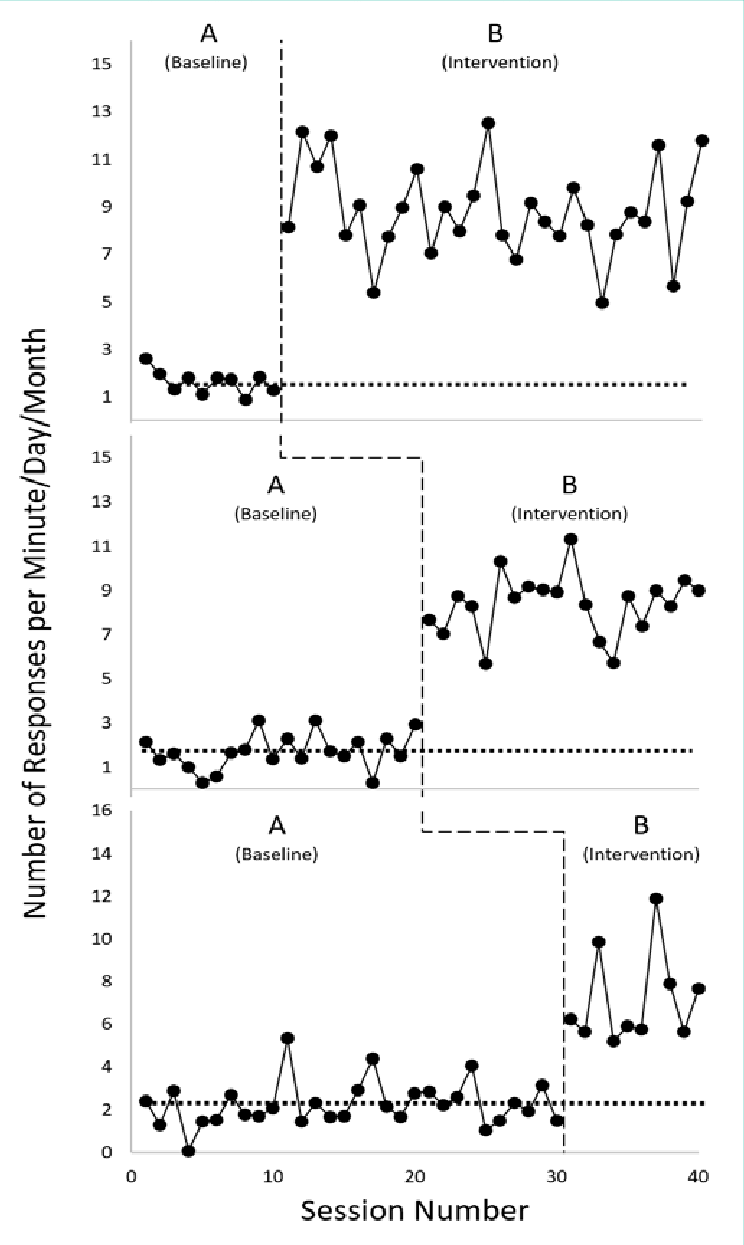
Multiple Baseline Design
Staggered start across subjects, settings, or behaviors; no withdrawal
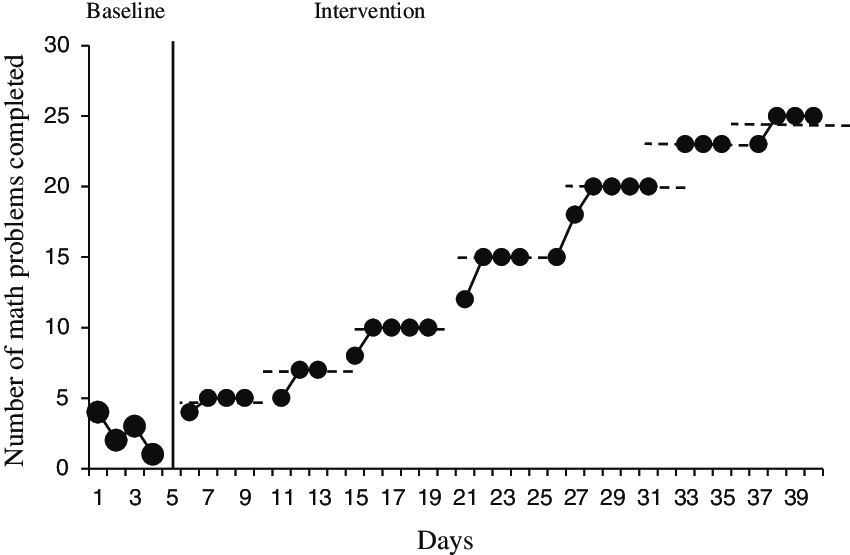
Changing Criterion Design
Stepwise increases or decreases; behavior follows criterion changes
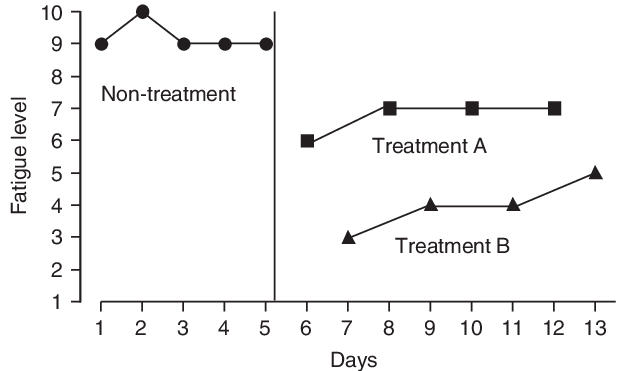
Alternating Treatments
Rapid alternation of two or more conditions; compares interventions