JO - Sepsis, MODS, and Neurological Assessment in Paramedicine
 Call Kai
 Learn
Learn Practice Test
 Spaced Repetition
 Match
Match Flashcards
 Knowt Play
1/80

There's no tags or description
Looks like no tags are added yet.
Name | Mastery | Learn | Test | Matching | Spaced | Call with Kai | Chat |
|---|
No analytics yet
Send a link to your students to track their progress
81 Terms
Shock
Begins with localized tissue damage, may progress to organ failure and death.
Sepsis
Mild systemic response to bacterial infection or suspected infection.
Sepsis Criteria
Suspected or proven infection AND increase in sequential organ failure assessment with a score of 2 or more from baseline.

Septic Shock
Hemodynamic instability with SIRS.
Septic Shock Criteria
Sepsis AND vasopressor therapy required to maintain a MAP of greater than or equal to 65 mmHg AND lactate > 2mmol/L despite adequate fluid therapy.
SIRS
Systemic inflammatory response syndrome.
qSOFA
Quick Sequential Organ Failure Assessment.
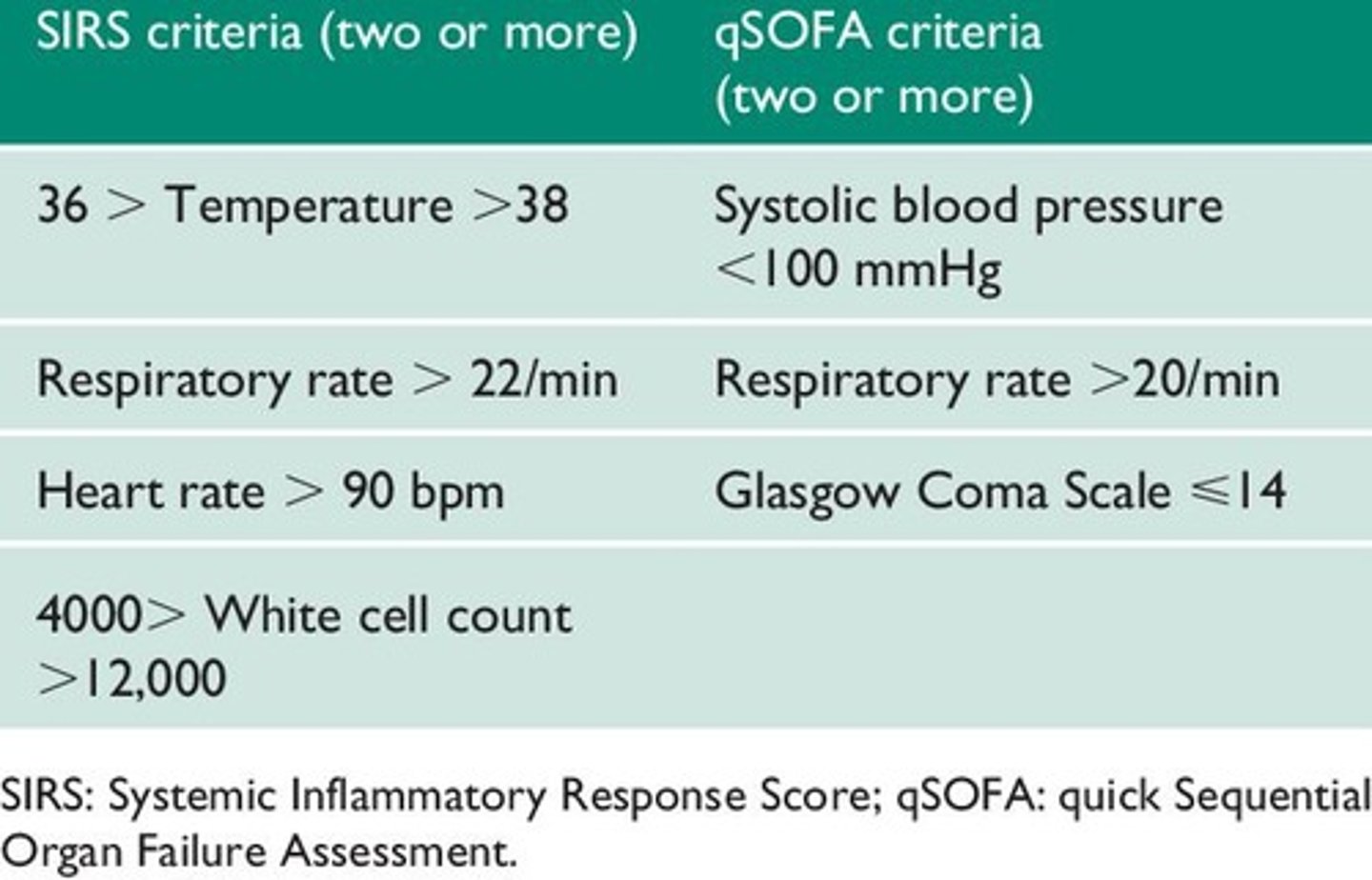
qSOFA Criteria
Includes: Altered mental status, RR greater or equal to 22 breaths/min + SBP greater than or equal to 100 mmHg with a score of > or = to 2.
Lactate
A measure that indicates cellular metabolism abnormalities, with a threshold of > 2mmol/L in septic shock.
Mortality Assessment
qSOFA enhances specificity for short-term mortality assessment at the expense of lower sensitivity.
SIRS and Sepsis Relationship
Not every patient with SIRS will have sepsis/septic shock.
Organ Failure
May occur as a result of shock and sepsis.
Inflammatory Response
Inappropriate inflammatory response can lead to sepsis.
Complex Disorders
Sepsis may be caused by or lead to complex disorders.
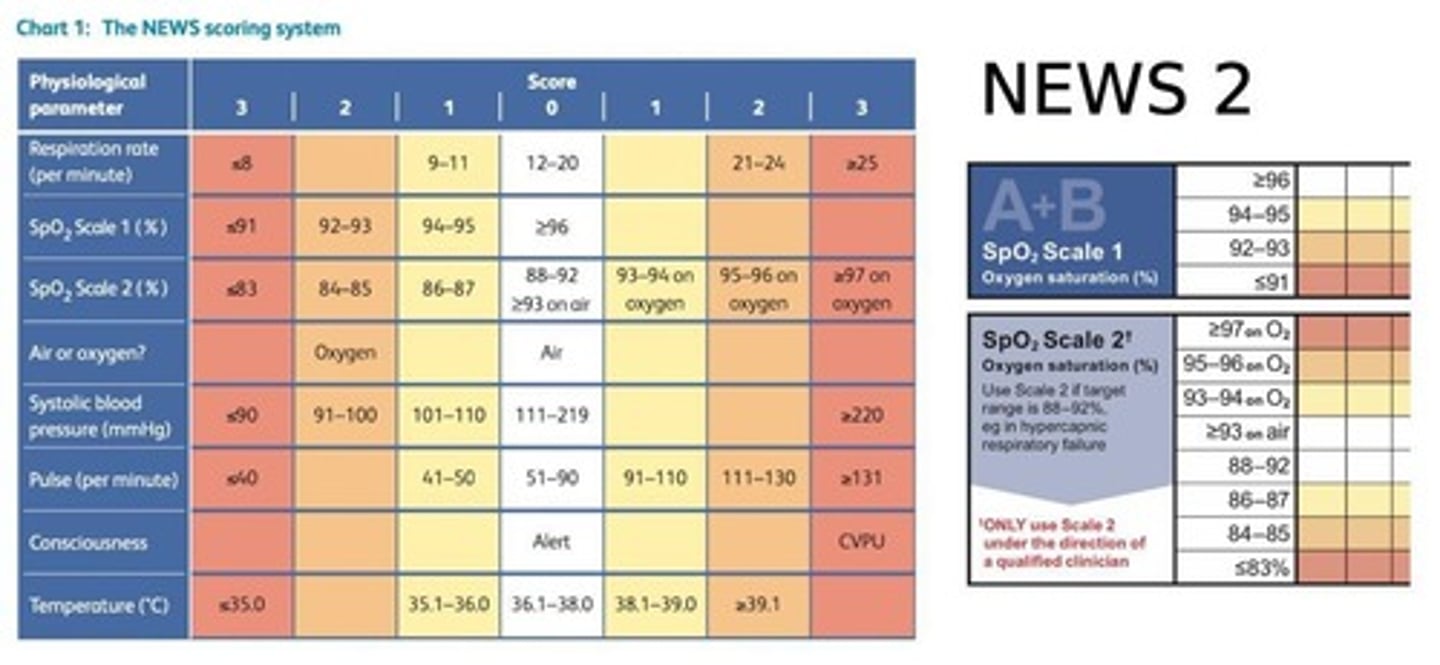
NEWS 2 Score of 5
Indicates high risk for sepsis.
Vasodilation
Causes redness and heat production.
Smooth Muscle Contraction
Leads to difficulty breathing.
Increased Capillary Permeability
Results in edema and swelling.
Vasopressin (ADH)
A hormone essential for cardiovascular stability, stored in the pituitary gland.
Nitric oxide (NO)
An important gas in septic shock that regulates vascular tone.
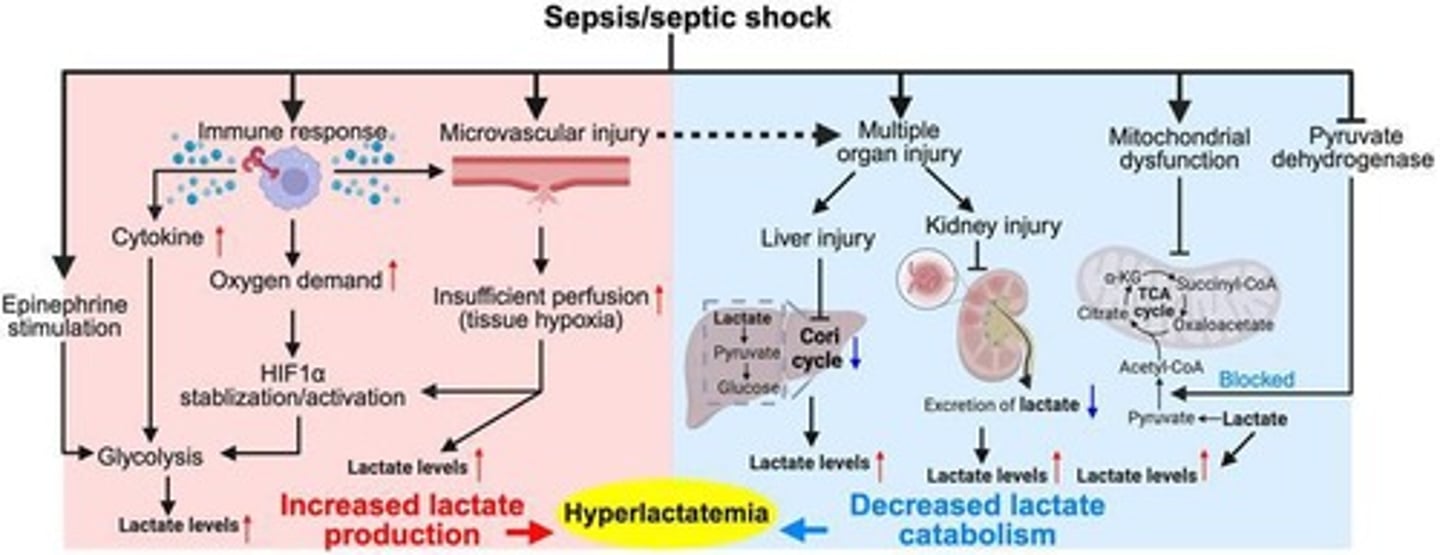
Mitochondrial dysfunction
Sepsis disrupts mitochondria from generating ATP.
Hemodynamic Alterations
Principal problem is hypotension from systemic vasodilation.
Myocardial depressants
Proinflammatory cytokines promote cardiac dysfunction.
Neurologic impairment
Includes altered mental status and lethargy.
Pulmonary Involvement
Often involves easy infiltration with neutrophils and leads to ARDS.
Gastrointestinal Effects
Shock state causes significant deleterious effects on hollow viscus and its O2 supply.
Endocrine disorders
Includes conditions like hyperglycemia and adrenal insufficiency.
Cytokine-mediated inhibition
Inhibits pyruvate dehydrogenase, affecting ATP production.
Early Recognition of Sepsis
Focus on identifying abnormalities of behavior, circulation, or respiration.
Source of Infection
Common sources include respiratory tract, urinary tract, and abdominal tract.
Signs and Symptoms of Sepsis
Include tachypnea, altered mental status, hypotension, and mottling of the skin.
Sepsis Assessment
Involves maintaining a high index of suspicion and thorough patient history.
Sepsis Management
Early recognition and management are vital.
Fluid resuscitation
Volume expansion to optimize CO
Recommended fluid resus. Volume
30 mL/kg
Vasopressor + inotropic support
Includes Dobutamine, phenylephrine, epinephrine, vasopressin
Supportive care
Includes oxygen therapy, warmth + comfort etc.
Risk factors for sepsis
Older adults, immunocompromised and neutropenic patients, and having multiple comorbidities
Diagnostic evaluation for sepsis
Guided by thorough history, physical examination, and lab testing
Early treatment focus for sepsis
Appropriate identification, improvement of tissue perfusion/oxygenation, administration of antibiotics, and early identification of infections that may require surgery
Prompt administration of antibiotics
Essential and should be based on the suspected source of infection
Multiple Organ Dysfunction Syndrome (MODS)
A hypometabolic, immunodepressed state with clinical + biochemical evidence of decreased organ function due to an acute injury or illness
MODS mechanism
Includes comorbidities, medications, inflammation, coagulation cascade, neuro-endocrine factors
MODS assessment
Presence of a systemic inflammatory response (e.g., SIRS criteria) and dysfunction of at least 2 organs
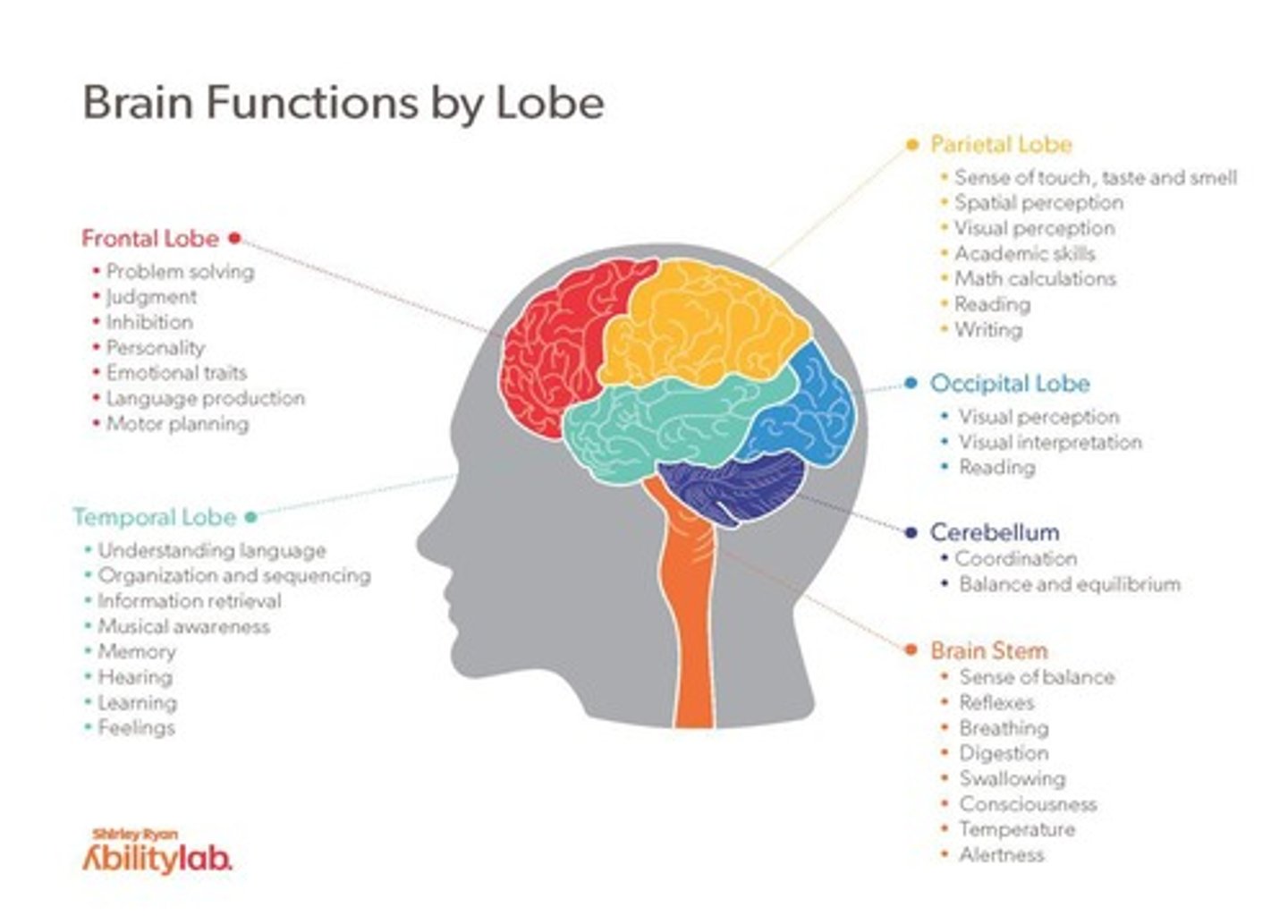
Frontal Lobe
Responsible for executive function + motor strip
Frontal Eye Field
Responsible for voluntary + rapid eye movements
Broca's Area
Motor speech area vital for producing spoken language; damage leads to broken speech
Motor Cortex
Executes voluntary movements of the body by sending impulses through the brainstem + spinal cord to skeletal muscles
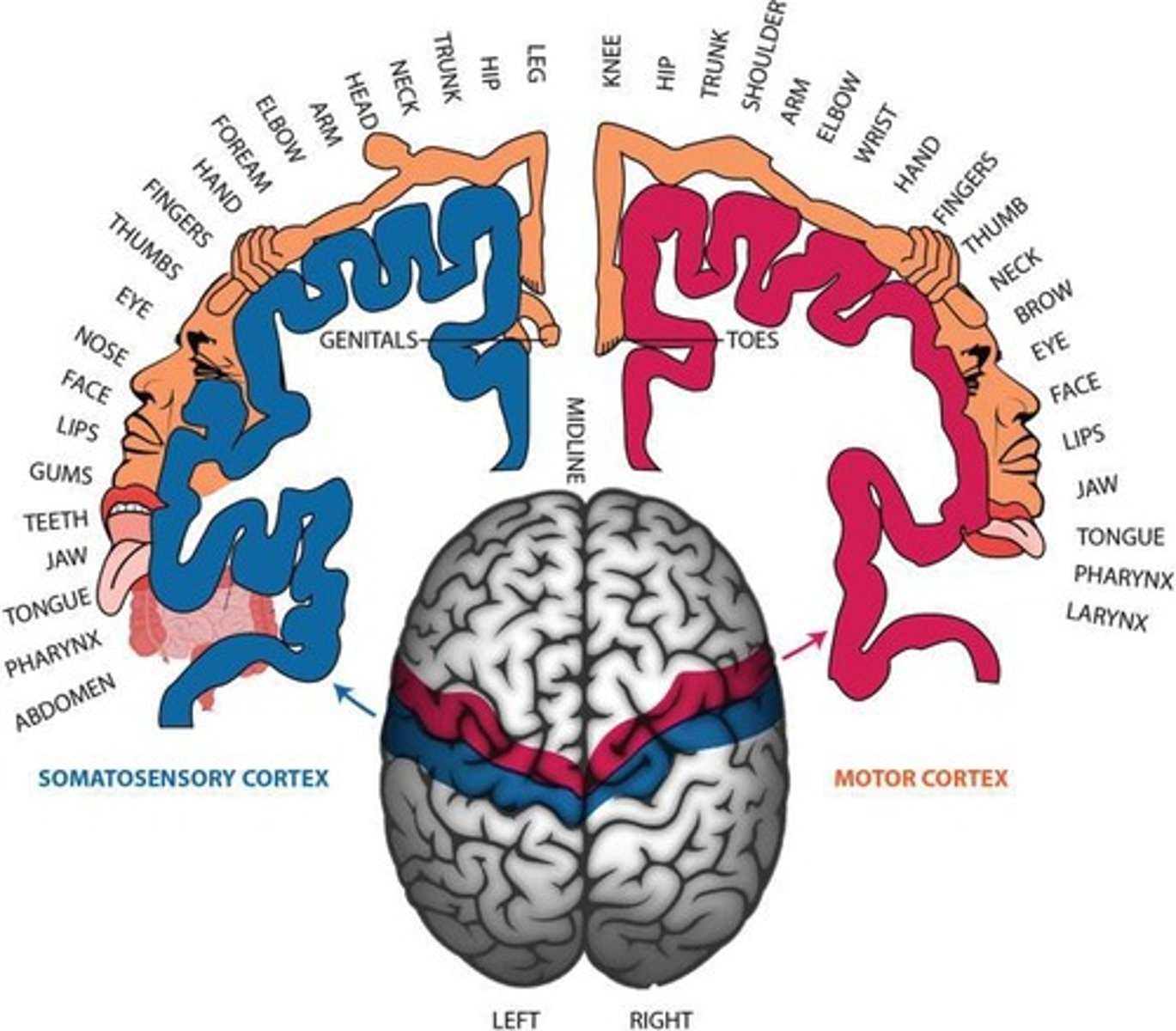
Somatosensory Cortex
Receives + integrates sensory information related to touch, temperature, pain, and the sense of body position/movement
Temporal Lobe
Involved in sound, language, and memory/emotion
Wernicke's Area
Responsible for comprehending written + spoken language; damage leads to weird speech
Brainstem
Responsible for vital functions + CN + conduit consciousness
Parietal Lobe
Involved in sensory perception + integration
Occipital Lobe
Responsible for vision
Cerebellum
Responsible for balance + coordination
Basal Ganglia
Cluster of nuclei crucial for regulating voluntary movement, planning + cognitive functions like reward
Thalamus
Acts as a central relay + integration station; processes most sensory info and directs it to the appropriate cortical areas
Internal Capsule
Serves as a major two-way pathway for ascending + descending fibers carrying info to and from the cerebral cortex, connecting it to the brainstem, spinal cord, and other subcortical structures
Homunculus
A map that shows how brain areas correspond to different body parts; helps locate strokes by predicting symptoms based on the affected brain region + its blood supply
Anterior Cerebral Artery
Supplies blood to the medial parts of front + parietal lobes; causes leg weakness
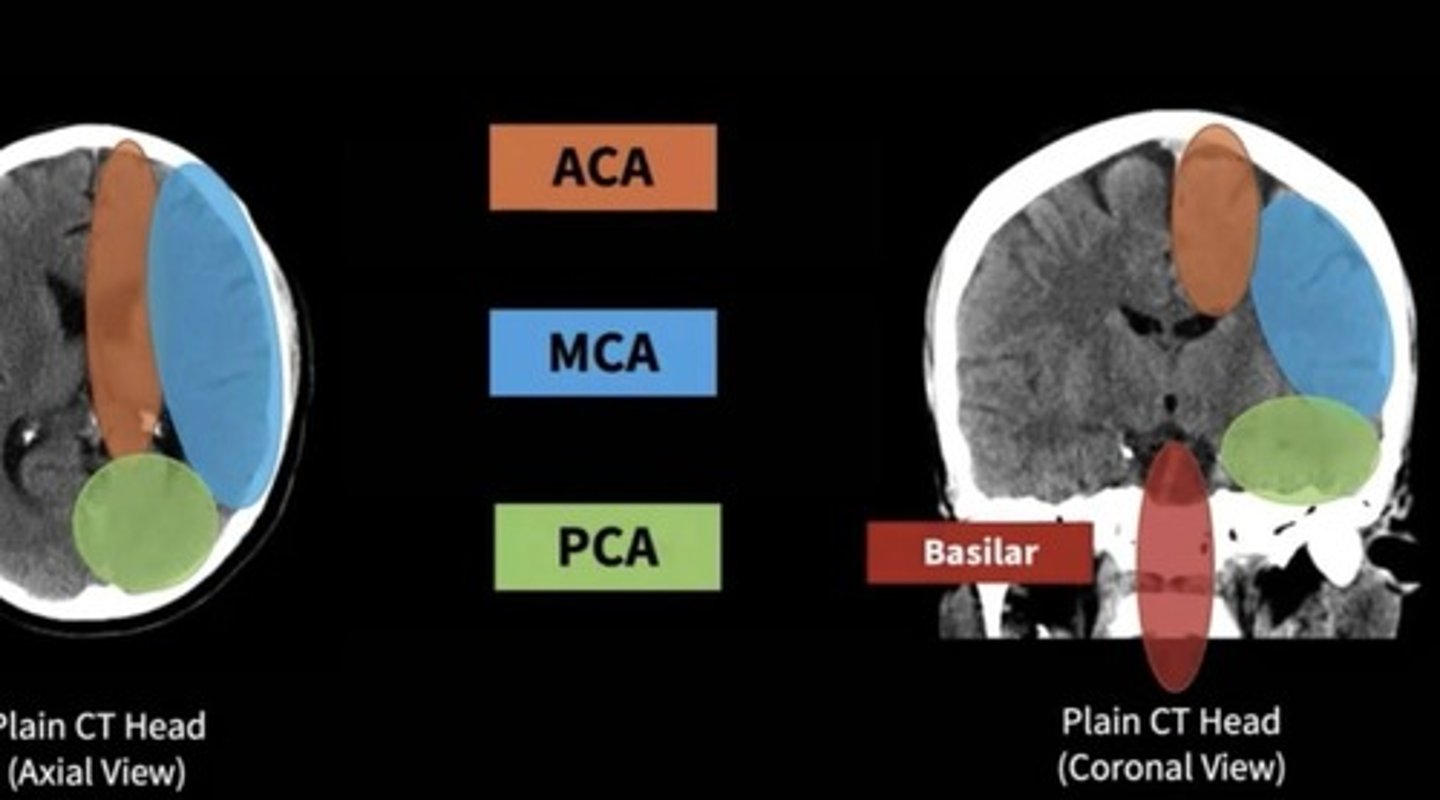
Middle Cerebral Artery
Largest artery, supplies lateral portions of cerebral hemispheres; most common site for strokes
Posterior Cerebral Artery
Supplies the occipital lobes + parts of the temporal lobes.
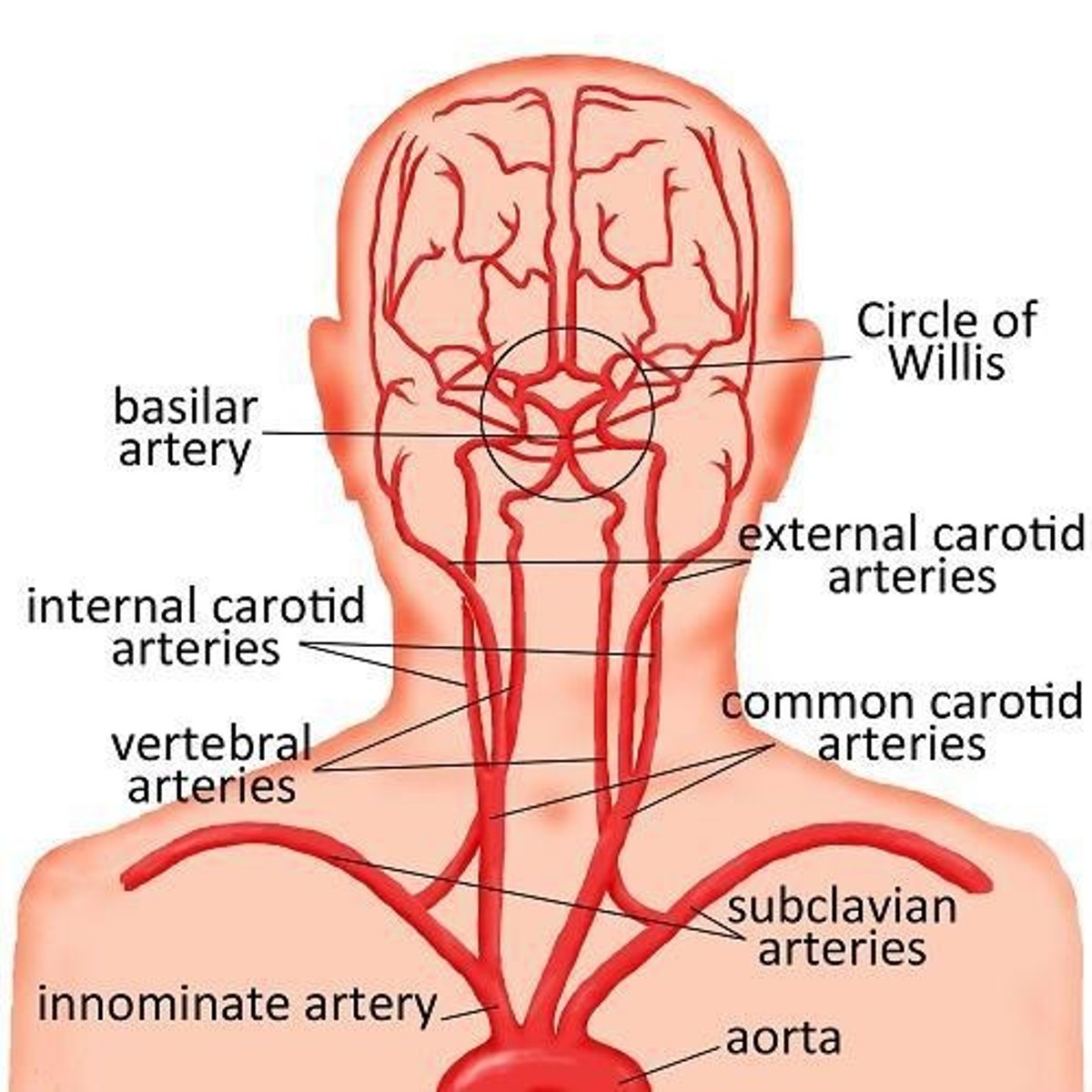
Internal Carotid Artery
Major blood vessel that supplies blood to the front of the brain.
Vertebral Artery
Major blood vessel that supplies blood to the back of the brain.
Circle of Willis
A ring-shaped network of arteries at the base of the brain where the internal carotid and vertebral arterial systems meet.
Midbrain
Controls eye movement, vision + hearing processing.
Pons
Coordinates facial expressions, balance, hearing + relays info between cerebrum and cerebellum.
Medulla Oblangata
Regulates vital autonomic functions like breathing, heart rate, blood pressure, and swallowing.
Brain Pathology DDX
Differential diagnoses based on the timing of symptoms: Sudden (vascular obstruction, seizure), Rapid (migraine, toxicity, metabolic disorders), Subacute (infection, CVST, autoimmune disorder, toxicological/metabolic disorders), Chronic (degenerative function, mass, toxicological/metabolic disorder).
Brain Localizing Signs
Signs such as gaze deviation, aphasia, hemineglect/VF deficits, cranial nerve deficits, crossed face/body, hemi body, increased reflex/Babinski.
Mental Status Testing
Assessing level of alertness and Glasgow Coma Scale.
Higher Cerebral Functions
Includes dominant vs. non-dominant features impacting language and visual inattention.
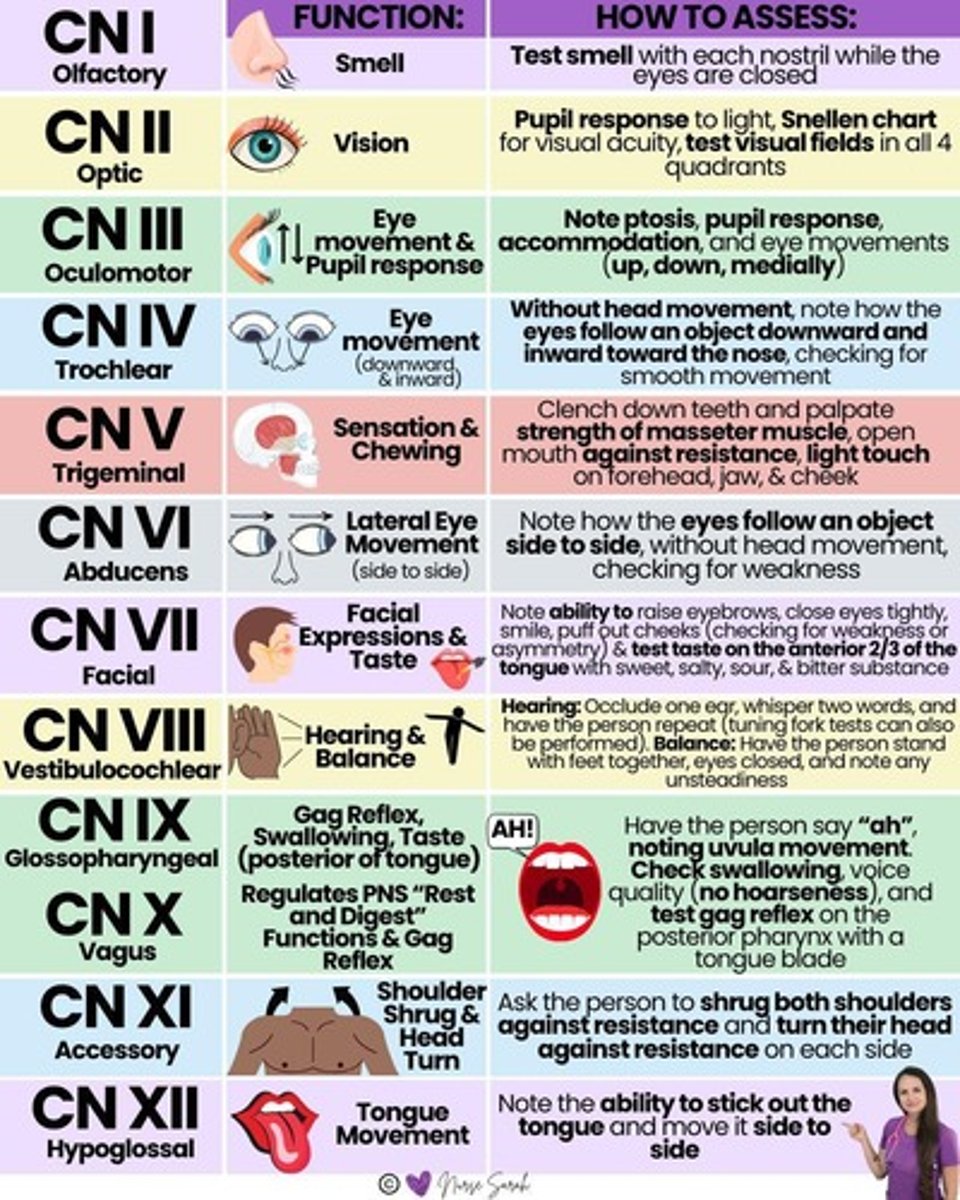
Cranial Nerves Examination
Includes pupil examination for constriction and response, affecting cranial nerve III.
Primary Sensory Modalities
Includes light touch, pinprick, position, vibration, and temperature sense.
Motor System Assessment
Muscle tone may be characterized as normal, decreased, or increased.
Reflexes
Patterns of reflex abnormalities may suggest a location of a problem within the CNS or peripheral nervous system.
Babinski Response
Expect feet to fan out in pediatrics or curl in adults; opposite reaction indicates upper motor neuron dysfunction.
Cerebellar Testing
Assesses involuntary activities of the CNS and helps with smoothing muscle movements and aiding with movement coordination.
Gait and Station
Observation of the patient walking and the posture assumed when stationary.
Nystagmus Eye Movements
Involuntary eye movement that may indicate cerebellar dysfunction.
Neurological Assessment
A comprehensive evaluation of mental status, cranial nerves, sensory modalities, motor system, reflexes, and cerebellar function.