Small Grain Disease Vocabulary
 Call Kai
 Learn
Learn Practice Test
 Spaced Repetition
 Match
Match Flashcards
 Knowt Play
1/118

Earn XP
Description and Tags
Glossary from: Common Diseases of Small Grain Cereals - A Guide to Identification, F.J Zillinksy, CIMMYT
Name | Mastery | Learn | Test | Matching | Spaced | Call with Kai | Chat |
|---|
No analytics yet
Send a link to your students to track their progress
119 Terms
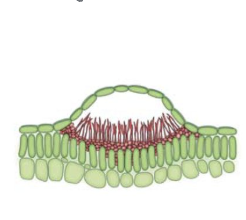
Acervulus
Saucer-shaped, exposed fruiting structure that produces conidia from a compact layer of conidiophores, often surrounded by spines
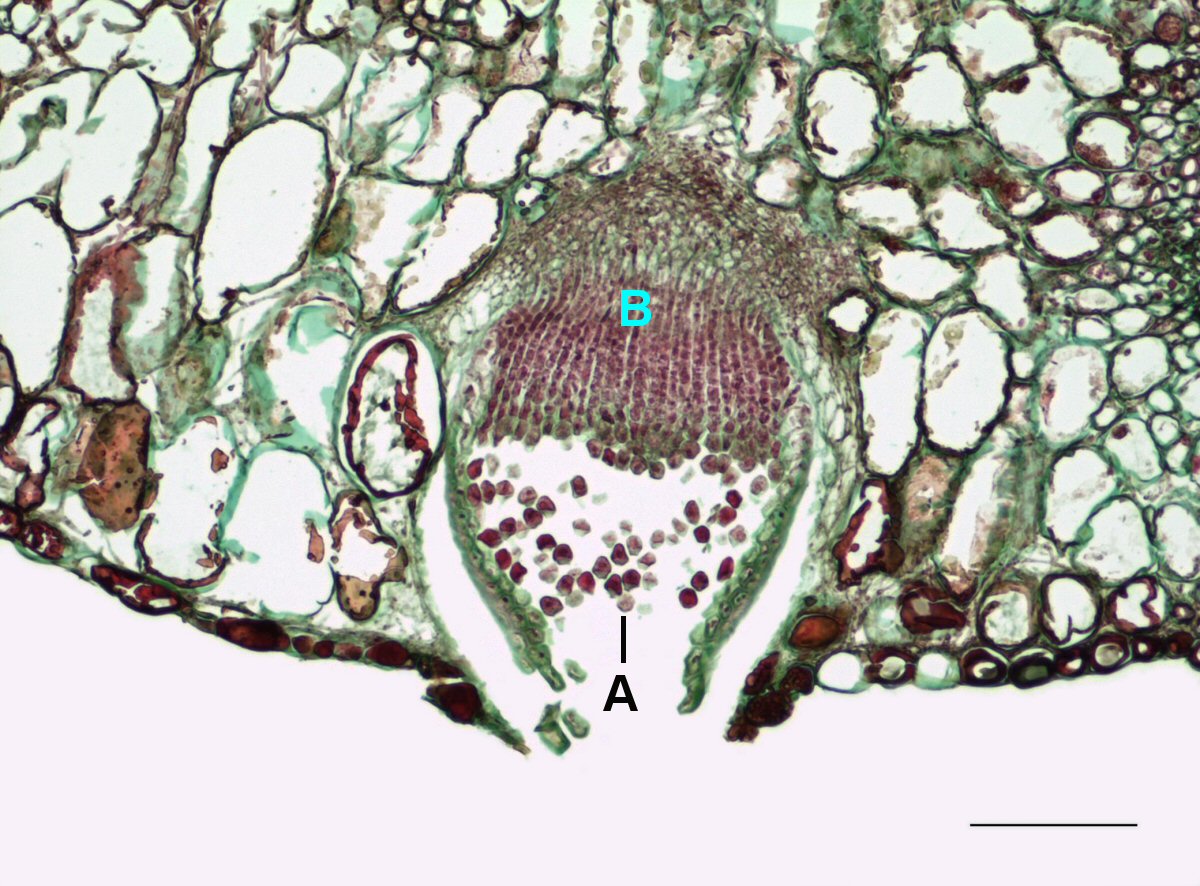
Aeciospores
Spores in a chainlike series within an aecium
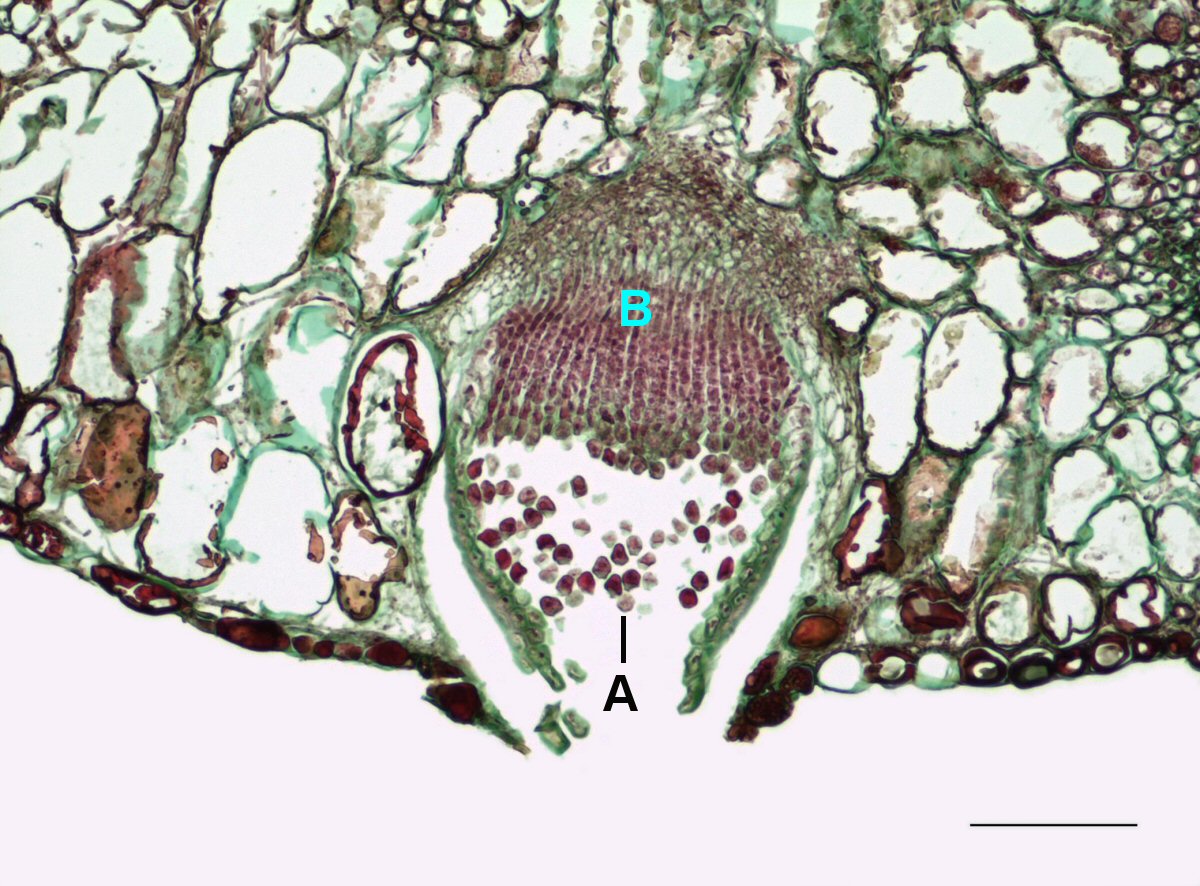
Aecium
the fruiting body of rust fungi
Alternate host
a second host species required by some rusts and other organisms to complete their life cycle
Apical cell
the cell located at the tip or apex
Apices
plural of apex
Ascocarp
a mature fungal fruiting body containing asci and ascospores
Ascomycete
a class of fungi that produces ascospores within a saclike ascus
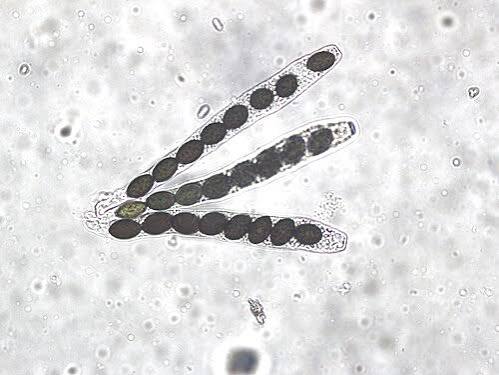
ascospore
a spore produced within a saclike structure (the ascus)
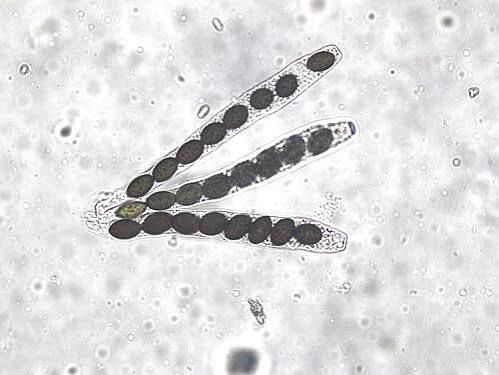
ascus
an oval or rubular spore sac containing ascospores
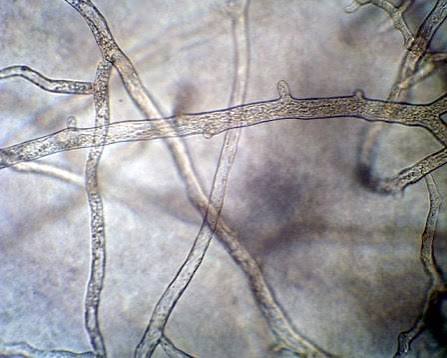
aseptate
without cross walls (septa)
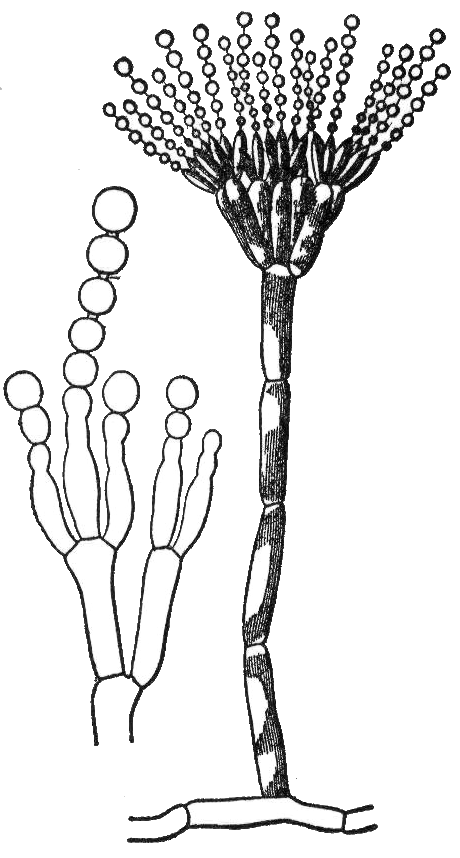
asexual spores
a spore produced by cell division, which is capable of developing without conjugation into a new individual
avirulent
nonpathogenic
basal cell
the cell at the foot or basof a conidium or conidiophore
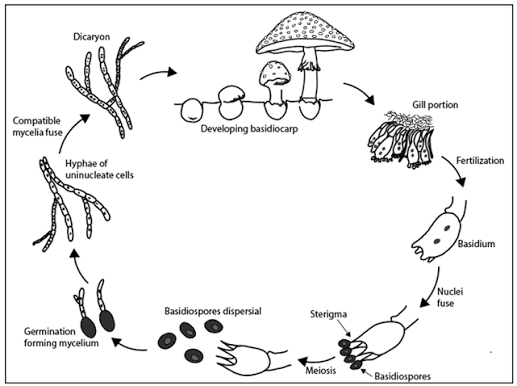
basidial state
the part of the life cycle of basidiomycetes during which haploid spores are formed
Basidiomycete
a class of fungi that produce sexual spores on a basidium
basidiospore
a haploid secual spore produced on a basidium
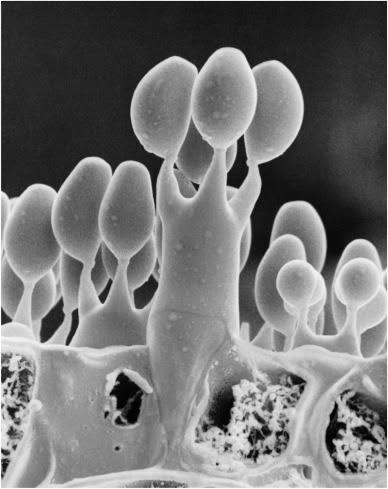
basidium
a short threadlike structure, produced by germinating teliospores, which gives rise to basidiospores or sporidia; also called promycelium in the smut fungi
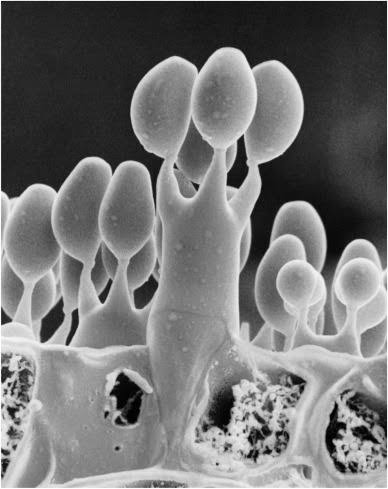
chlamydospores
a thick-walled, resiting spore
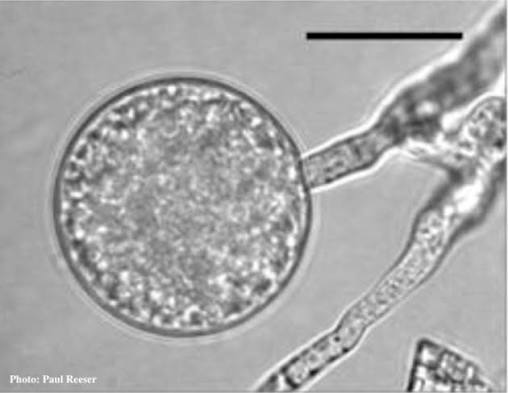
chlorosis
yellowing or whitening of the normally green tissue of plants
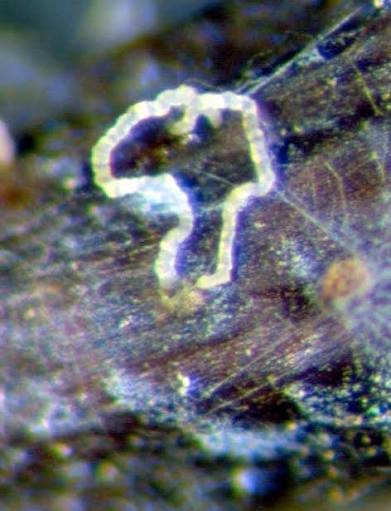
cirrus
a ribbonlike column of spores extruded from the ostioles of pycnidia or perithecia
clavate
club shaped
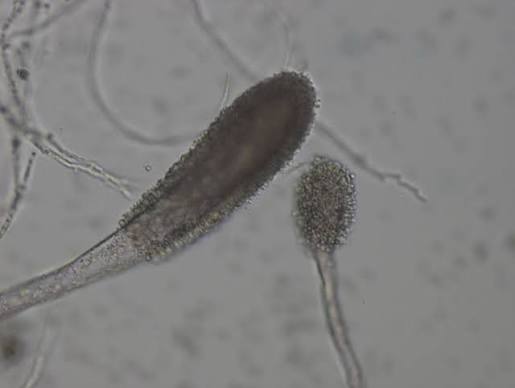
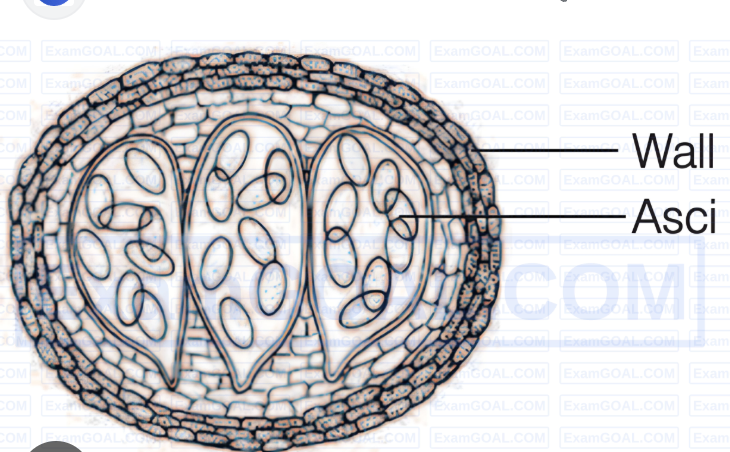
cleistothecium
a closed fruiting structure containing asci
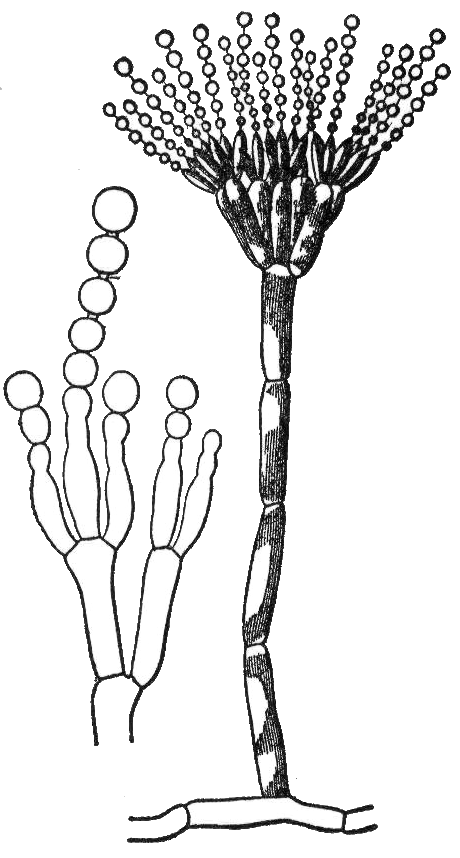
conidiophore
a threadlike stalk upon which conidia are produced
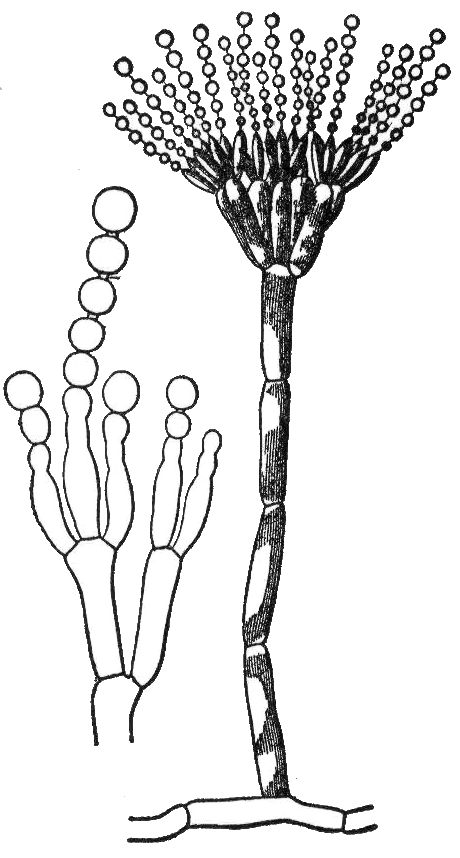
conidium
any sexual spore formed on a conidiophore
diploid
having two sets of chromosomes
echinulate
having short projections on the surface of spores
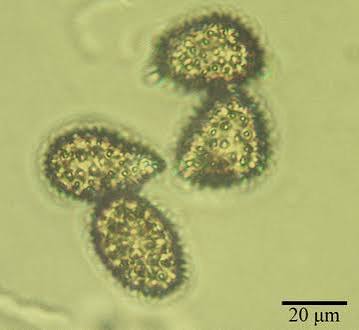
ellipsoid
shaped like an ellipse or oval
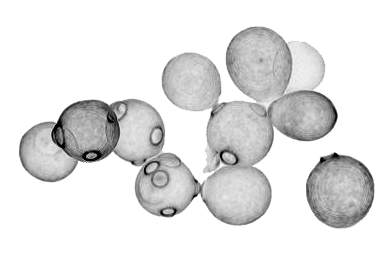
enation
a disease condition in which deformed tissue or galls develop on plant leaves or stems
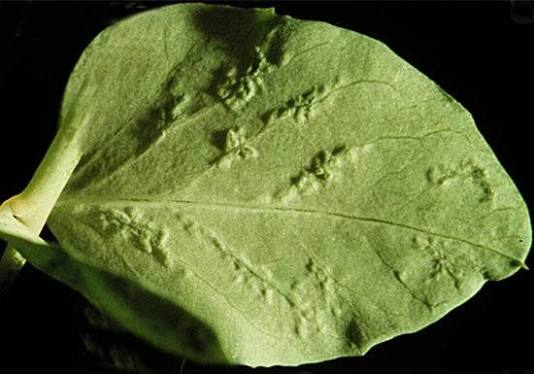
epiphytotic
the sporadic recurrence of a disease, usually over a wide area and affecting large numbers of susceptible plants
erumpent
the ability of some fungi to grow vigorously from beneath the leaf surface, bursting through and rising above the epidemis
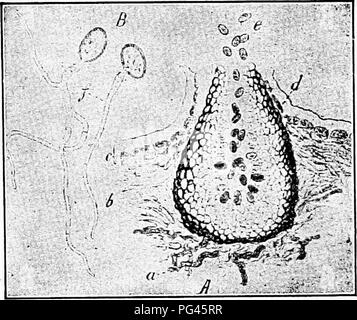
etiology
all the factors contributing the the cause of a disease
extrude
to release or discharge spores
exudate
accumulation of spores or bacterial ooze
facultative parasite
a saprophytic organism capable of behaving as a pathogen
filiform
threadlike
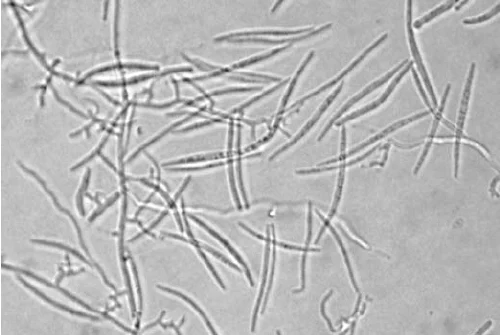
filamentous
also threadlike
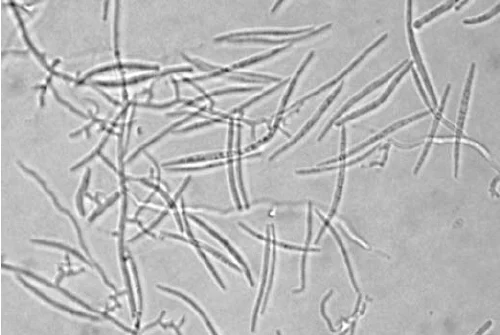
flexuous
having bends or waves
foot rot
disease symptoms, such as discoloration, necrosis and decay, affecting the roots and basal portions of the plant
fruiting body
the structure from which spores are produced
fungicide
a chemical or toxin that kills or inhibits fungi
fusoid
tapering toward the ends
gall
an abnormal growth or swelling, usually caused by pathogenic organisms, nematodes, or insects
germ tube
the hypha of a germinating spore
globose
more or less spherical in shape
haploid
having one set of chromosomes
haustorium
a specialized structure for extracting nutrients that is formed on some fungal hyphae following plant cell penetration
herbicide
a chemical that is toxic to some herbacious plants
honeydew
a sticky exudate (containing conidia) produced during one stge of the life cycle of Claviceps purpurea
hyaline
transparent or colorless
hymenium
the layer of a fruiting body that produces spores
hypha
a tubular threadlike filament of fungal mycelium
immune
not affected by pathogens
imperfect state
the asexual period during the life cycle of a fungus
inoculum
spores of other disease material that may cause infection
isolate
a culture of an organsim
latent
the lack of visible symptoms following infection
lesion
a visable area of diseased tissure on an infected plant
macroconidia
the larger, and usually more common, of the conidia produced by fungi
microconidia
the smaller of the conidia produced by fungi
morphology
referrring to the form or structure of an organism
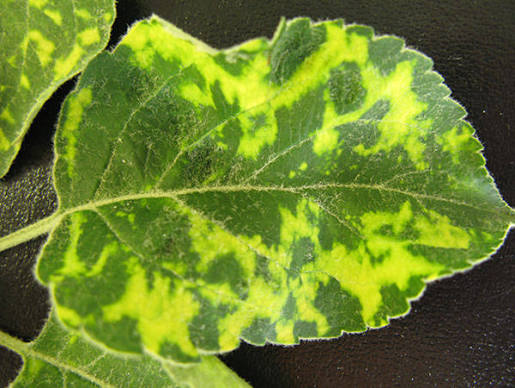
mosaic
a pattern of disease symptoms displaying mixed green and white pathes
motile
capable of movement
multiseptate
having several septa (crosswalls)
mycelium
a mass of hyphae that form the body of a fungus
mycoplasma
minute unicellular organisms that are smaller than bacteria, variable in shape, and lack rigid cell walls
necrosis
death of plant tissue, usually accompanied by discoloration
obligate parasite
an organism that develops only on living host tissue
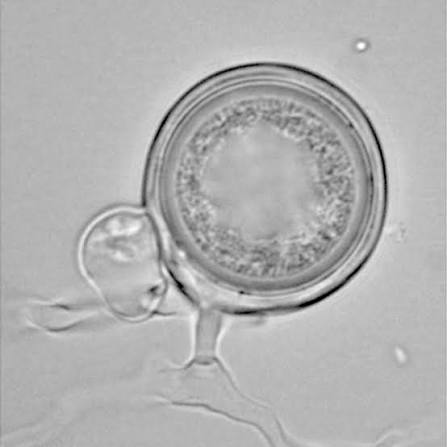
oospore
thick-walled, resting spore of Phycomycetes
ostiole
a pore or opening on pycnidia or perithecia through which spores are released
ovoid
egg shaped
pathogen
a microorganisms that causes disease
pathogenic
capable of causing disease
pathogenicity
capacity for causing disease
perfect stage
sexual stage of reproduction
perithecium
a closed ascocarp having an ostiole or opening
persistant
pertaining to viruses that remain infections in insect vectors for long periods
Phycomycetes
a large class of fungi that range in form from an undifferentiated mass to a well-developed mycelium with many branches
physiological forms
groups within species that are morphologically similar, but differ in pathogenicity or other characteristics
primary inoculum
spores or fragments of mycelium capable of initiating a disease
promycelium
hypha of a germinating teliospore on which basidiospores are produced
pustule
a spore mass developing below the epidermis, usually breaking through at maturity
pycnidium
a flask shaped fruiting body producing asexual spores
race
a group of organisms within a species that is distinguished by its pathogenicity
resistance
inherent capacity of a host plant to prevent or retard the development of disease
resting spore
a spore that remains dormant fro a period of time before germination
reticulate walls
spore walls having a pattern of superficial lines or ridges
rosette
a very short, bunchy growth
saprophyte
an organism that uses dead organic matter as food
sclerotium
a dense compact mycelial mass capable of remaining dormant fro extended periods of time
senescence
the phase of plant growth that extends from full maturity to death
septum
a cross wall or patition
serology
a technique for identifying antigens and antibodies
seta
short hairlike tufts
sexual spore
a spore produced during the sexual stage of the fungal life cycle
sign
fruiting structures or other features of the pathogen that are visible on the host plant
sorus
a spore mass erupting though, or replacing, host tissue
sporangium
a compact fungal mass within which spores that are usually asexual are produced
spore
a minute reporductive unit in fungi and lower plant forms
sporidium
the haploid sexual spore developing from a basidium; a basidiospore