Chapter 1: An Introduction to the Human Body
 Call Kai
 Learn
Learn Practice Test
 Spaced Repetition
 Match
Match Flashcards
 Knowt Play
1/75

Earn XP
Description and Tags
Anatomy and Physiology
Name | Mastery | Learn | Test | Matching | Spaced | Call with Kai | Chat |
|---|
No analytics yet
Send a link to your students to track their progress
76 Terms
Human Anatomy
The study of the body’s structures
Gross Anatomy
Study of larger structures of the body, visible to the naked eye
Microscopic Anatomy
Study of structures that can only be observed with a microscope
Regional Anatomy
Study of specific regions of the body by specific parts or areas
Systemic Anatomy
Study of the body by specific organ systems
Physiology
Study of the chemistry and physics of the structures of the body
Homeostasis
Process by which a living thing keeps its inside steady even when the world outside changes
Structural organization of the human body
Chemical, cell, tissue, organ, organ system, organism level
Integumentary System
Encloses internal body structures, site of many sensory receptors
Integumentary System includes
Hair, skin, nails
Skeletal System
Supports the body, enables movement with muscular system
Skeletal System includes
Cartilage, bones, joints
Muscular System
Helps maintain body temperature, enables movement with skeletal system
Muscular System includes
Skeletal muscles, tendons
Nervous System
Detects and processes sensory information, activates bodily responses
Nervous System includes
Brain, spinal cord, peripheral nerves
Endocrine System
Secretes hormones, regulates bodily processes
Endocrine System includes
Pituitary gland, thyroid gland, pancreas, adrenal glands, testes/ovaries
Cardiovascular System
Delivers oxygen and nutrients to tissues, equalizes temperature in the body
Cardiovascular System includes
Heart, blood vessels
Lymphatic System
Returns fluid to blood, defends against pathogens
Lymphatic System includes
Thymus, lymph nodes, spleen, lymphatic vessels
Respiratory System
Removes carbon dioxide, delivers oxygen to blood
Respiratory System includes
Nasal passage, trachea, lungs
Digestive System
Processes food for use by the body, removes wastes from undigested foods
Digestive System includes
Stomach, liver, gall bladder, large intestine, small intestine
Urinary System
Controls water balance, removes wastes from blood and excretes them
Urinary System includes
Kidneys, urinary bladder
Reproductive System
Male and female produces sex hormones and gametes
Energy
Can neither be created nor destroyed, only change form
Metabolism
Sum of all anabolic and catabolic reactions that occur simultaneously
Anabolism
Process where smaller molecules are combined into larger substances that uses energy
Catabolism
Process where larger substances are broken down into smaller molecules and releases energy
Adenosine triphosphate (ATP)
Primary energy currency of all living cells, it stores and releases energy
Responsiveness
Ability of an organism to adjust to changes in its internal and external environment
Development
All of the changes the body goes through in life
Differentiation
In which unspecialized cells become specialized in structure and function to perform certain tasks in the body
Growth
Increase in body size, increasing number of existing cells
Reproduction
The formation of a new organism from parent organisms
Without reproduction
Death will come to all complex organisms and the line of organisms would end
Requirements for human life
Oxygen, nutrients, narrow range of temperature and atmospheric pressure
Negative feedback (regular response)
A self regulating control system that detects a change in the body and reverses it to return conditions back to normal
Positive Feedback (only when body needs)
Intensifies a change in the body’s physiological condition rather than reversing it
Anatomical position
Is that of the body standing upright, with the feet at shoulder width and parallel, toes forward
Prone
Face down orientation of body
Supine
Face up orientation of body
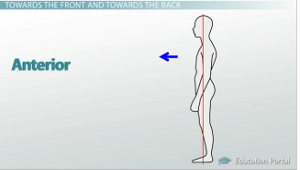
Anterior (ventral)
describes the front or direction toward the front of the body
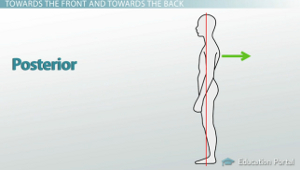
Posterior (dorsal)
describes the back or direction toward the back of the body
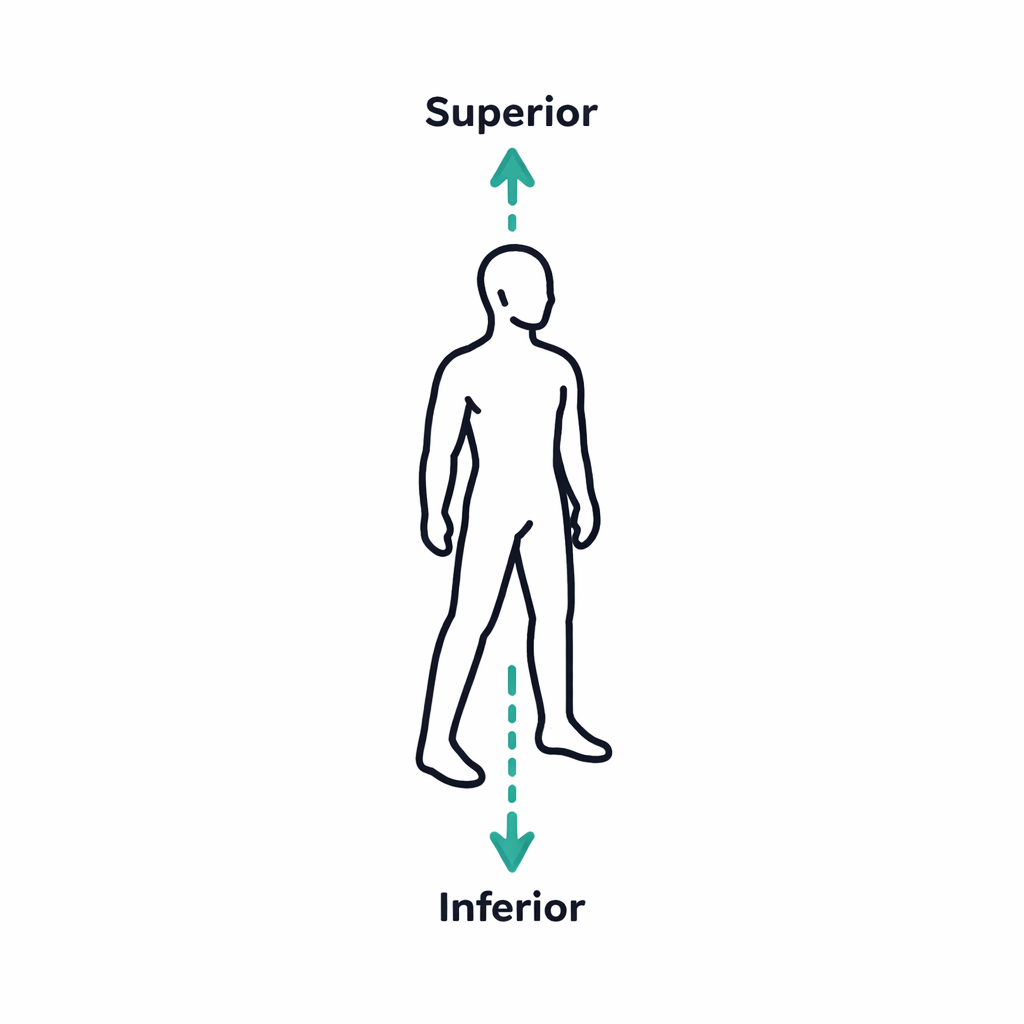
Superior (cranial)
describes a position above or higher than another part of the body proper
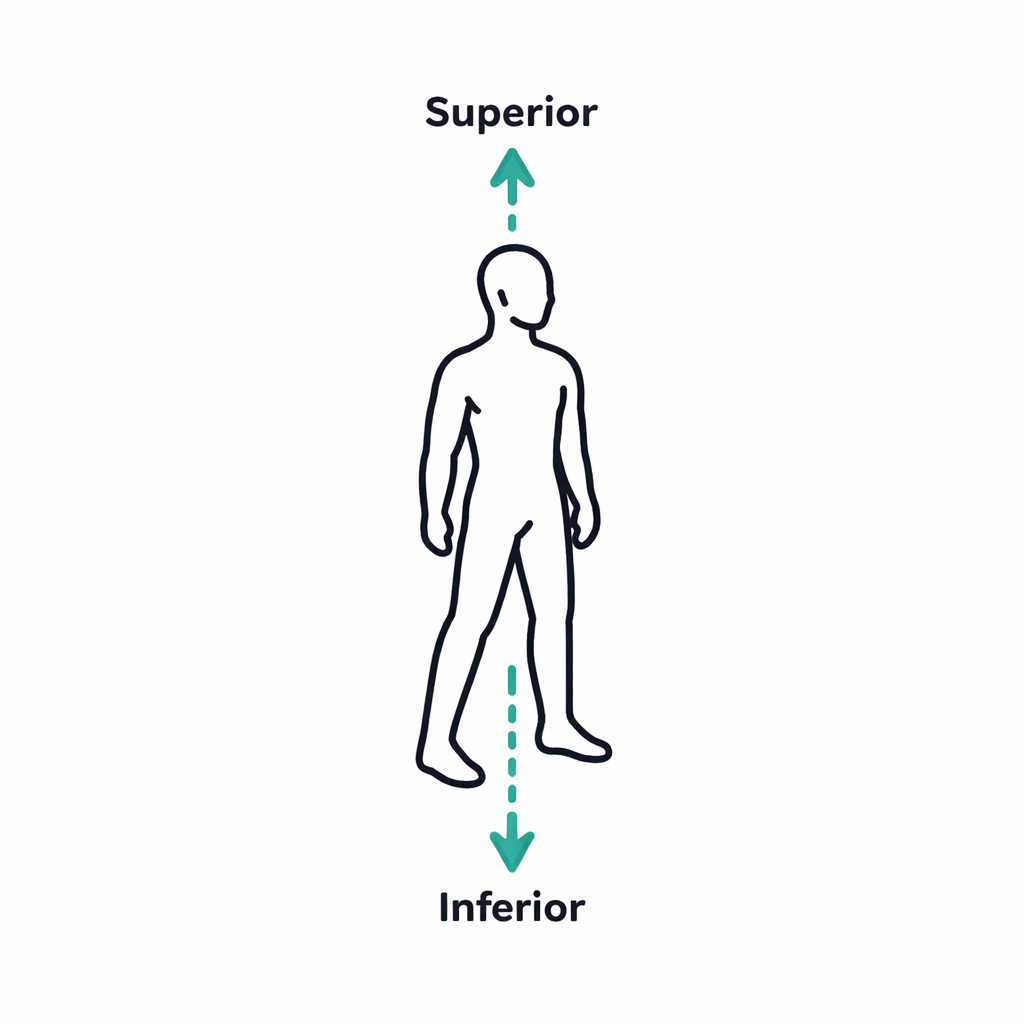
Inferior (caudal)
describes a position below or lower than another part of the body proper
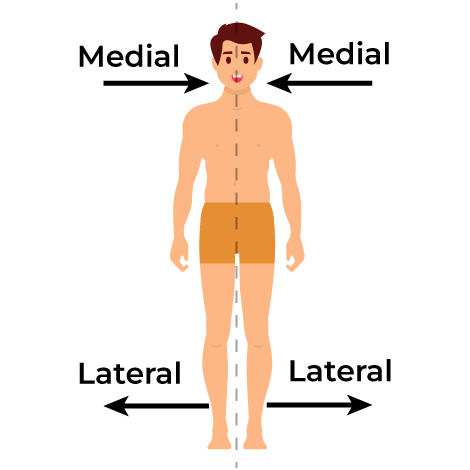
Lateral
describes the side or direction toward the side of the body

Medial
describes the middle or direction toward the middle of the body
Proximal
describes a position in a limb that is nearer to the point of attachment or the trunk of the body
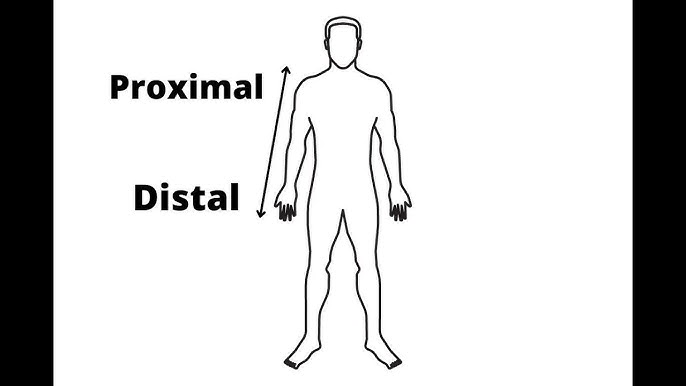
Distal
describes a position in a limb that is farther from the point of attachment or the trunk of the body
Superficial
describes a position closer to the surface of the body
Deep
Describes a position farther from the surface of the body
Section
A two dimensional surface of a three dimensional structure that has been cut
Plane
imaginary two dimensional surface that passes through the body
Sagittal Plane
Plane that divides the body or organ vertically into right and left pieces
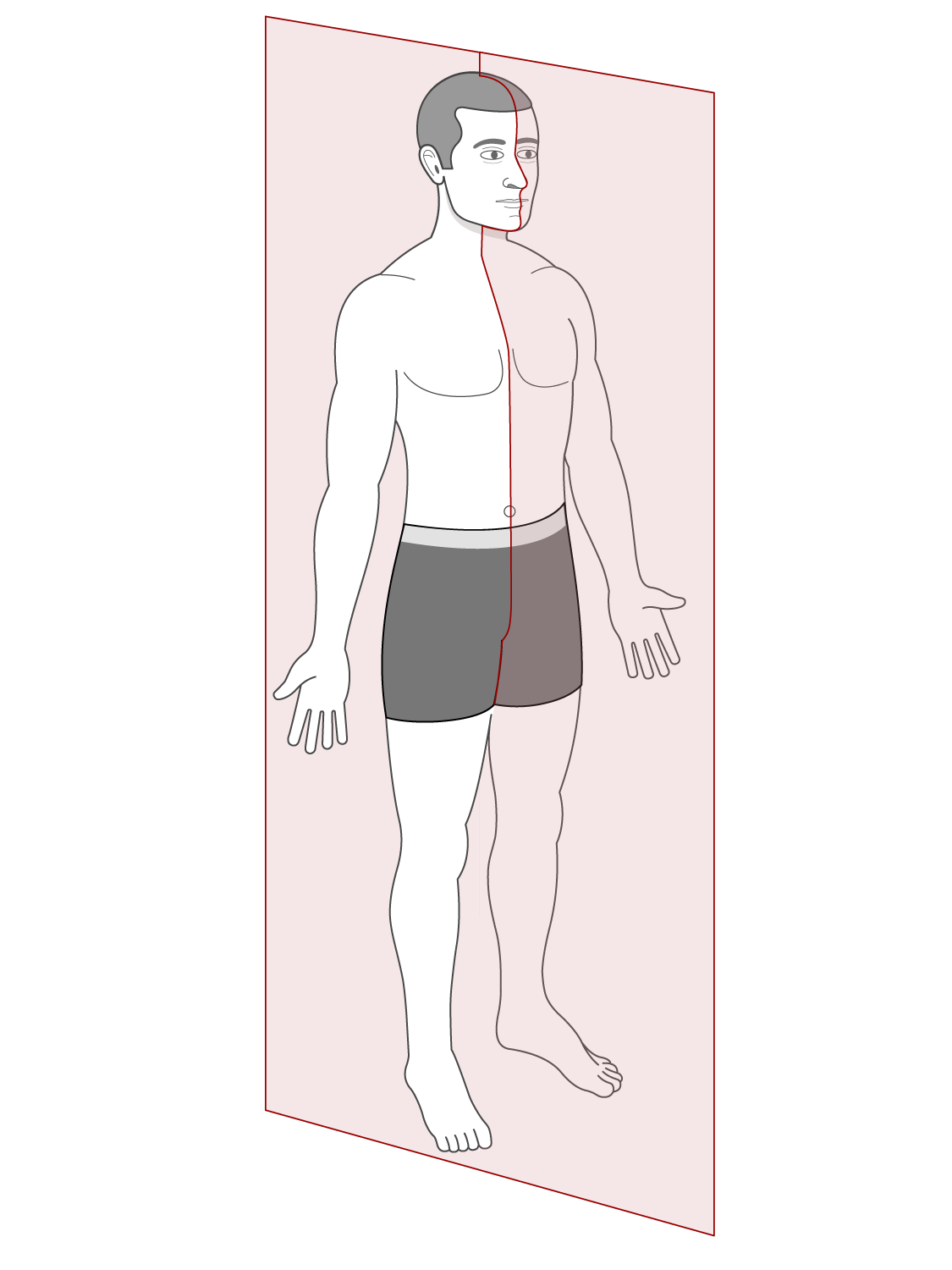
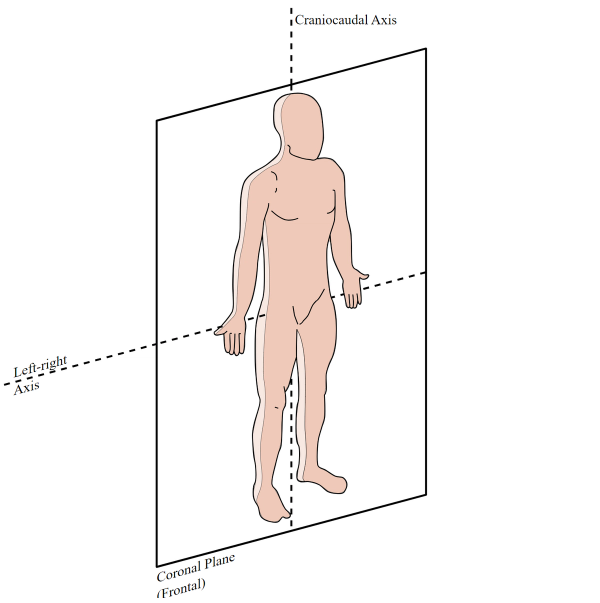
Frontal plane (coronal plane)
plane that divides the body or an organ into an anterior (front) and a posterior (rear) portion
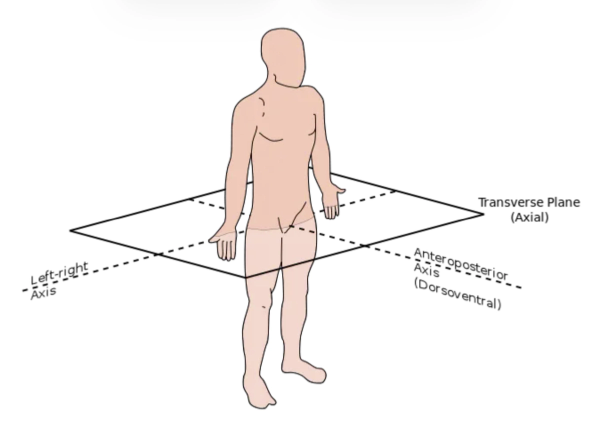
Transverse Plane
plane that divides the body or organ horizontally into upper and lower portions
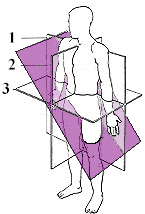
Oblique Plane
Intersects the body at an angel and is not parallel or perpendicular
Dorsal (posterior) cavity and ventral (anterior) cavity
are the largest body compartments and contain delicate internal organs
Cranial cavity
houses the brain (posterior)
Spinal cavity (vertebral cavity)
encloses the spinal cord (posterior)
Thoracic cavity (ventral/anterior cavity)
enclosed by the rib cage (contains lung and heart)
Abdominopelvic cavity (ventral/anterior cavity)
largest cavity in the body
Serous membrane (serosa)
thin membranes that cover the walls and organs in the thoracic and abdominopelvic cavities, meant to cushion and reduce friction of organs)
Pleura
the serous membrane that encloses the pleural cavity, surrounds the lungs
Pericardium
serous membrane that encloses the pericardial cavity, surrounds the heart
Peritoneum
serous membrane that encloses the peritoneal cavity, surrounds several organs in abdominopelvic cavity
X-ray
a form of electromagnetic radiation used primarily to visualize hard body structures
Computed Tomography CT
non invasive imaging technique that uses computers to analyze several cross sectional x-rays
Magnetic Resonance Imaging MRI
non invasive medical imaging technique that creates detailed images of organs and soft tissues inside the body
Positron Emission Tomography PET
a medical imaging technique that can illustrate physiologic activity of the organ(s)
Ultrasonography
an imaging technique thats the least invasive mostly used in situations such as pregnancy