Southcentral Alaska Flora & Fungi
 Call Kai
 Learn
Learn Practice Test
 Spaced Repetition
 Match
Match Flashcards
 Knowt Play
1/72

There's no tags or description
Looks like no tags are added yet.
Name | Mastery | Learn | Test | Matching | Spaced | Call with Kai | Chat |
|---|
No analytics yet
Send a link to your students to track their progress
73 Terms
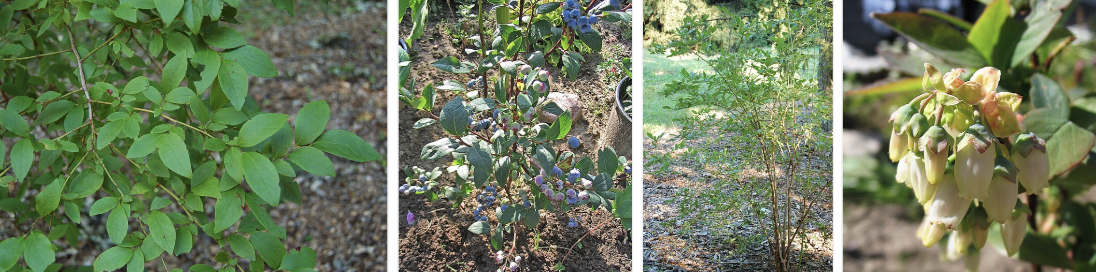
Highbush blueberry (Vaccinium corymbosum)
Tall blueberry shrub
Oval finely serrated leaves
White bell-shaped flowers
Blue waxy berries
Wet woods & bog edges
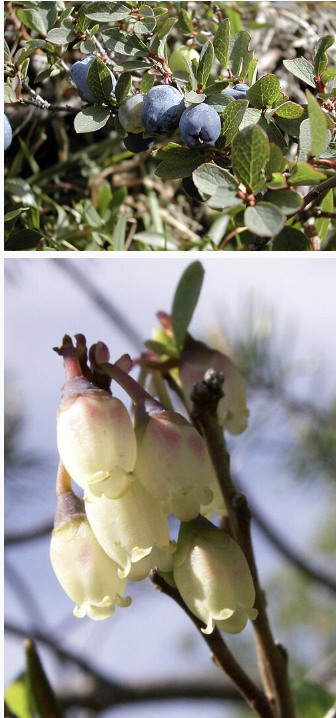
Bog blueberry (Vaccinium uliginosum)
Low blueberry shrub
Rounded smooth-edged leaves
Blue berries with waxy coating
Common in bogs & tundra
Pale leaf undersides
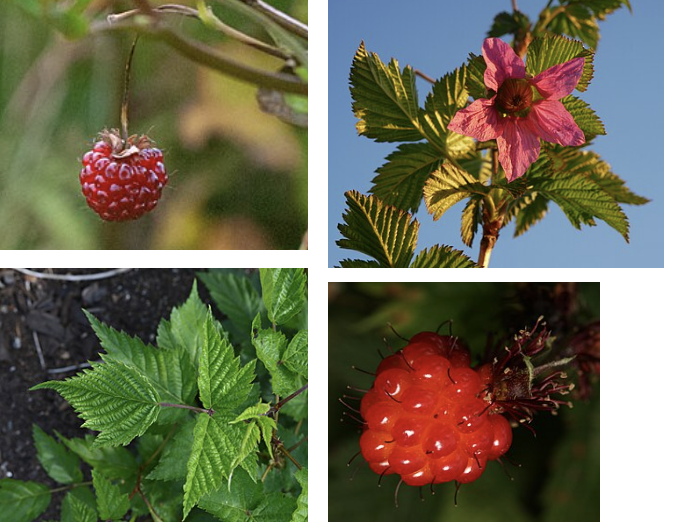
Salmonberry (Rubus spectabilis)
Tall thorny shrub
Large soft maple-like leaves
Bright pink 5-petaled flowers
Yellow to salmon-red berries
Wet coastal forests & streams
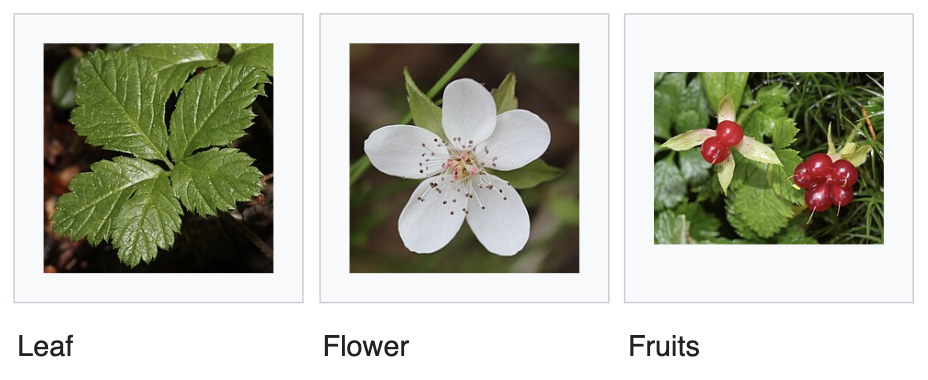
Trailing raspberry (Rubus pedatus)
Tiny trailing forest bramble
Leaves in groups of 3
White flowers
Small bright red raspberry-like fruit
Creeps along mossy forest floor
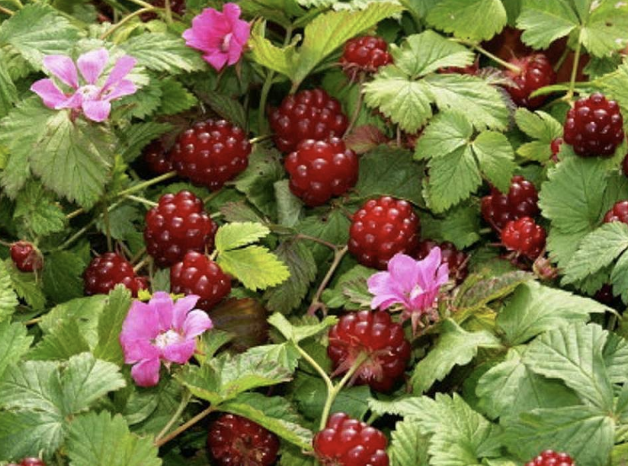
Nagoonberry (Rubus arcticus)
Low trailing bramble
Wrinkled 3-part leaves
Dark pink flowers
Sweet dark red berry
Common in tundra & open woods
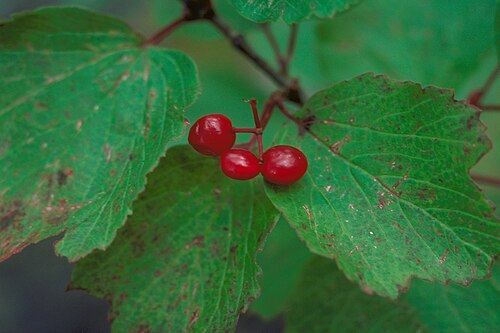
Highbush cranberry (Viburnum edule)
Opposite maple-like leaves
Flat clusters of white flowers
Bright translucent red berries
Tart berries persist into fall
Moist woods & stream edges
Commonly confused with baneberry or currants
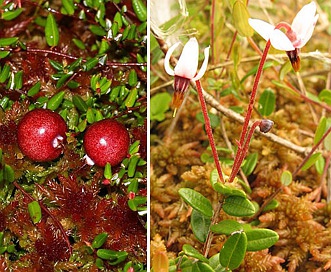
Bog cranberry (Vaccinium oxycoccos)
Tiny trailing evergreen vine
Small rolled leaves with pale undersides
Pink nodding flowers
Bright red sour berries
Grows in bogs & muskeg
Often confused with lingonberry
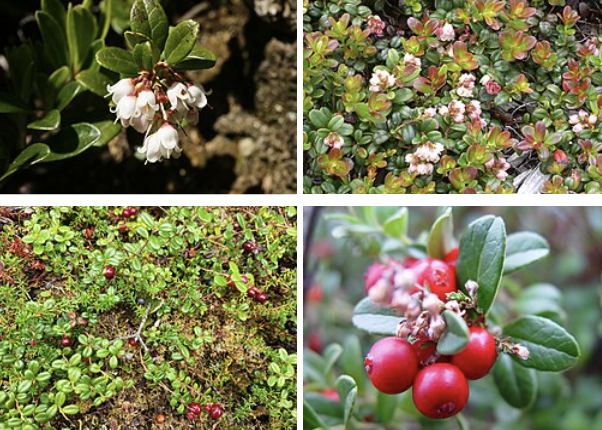
Lingonberry (Vaccinium vitis-idaea)
Low evergreen shrub
Thick shiny oval leaves
White-pink bell flowers in spring
Bright red berries in late summer/fall
Dry tundra & conifer forests
Often confused with bog cranberry
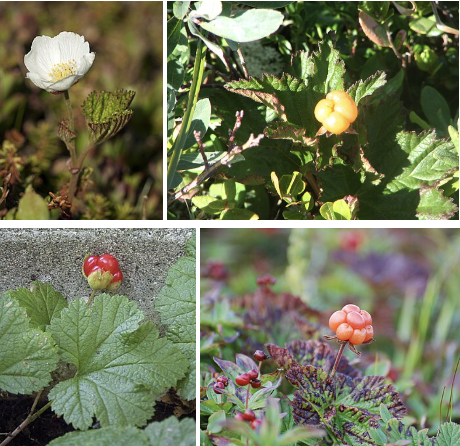
Cloudberry (Rubus chamaemorus)
Rounded shallow-lobed leaves
White flowers in spring
Single salmon-orange berry in summer
Low non-spiny tundra plant
Wet tundra & bogs
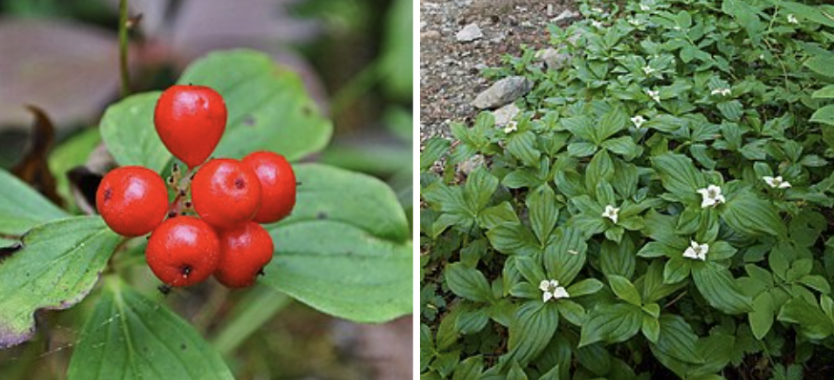
Bunchberry (Cornus canadensis)
Whorl of leaves at stem top
Tiny flowers with 4 white bracts in spring
Tight bunch of bright red berries in summer/fall
Creeping forest groundcover
Common in spruce & mixed forests
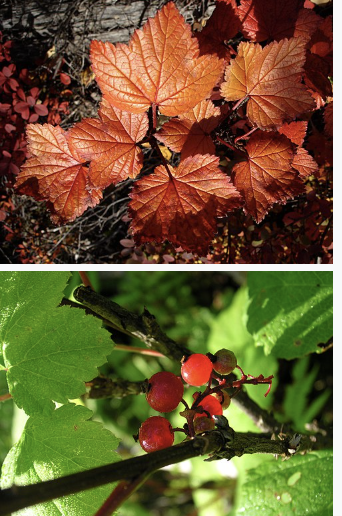
Red currant (Ribes triste)
Lobed leaves with strong currant smell
Hanging strings of greenish flowers in spring
Clear red berries in summer
Thornless shrub
Moist woods & streambanks
Can resemble baneberry before fruit ripens
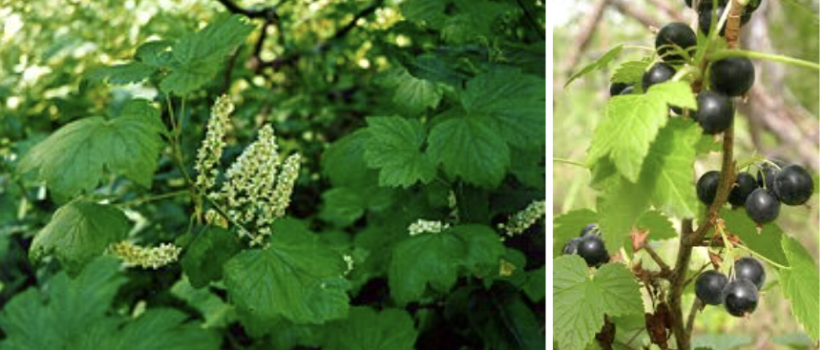
Black currant (Ribes hudsonianum)
Aromatic lobed leaves
Small pale flowers in spring
Black berries by late summer
No thorns or prickles
Wet forests & muskeg edges
Sometimes confused with gooseberries
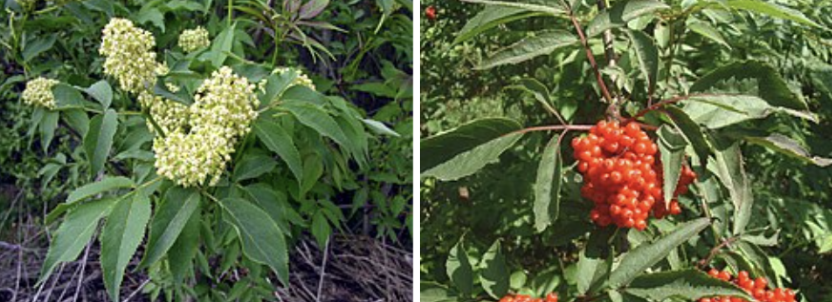
Red elderberry (Sambucus racemosa)
Compound leaves with many leaflets
Cone-shaped cream flower clusters in spring
Bright red berries in summer
Large woody shrub with soft pith stems
Forest edges & disturbed sites
Raw berries/seeds mildly poisonous
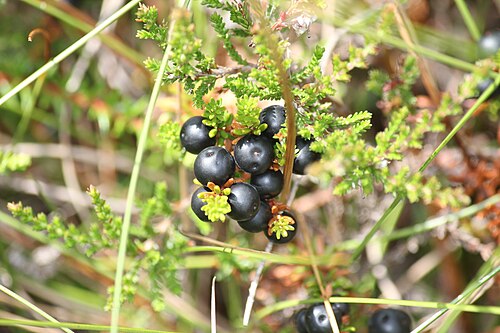
Crowberry (Empetrum nigrum)
Low mat-forming evergreen
Tiny needle-like leaves
Small pinkish flowers in spring
Black berries persist late into season
Tundra, muskeg & rocky slopes
Often mixed with blueberries while foraging
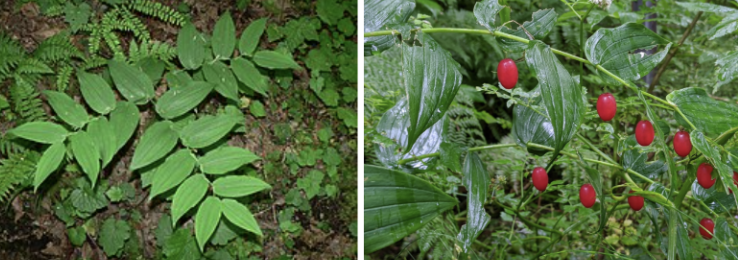
Watermelon berry (Streptopus amplexifolius)
Zigzag arching stems
Oval leaves clasp stem
Small hanging greenish flowers in spring
Red speckled berries in summer
Moist shady forests & streamsides
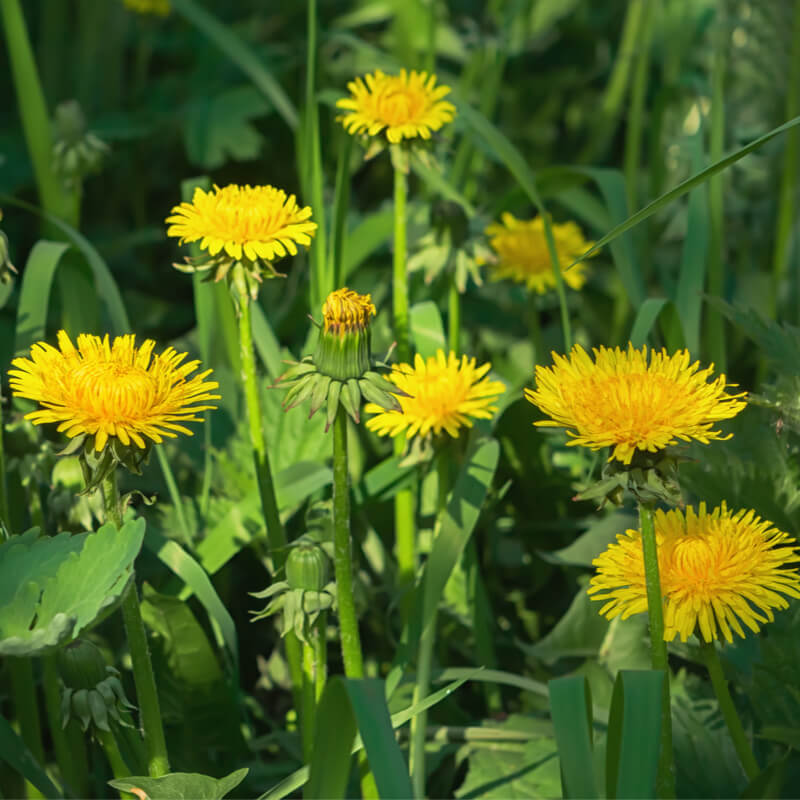
Dandelion (Taraxacum officinale)
Deeply toothed basal leaves
Bright yellow flower heads spring through summer
White puffball seed heads
Hollow stalks with milky sap
Lawns, trails & disturbed soil
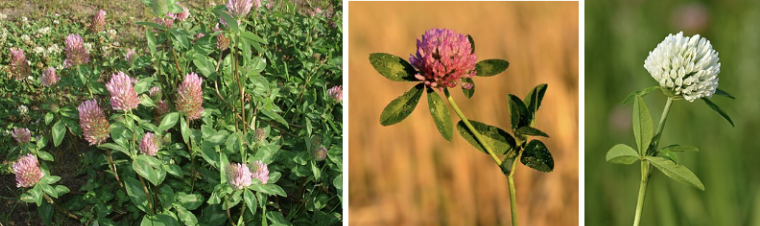
Red clover (Trifolium pratense)
Three leaflets with pale V marking
Pink-purple flower heads in summer
Hairy upright stems
Bushier/taller than white clover
Fields, roadsides & meadows
Often confused with white clover
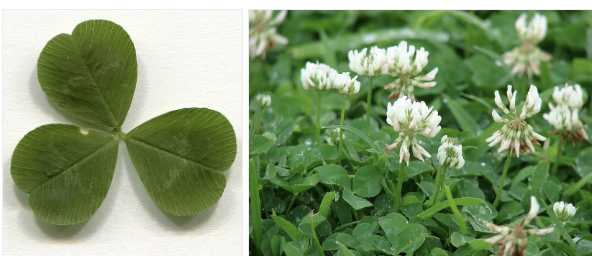
White clover (Trifolium repens)
Low creeping stems
Three rounded leaflets
White flower heads spring–summer
Forms mats in lawns
Fields, lawns & disturbed ground
Often confused with red clover
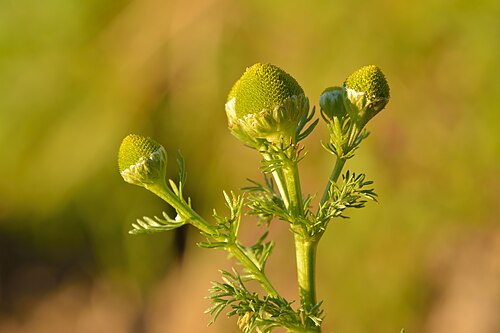
Pineapple weed (Matricaria discoidea)
Cone-shaped yellow-green flower heads
No white petals
Strong pineapple smell when crushed
Finely divided leaves
Trails, driveways & compacted soil
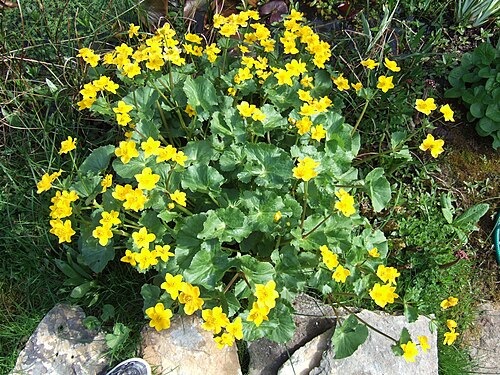
Marsh marigold (Caltha palustris)
Glossy kidney-shaped leaves
Bright yellow buttercup-like flowers in spring
Thick hollow stems
Clumps in shallow water
Marshes, ponds & wet ditches
Raw plant can irritate stomach
Alaska violet (Viola langsdorffii)
Purple-violet flowers in spring/summer
Heart-shaped leaves
Five-petaled flowers with darker veins
Low woodland perennial
Moist meadows & forests
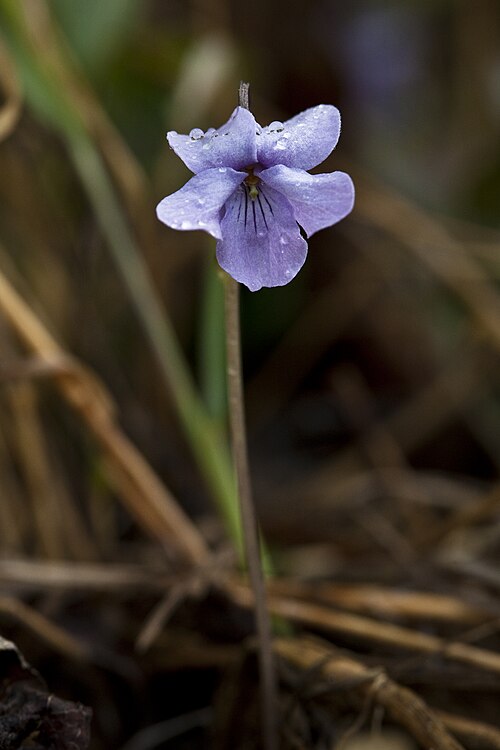
Marsh violet (Viola palustris)
Small pale pink-purple flowers
Rounded heart-shaped leaves
Creeping low growth habit
Wet boggy habitat
Smaller & paler than Alaska violet
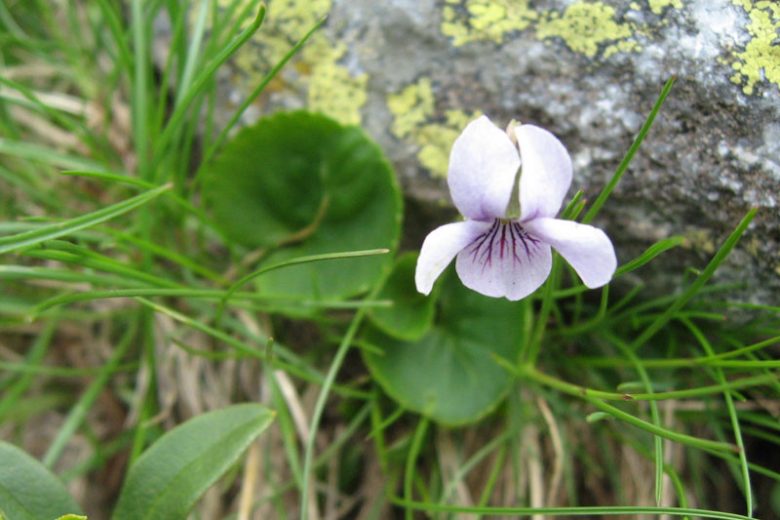
Bedstraw (Galium triflorum)
Narrow leaves in whorls around stem
Weak sprawling stems
Tiny white flowers in summer
Sticky hooked hairs cling to clothing
Moist forest understory
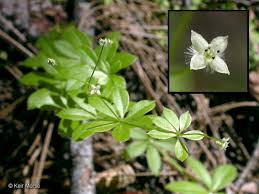
Nootka rose (Rosa nutkana)
Large fragrant pink flowers in summer
Few large thorns
Red rose hips in fall
Compound serrated leaves
Coastal thickets & forest edges
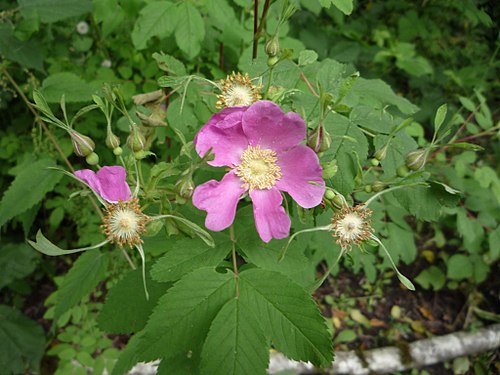
Prickly rose (Rosa acicularis)
Dense fine prickles along stems
Pink flowers in summer
Bright red oval hips later season
Compound toothed leaves
Forests & streambanks
More thorny than Nootka rose
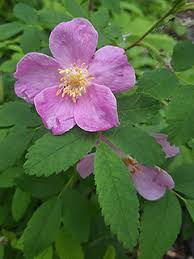
Fireweed (Chamerion angustifolium)
Tall stalk with narrow willow-like leaves
Bright pink flower spikes in summer
Cottony wind-blown seeds later season
Often first plant after fires/disturbance
Roadsides, burns & open meadows
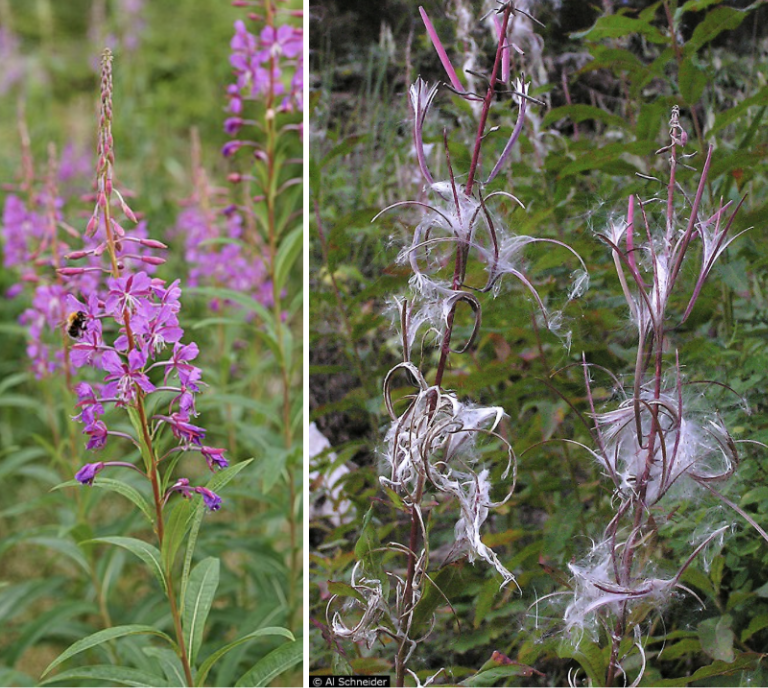
Chocolate lily (Fritillaria camschatcensis)
Dark brown-purple bell flowers
Whorled leaves on upright stem
Blooms spring to early summer
Strong earthy/skunky smell
Wet meadows & coastal flats
Sometimes confused with other lilies
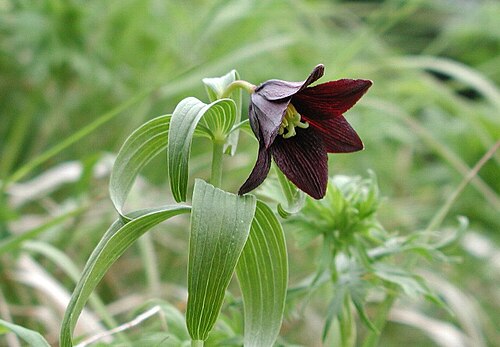
Wild geranium (Geranium erianthum)
AKA woolly cranesbill
Deeply divided leaves
Purple-pink flowers in summer
Hairy stems & buds
Long pointed “beak” seed pods
Meadows & open woods
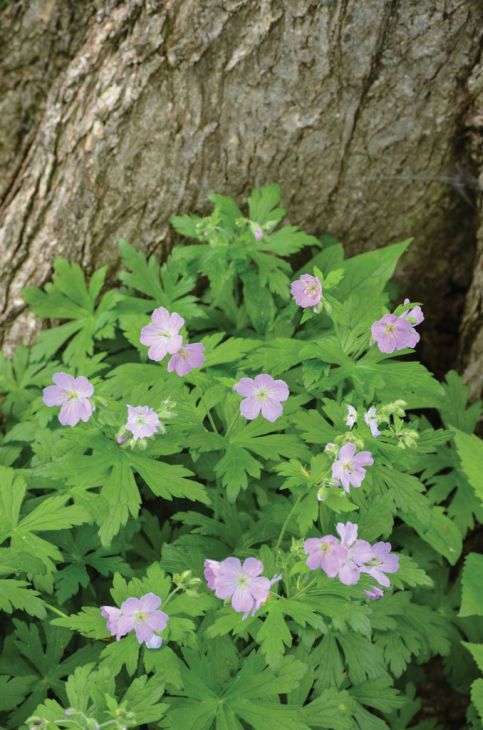
Sitka burnet (Sanguisorba stipulata)
Large toothed leaflets
Tall hollow stems
Dense pink flower spikes in summer
Wet meadow perennial
Streambanks & marshy areas
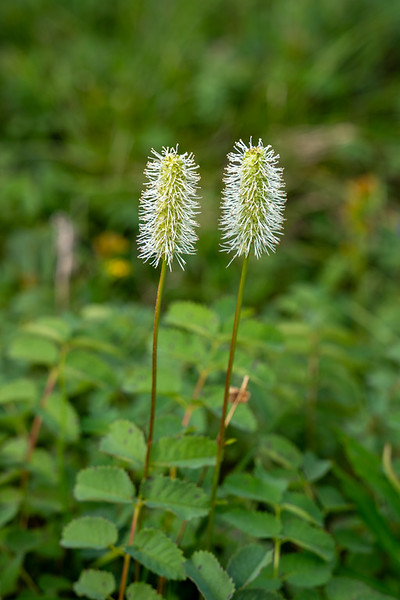
Goldenrod (Solidago canadensis)
Tall upright stems
Narrow lance-shaped leaves
Bright yellow flower sprays in late summer
Spreads in open sunny areas
Fields, roadsides & meadows
Often wrongly blamed for allergies
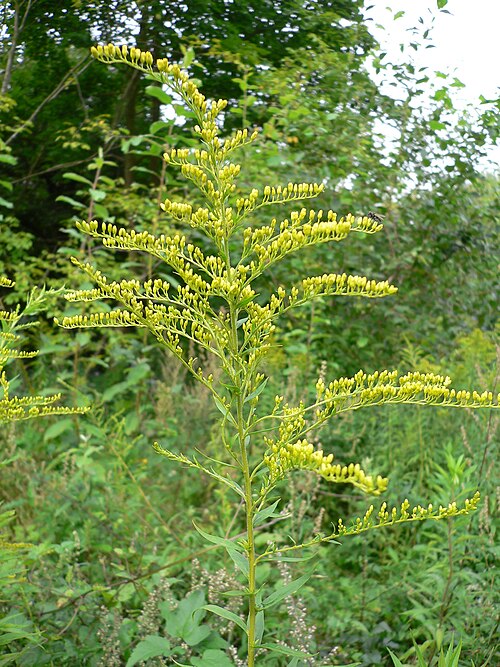
Veronica (Veronica americana)
Opposite serrated leaves
Small blue flowers in summer
Thick creeping stems
Streamside/wetland plant
Ditches, creeks & wet soil
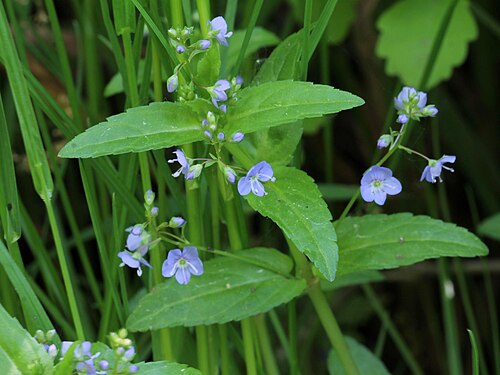
Chickweed (Stellaria media)
Tiny white star-shaped flowers
Opposite oval leaves
Weak creeping stems
Single line of hairs along stem
Gardens & moist disturbed ground
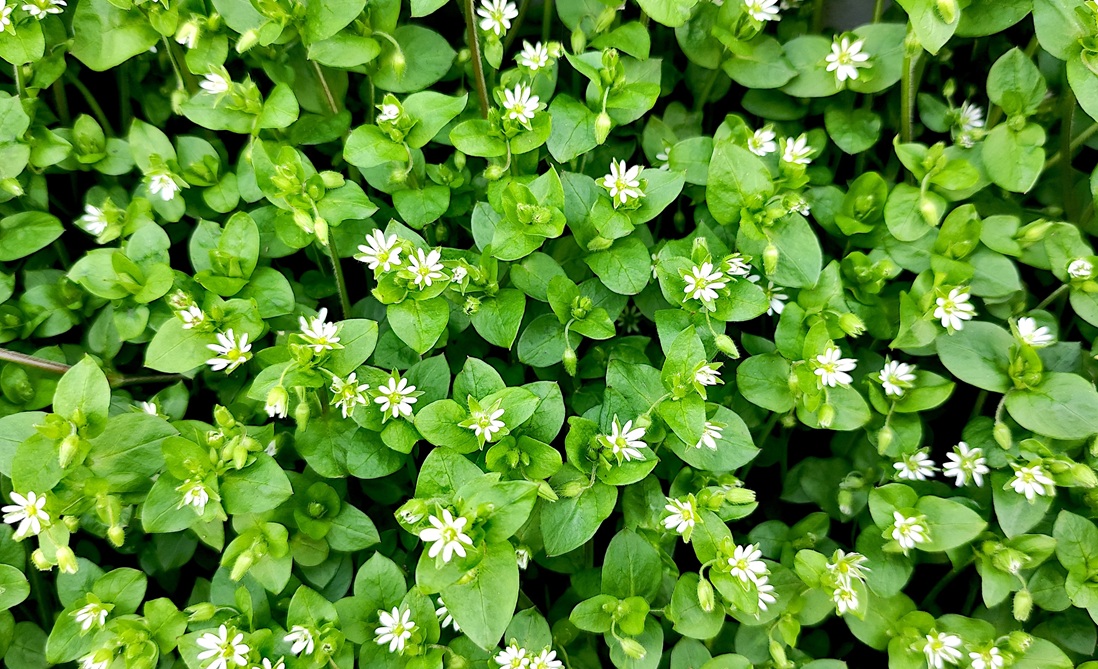
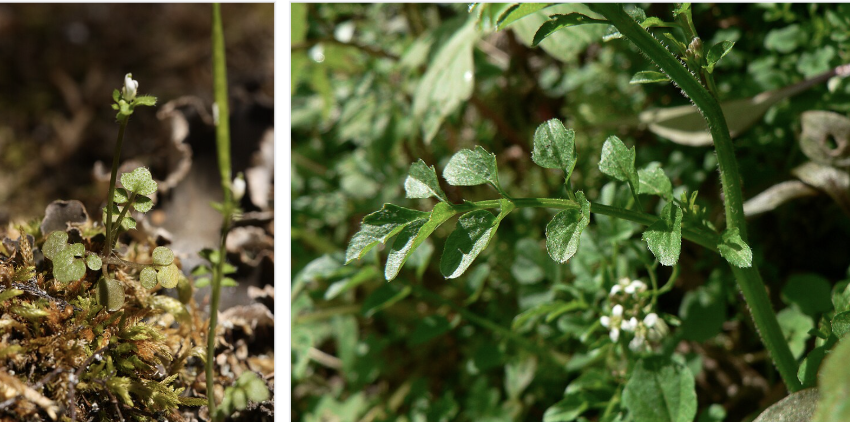
Umbel bittercress (Cardamine oligosperma)
Tiny white 4-petal flowers
Slender upright seed pods
Small compound leaves
Mustard-family plant
Wet disturbed soils & ditches
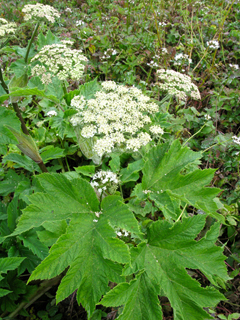
Cow parsnip a.k.a. pushki (Heracleum maximum)
Huge lobed leaves
Tall hollow hairy stems
Massive white umbrella flower clusters in summer
Coarse celery-like smell
Moist meadows, riversides & roadsides
Sap can cause severe sun burns/blisters
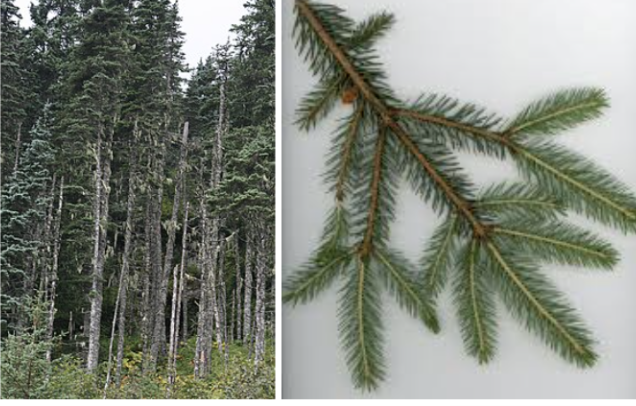
Lutz spruce (Picea × lutzii)
Hybrid Sitka × white spruce
Sharp bluish-green needles
Narrow conical evergreen shape
Hanging cones with thin scales
Coastal Alaska forests
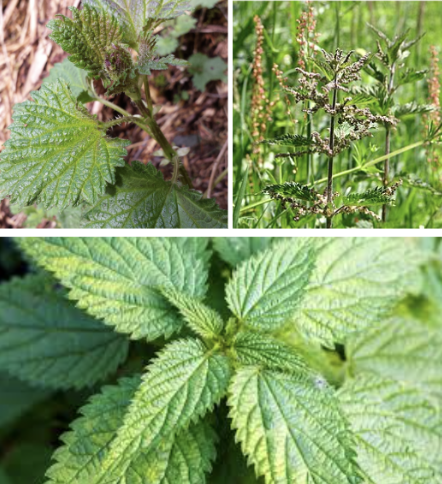
Stinging nettle (Urtica dioica)
Covered in stinging hairs
Opposite serrated leaves
Square stems
Green hanging flower clusters in summer
Rich moist soils & disturbed areas
Causes burning rash on contact
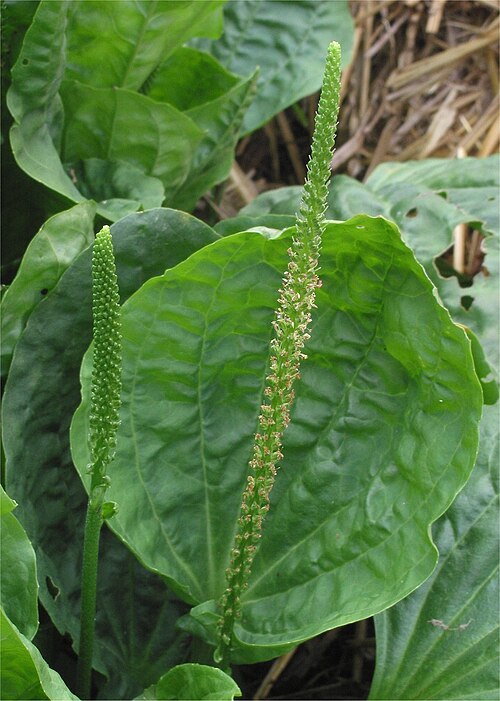
Plantain (Plantago major)
Broad ribbed basal leaves
Parallel leaf veins
Tall skinny seed spikes in summer
Flat rosette growth
Paths, lawns & compacted soil
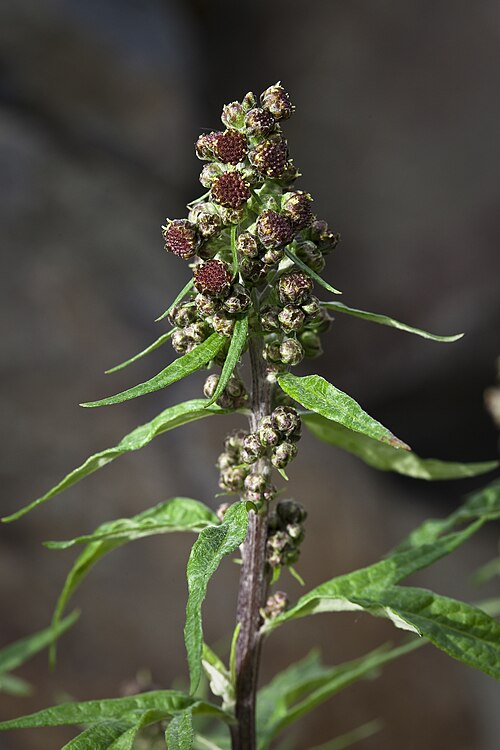
Wormwood (Artemisia tilesii)
Silvery aromatic divided leaves
Sage-like smell when crushed
Small dull flower clusters
Upright gray-green stems
Dry open slopes & gravel bars
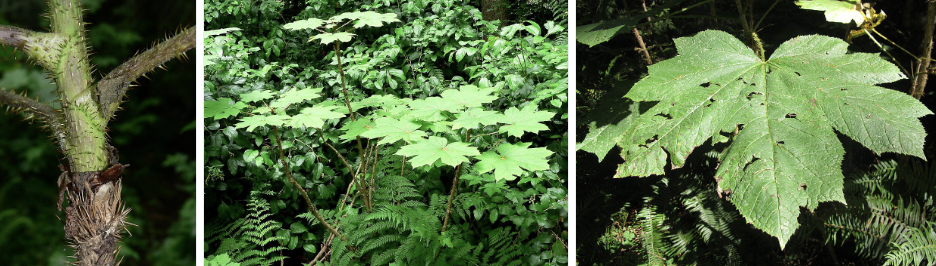
Devil’s club (Oplopanax horridus)
Huge maple-like leaves
Sharp spines on stems & leaf undersides
Upright thick stems
Red berry clusters in late summer
Dense rainforest understory & wet woods
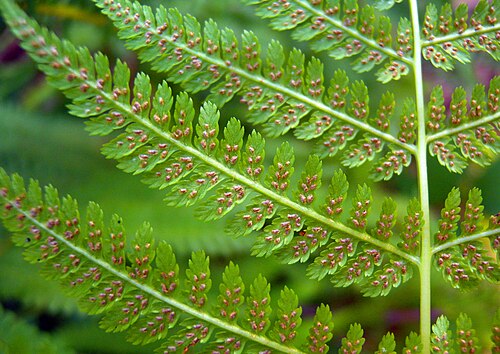
Lady fern (Athyrium filix-femina)
Delicate feathery fronds
Young fiddleheads tightly curled in spring
Bright green arching leaves in summer
No flowers or seeds
Moist forests & streambanks
Labrador tea (Rhododendron groenlandicum)
Evergreen shrub with leathery leaves
Rusty fuzzy undersides
White flower clusters in spring
Strong herbal smell
Bogs, muskeg & tundra edges
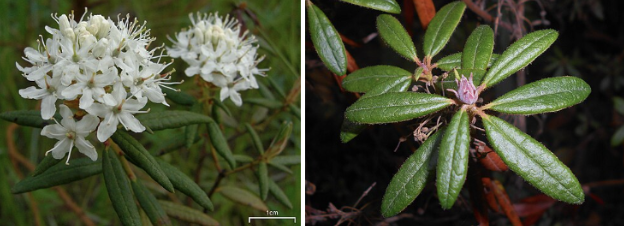
Black cottonwood (Populus trichocarpa)
Tall poplar with furrowed bark
Sticky fragrant buds in spring
Triangular shiny leaves
Cottony wind-blown seeds in early summer
Riverbanks & floodplains
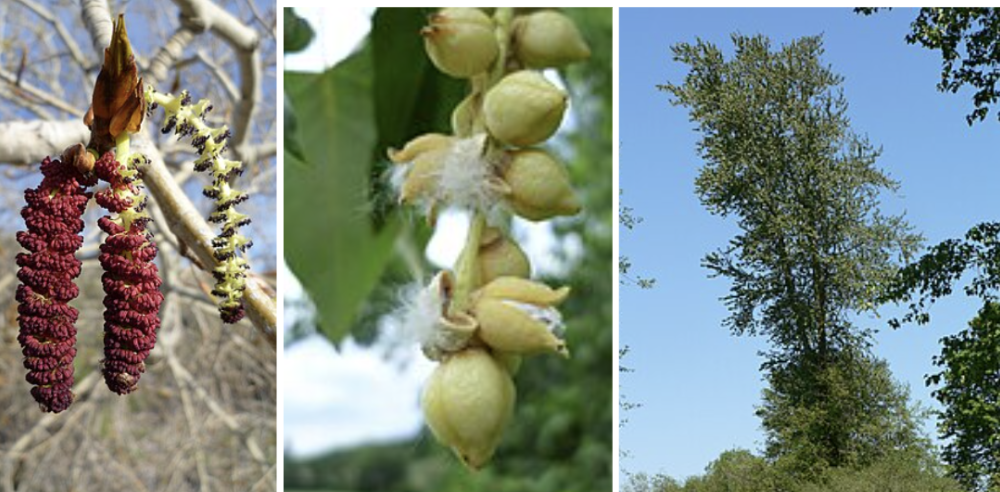
Dock (Rumex obtusifolius)
Large wavy-edged leaves
Red-brown seed stalks in summer
Deep taproot
Sour-tasting leaves
Disturbed soils & roadsides
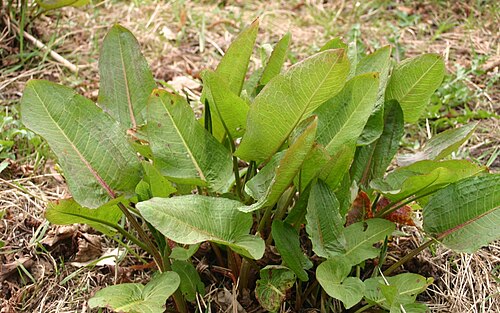
King bolete (Boletus edulis)
Thick brown bun-shaped cap
Sponge pores instead of gills
Bulky pale stalk with net pattern
Found summer–fall near conifers
Choice edible mushroom
Can be confused with bitter boletes
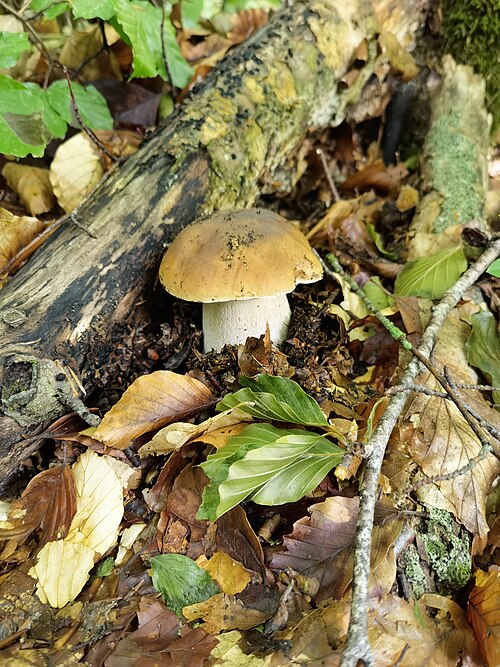
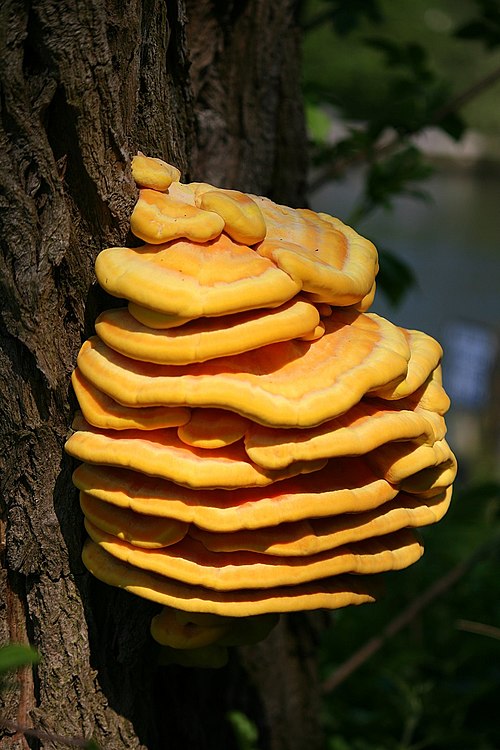
Chicken of the woods (Laetiporus sulphureus)
Bright orange shelf fungus
Yellow pore underside
Grows in layered shelves on trees
Soft texture when young
Summer through fall on dead wood
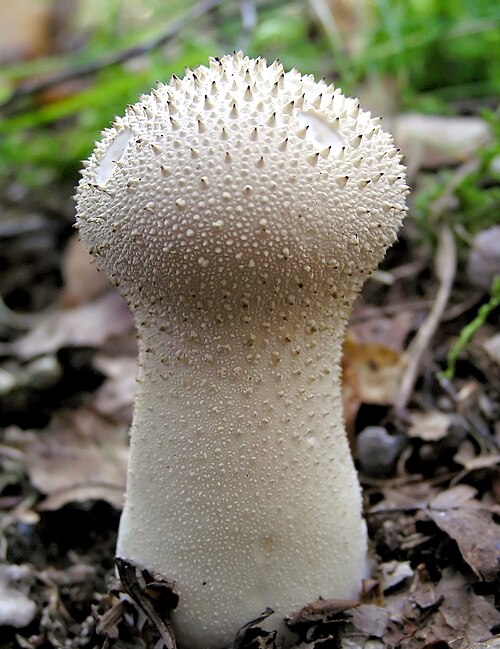
Puffball mushroom (Lycoperdon perlatum)
Round white mushroom
No visible gills or cap
Covered with tiny bumps/spines
Releases spores in brown “puff”
Forest floors & grassy areas
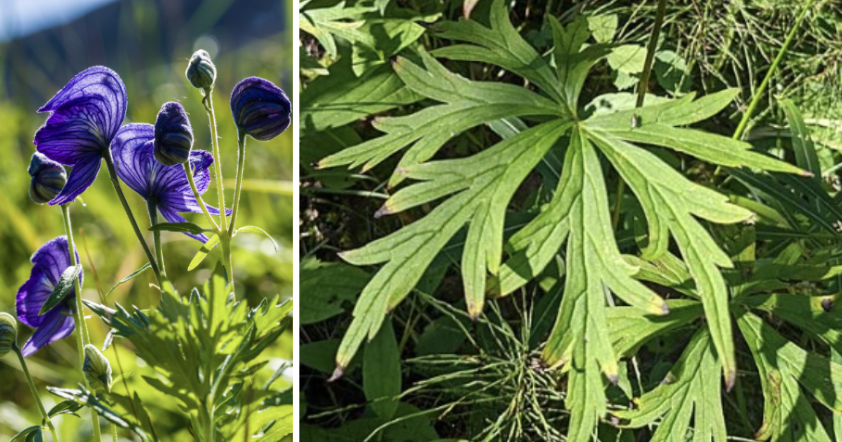
Monkshood (Aconitum delphiniifolium)
Hood-shaped dark blue-purple flowers
Deeply divided leaves
Tall moist meadow plant
Blooms summer to early fall
Extremely poisonous ⚠
Sometimes confused with larkspur
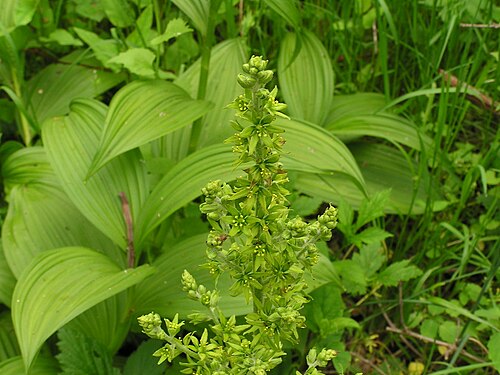
False hellebore (Veratrum viride)
Large pleated corn-like leaves
Thick tall stems
Green flower clusters in summer
Wet meadows & streambanks
Extremely poisonous ⚠
Commonly confused with skunk cabbage
Elderberry seeds (Sambucus racemosa)
Small hard seeds inside red berries
Found in clusters on elderberry shrubs
Seeds remain after berry pulp removed
Raw seeds contain toxic compounds ⚠
More noticeable during fruiting season
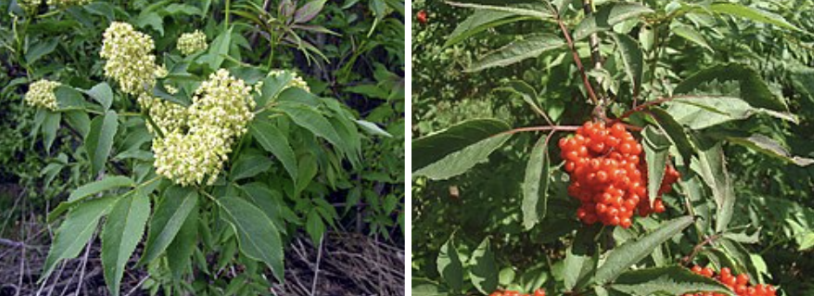
Baneberry (Actaea rubra)
Bright red or white berries
Compound sharply toothed leaves
Small white flower clusters in spring
Thick fleshy stems
Moist forests & shady slopes
Poisonous berries ⚠
Commonly confused with currants or highbush cranberry
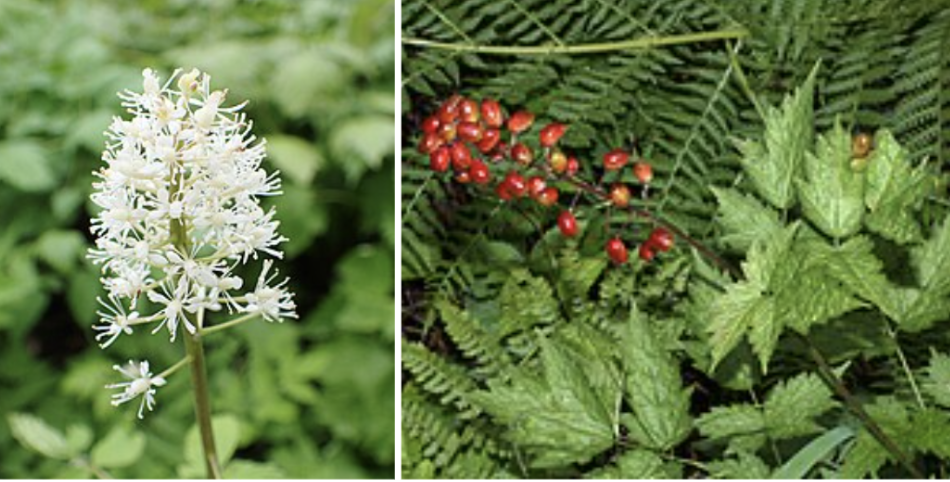
Richardson’s anemone / yellow thimbleweed (Anemone or Anemonastrum richardsonii)
Small white buttercup-like flowers
Yellow flower center
Deeply divided leaves
Low alpine/tundra perennial
Tundra & alpine meadows in spring/summer
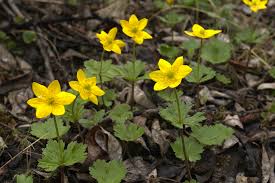
Wild red raspberry (Rubus idaeus)
Arching prickly canes
Compound leaves with pale fuzzy undersides
White flowers in spring
Red hollow berries in summer
Forest edges, clearings & roadsides
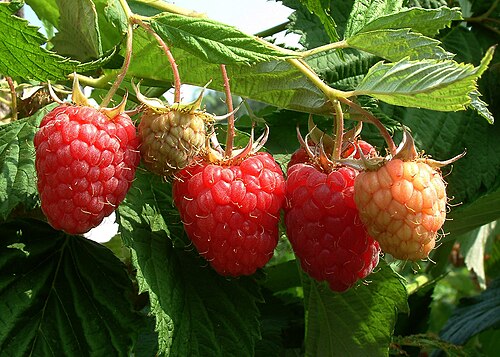
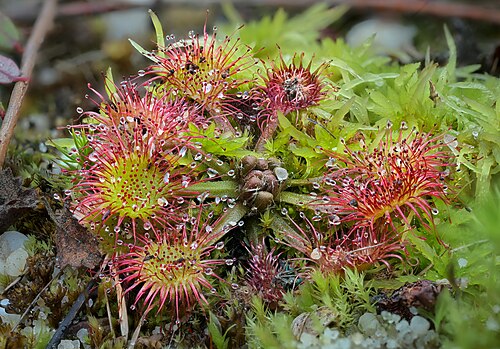
Sundew (Drosera rotundifolia)
Tiny carnivorous bog plant
Sticky red tentacle hairs trap insects
Small white flowers in summer
Round leaf blades in moss
Wet peat bogs & muskeg
Very common on Wynn bog trails
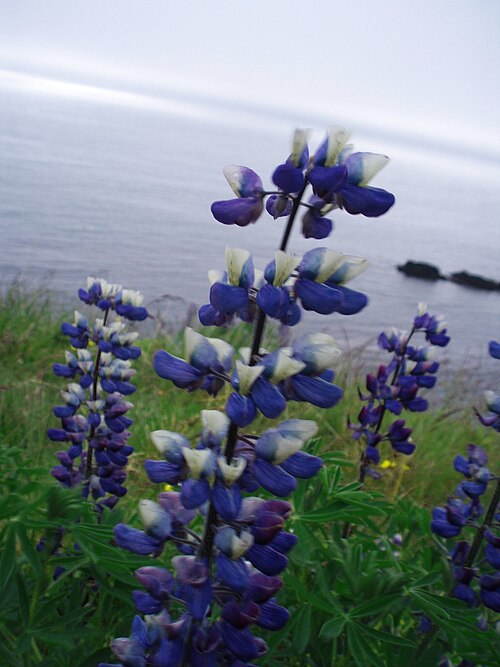
Lupine (Lupinus nootkatensis)
Tall spikes of blue-purple flowers
Palm-shaped leaves with many leaflets
Hairy stems & seed pods
Blooms early–mid summer
Open meadows & roadsides
Common around Homer in summer
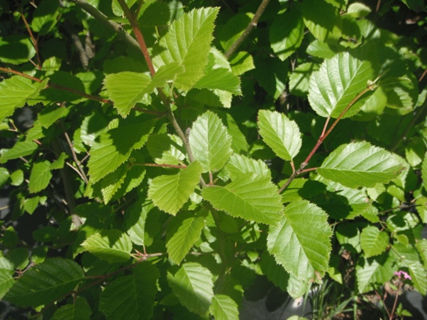
Green alder (Alnus viridis)
Multi-stemmed shrub forming dense colonies
Rounded, finely toothed leaves
Dangling male catkins and smaller female catkins
Woody cone-like fruits persisting through winter
Moist slopes, riparian areas, forest margins, and disturbed ground
Widespread across northern temperate and boreal regions
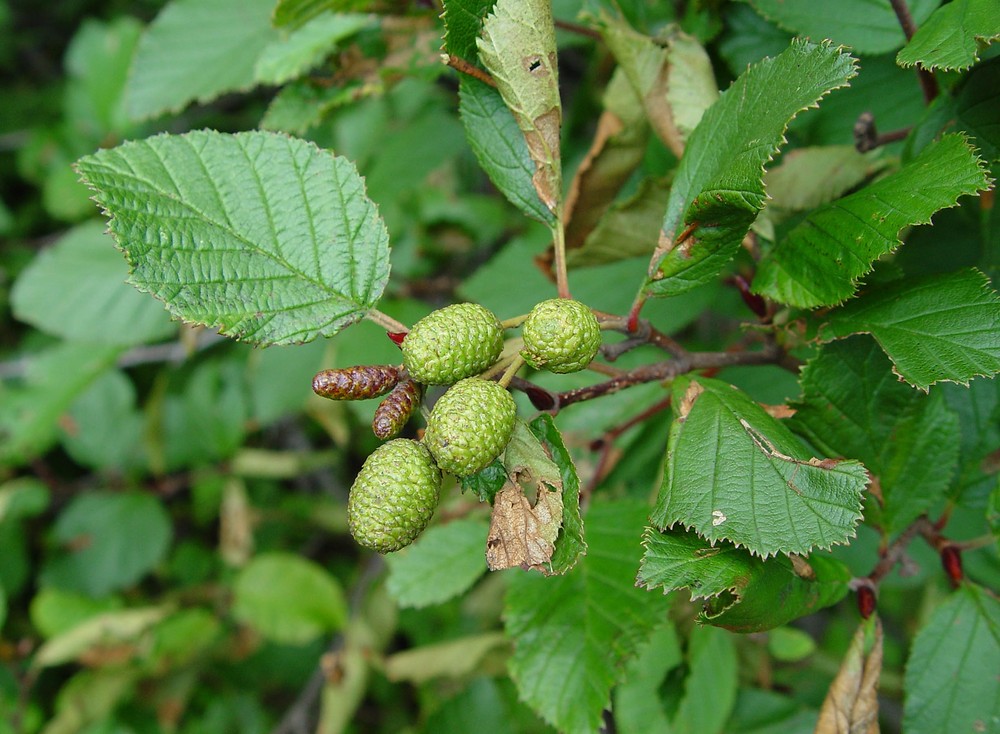
Sitka alder (Alnus viridis ssp. sinuata)
Shrubby thicket-forming plant
Rounded serrated leaves
Long dangling catkins in spring
Woody cone-like seed structures
Disturbed slopes & wet forest edges
Common in Homer uplands
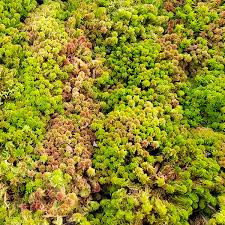
Peat moss / sphagnum moss (Sphagnum spp.)
Soft spongy moss forming thick mats
Holds huge amounts of water
Colors range green, red, yellow & pink
Creates acidic bog habitat/peat
Bogs, muskeg & wet tundra
Often grows with cranberry & sundew
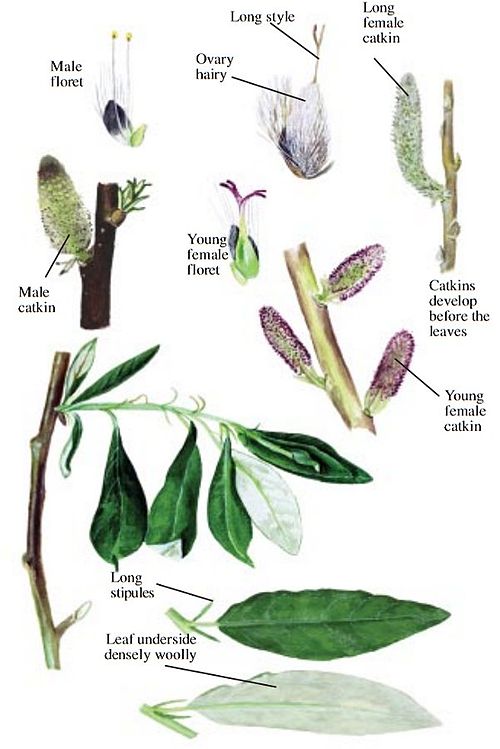
Feltleaf / Alaska willow (Salix alaxensis)
Thick leaves with silvery fuzzy undersides
Tall willow shrub/small tree
Velvety new shoots
Large catkins in spring
Gravel bars & floodplains
Major moose browse species
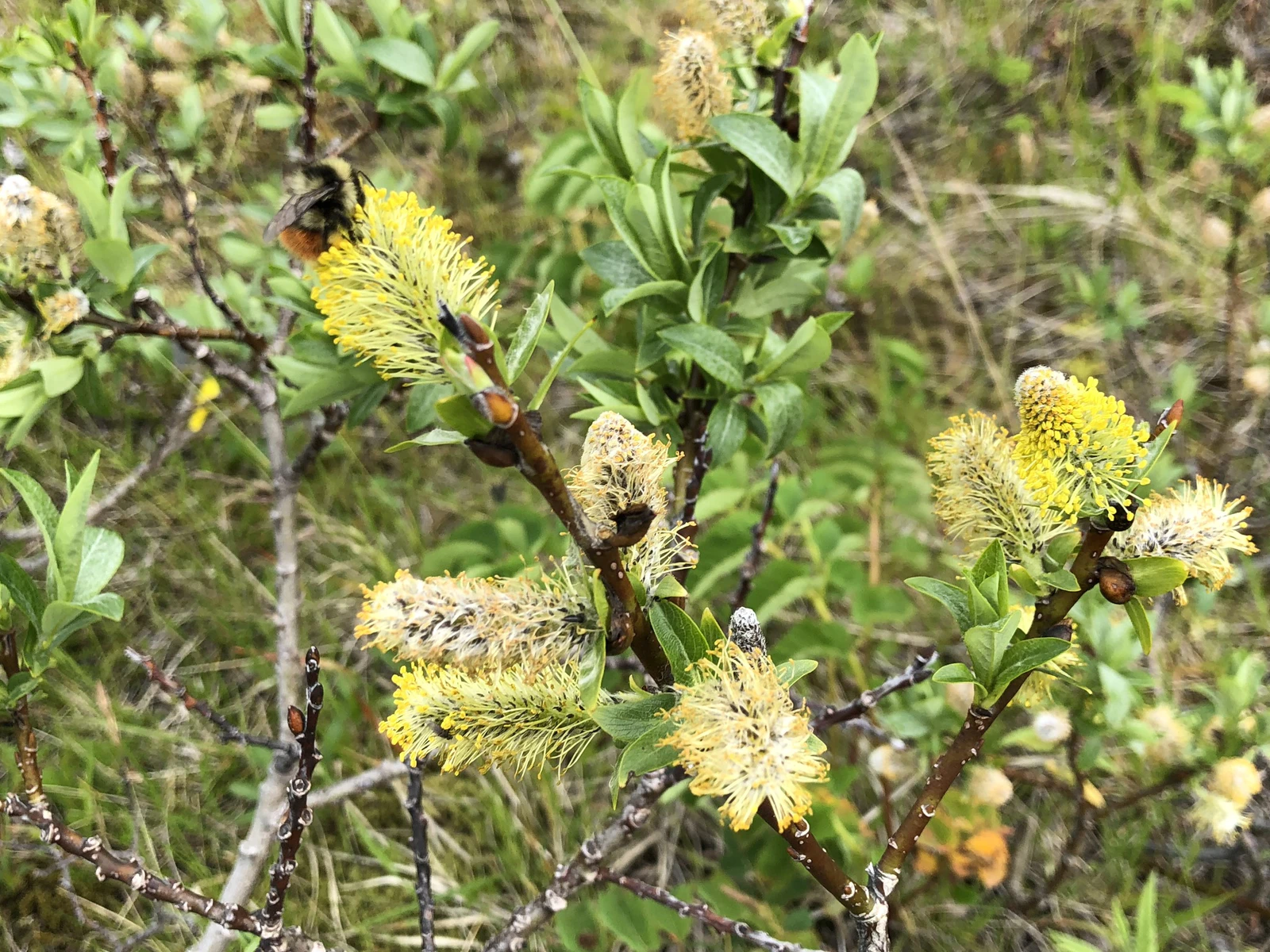
Barclay’s willow (Salix barclayi)
Medium shrub willow, usually 1–3 m tall
Narrow lance-shaped leaves, green above and paler beneath
Leaves often slightly glossy with fine serrations
Soft fuzzy catkins in spring (before or with leaves)
Moist habitats: streambanks, bog edges, wet meadows
Common moose browse plant (twigs heavily nipped in winter)
Can be confused with Sitka willow (Salix sitchensis) or other coastal willows due to similar leaf shape and wetland habitat
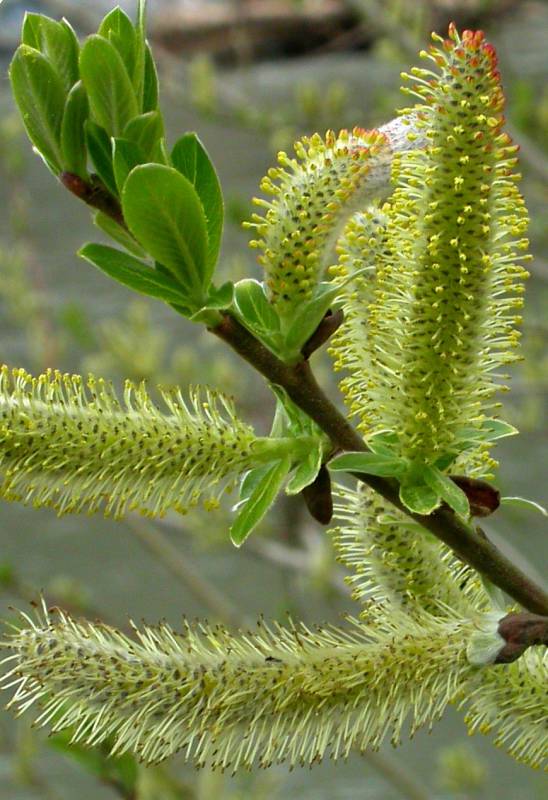
Sitka willow (Salix sitchensis)
Larger shrub or small tree
Long gray-green leaves with fuzzy undersides
Tall dense thickets
Catkins appear before/full with leaves
Coastal wetlands & river edges
Common on coastal Kenai Peninsula
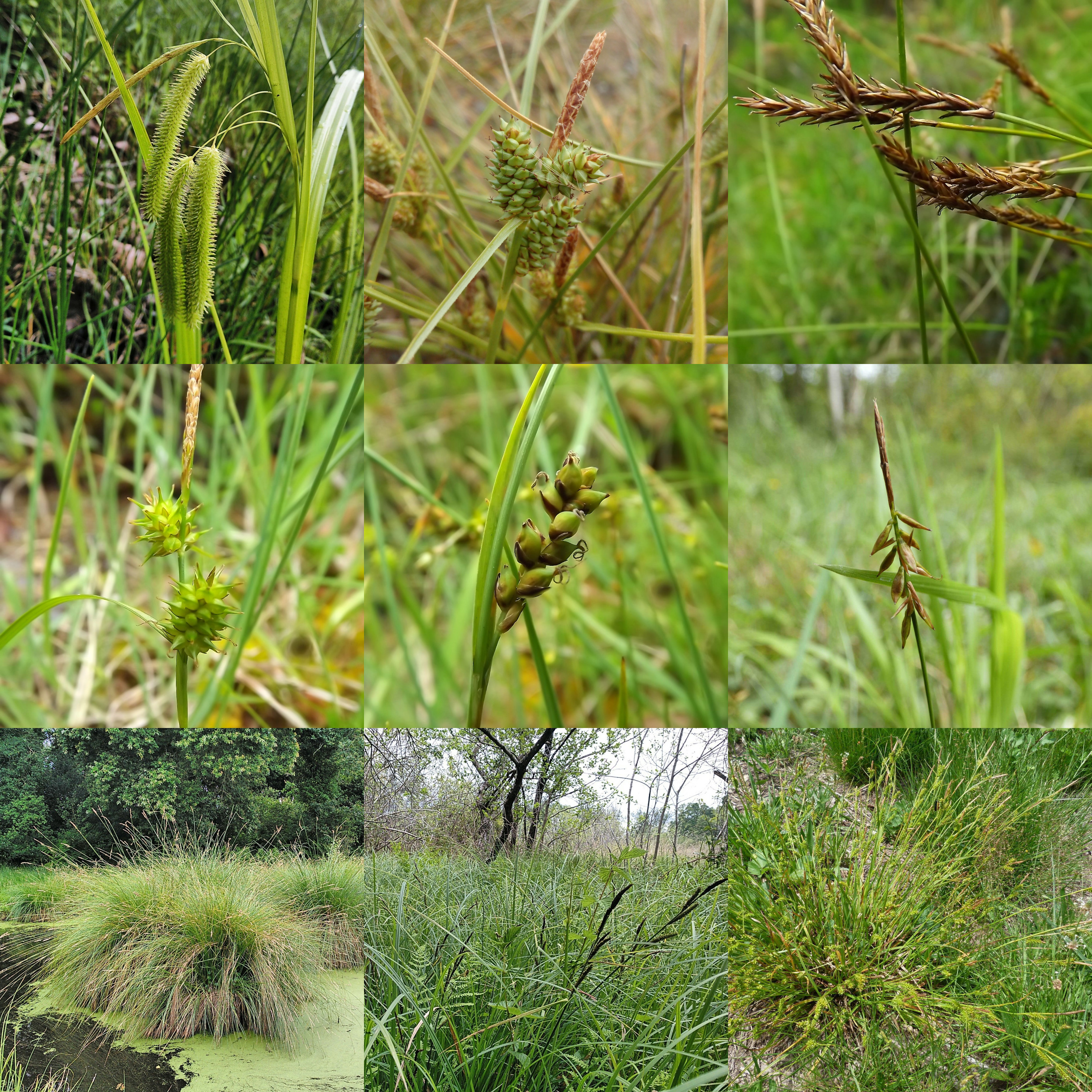
Bog sedges (Carex spp., many species)
Grass-like plants dominating peatlands
Triangle-shaped stems (“sedges have edges”)
Seed heads vary: spikes or drooping clusters
Form dense tussocks in muskeg
Extremely common in Wynn bog zones
Often overlooked but ecologically dominant
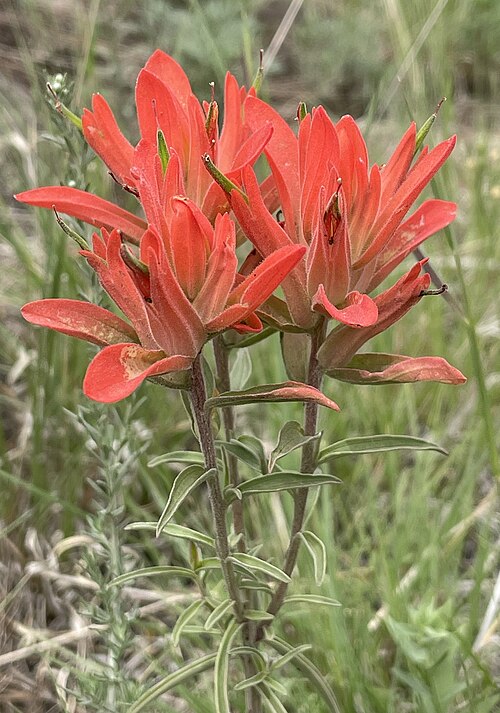
Paintbrush (coastal mix group, Castilleja spp.)
Hemiparasitic (attaches to grass roots)
Color varies red → orange → yellow
Common in mixed meadows at Wynn
Often confused with lupine at distance
Indicator of healthy meadow systems
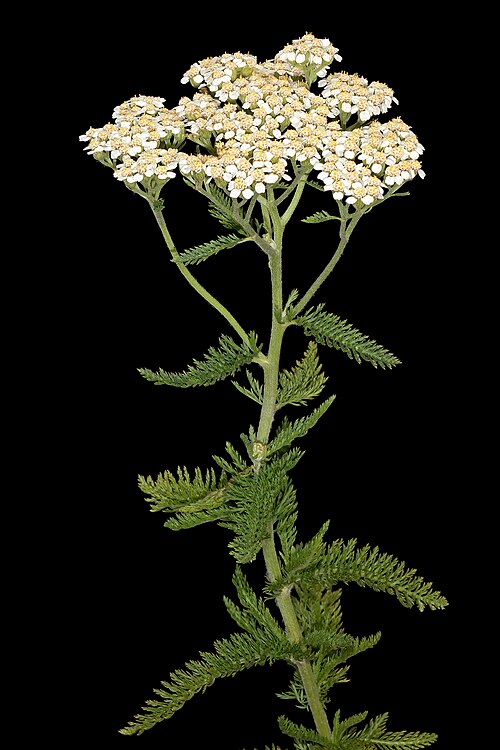
Common yarrow (Achillea millefolium)
Very finely divided “feather-like” leaves (bipinnate)
Flat-topped clusters of small white flowers (sometimes faint pink)
Strong herbal/camphor smell when crushed
Blooms summer through early fall
Grows in dry meadows, trails, roadsides, disturbed soil
Can be confused with poison hemlock or wild carrot at a glance, but yarrow leaves are much finer and plant is not hollow-stemmed
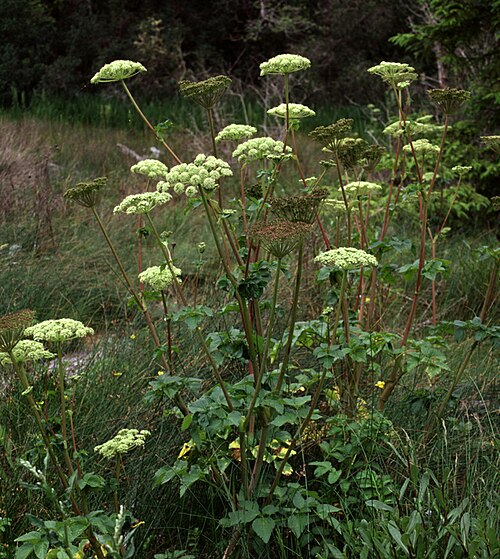
Sea-watch (Angelica lucida)
Also called:
Seacoast angelica
Wild celery
Large compound leaves with serrated leaflets
Thick hollow, celery-like stems
Large white umbrella-shaped flower clusters (umbels)
Blooms summer in coastal areas
Salt-tolerant: beaches, bluffs, coastal meadows
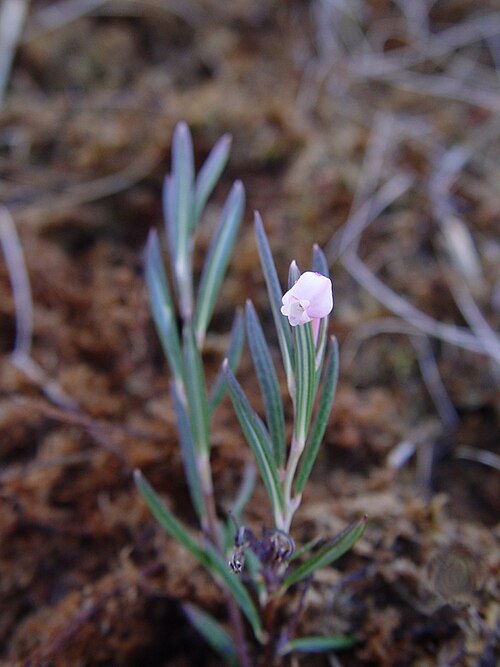
Bog rosemary (Andromeda polifolia)
Low evergreen shrub forming small mats in bogs
Narrow, blue-green leaves with strongly rolled edges (white underside visible)
Small pink, urn-shaped (bell-like) flowers in late spring–summer
Grows in acidic sphagnum bogs, muskeg, and peat mats
Highly toxic (contains grayanotoxins; can affect heart/nervous system)
Often confused with Labrador tea, but Labrador tea has rusty fuzzy leaf undersides and larger leaves
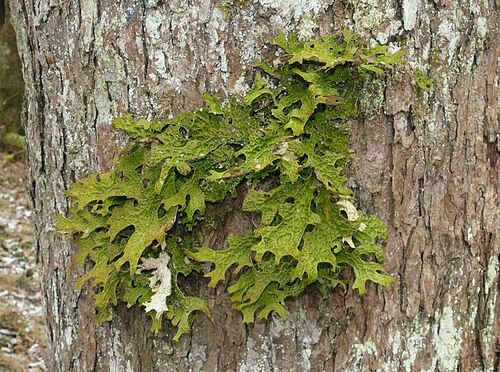
Lungwort lichen (Lobaria pulmonaria)
Large leafy lobes, olive-green to brown
“Wrinkled lung” texture on surface
Pale underside with raised ridges
Often grows on old hardwoods (cottonwood)
Indicator of clean, old-growth air
Moist coastal rainforest environments
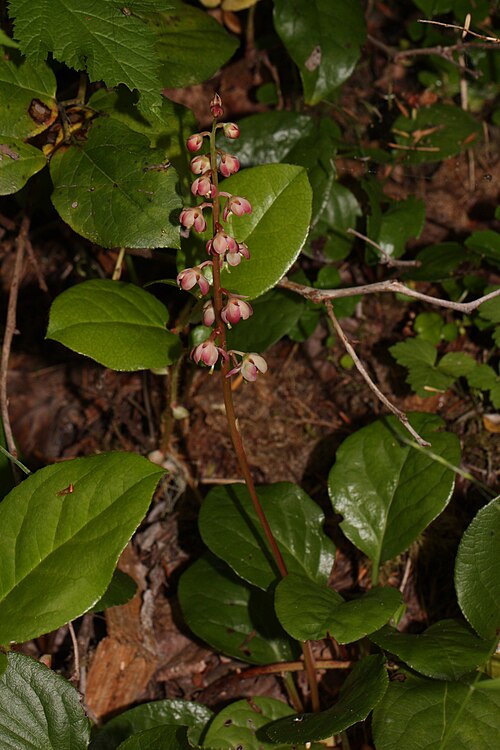
Liverlead wintergreen / pyrola (Pyrola asarifolia)
Low evergreen woodland plant with shiny, rounded, dark-green leaves that persist through winter (look like spinach!)
Produces a short stalk of nodding pink to rose-colored flowers in early to mid-summer
Flowers have a distinctive curved style that often protrudes beyond the petals
Grows in moist conifer and mixed forests, mossy understories, and shaded woodland edges around Homer
Often found in acidic, well-drained soils associated with spruce forests
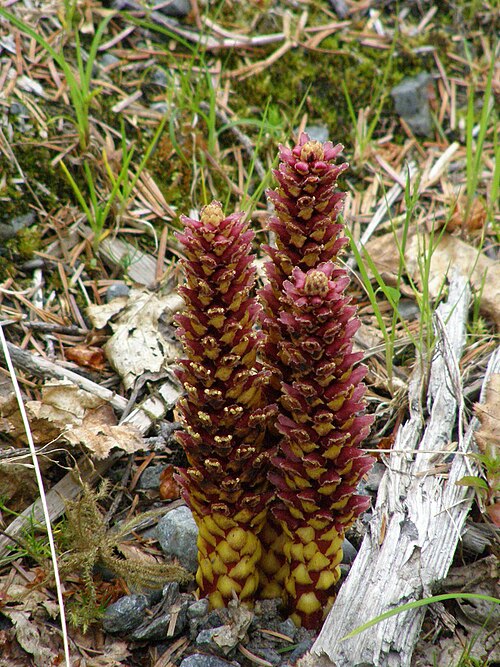
Northern groundcone (Boschniakia rossica)
Leafless, fleshy reddish-brown to purple spike-like plant
Looks like a pinecone sticking out of the ground
Parasitic plant (no chlorophyll; gets nutrients from alder roots, mainly Alnus)
Blooms late spring–summer in forest understory
Found in moist conifer and mixed forests, often near alder thickets (common around Homer/Wynn)
Can be confused with upright fungi or old seed cones because it lacks normal leaves
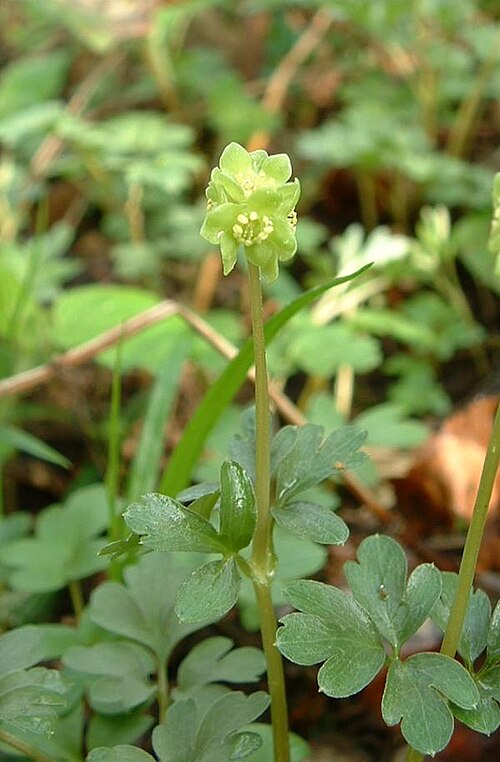
Moschatel (Adoxa moschatellina)
Also called:
Townhall clock (classic common name, refers to flower shape)
Very small spring woodland herb
Usually 5-part “cube-like” greenish flower head (one flower faces up, four sideways)
Delicate, finely divided compound leaves (parsley-like look)
Low-growing, often forming small patches in moss or leaf litter
Blooms early spring before canopy fully leafs out
Moist, shady forests—decayed spruce forest floor is typical in Southcentral Alaska
Easy to miss; often appears as a tiny green star at ground level
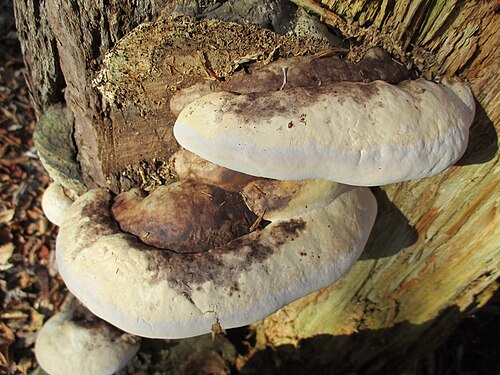
Ochre banded conk (Fomitopsis ochracea)
Hard, woody perennial shelf fungus
Upper surface: gray to brown with muted ochre/yellowish banding (not sharp red)
Underside: white to cream pores
Often thinner and more uniform than red belted
Grows on conifers and birch in boreal forests
Surface is usually dull
Does NOT bruise dark when scratched
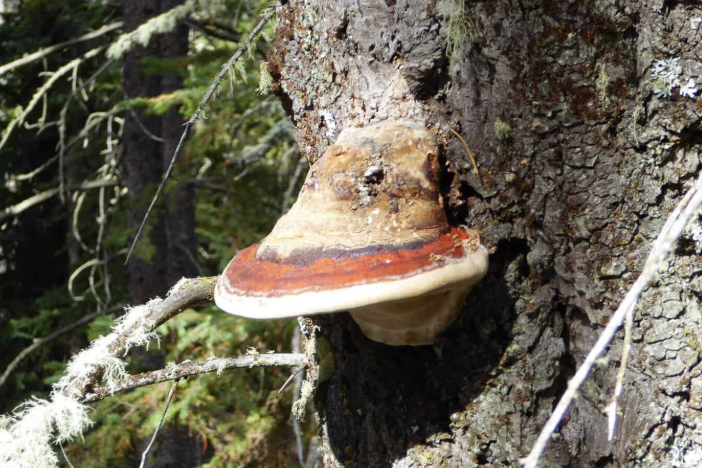
Red-Belted Polypore (Fomitopsis mounceae)
Hard, woody perennial shelf fungus
Upper surface gray to brown with muted yellow, ochre, orange, or reddish banding
Underside white to cream pores that do not darken when scratched
Common on dead and dying conifers (especially spruce and hemlock) in Alaska forests
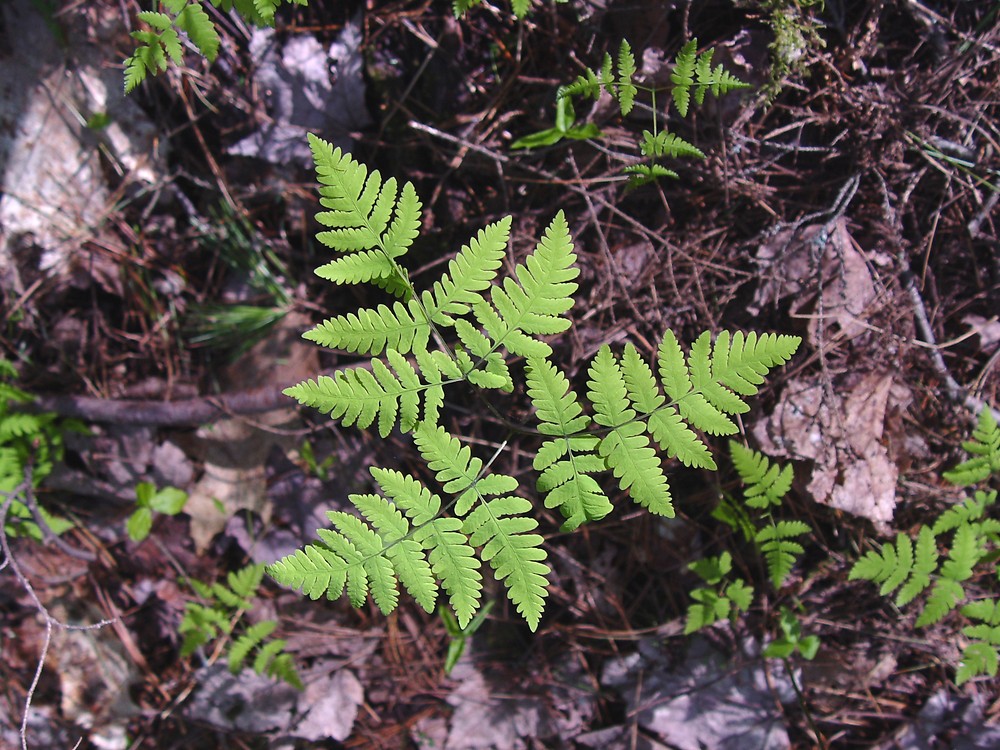
Oak fern (Gymnocarpium dryopteris)
Delicate, low-growing deciduous fern of moist boreal and coastal forests
Frond divided into three main triangular leaflets, giving an oak-leaf-like appearance
Bright to yellow-green foliage on slender, often horizontal stems
Forms loose colonies from creeping rhizomes rather than dense clumps
Typically 2–12 inches (5–30 cm) tall and airy in appearance
Grows in cool, shady, moist woods, streambanks, and forested slopes throughout Alaska
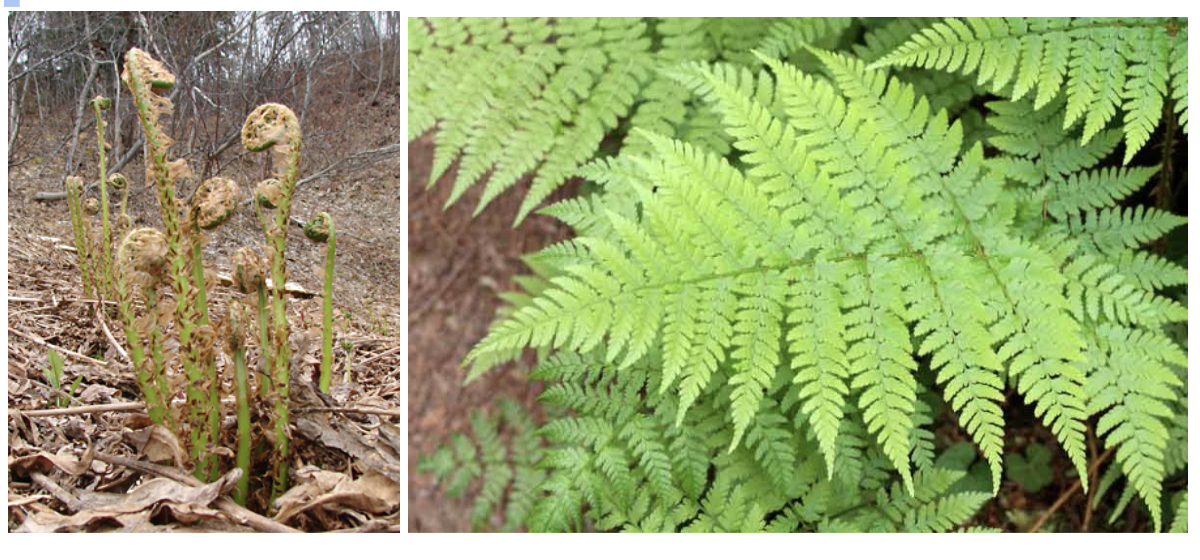
Wood fern (Dryopteris expansa)
Robust perennial fern common in Alaska's conifer forests and riparian areas
Forms dense clumps or crowns rather than spreading colonies
Fronds broadly triangular, finely divided, and typically darker green than oak fern
Usually 1–4 feet (30–120 cm) tall, substantially larger than oak fern
Stalks and bases bear distinctive brown scales, a common Dryopteris characteristic
Often found on rotting logs, stumps, streambanks, and moist forest floors
Sori are covered by kidney-shaped indusia, unlike the exposed sori of oak fern