ART HIST 21 ASS. 2
 View linked note
 Call Kai
 Learn
Learn Practice Test
 Spaced Repetition
 Match
Match Flashcards
 Knowt Play
1/118

There's no tags or description
Looks like no tags are added yet.
Name | Mastery | Learn | Test | Matching | Spaced | Call with Kai |
|---|
No analytics yet
Send a link to your students to track their progress
119 Terms
Battle of Milvian Bridge
A significant battle in 312 AD that marked the beginning of Constantine's conversion to Christianity.
Edict of Milan
A proclamation issued in 313 AD that granted religious tolerance for Christians in the Roman Empire.
catacomb
Underground burial places used by early Christians.
loculus/i
A niche in catacombs used for individual burials.
cubiculum/i
A small room in a catacomb used as a burial chamber.
epitaph
An inscription on a tombstone in memory of the person buried.
iconography
The study and interpretation of visual images and symbols in art.
acrolyth
A statue with a head and extremities of one material, and a body of another.
colossus
A gigantic statue.
soul portrait
A portrait intended to represent the deceased's soul.
spolia
Reused building materials or decorative elements in a new context.
syncretism
The merging of different religious or cultural beliefs.
Chi-Rho
A Christian symbol formed by combining the letters X (chi) and P (rho) from the Greek word for Christ.
ICHTHYS
An acronym in Greek for 'Jesus Christ, Son of God, Savior' often represented as a fish.
eucharist
A Christian sacrament commemorating the Last Supper by consecrating bread and wine.
paten
A flat dish used to hold the Eucharistic bread.
chalice
A cup used for drinking wine during the Eucharist.
basilica
A large oblong building used as a public meeting place and church.
martyrium
A structure built to commemorate a martyr or a saint.
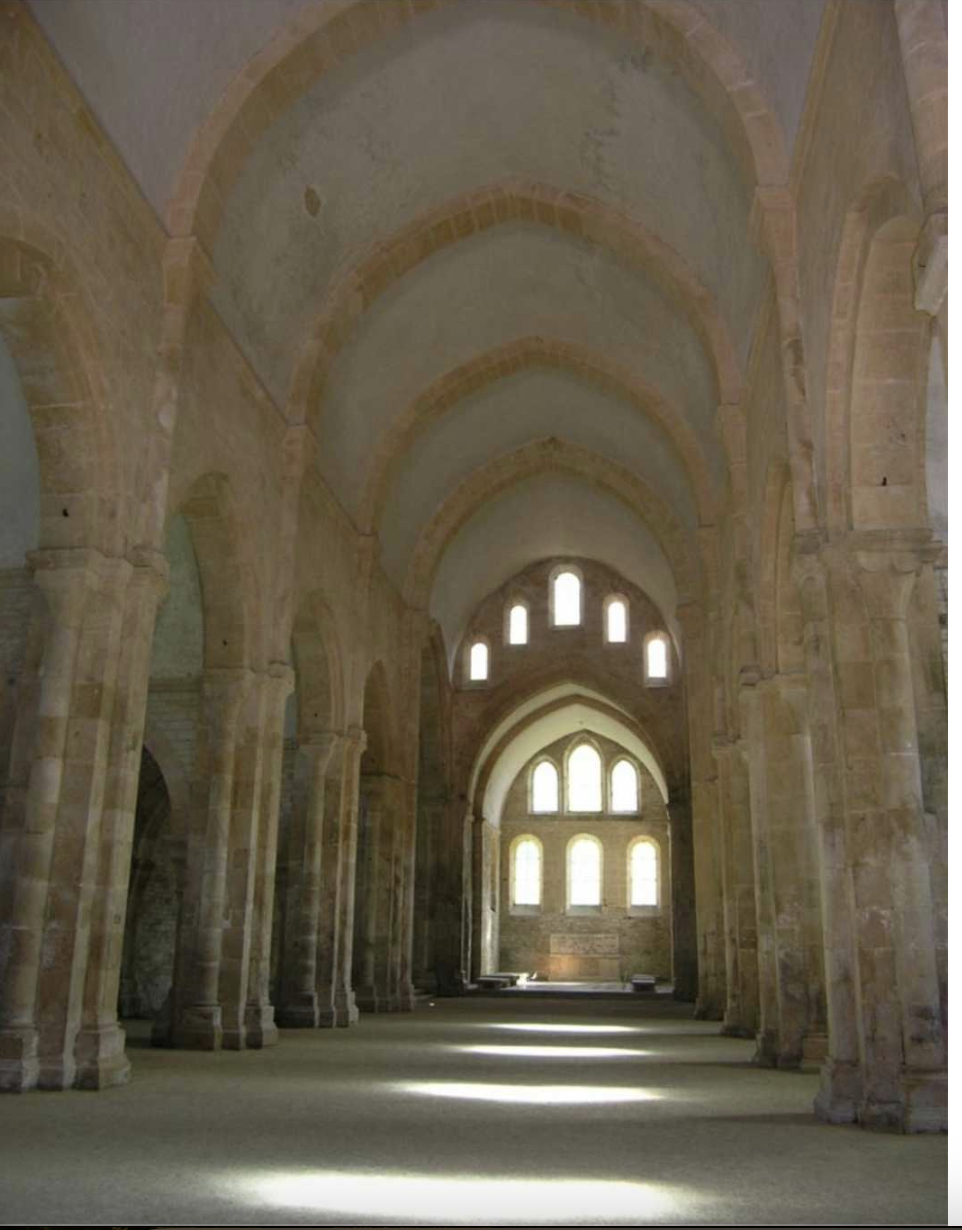
nave
The central part of a church, intended to accommodate most of the congregation. Example is from cistercian style church in Fontenay
aisles
The areas on either side of the nave, often separated by columns.
apse
A semicircular recess at the end of a church, typically containing the altar.
transept
The arm of a cruciform church that intersects the nave.
crossing
The space in a cruciform church where the nave and transept meet.
narthex
An entrance or lobby area at the west end of a church.
atrium
An open courtyard within a building.
axial plan
A building layout where the major spaces are arranged in a straight line.
orants
Figures in prayer, often depicted with arms raised.
colonnade/arcade
A row of columns supporting a roof or series of arches.
gallery
A raised area for seating within a church.
entablature
The horizontal structure supported by columns, including frieze and cornices.
clerestory
The upper part of a church wall that contains windows to admit light.
necropolis
A large, ancient cemetery with elaborate tomb monuments.
liminal
Relating to a transitional or threshold state.
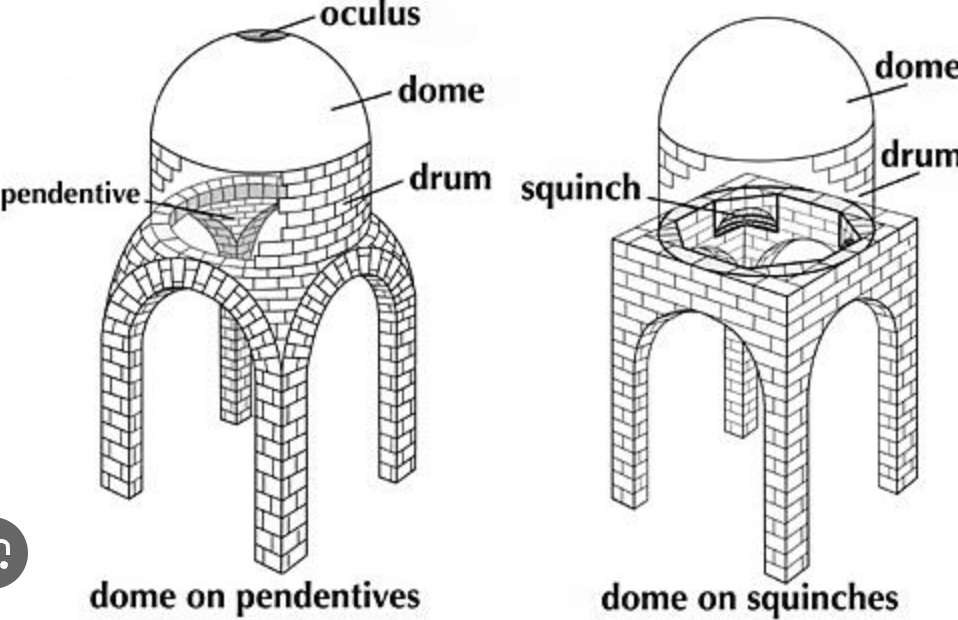
pendentive
A concave triangular section that transitions between a square space and a dome.
icon (Greek eikon)
A religious work of art representing a sacred figure.
encaustic
A method of painting with heated beeswax.
mosaic
Art created by assembling small pieces of colored glass, stone, or other materials.
ciborium
A decorative canopy over an altar or statues.
Titulus
A title or inscription, often signifying ownership or dedication.
typology
The classification of biblical events as prefigured by earlier events.
iconoclasm
The rejection or destruction of religious images and icons.
aniconic
Relating to artistic representation that avoids the depiction of figures.
zoomorphic interlace
A decorative pattern featuring interlaced animal forms.
psalter
A book containing the Book of Psalms.
parchment
A writing surface made from animal skin.
vellum
A fine quality parchment made from calfskin.
trumpet
A musical instrument often used in religious contexts.
peltae
Shield shapes used in ancient armor, often representing protection.
cufic
An early angular Arabic script.
horseshoe arch
An arch with a curved shape resembling a horseshoe, typical in Islamic architecture.
Visigothic
Related to the branch of the Goths that settled in Western Europe.
Merovingian
Relating to a dynasty of Frankish kings in the 5th to 8th centuries.
Mihrab
A niche in a mosque indicating the direction of Mecca.
Quibla
The direction that Muslims face during prayer.
Carolingian miniscule
A script introduced in the Carolingian Renaissance, characterized by clarity.
Westwork
The monumental western front of a church, often with towers.
Expressionism
An art style that emphasizes the expression of emotion.
Impressionistic
An art style focusing on the effects of light and color.
Cameo
A method of carving in relief that often features portraits.
Square schematism
A layout style based on geometric squares.
Saxon alternation
A decorative technique alternating between different stone colors.
Local color
The characteristics and customs of a specific place.
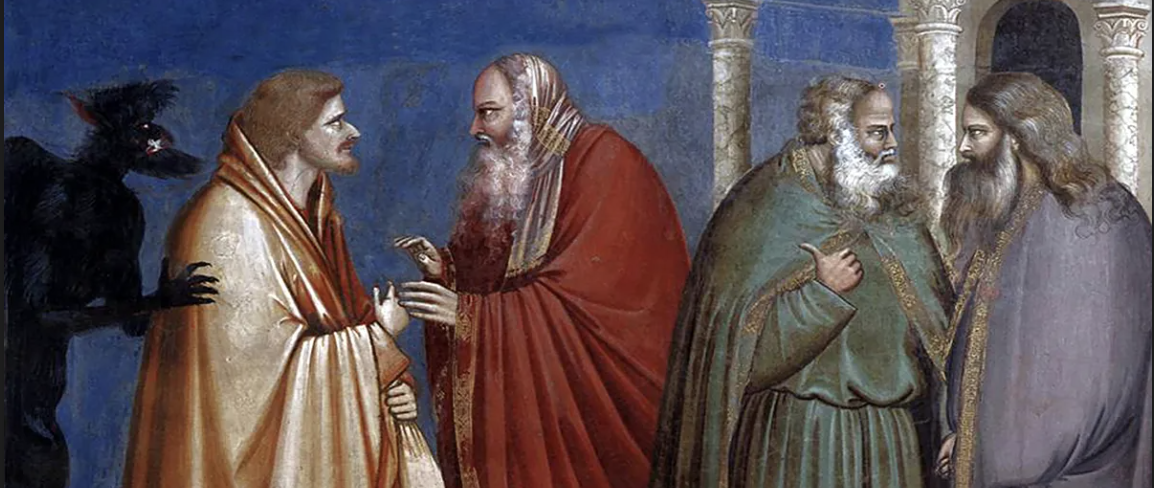
Isocephaly
A compositional arrangement where the heads of figures are aligned.
Lost wax casting
A method of metal casting in which a molten metal is poured into a mold.
Champlevé enamel
A decorative technique where cells are carved into a surface and filled with enamel.
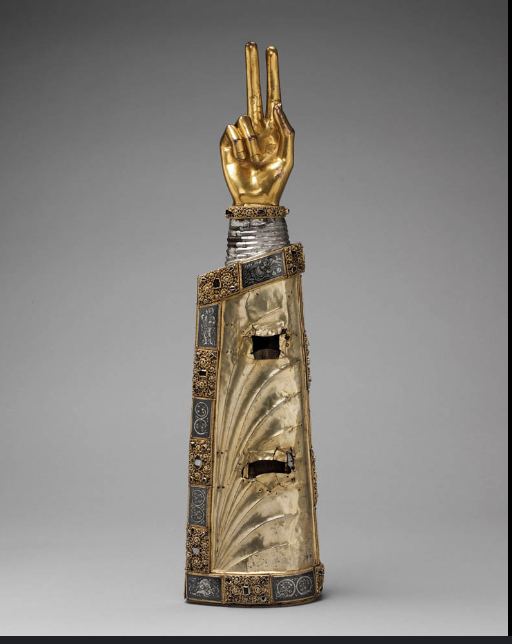
Body-part relic
A physical remains of a saint or martyr.
Majesty
The concept of divine authority often depicted in art. Often depicted relating to a throne.
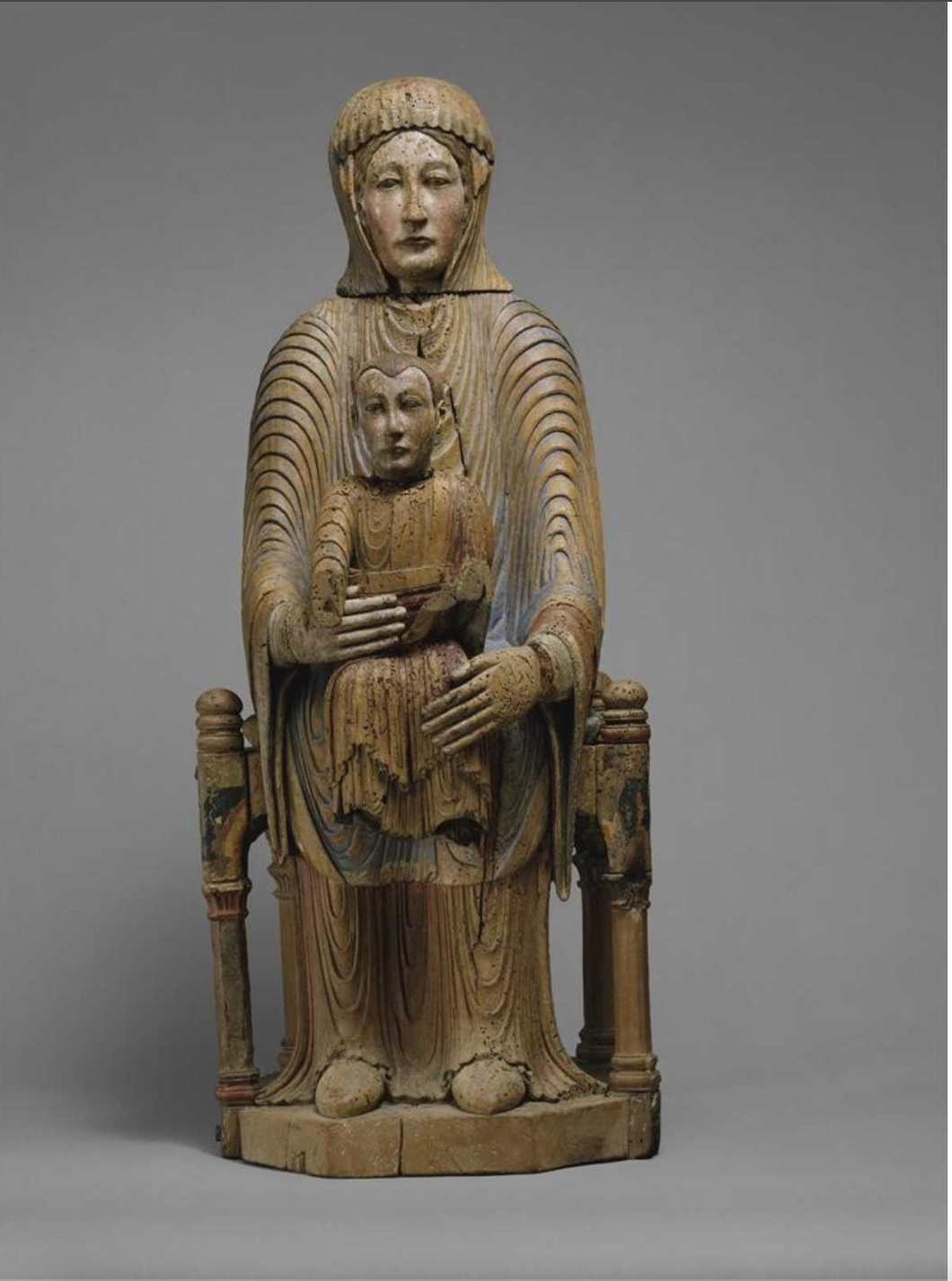
Sedes sapientiae (virgin and child)
France, Romanesque c. 1000-1150
A representation of the Virgin Mary as a seat of wisdom. Composed as a majesty.
Cluniac
Relating to the Cluniac reforms in medieval monasticism.
Cistercian
An order of monks known for their austere lifestyle.
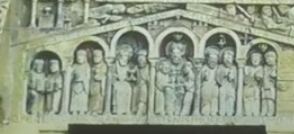
Homme á l’arcade
A figure with standing in an arcade, very typical
Horror vacui
An artistic principle of filling the entire space with detail.
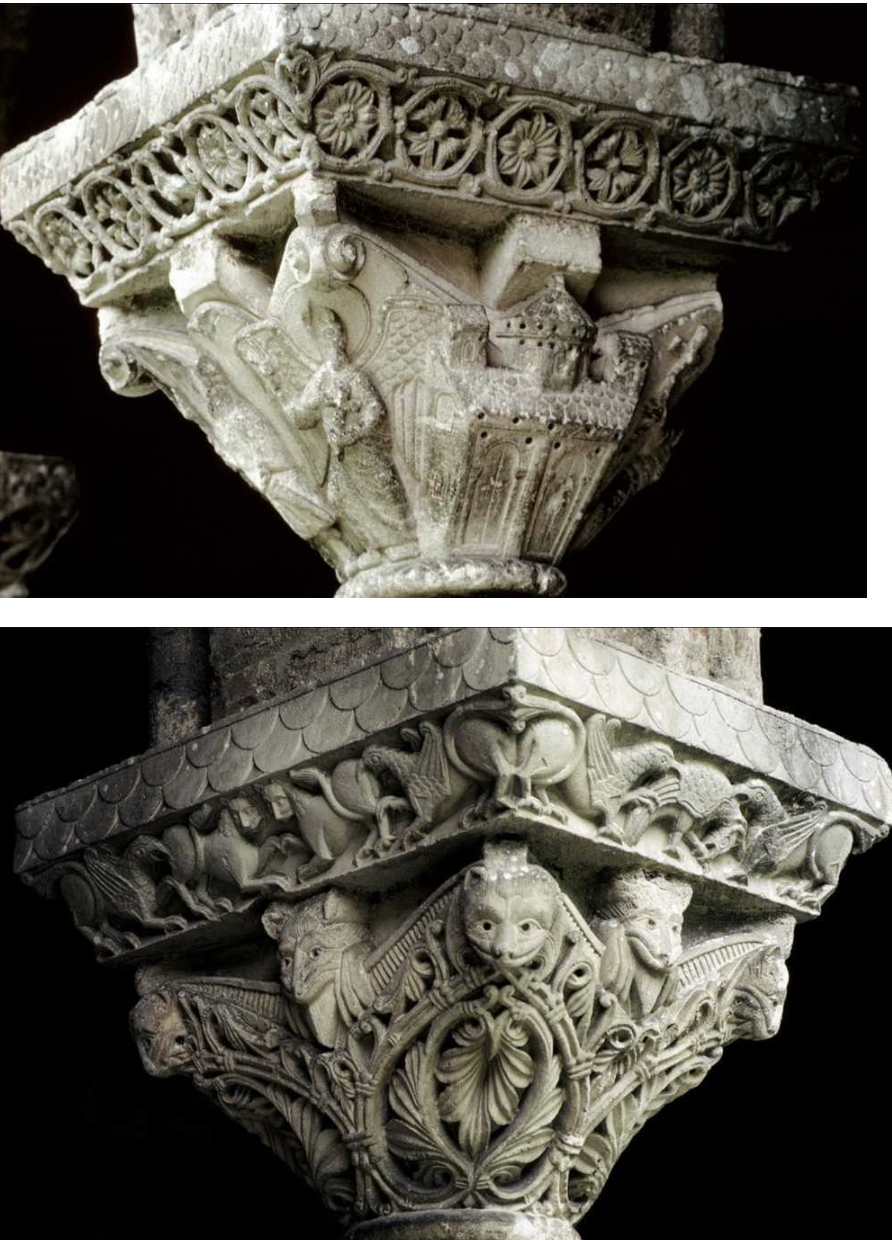
Varietas
romanesque principle of variety or diversity in high medieval art.
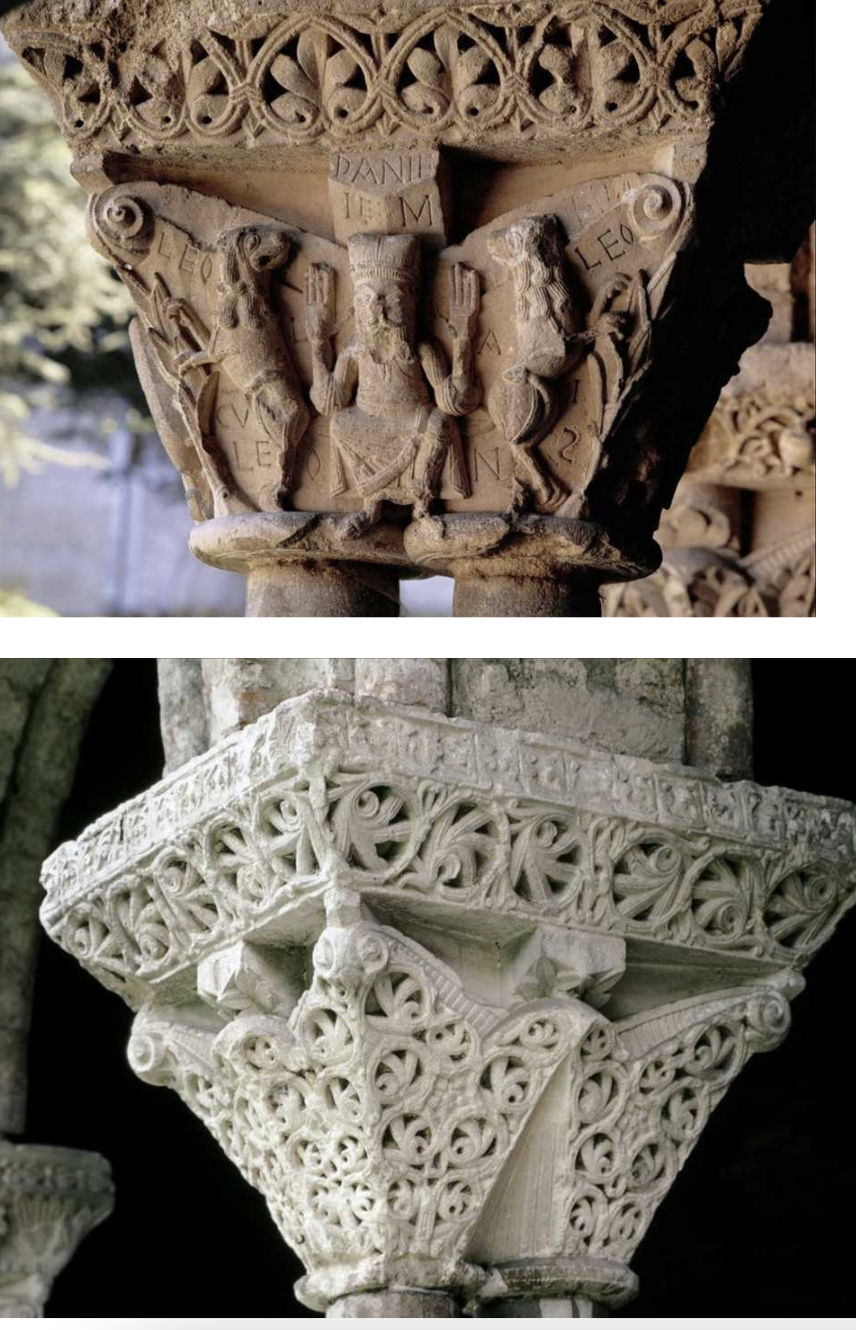
Aesthetic
Concerned with beauty and the appreciation of art.
Ascetic
Practicing severe self-discipline and abstention from indulgence.
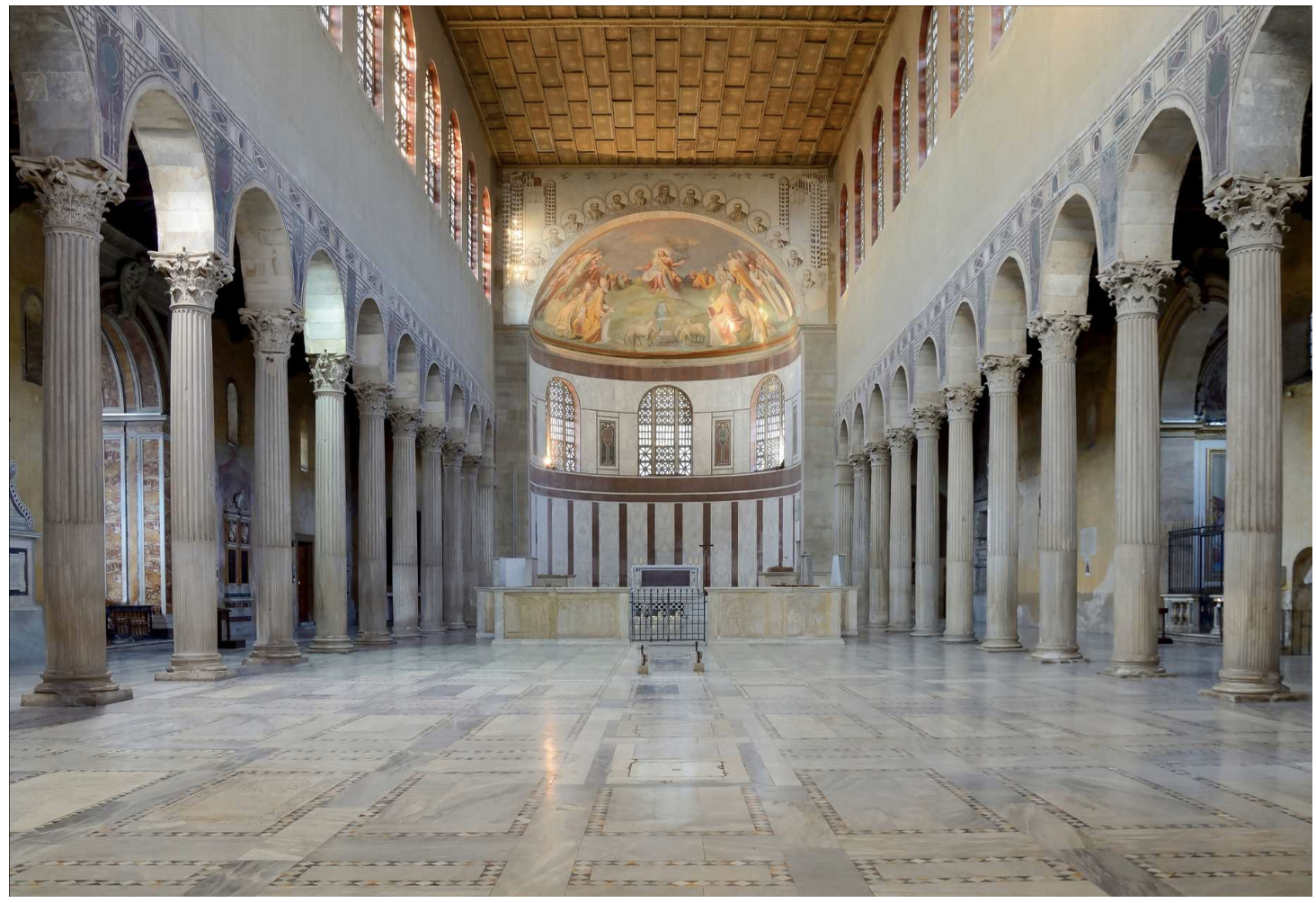
Santa Sabina, Rome
An Early Christian basilica built c. 250-450.
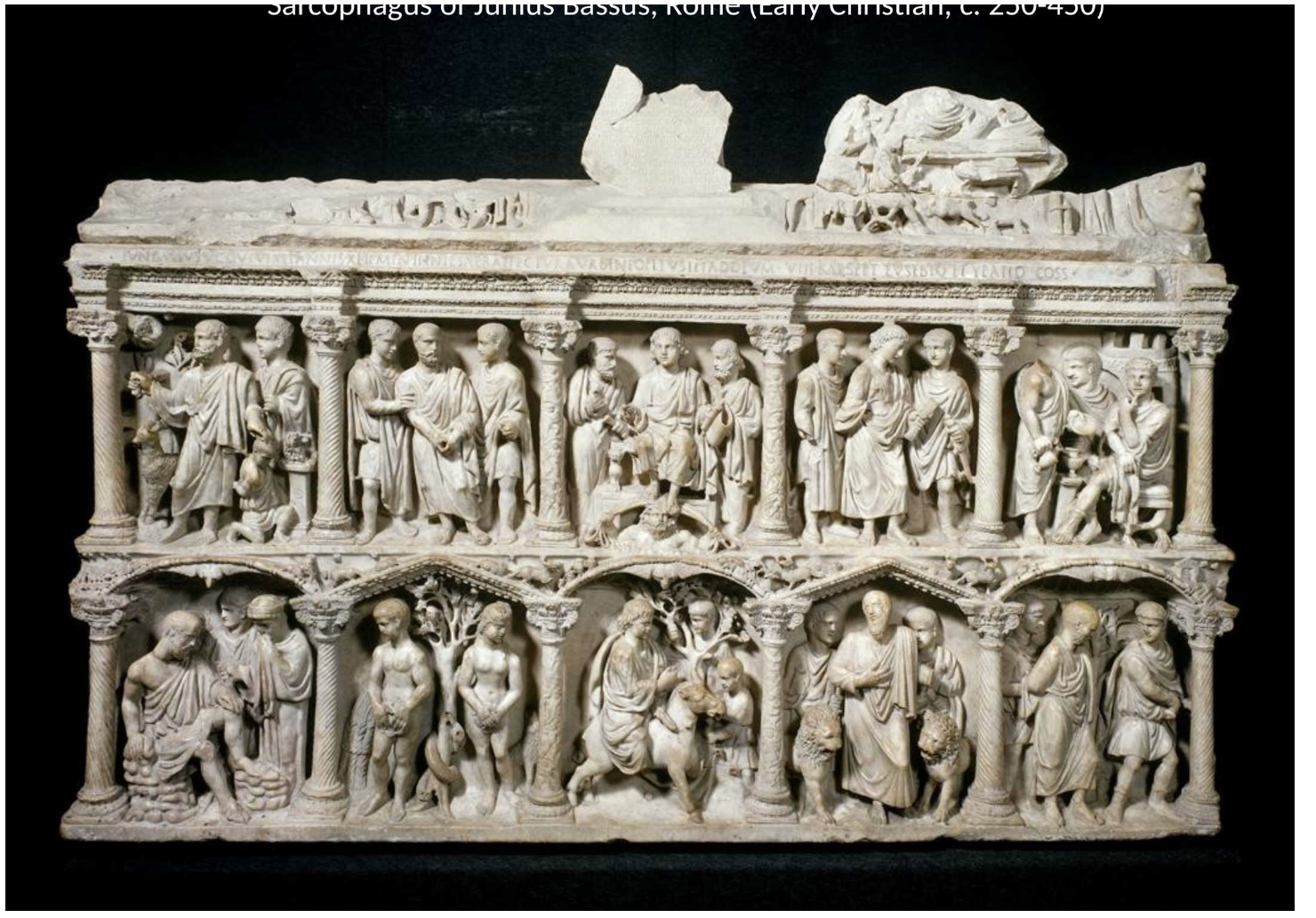
Sarcophagus of Junius Bassus, Rome
An Early Christian sarcophagus dating to c. 250-450.
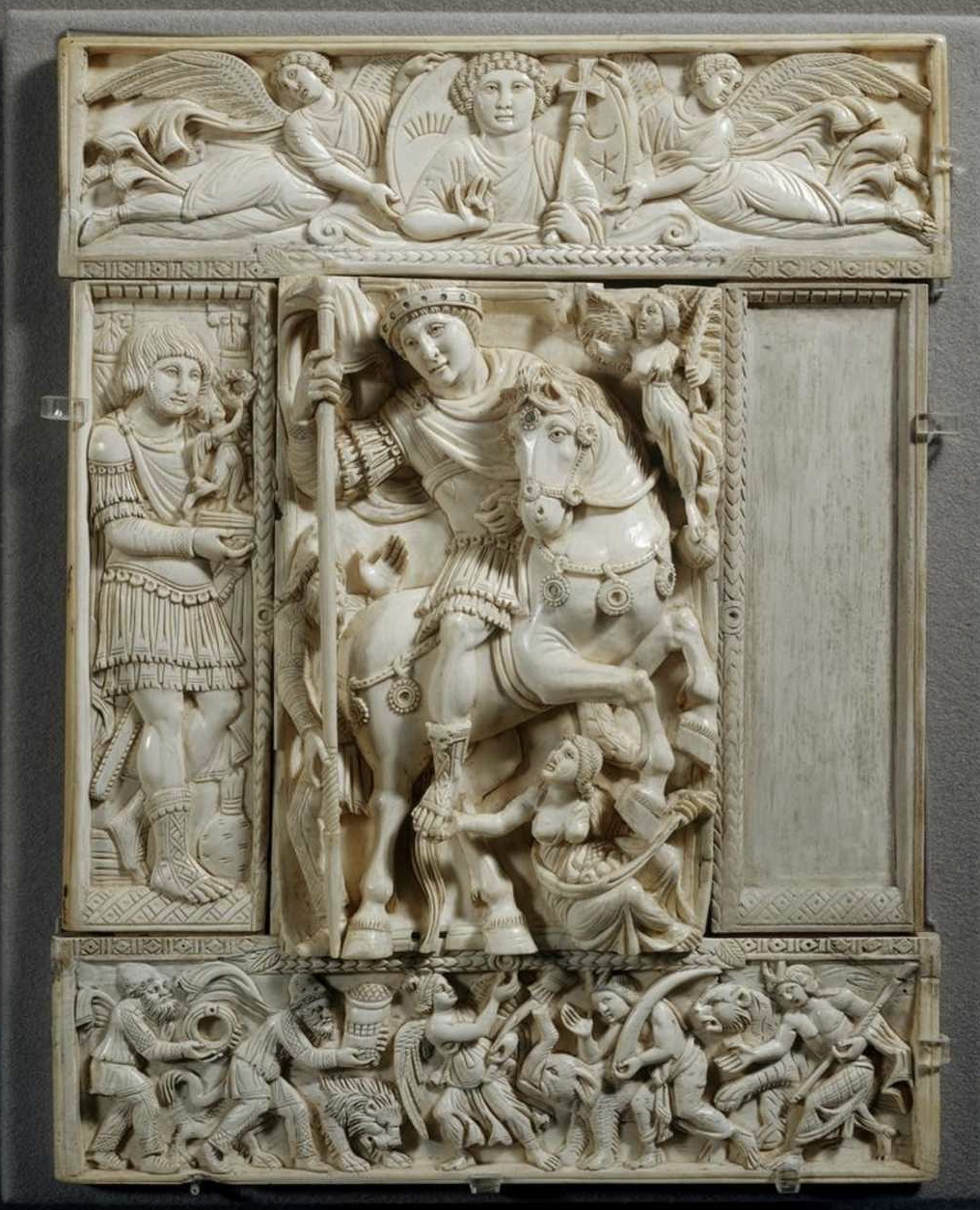
Justinian as Conqueror, “Barberini Ivory”
Early Byzantine ivory depicting Emperor Justinian, 300-800.
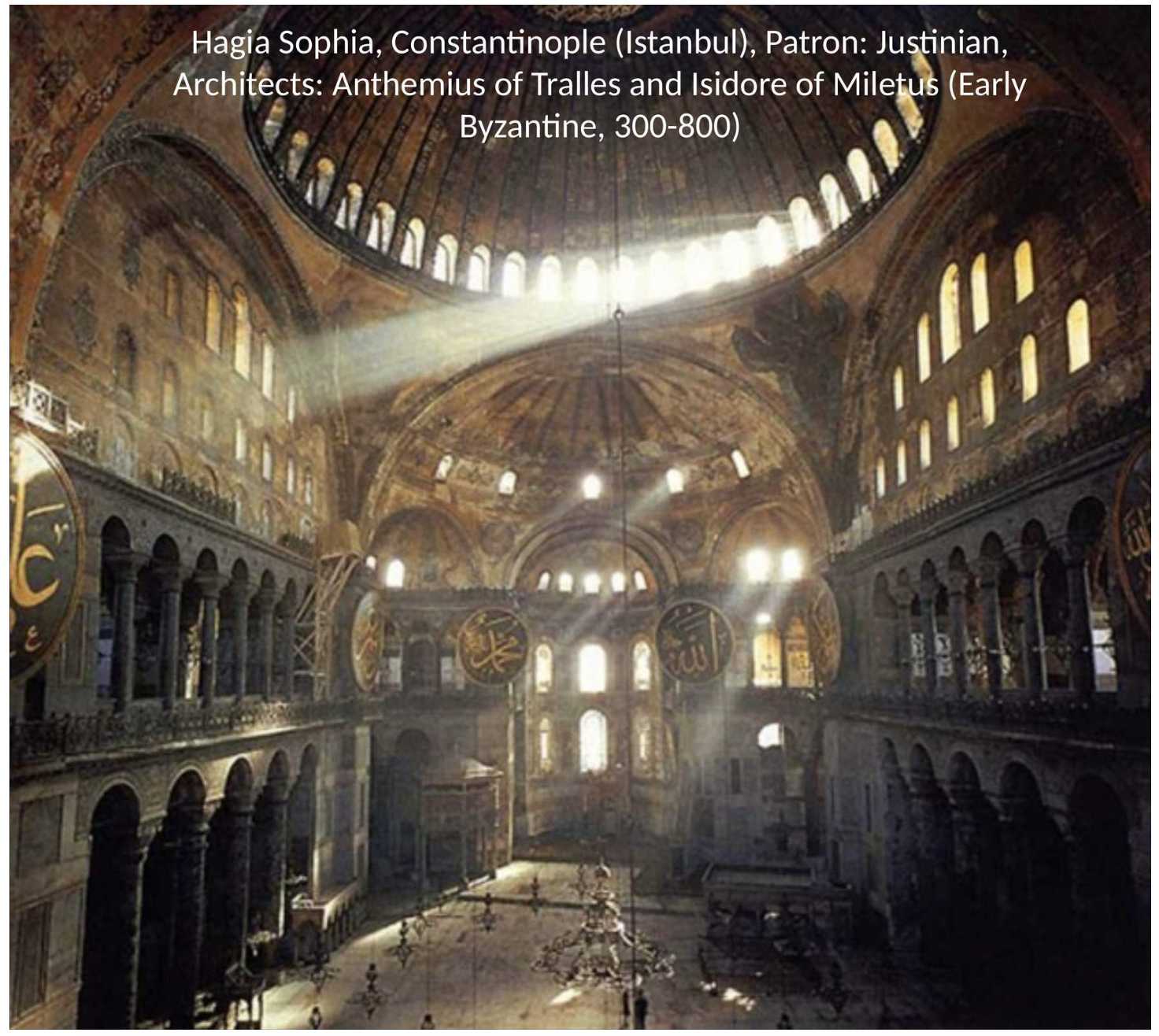
Hagia Sophia, Constantinople
A monumental church built under Justinian, 300-800.
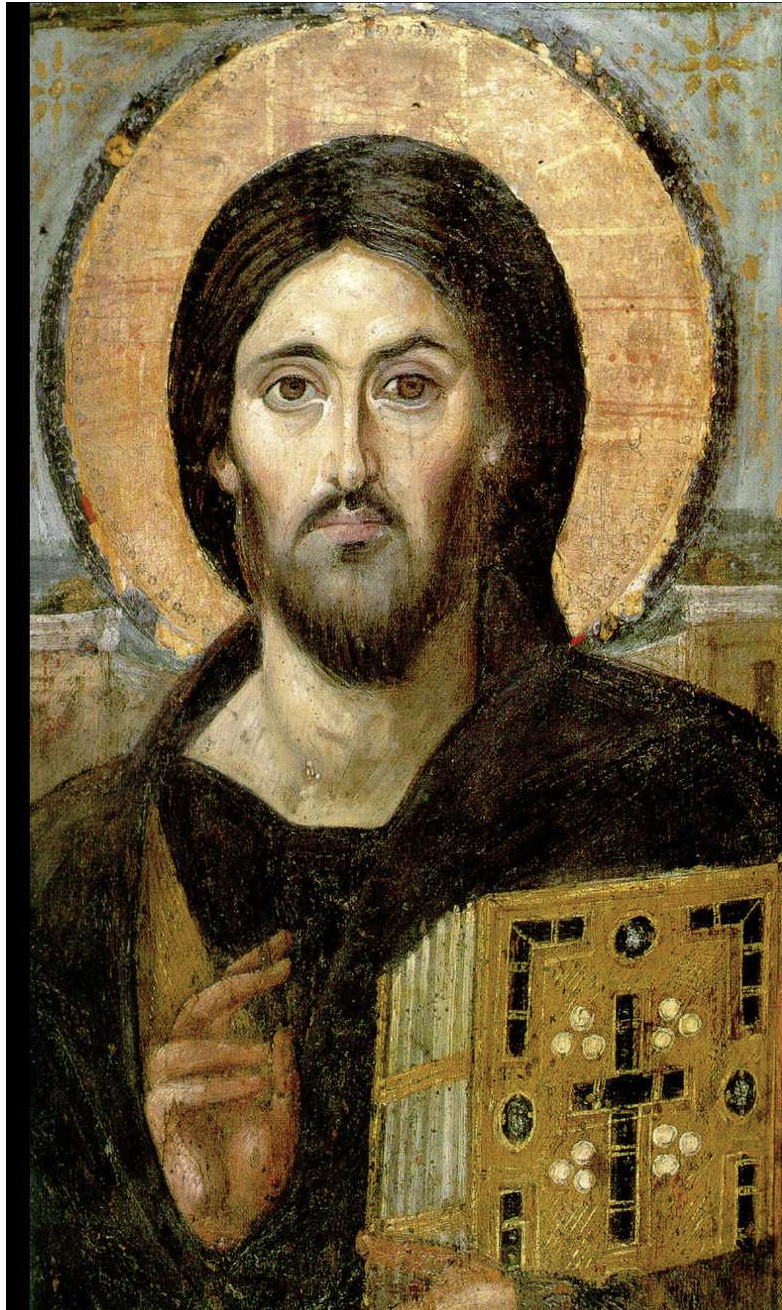
Christ Pantocrator, Monastery of Saint-Catherine
An Early Byzantine icon depicting Christ, 300-800.
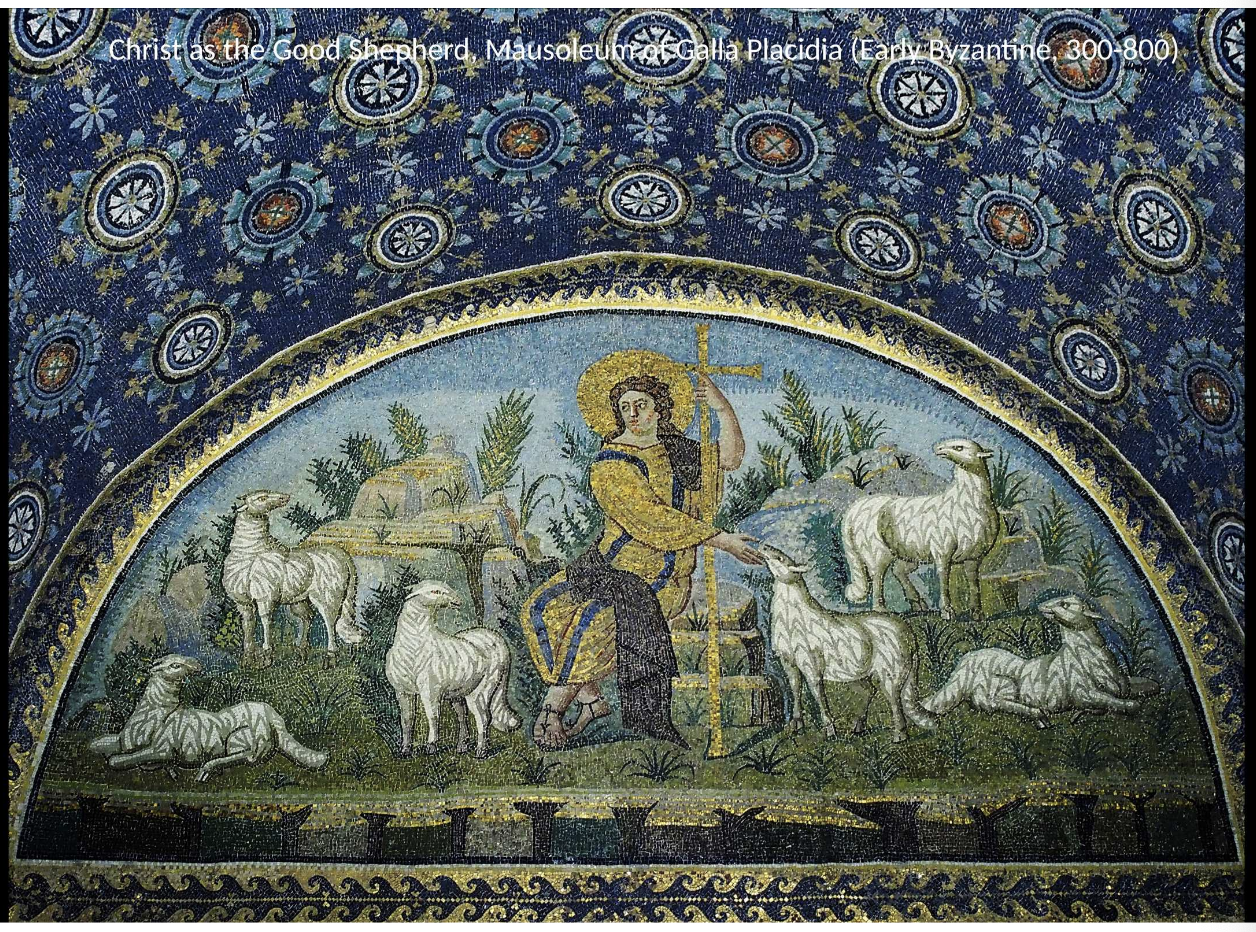
Christ as the Good Shepherd, Mausoleum of Galla Placidia
An Early Christian mosaic, c. 250-450.
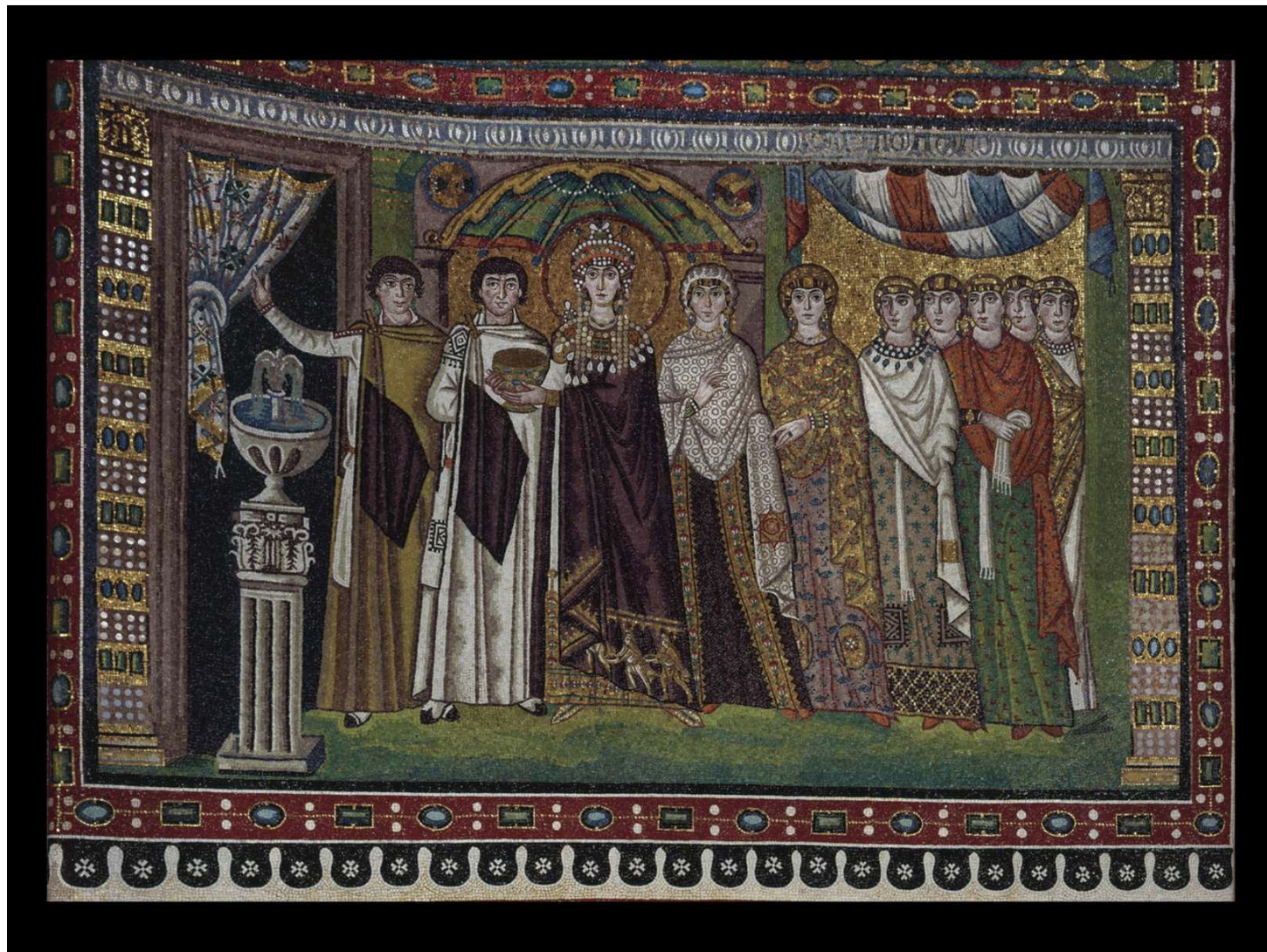
Empress Theodora and Attendants, San Vitale, Ravenna
A famous mosaic from Early Byzantine art, c. 300-800.
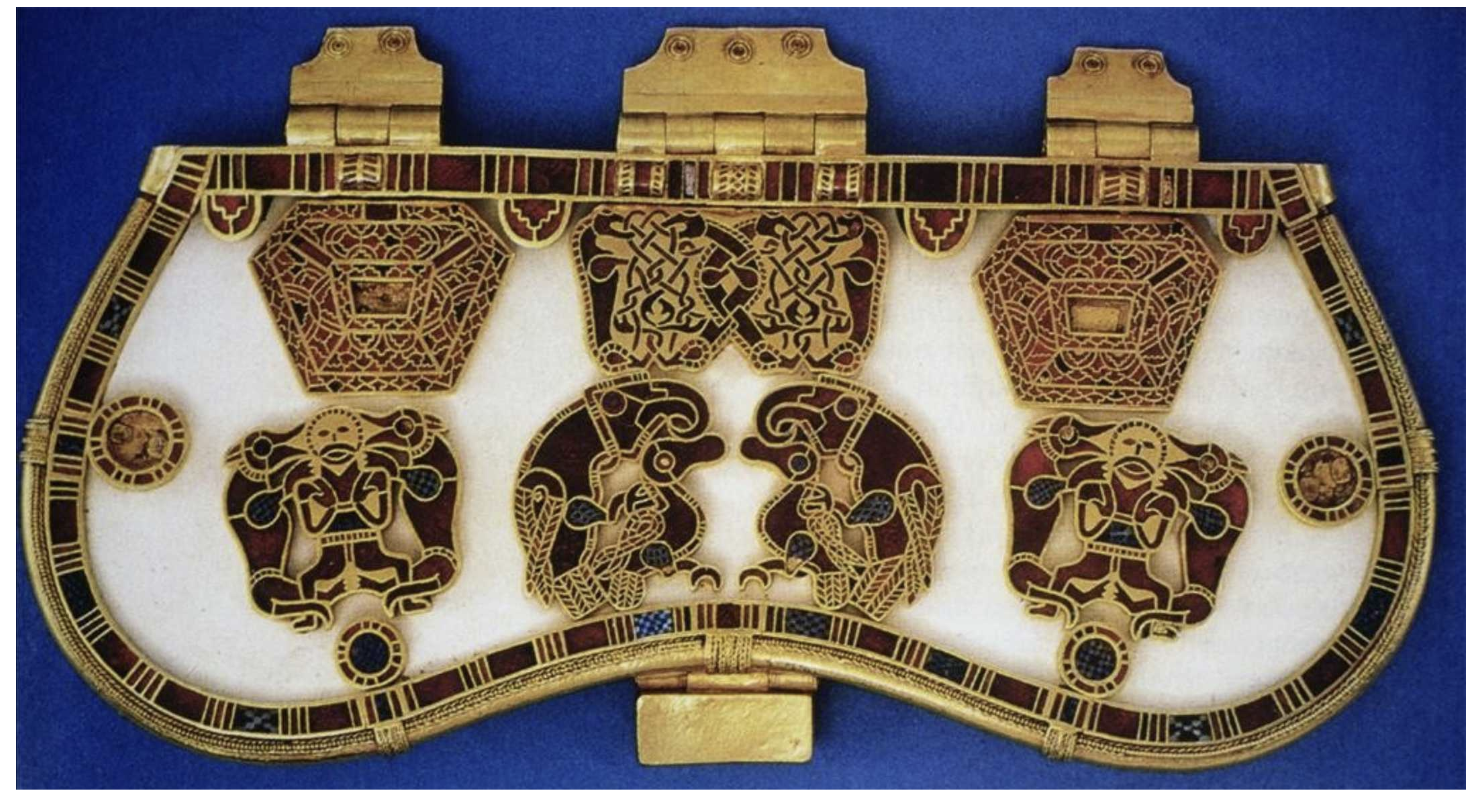
Purse lid from Sutton Hoo, England
Artifact representing Insular Art, c. 450-c. 650.
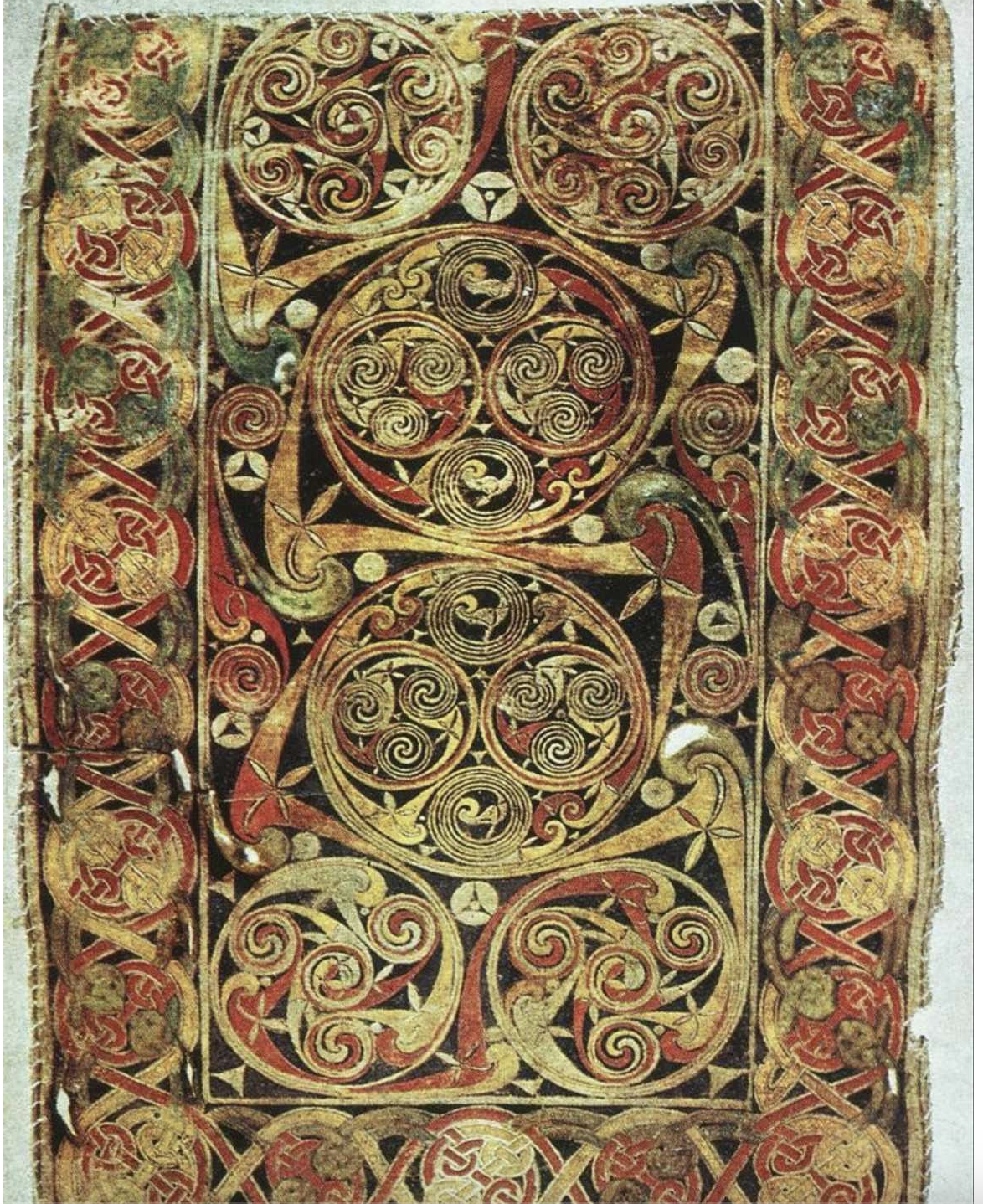
Carpet Page for Matthew, Book of Durrow, Ireland
An illuminated manuscript from Insular Art, c. 450-c. 650.
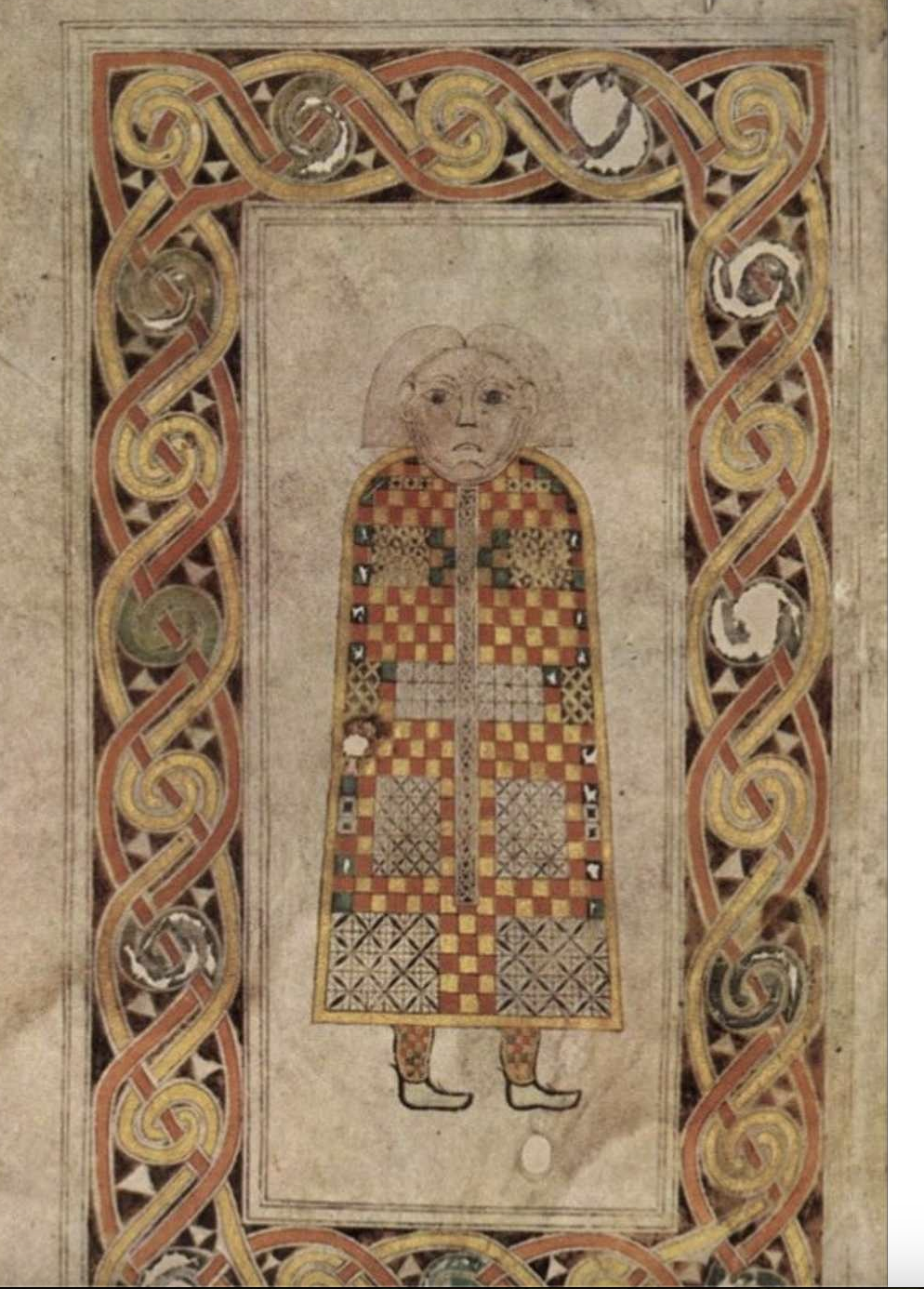
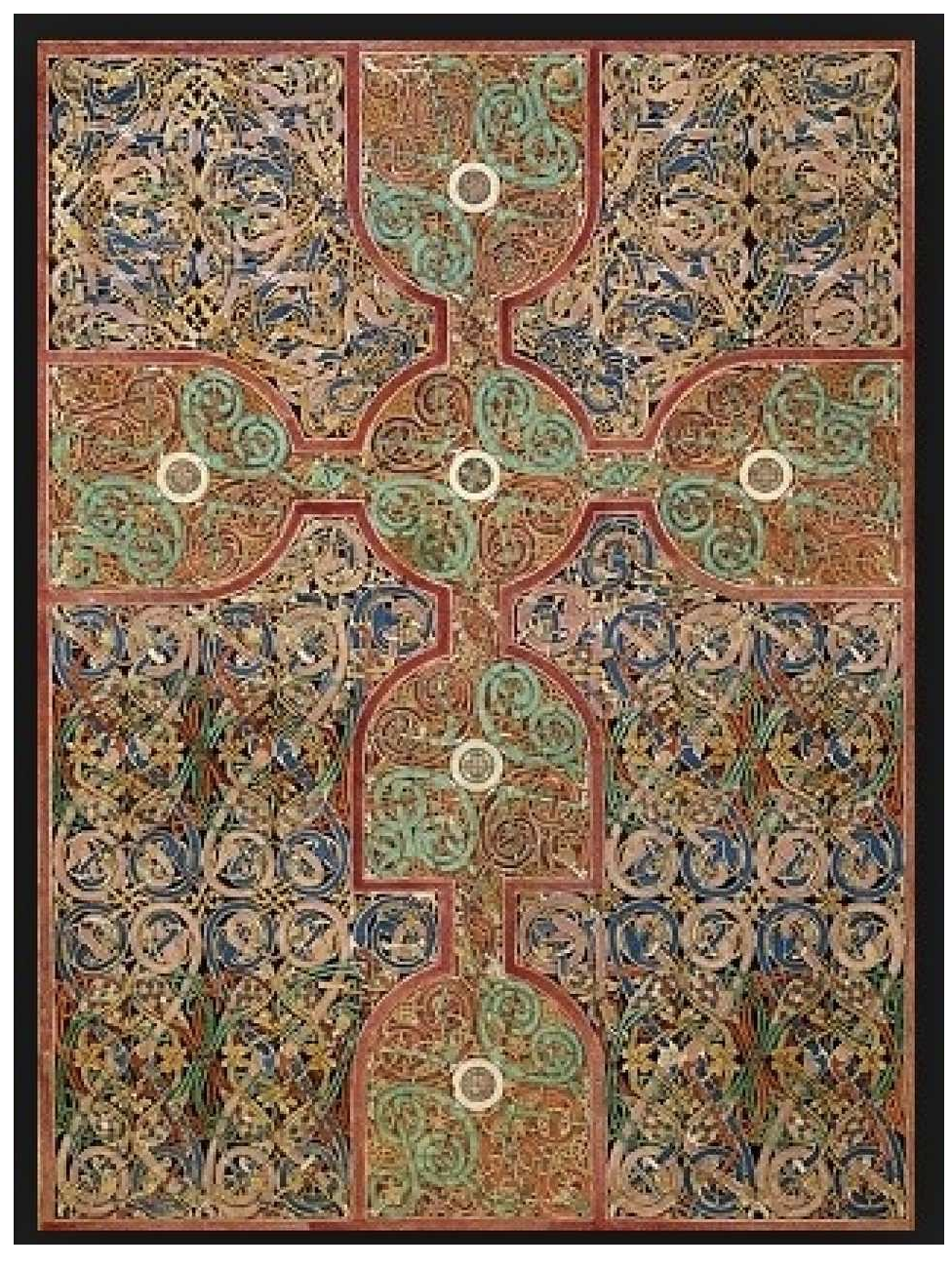
Lindisfarne Gospels, England
An illuminated manuscript of Insular Art, c. 450-c. 650.
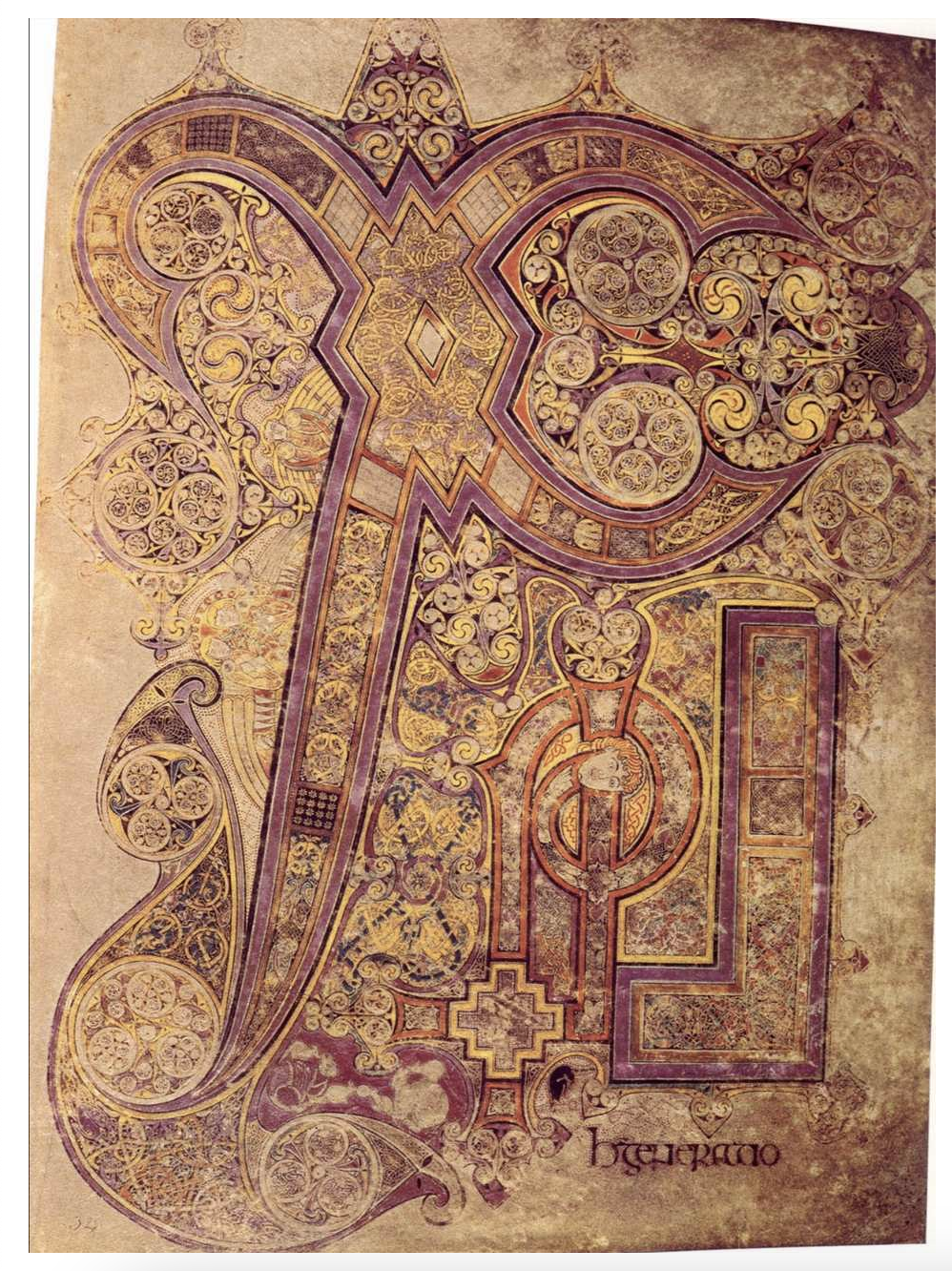
Book of Kells, Ireland
A famous illuminated manuscript of Insular Art, c. 450-c. 650.
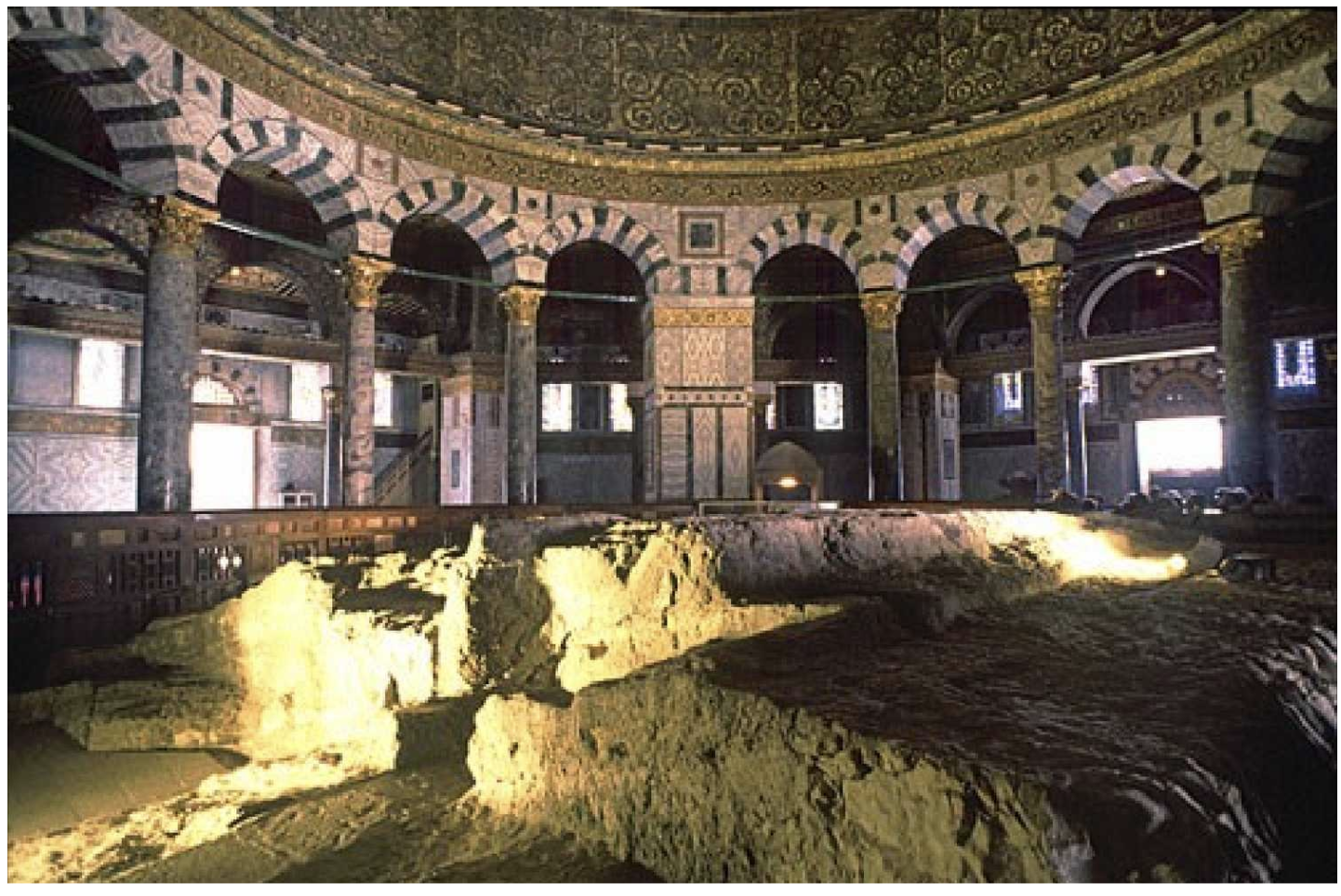
Dome of the Rock, Jerusalem: An Islamic shrine built in the Umayyad period, c. 650-750.
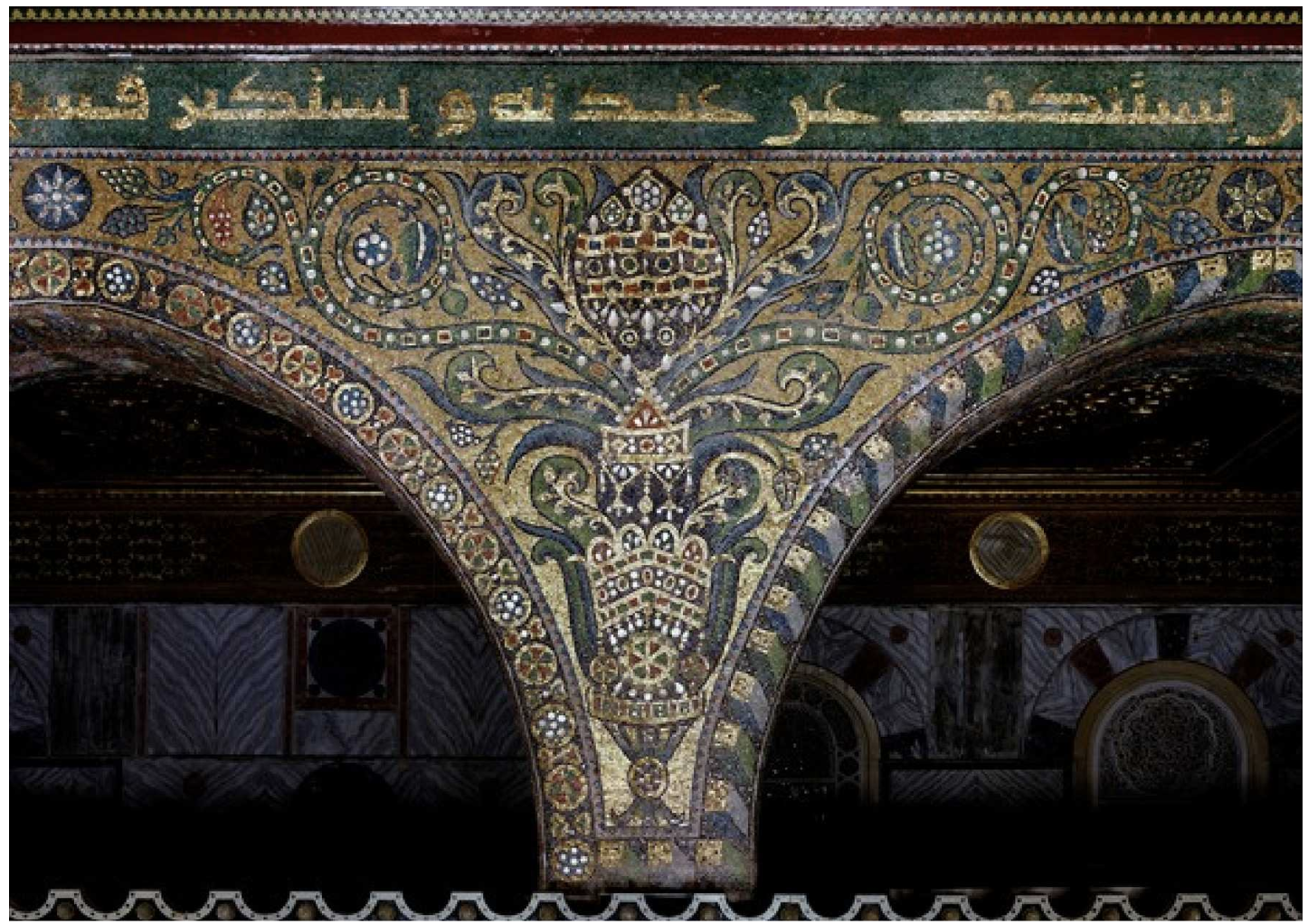
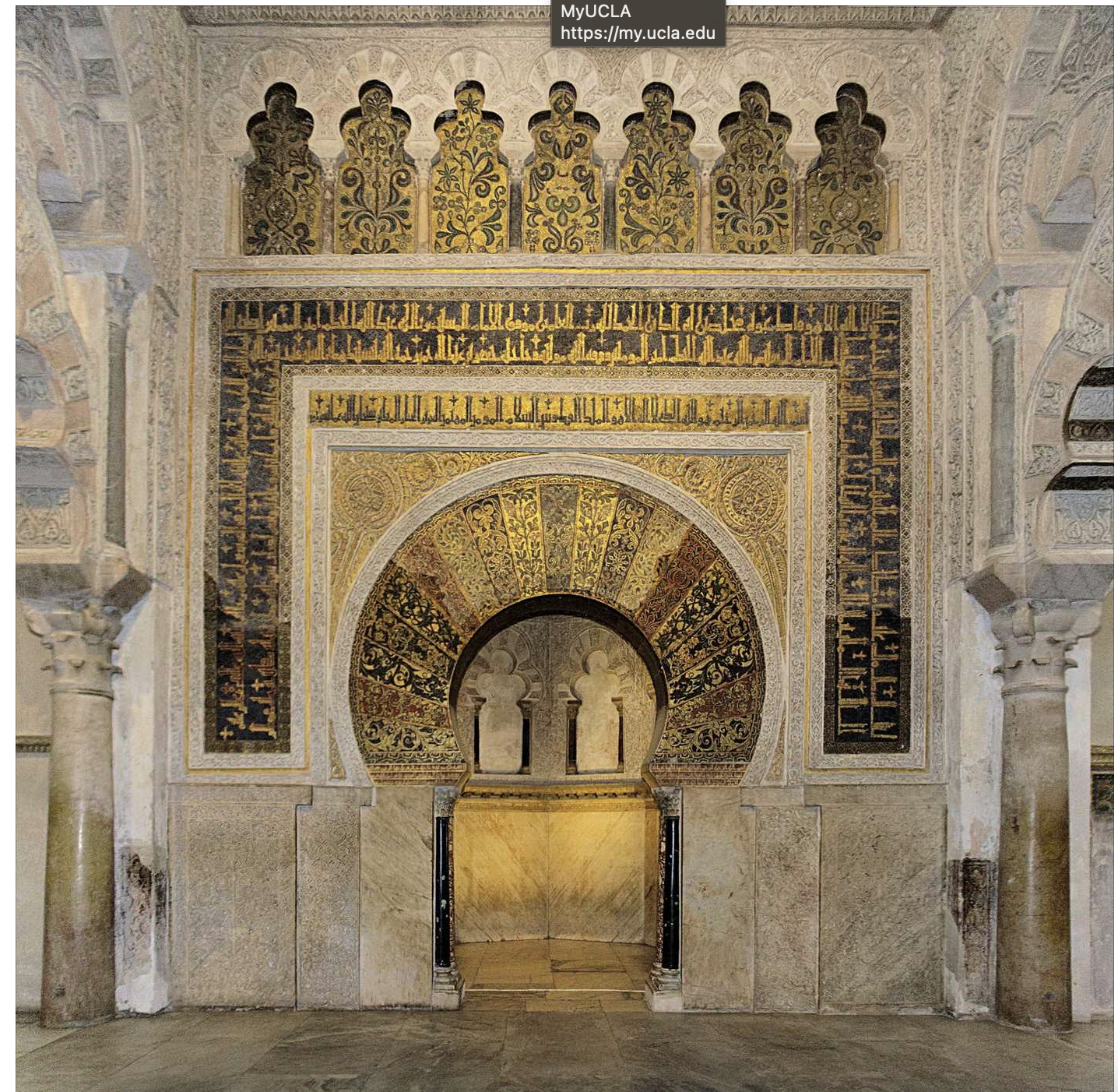
Great Mosque of Cordoba, Spain: A monumental mosque from the Umayyad period, c. 650-750.
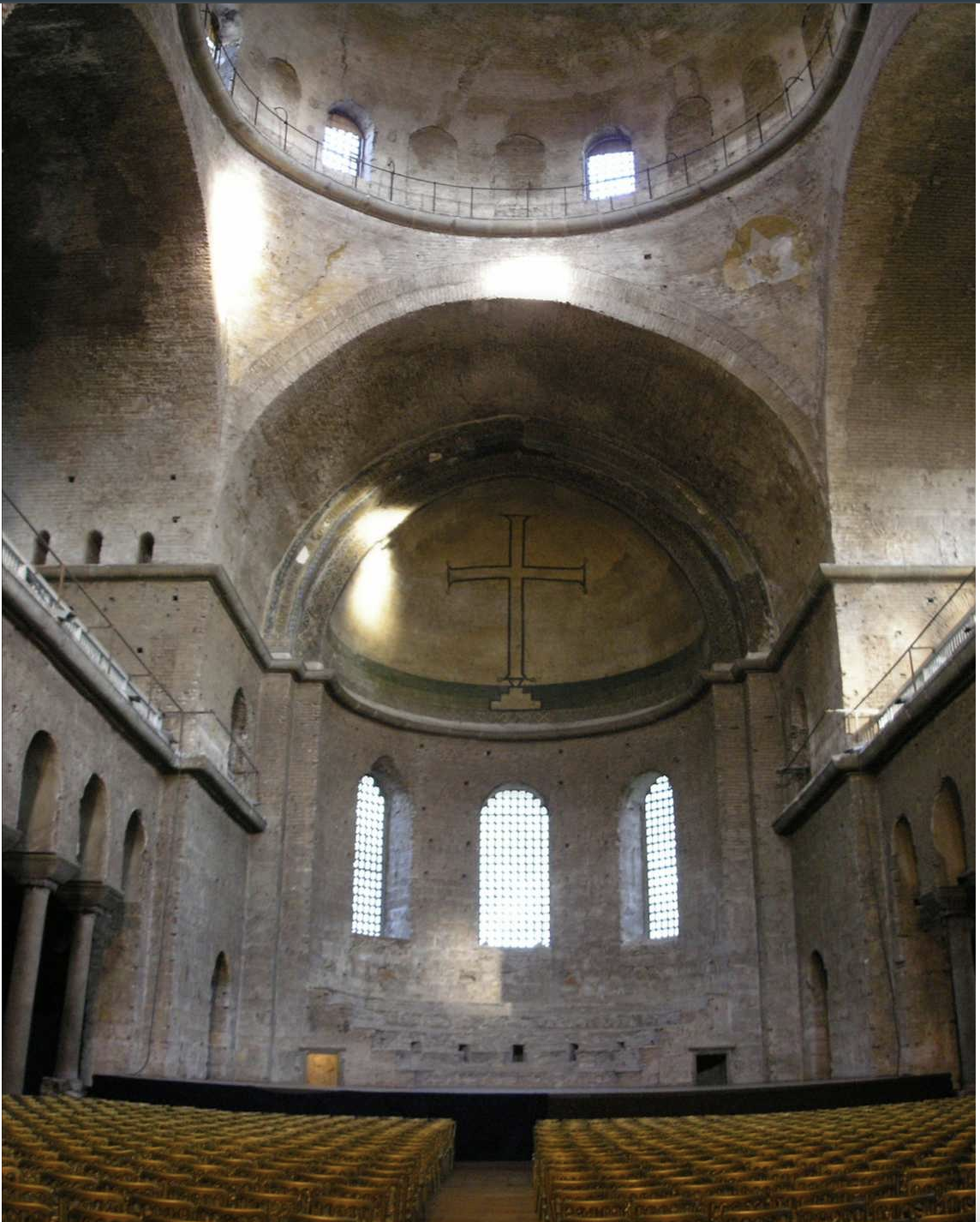
Hagia Irene, Constantinople
An early Byzantine church built c. 300-800.
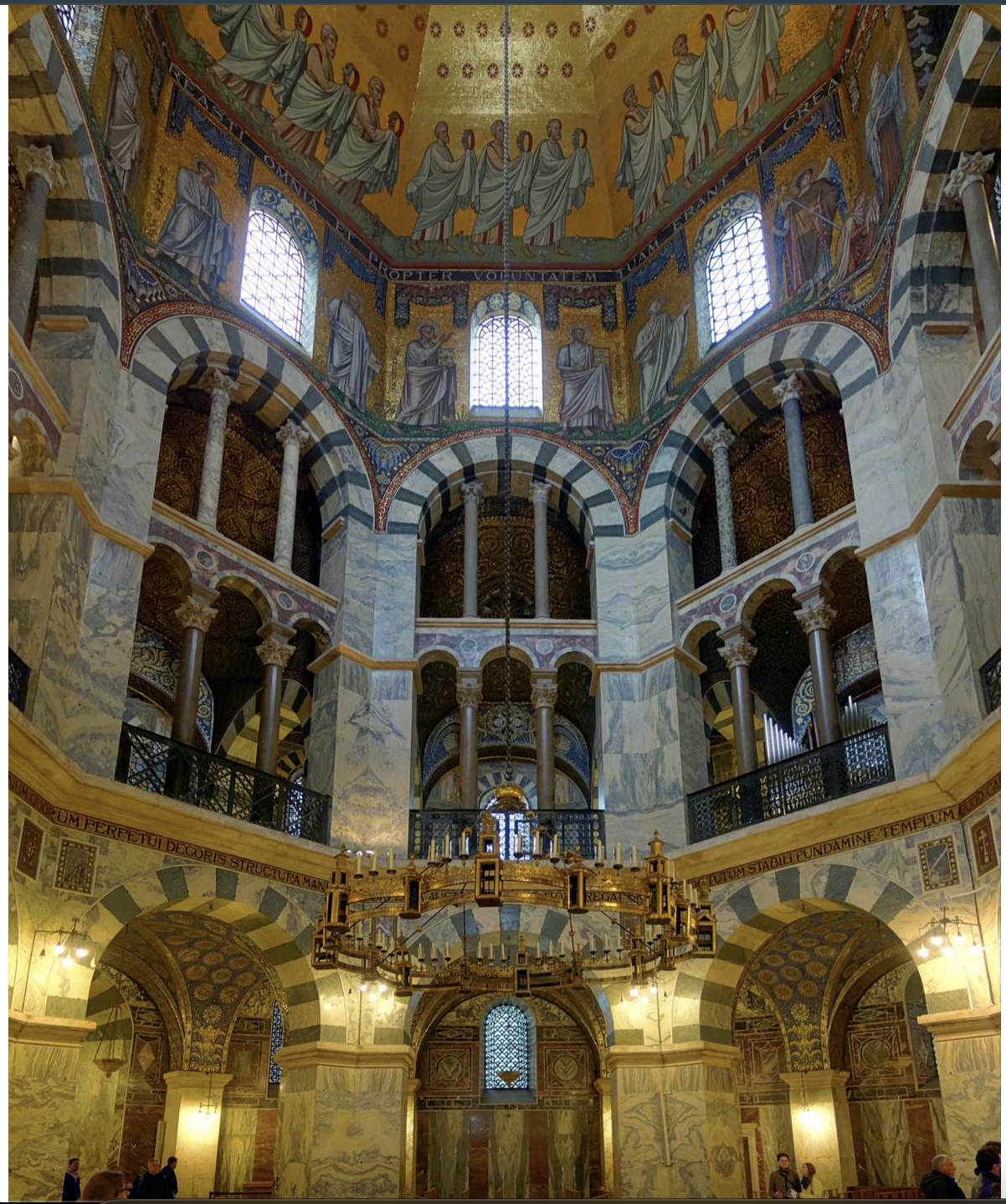
Palace Chapel, Aachen, Germany
A Carolingian chapel built c. 750-900.
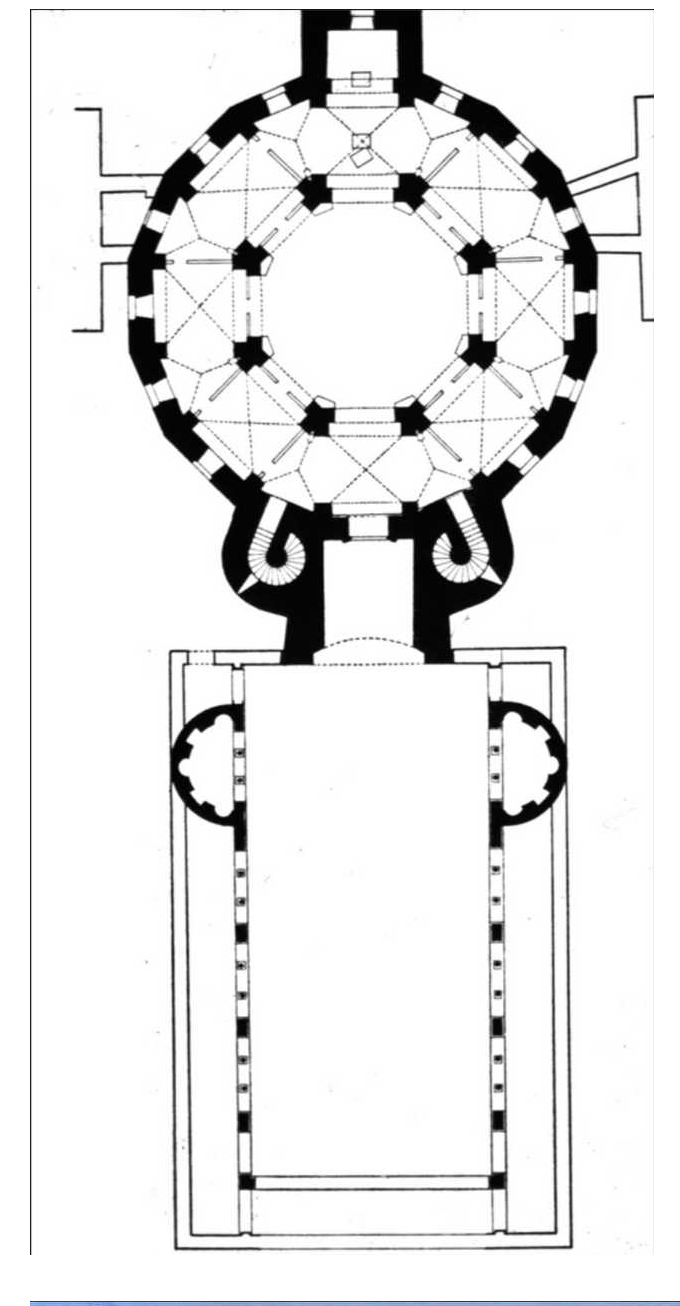
Ebbo Gospels, Reims, France
A Carolingian illuminated manuscript, c. 750-900.
Gospel Book of Otto III
An illuminated manuscript from the Ottonian period, c. 900-1000.
Lothair Cross
An Ottonian cross dated c. 900-1000.
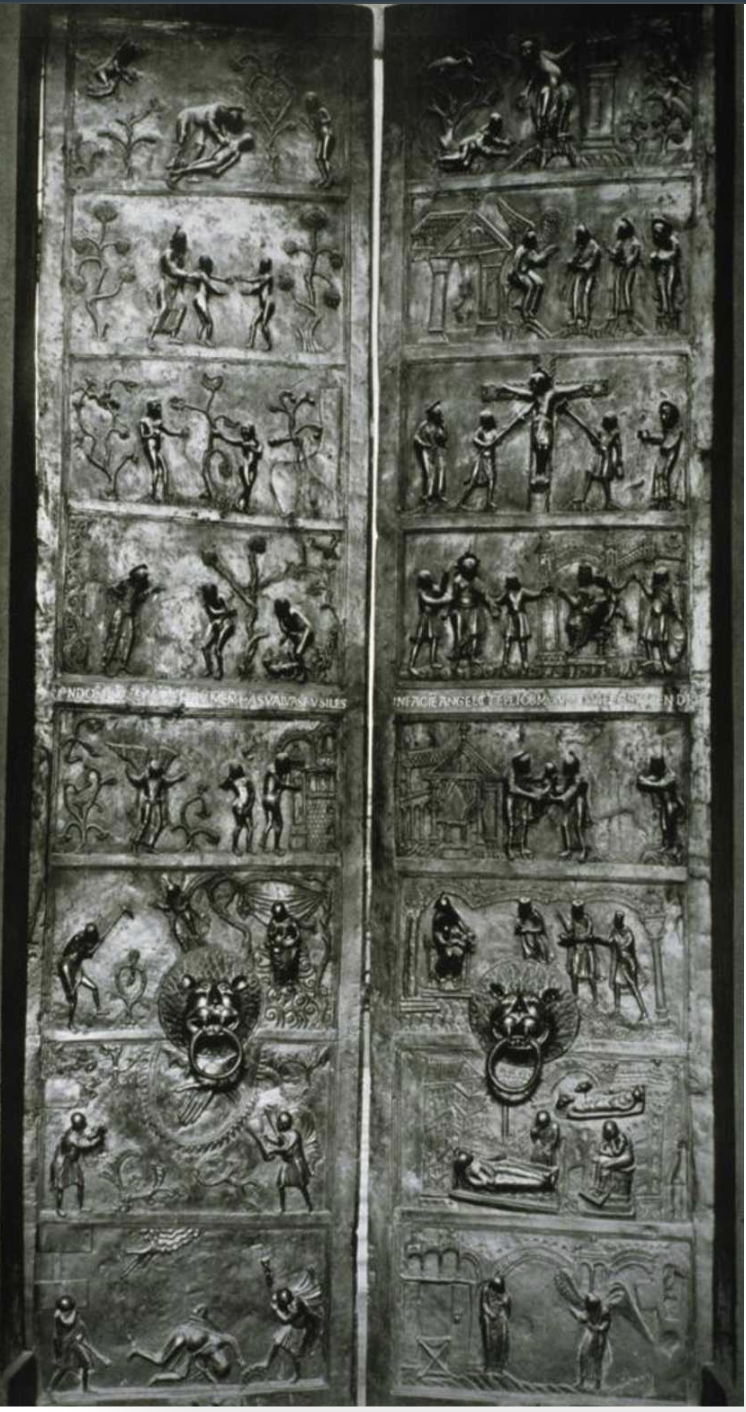
Bronze doors of Bishop Bernward, Saint-Michael’s, Hildesheim
Noted bronze doors from the Ottonian period, c. 900-1000.
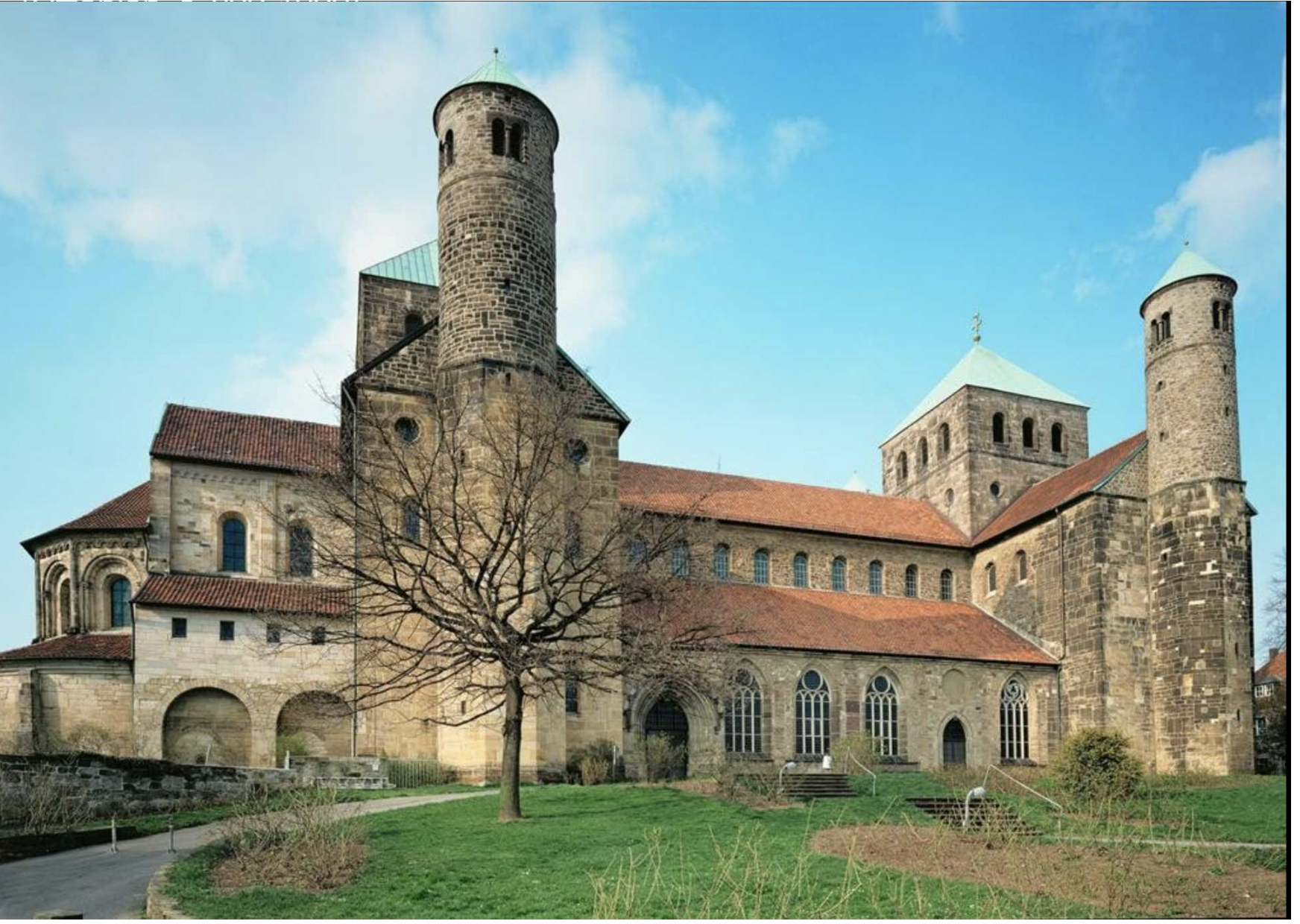
Saint-Michael’s, Hildesheim
An important church from the Ottonian period, c. 900-1000.
Silos version of the Commentary on the Apocalypse by Beatus of Liébana
A Romanesque manuscript c. 1000-1150.
Tábara version of the Commentary on the Apocalypse by Beatus of Liébana
Another Romanesque manuscript c. 1000-1150.
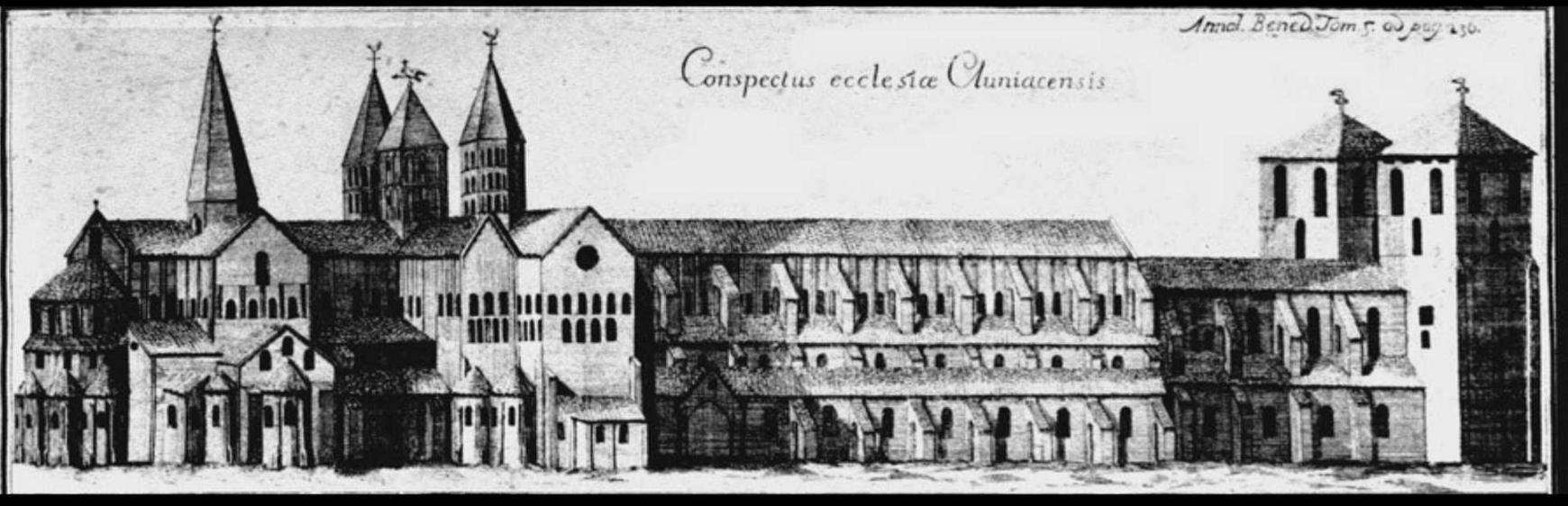
Church of Saint-Peter, Cluny, France
A Romanesque church established c. 1000-1150. Monks from this church and its daughters are called cluniacs
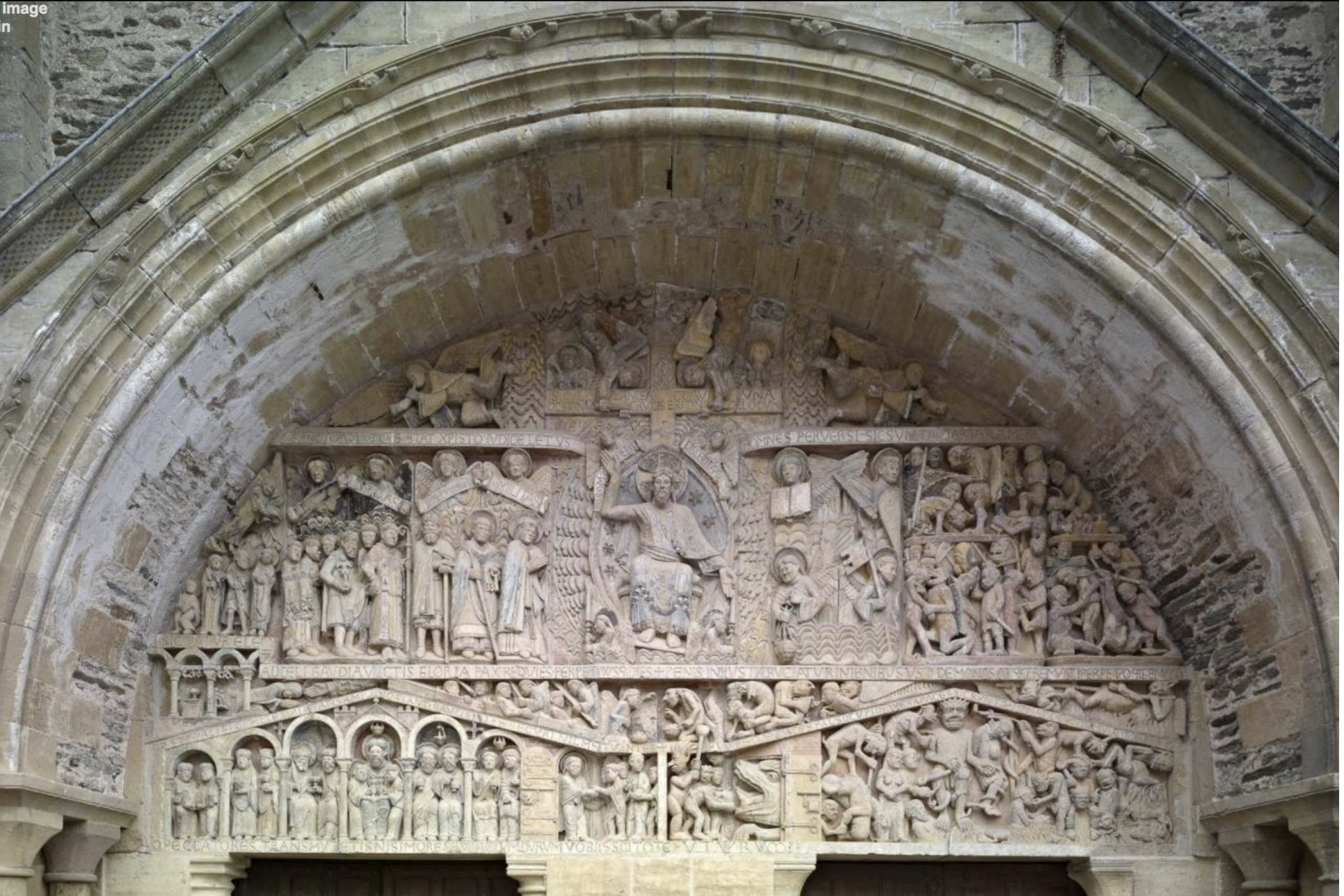
Last Judgment, tympanum, Sainte-Foy, Conques, France
A Romanesque sculpture depicting the Last Judgment c. 1000-1150.