Basic Science
 Call Kai
 Learn
Learn Practice Test
 Spaced Repetition
 Match
Match Flashcards
 Knowt Play
1/116

There's no tags or description
Looks like no tags are added yet.
Name | Mastery | Learn | Test | Matching | Spaced | Call with Kai |
|---|
No analytics yet
Send a link to your students to track their progress
117 Terms
What does the central nervous system include
Brain and spinal cord
Function of CNS
Sending signals to the peripheral nervous system
2 systems of the PNS
Somatic and automatic
Function of somatic nervous system
Voluntary muscle movement
Function of the automatic nervous system
Involuntary bodily functions
What is a neurotransmitter (NT)
Chemical messengers released from the presynaptic neurons into the synaptic cleft then they travel to postsynaptic neurons or other parts of the body
Common NT
Acetylcholine (ACh)
Epinephrine (Epi)
Norepinephrine (NE)
Dopamine (DA)
Serotonin (5-HT)
Primary NT involved in the somatic nervous system
ACh
Function of ACh
Released in response to neuron signals and binds to nicotinic receptors in skeletal muscles to affect muscle movement
2 divisions of the autonomic nervous system
parasympathetic
symptathetic
Parasympathetic nervous system
rest and digest
How does the PSNS function
releases ACh which binds to muscarinic receptors causing SLUDD (salivation, lacrimation, urination, defecation, digestion)
Sympathetic nervous system
fight or fligh
How does the SNS work
releases Epi and NE which act on adrenergic receptors (alpha-1, beta-1, beta-2) in cardiovascular and respiratory system
What does activation of SNS cause
increased BP, HR, bronchodilation
Agonist
substance that binds to and activates a receptor to produce a reaction
antagonist
binds to receptor but does not produce effect, it blocks the agonist from binding and inhibits the subsequent reaction
Competitive inhibition
antagonist binds to the same active site of receptor as a substrate, preventing it from binding and causing a reaction
non-competitive inhibition
antagonist binds to the receptor at a site other than the active site (AKA allosteric site), this changes the shape of the active site and prevents the endogenous substrate from binding
Receptor targets of isoproterenol
beta-1
beta-2
to treat bradycardia and cause bronchodilation
receptor targets of carvedilol
alpha-1
beta-1
beta-2
to decrease BP (by causing peripheral vasodilation and decrease in HR) can cause bronchoconstriction
Epinephrine
A vasopressor that stimulates multiple receptors, such as alpha-1 and beta-1, leading to increased vasoconstriction, HR and BP.
Norepinephrine
A vasopressor that stimulates multiple receptors, such as alpha-1 and beta-1, leading to increased vasoconstriction, HR and BP.
Clonidine
A centrally-acting alpha-2 adrenergic agonist that decreases overall sympathetic output by binding to presynaptic alpha-2 receptors in the brain.
SLUDD
An acronym for salivation, lacrimation, urination, diarrhea/defecation, and digestion.
Pilocarpine
A muscarinic agonist that increases SLUDD.
Bethanechol
A muscarinic agonist that increases SLUDD.
Atropine
A muscarinic antagonist that decreases SLUDD.
Oxybutynin
A muscarinic antagonist that decreases SLUDD.
Nicotine
A nicotinic agonist that increases HR and BP.
Phenylephrine
An alpha-1 agonist that causes smooth muscle vasoconstriction and increases BP.
Rocuronium
A neuromuscular blocker that causes neuromuscular blockade.
Doxazosin
An alpha-1 blocker that decreases BP.
Phentolamine
An alpha-1 blocker that decreases BP.
Ergot alkaloids
Alpha-1 antagonists that affect vasoconstriction.
Yohimbine
An alpha-1 antagonist that affects vasoconstriction.
Dopamine
A beta-1 agonist that increases myocardial contractility, CO, and HR.
Dobutamine
A beta-1 agonist that increases myocardial contractility, CO, and HR.
Metoprolol
A beta-1 selective blocker.
Propranolol
A non-selective beta-blocker.
Albuterol
A beta-2 agonist that causes bronchodilation.
Terbutaline
A beta-2 agonist that causes bronchodilation.
Levodopa
A dopamine agonist with renal, cardiac, and CNS effects.
Pramipexole
A dopamine agonist with renal, cardiac, and CNS effects.
Serotonin
A neurotransmitter with many effects, including platelet aggregation and psychiatric effects.
Triptans
Drugs like sumatriptan that affect serotonin and have various effects.
Haloperidol
A first-generation antipsychotic with various effects.
Metoclopramide
A first-generation antipsychotic with various effects.
Ondansetron
A second-generation antipsychotic with various effects.
Quetiapine
A second-generation antipsychotic with various effects.
What does monoamine oxidase (MAO) break down
catecholamines
Acetylcholinesterase
Breaks down acetylcholine
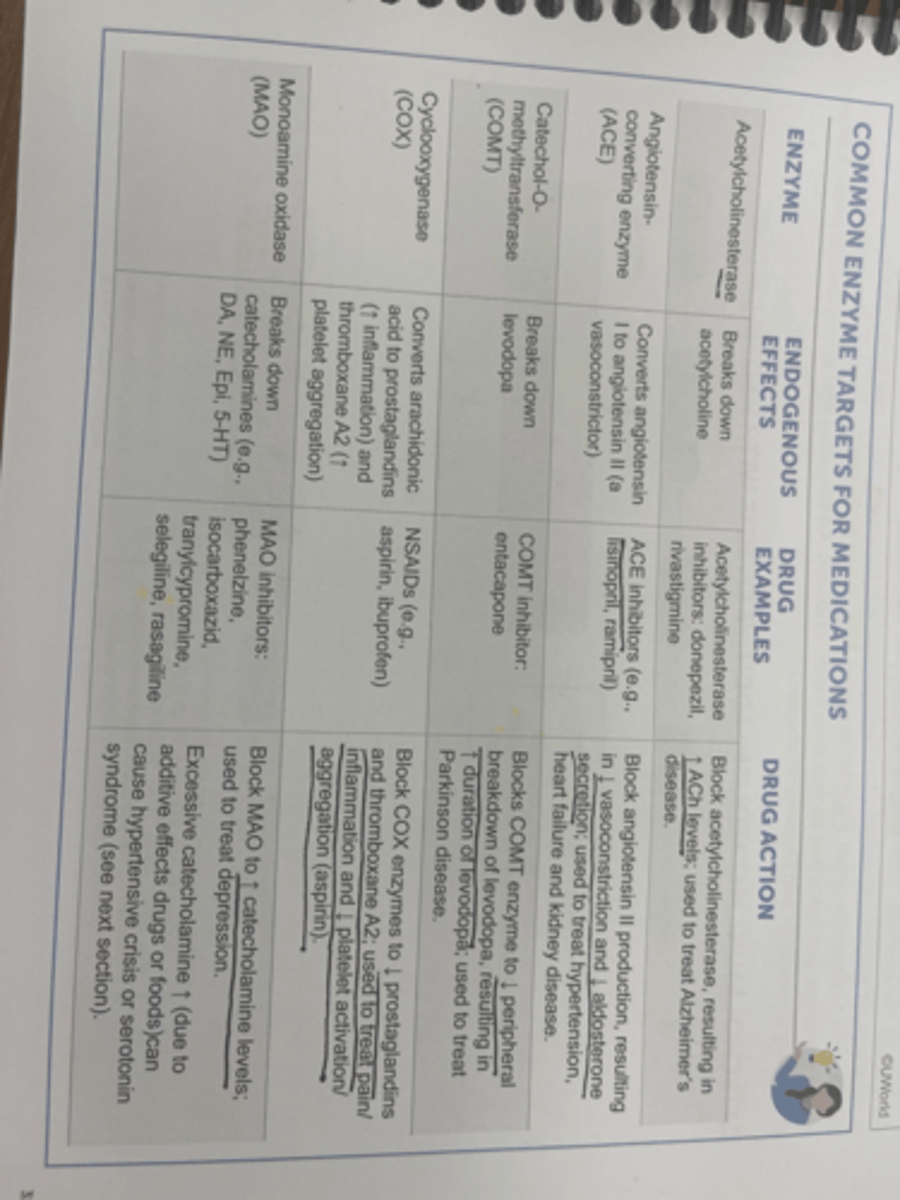
What is the effect of Angiotensin-converting enzyme (ACE)?
Converts angiotensin I to angiotensin II (a vasoconstrictor)
Catechol-O-methyltransferase (COMT)
Breaks down levodopa
What does Cyclooxygenase (COX) do?
Converts arachidonic acid to prostaglandins (↑ inflammation) and thromboxane A2 (↑ platelet aggregation)
Monoamine oxidase (MAO)
Breaks down catecholamines (e.g., DA, NE, Epi, 5-HT)
What are some drug examples for Acetylcholinesterase inhibitors?
Donepezil, rivastigmine
What are ACE inhibitors?
Lisinopril, ramipril
What is a COMT inhibitor?
Entacapone
What are some examples of NSAIDs?
Aspirin, ibuprofen
What are MAO inhibitors?
Phenelzine, isocarboxazid, tranylcypromine, selegiline, rasagiline
What is the action of Acetylcholinesterase inhibitors?
Block acetylcholinesterase, resulting in ↑ ACh levels; used to treat Alzheimer's disease.
What is the action of ACE inhibitors?
Block angiotensin II production, resulting in vasoconstriction and aldosterone secretion; used to treat hypertension, heart failure and kidney disease.
What is the action of COMT inhibitors?
Blocks COMT enzyme to peripheral breakdown of levodopa, resulting in ↑ duration of levodopa; used to treat Parkinson disease.
What is the action of COX inhibitors?
Block COX enzymes to prostaglandins and thromboxane A2; used to treat pain/inflammation and platelet activation/aggregation (aspirin).
What is the action of MAO inhibitors?
Block MAO to ↑ catecholamine levels; used to treat depression.
What can excessive catecholamine ↑ cause?
Hypertensive crisis or serotonin syndrome (due to additive effects drugs or foods)
Phosphodiesterase (PDE)
Breaks down cyclic guanosine monophosphate (cGMP), a smooth muscle relaxant.
PDE-5 inhibitors
Examples include sildenafil and tadalafil.
PDE-5 inhibitors action
Competitively bind to the same active site as cGMP on the PDE-5 enzyme, ↓the breakdown of cGMP and prolonging smooth muscle relaxation (e.g., in the arteries of the penis); used to treat erectile dysfunction.
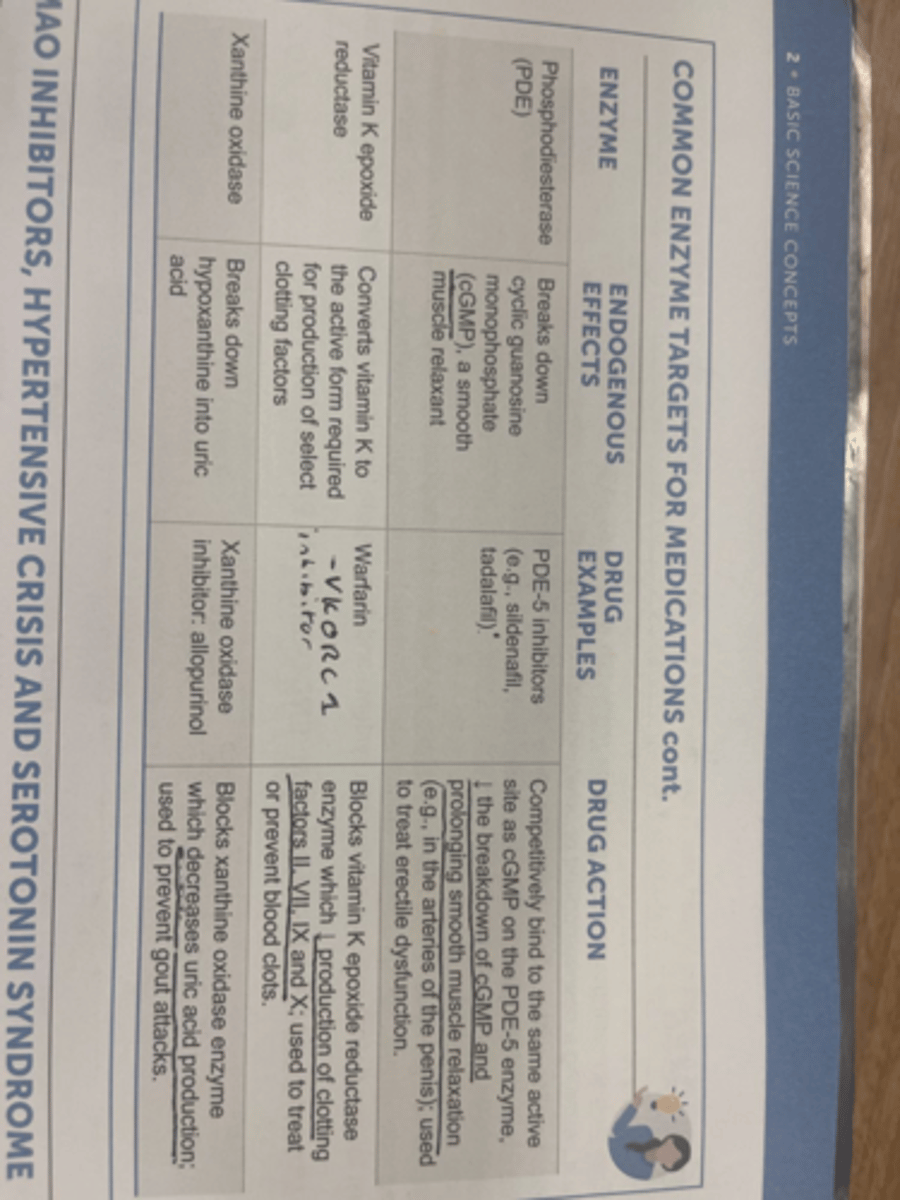
Vitamin K epoxide reductase
Blocks vitamin K epoxide reductase enzyme which production of clotting factors II, VII, IX, and X; used to treat or prevent blood clots.
Warfarin
Converts vitamin K to the active form required for production of select clotting factors.
Xanthine oxidase inhibitor
Breaks down hypoxanthine into uric acid.
Allopurinol
Blocks xanthine oxidase enzyme which decreases uric acid production; used to prevent gout attacks.
What can develop when catecholamines accumulate due to MAO being blocked by MAO inhibitor
hypertensive crisis or serotonin syndrome
Process of cause of hypertensive crisis
Multiple MAO inhibitors used at once caused blocking of MAO enzyme which blocks the breakdown of neurotransmitters increasing Epi and NE
Process of serotonin syndrome
Additive effect with drugs that increase serotonin by blocking the MAO enzyme which blocks the breakdown of serotonin and increased serotonin
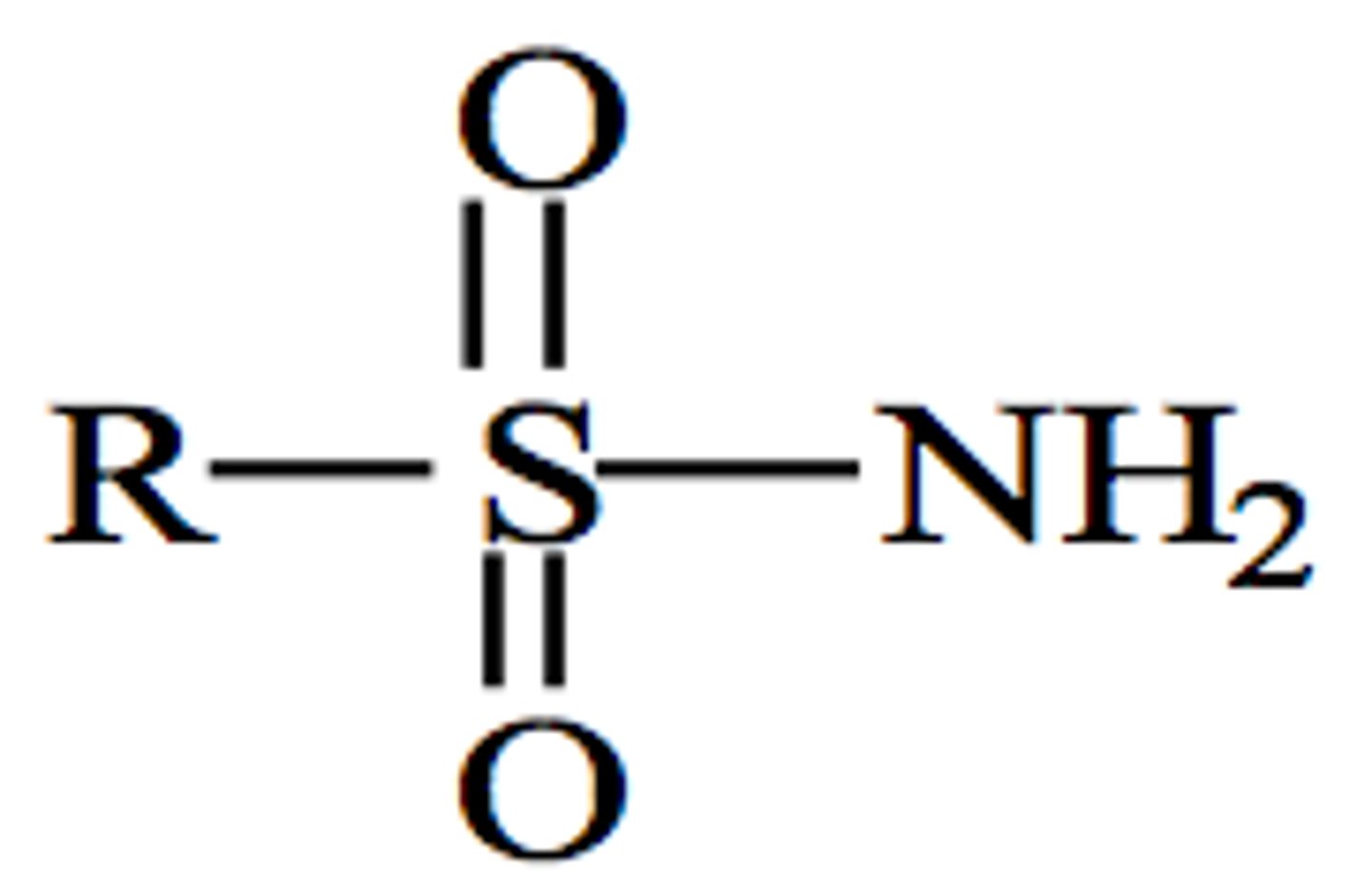
Sulfonamide group
in celecoxib
Ester group
in procaine
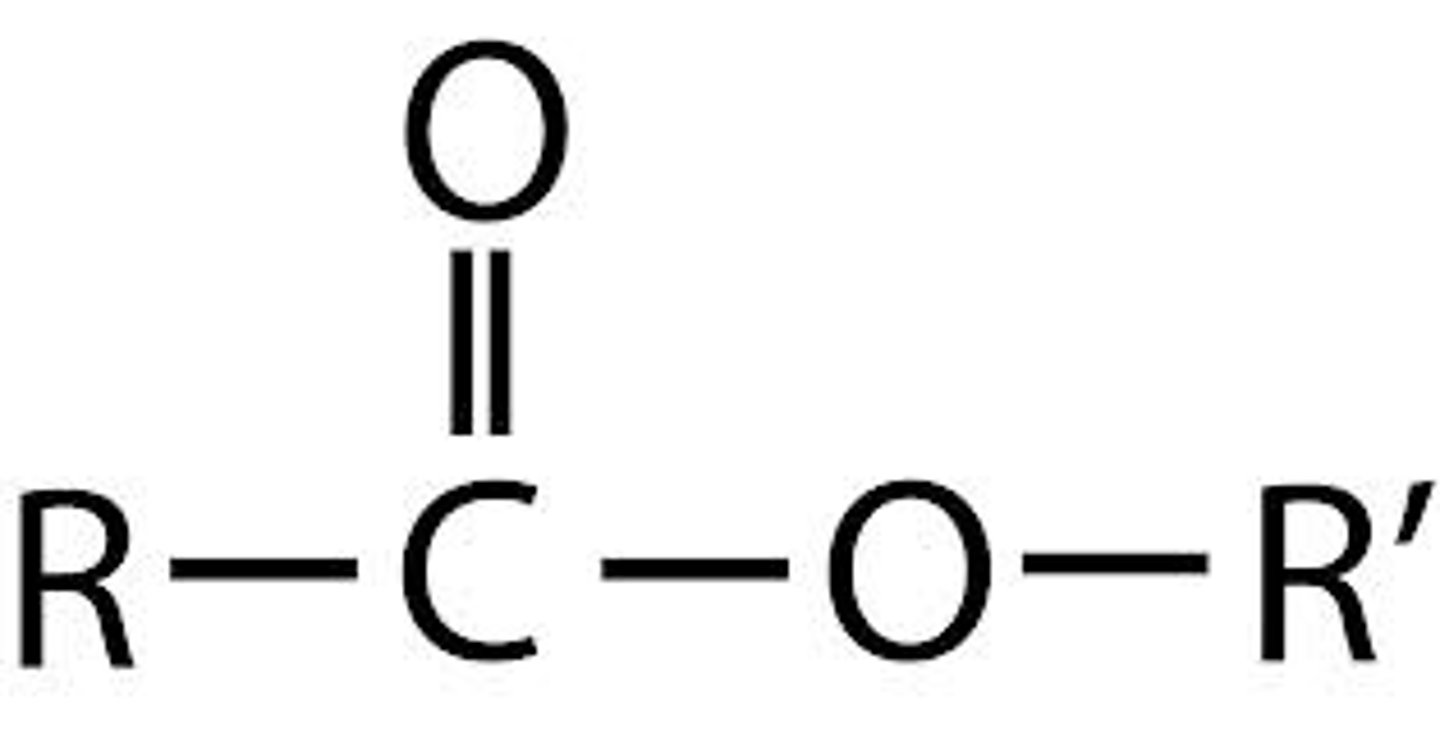
Amide group
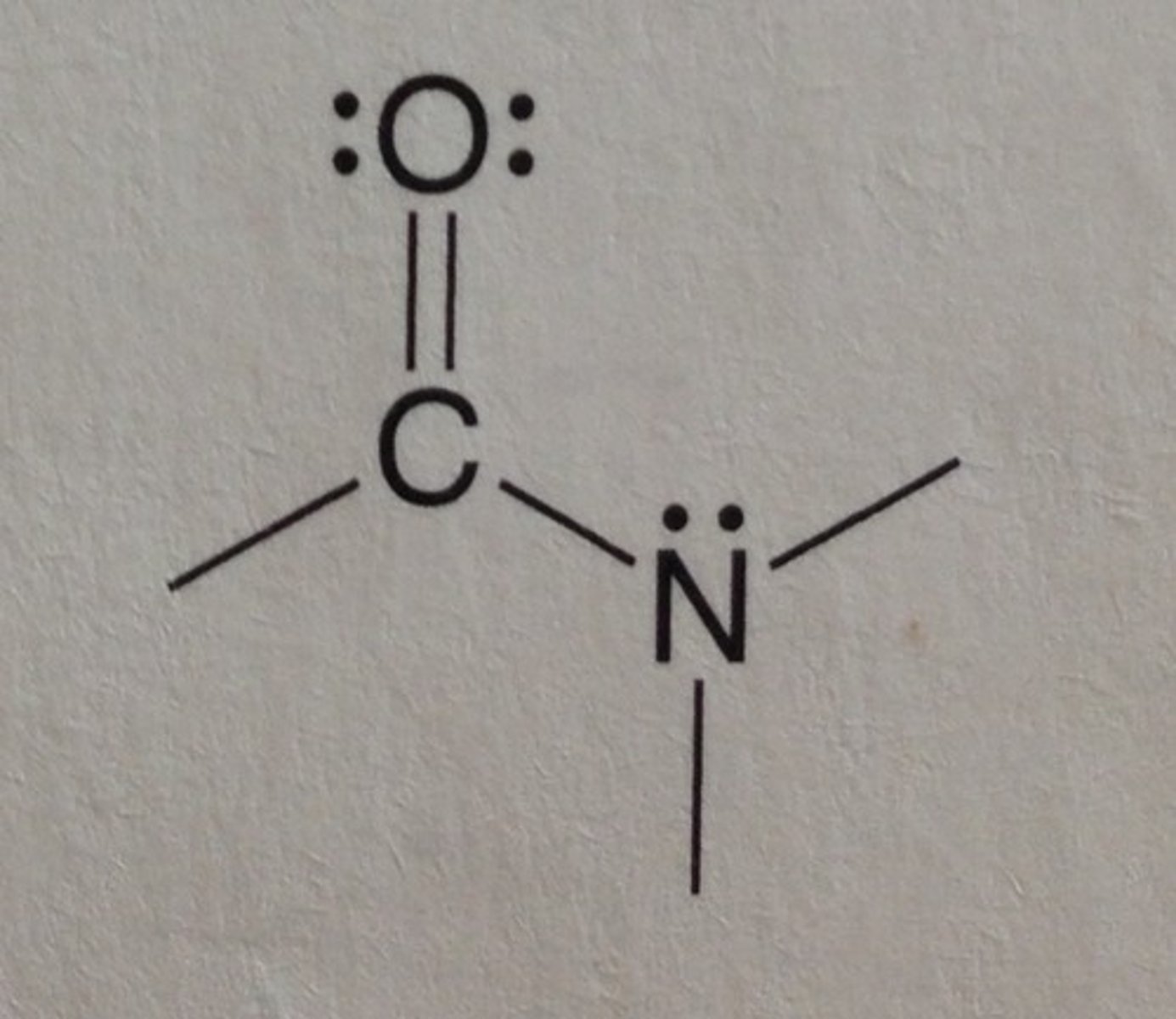
List neutral functional groups
Hydroxyl or alcohol
Ketone
Aldehyde
Amide
Nitrate
Nitro
Aromatic (benzene) ring
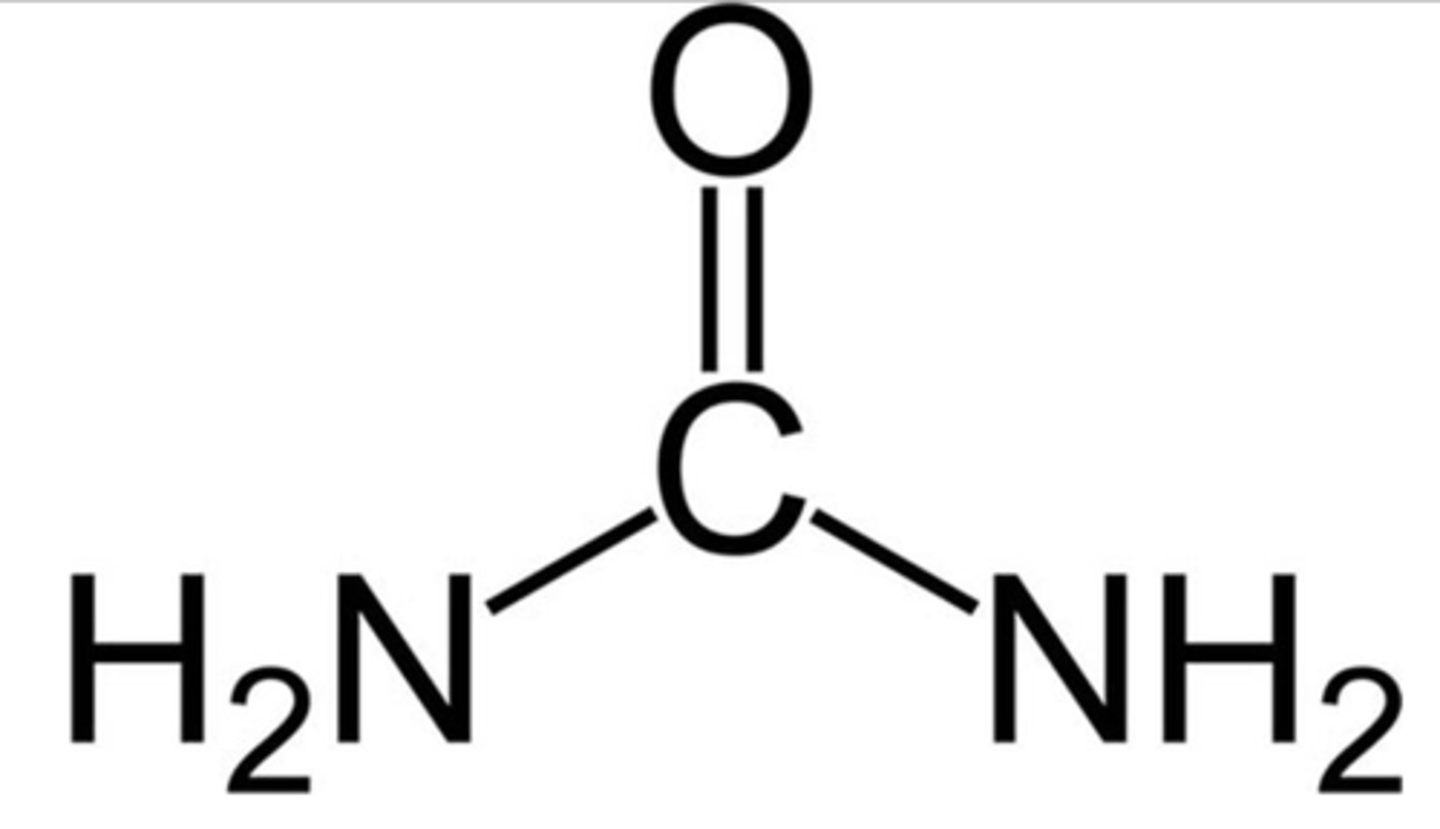
Urea
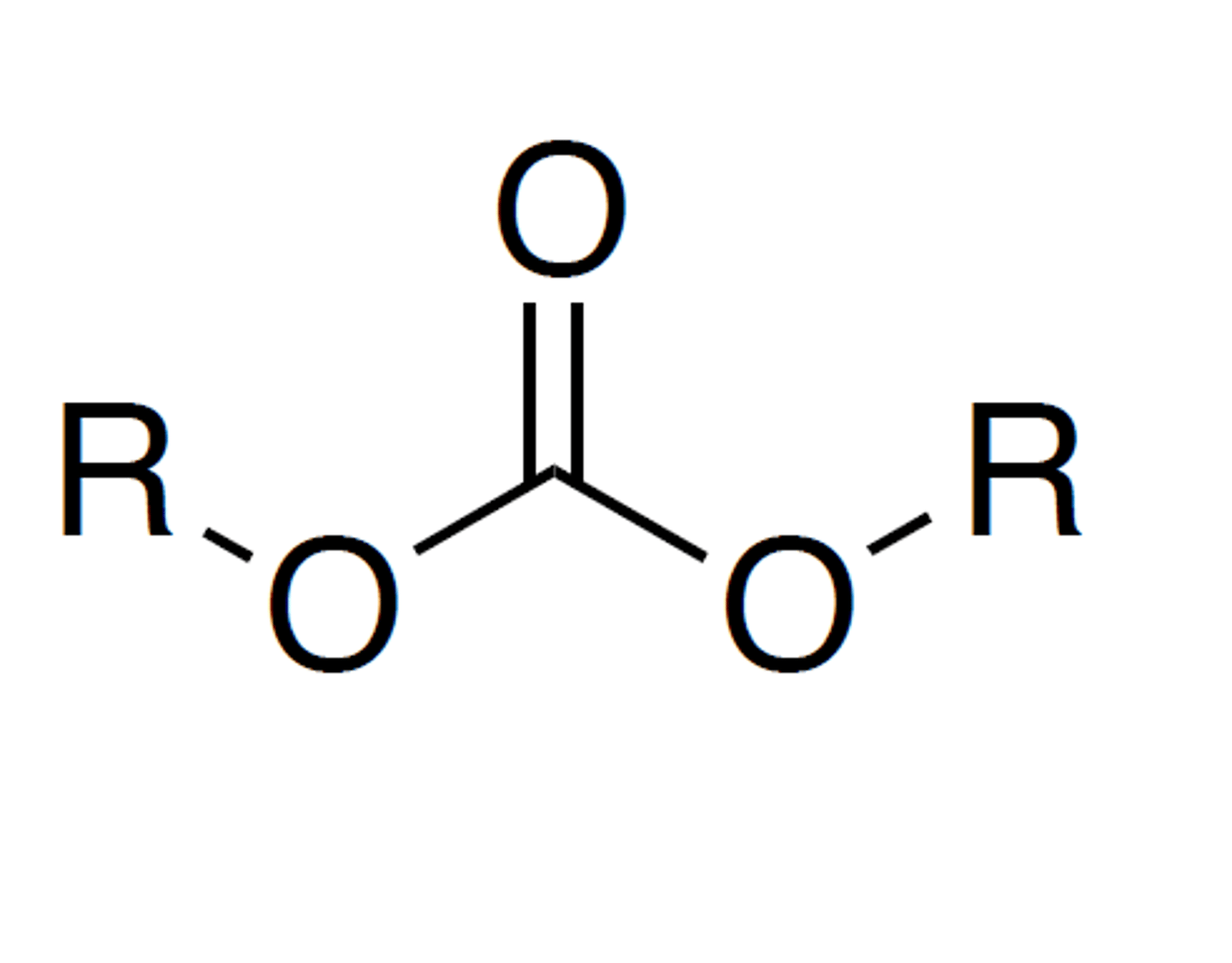
Carbonate
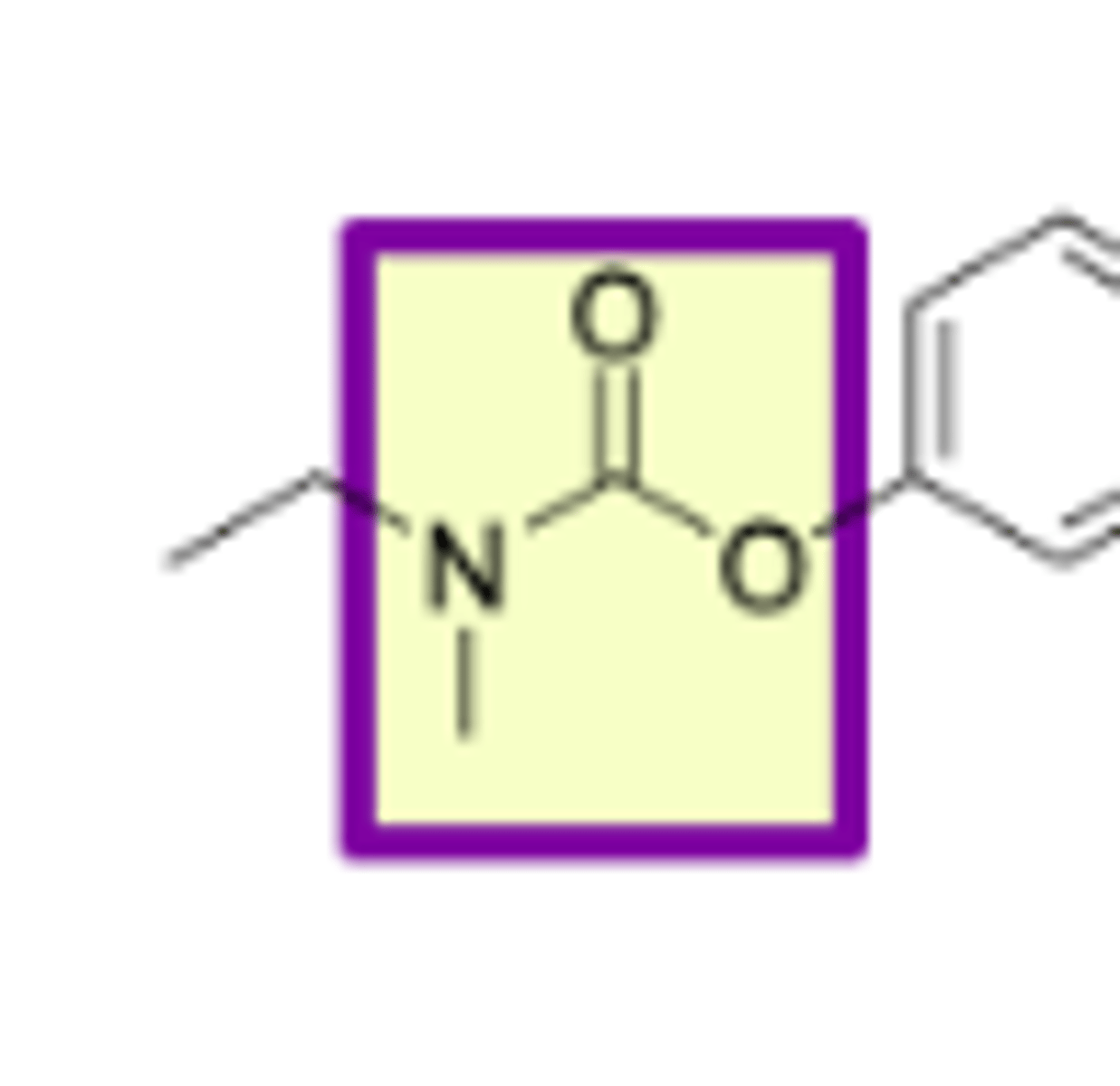
Carbamate
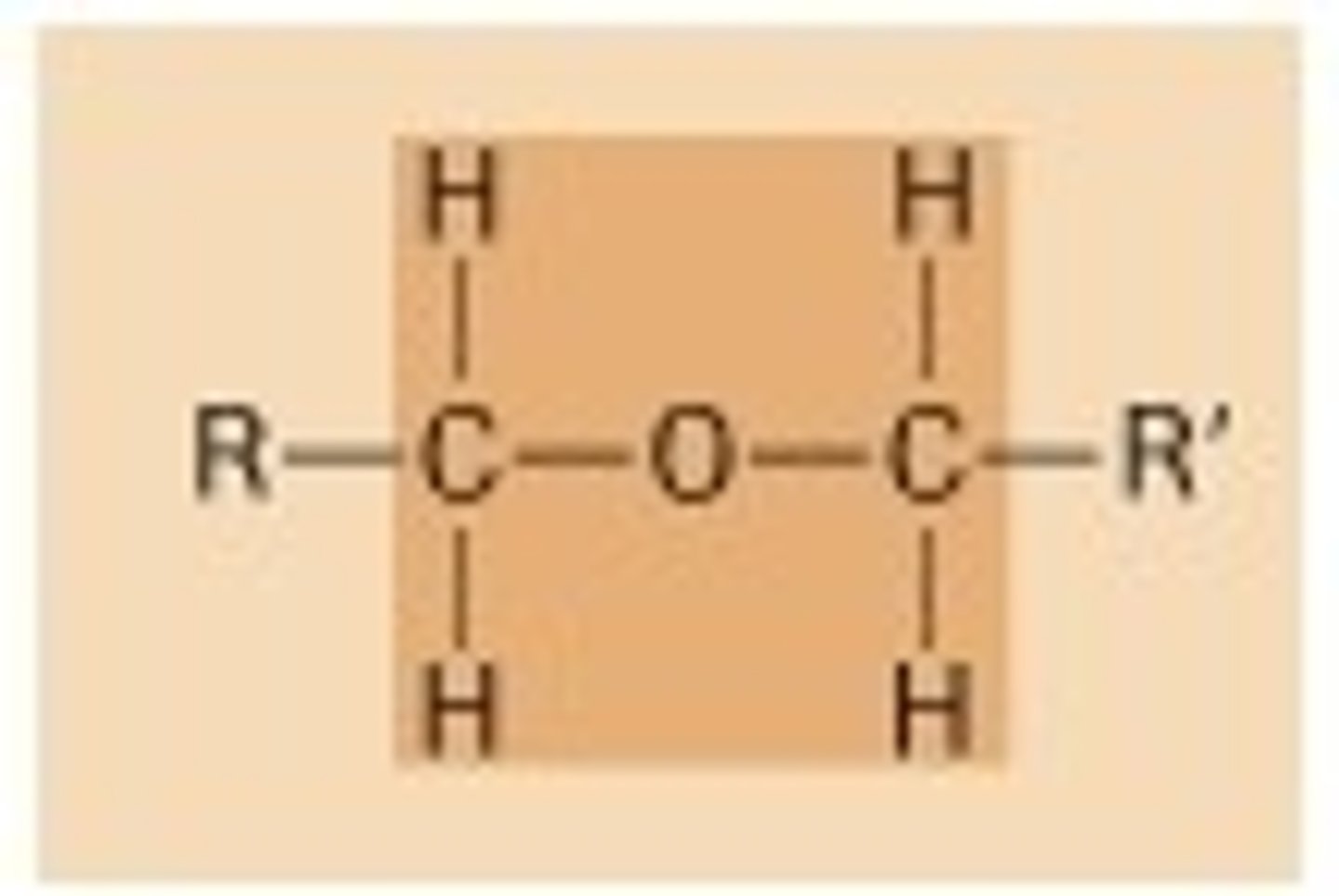
Ether
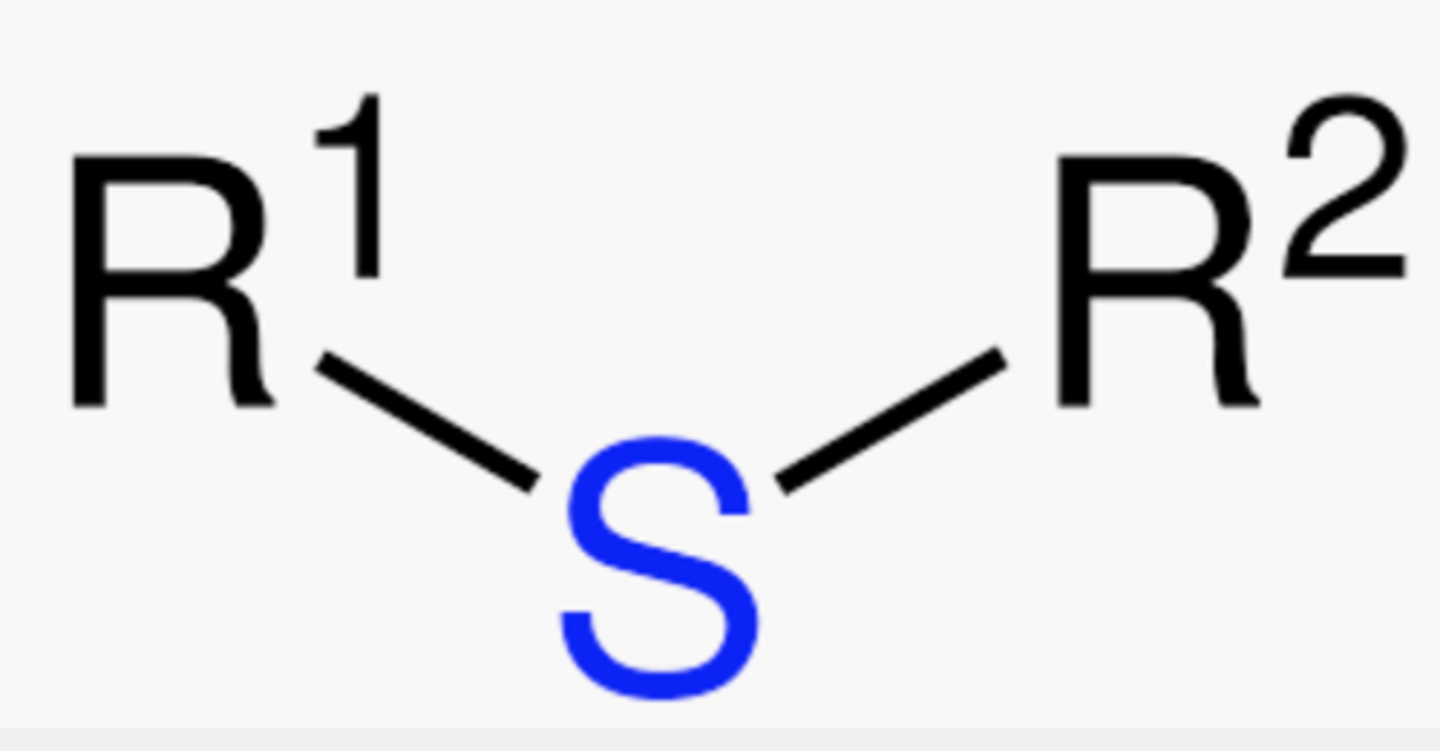
Thioether
List acidic functional groups
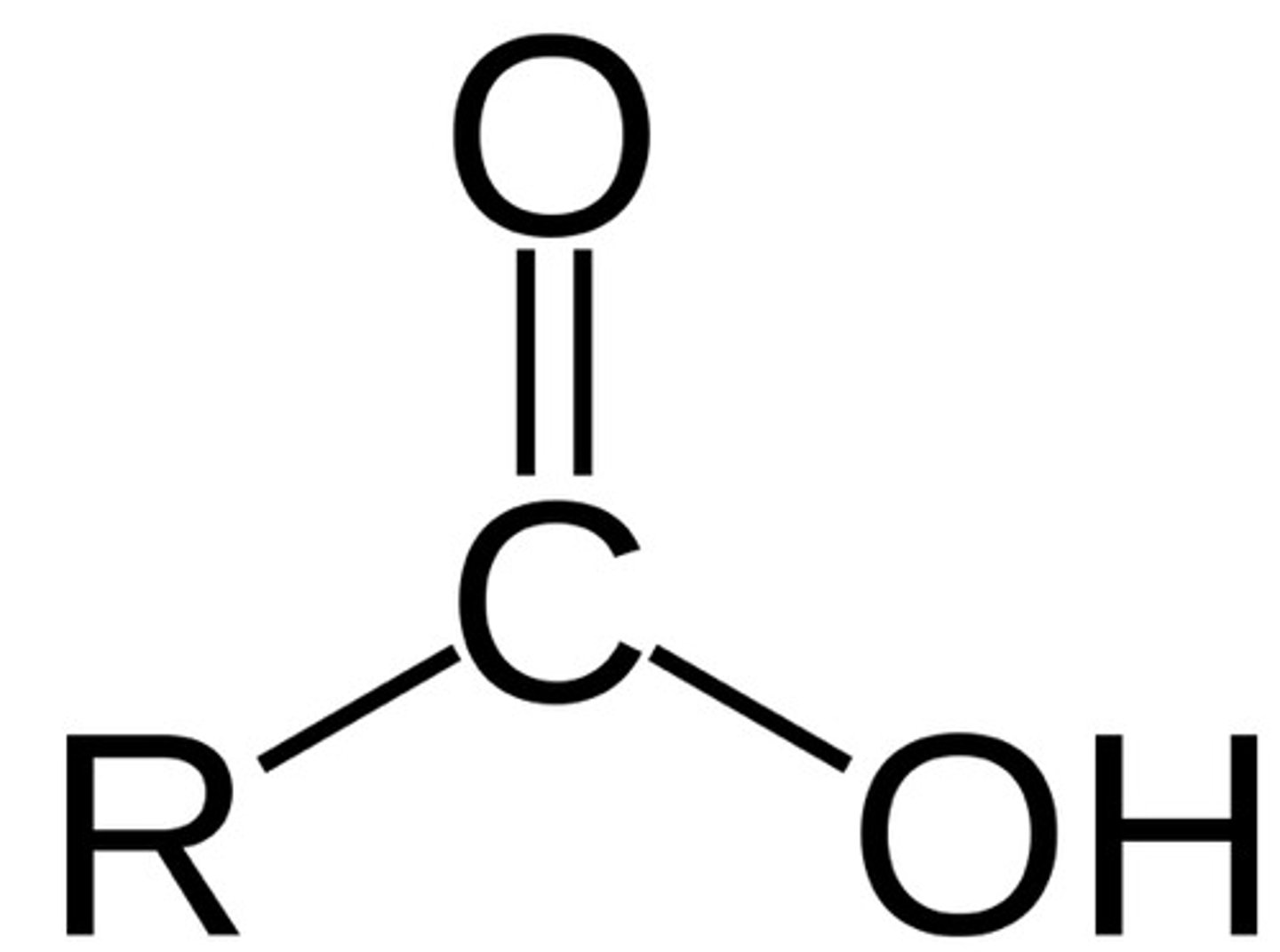
Carboxyl
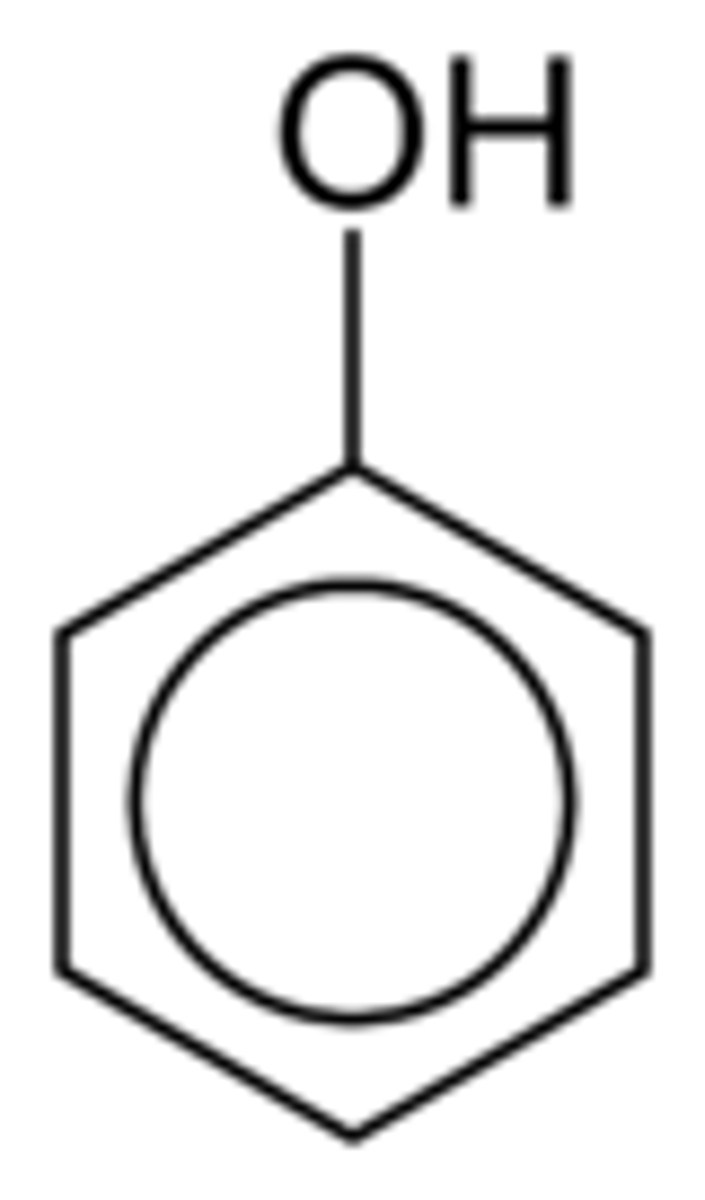
Phenol
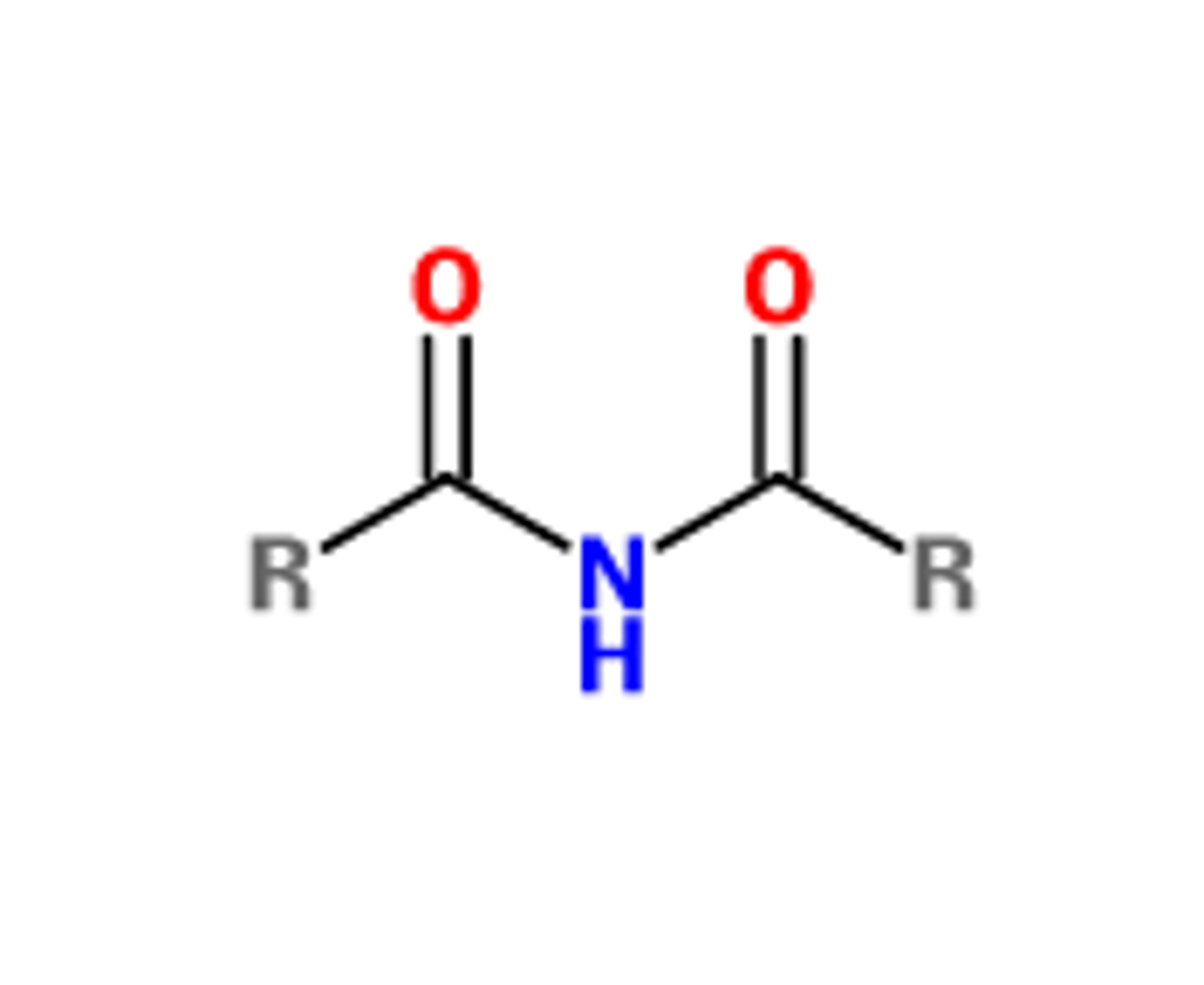
Imide
Sulfonamide
List basic functional groups
Amine (primary)
Amine (tertiary)
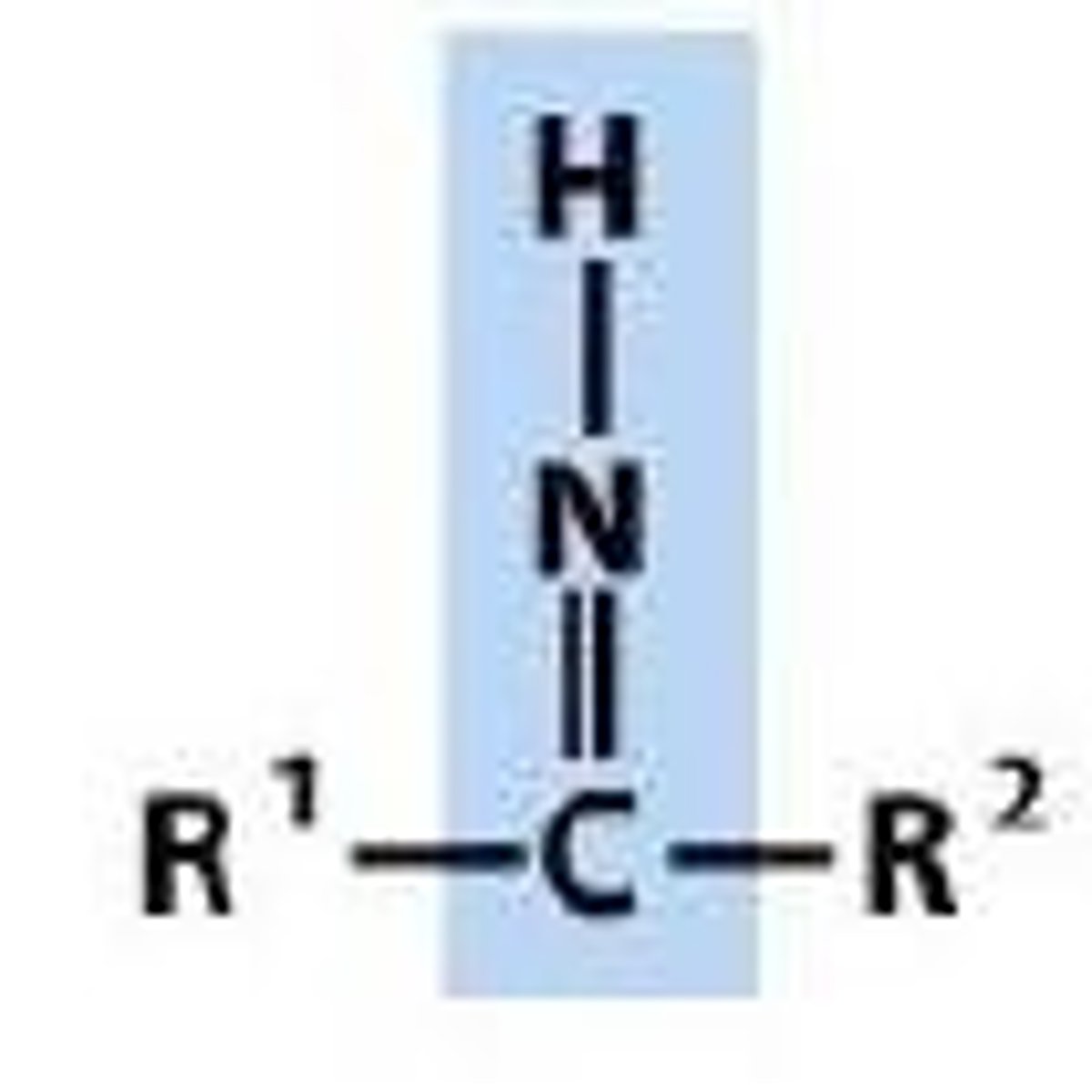
Imine
Amidine
Hydroxyl or alcohol group
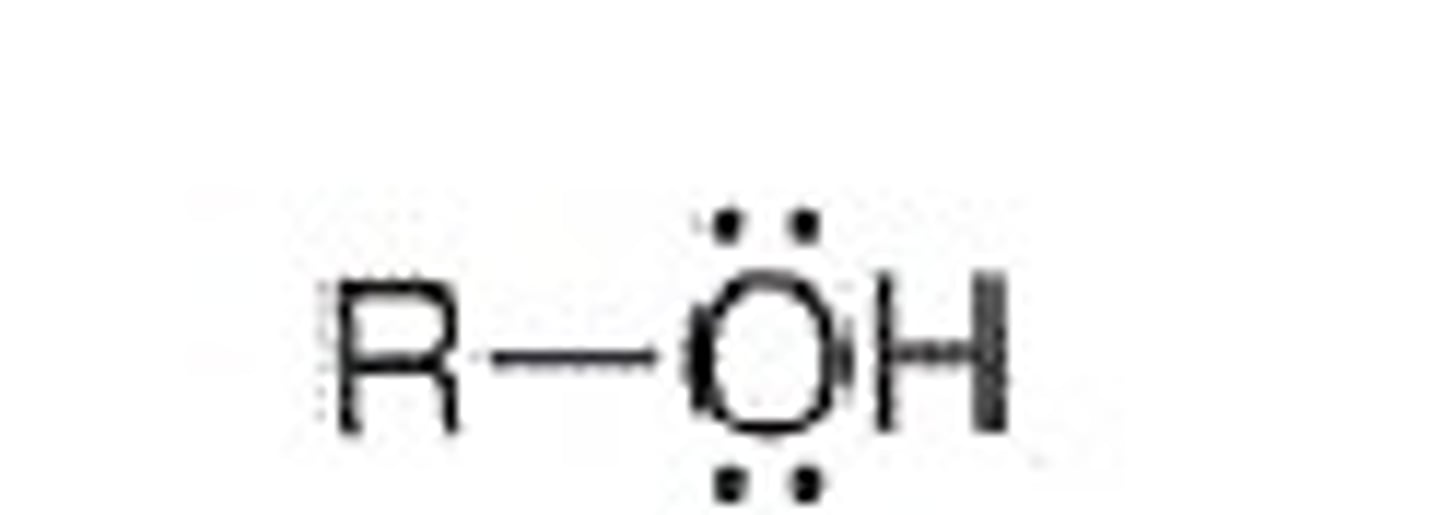
Ketone group
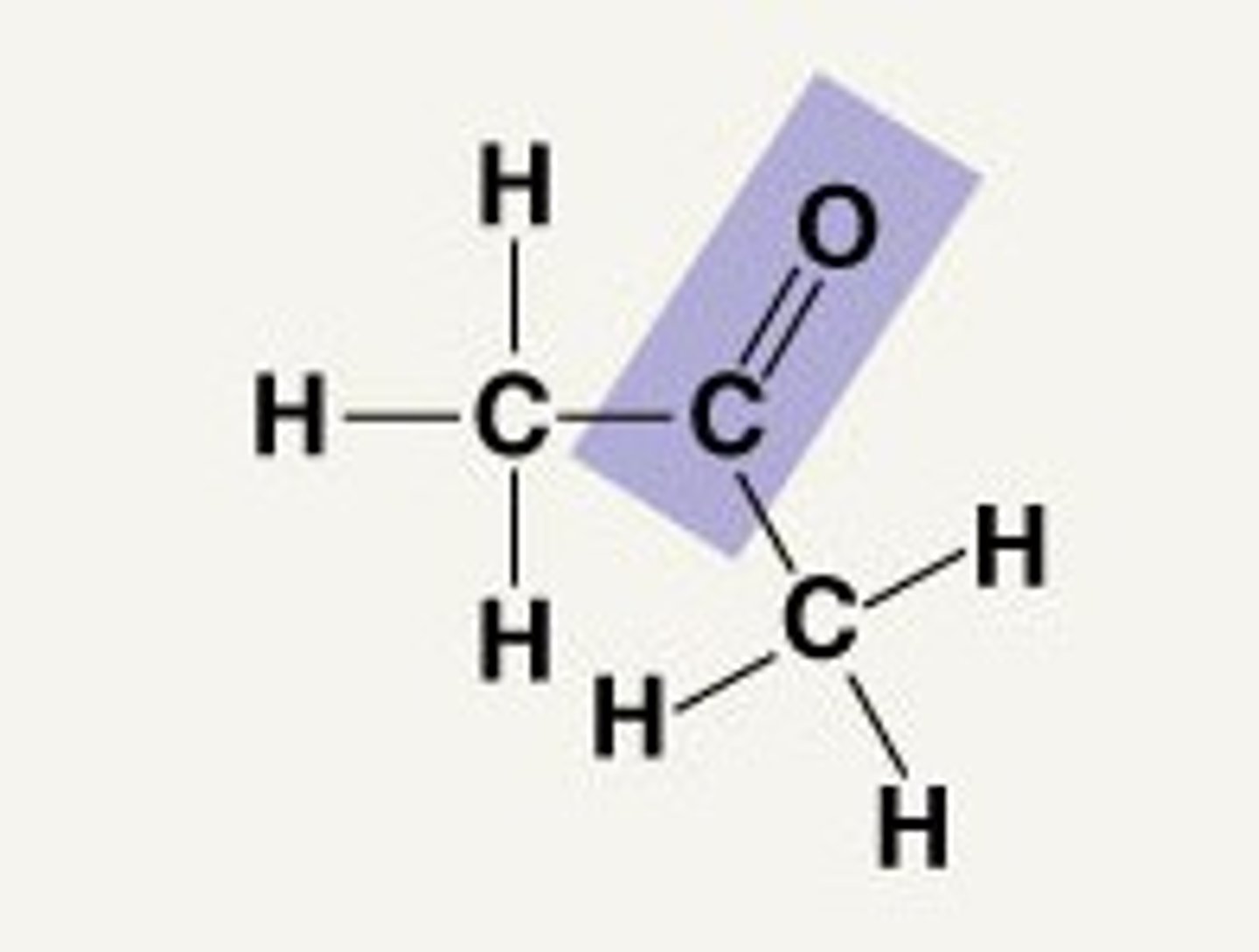
Aldehyde group
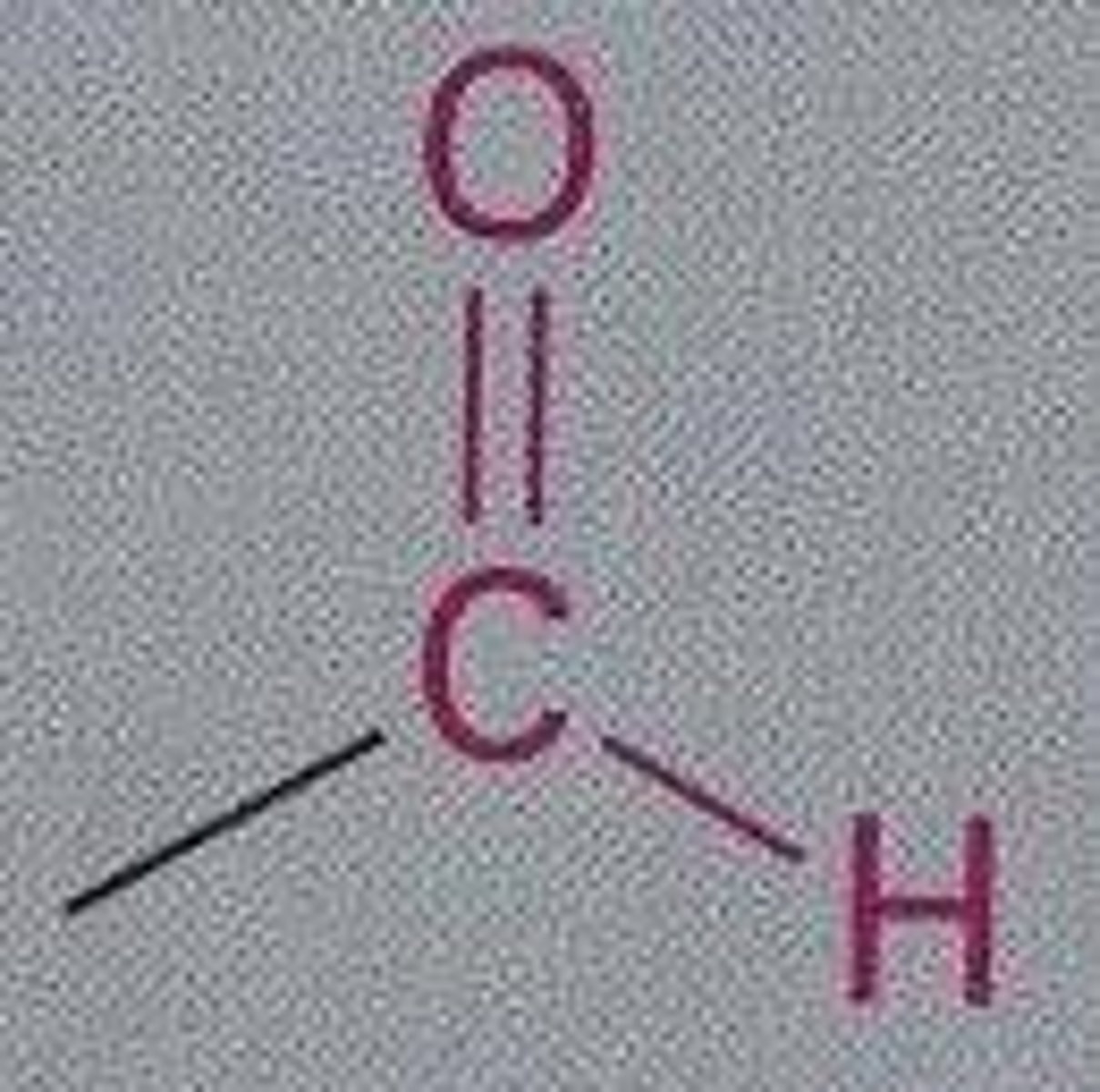
Nitrate group
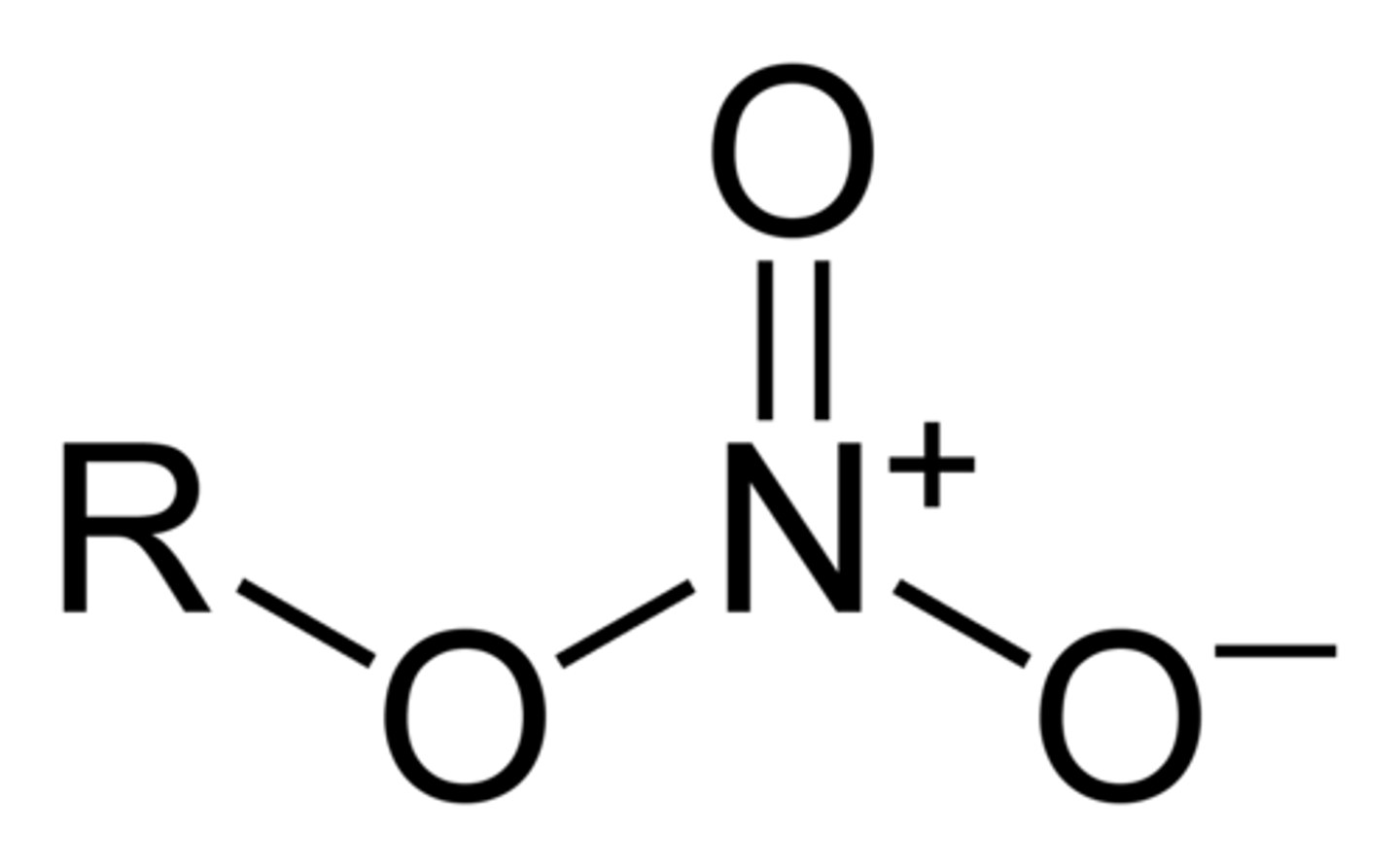
Nitro group
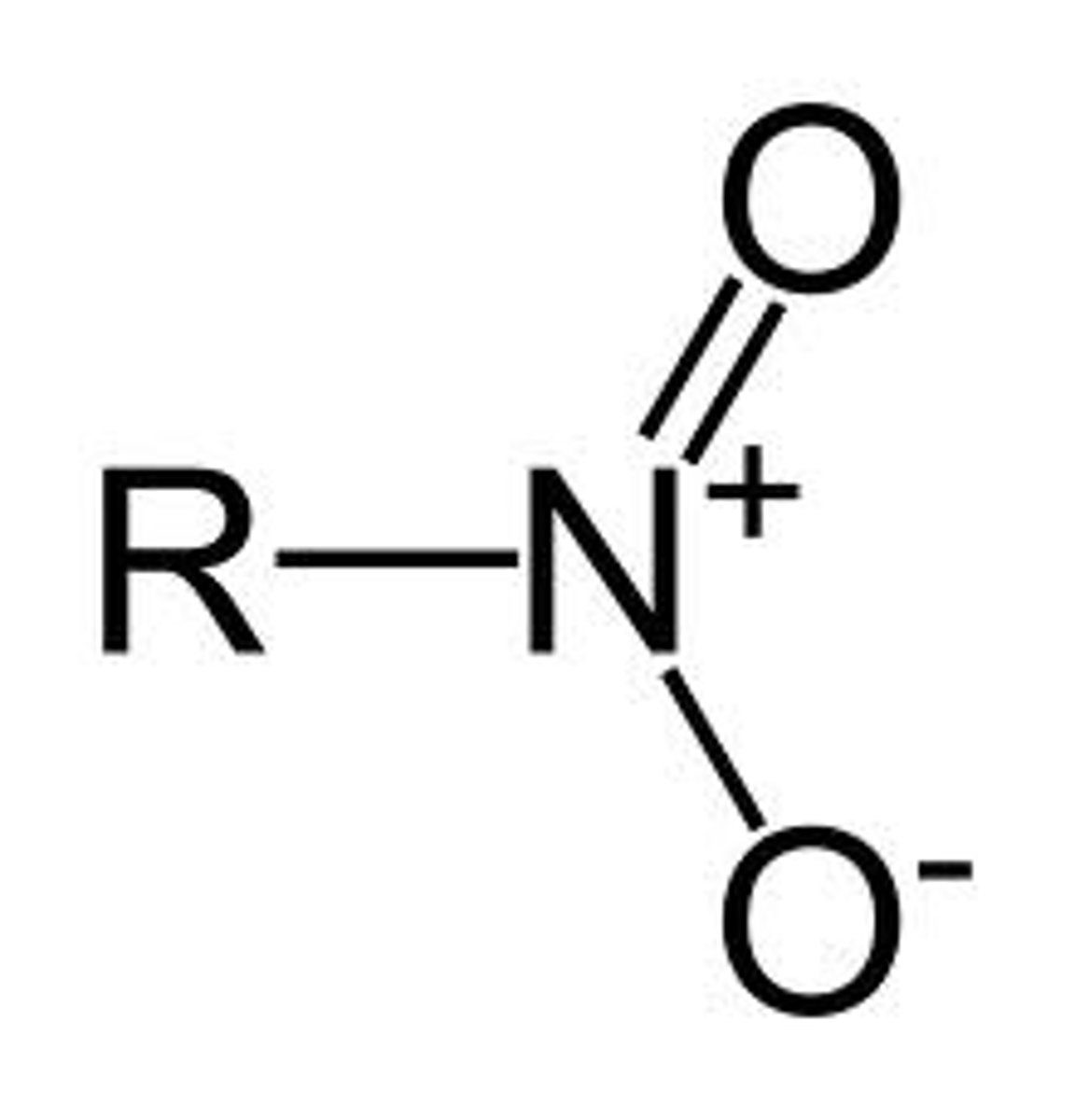
Aromatic (benzene) ring
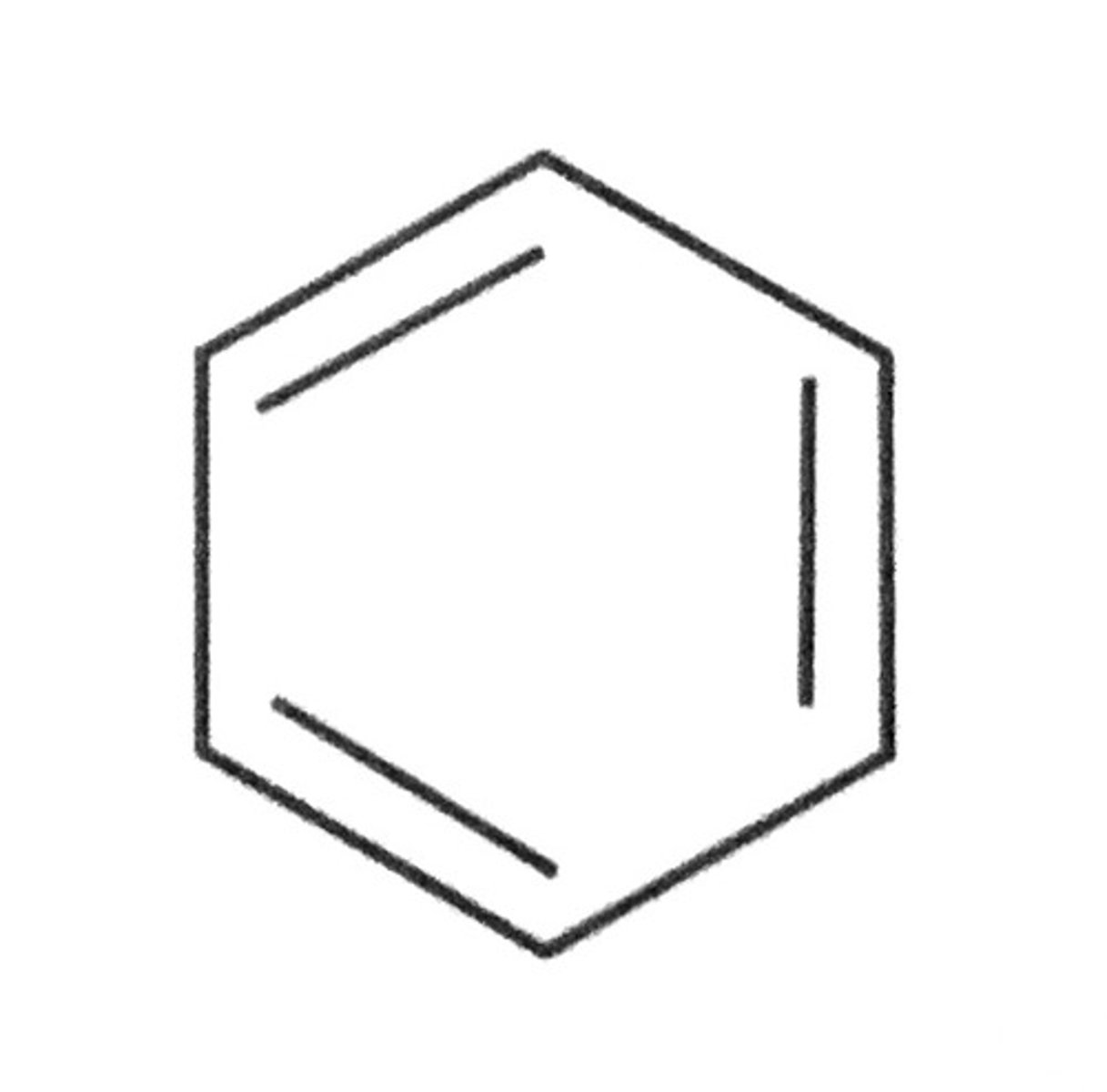
Urea group
Carbonate group
Carbamate group
Ether group
Thioether group
Carboxyl group
Phenol group
Imide group
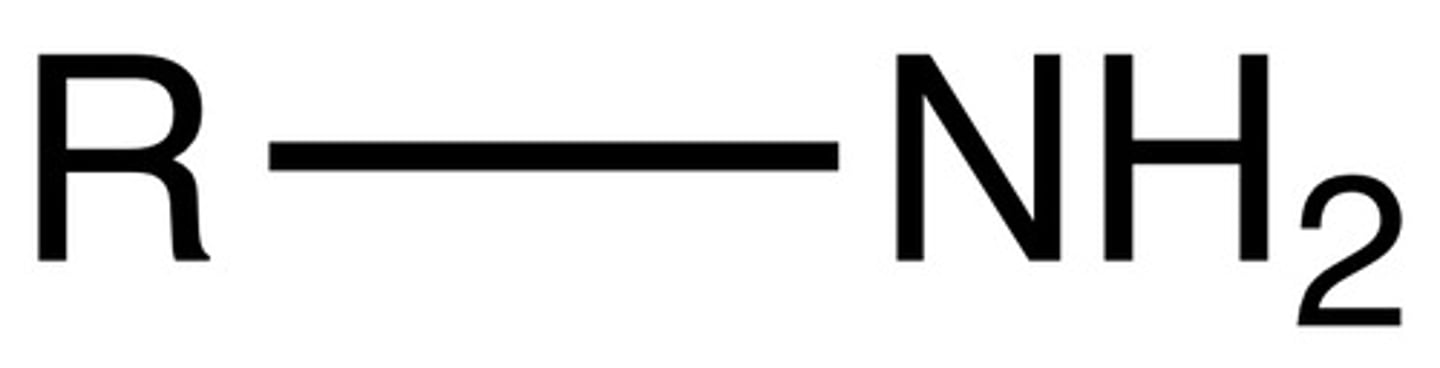
Amine primary group
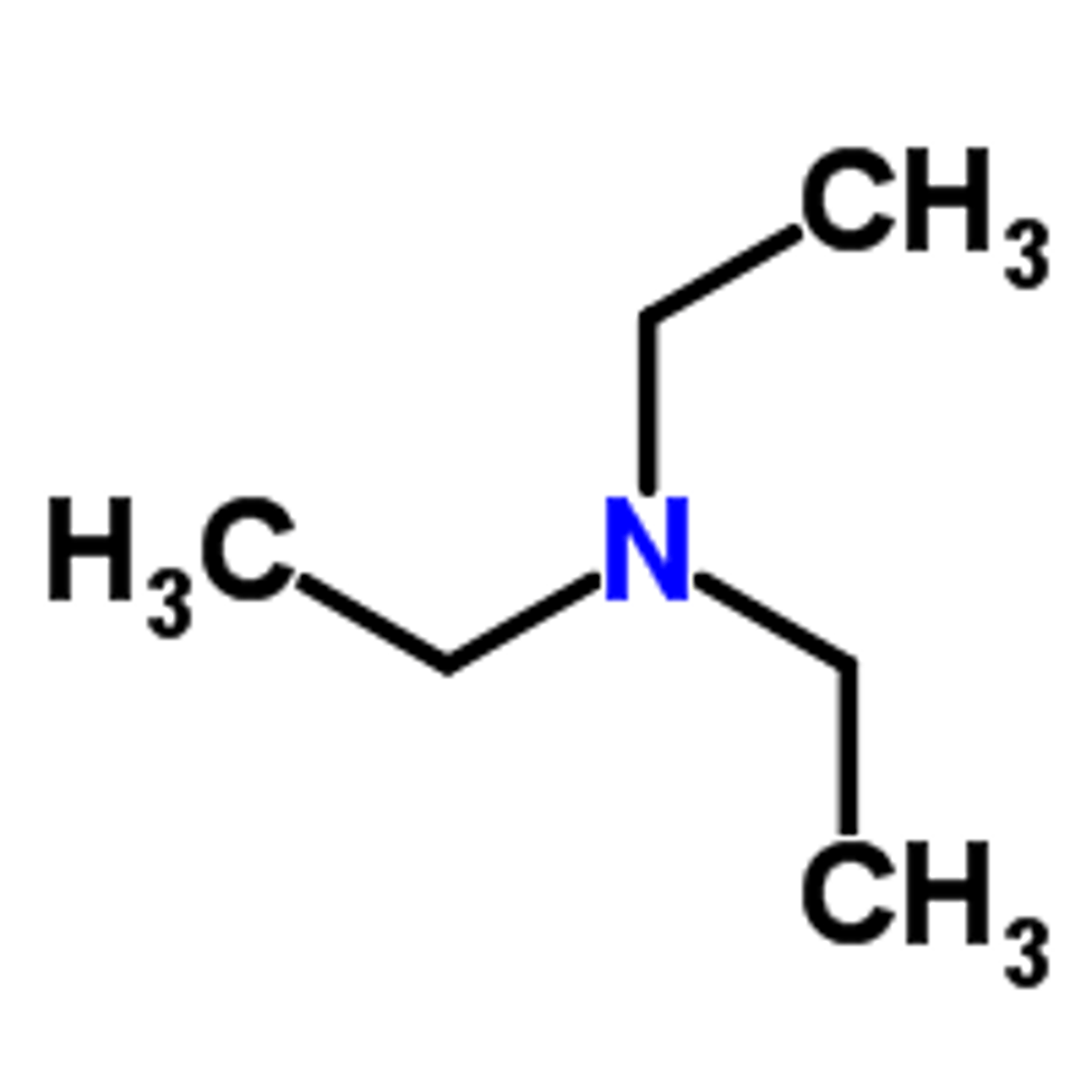
Amine tertiary group
Imine group