AP hug unit 2 all the notes
 Call Kai
 Learn
Learn Practice Test
 Spaced Repetition
 Match
Match Flashcards
 Knowt Play
1/106

There's no tags or description
Looks like no tags are added yet.
Name | Mastery | Learn | Test | Matching | Spaced | Call with Kai | Chat |
|---|
No analytics yet
Send a link to your students to track their progress
107 Terms
Population distribution
spaitial patterns ( clustered/dispersed)
population density
actual number of people in the area
ecumene
where people decide to settle/areas of permanent human settlement on the earth
two main factors that affect population distribution
Physical factors(climate, landforms, and bodies of water) and human factors (culture, economics, history, and politics)
Arithmetic density
Total population divided by total area shows how many people in an area
High arithmetic density can cause
clustered regions strain on resources and housing shortages
physiological density
Total population divided by arable land shows pressure on farmland
High physiological density
Pressure on food supply can lead to food shortages
agricultural density
Number of farmers divided by arable land insight on how they were intensive farming is
High agricultural density
shows a less developed region because of less machinery and more manual farming
consequences of population distribution
economic effects(more supply and demand for goods) social effects(hospitals and schools as nodes) environmental effects(pollution) and political effects(redistricting)
population composition
make up of ages and sexes in a population
Youth dependents/cohorts
0-14
elderly dependent/cohorts
65+
larger pyramid base
Less developed country, more children, and population increase
anti-natalist example
china's one child policy
Pronatalist example
South Korean baby bonuses
Japan extensive parental leave
High dependency ratio
More tension on workforce
High youth dependency ratio
Need for schools risk of child labor
High elderly dependency ratio
Need for senior housing and pensions (retirement fund)
crude birth rate or CBR
Number of live births per 1000 people (males and females) helps determine rate of natural increase
total fertility rate or TFR
average number of children born to a woman in childbearing age this reflects cultural, cultural norms
crude death rate or CDR
More accurate than CBR and is the number of deaths per 1000 people in a year
infant mortality rate or IMR
Number of children's deaths before age of one year
natural increase rate or NIR
Percent of rate countries population is increasing or declining without counting migration is CBR minus CDR divided by 10 measured in percent
NIR less than 1%
Developed country
NI are greater than 1%
Less developed country
population doubling time
Number of years it takes for the population to double
Life expectancy
Average number of years people live
stage one of DTM (high stationary)
High birth rate (children, dying, young) and high death rate ( disease, famine, poor healthcare)
DTM one rate a natural increase
Very low CBR and CDR both high= cancel each each other out
One DTM age
Under 45 years
1DTM total fertility rate
6.5+
One DTM type of economy
Farming pre-industrial
stage two of DTM(early expanding)
Hyper rate rapidly declining, death rate (better medical care, water, and sanitation)
2DTMNIR
very rapid growth, CBR high CDR falls
DTM2 life expectancy
44 to 55
DTM two TFR
Five to 6.5
DTM 2 economy
majority farming with early industry
stage 3DTM late expanding
Rapidly declining birth rate (urbanization) declining death rate (better medical care)
Three DTM NIR
slow growth, RNI slows as CBR and CDR fall
three DTM life expectancy
55-65
three DTM TFR
3.5-5
three DTM economy
That makes a farming and industry
stage four DTM low stationary
Low birth rate(, education for woman delayed marriages, family, planning) and low death rate (good healthcare, reliable food, healthier citizens)
4 DTM NIR
very low growth CBR and CDR are both low population Growth is low too
4 DTM
Life expectancy
65-75
4 DTM TFR
2-3.5
4 DTM Economy
Fully industrial few farmers service industry
stage 5 DTM declining
Low birth rate falls below death rate low death rate can get higher due to aging population
5 DTM NIR
decreasing growth CBR falls below CDR due to an older population
5 DTM life expectancy
75+
5 DTM TFR
less than 2
5 DTM economy
Service industry and mass consumers
1 DTM country’s
none
2 dtm country’s
Mali , Yemen subs Saharan, Africa, and Guatemala
3 dtm country’s
Turkey, Indonesia, Mexico, India, South Africa, and Colombia
4 dtm country’s
USA, China, Brazil, Canada, Korea, Argentina, and most of Europe
5 dtm country’s
Germany, Japan, Greece, and Portugal
1 dtm epidemiology
animal attacks, famine, parasitic infections/disease diseases, human conflicts and natural disasters
2 dtm epidemiology
improve sanitation, nutrition, medicine reduce the amount of pandemics and infection diseases
3 dtm epidemiology
A decrease in infectious disease diseases, but diseases due to aging/heart disease and cancer
4 dtm epidemiology
disease is like Alzheimer and dementia increase as well as heart, disease and cancer because of aging population
5 dtm epidemiology
infectious disease, diseases, and parasites come back because of immunity to antibiotics and vaccines
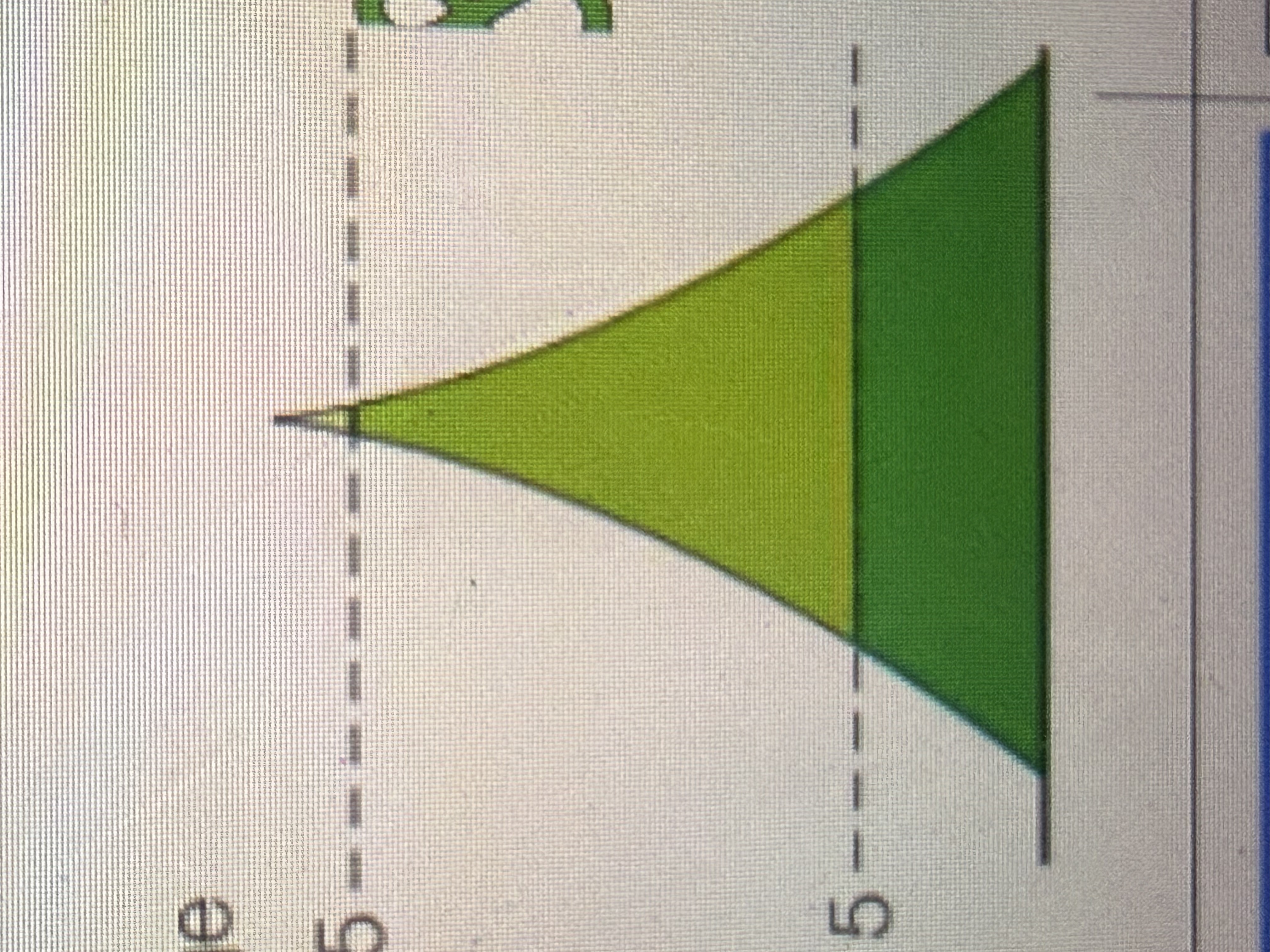
stage?
1
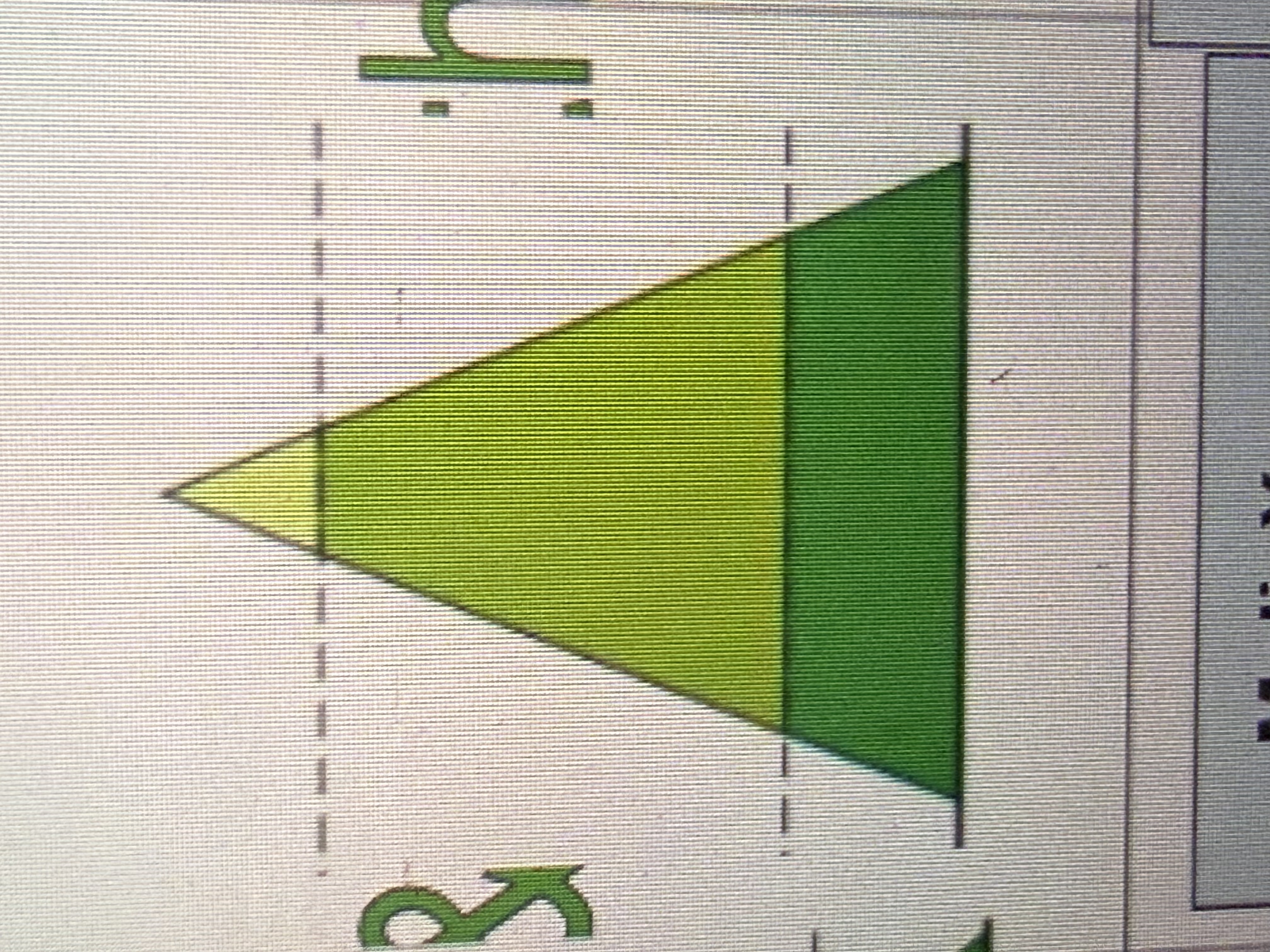
stage?
2
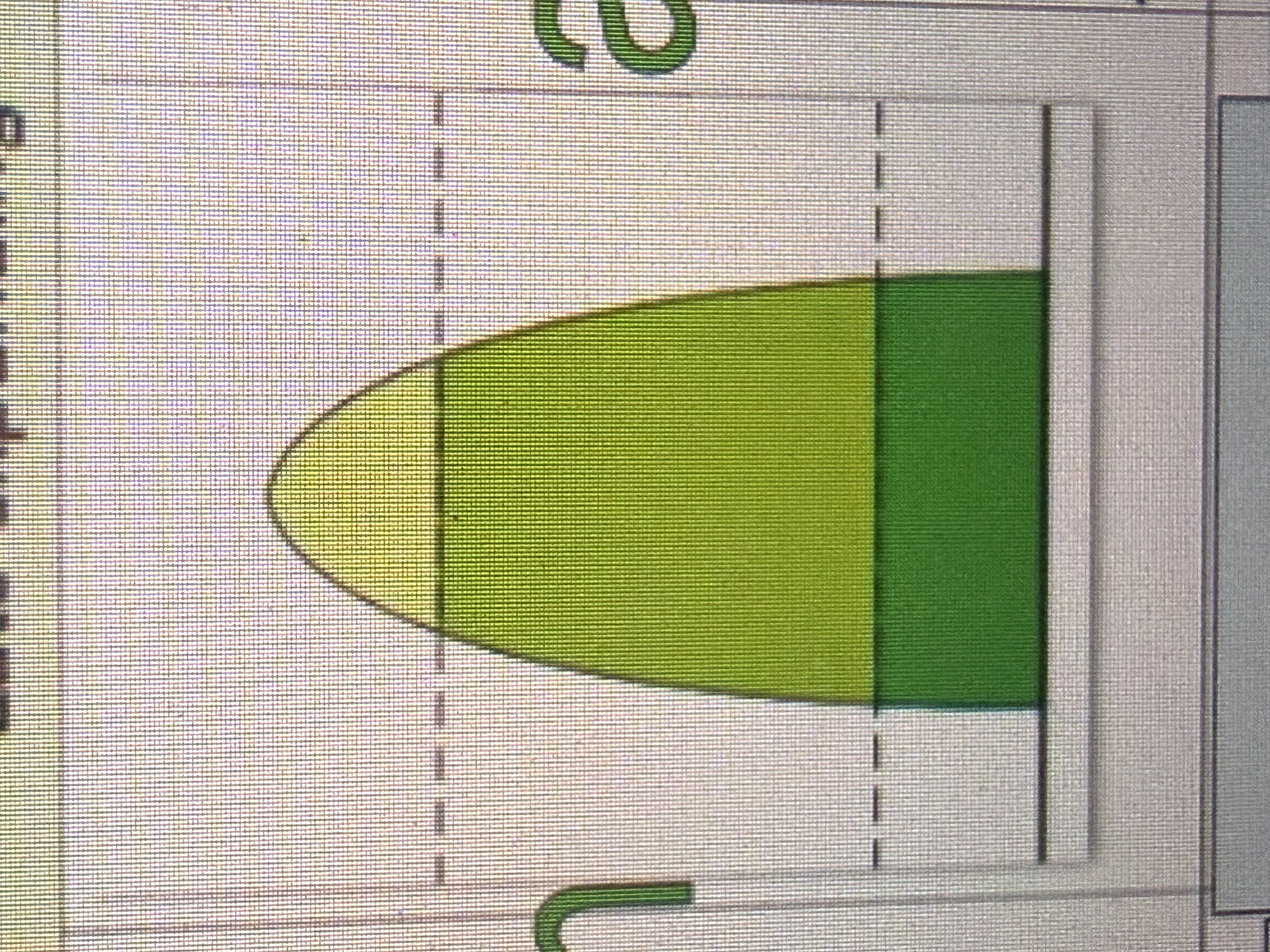
stage?
3
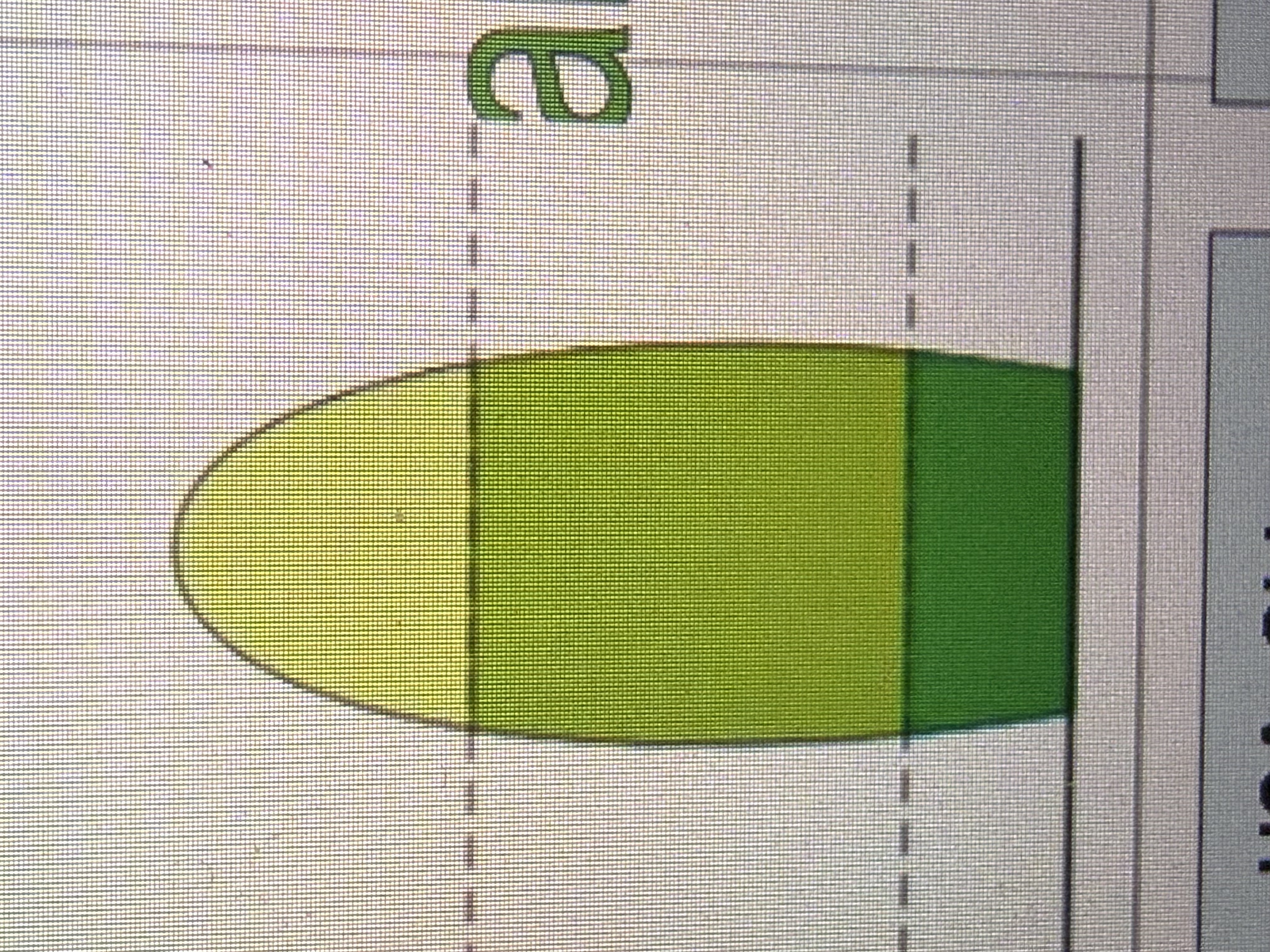
stage?
4
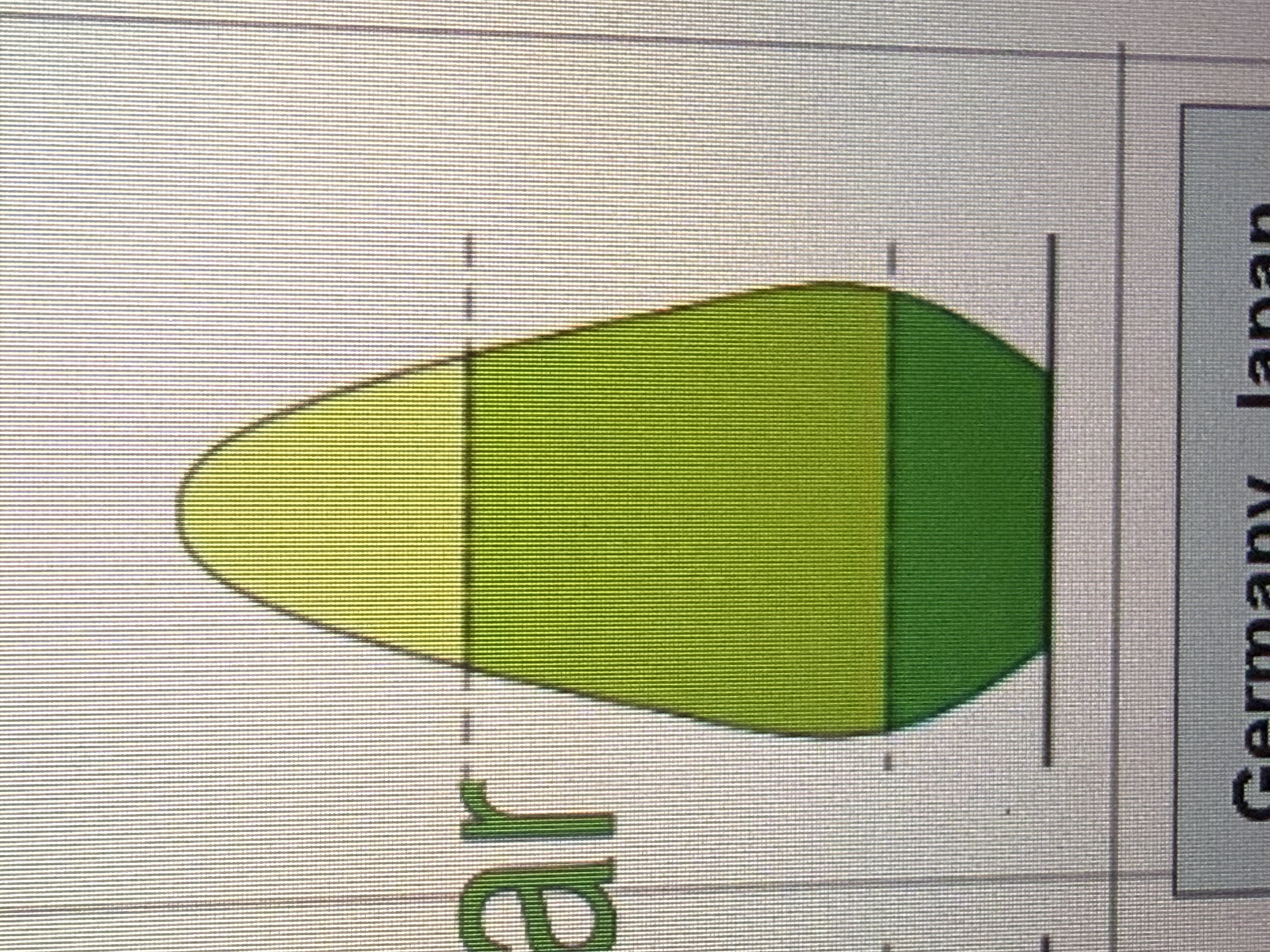
stage?
5
Malthusian theory states
Food production will increase automatically while the population would grow exponentially people will soon exceed the carrying capacity of earth which will lead to over population
bosurup theory states
population gross is beneficial because the more people the more people to feed which means the more people to work the threat of over the population causes more initiative to create agriculture innovations
more developed country
Lower TFR and lower maternal mortality rate
economic reasons for lower TFR
Machines and farming, urban migration
social reasons for lower TFR
Education and family planning
political reasons for lower TFR
Child, labor laws, anti, needless policies, and family planning
longer life is due to
better health care clean, water, sanitation, less bad habits, like smoking and eating healthy
political consequences of an aging population
Low income, and which means they have different political views and retirees, often vote a lot
social consequences of an aging population
Less families living together, which means more costs overall
voluntary migration
Search a better opportunities because you want to move
Force migration
You have to move due to persecution, etc.
short term, migration
staying in receiving country for less than a year
long-term migration
Staying in receiving country for more than a year
internal migration
Within one country
International migration
Across country borders
interregional migration
with insane region in in one country
chain migration
Following friends or family to a destination country
net migration
Difference between number of immigrants and emigrants
net out migration
number of emigrants is higher than immigrants
net in immigration
number of emigrants is less than immigrants
emigrant
Person leaving their home country to settle us elsewhere e=exit
immigrant
Person arriving to a country to live there i=in
Ravenstein's laws of migration
one migration is usually in short distance to urban areas attract long distance and rural immigration. Three most migration is due to economic factors for young single adult. Males are more likely to migrate or often five migration occur occurs in steps/step migration six every immigration generates counter, immigration, or return immigration
intervening obstacle in migration
Barrier that prevents immigrants removing on economic, not enough money, social find somebody to live with political anti-immigration laws, environmental seas rivers mountains
intervening opportunity in migration
Opportunity that makes immigrants stop moving voluntarily
refugee
Force migrants who cross international borders for safety
asylum
refugees can ask for this if going back to home country would risk their lives
IDP internally displaced person
goes to other part of same country for safety
transhumance
Nomads moving with their animals to better pastures
remittances
Sending money back to family and origin country