CHAPTER 2: THE NERVOUS SYSTEM
 Call Kai
 Learn
Learn Practice Test
 Spaced Repetition
 Match
Match Flashcards
 Knowt Play
1/104

There's no tags or description
Looks like no tags are added yet.
Name | Mastery | Learn | Test | Matching | Spaced | Call with Kai | Chat |
|---|
No analytics yet
Send a link to your students to track their progress
105 Terms
the brain
- the true core of the nervous system
- receives information from the senses and makes sense out of it, makes decisions, and sends commands out to the muscles and the rest of the body
1.4 k.g
actual mass weighs?
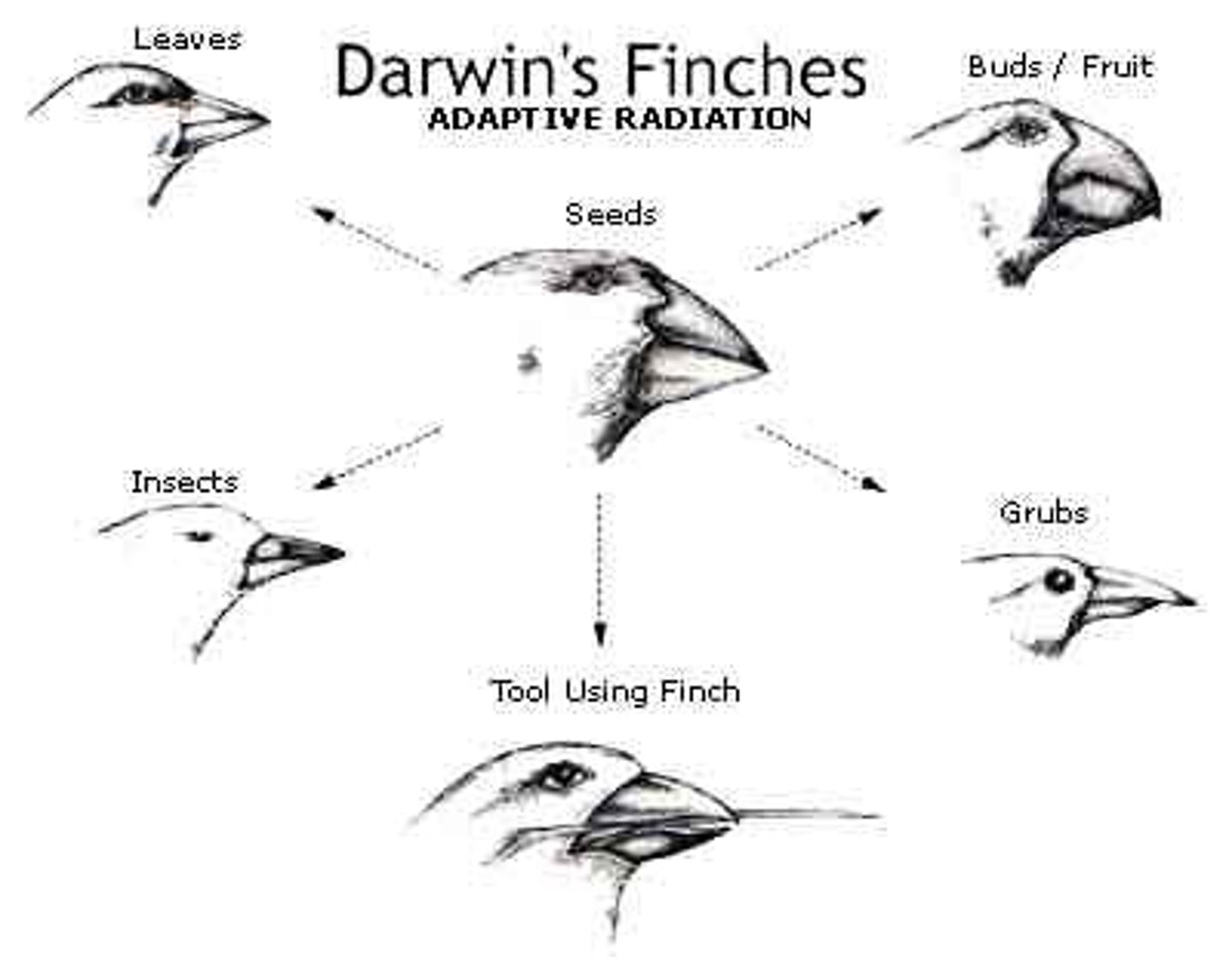
Natural Selection
- The idea that heritable traits associated with high rates of survival and reproduction are the ones most likely to be passed on to future generations
- Evolutionary process where environmental pressures favor traits that increase an organism's chances of surviving and reproducing.
Memory Tip: Nature selects the traits
that survive and reproduce best.
Example: Birds with beak shapes suited for cracking hard seeds survive a drought and pass those beak traits to offspring.
cerebrospinal fluid
buoyancy provided by _____ fluid reduces its net weight by 25-50g

neurons
- a specialized cell in the nervous system that receives and sends messages within that system
- basic working unit of the brain; transmits information to other nerve cells, muscles. or gland cells

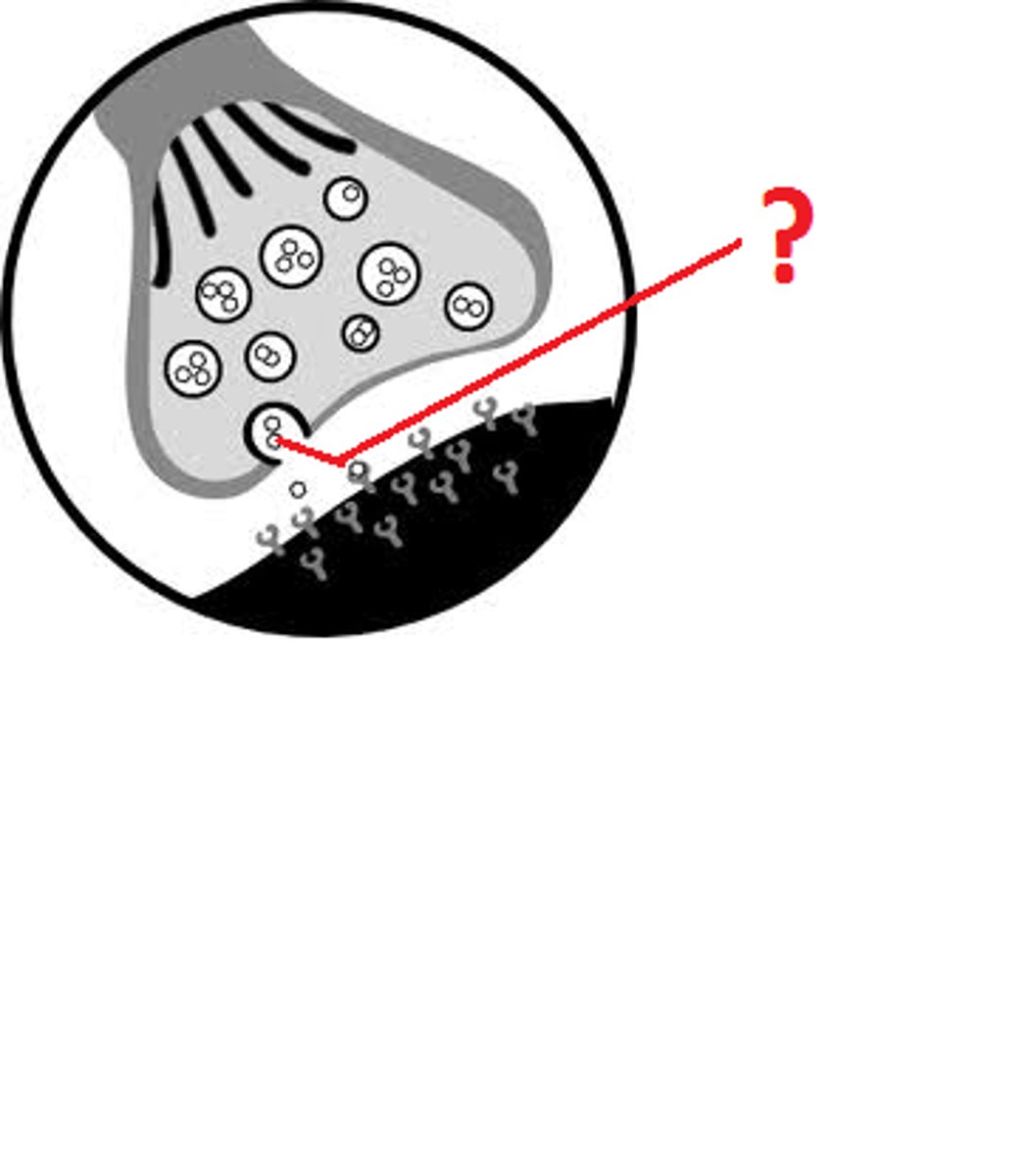
neurotransmitters
Brain chemicals that communicate information throughout our brain and body
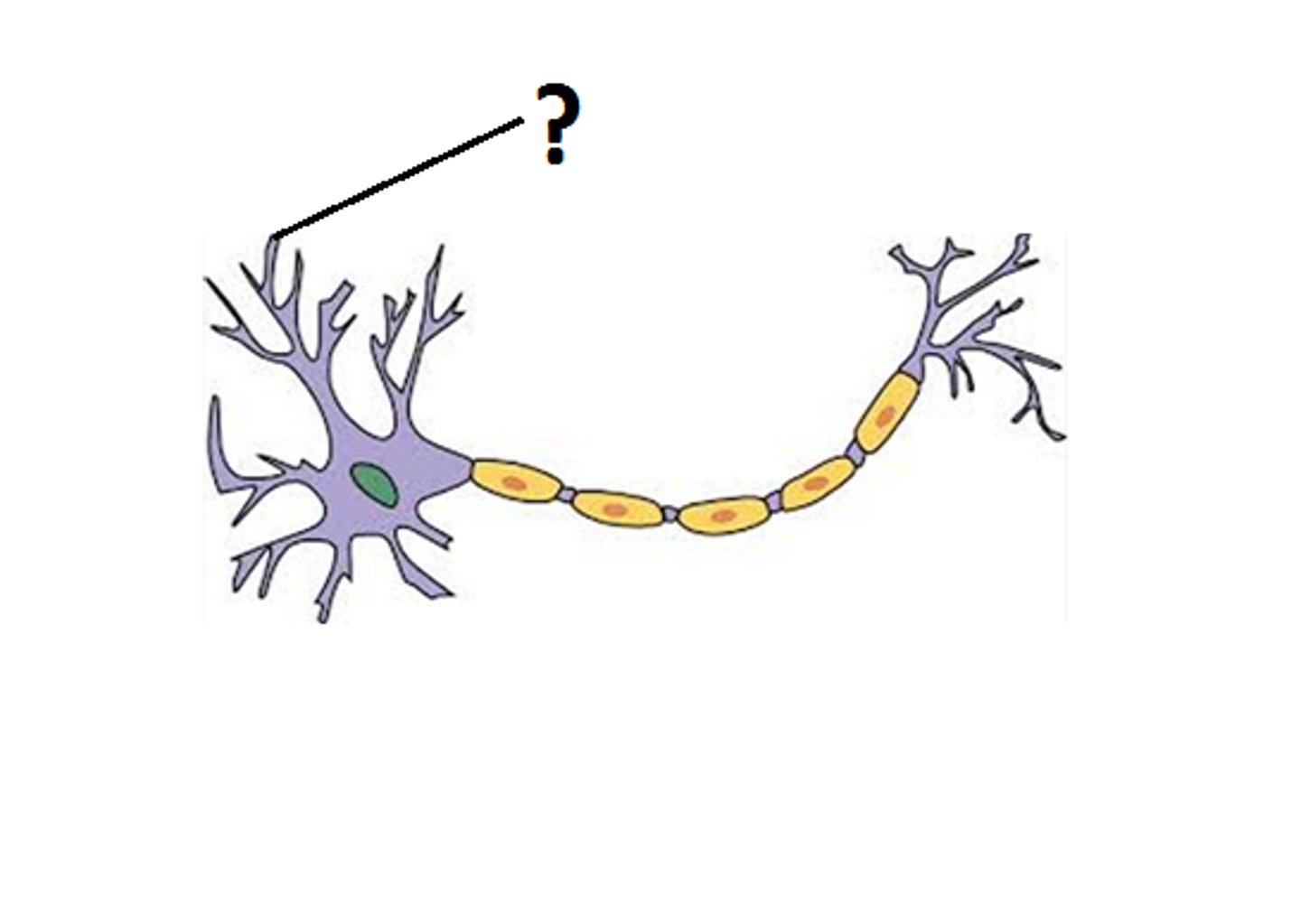
dendrites
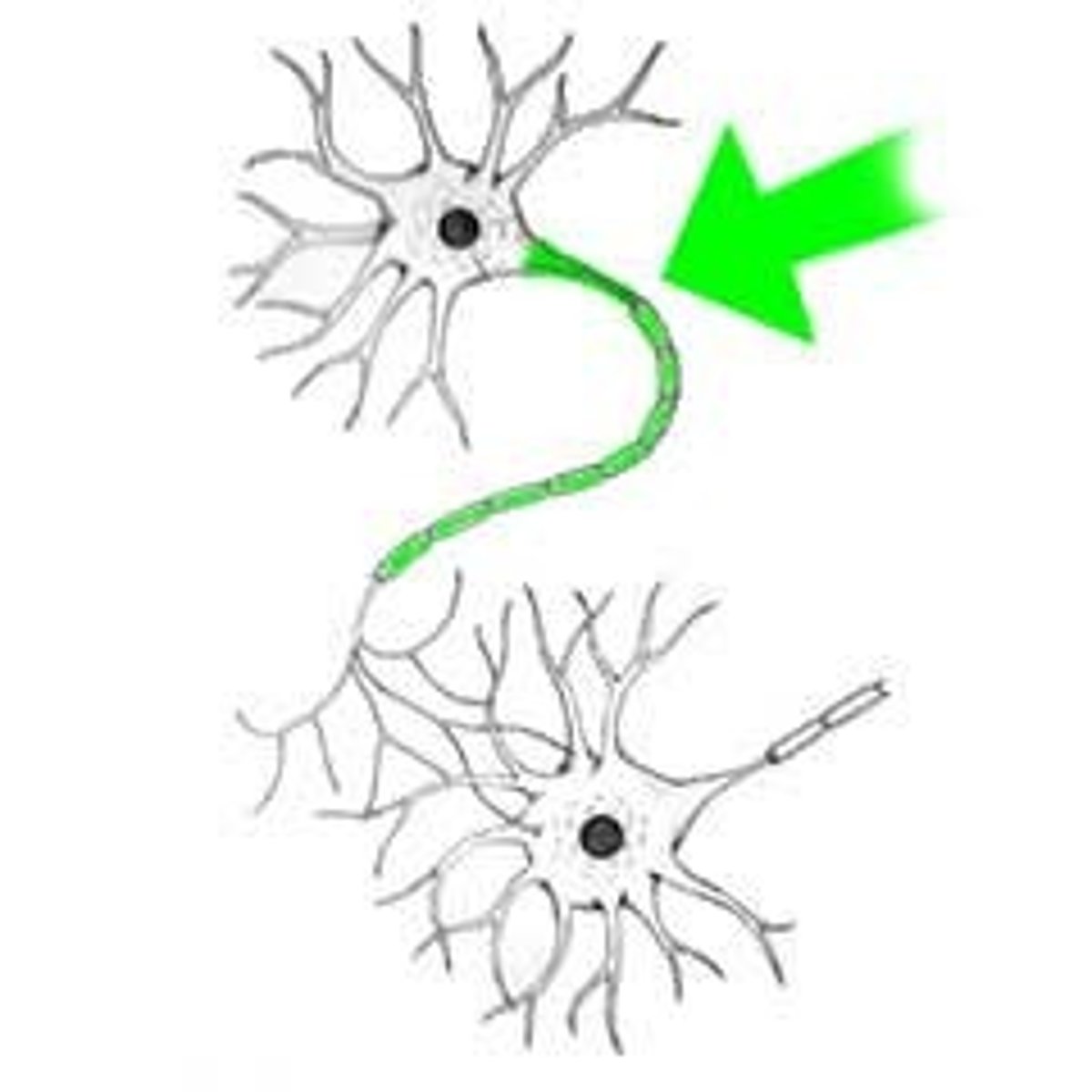
axon
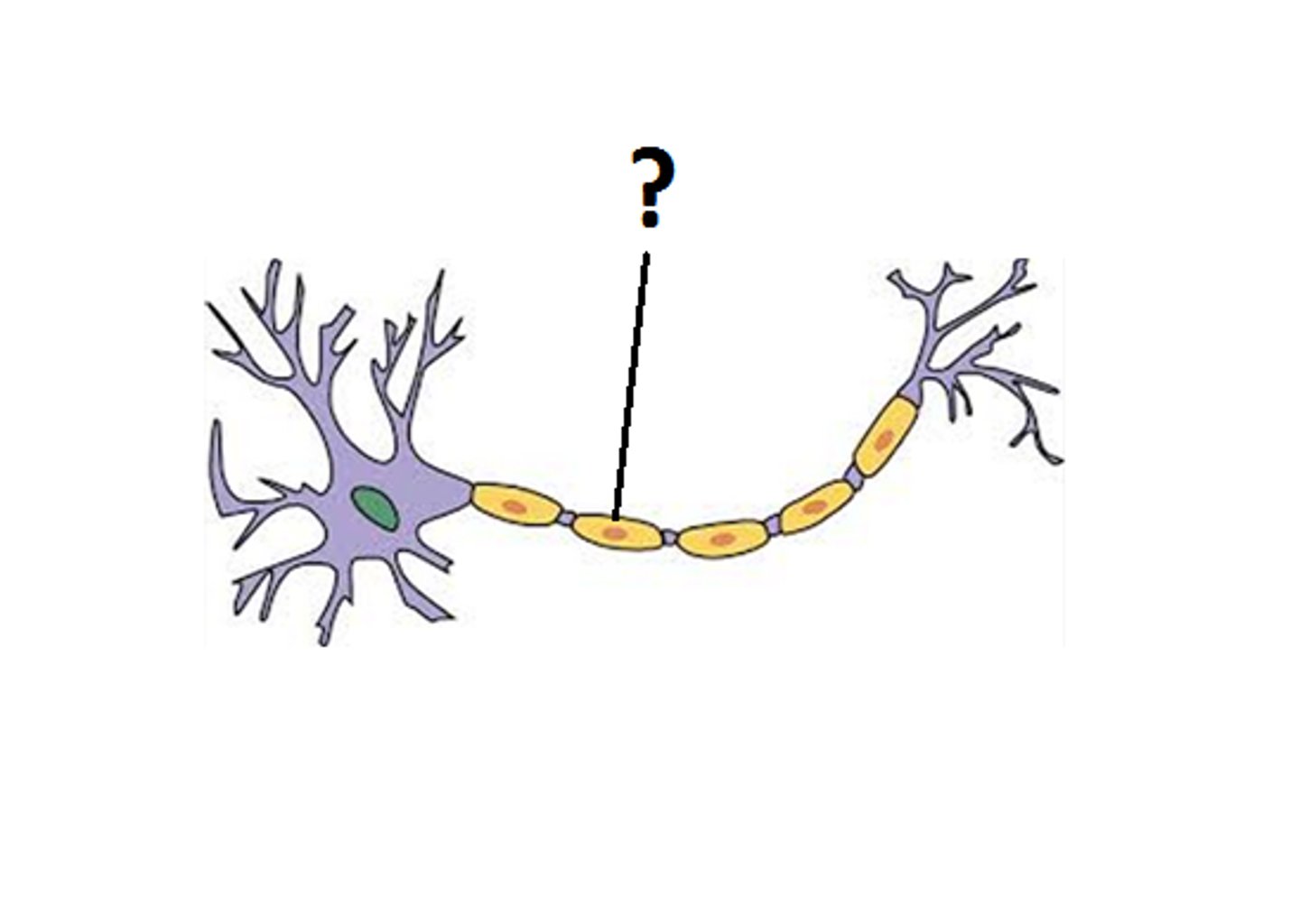
myelin sheath
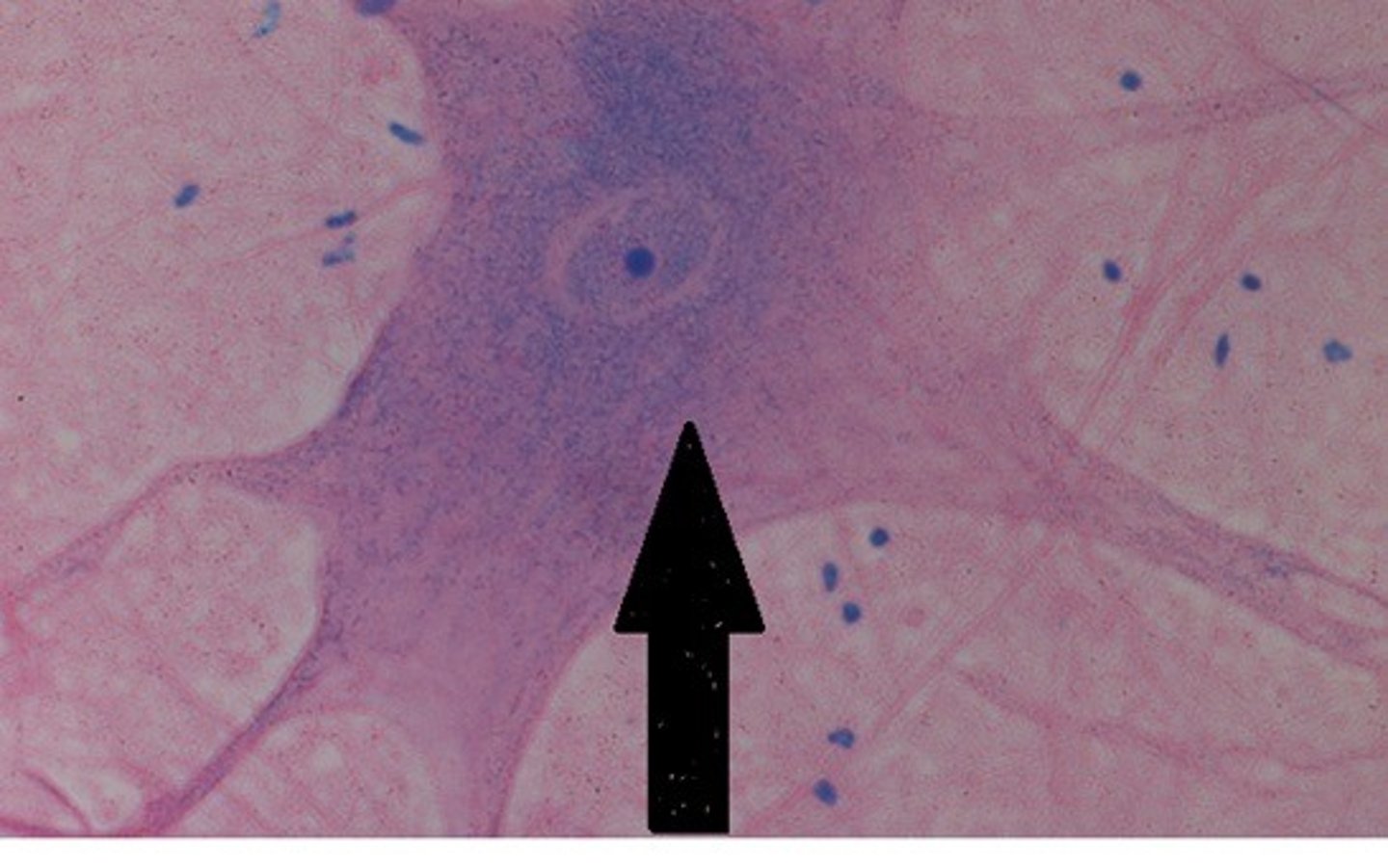
soma/cell body
node of Ranvier
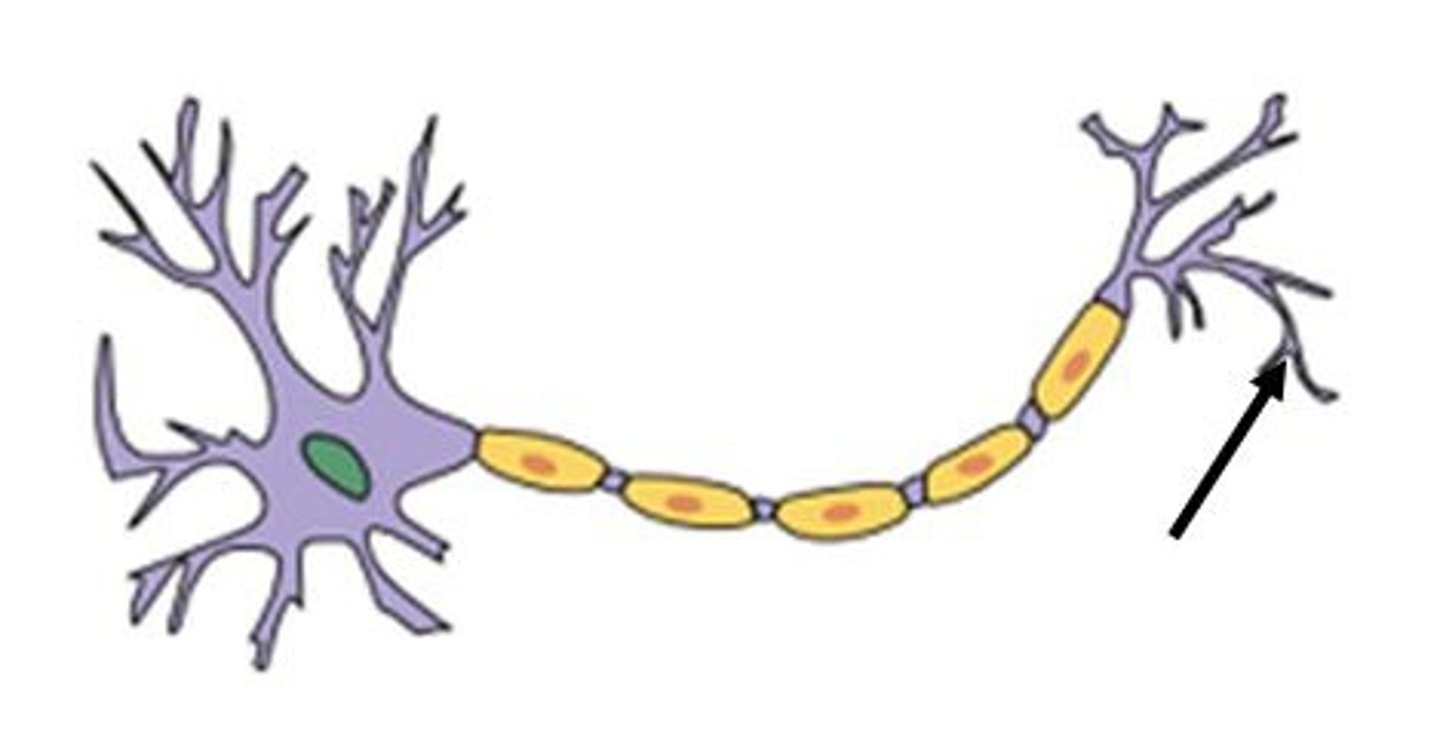
axon terminal
6 parts of neurons
Dendrites
a branchlike structure that serves as a receiver of information
axon
relay messages from the soma to the next neuron
myelin sheath
coat the axons of neurons to insulate, protect, and speed up the neural impulse
soma/cell body
nerve impulse passes; information processing happens; maintains the life of a cell
node of Ranvier
exposed portion of axon; action potential occurs
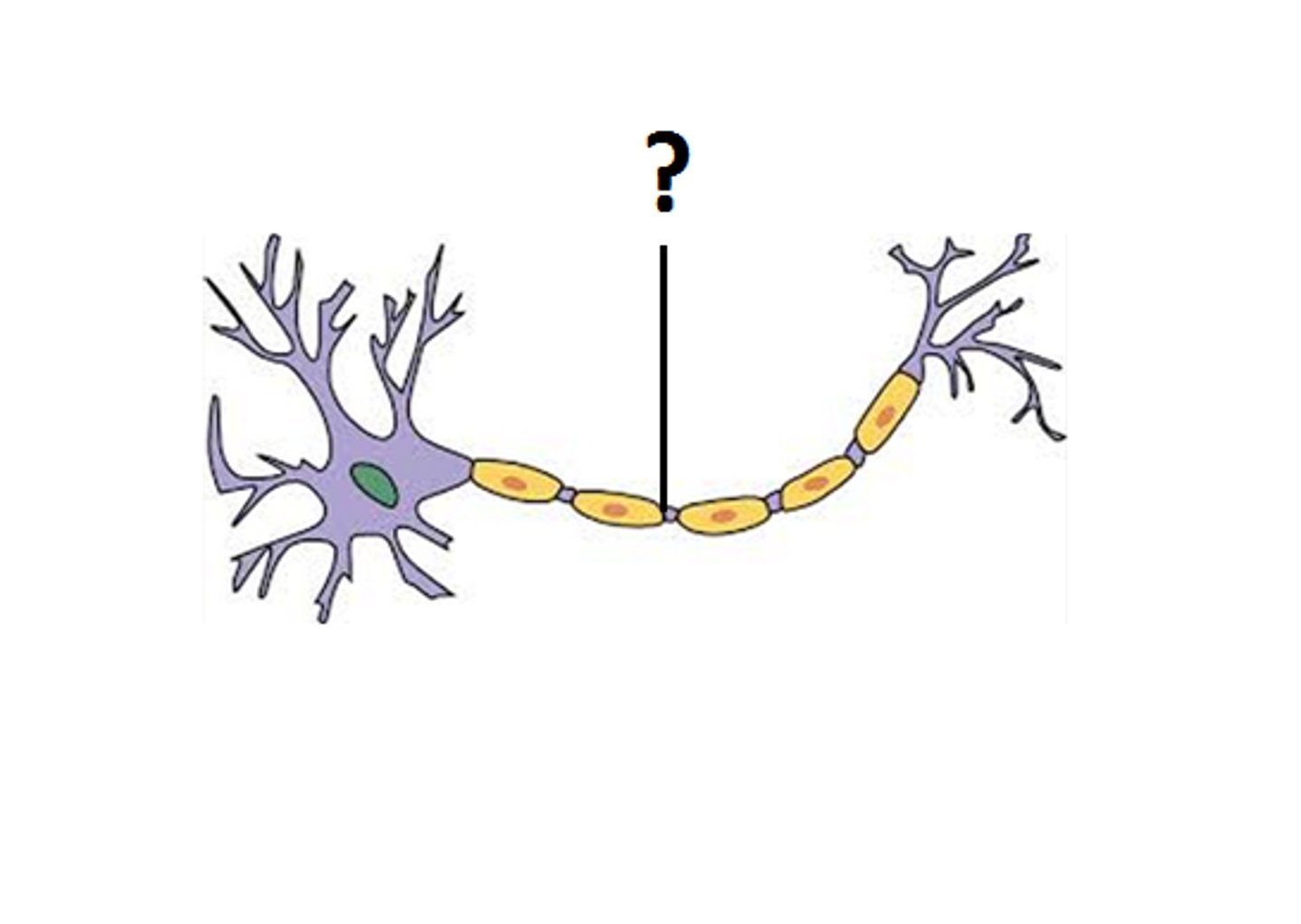
axon terminal
forms a junction with other cells
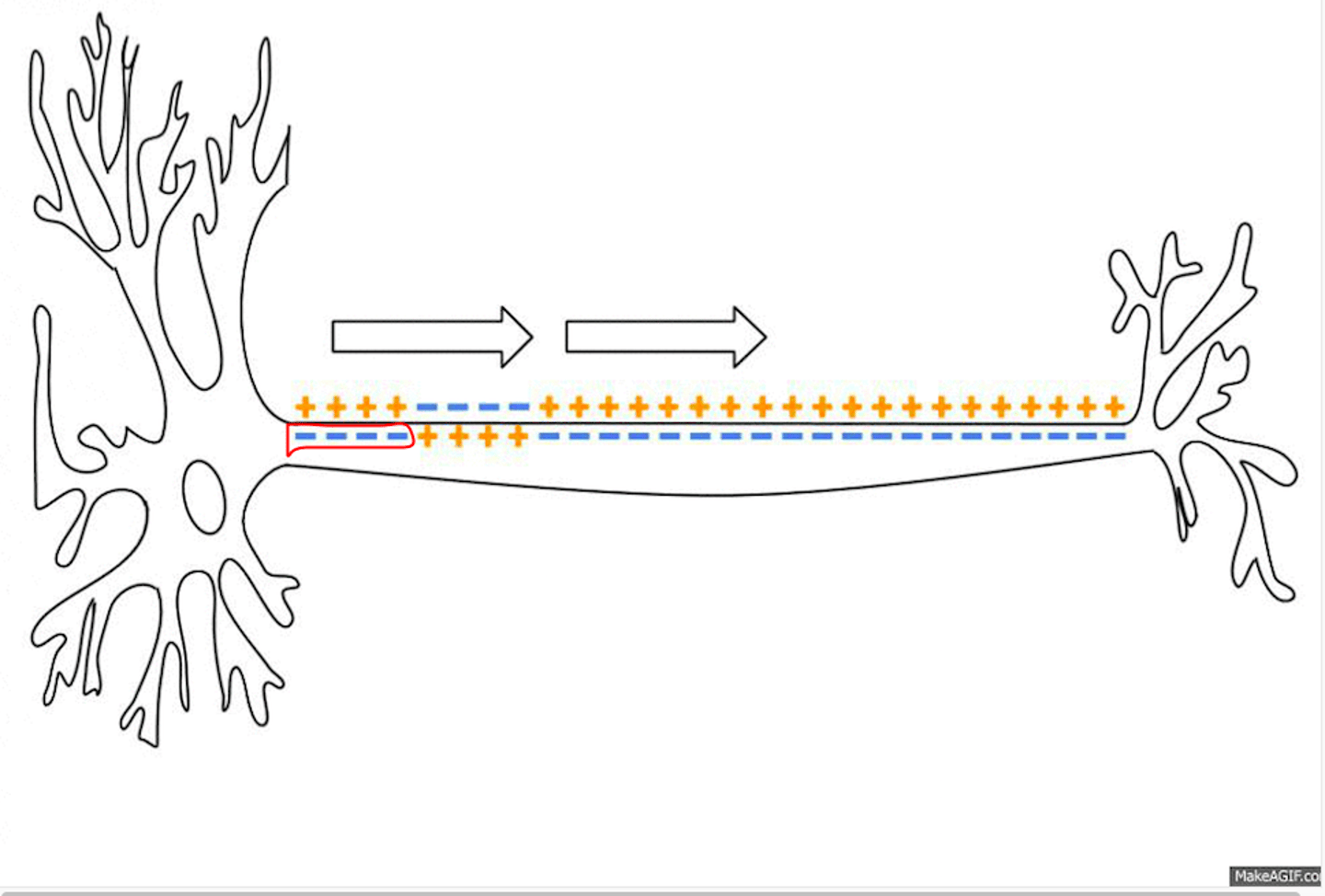
action potential neuron
- There is a release of neural impulses
- sodium ions enters then pushes the synaptic vesicle to terminal buttons then releasing the neurotransmitter in the synapse.
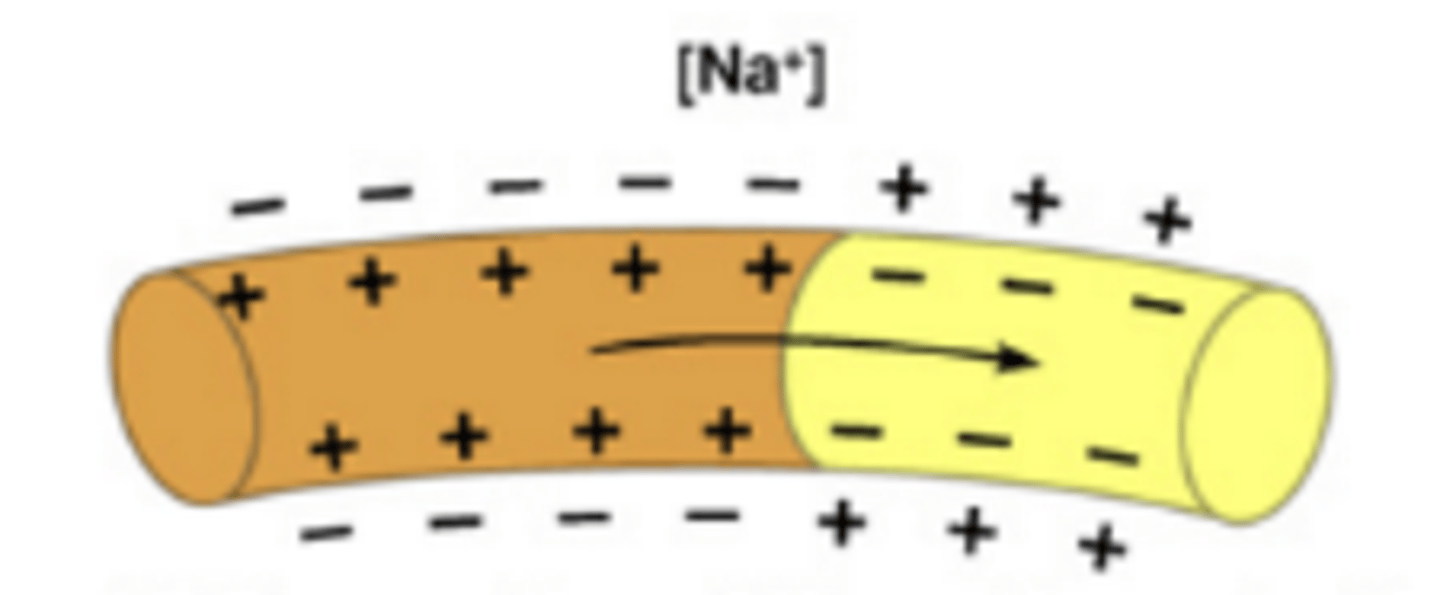
resting potential neuron
- a neuron that is not firing neural impulses
- sodium ions are outside the neuron; outside (+), inside (-)
polarized
electrical difference across the membrane
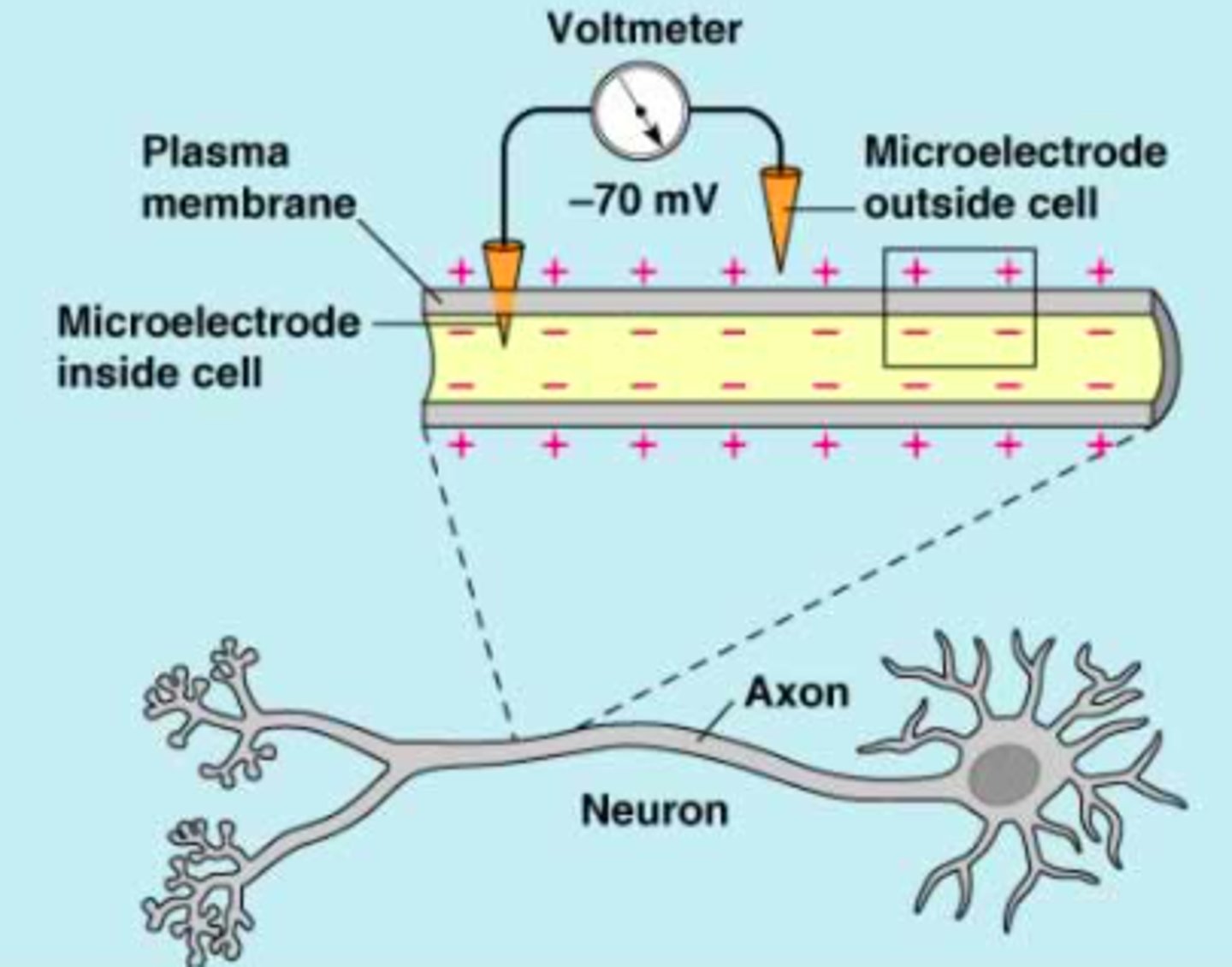
depolarized
net charge inside the axon changed from (-) to (+)
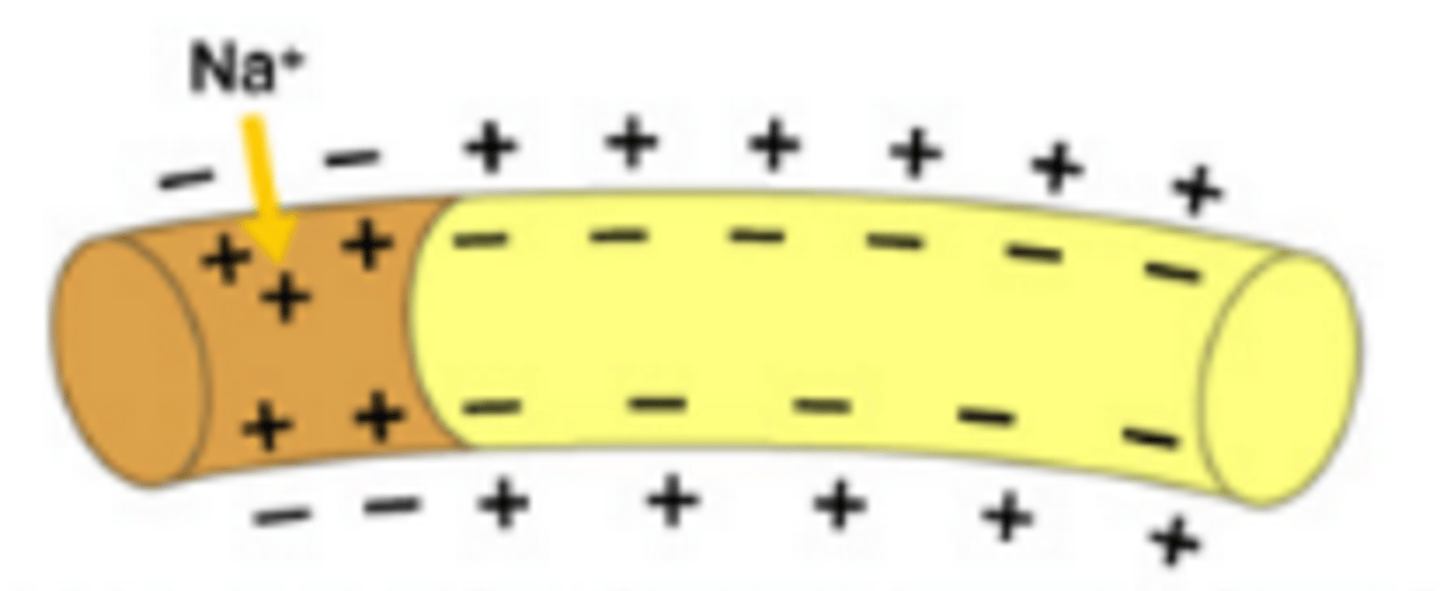
repolarized
potassium ions to flow out causes inside the axon to resume to a new negative charge
corpus callosum
connects the left and right hemisphere

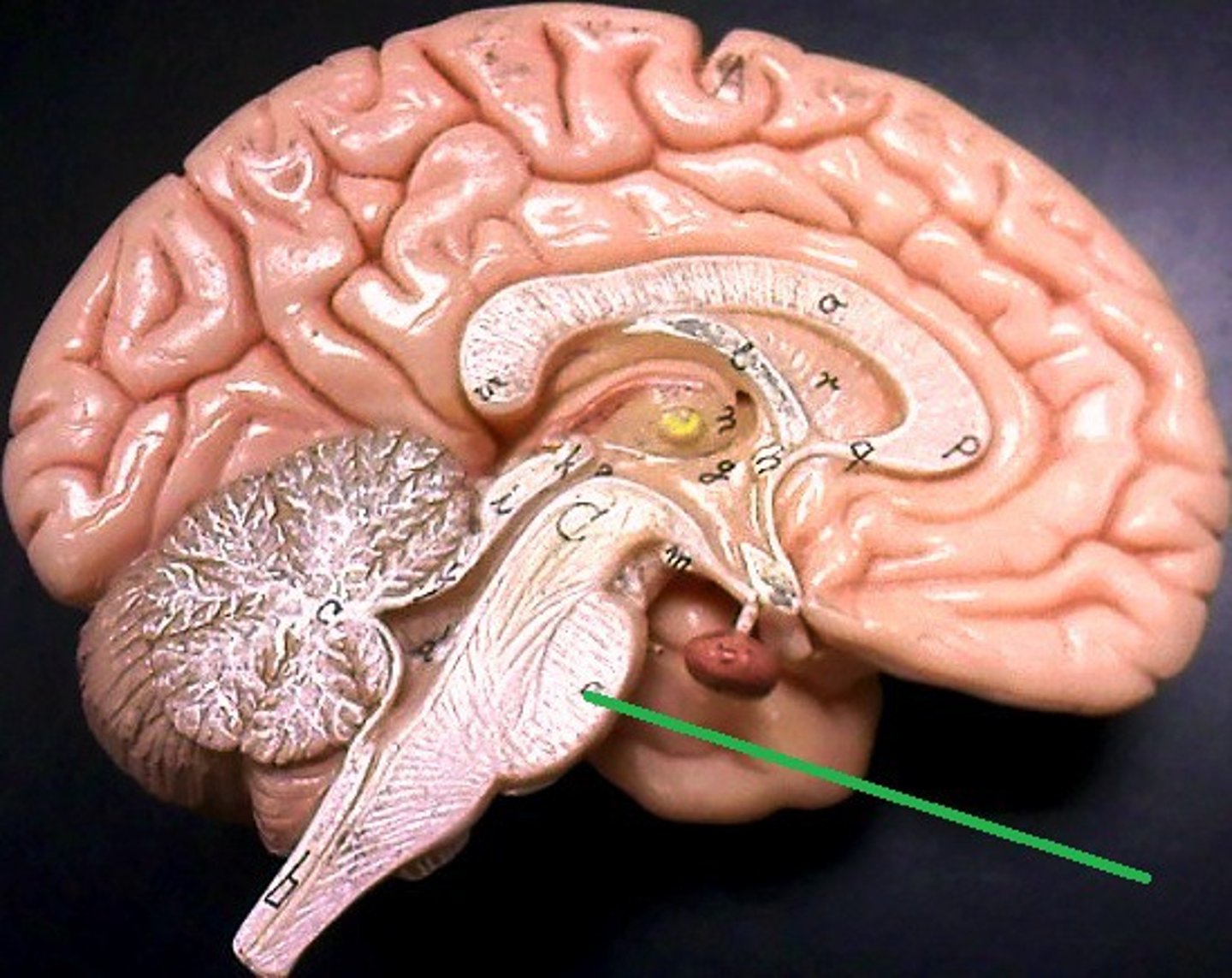
pons
- act as a bridge (lower and upper part of the brain)
- Influences sleep, dreaming, arousal, and coordination (left and right sides of the body)
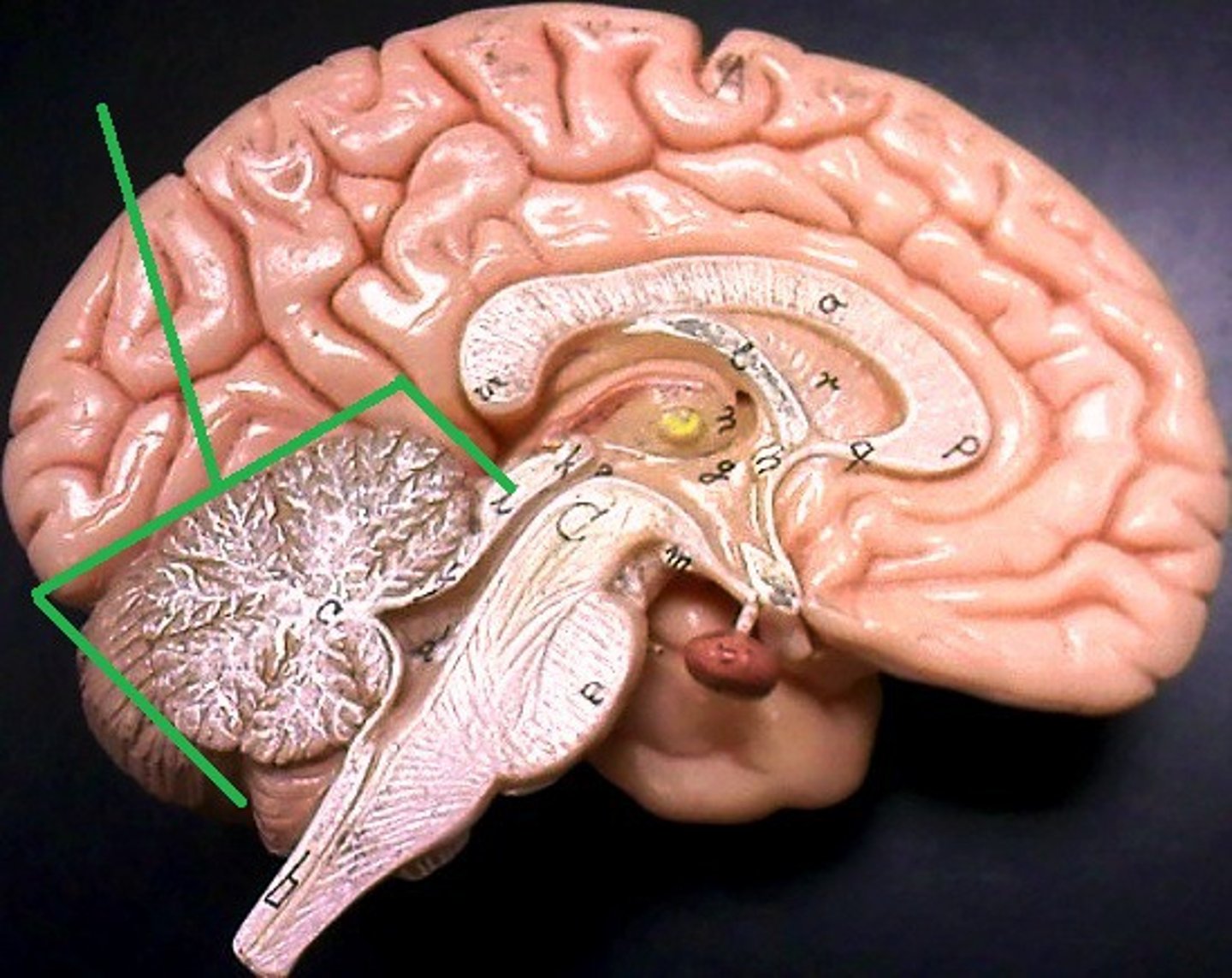
Cerebellum
Coordinates fine and rapid motor movement, learned reflexes, posture, and muscle tone.
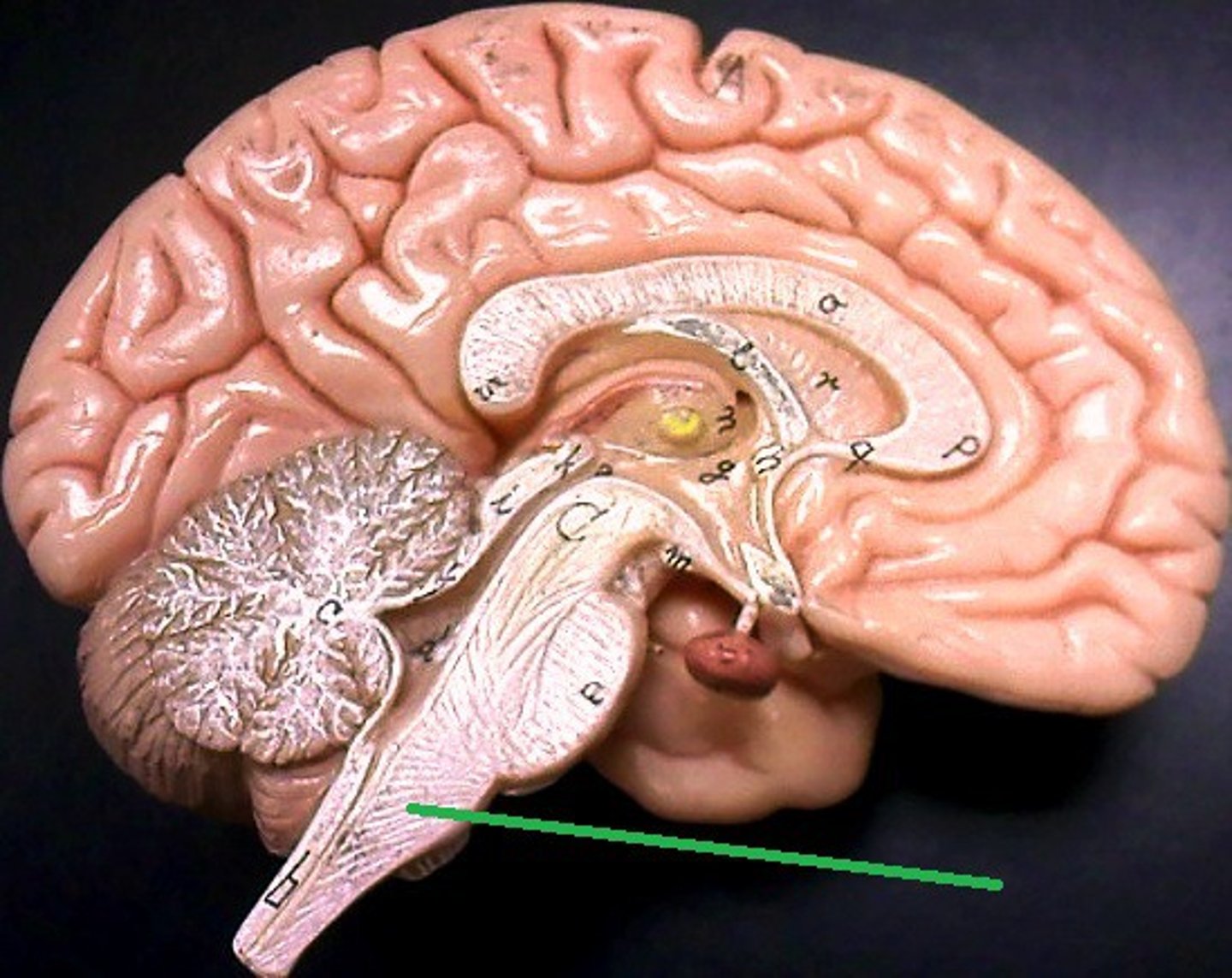
medulla
breathing and swallowing
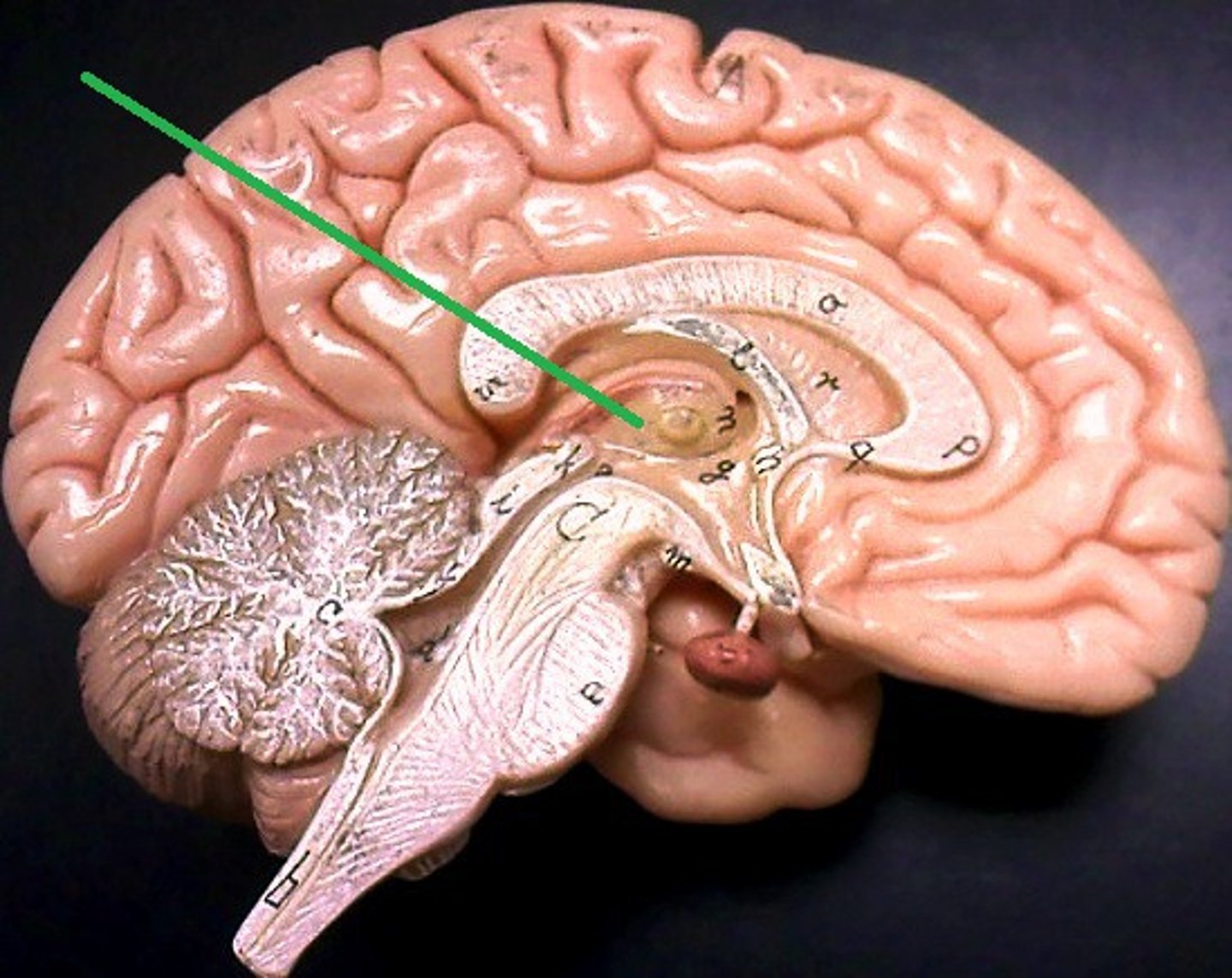
thalamus
switching station; sends sensory information to the proper areas of the cortex
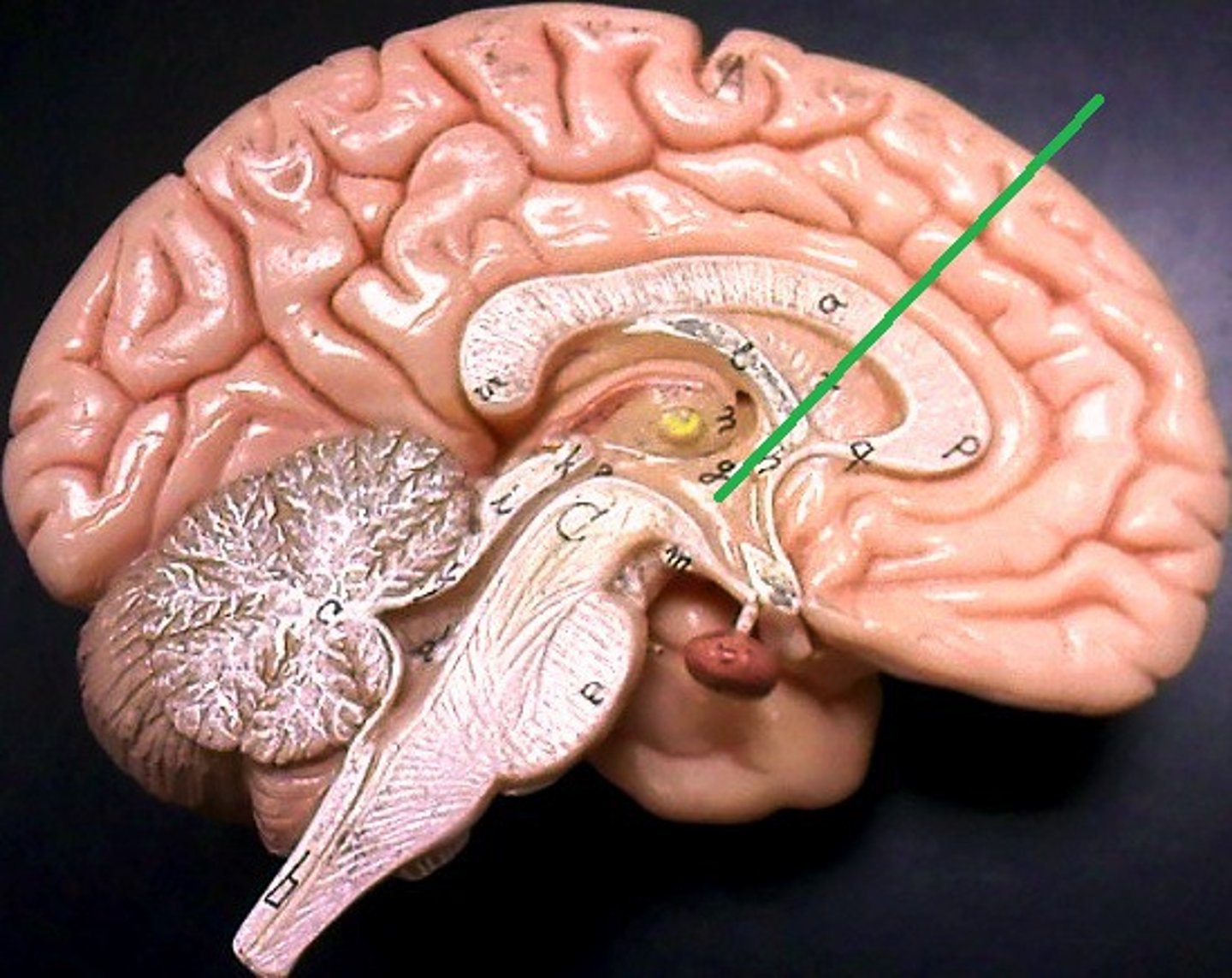
Hypothalamus
controls hunger, thirst, sleep, sexual behavior, sleeping and waking, and emotions
Hippocampus
Storing memories and remembering locations of objects
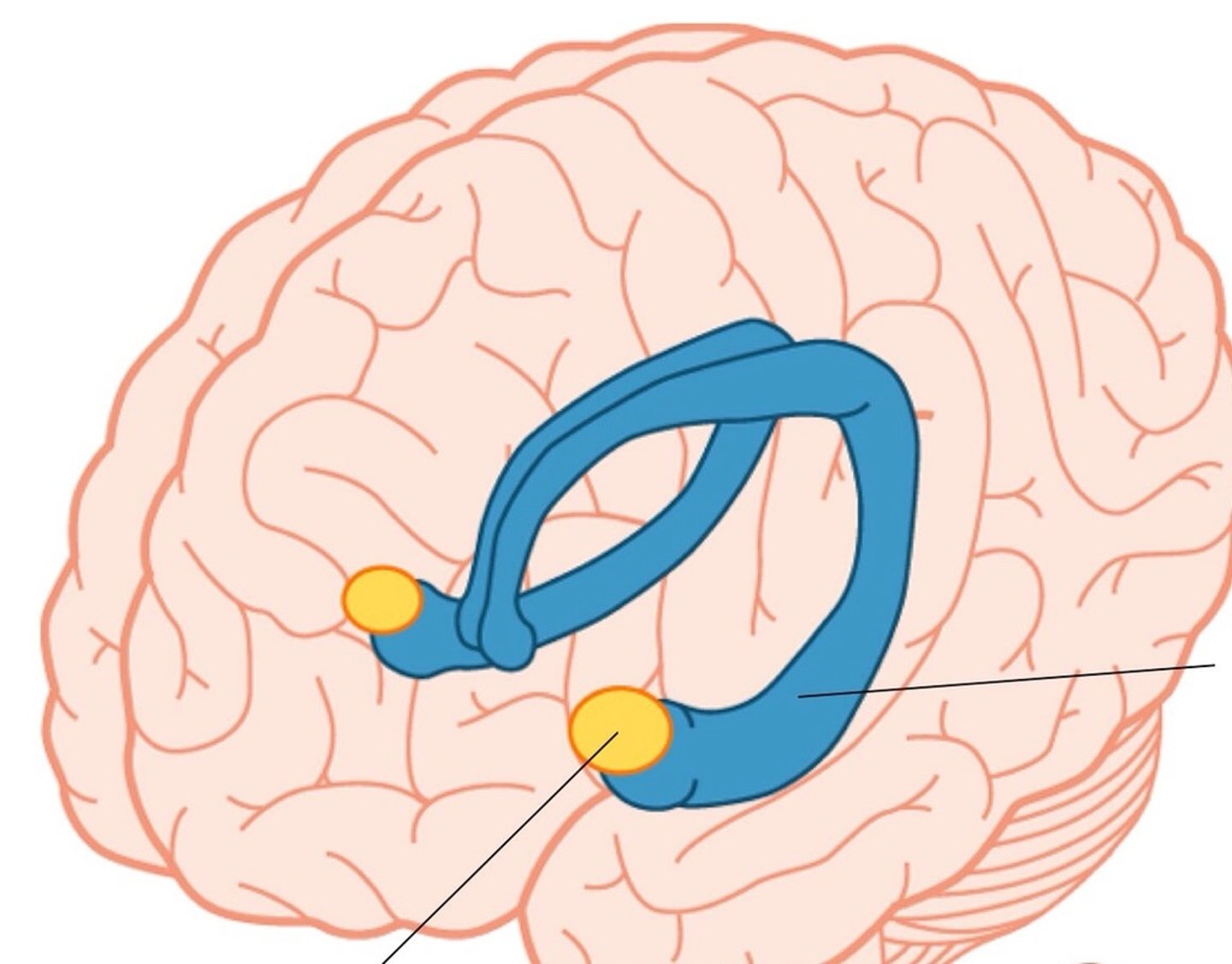
amygdala
Controls our fear responses and memory of fearful stimuli
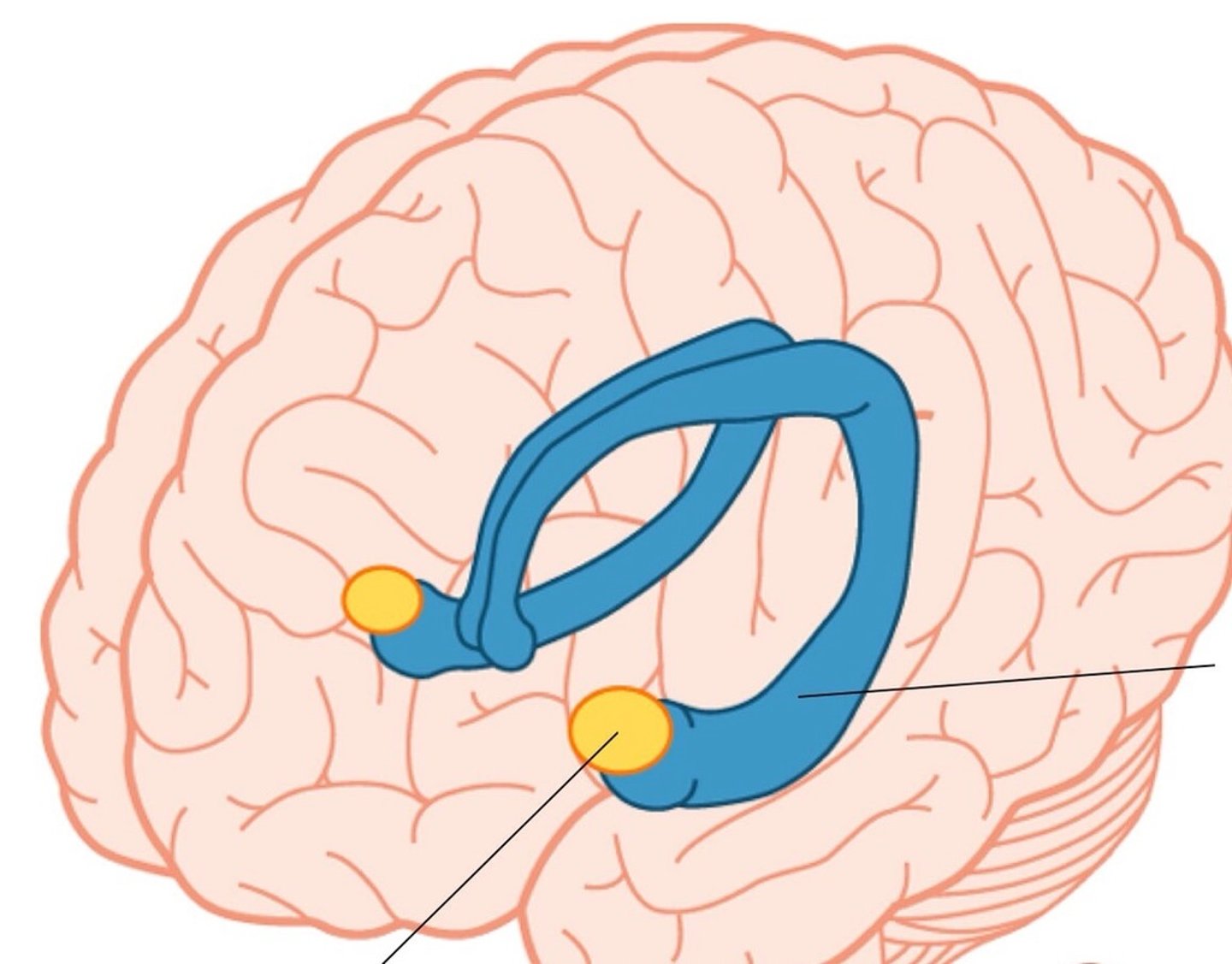
fornix
involve in memory and recall
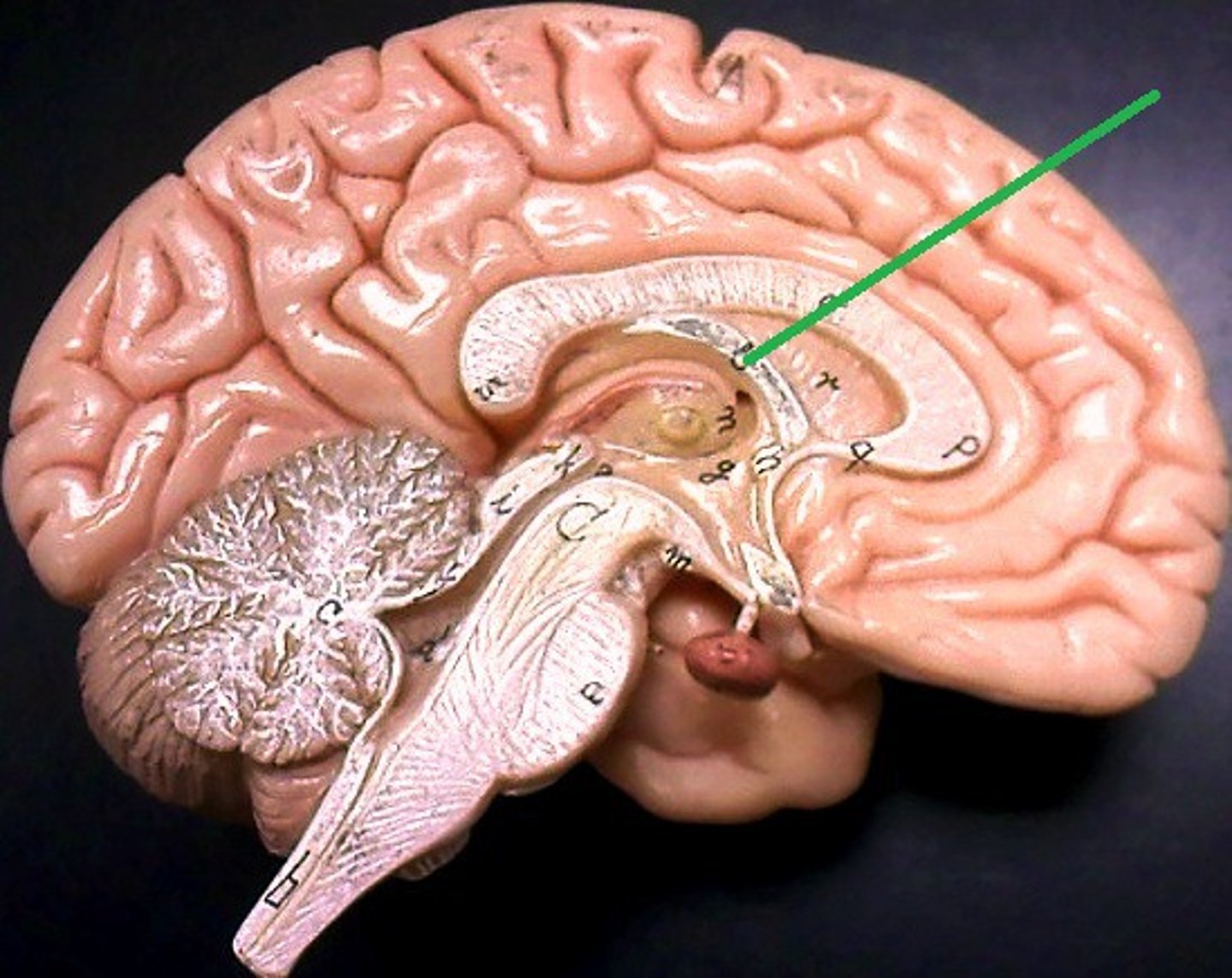
spinal cord
it is a vital link between the brain and the body and from the body to the brain
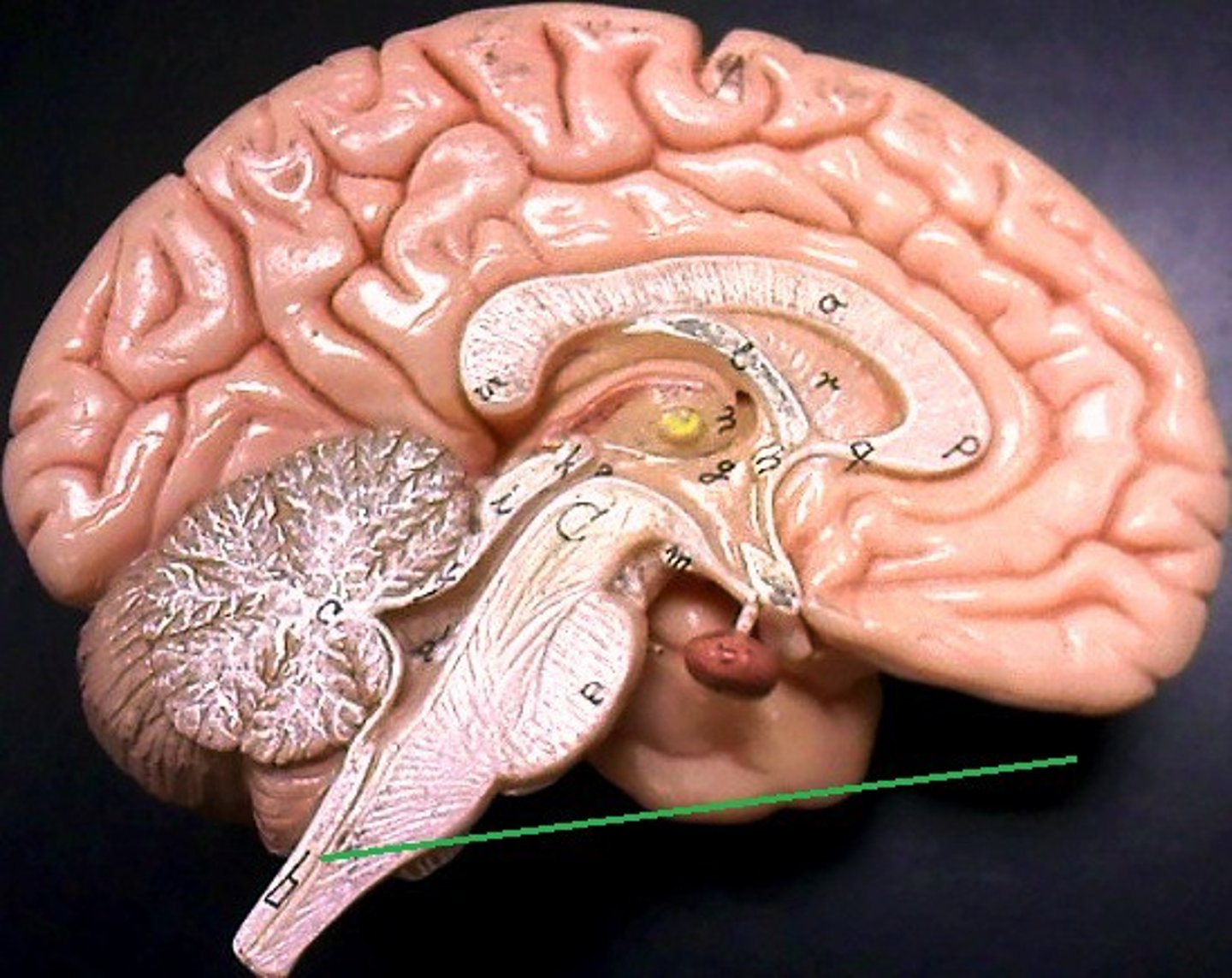
corpus callosum
pons
cerebellum
cerebellum
medulla
thamalus
hypothalamus
hippocampus
amygdala
fornix
spinal cord
11 parts of the BRAIN
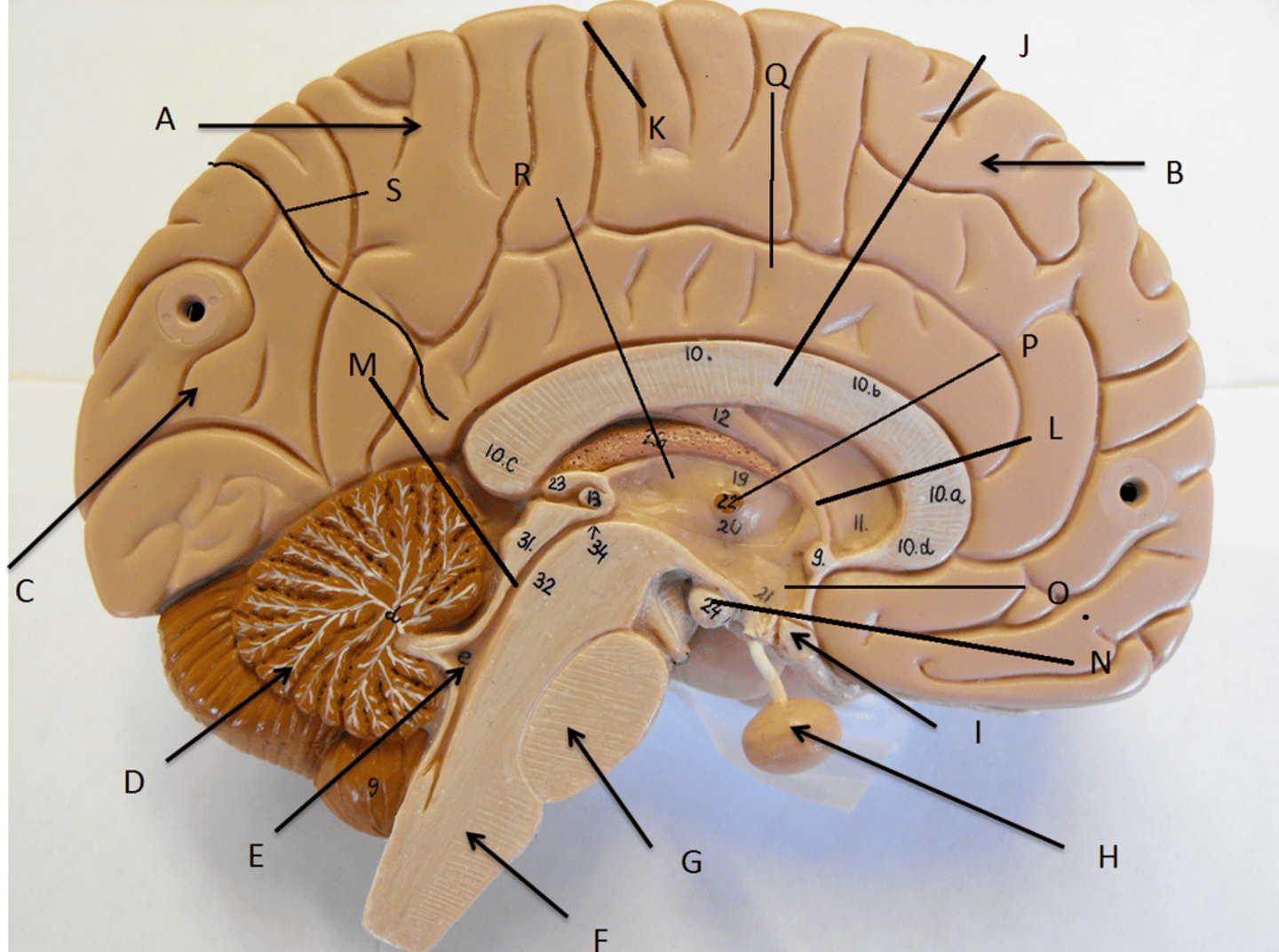
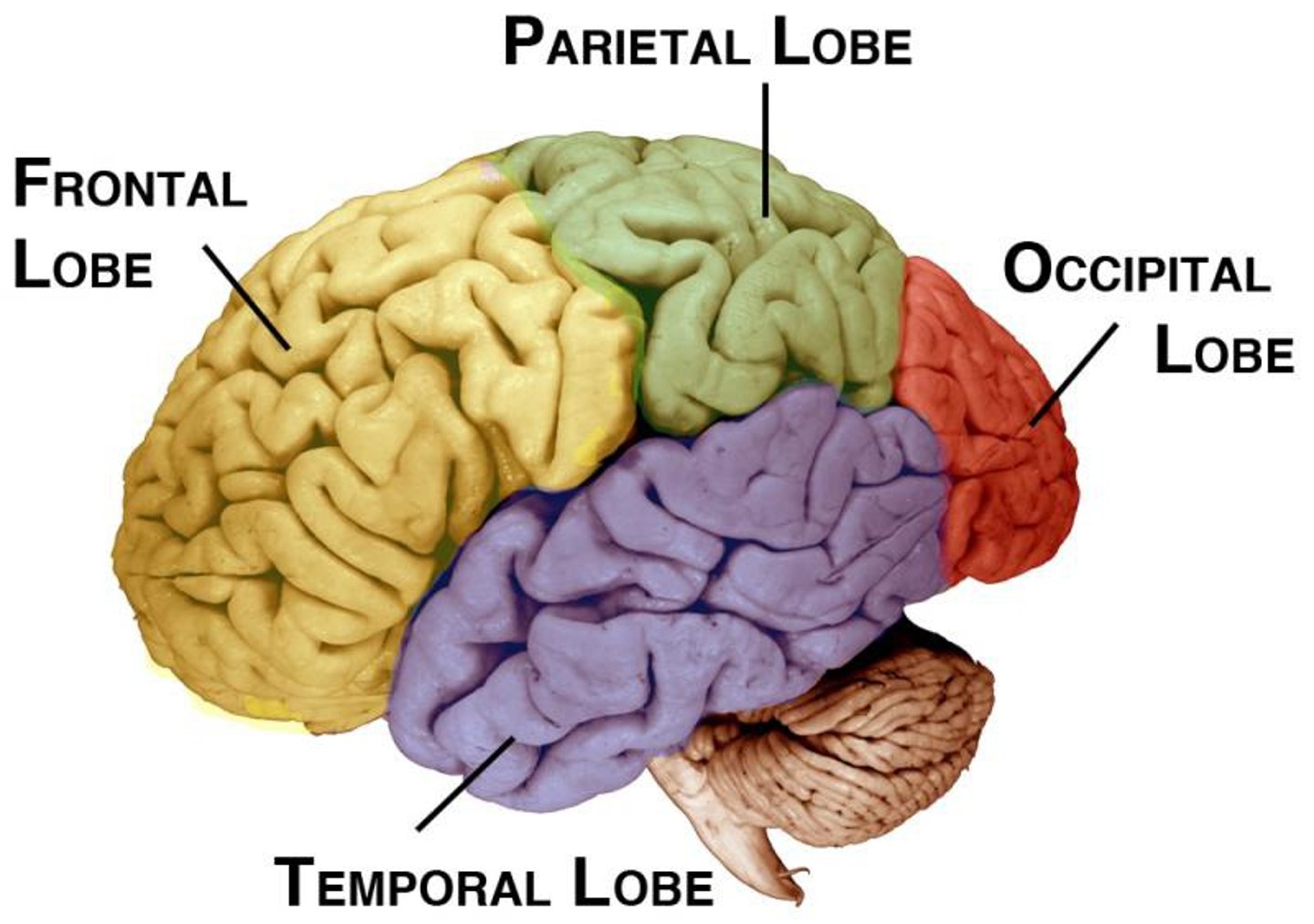
frontal lobes
temporal lobes
parietal lobe
occipital lobe
Broca's area
Wernicke's area
parts of the LOBES

frontal lobes
- higher mental functions occur
- planning, language, decision-making
- controls the

parietal lobe
Processes our sense of touch, temperature, and body position
-Taste is also processed in this lobe

occipital lobes
Process vision and contain the primary visual cortex

Broca's area
- producing fluent, understandable speech.

Broca's Aphasia
Words will be halting and pronounced incorrectly.

Wernicke's area
understanding language

Wenicke's aphasia
- speech is fluent but nonsensical
- The wrong words are used
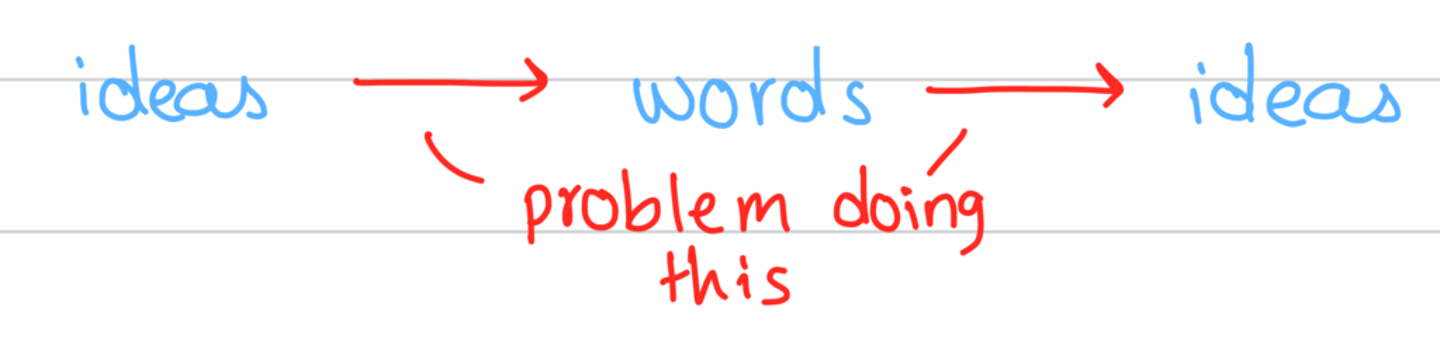
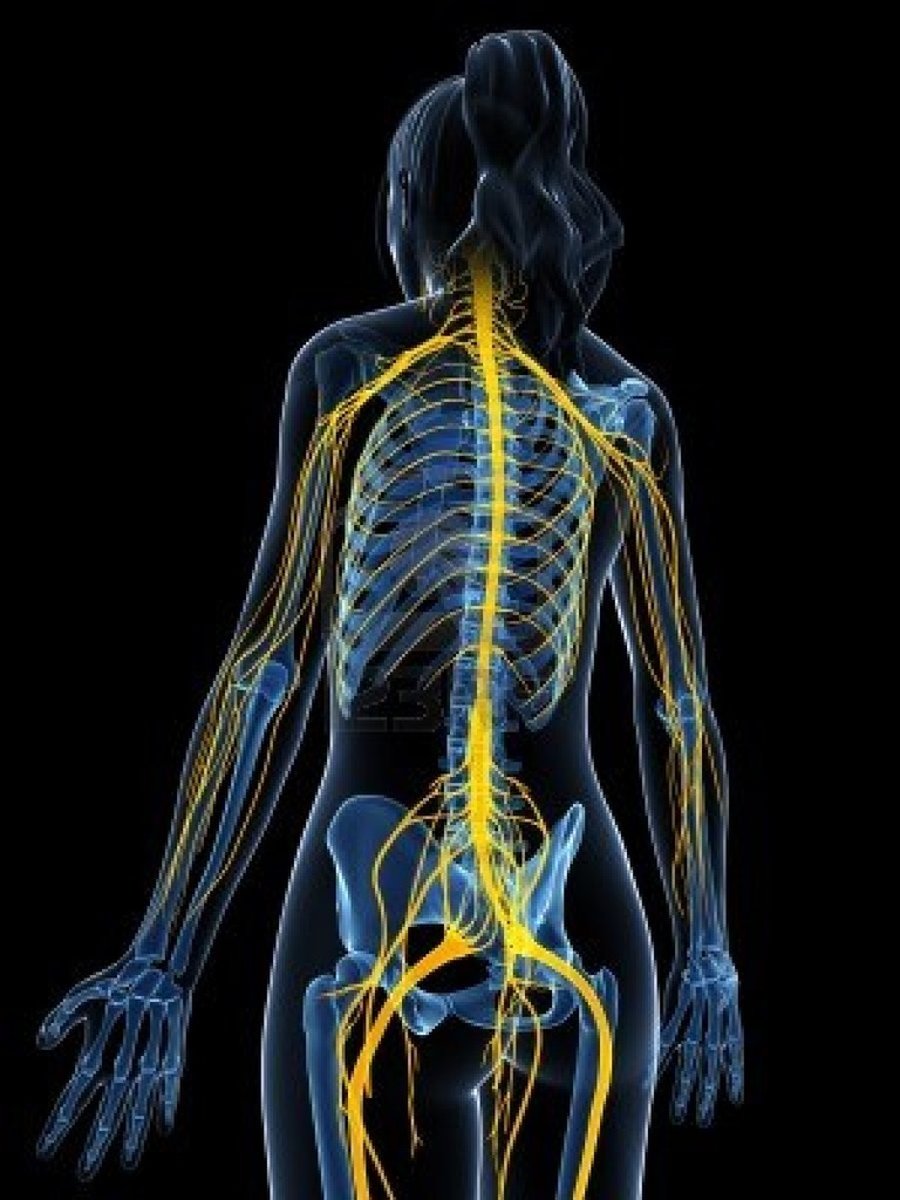
peripheral nervous system
- consists of nerves that branch out from the spinal cord and brain and reach the extremities of the body.
- These nerves form the communication network between the Central Nervous System (CNS) and the body part
somatic division
autonomic division
(2) Two major divisions
- both of which connect the CNS with the sense organs, muscles, glands, and other organs
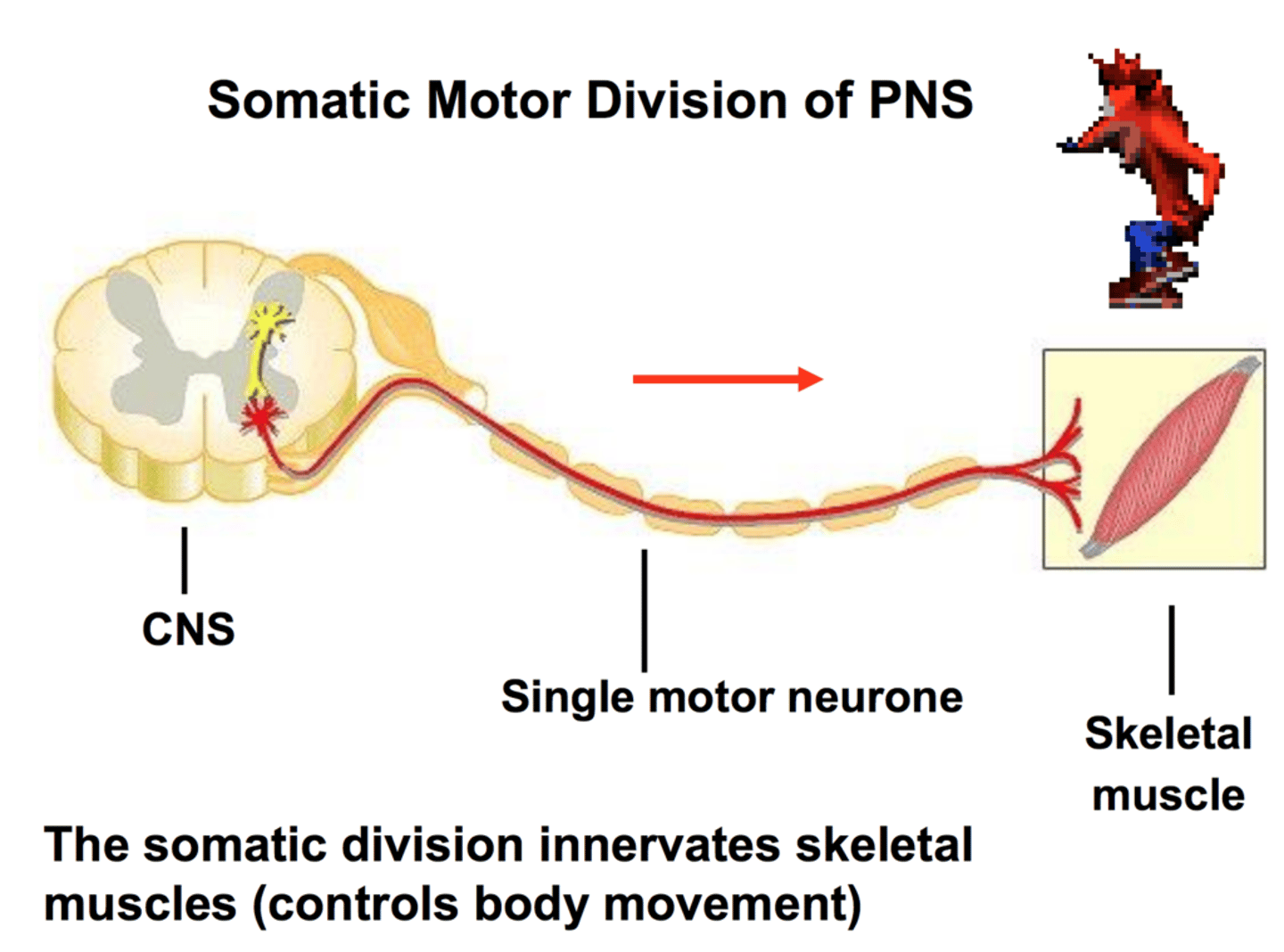
somatic division
specializes in the control of voluntary movements and the communication of information to and from the sense organs
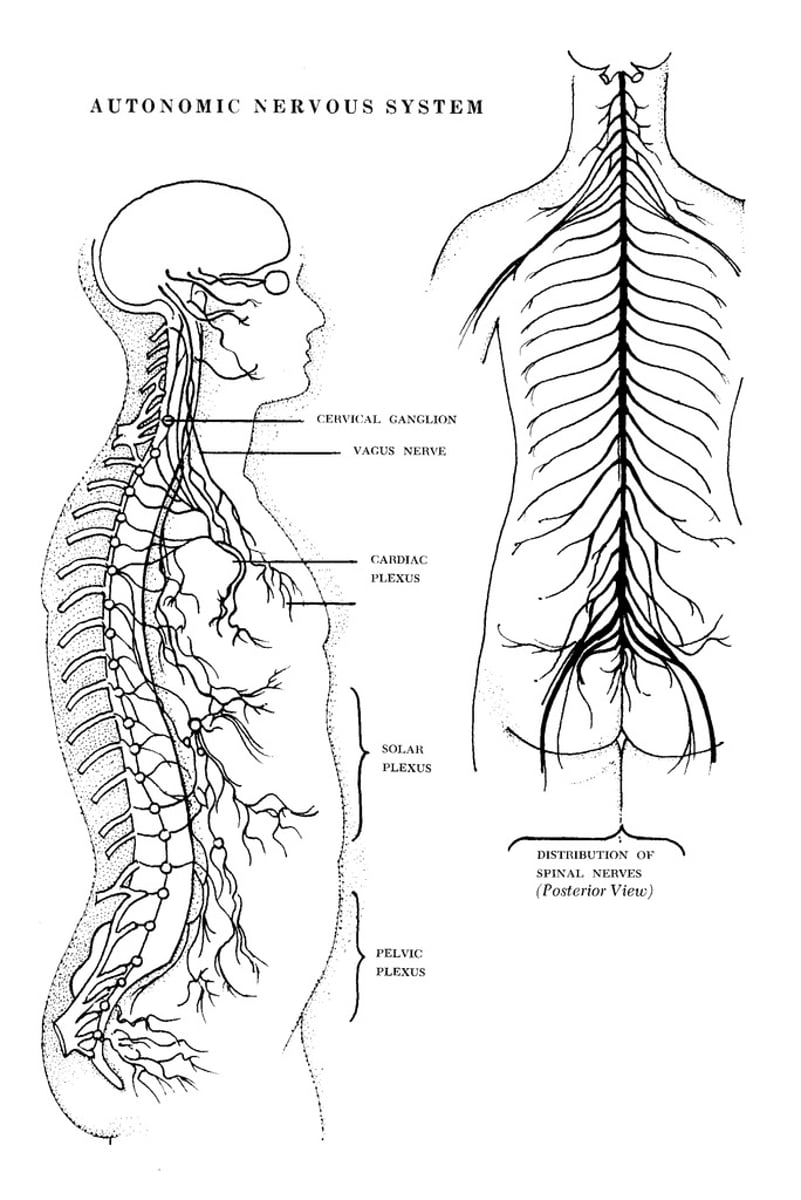
automatic division
- Controls the parts that keep us alive; functions involuntarily
- Sympathetic and parasympathetic division
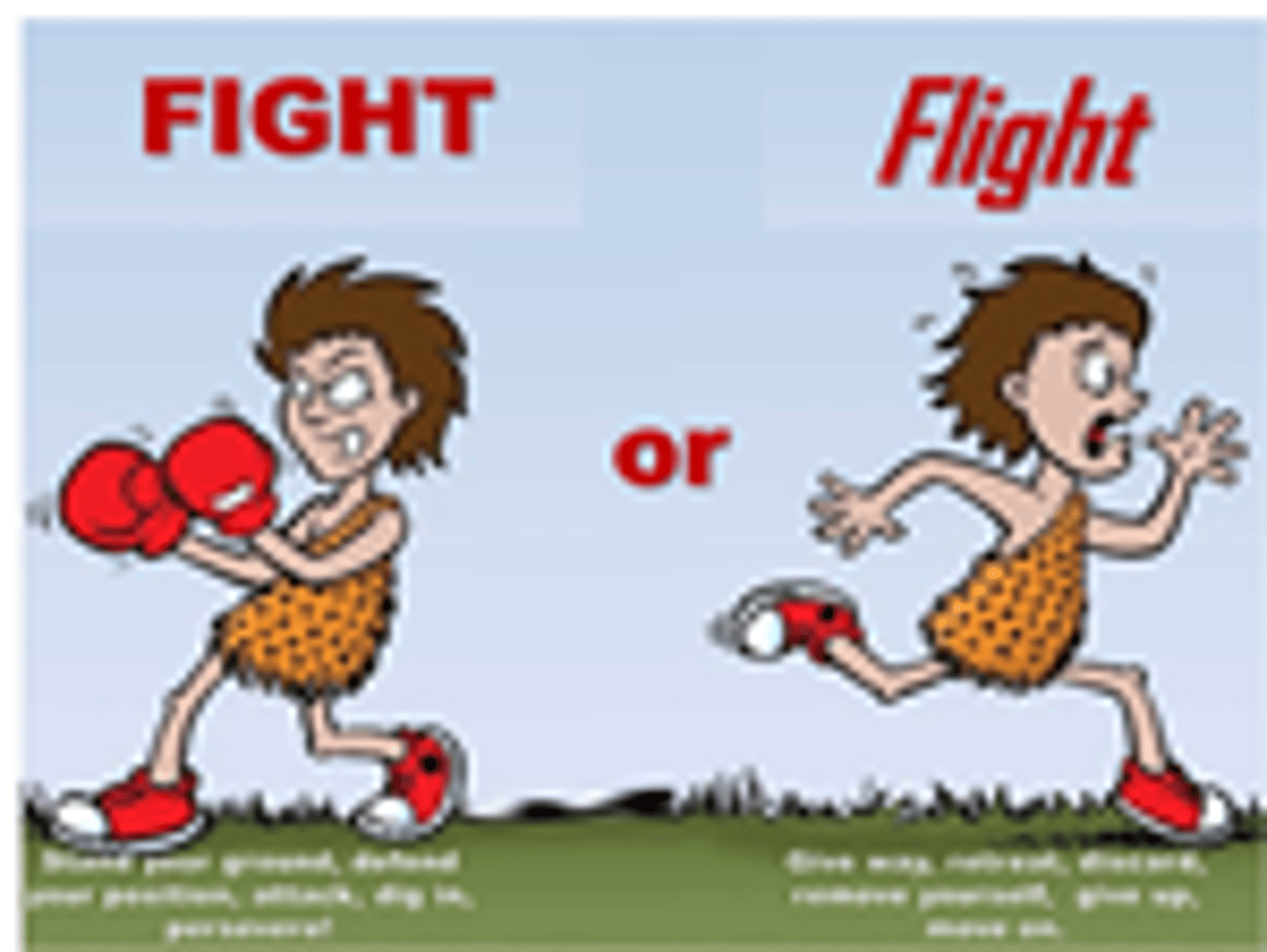
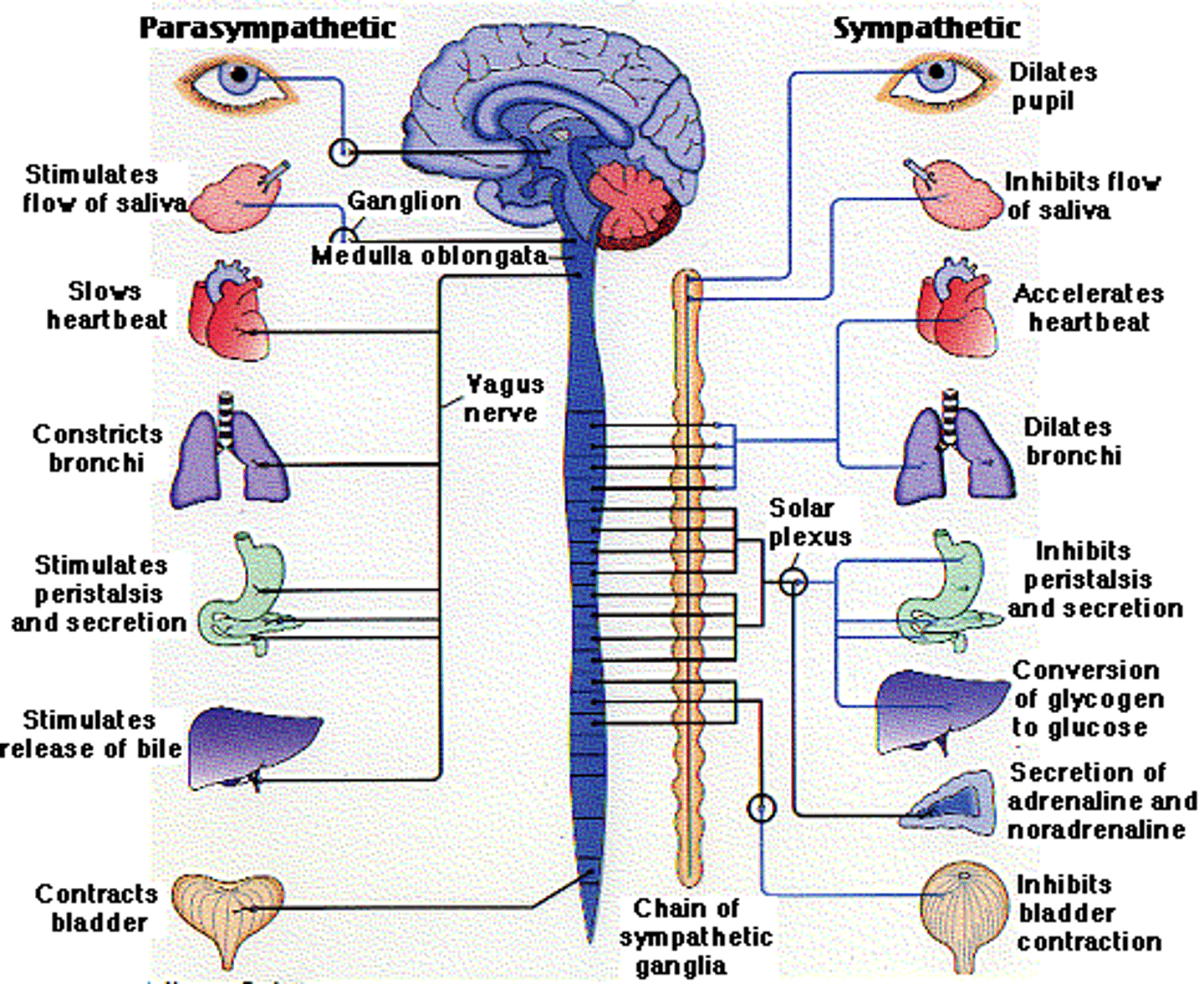
Sympathetic division
- Acts to prepare the body for action in stressful situations
- This is often called the fight-or-flight response
Parasympathetic Division
- acts to calm the body after an emergency has ended
- directs the body to store energy for use in emergencies.

genes
- The basic unit of heredity passed from parent to child; specify physical and biological traits.
- Play a larger role in determining your behavior; in other situations, the environment plays a larger role in influencing your behavior
- If you had a whole different set of experiences over your lifetime, it may be expressed in different ways, and you may behave differently than you do now.
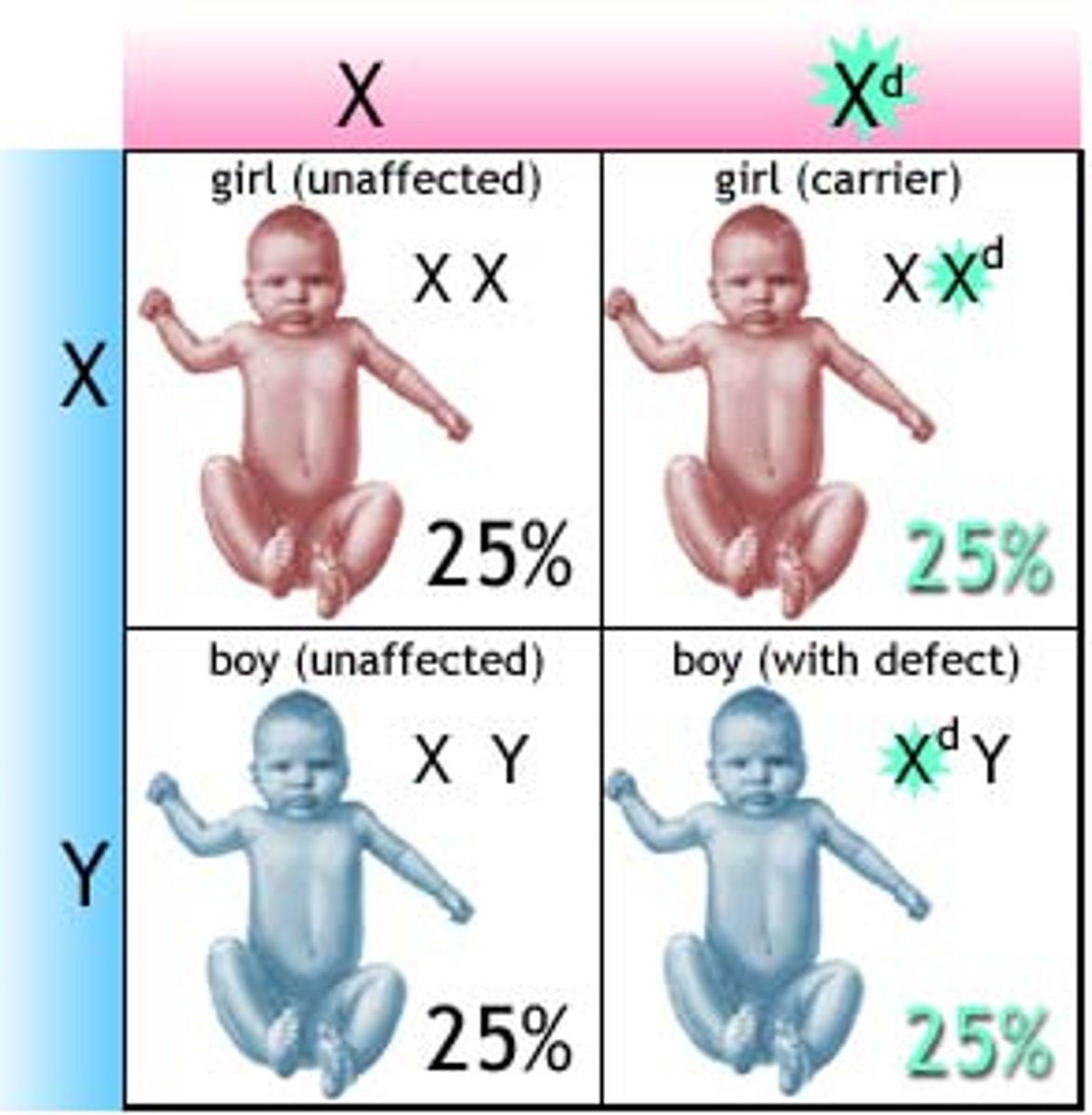
nature
- refers to the biological/genetic predispositions that impact one's human traits-physical, emotional, and intellectual.
nurture
describes the influence of learning and other environmental factors on these traits
replication
- The process by which the genome's DNA is copied in cells.
- Before a cell divides, it must first copy its entire genome so that each resulting daughter cell ends up with its own complete genome.

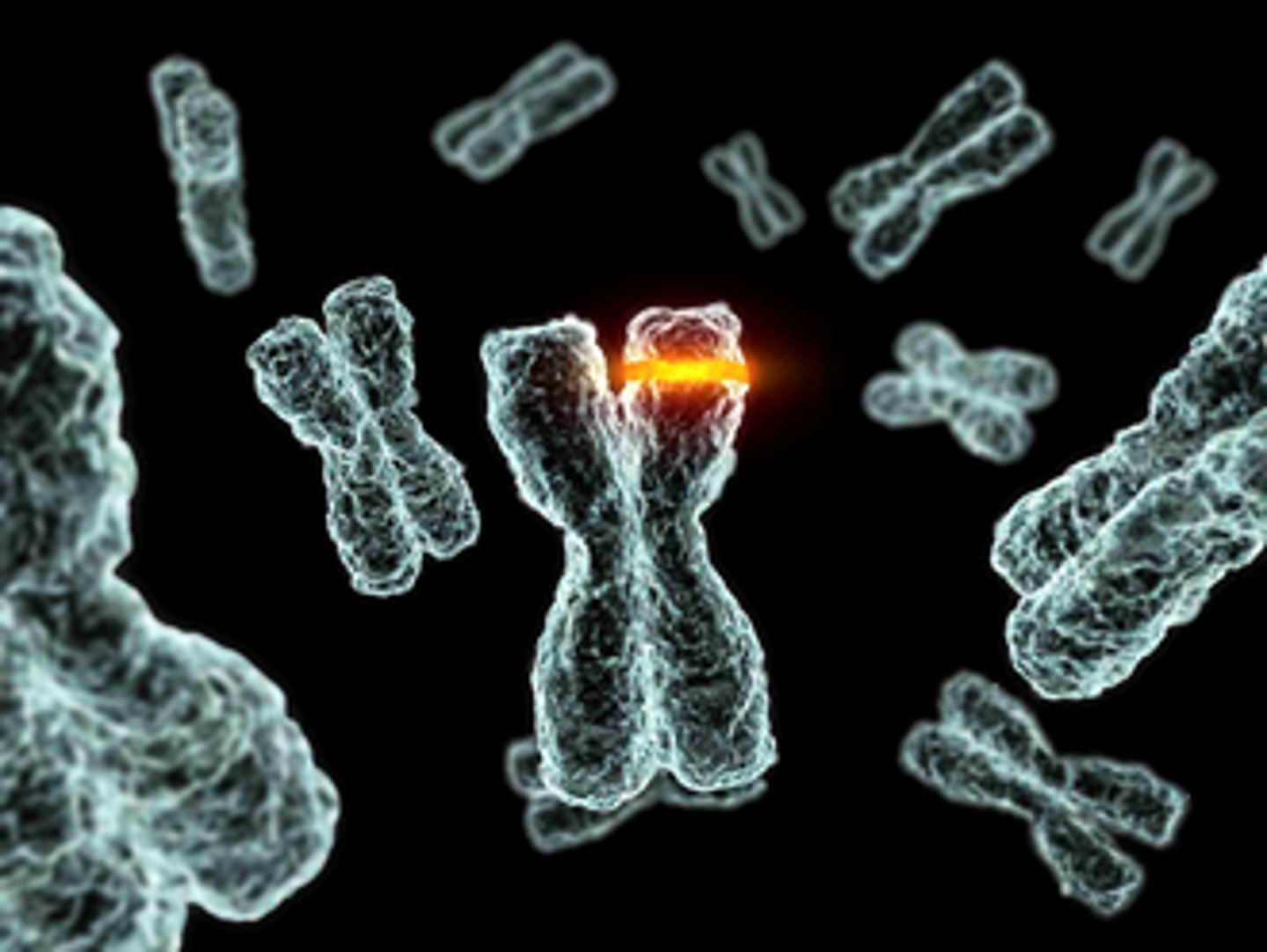
mutations
errors in duplication; accidental alterations in individual cells
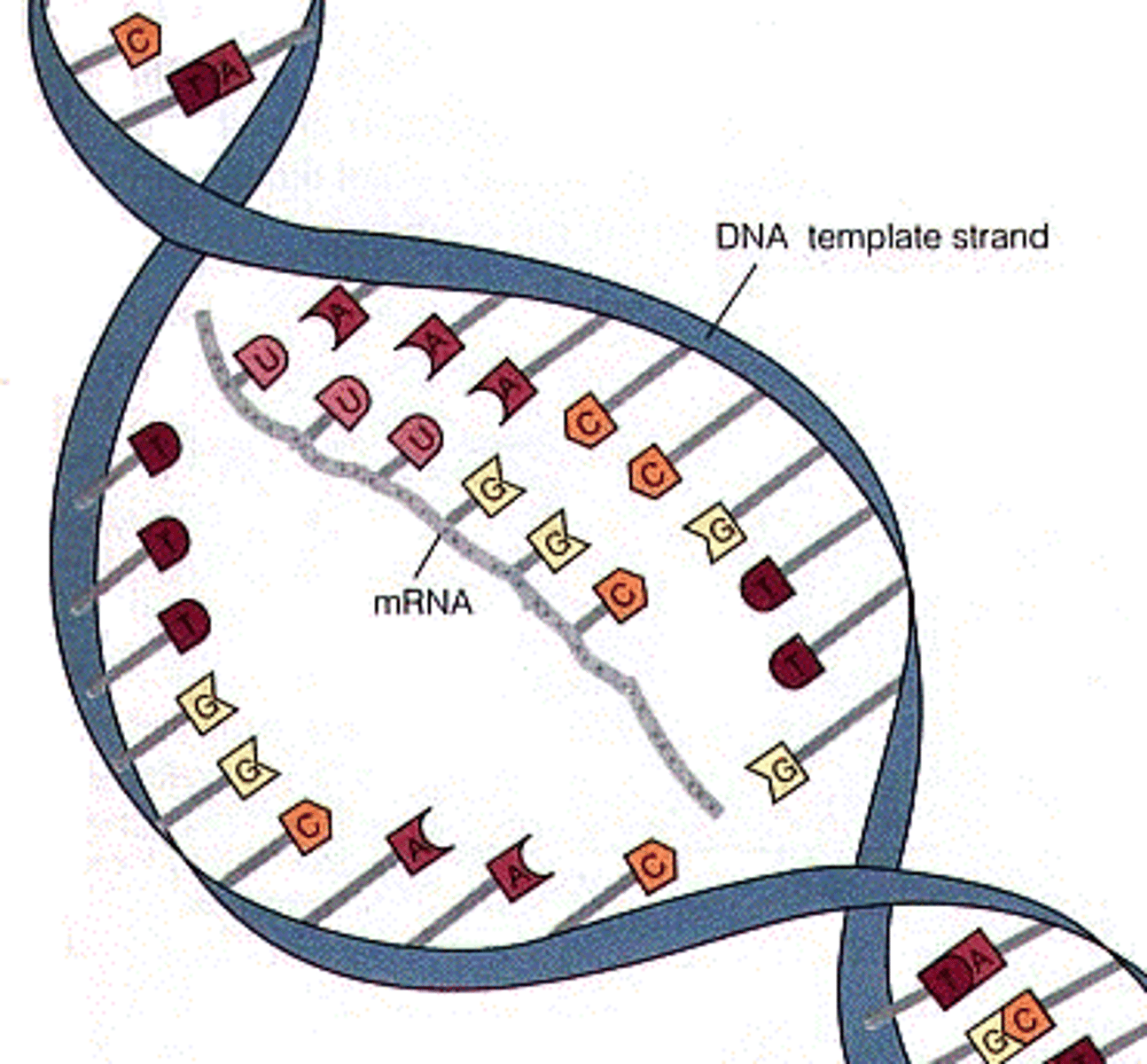
deoxyribonucleic acid (DNA)
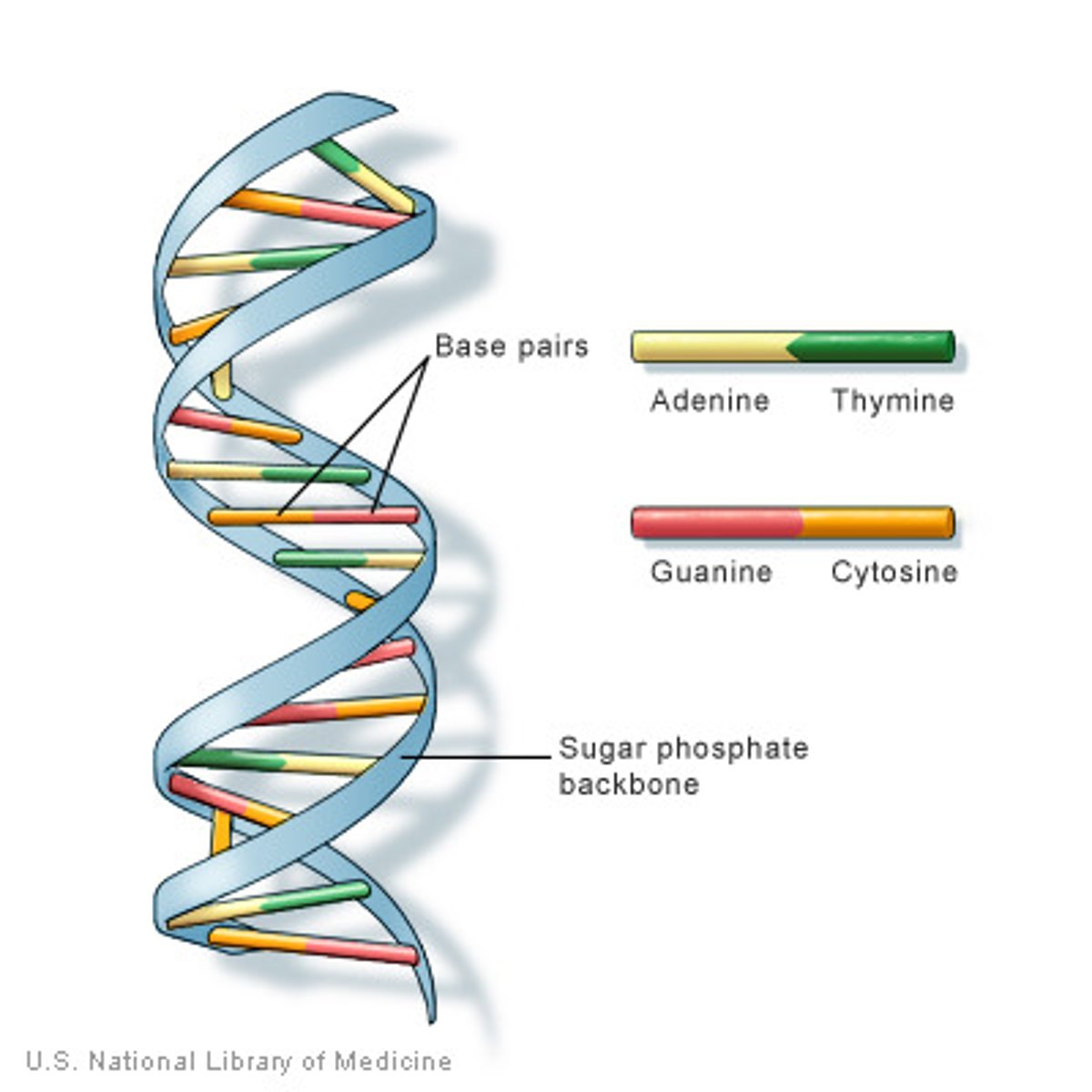
- the molecule that carries genetic information
- Each strand has a sequence of nucleotide bases attached to a chain of phosphate and deoxyribose
- The two strands that compose each chromosome are coiled and bonded together.
ribonucleic acid (RNA)
- like DNA except ot contains the nucleotide base uracil instead of thymine.

messenger RNA
It carries the genetic code out of the nucleus of the cell.
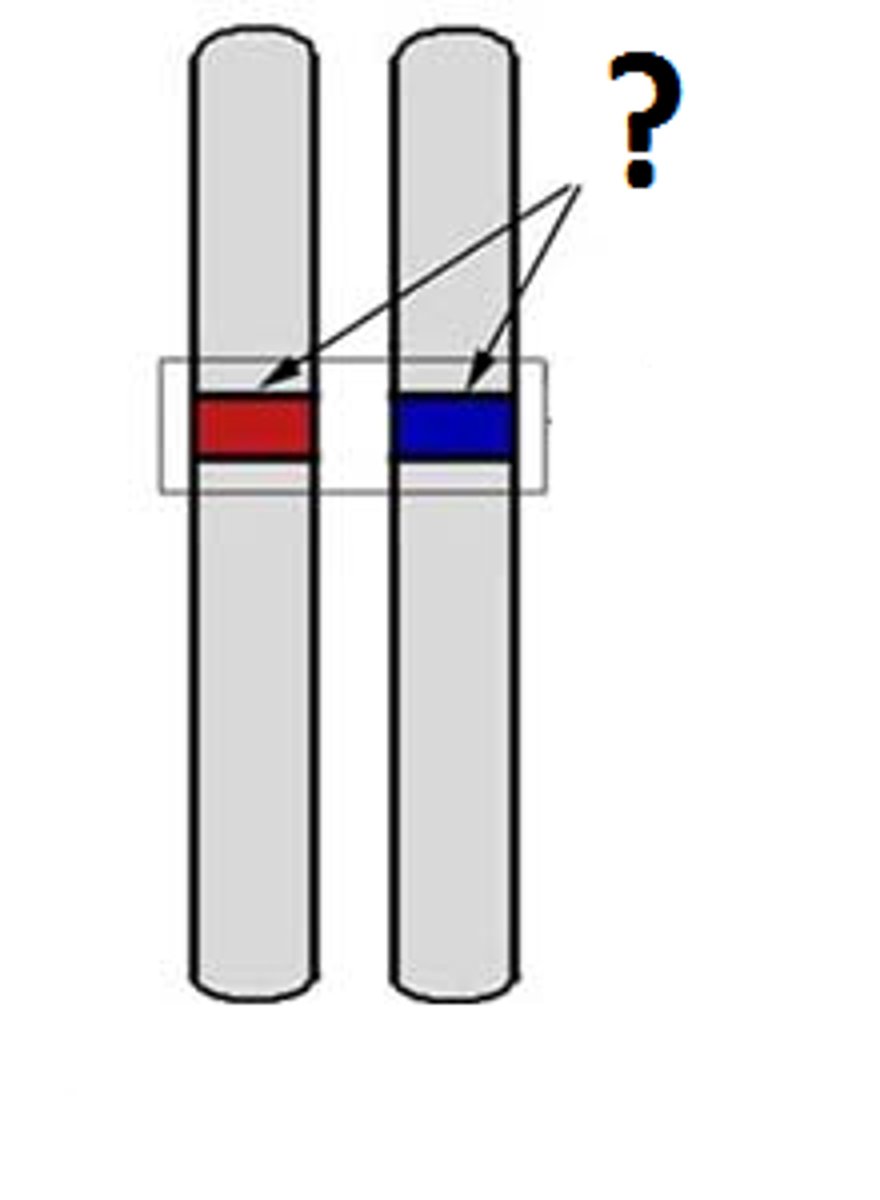
alleles
The alternative forms or versions of a gene occur in pairs and control the same trait
gametes
contains the organism's reproductive cell
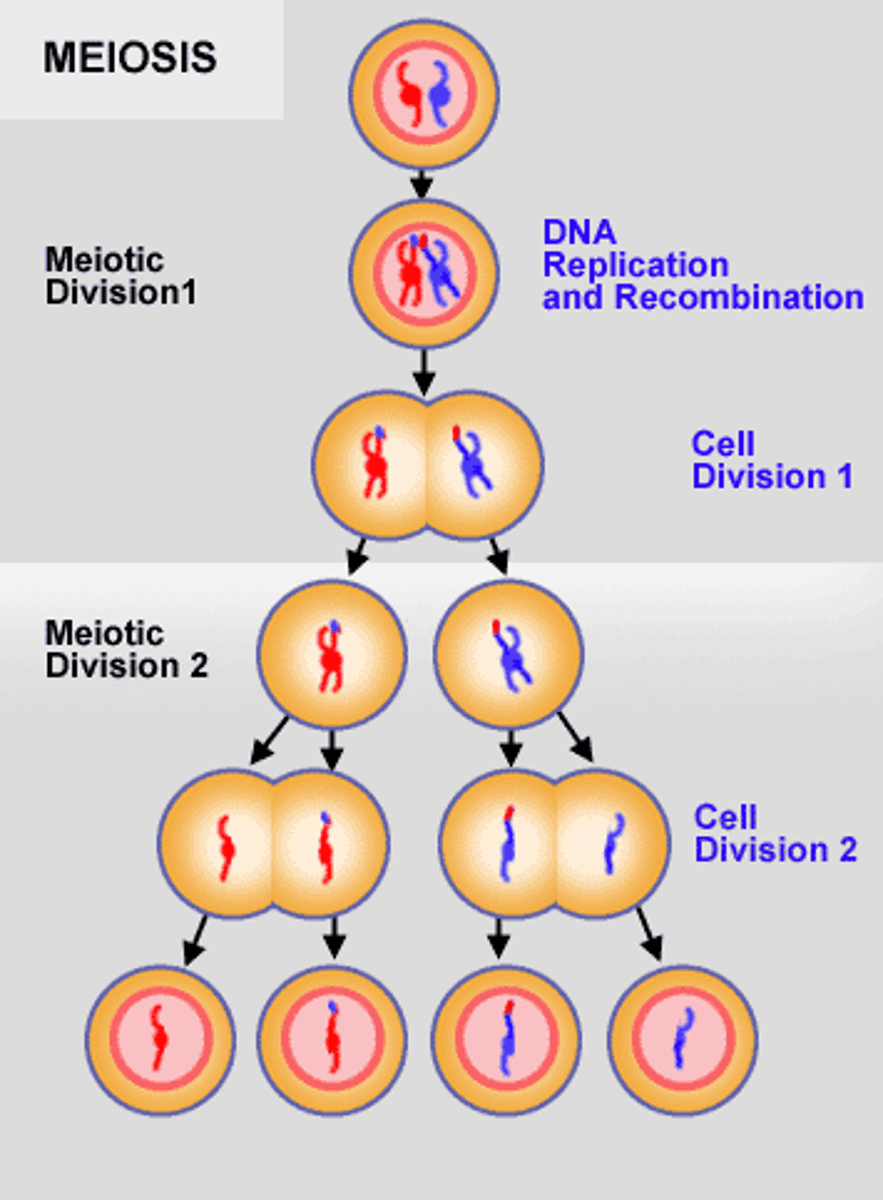
meiosis
The process of cell division that produces gametes
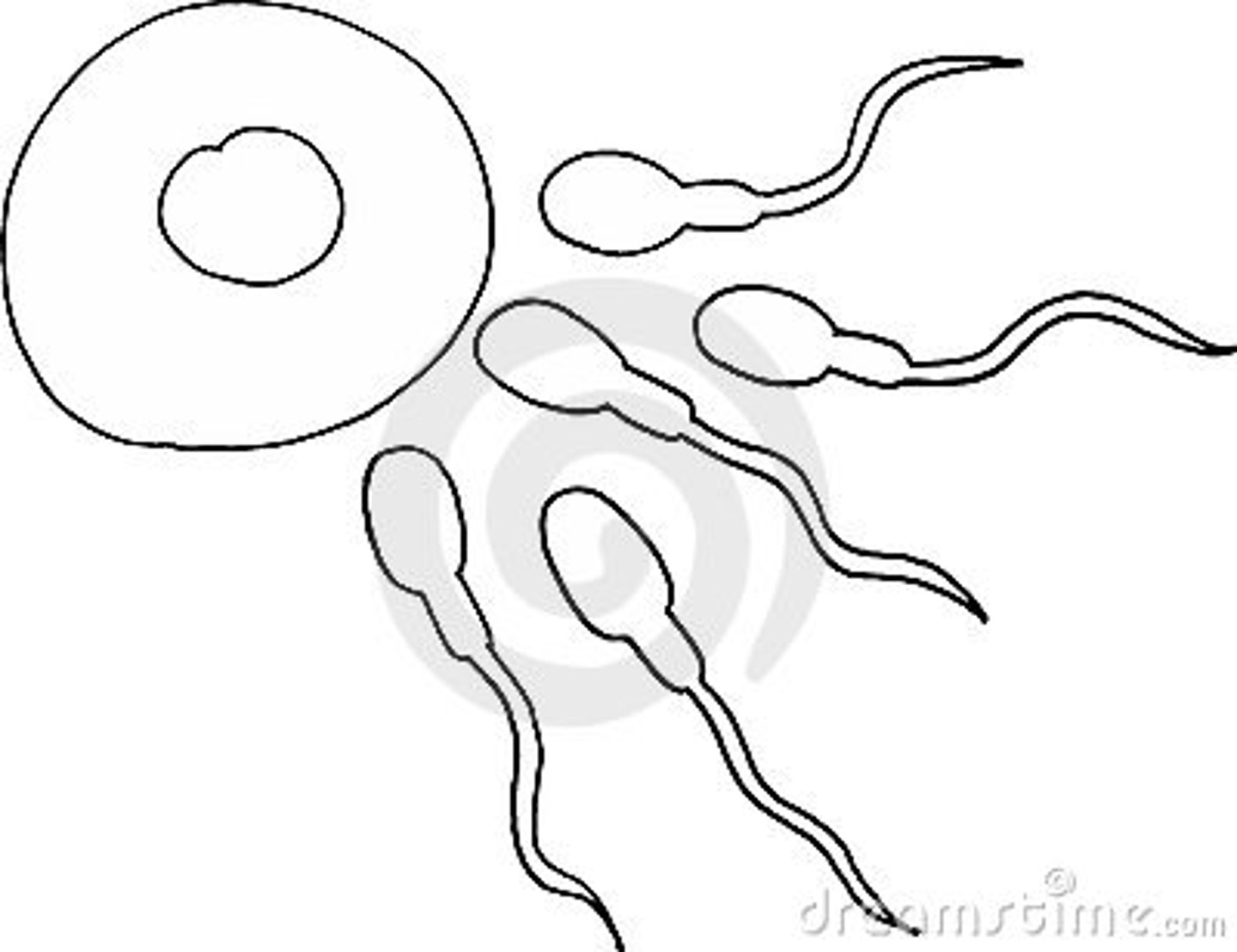
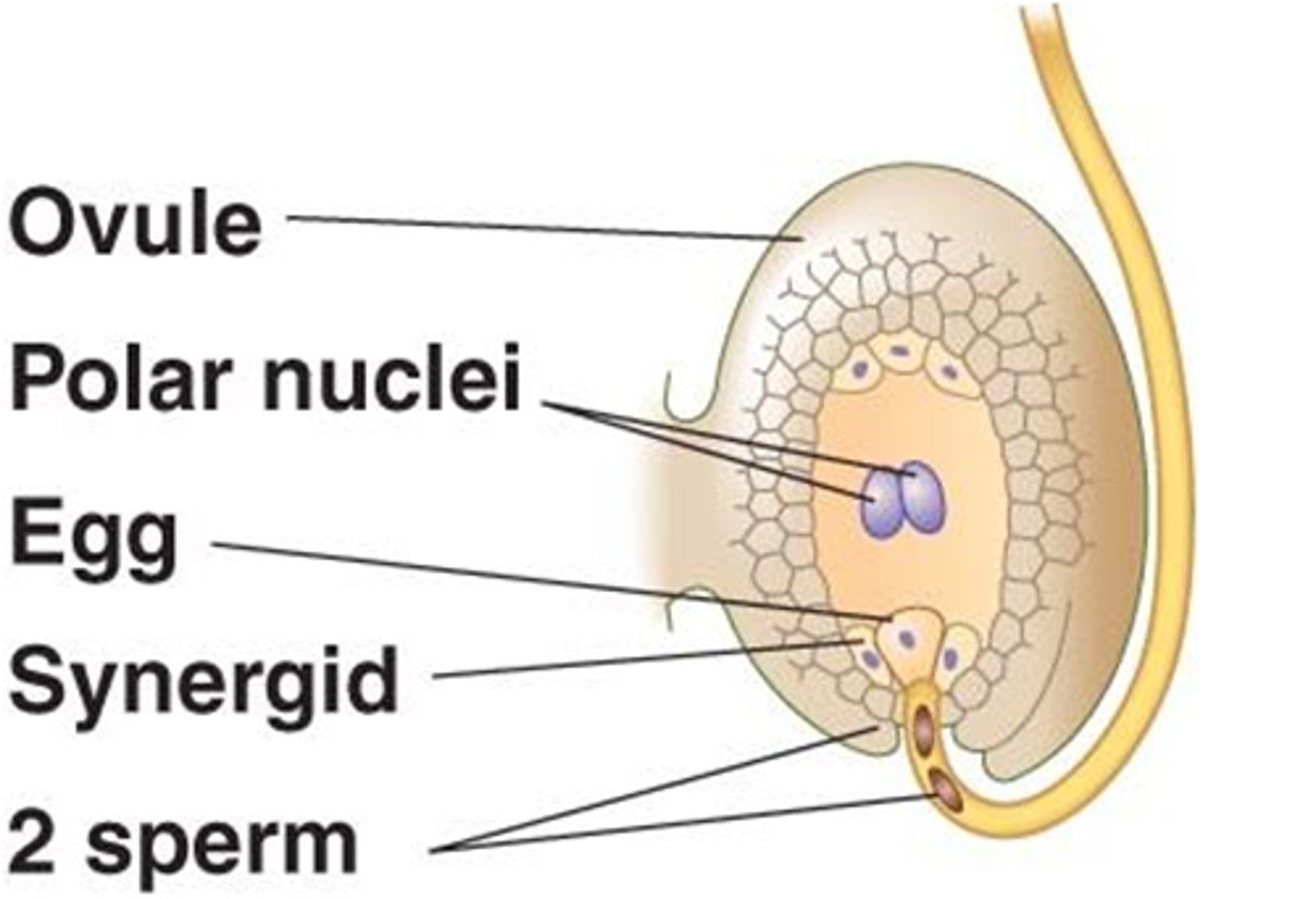
fertilization
The sperm from a male meets an ovum from a female and forms a zygote.
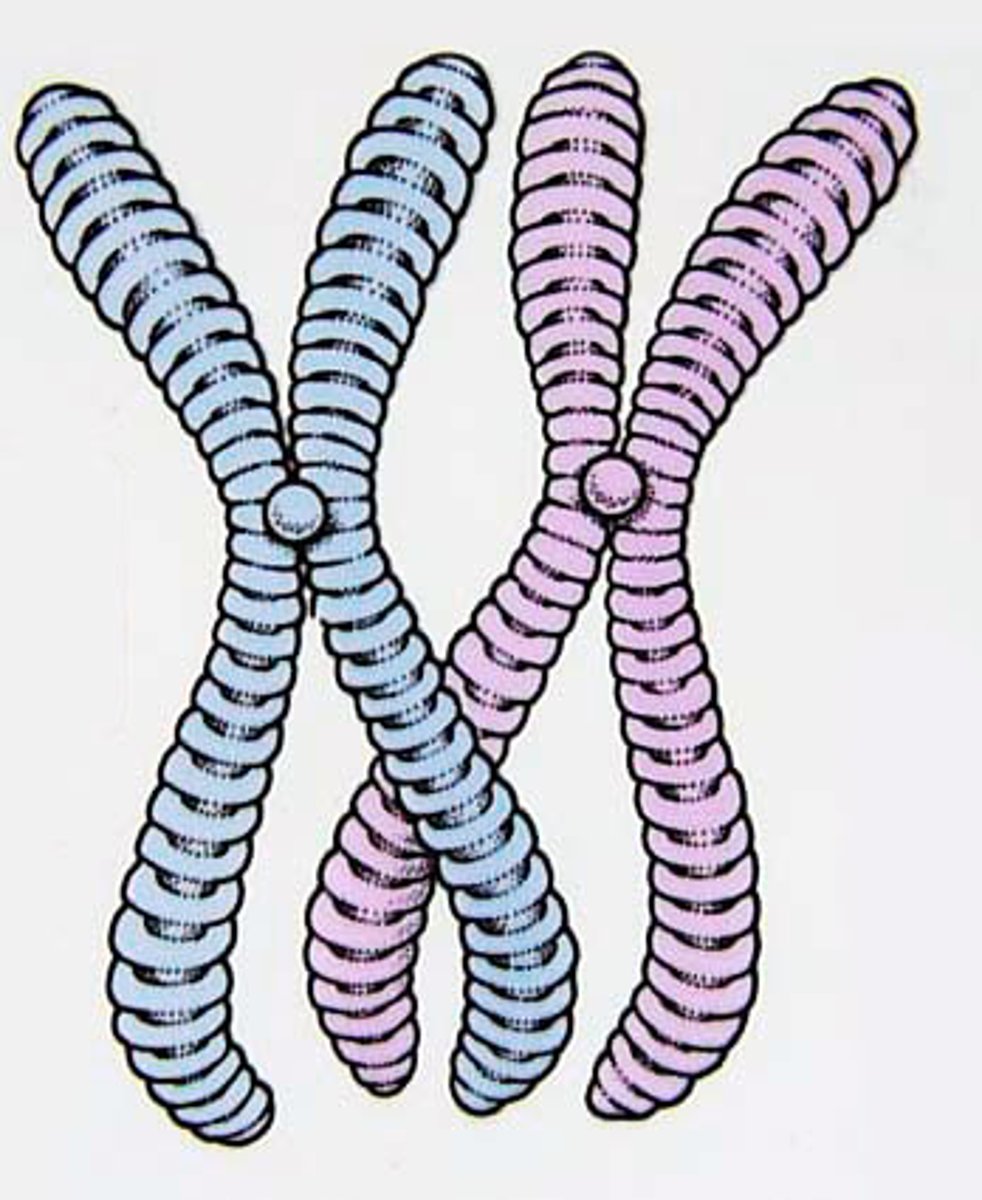
chromosomes
- A structure found inside the nucleus of a cell.
- Made up of proteins and DNA organized into genes
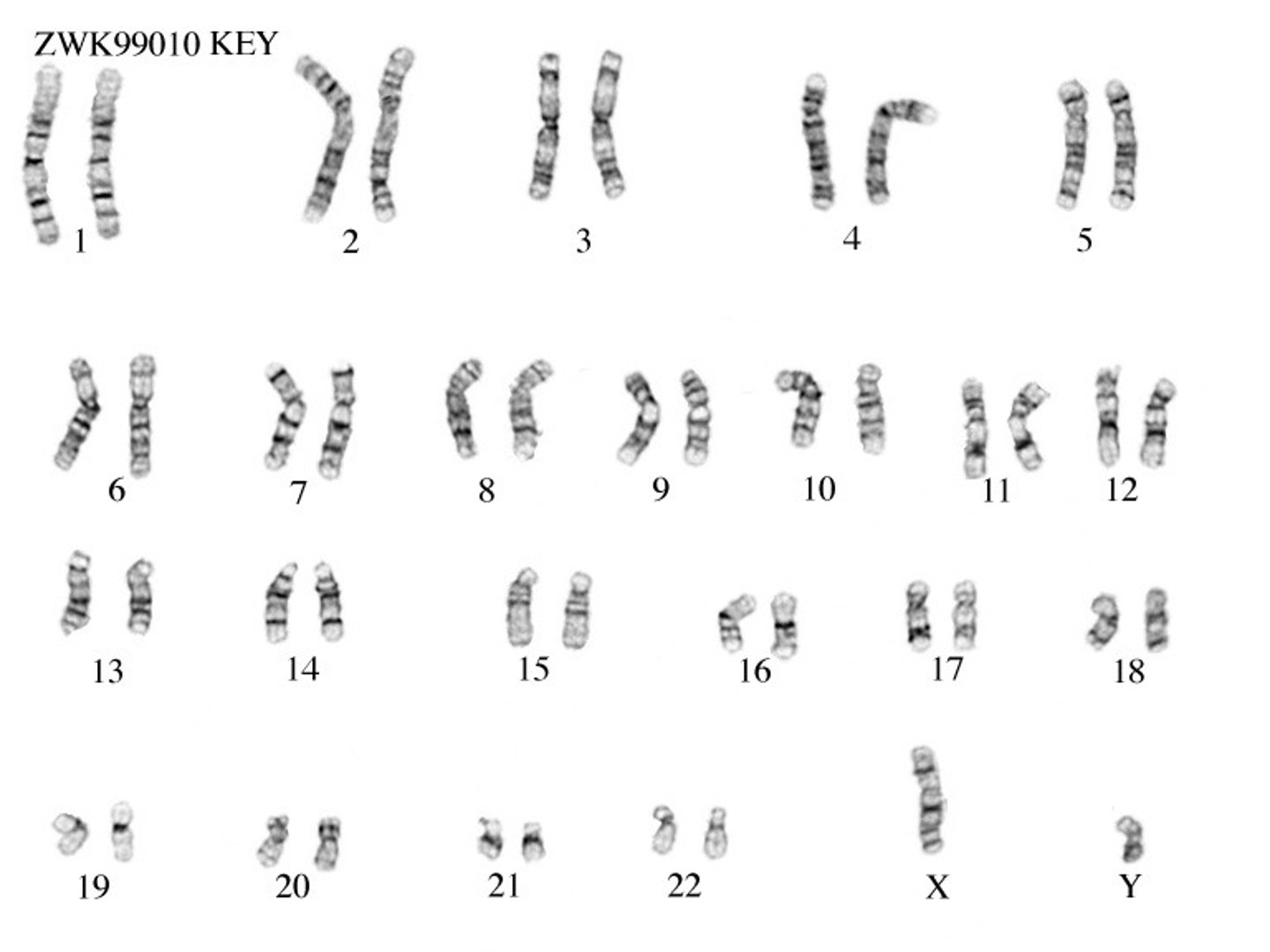
23 pairs
How many pairs of chromosomes do humans have?
(egg and sperm cell)
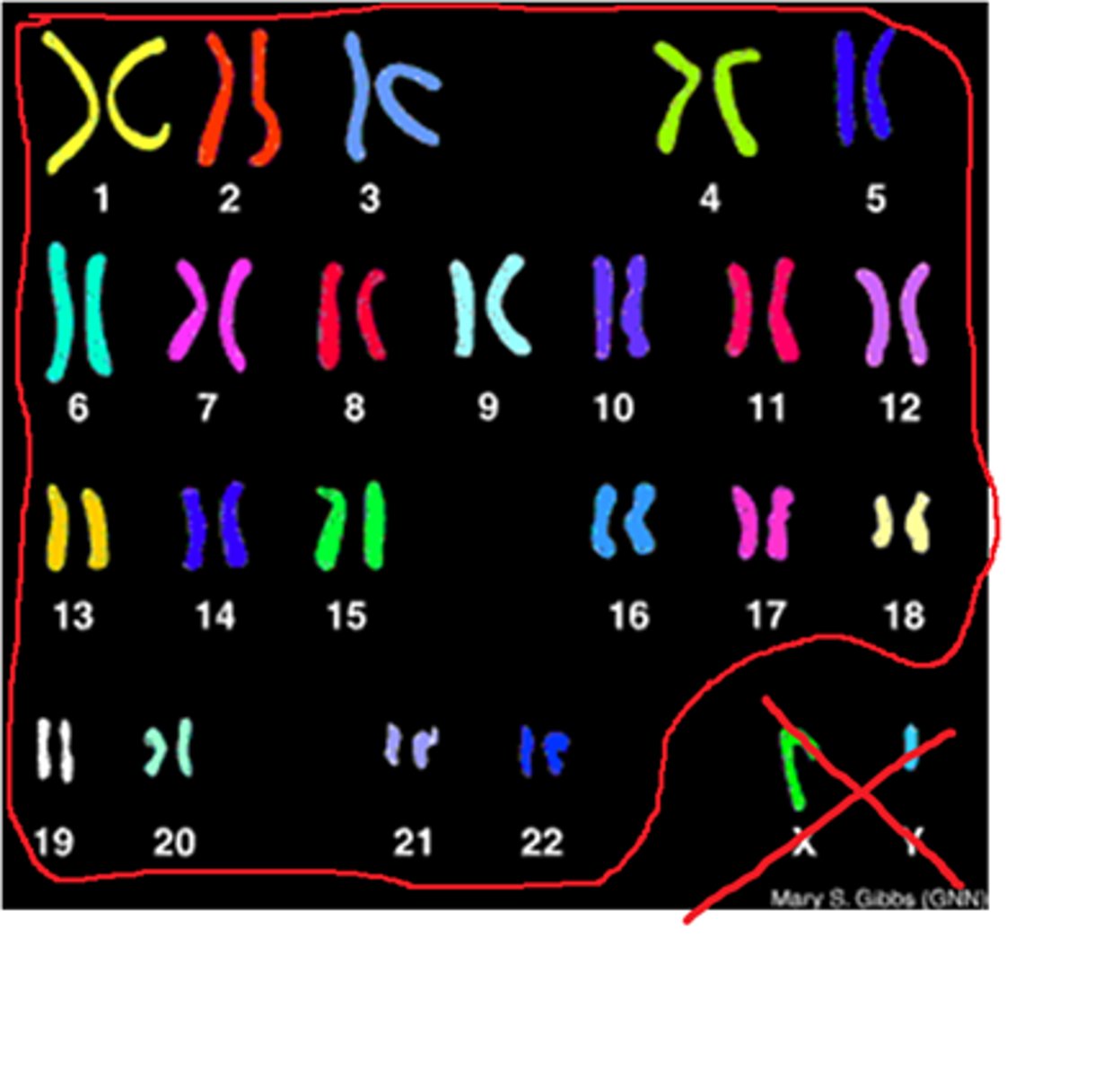
autosomes
22 pairs of chromosome
sex chromosome
23rd pair
genome
entire set of DNA instructions found in a cell
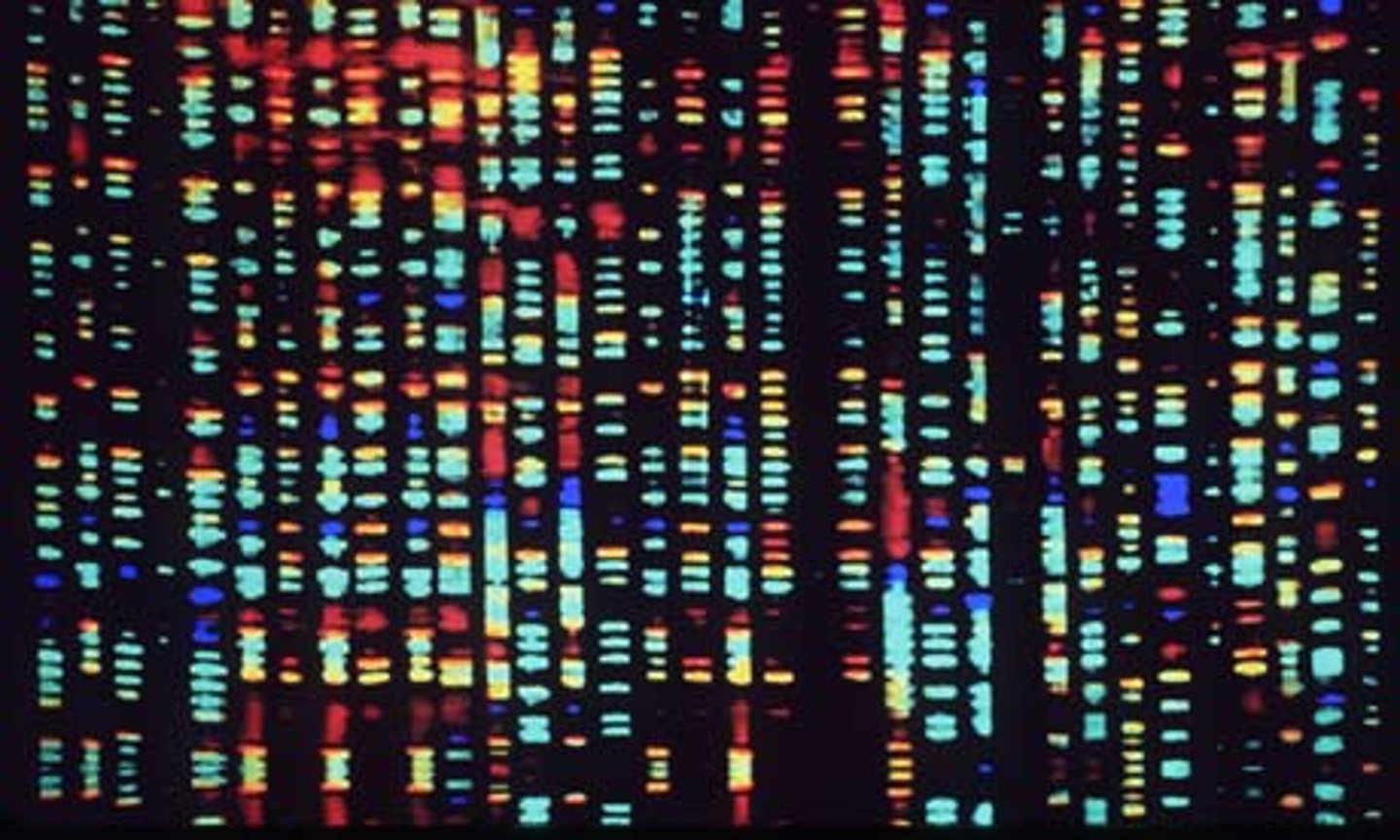
XX
female
XY
male
Epigenetics
- The study of all mechanisms of inheritance other than the genetic code and its expression
- The study of changes in gene activity/expression caused by environmental mechanisms without changing the underlying DNA sequence.
Example: DNA methylation blocking gene transcription due to early childhood stress exposure
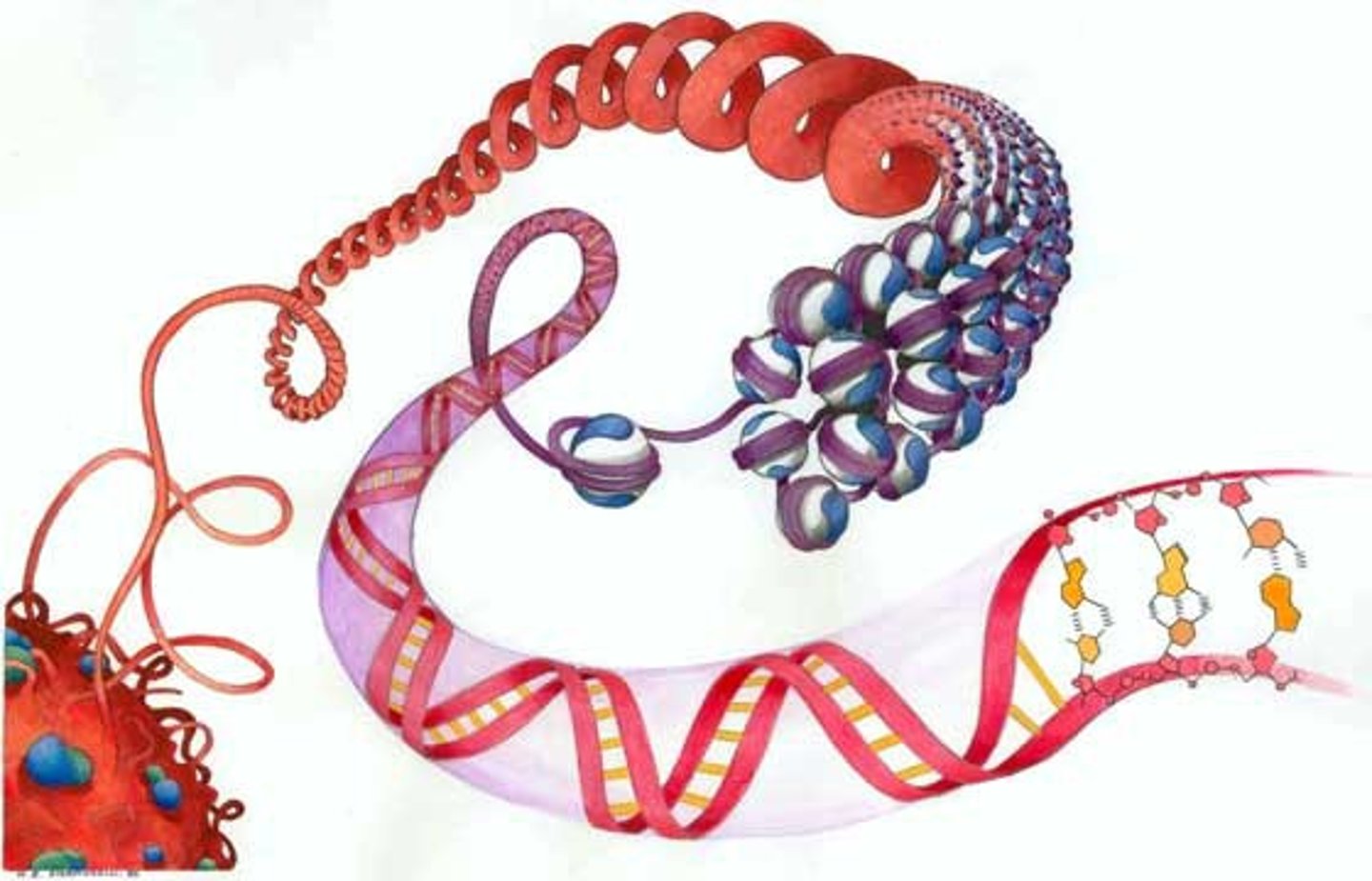
Epi
- means "above" or "on top of" the genetic sequence.
Heritability Estimate
- A numerical estimate of the proportion of variability that existed in a particular trait in a particular study as a result of the genetic variation in that study
- A statistic measuring how much variation in a trait among individuals in a specific population is explained by differences in their genes.
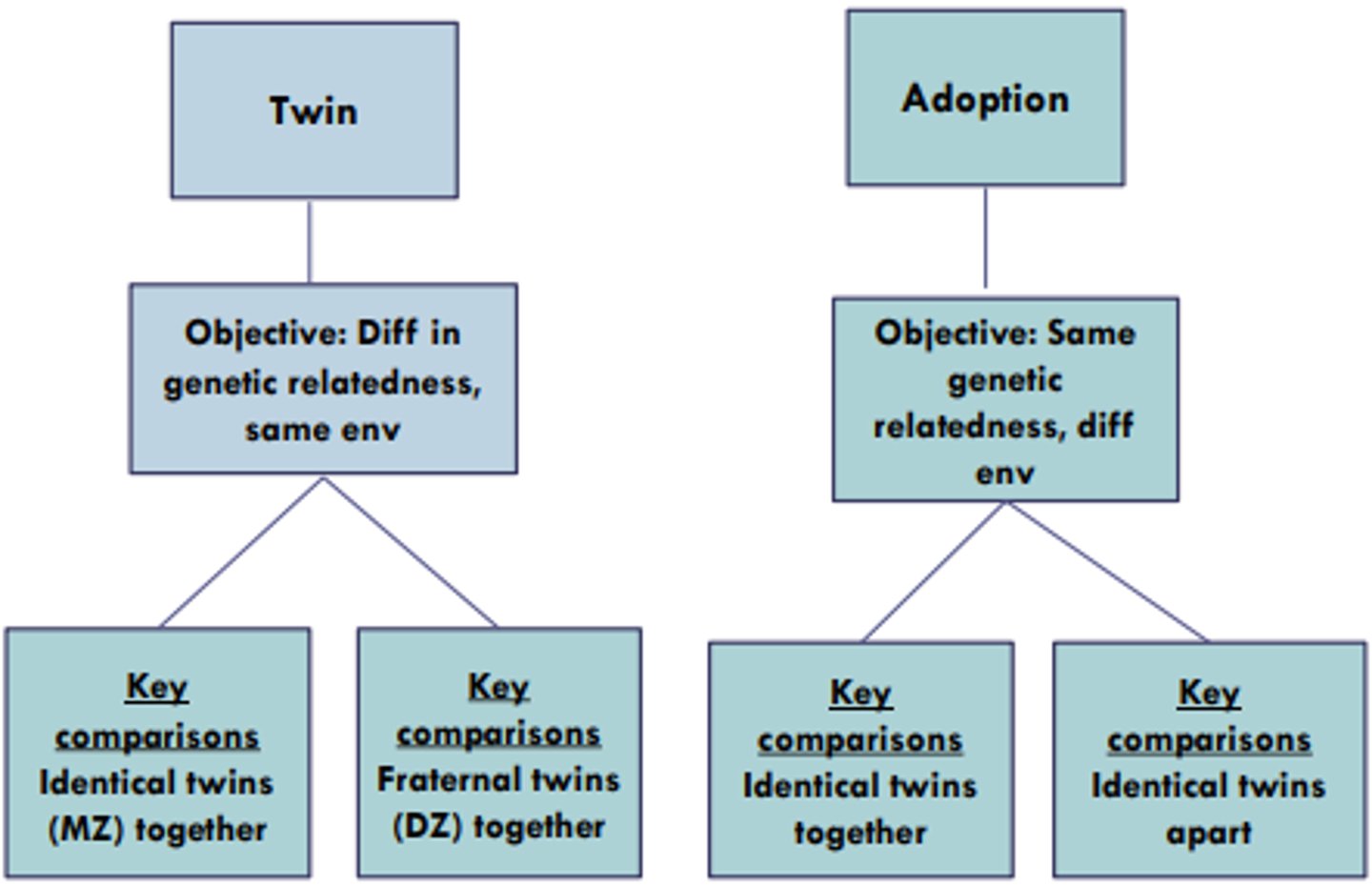
Example: A twin study showing an h^2 estimate of 0.70 for intelligence within a sampled twin group.
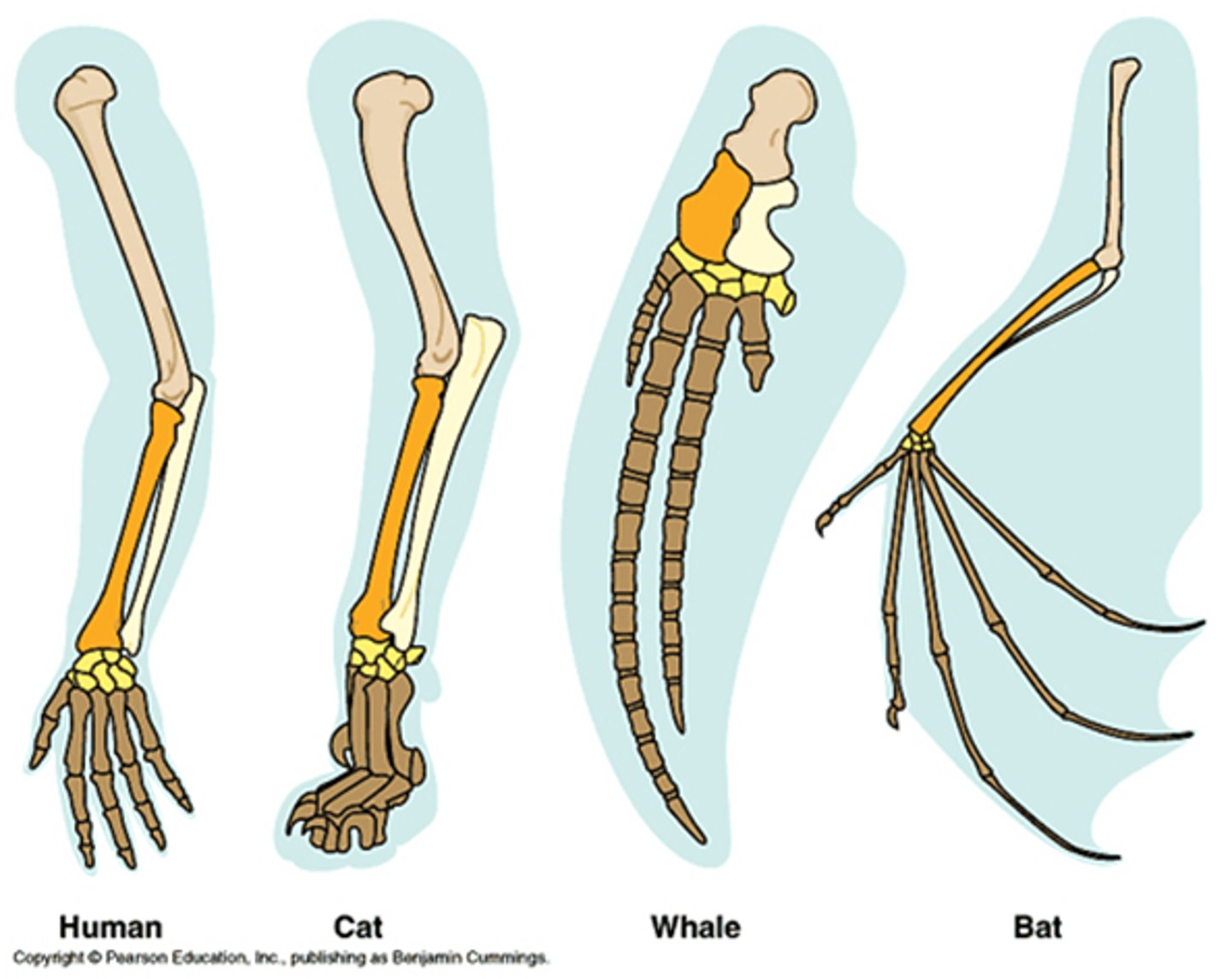
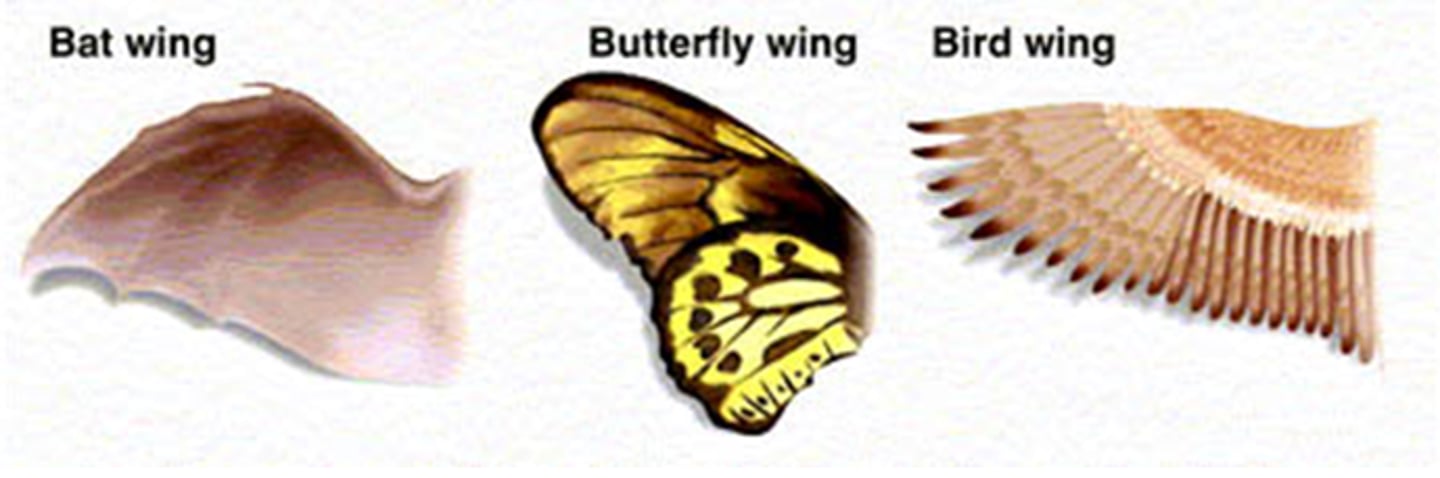
Homologous Structures
- Similar structures that share a common evolutionary origin.
- Shared ancestry.
EX: Human arm and bird wing.
Analogous Structures
- Similar structures that do NOT share a common evolutionary origin.
- Convergent evolution (adapting to similar environmental challenges).
EX: Bird wing and insect wing.
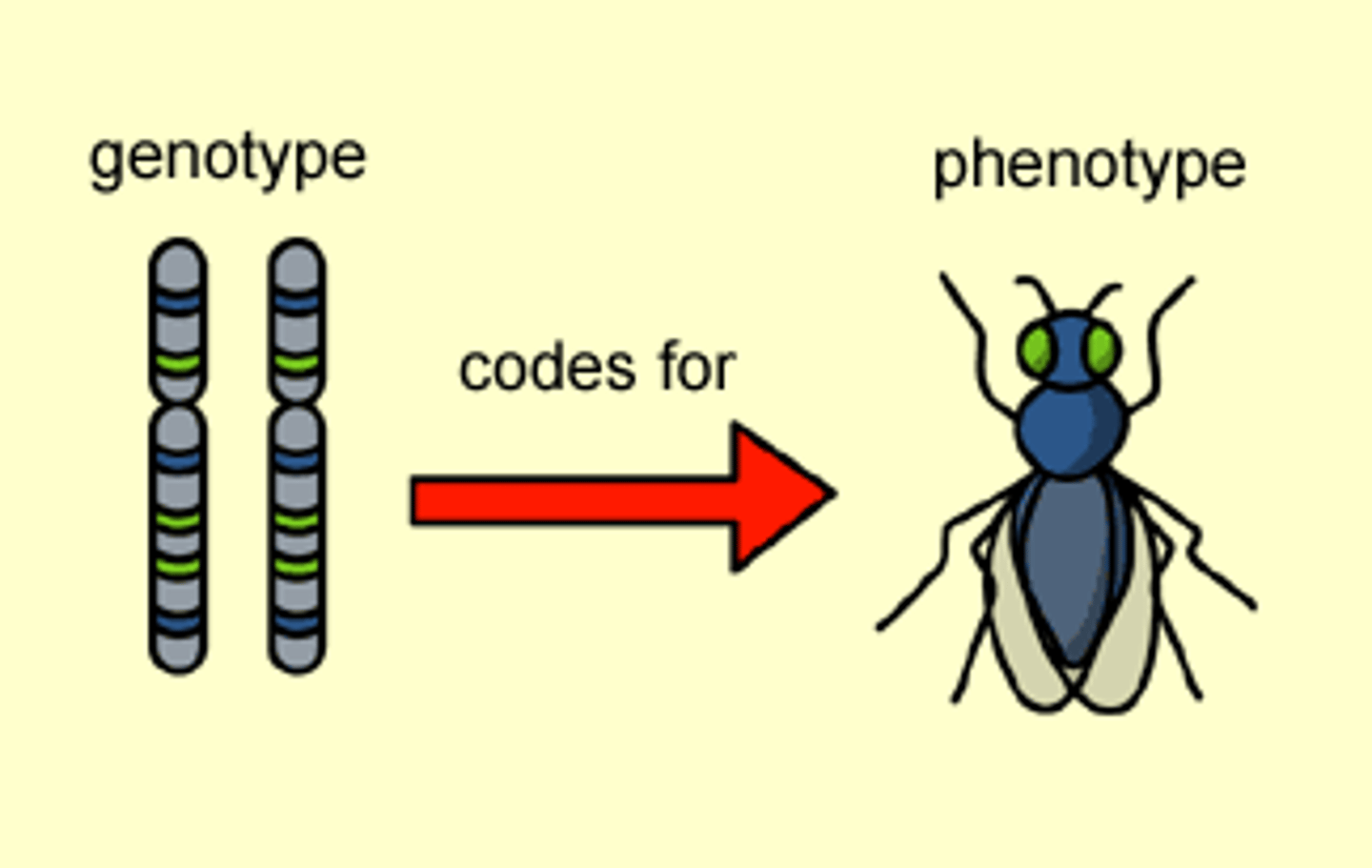
Genotype
- The genetic material that an organism inherits.
- Determined via genetic sequencing / DNA analysis.
- Fixed at conception (excluding mutations).
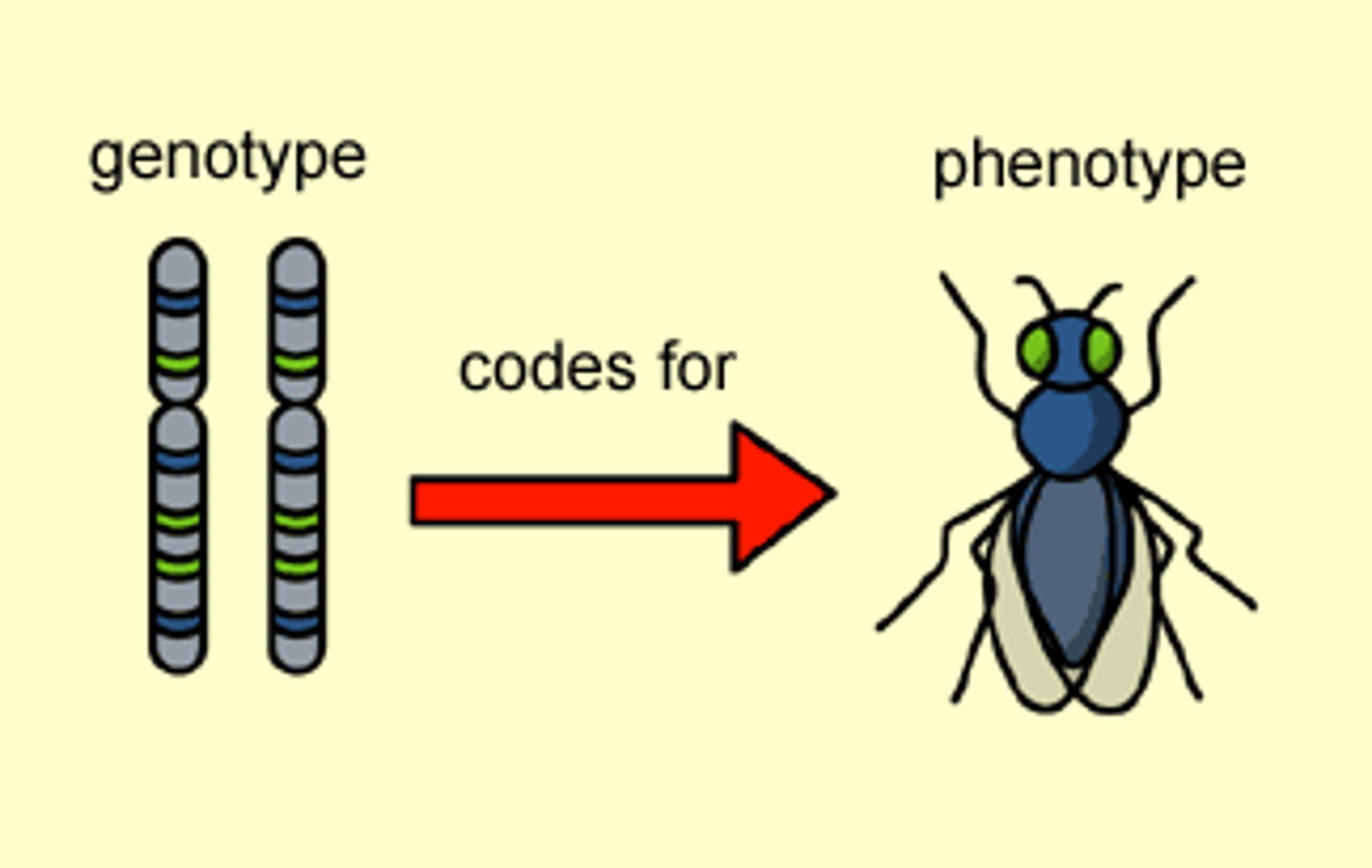
Phenotype
- The observable physical and behavioral traits of an organism.
- Determined via physical measurement or behavioral observation.
- Result of genotype interacting with environment.
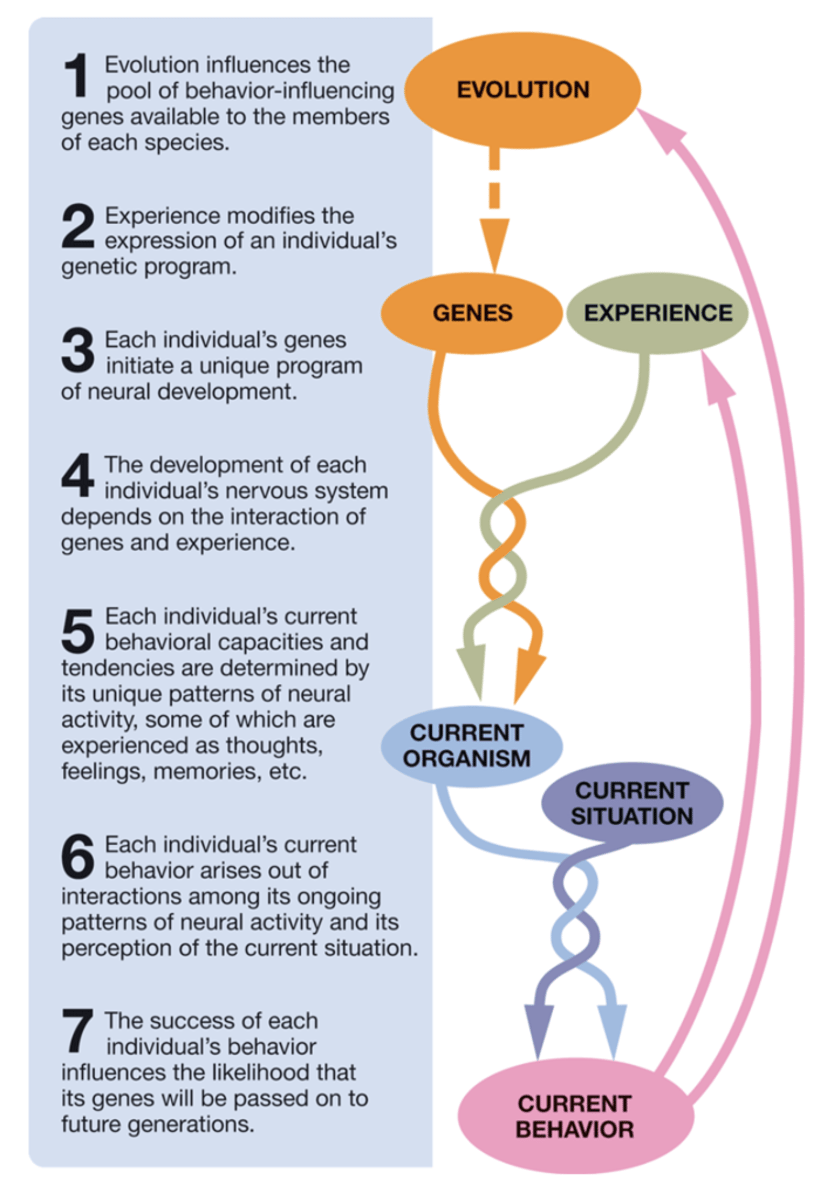
The Model of the Biology of Behavior
- Behavior is not driven strictly by nature vs. nurture. It emerges from three-way interactions:
(1) Evolution (influences genes),
(2) Genes + Experience (influences neurodevelopment)
(3) Current Organism state + Current Situation (produces current behavior).
- Who we are and how we act isn't just born inside us or learned outside; it's a constant loop where evolutionary history, real-life environment, and present brain condition work together.
Chimps and Mirror Self-Recognition
Chimpanzees provided with mirrors initially responded aggressively to reflection as a stranger, but over time learned to use the mirror to groom unseeable parts of their bodies. When marked with odorless dye under anesthesia, chimps touched the dye mark on their own heads while looking at the mirror, showing nonhuman self-awareness.
Phenylketonuria (PKU)
Single-gene recessive metabolic disorder causing accumulation of phenylalanine due to lack of phenylalanine hydroxylase enzyme. Accumulation leads to severe intellectual disability. However, environmental intervention (placing newborn on a low-phenylalanine diet) prevents disability, demonstrating gene-environment interaction.
Selective Breeding of Maze-Bright and Maze-Dull Rats
Tryon bred rats based on maze errors. After 21 generations, "maze-bright" rats made far fewer errors than "maze-dull" rats. Later, Cooper and Zubek showed that when raised in an enriched environment, maze-dull rats improved significantly and performed almost as well as maze-bright rats, showing environment modifies genetic predisposition.
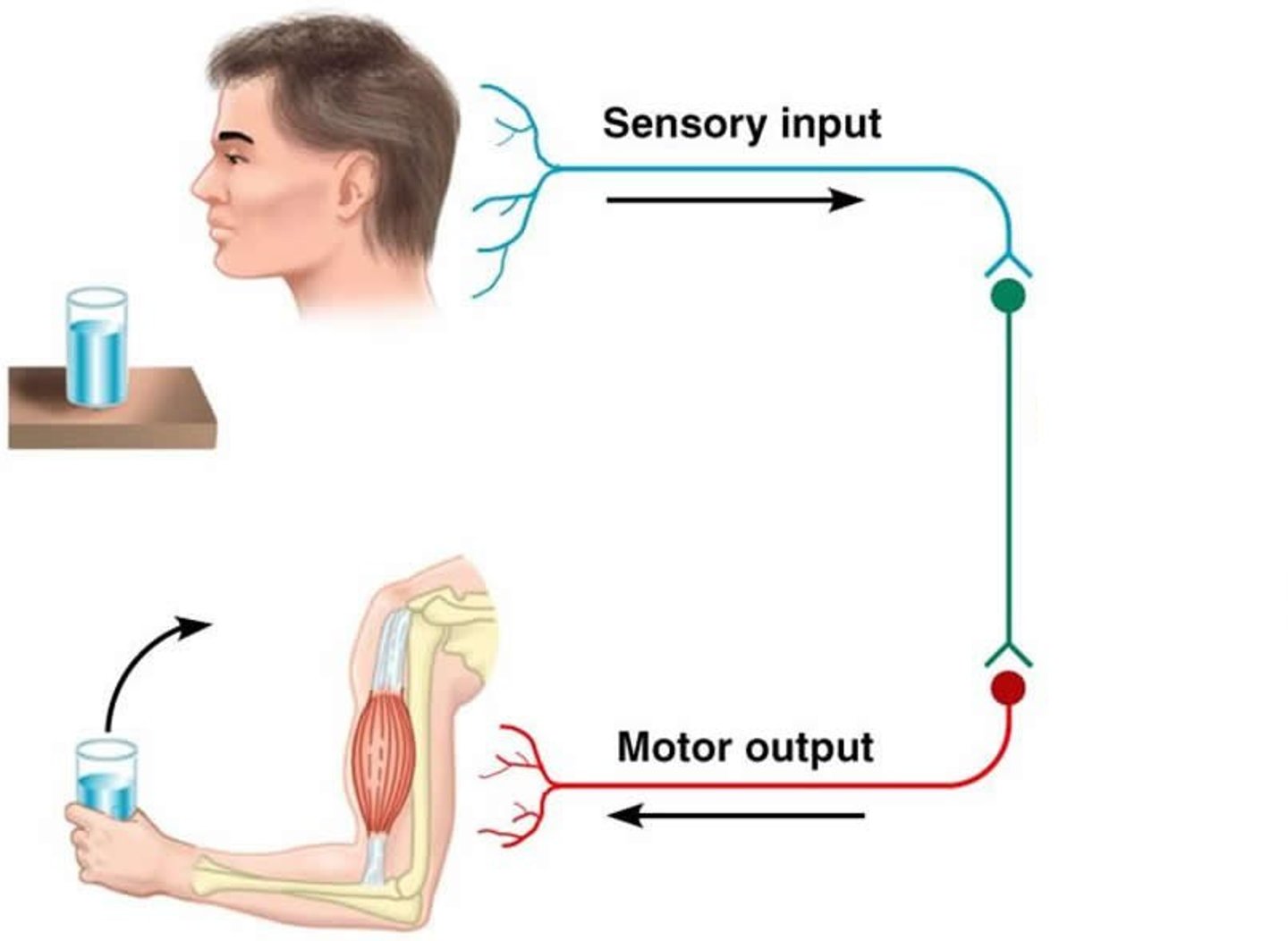
Somatic Nervous System (SNS)
- Interacts with external environment; consists of afferent nerves (sensory signals) and efferent nerves (motor signals to skeletal muscles).
- The body's voluntary nerve system that carries sensory info from outer body parts inward and moves skeletal muscles.
Example: Feeling a cold ice cube on your hand and moving your arm away.
Autonomic Nervous System (ANS)
- Regulates internal environment; consists of sympathetic and parasympathetic nerves.
- The automatic nerve system that controls inner organs and involuntary functions without conscious effort.
Example: Increasing heart rate when scared or digesting food after eating.
dura mater
arachnoid membrane
pia mater
(3) Meninges Layers (Protective Membranes)
Dura Mater
- Tough, outermost membrane ("tough mother").
- The thick, durable outer protective sheet covering the brain.

Arachnoid Membrane
- Spiderweb-like middle layer; subarachnoid space beneath it contains blood vessels and CSF.
- The middle protective layer shaped like a web holding fluid and blood vessels.
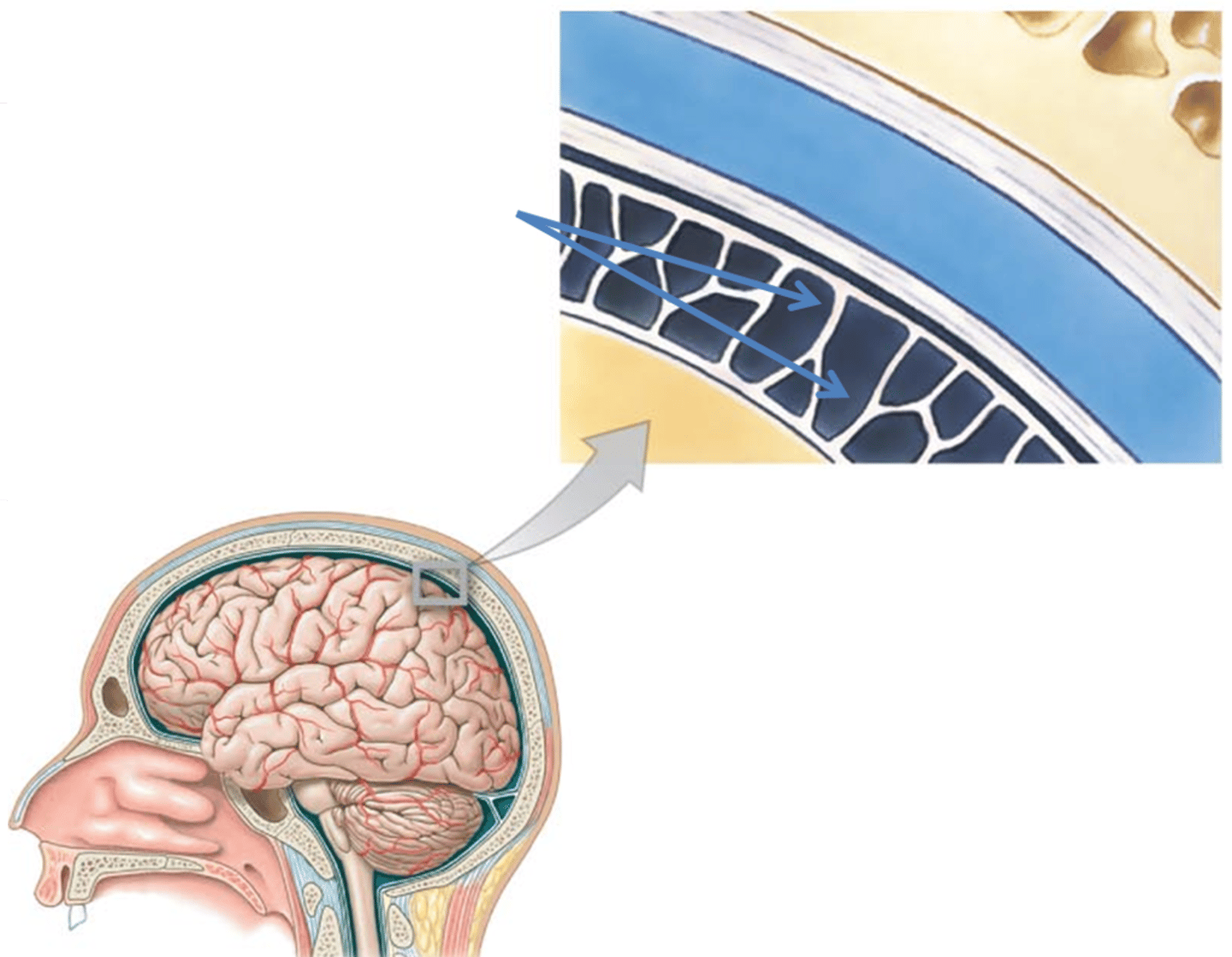
Pia Mater
- Delicate, innermost membrane adhering closely to CNS surface ("pious mother").
- The soft, thin inner skin sticking directly to brain folds.

Oligodendrocytes
Schwann Cells
Microglia
Astrocytes
4 Types of Glial Cells
Oligodendrocytes
- Myelinates axons in the CNS; single cell wraps multiple axon segments.
- Helper cells in the brain/spine that wrap insulating lipid coats around several nerve cables at once.
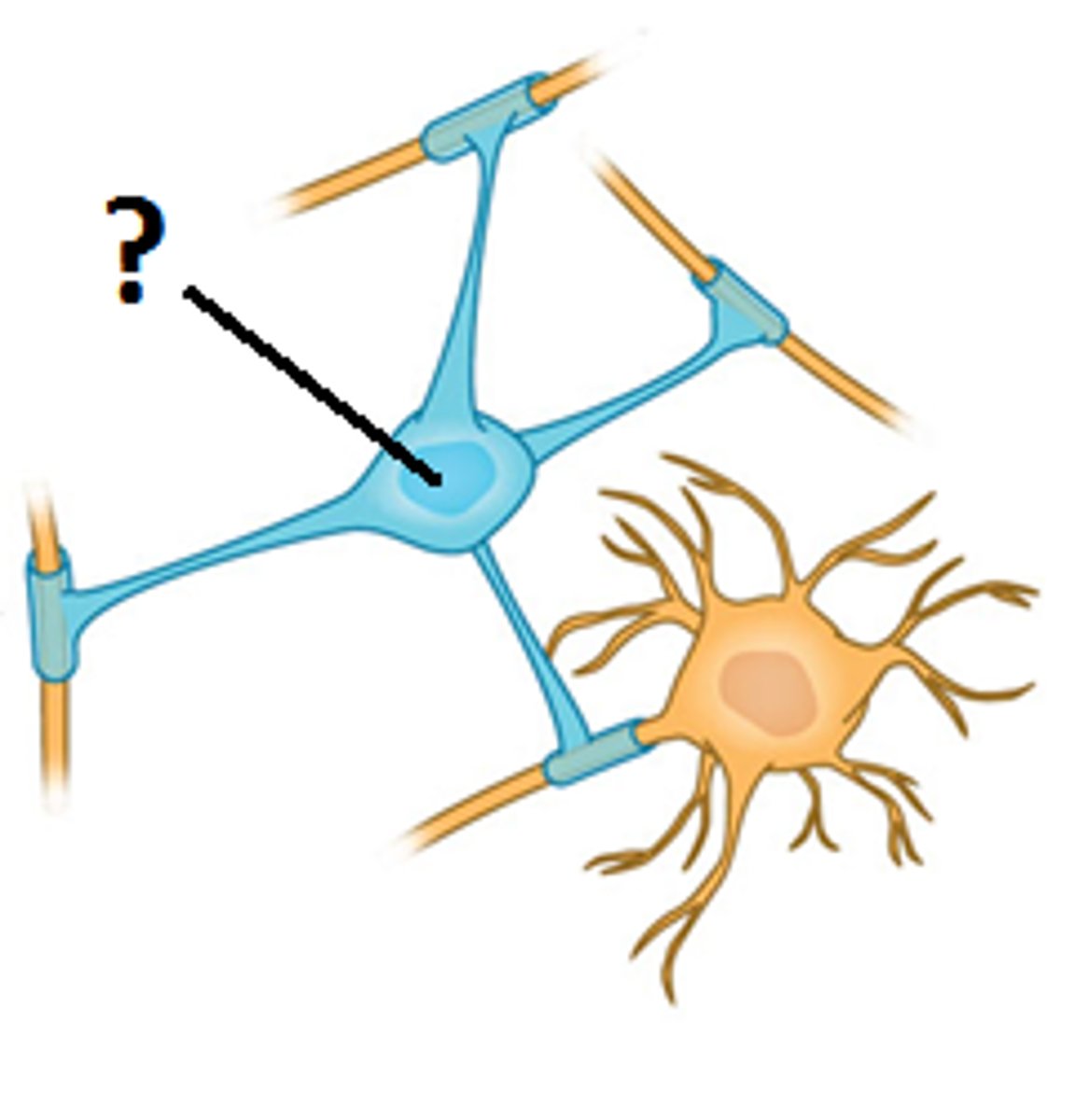
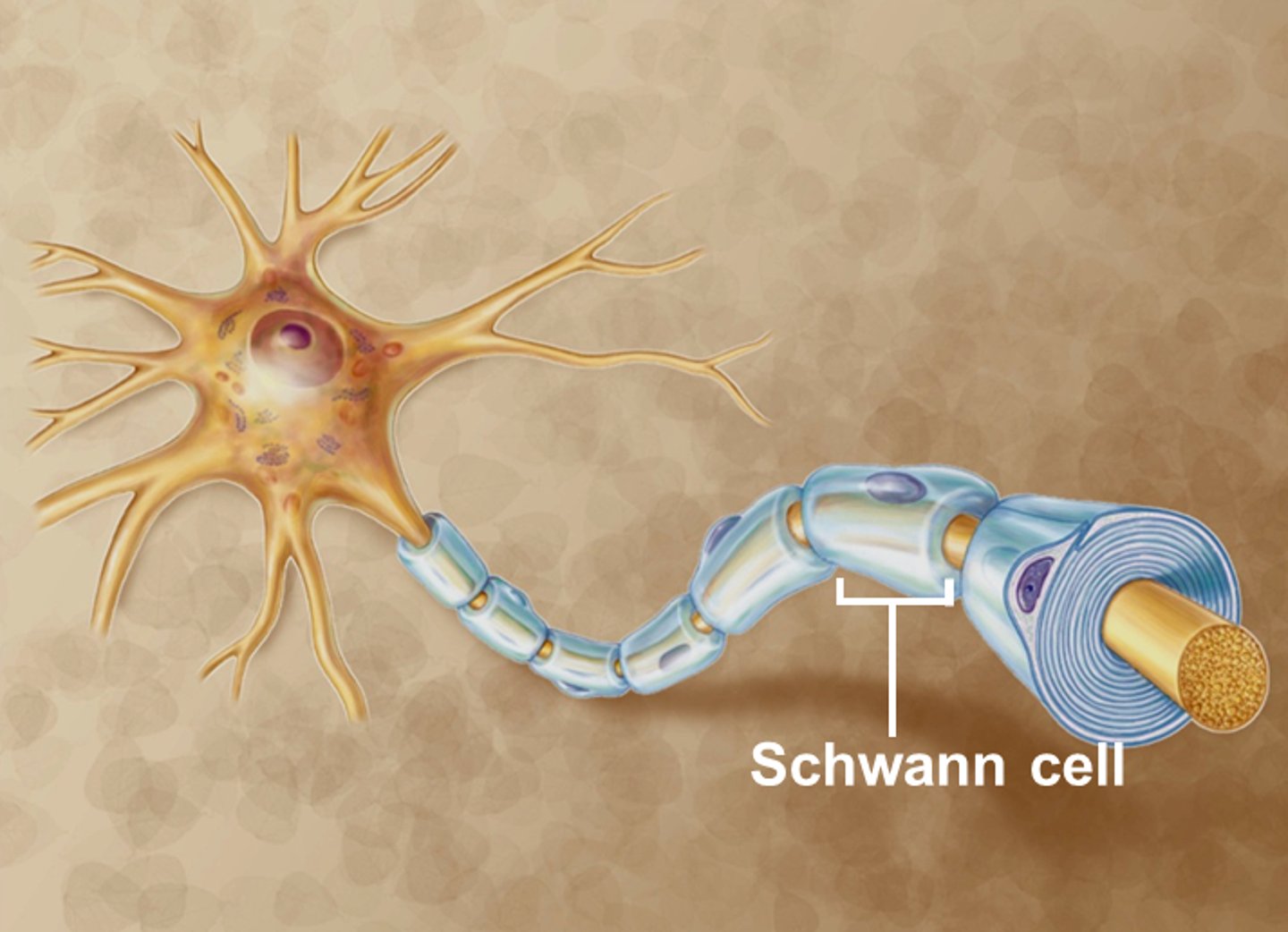
Schwann Cells
- Myelinates axons in the PNS; single cell wraps around only one axon segment and can guide axon regeneration.
- Helper cells outside the brain/spine that insulate single nerve cables and help damaged nerves grow back.
Microglia
- Respond to injury or disease by multiplying and engulfing cellular debris (phagocytosis).
-Tiny clean-up cells that eat dead tissue and combat inflammation.

Astrocytes
- Outer membrane covers blood vessels; passage control, forming blood-brain barrier, regulating synaptic connections.
- Star-shaped cells that block harmful blood chemicals from reaching neurons and support connection points.

Myelencephalon (Medulla)
Metencephalon
Mesencephalon
Diencephalon
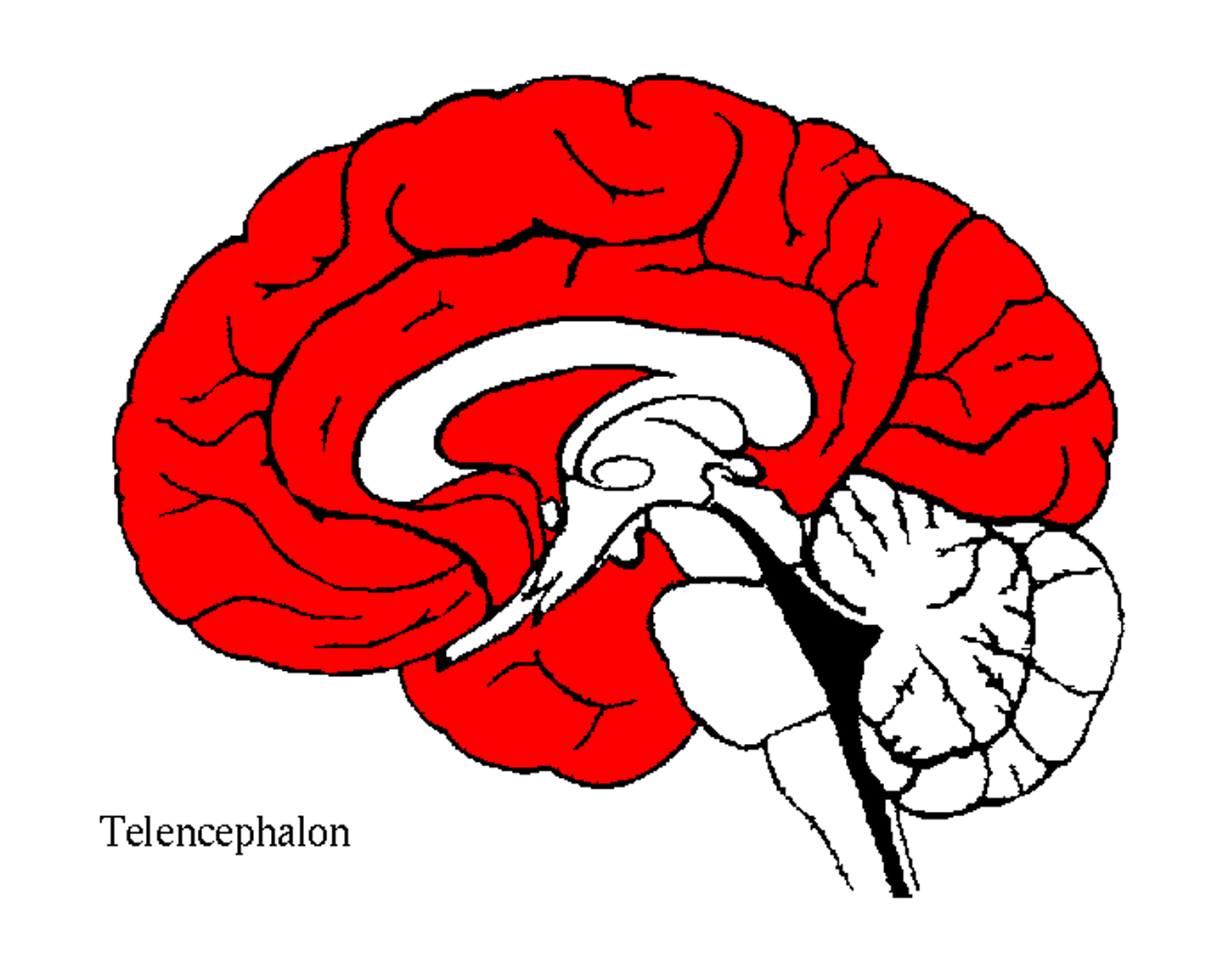
Telencephalon
Five Divisions of the Adult Brain
Myelencephalon (Medulla)
Most posterior; composed mainly of tracts; reticular formation plays role in arousal.
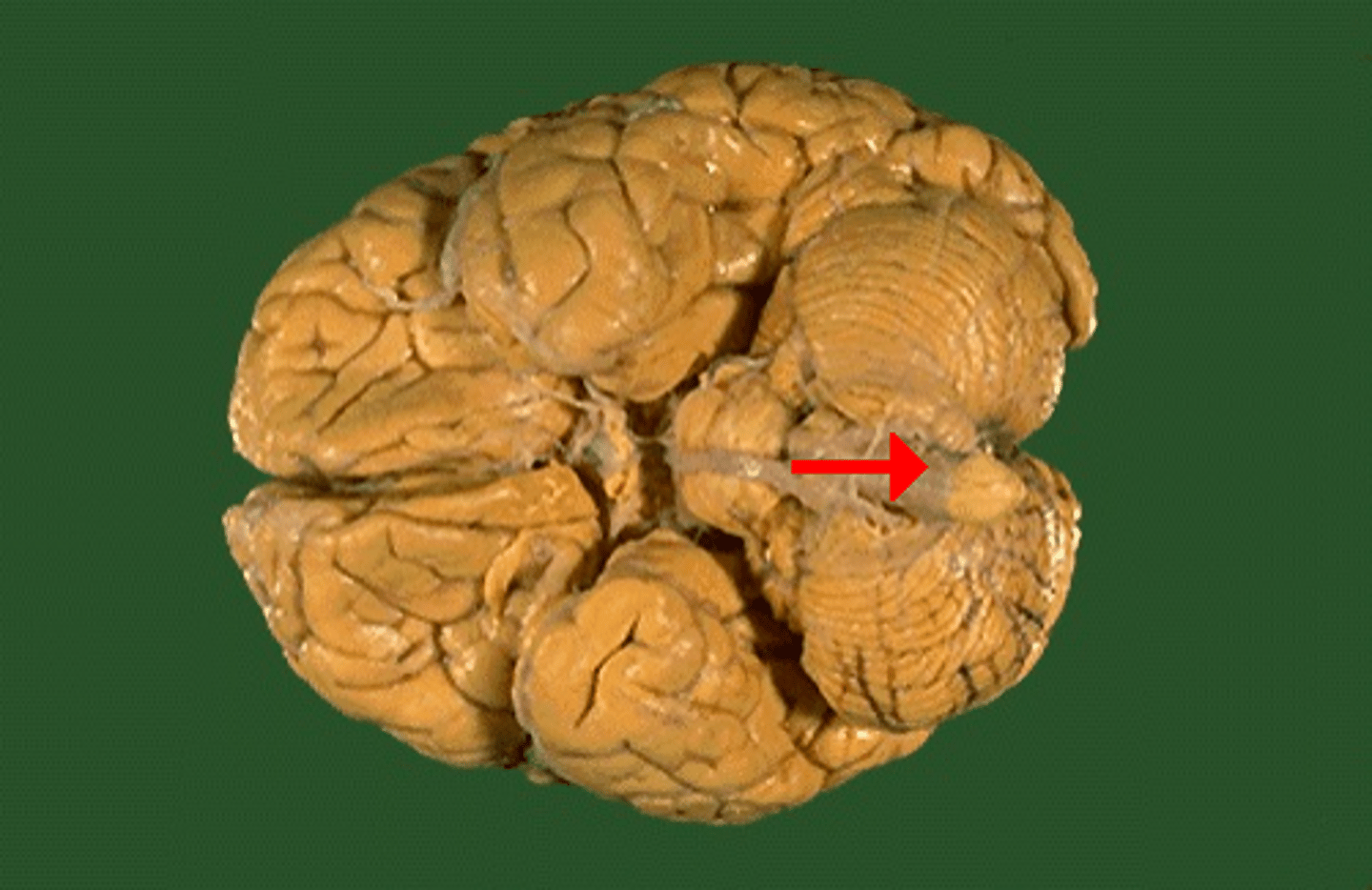
Metencephalon
Contains Pons and Cerebellum (sensorimotor control).
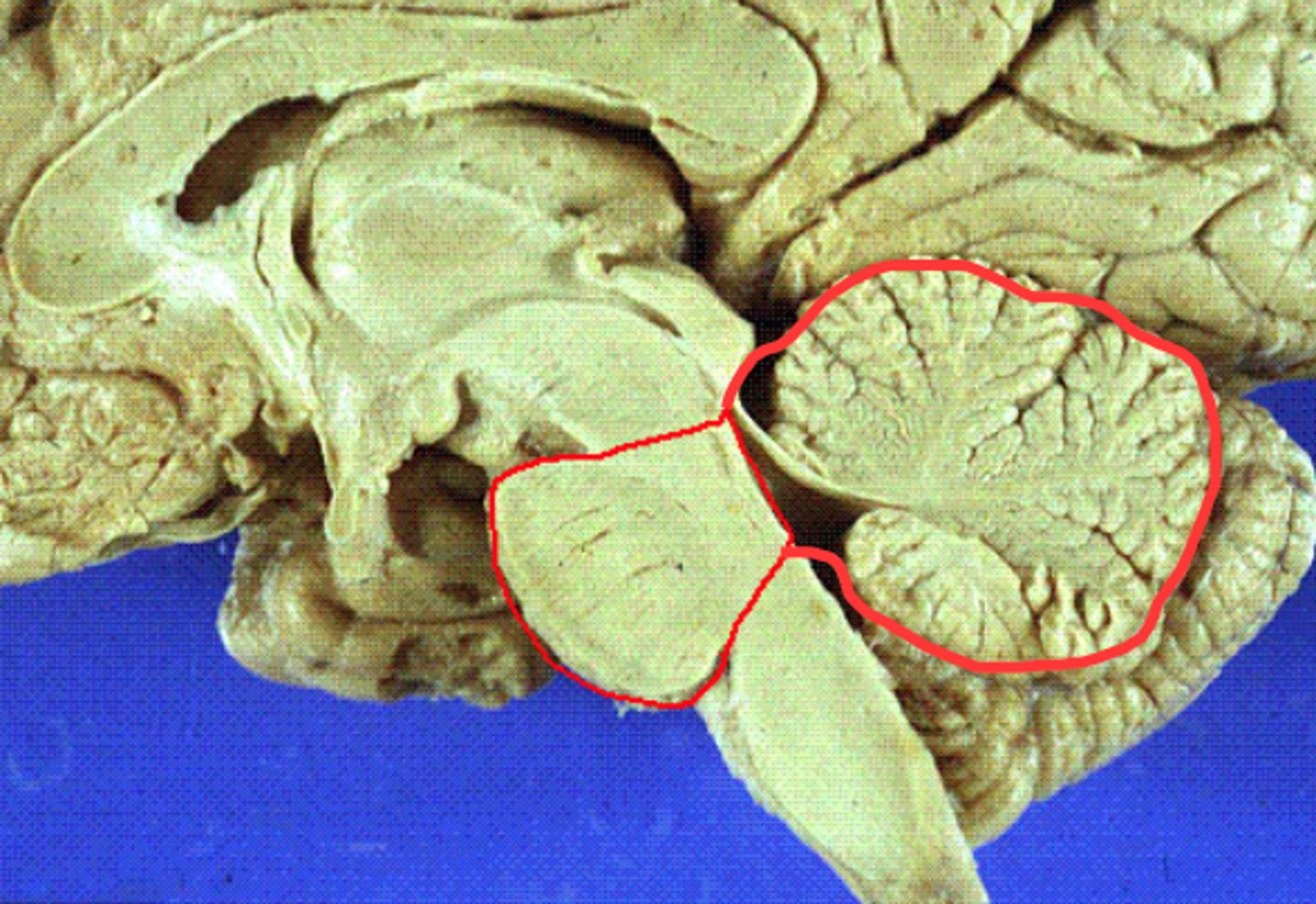
Mesencephalon
- Midbrain; contains Tectum (superior/inferior colliculi) and Tegmentum (periaqueductal gray, substantia nigra, red nucleus).
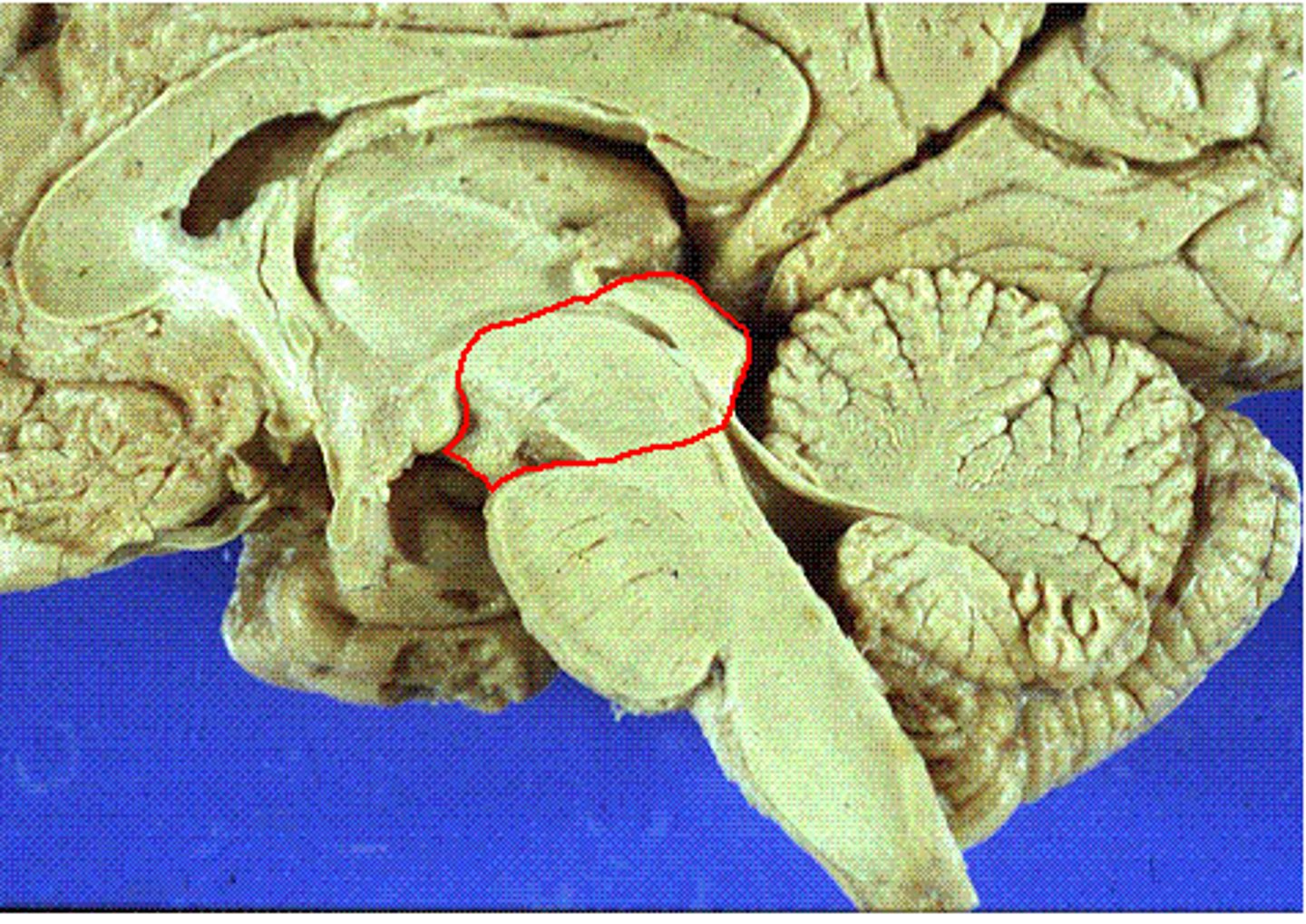
Diencephalon
Forebrain structure; contains Thalamus (sensory relay) and Hypothalamus (pituitary regulation, motivational behaviors).

Telencephalon
Largest division; cerebral cortex, limbic system, basal ganglia.
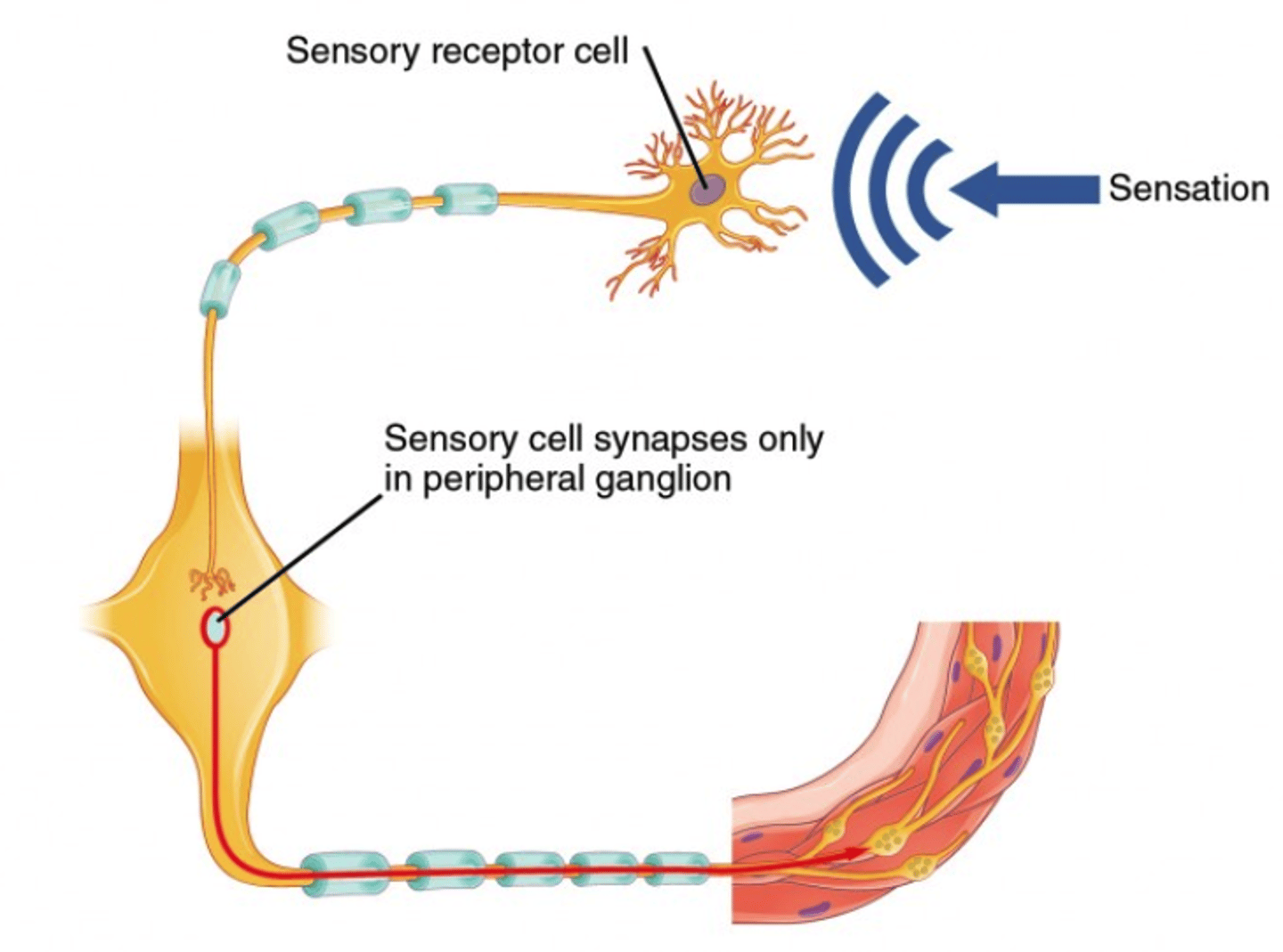
Afferent Nerves
- Carry sensory signals towards the CNS.
- Arriving sensory inputs (skin, eyes, organs).
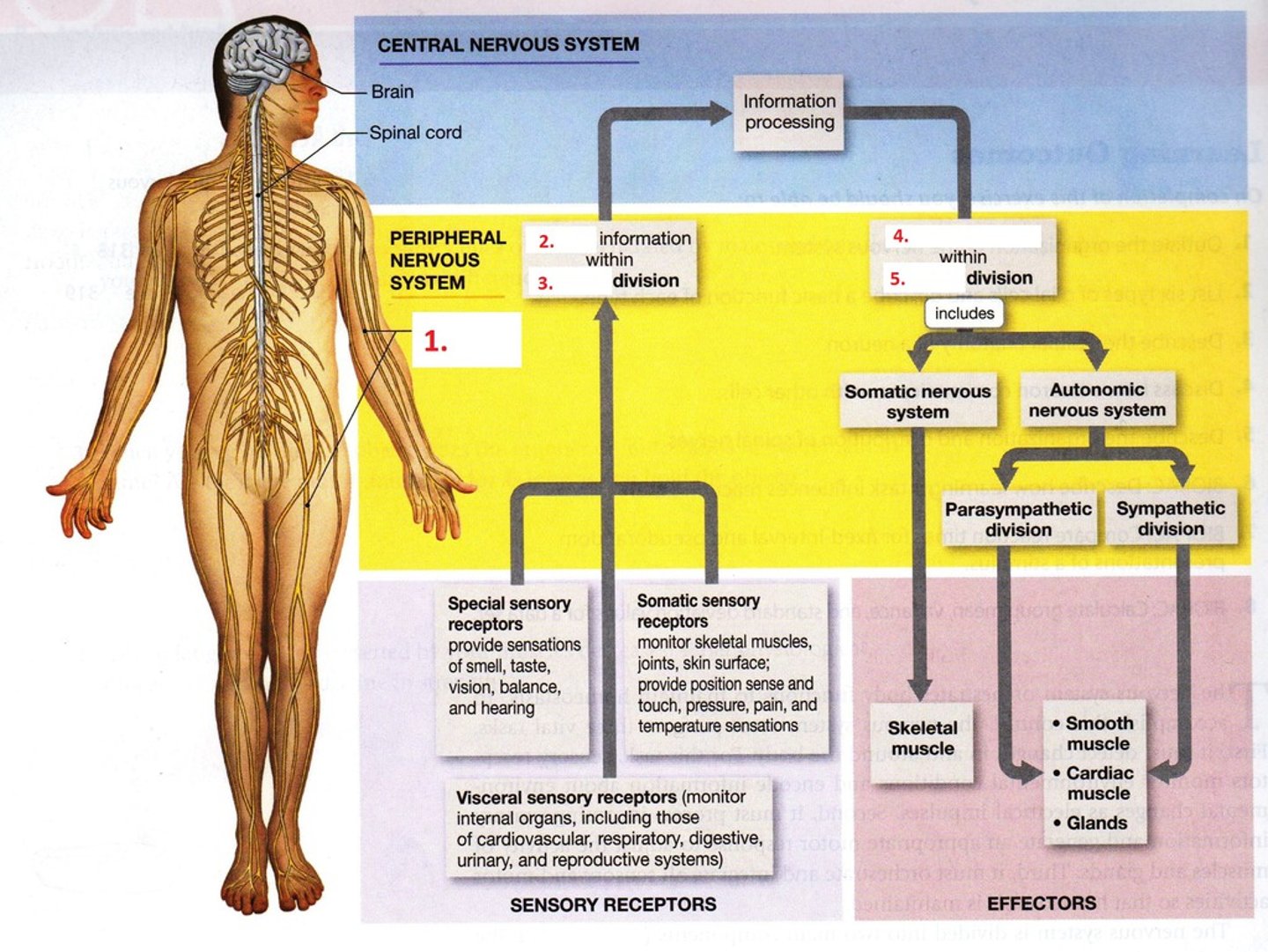
Efferent Nerves
- Carry motor signals away from the CNS.
- Exiting motor outputs (muscles, glands).
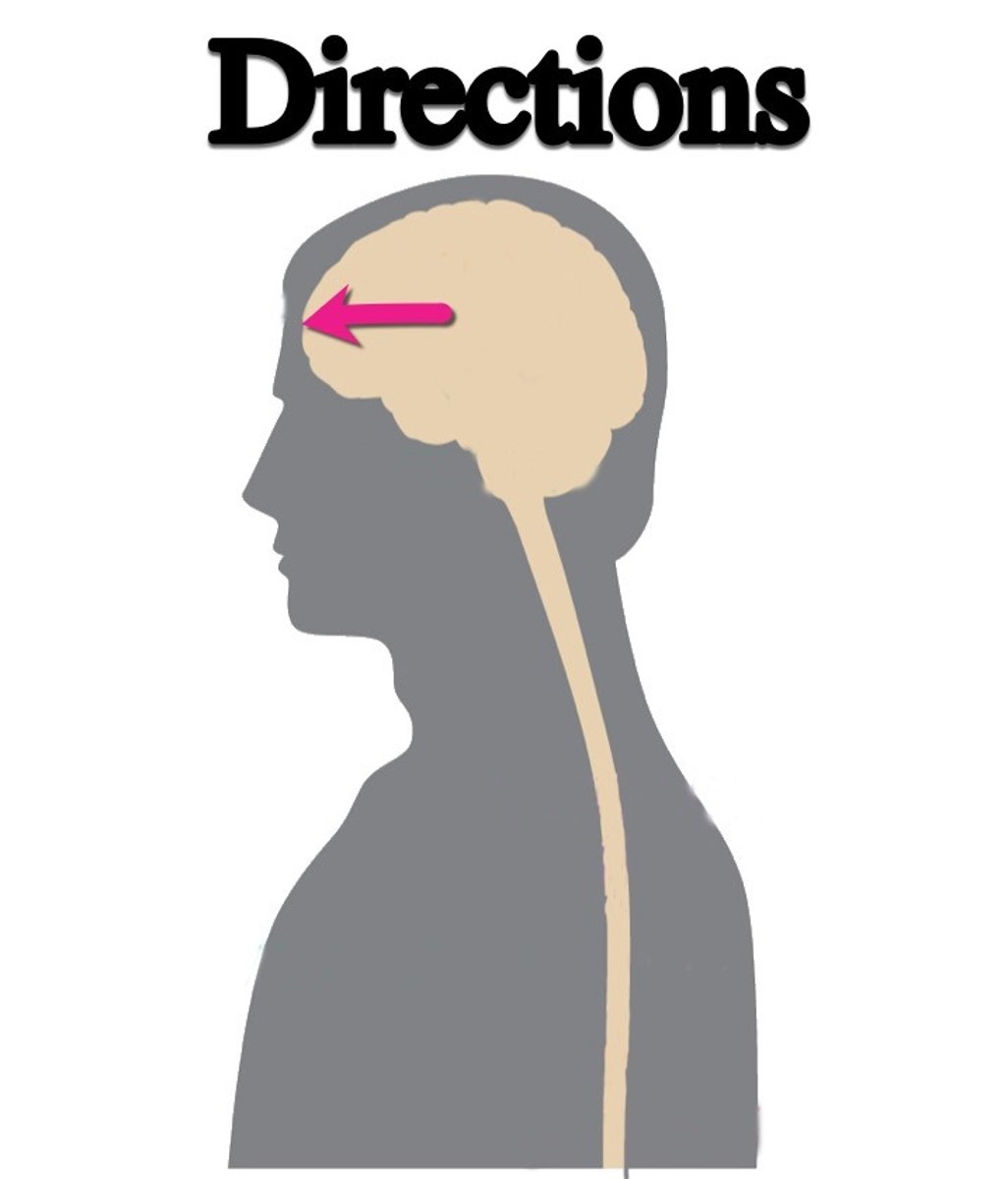
Anterior (Rostral)
Toward the nose/front end.
Posterior (Caudal)
Toward the tail/back end.
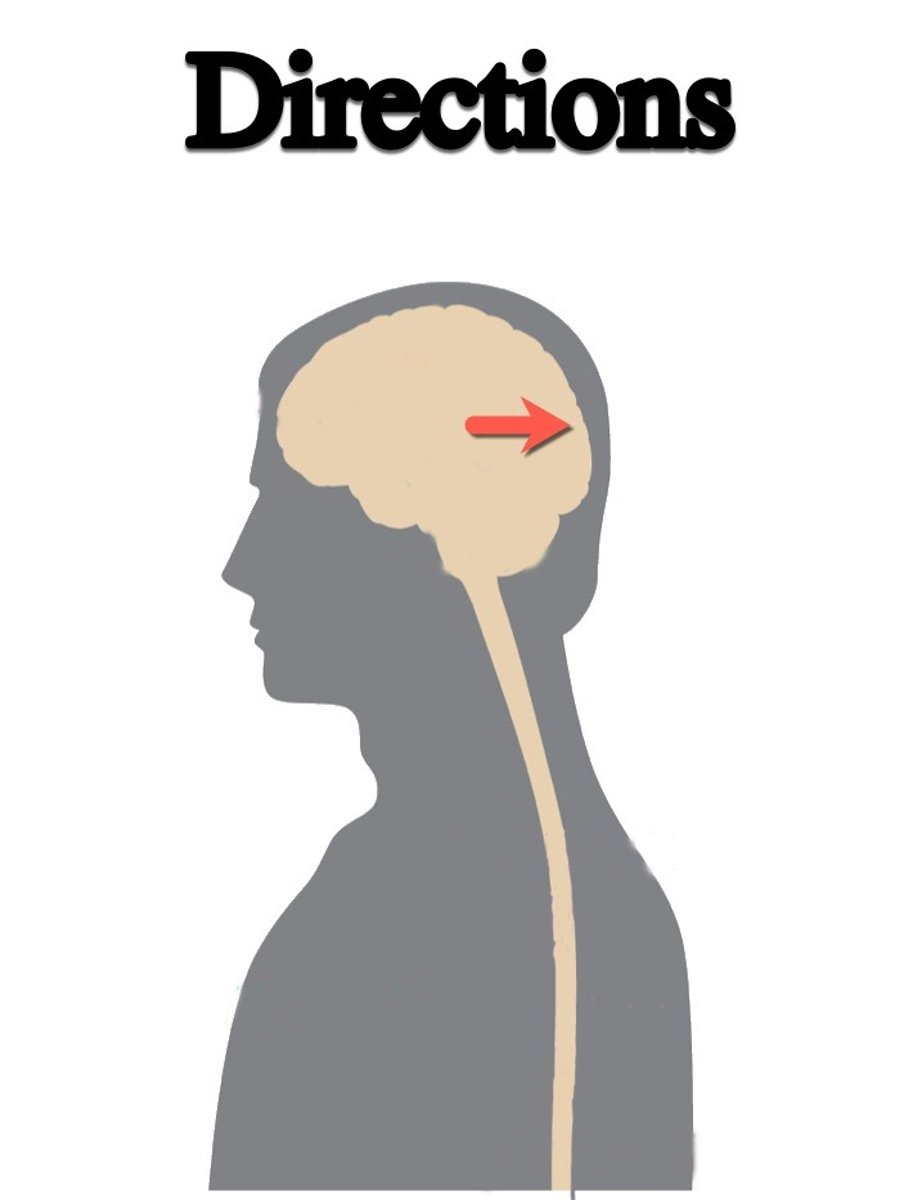
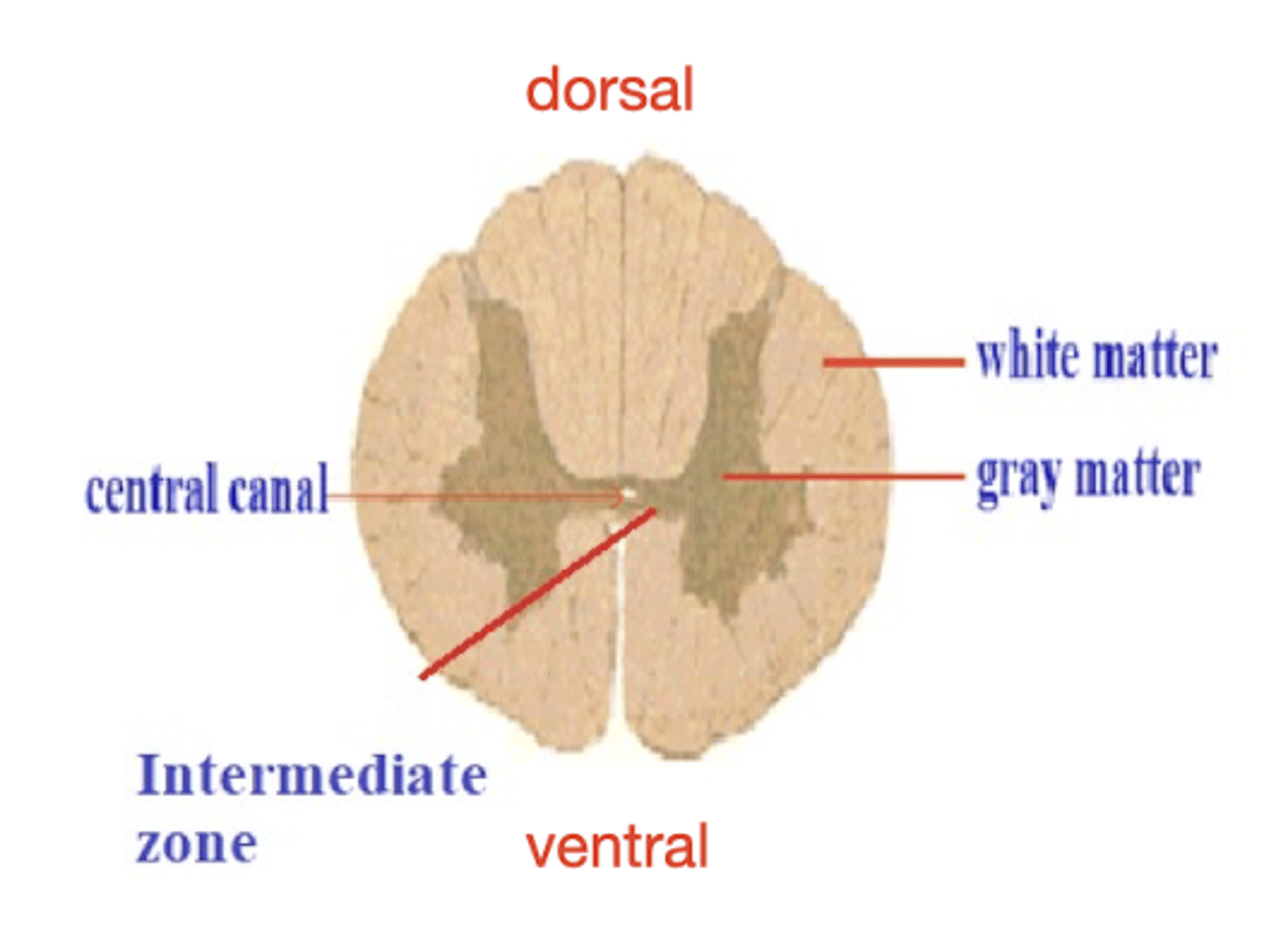
Dorsal
- Toward the surface of the back or top of the head.

Ventral
- Toward the surface of the chest or bottom of head.

Medial
Toward the midline of the body.

Lateral
Away from the midline, toward the body's sides.
Inner Gray Matter
H-shaped region composed of cell bodies and unmyelinated interneurons; dorsal horns receive sensory input (afferent), ventral horns contain motor cell bodies (efferent).
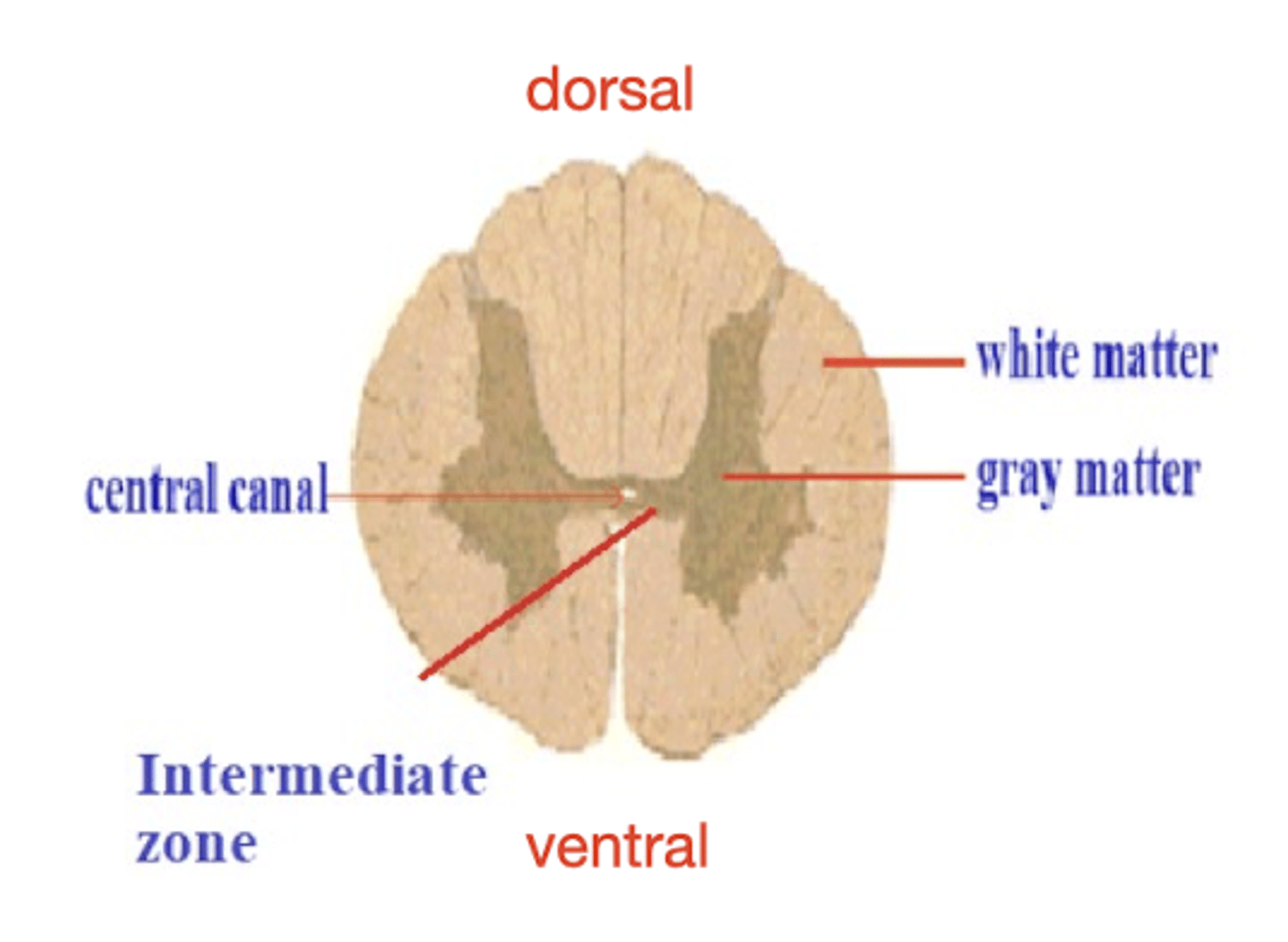
Outer White Matter
Surrounding tissue composed mainly of myelinated axons.