NUR 5120 Exam 1 Questions with 100% accurate solutions+ rationales 2026
 Call Kai
 Learn
Learn Practice Test
 Spaced Repetition
 Match
Match Flashcards
1/103

There's no tags or description
Looks like no tags are added yet.
Name | Mastery | Learn | Test | Matching | Spaced | Call with Kai | Chat |
|---|
No analytics yet
Send a link to your students to track their progress
104 Terms
nonmaleficience
do no harm
benefience
do good and promote wellness
autonomy
accept the choices of the patient
confidentiality
prevent disclosure of personal information
informed consent
educating patient on risks, benefit, and alternatives of procedure or intervention
truth telling
Providing enough honest information so that a patient can make an informed decision about his or her health care.
justice
treat all patients equally
subjective
anything the patient tells you
-symptoms
-ex) sore throat
objective
anything you can assess
-signs
-detected on physical exam/ measureable
-ex) fever
chief complaint
main reason why patient is there
-in the words of patient
HPI
story behind chief complaint
-chronological events
-patient's thoughts and feelings
-told in patient's own words
ROS
subjective information
-pertinent positives and negatives
pertinent positives
-symptoms that the patient has related to suspected disease
-ex) answered yes to having sore throat
pertinent negatives
s/sx you would expect to find with suspected disease that patient does NOT have
-ex) answered NO to having diarrhea
Assessment
your physical exam
-objective
-NOT ROS
consensual reaction (eye exam)
constriction of the pupil in one eye when light is shone in the other eye
PERRLA
pupils equal, round, reactive to light and accommodation
accomodation of the eye
the eye's ability to change the shape of its lense to focus on objects at different distances
-allows etes to adjust focus on near or distant objects
covergece
coordinated inward movement of the eyes when focusing on near objects
ABCDE of melanoma
Asymmetry: one half unlike other half
Border: ragged, notched, blurred
Color: more than 2 colors
Diameter: >6mm
Evolving characteristics: changing rapidly in size, sx, or morphology
skin with hypothyroidism
dry
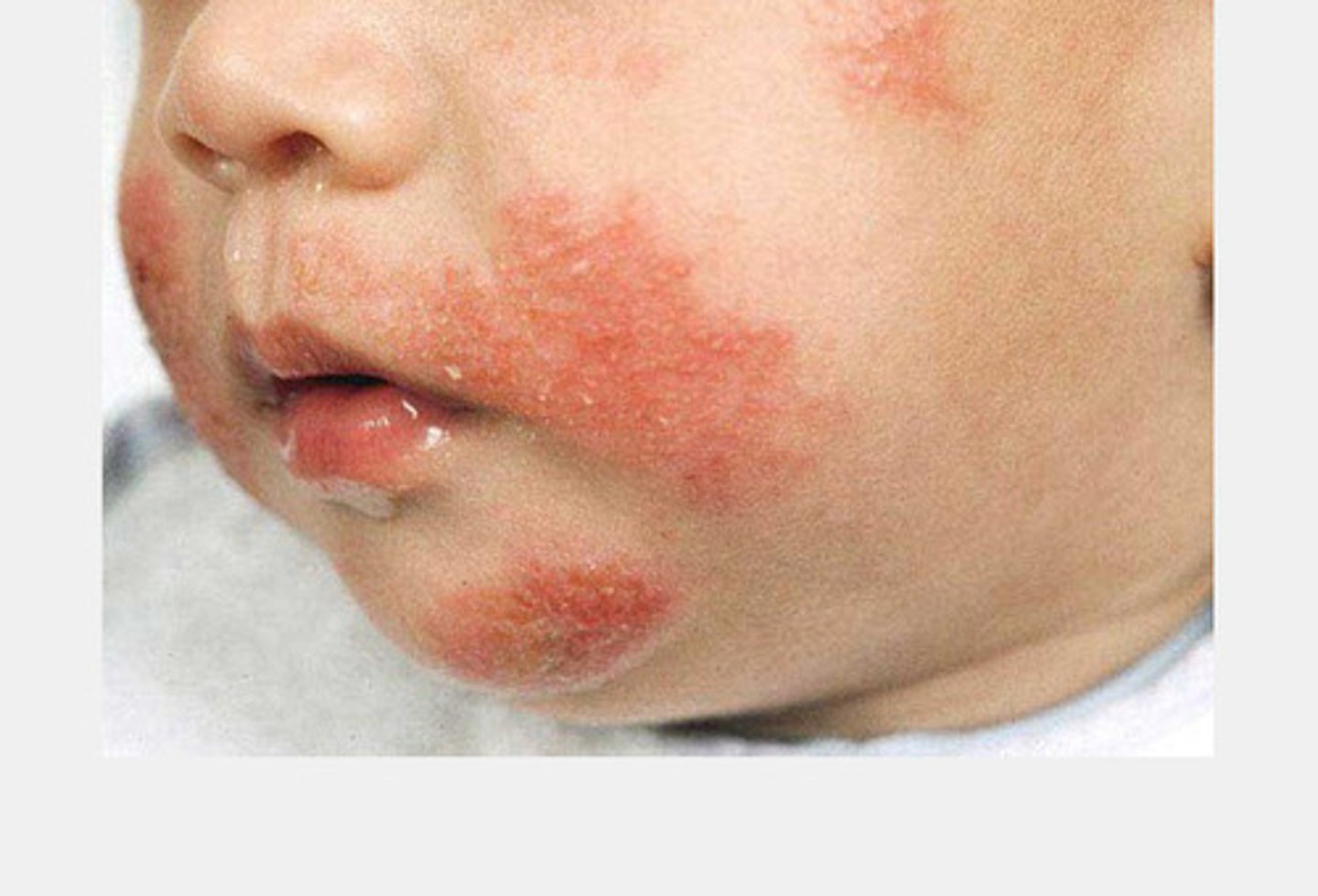
eczema
-erythema
-scaling
-dry skin
-intense itching
whisper test
-go behind patient and whisper sentence
-tests for acuity and hearing loss
scotoma
spots in the visual field
rhinorrhea
runny nose
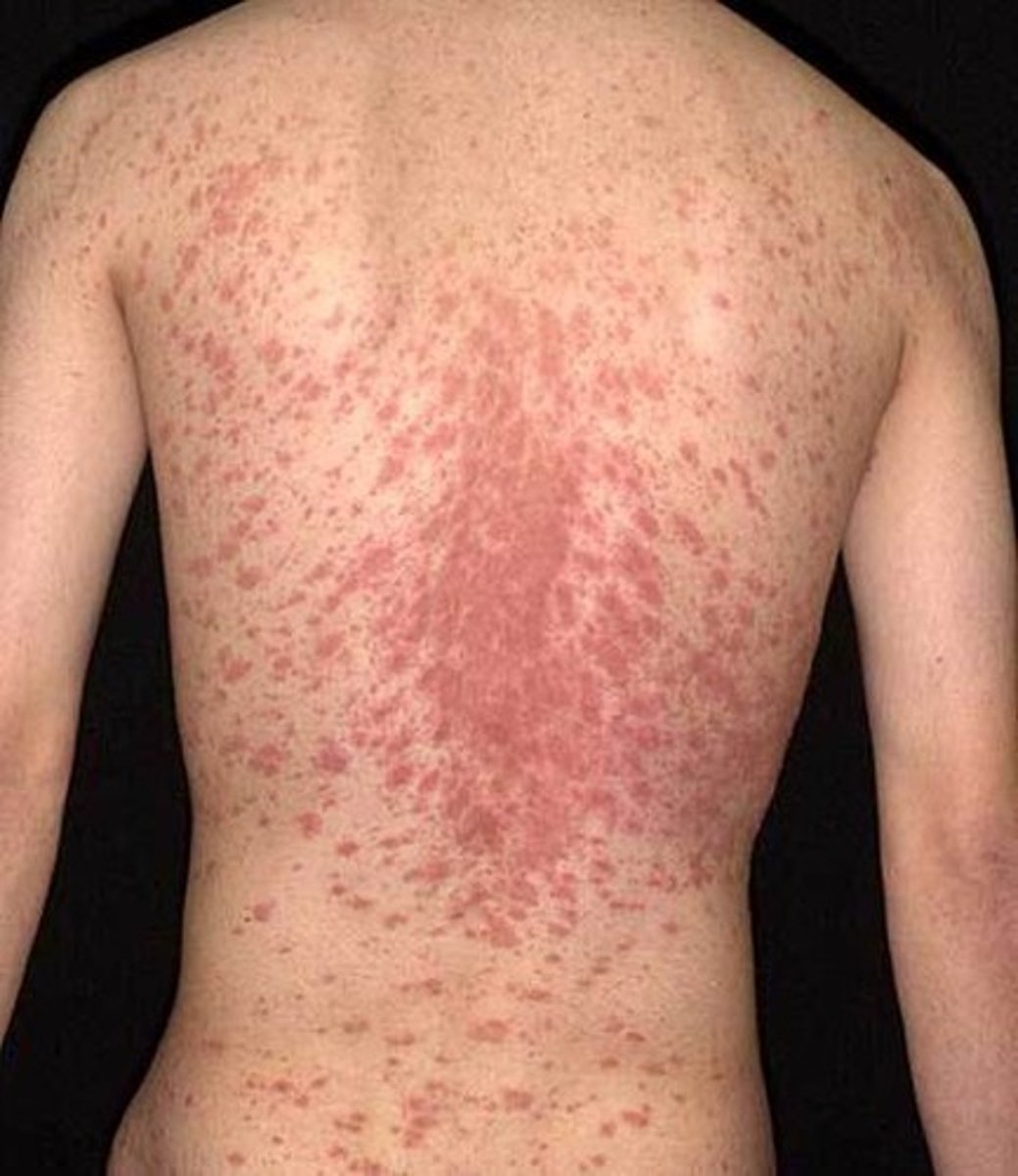
pityriasis rosea
-Christmas tree pattern
-oval lesions on the trunk in older children
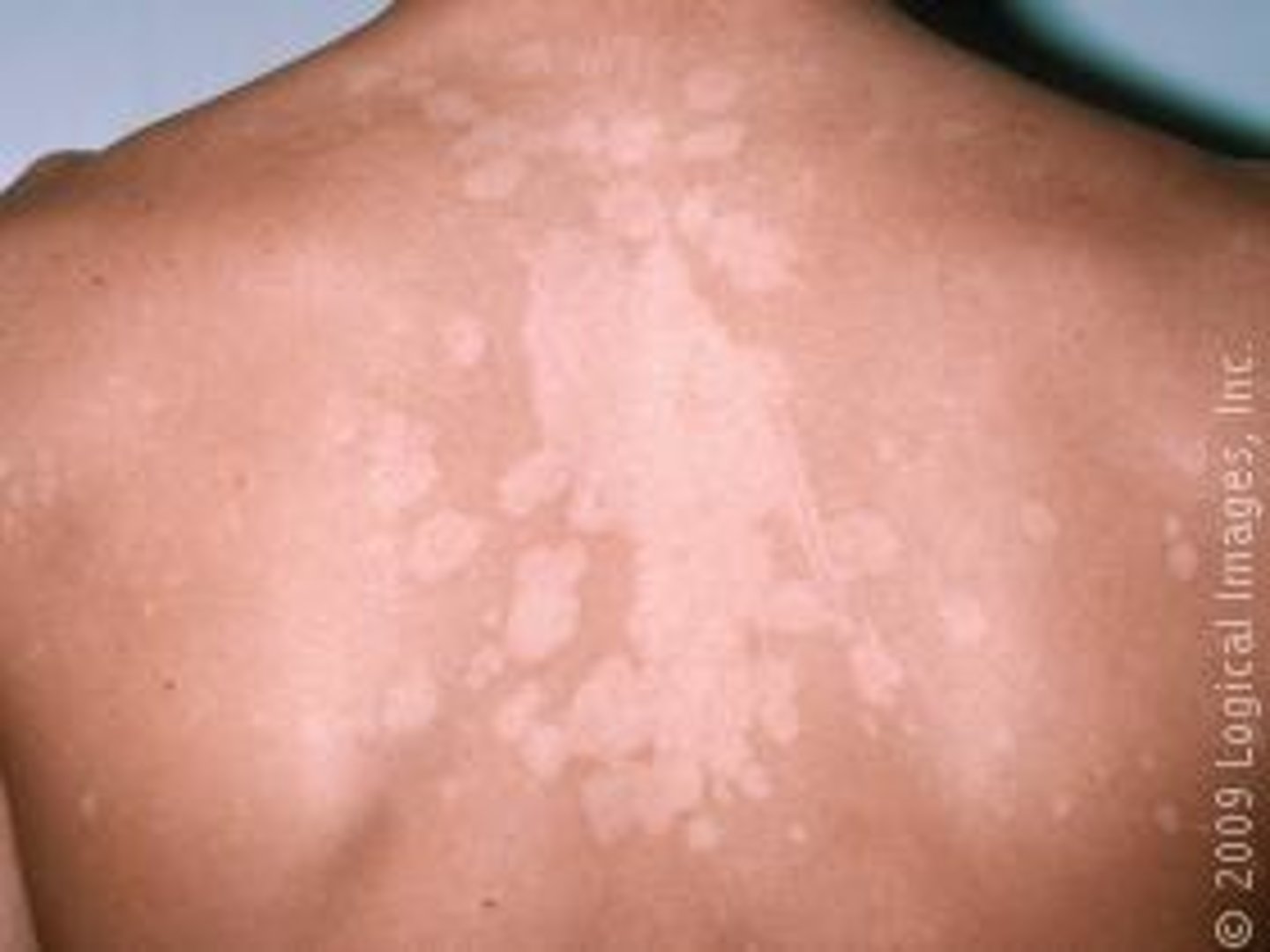
tinea versicolor
-fungal rash
-hypo/hyper pigmented or tan round/oval macules
-causes discolored patches
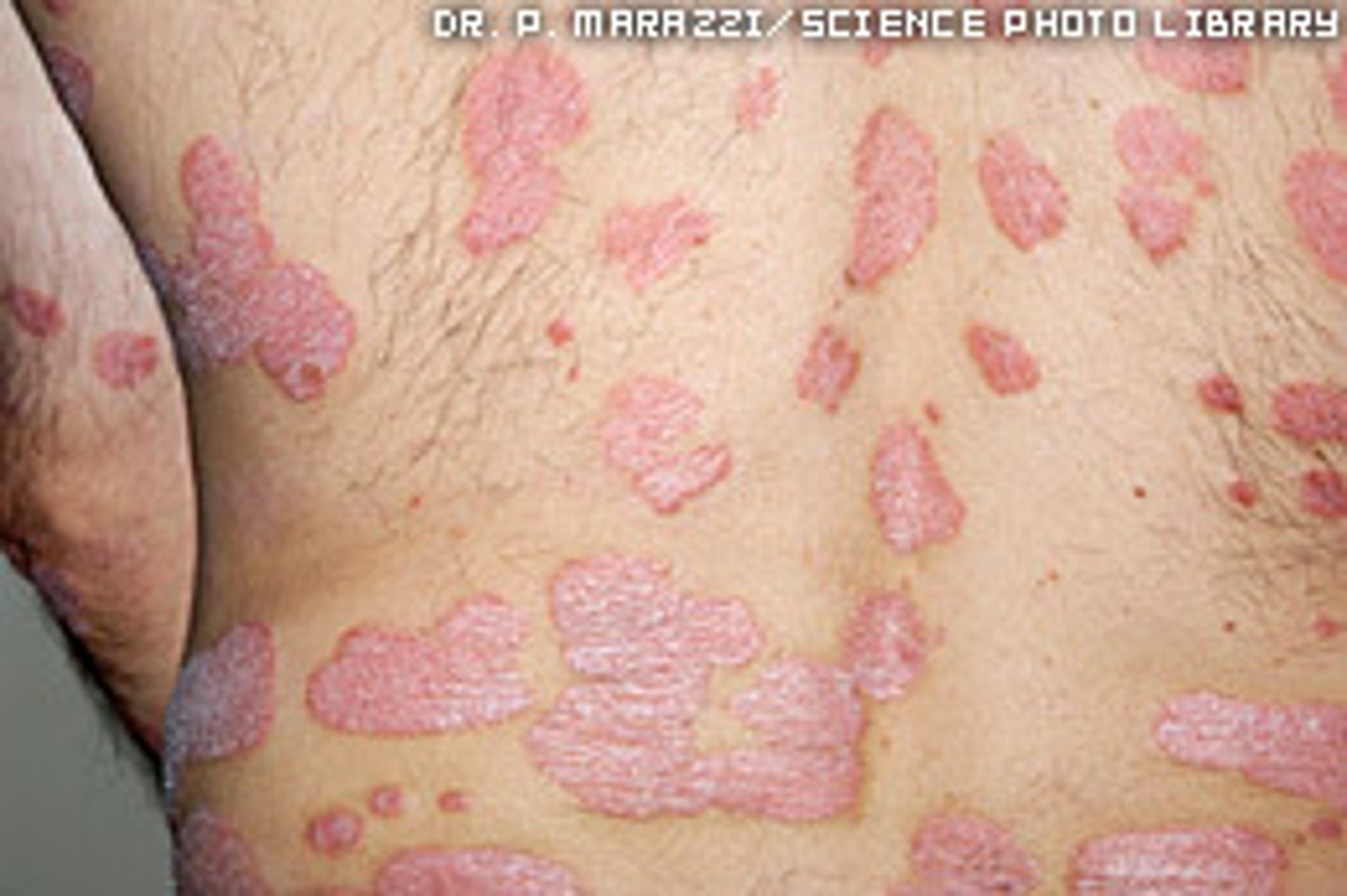
psoriasis
plaquey, silvery
-lesions from plaque
-affect scalp, extensor surfaces of elbows, knees, umbilicus, and glueteal cleft
what to include in medical hx
-past surgery
-medical hx (hypertension)
-medications
-hospitalizations
-changes in family hx
stage 1 pressure ulcer
intact skin with localized area of nonblanchable erythema
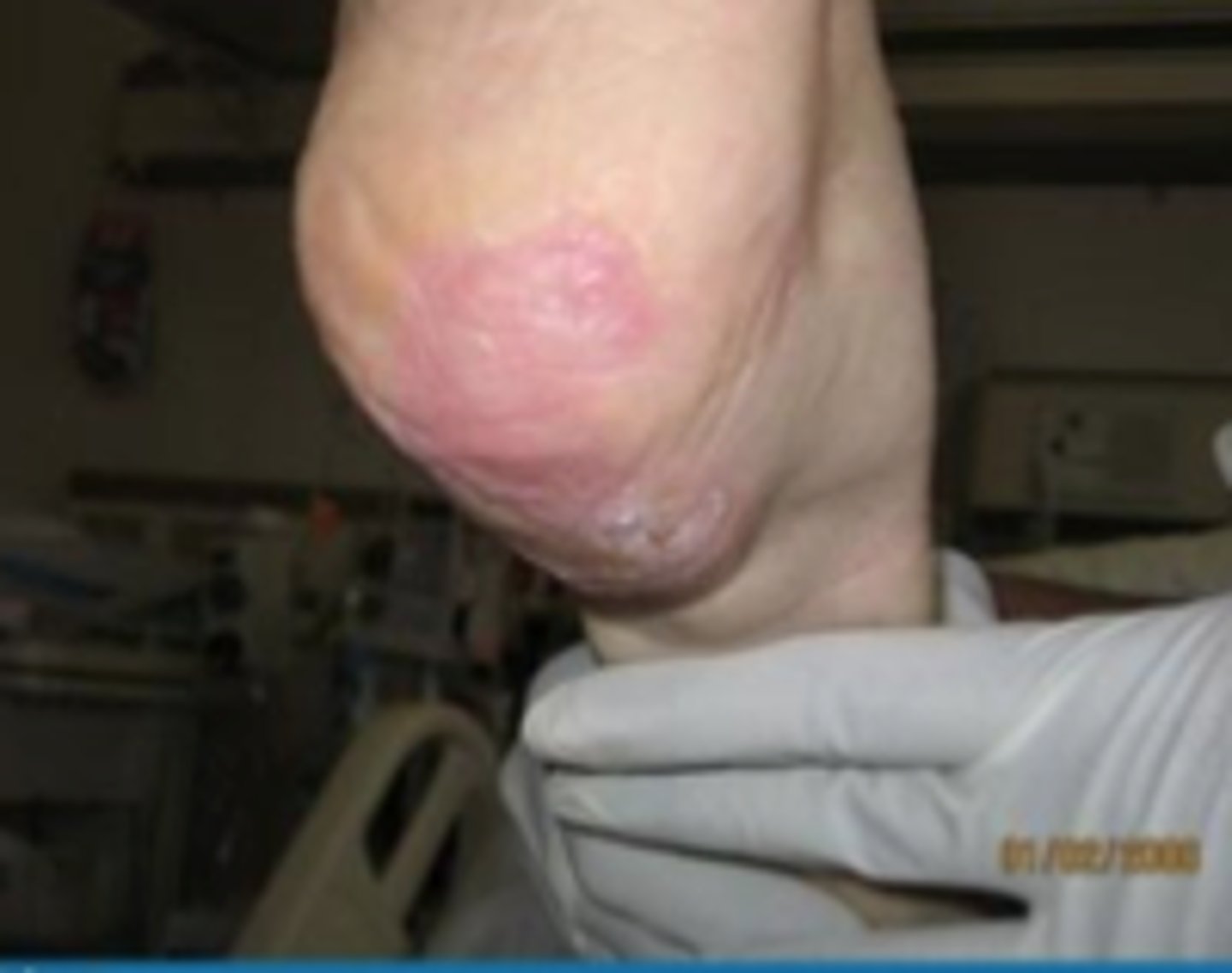
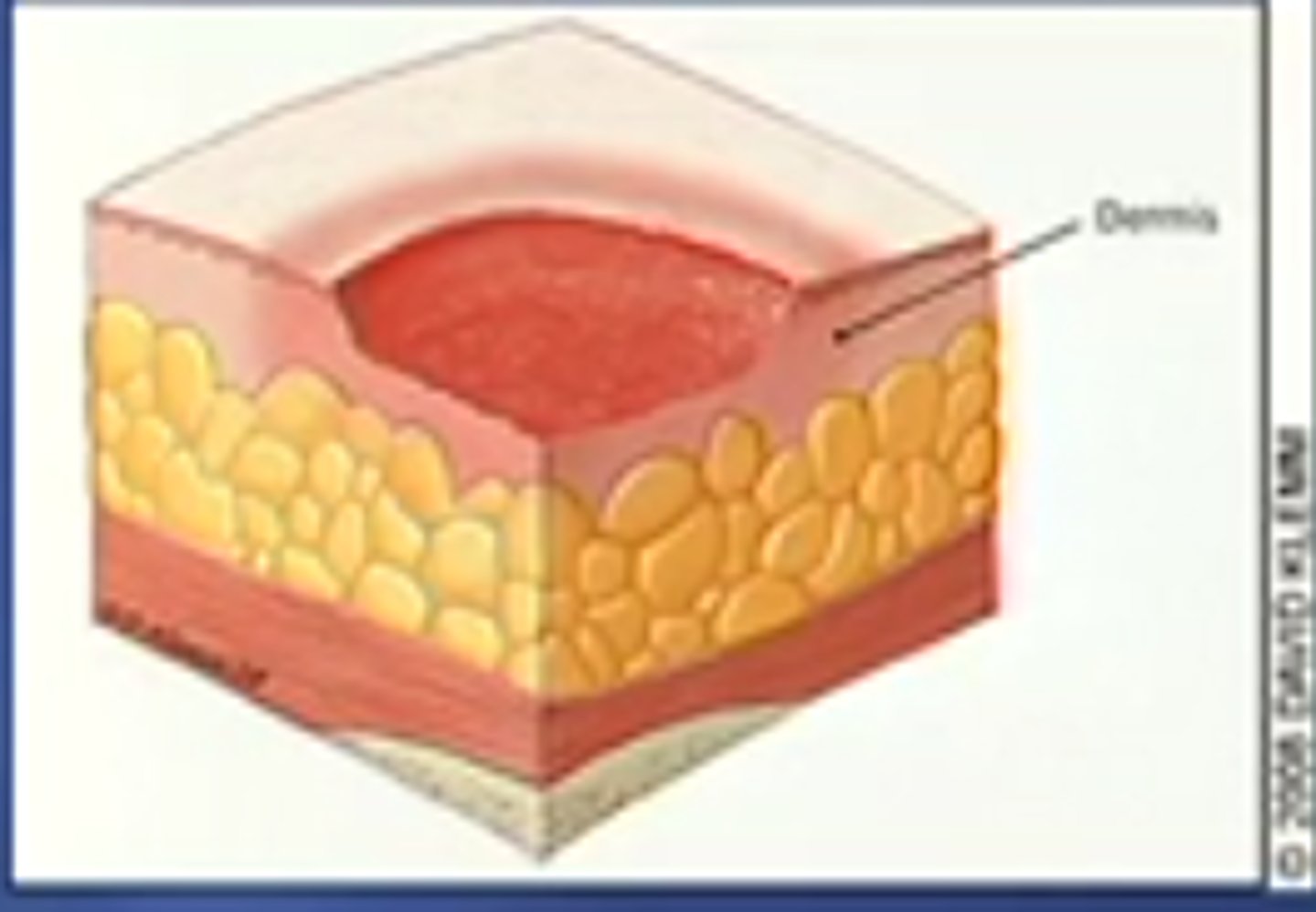
stage 2 pressure ulcer
partial thickness loss of skin with exposed dermis
-ulcer, blister, abrasion
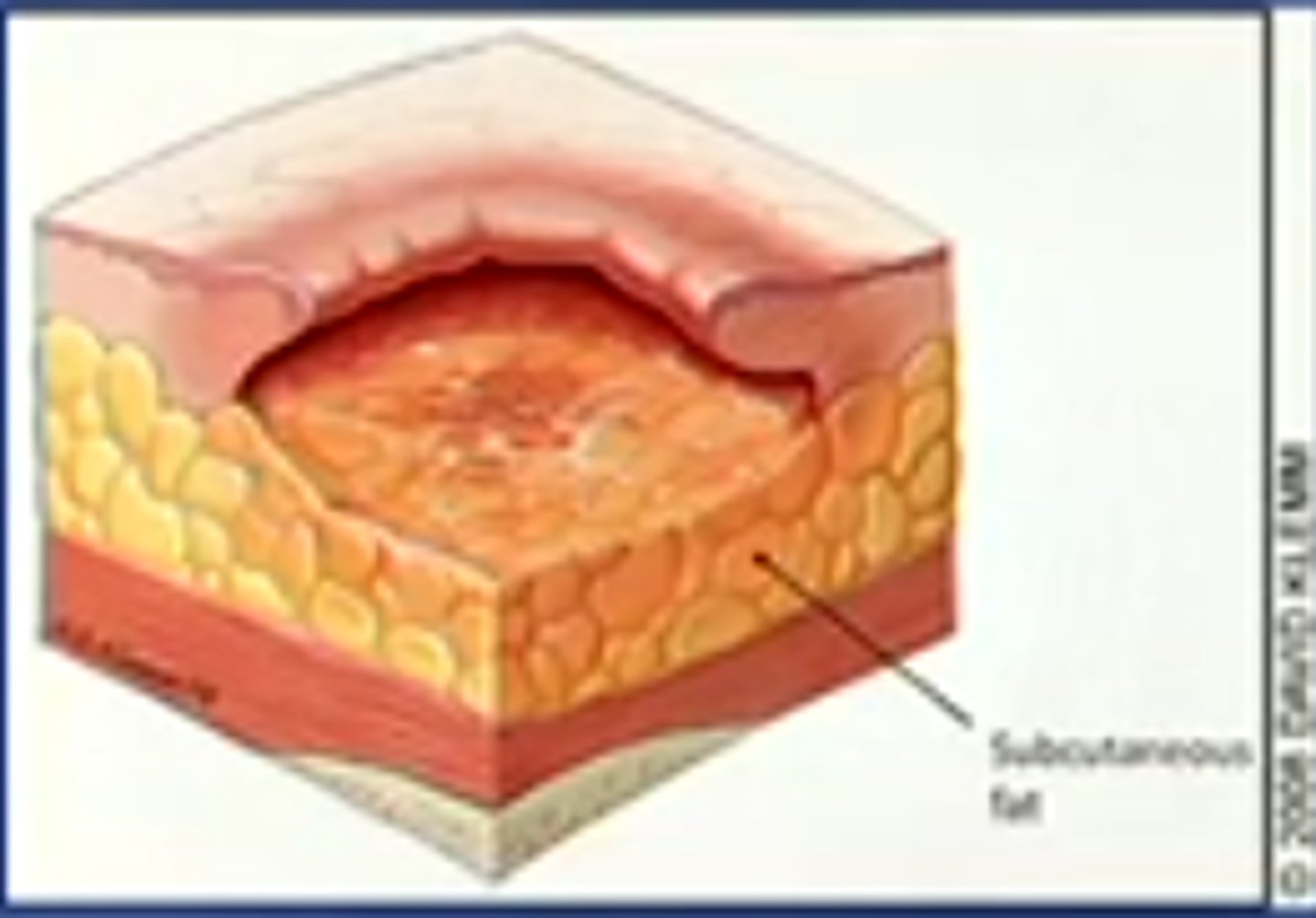
stage 3 pressure ulcer
full thickness skin loss
-adipose tissue is visible
-granulation tissue and rolled wound edges often present
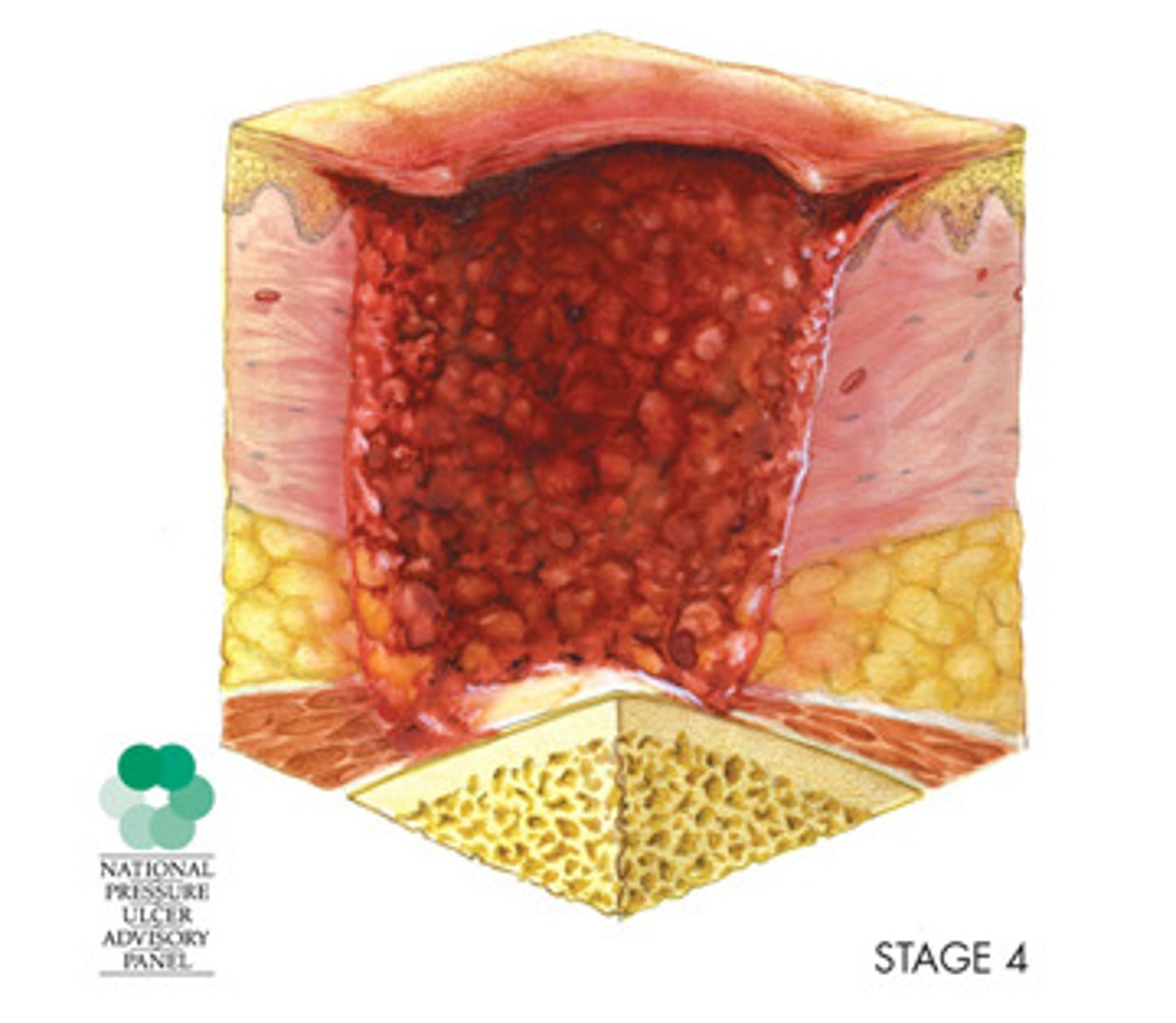
stage 4 pressure ulcer
full thickness skin and tissue loss
-exposed or directly palpable fascia, muscle, tendon, ligament, cartilage, or bone
-can have tunneling
unstageable pressure ulcer
full thickness skin and tissue loss
-extent of tissue damage within the ulcer cannot be confirmed because it is obscured by slough or eschar
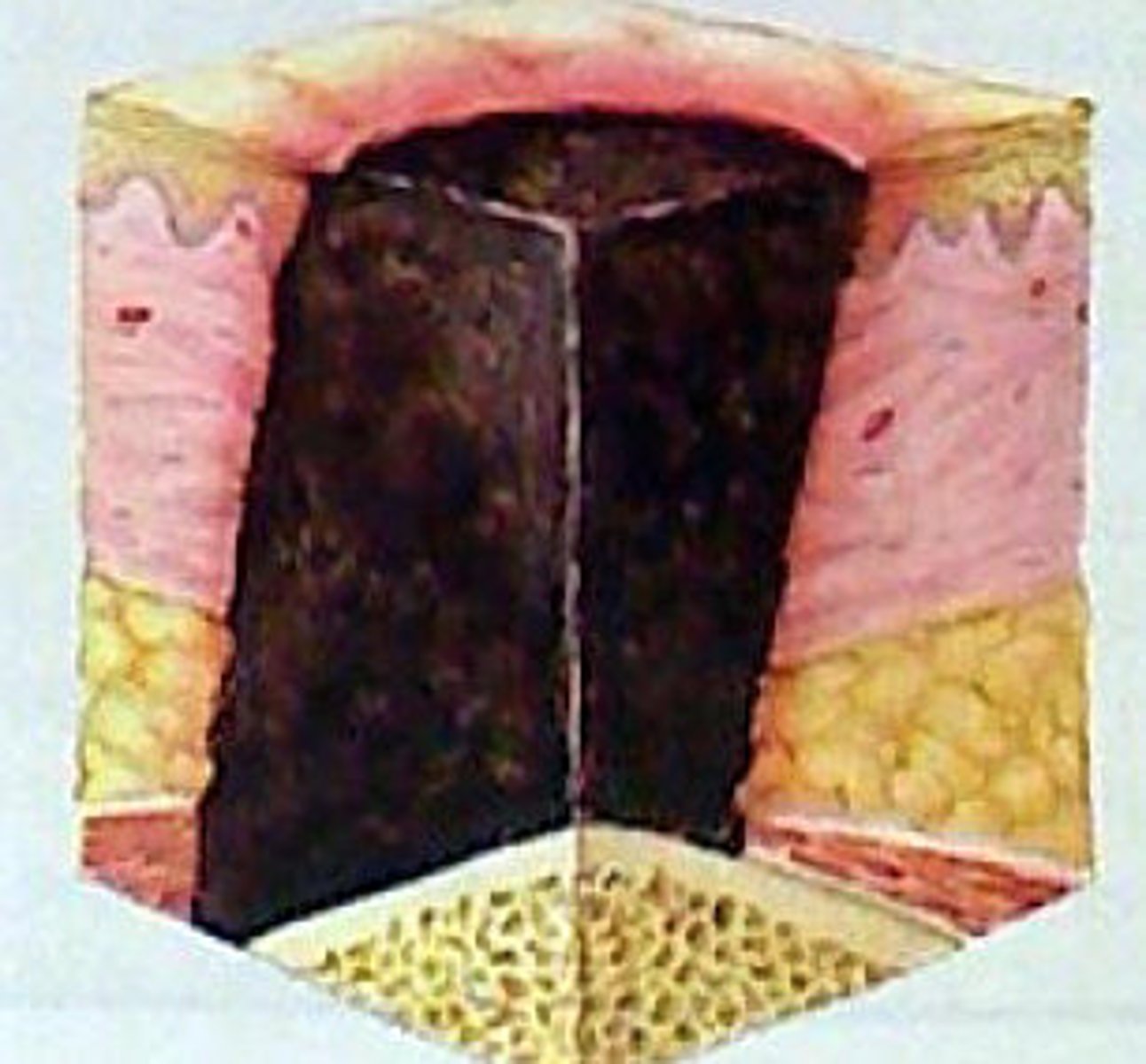
slough
yellow or white dead tissue
eschar
black or brown crusty tissue
deep tissue pressure injury
persistent nonblanchable deep red, maroon, or purple discoloration
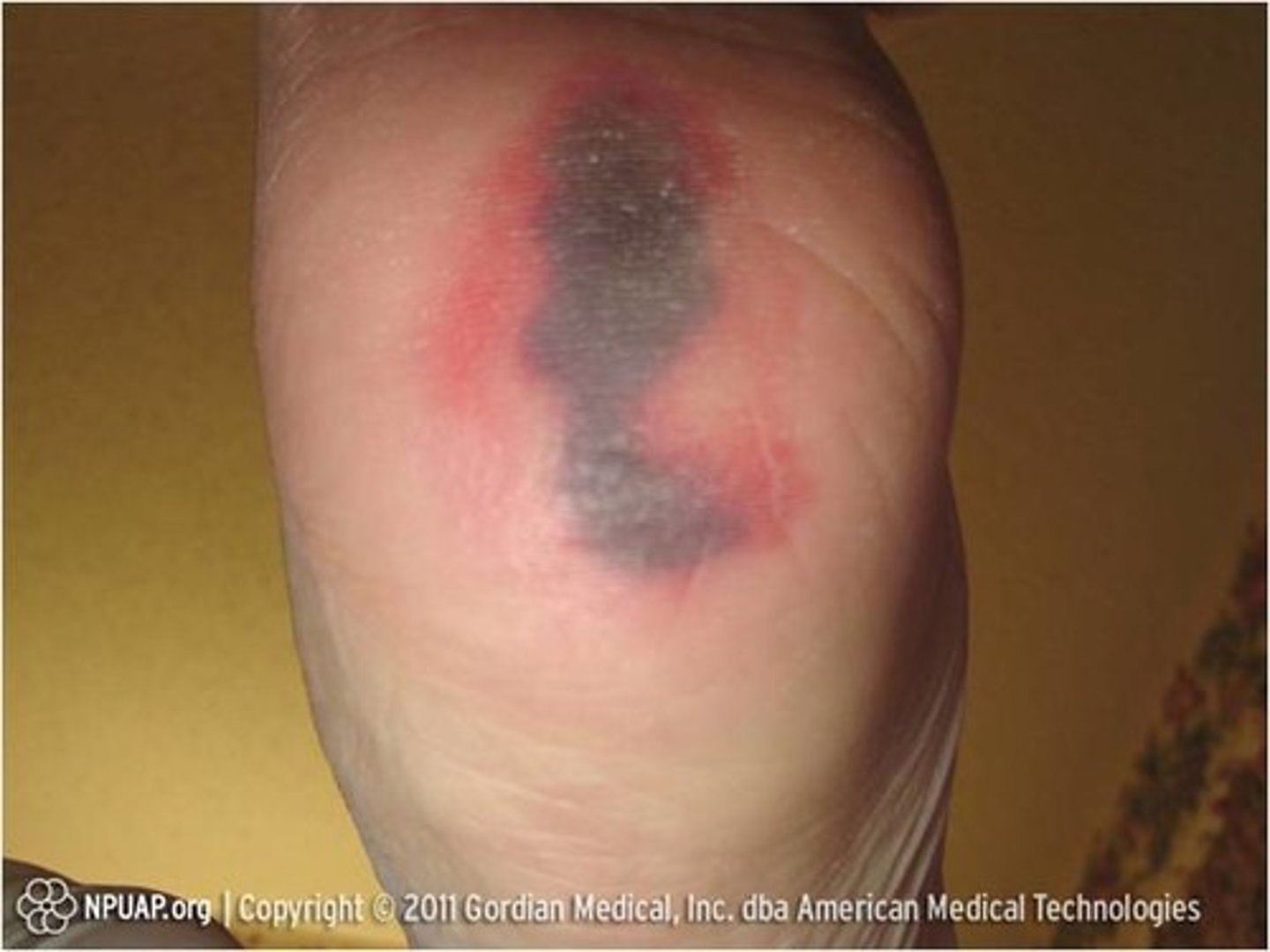
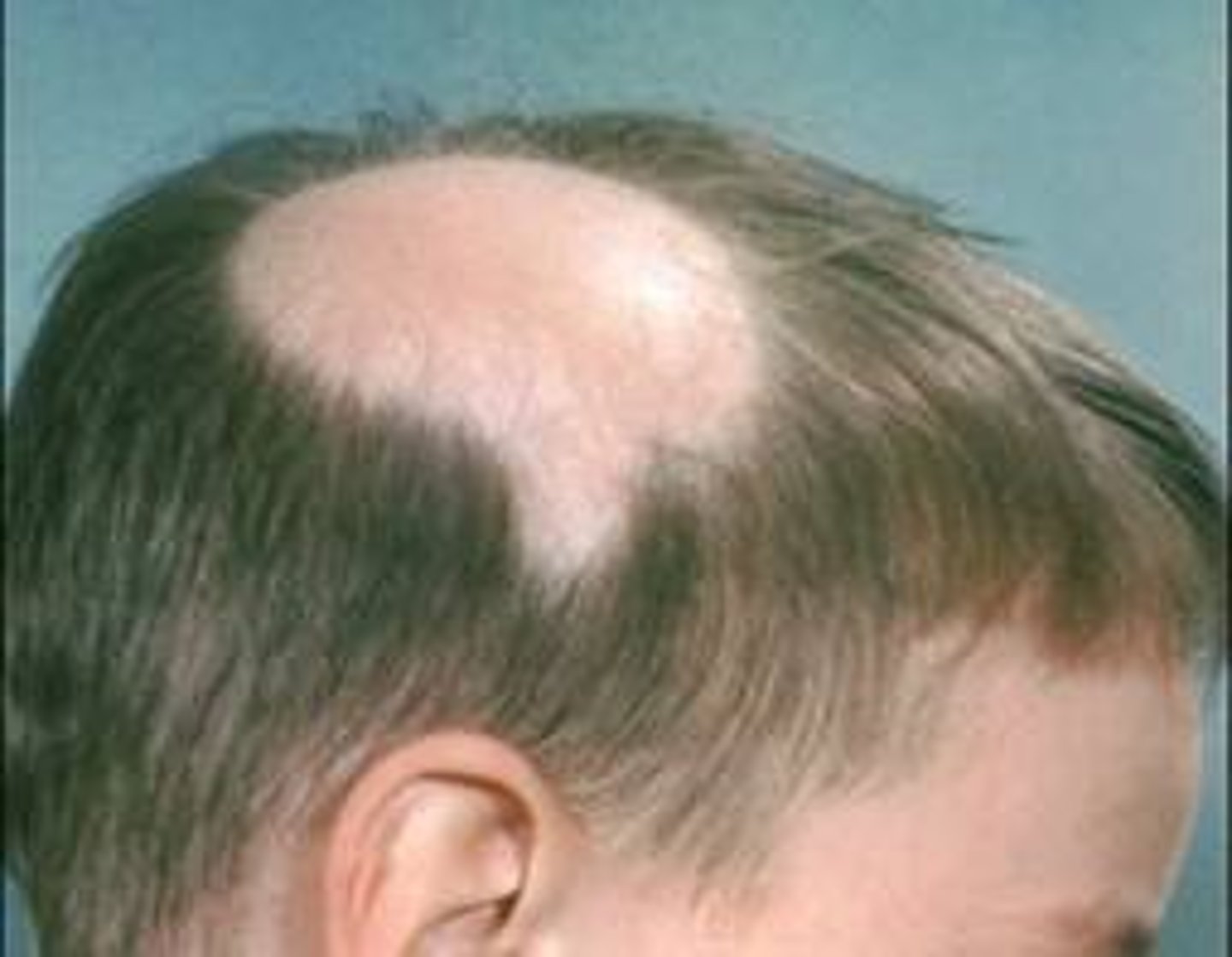
alopecia areata
-hair shedding at the root
-sudden onset of clearly demarcated, usually localized, round or oval patches of hair loss
-leaves smooth skin without hair
-no visible scaling or erythema
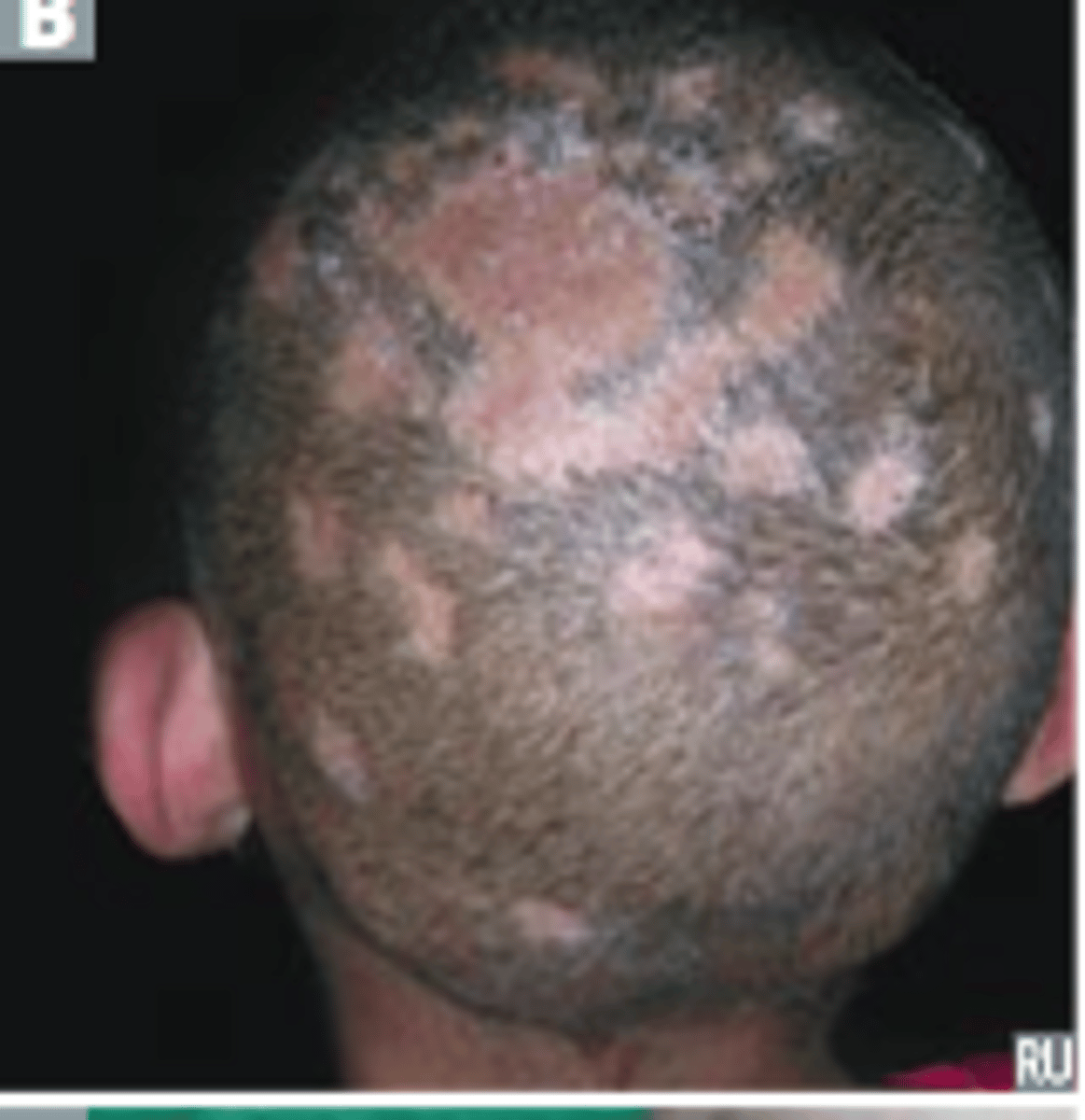
tinea capitis
hair breaks along the shaft
-ringworm
-round scaling patches or alopecia
-may have black dots of broken hairs
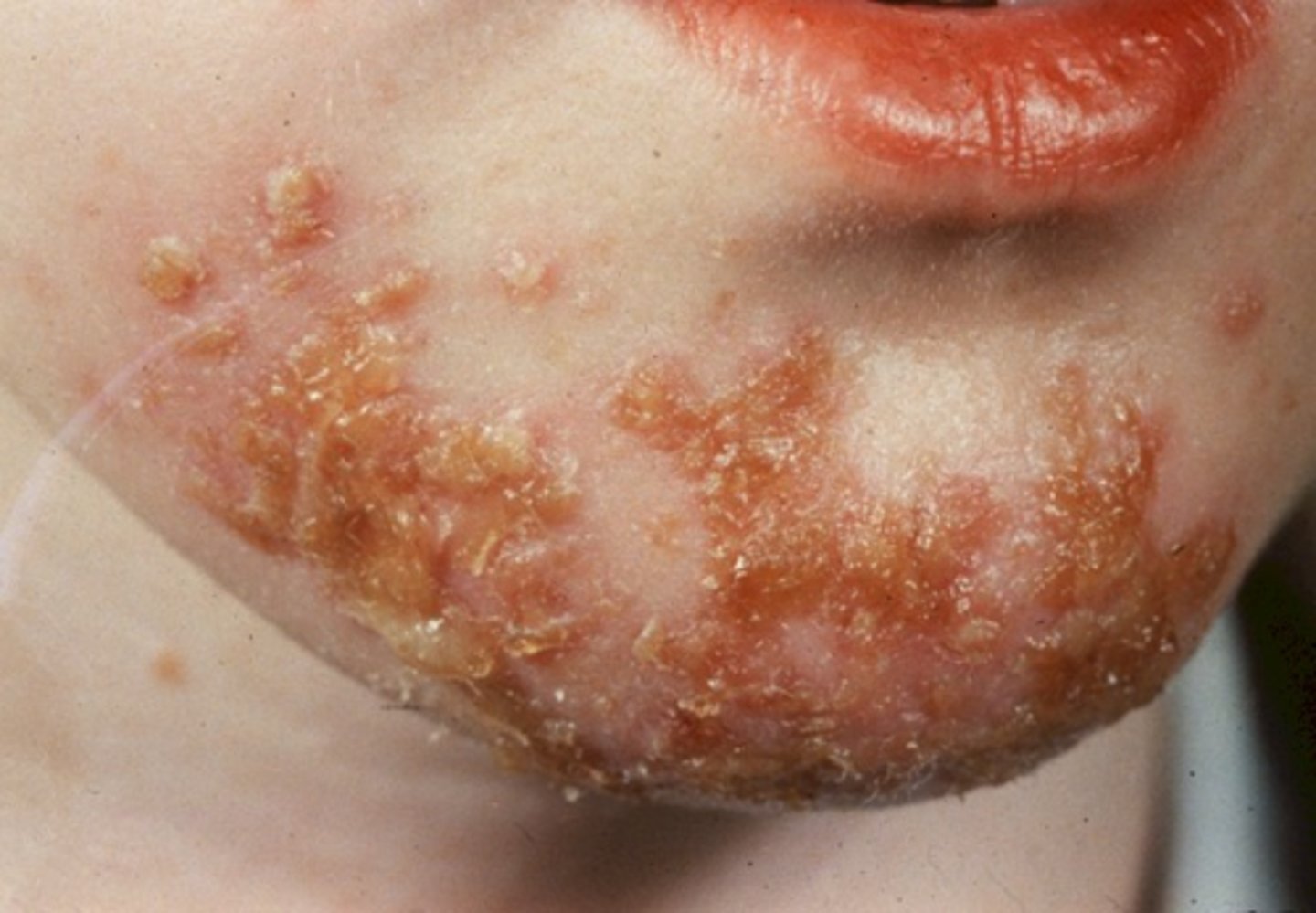
impetigo
infection d/t bacteria
-appears bulbous or crusty and yellowed with some pus
-honey crusted, yellow
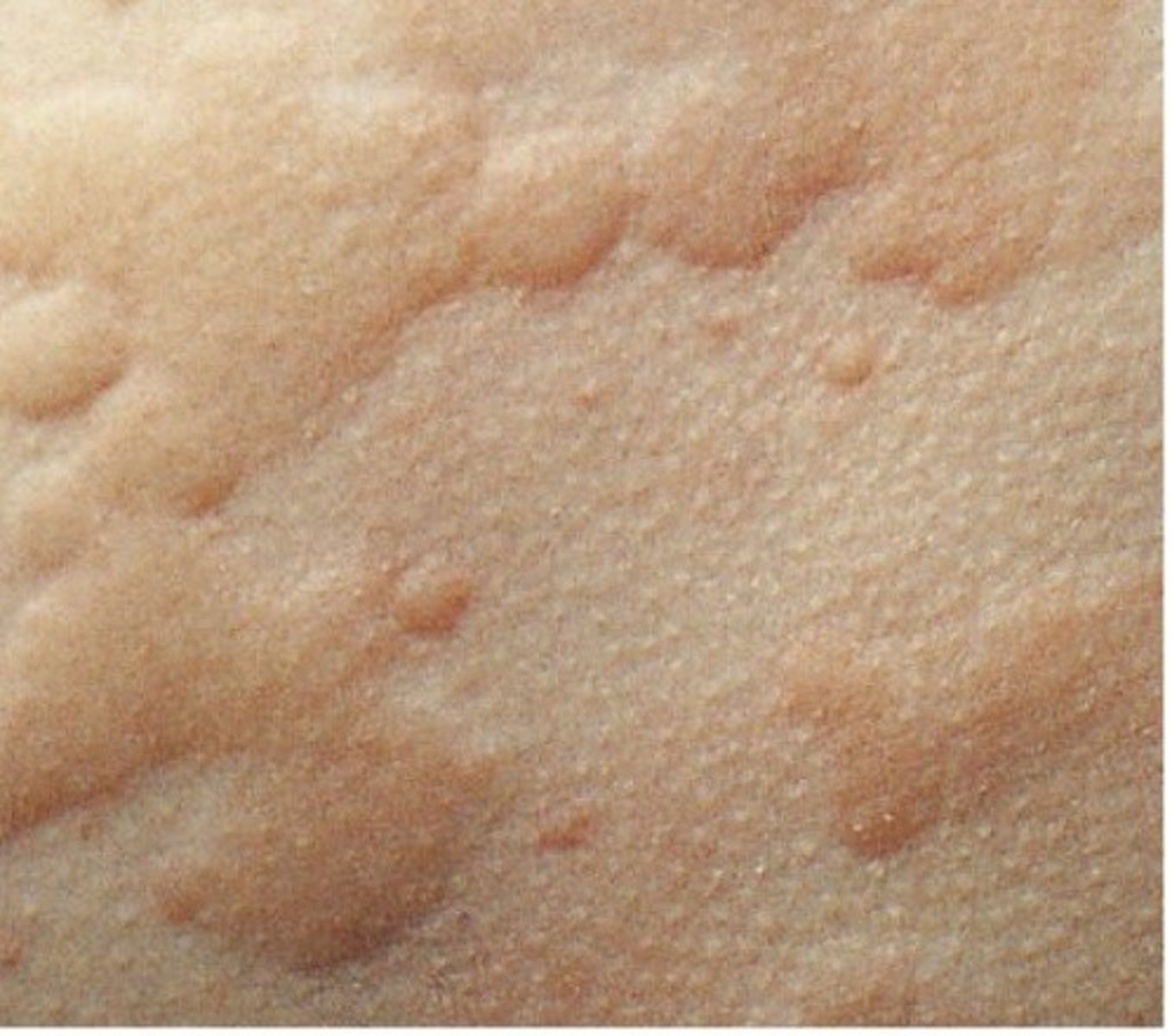
hives
urticaria
-described as a wheal
-lasts <24h
-circumscribed, raised lesion consisting of dermal edema
-comes and goes
-itchy
-changes shape
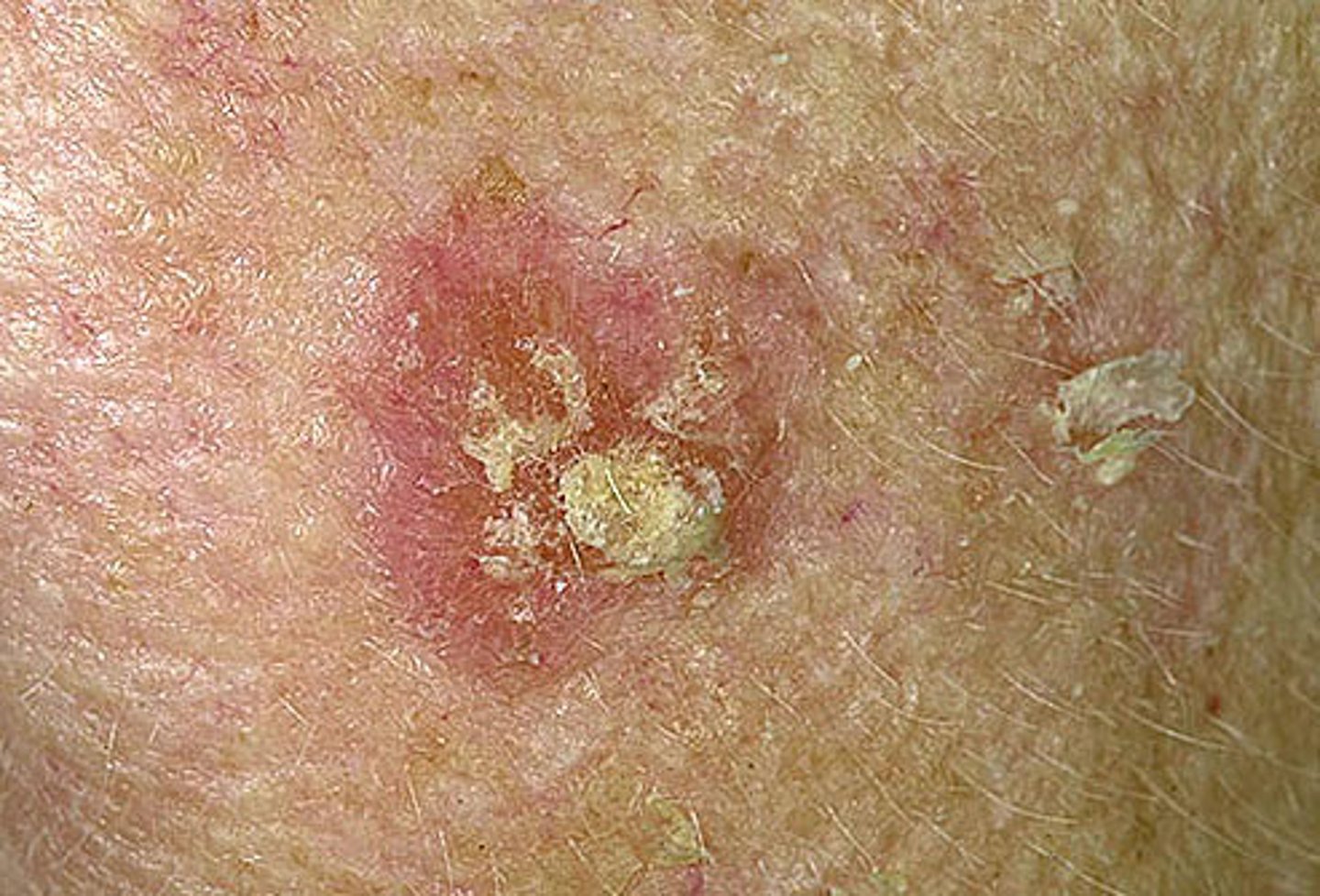
actinic keratosis
rough, scaly, crusty patches of skin
-flattened papule covered by dry scale
-d/t sun damage
-precursor to squamous cell carcinoma
-pink, red, or brown in discoloration
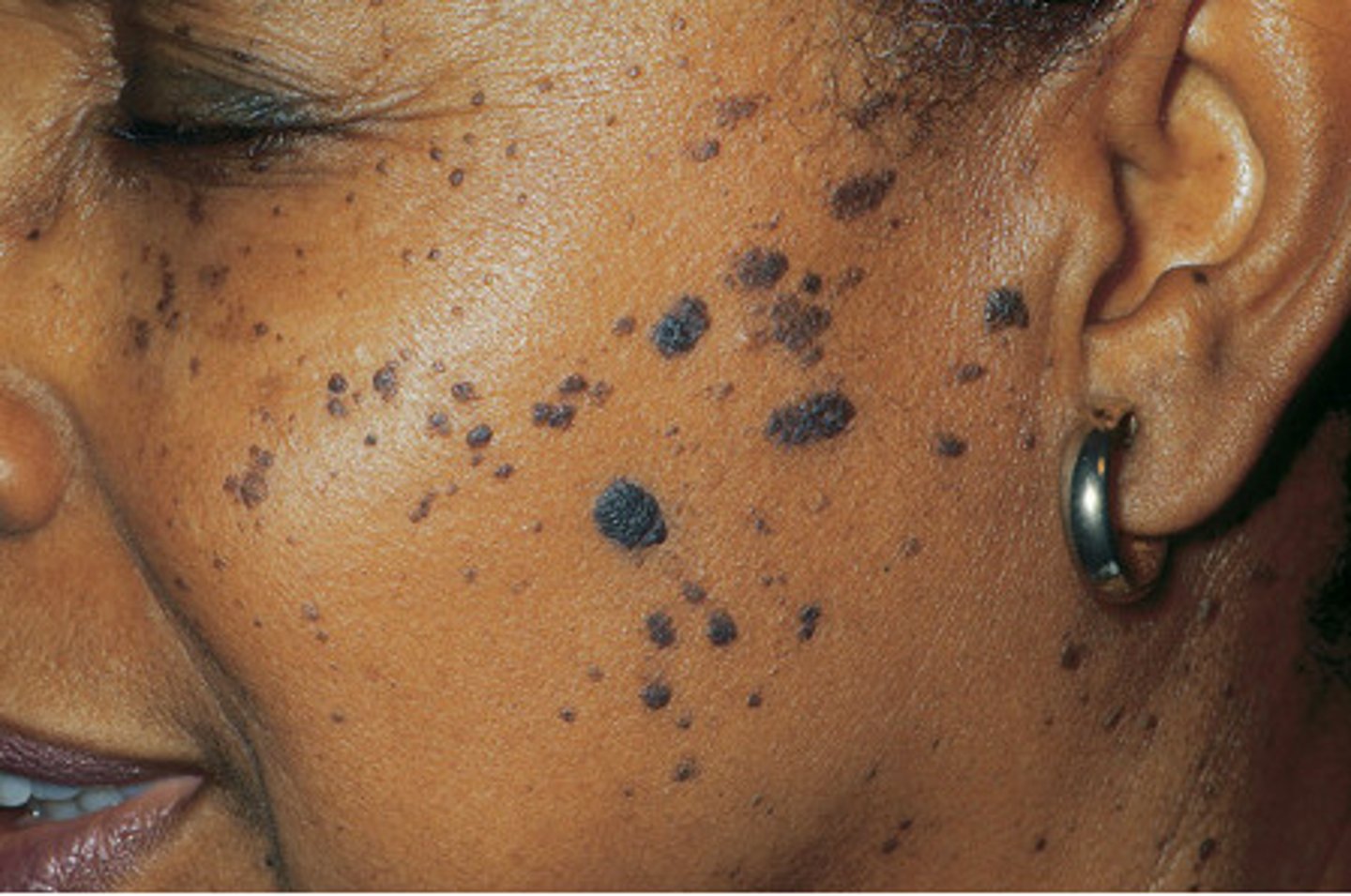
seborrheic keratosis
greasy, velvety scaling
-non melanocytic lesion (cannot use ABCDE)
-benign
-verrucous texture (wart-like)
-appears like a "stuck on" or flattened ball of wax
-may crumble and bleed if picked
-can be darkly pigmented
basal cell carcinoma
oval, pink, pearly papule
-most common cancer in the world
-pink patch that does not leave
-pink lesions that leave a depressed center with firm elevated border
-caused by UV exposure
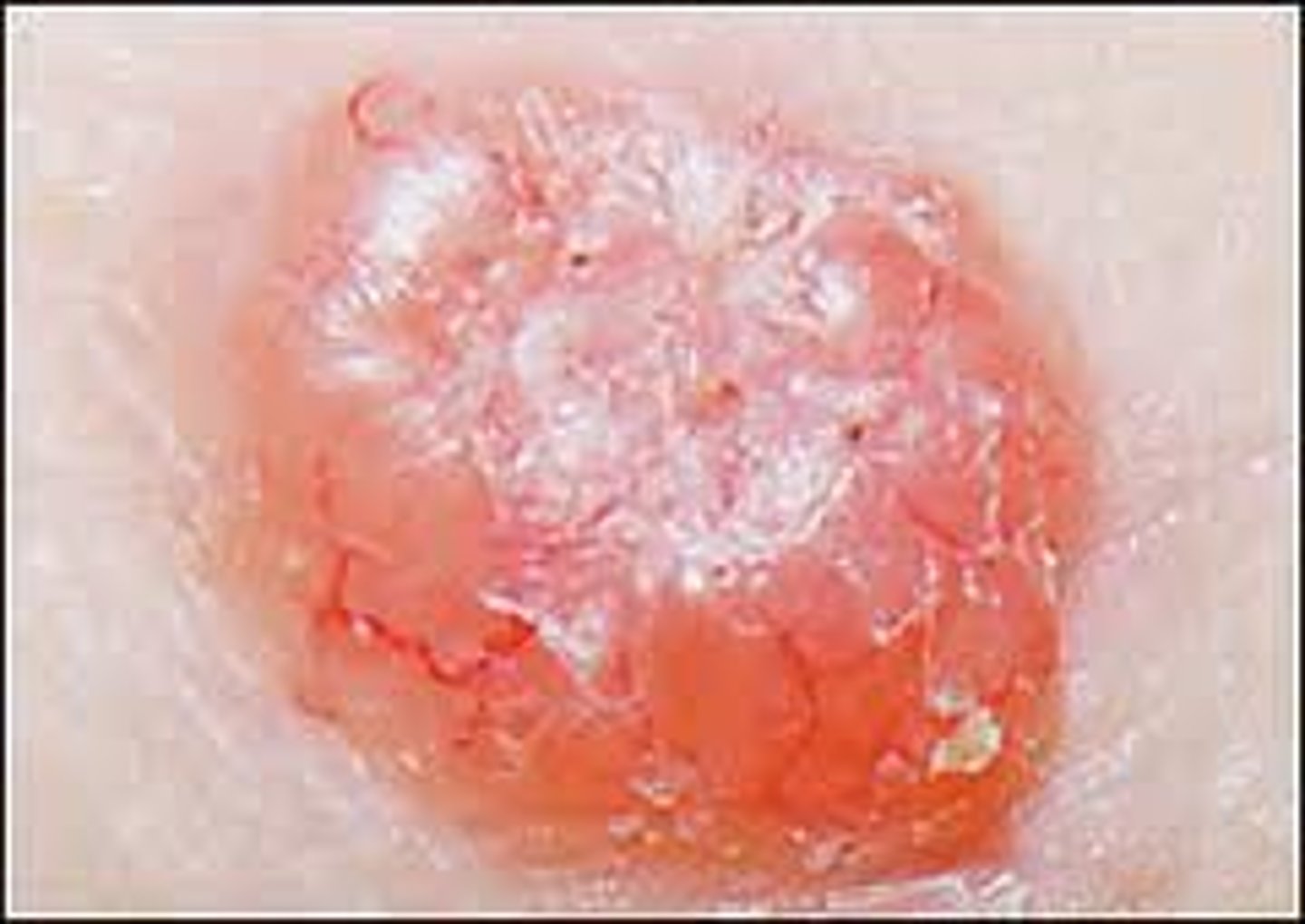
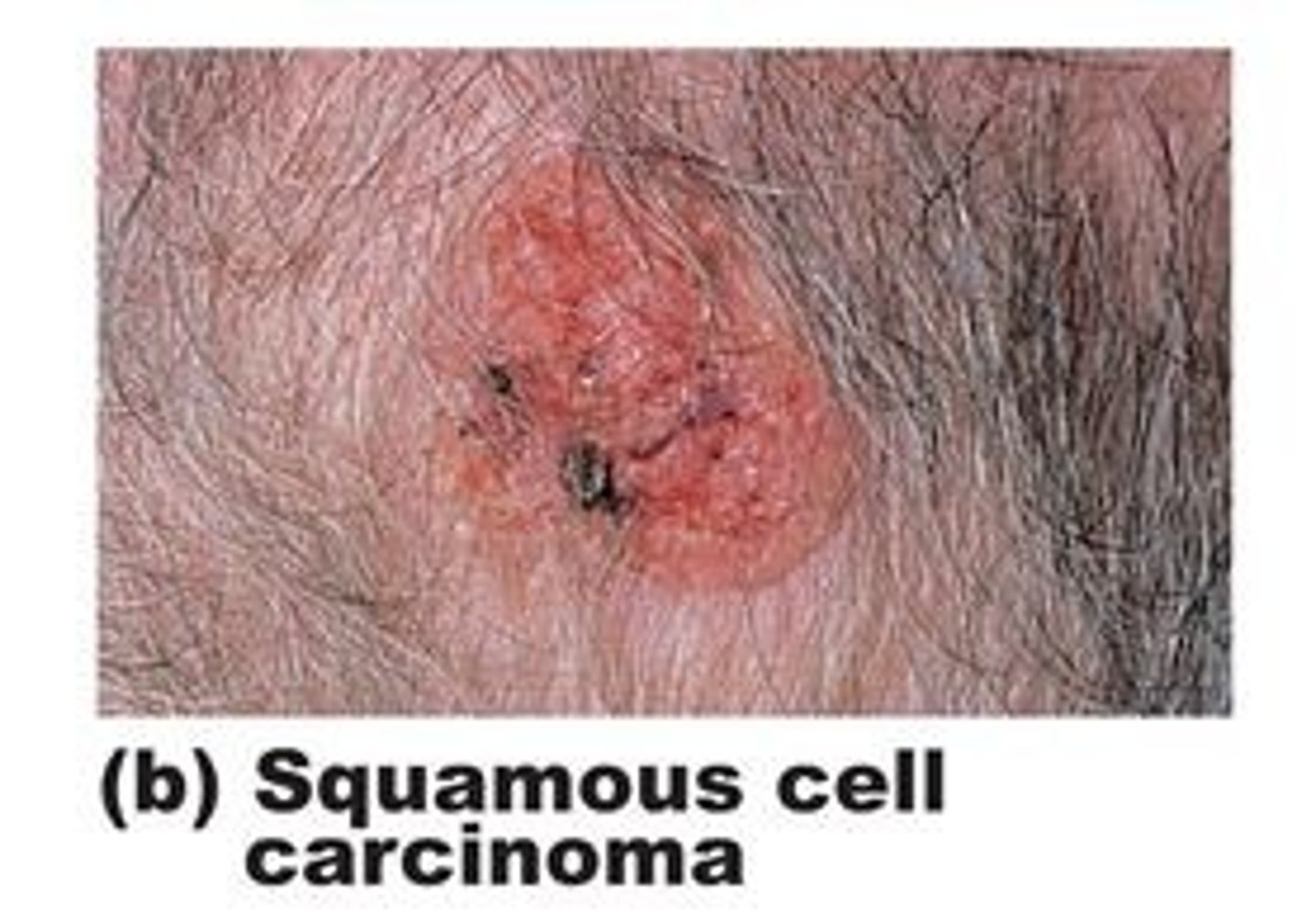
squamous cell carcinoma
firm REDDISH appearing lesion
-often emerging in sun exposed areas
-feels rough or keratonic
-crusty, scaly, ulcerated
-can metastasize
Vertigo
sensation as if the room is spinning
1) positional
2) meunière disease
3) central vertigo
-usually problem of the inner ear (CN VIII - vestibular)
-accompanied by nystagmus and ataxia
positional vertigo
sudden onset when rolling onto affected side or tilting head up
-may have n/v and nystagmus
meunière disease
-disorder or inner ear channel
-sudden onset
-hours to days
-sensorineural hearing loss
-tinnitus
-feel pressure/fullness in affected ear
-hearing loss and nystagmus
central vertigo
-brain stem deficits present: dysarthria, ataxia, crossed motor/sensory deficits
causes of unilateral loss of vision
-vitreous hemorrhage (diabetes or trauma)
-macular degeneration
-retinal detachment
-retinal vein occlusion
-central renal artery occlusion
cataract
blurred vision

macular degeneration
central vision lost
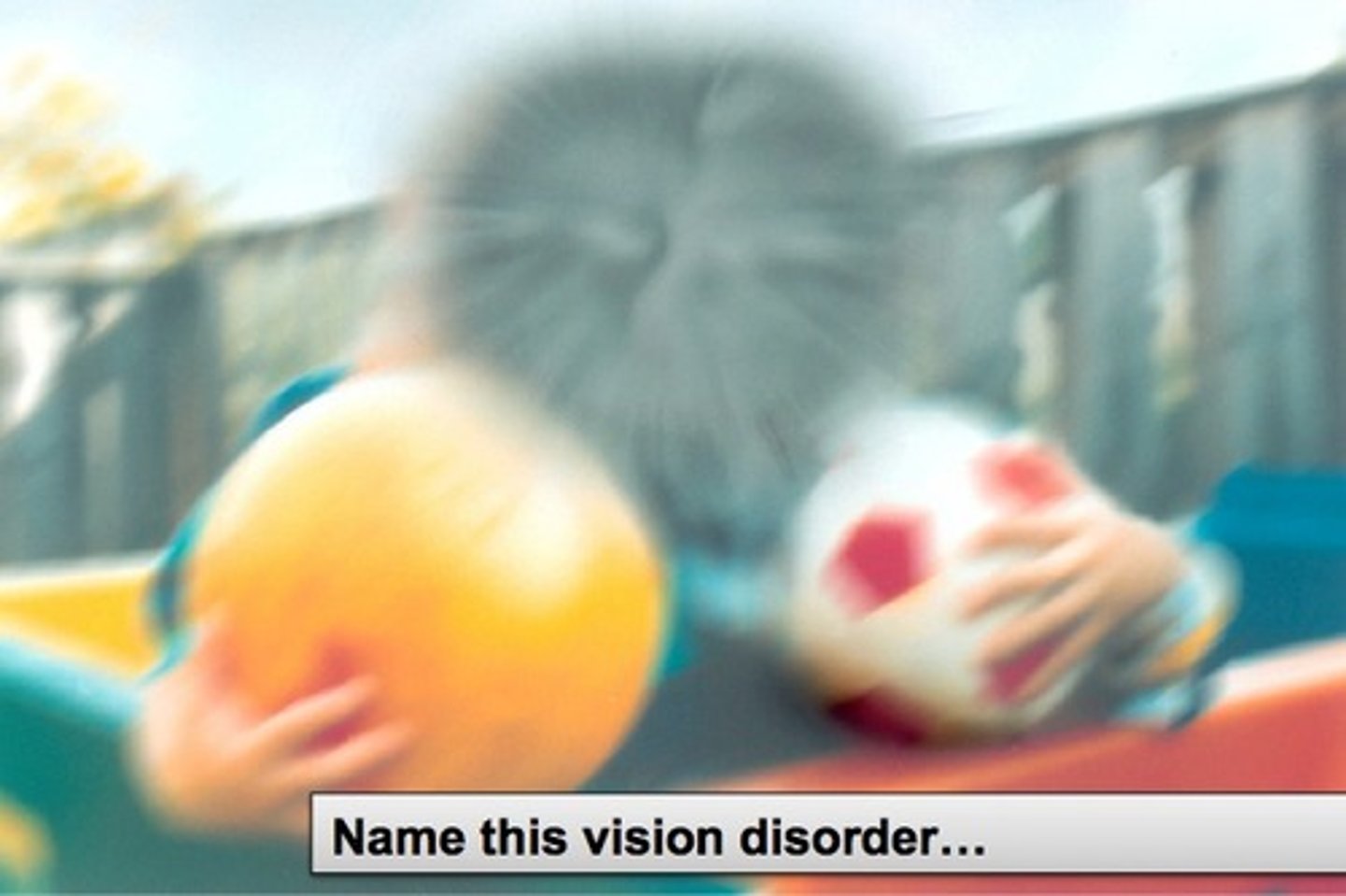
glaucoma
increased intraocular pressure
-tunnel vision

PTSD
caused by a trigger of something traumatic
-re-experiencing trauma (nightmares or flashbacks)
-persistent negative alterations in arousal and activity
-avoidance or trauma-related stimuli
-hyperarousal: increased startle response, difficulty sleeping, irritability
GAD
generalized anxiety disorder
-can be genetic
-excessive worry and rumination over 4 week period
-comorbid with substance use and mood disorders
-can experience chest pain and hyperventilation
most common cause of oropharyngeal cancer
HPV
neuropathic pain
trauma directly to peripheral or CNS
-electric shock like, stabbing, burning, pins and needles
-CNS or spinal cord involvement from stroke or trauma
psychosomatic pain
pain caused or exacerbated by psychological factors such as stress, anxiety, depression, trauma
somatic pain
pain originating from musculoskeletal system (bones, muscles, joints)
-arthritis
-fractures, injuries
visceral pain
pain originating from internal organs
-heart, lungs, bladder
nociceptive pain
dull, pressing, pulling, throbbing, spasmodic, colicky
-activation of pain receptors in response to tissue damage or inflammation
-linked to damage to skin, musculoskeletal system, or viscera
-sensory nervous system is intact
-ex) arthritis, burn, cut, headache
idiopathic pain
no identifiable etiology
contact dermatitis
exposure to allergen like poison ivy
-linear lesions
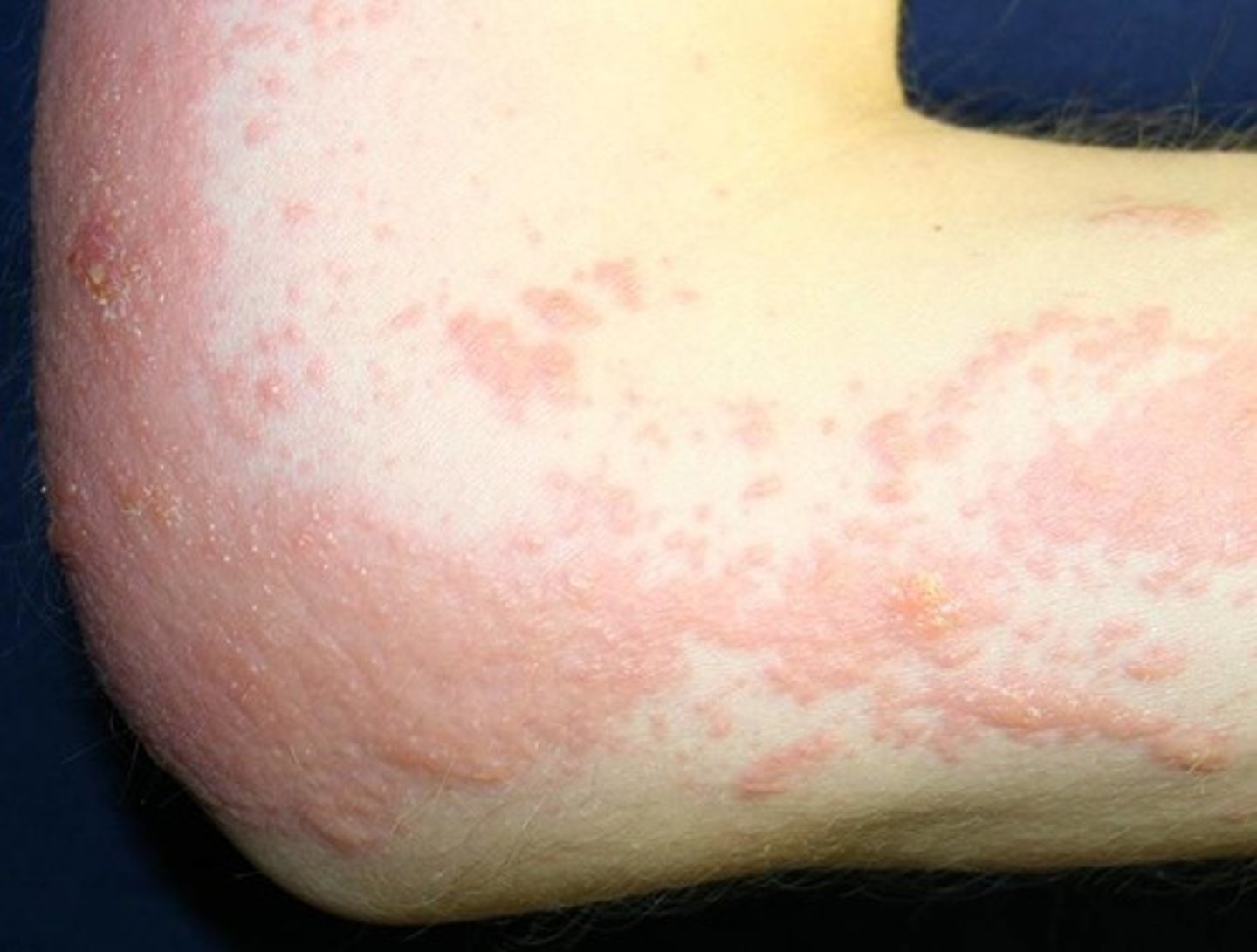
seborrheic dermatitis
redness and scaling
-red, scaly, greasy patches of skin
-forehead and central face
-improve with moisturizer and mild topical steroids
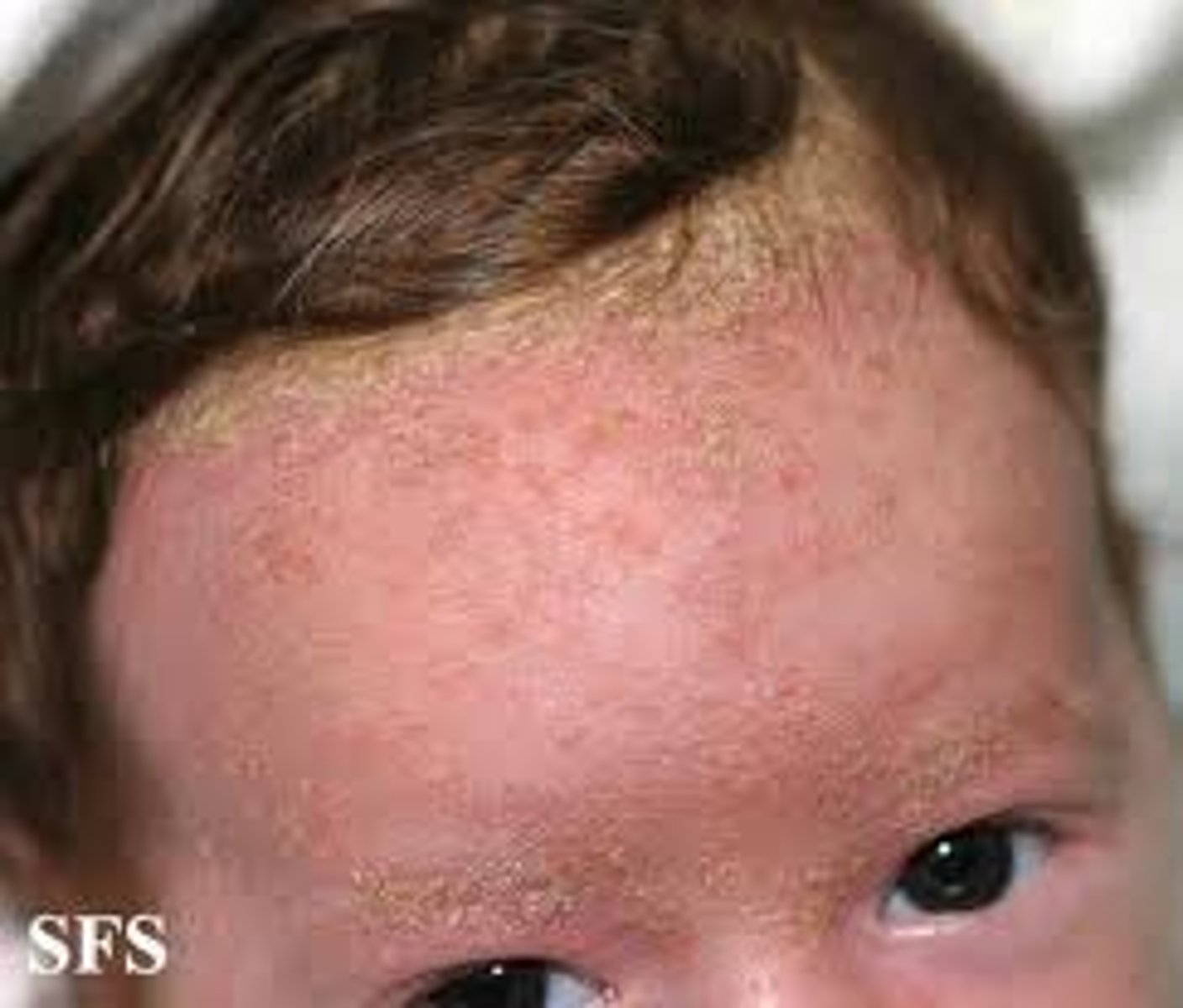
atopic dermatitis
eczema
-crusted patches
-goes with asthma and food allergies
-erythema, scaling, dry skin, intense itching
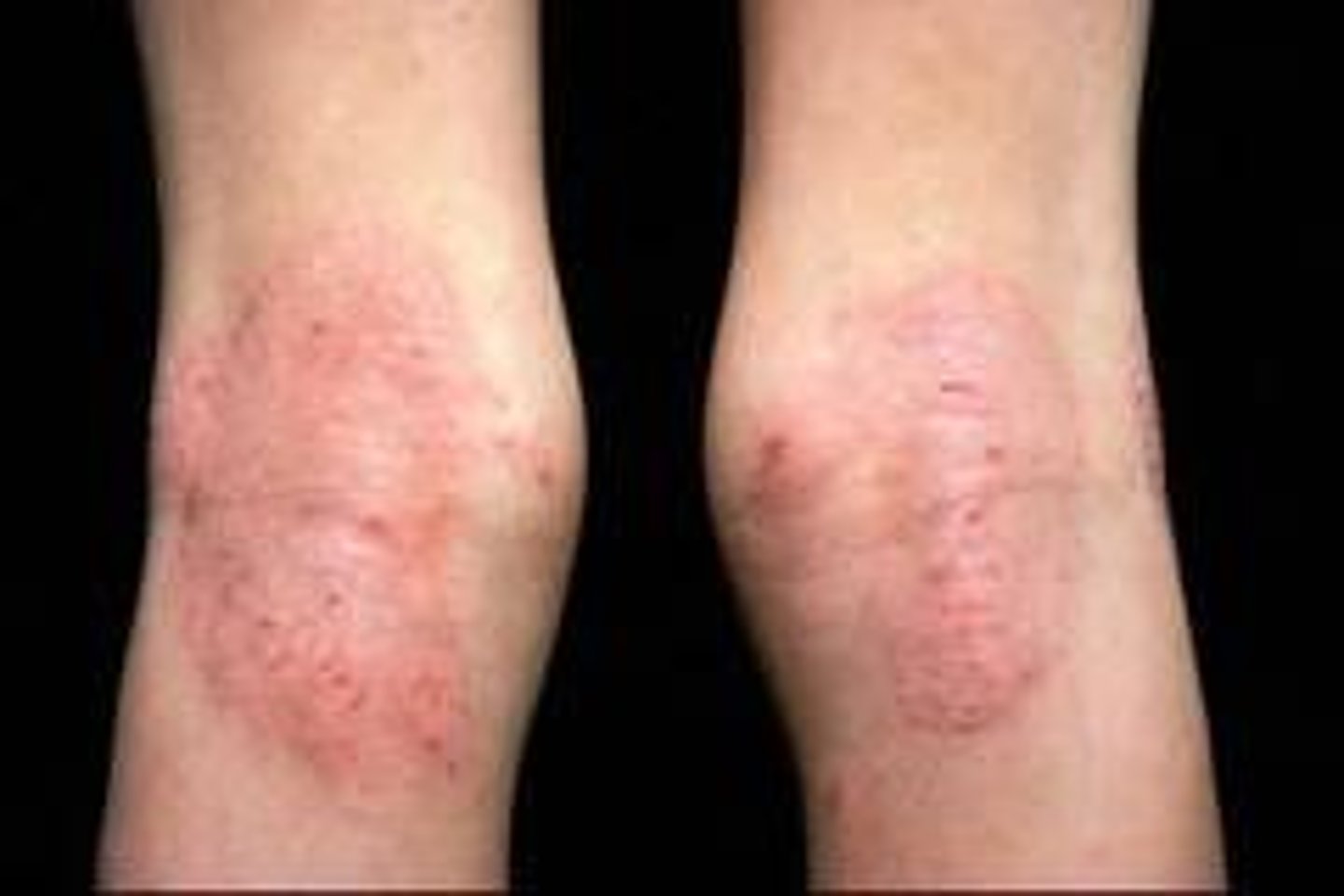
nummular dermatitis
Chronic dermatitis in which there are inflamed, coin-shaped, crusted and scaling pruritic lesions.
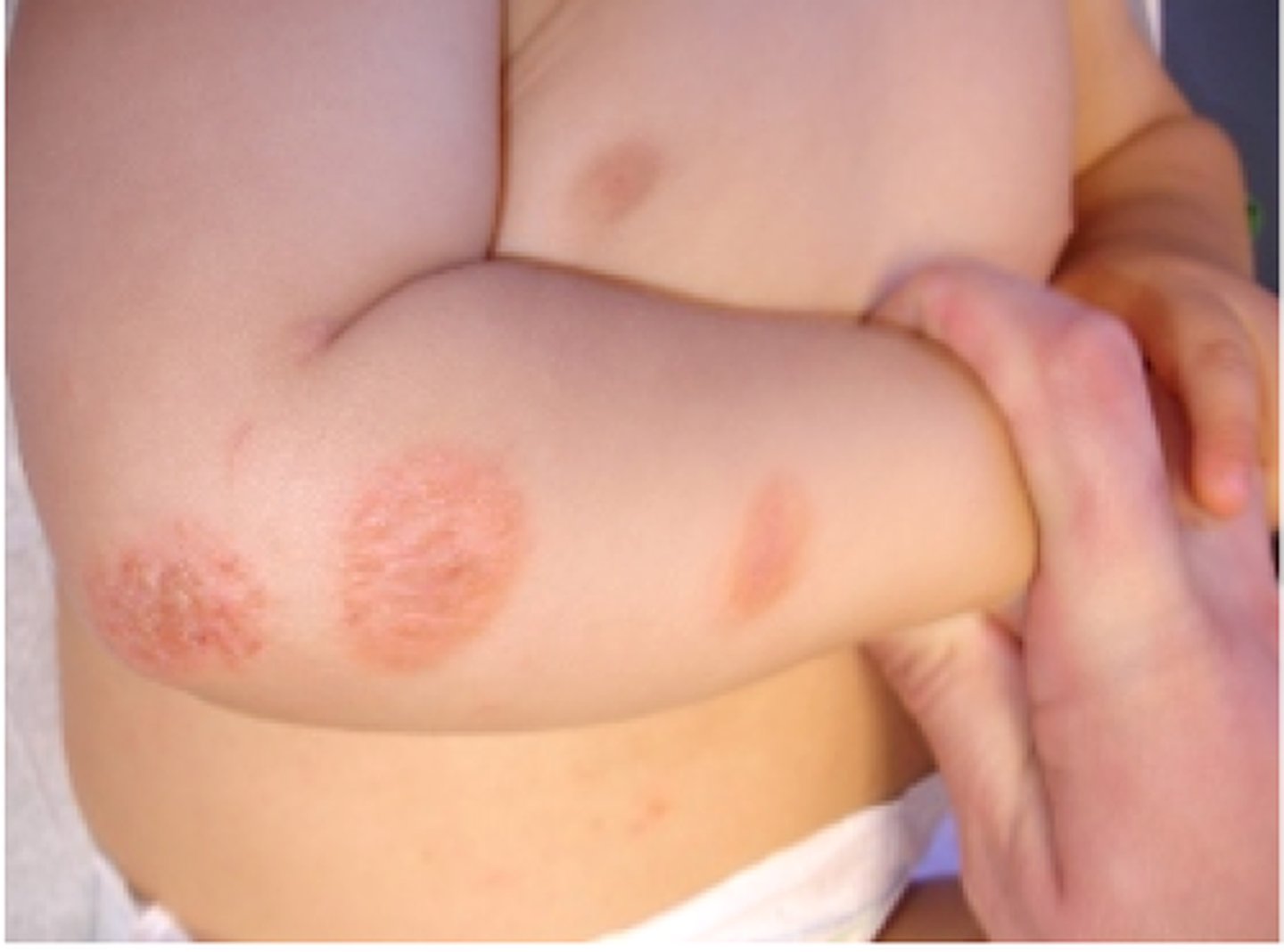
rhus dermatitis
Delayed type IV allergic reaction to Poision Ivy, Oak, and Sumac
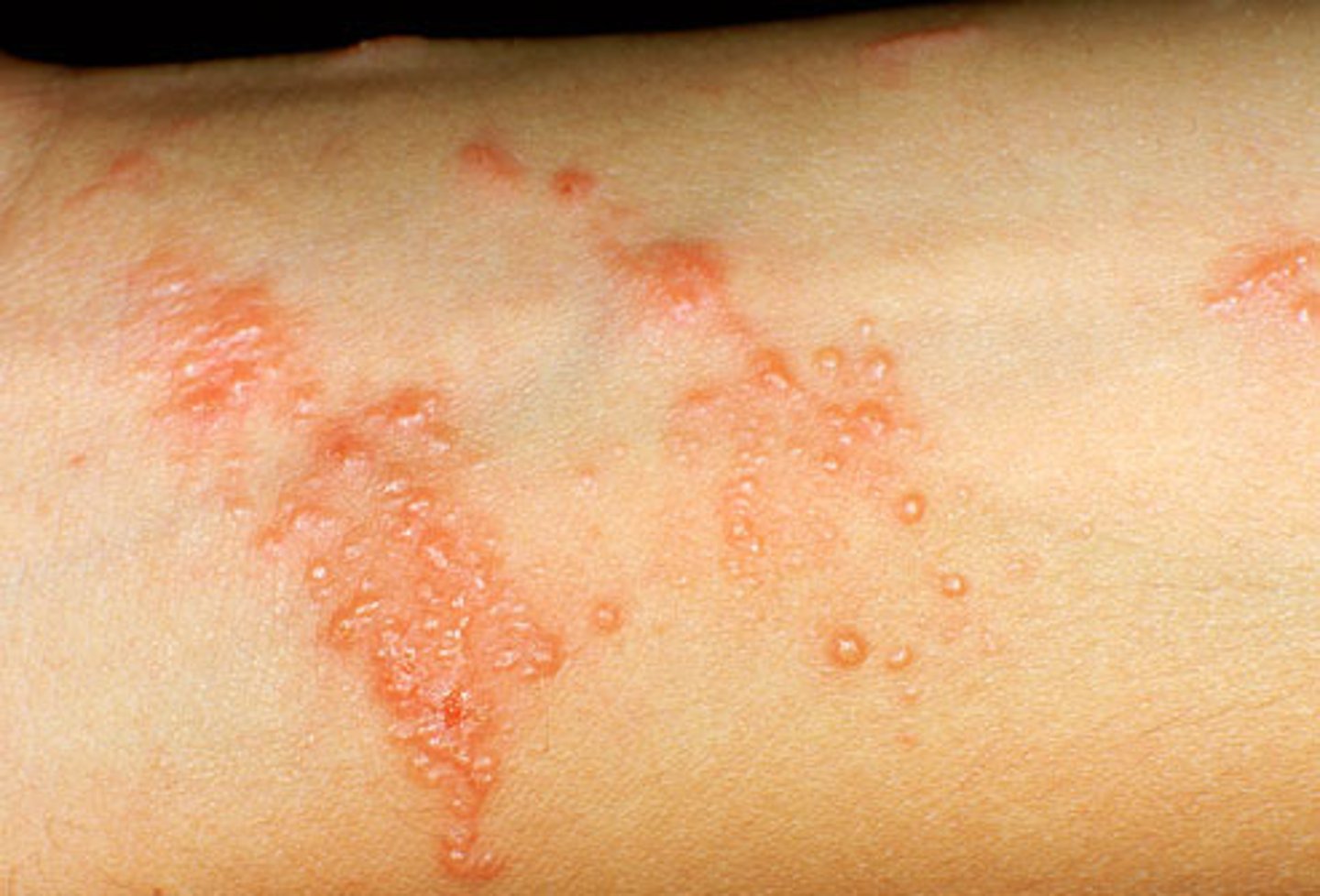
incontinence associated dermatitis
moisture-associated skin breakdown caused by prolonged contact of the skin with urine or feces
intertriginous dermatitis
inflammation of skin where two surfaces rub such as groin, beneath breasts, and underarm area
candida diaper dermatitis
bright red rash (beefy red plaques) with satellite lesions along the edges
-involve intertriginous folds
snellen chart:
first # indicates distance of the patient from the chart
-second # is distance at which the patient can read the line of the letters
-larger the second number, the worse the vision
-test one eye at a time
-patient is always positioned 20 ft from chart
chalazion
clogged duct
-gland is swollen
-more generalized than stye
-treat with warm compress
-not painful
-usually points inside the lid rather than on the lid margin like a stye
-can caused blurry vision
hordeolum
stye
-infection of eyelashes typically
-painful
-can have purulence (abx)
-abscess on eye
-inner or outer margin of eyelid
-normally from staph aureus
-red and tender to touch
blepharitis
inflammation of eyelid
-appears red, swollen, burning
-flakes or oily particles wrapped at base of eyelashes
-warm compress, abx, eye drops
xanthelasma
fatty deposits on eye from high cholesterol
-slightly raised, yellow, well-circumscribed cholesterol filled placques
-along nasal portions of one or both eyelids
-common in hyperlipidemia and biliary cirrhosis
otitis media
inflammation of middle ear
-tenderness behind ear
-can have purulent effusion with bacterial infection
-can cause conductive hearing loss
-can cause ruptured tympanic membrane
otitis externa
swimmers ear
-fluid stuck in canal and causes pain to canal
-movement or auricle and tragus is often only painful in this and not in otitis media
cholesteatoma
-fatty tissue inside ear drum
-rare
-mostly seen with perforation of tympanic membrane (growth behind it)
-smelly discharge
rediculopathy
disease of the nerve roots
-pinched nerve (spinal column compressed)
-pain, numbness/tingling, weakness
-herniated discs, spinal stenosis, tumors, trauma
-sharp shooting pain
schizophrenic affective disorder
combination of schizophrenia and a mood disorder (BPD, depression)
-persistent combination of psychotic sx (hallucinations, delusions) and mood sx (depression, mania, hypomania)
affect
observable mood of a person expressed through facial expression
-does not always match mood
mood
sustained emotion of the state
-how they feel
-does not always match affect
schizophrenia
thought/psychotic disorder
-grooming/personal hygiene may be deteriorated
-flat affect
-hallucinations vs illusions
hallucinations
false sensory perceptions occurring without any external stimulus
-ex) hearing a voice that isn't there
-no stimulus
illusions
misinterpretations of real external stimuli
-ex) mistaking a shadow for a person
-ex) mistaking car honk for voice
-misread stimulus
blocking (schizophrenia)
person's thought process and speech is suddenly and abruptly interrupted, leaving them unable to continue the sentence or thought
clanging (schizophrenia)
speech with choice of words based on sound rather than meaning
-ex) rhyming
derailment (schizophrenia)
tangential speech with shifting topics that are loosely connected or unrelated
-pt unaware of lack of association
echocholalia (schizophrenia)
repetition of words and phrases
incoherence (schizophrenia)
incomprehensible and illogical speech
-flight of ideas may produce this
neologisms
invented or distorted words
preservation
persistent repetition of words or ideas
ophthalmological emergency
something that needs to be noticed immediately
-changes in vision acuity
-any vision change (blurry, loss of vision, scotomas, flashing lights)
-eye pain, redness, tearing
-diplopia
otoscopic exam: what to look for
patency of ear canal
how to perform exam with otoscope
-straighten right ear canal --> UP and BACK away from head
-hold otoscope with right hand, brace fingers of right hand against pt face
-switch hands when examining left ear
dysthymic disorder
persistent depressive disorder
-characterized by depressive/ irritable mood lasting for at least 2 year with at least 2 depressive symptoms
mania
elation and euphoria
-accelerated and louder speech with this
-2 types: BPD and MDD
BPD
bipolar disorder
-depressive episodes and manic/hypomanic episodes
-increase in reckless behavior, expansive movement, euphoria, grandiosity, less sleep
hypomania
elevated mood, energy, and activity that is less severe than mania but can still cause impairment
-less severe form of mania
-seen in BPD
MDD
major depressive disorder
-can experience depression and mania/hypomania during a single mood episode
-can feel manic and energized but upset and hopeless at same time
-period of significant and persistent low moods
-must have 5 sx for most of the day for everyday for 2 weeks
-zung scale