Roman Art
 Call Kai
 Learn
Learn Practice Test
 Spaced Repetition
 Match
Match Flashcards
 Knowt Play
1/87

There's no tags or description
Looks like no tags are added yet.
Name | Mastery | Learn | Test | Matching | Spaced | Call with Kai | Chat |
|---|
No analytics yet
Send a link to your students to track their progress
88 Terms
Septimontium
a festival celebrating the first federation of the Seven Hills of Rome
latial
describing a cultural element from early Iron Age tribe of central Latium known for hut-shaped cinerary urns
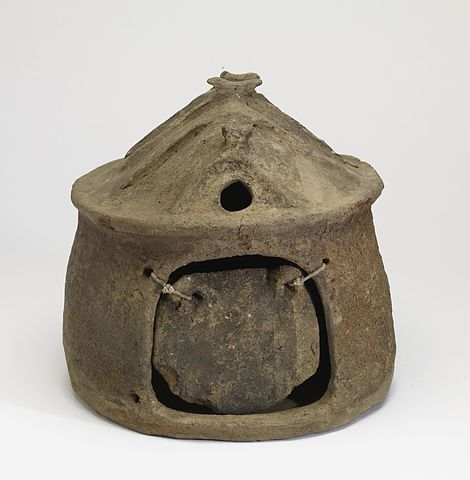
wattle-and-daub
a composite building material used for making walls, in which a woven lattice of wooden strips are coated with a sticky material usually made of some combination of wet soil, clay, sand, animal dung and straw

cinerary urn
a container used for ashes, specifically those of the cremated dead

Pontifex Maximus
the official head/chief priest of the Roman state’s religion. (in imperial times, the emperor)
patrician
a member of a hereditary ruling-class family (upper-class)
plebeian
a free Roman citizen who was not a patrician (lower-class/lower middle-class)
equite
the lower of the two aristocratic class of ancient Rome (upper middle-class)
pater familias
the father/male head of household
insula
apartment-style housing

lares familiares
guardian household tutelary deities
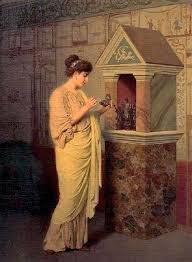
lararium
the sacred place of the home where offerings and prayers are made to the gods
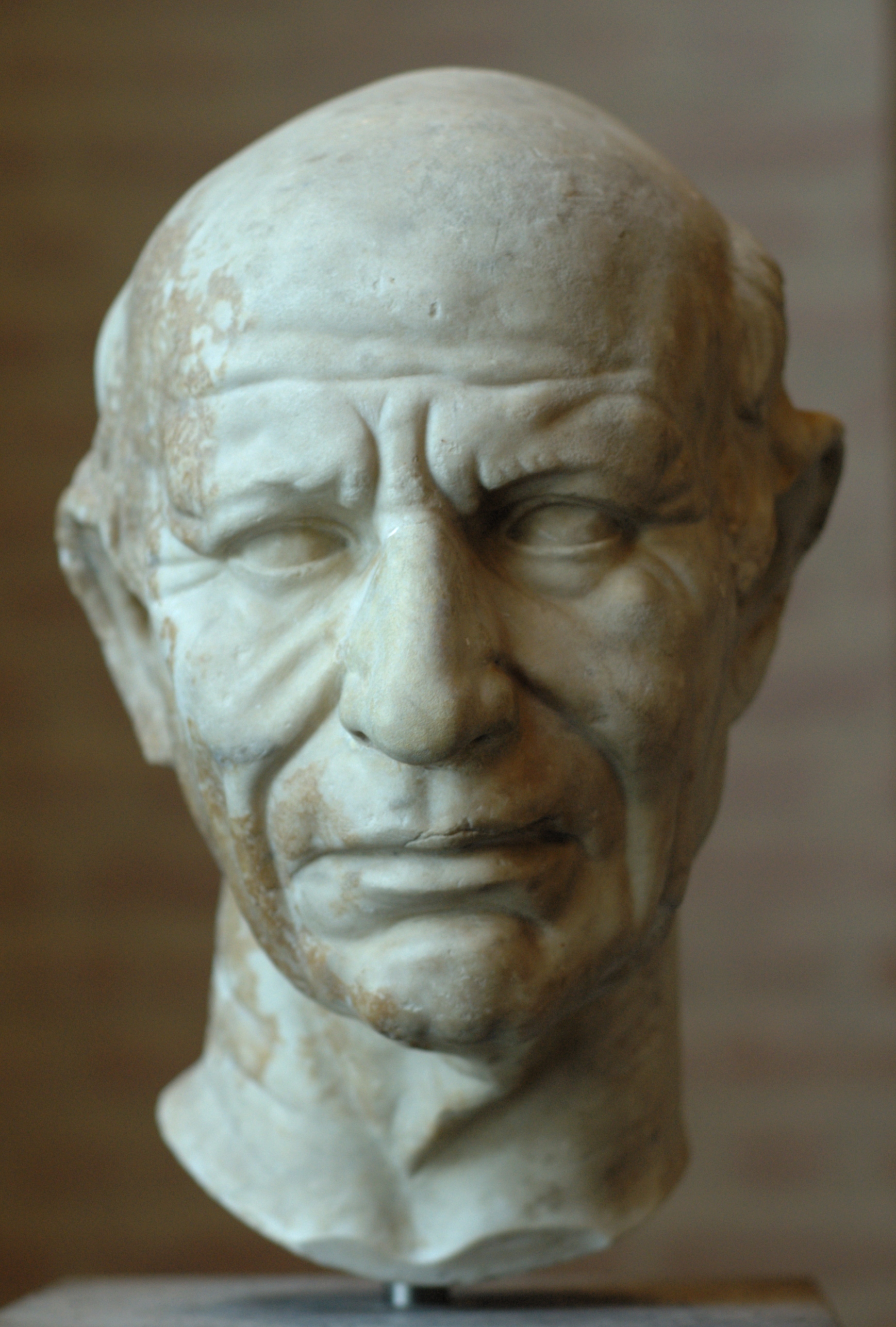
verism
the style of portraiture favored during the Republic in which the subjects were portrayed in a super-realistic likeness (“true”)
continuous narration
visual art technique that illustrates multiple scenes of a story within a single frame and without any separation between scenes and actions
imperator
“general/ruler,” a title given to triumphant generals during the Republic
pozzolana
a type of volcanic ash used for mortary/cement that sets under water
pseudoperipteral
a building (often temple) with free-standing columns in the front and engaged columns along the peripheral walls

barrel vault
a simple roof having a curved, often semicircular, cross-section used to span large distances and usually supported on columns
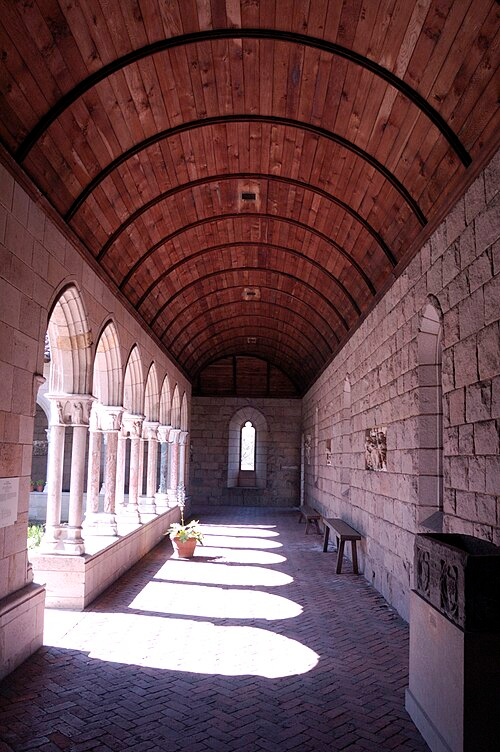
exedra
a semicircular recess with stone benches, used as a place for discussion
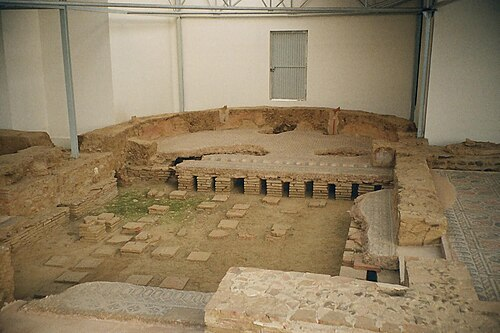
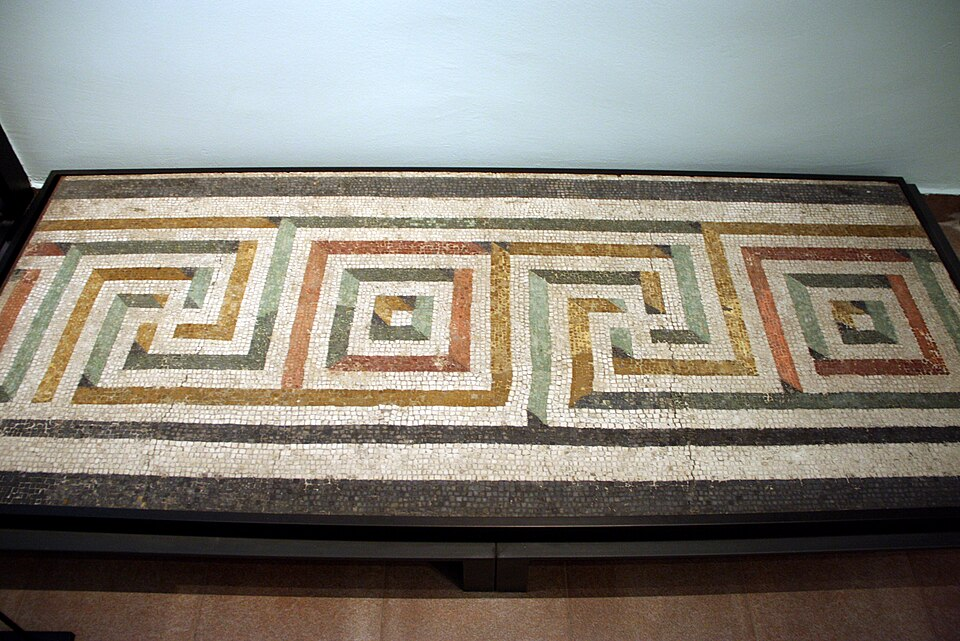
meander
decorative border constructed from a continuous line, shaped into a repeated motif
lictors
the bodyguards for a magistrate in the Republican Rome and emperors during Imperial Rome
fasces
bundle of wooden rods with an axe that symbolized the power of the magistrate/emperor (carried by lictors)

cuirass
a metal breastplate

pomerium
the sacred boundary around a city that marked the city’s urban, legal, and religious limits—no armies were allowed within this boundary

register
a vertical level in a work that consists of several levels, especially where the levels are clearly separated by lines

damnatio memoriae
“condemnation of memory,” a dishonor given by the senate to particularaly hated emperors. attempted to erase all memory and history of the person by removing their name from all documents and destroying all their portraits.
spandrel
the often triangular space between the extrados and a straight-sided figure that bounds it, or the space between two contiguous arches and a straight feature above them

intrados
the inner curve of an arch

extrados
the outer curve of an arch

grotesque
“cave,” style of ancient Roman painting found on the walls of basements in ancient ruins—ornamental arrangements of arabesques with interlaced garlands and small and fantastic human and animal figures, usually set out in a symmetrical pattern around some form of architectural framework

basilica
public building where courts and other official/public functions were held; town hall. had a nave with a semicircular apse, side aisles, a narthex, and a clerestory.

apotheosis
the fact/action of becoming/making into a god; deification
triclinium
formal dining room

buon fresco
a painting that involves applying wet paint to wet lime plaster

encaustic
a wax-based paint that is fixed in place by heating/a painting produced using this paint

Egyptomania
Roman fascination with all things related to Egypt
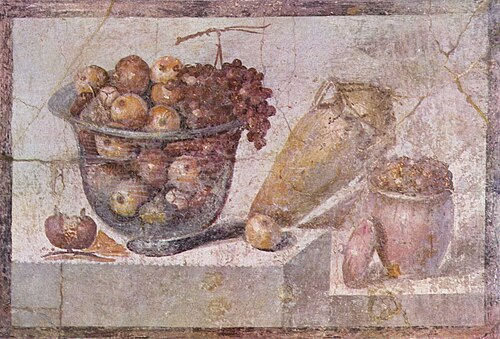
trompe l’oeil
genre of still-life painting that exploits human vision to create the illusion that the subject of the painting is real
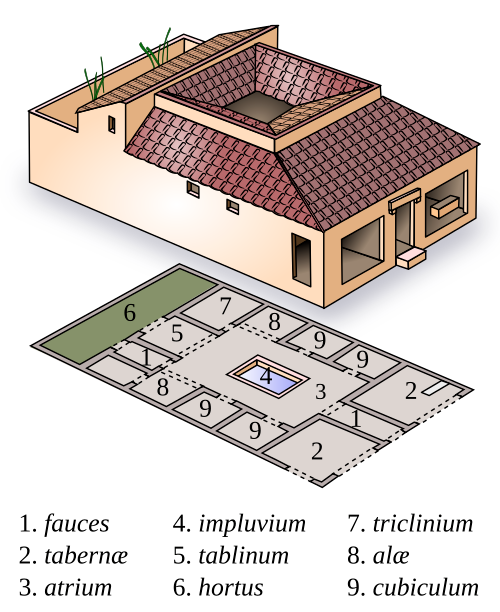
atrium
square hall lit by daylight from above, into which rooms open at one or more levels

domus
upper-class city townhouse
coffered
having an ornamental sunken panel in a ceiling/dome

quadriga
a Roman chariot drawn by four horses abreast

forum
public city square

oculus
a window/other opening that has an oval/circular shape (as of an eye)

decursio
military exercise that involves the cavalry riding in a circle
cardo
a north-south city street
triumphal arch
a monumental arch that commemorates a victory

decumanus
an east-west city street
engaged column
a column embedded in a wall and partly projecting from the surface of the wall, sometimes defined as semi- or three-quarter detached
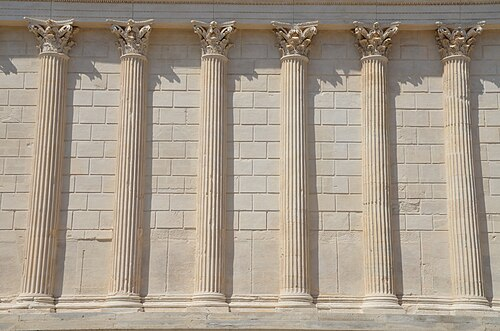
mausoleum
a large, stately tomb or a building that houses such a tomb or several tombs

Serapeum
a temple/sanctuary dedicated to the Egypto-Hellenic god Serapis
mithraeum
the place of worship for followers of Mithras. it was often in a cave-like space that was underground, narrow, and lined with bencches

Praetorian guard
the force of bodyguards used by Roman emperors
adlocutio
an address by a general (usually the emperor) to his massed army and a general salute from the army to their leader
tetrarchy
an empire that was ruled by four rulers
porphyry
a hard, igneous rock that consists of large crystals in a fine-grained matrix

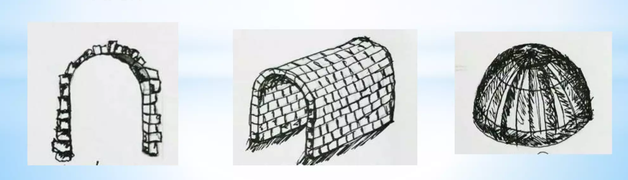
arcuated
describing a form containing a curve that makes it concave
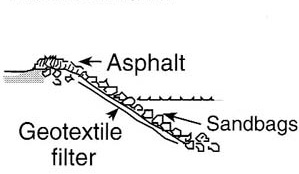
revetment
a sloping structure placed on a bank/cliff to absorb the energy of the incoming water
castrum
“camp/fortress,” a military encampment planned in a square/rectangle with two main roads in each direction

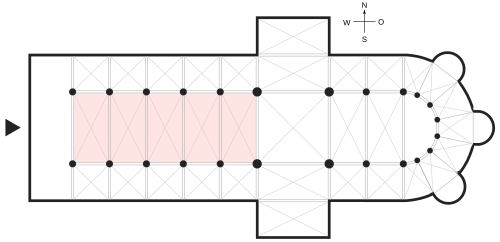
nave
the central area of a basilica
colossus
a statue of gigantic proportions
spolia
“spoils,” the reuse of building material or decorative sculpture for new buildings/monuments
domus ecclesiae
the earliest Christian places of worship: churches that existed in private homes
cubicula
small rooms carved out of the wall of a catacomb used as mortuary chapels

lunette
a half-moon shaped space, usually above a door/window, either filled with recessed masonry or void

presbytery
a section of the church reserved for the clergy

theophany
a manifestation of a deity to a human
prothesis
the place in a basilica in which things are prepared (where the Liturgy of Preparation takes place in Eastern Orthodox churches)
fascia
"a wide band of material that covers the ends of the roof rafters and sometimes supports a gutter in steep-slope roofing; typically a border or trim in low-slope roofing

cloister
a covered walk, especially in a monastery, with an open collonade on one side that runs along the walls of the buildings that face a quadrangle

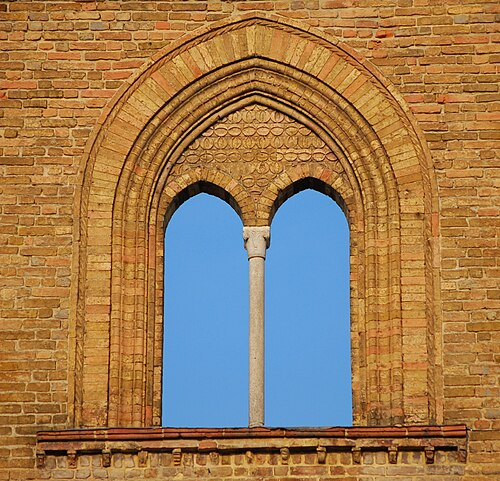
mullion
a vertical element that forms a division between the units of a window, door, or screen, or that is used decoratively
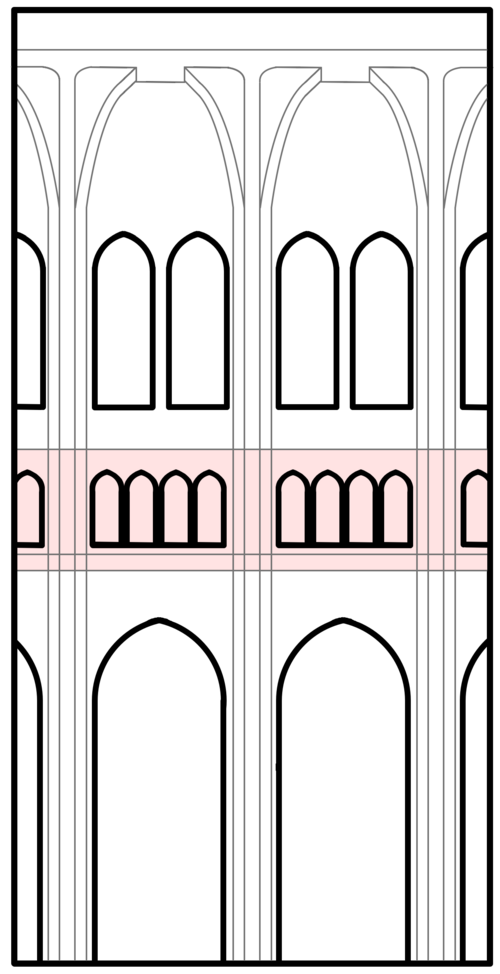
triforium
a shallow, arched gallery within the thickness of an inner wall, above the nave of a church/cathedral
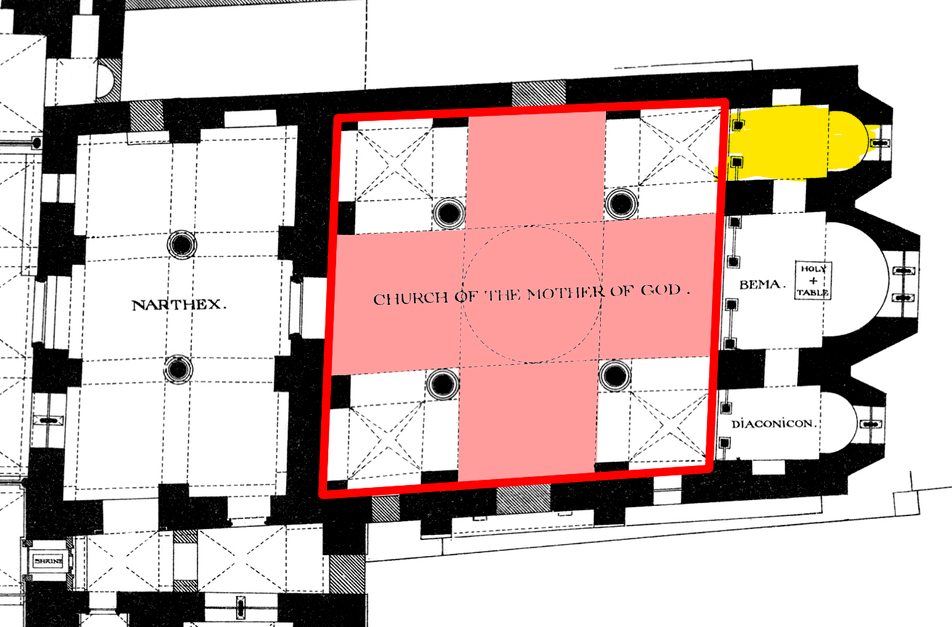
diaconicon
a chamber on the south side of the central apse of the church, where the vestments, books, etc. are kept

clerestory
the upper part of a wall that contains windows that let in natural light to a building, especially in the nave, transept, and choir of a church/cathedral

transept
a transverse part of any building, which lies across the main body of the building. in cruciform ("cross-shaped") churches, an area set crosswise to the nave.

mos maiorum
the unwritten code from which the ancient Romans derived their social norms. It is the core concept of Roman traditionalism, distinguished from but in dynamic complement to written law; the time-honoured principles, behavioural models, and social practices that affected private, political, and military life
Ara Pacis Augustae
Augustan altar in Rome dedicated to Pax Romana (13-9 BCE)

Pax Romana
a roughly 200-year-long period of ancient Rome that is identified as a golden age of increased and sustained Roman imperialism, prosperous stability, hegemonic power, regional expansion, and relative peace and order (27 BCE - AD 180)
Augustus of Primaporta

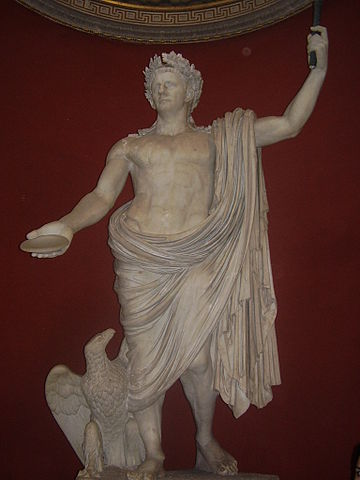
Claudius as Jupiter
compluvium
a space left unroofed over the court of a Roman dwelling, through which the rain fell into the impluvium or cistern (where light came into atrium)

rostra
a large platform in Rome where speakers delivered speeches to the people and the senate
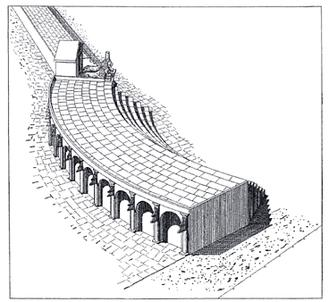
hemicycle
a semicircular structure or arrangement

megalographia
large-scale/life-size painting
first style
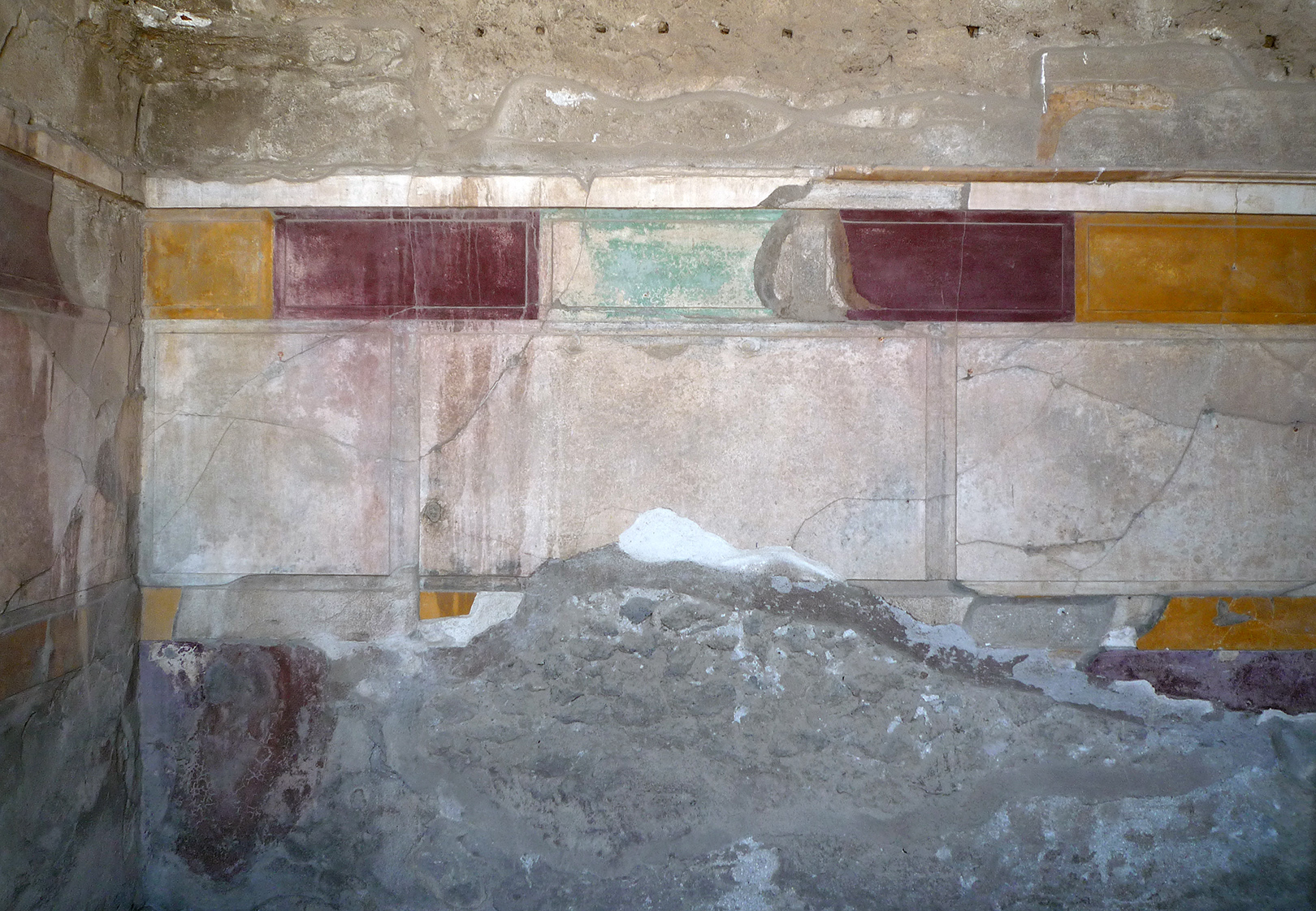
second style

third style

fourth style

apse
a semicircular recess covered with a hemispherical vault or semi-dome
