Comprehensive Blood Anatomy and Physiology: Components, Types, and Functions
 Call Kai
 Learn
Learn Practice Test
 Spaced Repetition
 Match
Match Flashcards
 Knowt Play
1/55

There's no tags or description
Looks like no tags are added yet.
Name | Mastery | Learn | Test | Matching | Spaced | Call with Kai |
|---|
No analytics yet
Send a link to your students to track their progress
56 Terms
What are the main components of the cardiovascular system?
Fluid (blood), blood vessels, and the heart.
What are the primary functions of blood?
Transportation of gases, nutrients, hormones, metabolic wastes; regulation of pH and ion composition; restriction of fluid loss; defense against pathogens; stabilization of body temperature.
What is the role of the heart in the cardiovascular system?
The heart propels blood and maintains blood pressure.
What do arteries do?
Carry blood away from the heart to the capillaries.
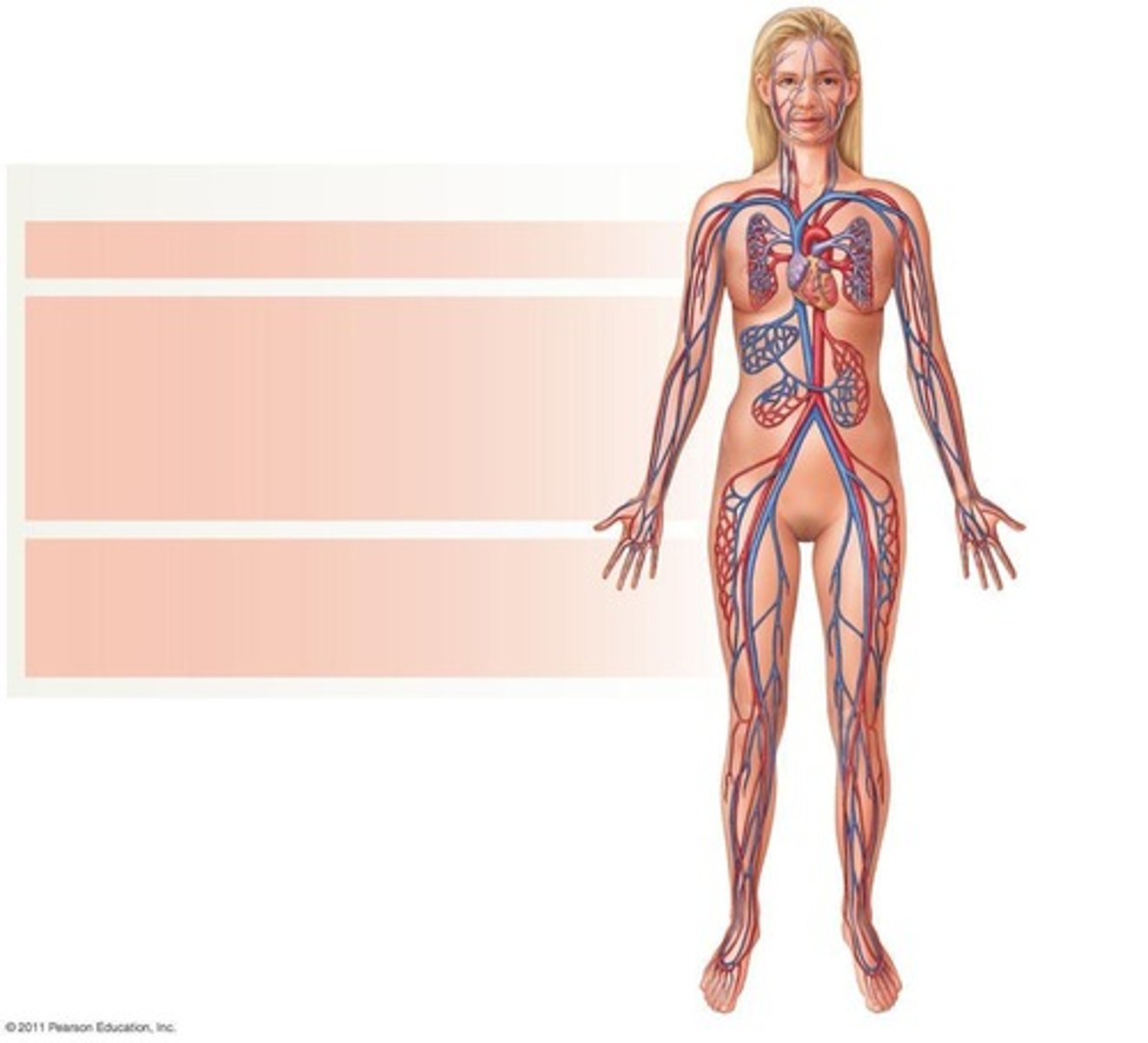
What is the function of veins?
Return blood from capillaries to the heart.
What is the average volume of blood in the human body?
About 5 liters (5.3 quarts).
What is plasma?
The liquid matrix of blood, consisting of 92% water, 7% plasma proteins, and 1% other solutes.
What is hematocrit?
The percentage of whole blood contributed by formed elements, averaging 47% for males and 42% for females.
What are the three main types of plasma proteins?
Albumins, globulins, and fibrinogen.
What is the primary function of albumins?
Contribute to plasma osmotic pressure.
What role do globulins play in the blood?
They include antibodies that attack pathogens and transport globulins that bind ions and hormones.
What is the function of fibrinogen?
Functions in blood clotting and activates to form fibrin strands.
What are electrolytes, and why are they important?
Electrolytes are ions essential for vital cellular activities, including Na+, K+, Ca2+, and Cl-.
What are the formed elements of blood?
Platelets, white blood cells (WBCs), and red blood cells (RBCs).
What is the primary function of red blood cells (RBCs)?
To transport oxygen in the blood.
What is the average red blood cell count in adult males?
4.5-6.3 million RBCs per microliter of whole blood.
What is the average red blood cell count in adult females?
4.2-5.5 million RBCs per microliter of whole blood.
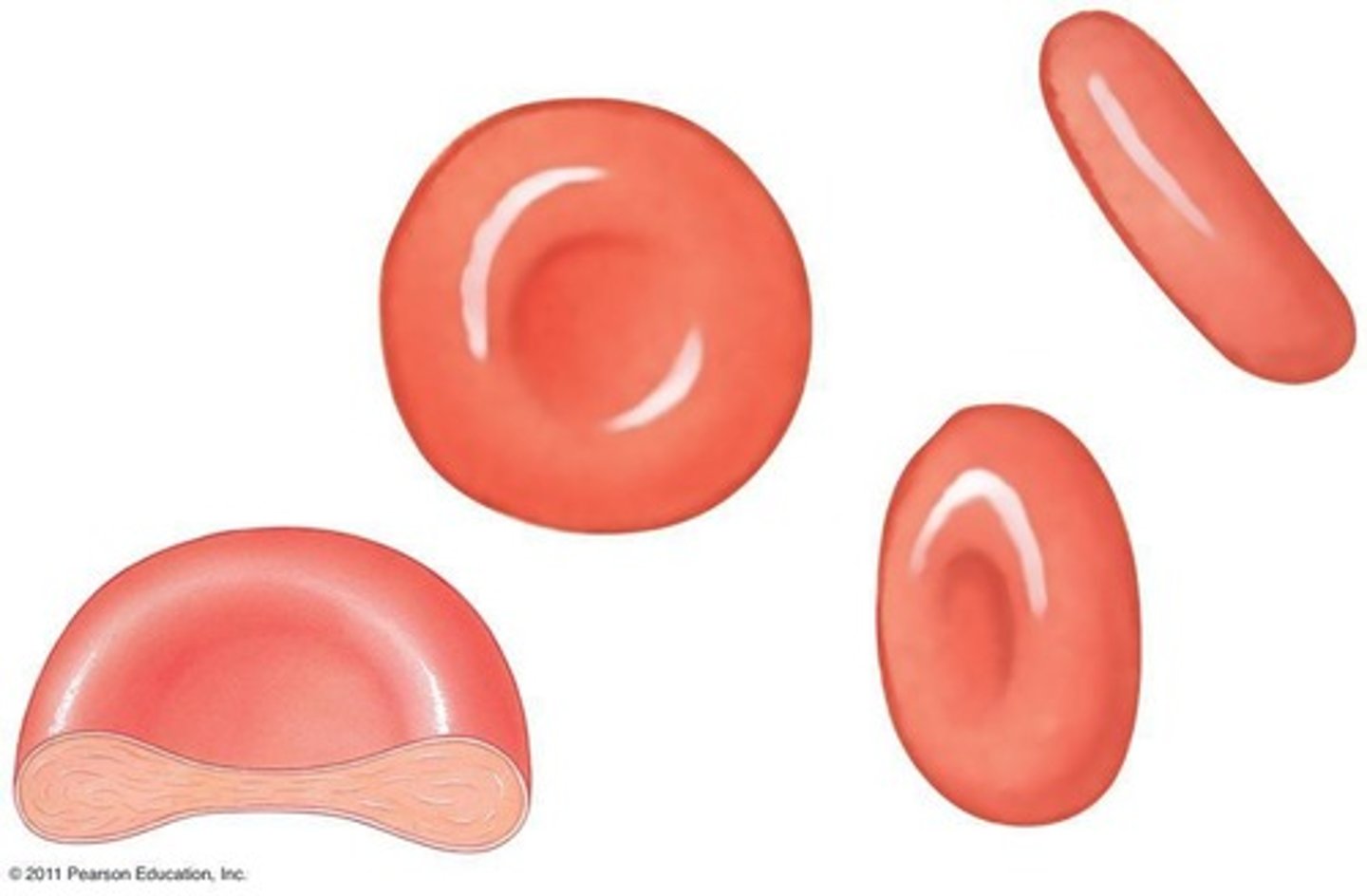
What shape do red blood cells have, and why is it beneficial?
They are biconcave discs, which provide a large surface area-to-volume ratio for efficient gas exchange.
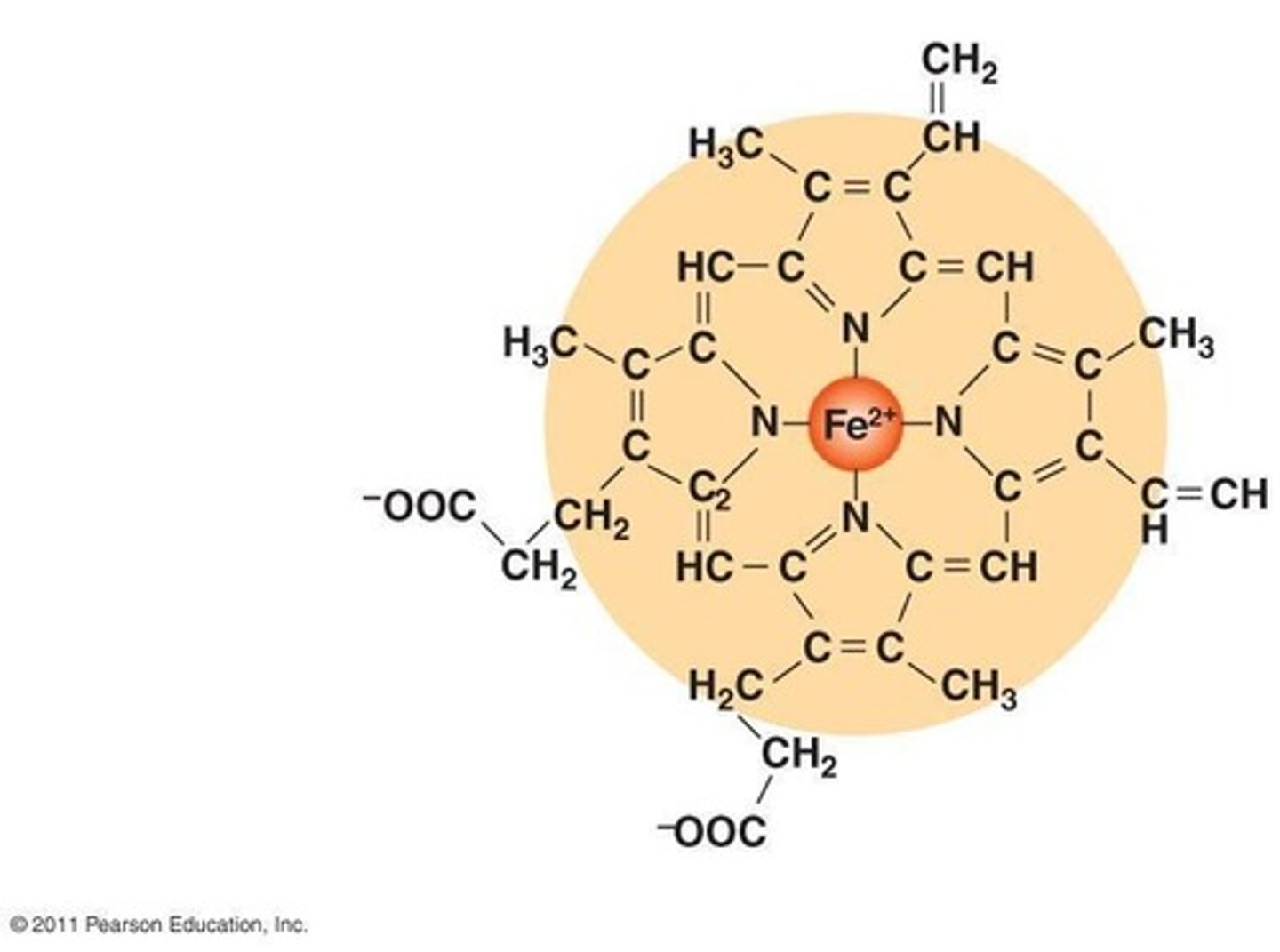
What is hemoglobin?
A protein in red blood cells that carries oxygen; each molecule can bind four oxygen molecules.
What determines blood types?
The presence or absence of cell surface markers (antigens) that identify blood cells as 'self' or 'foreign.'
What are the three particularly important blood antigens?
A, B, and Rh (or D).
What is the average temperature of blood?
Roughly 38°C (100.4°F).
How does blood viscosity compare to water?
Blood is 5 times more viscous than water due to its solid components.
What happens to red blood cells during their development?
They lose most organelles, including the nucleus, and cannot repair themselves.
What is the lifespan of red blood cells?
Approximately 120 days.
What is the significance of the biconcave shape of RBCs?
It allows for greater flexibility and efficient passage through narrow capillaries.
What is the role of platelets in the blood?
They are involved in the clotting process.
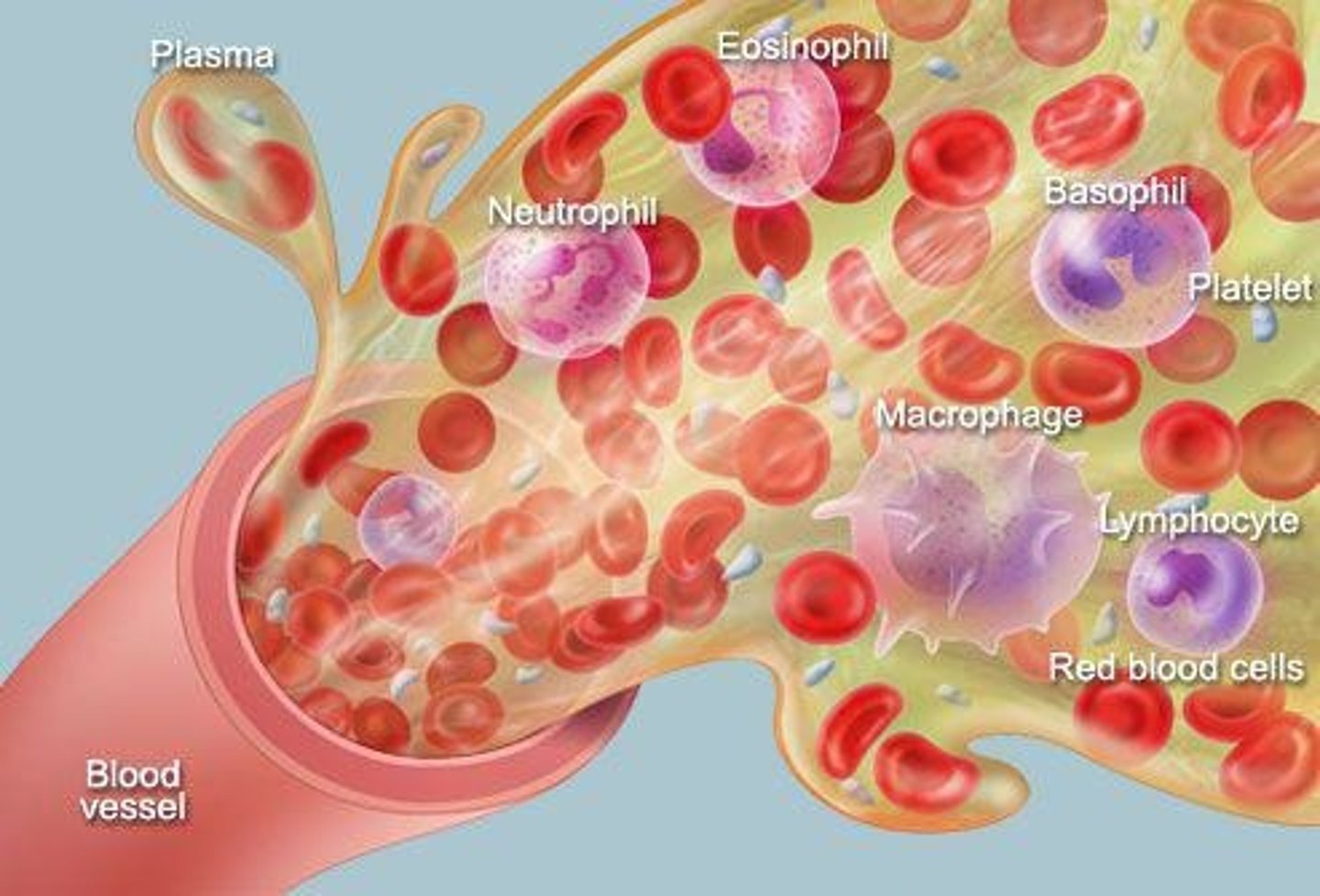
What are white blood cells (WBCs) also known as?
Leukocytes.
How many classes of white blood cells are there?
Five classes, each with different functions.
What surface antigens are present in Type AB blood?
Both A and B surface antigens
What surface antigens are present in Type O blood?
Lacking both A and B surface antigens
What type of antibodies does Type O blood plasma contain?
Both anti-A and anti-B antibodies
What type of antibodies does Type AB blood plasma contain?
Neither anti-A nor anti-B antibodies
What type of antibodies does Type B blood plasma contain?
Anti-A antibodies
What determines if a blood type is Rh positive or negative?
The presence or absence of Rh surface antigens on RBCs
What is agglutination in the context of blood types?
Clumping that occurs when incompatible blood types are mixed
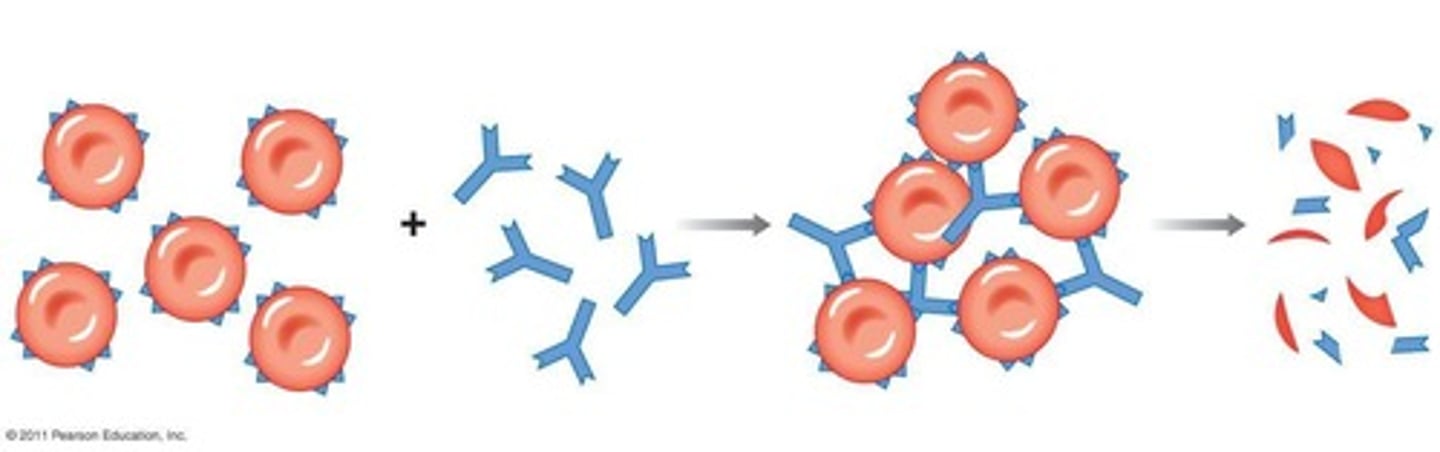
What is hemolysis?
The breakdown of red blood cells (RBCs)
What is Newborn Hemolytic Disease (HDN)?
A condition where a mother's antibodies attack fetal RBCs due to blood type incompatibility
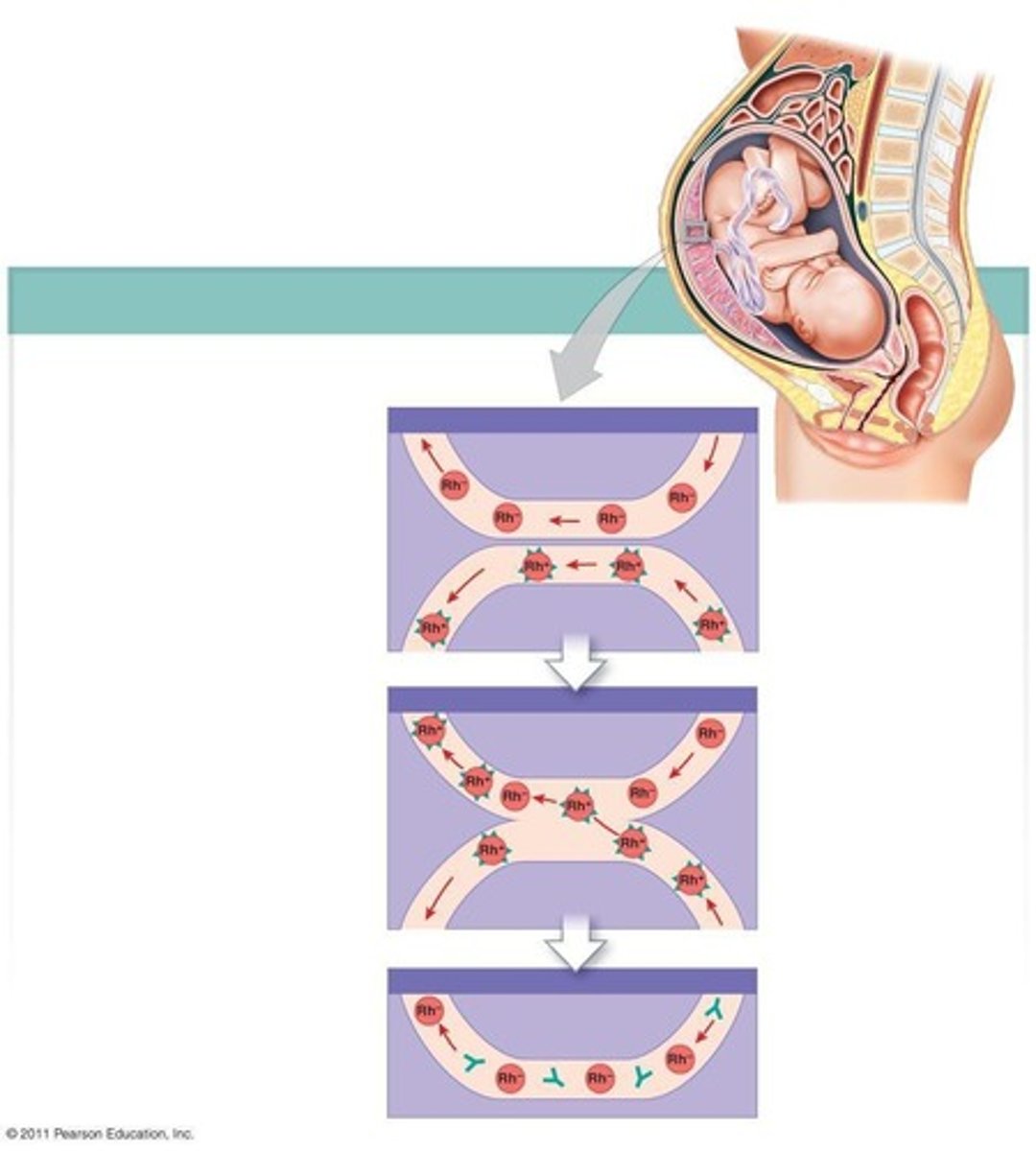
What happens during the first pregnancy of an Rh- mother with an Rh+ infant?
No issues occur until birth when maternal blood may be exposed to fetal Rh+ cells, leading to sensitization
What is the role of RhoGAM antibodies?
To prevent maternal sensitization by destroying any fetal RBCs that cross the placenta
What are the two main classes of white blood cells?
Granular leukocytes and agranular leukocytes
What is emigration in the context of white blood cells?
The process of WBCs squeezing between endothelial cells to exit the bloodstream
What is positive chemotaxis?
The attraction of WBCs to specific chemical stimuli from pathogens or damaged tissues
What are neutrophils known for?
Being the most abundant WBCs and capable of phagocytosis
What is the function of eosinophils?
To increase in number during allergies and parasitic infections, and to perform phagocytosis
What do basophils release to promote inflammation?
Histamine
What do monocytes become when they enter tissues?
Macrophages, which are phagocytic cells
What is the primary role of lymphocytes?
To provide defense against specific pathogens
What is the lifespan of white blood cells in circulation?
They spend only a short time in circulation
How do white blood cells migrate to areas of infection?
By adhering to vessel walls and squeezing through endothelial cells
What is the significance of the placenta during pregnancy regarding blood types?
It restricts direct transport between maternal and fetal blood
What can happen during a second pregnancy with an Rh- mother and Rh+ infant?
Maternal anti-Rh antibodies can cross the placenta and attack fetal RBCs
What is erythroblastosis fetalis?
A condition caused by maternal antibodies attacking fetal RBCs, leading to anemia
What is the primary function of phagocytes?
To engulf and digest pathogens and debris
What happens to white blood cells when they become activated?
They adhere to vessel walls and migrate to tissues
What is the role of antibodies in blood type interactions?
They protect the body from foreign blood cells

