properties of polymers
 Call Kai
 Learn
Learn Practice Test
 Spaced Repetition
 Match
Match Flashcards
 Knowt Play
1/17

Earn XP
Description and Tags
18 Terms
thermoplastics
PPP PHN ALPH
Thermoplastics can be reheated and reshaped, this gives them a wide range of appications
Both types of polymer can be recycled but thermoplastics are easier to recycle
Both types of polymers can be easily pigmented (coloured)
Thermoplastics are prone to UV degradation
Both polymers are heat and eletrical insulators
Both polymers are hygenic, easily cleaned and waterproof
Production and extraction
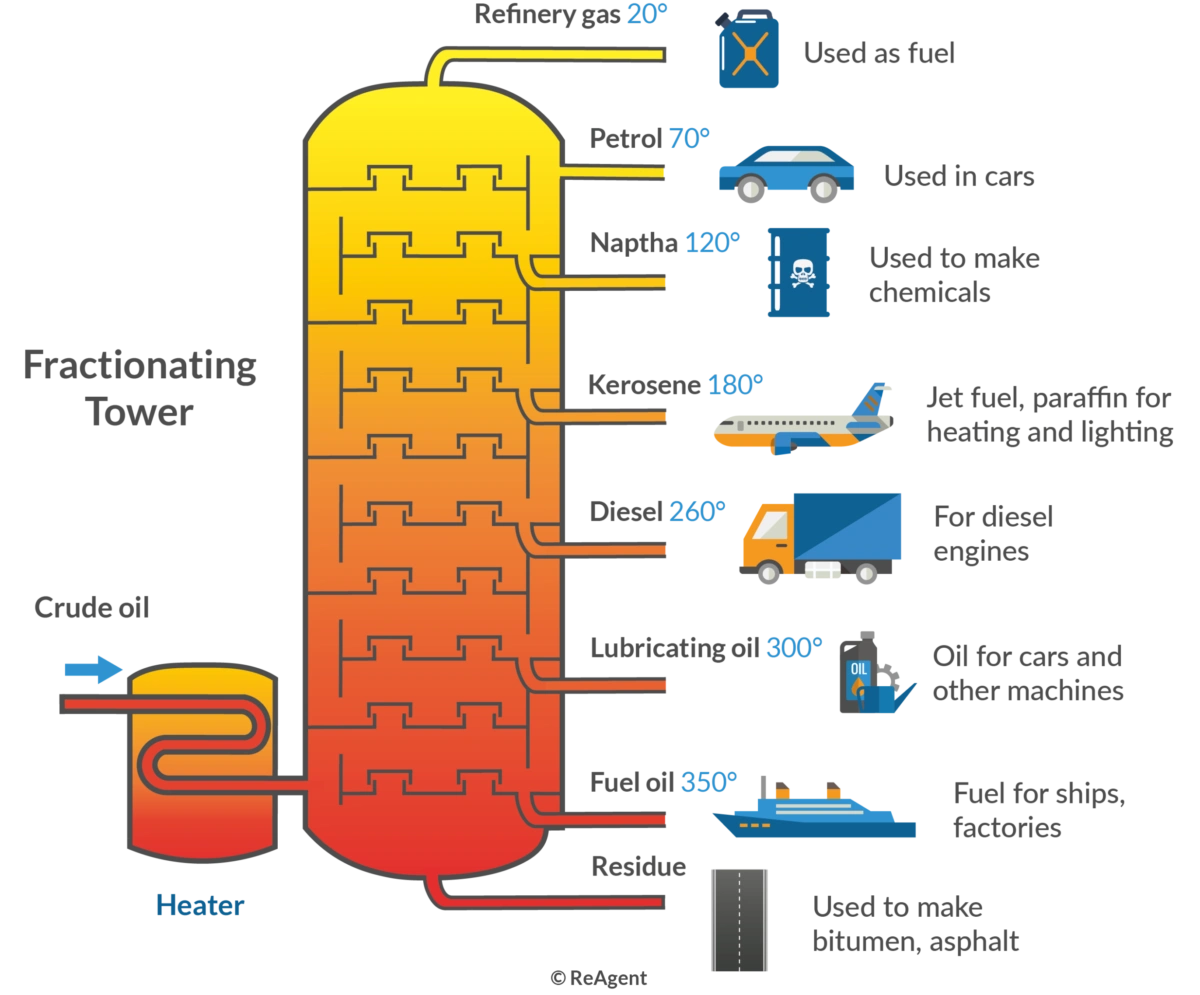
Fractional distillation of crude oil produces hydrocarbons
One of the factions produced is called naphtha, and is the main one used for the production of polymers
Hydrocarbon chains:
Cracking breaks large hydrocarbons into smaller and more useful forms
Small → low bp, very volatile, flows easily and ignites easily
Large → high bp, not volatile, doesn’t flow or ignite easily
Stock forms for polymers
Sheet – Large, flat sections of polymer used for signage, packaging, and protective covers.
Film – Thin and flexible polymer material used for packaging, wrapping, and waterproofing.
Granules – Small pellets of polymer, commonly used in injection moulding and extrusion processes.
Rod – Solid cylindrical shape used for machining, structural applications, and components.
Other extruded forms – Includes tubes, channels, and profiles used in construction, insulation, and automotive applications.
Foam – Lightweight polymer with air pockets, used in cushioning, insulation, and protective packaging.
Powder – Fine polymer particles used in coatings, sintering processes, and rotational moulding.
Polypropylene (PP)
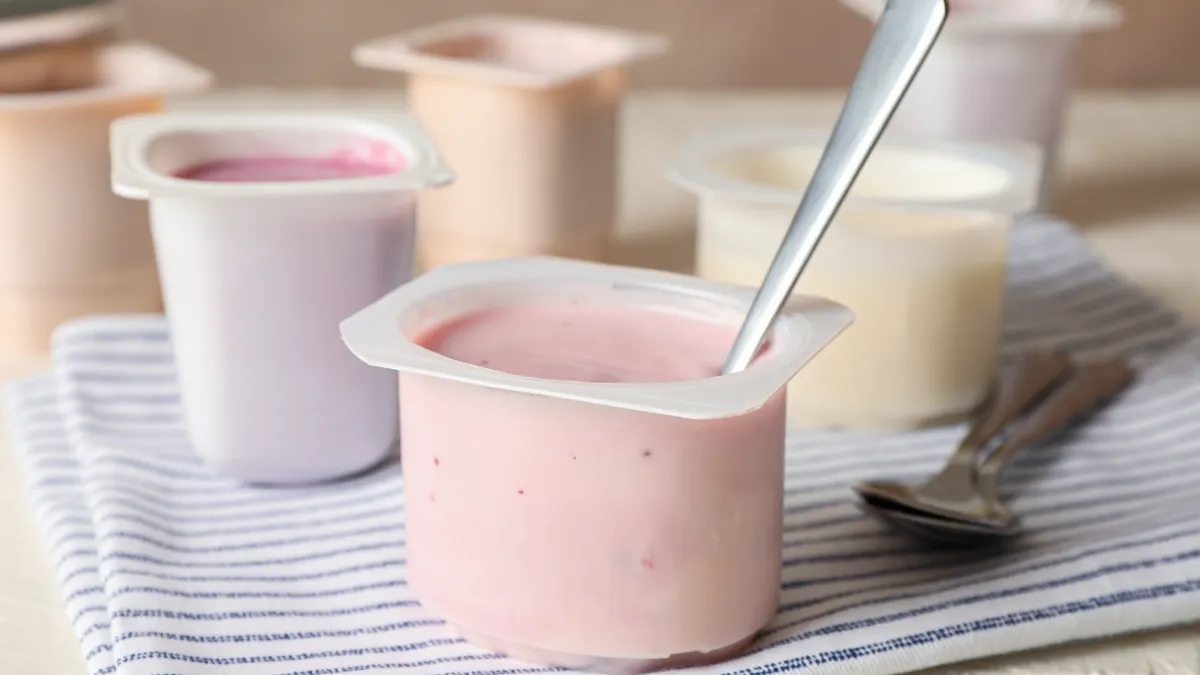
Thermoplastic - melting point 130c, safe working temp 100c, used for food packaging medical syringes, carpets
Advantages
Lightweight
Hard
Impact resistant
Chemical resistant
Disadvantages
Can discolour from UV light
Oxidation can cause problems
Not heat resistant
Difficult to paint
Polymethyl Methacorylate (Acrylic) (PMMA)
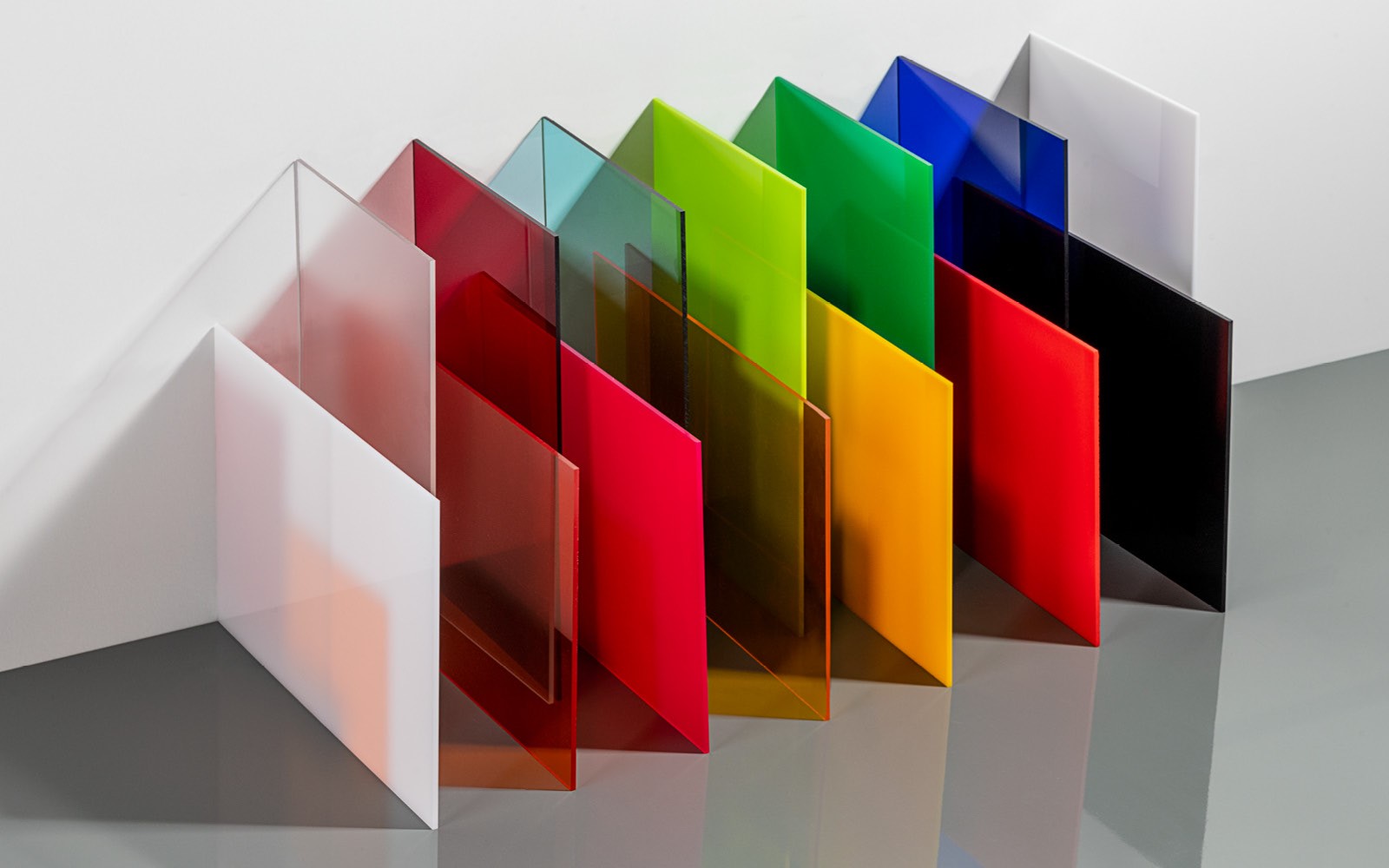
Thermoplastic - melting point 160c, safe working temp 95c, used for CD cases, baths, glass replacement
Advantages
Stiff
Hard
Durable
Good electrical insulator
Available in a range of colours
Disadvantages
Very brittle
Scratches easily
Splinters easily
Poor fatigue properties

Rigid Polyvinyl Chloride (uPVC)
Thermoplastic - melting point 100c, safe working temp 95c, used for windows, guttering and pipes
Advantages
Good chemical and weather resistance
Durable and long-lasting
Rigid
Good electrical insulator
Disadvantages
Can degrade under UV light
Releases toxic fumes when burned
Difficult to recycle
Flexible Polyvinyl Chloride (PVC)
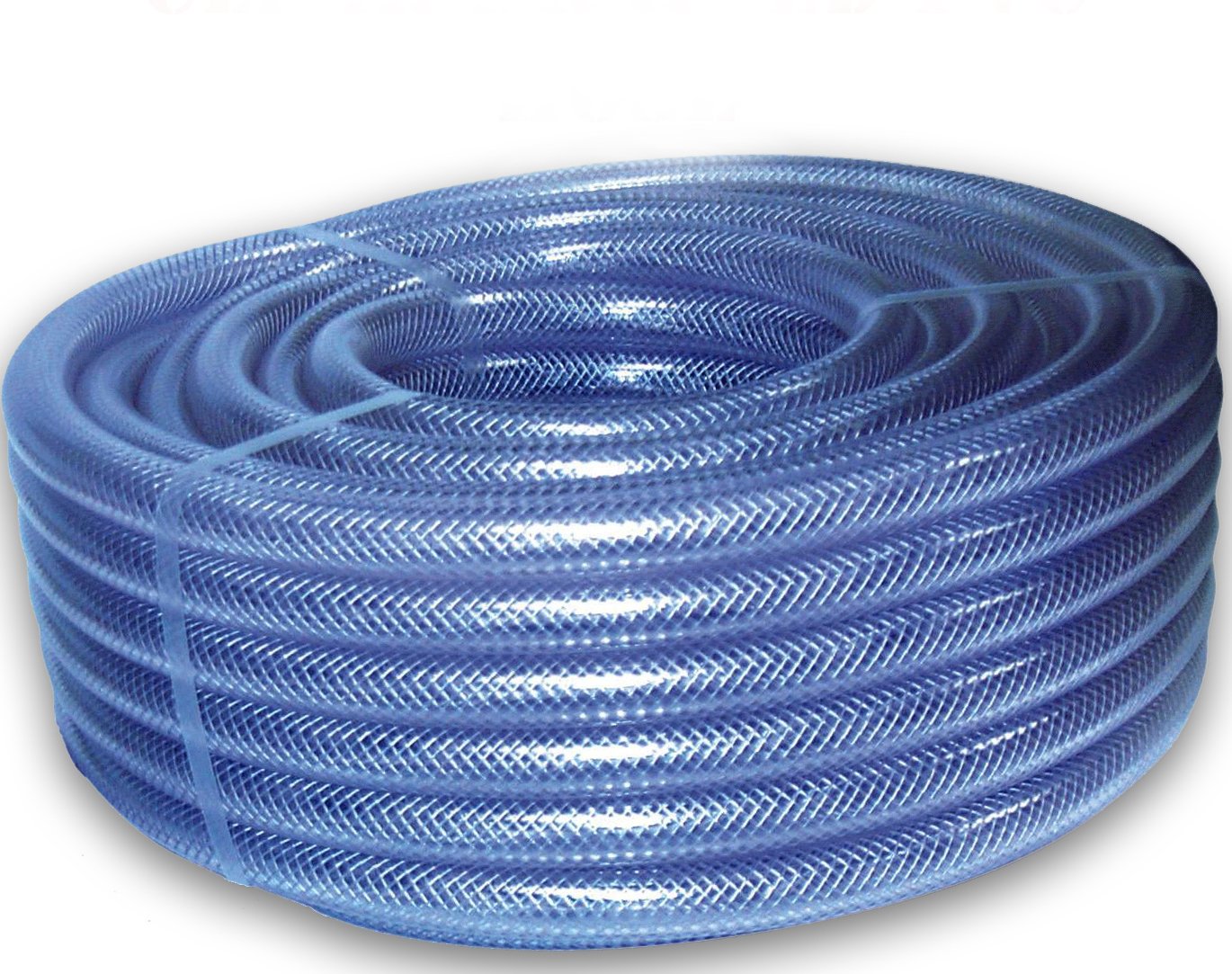
Thermoplastic - melting point 100c, safe working temp 95c, used for hosepipes and cable insulation
Advantages
Good chemical and weather resistance
Durable and long-lasting
Flexible
Good electrical insulator
Can be foamed which adds volume without weight
Disadvantages
Can degrade under UV light
Releases toxic fumes when burned
Contains plasticisers that may leach out
Difficult to recycle

High Impact Polystyrene (HIPS)
Thermoplastic - melting point 217c, safe working temp 70c, used for food packaging, preproduction prototypes and childrens toys
Advantages
More durable than regular PS
Rigid with low shrinkage
Easy to mould and press
Good dimensional stability
Accepts paints and glues well
Low cost material
Disadvantages
Poor chemical resistance
Brittle at low temperatures
Poor UV resistance (yellows outdoors)
Flammable (releases toxic fumes when burning)
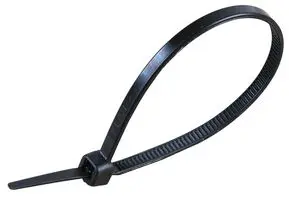
Nylon (Polyamide)
Thermoplastic - melting point 258c, safe working temp 150c, used for bearings, gears, ropes and cable ties
Advantages
High strength and durability
Good wear resistance
Low friction coefficient
Resistant to chemicals and abrasion
Disadvantages
Absorbs moisture, reducing strength
Can degrade under UV light
Produces static electricity
Difficult to recycle
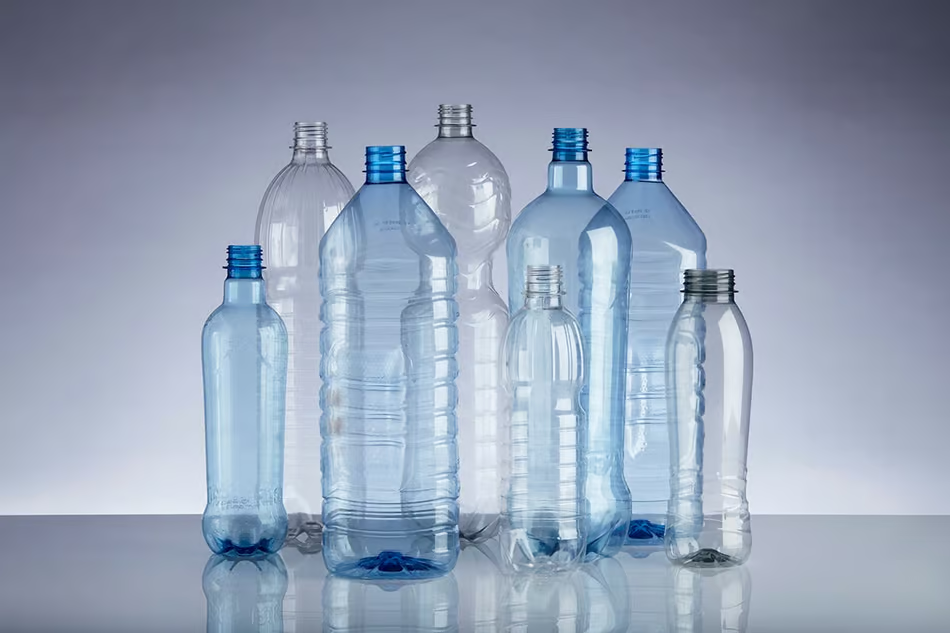
Polyethylene Terephthalate (PET)
Thermoplastic - melting point 260c, used for fibres in clothing, food containers and washing up bottles
Advantages
Good alcohol and oil barrier
Weather resistant
Can be made transparent
Inert/non-toxic
Stiff/tough/hard
Available in a range of colours
Disadvantages
Can discolour from UV light
Needs to be treated when used for food containers
Susceptible to heat degradation
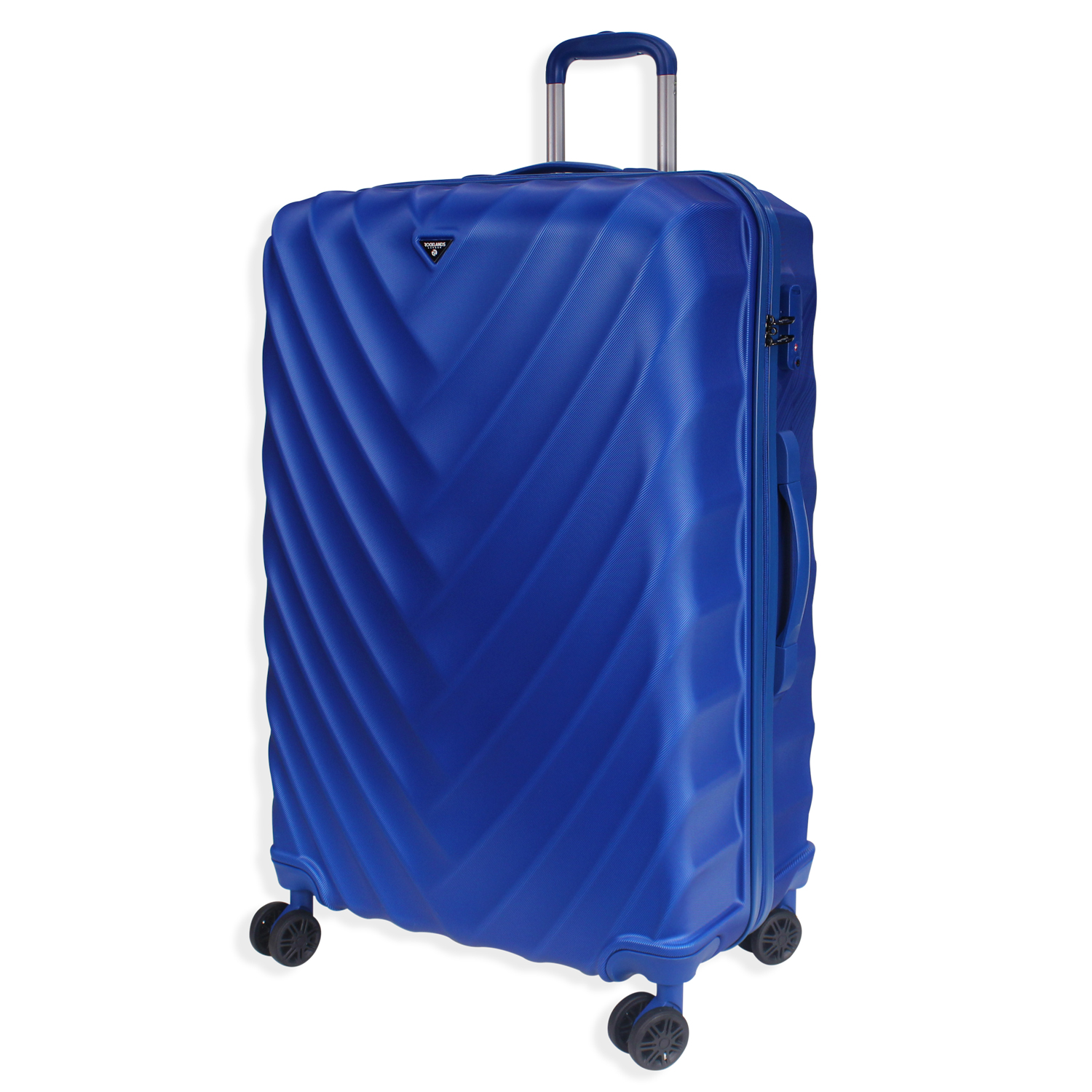
Acrylonitile Butadiene Styrene (ABS)
Thermoplastic - melting point 220c, safe working temp 80c, used for lego, helmets, suitcases, fidget spinners
Advantages
Good chemical resistance
Hard
Tough/durable
Heat resistant
Naturally good finish
Great for injection moulding
Disadvantages
Can discolour from UV light
Poor solvent resistance
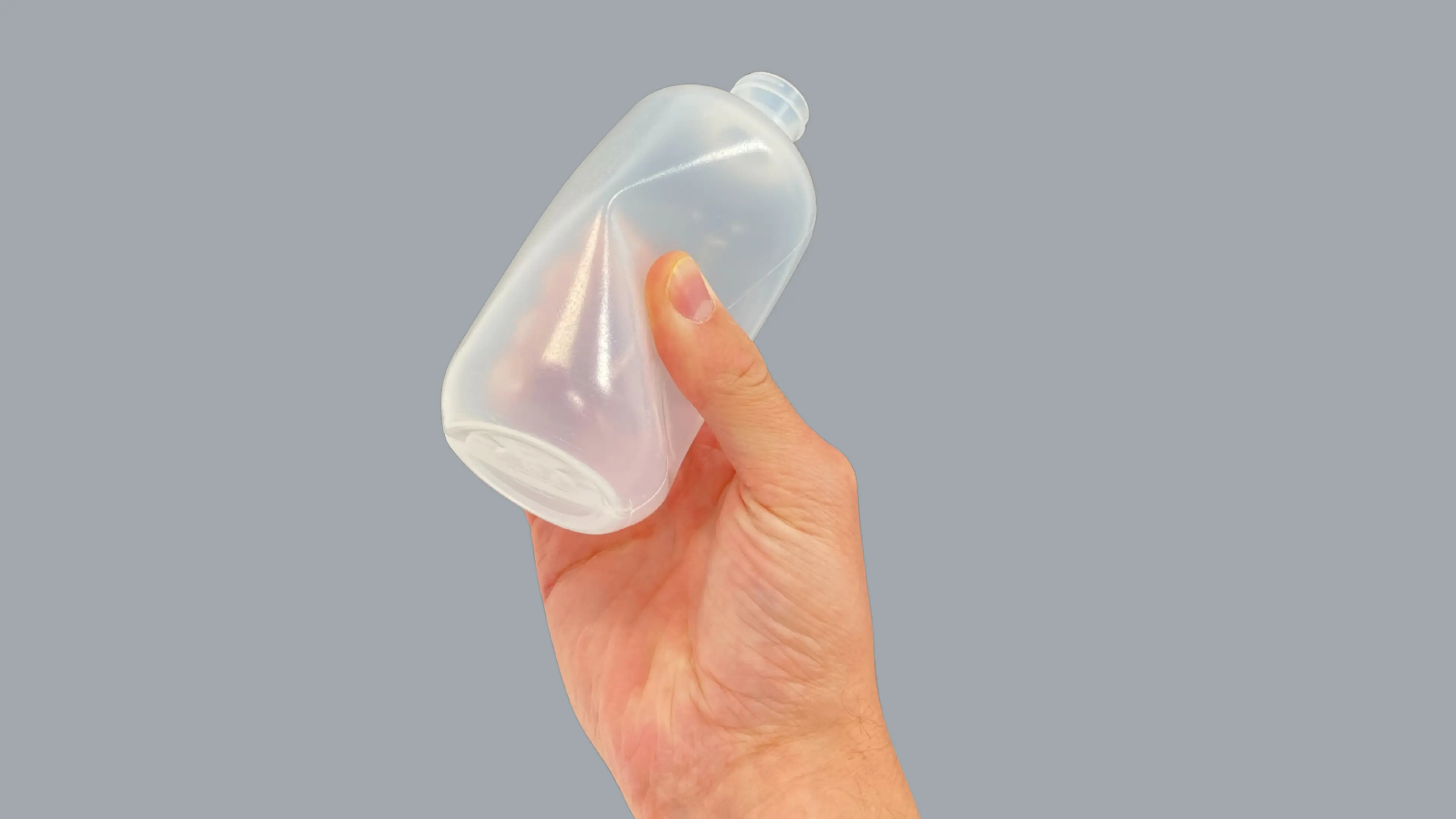
Low Density Polyethylene (LDPE)
Thermoplastic - melting point 105c , safe working temp 65c, used for squeezy bottles, plastic films, plastic bags
Advantages
Highly flexible and soft
Good chemical resistance
Easy to process and seal
Transparent in thin films
Disadvantages
Lower strength than HDPE
Poor heat resistance
Prone to UV degradation
Can deform under load
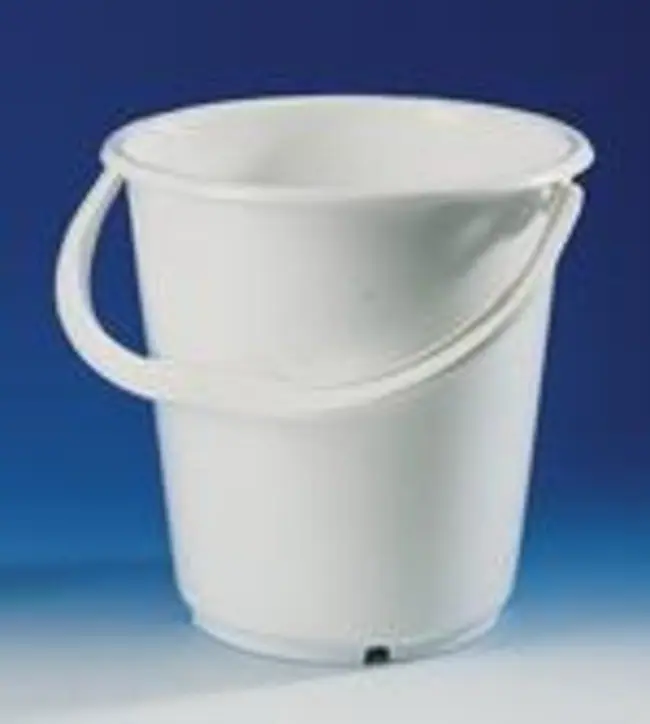
High Density Polyethylene (HDPE)
Thermoplastic - melting point 120c , safe working temp 65c, used for milk jugs, detergent bottles, pipes, toys, cutting boards
Advantages
High strength-to-density ratio
Resistant to impacts and chemicals
Stiff and durable
Good moisture barrier
Waxy texture
Disadvantages
Less flexible than LDPE
Susceptible to stress cracking
Difficult to bond (needs welding/adhesives)
Limited transparency
thermosetting polymers
PEMU
Burn with too much heat
Both types of polymer can be recycled
Thermosetting polymers are heat resistant and more durable, they retain their shape when heated
Both types of polymers can be easily pigmented (coloured)
Both polymers are heat and eletrical insulators
Both polymers are hygenic, easily cleaned and waterproof
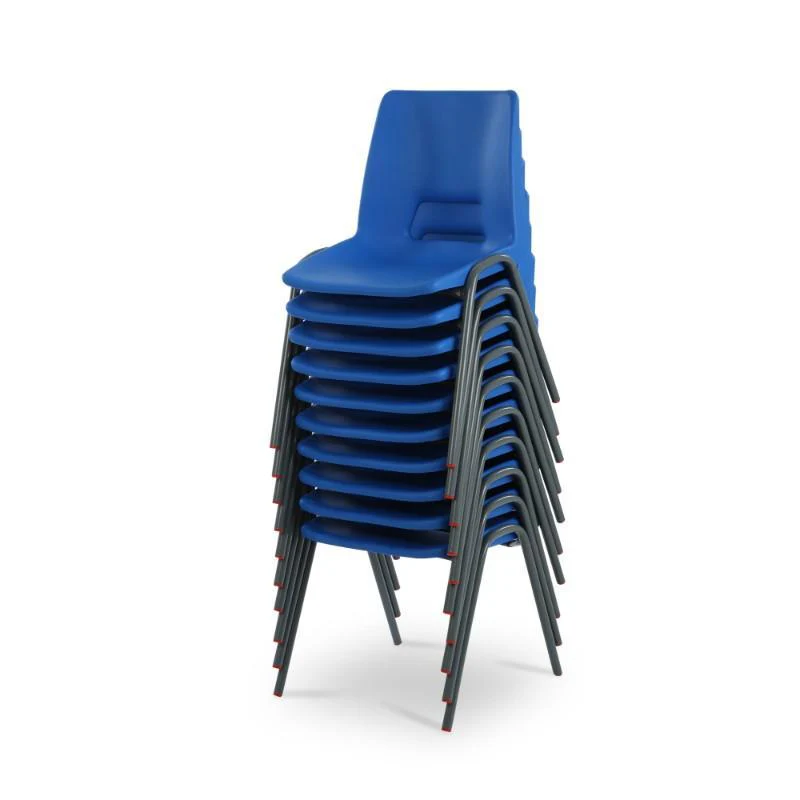
Polyester Resin
Thermosetting polymer -, safe working temp 95c, used for chair sets, GRP, CFRP and garden furniture
Advantages
Good electrical insulator
Heat resistant
Hard
Cost effective
Disadvantages
Short shelf life
Emissions are harmful
Brittle unless treated
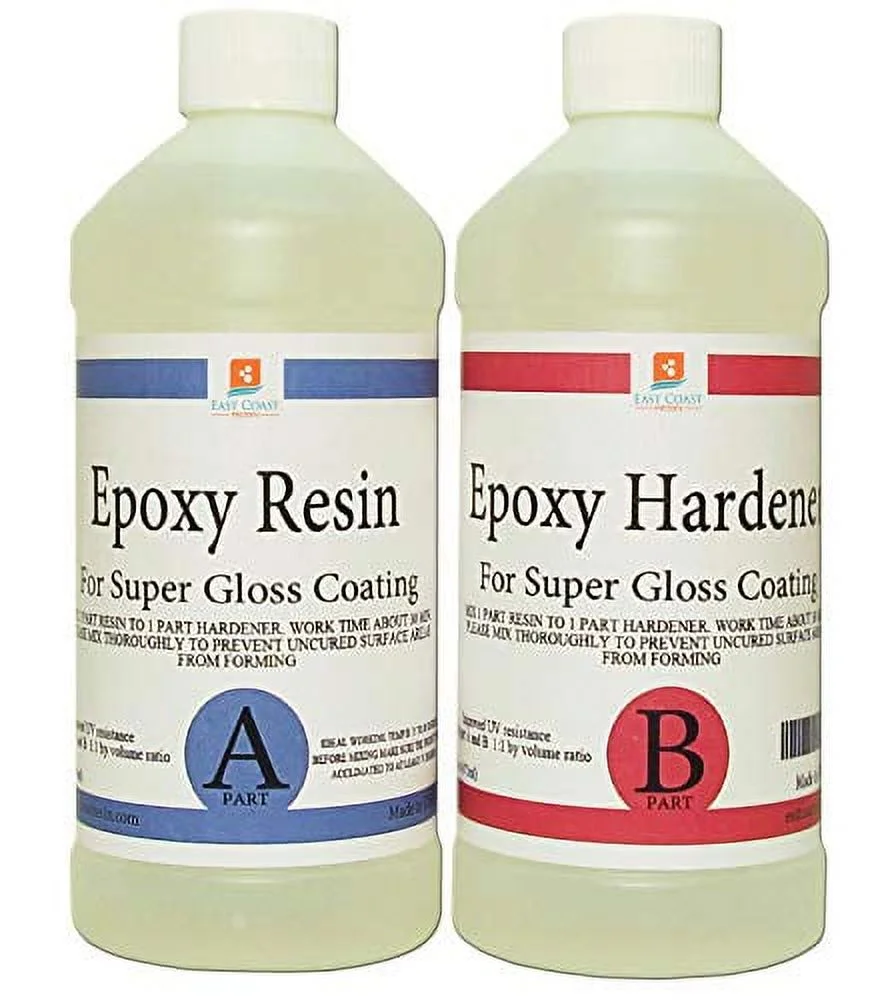
Epoxy Resin
Thermosetting polymer - safe working temp 150c, used for adhesives, paints and electronics
Advantages
Corrosion resistant
Electrical insulator
Good bond qualities
Rigid
Disadvantages
Causes health issues/toxic fumes
Brittle
Melamine Formaldehyde (MF)
Thermosetting polymer - safe working temp 130c, used for buttons, electrical insulation and laminates
Advantages
Hard and durable
Excellent heat resistance
Good chemical and moisture resistance
Scratch and stain resistant
Disadvantages
Brittle and can shatter under impact
Not recyclable
Can release formaldehyde during production
Limited flexibility
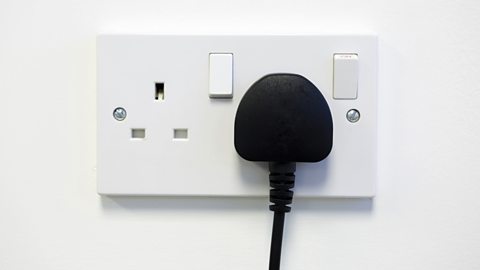
Urea Formaldehyde (UF)
Thermosetting polymer - safe working temp 80c, used for wood glue for plywood or chip board as well as toilet seats and plug sockets
Advantages
Strong
Hard
Heat resistant
Good electrical insulator
Disadvantages
Can emit toxic vapours during manufacture
Brittle