DRUG KINETICS & TOXICITY 1
 Call Kai
 Learn
Learn Practice Test
 Spaced Repetition
 Match
Match Flashcards
 Knowt Play
1/64

There's no tags or description
Looks like no tags are added yet.
Name | Mastery | Learn | Test | Matching | Spaced | Call with Kai | Chat |
|---|
No analytics yet
Send a link to your students to track their progress
65 Terms
what is pharmacology
study of the effects of drugs on living systems (in relation to therapeutics and toxicology)
study of drugs, their source, chemical properties, biological effects and therapeutic uses
what is pharmacodynamics
pharmacodynamics: the study of the biochemical and physiological effects of drugs and their mechanism of action
effect of the drug on the body
what is pharmacokinetics
pharmacokinetics: absorption, distribution, biotransformation and excretion of drugs
effect of the body on the drug
how can a drug be sourced
natural
synthetic biotechnology
what are the types of actions that drugs can produce
agonist
antagonist
partial agonist
inverse agonist
what are special branches of pharmacology
clinical pharmacology - safe and effective use
toxicology - study of harmful effects
what do drugs do VS not do
drugs modify physiological processes
drugs do not create new processes of effects
how are the effects of drugs expressed

what is a drug
drug: a chemical substance of known structure which, when given to a living organism, produces a biological effect
what is specificity in pharmacology
the capacity of a drug to manifest a kind of action
are the majority of drugs specific
no, very few drugs are completely specific, virtually all drugs produce more than one effect
give an example of a specific drug
local anaesthetic
define selectivity
selectivity: the preferred site of action
most drugs are _________ rather than ________
most drugs are selective rather than specific
what is the ‘therapeutic window’
one safe (and effective) effect predominates over a particular dose range that does not cause toxic effects
within this range, the drug may be termed ‘selective’
give an example of a selective drug
ibuprofen
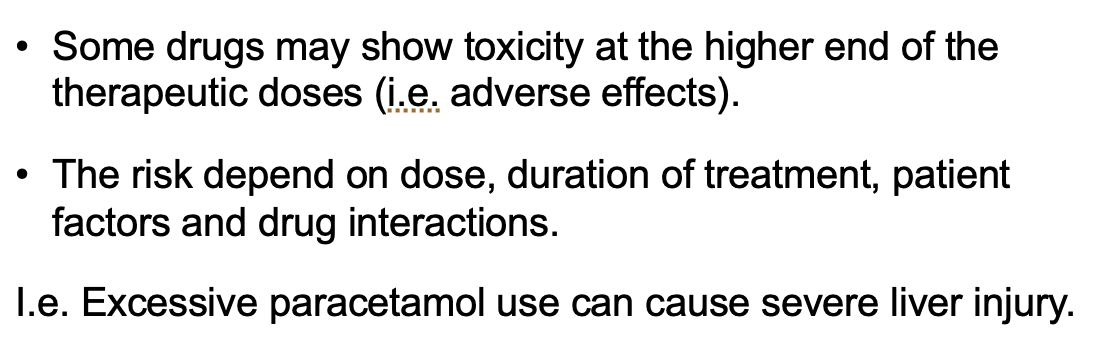
when does toxicity occur
normally at concentrations beyond the therapeutic window
what is the therapeutic goal
maximise selectivity while minimising toxicity
what are drugs used for (3)
prevent, diagnose and/ or treat disease
modify actions of other drugs
analyse mechanisms or functions of an organism
general mechanisms of drug activity
deficiency
excess action
physiochemical environment
outline deficiency
replacement therapy for conditions such as iron, vitamin or hormone deficiency
outline excess action
chemical antagonists can reduce or block the effects of excess activity of a normal process
antagonists can also block excess effects of exogenous substances e.g. reversal of overdose
outline physiochemical environment
drugs can alter the environment or characteristics of a cell or tissue, changing its activity - ‘non-specific effects’
define dose/ concentration
drug quantity in weight (mg) or volume (ml)
define response/ effect and outline what effects can occur

define acceptor
substances drugs bind to without causing any effect e.g. plasma proteins
define receptor
cell component on or within cells that directly interacts with a drug and initiates the chain events leading to the drug’s observed effect
drugs either activate (agonist) or block receptors (antagonist)
what is a ligand
any molecule that binds to a receptor - can be endogenous e.g. neurotransmitters or exogenous e.g. medication
many endogenous agonists e.g. NT and hormones
what are the effects of ligands/ how do they function
agonist: binds to the receptor and initiates a response
antagonist: binds to the receptor but does not activate it/ initiate a response, prevents agonist binding
what type of receptor is a target for ≈ half of all prescription drugs
7-transmembrane (7-TMS) G-protein couples receptors (GPCRs)
there are around 800-1000 GPCRs
how do receptors work to produce an effect
receptors convert the drug’s 3D structure into a biochemical signal via signal transduction pathways involving effectors
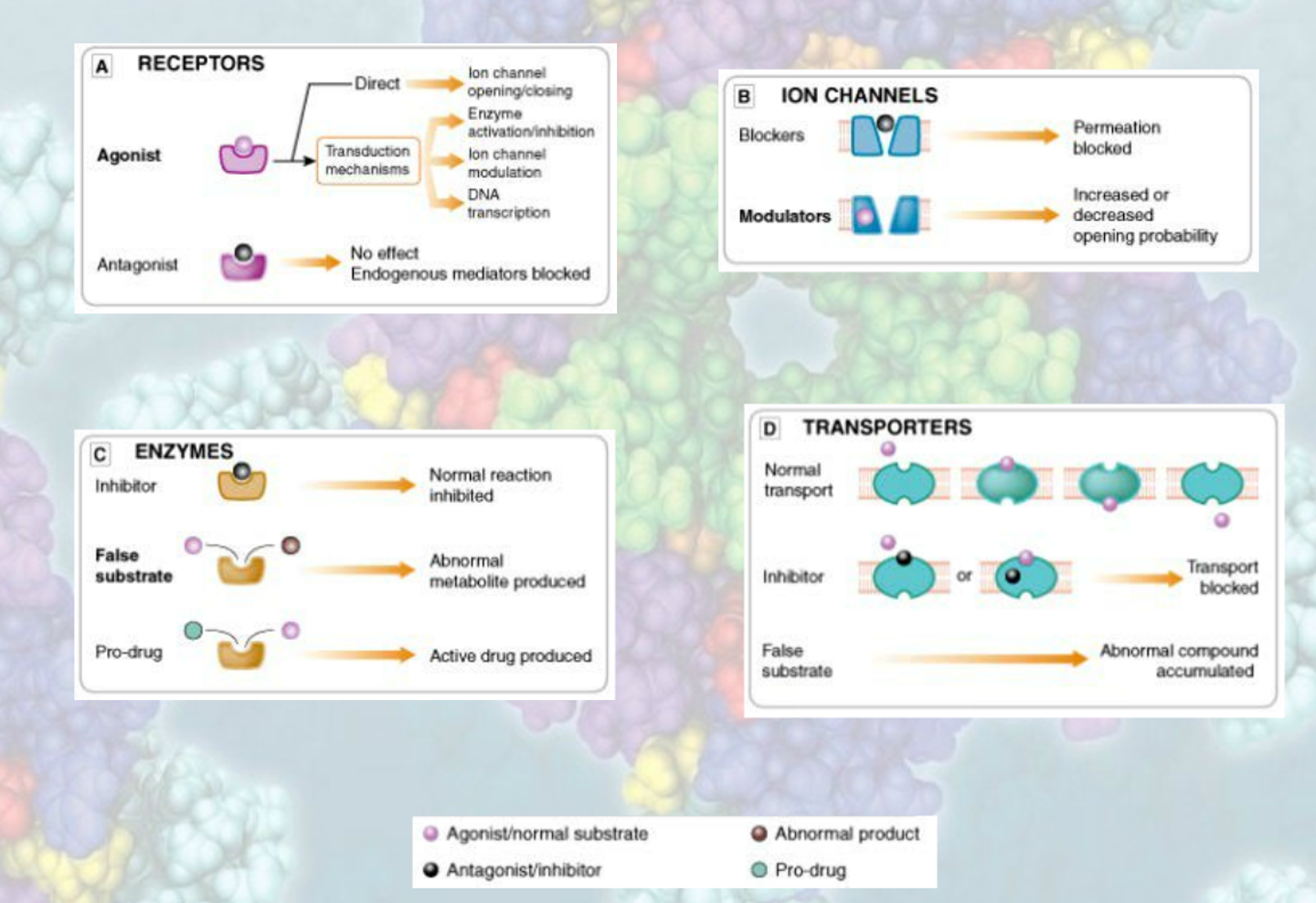
diagram 1 showing biological drug targets
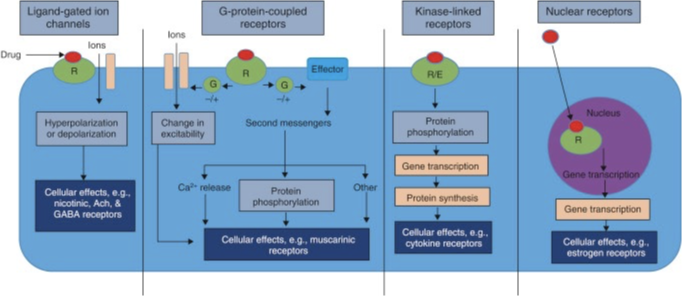
diagram 2 showing biological drug targets
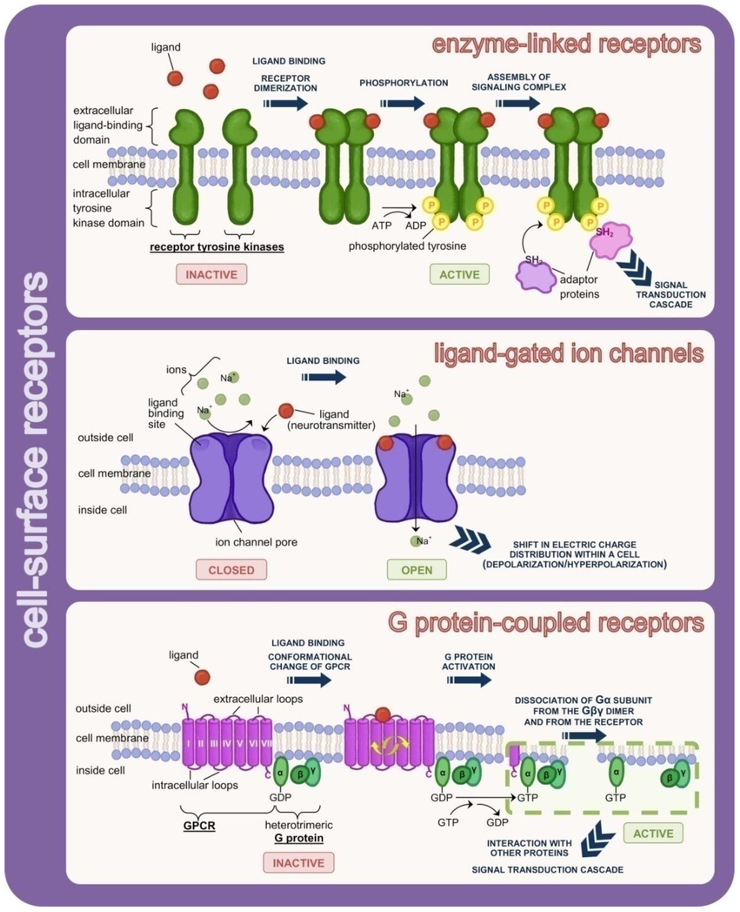
where can receptors be located

diagram showing classes of cell-surface receptors (3)
state the adrenoreceptor subtypes
beta1 - heart
beta2 - lung
beta3 - bladder
(mediates blood vessel size)
why can patients develop a tolerance to beta agonists
because beta agonists down regulate beta adrenoreceptors
why can patients develop withdrawl to beta antagonists
because beta antagonists upregulate beta adrenoreceptors
what type of molecule commonly binds to intracellular receptors
steroids
give examples of steroids
hydrocortisone
betamethasone
beclomethasone
(all are corticosteroids and therefore anti-inflammatory)
what aspects of the body do glucocorticoids influence
vascular events
inflammatory and immune mediators
cellular population
glucocorticoids: effect on vascular events
reduce vasodilation
decrease fluid exudation
glucocorticoids: effect on inflammatory and immune mediators
reduces generation of eicosanoids and platelet activating factor (PAF)
reduces production and action of cytokines (IL-2, IL-6, TNF-alpha)
glucocorticoids: effect on cellular population
reduces clonal expansion of T and B cells
decreases action of cytokine-secreting T cells
give examples of NSAIDs
aspirin
diclofenac
ibuprofen
what do NSAIDs do
inhibit enzymatic activity
what are examples of benzodiazepines
diazepam
temazepam
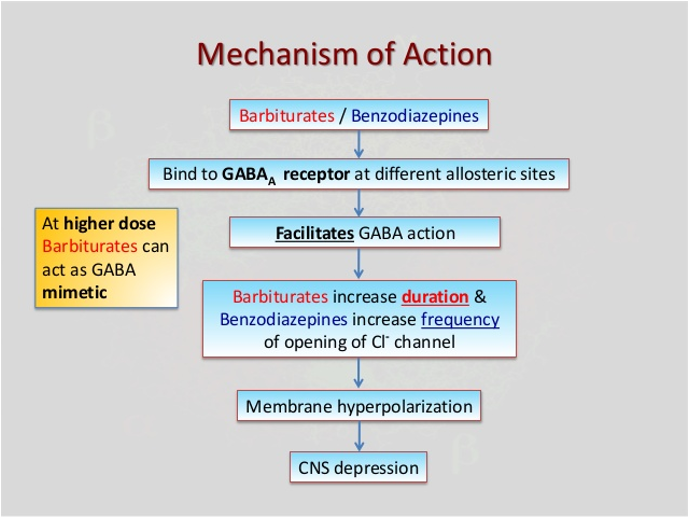
benzodiazepine mechanism of action
treats insomnia, seizures, spasms
give examples of proton pump inhibitors
omeprazole
lansoprazole
what do PPIs do
irreversibly blocking the gastric proton pump (H+/ K+ ATPase)
used for prolonged inhibition of the gastric (stomach) acid
monoclonal antibody nomenclature

successful antibiotic therapy depends on what (4)
host defence mechanisms
location of infection
pharmacokinetics
dynamic properties of antibacterial
list of anti-infective agents and their adverse effects

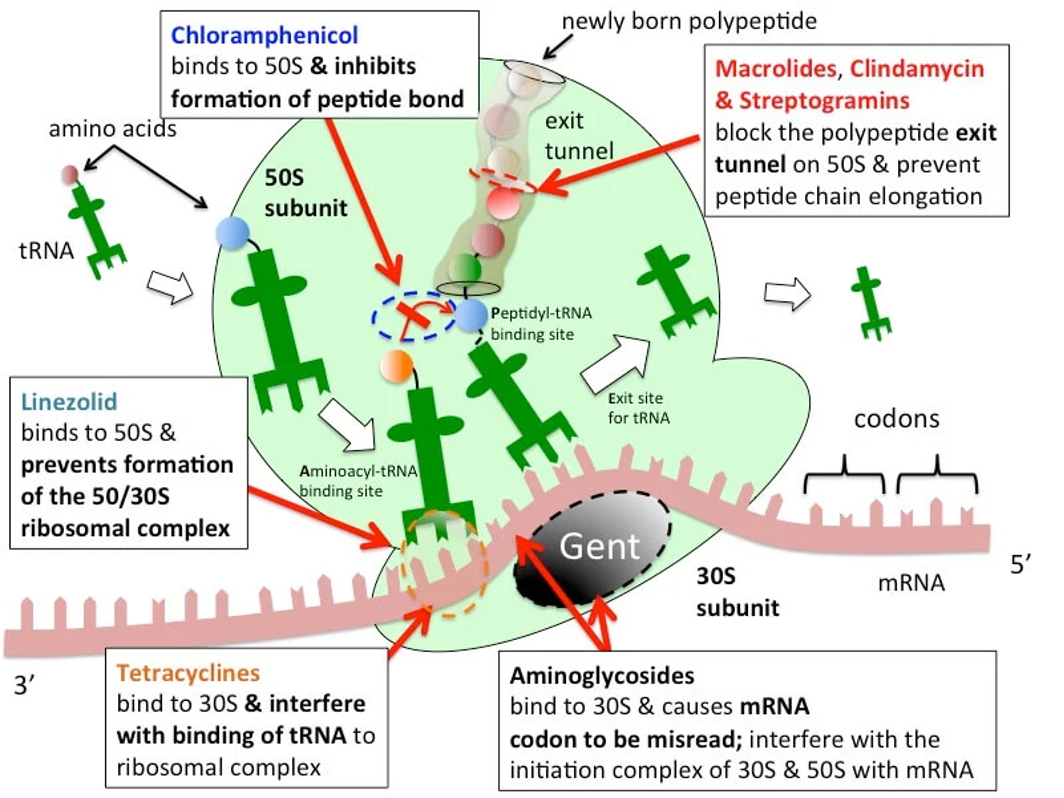
diagram showing protein synthesis inhibitors (4)
what do beta-lactam antibiotics do
disrupt the synthesis of the peptidoglycan layer of bacterial cell walls
give examples of beta lactam antibiotics
cephalosporin
cefalexin
cefradine
penicillins
amoxicillin
co-amoxiclav
phenoxymethylpenicillin
state anti-fungal anti-infective agents
fluconazole
miconazole
metronidazole
nystatin
state anti-viral anti-infective agents
acyclovir
penciclovir
both inhibit DNA polymerase
define efficacy VS affinity
efficacy: relationship between receptor occupancy and ability to initiate a response at a molecular, tissue or cellular level
affinity: ability to bind a receptor
define potency
potency: how much drug is required to produce a particular effect
depends on efficacy and affinity
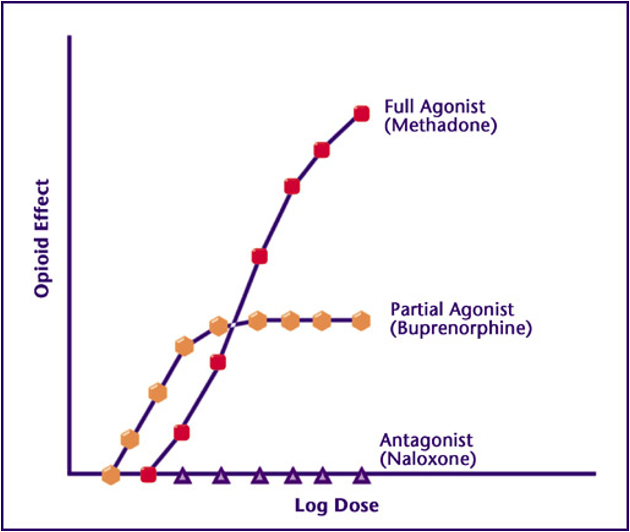
receptor activation in the presence of a full agonist/ partial agonist

what does an antagonist do
binds but does not activate and are used to prevent agonists from binding
define therapeutic index
therapeutic index: margin between the therapeutic dose and the toxic dose
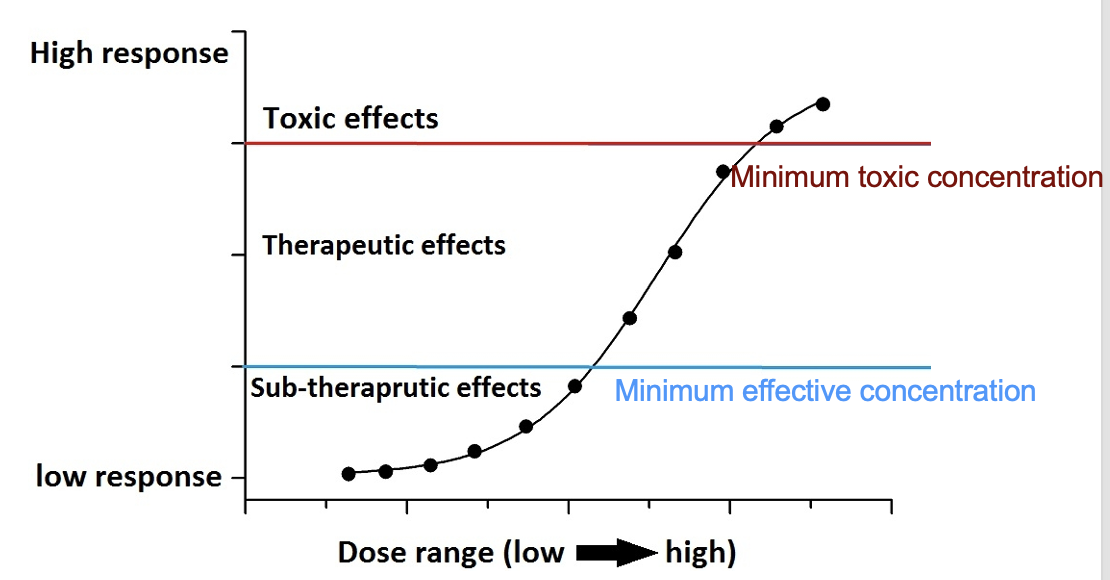
what is the relationship between the therapeutic index and drug safety
the higher the therapeutic index is the safer the drug is