Chapter 9: Meiosis
 Call Kai
 Learn
Learn Practice Test
 Spaced Repetition
 Match
Match Flashcards
 Knowt Play
1/28

There's no tags or description
Looks like no tags are added yet.
Name | Mastery | Learn | Test | Matching | Spaced | Call with Kai | Chat |
|---|
No analytics yet
Send a link to your students to track their progress
29 Terms
Meiosis serves as two major functions
reducing chromosome number
shuffling chromosomes in the cell to produce genetically different gamates.
Homologous Chromosomes
members of a pair of chromosomes and contain the same genes for the same traits.
called Homologues
Alleles
Alternate forms of a gene
Both females and males have how many pairs of chromosomes?
23 pairs = 46 total chromosomes
Diploid (2n)
Haploid (n) in gamates
23 total chromosomes
Female is
XX
Male is
XY
Life Cycle
in sexually reproducing organisms this refers to all the reproductive events that occurs from one generation to the next.
Involves mitosis and meiosis
Somatic Body Cells
are diploid cells
Meiosis reduces the…
numer from diploid to haploid
Spermatogenesis produces
sperm in the testes
Oogensis produces
Eggs in the ovaries
Egg and Sperm join to form
diploid zygote
Meiosis I
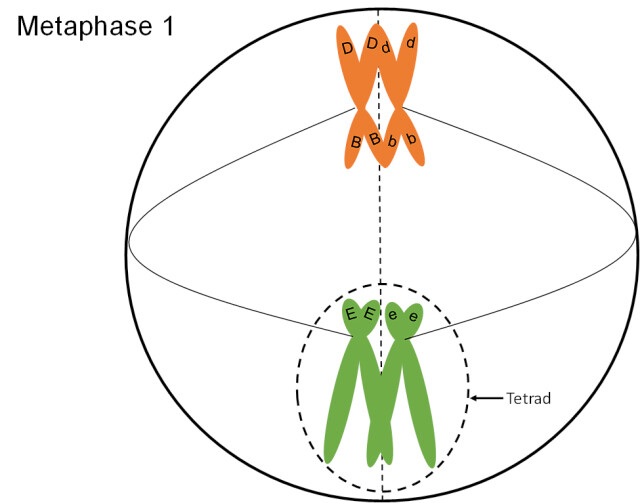
Homologous pairs line up during synapis resulting in tetrad.
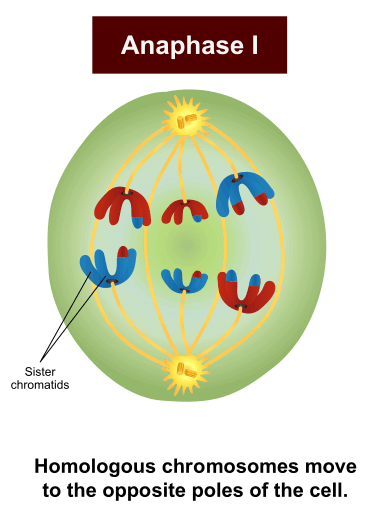
Homologous chromosomes of each pair then separate.
Meiosis II
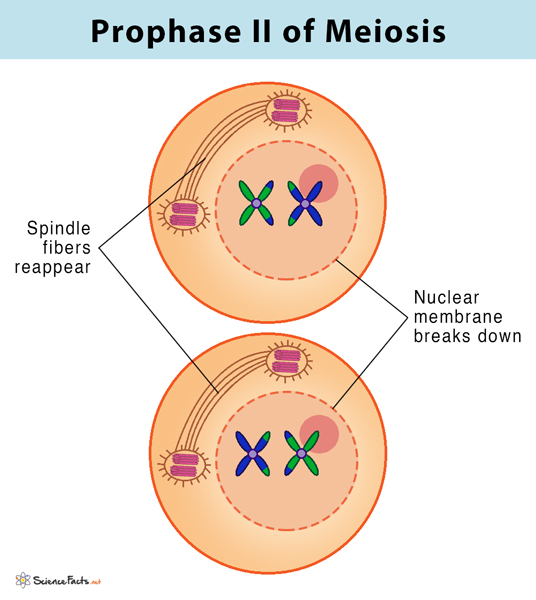
No duplication of chromosomes.
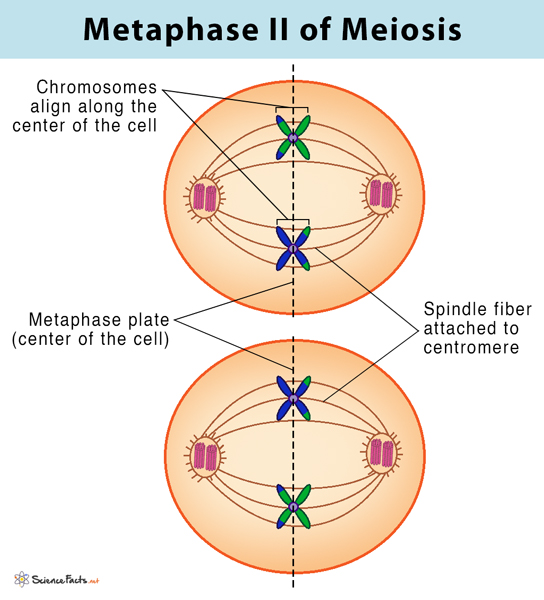
Chromosomes are dyads — composed of 2 sister chromatids.
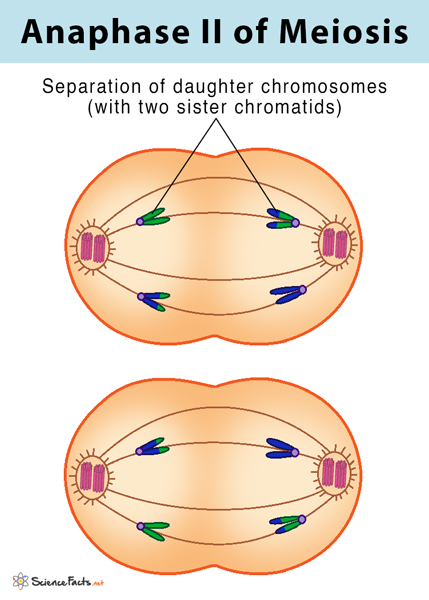
Sister chromatids are separated.
2 daughter nuclei separate.
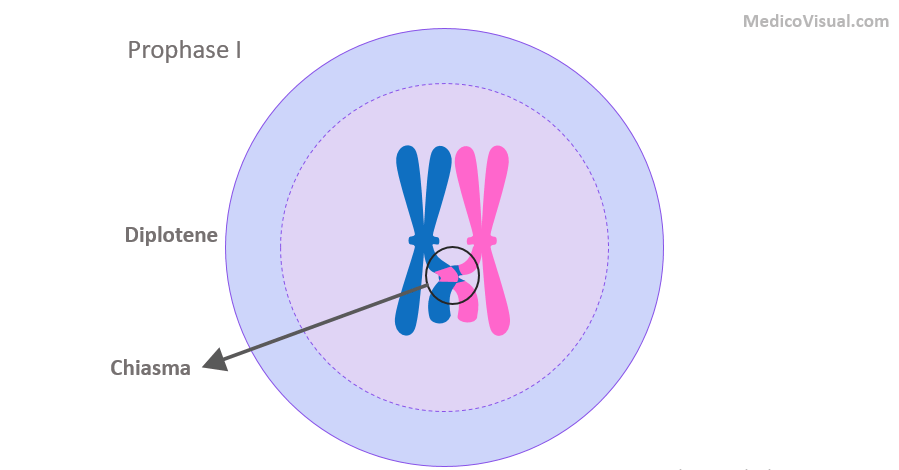
Crossing-over
the swapping of genetic material that occurs in the germline cells, during the formation of egg and sperm. Paired chromosomes from each parent aligns so that the similar DNA sequences from the paired chromosomes cross over one another.
Crossing over can only occur between what chromosomes?
Homologous Chromosomes
Prophase I
Metaphase I
Anaphase I
Telophase I
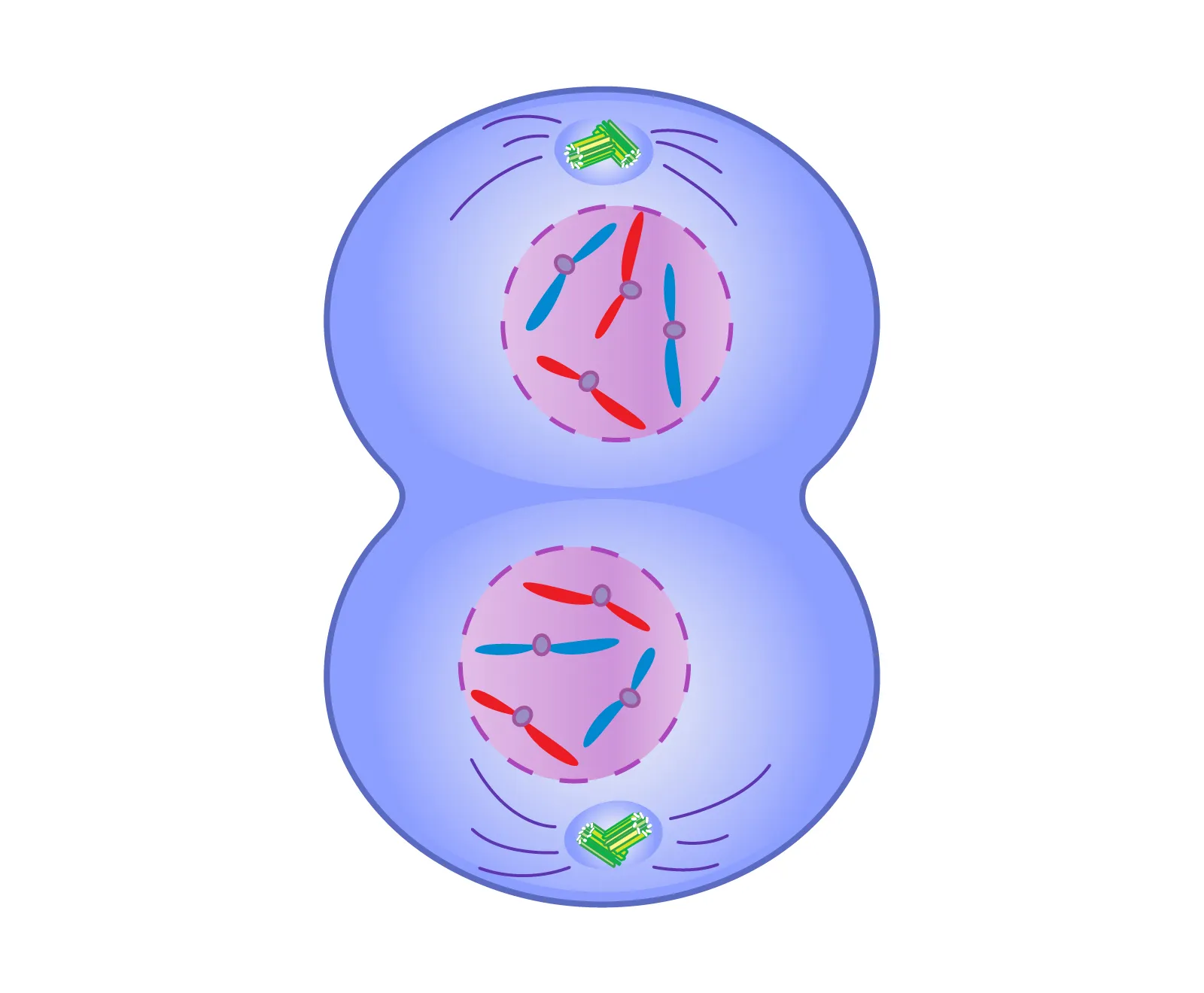
Cytokinesis I
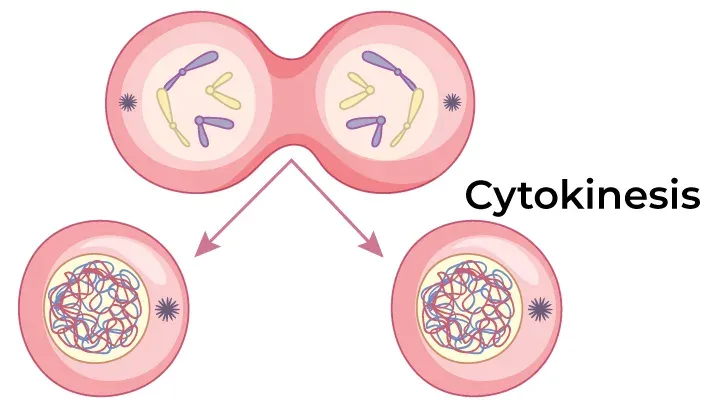
Prophase II
Metaphase II
Anaphase II
Telophase II
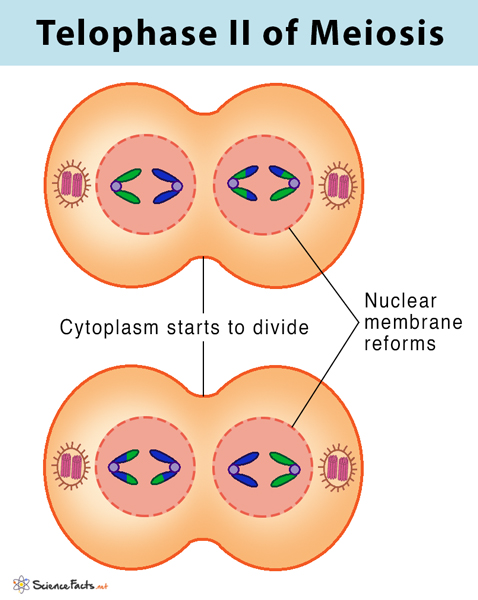
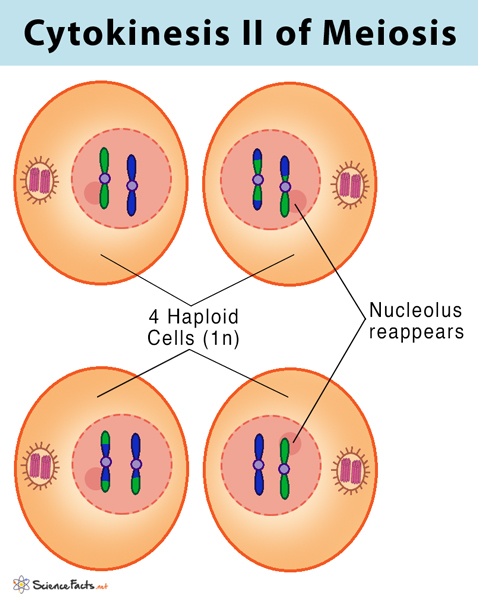
Cytokinesis II
Result of Meiosis I
2 different daughter cells are formed. Each with half the number of chromosomes as the parent cell.
Called Reduction division.
Result of Meiosis II
4 non-identical haploid daughter cells are formed. Each having half chromosome number as the original parent cell.