CFA Vol-4 Corporate Issuers
 Call Kai
 Learn
Learn Practice Test
 Spaced Repetition
 Match
Match Flashcards
 Knowt Play
1/34

There's no tags or description
Looks like no tags are added yet.
Name | Mastery | Learn | Test | Matching | Spaced | Call with Kai | Chat |
|---|
No analytics yet
Send a link to your students to track their progress
35 Terms
Shares trading ex-dividend refers to xx
shares that no longer carry the right to the next dividend payment.
Miller ve Modigliani’ye (1961) göre mükemmel piyasalarda (vergi yok, işlem maliyeti yok, herkes aynı bilgiye sahip)
, temettü politikasının şirket değeri ve sermaye maliyeti üzerinde hiçbir etkisi yoktur.
Buy in the open market (share repurchase)
Sirkete en yüksek esnekliği sağlar çünkü geri alım zorunlu değildir ve koşullara göre durdurulabilir.
Doğru zamanlandığında, hisse fiyatını destekleyen ve düşük maliyetli bir değer yaratma aracıdı
Buy back a fixed number of shares at a fixed price
Sometimes a company will make a fixed price tender offer to repurchase a specific number of shares at a fixed price that is typically at a premium to the current marketprice
Dutch action
(also a tender offer to existing shareholders,but instead of specifying a fixed price for a specific number of shares, the company stipulates a range of acceptable prices)
FCFE coverage ratio
FCFE/[Dividends + Share repurchases].
A stock dividend is accounted for as a transfer of retained earnings to xx?
contributed capital.
Five-year adjustment factor
= 1/5 = 0.2
Dispersed ownership reflects the existence of
many shareholders, none of which has the ability to individually exercise control over the corporation.
Zayıf Hissedar - Güçlü Yönetici (Principal–Agent Problemi)
Durum: Hem sahiplik hem de oy gücü binlerce küçük yatırımcıya dağılmıştır.
Sorun: Hiçbir hissedar yönetimi denetleyecek kadar güçlü değildir.
Sonuç: Yöneticiler (Managers) krallık ilan eder. Kendi çıkarlarını (yüksek maaş, lüks harcamalar vb.), hissedarların kârının önüne koyarlar
Güçlü Hissedar - Zayıf Yönetici/ Zayif Kücük hissedar (Principal–Principal Problemi)
Durum: Sahiplik ve oy gücü tek bir elde veya grupta (patronda) toplanmıştır.
Sorun: Patron yönetimi çok iyi denetler (yöneticiler zayıftır), ancak bu sefer de "Büyük balık küçük balığı yer."
Sonuç: Büyük ortak (Patron), şirketin imkanlarını küçük (azınlık) hissedarlarla paylaşmak yerine kendine yontar
Yoğun Sahiplik - Dağınık Oy Gücü (Voting Caps)
Durum: Birinin çok hissesi olsa bile, yasalar gereği oy kullanma hakkına sınır (cap) getirilmiştir.
Neden: Genelde hükümetler, yabancı yatırımcıların stratejik şirketleri tamamen ele geçirmesini engellemek için bu sınırı koyar
Stewardship Code Nedir?
"Stewardship", bir şeye sahip çıkmak, onu koruyup gözetmek demektir. Bu kodlar; emeklilik fonları, sigorta şirketleri ve varlık yönetim şirketleri gibi kurumsal yatırımcıları, yatırım yaptıkları şirketlerde "aktif ortak" olmaya davet eder.
Earnings growth per share

The Fama–French model
where SMB is the size premium, equal to the average difference in equity returns between companies with small and large capitalizations, and HML is the value premium, equal to the average difference in equity returns between companies with high and low book-to-market ratios, RMW is the profitability premium, equal to the average difference in equity returns between companies with robust and weak profitability, and CMA is the investment premiu

Build-up approach:
SCRP = a specific-company risk premium
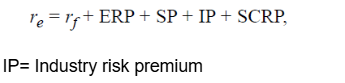
Grinold-Kroner model

Divestment involves actions that
reduce a company’s size or scope, typically by shedding slower-growing, lower-profitability, or higher-risk operations to improve the issuer’s overall financial performance.
Restructuring involves changes that
do not alter the size or scope of the issuer but improve its cost and financing structure with the intention to increase growth, improve profitability, or reduce risks.
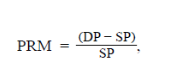
Takeover premium.
PRM = takeover premium (as a percentage of stock price)
DP = deal price per share of the target
SP = unaffected stock price of the target
When directly negotiated, share repurchases can be used to purchase stock for more of less? than the current market price.
Both
A stock dividend (does or does not?) change the value of each shareholder’s ownership position
Does not, because the increase in the number of shares held is accompanied by an offsetting decrease in earnings per share.
Dual-class share structure (çift sınıflı hisse yapısı),
şirket kurucularının veya kurucu ortakların azınlık sermaye hissesine sahip olmalarına rağmen, yüksek oy hakkı sağlayan hisse sınıfları (örneğin A Grubu 1 oy, B Grubu 10 oy) sayesinde şirketin yönetim kontrolünü ellerinde tutmalarını sağlayan bir yapıdır.
Dual-class yapıda ise kurucular, şirketin örneğin %10 sermayesine (nakit akışına) sahipken, imtiyazlı hisseler sayesinde %60-70 oy hakkına sahip olabilir. Bu dengesizlik, kurucu ortaklar ile dışarıdaki kamuya açık hisseleri elinde tutan diğer ortaklar (azınlık hissedarları) arasında doğrudan bir çıkar çatışması yaratır.
Which of the following most likely has the primary decision for labeling a security as a green bond?
Bond issuers
Sermaye maliyeti (WACC) hesaplamalarında kullanılan borç maliyeti (verilmiş kredilerin tarihsel faiz oranı/şirketin bugün piyasadan borçlanması durumunda ödeyeceği güncel marjinal) faiz oranıdır.
Hangisi?
re (D,g ve P0`lu formul)

CAPM Build-up approach farki
CAPM da ERP u beta ile carpiyoruz. Built-up da nö
ERP (country risk premium formula)

Expected inflation
(1 + YTMTreasury bond/1 + YTMTIPS)
10-year Treasury bond yield-to-maturity | |
10-year Treasury inflation protected security (TIPS) yield-to-maturity |
Bond yield plus risk premium approach (Re)

A company has publicly traded debt with no embedded options. Which of the following is the best estimate of the company’s cost of debt?
Yield to maturity on the company’s existing debt with the longest maturity
Sovereign risk is a component of country risk and relates to a country’s
likelihood of defaulting on its debt obligations,
Amortizing loans typically have a lower or higher cost of debt than non-amortizing loans
Lower
A company seeking a modest investment in a complementary and strategic business, along with meaningful operational control, will most likely prefer a(n):
Joint venture
An analyst’s initial evaluation of a corporate restructuring involves answering four questions:
i)What is happening?
ii)Why is it happening?
iii) Is it material?
iv)When is it happening?