Danc 101
 Call Kai
 Learn
Learn Practice Test
 Spaced Repetition
 Match
Match Flashcards
 Knowt Play
1/41

There's no tags or description
Looks like no tags are added yet.
Name | Mastery | Learn | Test | Matching | Spaced | Call with Kai | Chat |
|---|
No analytics yet
Send a link to your students to track their progress
42 Terms
contraction
-basis of graham technique
-Posterior pelvic tilt paired with a hollowing of the chest
-Laugh or throw up position
-’C’ curve of the spine
-Energy is not back, but up
release
The opposite of contraction
-Not an “undo”, but a reassertion
Extension of the upper body beginning at the pelvis
-Return to neutral spine
high release
The fullest form of a release
Sternum (breast bone) drives the energy up and forward
like a light shines from it
chest expands
pile
to bend (bend legs and bring body down)

developpe
to develop (rise leg to knee and extend it)
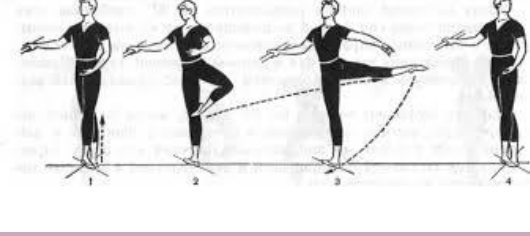
tendu
to stretch (stretch leg all the way and point toes)

battement
to beat (kick leg out and bring it back)

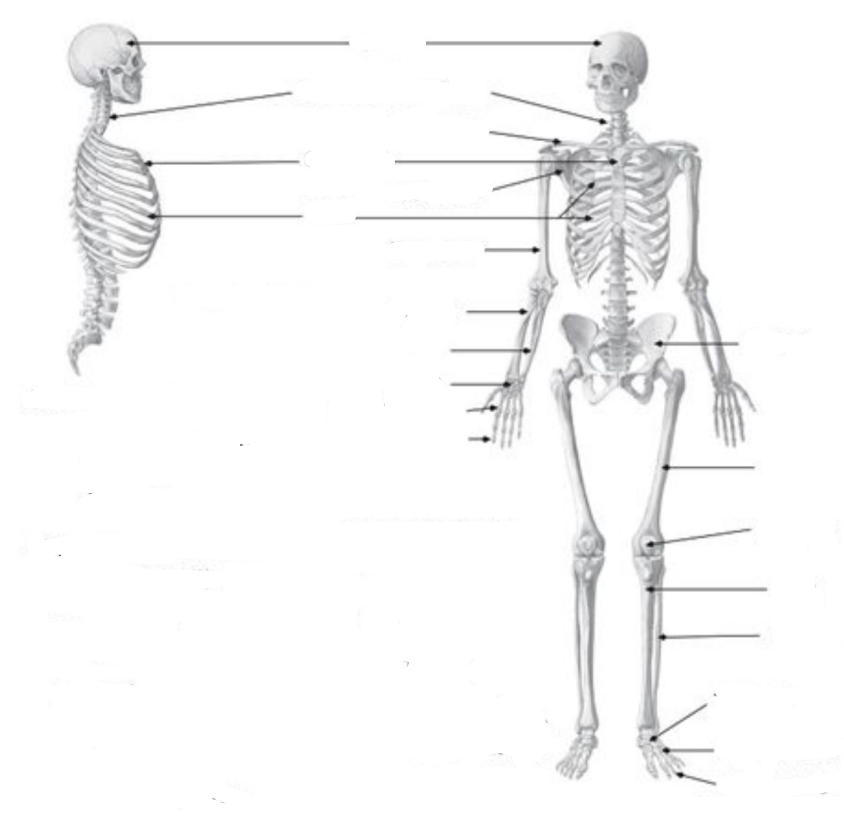
skull


Vertebral column

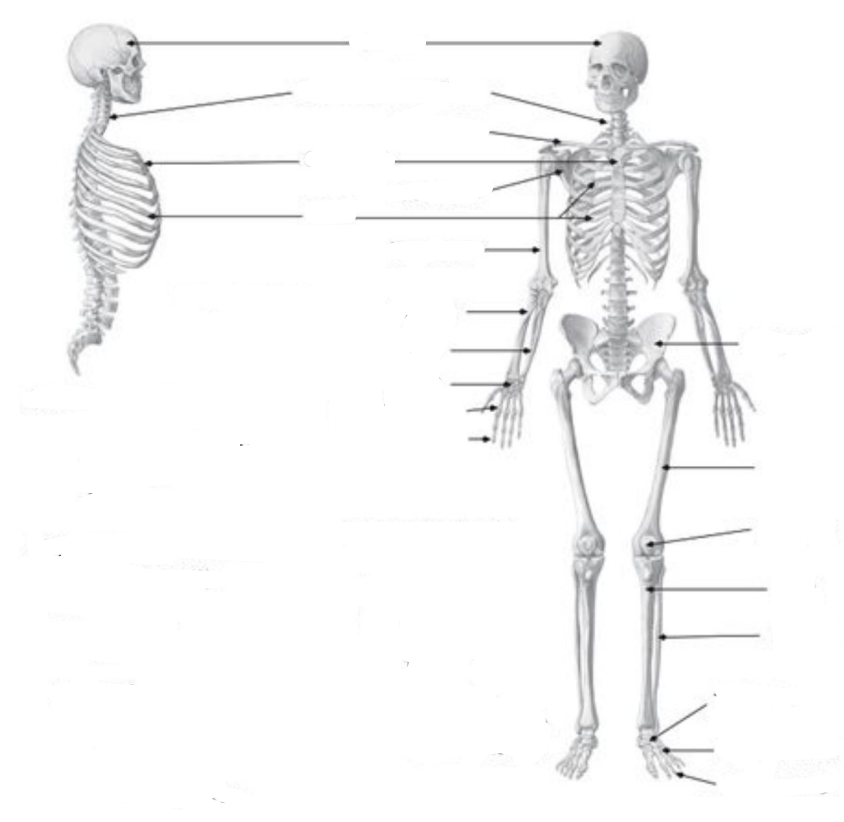
clavicle


sternum
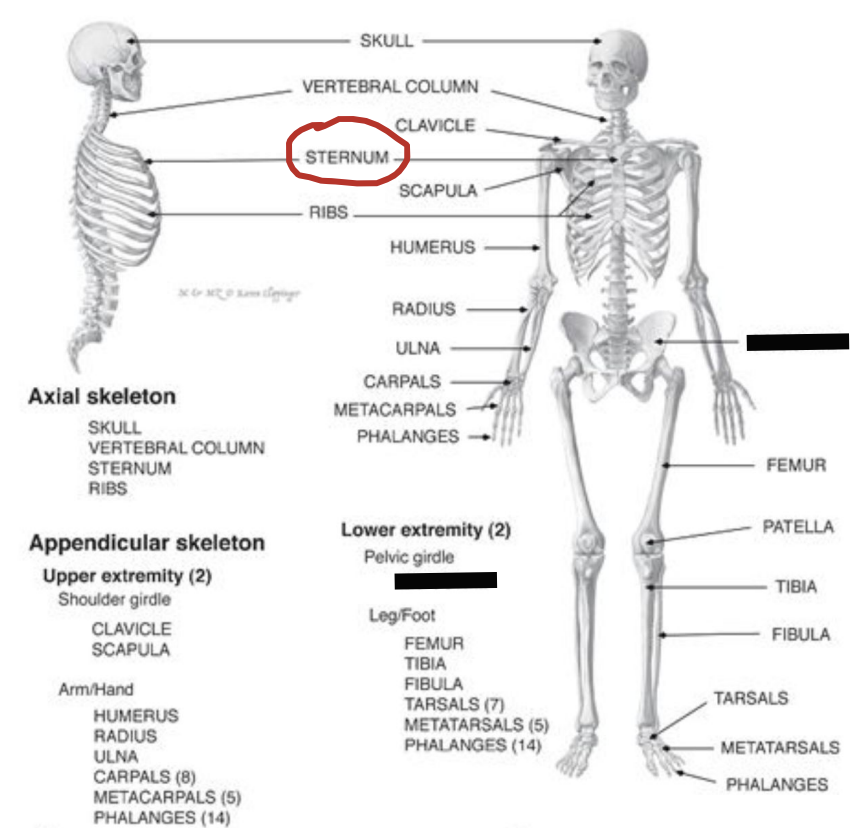
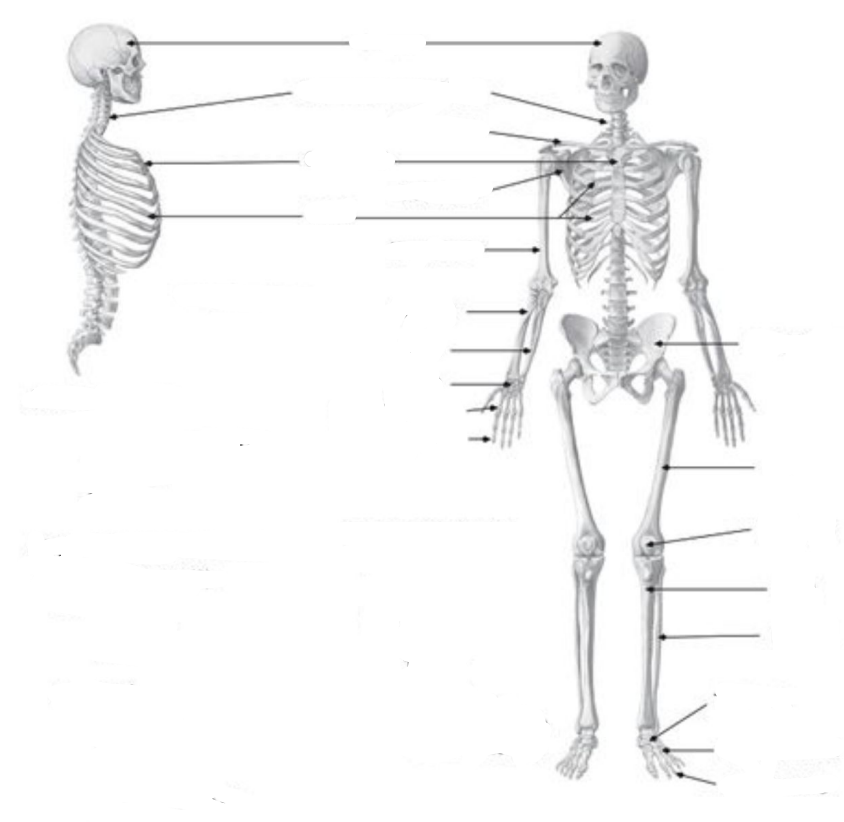
scapula
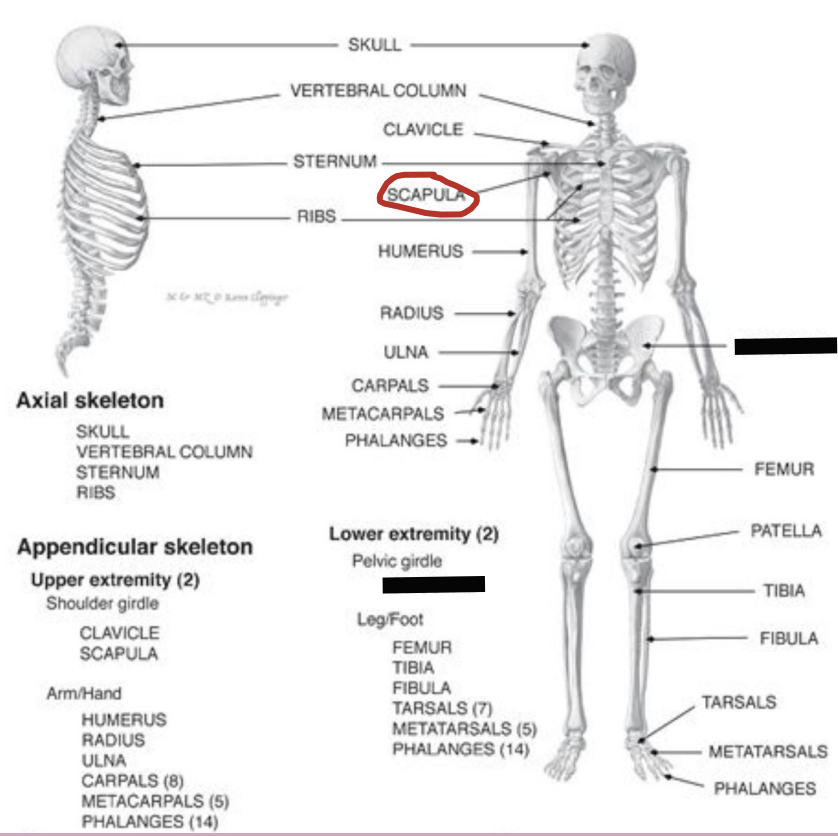

ribs
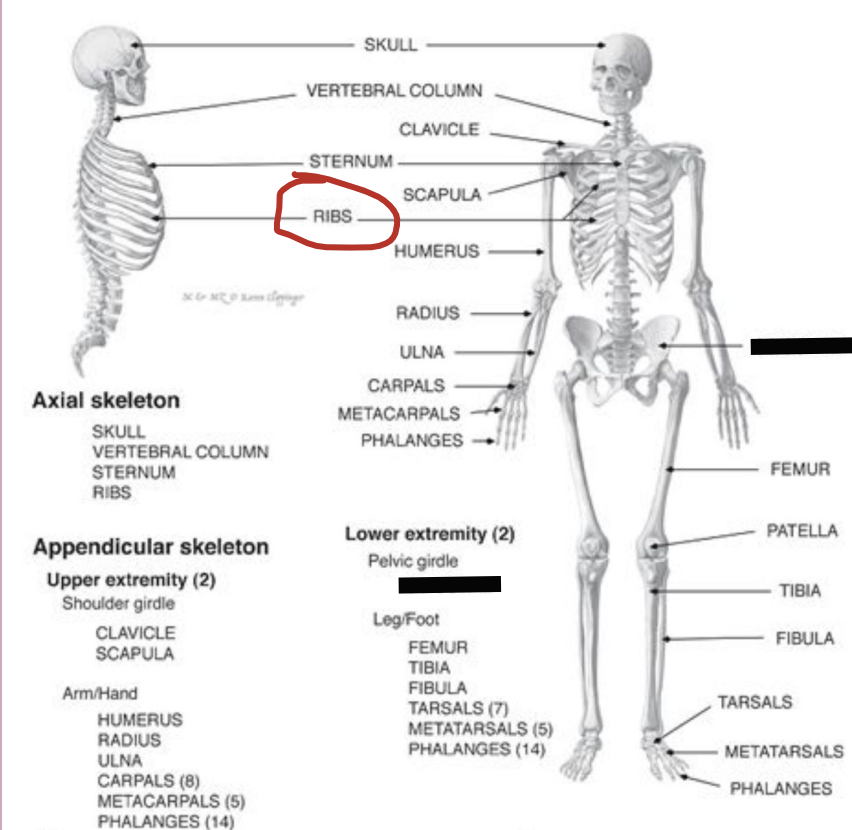

humerus
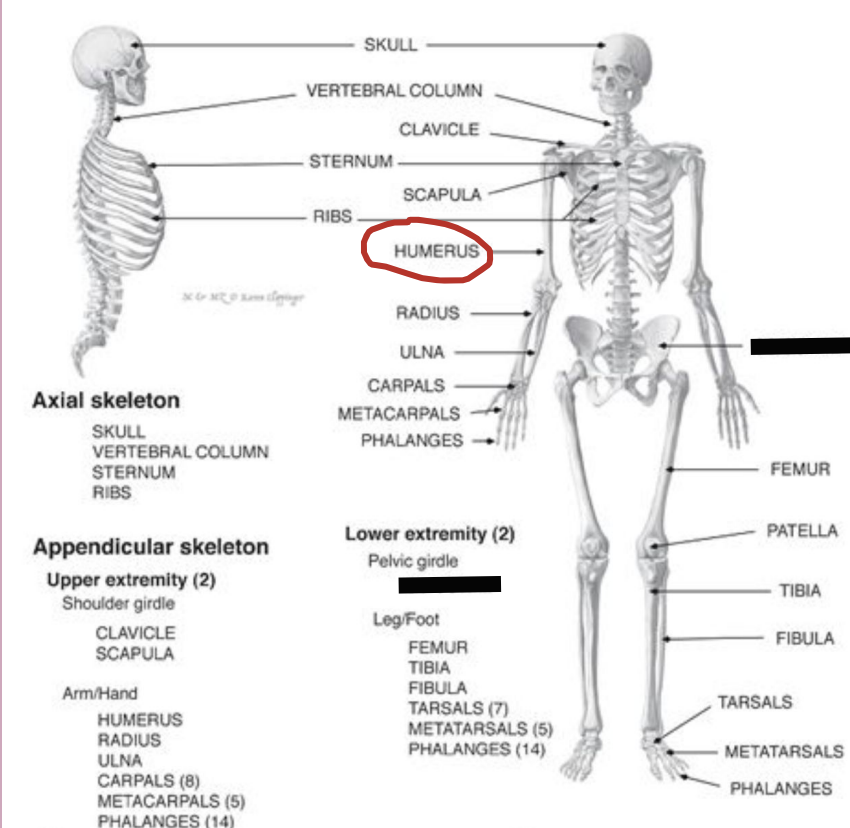

radius and ulna
forearm


femur
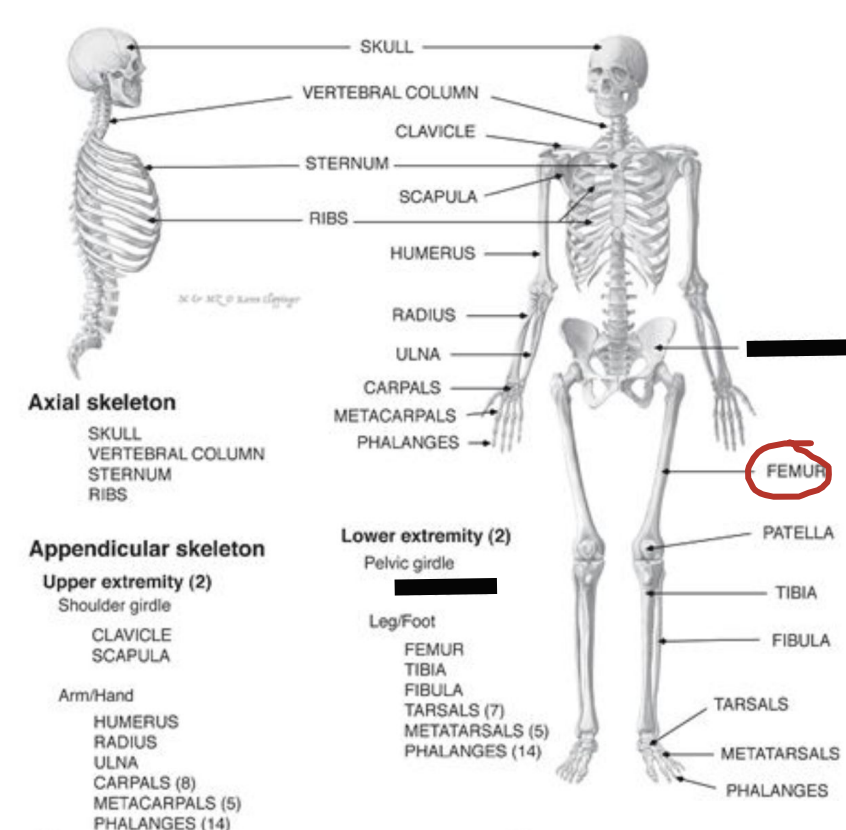
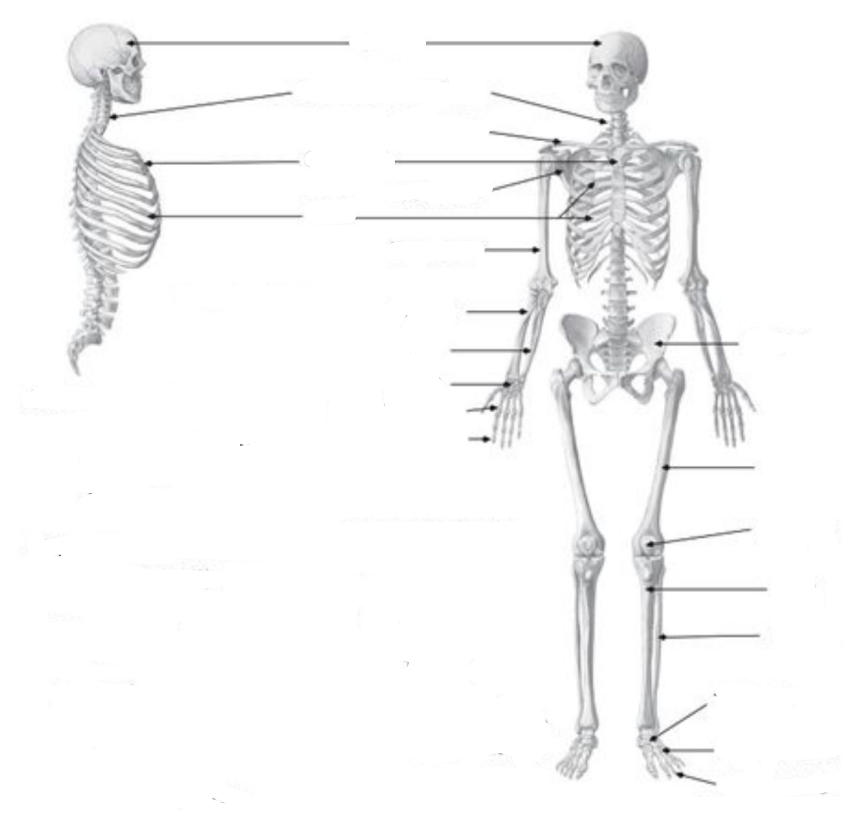
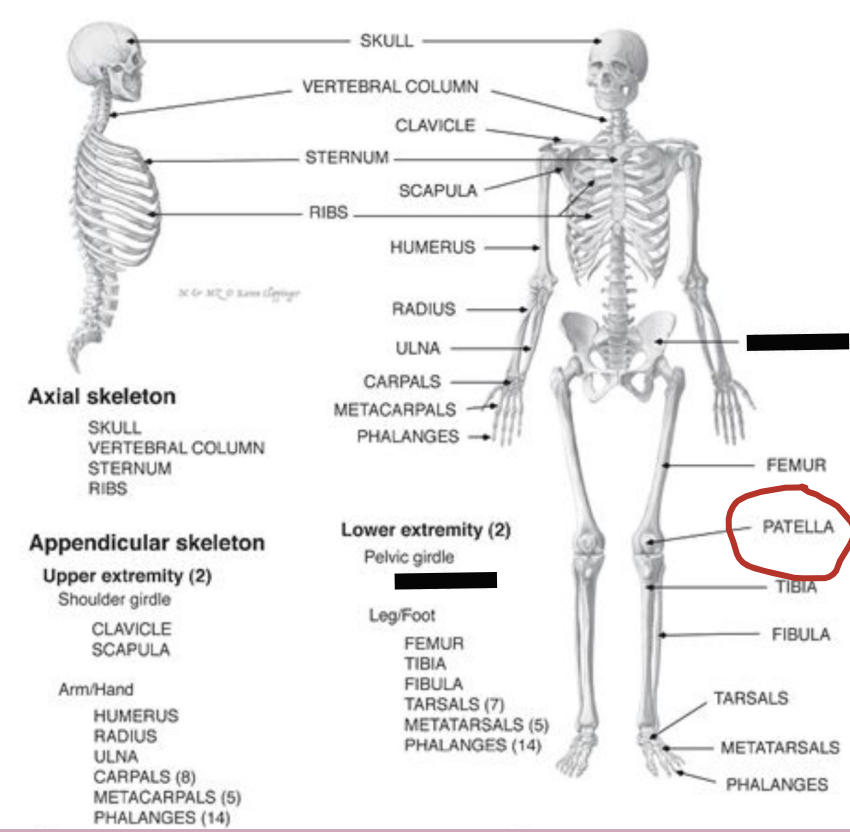
patella

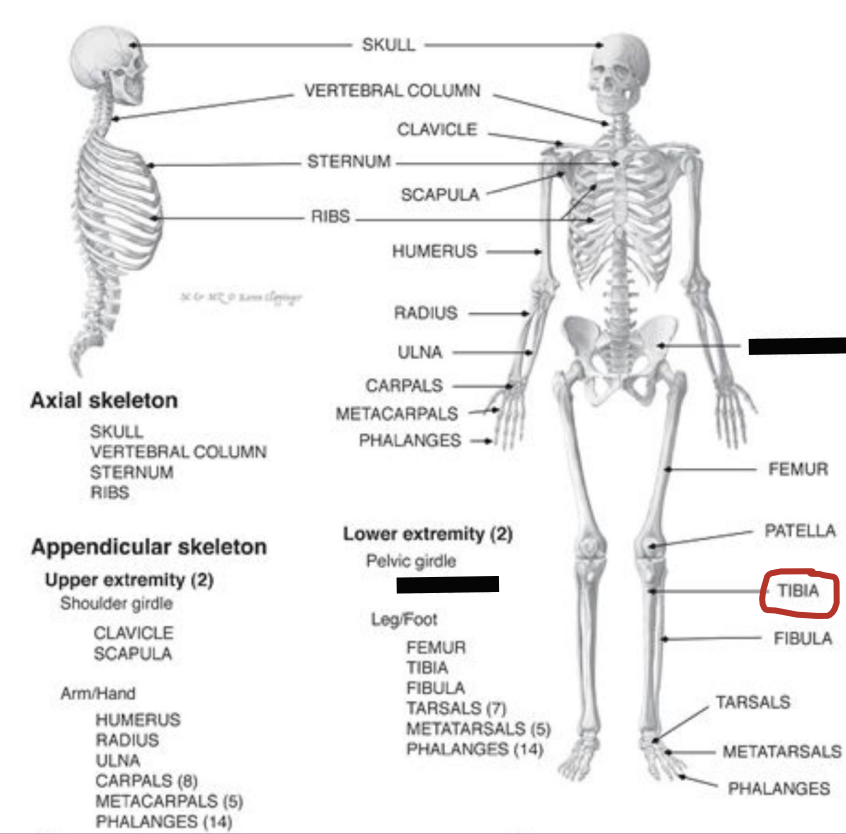
tibia

fibula
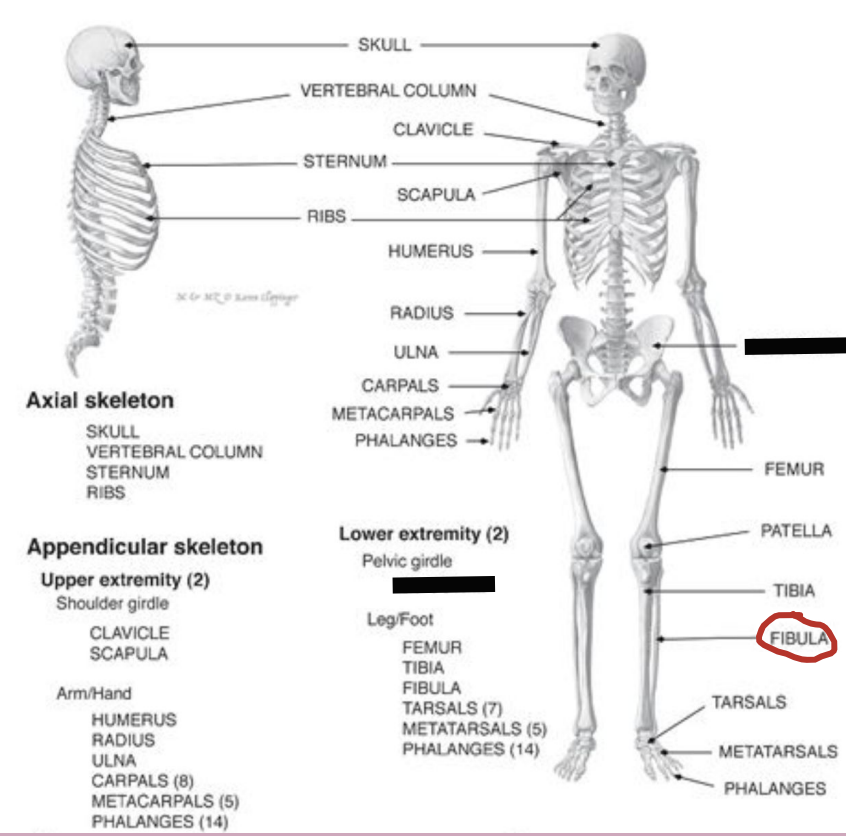

tarsals
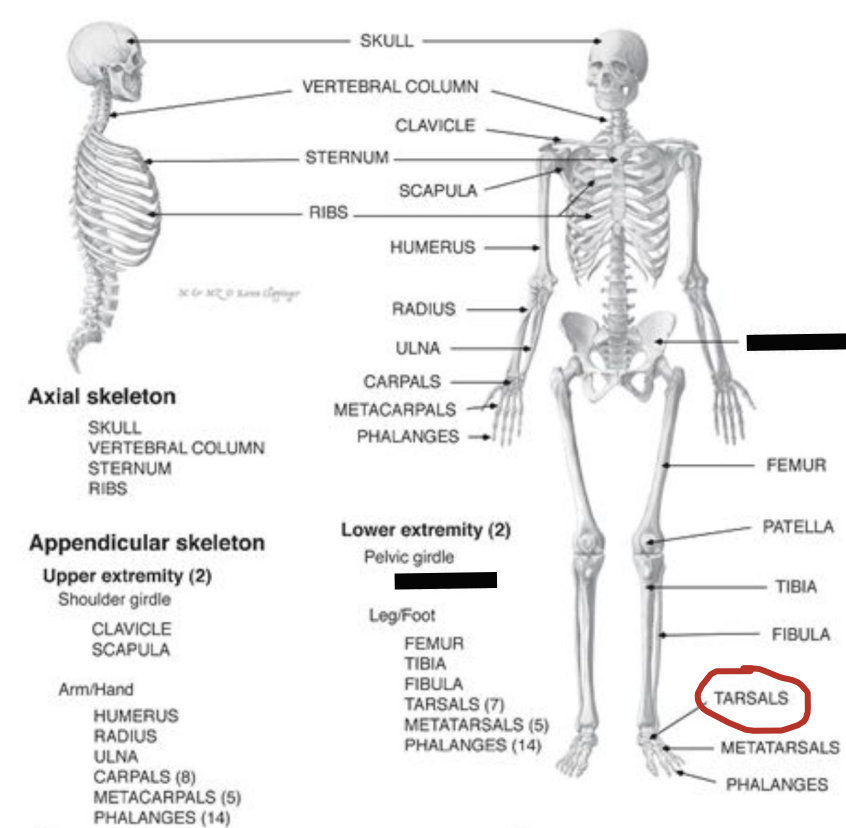

phalanges

cervical spine
top 7
thoracic spine
middle 12
lumbar spine
bottom 5
sacrum spine and coccyx
below all the other spine segments

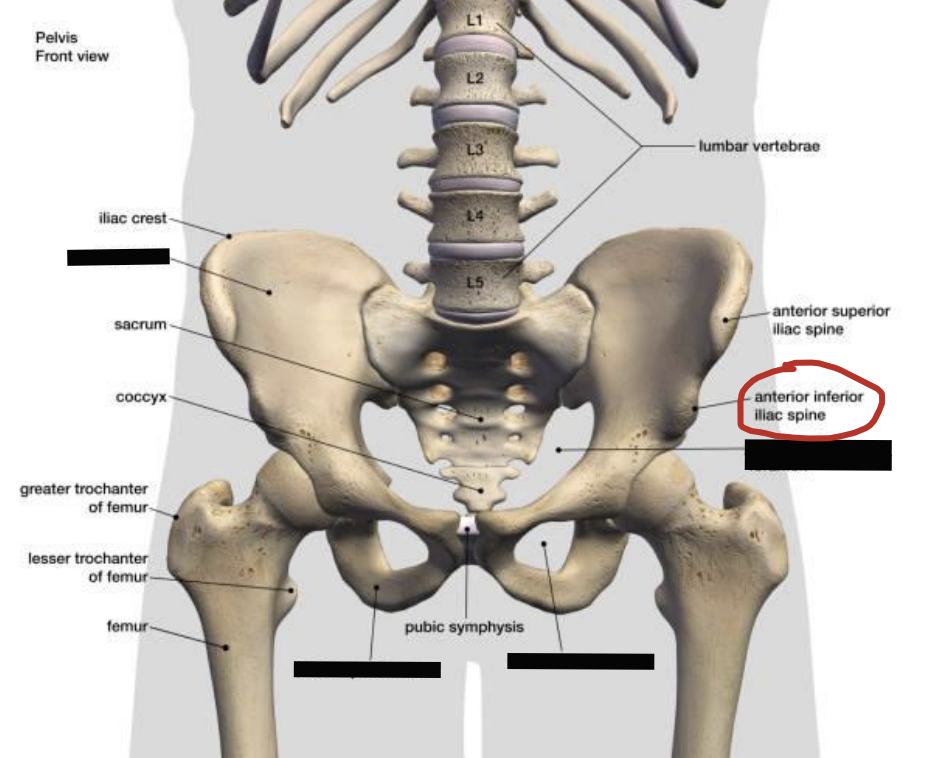
illiac crest
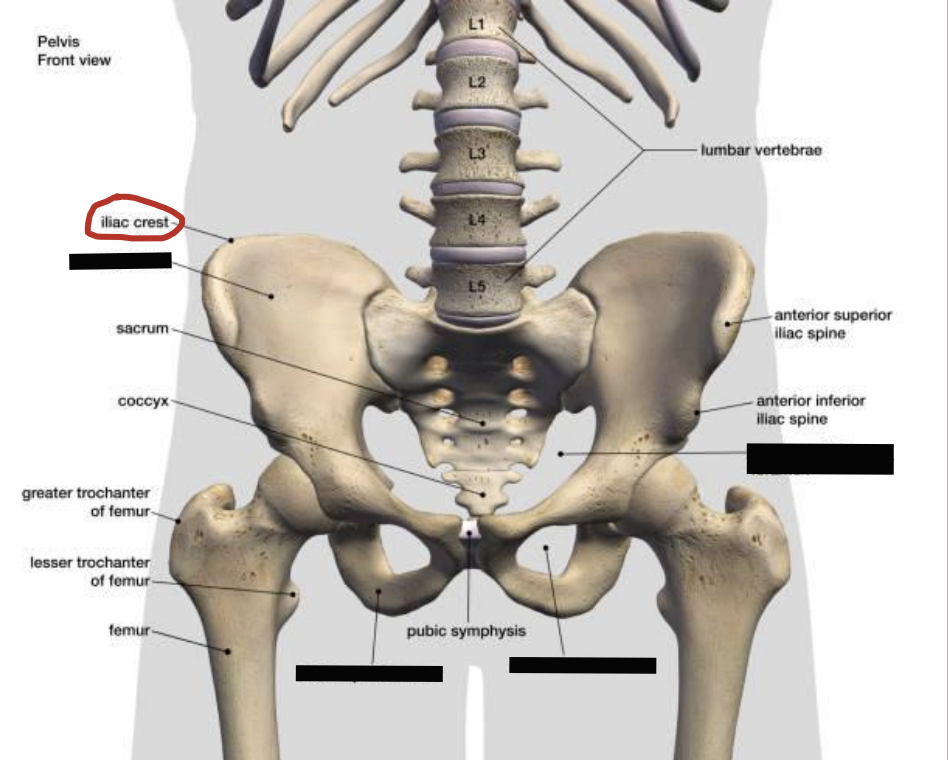

illiam
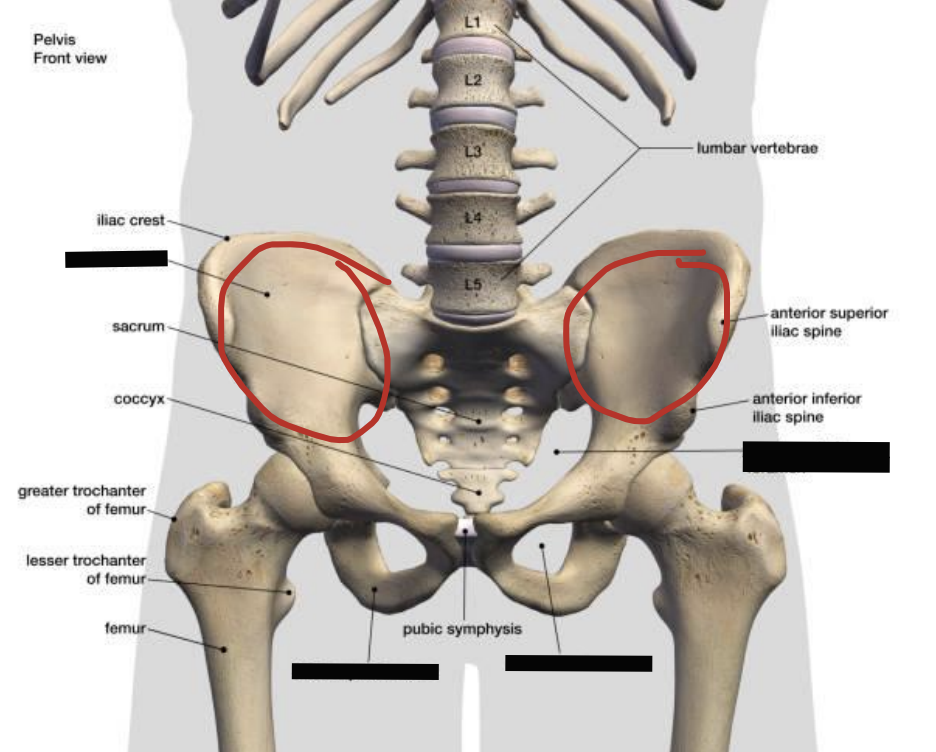

sacrum


pubic symphysis


anterior superior illiac spine


anterior inferior illiac spine
sagittal body plane
down the center, left and right, contractions go along this plane

coronal body plane
down the center, front and back
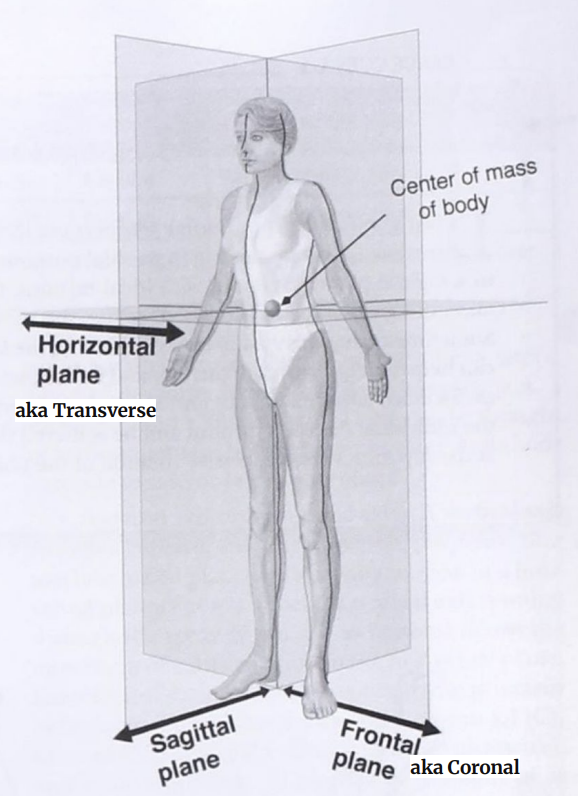
transverse body plane
aka horizontal plane, up and down

Iliopsoas Complex
Main hip flexor
Stabilizes trunk
Our contraction driver
-Connection around hip joint and lumbar


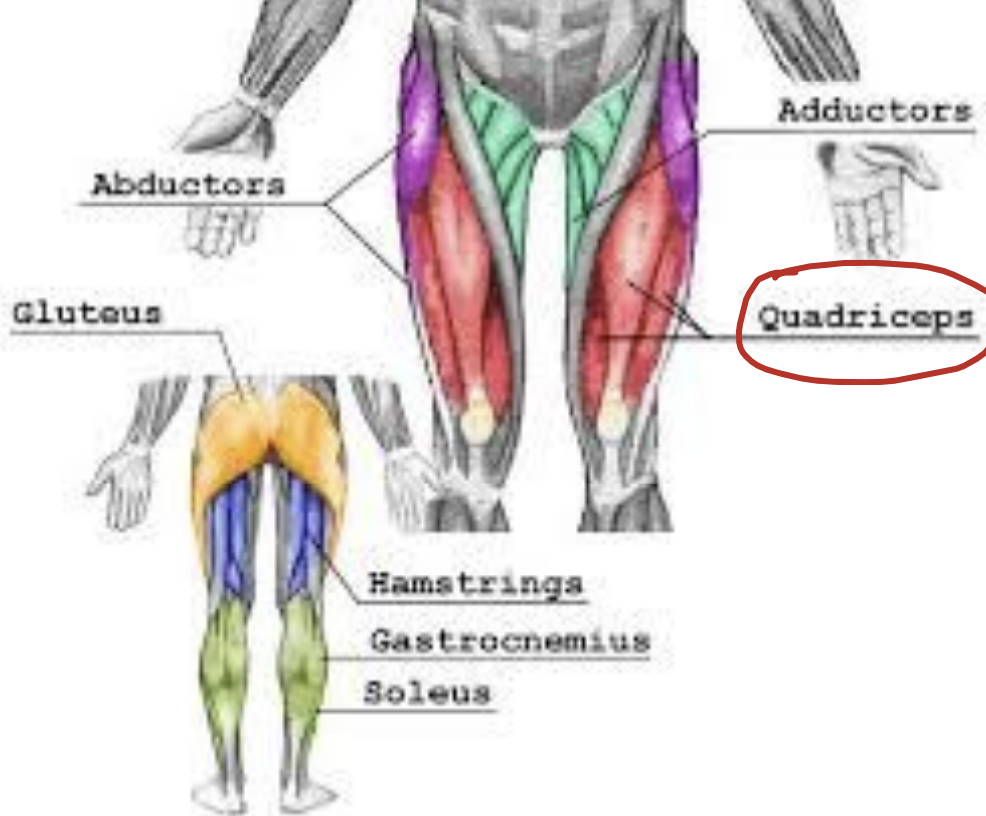
quadriceps

hamstrings
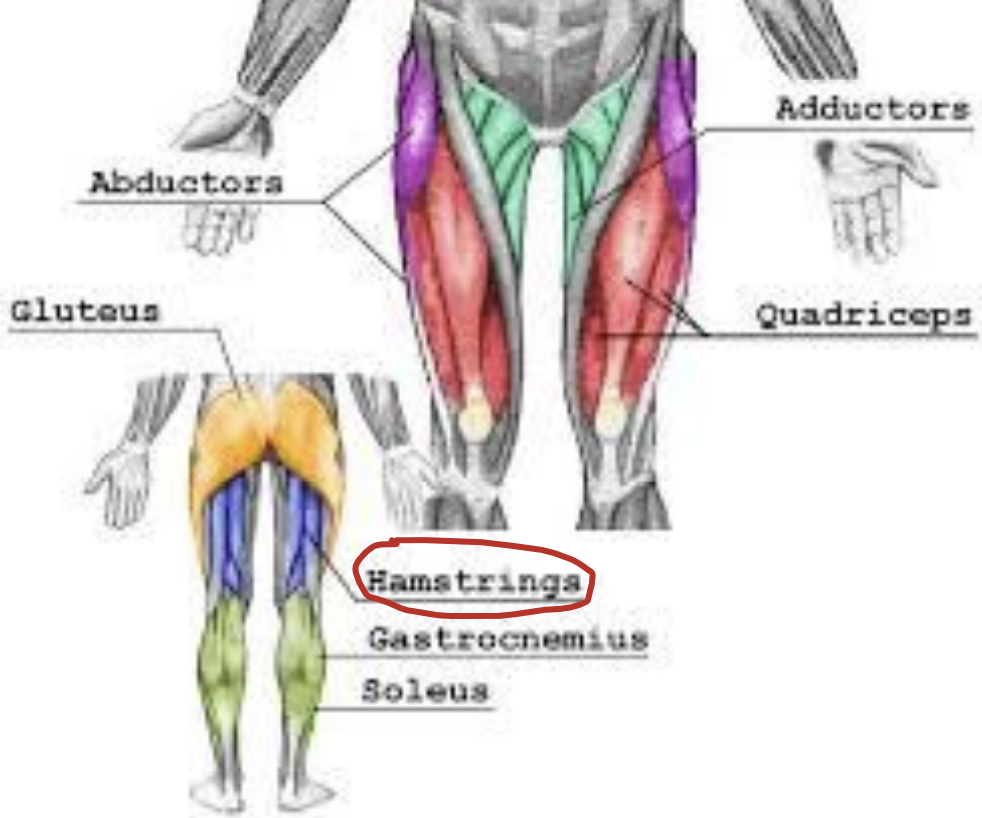
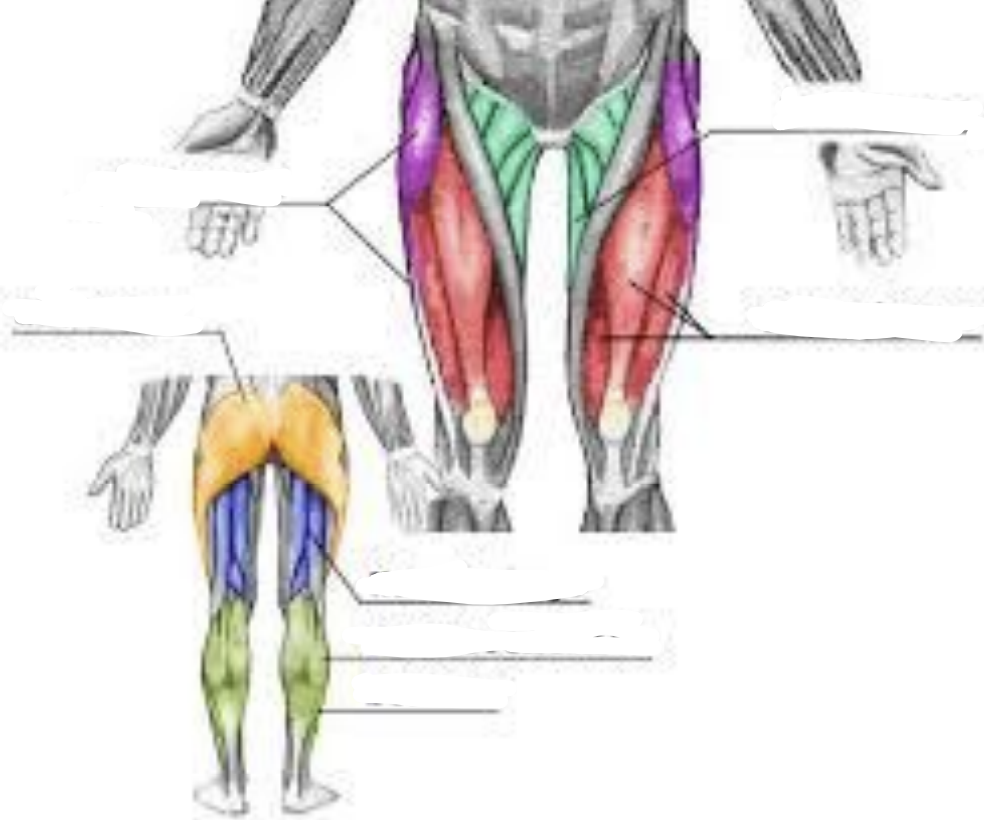
gluteus


Gastrocnemius and soleus
calf muscles


adductors
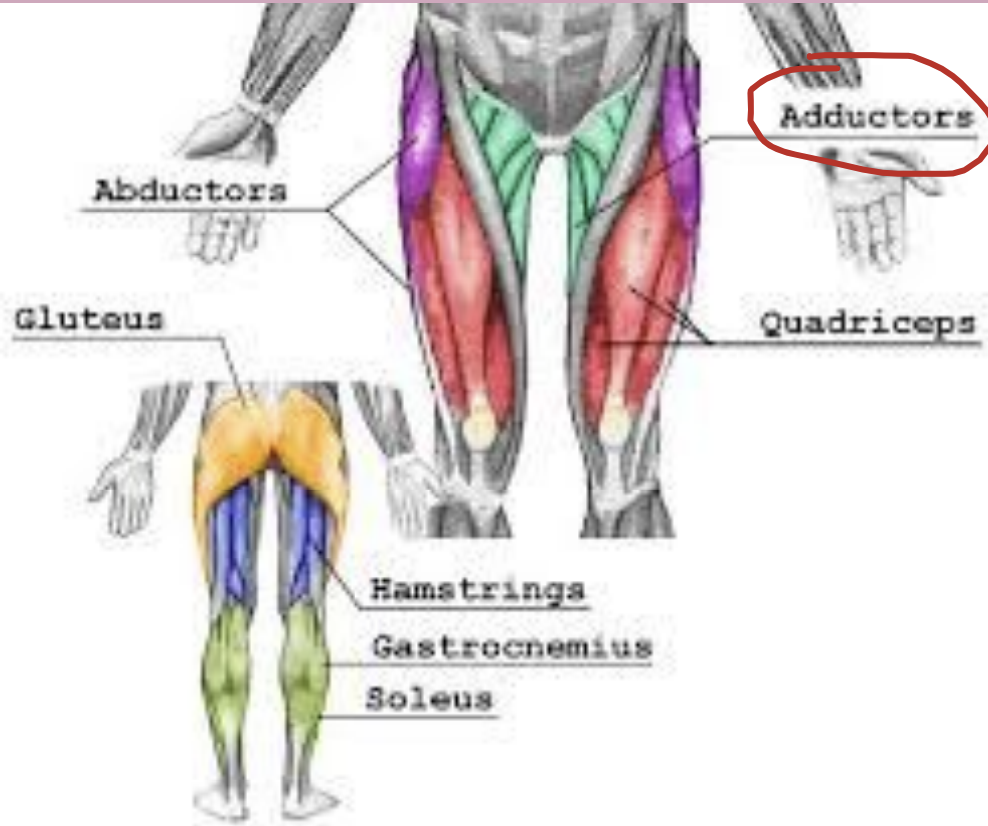

abductors
