GEOG 200 U4
 Call Kai
 Learn
Learn Practice Test
 Spaced Repetition
 Match
Match Flashcards
 Knowt Play
1/22

There's no tags or description
Looks like no tags are added yet.
Name | Mastery | Learn | Test | Matching | Spaced | Call with Kai | Chat |
|---|
No analytics yet
Send a link to your students to track their progress
23 Terms
Altiplano
High-elevation plateau, basin, or valley between even higher mountain ranges, especially in the Andes of South America. These provided fertile soils, reliable water supplies, building materials, and natural protection to their inhabitants.
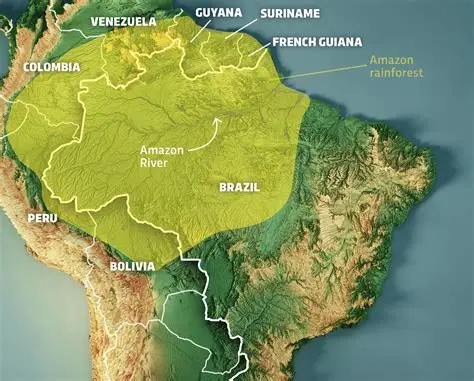
The Amazon Basin.
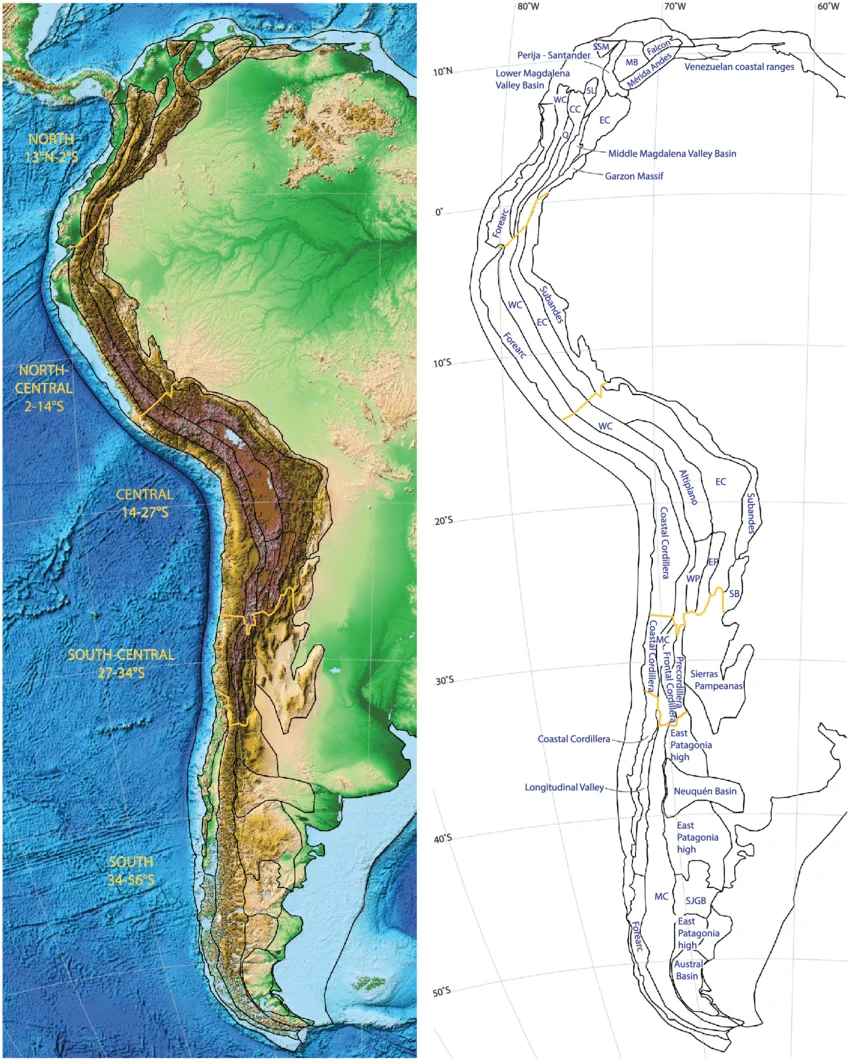
The Andean Basin
Barrio
Term meaning “neighborhood” in Spanish. Usually refers to an urban community or shantytown in a Middle or South American city.
Buenos Aires
Capital of Argentina, population of 15.5 million, a megacity ,
Coca
The plant cocaine is processed from. Mostly grown in Colombia, Bolivia, and Peru
Cultural pluralism
A society in which two or more population groups, each practicing its own culture, live adjacent to one another without mixing inside a single state. South America is an example of a culturally plural continent.
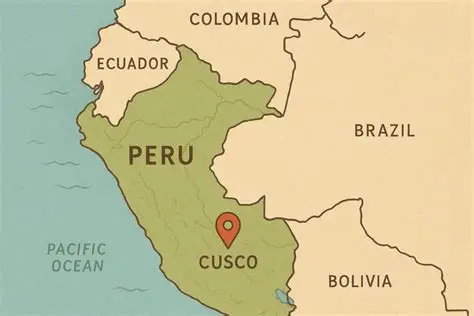
Cuzco, Peru. The longtime capital of the Inca civilization and still a major city today (though not the capital). It’s located high on the Peruvian Andes at a 3400 metre elevation
Economic integration
The economic benefits of forging supernatural partnerships among three or more countries. The EU is a prototype. NAFTA and CARIDOM are examples in the Middle American realm. This is a growing force in South America, at an early stage.
Favela
A shantytown on the outskirts or even well within an urban area in Brazil.
Incas
A pre-Columbian Indigenous group that inhabited the Peruvian Andes. Cuzco is their historic capital. They had rigid class structure and the leader essentially had complete power. They were also expert builders with stone.
Informal economy
The part of the economy that is not registered with the government, and for which reliable statistics are rarely available. It is the complement to the countries formal economy. More prominent in underdeveloped countries.

Lake Maracaibo
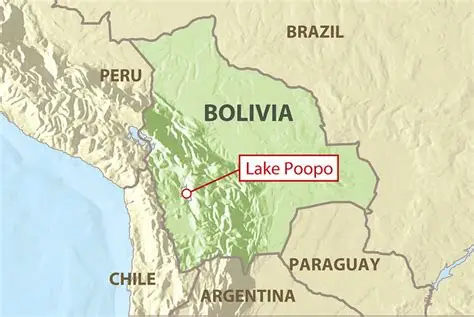
Lake Poopó. Used to be Bolivia’s second largest lake, twice the size of greater Los Angeles, but is now drying up. Indigenous groups who used to rely on this lake are suffering. Climate change is likely to blame, but some say it is also due to the excessive diversion of water to support nearby mining activity.
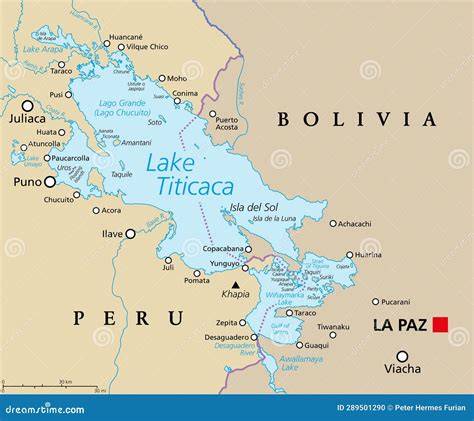
Lake Titicaca. Lies on the boundary of Bolivia and Peru. A freshwater lake 3700 meters above sea level and helps make the surrounding Altiplano livable by mitigating coldness in its vicinity.

Machu Picchu. Believed to have been built ca. 1450 for the Inca emperor Pachacuti, but was abandoned less than a hundred years later at the time of the Spanish Conquest. It has been in the process of restoration since 1911 and is not halfway done.
Megacity
An informal term referring to the world’s most heavily populated cities; in the textbook, it refers to a metropolis with a population greater than 10 million. The size and density of them pose enormous challenges in terms of housing, mobility, pollution, water provision, and overall sustainability.
Neoliberal policies
Policies adhering to an ideology or development strategy that advocates the privatization of state run companies, lowering international trade tariffs, reduction of government subsidies, cutting of corporate taxes, and overall deregulation of business activity. Venezuelan president Hugo Chávez elected in 1999 took a stand against the former Neoliberal policies of the past, however Venezuelan’s did not benefit.

Orinoco river
Plantation
A large estate owned by an individual, family, or corporation and organized to produce cash crop; almost all were established within the tropics; in recent decades, many have been divided into smaller holdings or reorganized as cooperatives. Was initially tied to the distribution of landholders of European background
Push and pull factors
Both are at work in South America in regards to poverty.
Quechua
The lingua franca that emerged during the Inca Empire
Rural to urban migration
The dominant migration flow from country side to city that continues to transform the worlds population, most notably in less advantaged geographic realms like South America.