Speech Sound Disorders and Motor Speech Disorders: Assessment and Characteristics
 Call Kai
 Learn
Learn Practice Test
 Spaced Repetition
 Match
Match Flashcards
 Knowt Play
1/43

There's no tags or description
Looks like no tags are added yet.
Name | Mastery | Learn | Test | Matching | Spaced | Call with Kai | Chat |
|---|
No analytics yet
Send a link to your students to track their progress
44 Terms
What is apraxia of speech?
A motor speech disorder that impacts the ability to execute purposeful speech movements.
What is dysarthria?
A motor speech disorder associated with muscle paralysis, weakness, or incoordination affecting different subsystems of speech.
What does articulation refer to in speech disorders?
The ability to produce speech sounds using the articulators.
What are phonological processes?
Patterns that children follow to simplify speech.
What is phonology?
The study of the sound system of language, including speech sounds, patterns, and the rules that apply to them.
What is the primary focus of the assessment for speech sound disorders?
To conduct a thorough and individualized evaluation procedure.
What are some contributing factors to consider during assessment?
Client history and specific factors affecting speech production.
What types of speech disorders does Chapter 15 focus on?
Acquired neurogenic speech disorders, primarily affecting adults.
What can cause dysarthria?
Stroke, traumatic brain injury (TBI), Parkinson's disease, multiple sclerosis (MS), and amyotrophic lateral sclerosis (ALS).
What are the subsystems of speech affected by dysarthria?
Respiration, phonation, resonance, articulation, and prosody.
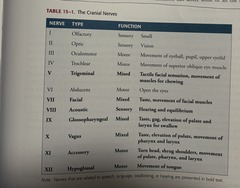
What are the types of dysarthria mentioned?
Flaccid, spastic, mixed, ataxic, hypokinetic, and hyperkinetic.
What are common deficits associated with dysarthria?
Imprecise speech, vowel distortions, hypernasality, atypical pitch, voice tremors, and reduced loudness.
What is included in a comprehensive assessment of dysarthria?
Evaluation of articulation, prosody, voice, fluency, and efficiency.
What is apraxia of speech (AOS) and its primary cause?
A motor speech disorder affecting volitional speech tasks, often caused by stroke, TBI, or neurodegenerative conditions.
What are some characteristics of AOS?
Articulation errors with more consonant errors, slow speech rate, sound elongation, and struggle behaviors.
What assessments are used for AOS?
Orofacial exams, diadochokinetic rates, and speech samples.
What is the definition of speech sound disorders (SSDs) according to ASHA?
Difficulties with perception, motor production, or phonological representation of speech sounds.
What are articulation and phonological processes in speech development?
Articulation refers to the manner, place, and voice of sound production; phonological processes simplify adult speech.
How can intelligibility be impacted in speech sound disorders?
By the presence of articulation errors and phonological disorders.
What is the purpose of a screening in speech sound disorders?
To quickly identify individuals who may have a communicative disorder.
What are some commercially available tests for screening?
Articulation Assessment Toolkit, Articulation Test Center Pro, DEAP, Fluharty-2, HAPP-3.
What factors should be considered in diagnosing speech sound disorders?
Intelligibility, stimulability of erred sounds, speech perception, types of errors, social and academic impact.
What does intelligibility refer to in speech assessment?
How well a speaker is understood by others.
What are the factors that affect intelligibility?
Frequency and types of errors, listener familiarity, contextual clues, face-to-face contact, nonverbal communication, and the environment.
What is stimulability in the context of speech sound disorders?
A client's ability to produce a correct production of an erred phoneme.
What are the three core features of Childhood Apraxia of Speech (CAS)?
Inconsistency of errors, lengthened and disrupted coarticulatory transitions, inappropriate prosody.
What distinguishes Childhood Apraxia of Speech (CAS) from other speech disorders?
CAS is considered an organic disorder with difficulty sequencing sounds, despite normal muscle function.
What is the most accurate method for assessing intelligibility?
Transcribing a speech sample and calculating the percentage of words understood.
What assessment procedures are used for Childhood Apraxia of Speech?
Formal articulation testing, connected speech sample, language testing, oral motor exam.
What is the recommended therapy frequency for Childhood Apraxia of Speech?
Intensive therapy, ideally 5 days a week.
What is the significance of family and medical history in speech sound disorder assessment?
It helps to understand potential contributing factors to the disorder.
What is the role of the Intelligibility in Context Scale (ICS)?
To assess and quantify a child's intelligibility in various contexts.
What should not be relied upon solely for diagnosis of speech sound disorders?
Developmental norms.
What are the characteristics of Childhood Apraxia of Speech?
Non-speech behaviors like mild delays in motor development, vowel errors, groping, and reduced speech perception.
What is the purpose of a written report in speech assessments?
To provide detailed findings and recommendations based on the assessment.
What is the difference between a speech sound disorder and a difference?
A difference is not a disorder; it refers to variations in speech that do not impact communication.
What should be included in a differential diagnosis assignment for CAS and SSD?
Definitions of CAS and SSD, components of each disorder, and three differences including assessment criteria.
What is the significance of the assessment of speech sound disorders?
To determine diagnosis and recommendations for treatment based on individual needs.
What is the role of the American Speech-Language-Hearing Association (ASHA)?
To provide resources and guidelines for speech sound disorders and their assessment.
What is the impact of CAS on communication?
It can have a potentially devastating impact due to difficulties in sound sequencing.
What types of errors are analyzed in speech sample analysis?
Erred speech sounds, patterns of errors, number of errors, and consistency of errors.
What is the relationship between CAS and other disorders?
CAS can co-occur with disorders such as dysarthria, fluency disorders, and expressive/receptive language impairments.
What is the role of nonverbal communication in intelligibility?
It can enhance understanding and context for the listener.
What is the purpose of the Apraxia-Kids website?
To provide resources and information about Childhood Apraxia of Speech.