Lecture 4: Cytology III
 Call Kai
 Learn
Learn Practice Test
 Spaced Repetition
 Match
Match Flashcards
 Knowt Play
1/50

There's no tags or description
Looks like no tags are added yet.
Name | Mastery | Learn | Test | Matching | Spaced | Call with Kai | Chat |
|---|
No analytics yet
Send a link to your students to track their progress
51 Terms
Cell membrane or plasmalemma
What is the plasma membrane also called?
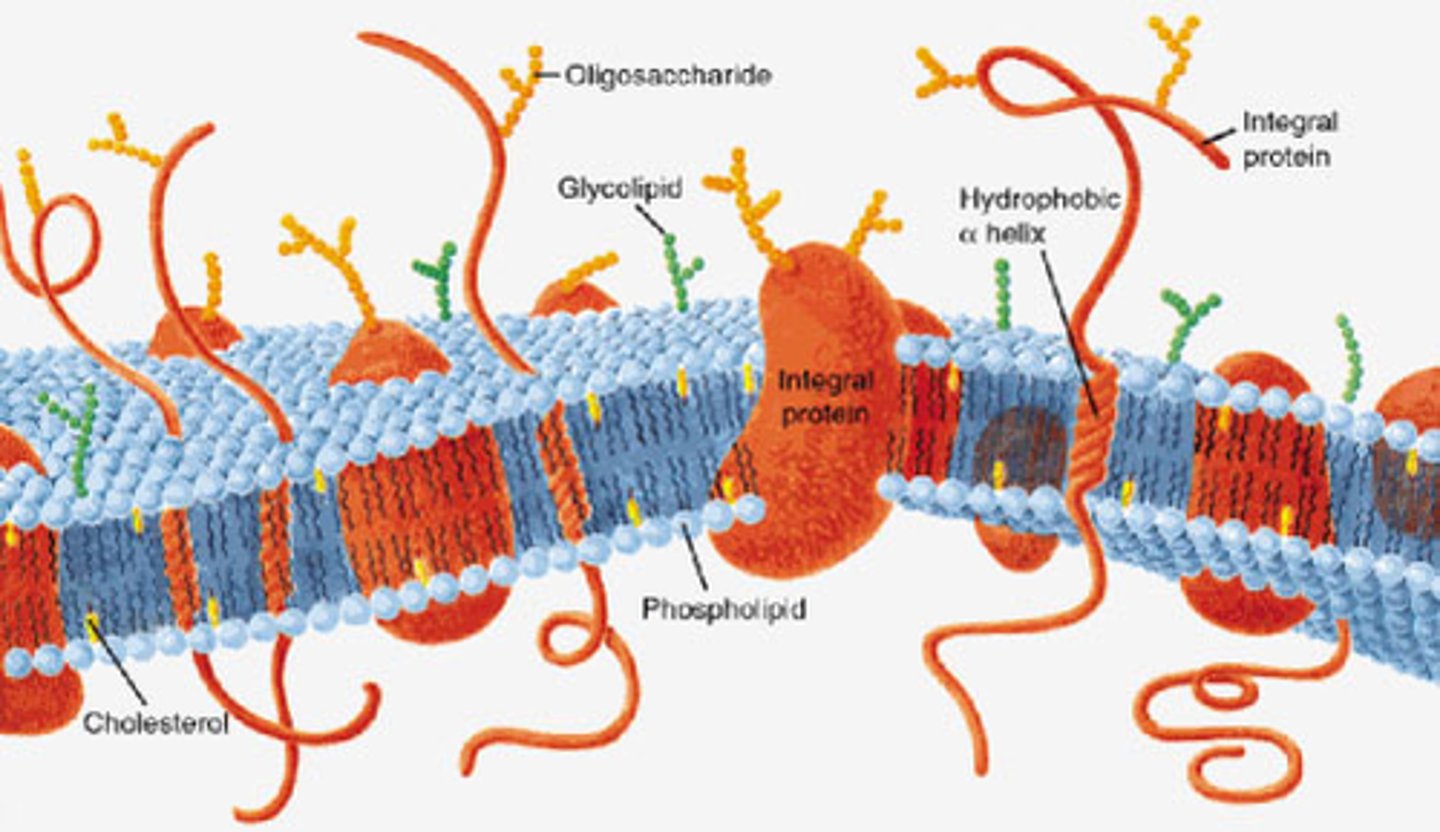
Lipid bilayer consisting of phospholipids, cholesterol, proteins, and oligosaccharide chains linked to some phospholipids and proteins
What is the plasma membrane made of?
Acts as a selective barrier, maintains ion concentration, regulates material passage, facilitates transport of specific molecules, enables cell-environment interactions, signaling, and recognition
What are the general functions of the plasma membrane?
Allow interaction between cell and environment
•Signaling and recognition
What do proteins allow for in the plasma membrane?
7.5 to 10 nm; only seen with electron microscopy
How thick is the plasma membrane and how is it observed?
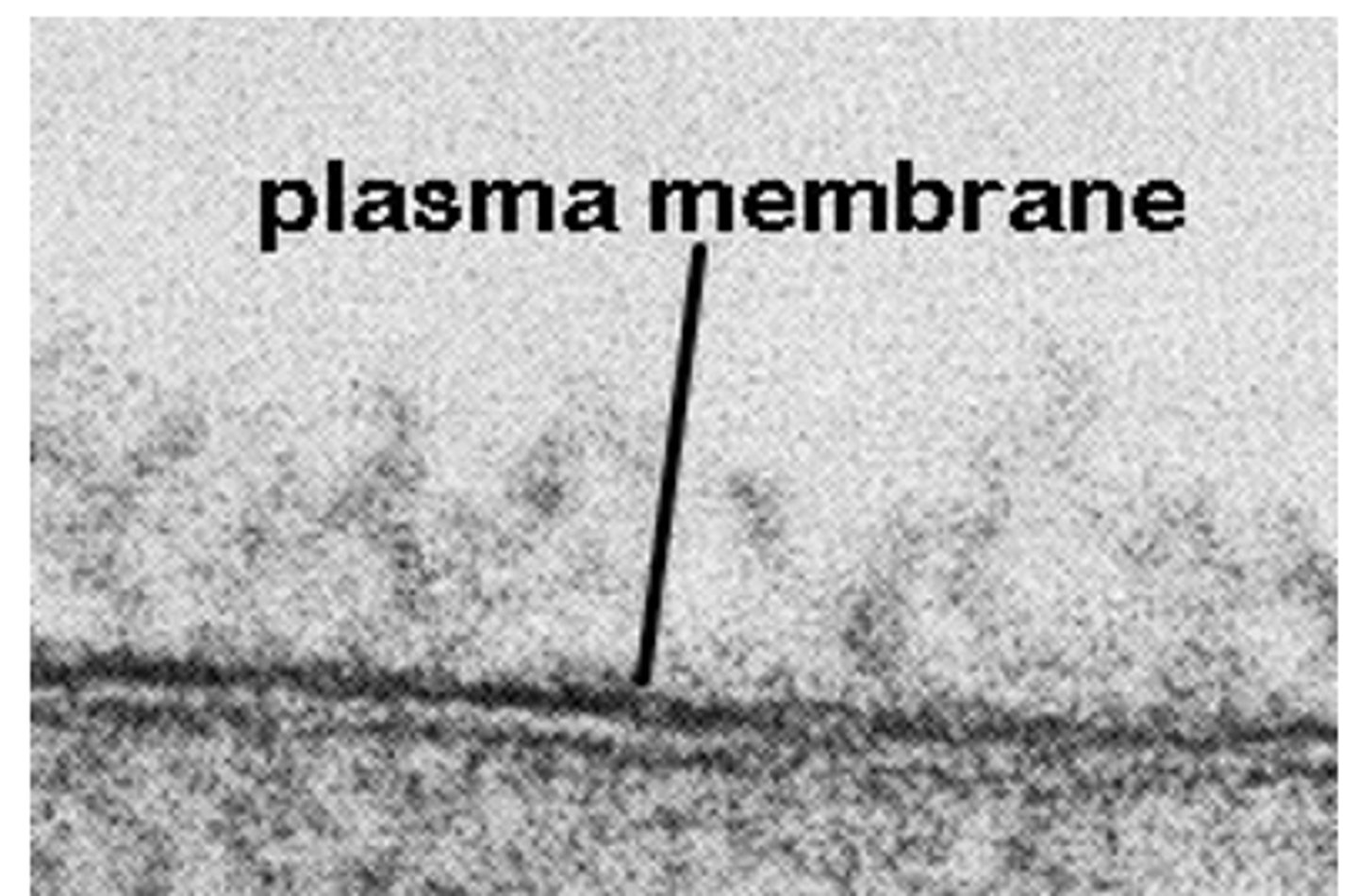
Two dark lines (phospholipid heads) with one light central band (fatty acid tails)
What is the trilaminar structure of the plasma membrane?
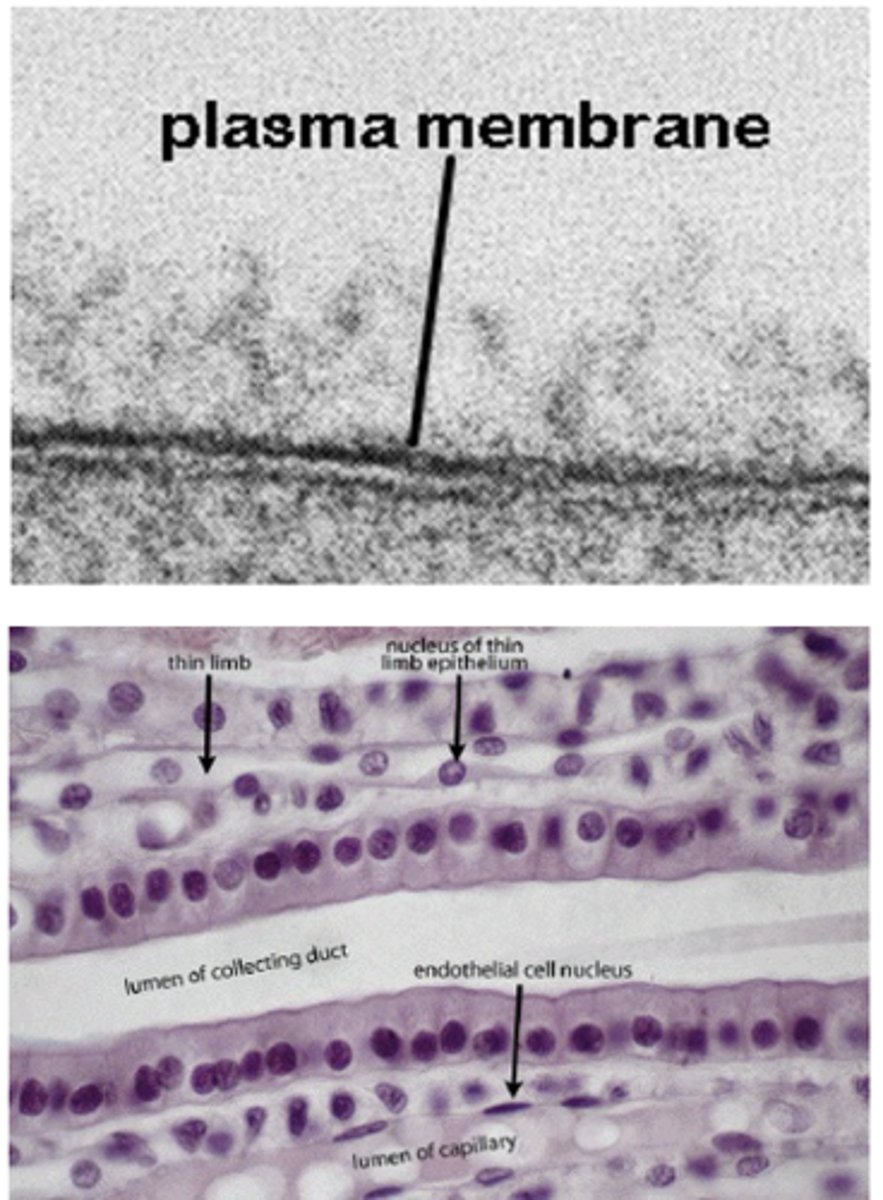
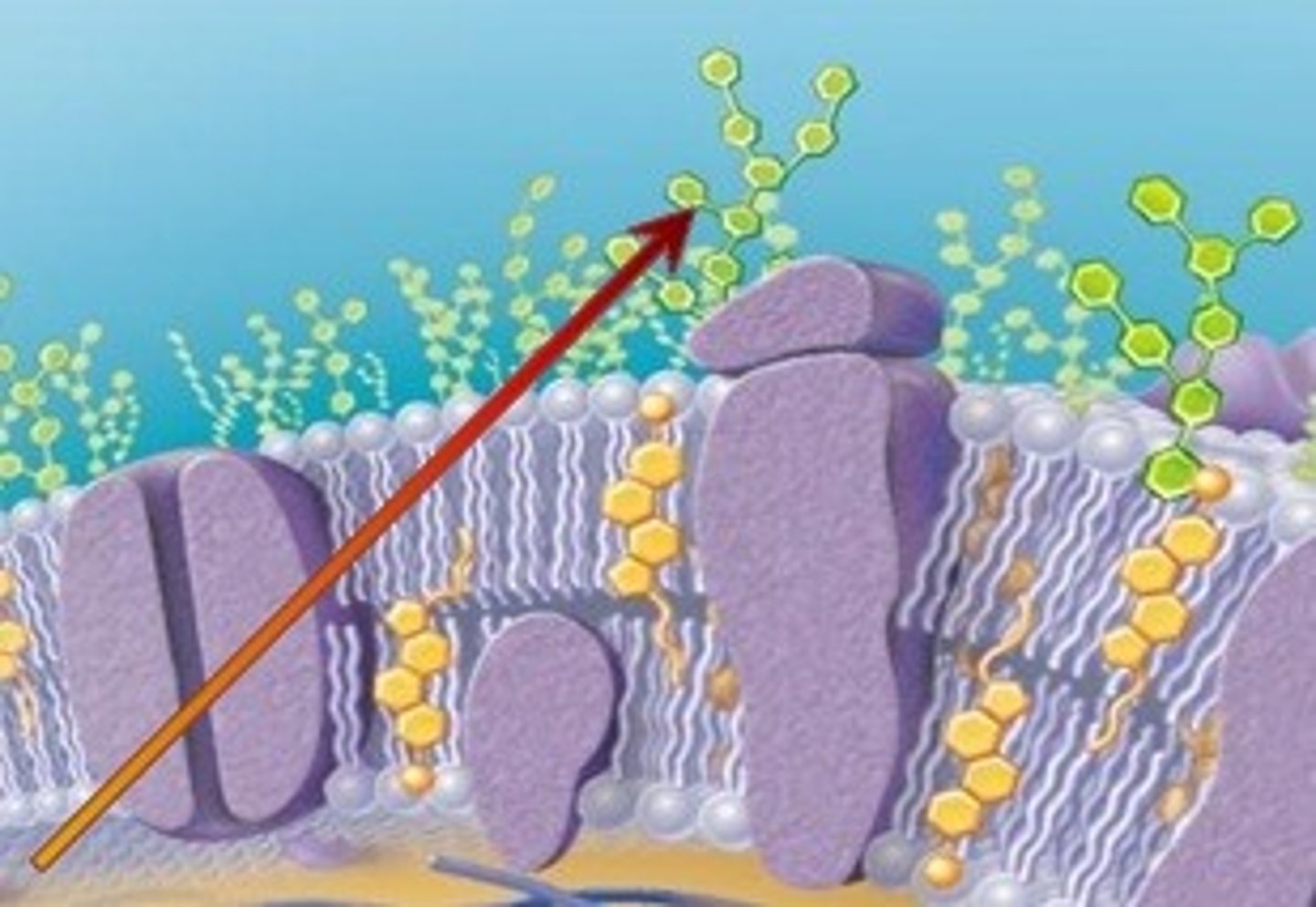
Glycocalyx
What is the fuzzy external material on the plasma membrane?
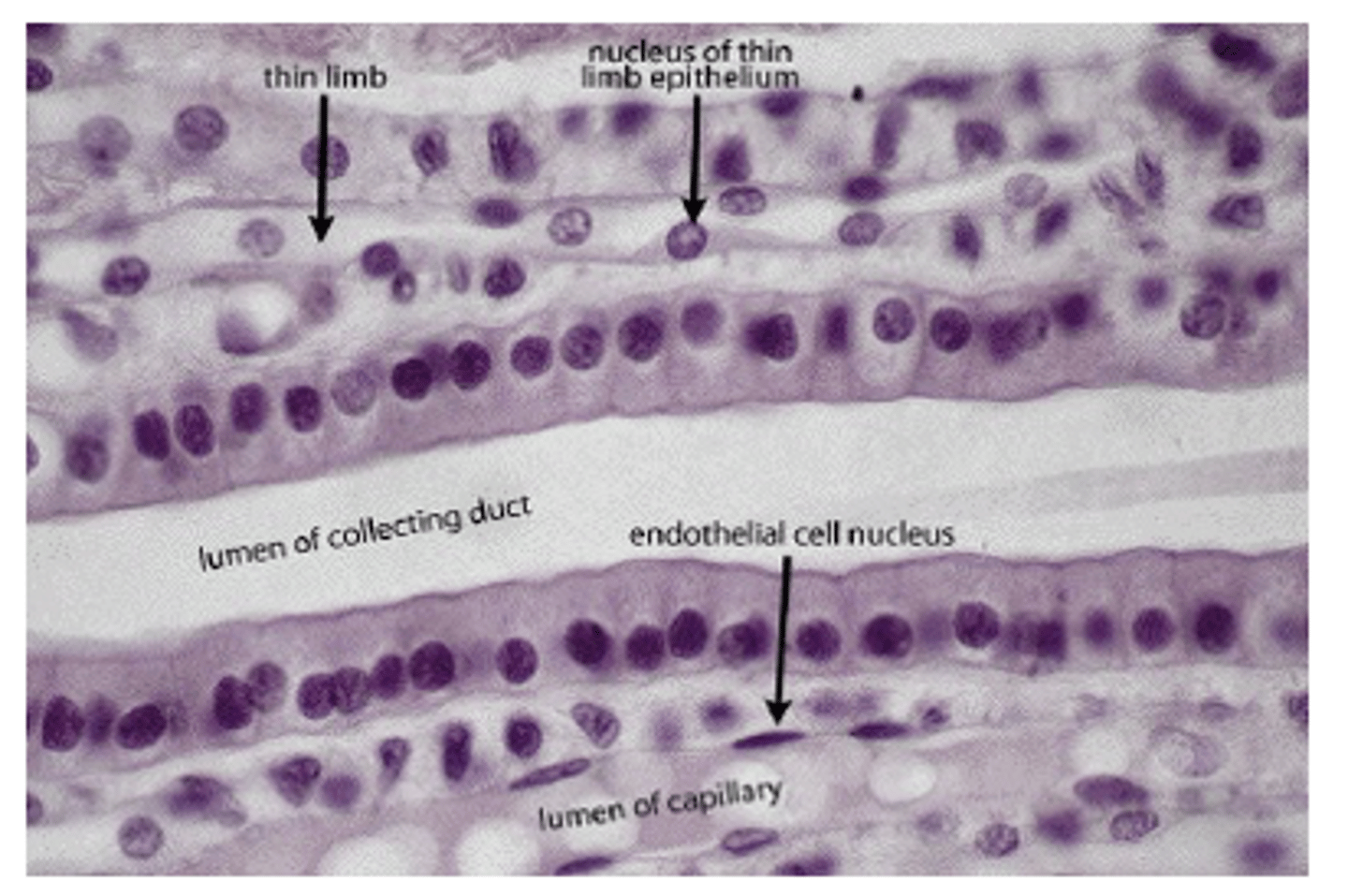
Appears as a thin line between adjacent cells with proteins and extracellular material
How is the plasma membrane seen under light microscopy?
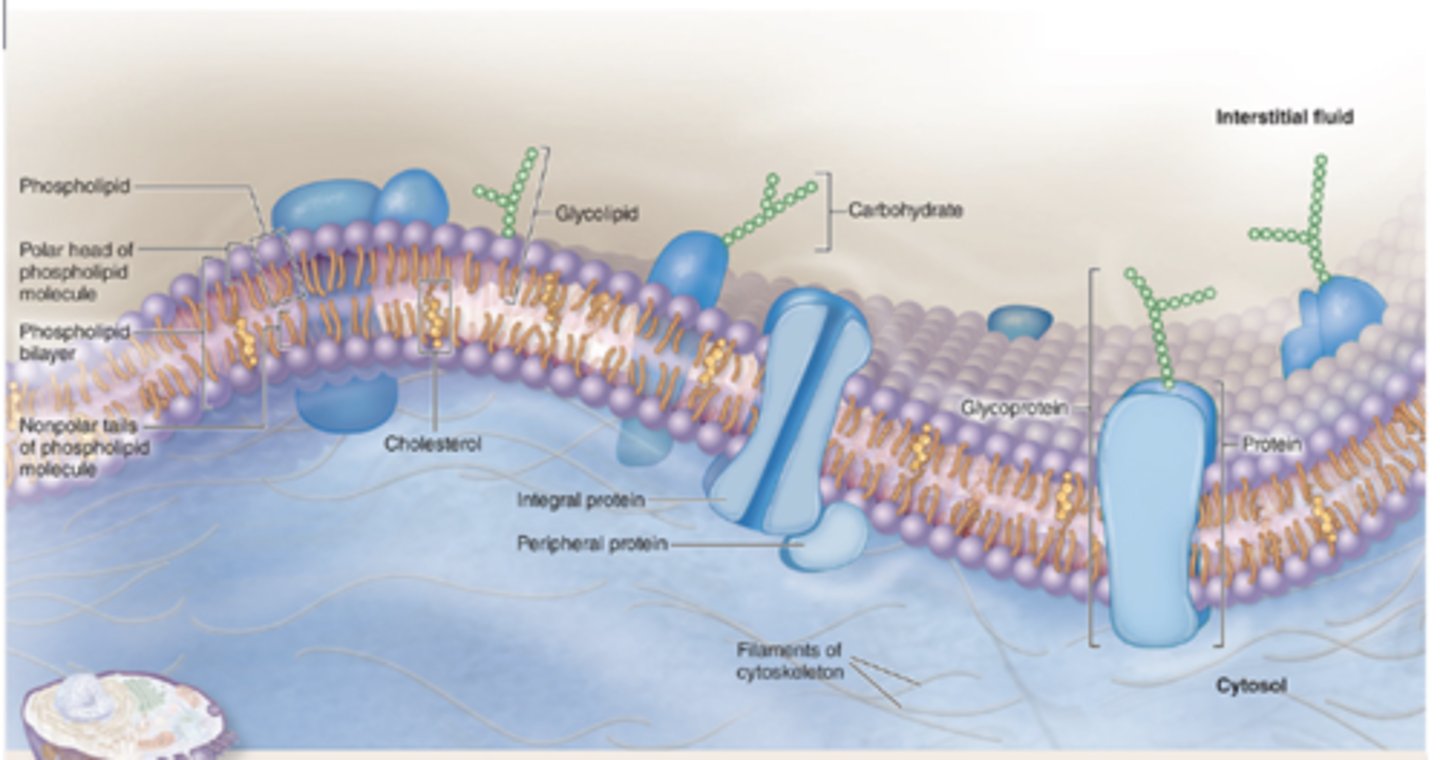
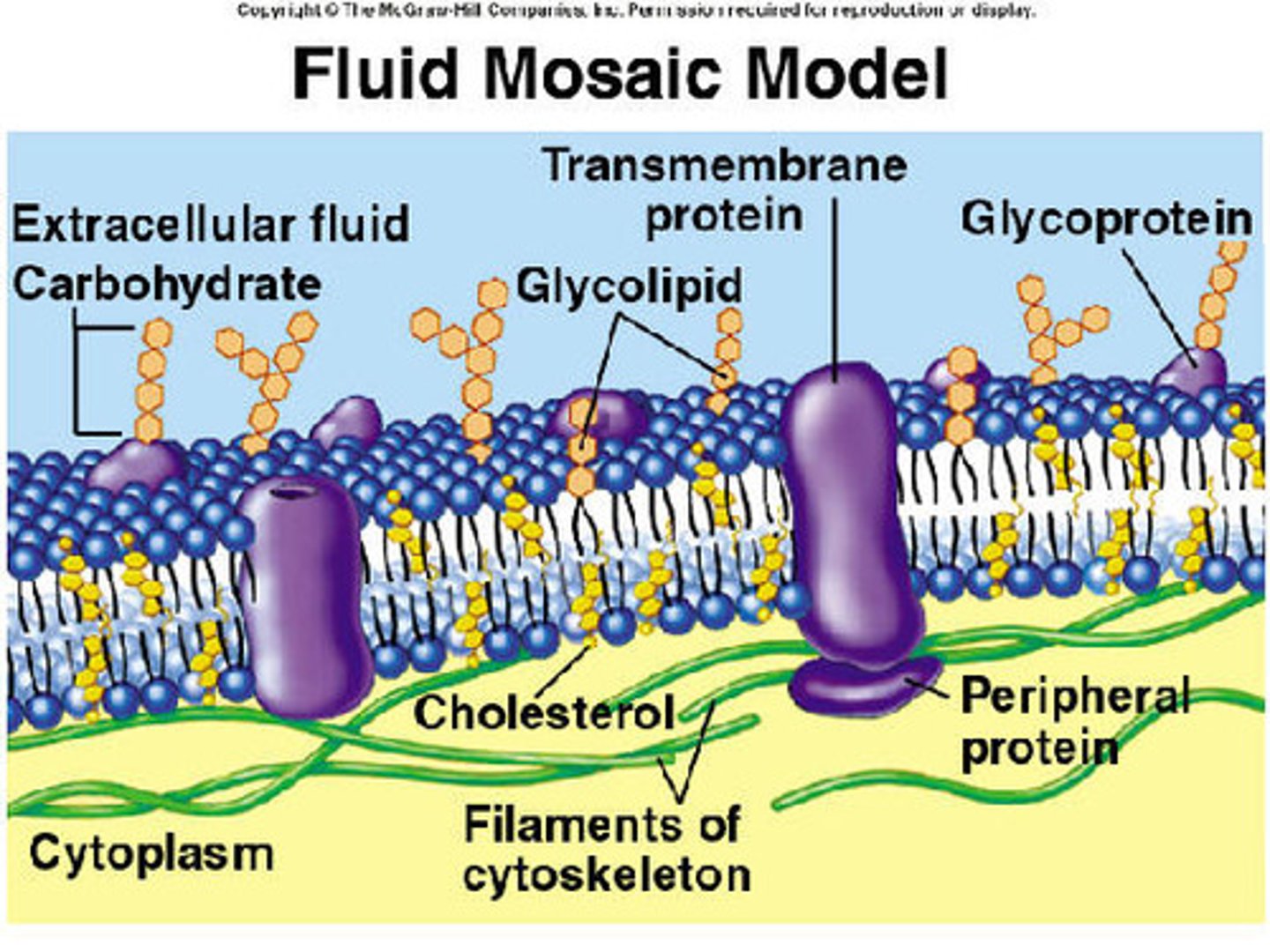
Lipid bilayer (Phospholipids), proteins (peripheral and integral), cholesterol, oligosaccharides (glycoproteins, glycolipids)
What are the main components of the plasma membrane lipid bilayer? (4)
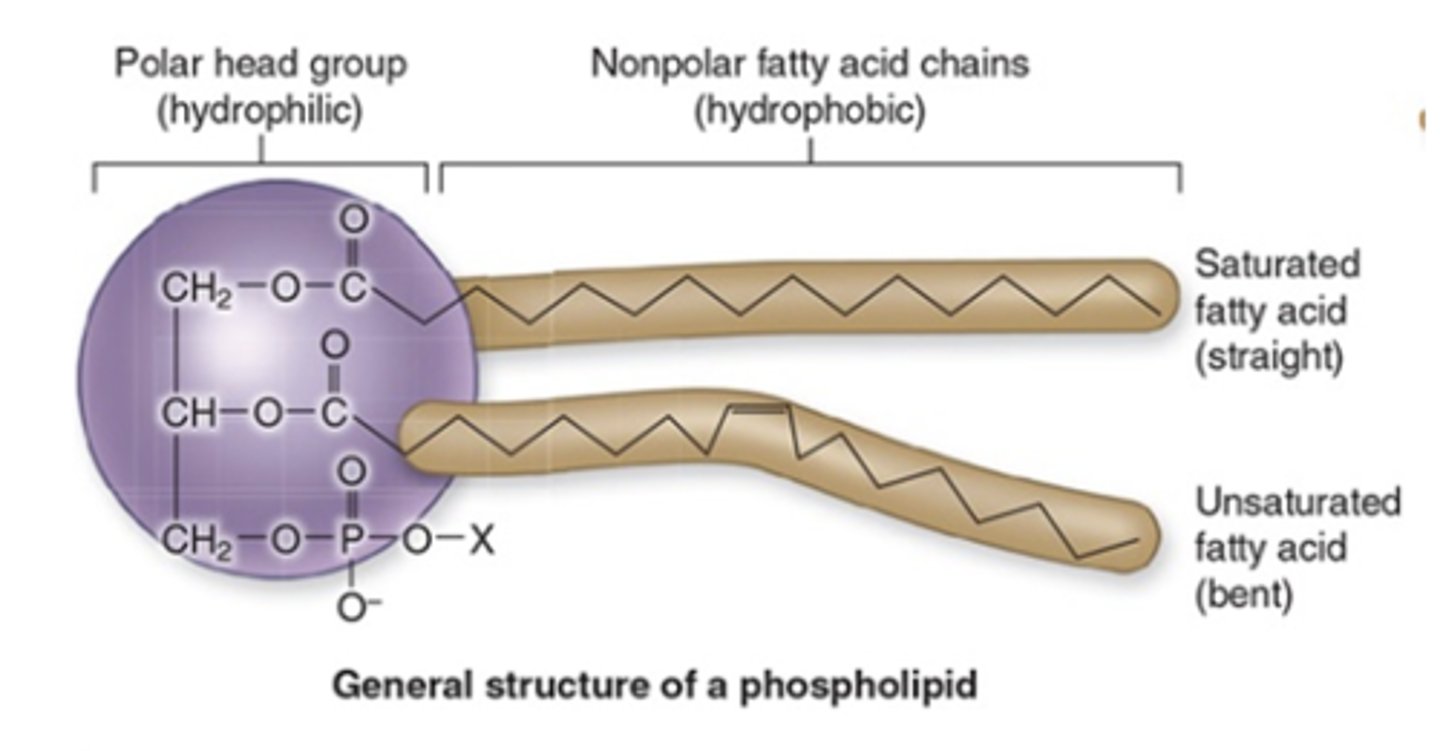
Amphipathic molecule
•Two non-polar long-chain fatty acids
•One charged polar head bearing a phosphate group
What type of molecule is a phospholipid?
When arranged in a bilayer
•Hydrophobic fatty acid chains in a middle region
•Hydrophilic polar heads in contact with water
When are phospholipids very stable?
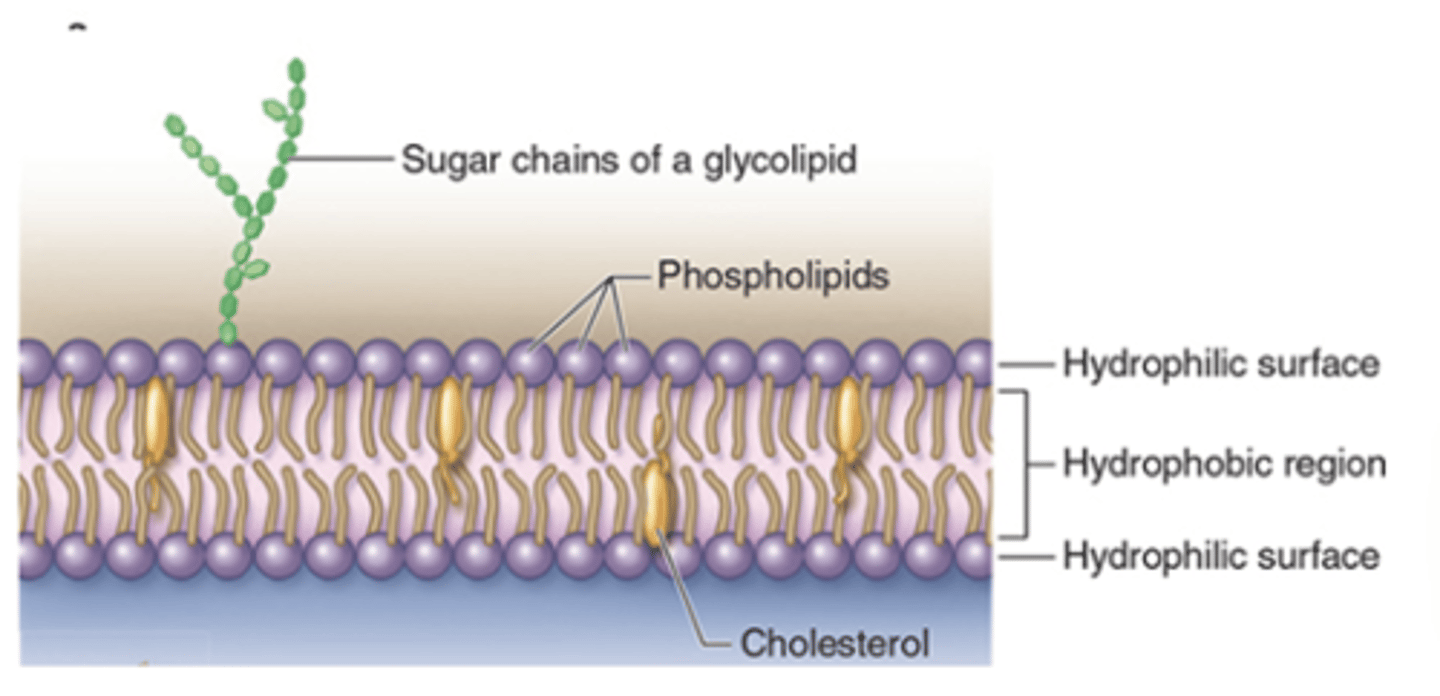
Oligosaccharide chains linked to some phospholipids
What are glycolipids?
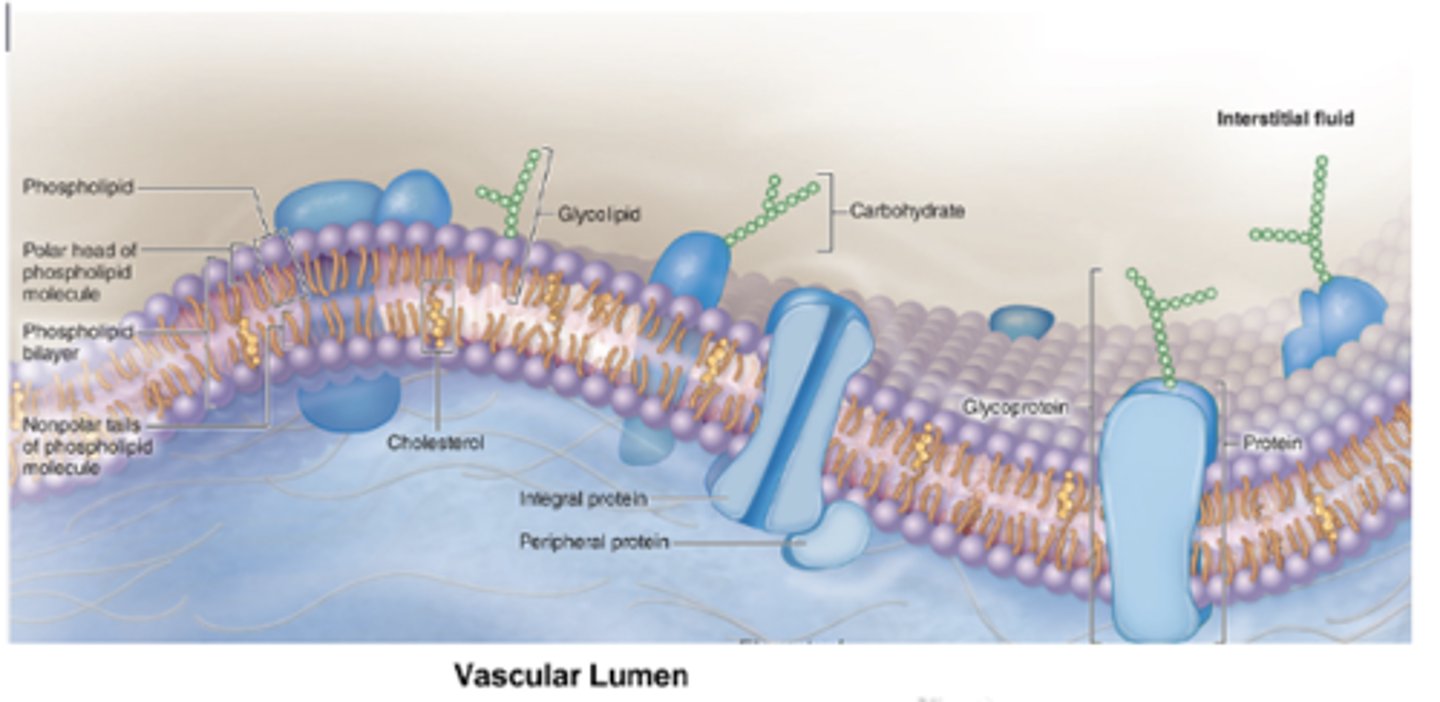
Outward from the cell surface
Where do glycolipids extend in the cell?
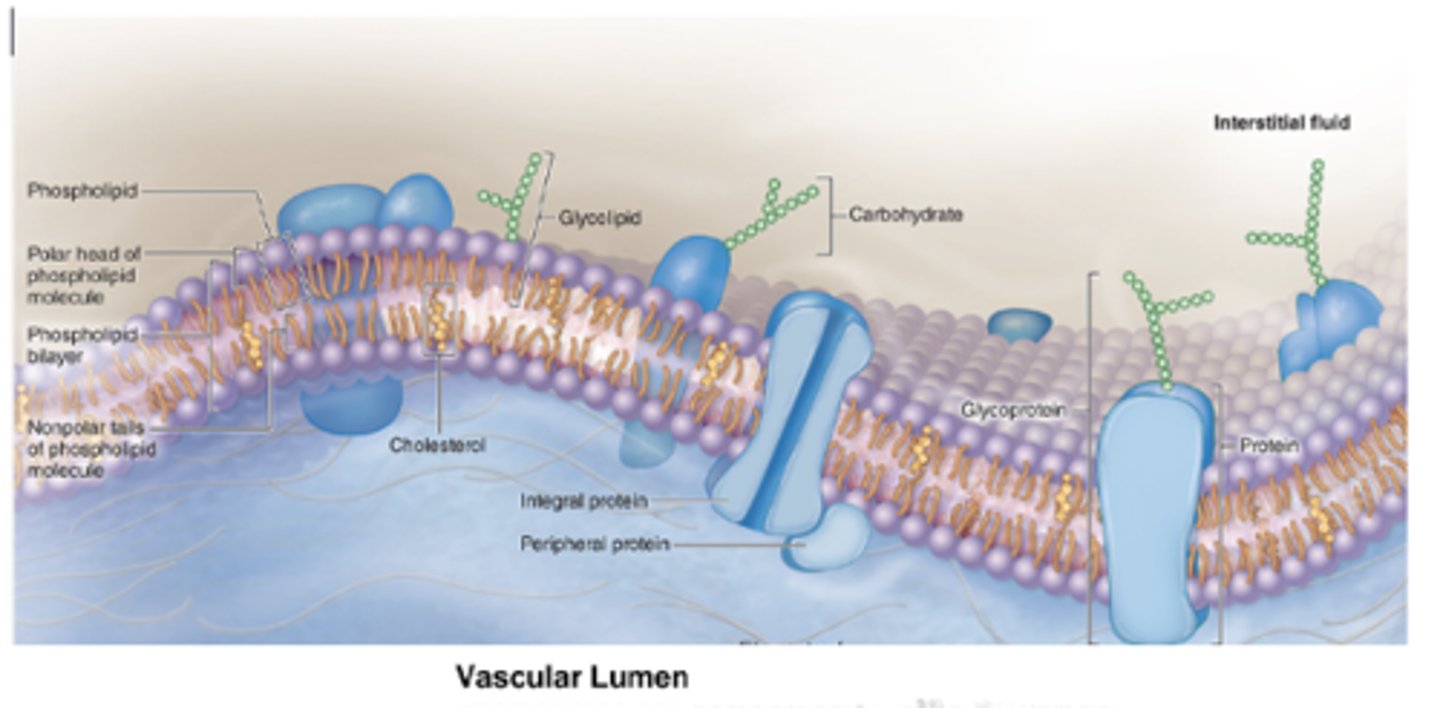
They contribute to the glycocalyx
What role do glycolipids play in the plasma membrane?
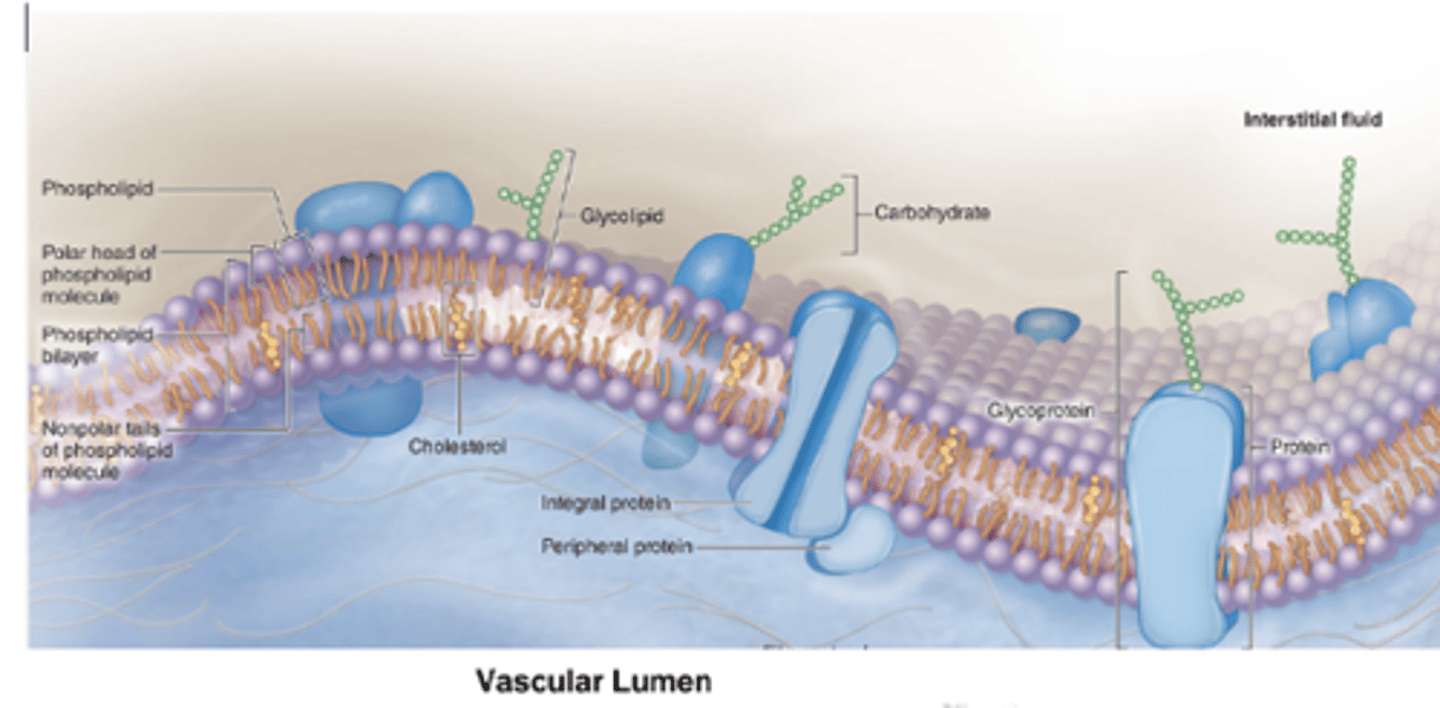
Sterol molecules (steroid)
What type of molecules is cholesterol in the plasma membrane?
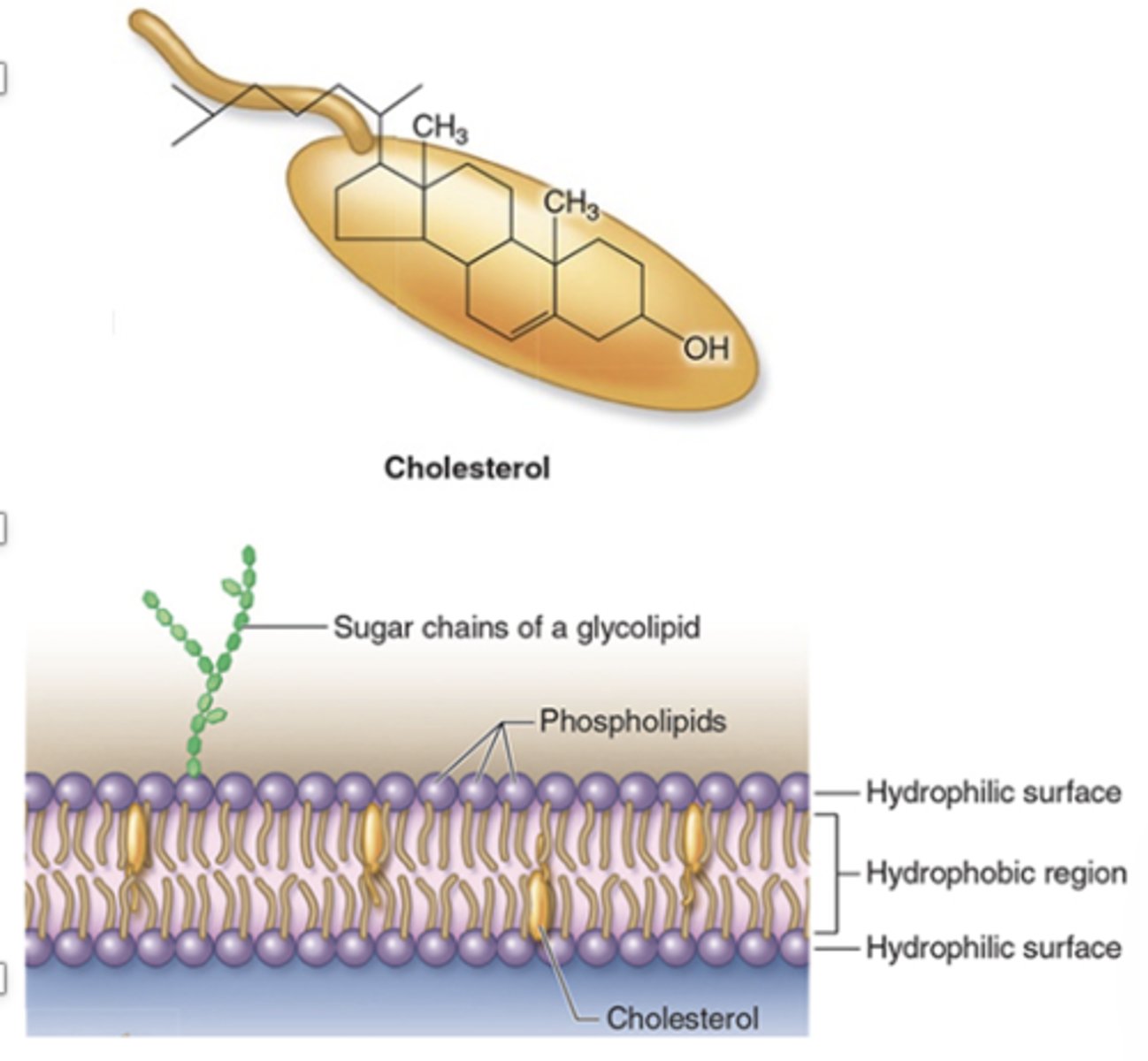
among the fatty acid chains in the middle region of the cell membrane
Where is cholesterol located in the plasma membrane?
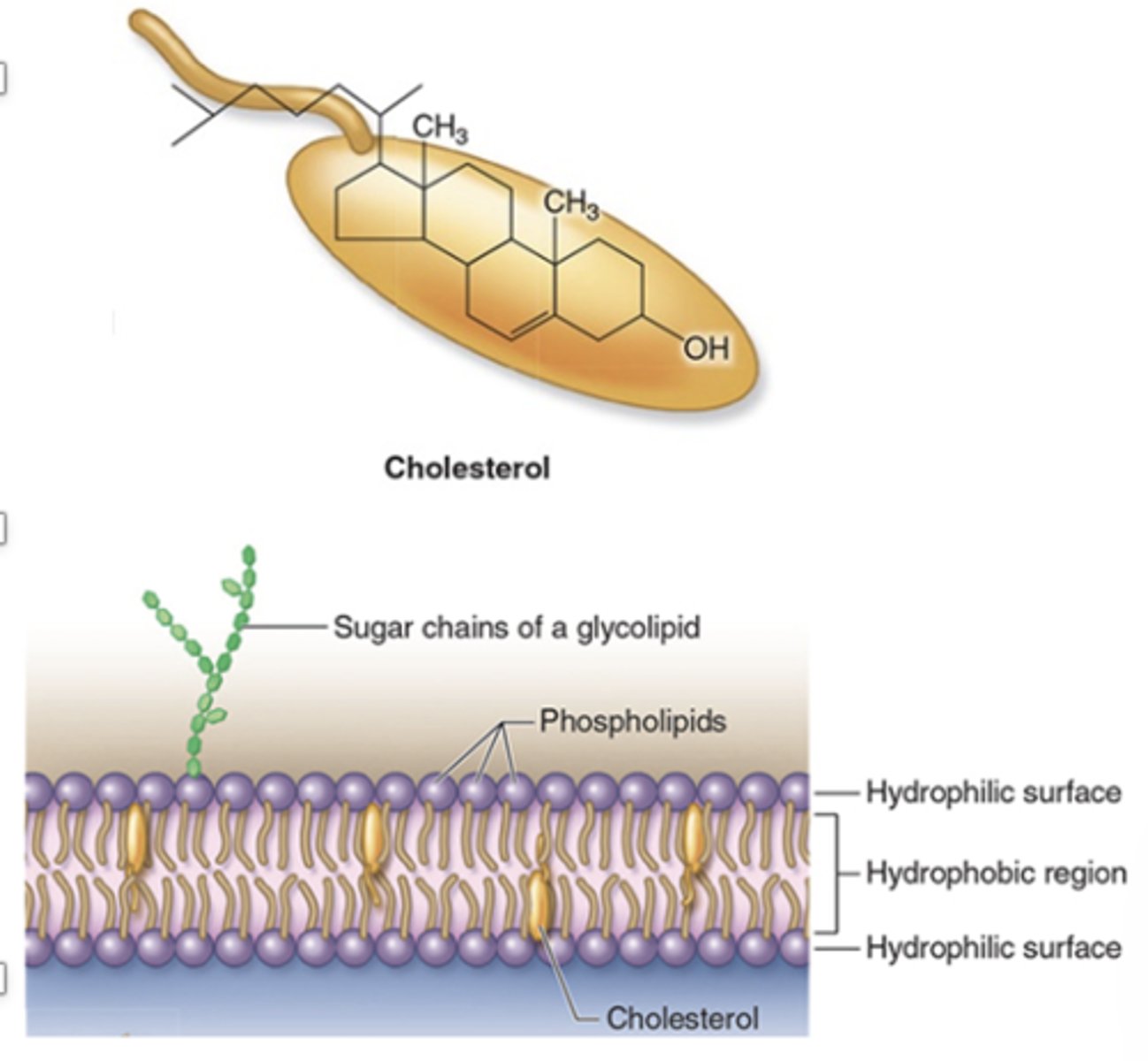
Restricts the mobility of phospholipids
How does cholesterol affect phospholipid mobility?
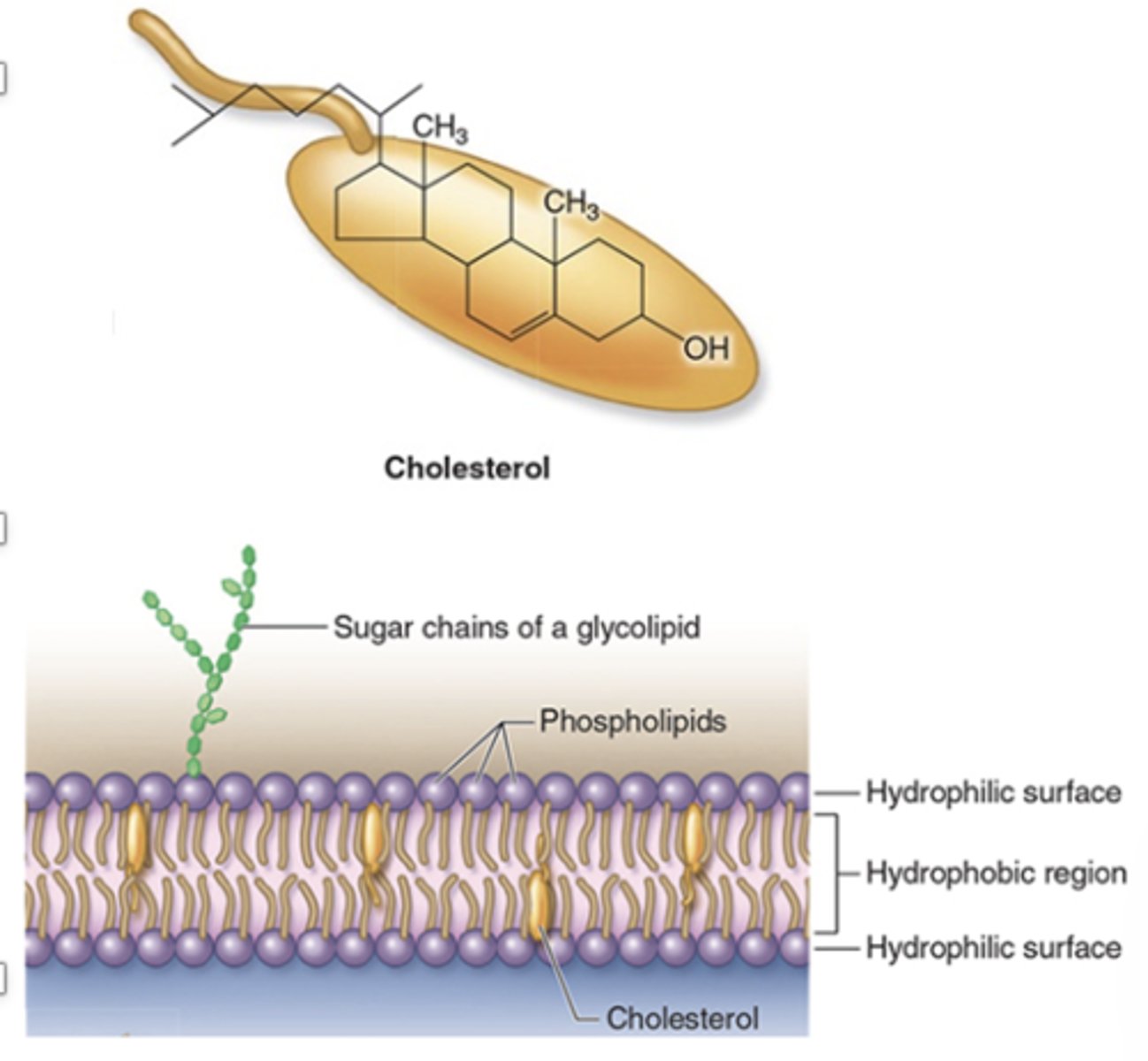
Approximately 50% of plasma membrane weight
What proportion of the plasma membrane is made up of proteins?
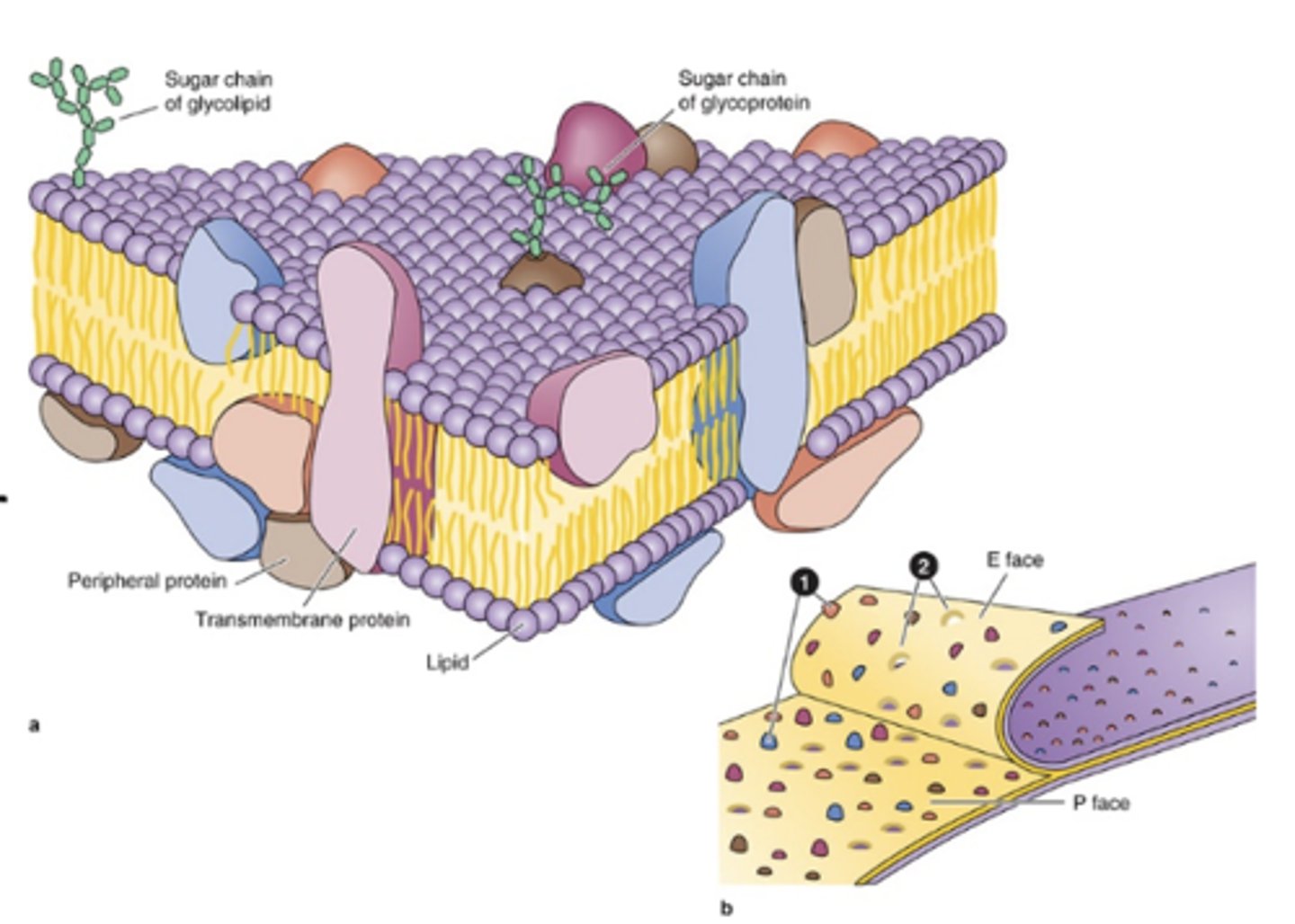
Proteins incorporated within the lipid bilayer with hydrophobic interactions between lipids and nonpolar amino acids
What are integral proteins?
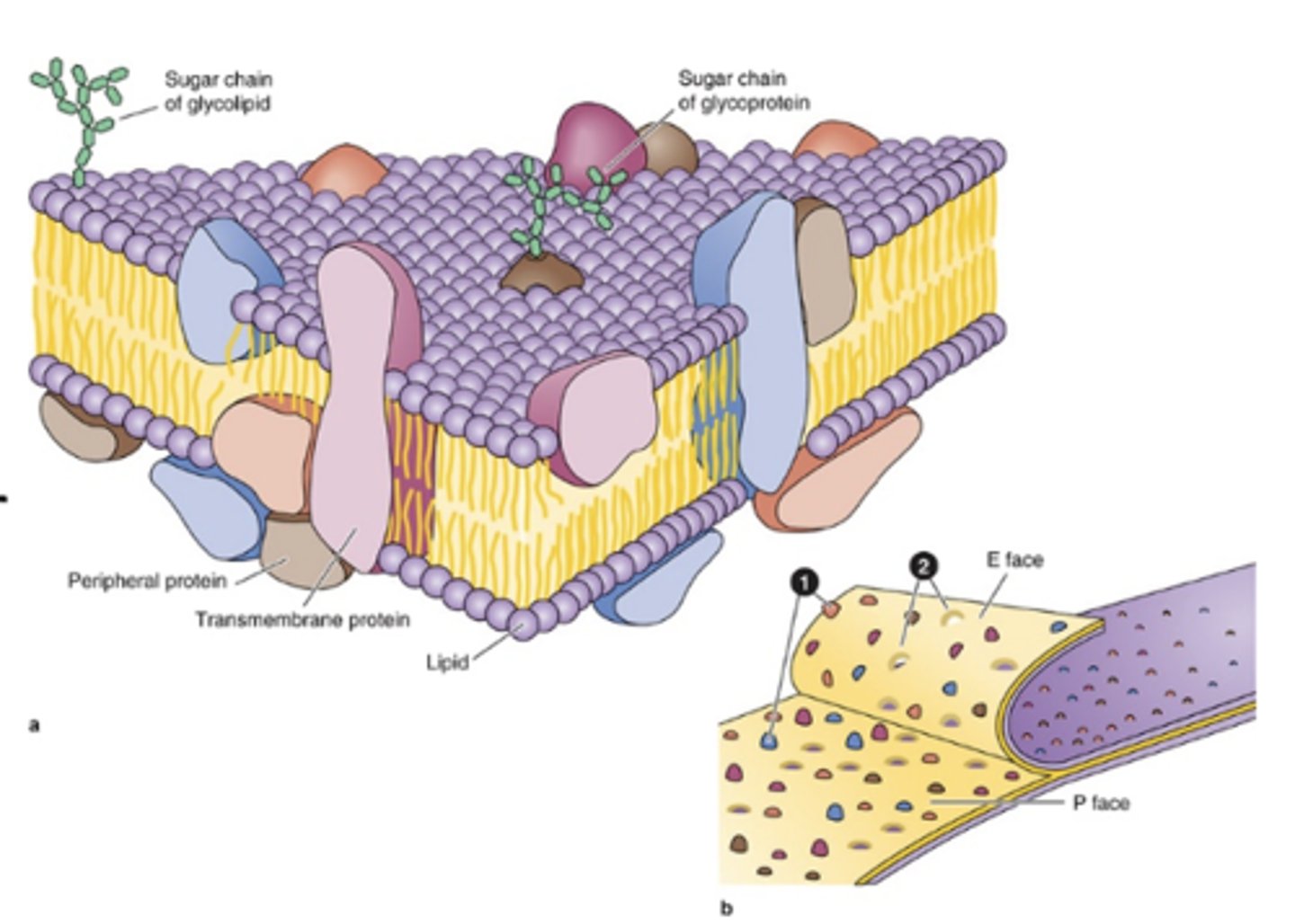
Polypeptide chains that span the membrane several times (multipass proteins)
How are integral proteins structured in the membrane?
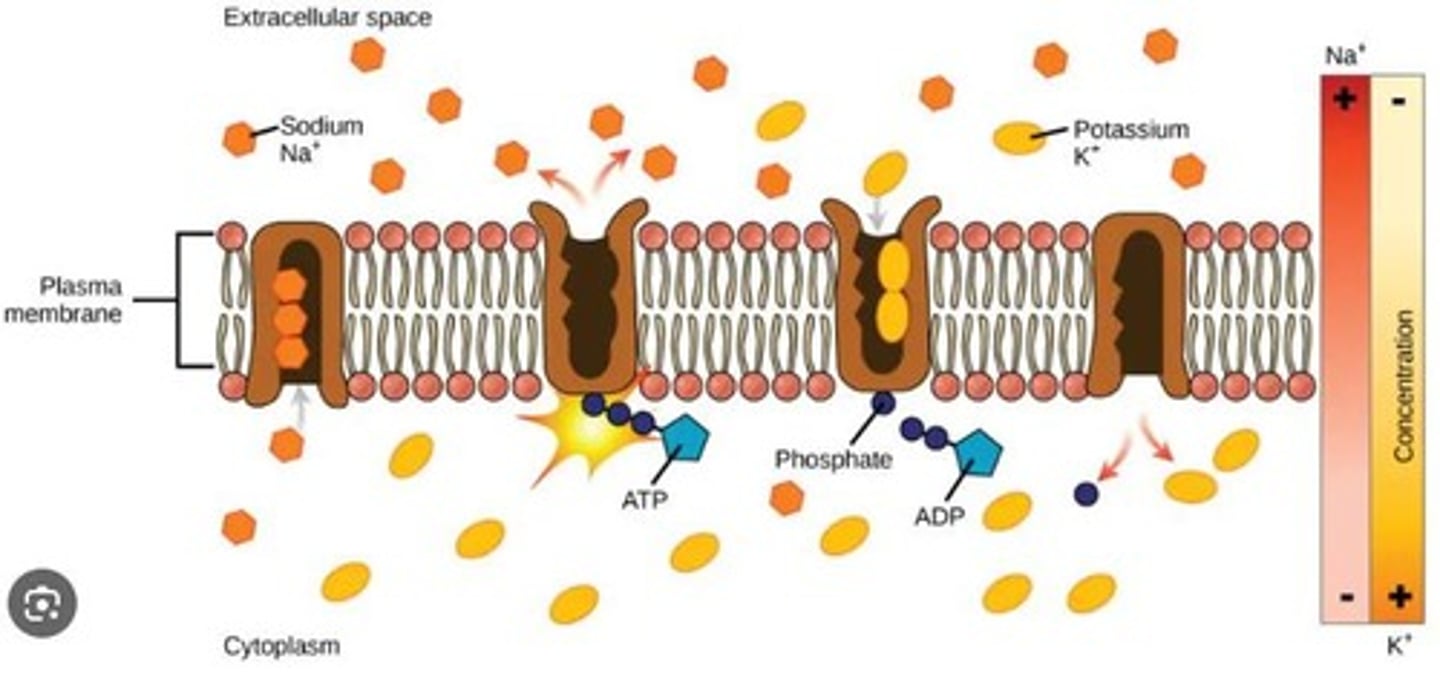
Active transport of ions (e.g., Na+) and metabolic precursors of macomolecules (amino acids, sugars)
What is the function of integral proteins as pumps?
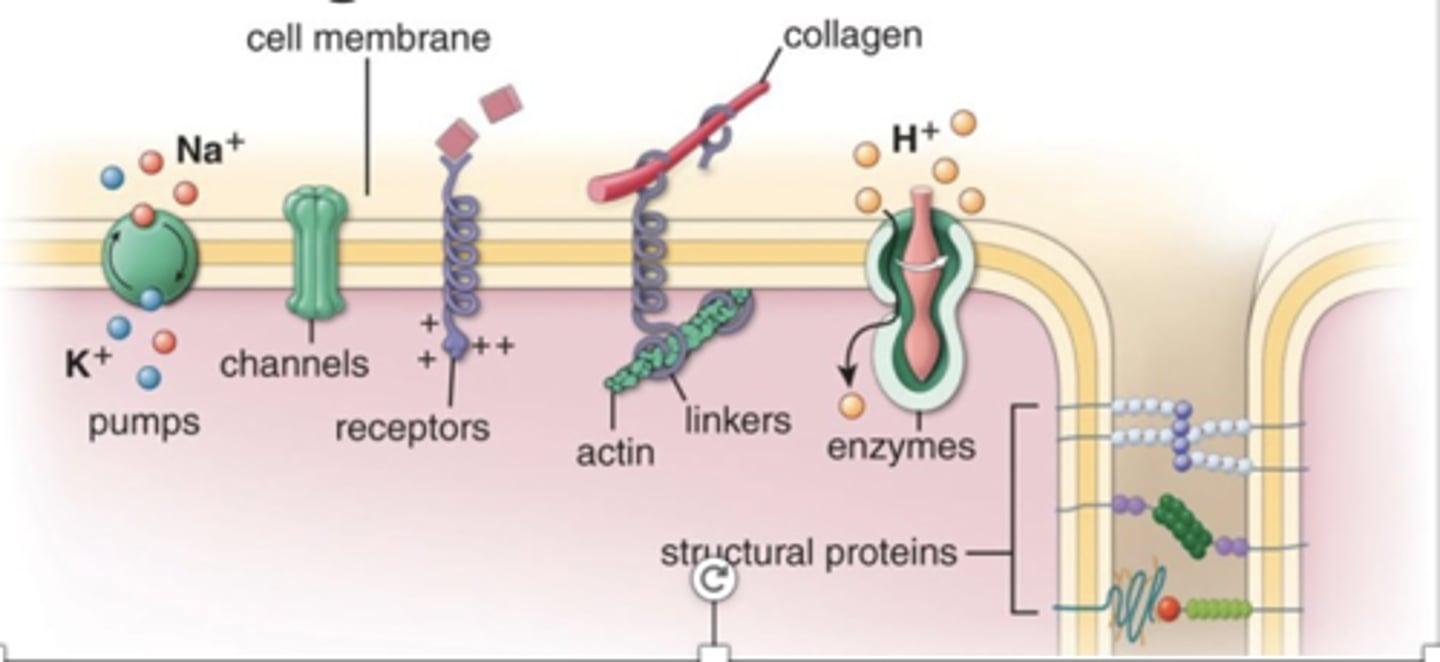
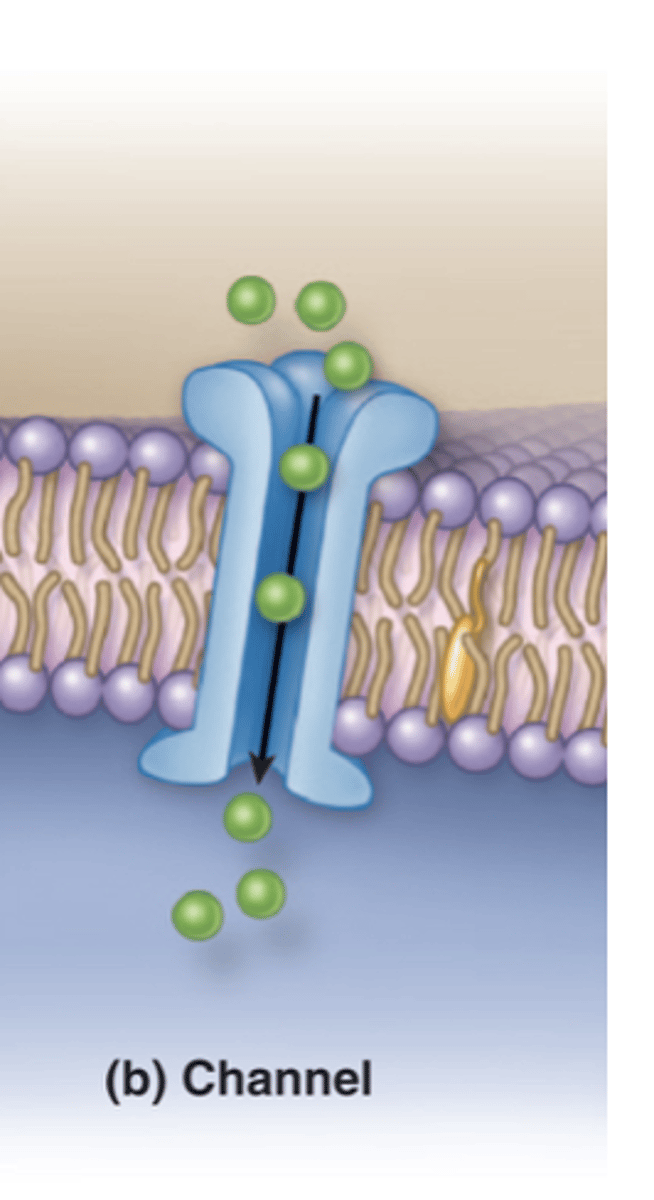
Passive diffusion or simple diffusion of small ions, molecules, and water across the plasma membrane in either direction.
What is the function of integral proteins as channels?
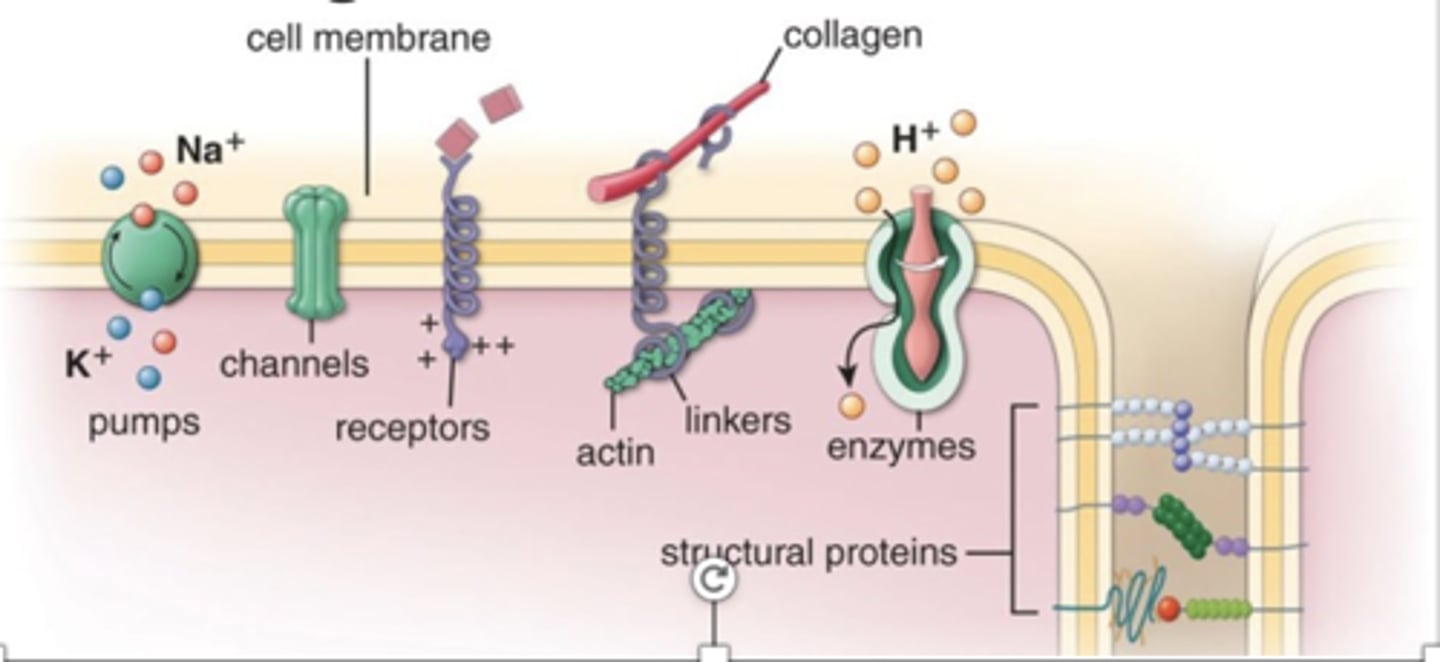
Recognition and localized binding of ligands. Initiate second messenger mechanisms
What is the function of receptor integral proteins?
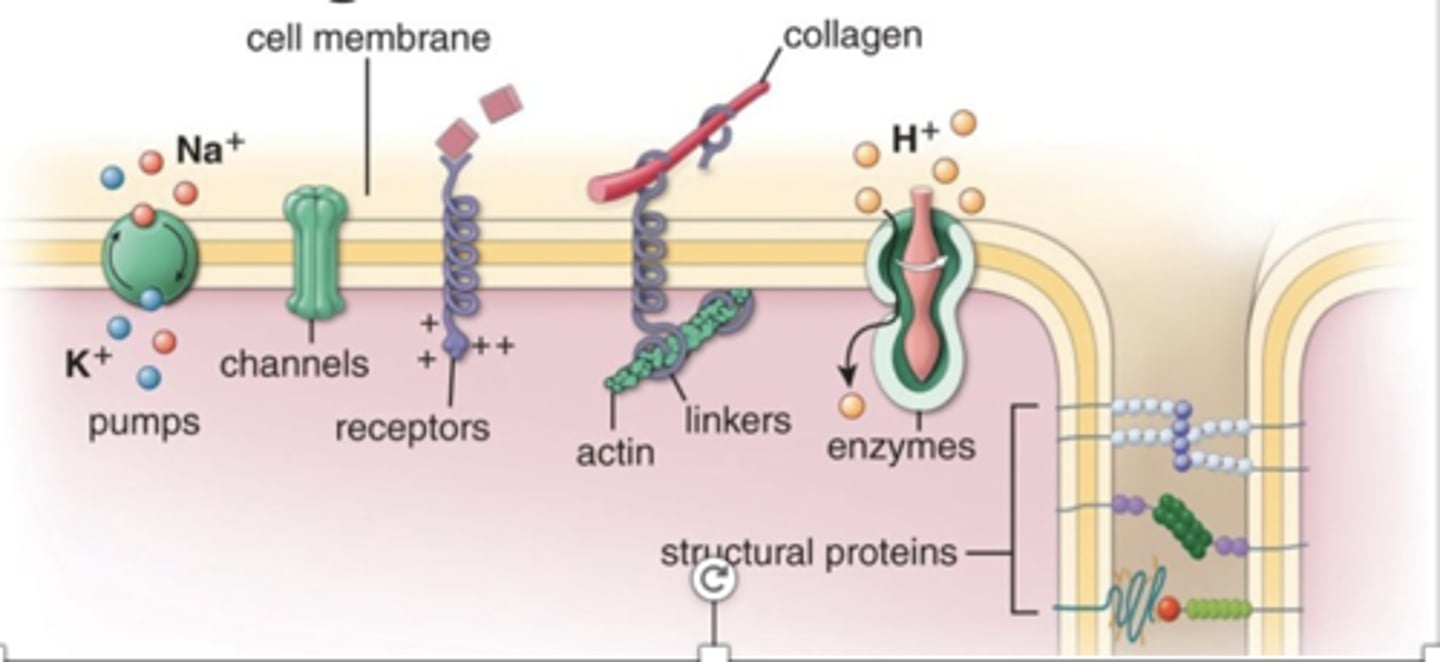
Anchor the intracellular cytoskeleton to the extracellular matrix. Integrins link cytoplasmic actin filaments to an extracellular matrix protein (fibronectin)
What is the function of linker integral proteins do?
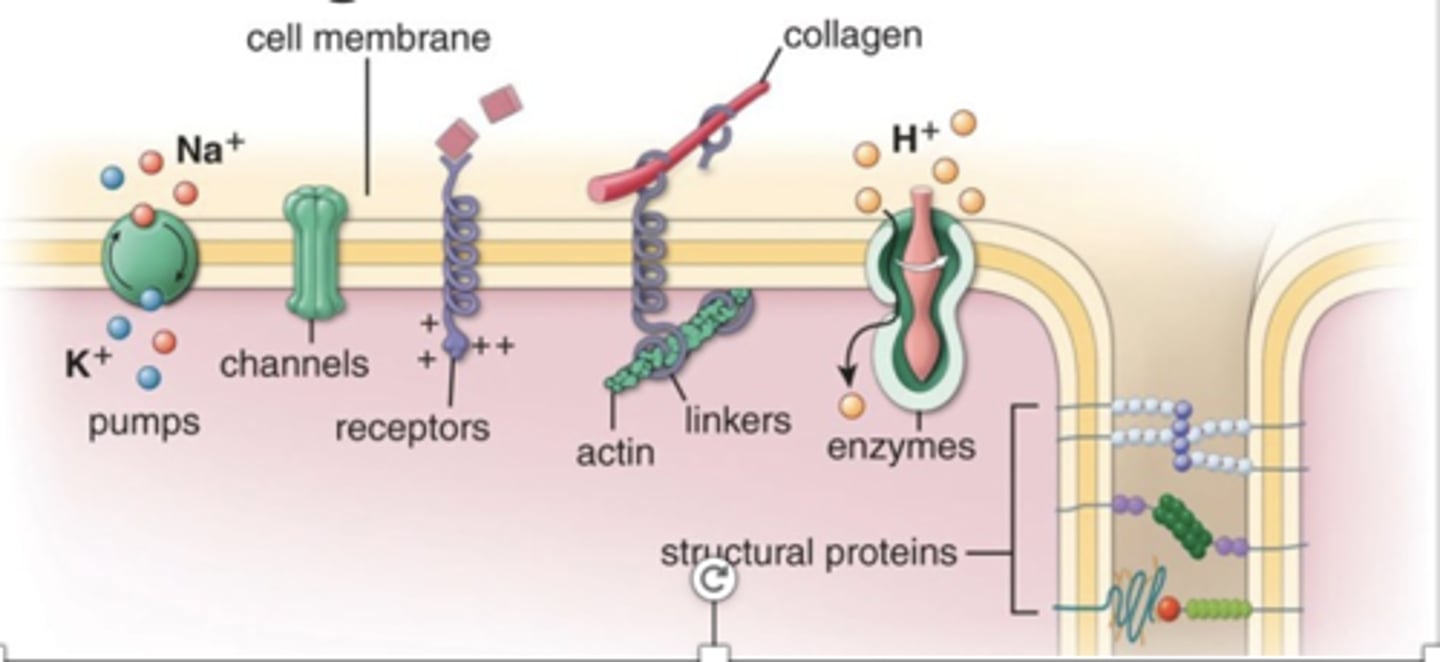
ATPases have specific roles in ion pumping.
ATP synthase is the major protein of the inner mitochondrial membrane. Digestive enzymes (disaccharidases and dipeptidases
What is the function of enzymes of integral proteins?
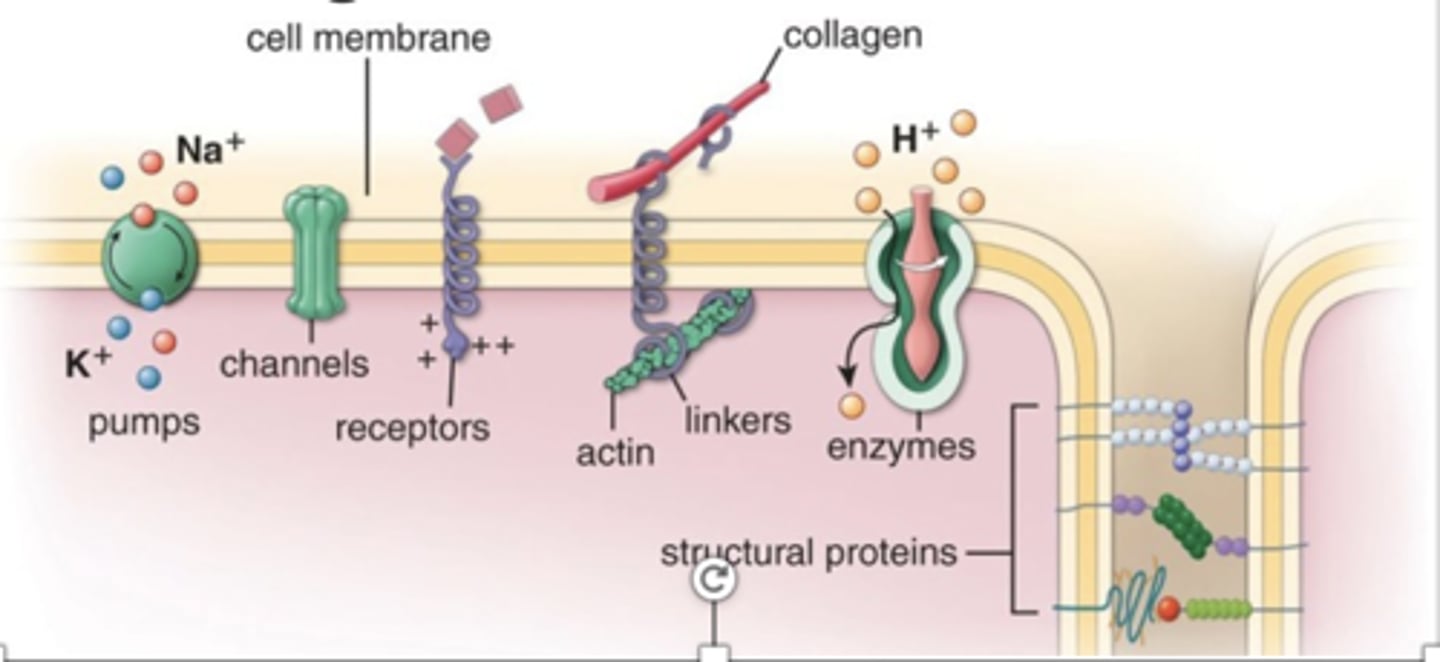
Form junctional complexes with neighboring cells
What is the function of structural integral proteins?
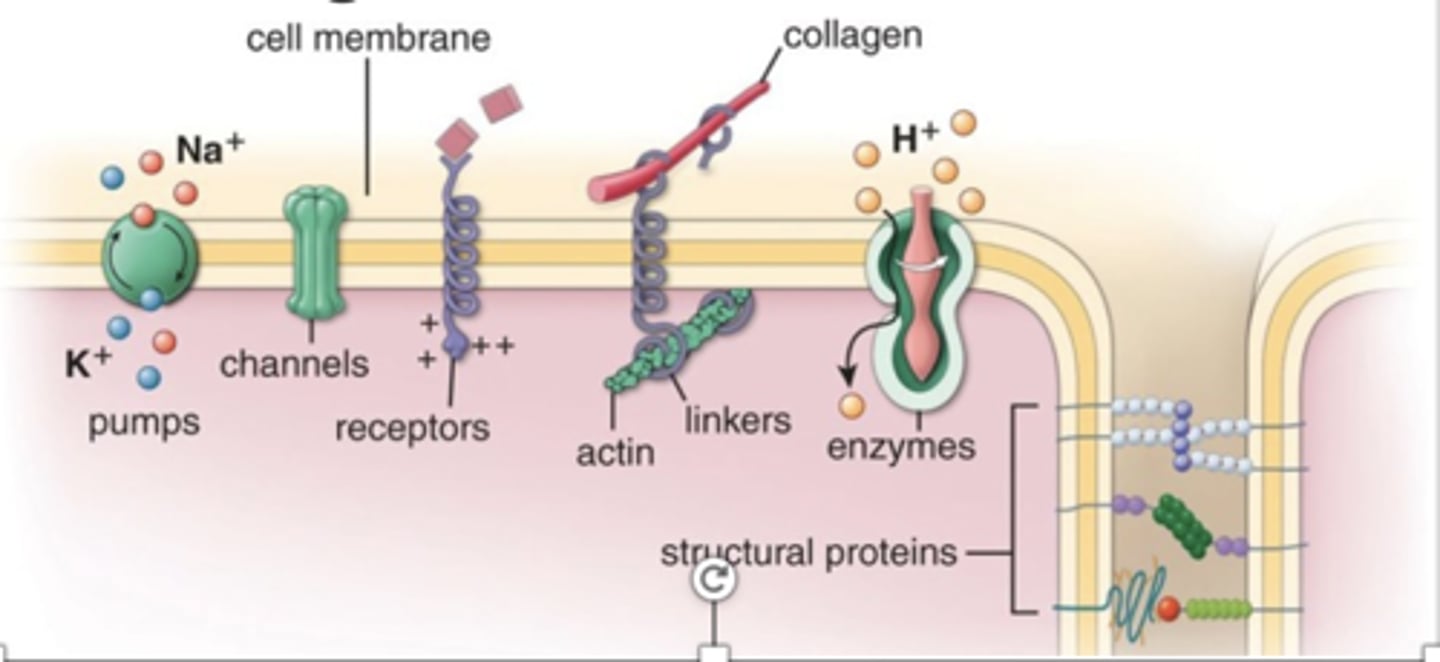
Proteins that do not span the membrane and are bound to only one surface (inner or outer)
What are peripheral proteins?
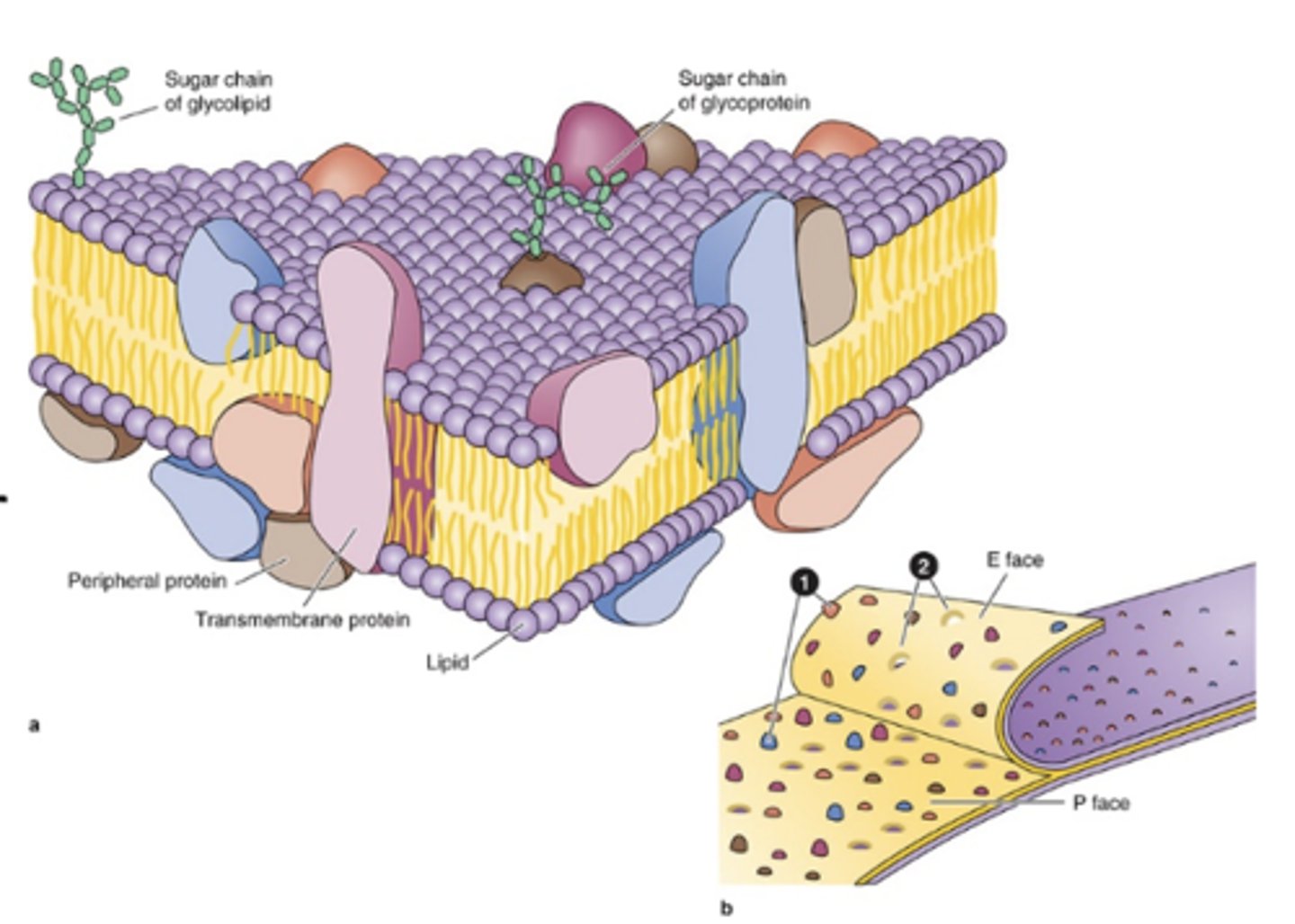
Oligosaccharide chains linked to proteins
What are glycoproteins?
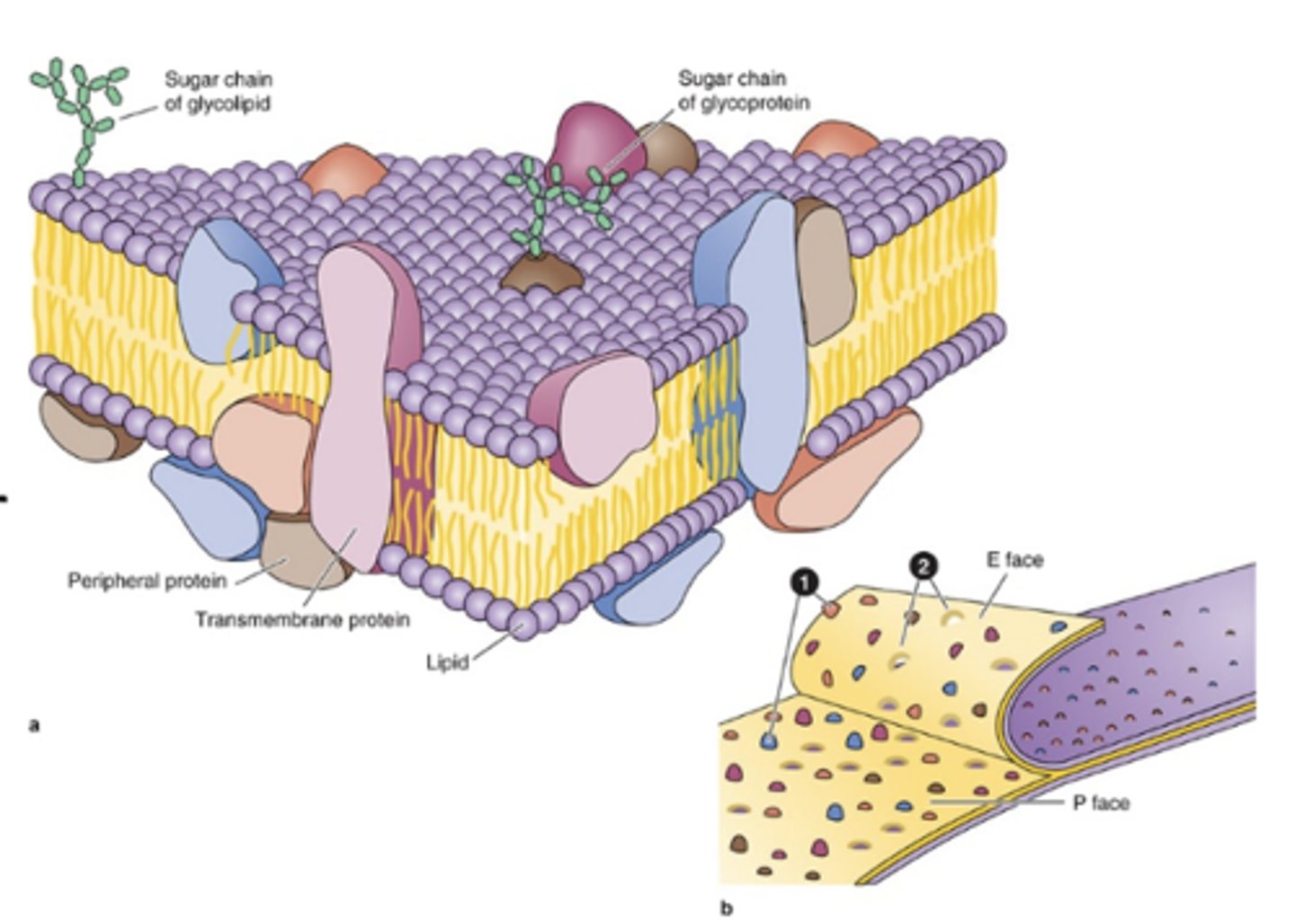
From the external surface of the plasma membrane
Where do glycoproteins project in the cell?
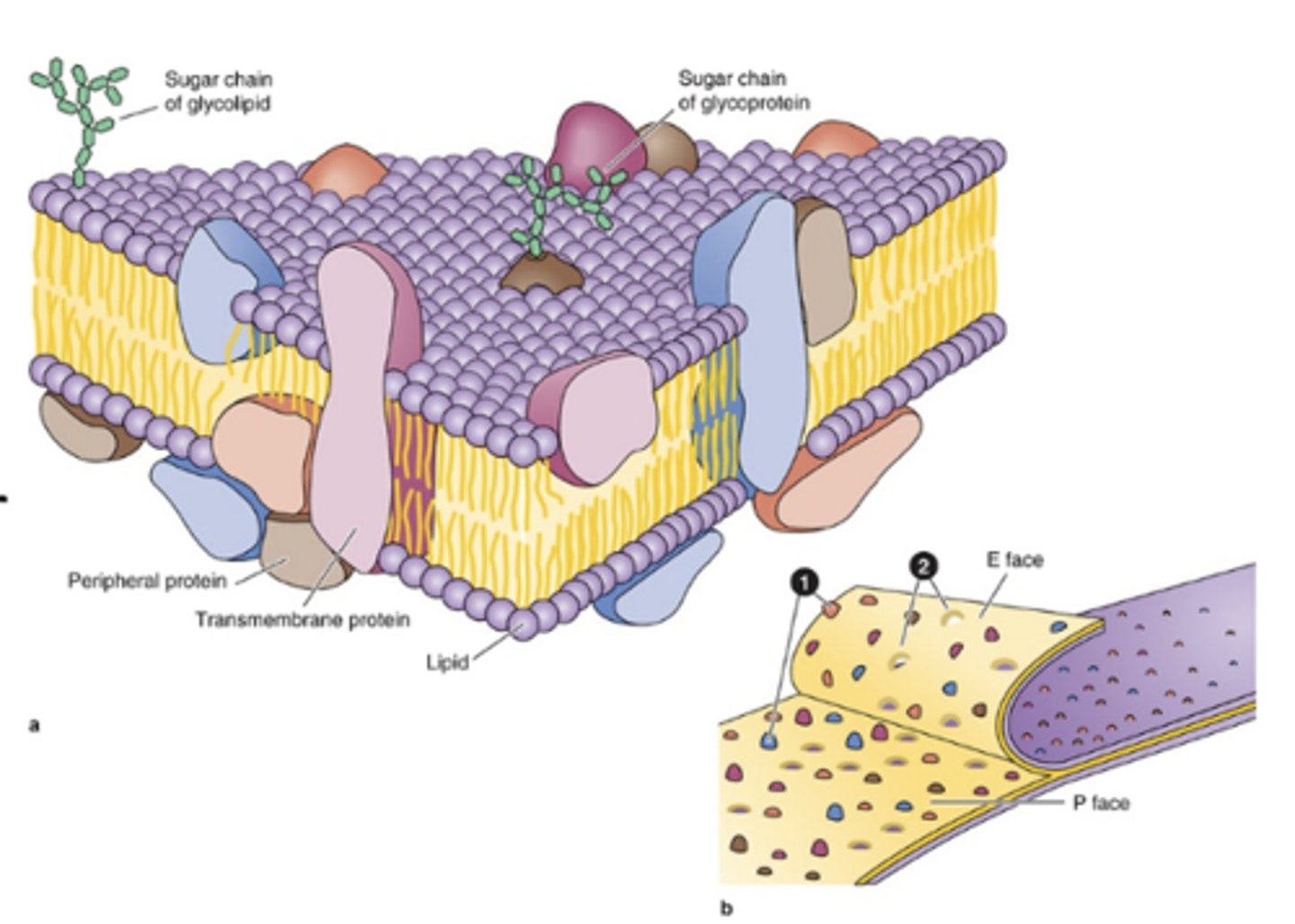
Contribute to the glycocalyx and are essential for receptor proteins
What roles do glycoproteins play in the plasma membrane?
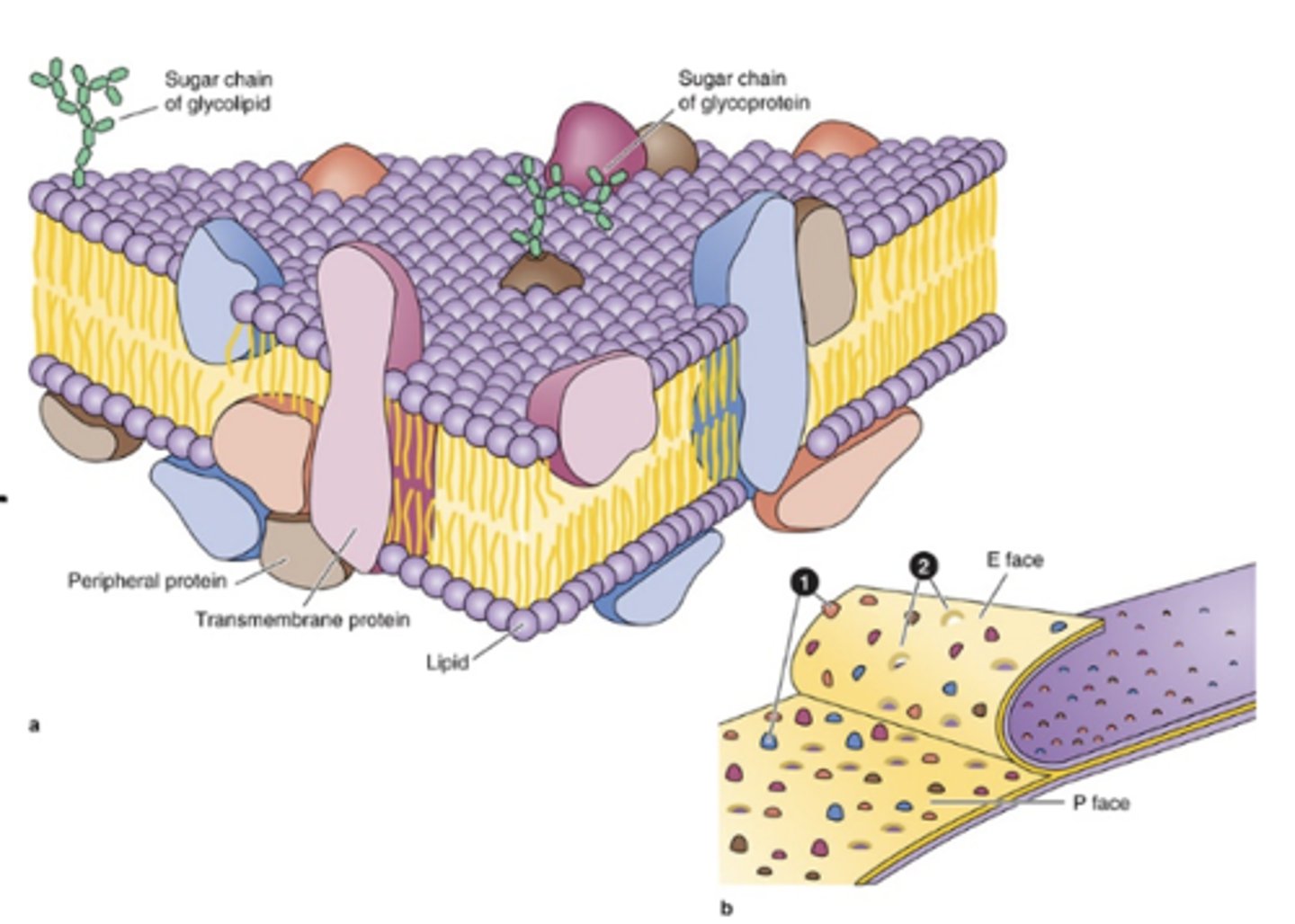
Carbohydrate moiety of glycolipids and glycoproteins
What is the glycocalyx composed of?
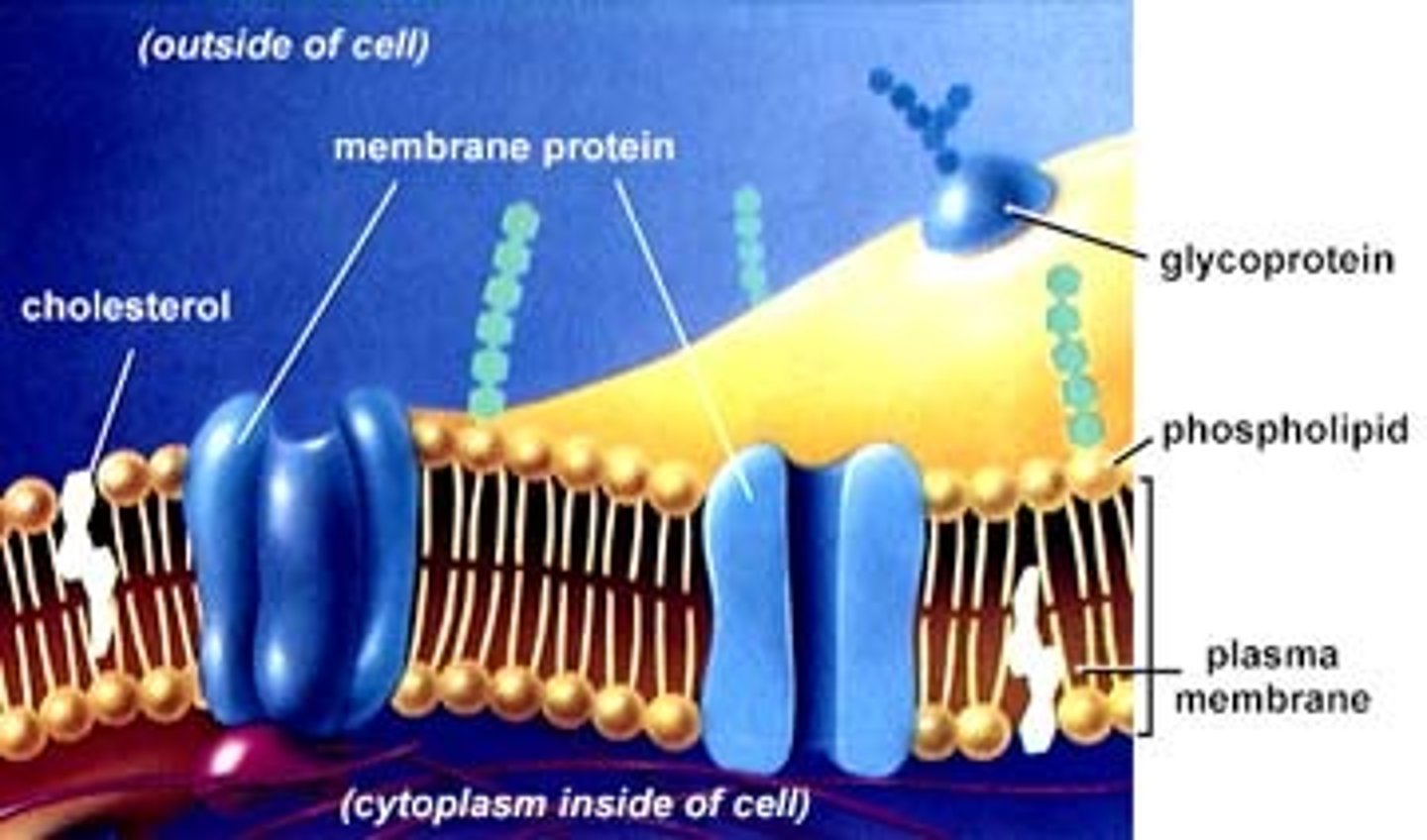
Cell receptors, cell adhesion, cell recognition, and response to protein hormones
What are the main functions of the glycocalyx? (4)
Asymmetric; distribution of phospholipids and proteins differs between the two surfaces
Are cell membranes symmetric or asymmetric?
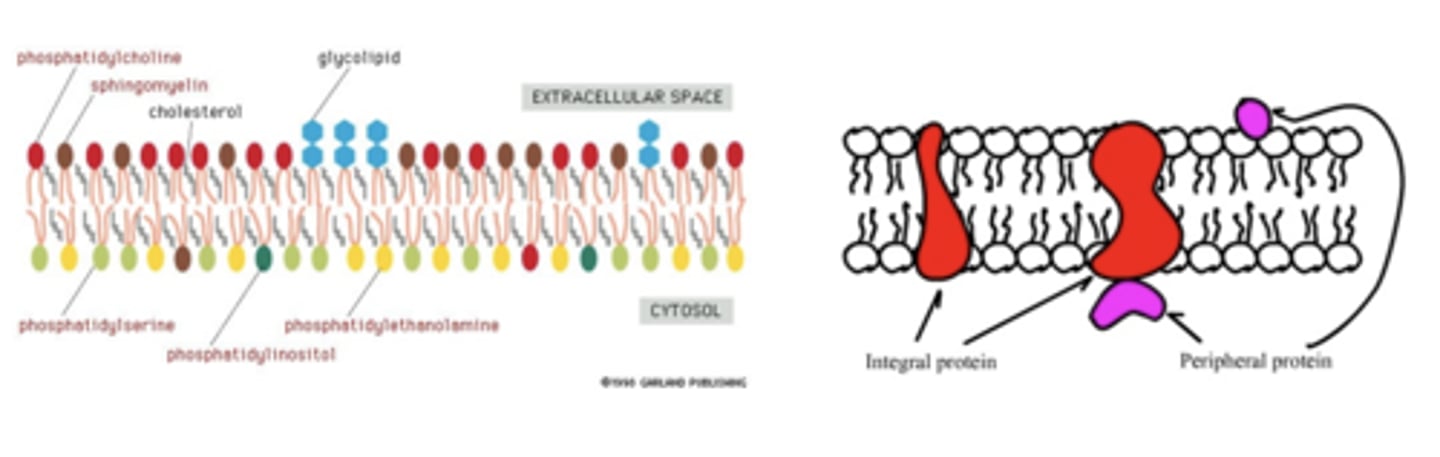
Model that describes the plasma membrane as a mosaic of components with fluid characteristics at body temperature
What does the fluid mosaic model describe?
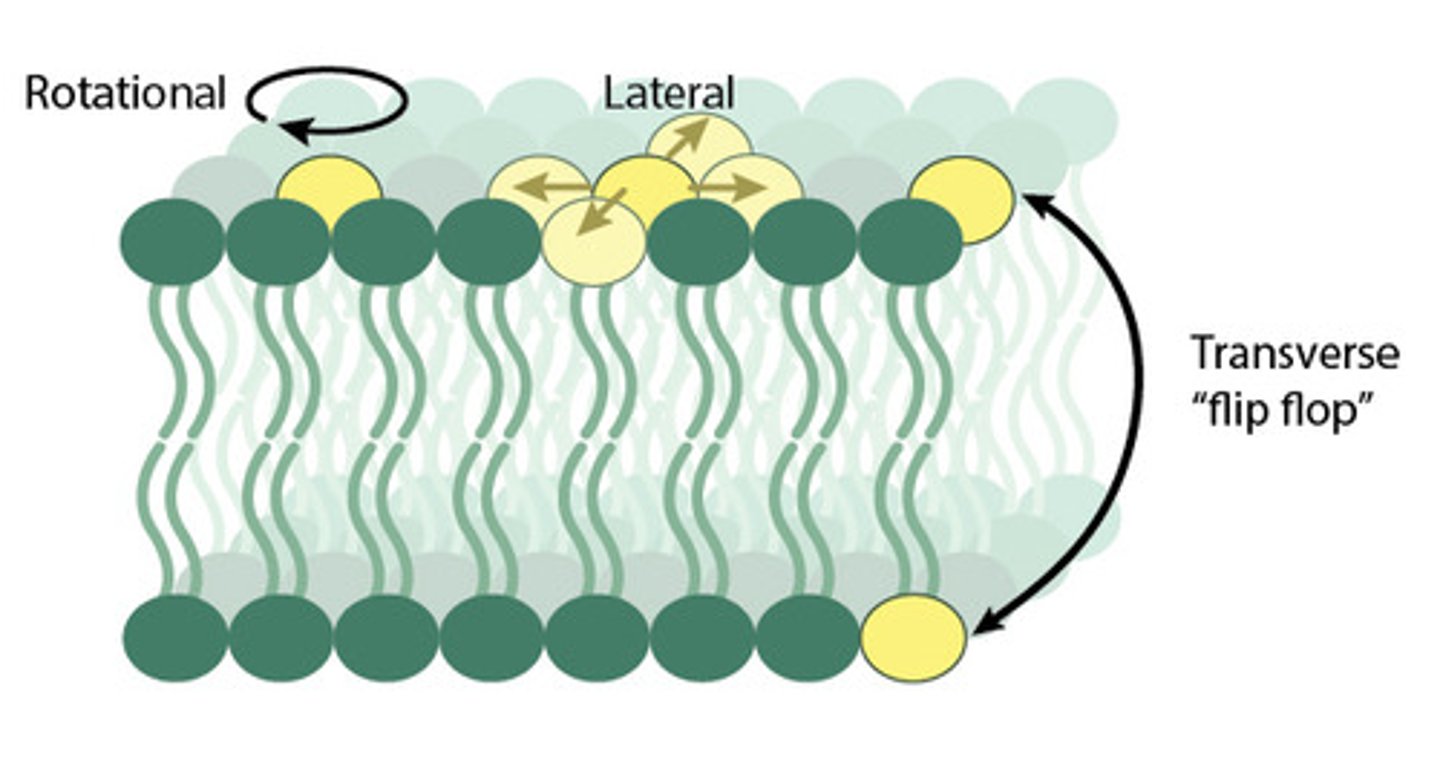
They move laterally and, less frequently, from one leaflet to the opposite
How do phospholipids move in the fluid mosaic model?
Most proteins are not rigidly bound to the lipid bilayer and can move laterally
How do proteins behave in the fluid mosaic model?
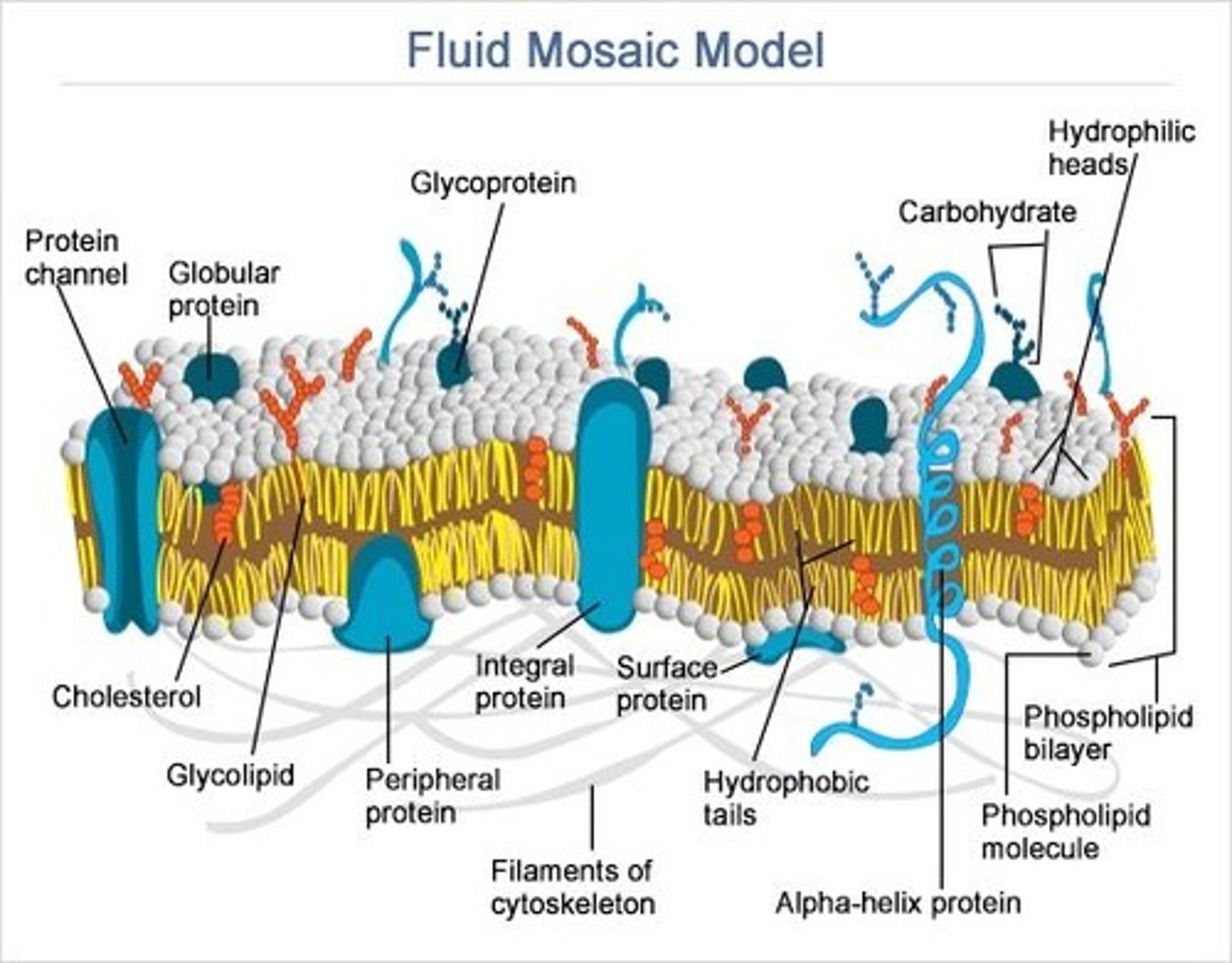
Cytoskeletal attachment, cellular junctions, and lipid rafts
What restricts lateral diffusion of proteins in the plasma membrane? (3)
Regions with high cholesterol and saturated fatty acids, Proteins involved in signal transduction, Enzymatic complexes (disaccharidases)
What are lipid rafts in the plasma membrane?
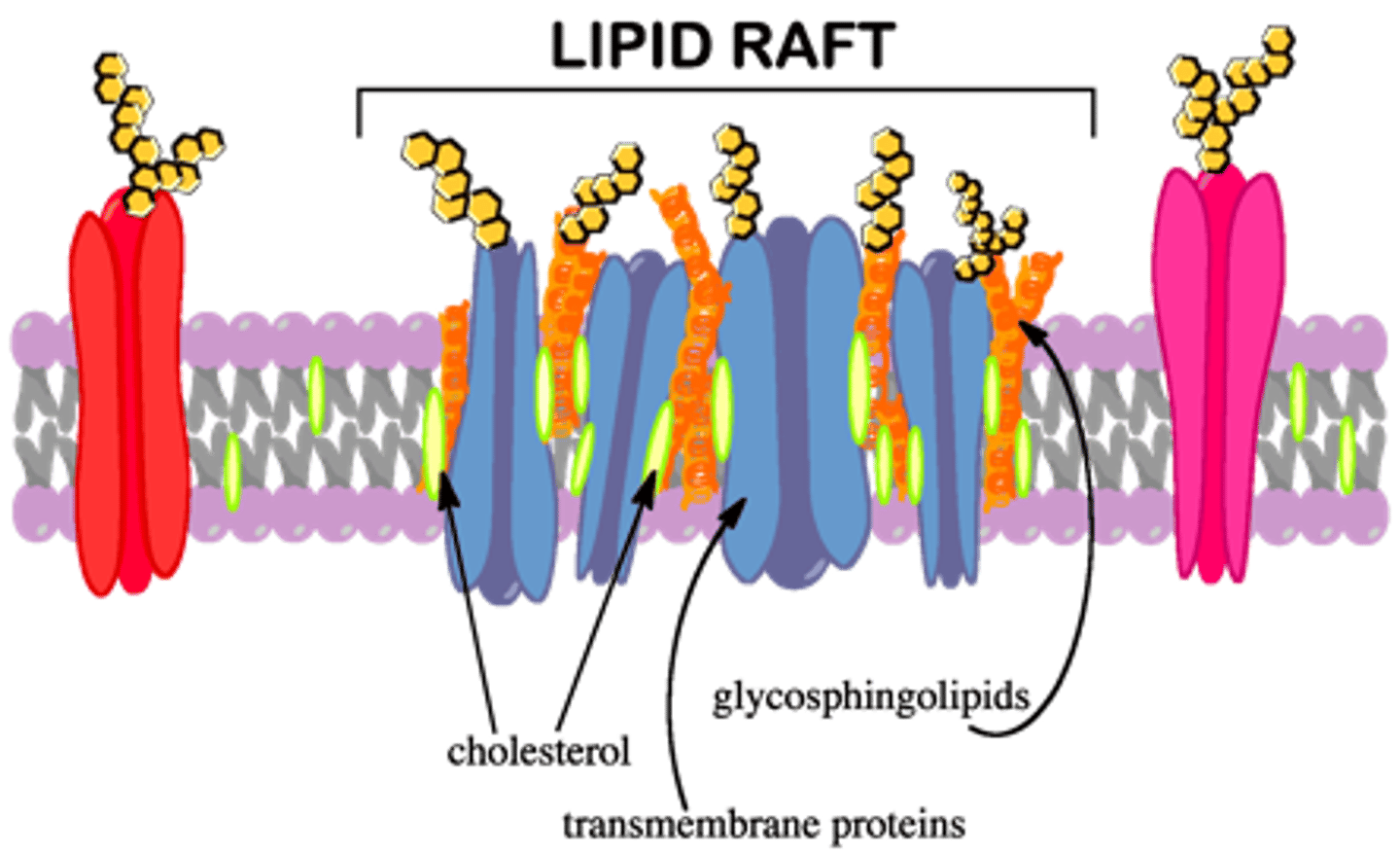
Less fluid than surrounding areas
How fluid are lipid rafts compared to surrounding membrane?
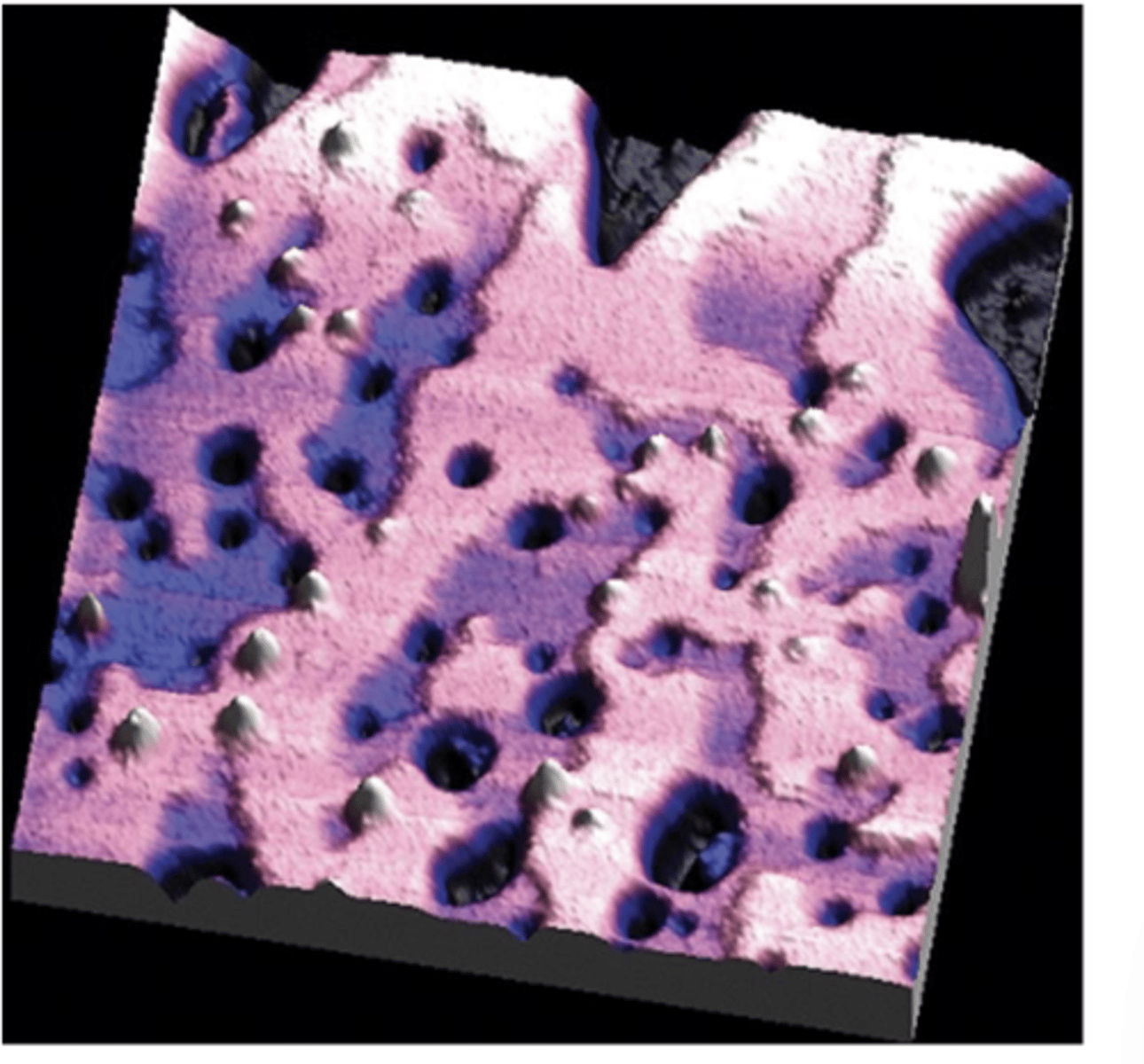
Integral protein mobility is highly restricted
How is protein mobility affected in lipid rafts?
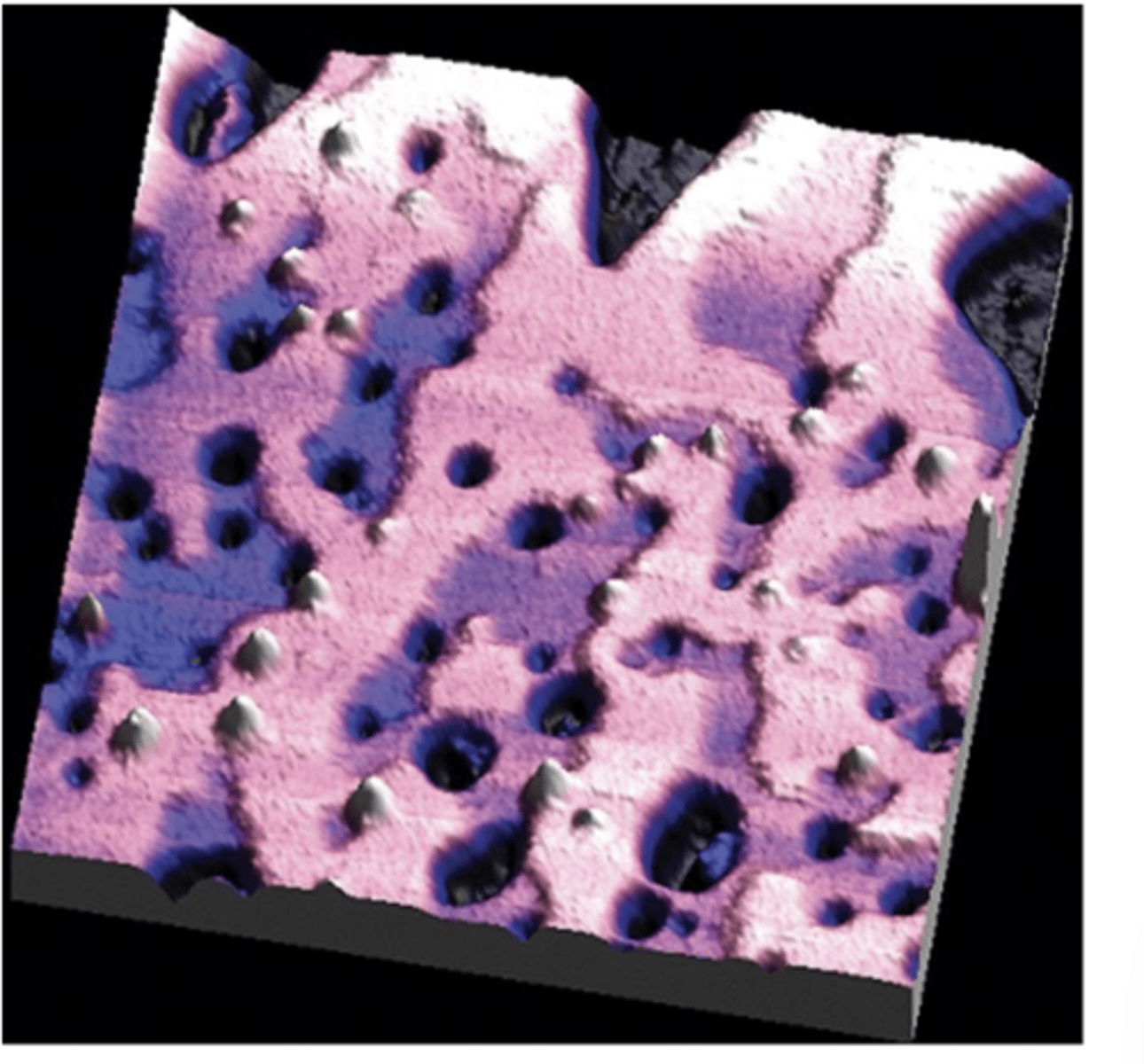
Part of large enzymatic complexes
What is the functional role of proteins in lipid rafts?
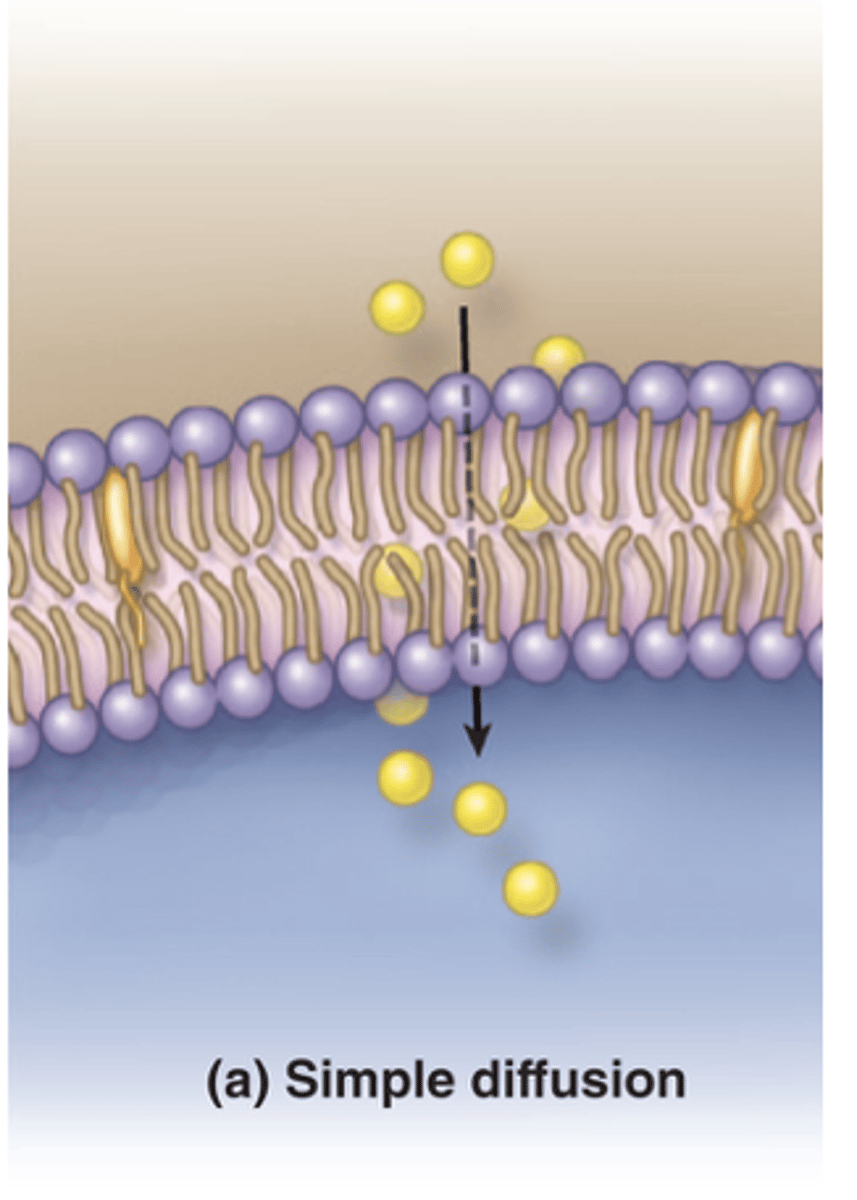
Passive transport (NO ATP) of fat-soluble and small non-charged molecules through the lipid bilayer down their concentration gradient
What is simple diffusion?
Passive transport (NO ATP) structure that transfers small, water-soluble molecules (ions) down their concentration gradient
What is a protein channel in the plasma membrane?
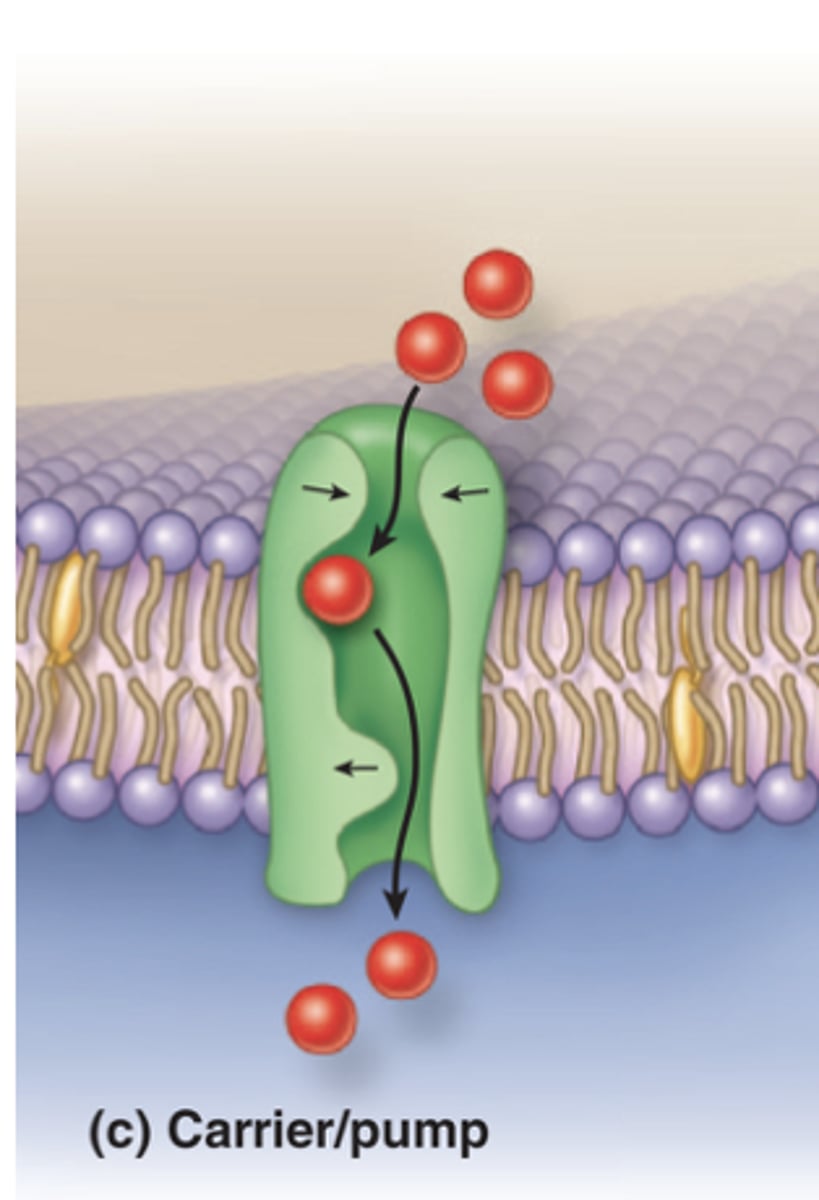
Bind small, water-soluble molecules, undergo conformational changes, and release them to the other side
How do carrier proteins function in passive transport?
Enzymes that use ATP to move ions and solutes against concentration gradients (ATPases)
What are pumps in active transport?
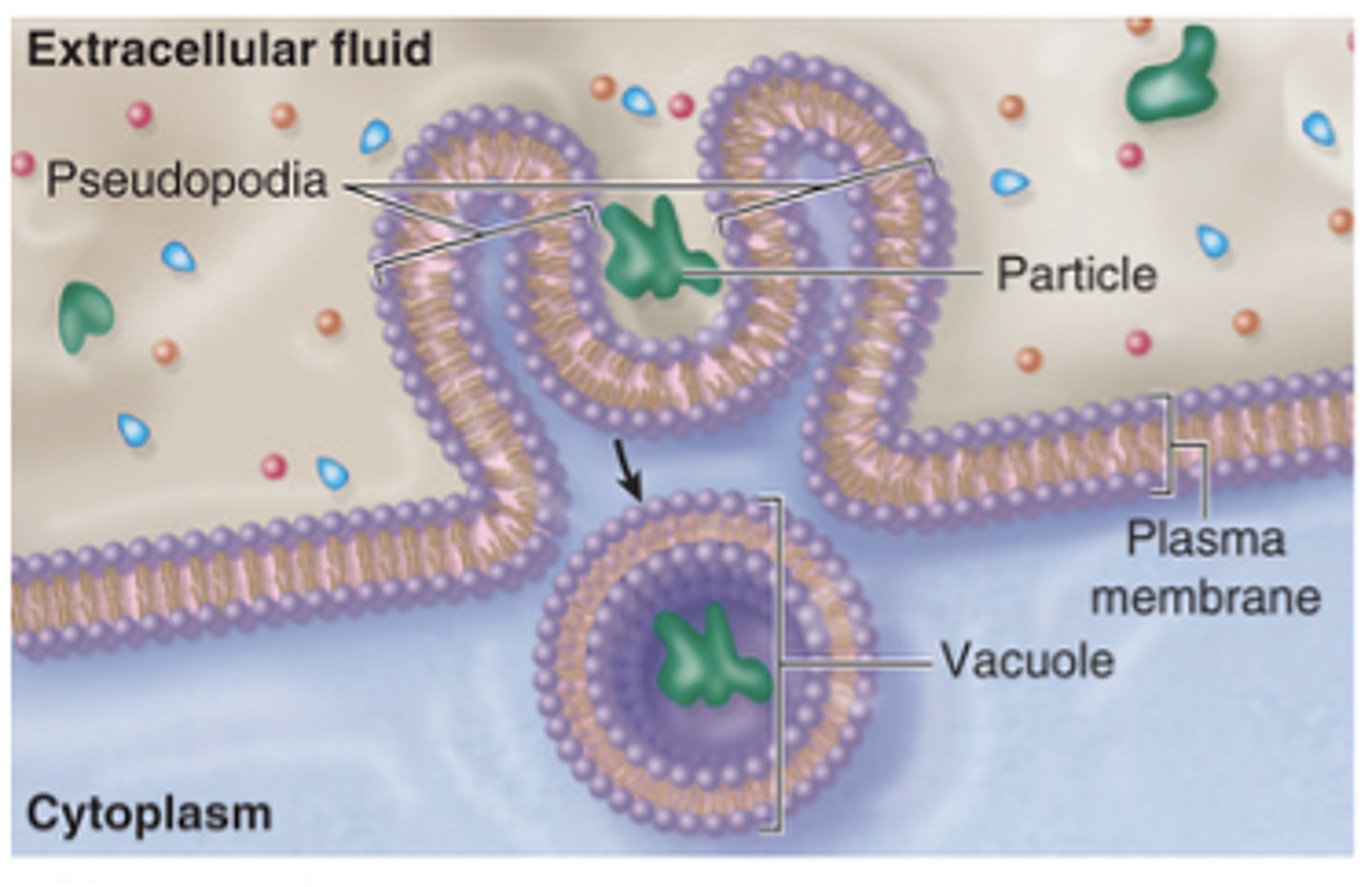
A form of endocytosis where large particles or dead cell remnants are engulfed and digested
What is phagocytosis (Endocytosis)?
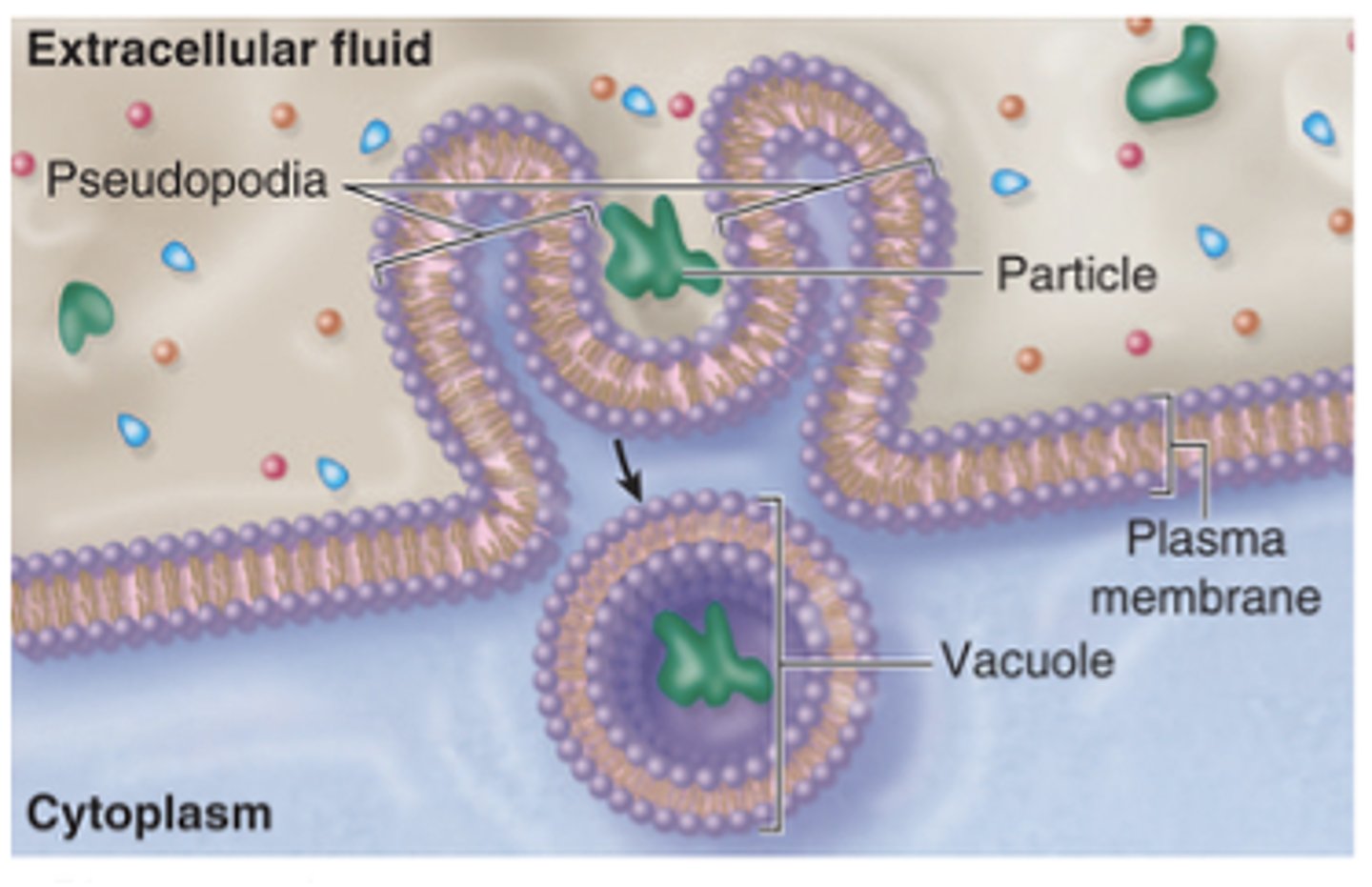
Particle binds the cell membrane → pseudopods form → Pseudopods surround particle → phagosome (Vacuole) forms → Phagosome fuses with lysosome → Lysosomal enzymes digest the particle
What are the steps of phagocytosis? (6)
Cell Drinking. Small membrane invaginations trap fluids
What is pinocytosis?
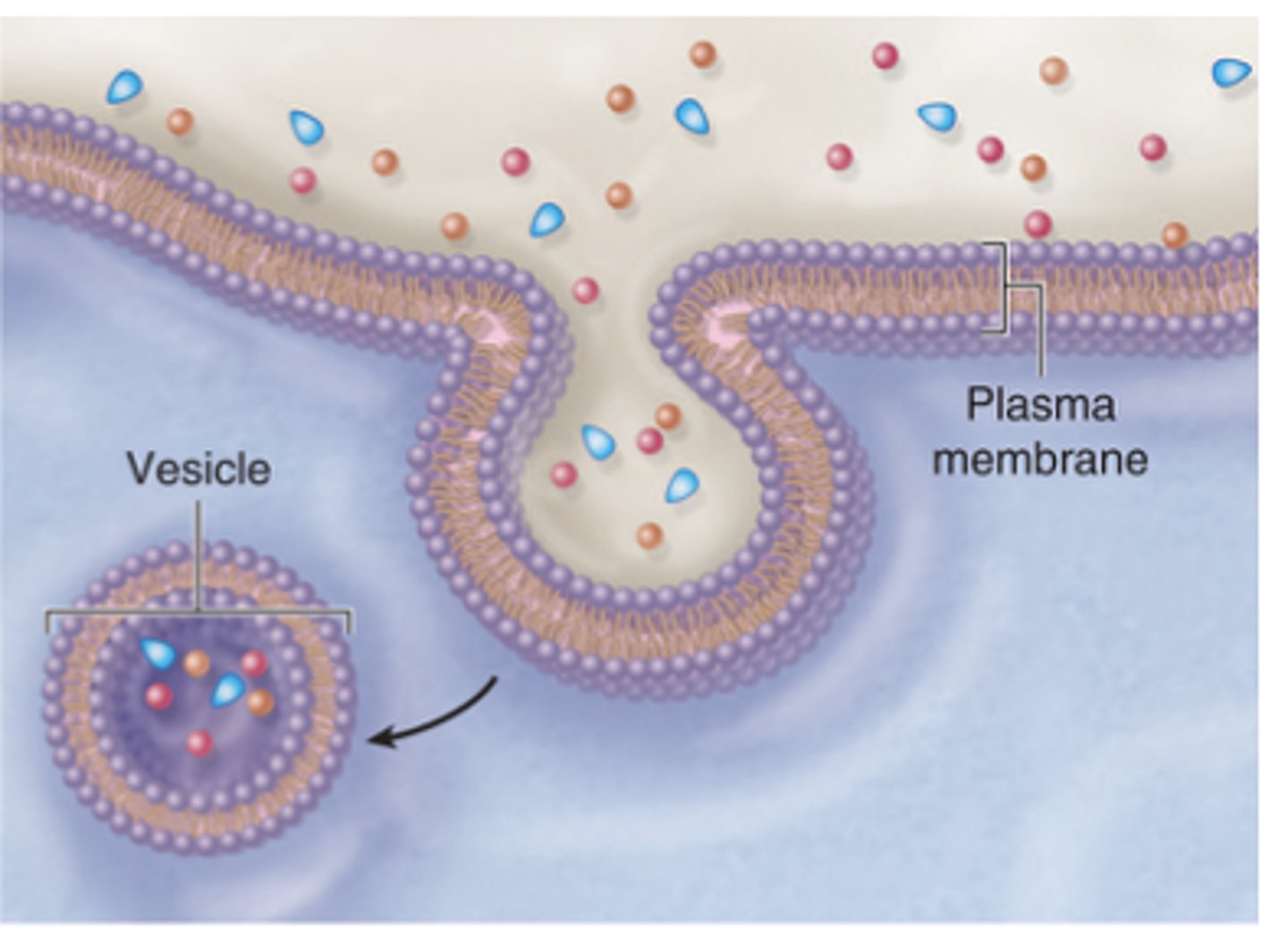
They either fuse with lysosomes or move across the cell to release contents (transcytosis)
What happens to pinocytic vesicles? (2)
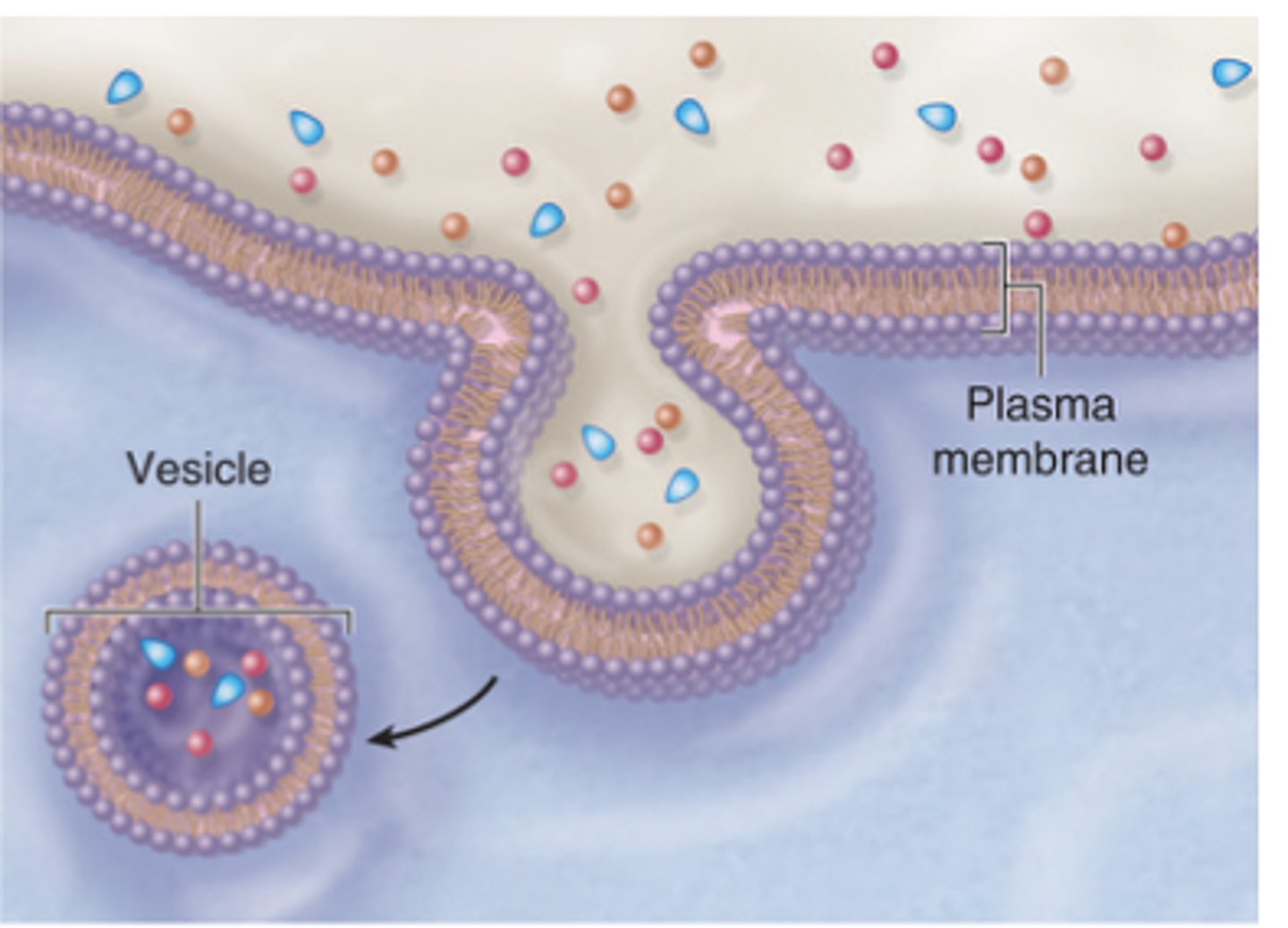
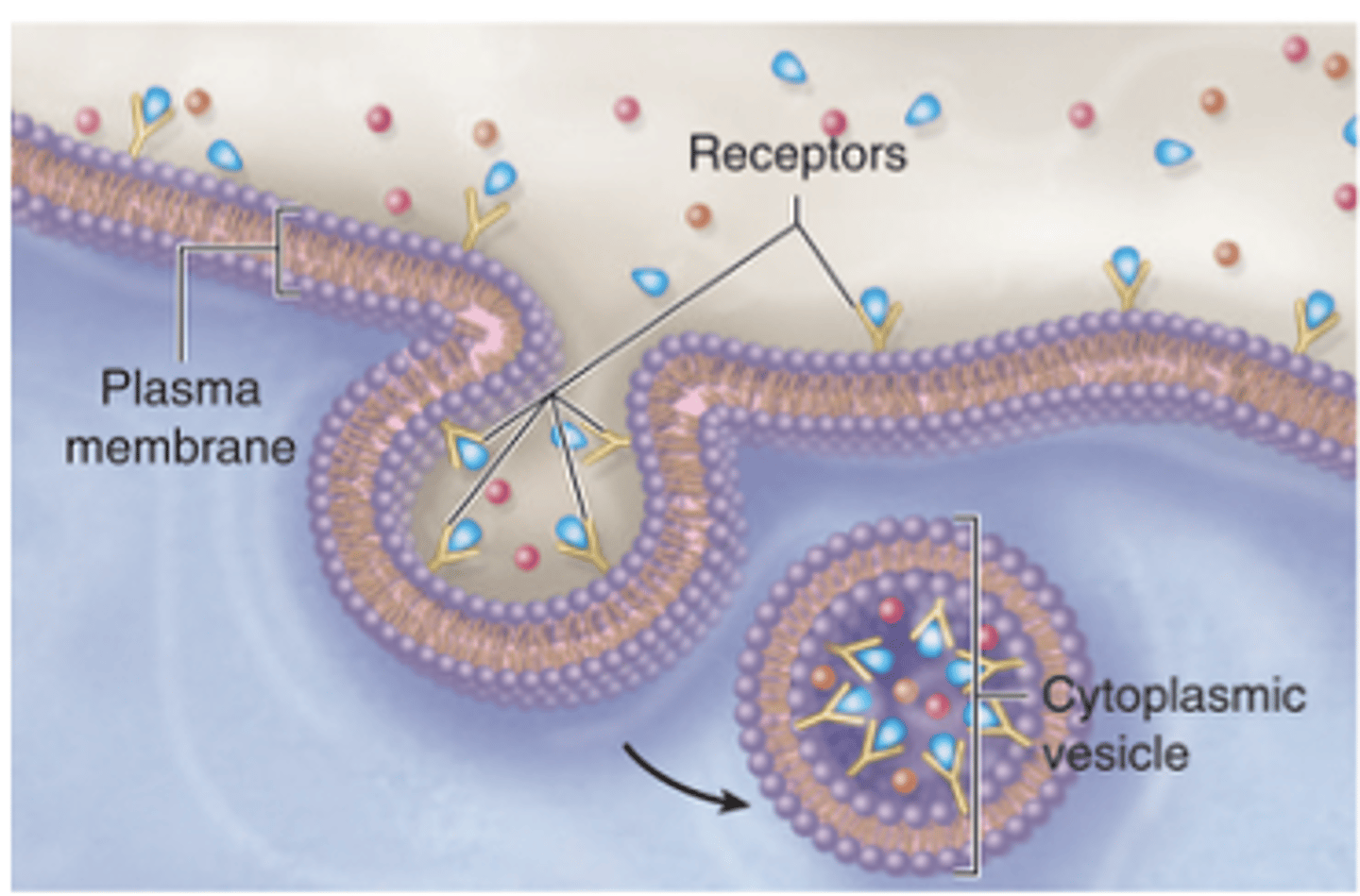
Endocytosis where transmembrane proteins act as receptors for specific molecules as low-density lipoproteins and protein hormones.
What is receptor-mediated endocytosis?
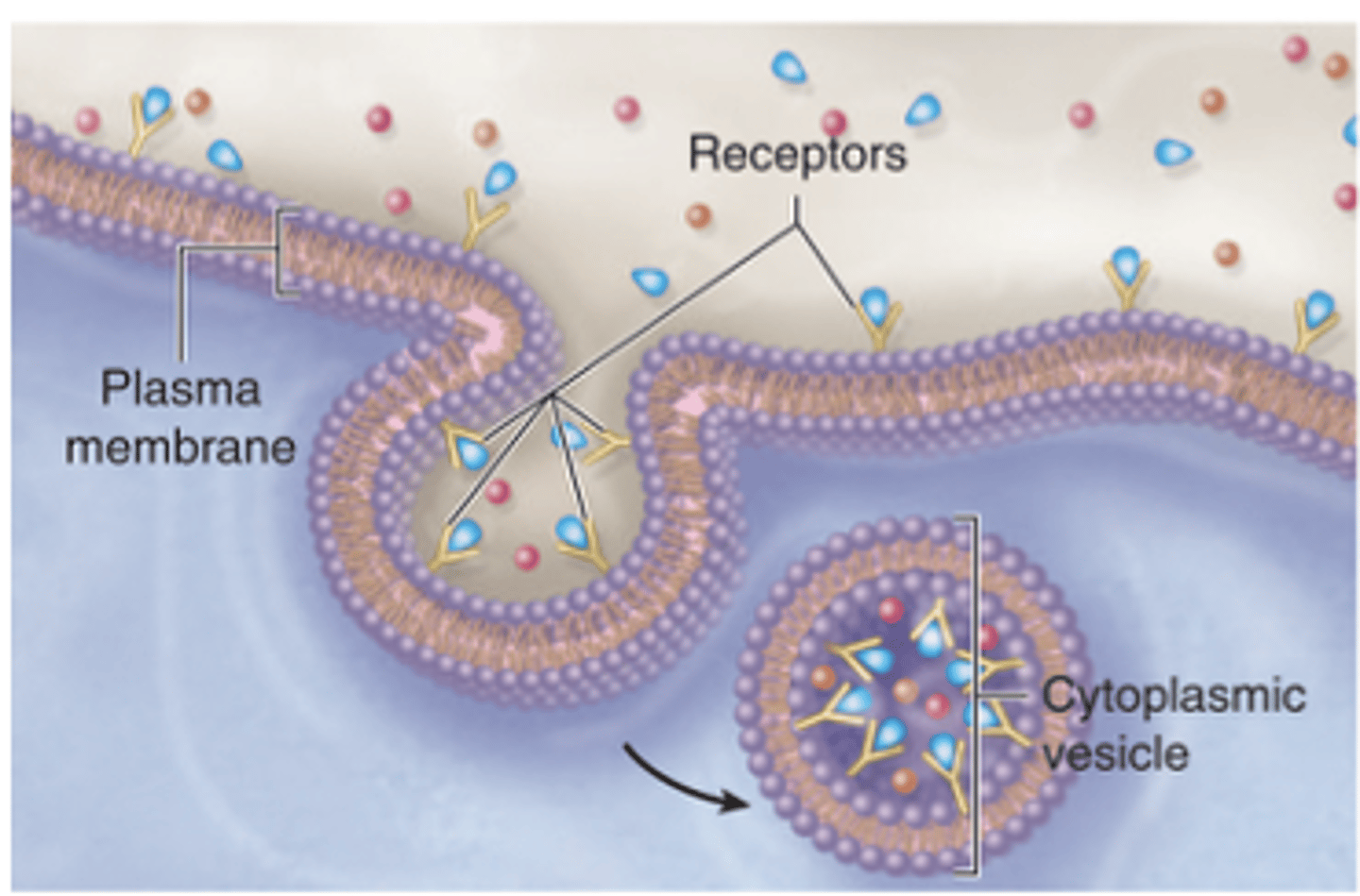
Ligands bind high-affinity receptors, receptors aggregate, invaginate, and pinch off as vesicles
How are vesicles formed in receptor-mediated endocytosis?