biomechanics test 1
 Call Kai
 Learn
Learn Practice Test
 Spaced Repetition
 Match
Match Flashcards
 Knowt Play
1/40

There's no tags or description
Looks like no tags are added yet.
Name | Mastery | Learn | Test | Matching | Spaced | Call with Kai | Chat |
|---|
No analytics yet
Send a link to your students to track their progress
41 Terms
Connective
• Bone, cartilage, skin, fascia, tendons, ligaments
Muscular
Skeletal, cardiac, smooth
Nervous
Neurons, spinal and cranial nerves
Epithelial
Respiratory, gastrointestinal, urinary, reproductive systems
Total bone
206
Functions Of the bones
Support, protection, movement, mineral storage, blood cell formation
What are the shapes for bones
long, short, flat, irregular, sesamoid

Diaphysis
shaft of bone
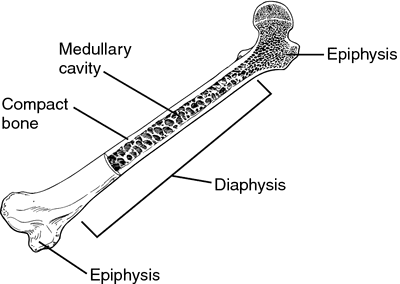
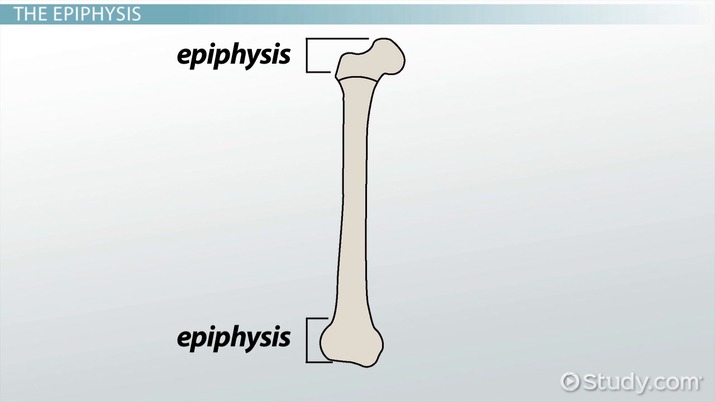
Epiphysis
large prominences at ends of bone
Epiphyseal plate
area of bone growth; once closed it fuses with diaphysis

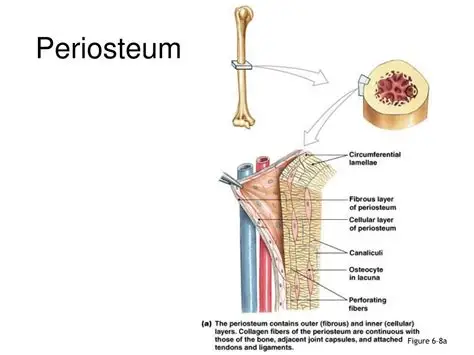
Periosteum
covers entire bone; where bone cells are produced
Articular cartilage
protective covering on the ends of epiphyses

Short bones:
no diaphysis; think carpals and tarsals

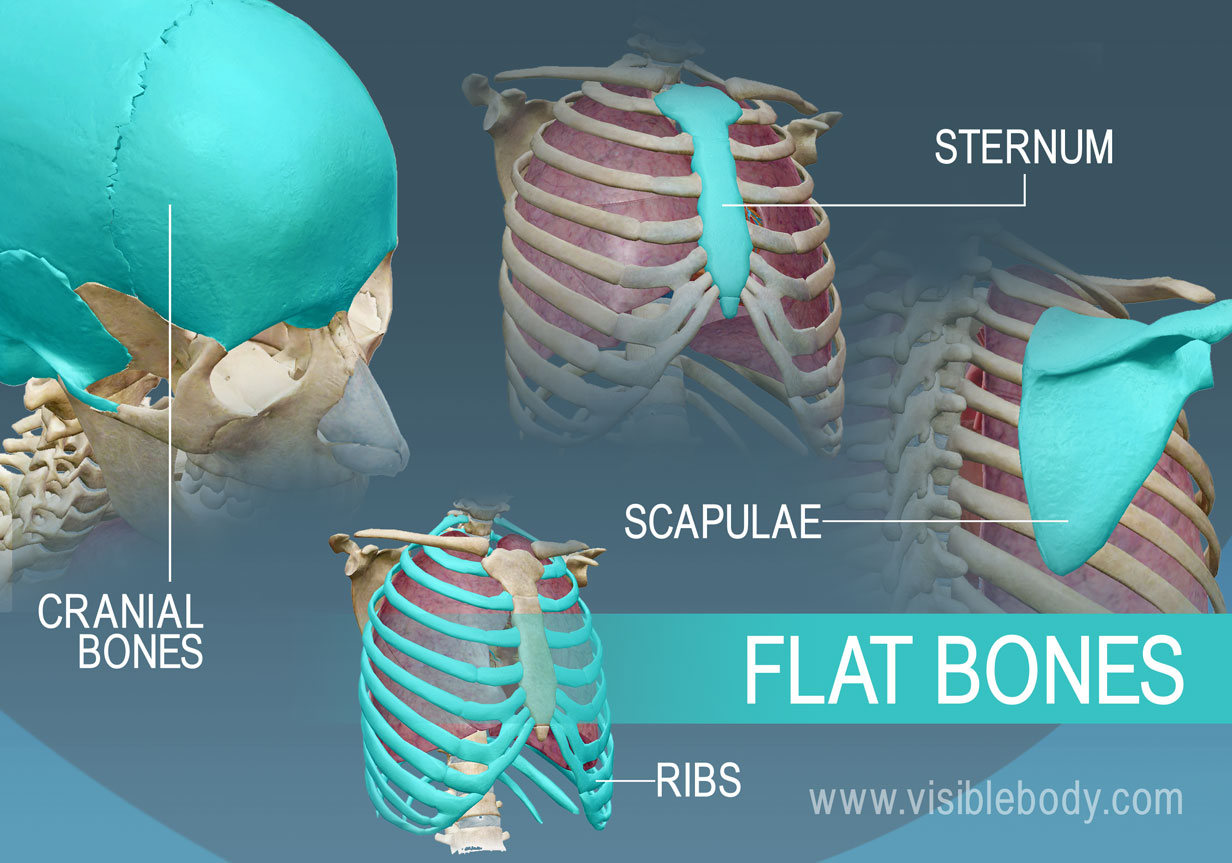
flat bones
flat; think cranium, sternum, scapula
Irregular bones
have complex shapes that do not fit into the other categories; examples include vertebrae and facial bones.
Sesamoid bones
oval, free-floating bones
• Patella, head of first metatarsal
Tuberosity
large prominence

Process
projection from a bone

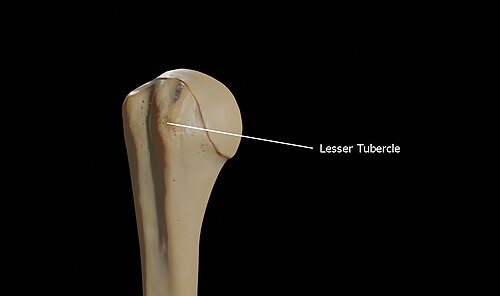
Tubercle
small prominence
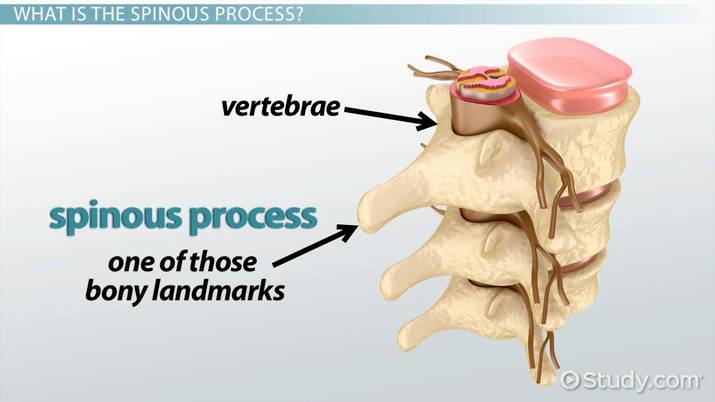
Spinous process or spine
longer, thinner projection of bone
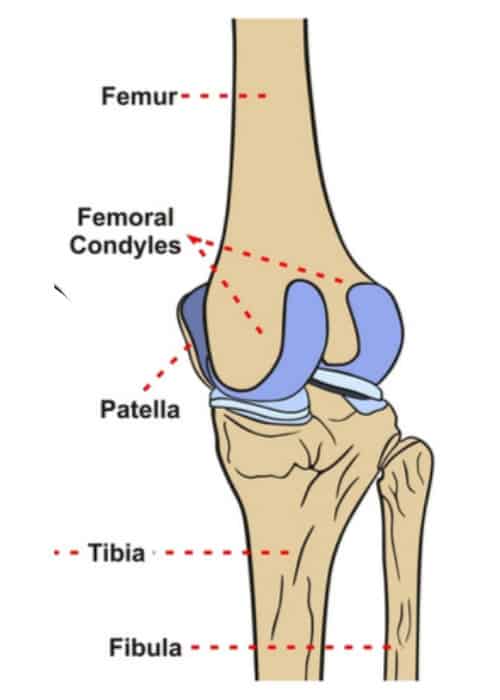
Condyles
large bony prominences at the ends of long bones
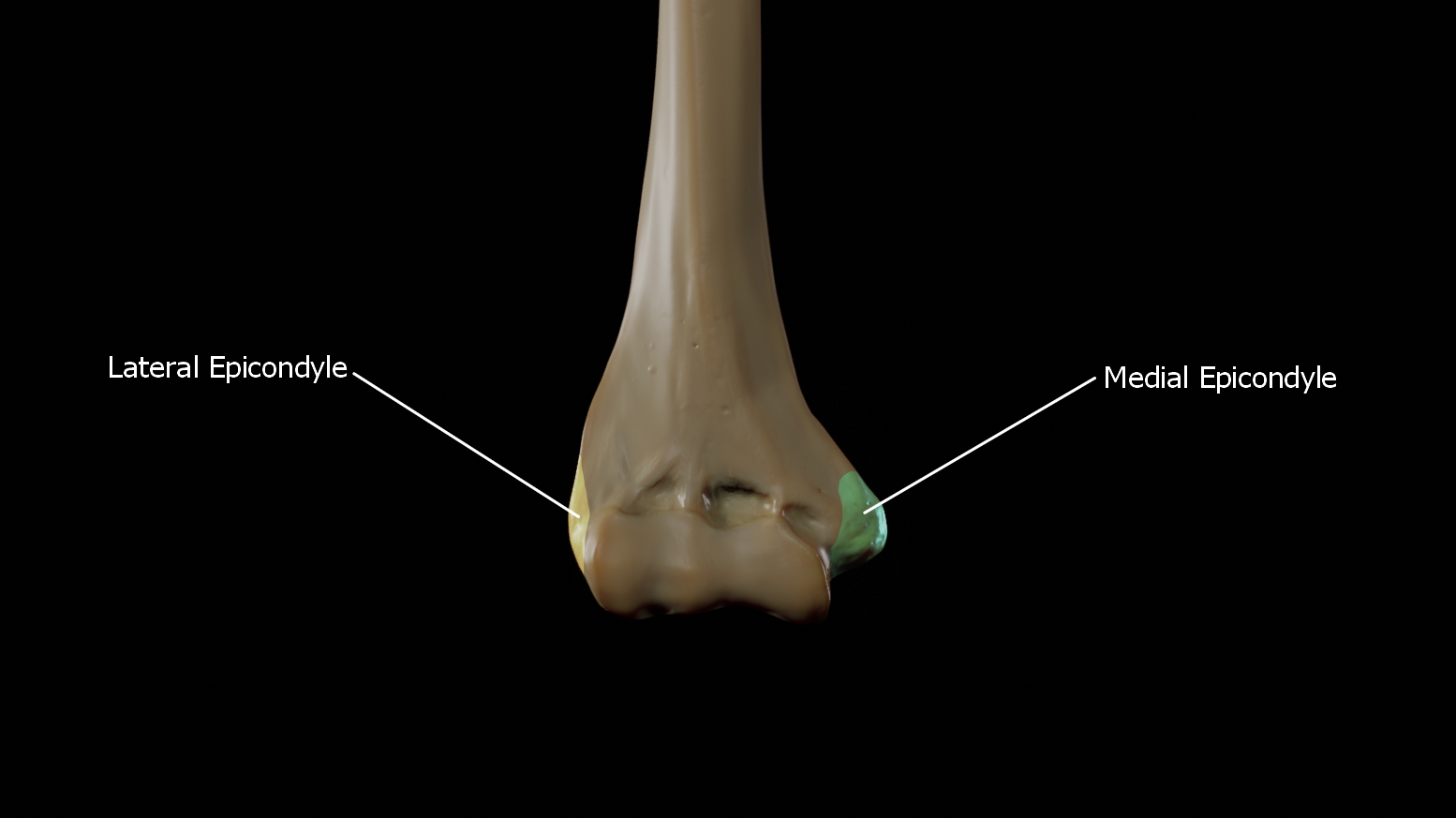
Epicondyles
smaller bony prominences just above the condyles
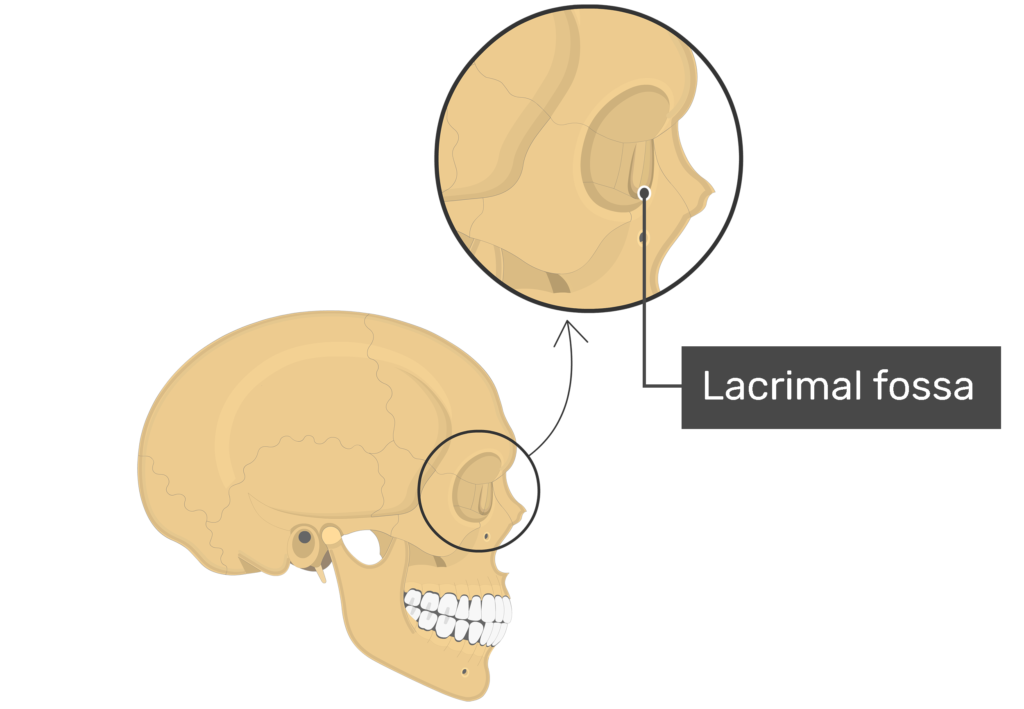
Fossa
smooth, hollow surface
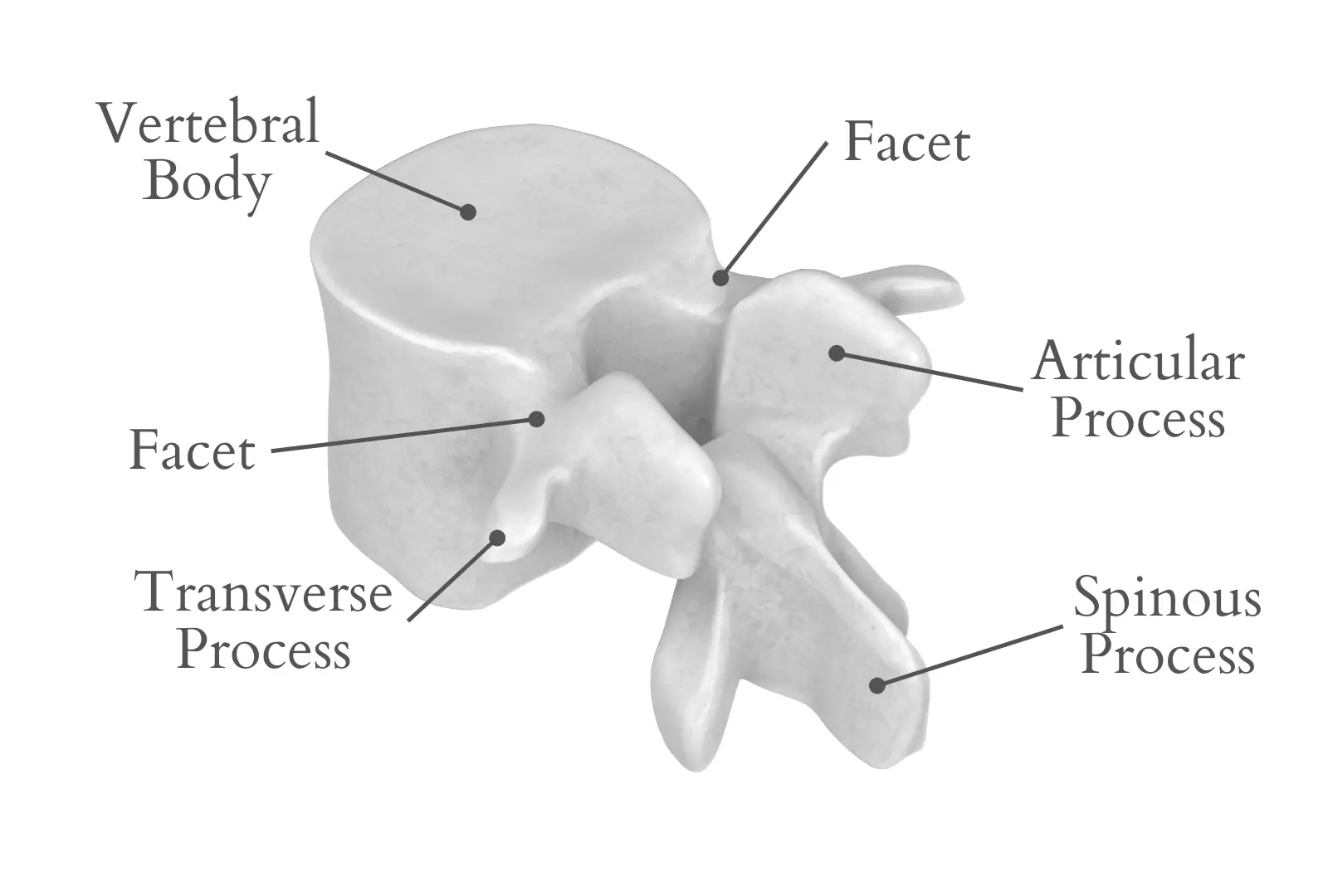
facet
smaller, flatter smooth surface
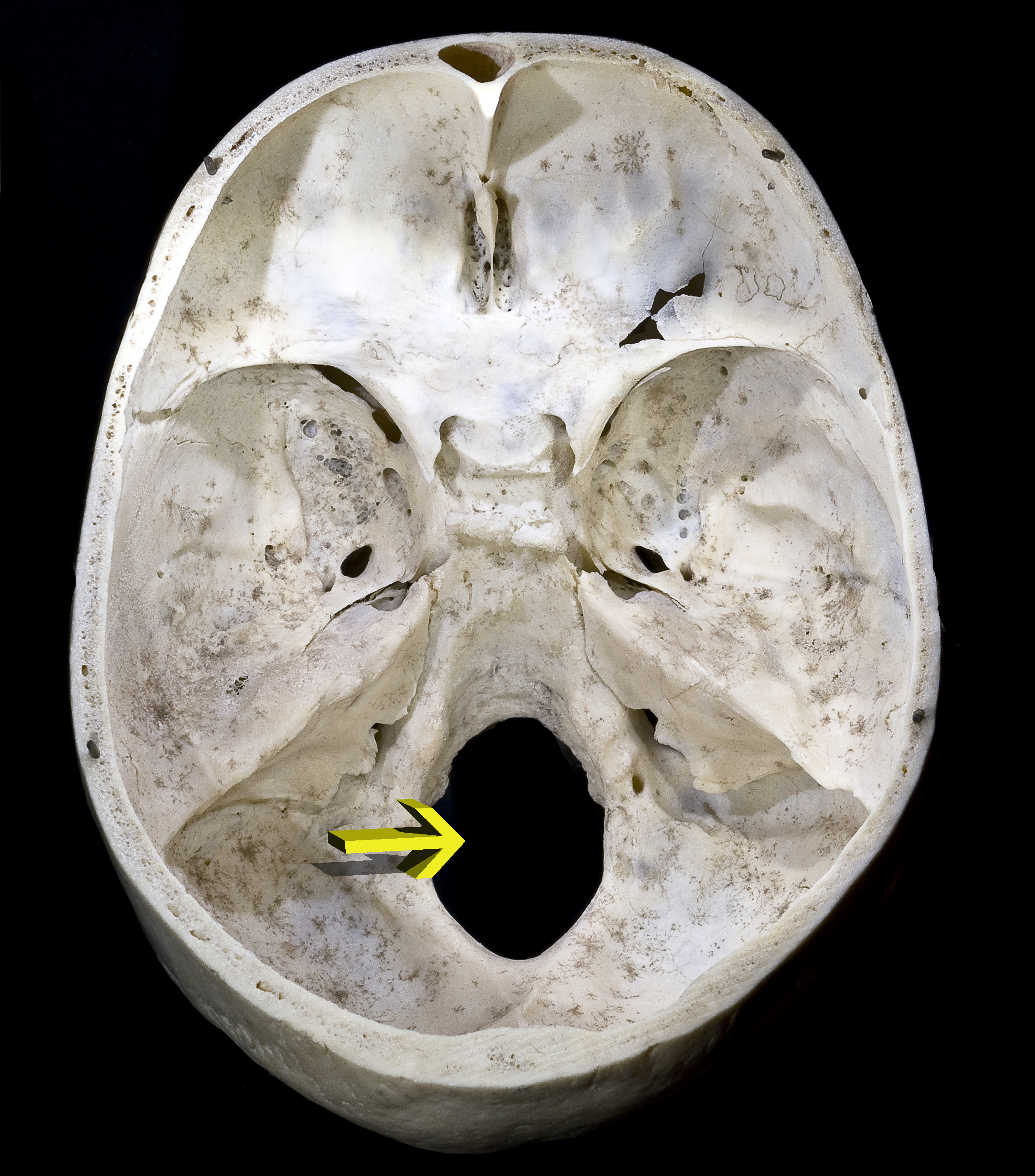
notch
appearance of bone “cut out” to allow passage of a vessel

Foramen
hole in bone also allowing passage of a vessel
Articulation (joint)
when 2 or more bones join together
Arthrology
study of joints and their structures, functions, and diseases.
Diarthrodial
separation of bones, joint cavity
Synarthrodial
no separation of bones, no joint cavity
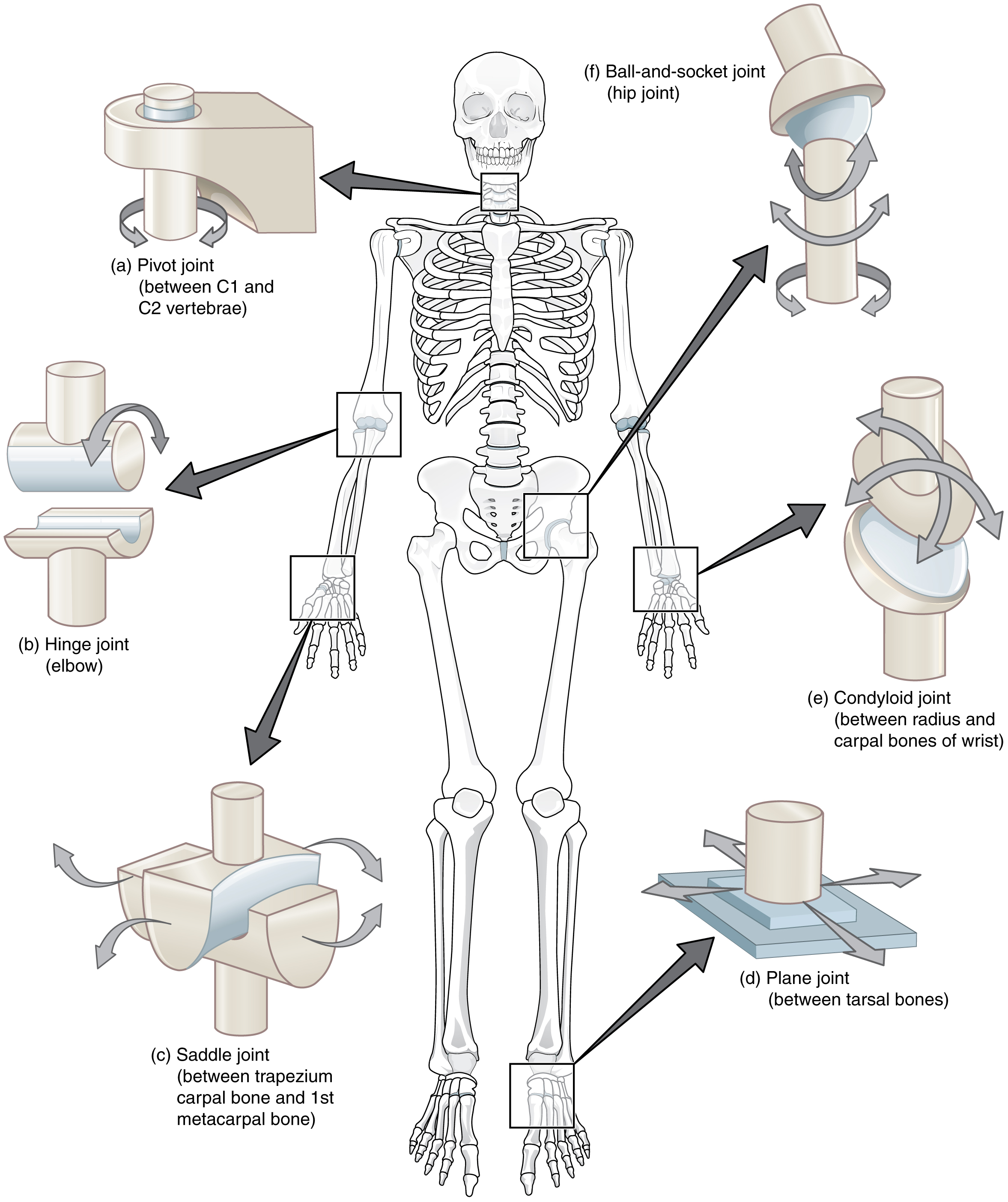
Hinge
concave surface meeting rounded surface; think elbow, knee

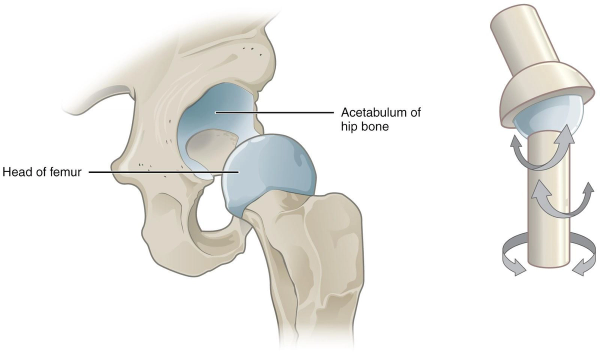
Ball-and-socket
rounded head into cuplike cavity; think hip, shoulder
Irregular
odd shaped surfaces that are flat or rounded; think carpals

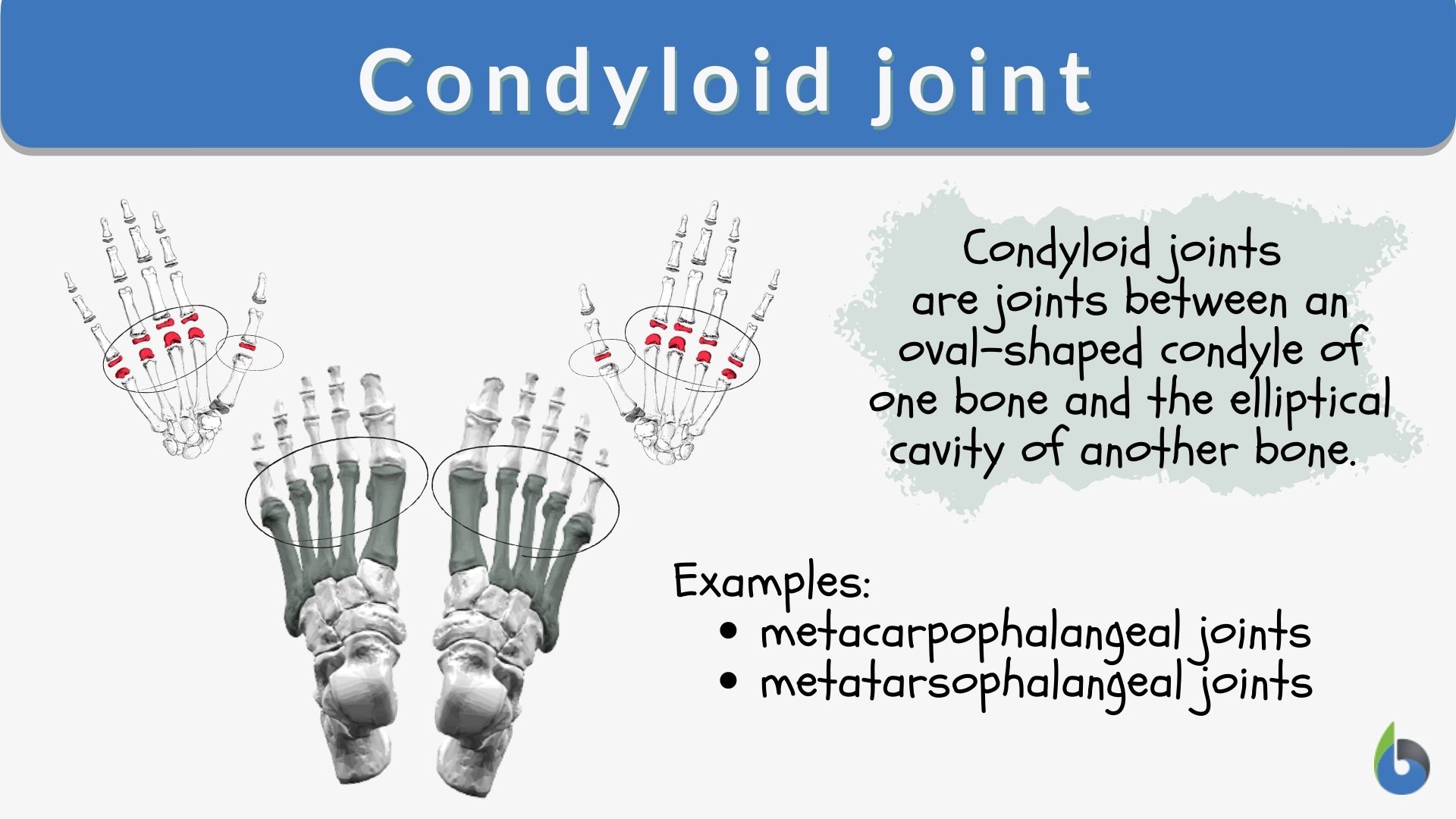
Condyloid
convex surface into concave; think metacarpals meeting phalanges
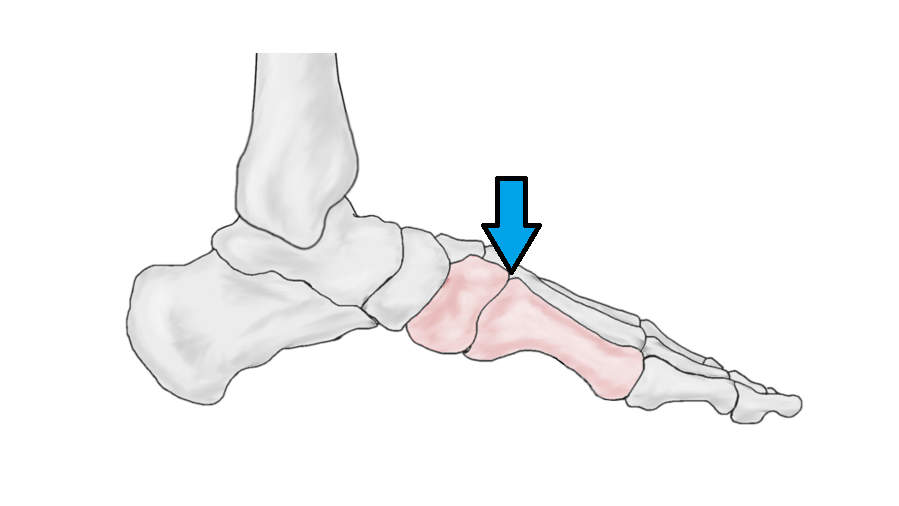
Saddle
modified condyloid; think wrist meeting thumb
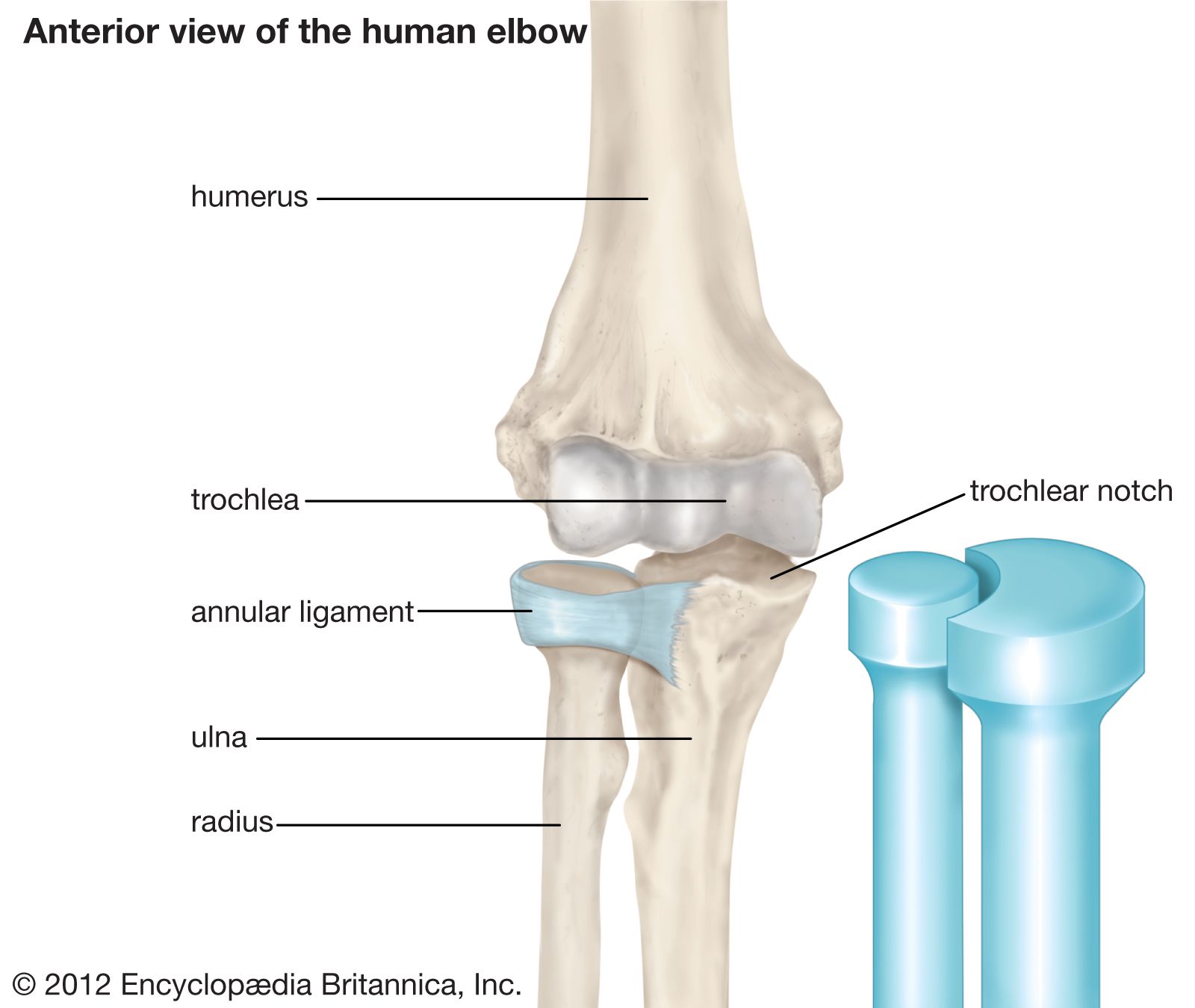
Pivot
one bone rotates about the other; think radius rotating on humerus
Suture
no detectable movement; think skull