Fish External Anatomy MVZ
 Call Kai
 Learn
Learn Practice Test
 Spaced Repetition
 Match
Match Flashcards
 Knowt Play
1/20

There's no tags or description
Looks like no tags are added yet.
Name | Mastery | Learn | Test | Matching | Spaced | Call with Kai | Chat |
|---|
No analytics yet
Send a link to your students to track their progress
21 Terms
Median Fins
Fins located along the midline: dorsal, caudal, and anal fins.
Paired Fins
Pectoral and pelvic fins.
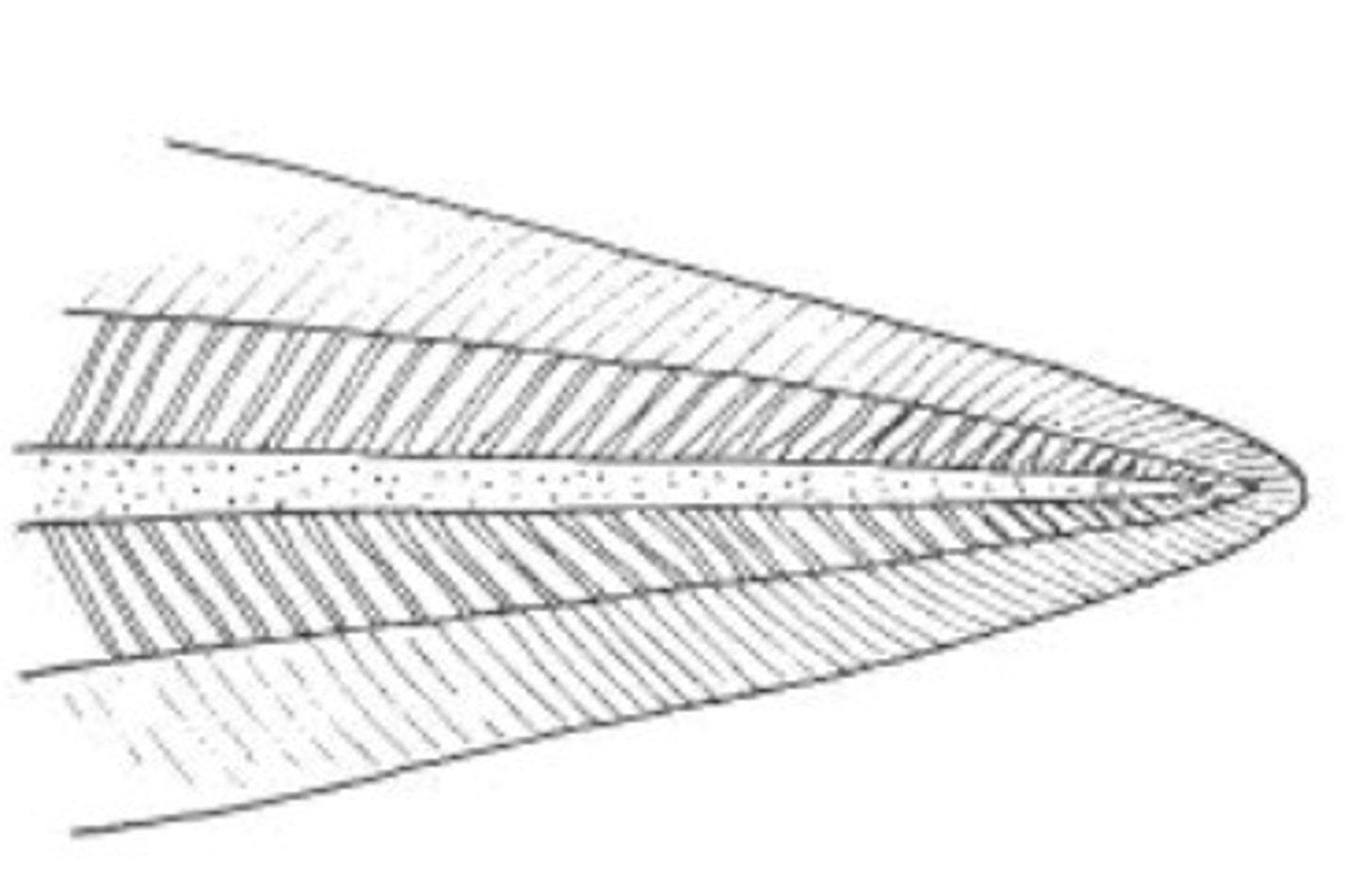
Protocercal Tail
Primitive tail type where the vertebral column extends straight to the tip.
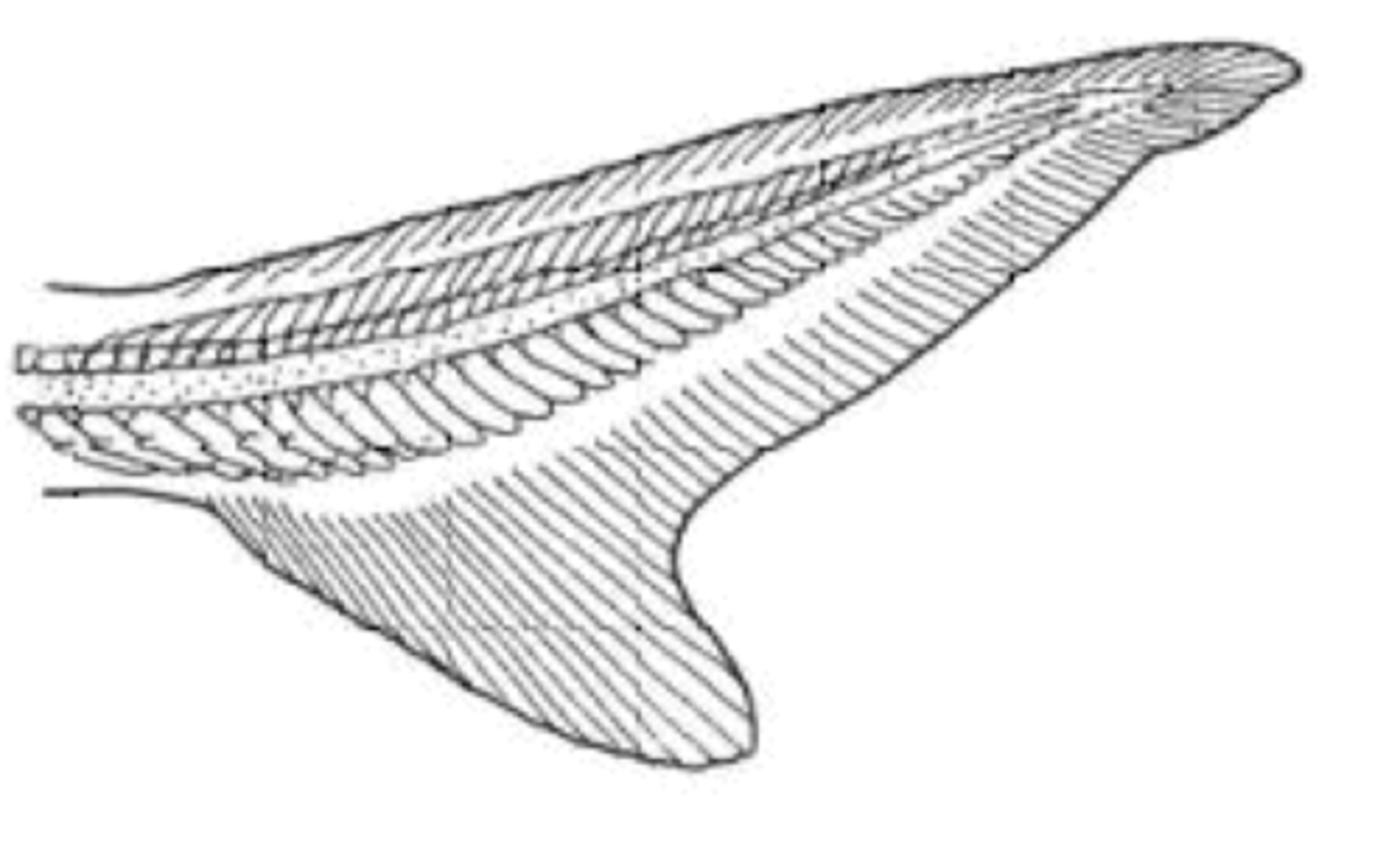
Heterocercal Tail
Tail where the vertebral column tilts upward into the larger upper lobe.
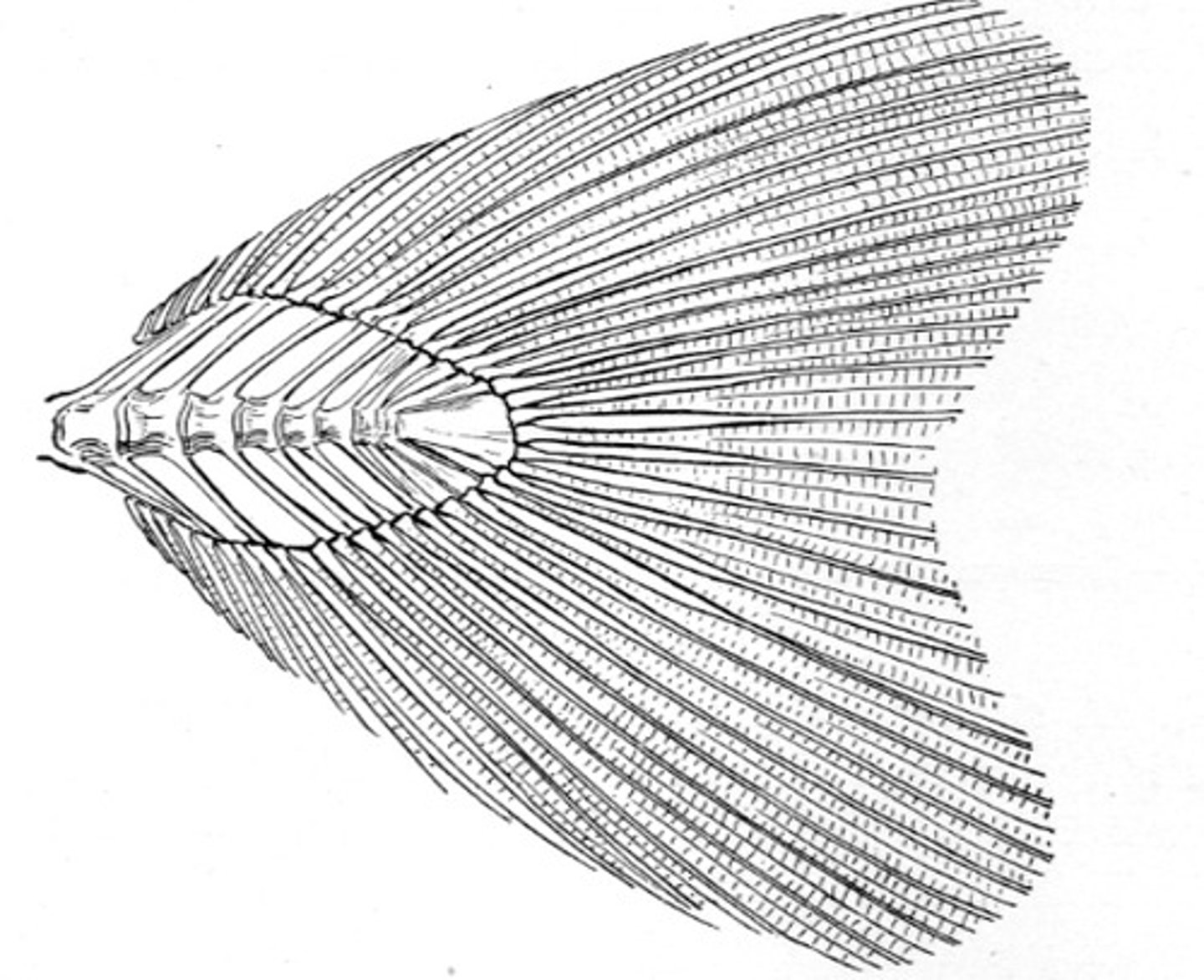
Homocercal Tail
Symmetrical tail where vertebrae end at the base of the fin.
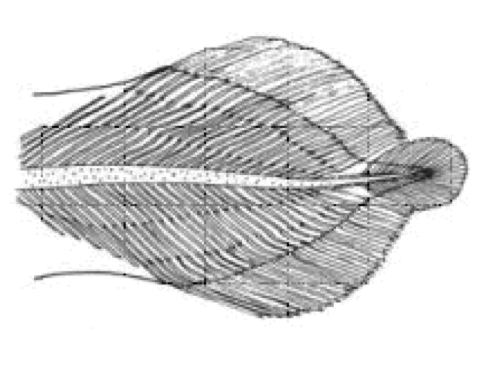
Leptocercal Tail
Symmetrical, pointed tail with the vertebral column running straight to the tip.
Adipose Fin
Small, fleshy, rayless fin located behind the dorsal fin.
Snout
The region of the head in front of the eyes.
Barbels
Whisker-like sensory organs near the mouth used to feel and taste.
Operculum
Hard bony flap covering and protecting the gills in bony fishes.
Lateral Line
Sensory organ running along the side, detecting vibrations and water currents.
Caudal Peduncle
The narrow region of the body connecting the trunk to the caudal fin.
Ampullae of Lorenzini
Electroreceptors in Chondrichthyans used to detect weak electrical fields.
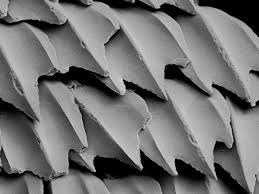
Placoid Scales
Tooth-like scales found in Chondrichthyans (sharks and rays).
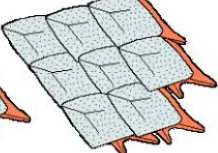
Ganoid Scales
Hard, diamond-shaped scales found in primitive bony fishes like gars.
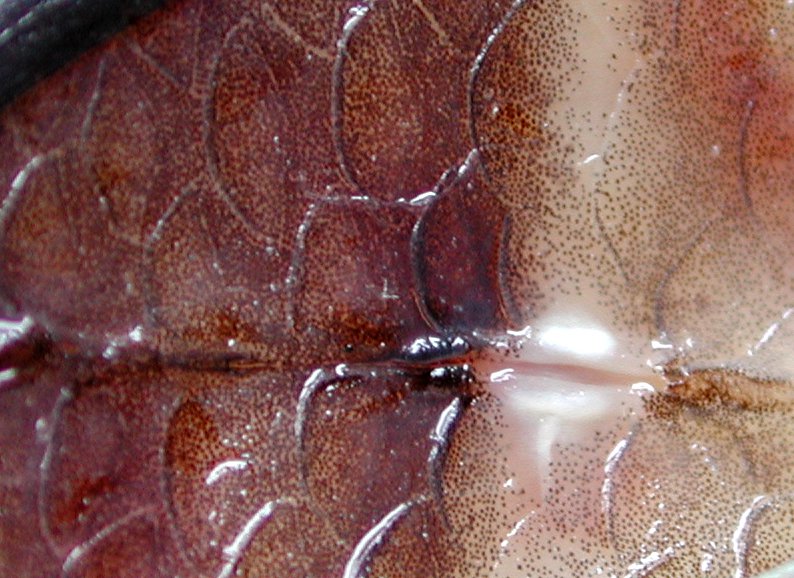
Cycloid Scales
Smooth, round, overlapping scales found in soft-rayed bony fishes.
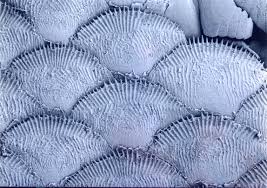
Ctenoid Scales
Overlapping scales with tiny comb-like projections, found in spiny-rayed bony fishes.
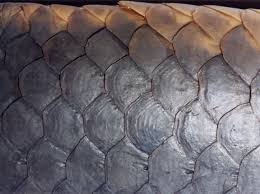
Cosmoid Scales
Thick, heavy scales found in lungfishes and coelacanths.
Superior Mouth Position
Mouth points upward; indicates feeding on the surface.
Terminal Mouth Position
Mouth is at the front; indicates feeding on midwater prey.
Subterminal Mouth Position
Mouth points downward; indicates feeding on the bottom (benthic).