3A. Boron Group
 Call Kai
 Learn
Learn Practice Test
 Spaced Repetition
 Match
Match Flashcards
 Knowt Play
1/39

There's no tags or description
Looks like no tags are added yet.
Name | Mastery | Learn | Test | Matching | Spaced | Call with Kai | Chat |
|---|
No analytics yet
Send a link to your students to track their progress
40 Terms
b. Boron Group
Group 3A
a. Carbon Group
b. Boron Group
c. Nitrogen Group
d. Oxygen Group
a. Icosagen
Group 3A
a. Icosagen
b. Pnictogens
c. Chalcogens
d. Halogens
borate (BO₃³⁻)
Boron often found as ____ (BO₃³⁻)
a. Boron (B)
Flame test: green bordered flame
a. Boron (B)
b. Barium (Ba)
c. Copper (Cu)
d. Calcium (Ca)
borate + methanol
Boron (B) Flame test: ___+ ___→ green bordered flame
c. Boron (B)
Essential nutrient for all green plants
a. Gallium (Ga)
b. Silicon (Si)
c. Boron (B)
d. Aluminum (Al)
a. Boric acid
Eye drop
a. Boric acid
b. Borax (Sodium tetraborate)
c. Alum
d. Aluminum hydroxide
b. Boric acid
Mild antiseptic
a. Borax (Sodium tetraborate)
b. Boric acid
c. Aluminum chloride
d. Talc
b. Boric acid
Ophthalmic antiseptic at (2–4%)
a. Borax (Sodium tetraborate)
b. Boric acid
c. Kaolin
d. Bentonite
a. Borax
Sodium tetraborate
a. Borax
b. Boric acid
c. Alum
d. Kaolin
b. Borax (Sodium tetraborate)
Used for laundering and cleaning
a. Boric acid
b. Borax (Sodium tetraborate)
c. Aluminum acetate
d. Talc
c. Aluminum (Al)
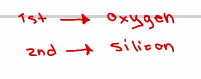
Third most abundant element (Earth's crust)
a. Silicon (Si)
b. Calcium (Ca)
c. Aluminum (Al)
d. Iron (Fe)
a. Cryolite
b. Bauxite
Ore of aluminum
(multiple answers)
a. Cryolite
b. Bauxite
c. Hematite
d. Rutile
a. Cryolite
Na₃AlF₆
a. Cryolite
b. Alum
c. Bauxite
d. Kaolin
c. Aluminum (Al)
Forms Thenard Blue when reacted with sodium cobaltinitrite.
a. Boron (B)
b. Gallium (Ga)
c. Aluminum (Al)
d. Indium (In)
b. Shaver's disease (Bauxite fibrosis)
Disease caused by inhalation of aluminum fumes.
a. Silicosis
b. Shaver's disease (Bauxite fibrosis)
c. Asbestosis
d. Anthracosis
c. Aluminum hydroxide
Aluminum compound used as an antacid.
a. Aluminum acetate
b. Aluminum chloride (AlCl₃)
c. Aluminum hydroxide
d. Alum
b. Constipation
Adverse effect of aluminum hydroxide when used alone.
a. Diarrhea
b. Constipation
c. Hyperkalemia
d. Nausea
a. Magnesium hydroxide
Drug commonly combined with aluminum hydroxide to minimize constipation.
a. Magnesium hydroxide
b. Calcium carbonate
c. Sodium bicarbonate
d. Magnesium sulfate
c. Aluminum chloride (AlCl₃)
Aluminum compound used as a Lewis acid catalyst.
a. Aluminum hydroxide
b. Aluminum acetate
c. Aluminum chloride
d. Alum
b. Friedel-Crafts reaction
Reaction in which aluminum chloride is commonly used as a Lewis acid catalyst.
a. Cannizzaro reaction
b. Friedel-Crafts reaction
c. Grignard reaction
d. Aldol condensation
b. Burrow's solution
Common name of aluminum acetate solution used for poison ivy irritation.
a. Dakin's solution
b. Burrow's solution
c. Lugol's solution
d. Benedict's solution
a. Poison ivy irritation
Condition commonly treated with Burrow's solution.
a. Poison ivy irritation
b. Acne vulgaris
c. Psoriasis
d. Impetigo
c. Alum
Double salts of aluminum.
a. Cryolite
b. Borax
c. Alum
d. Kaolin
a. NaAl(SO₄)₂
Example of a double salt of aluminum.
a. NaAl(SO₄)₂
b. Na₃AlF₆
c. AlCl₃
d. Al(OH)₃
b. Deodorant/antiperspirant
Common use of alum in personal care products.
a. Antacid
C
c. Cathartic
d. Expectorant
Tawas
Alum common name
b. Gallium (Ga)
Element that does not expand when solidified.
a. Indium (In)
b. Gallium (Ga)
c. Thallium (Tl)
d. Aluminum (Al)
b. Gallium (Ga)
Element used as a component of LEDs.
a. Boron (B)
b. Gallium (Ga)
c. Indium (In)
d. Thallium (Tl)
c. Gallium nitrate
Gallium compound indicated for hypercalcemia.
a. Gallium chloride
b. Gallium oxide
c. Gallium nitrate
d. Gallium sulfate
b. Hypercalcemia
Condition treated with gallium nitrate.
a. Hypocalcemia
b. Hypercalcemia
c. Hyperkalemia
d. Hypomagnesemia
b. Gallium (Ga)
aka aluminum
a. Boron (B)
b. Gallium (Ga)
c. Indium (In)
d. Thallium (Tl)
a. Indium (In)
Element classified under the Icosagens.
a. Indium (In)
b. Bromine (Br)
c. Selenium (Se)
d. Iodine (I)
c. Thallium (Tl)
Element that produces green spectral lines.
a. Gallium (Ga)
b. Indium (In)
c. Thallium (Tl)
d. Boron (B)
b. Thallium (Tl)
Element formerly used as an ant/rat poison.
a. Gallium (Ga)
b. Thallium (Tl)
c. Aluminum (Al)
d. Indium (In)
b. Thallium (Tl)
“budding twig”
a. Gallium (Ga)
b. Thallium (Tl)
c. Aluminum (Al)
d. Indium (In)
c. Thallium (Tl)
Toxicity similar to arsenic.
a. Gallium (Ga)
b. Boron (B)
c. Thallium (Tl)
d. Aluminum (Al)
b. Fuller's earth
Antidote for thallium poisoning.
a. Activated charcoal
b. Fuller's earth
c. Deferoxamine
d. Dimercaprol
a. Prussian blue
Another antidote for thallium poisoning.
a. Prussian blue
b. Succimer
c. Penicillamine
d. Calcium EDTA
b. Nihonium
Element with the symbol Nh.
a. Neptunium
b. Nihonium
c. Niobium
d. Nickel