STS topic 1 part 1
 Call Kai
 Learn
Learn Practice Test
 Spaced Repetition
 Match
Match Flashcards
 Knowt Play
1/19

There's no tags or description
Looks like no tags are added yet.
Name | Mastery | Learn | Test | Matching | Spaced | Call with Kai | Chat |
|---|
No analytics yet
Send a link to your students to track their progress
20 Terms
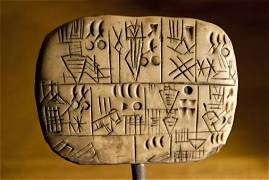
cuneiform
it is the first writing system. It is a system that utilizes word pictures and triangular symbols which are carved on clays. It allowed Sumerians to keep records of things with great historical values.
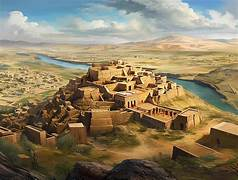
Uruk City
it is a great wonder not only because it is considered to be the first true city in the world but also for the way it is erected. The construction is a big challenge to them. They made the city using only mud or clay from river mixed with reeds, producing sun-baked bricks.
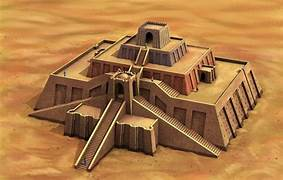
Great Ziggurat of Ur
known as mountain of god, was built in the same manner that they constructed the City of Uruk. The ziggurat served as a sacred place of their chief god where only their priests were allowed to enter.
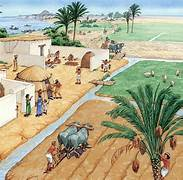
Irrigation and Dikes
Sumerian built this to bring water to farmlands and at the same time control the flooding of the rivers. This method was considered as one of the world's most beneficial engineering works.
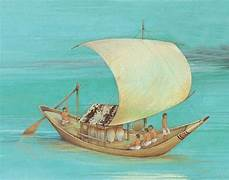
Sailboats
main mode of transportation was through waterways such as rivers and seas. It was used to carry large quantities of products and were able to cover large distances.
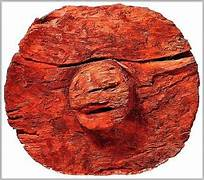
Wheel
the first wheels were not made for transportation but for farm work and food processes. With the use of this, production was made easier. Farmers were able to mill grains with less time.
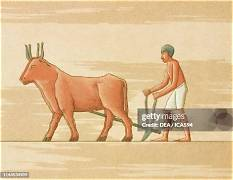
The Plow
it was invented to dig the earth in a faster pace. As the plow breaks the ground, the farmer would just drop the seeds and work is done already.
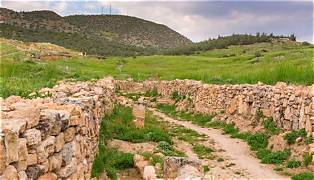
Road
to have faster and easier travel, Sumerians developed the first roads. The flow of traffic became faster and more organized. They used sun-baked bricks that they laid on the ground.
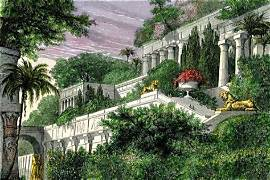
Hanging Gardens of Babylon
it is a structure made up of layers upon layers of gardens that contained several species of plants, trees, and vines. According to legends, the great Babylonian King Nebuchadnezzar Il built the gardens for his wife, Queen Amytis. However, no physical evidence has been found to prove the existence of the Hanging Gardens of Babylon.
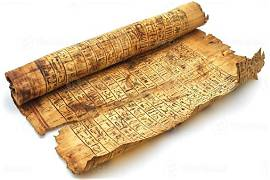
Paper/Papyrus
earlier contributions of Egyptian civilization. Egypt was not the first to develop a system of writing, they were able to make writing easier for the world. Before Egyptian innovation, clay tablets were used where keeping and transporting them were a major problem. Clay tablets were very heavy, and delicate to handle. So bringing them to places was a challenge. Papyrus was a plant that grew along Nile River that they produced into thin sheets so they can write on it.
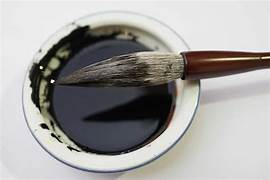
Ink
when the Egyptians invented papyrus/paper, engraving ceased to be used in writing. As a result, they invented ink by combining soot with different chemicals to produce inks of different colors. It is used to record history, culture, and codified laws. It must be tamper-proof so that people could not simply tinker with those written down by authorities.
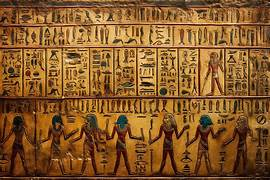
Hieroglyphics
Egyptians developed a system of writing using symbols. Although some say that hieroglyphics was adapted from the early writing system in Mesopotamia, the Egyptians believed that this writing system was provided to them by their gods. It was the language that tells the modern world of the history and culture of the ancient Egyptians.
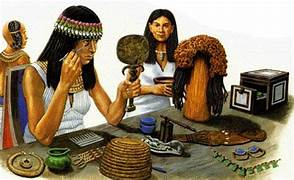
Cosmetics
function of cosmetics for the ancient Egyptians was for both health and aesthetic reasons. Egyptians wore Kohl around the eyes to prevent and even cure eye diseases. Kohl was created by mixing soot or malachite with mineral galena. If they wear this, they believe that they are protected from evil and it is a sign of holiness.
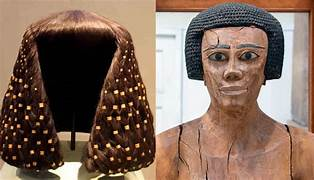
Wig
are used to enhance the appearance of people who are balding or those who want to try new hair trends. During the ancient Egyptian times, it is worn for health and wellness rather than for aesthetic purposes. It is used to protect shaved heads of the wealthy Egyptians from harmful rays of the sun. Moreover, it was considered cleaner than natural hair because it prevented the accumulation of head lice.
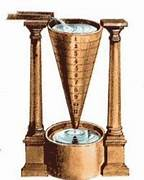
Water Clock/Clepsydra
it utilizes gravity that affects the flow of water from one vessel to the other. The amount of water remaining in the device determines how much time has elapsed since it is full. It is widely used as a timekeeping device during the ancient times.
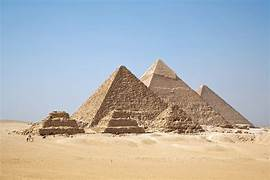
Great Pyramid of Giza and Great Pyramid of Cheops
was done by thousands of slaves, peasants and prisoners of war using their bare hands, ropes, ramps and sledges. The pyramid still stand today as an evidence of scientific expertise and technical skills in geometry, engineering, architecture and manpower management.
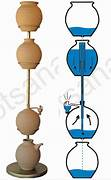
Alarm clock
one of the most utilized gadgets today. Although the alarm clock during that time did not resemble the present-day alarm clock, the only similarity is to tell an individual when to stop and when to start. It used large complicated mechanisms to time the alarm. They made use of water/small stones/sand that dropped into drums which sounded the alarm. Plato used his own version of alarm clock where he used four water vessels lined up vertically.
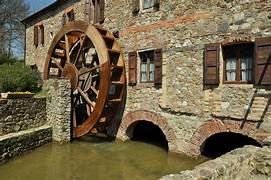
Water Mill
used in agricultural processes like milling of grains which was necessary form of food processing. Because milling was made possible by the use of watermills, mass production of rice, cereals, flours and the like became common. It is better than mills powered by farm animals because it only required access to rivers /flowing water where a mechanism of a large wheel with small "buckets" of water attached to it could be installed.
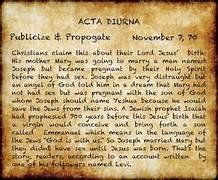
Newspaper
first newspapers, known as gazettes, contained announcements of the Roman Empire to the people. Made before the invention of paper, these gazettes were engraved in metal or stone tablets and then publicly displayed. When paper is invented, it became easier for the Romans to "publish" matters that needed the attention of the Roman citizens. This way, they enjoyed easy access to government information the same way we benefit from present-day newspaper.
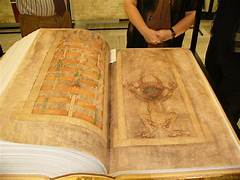
Bound Books/Codex
it became easier for civilizations to write down everything that happened in their time. Record-keeping was much easier since paper did not easily break and lightweight. Aside from Romans writing down information about history and politics, literature also changed fro clay tablets to parchment paper. According to sources, Julius Caesar started the tradition of stacking up papyrus to form pages of a book.