Paper 3 DT HL
 Call Kai
 Learn
Learn Practice Test
 Spaced Repetition
 Match
Match Flashcards
 Knowt Play
1/64

Earn XP
Name | Mastery | Learn | Test | Matching | Spaced | Call with Kai | Chat |
|---|
No analytics yet
Send a link to your students to track their progress
65 Terms
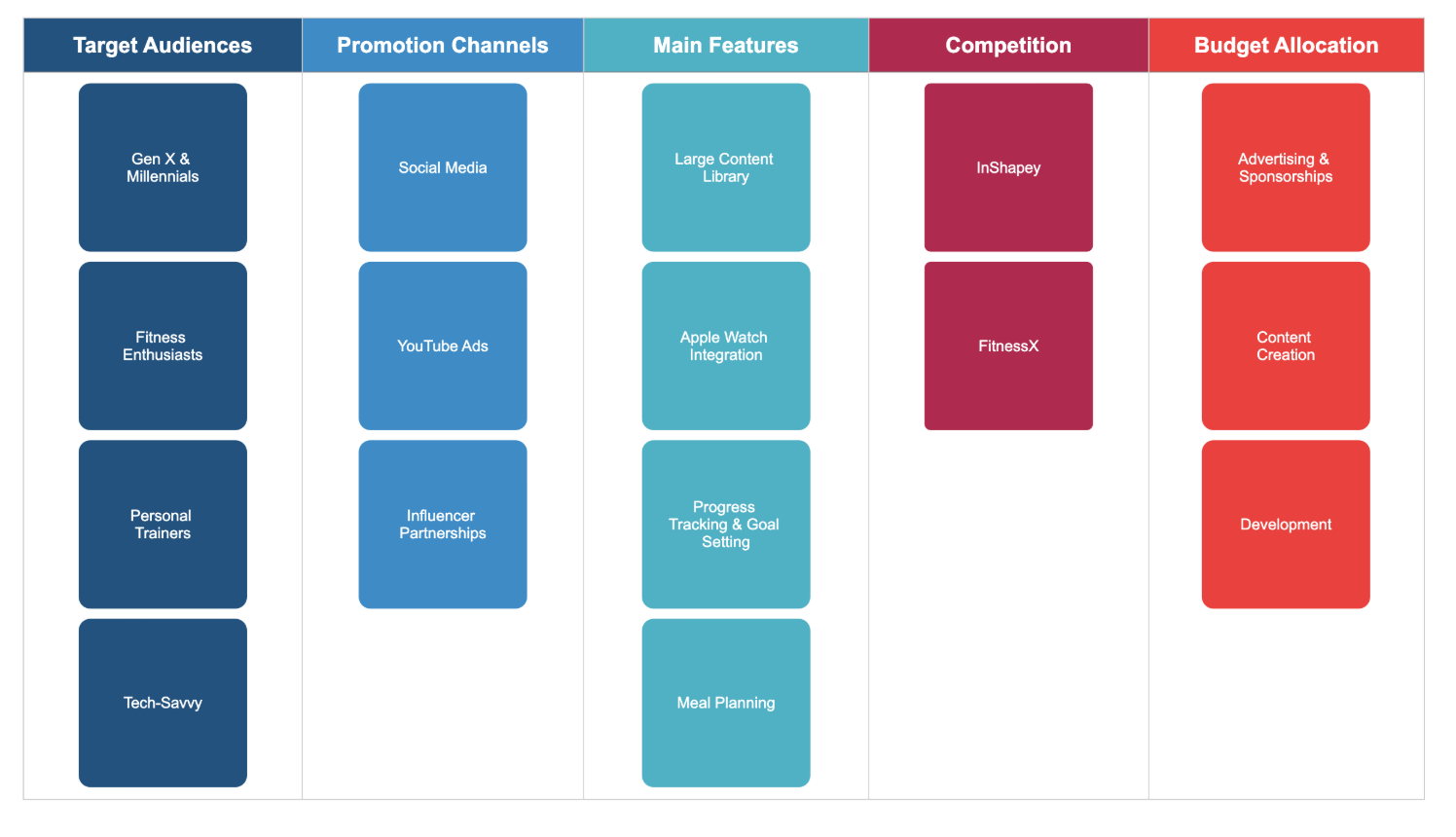
Affinity Diagram
Tool used to organize ideas and information
Di/A of affinity diagrams
A - Cost effective, builds team cooperation
D - can be time consuming, too complex for all situations
Field Research
First hand observation of customer’s user experience in their environment
Di/A Field Research
A - gathers first hand knowledge of the user and their needs
D - data can become narrow because they are testing a specific user
Observation
A collection of responses from users, a trail of observation of users interacting with the product
Di/A Observation
A - provides valuable data for refining a design
D - can be time consuming
Method of extremes
sampling method where users are selected to represent the extremes of a user population when testing a product
Di/A Method of extremes
A - More inclusive numbers
D - May be difficult to accompdate these users
Natural environment
the monitoring of a user interacting with the product in their home, place of work, or other natural places.
Di/A Natural environment
A - data can be gathered from the product real context
D - certain types of testing may not be possible
Usability lab
a lab in which usability testing is carried out by potential users while being observed by research professionals
Di/A Usability lab
A- data can be gathered in a controlled environment
D- expensive to operate
Usability
The extent to which a product can be used by specified users to achieve a specified goal effectively and efficiently.
Usability testing
the testing of a product with potential users to find out how usable the product is
Participatory design
when users representing the target market for a product perform realistic tasks by interacting with a paper version of the product
Di/A Participatory design
A- Can include a wide range of users
D- can be time consuming
Prototype testing
a session where a test product is made and tested
Di/A Prototype testing
A- allows researchers to identify improvements that need to be made
D- can be costly
User centered design
a design process that pays attention to the needs of potential users of a product by involoving them in all stages of the design process
Characteristics of good user product interfaces
visibility - controls should be easily accessible to the human eye
ease of use - should not have an unecessary features
intuitive logic - doesn’t require specialized training
simplicity - function should be clear
low mem burden - should not be hard to memorize
feedback - audio, visual, aesthetic response to an action
affordance - buttons, knobs, turning
mapping - correspondence between the layout of the controls and their required action
constraits - limitations on how a product can be used
Benefits of enhanced usability
Product acceptance - the knowledge that a product or service paid for will meet up to its defined expectations
User experience - a person’s perceptions and responses that result from the use or anticipated use of a product, service, or system.
Productivity - developing products with the users in mind so that they can reduce time wasting
User error - mistakes when using the product due to aspects such as complexity or inefficiency
Training and support - help and guidance such as tutorials or instructions on how to use the product
Usability objectives
Usefulness
Effectiveness
Learnability
Attitude
Four pleasure framework
Ideo : aesthetics and culture
psycho : how hard or easy the product is to use
physio : touching, smelling, hearing , or tasting
socio : belonging to a social group
Design for emotion
strategy that focuses on increasing user engagment, loyalty and satisfaction with a product by incorporating emotion and personality
Design for emotion
Behavioural design
Reflective design
Visceral design
Dominant design
The design contains those implicit features of a product that are recongnized as essential to by a majority of manufacuturers and purchasers
Iterative design
developed through user centered evaluation and based upon the six principles of iterative design
TBL
measures a company’s success on social, government, and environment
Product stewardship
everyone involved in making,selling,buying,or handling electronic equipment takes responsibility for minimizing environmental impact
Sustainability reporting
a compnay report that focuses on four aspects of performnace: economic, environmental, social, and governance
eco labelling
the labelling of products to demonstrate that they are better for the environment than other products
energy labelling
the labelling of products to show how energy efficient they are
take back legislation
laws that require manufacturers to take back packaging and products at the end of the use
Types of sustainability attitudes
eco-warriors: actively demonstrate on environmental issues
eco-fans: enthusiastically adopt environmentally friendly practices
eco-phobes: resent talk of the environment protection
eco-champions: champion environmental issues within organizations
corporate strategies
Pioneering: being first to the market with a new product
Imatative: developing products that are similar to an existing product
Market and product growth strategies
Market development (new market existing product)
Product develpment (existing market new product)
Market penetration (existing market existing product)
Product diversification (new market new product)
Product family
a group of products that have a common classifcation critera
Marketing mix 4 p’s
Product: branding, packaging
Place: location transport
Price: Pricing, discounts
Promotion: sales
Pricing techniques
competitor based
psychological
cost-plus
product-line
demand
Marketing research strats
user trial
literature: reports, newspaper, magazine, etc
expert appraisal: reliance on the knowledge and skills of an expert
user research: questionnaires, surveys, interviews
perceptual mapping: tool to compare product in the market
environmental scanning: study and interpretation of the political, economic, social, and technological events
product analysis
Brand loyalty
Where a person has a favorite supplier and prefers to buy products from them rather than other suppliers
Just in time
A system where product are made upon ordering
Di/A just in time
A - low waste as there is no over production, lower cost becasue no inventory
D - greater risk of delays between ordering and delivery, cannot benefit from economies of scale to the same degree
Just in case
company keeps a small stock of components or ones that take a long time to make
Di/A just in case
A- timely distribution, can respond to market demands
D- large inventory must be managed, storage has to be paid for, greater risk of waste
Lean production
aims to eliminate waste and maximize the value of a product based on the perspective of the consumer.
Di/A lean production
A - Increased productivity, Improved working conditions for employees, Reduced environmental impact
D - No inventory can make it difficult to respond to sudden increases in demand or create a buffer in case of a production slowdown.
Characteristics of lean production
JIT suppllies
zero defects
quality control and continuous improvement
highly skilled workforce
zero inventory
Principles of lean production
focus on kaizen
maximizing production flow
eliminating waste
meeting customer requirements
Value stream mapping
a lean production managment tool used to analyze current and future process of a product from the production to delivery
Kaizen
A culture of continuous improvement originating in Japan
Quality control
ensures that the products or services are designed and produced to meet or exceed customer requirements
Quality assurance
covers all activities from design to documentation like raw materials, assemblies, components, etc.
5S’s
set in order - optimize streamline efficiency
sustain - maintain standards
shine - clean and organize
sort - only keep necessary items in work place
standarize - set standards for consistanly organized work place
7 wastes of lean manu
transportation
inventory
motion
waiting
overproduction
over processing - reduce by using value stream mapping
defects
CIM
a system of manu that uses computers to integrate the processing of production, business and manu in order to create more efficient production lines
Di/A Mass production/ Batch production
A - high quality of product, shorter lead time, continuous production
D - high cost of training, job loss due to automation, high initial cost
Di/A One off/ scale production
A - highly customizable
D - high intital cost, low economies of scale
Di/A mass customization
A - easier to meet needs of users
D - high cost of training, high initial cost
Statisical process control
a quailty control tool that uses statistical methods to ensure a process is operating at its most efficient
Lead time
Time between the initiation and the execution of a process
Workflow analysis
the review of processes in a workflow in order to identify potential improvements
cost-effectiveness
the most efficient way of designing and producing a product from the manufacurer’s point of view
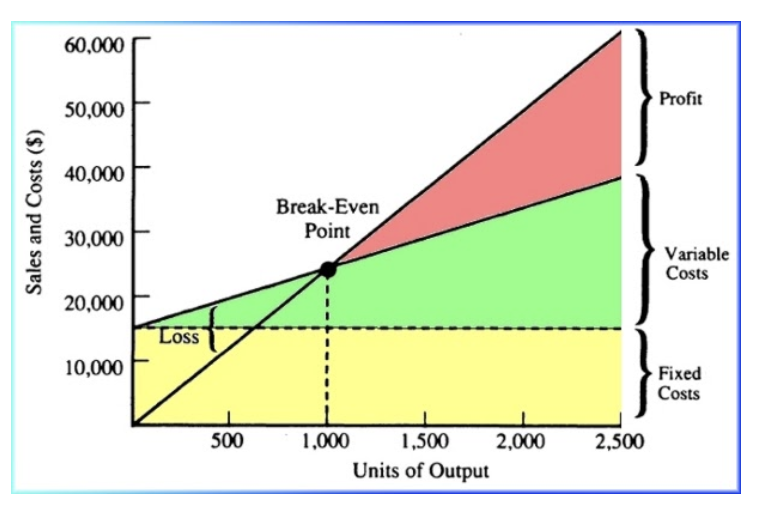
Break even point
point of balance between profit and loss
Datschefski’s princples
cyclic, solar, safe, effcient, social