Low Countries: Notable Religious Figures, Theologians, Philosophers, and Orators
 Call Kai
 Learn
Learn Practice Test
 Spaced Repetition
 Match
Match Flashcards
 Knowt Play
1/10

There's no tags or description
Looks like no tags are added yet.
Name | Mastery | Learn | Test | Matching | Spaced | Call with Kai | Chat |
|---|
No analytics yet
Send a link to your students to track their progress
11 Terms
1340 - 1384 - Gerard Groote (All Facts)
He founded the Brothers of the Common Life, based on his having espoused a non-ritualized and humane Christianity
Not bound by permanent vows, the members of the brethren lived together under a rule, holding all things in common and earning their own livelihoods
He died of plague
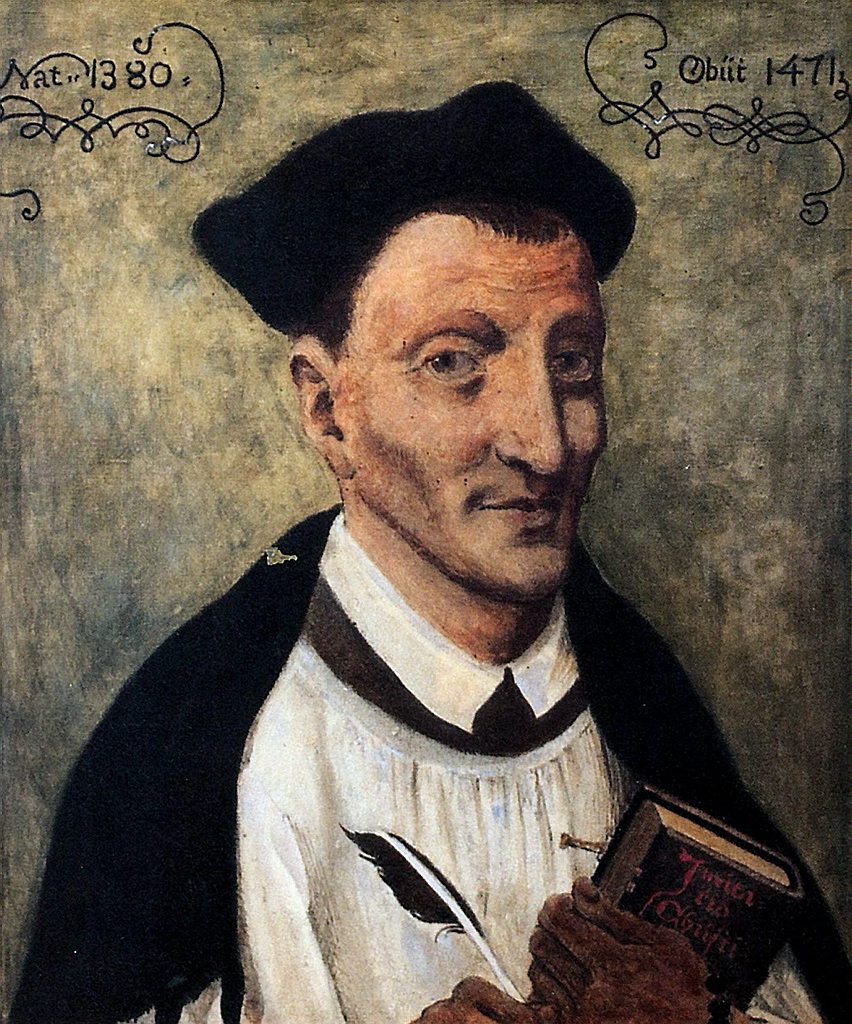
1379 - 1471 - Thomas a Kempis (All Facts)
German-Dutch Writer of Devotionals
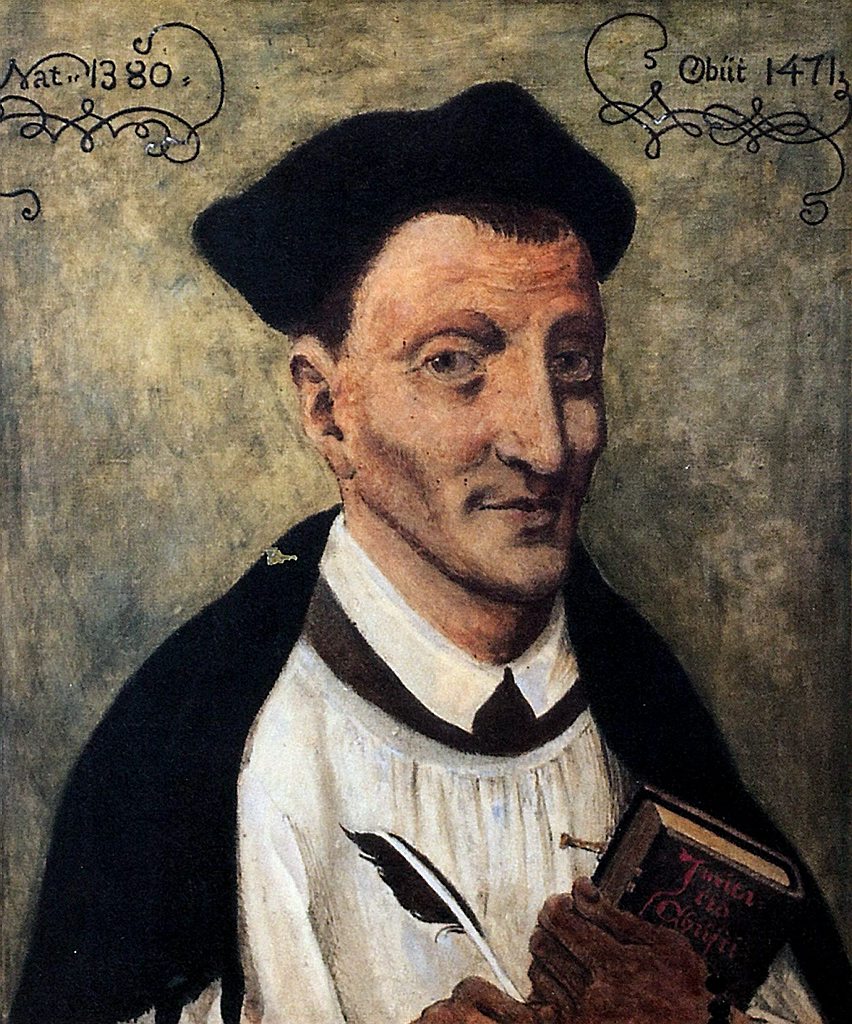
1427 - Thomas a Kempis: The Imitation of Christ (All Facts)
Was considered at the time to be the most influential Christian work since the Bible
Simple book which emphasized the need for a moderate asceticism
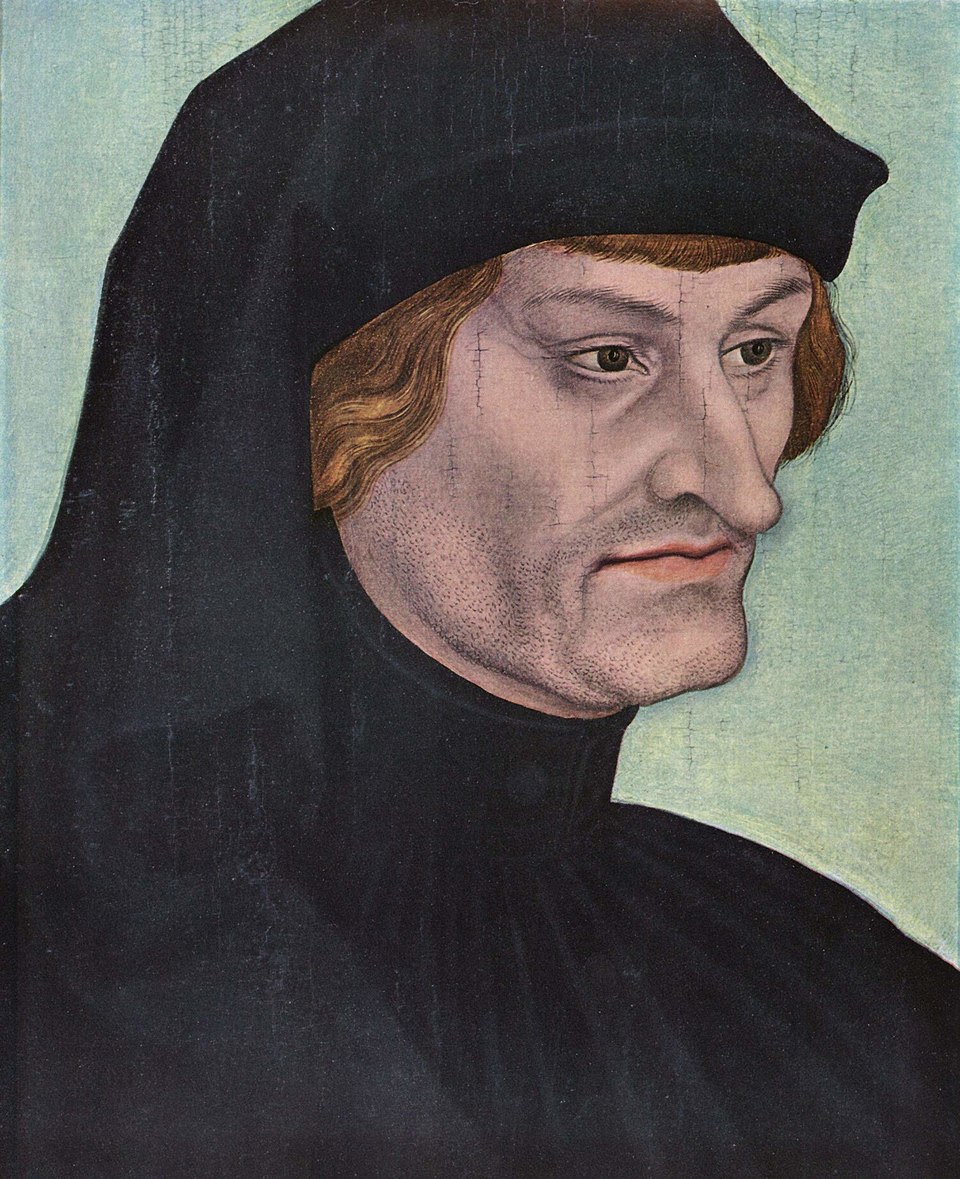
1443 - 1485 - Rodolphus Agricola (All Facts)
Dutch Humanist Philosopher
He influenced Desiderius Erasmus
He was known for his Heidelberg lectures, where he expounded a philosophy emphasizing the freedom of the individual and the intellectual and physical development of the self
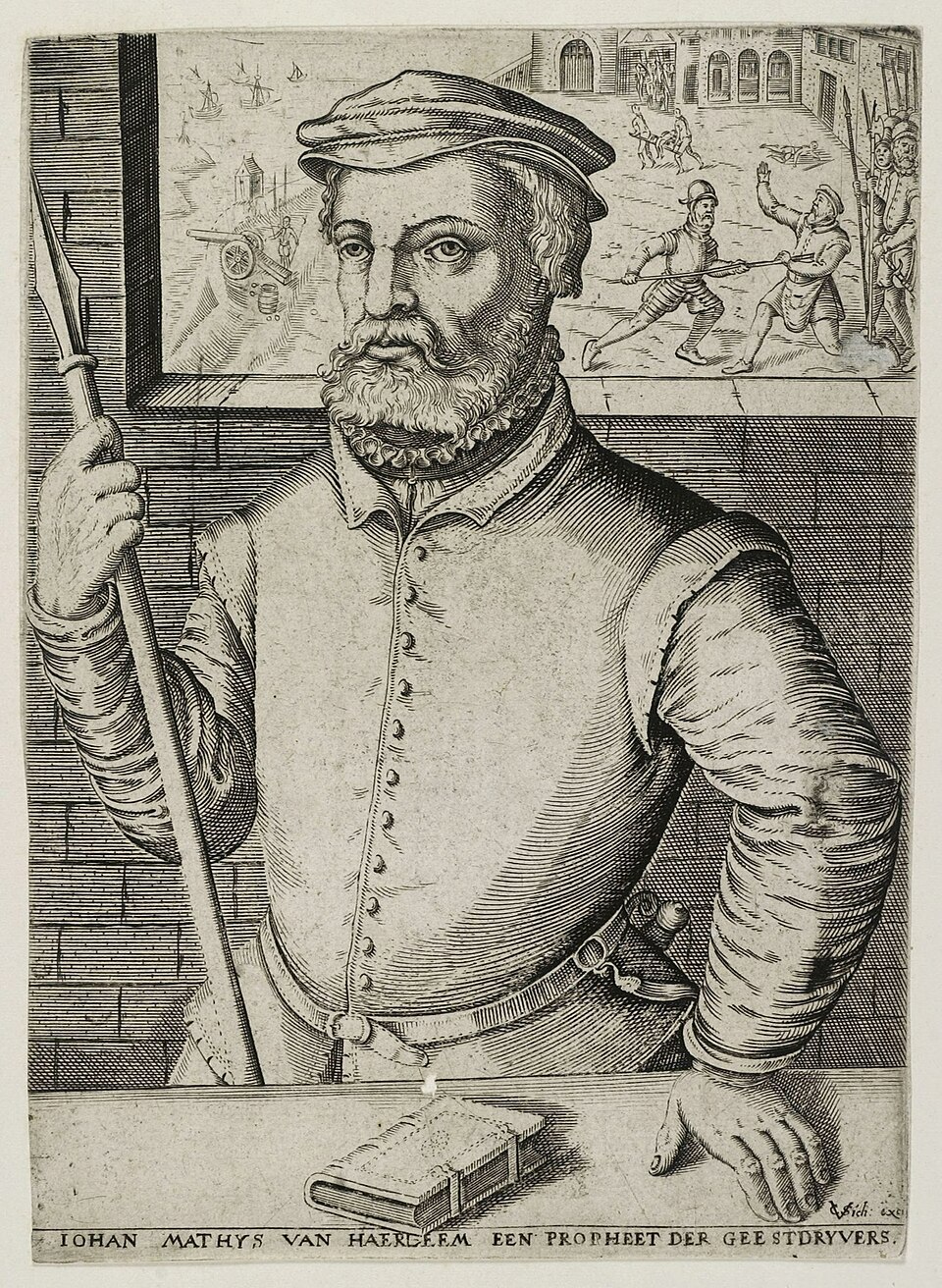
1500 - 1534 - Jan Matthys (All Facts)
Dutch Preacher and Charismatic
He was the Anabaptist Leader of Munster during the Anabaptist Munster Rebellion
He ordered that no unbaptized adults should remain within the city, forcing all those to be baptized and convert in order that they do not get caught in the gauntlet of the besieging troops
He was killed during the rebellion when he and 20 men tried to take on forces that besieged the city
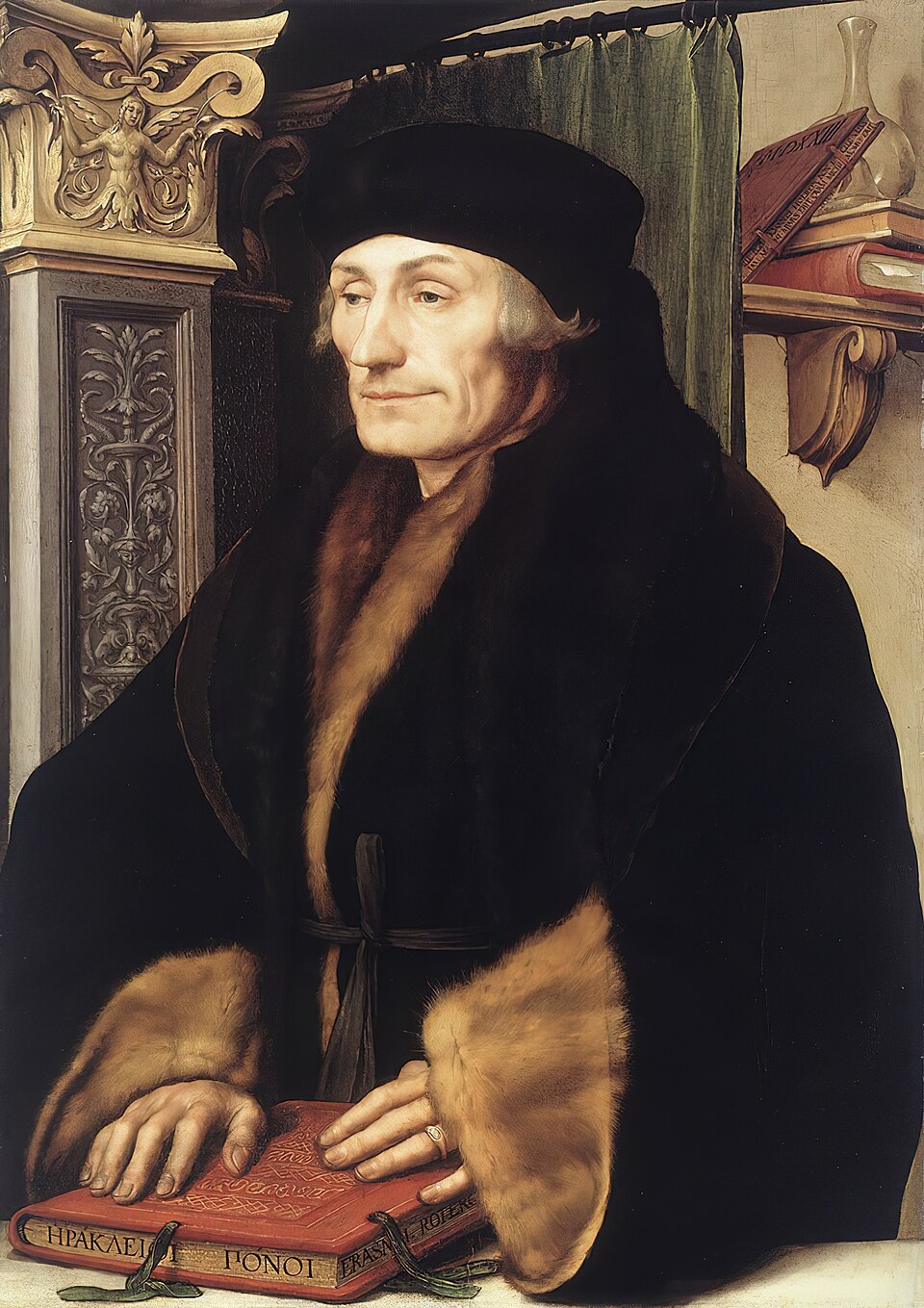
1466 - 1536 - Desiderius Erasmus (All Facts)
Dutch Catholic Humanist Philosopher and Theologian
He was one of the few religious scholars in history who was as much loved by Catholics as by Protestants
He inspired many to depart from the rigidities of the Catholic Church with his emphasis on the value of education and his desire for a Christian renaissance
However, he never wished for a complete split with Rome and remained a Catholic after having been exiled from (Protestant) Basle (Switzerland), where had lived for many years
He believed that man could be helped to be good of his own free will, through diligent reading of the scriptures
His works were as much critiques of contemporary social life as they were critiques of religion
He worked on a Greek edition of the New Testament, joined with a Latin translation, which was published by Froben, his friend, a famous printer
He founded the College of Three Languages at Louvain, which taught Hebrew, Greek, and Latin
He was born in Rotterdam
He travelled widely
He was known to several French scholars as a prolific letter-writer
He visited scholars in Italy and Germany
He spent ten months in Venice as a proof-reader for the printer Aldo Manuzio
He corresponded with humanists everywhere including Thomas More and John Colet
He was a monk for many years, but he knew his real calling was scholarship
He taught Greek at Cambridge University in England
He died at Freiburg in Germany
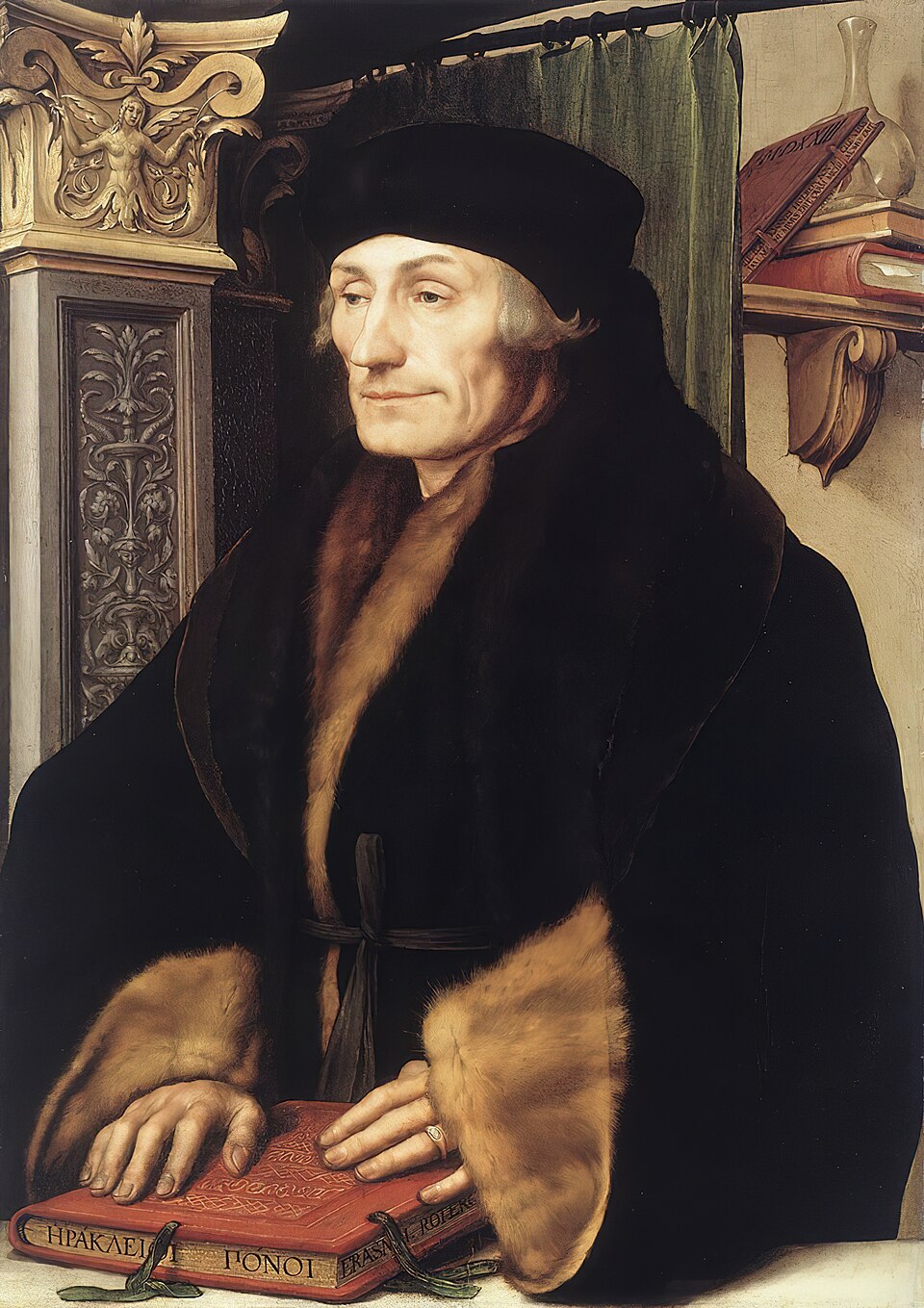
1511 - Desiderius Erasmus: Praise of Folly (All Facts)
Work in which the namesake author
advocates a practical piety, based on the human spirit rather than religious observances
thinks that religion is too important to be left to the theologians as men of letters can purify the scripture by going back to the ancient sources for them
men of letters can combine their learning with faith and so achieve mystic unity with God
Work about the namesake central character
is a volatile and ever-changing woman who delivers a series of homilies against the stupidities of all kinds of men, even castigating crabbed scholars like the namesake himself
reserves her most severe censure for worldly popes and hypocritical monks
shows a sense of humor, especially when she asks, “Who would marry if they rationally anticipated the pains and problems?”
thinks a little bit of herself helps to make the world go round
Work which is profoundly serious, despite its title, that sparkles with wit and imagination
Work which excited scholars at the Sorbonne (University of Paris in France), as it was an exciting contribution at the time to humanist thought
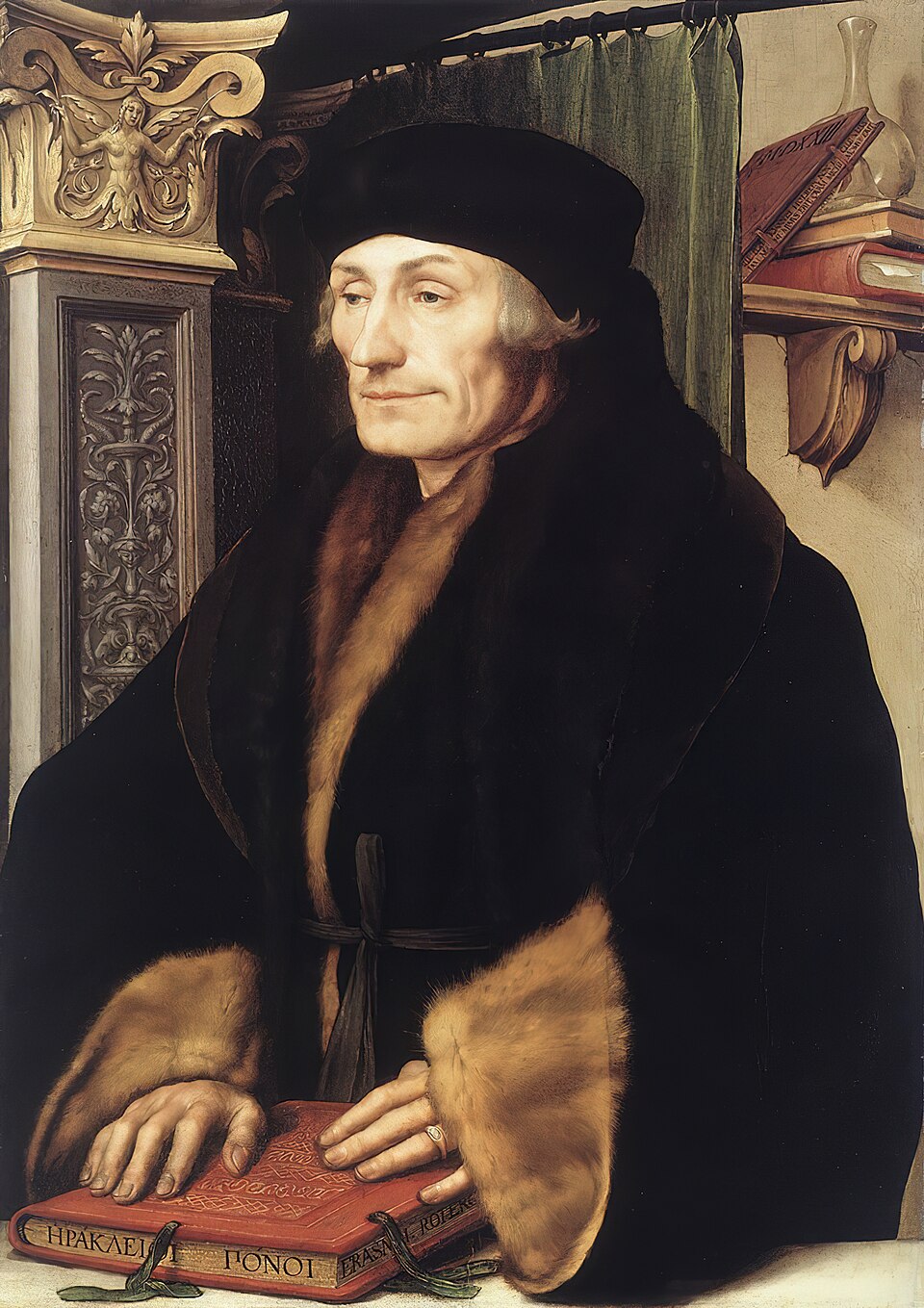
1518 - Desiderius Erasmus: Colloquies (All Facts)
Work which consists of strongly worded attacks on both the reformers and religious orders of 16th Century Europe
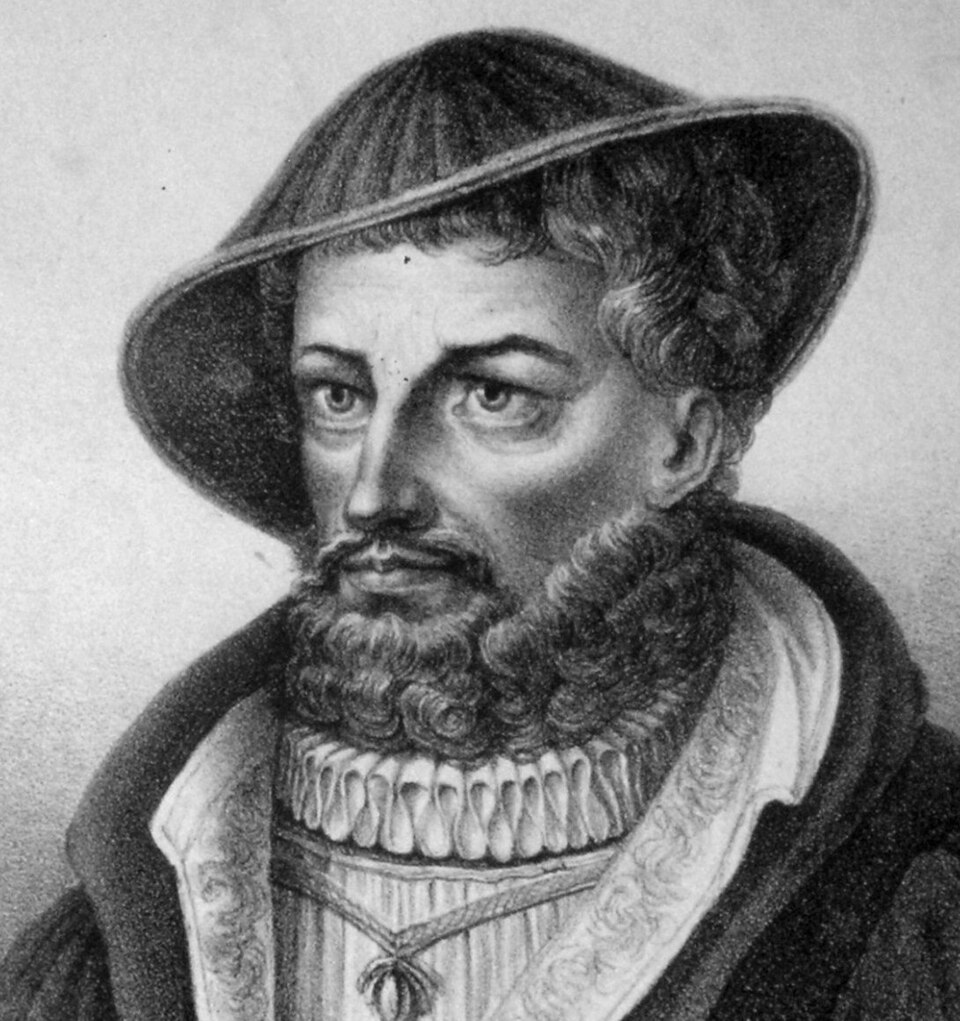
1509 - 1536 - John of Leiden (All Facts)
Dutch Preacher
He was the Leader of the Anabaptists in Munster and in the Anabaptist Munster Rebellion
He dismissed the prior town council of Munster and proclaimed himself “King of New Zion” in Munster’s marketplace
He held the record for Anabaptist polygamy, taking 16 wives and using the Old Testament to justify such an action, including the widow of his predecessor Jan Matthys
He was seized and arrested following the end of the Anabaptist Munster Rebellion
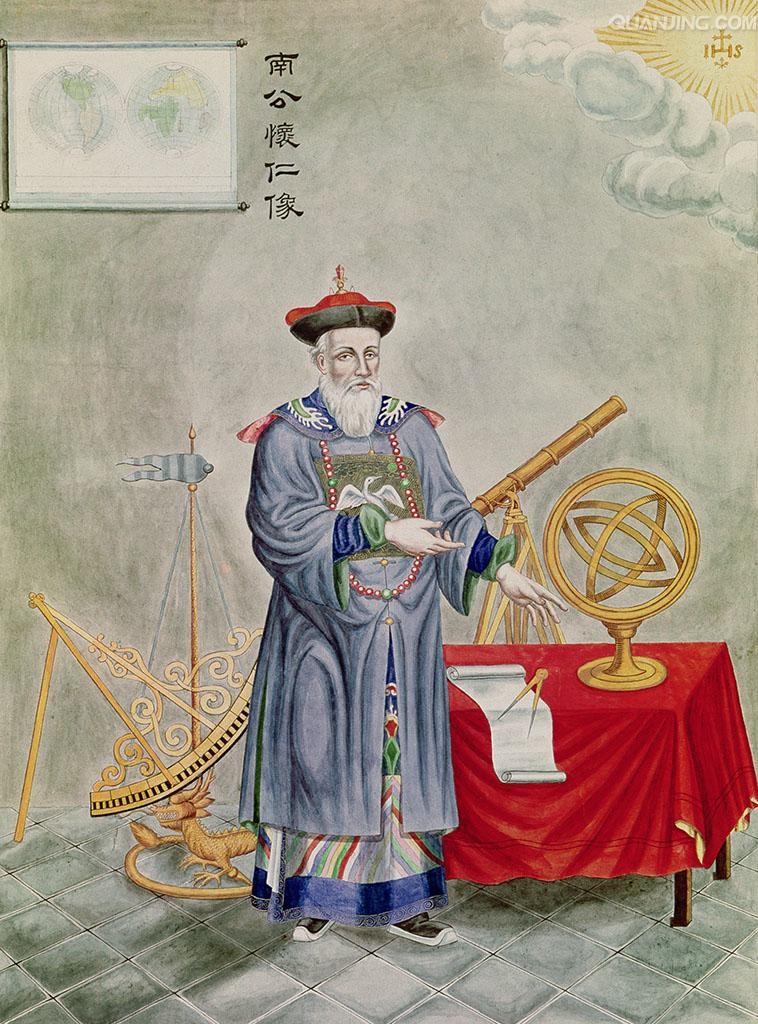
1623 - 1688 - Ferdinand Verbiest (All Facts)
Flemish Jesuit Priest and Missionary
He set out for Beijing