Role of Civil Aviation Authorities & Freedoms of the Air
 Call Kai
 Learn
Learn Practice Test
 Spaced Repetition
 Match
Match Flashcards
 Knowt Play
1/19

There's no tags or description
Looks like no tags are added yet.
Name | Mastery | Learn | Test | Matching | Spaced | Call with Kai | Chat |
|---|
No analytics yet
Send a link to your students to track their progress
20 Terms
What are the main roles of the civil aviation authorities (CAA)
Support
Regulate
Inspect
Control
Develop and operate a national air transport system.
True or false: “the CAAs of all contracting states have relations with ICAO”
True!
(CAAs is responsible for advising ICAO of any differences between national aviation regulations and ICAO standards)
Give 3 examples of the US safety and economic regulatory organization
FAA (Federal Aviation Administration)
TSA (The Transportation Security Administration)
CAB (The Civil Aeronautics Board)
What are things that CAA receives its funding from?
Issuing licenses
Operating certificates
Aircraft registration
Providing other services (e.g. air navigation)
What is “Civil Aviation Master Planning (CAMP)”
A proposed course of action for the development/improvement of the civil air transportation system.
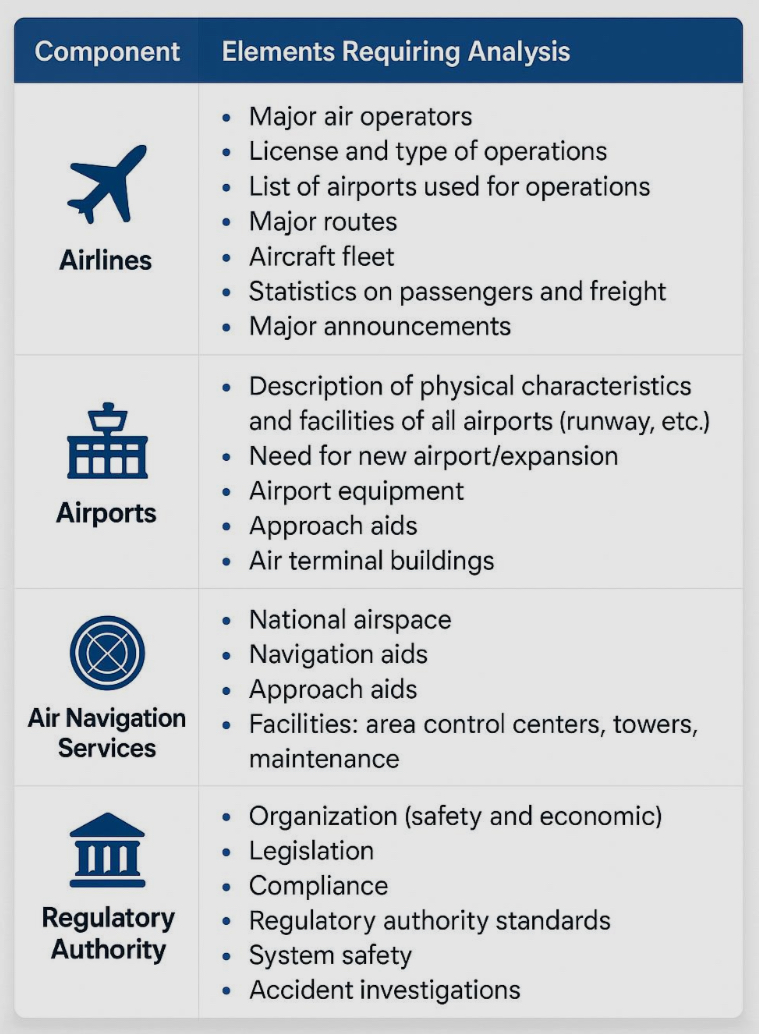
What are the 4 scopes/content of the CAMP?
Airlines
Airports
Air Navigation Services
Regulatory Authority
What do airlines have to be concerned about when it comes to economic regulation?
Controlling tariffs
Access to routes
Capacity (number of routes, size of airplanes, frequency of flights)
Ownership
True or false: “the traffic rights (freedom of the air) was established by the Chicago Convention”
True!
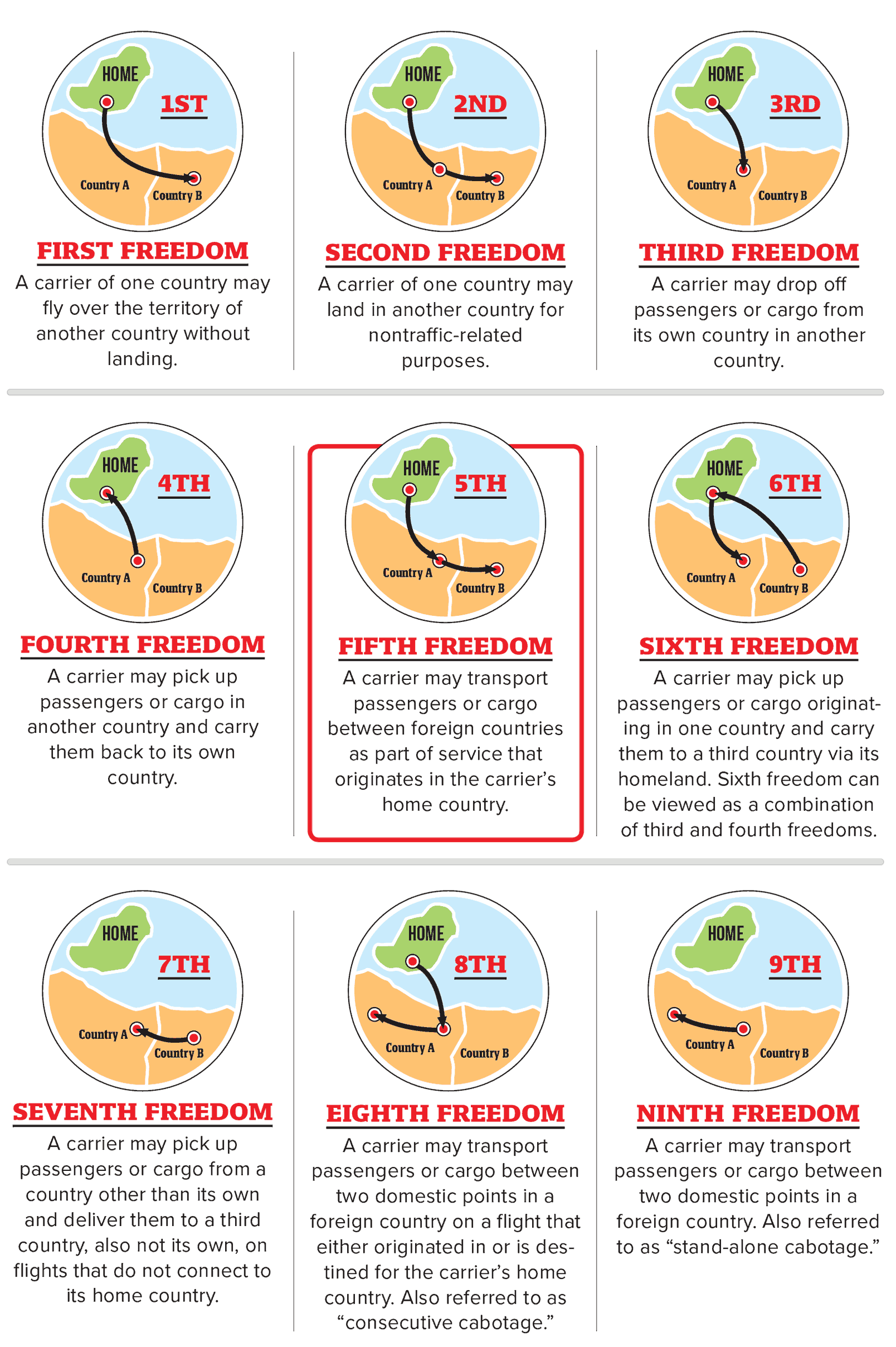
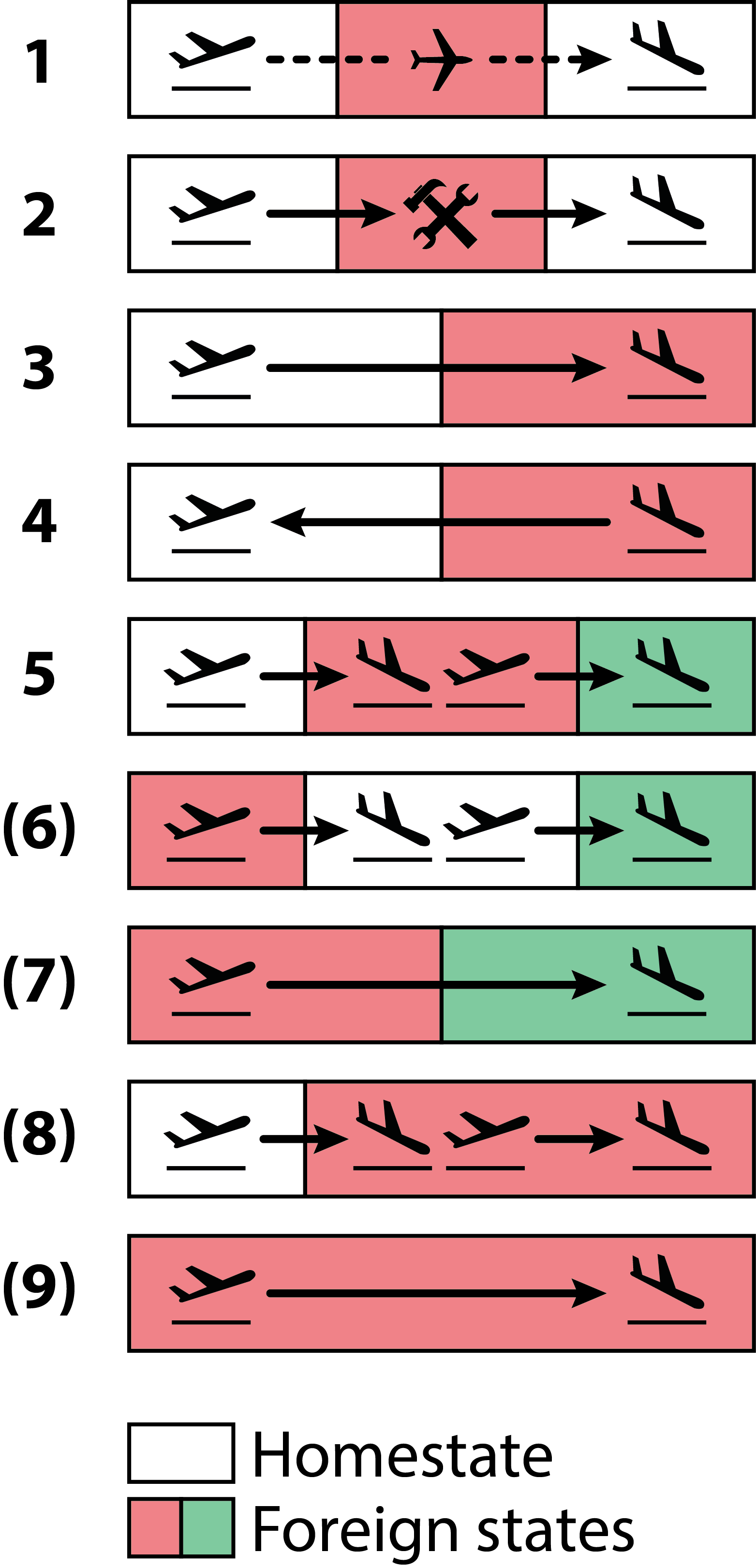
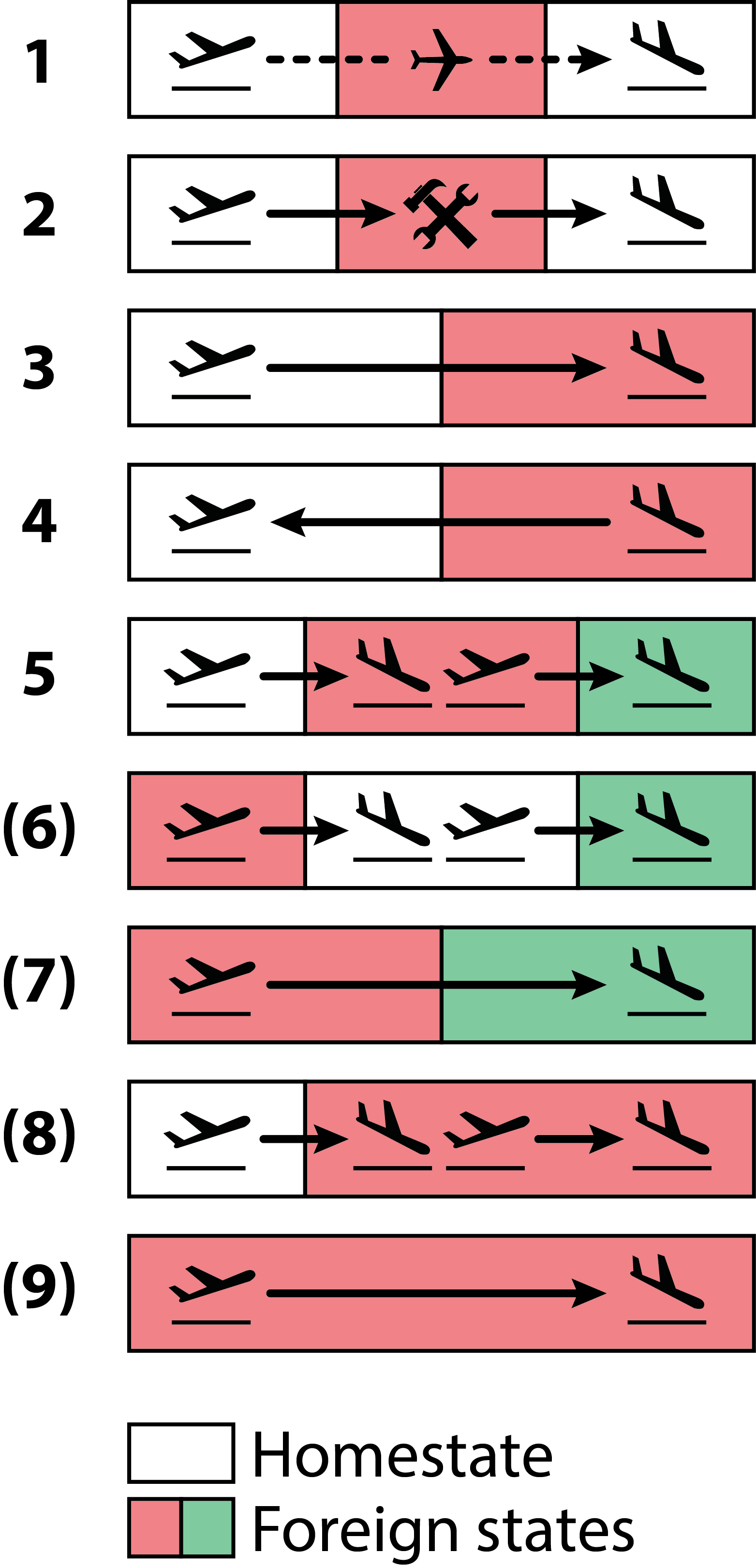
How many freedoms of the air are there?
There are 9 freedoms

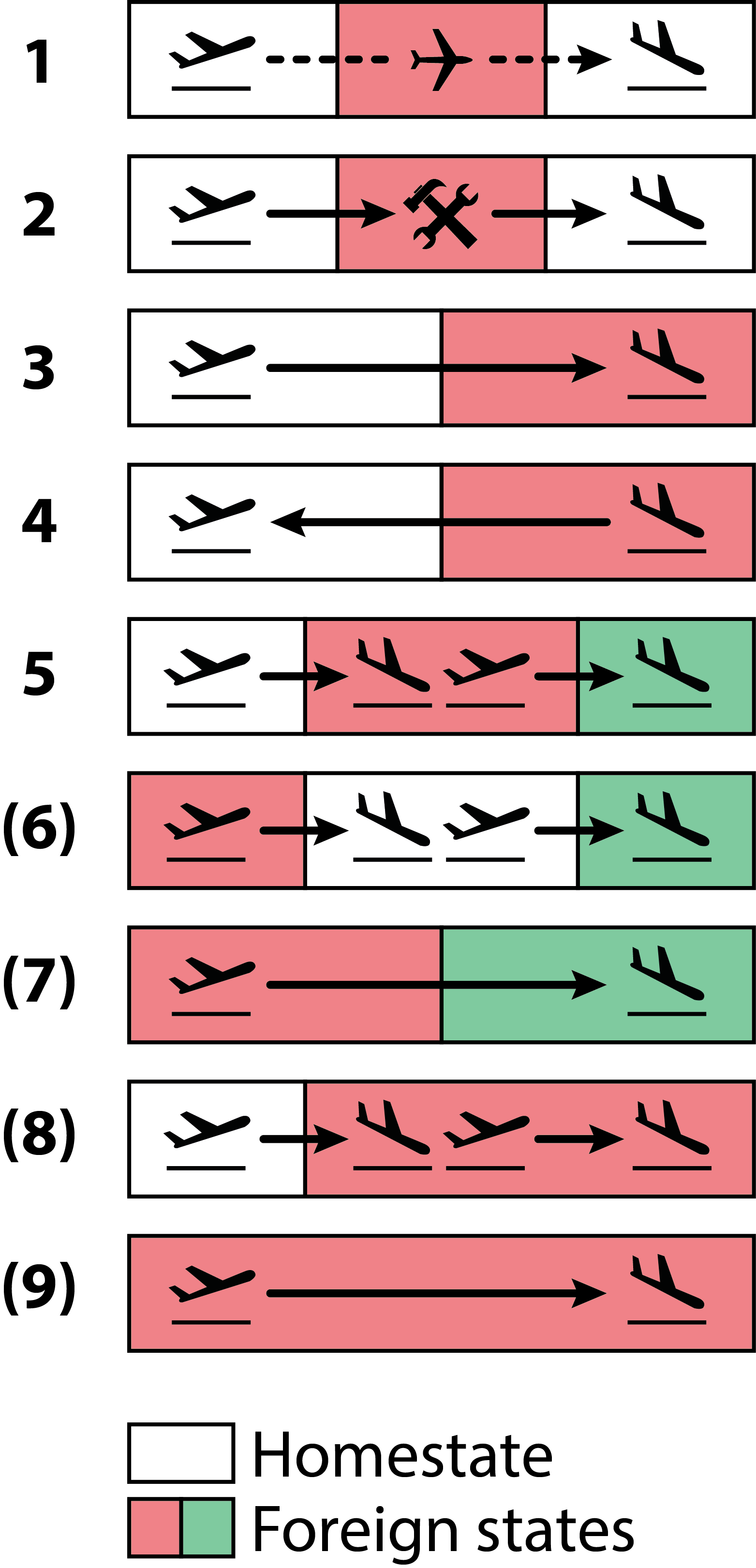
Explain the “1st” freedom of the air
“Overflight”
The right to fly over another country without landing
Explain the “2nd” freedom of the air
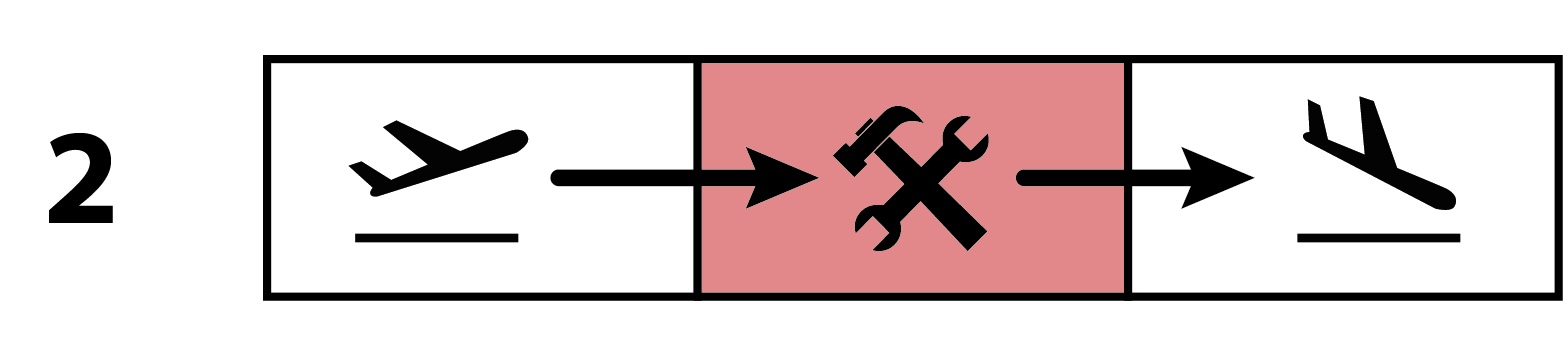
“Technical stop”
The right to land for non-commercial reasons (fuel, maintenance, emergency) without picking up/dropping off passengers/cargo
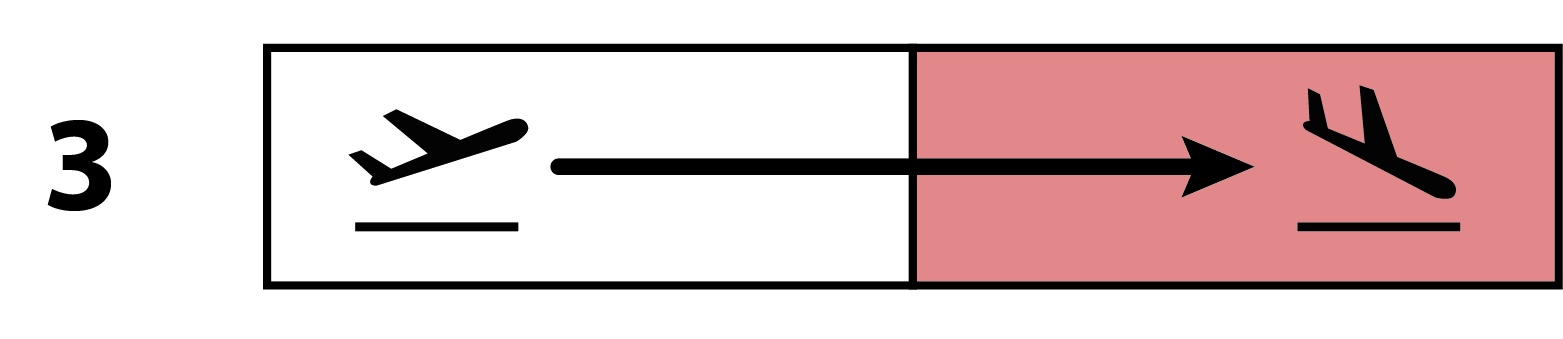
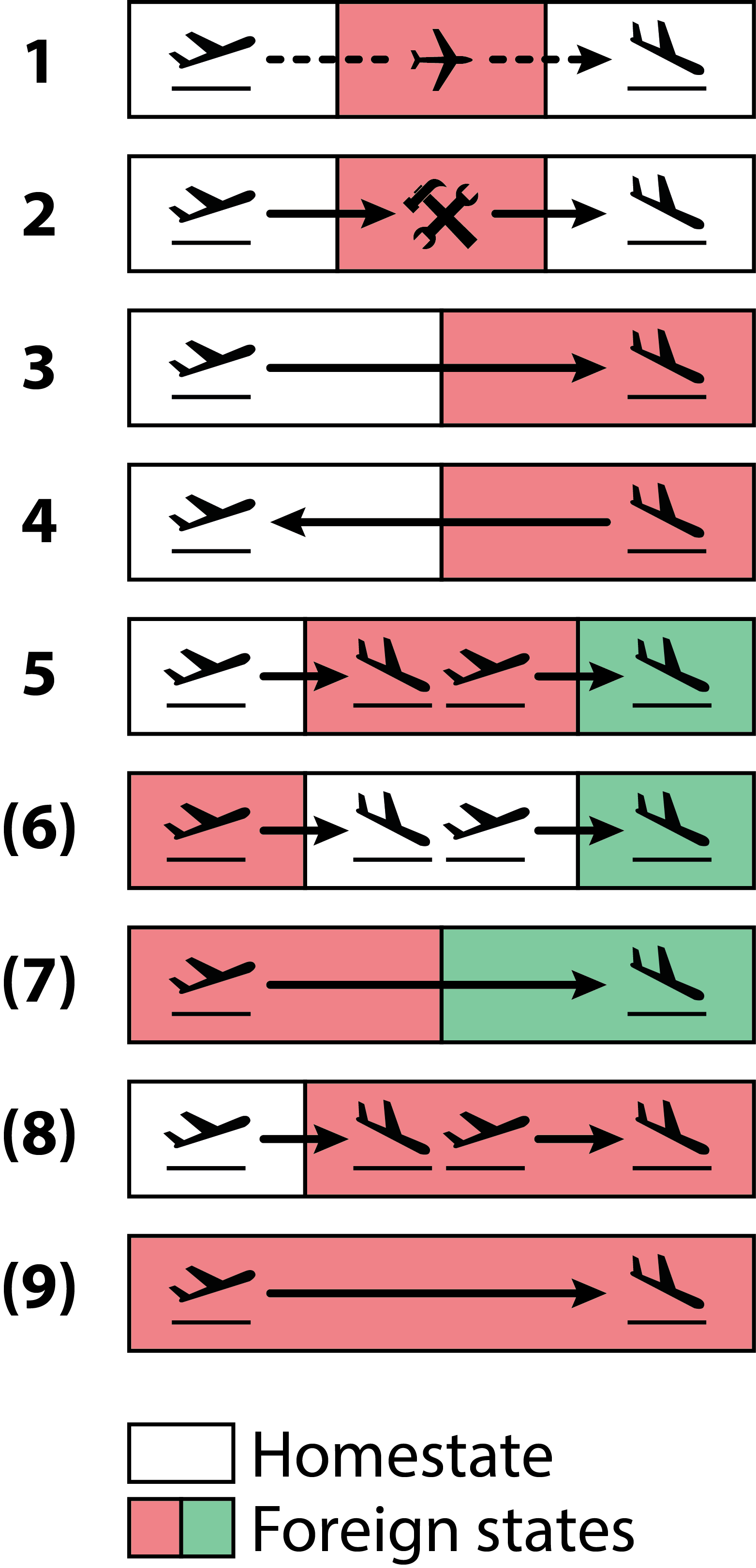
Explain the “3rd” freedom of the air
“Outbound traffic”
The right to carry passengers or cargo from your own country to another country.
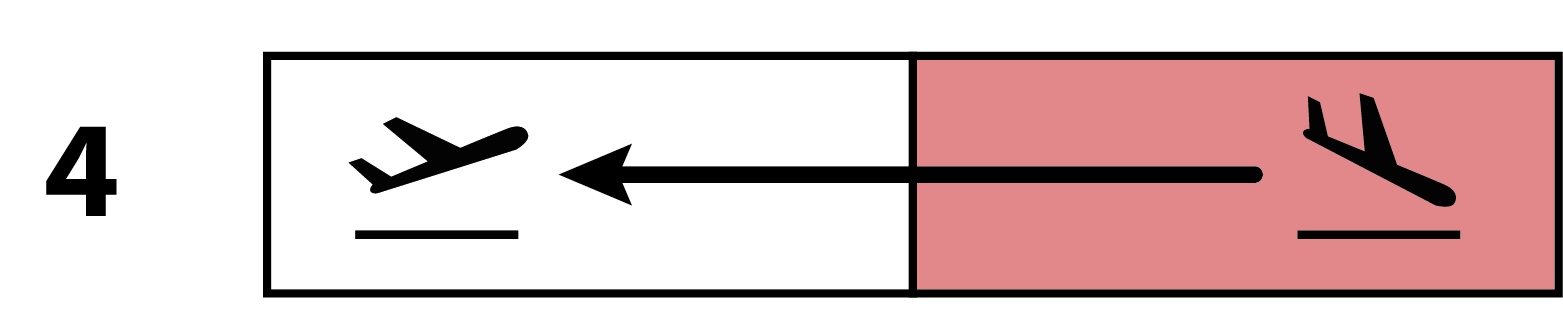
Explain the “4th” freedom of the air
“Inbound traffic”
The right to carry passengers or cargo from another country back to your own country
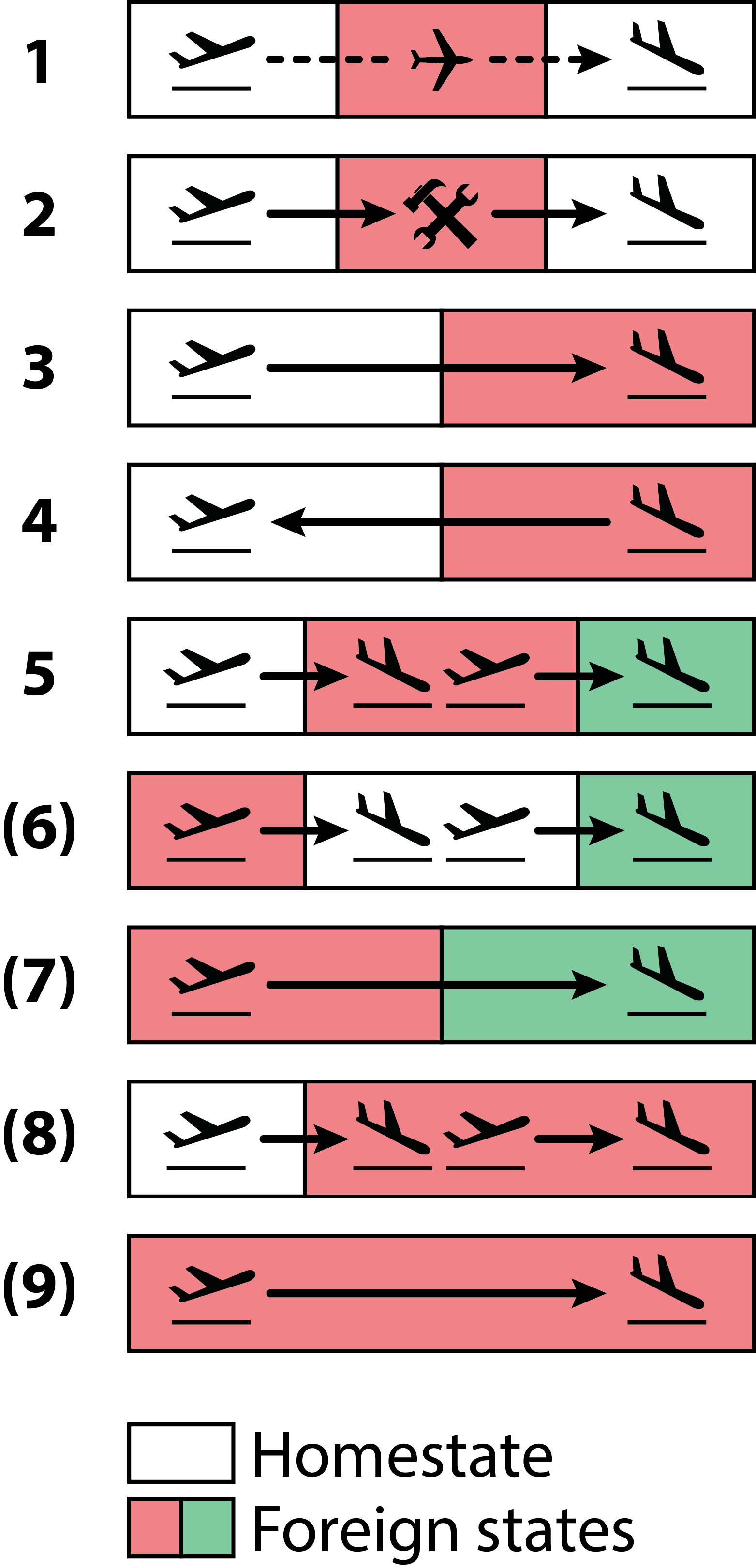
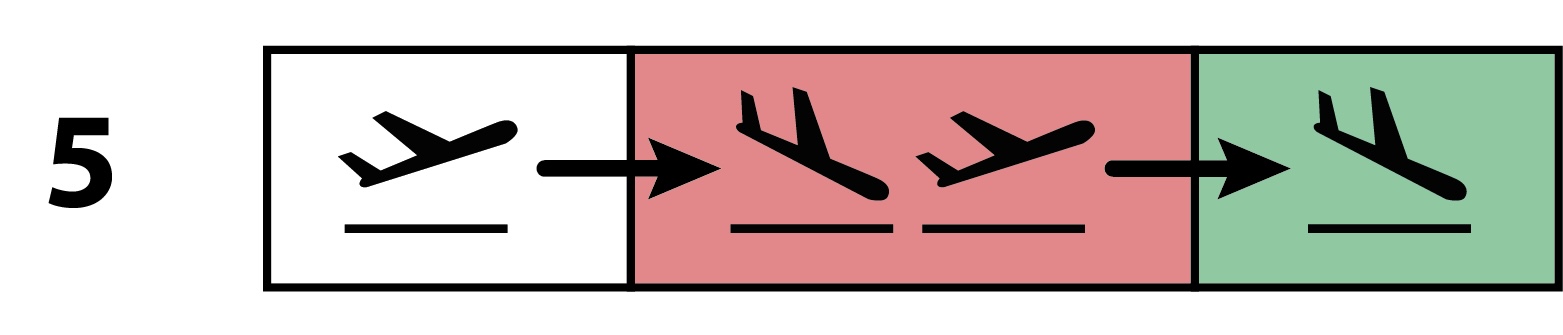
Explain the “5th” freedom of the air
“Beyond traffic”
The right to carry traffic between 2 foreign countries, as long as the flight starts or ends in your home country
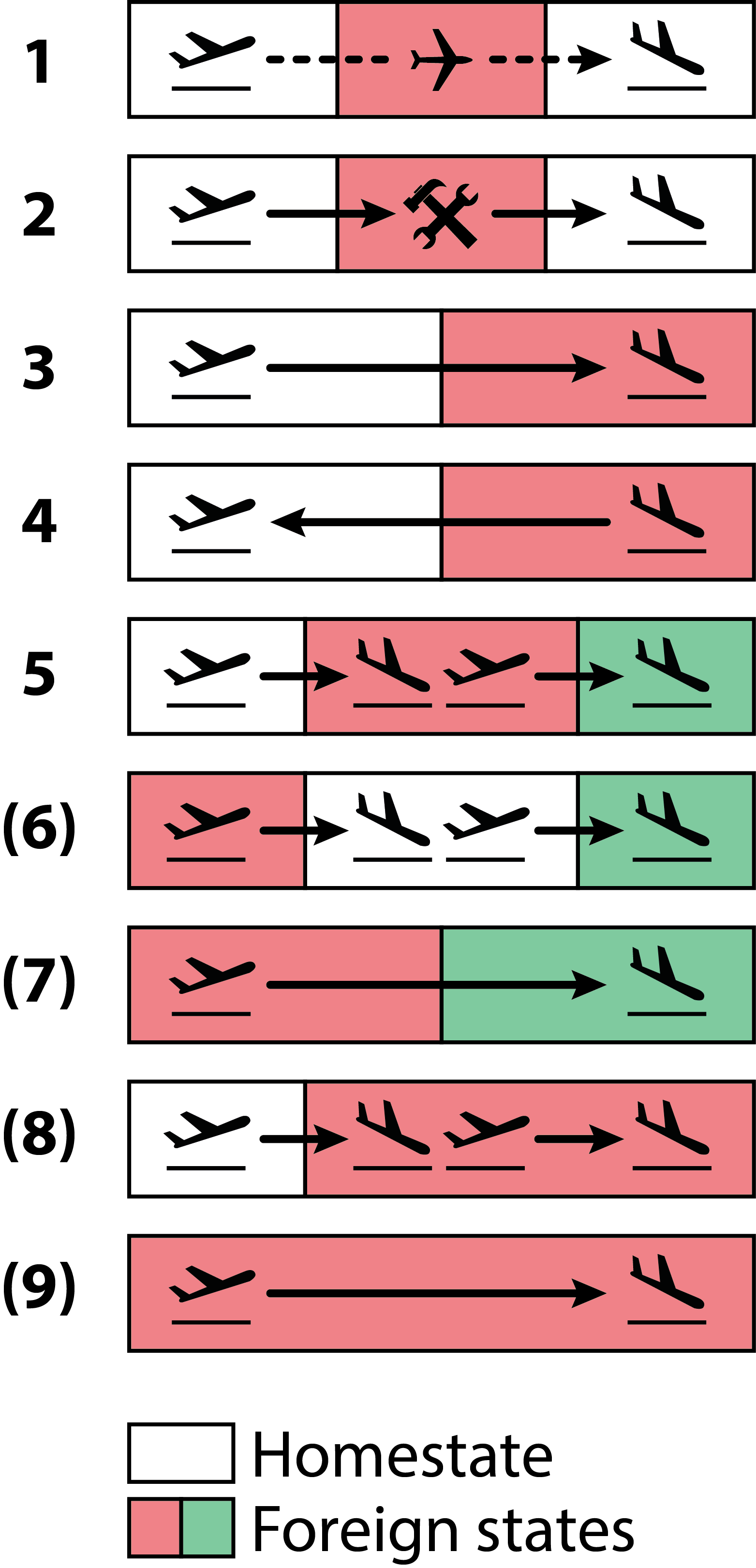
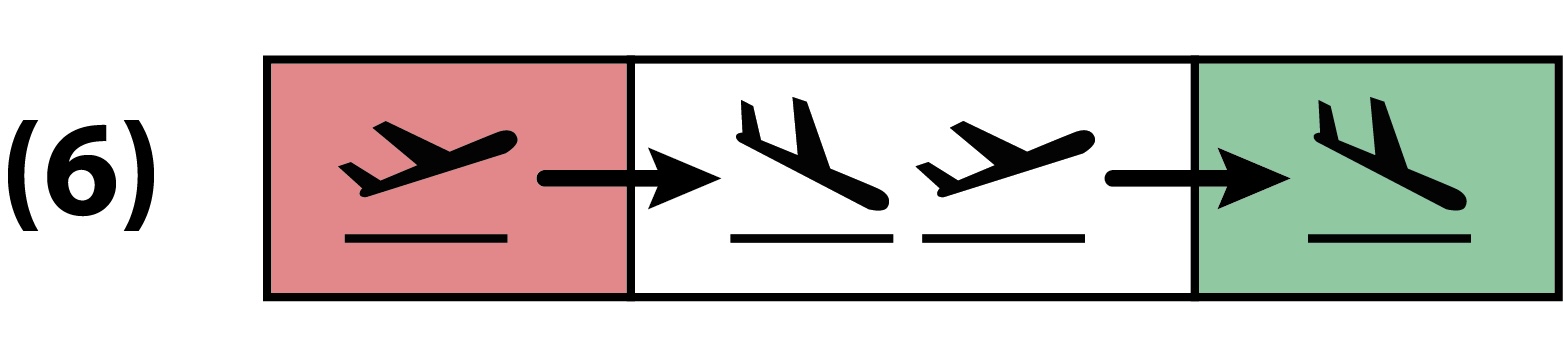
Explain the “6th” freedom of the air
“Via home country”
The right to carry traffic between 2 foreign countries through your home country (combo of 3rd-4th freedom)
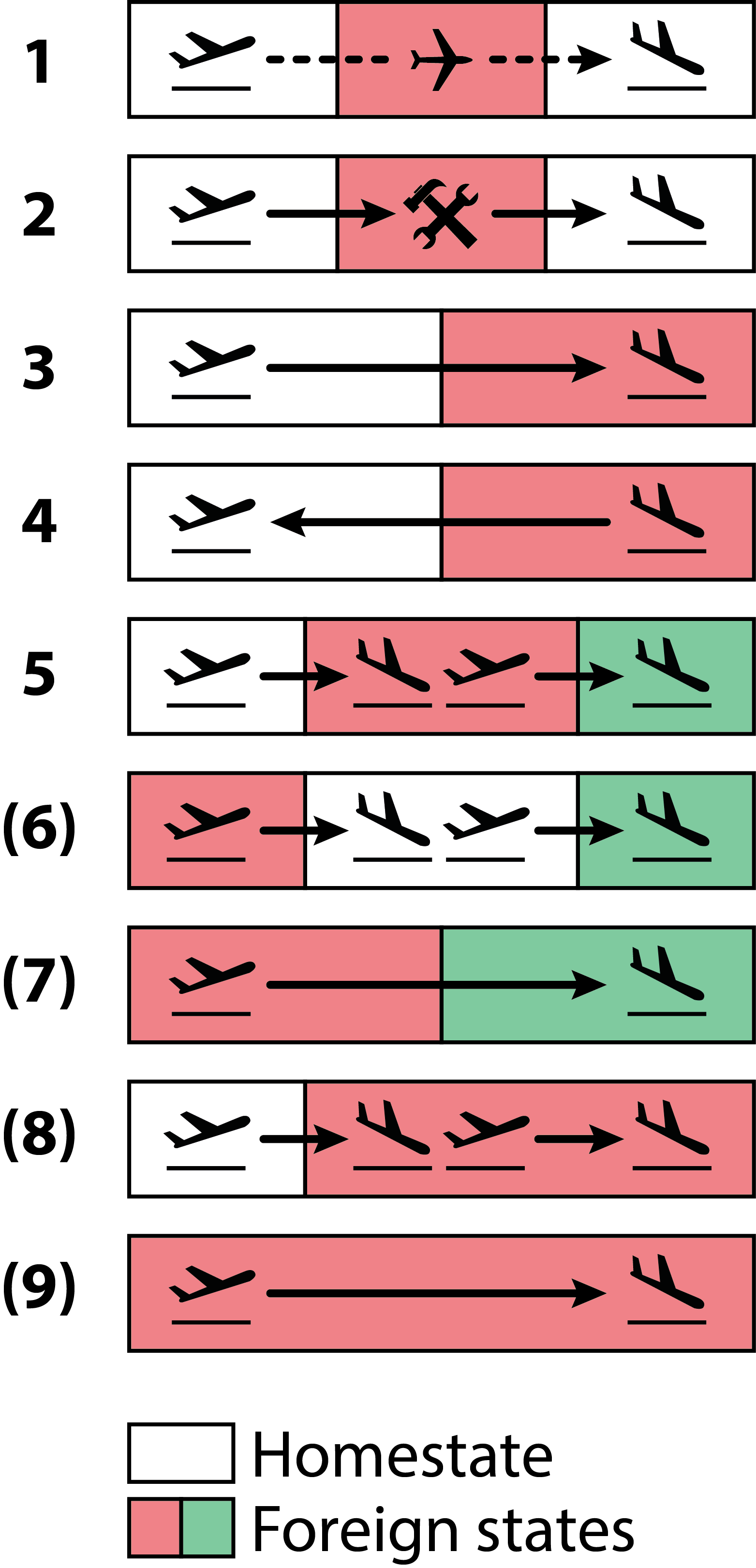
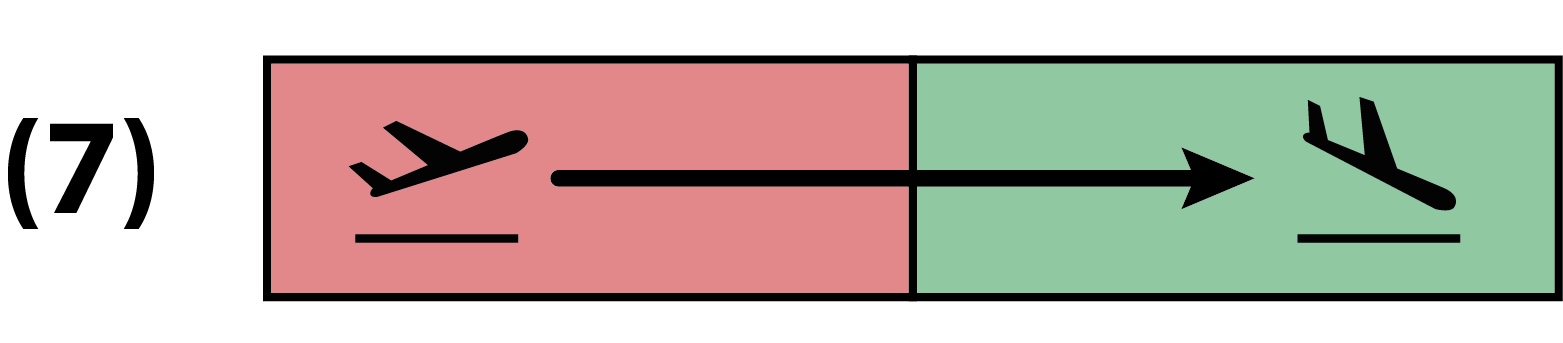
Explain the “7th” freedom of the air
“Stand-alone international”
The right to operate flights between 2 foreign countries without touching your home country
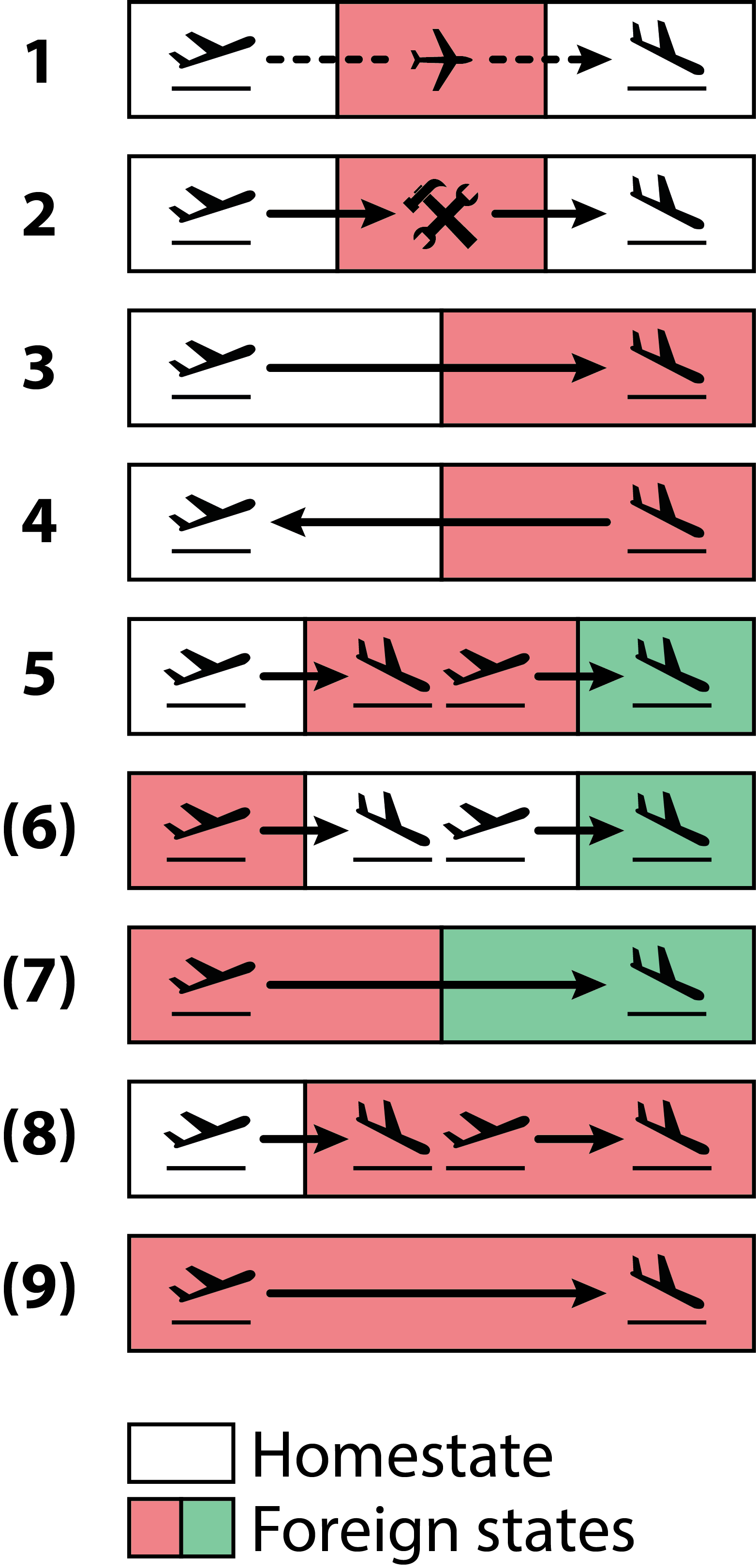
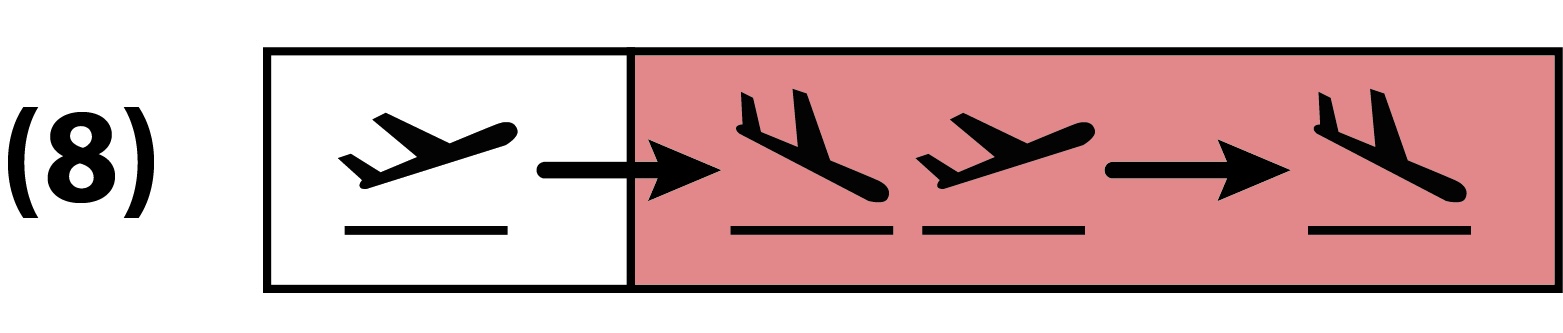
Explain the “8th” freedom of the air
“Consecutive Cabotage”
The right to carry domestic traffic within a foreign country, as part of a flight that originated or ends in your home country
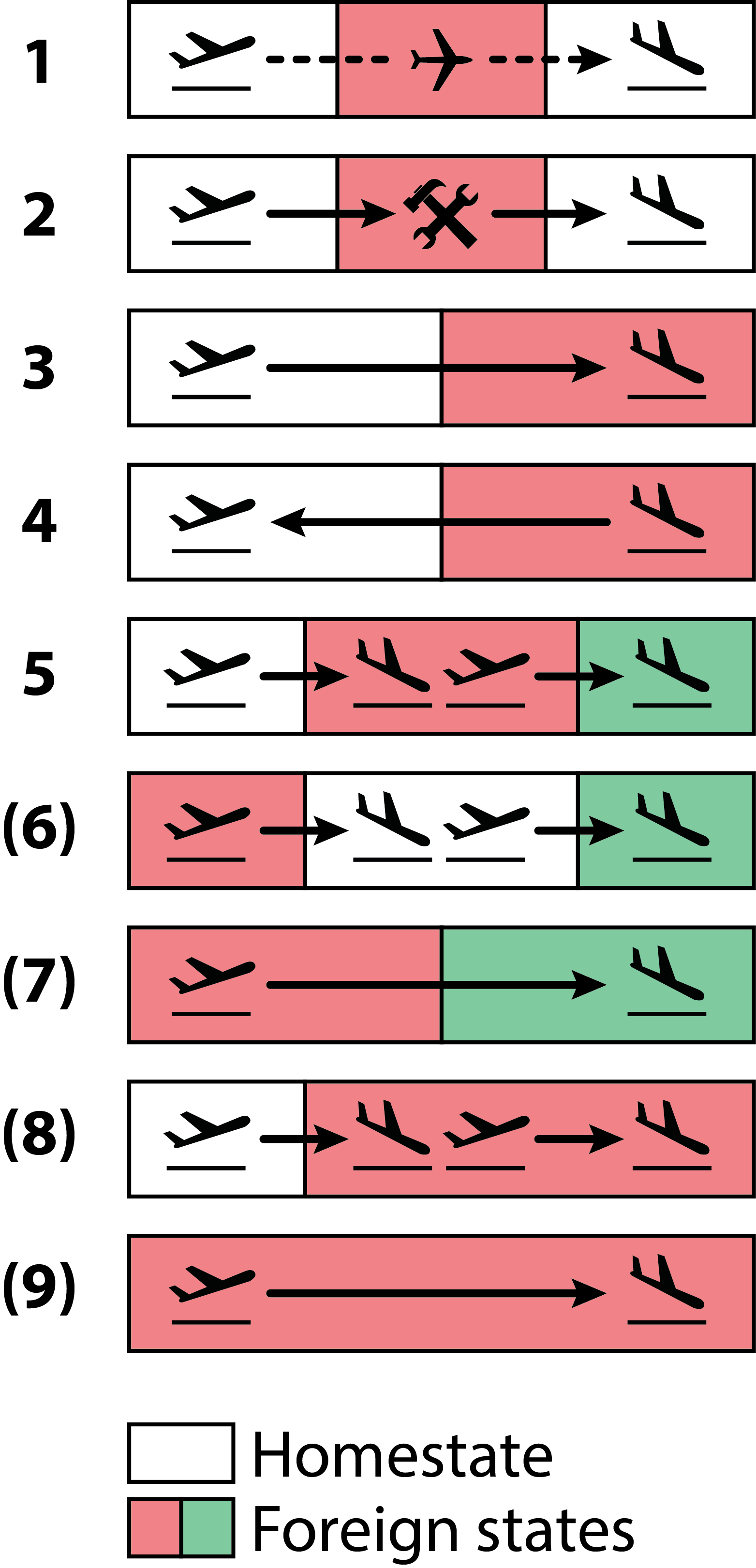
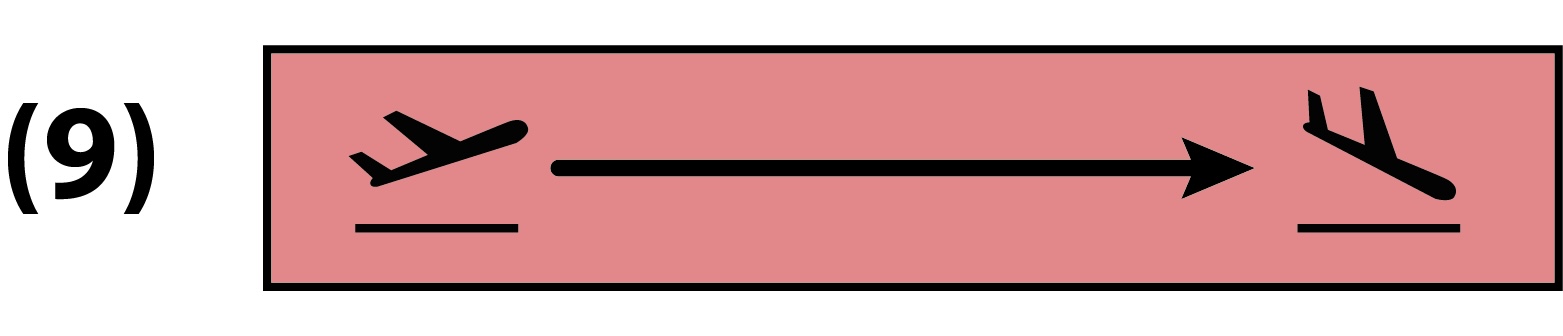
Explain the “9th” freedom of the air
“Full cabotage”
The right to operate domestic flights entirely within a foreign country, with no connection to your home country.
What are the 2 types of agreements made for freedoms of the air?
Bilateral Agreements (made between 2 countries)
Multilateral Agreements (made between more than 2 countries)
What is “liberalization”?
Any loosening of government controls
Typically no traffic restrictions (cabotage)
Resulting in the growth of LCC
Generates higher connectivity and greater productivity