Chapter 16: Enteric Bacteria-Secretory Diarrhea
 Call Kai
 Learn
Learn Practice Test
 Spaced Repetition
 Match
Match Flashcards
 Knowt Play
1/34

There's no tags or description
Looks like no tags are added yet.
Name | Mastery | Learn | Test | Matching | Spaced | Call with Kai | Chat |
|---|
No analytics yet
Send a link to your students to track their progress
35 Terms
Diarrhea
The excessive discharge of water fluid from the bowel.
*It is rather a symptom of a disease than a disease itself.
Organisms that cause intestinal disease
Bacteria
Viruses
Parasites
Coliforms
Secretory (watery) diarrhea
= loss of electrolytes and fluids from the small intestinal tract.
Bloody diarrhea (dysentery)
= local tissue damage or inflammation of the intestinal tract
What is the most common cause of diarrhea ?
Viral gastroenteritis
What is the second most common cause of diarrhea?
Bacterial gastroenteritis
*More severe
How many children die from diarrhea annually?
More than 5 million children
What are the enteric bacterial pathogens for Vibrionaceae?
Vibrio cholerae
Campylobacter jejuni
What are the enteric bacterial pathogens for Enterobacteriaceae?
Pathogenic E. coli
Shigella flexneri (EIEC)
Salmonella typhimurium
Yersinia enterocolitica

What are the main characteristics for Vibrio cholerae?
Gram-negative curve rod
Motile
Facultative anaerobes
Single polar flagellum
Positive oxidase reaction
V. cholerae
Associated with algae and marine invertebrates in
external environments
• Causes cholera
• Serotypes on basis of O antigen: O1 and O139 strains;
O1 are more virulent (Classic, El Tor biovar)
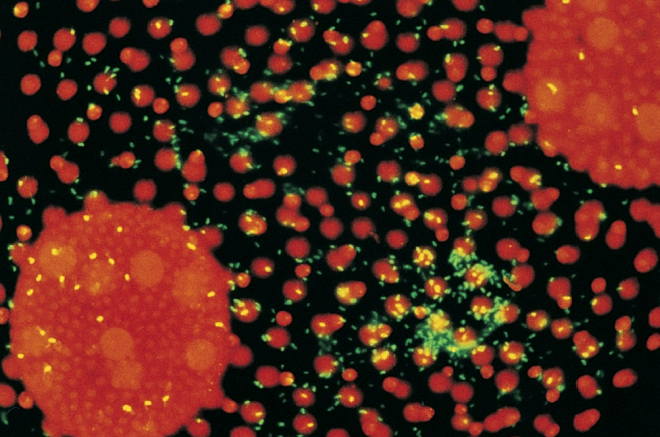
What does the V. cholerae attaches to?
The surface of a freshwater alga
How is cholera acquired?
Acquired by ingestion of contaminated water or seafood
What are the clinical symptoms for cholera?
Watery diarrhea, vomiting
Start 2-3 days after ingestion of the bacteria
Followed by dehydration, renal failure
“Rice water” stool
What is the mortality rate of cholera?
60% in untreated patients
Less than 1 % in treated patients
What are the virulence factors ?
Polar flagellum provides motility
Tcp pili
Cholera toxin (A-B type cholera)
Other potential toxins
Capsule (present in 0139 strin but not in 01)
Antibiotics resistance
Probably not a problem because antibiotics are rarely used
Prevention & treatment
Oral rehydration therapy (salt and glucose in
water)
Antibiotics used occasionally (to reduce toxic
production and rapidly eliminate the pathogen)
Vaccine provides limited protection; other vaccines are in development
Main prevention measurement: good hygiene
Who identified E.coli?
Theodor Escherich
1885

What are the characteristics of E. coli?
Gram-negative rod
Facultative anaerobes
Oxidase negative
Motile
What is the reservoir for E. coli?
Human and animal
Enterotoxigenic E. coli (ETEC)
Travelers diarrhea (watery diarrhea)
Worldwide, adults and children
Enteropathogenic (EPEC)
Watery diarrhea
Infants <1y of age
Enteroaggregative (EAggEC)
Watery diarrhea, persistent diarrhea
infants <6 month of age, AIDS patients
Enteroinvasive (EIEC)
Bloody diarrhea
Uncommon, often foodborne
Enterohemorrhagic (EHEC)
Bloody diarrhea
Hemorrhagic colitis
Hemolytic-uremic syndrome
Western nations
ETEC
Causes Traveler’s diarrhea; mostly in developing countries (650 million cases/year)
• Pathogen usually contaminates water and fresh vegetable
• Produces 2 heat-labile enterotoxins (LT-I, LT-II), 2 heat-stable toxins, and Type 1 adhesins; LT-I is similar to cholera toxin
When does Traveler’s diarrhea develop?
Develops after 1-2 days incubation time
Persists for 3-4 days
What are the main symptoms for traveler’s diarrhea?
Watery diarrhea
Abdominal cramps
EPEC
Causes diarrhea in infants and small children
EPEC was the first E. coli associated with diarrheal diseases
Pathogen does not produce toxins
Adhesins: intimin, pili (BfpA)
Type III secretion system-Tir receptor
EPEC-mediated diarrhea
Characterized by microvilli destruction in the small intestine
Leads to malabsorption (inability to absorb food)
EAggEC
Causes persistent diarrhea in children and adults in both developed and developing countries
Bacteria aggregative and form a biofilm on the epithelium of small intestine
Produce an enterotoxin and hemolysins
EAggEC-mediated diarrhea
Symptoms:
Persistent watery diarrhea with vomiting
Low grade fever
Dehydration