Insight advanced L3 unit 2
 Call Kai
 Learn
Learn Practice Test
 Spaced Repetition
 Match
Match Flashcards
 Knowt Play
1/60

There's no tags or description
Looks like no tags are added yet.
Name | Mastery | Learn | Test | Matching | Spaced | Call with Kai | Chat |
|---|
No analytics yet
Send a link to your students to track their progress
61 Terms

Present (adjective)
Existing or happening now; being in a particular place.
All the staff members were present at the meeting. (place)
The memory of her brother’s death is still present in her mind. (memory)
The present situation of the millions of people who are suffering poverty and disease (time)

Understandable (Adjective)
Easy to understand or accept;
Her reaction was completely understandable given the situation.

Concerned (adjective)
Worried or anxious about something; involved or affected.
I'm really concerned about his behavior lately.

Remarkable (adjective)
Worthy of attention; very unusual or impressive.
She showed remarkable improvement in a short time.
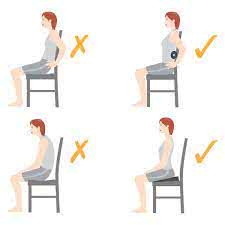
Proper (adjective)
Correct or suitable for a particular purpose or situation.
Please wear proper attire to the formal dinner.

Vast (adjective)
Very large in size, amount, or extent.
They explored the vast desert for days.

Classic (adjective)
Typical and traditional; recognized as being of high quality or lasting value.
That’s a classic example of good storytelling.

Distressing (adjective)
Causing sadness, anxiety, or worry.
It was a distressing sight to see the injured animals.

Involved (adjective)
Taking part in something; complicated or detailed.
She was deeply involved in the planning process.

Fascinating (adjective)
Extremely interesting or captivating.
The documentary was absolutely fascinating.

Visible (adjective)
Able to be seen.
The stars were clearly visible in the night sky.

Stolen (adjective)
Taken without permission or illegally.
He reported his stolen wallet to the police.

Deep (adjective)
Extending far down or inward; intense or profound.
They had a deep conversation about life.

Overwhelming (adjective)
Very intense; too much to handle.
The support from fans was overwhelming.
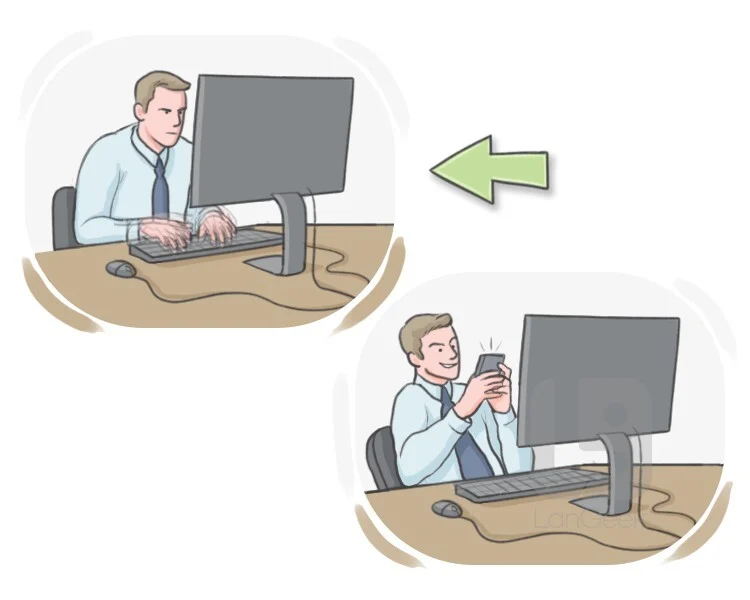
Responsible (adjetive)
Having a duty to deal with something or take care of someone.
She is responsible for organizing the event.
Imaginable (adjective)
Possible to imagine or think of.
They tried every imaginable method to fix the issue.

Special (adjective)
Better or more important than usual; different from the rest.
Today is a special day for our family.

Step up to the mark (idiom)
To take responsibility or meet expectations, especially in a difficult situation.
When the team leader quit, Sarah stepped up to the mark and took charge.

Go with the flow (idiom)
To accept a situation without trying to change or control it.
I had no plans for the weekend, so I just went with the flow.


Bow down to (phrasal verb)
To give in or submit to someone or something, often unwillingly.
He refused to bow down to pressure from the media.
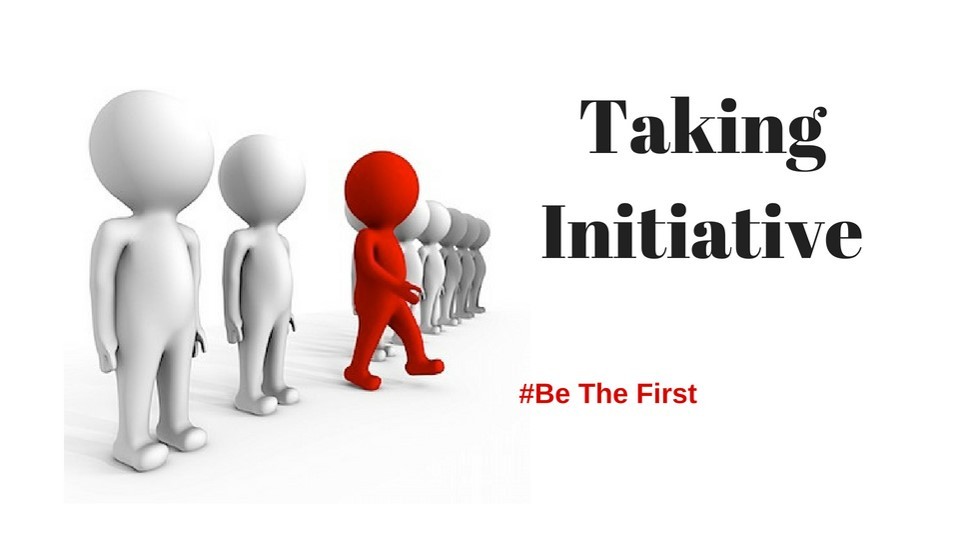
Take the initiative (verbal expression)
To be the first to take action without waiting for others.
She took the initiative to organize the meeting.


Follow someone´s lead (idiom)
To do what someone else is doing; to imitate or be guided by someone.
The younger players followed the captain’s lead.

Go against the grain (idiom)
To do something different from what is usually done or what is expected.
Contra tu naturaleza, valores o forma habitual de actuar.
It goes against the grain to lie, but I had no choice.

Buck the trend (idiom)
To do the opposite of what most people are doing; to go against common behavior or direction.
Contra la multitud o una tendencia social.
While most shops are closing, this one is bucking the trend and opening more branches.

Spur someone´s into action
To motivate or force someone to do something, especially quickly. The emergency spurred the team into action.
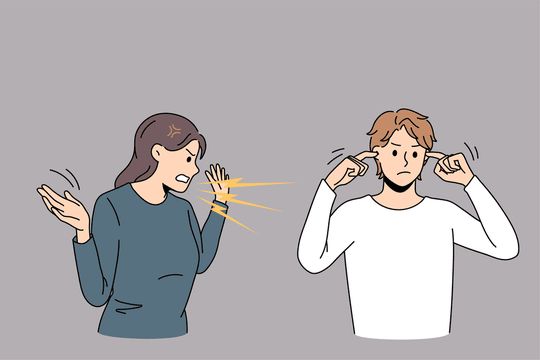
Bury someone´s head in the sand
To ignore a problem, hoping it will go away.
You can’t just bury your head in the sand and hope the bills disappear.

Turn a blind eye
To ignore something bad or wrong intentionally.
The manager turned a blind eye to the employee’s bad behavior.

Dazed (adjective)
Unable to think clearly, usually due to shock, a blow, or confusion. After hitting his head, he stood up dazed, not knowing where he was.

Distraught (adjective)
Deeply upset and agitated, often due to worry or grief. loco, perturbado.
She was distraught after hearing the news of her friend's accident.

Stumped (adjective)
Puzzled or unable to answer or solve something.
I was stumped by the final question on the exam.
The question had me completely stumped.

Bewildered (adjective)
Completely confused and unsure what to do.
The tourist looked bewildered in the middle of the crowded market.

Flustered (adjective)
Nervous or confused, especially because of pressure or being rushed.
She got flustered when the teacher called on her unexpectedly.
I always get flustered in interviews.

Disoriented (adjective)
Losing your sense of direction or not knowing where you are.
He felt disoriented after waking up in a strange room.

Befuddled (adjective)
Unable to think clearly; confused often due to tiredness or alcohol. The old man looked befuddled as he searched for his glasses.

Baffled (adjective)
Totally confused or perplexed, especially by something difficult to understand.
The scientist was baffled by the experiment’s unexpected result.

Implicate (verb)
To show someone is involved in a crime or wrongdoing.
The evidence implicated him in the robbery.

Exonerate (verb)
To officially declare someone is not guilty of a crime or wrongdoing. The DNA test exonerated the man after ten years in prison.
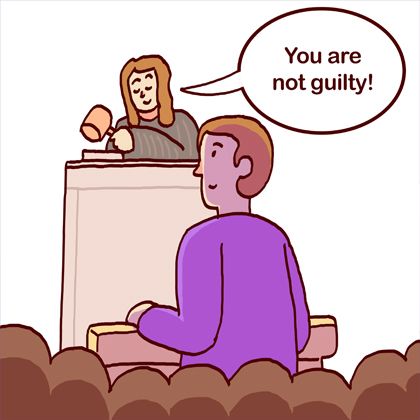
Acquit (verb)
To officially decide in court that someone is not guilty of a crime. The jury acquitted her of all charges.

Remand (verb)
To send someone back into custody, especially while awaiting trial. The judge remanded the suspect in custody until the next hearing.

Convict (verb)
To declare someone guilty of a crime in a court of law.
He was convicted of fraud and sentenced to five years in prison.

Detain (verb)
To keep someone in custody, especially by the police.
The police detained the suspect for questioning.

Release (verb)
To set someone free from custody, prison, or obligation.
The prisoner was released after serving his sentence.
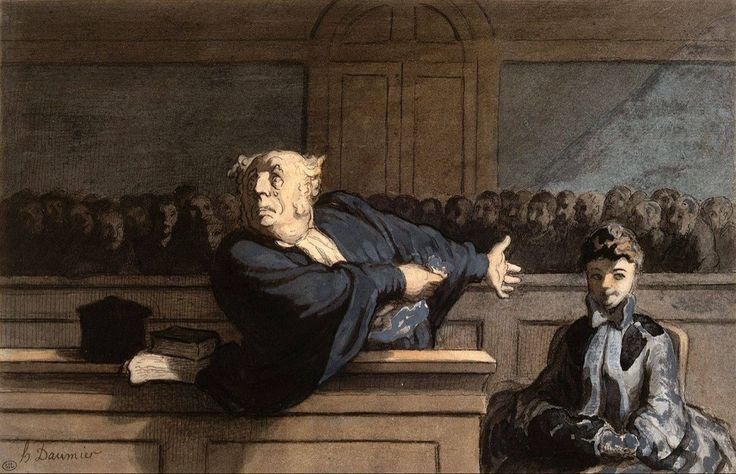
Defendant (noun)
A person who is accused of a crime in a court of law.
The defendant pleaded not guilty to the charges.
Testify (verb)
To give evidence as a witness in a court of law.
She testified that she saw the man leave the building.

Acquital (noun)
A legal judgment that officially clears someone of a criminal charge. The court's decision resulted in his acquittal.

Cinviction (noun)
A formal declaration that someone is guilty of a crime.
His conviction for theft led to a two-year prison sentence.

Absolve (verb)
To declare someone free from guilt, blame, or responsibility.
The priest absolved him of his sins.

Penalty (noun)
A punishment given for breaking a law, rule, or contract.
The penalty for speeding is a heavy fine.

Pledge (noun)
A serious promise or commitment to do something.
He made a pledge to tell the truth in court.

Confess (verb)
To admit to having done something wrong or illegal.
He confessed to the crime after hours of questioning.

Indict (verb)
Formally accused or charged with a serious crime.
She was indicted for fraud by the grand jury.
More sitting senators have been indicted and convicted of felonies than have been elected president.

Jeopardy (noun)
Risk of loss, harm, or facing legal punishment.
His actions put his freedom in jeopardy.
It would put his career at risk, but that was already in jeopardy, so what had he to lose?
Yet without fairly radical surgery, the long-term health of the company might have been in jeopardy.
As an adjective in Edgard Alan Poe, “The Black Cat”: A deadly sin that would so jeopardize my immortal soul as to place it.
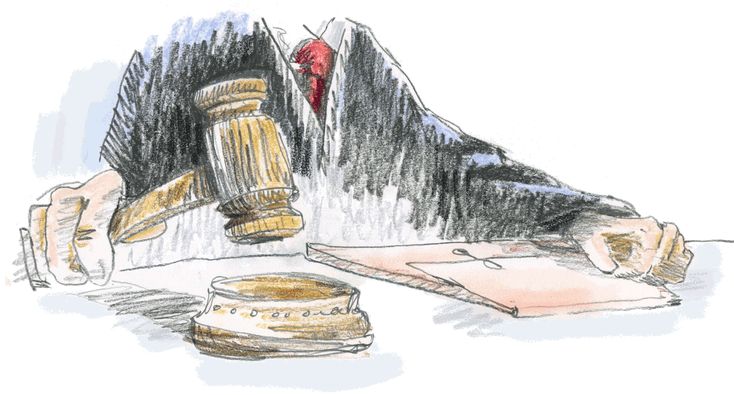
Prosecute (verb)
To take legal action against someone for a crime in court.
Español: Procesar
The company was prosecuted for environmental violations.

Hovel (noun)
A small, dirty, or poorly built house or shelter.
The workers lived in a hovel with no running water or electricity. Aimee was poor and destitute and livel in a Hovel without eecticity or running water

To nip (somewhere) (verbal expression)
To go somewhere quickly or briefly.
I’m just going to nip to the shop for some milk. Could you just nip to the shop and buy a newspaper for me?
Have we time to nip down the pub for a quick drink?

Fumble for (verbal expression)
To search for something awkwardly using your hands, often because you can’t see well or are nervous.
She fumbled for her keys in the dark hallway. The mugger held up a knife and asked for my money. Nervously, I fumble for my wallet in my pocket, and dropped it on the floor.
I fumbled around in my bag for a cigarette.
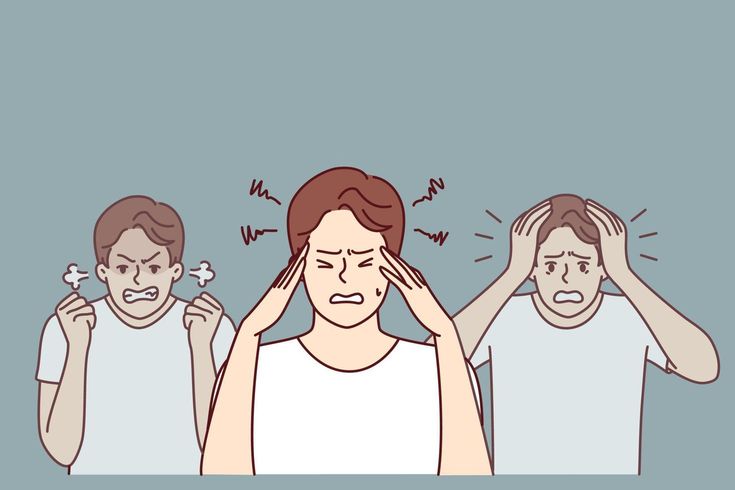
A bubbling cauldron of emotions (noun phrase)
A person or situation full of intense, mixed, or unstable emotions. After the argument, he was a bubbling cauldron of emotions—angry, hurt, and confused. I have never seen anyone as angry as George. He was a Bubbling cauldron of emotions.

Dumbfounded (adjective)
So shocked or surprised that you cannot speak
I was dumbfounded when I won the award—I didn’t expect it at all! When I got home, Stella had cleaned the apartment and left flowers in a vase on the table. I was dumbfounded. Nobody had been so kind to me before, and I couldn´t think what to say.
He was completely dumbfounded by the incident.

Amply (adverb)
More than enough; sufficiently or generously.
She was amply rewarded for her years of hard work.
Recent US history has amply demonstrated the risks of foreign intervention.

Nick (verb)
To steal something.
Someone nicked my phone from the table.

Fully-fledged
Completely developed or trained; having all the necessary qualities or qualifications.
After years of study, she became a fully-fledged doctor.