Anatomical Terminology, Body Cavities, and Organ Systems Flashcards
 Call Kai
 Learn
Learn Practice Test
 Spaced Repetition
 Match
Match Flashcards
 Knowt Play
1/65

Earn XP
Description and Tags
Vocabulary flashcards generated from human anatomy and physiology lab lecture notes covering surface terminology, anatomical planes, directional terms, body cavities, serous membranes, and major body systems.
Name | Mastery | Learn | Test | Matching | Spaced | Call with Kai | Chat |
|---|
No analytics yet
Send a link to your students to track their progress
66 Terms
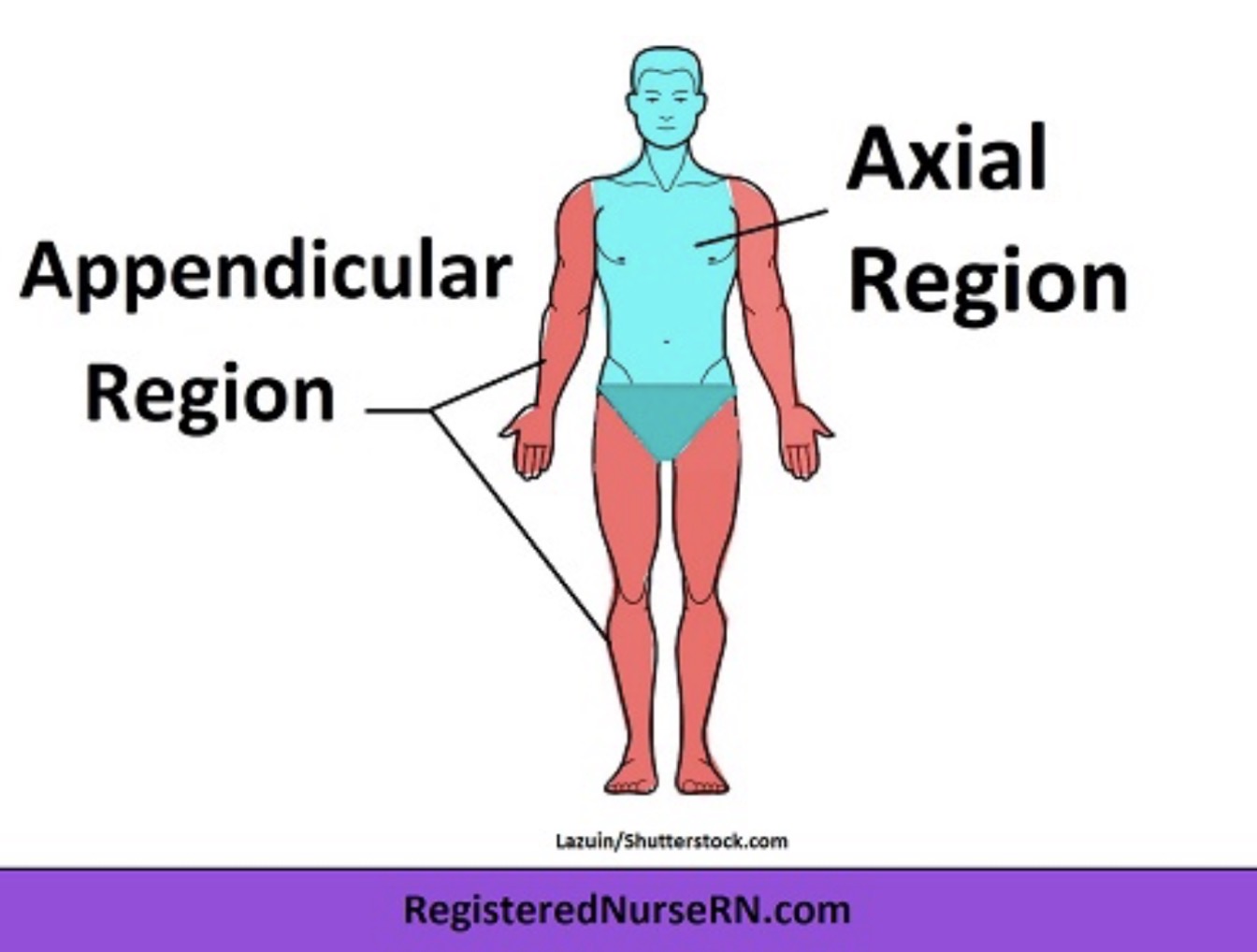
Axial Region
The body division comprising the head, neck, torso, abdominal, and pelvic areas.

Appendicular Region
The body division comprising the upper and lower limbs or appendages, including the arms and legs.

Anatomical Position
Standard body orientation where an individual is standing erect with feet slightly separated, upper limbs down by the sides, and palms facing forward.
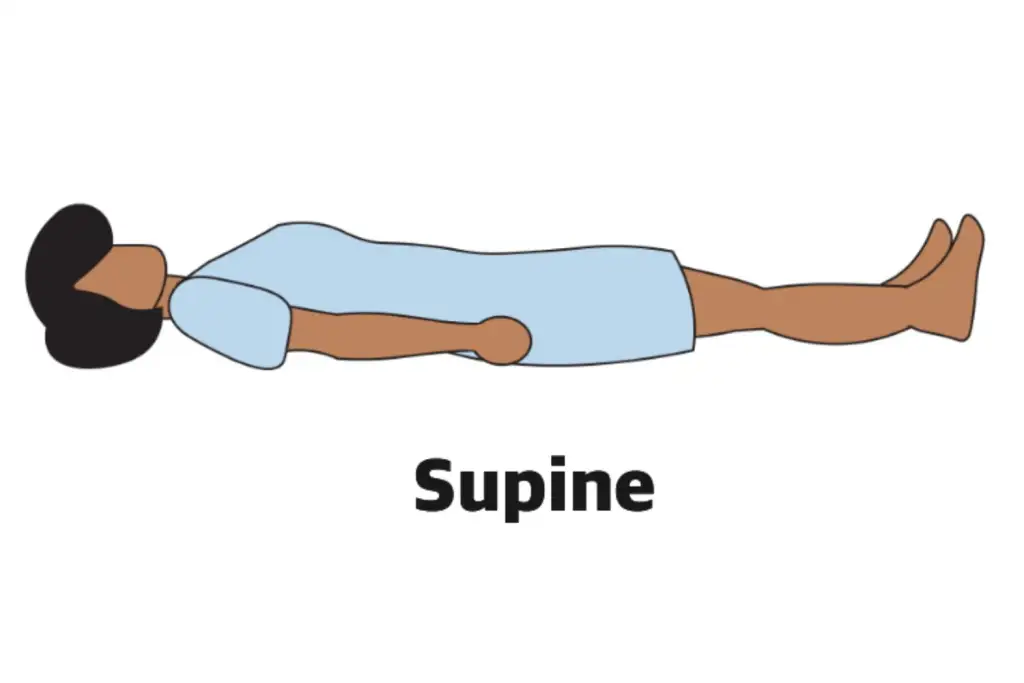
Supine
Body positioning where an individual lies flat with their back on the ground and face directed upward.
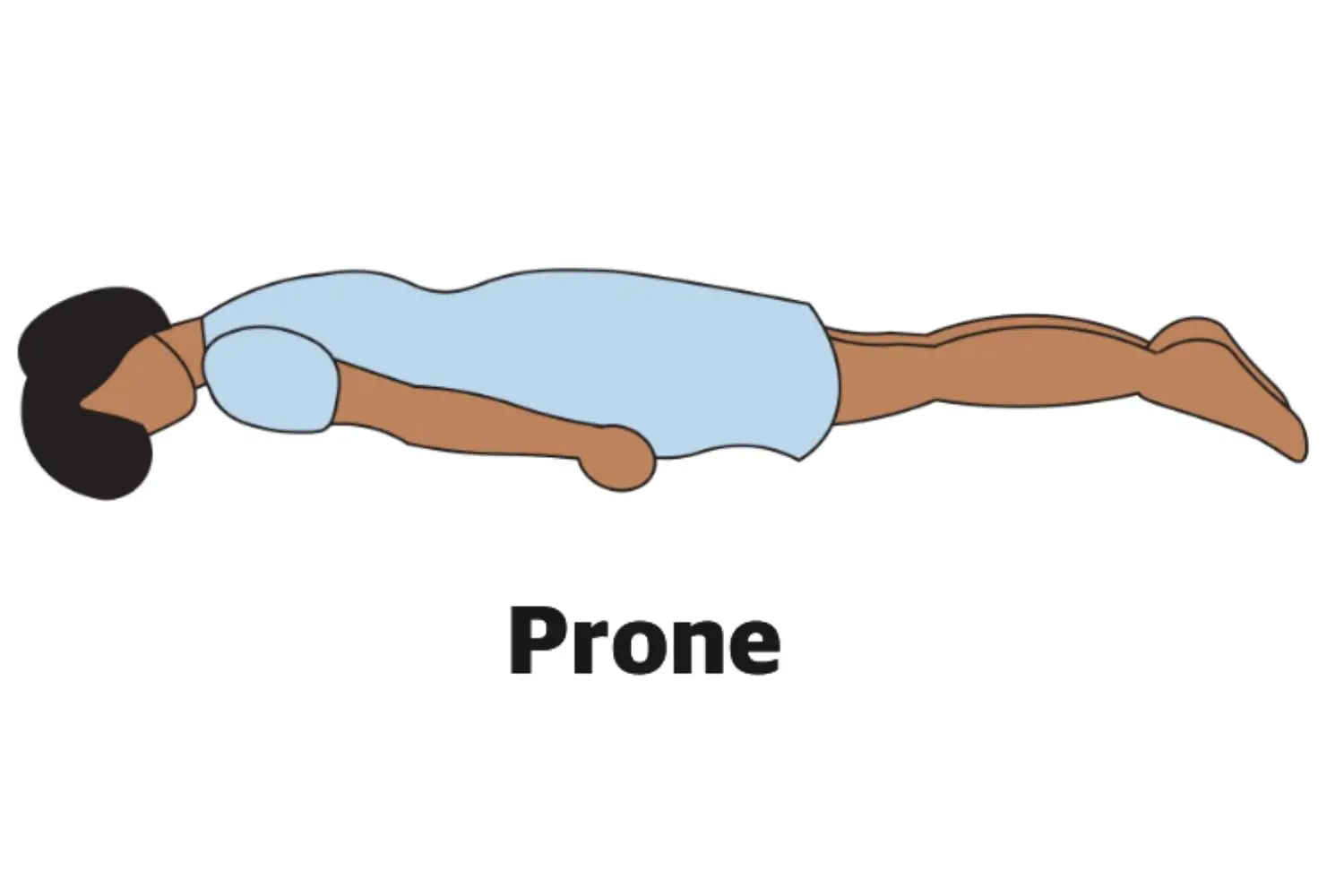
Prone
Body positioning where an individual lies with their front side on the ground and back facing upward.
Superior
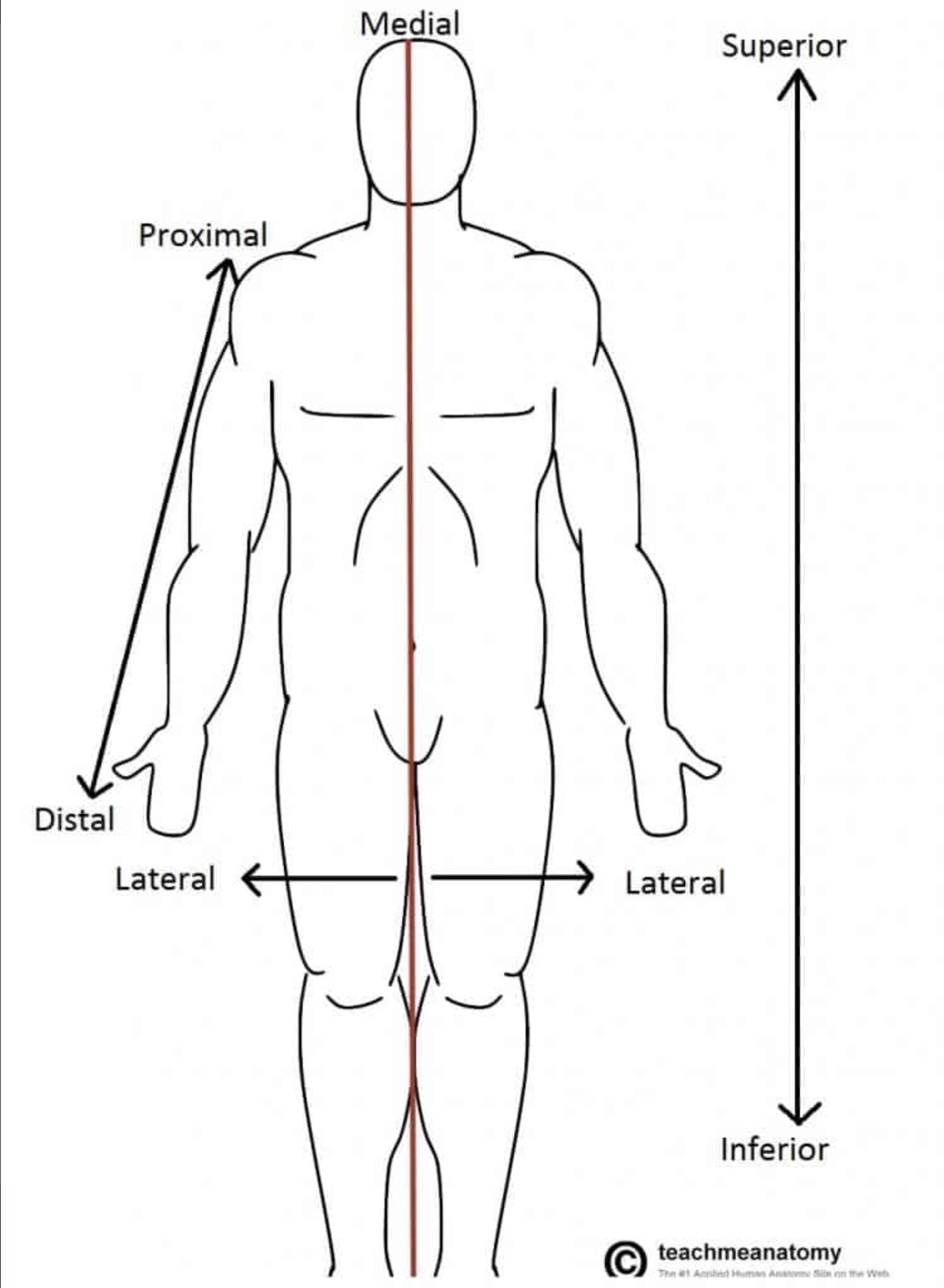
Directional term describing a position going upward toward the head or upper portion of the body.
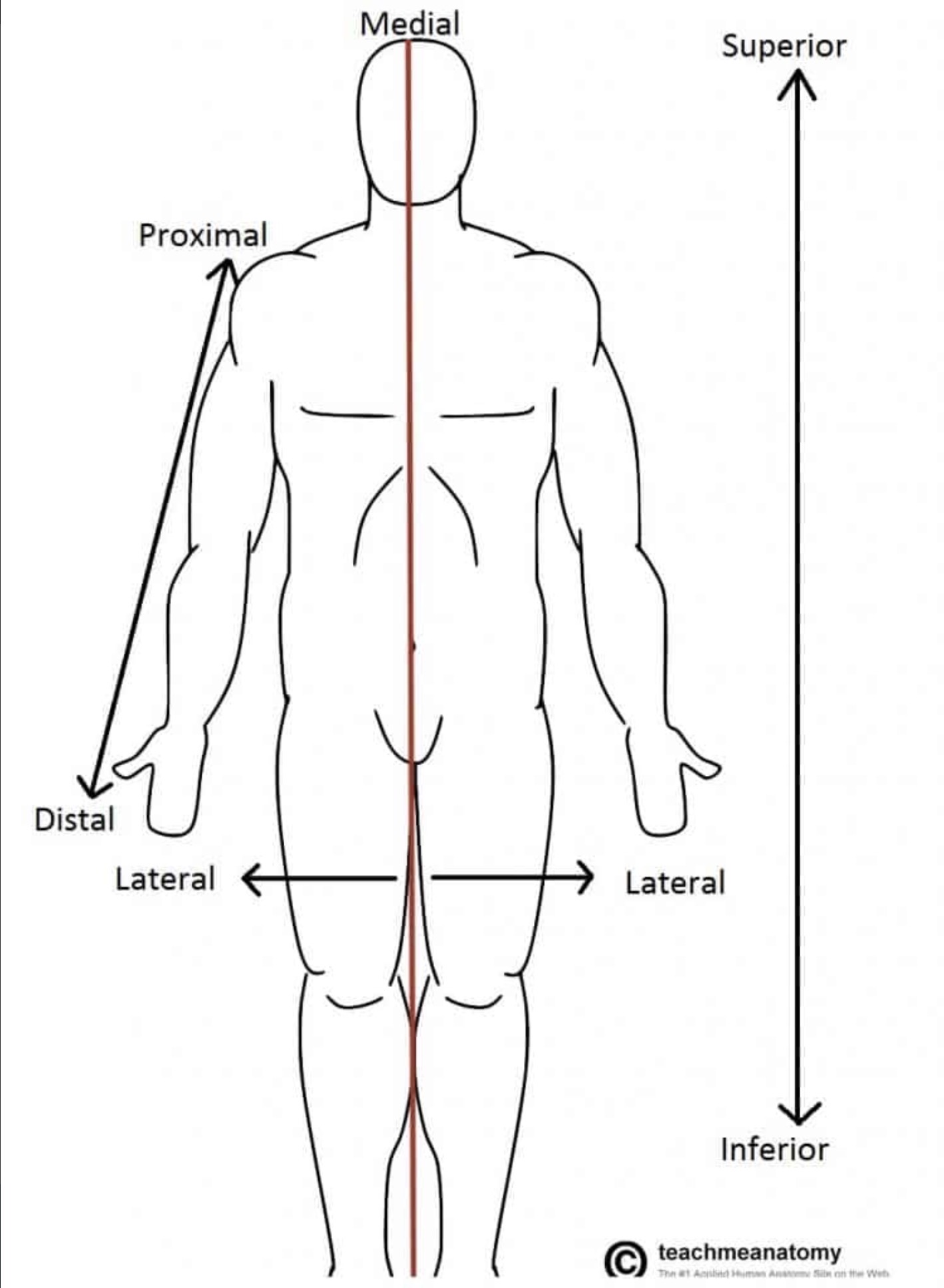
Inferior
Directional term describing a position going downward away from the head.
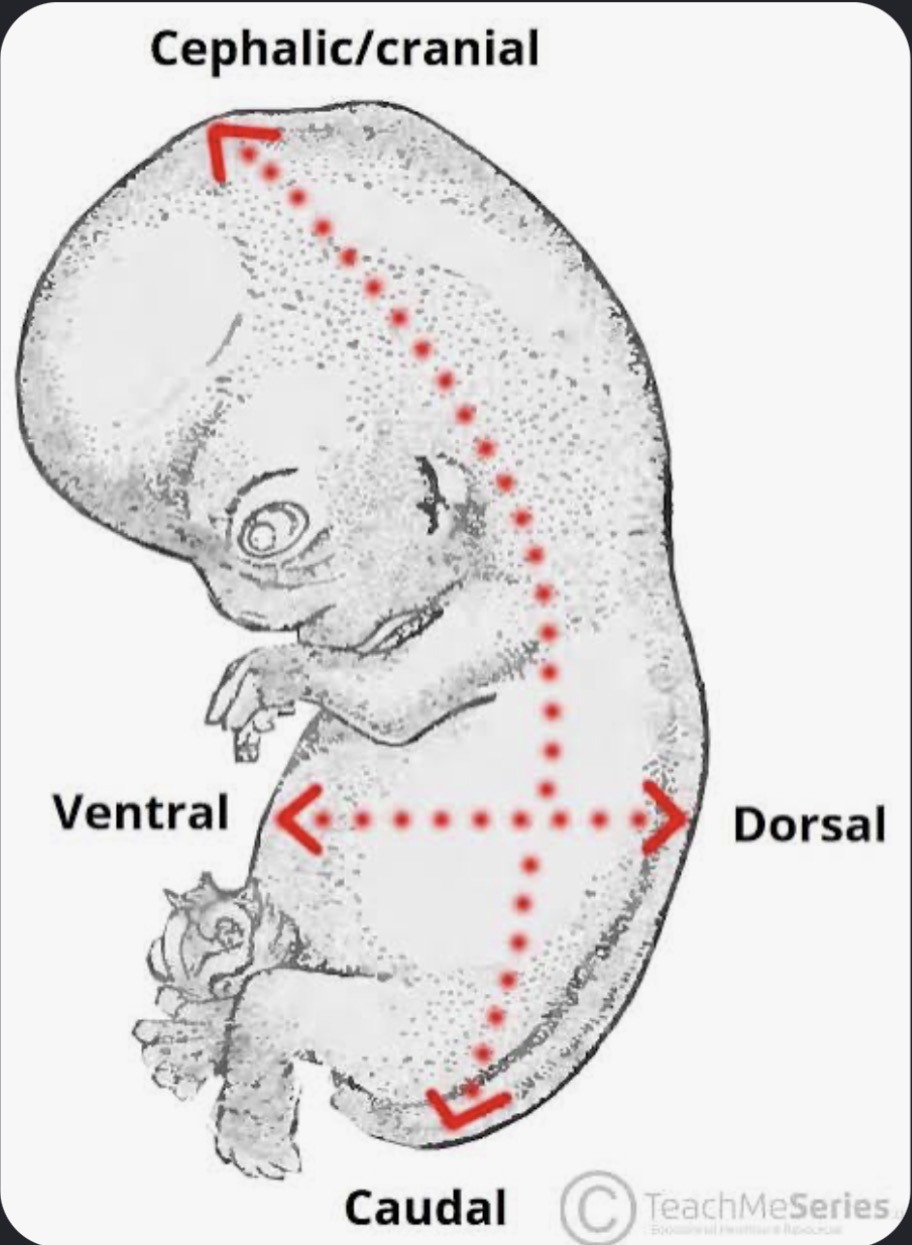
Cephalic
Directional term referring specifically to the head area or moving toward the head.
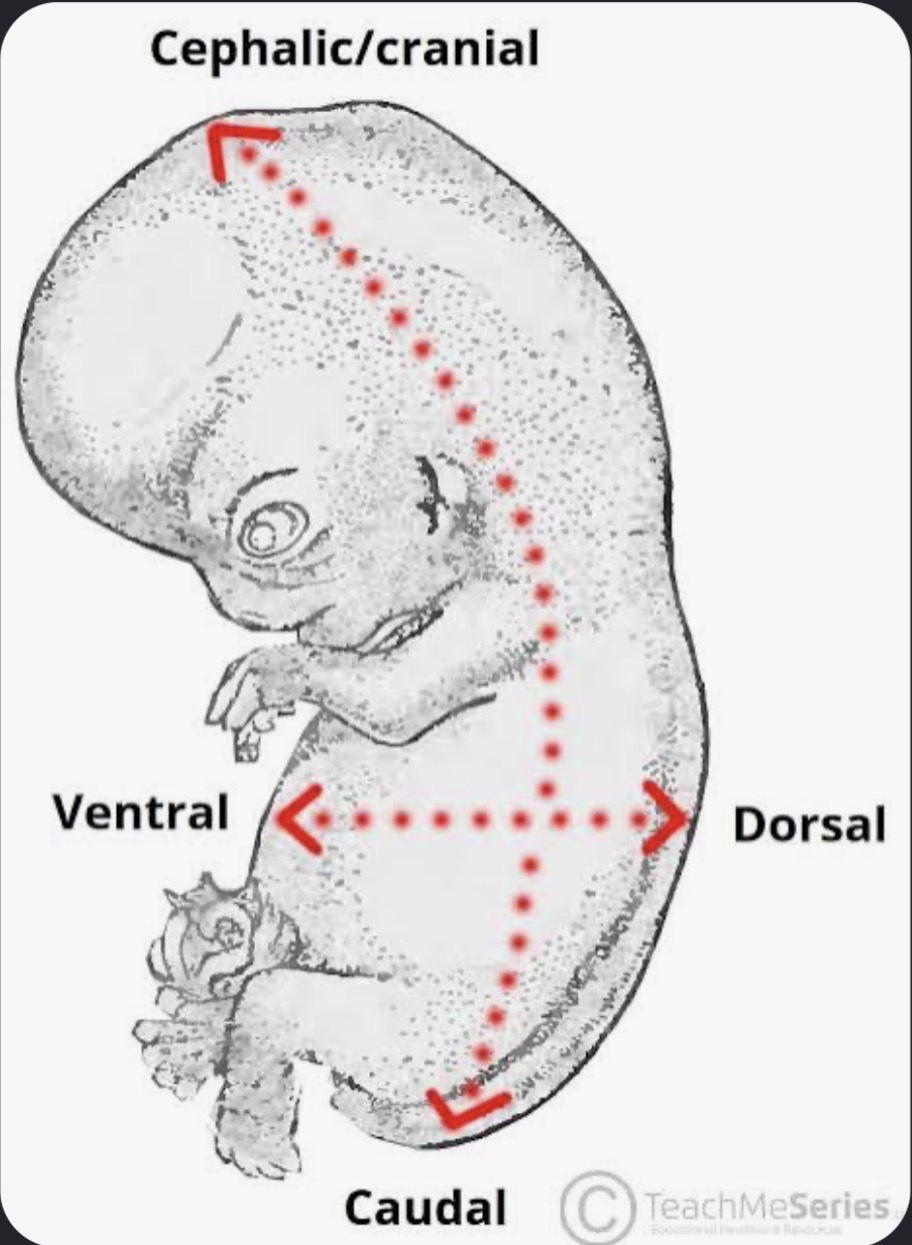
Caudal
Directional term referring specifically to the tail area or lower region of the torso.
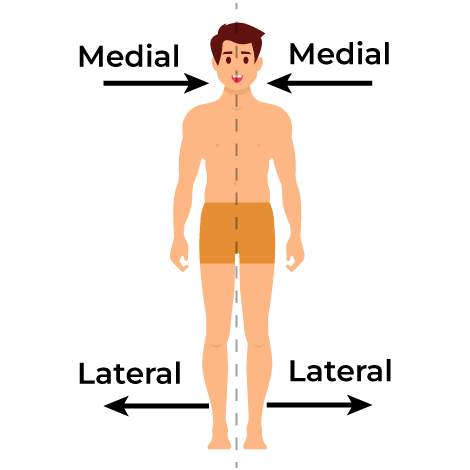
Medial
Directional term describing movement or positioning toward the midline of the body.
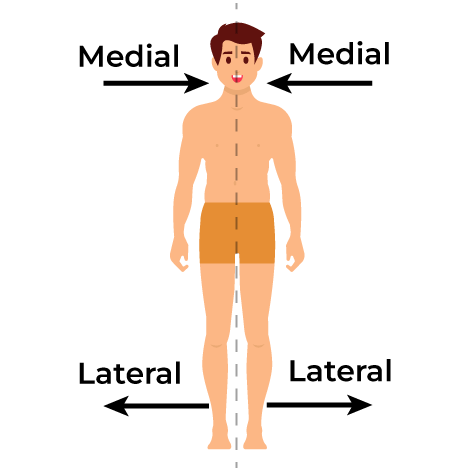
Lateral
Directional term describing movement or positioning away from the midline of the body.
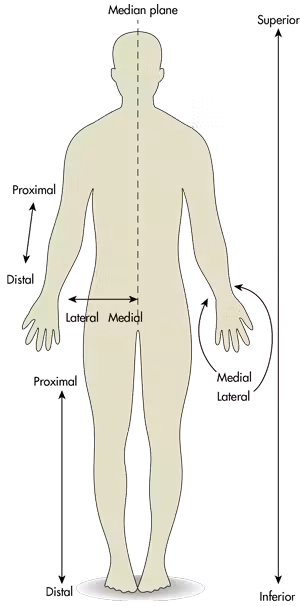
Proximal
Directional term describing a structure located closer to the body axis or origin point of an appendage.

Distal
Directional term describing a structure located farther in distance from the body axis or origin point of an appendage.

Anterior
Directional term referring to the front view or surface of the body; also termed ventral.

Posterior
Directional term referring to the back view or surface of the body; also termed dorsal.
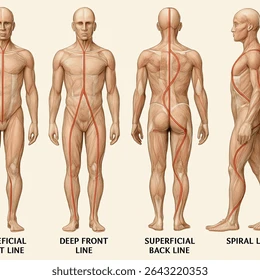
Superficial
Directional term describing structures located externally or near the surface of the body.
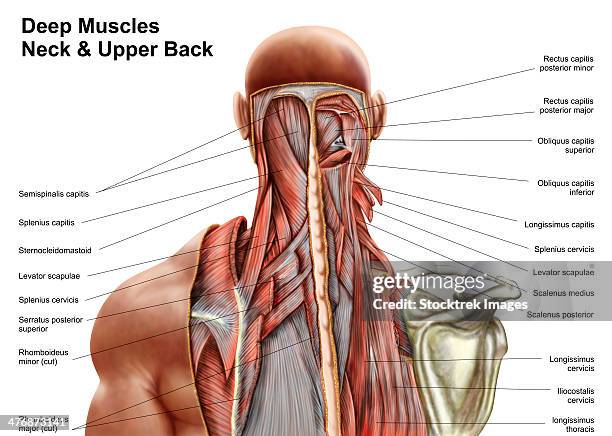
Deep
Directional term describing structures located internally away from the body surface.
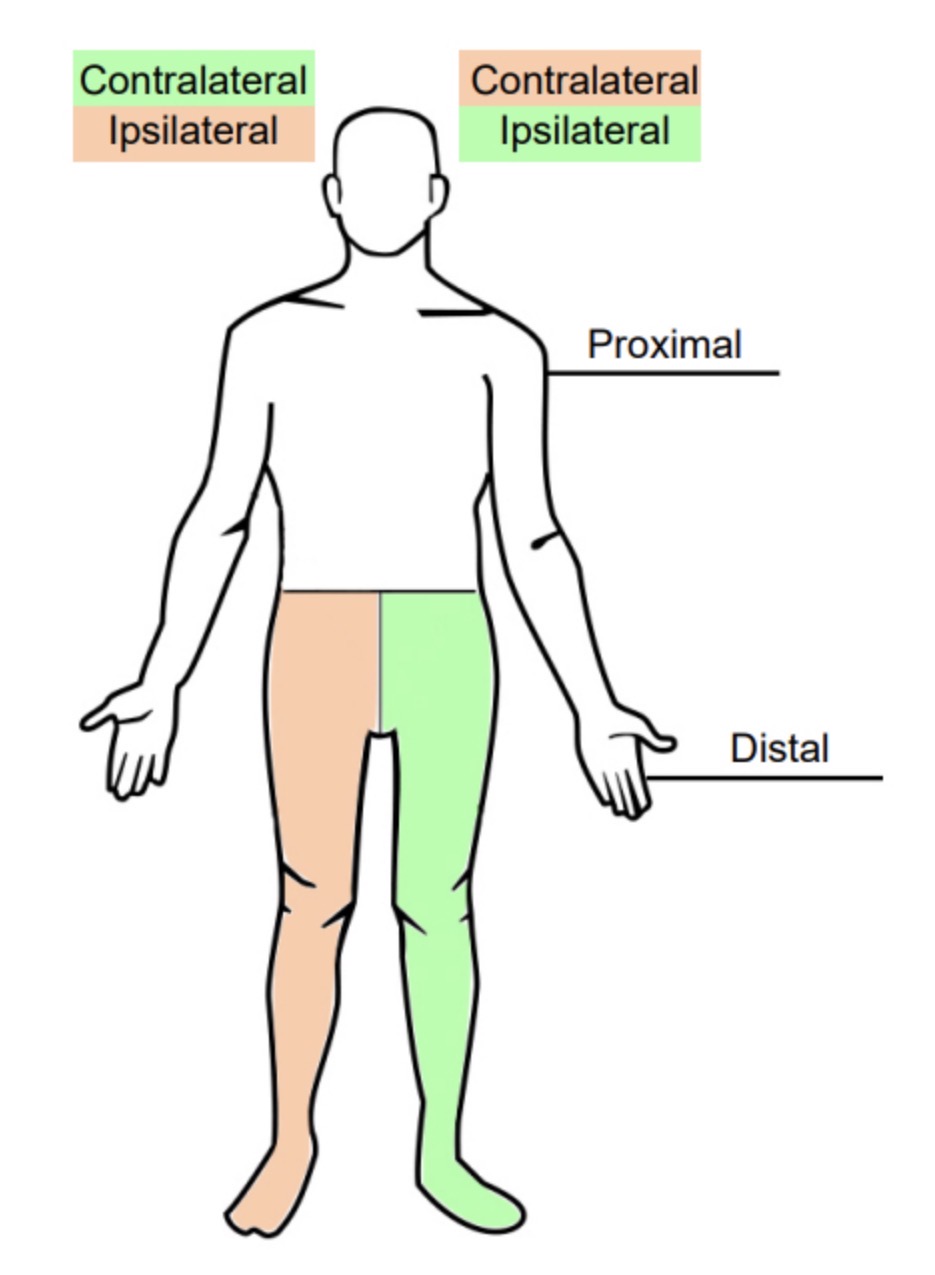
Ipsilateral
Term describing body structures located on the same side of the body.

Contralateral
Term describing body structures located on opposite sides of the body.
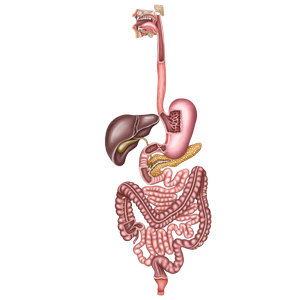
Visceral
Term referring to the inner layer of a serous membrane directly covering an organ.

Parietal
Term referring to the outer layer of a serous membrane lining a body cavity wall.
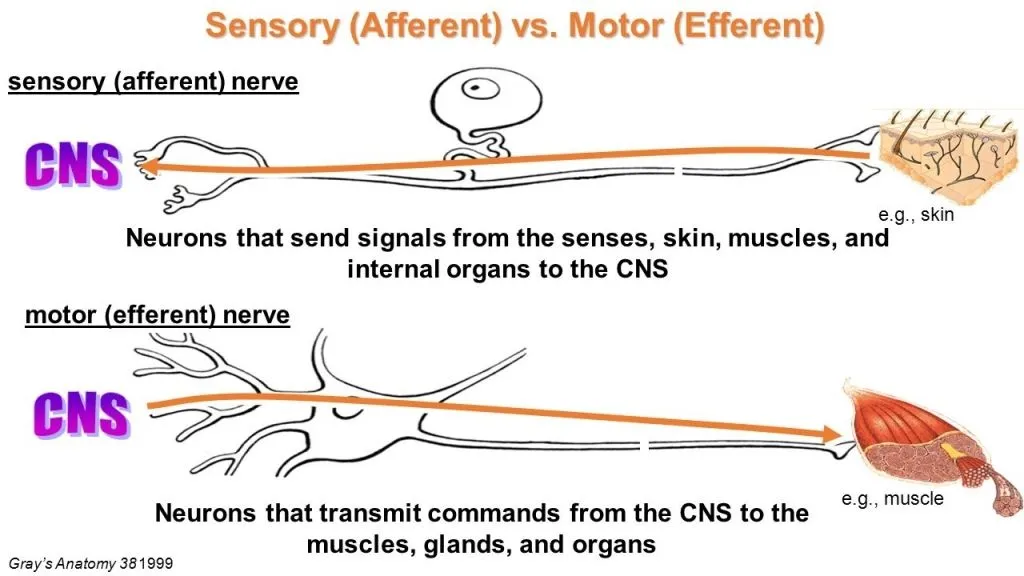
Afferent
Nervous system term describing nerve pathways or signals traveling toward the brain or central nervous system.
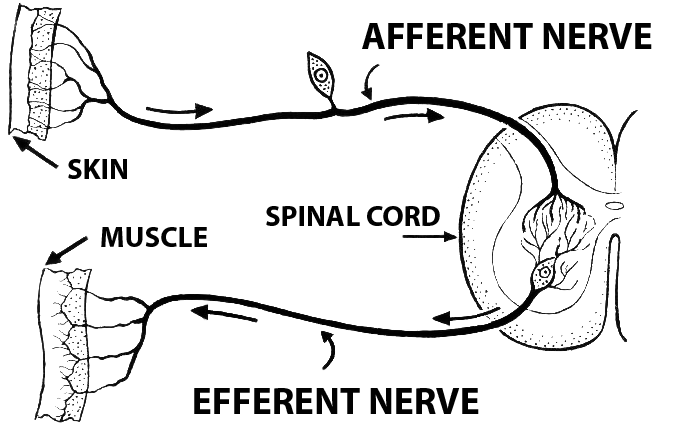
Efferent
Nervous system term describing nerve pathways or signals exiting or leaving the brain or central nervous system.

Sagittal Plane
A vertical section plane that cuts through the body to divide it into right and left portions.
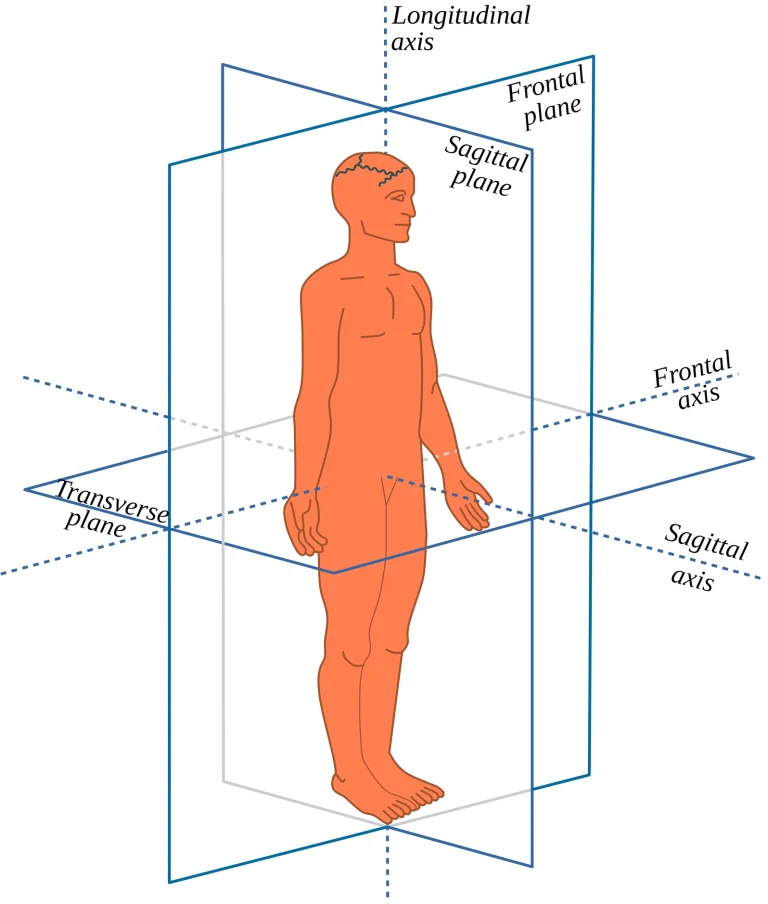
Midsagittal Plane
A sagittal section cut directly along the midline, creating equal right and left halves.
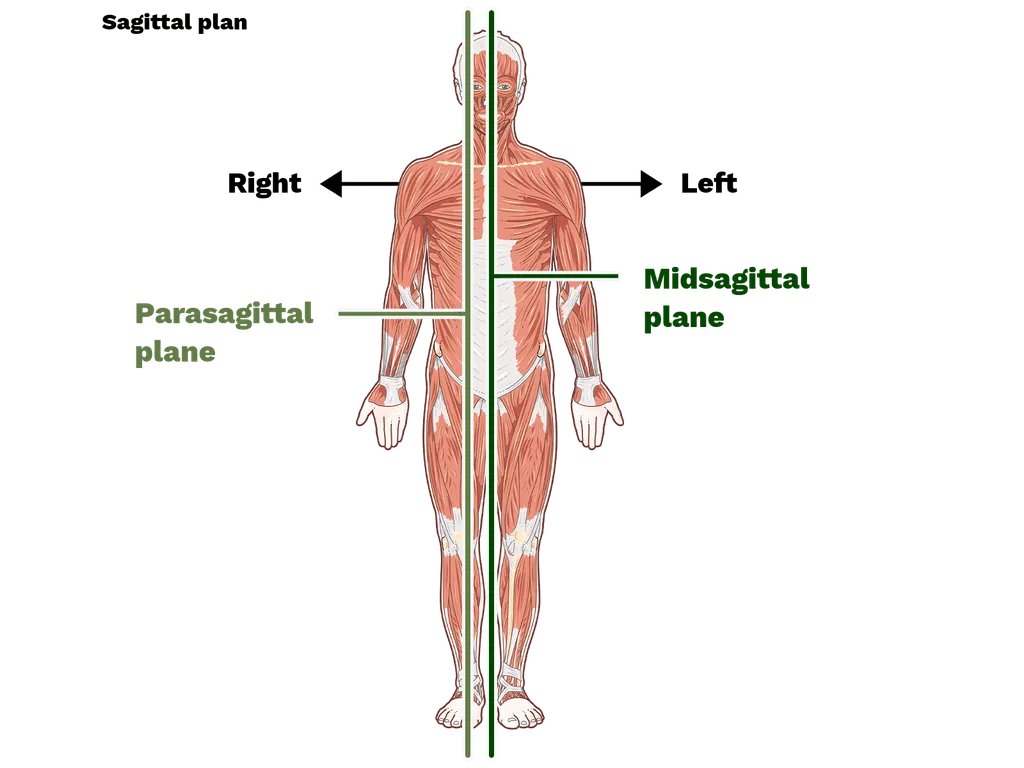
Parasagittal Plane
A sagittal section cut off to the side of the midline, resulting in unequal right and left portions.
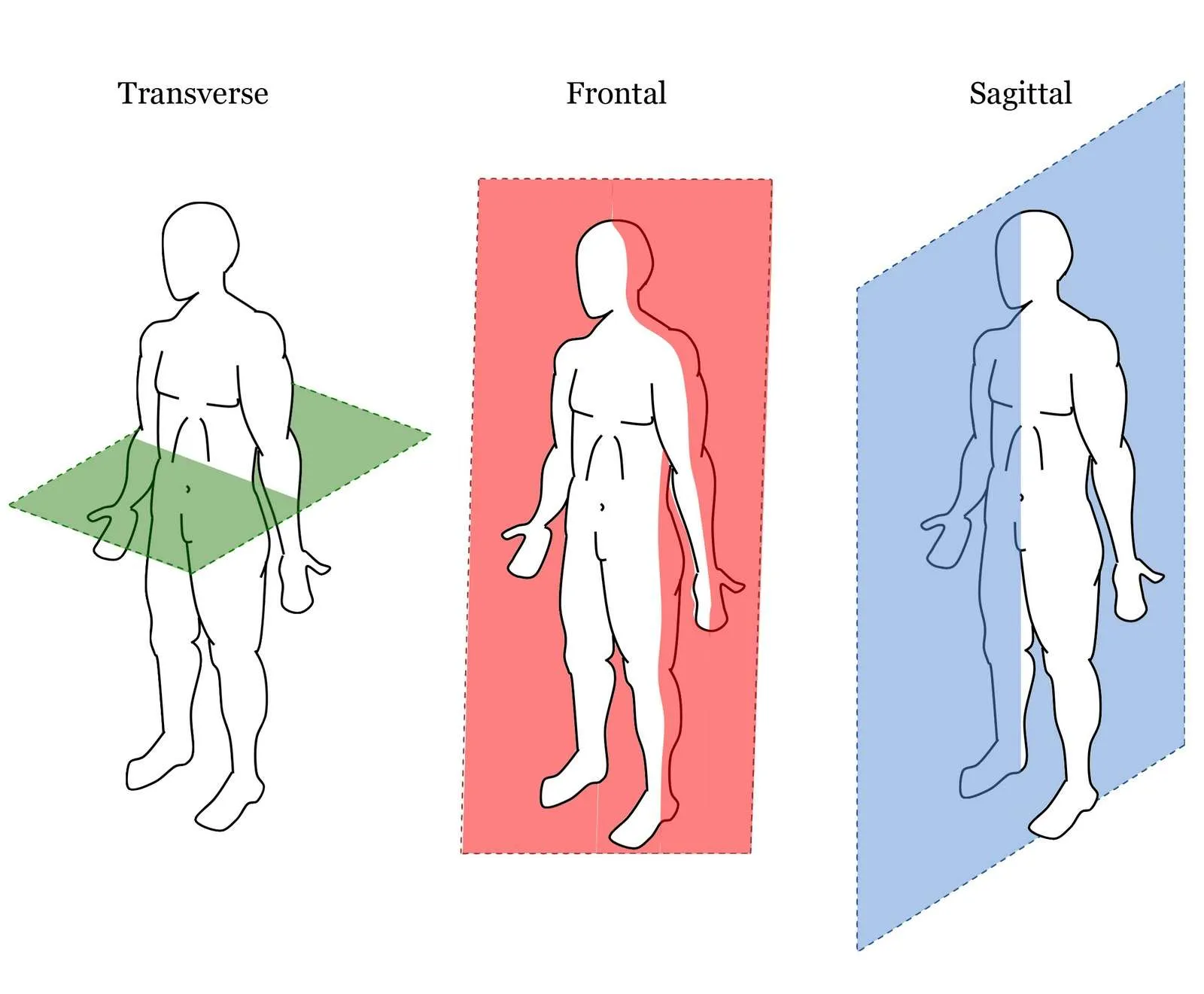
Frontal Plane
A vertical section plane that divides the body into anterior (front) and posterior (back) portions; also termed coronal when slicing the head.
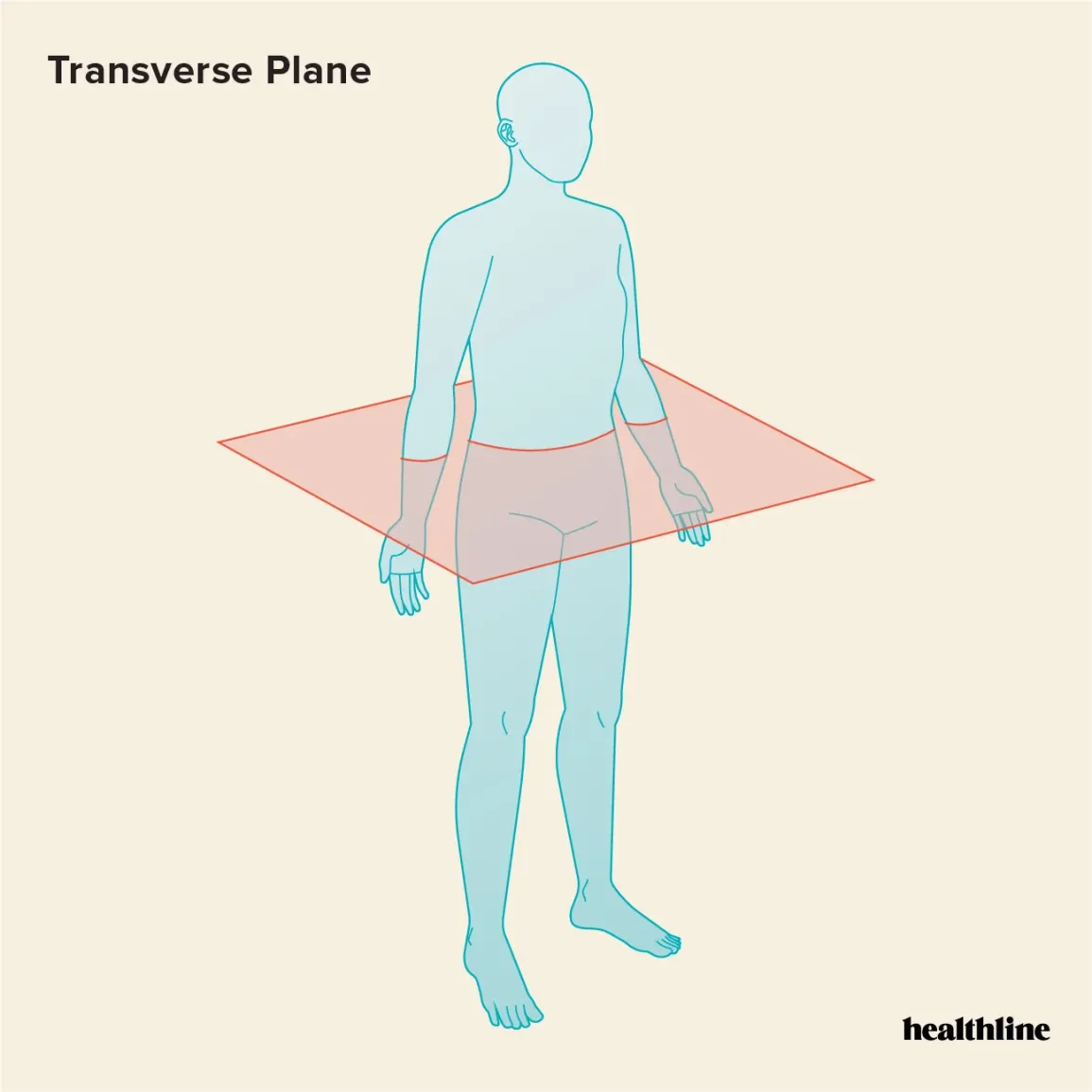
Transverse Plane
A horizontal section plane that cuts across the body to create upper and lower portions.
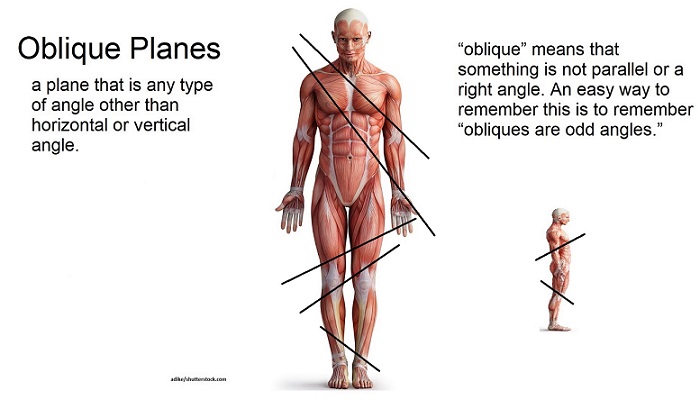
Oblique Cut
A diagonal body section cut made at an angle rather than a standard right angle.
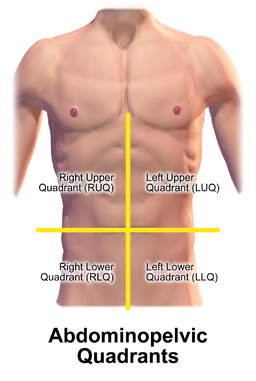
Right Upper Quadrant (RUQ)
Abdominal quadrant containing the majority of the liver and the gallbladder.
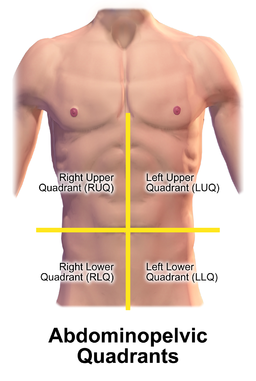
Right Lower Quadrant (RLQ)
Abdominal quadrant containing the appendix, cecum, and parts of the small intestine and large intestine.
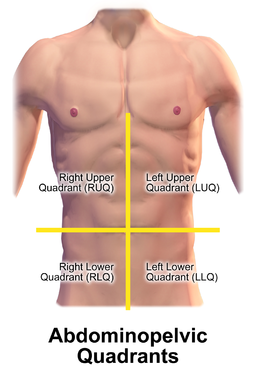
Left Upper Quadrant (LUQ)
Abdominal quadrant containing the majority of the stomach, spleen, and part of the pancreas.
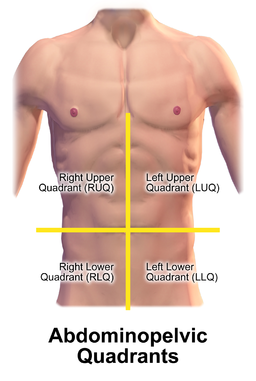
Left Lower Quadrant (LLQ)
Abdominal quadrant containing the sigmoid colon and parts of the small intestine and large intestine.
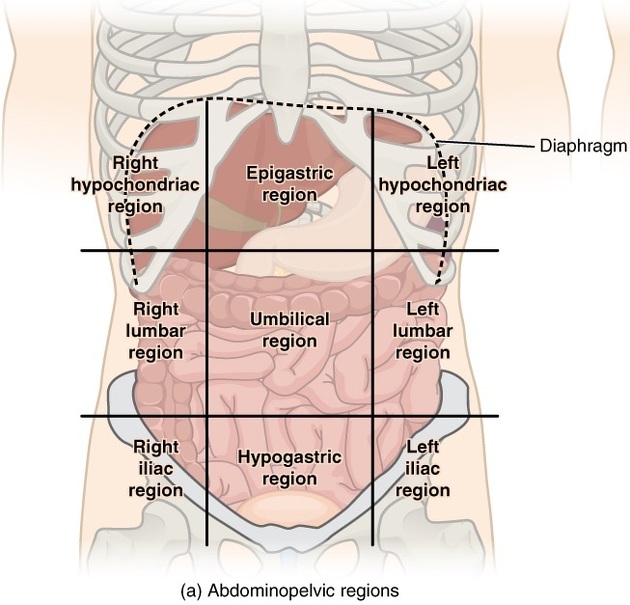
Epigastric Region
Abdominal region located superiorly along the midline directly above the stomach.
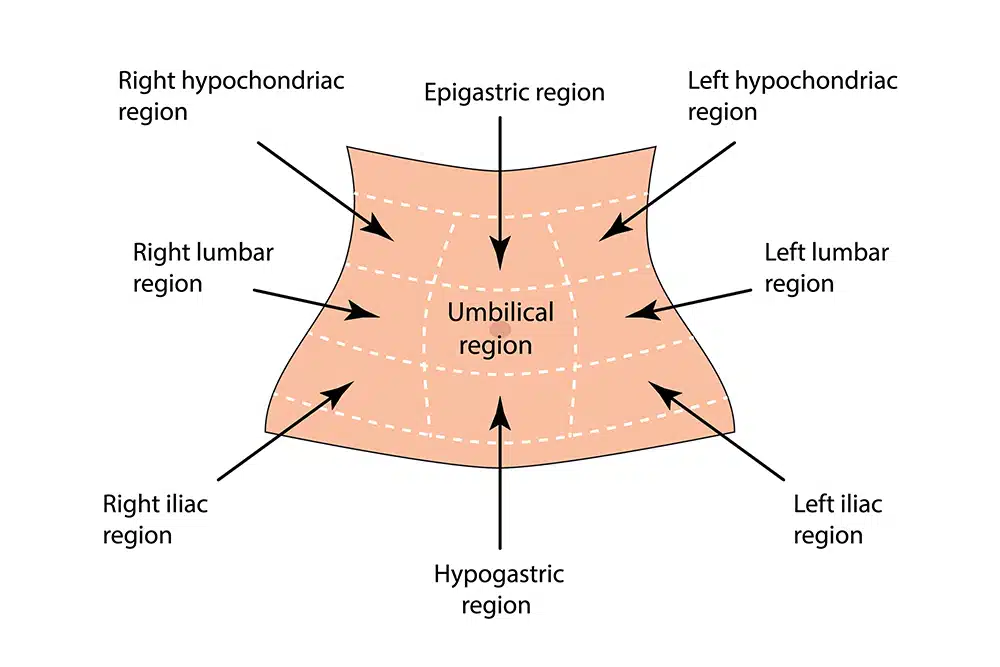
Hypogastric Region
Abdominal region located inferiorly along the midline below the stomach, containing the urinary bladder.

Hypochondriac Region
Abdominal regions located laterally on the upper right and left sides, positioned below the cartilage of the rib cage.
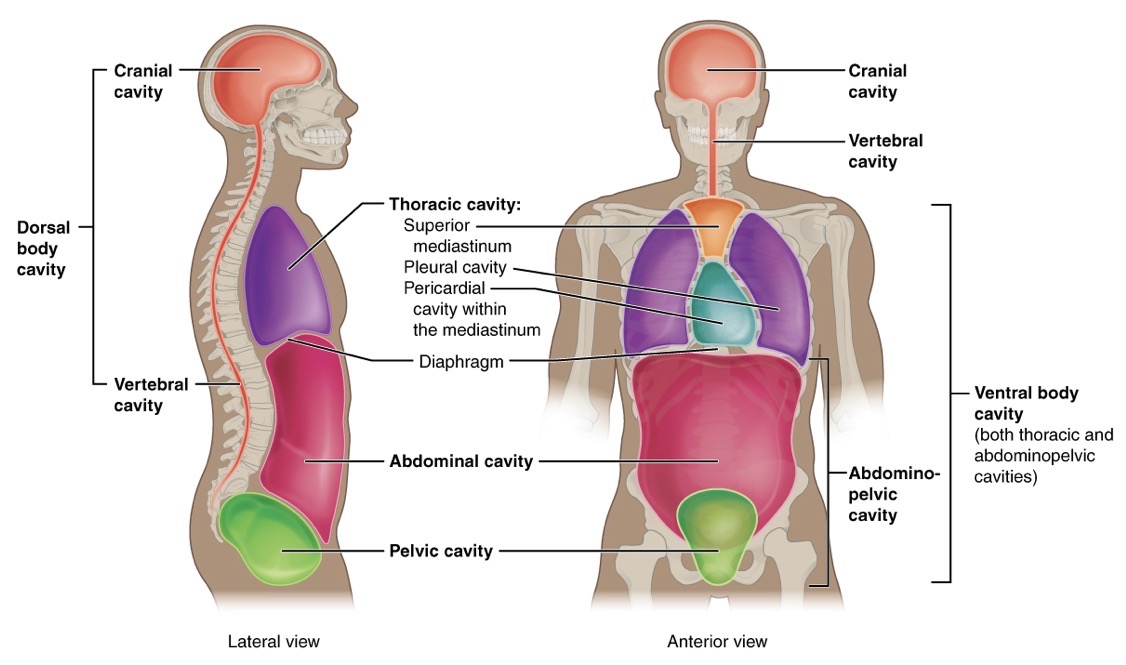
Dorsal Body Cavity
Posterior cavity housing the brain and spinal cord, subdivided into the cranial cavity and vertebral cavity.

Cranial Cavity
Portion of the dorsal cavity enclosed and protected by the skull that houses the brain.

Vertebral Cavity
Portion of the dorsal cavity enclosed and protected by the spine or vertebrae that houses the spinal cord.

Ventral Body Cavity
Anterior cavity housing internal organs (viscera), subdivided into the thoracic cavity and abdominopelvic cavity.
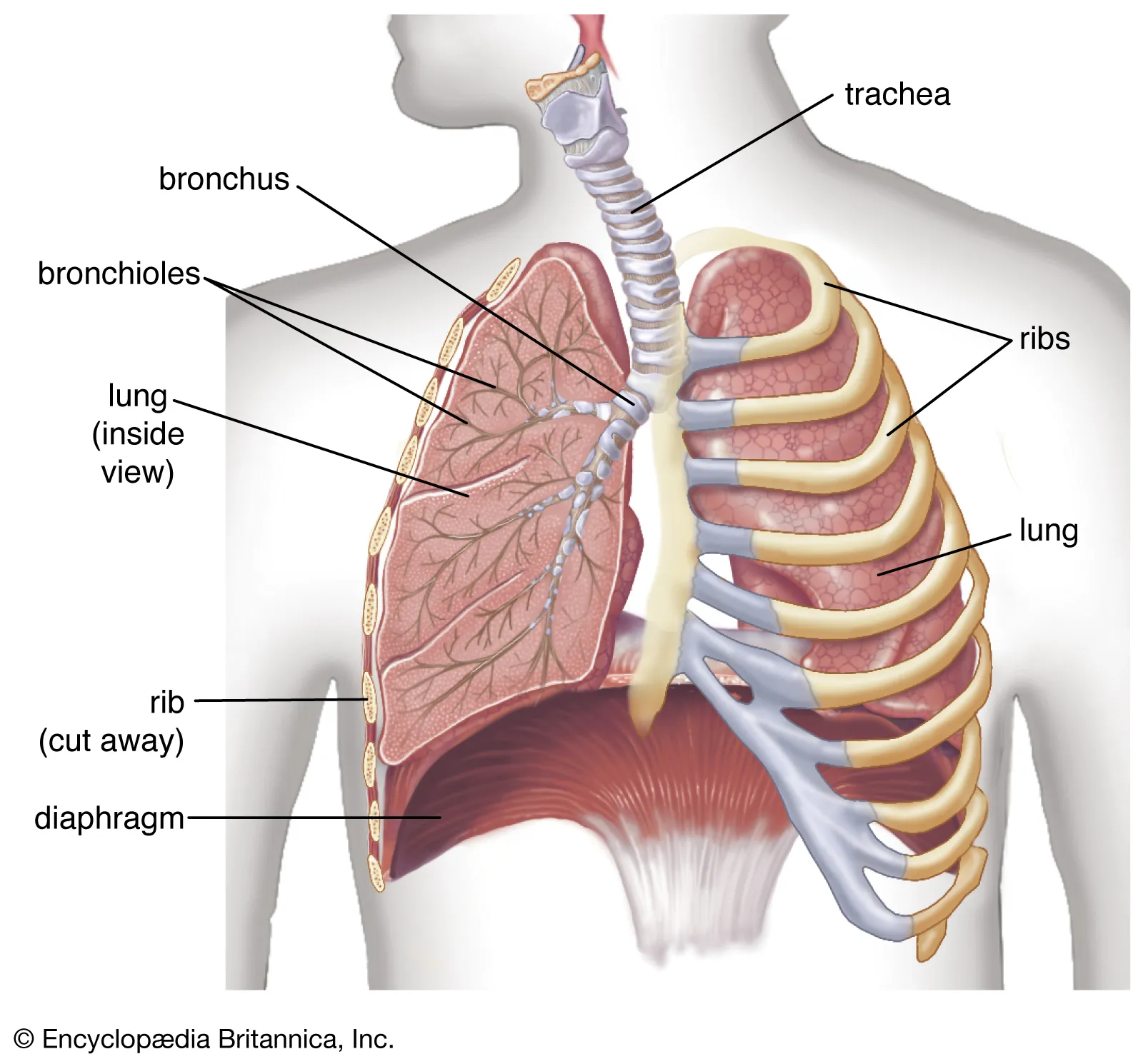
Thoracic Cavity
Superior portion of the ventral cavity protected by the rib cage, containing the mediastinum and pleural cavities.
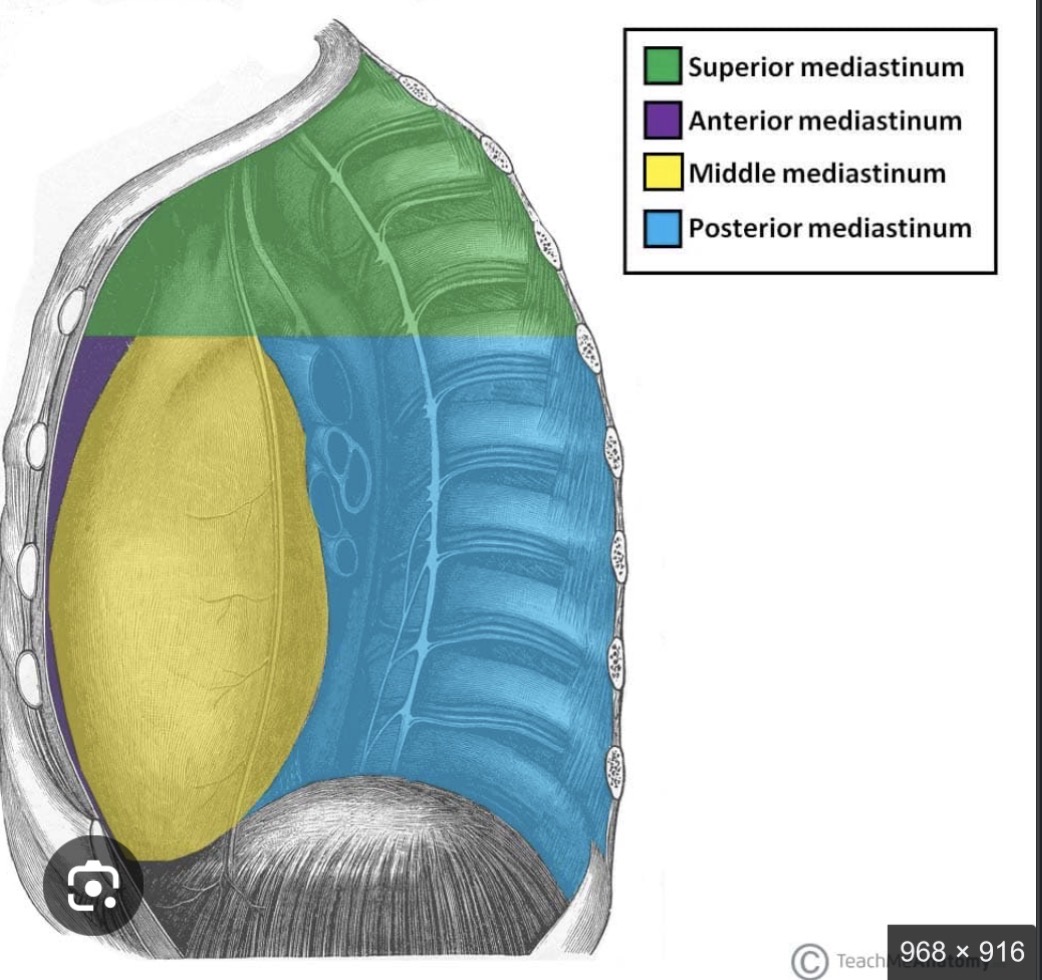
Mediastinum
Middle section of the thoracic cavity containing the heart, major blood vessels, thymus, trachea, and esophagus.
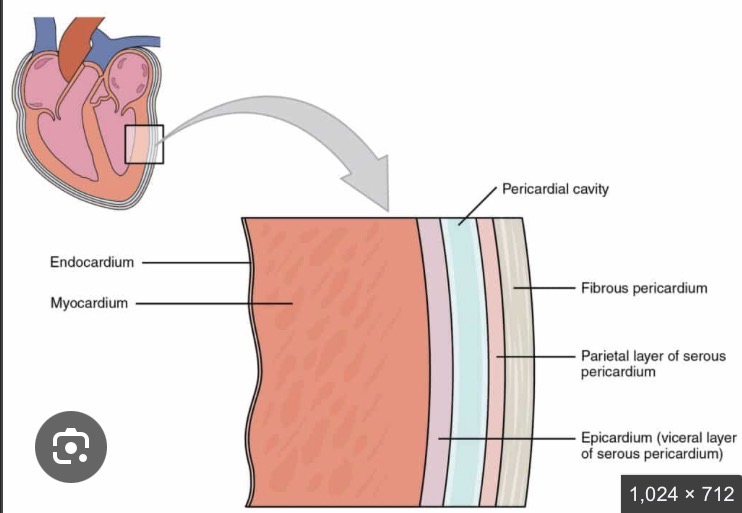
Pericardial Cavity
Cavity situated within the mediastinum that directly surrounds the heart.
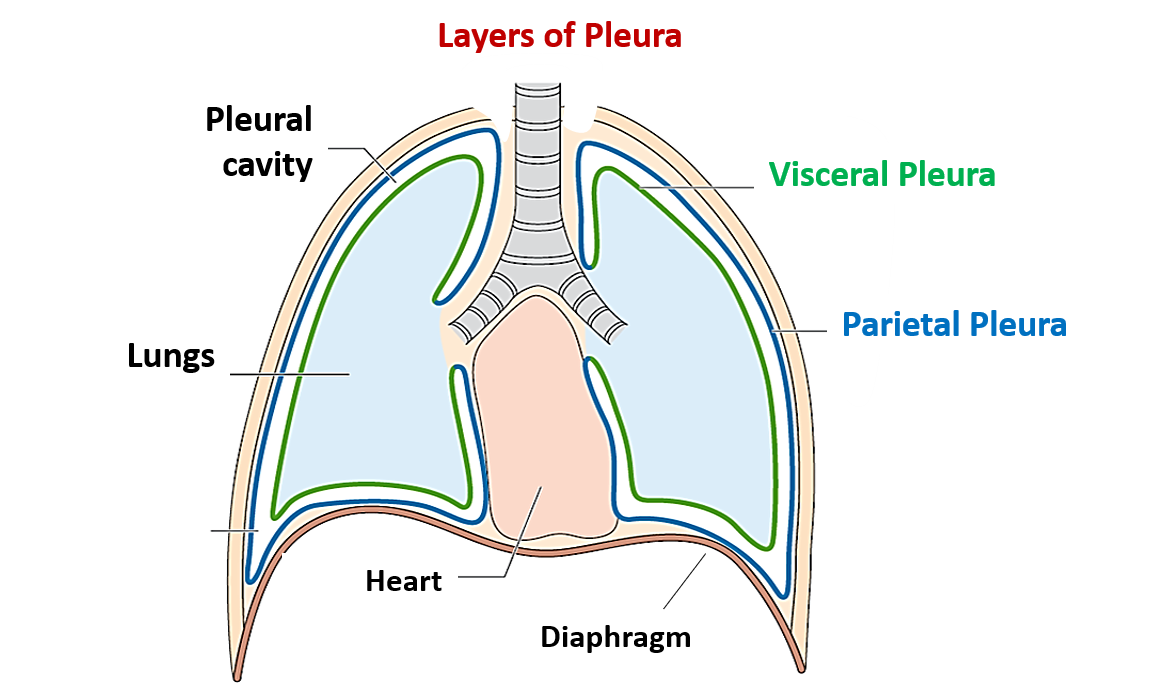
Pleural Cavities
Cavities located lateral to the mediastinum that enclose the lungs.
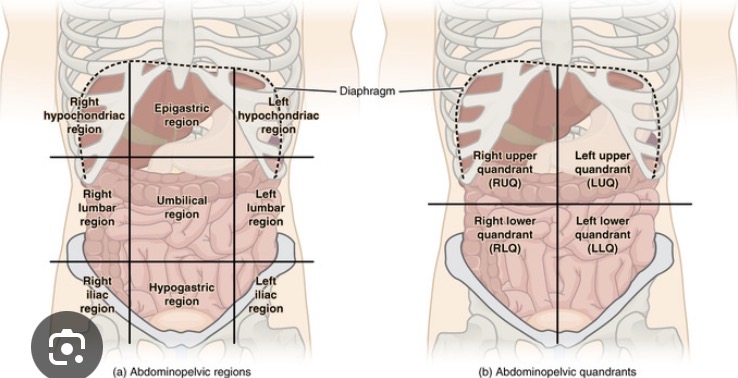
Abdominopelvic Cavity
Inferior portion of the ventral cavity separated from the thoracic cavity by the diaphragm, containing abdominal and pelvic divisions.
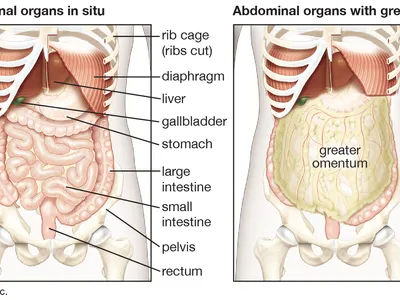
Abdominal Cavity
Superior division of the abdominopelvic cavity containing digestive organs like the stomach, intestines, liver, gallbladder, pancreas, spleen, and kidneys.

Pelvic Cavity
Inferior division of the abdominopelvic cavity protected by coxal bones, containing the urinary bladder, urethra, sigmoid colon, rectum, and reproductive organs.

Serosa
A double-layered serous membrane consisting of parietal and visceral layers separated by fluid to reduce friction around organs.
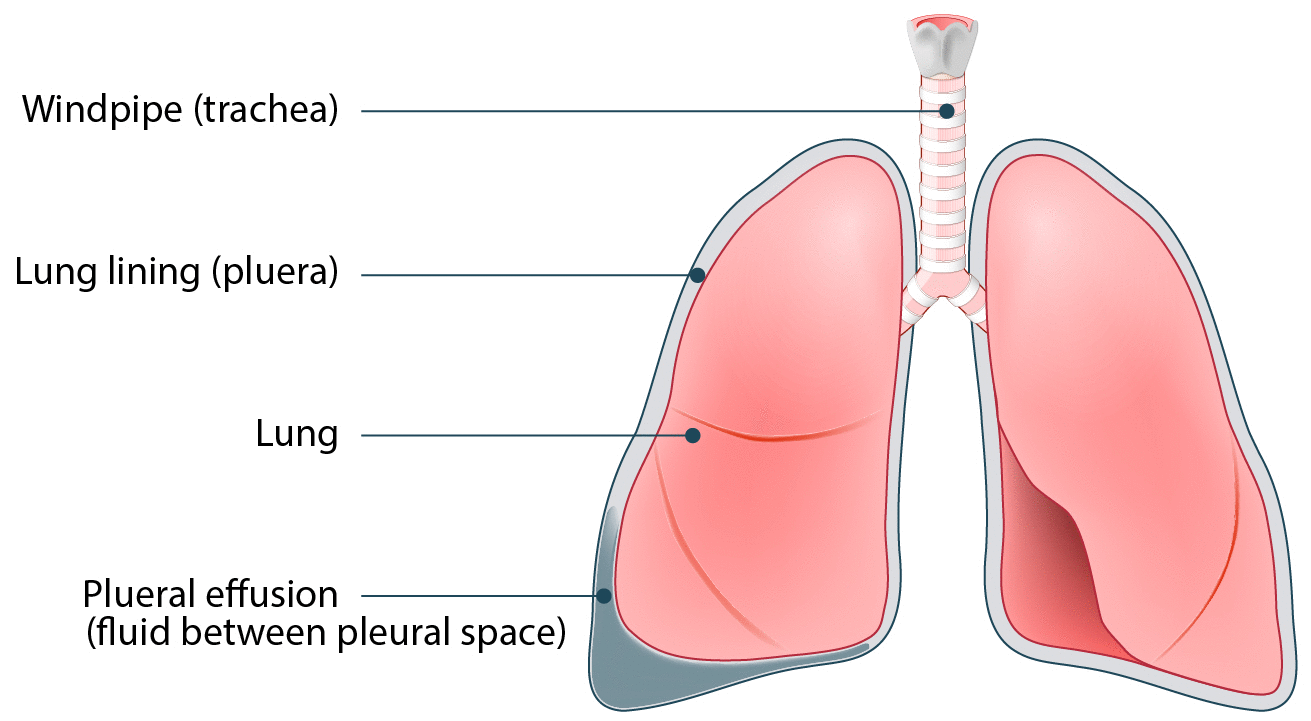
Pleural Membranes
Serous membranes surrounding the lungs, including the parietal pleura, visceral pleura, and intervening pleural fluid.
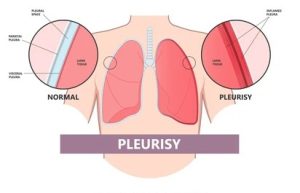
Pleurisy
A painful condition caused by infection or inflammation of the pleural fluid surrounding the lungs.
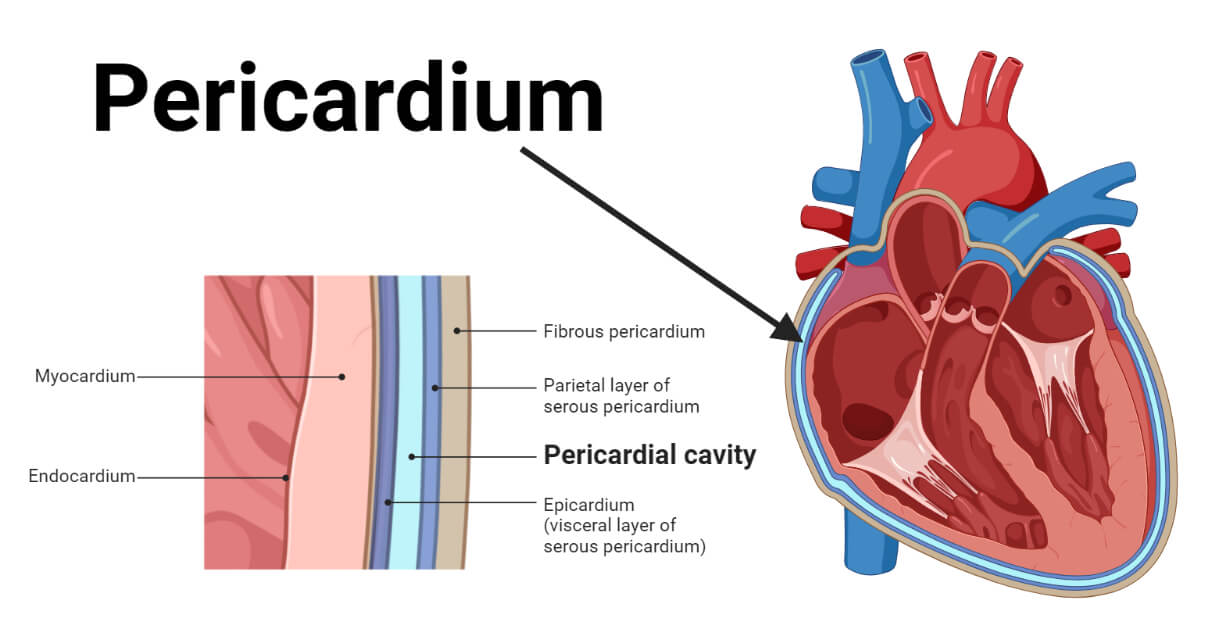
Pericardium
Serous membrane structure surrounding the heart, consisting of parietal pericardium, visceral pericardium, and pericardial fluid.
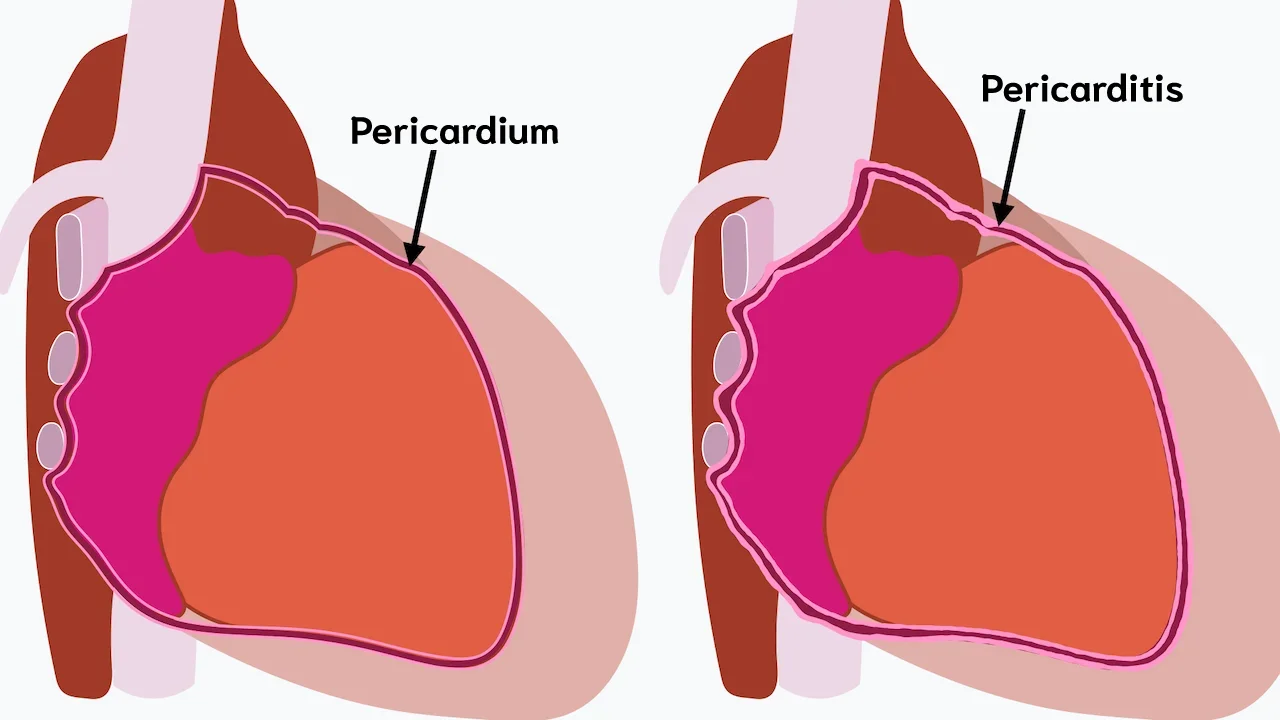
Pericarditis
Painful condition caused by inflammation of the pericardial membranes around the heart.

Peritoneum
Serous membranes lining the abdominopelvic cavity (parietal peritoneum) and covering its contained organs (visceral peritoneum).
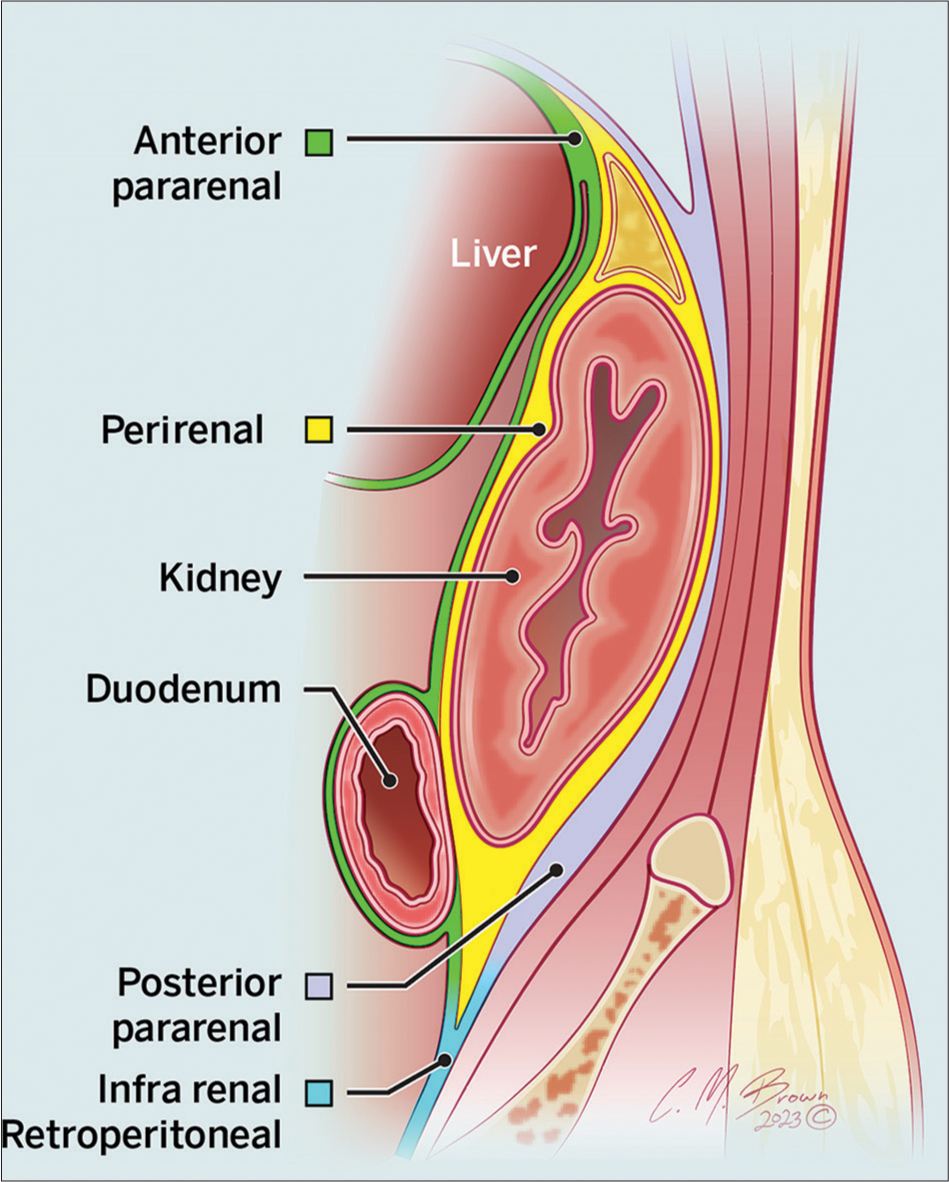
Retroperitoneal
Describing organs located behind the peritoneum without peritoneal membrane coverage, such as the kidneys.
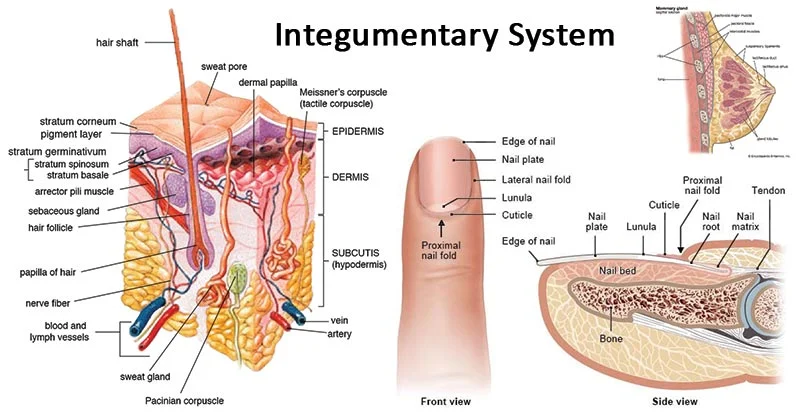
Integumentary System
Organ system that provides mechanical/chemical protection, temperature regulation, water loss prevention, and vitamin D synthesis; composed of skin, hair, nails, and sweat glands.
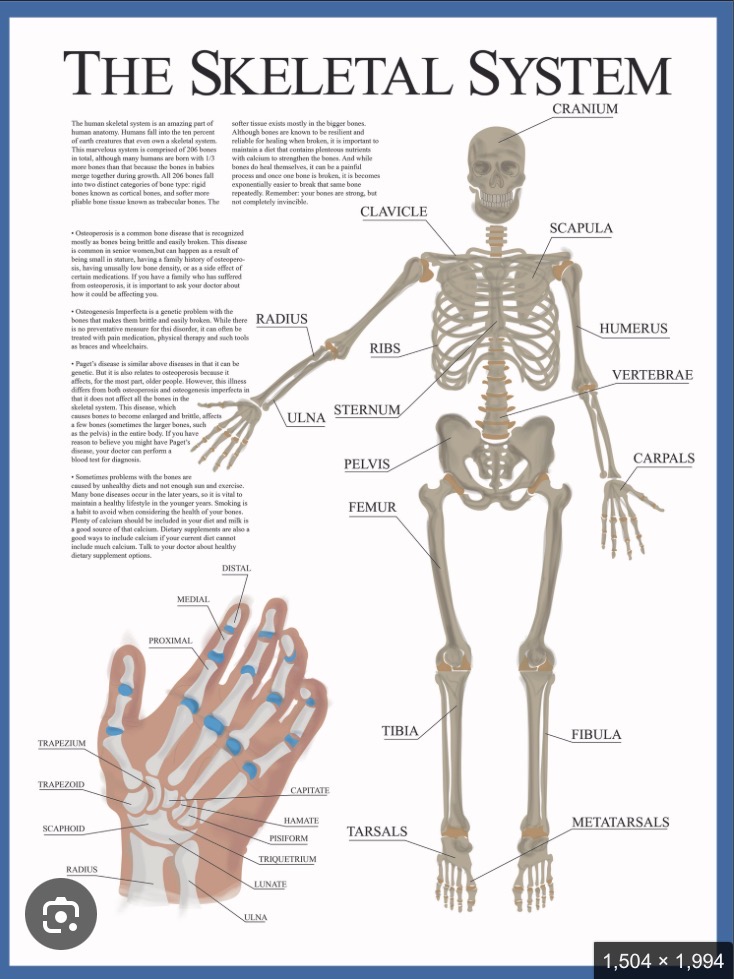
Skeletal System
Organ system providing support, organ protection, body movement, red bone marrow blood cell production, and mineral/fat storage; composed of bones, cartilages, and ligaments.
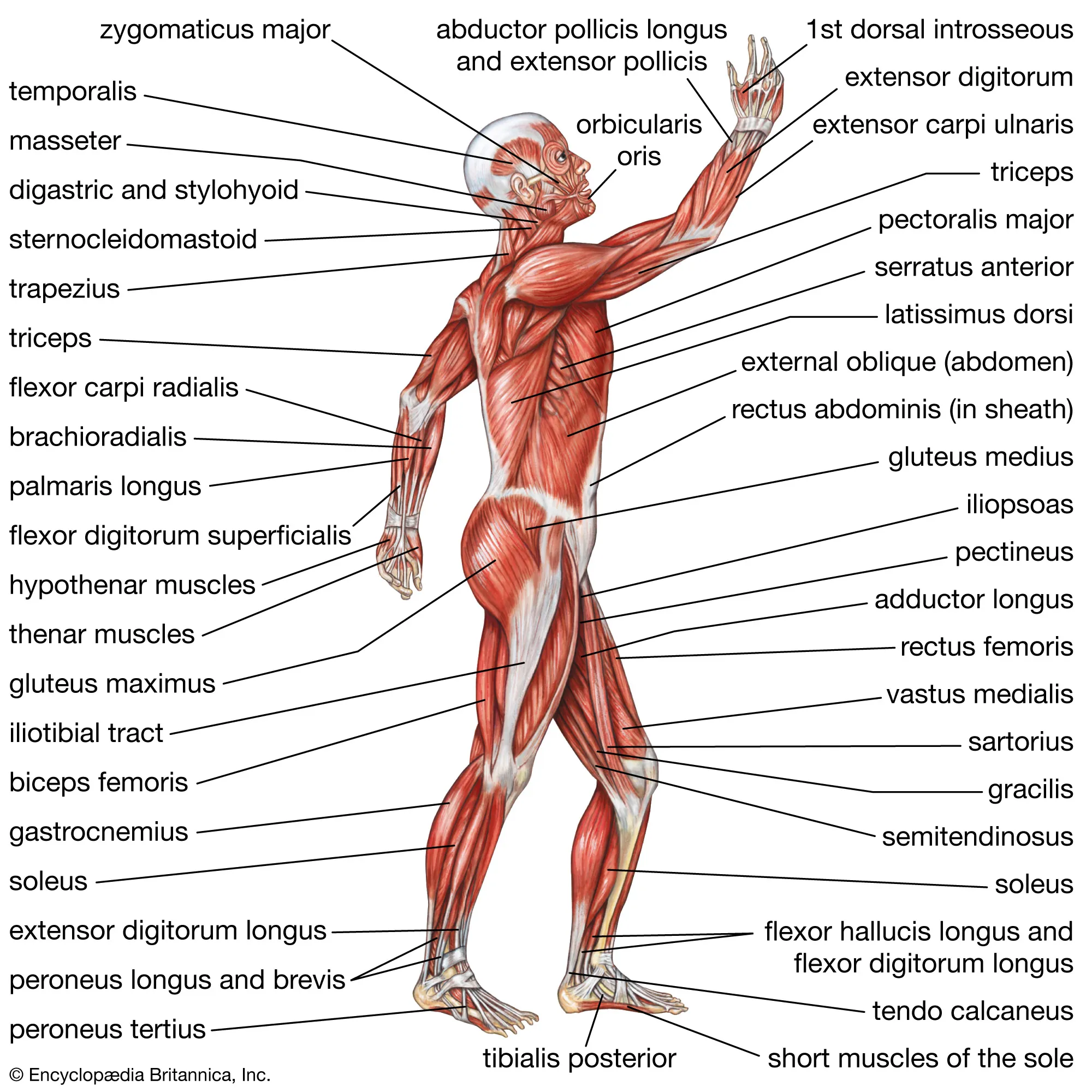
Muscular System
Organ system responsible for body movement, posture maintenance, and heat production through shivering; composed of skeletal muscles and tendons.
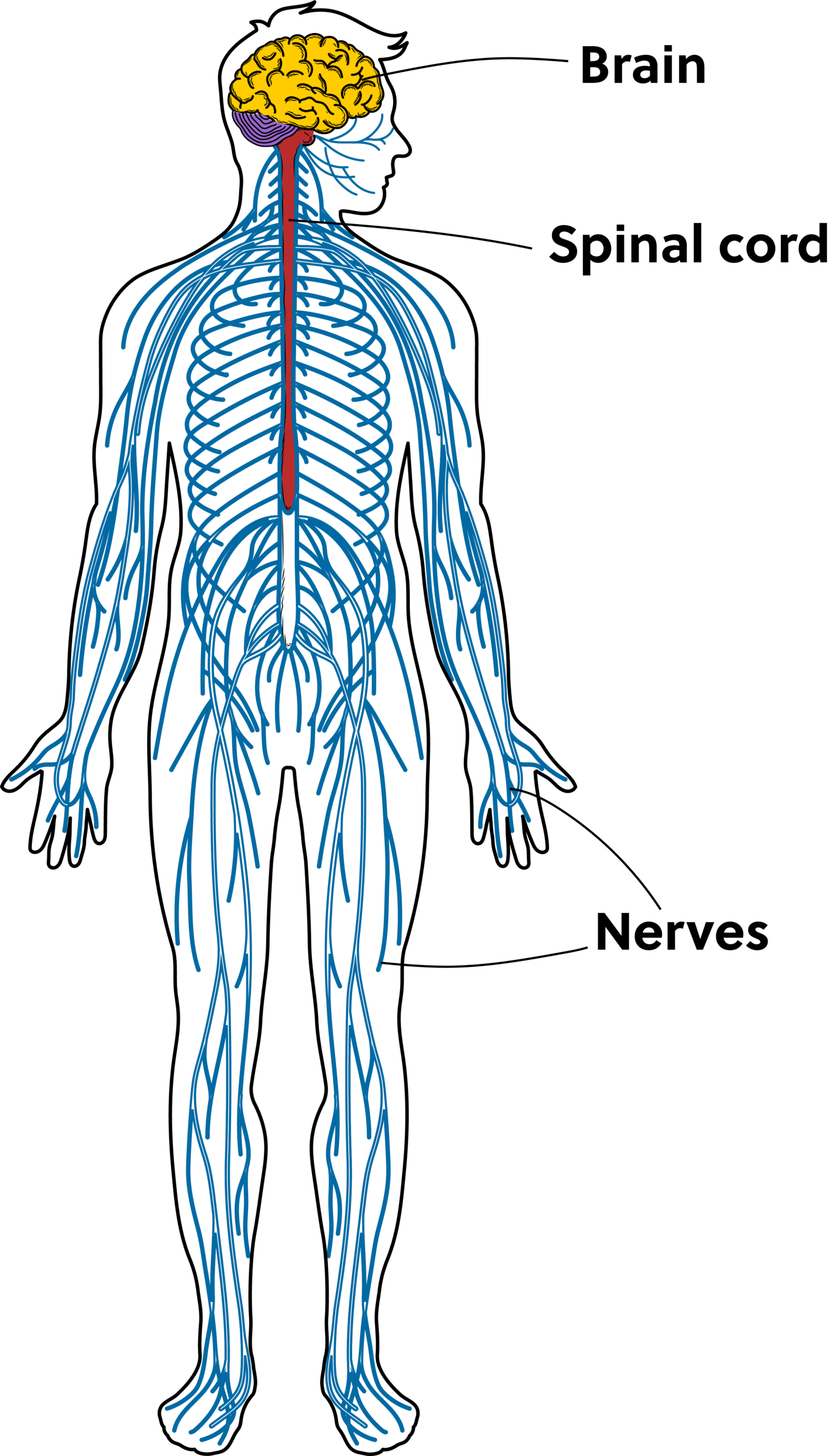
Nervous System
Organ system providing body communication, control, sensory perception, movement control, and homeostasis; composed of the brain, spinal cord, nerves, and sensory receptors.
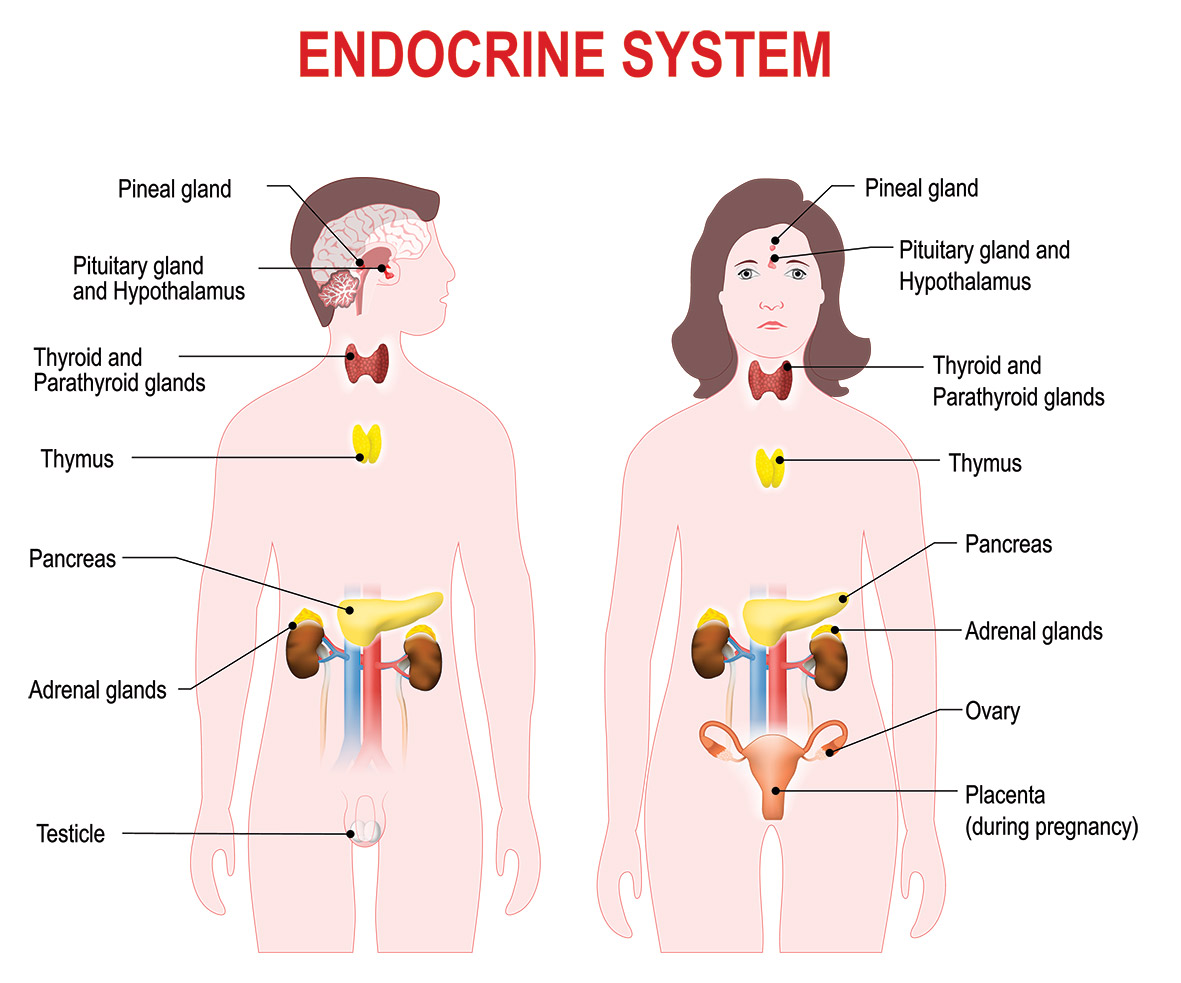
Endocrine System
Regulatory organ system controlling metabolism, growth, and reproduction via hormone secretion; includes glands such as the pituitary, pineal, pancreas, adrenals, ovaries, and testes.

Lymphatic System
Immune-related system that removes foreign substances, combats disease, maintains fluid balance, and absorbs digestive fats; consists of lymphatic vessels, lymph nodes, tonsils, thymus, and spleen.
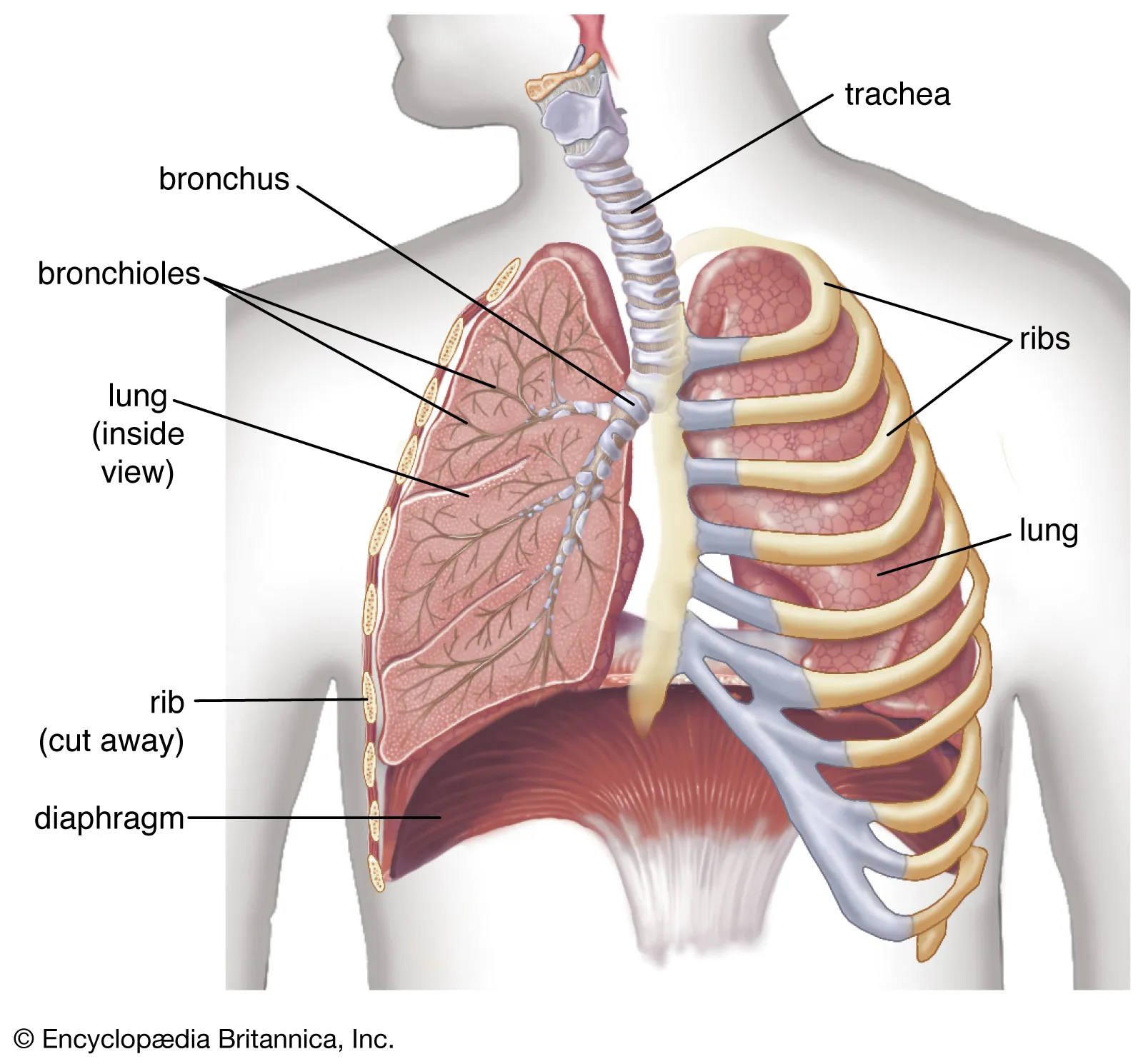
Respiratory System
Organ system regulating gas exchange (O2 and CO2) and blood pH; consists of the lungs, nasal/oral cavities, pharynx, larynx, trachea, and bronchi.

Digestive System
Organ system carrying out food ingestion, breakdown, nutrient absorption, and solid waste elimination; includes the mouth, esophagus, stomach, intestines, liver, gallbladder, and pancreas.
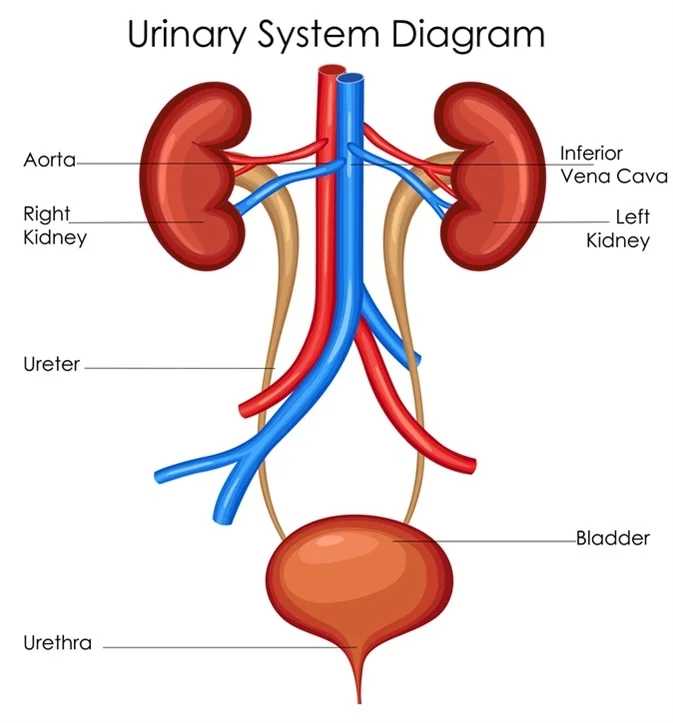
Urinary System
Organ system filtering wastes from blood and regulating blood pH, ion balance, and water balance; consists of kidneys, ureters, urinary bladder, and urethra.
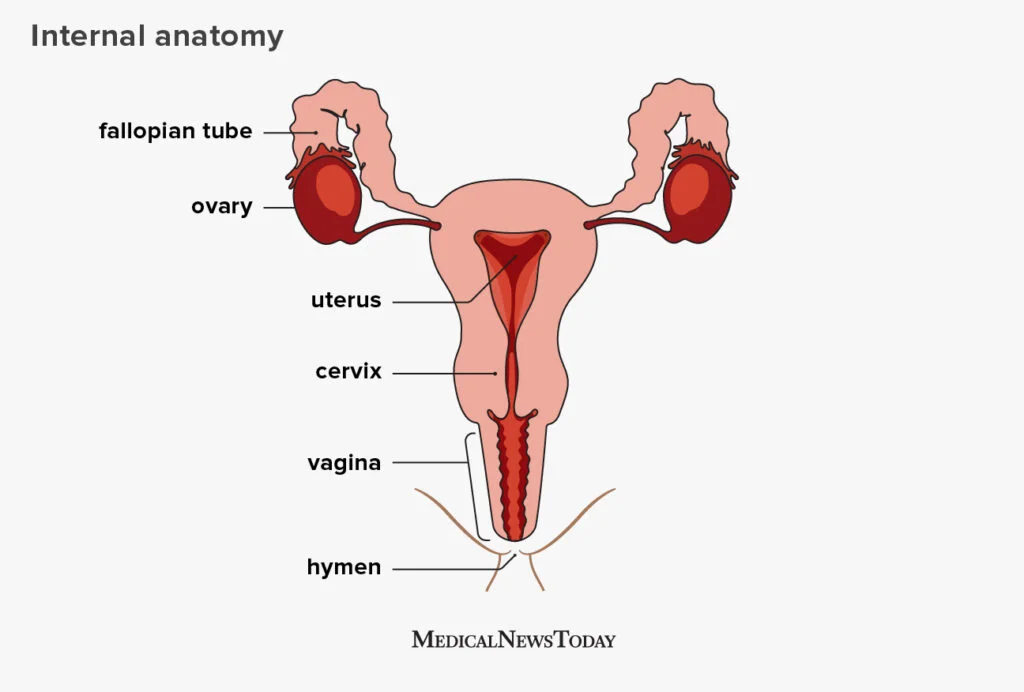
Female Reproductive System
Organ system responsible for oocyte production, fertilization, fetal development, lactation, and hormone production; consists of ovaries, uterine tubes, uterus, vagina, and mammary glands.
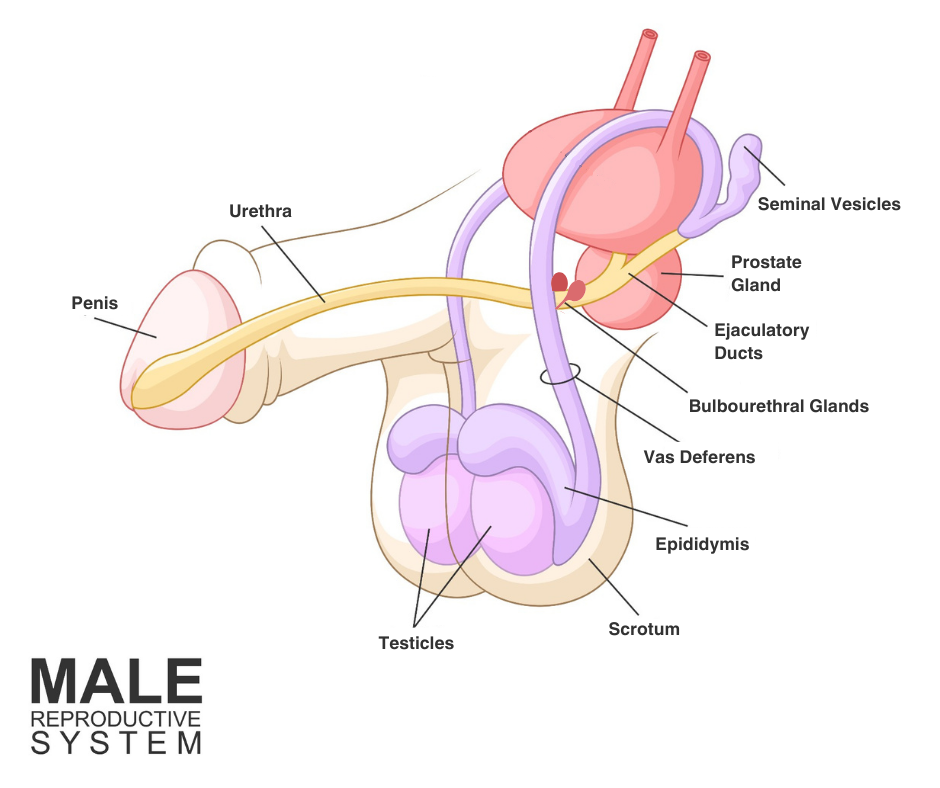
Male Reproductive System
Organ system responsible for sperm production, sperm transfer, and hormone production; consists of testes, scrotum, accessory organs, and penis.
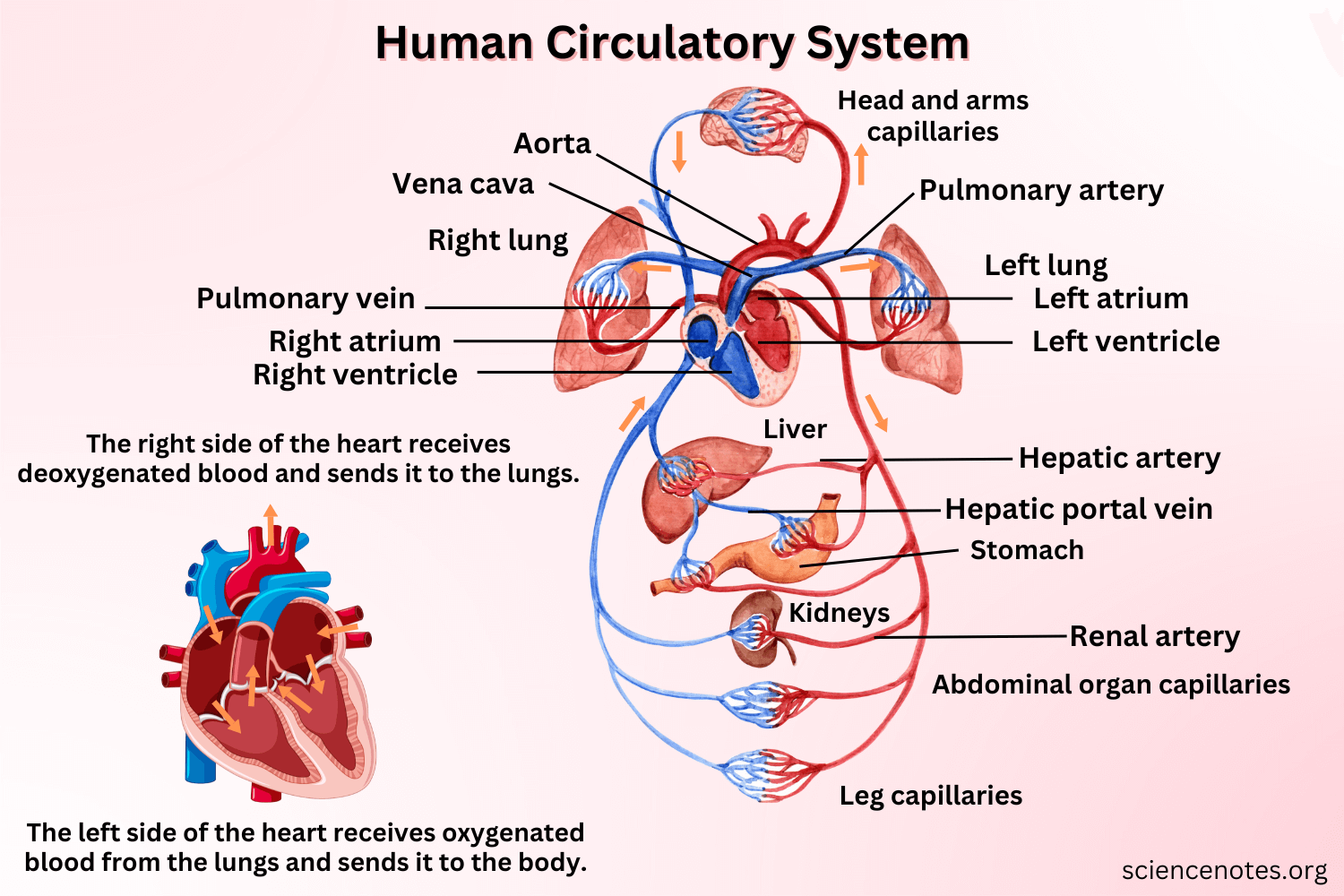
Cardiovascular System
Organ system transporting nutrients, waste, gases (O2 and CO2), and hormones, assisting in immunity and temperature control; consists of the heart, blood vessels, and blood.