(2) France: Military History and Notable Events
 Call Kai
 Learn
Learn Practice Test
 Spaced Repetition
 Match
Match Flashcards
 Knowt Play
1/215

There's no tags or description
Looks like no tags are added yet.
Name | Mastery | Learn | Test | Matching | Spaced | Call with Kai | Chat |
|---|
No analytics yet
Send a link to your students to track their progress
216 Terms
1033 - Aquitaine Famine (All Facts)
Famine that arose in the namesake location in France due to the torrential thunderstorms which flattened crops by springtime
Famine in which fear swept through France, in which the French believed the end of the world was near as it took place close to the 1,000th anniversary of the death of Jesus Christ
Famine that spurred huge crowds of French people to
make public displays of repentance
make pilgrimages to the Holy Land in Jerusalem
swear to keep the peace of God
1194 - Battle of Freteval (All Facts)
Battle in which Philip II / Philip Augustus and his forces were defeated by Richard of England and his forces, thus losing the French territory in England called the Vexin
Battle after which the truce of Verneuil was made between the two belligerents
1212 - Children’s Crusade (All Facts)
Crusade led by Stephen of Cloyes, a 12-year old shepherd boy, who rode in a decorated cart with his bodyguard of young noblemen while many priests, peasants, women, and assorted adventurers joined him
Crusade that comprised a variety of people including landless peasants, poor aristocrats, some from the namesake group, and essentially anyone who had no real voice in society but who were nonetheless attracted to the crusading missions
Crusade in which Stephen of Cloyes and the voiceless set out by sea from Marseilles in France, determined to deliver the Holy Sepulcher in Jerusalem from the infidels
Crusade which was supported by Pope Innocent III and by two merchants named Hugh Ferreus and William of Posqueres, the two latter of whom provided transport
Crusade which was attacked and attempted to be banned by King Philip Augustus / Philip II of France
Crusade which takes its title from the Latin word “infans” which literally means “unable to speak” but really refers to the voiceless in society during the times of the Crusades
1213 - Battle of Muret (All Facts)
Battle in which Simon de Montfort and his forces defeated Raymond VI of Toulouse and his forces and Peter II of Aragon and his forces
Battle which was a shock defeat, as the namesake fortress was only defended by 30 horsemen and a few foot soldiers
Battle which left Simon de Montfort in control of southern France unchallenged and became the pope’s supreme commander
1214 - Battle of Bouvines (All Facts)
Battle in which Philip II / Philip Augustus and his forces defeated John and his forces
1247 - Valreas Blood Libel (All Facts)
Incident prompted by stories that Jews were ritually murdering Christian children, propagated by two Franciscans who began an inquisition in the French diocese of Vienne
The two Franciscans were eventually disowned by Pope Innocent IV
1248 - 1254 - The Seventh Crusade (All Facts)
Crusade during the reign of King Louis IX
1250 - Battle of Mansurah (All Facts)
Battle in which the Ayyubid Sultanate defeated Louis IX and his French Crusader forces during The Seventh Crusade
Battle after which Louis IX was taken prisoner by the Ayyubid Sultanate
1250 - Battle of Fariskur (All Facts)
Battle in which King Louis IX and the Crusaders were defeated by Turanshah and the Ayyubid Sultanate
1251 - Shepherds’ Crusade (All Facts)
Crusade in which a ragged army of several thousands called “Pastoureaux” (French for the namesake)
dressed as the namesake
marched into towns bearing pitchforks, hatchets, daggers, and pikes
begged for food, and took it by force if they did not get enough from their begging
frightened and terrorized Picardy in France and other regions of Europe on their way to the Holy Land
Crusade led by a renegade Hungarian monk named Jacob
Jacob began preaching for a new crusade, in which he played on local fears that arose from the continued imprisonment of King Louis IX in the Holy Land by the Ayyubid Sultanate in which people were saying that Mohammed the Great Prophet was stronger than Christ
Jacob claimed that God was angry at the pride of the nobles and churchmen and claimed that God had called him to lead a crusade of the lowly namesake group, which had first brought the glad tidings of the Nativity of Christ
Jacob was gradually joined by thieves and murderers as well
Jacob led these crusaders in a march to towards the Holy Land, and he told them that the sea will part for them so that they can walk all the way there
Crusade in which the people who followed Jacob treated him like a messiah
He was said to heal the sick
He claimed that their food will never grow less, like the loaves and fishes distributed by Jesus Christ
He married some of his followers and divorced them too
He even married 11 men once to one woman
1259 - Treaty of Paris / Treaty of Abbeville (All Facts)
Treaty signed between King Henry III of England and King Louis IX of France
In it, King Henry III of England received the Agenais, Saintonge, and parts of Quercy, Limousin, and Perigord from King Louis IX of France
In return, King Henry III of England gave all claims to the Plantagenet fiefs of Normandy, Anjou, Touraine, Maine, and Poitou to King Louis IX of France
This treaty marked a turning point in European politics; leading to new political dynamics, cultural exchanges, and social changes
1297 - 1305 - Franco-Flemish War (All Facts)
Series of conflicts between the Kingdom of France and the County of Flanders prompted by King Edward of England’s rallying up of Flemish peoples to rebel against their French overlords
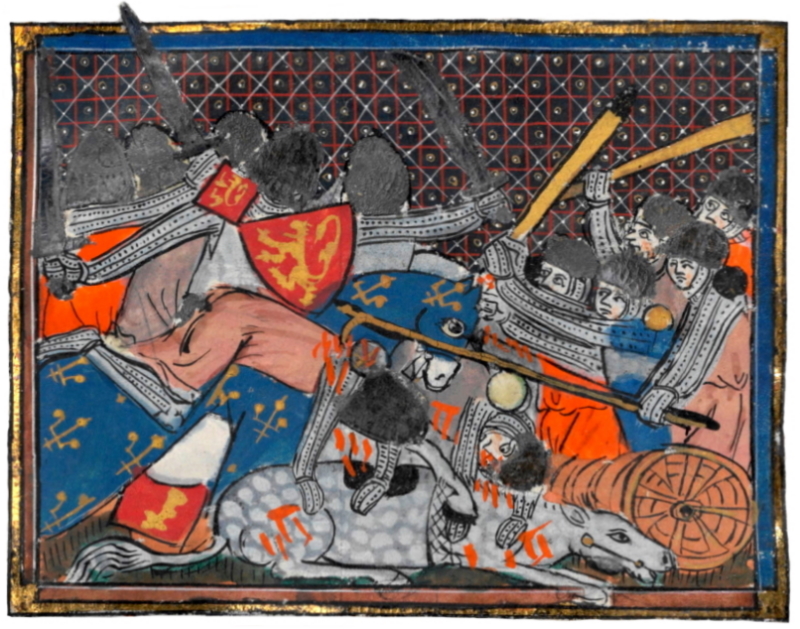
1302 - Battle of the Golden Spurs (All Facts)
Battle in which Robert II, the Count of Artois, and his French forces were defeated and routed by Pieter de Conninck and his rebellious forces of Flemish pikemen during the Franco-Flemish War
1315 - 1317 - Great Famine (All Facts)
Brought on by the depression of the farming economy by prolonged rainy spells which had ruined the harvests
The bad harvests there brought on the namesake event, thus slowing population growth considerably
10% of the population died of malnutrition and / or disease
Only the West Country escaped disaster
On top of bad harvests, there was now a shortage of salt, as salt pans had failed to evaporate
Moreover, livestock had been hit by disease
During this difficult time
the rise in wheat prices hit the poor the hardest
almsgiving was cut
The Churches in France considered this event to be the result of divine retribution for the French and Europeans’ misdeeds
1337 - 1453 - Hundred Years’ War (All Facts)
Series of conflicts with England that included the
Battle of Sluys
War of the Breton Succession
Crecy Campaign
Battle of Crecy
Siege of Calais
Battle of Poitiers
Battle of La Rochelle
Battle of Agincourt
Siege of Orleans (turning point)
Battle of Formigny
Battle of Castillon
Series of conflicts with England ended by
Truce of Esplechin
First Treaty of London
Treaty of Bretigny
Treaty of La Bruges
Treaty of Troyes
Congress of Arras
Treaty of Arras
Treaty of Picquigny
War caused by
Disputes over the French feudal sovereignty over Aquitaine and the English claims over the French royal title
The rival claims to the French throne that broke out between King Philip VI of France and King Edward III of England
England’s archers armed with longbows helped win several early victories
War in which England profited from pillage and the ransom of captives of France
By the end of the conflict, England was only able to retain the port of Calais from France
As a result of the war,
serving under a monarch fostered a sense of unit among English soldiers who spoke distinct languages or dialects
the people of England identified themselves more so as “English” rather than from the particular region in which they lived
the use of gunpowder weapons developed and spread in Europe, having already been invented by the Chinese and used by the Mongols
1340 - Battle of Sluys (All Facts)
Battle in which the French were defeated by King Edward III of England and his forces off the Flemish coast during the Hundred Years’ War
Battle in which the French naval fleet was completely destroyed by King Edward III of England and his forces, which gained control of the sea
1340 - Truce of Esplechin (All Facts)
Treaty signed between Philip VI of France and King Edward III of England
Treaty signed due to the inability by either party to pay their troops during the Hundred Years War
1341 - 1365 - War of the Breton Succession (All Facts)
War caused by a succession crisis caused by the death of the Duke of Brittany in which
Philip VI of France supported Charles de Blois, the stepfather of the dead duke, to succeed him
Edward III of England supported John de Montfort, the half-brother of the dead duke, to succeed him
War that occurred during the Hundred Years’ War between France and England
1346 - 1347 - Crecy Campaign (All Facts)
Military Campaign consisting of a series of large-scale raids conducted under the reign of King Philip VI of France throughout northern France that devastated the French countryside on a wide front and that ended in the Battle of Crecy during the Hundred Years’ War
1346 - Battle of Crecy (All Facts)
Battle in which Philip VI and his French forces were defeated by King Edward III and his English forces during the namesake campaign during the Hundred Years’ War
Battle in which Philip VI and his French and Genoese forces outnumbered King Edward III and his English forces, despite King Edward III and his English forces killing 1,500 French troops and forcing Philip VI of France to flee
Battle in which two factors contributed to King Philip VI’s defeat, in which
The first was French pride and vanity, with Philip VI’s knights having ignored orders and having vied with each other to be first to confront the English invaders
Thus, confusion reigned in the darkness and when the first ranks finally came across the English, the French turned and ran into their own allies
The second was the invention and implementation of the English longbow and negative effect of the weather on the Genoese mercenaries of the French
Philip VI had relied on 15K Genoese crossbowmen and ordered them to attack while he was still sorting out his divisions from their inner turmoil
After an all-night march, the Genoese were fatigued and at first refused to advance onto the English troops
When they finally made their move it was during a heavy rainstorm, which rendered their weapons useless as their bow-strings were soaked
Only then did the English longbowmen take one step forward and then began a rain of arrows on the helpless Genoese who fled into the swords of their allied French troops
In the melee that followed, the French presented a perfect target for the English longbowmen
By the time the French began hand-to-hand combat against the well-prepared English knights and their bands of infantrymen, they were exhausted and were decimated by the English
From there, the English troops silenced and pillaged the French with their swords and battle-axes
Battle after which the French-Norman port city of Calais was besieged by Edward III and his English forces during the Hundred Years’ War
1347 - Siege of Calais (All Facts)
Battle in which the namesake French city was defeated and captured by Edward III and his English forces, ending the Crecy Campaign
In so doing, many of the namesake city’s citizens died of hunger
Sir Jean Vienne, governor of the city, offered to surrender to the namesake so long as King Edward III of England spared their lives
Edward III agreed on the condition that six principal citizens or “burghers,” with heads and feet bare and halters round their necks, deliver to him the keys of the city and throw themselves upon his mercy
Even Edward III’s own knights appealed to him for clemency, which he rejected
The six burghers begged for mercy not to be killed by him and it was not until Edward III’s wife Philippa of Hainault sank to her knees and cried to her husband and king, begging him not to kill them, which moved him so deeply and softened his heart, leading him to spare their lives
1356 - Battle of Poitiers (All Facts)
Battle in which John II of France and his forces were defeated by Edward the Black Prince, son of King Edward III of England, and his forces, during the Hundred Years’ War
Battle which began with a large-scale raid and scorched earth campaign from the British base at Aquitaine into Northern France
Battle in which the English archers used the longbow to great effect against King John II of France and his forces and the Duke of Orleans
Battle in which Edward the Black Prince had “fought like a raging lion” all day and, hearing that victory was certain, he placed his banner on a bush to rally his army
He then proceeded to erect a red tent, bring drinks, and retire from the field of battle with his lords
At this point in the battle, a mob of English troops appeared over a hillock with John II of France in their midst
Edward the Black Prince and his forces systematically massacred the French until they surrendered outside the gates of the namesake city
Upon French surrender, in the true tradition of chivalry cultivated in England during that time, John II of France was invited into Edward the Black Prince’s tent where he two men drank wine and discussed the namesake battle
He held a banquet with John II of France and allowed him and his captured courts and barons to be honored guests
Edward the Black Prince refused to be seated in King John II’s presence, even serving at the table as a mark of humility
After the banquet, and after Mass, he and his captives and a mass of booty left the namesake city for London
Battle after which John II of France was captured and imprisoned
When his son, Louis of Anjou, who was a hostage in his place, escaped, John II returned to captivity in England to uphold his word, where he died
Battle which marked the end of the First Phase of the Hundred Years’ War
Battle which was the second of the three great English victories over the French in the Hundred Years’ War
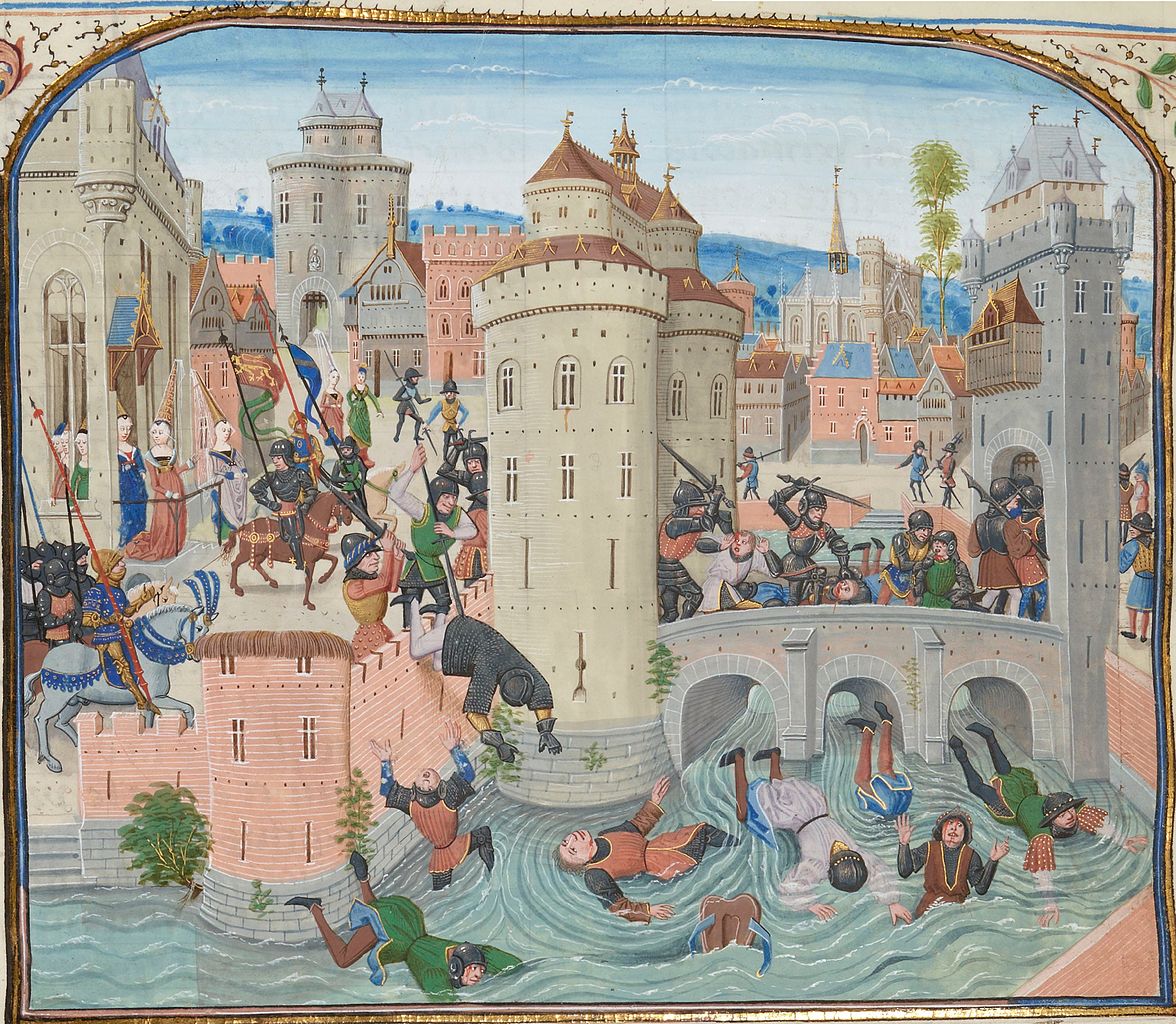
1358 - Jacquerie Revolt (All Facts)
Peasant Revolt in France during the reign of King John II of France
Revolt caused by
Neglect of the Peasants in France by the nobility due to
The defeat of John II of France and his forces to Edward the Black Prince of England and his forces in the Battle of Poitiers during the Hundred Years War, in which the French nobility was seen as having abandoned the French peasantry as a result
The aristocracy’s failure to protect the French countryside from English mercenaries and bandits
The aristocracy’s demanding more dues instead
The order from the nobility requiring that peasants reinforce noble and aristocratic castles despite the lack of protection provided by those nobles
Severe economic hardship experienced by peasants throughout France due to
High taxes imposed on the peasants to pay for the Hundred Years’ War
King John II of France’s paid ransom via the First Treaty of London passed in the same year, which also contributed to high taxes
The aftermath of the Black Death
Political instability
Revolt which
occurred over the course of three months, beginning after the ransom was paid to release King John II of France via the First Treaty of London and Treaty of Bretigny
began when, allegedly, via one widely circulated report, suggested that peasants killed a French knight, roasted him on a spit, gang-raped his wife and forced her to eat some of her husband’s flesh
With stories like this circulating from castle to castle throughout France, terror and fear became the norm
involved terror and rumors of rape, murder, and even cannibalism; which spread rapidly throughout northern France with the speed of the Black Death
ended when knights slaughtered all the peasants, starting in the town of Meaux and following suit elsewhere
Revolt during which mobs roamed freely throughout the land, in which noblemen were helpless to act as the mobs
broke into their homes, stealing food and wine
burned the owners of homes that trembled behind locked doors
held entire towns hostage, forced to lay on feasts for their growing army of peasants
Revolt in which France’s nobles united with one another to violently suppress the peasant revolt with savage ferocity in which
Towns were sacked
Farmland laid waste
20K rebels were killed
1358 - First Treaty of London (All Facts)
Treaty signed between John II of France and Edward III of England in which it was agreed that
Edward III of England would let John II of France be released if a ransom of 4M French ecus was paid unto him
Extensive French territories would be ceded to England
1360 - Treaty of Bretigny (All Facts)
Treaty signed between John II of France and Edward III of England in which John II was freed from captivity by Edward III of England and upon which he returned to France
1365 - Treaty of Guerande (All Facts)
Treaty passed during the reign of King Charles V of France
Treaty which ended the War of the Breton Succession
Treaty in which the House of Blois ceded its rights in Brittany to the Montforts, specifically John IV de Montfort
1372 - Battle of La Rochelle (All Facts)
Battle in which Castilian fleet, which supported the French forces, defeated a fleet of English forces during the Hundred Years’ War
Battle which essentially reversed the effect of the prior Battle of Sluys
1375 - Treaty of Bruges (All Facts)
Treaty signed between the French and the English during the Hundred Years’ War in which
The English retained the port of Calais and a coastal strip of Gascony
1382 - 1384 - Maillotin Revolt (All Facts)
Revolt in Paris during the reign of King Charles VI of France against the king’s harsh tax policies
Revolt which began when a woman street merchant fought a male tax collector off with a cry of “down with taxes” after he tried to seize her goods
Others quickly took up the chant and seized mallets stored in the Hotel de Ville
They proceeded to chase tax-collectors throughout Paris with the mallets, hence the namesake
Revolt which crumbled after news of the rebel defeat in the Battle of Roosebeke in Flanders during the Ghent Revolt
Revolt whose leaders were executed after it was stamped out
1378 - 1384 - Tuchin Revolt (All Facts)
Revolt during the reign of King Charles VI of France against the king’s harsh tax policies
Revolt in which peasants and artisans (craftsmen) who were driven by the cities due to taxation loosely organized into groups of no more than 20 and made a living from robbery
The groups were bound together by bloodcurdling oaths
They claimed patriotic motives
They stole livestock, jewelry, and cash
They captured churchmen and nobles for ransom
Some of them were upperclassmen like Pierre de Bres, who was connected to many leading families of the Auvergne and Languedoc
He joined the anarchic movement after robbing his uncle, a bishop; and discovering his wife having an affair with his squire
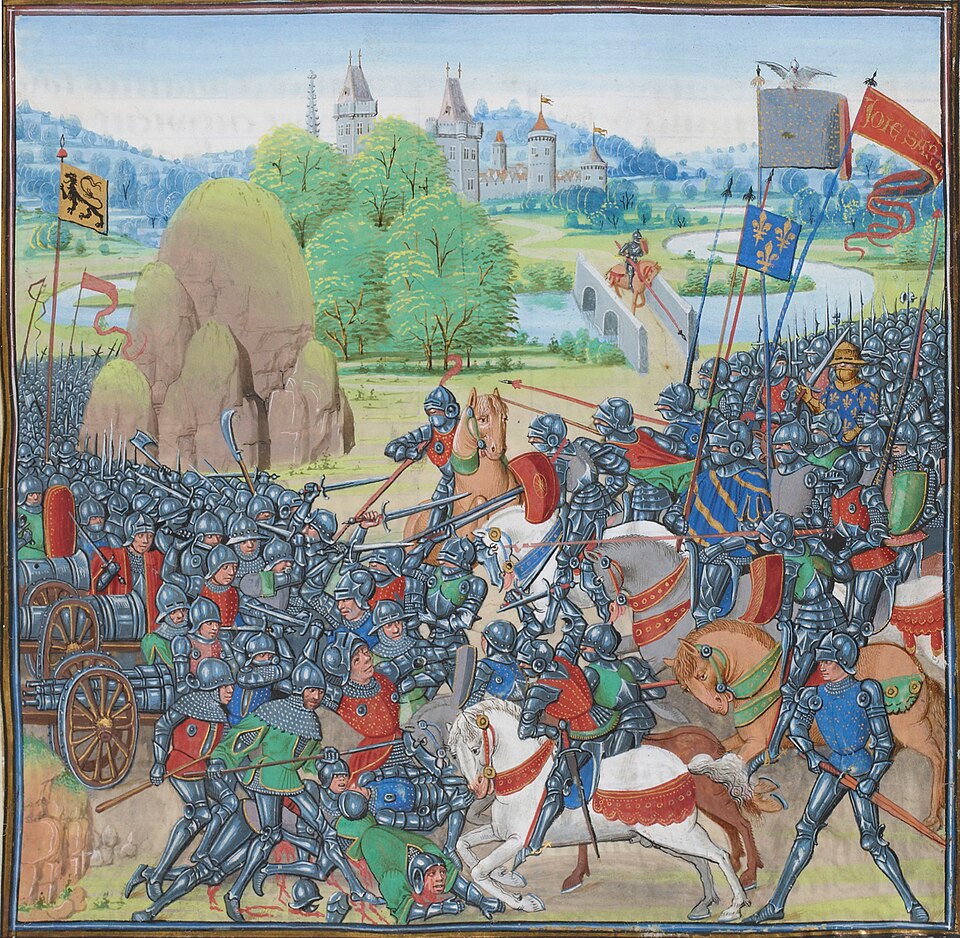
1382 - Battle of Roosebeke (All Facts)
Battle in which King Charles VI of France, Louis II of Flanders, and Olivier de Clisson defeated Philip van Artevelde and his rebels during the Ghent Revolt
1407 - 1435 - Armagnac-Burgundian Civil War (All Facts)
Civil War in France during the Hundred Years’ War in which the namesake former party, supporters of Louis the Duke of Orleans; and the namesake latter party, supporters of John “The Fearless,” the Duke of Burgundy; fought over who would control and assume the French throne given that King Charles VI of France could not maintain the throne due to his bouts of madness
Civil War in France which derived from Burgundian ambitions
Civil War in France which began when John, the Duke of Burgundy; had Louis, the Duke of Orleans, assassinated
Civil War during which demands for reform of finance and justice made by Parisian craftsmen under the patronage of the latter namesake party result in the “Cabochien ordinance” that all officials, both central and local should be elected
However, this utopian measure was overturned as soon as the former namesake party seized control of Paris
Civil War in which the latter namesake party was likely motivated by their English allies to burn St. Joan of Arc at the stake after trying and convicting her of being a witch
1415 - Battle of Agincourt (All Facts)
Battle in which France was defeated by King Henry V of England and his forces during the Hundred Years’ War
Battle in which the French forces (60K) severely outnumbered the English forces (12K)
The French were so confident that they had paraded a cart in which they intended to drag the English king through Paris
It seems the French learned little since their previous disaster in the Battle of Crecy
Battle during which
The French began their advance, into a rain of English arrows
The French cavalry panicked, smashing their way through their own infantrymen, causing great breaches in the forward ranks
The English soldiers then quickly filled these breaches, wielding swords and axes
The French pushed one final time, only to have the English cut the throats of some 1K French prisoners
1420 - Treaty of Troyes (All Facts)
Treaty of “perpetual peace” signed between Philip III of Burgundy and King Henry V of England in which
They brought England and France under one crown, following King Henry V’s victory in the Battle of Agincourt
King Henry V was to marry Catherine of Valois, the daughter of the King of France at the time
King Henry V believed the agreement would bring “perpetual peace” between the two kingdoms despite the customs and kingdoms being completely separate, the union of the two crowns was to be personal
King Henry V and Philip III of Burgundy failed to tackle the question of succession as no woman could succeed to the French throne
Treaty which ended the second and final phase of English dominance during the Hundred Years’ War
1428 - 1429 - Siege of Orleans (All Facts)
Battle in which Joan of Arc and her French forces defeated the Earl of Salisbury Thomas Montagu and his English forces during the Hundred Years’ War
Battle which marked the turning point in the Hundred Years’ War, in which the French began to win more victories and regain territories they lost to England
Battle in which the English army of 5K had initially sought to established a foothold on the Loire River and open up Anjou to occupation
However, they clearly failed to reckon with a revitalized, well-disciplined French army, spiritually transformed by Joan of Arc’s voices of conviction
1435 - Congress of Arras (All Facts)
Peace Conference between England, France, and Burgundy, in which
Philip III of Burgundy broke with the English and recognized King Charles VII as the only King of France
It thus ended the Armagnac-Burgundian Civil War in France
However, it led to the expulsion of the English from France
1450 - Battle of Formigny (All Facts)
Battle in which the French defeated the English during the Hundred Years’ War
Battle in which the French regained control of Normandy entirely from the English
Battle in which field artillery was recorded to have been used for the first time
1453 - Battle of Castillon (All Facts)
Battle in which Jean Bureau and the French defeated John Talbot and the English during the Hundred Years’ War
Battle which ended the Hundred Years’ War, in which the French defeated the English
Battle in which
Bordeaux and the namesake walled city were threatened with siege
a reluctant John Talbot had planned to take on all three French armies that approached Bordeaux upon Talbot and his English expeditionary forces being welcomed into Bordeaux
Jean Bureau and the French succeeded in drawing John Talbot and the English between Bureau’s artillery and the Dordogne River
the French had brought 600 cannons with them, producing firepower with which John Talbot and the English could not reckon
Battle after which
only Calais remained under English control
French troops rounded up English survivors
1475 - Treaty of Picquigny (All Facts)
Treaty signed between King Louis XI of France and King Edward IV of England, which formally ended the Hundred Years’ War
Treaty which was signed due to Edward IV of England having been bought off by Louis XI of France and the French
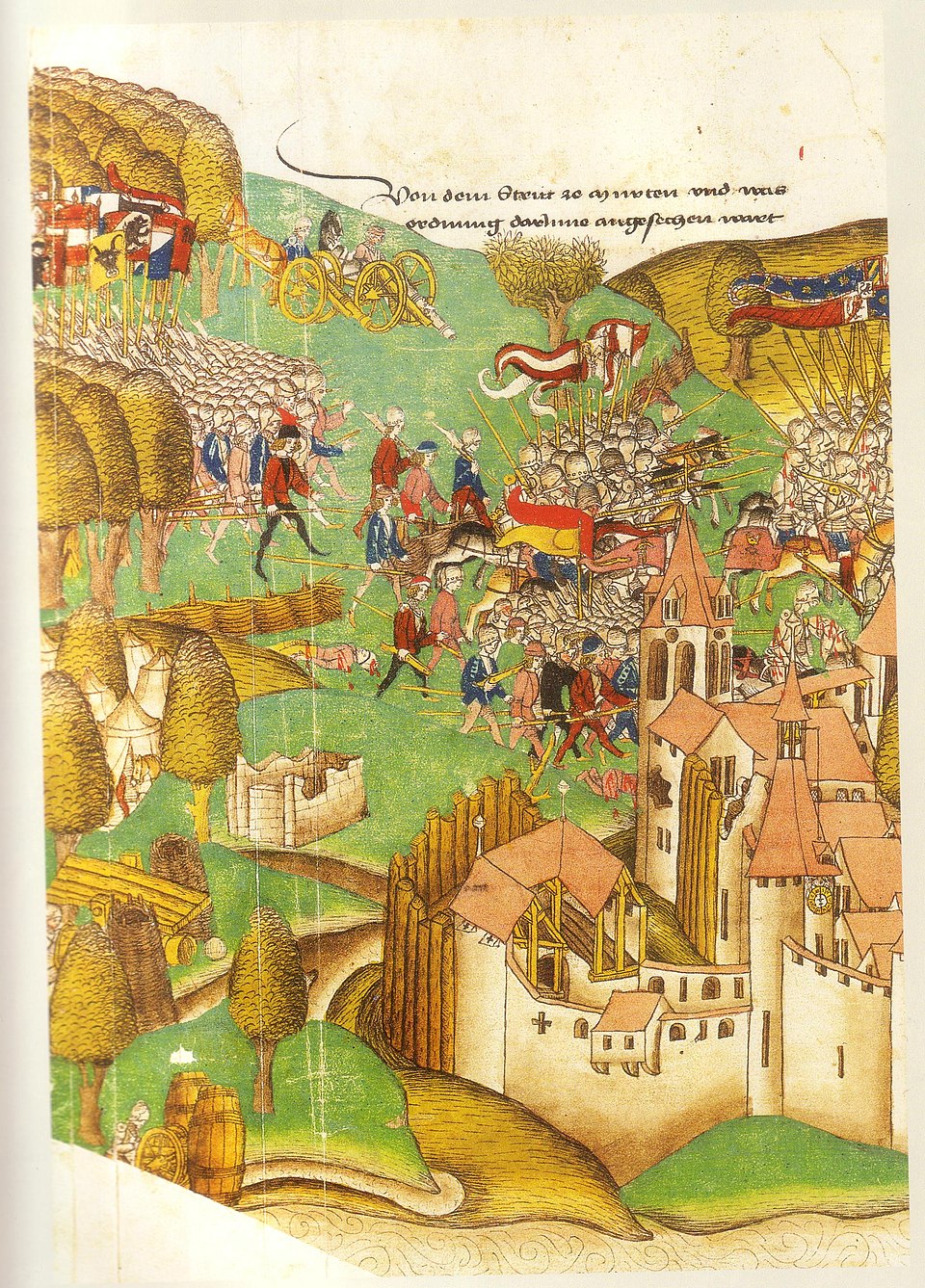
1474 - 1477 - Burgundian Wars (All Facts)
Series of conflicts between the Swiss and Burgundians which effectively ended the dukedom of Burgundy under the Kingdom of France
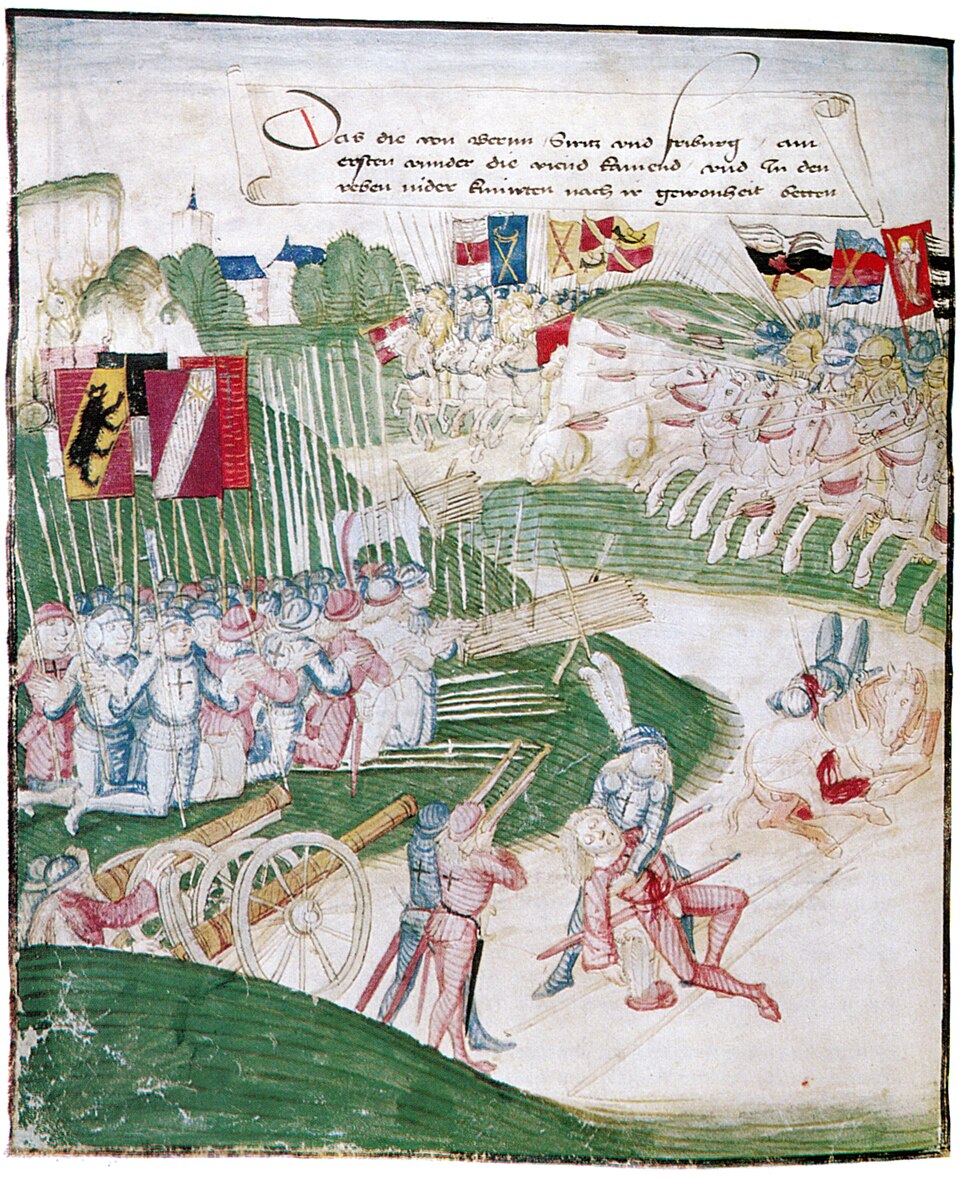
1476 - Battle of Grandson (All Facts)
Battle in which Charles Martin and his forces were defeated by the Swiss during the Burgundian Wars
Battle in which the Swiss pikemen bore down the heavily-armored Burgundian cavalry
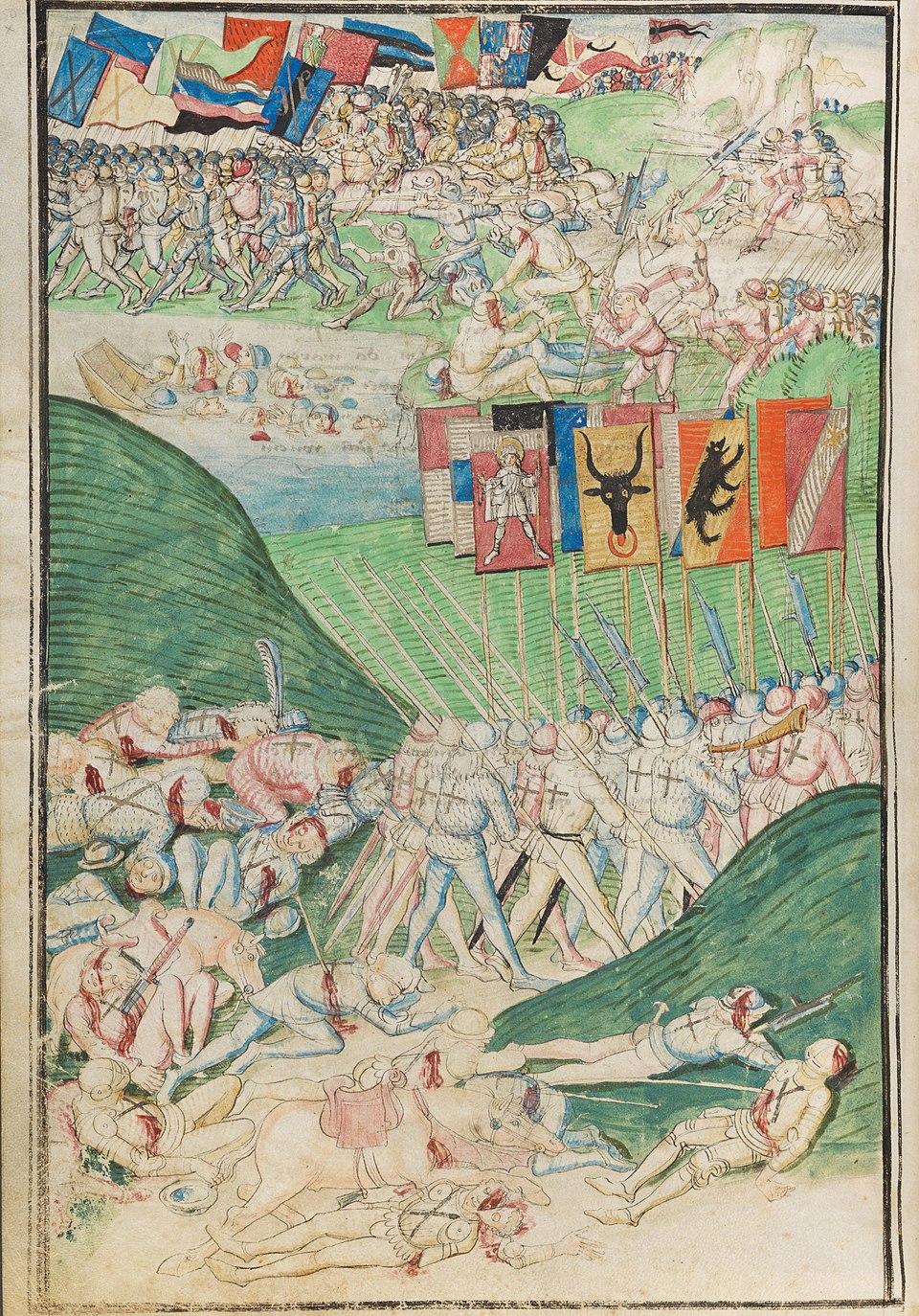
1476 - Battle of Morat (All Facts)
Battle in which Rene II and his French forces and the Swiss defeated Charles Martin and his forces during the Burgundian Wars
Battle in which Charles sought revenge for “shameful defeat” by besieging the namesake city, only to again be routed by the Swiss
Battle in which half of Charles Martin’s army died
Battle after which Charles Martin fled
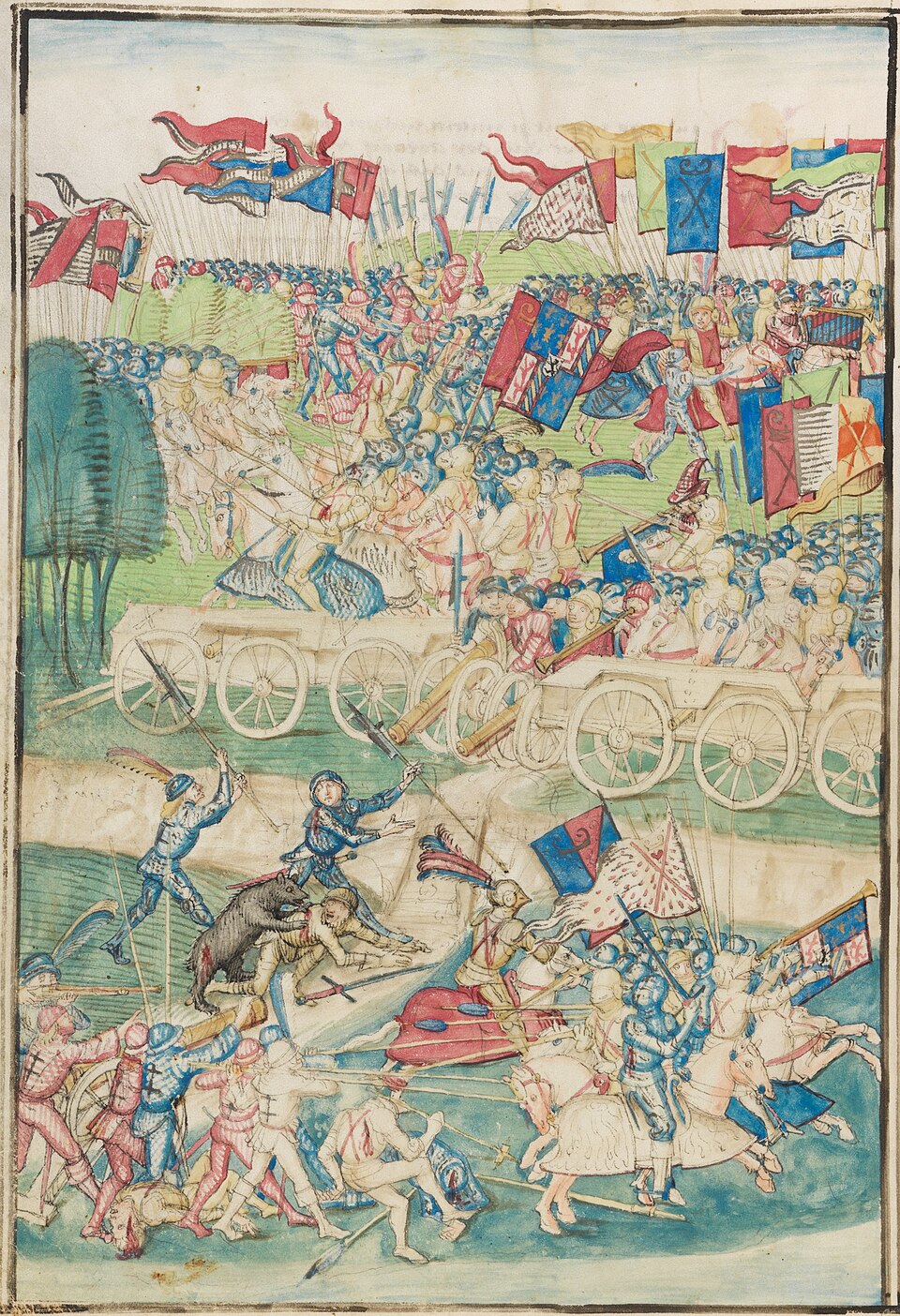
1477 - Battle of Nancy (All Facts)
Battle in which the Rene II of Lorraine and the French and the Swiss defeated Charles Martin and his Burgundian forces, thus ending the Burgundian Wars and ending the Dukedom of Burgundy
Battle after which Charles Martin’s body was found naked on a frozen pond, half eaten by wolves, and his skull cloven by a Swiss battle-axe; having been completely unrecognizable and identifiable only by the scars on his body
1482 - Treaty of Arras (All Facts)
Treaty in which Burgundy and Picardy were absorbed into France
Treaty in which Artois became the dowry of the two-year-old Margaret of Burgundy, daughter of Mary and Maximillian, who had been promised in marriage to Charles VIII
1492 - Peace of Etaples (All Facts)
Treaty signed between King Charles VIII of France and King Henry VII of England in which Charles VIII of France agreed
to pay the money due to England via the Treaty of Picquigny
to not aid anyone who rebelled against Henry VII of England’s rule
Treaty prompted by King Henry VII of England’s preparations for an invasion of France
1493 - Treaty of Barcelona (All Facts)
Treaty signed between King Charles VIII of France and King Ferdinand and Queen Isabella of Spain
Treaty in which King Charles VIII of France agreed to return Cerdagne and Roussillon to Spain
1494 - 1559 - Italian Wars (All Facts)
Series of conflicts between the Valois (France) and the Habsburgs (Spain and Holy Roman Empire) that began with the First Italian War and ended with the Ninth Italian War and mostly took place in (Northern) Italy
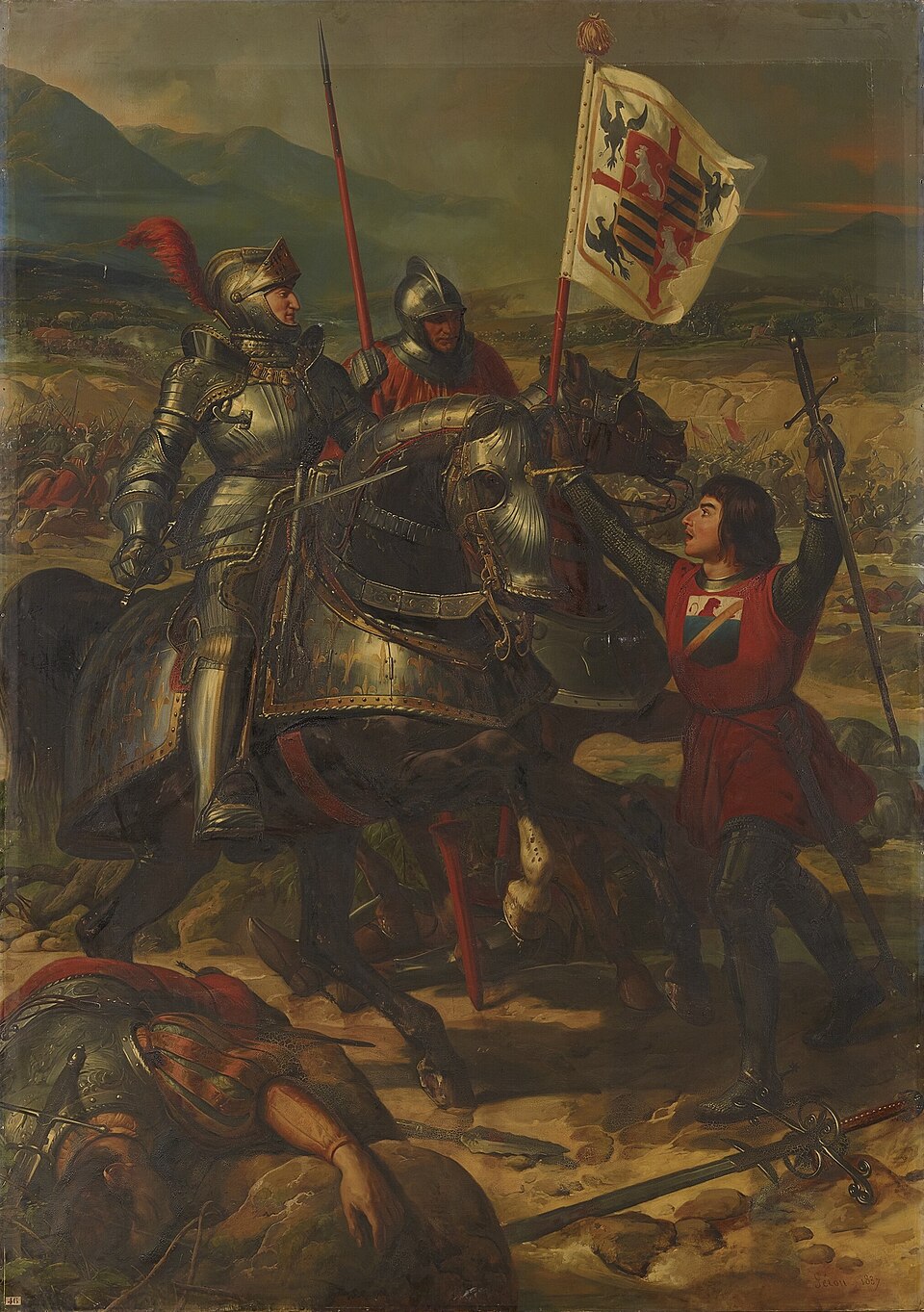
1494 - 1498 - First Italian War (All Facts)
Conflict in which the Habsburgs (Spain), with support from the Papacy and League of Venice, defeated the Valois (France)
Conflict that began with King Charles VIII of France’s invasion of the Kingdom of Naples
Conflict in which King Charles VIII and his army infected the Kingdom of Naples with the “French Pox” disease
Conflict in which King Charles VIII and his army was forced to retreat from Italy, thus halting French expansion and preventing France from securing a permanent foothold in the Kingdom of Naples
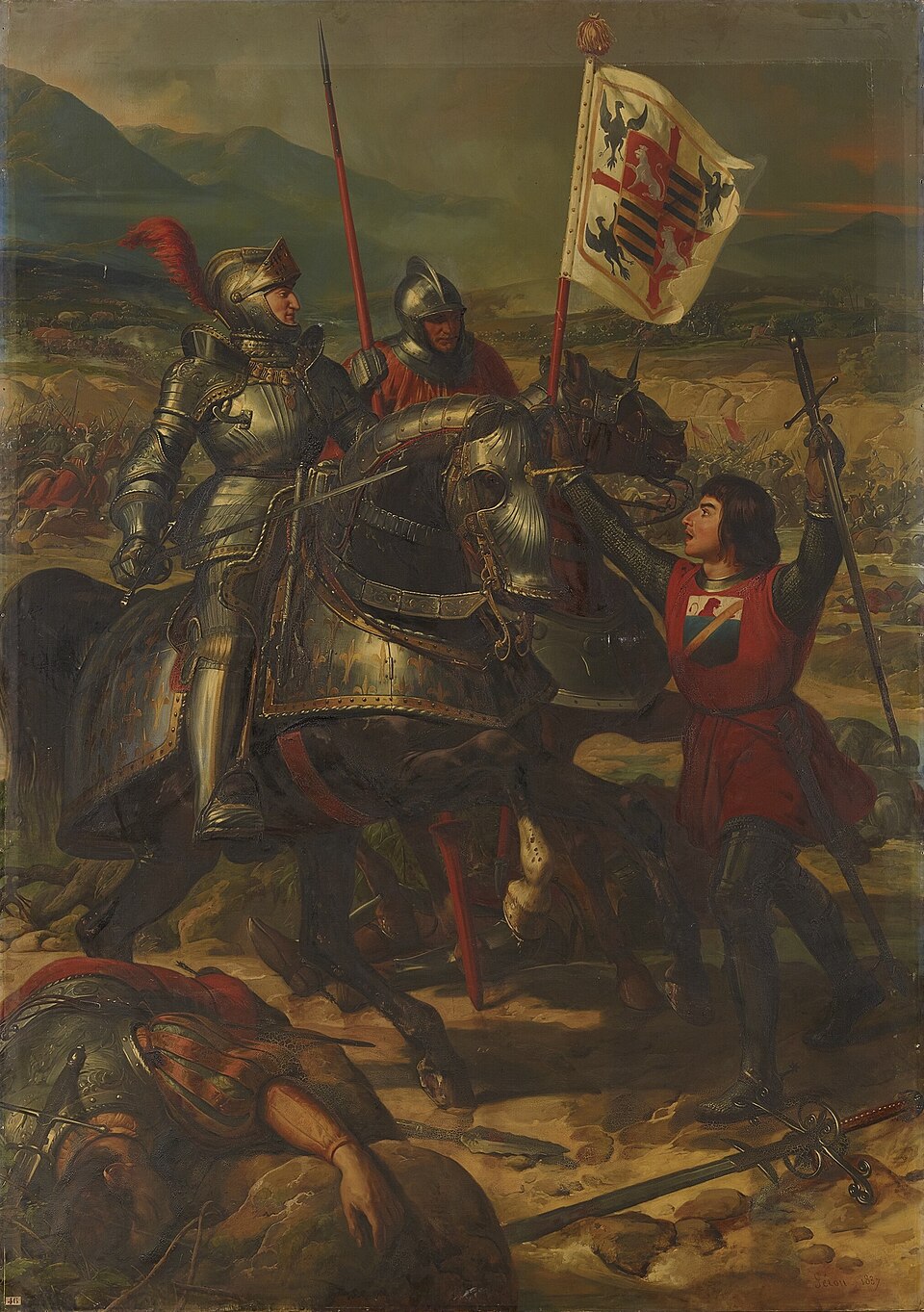
1495 - Battle of Fornovo (All Facts)
Battle in which King Charles VIII of France and his forces were defeated by the Italians and Swiss
Battle which left the French army exhausted, emaciated, and riddled with disease, limping its way home to France after its defeat
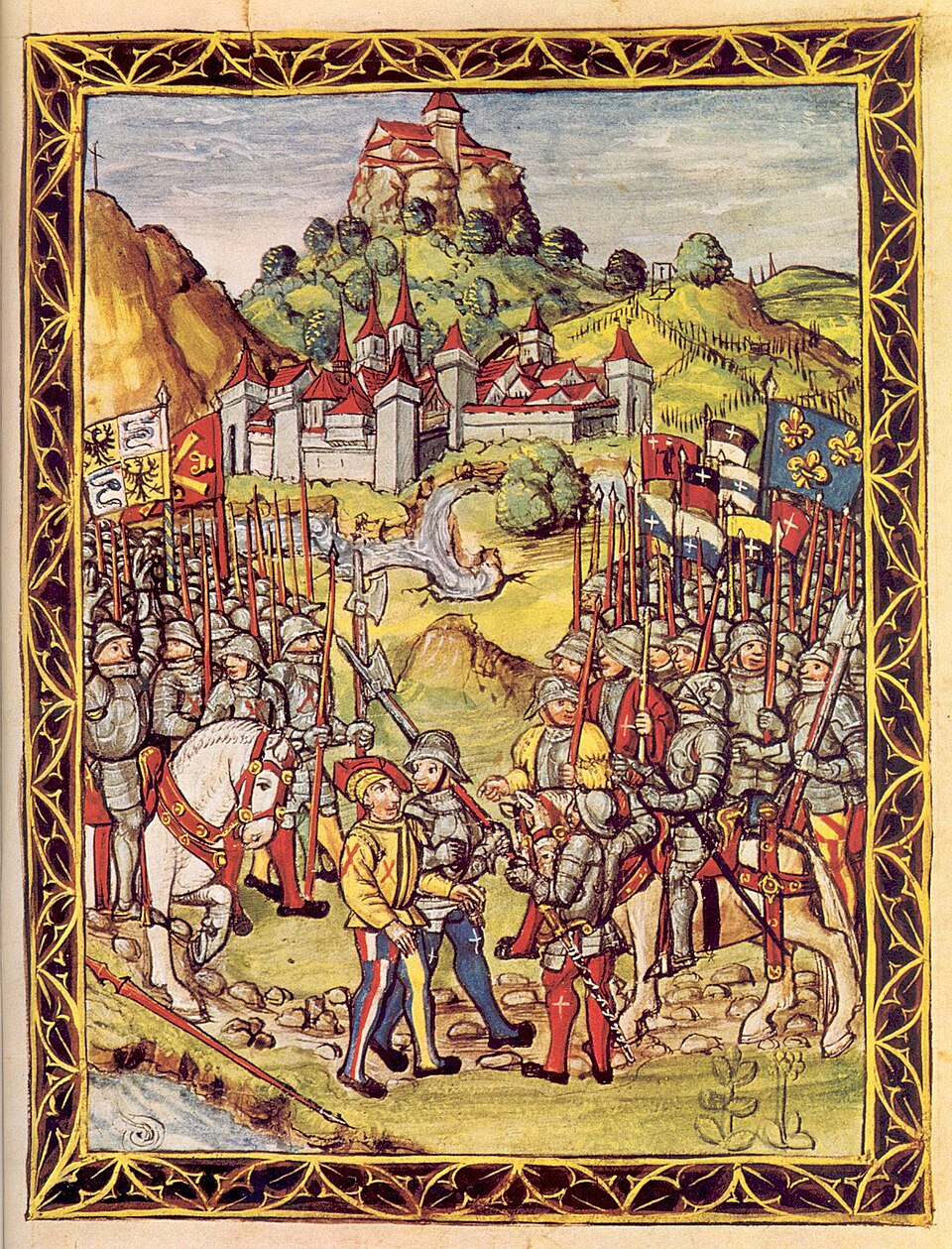
1499 - 1501 - Second Italian War (All Facts)
Conflict in which the Valois (France), with support from the Papacy, Venice, Florence, and Switzerland, defeated the Habsburgs (Spain)
Conflict in which King Louis XII of France, with the help of Gian Giacomo Trivulzio and his Italian forces, seized and conquered the Duchy of Milan
Conflict after which Ludovico Sforza fled from the Duchy of Milan
Conflict in which the Milanese rebelled against Gian Giacomo Trivulzio and his Italian forces and the French, thus Sforza returned and took advantage of the revolt and attacked the French back
He was eventually deserted by his troops, however, and handed over to the enemy and imprisoned by the French
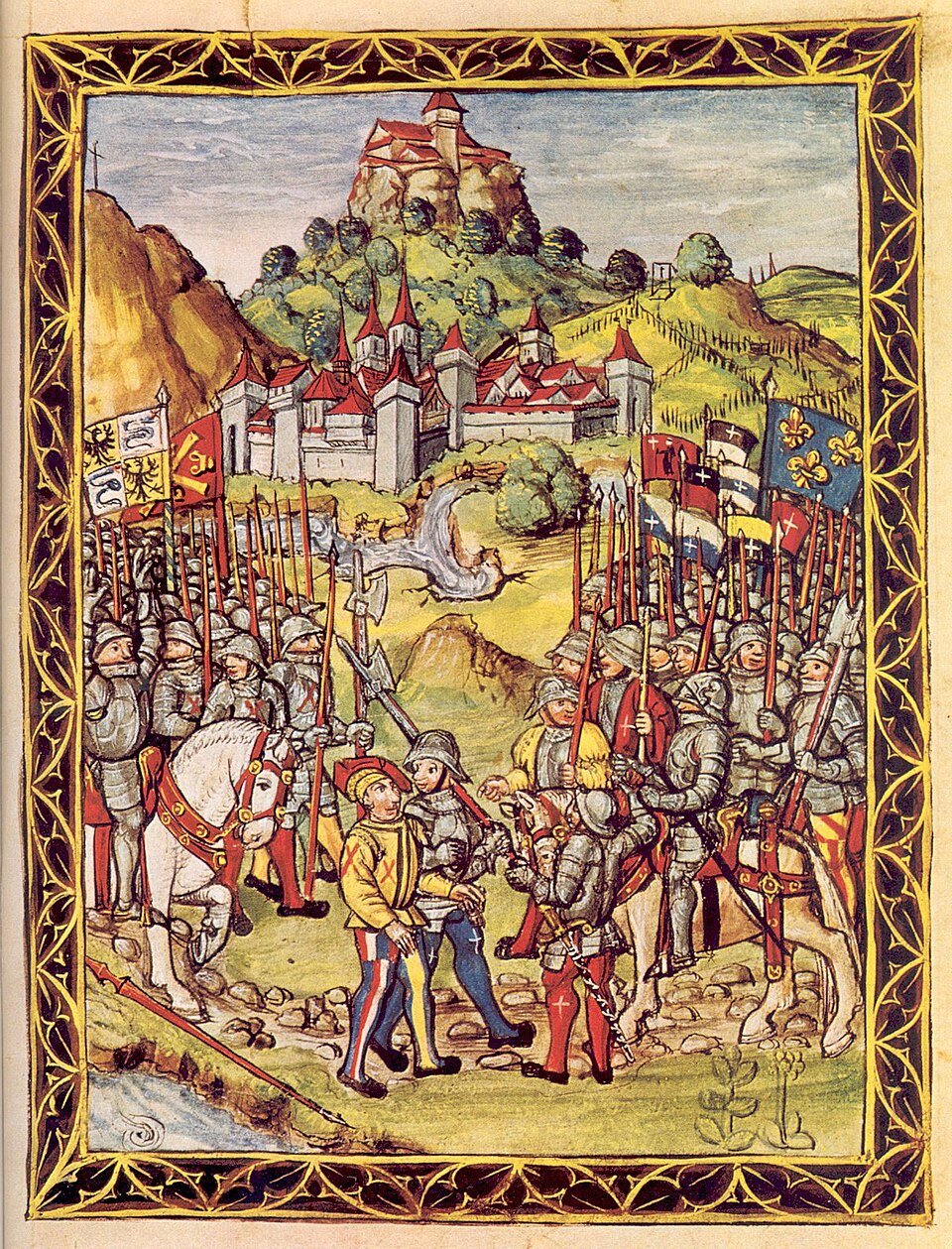
1500 - Battle of Novara (All Facts)
Battle in which King Louis XII and his forces defeated Ludovico Sforza and his Italian (Milanese) forces during the Second Italian War
Battle which began when Ludovico Sforza, after having fled Milan, returned and corralled his troops and took advantage of the prior revolt against Gian Giacomo Trivulzio and the French and attacked the French
Battle which ended when Ludovico Sforza’s troops deserted him and he was sent by Milan to be imprisoned by France
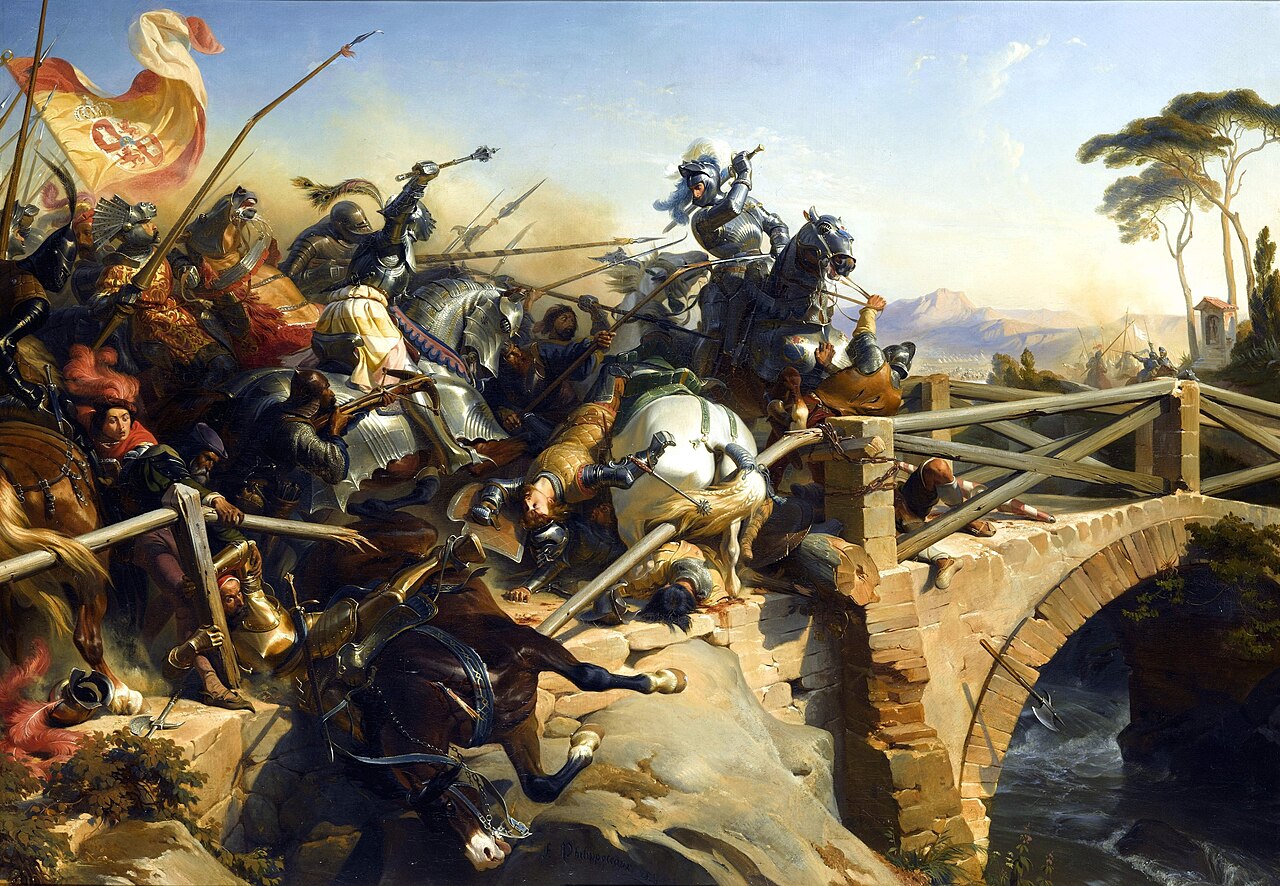
1502 - 1504 - Third Italian War (All Facts)
Conflict in which King Ferdinand and the Habsburgs (Spain) defeated the King Louis XII and the Valois (France)
Conflict in which King Ferdinand and the Habsburgs (Spain) took back the Kingdom of Naples from King Louis XII and France
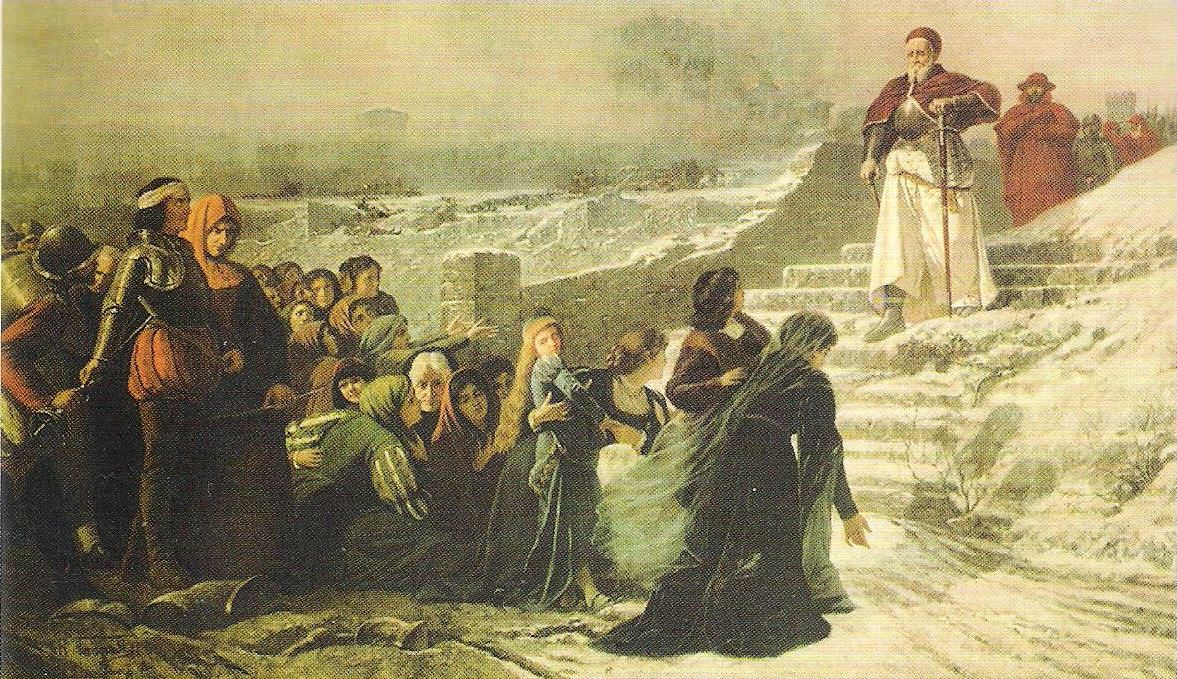
1508 - 1516 - Fourth Italian War / War of the League of Cambrai / War of the Holy League (All Facts)
Conflict in which the Valois (France) and Venice defeated the Habsburgs (Spain and the Holy Roman Empire) and England
Conflict which began when King Louis XII of France, Pope Julius II and the namesake league sought to punish the Republic of Venice for annexing papal provinces on the Adriatic Sea and thus attacked and defeated the Republic of Venice as a result in the Battle of Agnadello
Conflict in which Pope Julius II and the namesake league (including Venice, Spain, and Switzerland) then turned against France, whose foothold in northern Italy became too strong for the papacy and namesake league
Conflict in which Pope Julius II raised the cry to “clear the Barbarians out of Italy” (the French under King Louis XII), turning against the King of France after previously lifting the excommunication of Venice
Conflict which saw protracted war in Lombardy, the Romagna, and Veneto in northern Italy
Conflict in which King Francis of France secured the Duchy of Milan for the French
Conflict triggered by a Genoese revolt against French forces that had occupied the city
Conflict during which Matthäus Schiner dissuaded the Swiss (the Old Swiss Confederacy) from forming an alliance with the French against Pope Julius II
Conflict which saw the following battles take place including
Battle of Agnadello
Siege of Mirandola
Battle of Ravenna
Battle of the Spurs
Siege of Tournai
Battle of Novara
Battle of Marignano
Conflict which ended with
The Treaty of Fribourg
The Concordant of Bologna
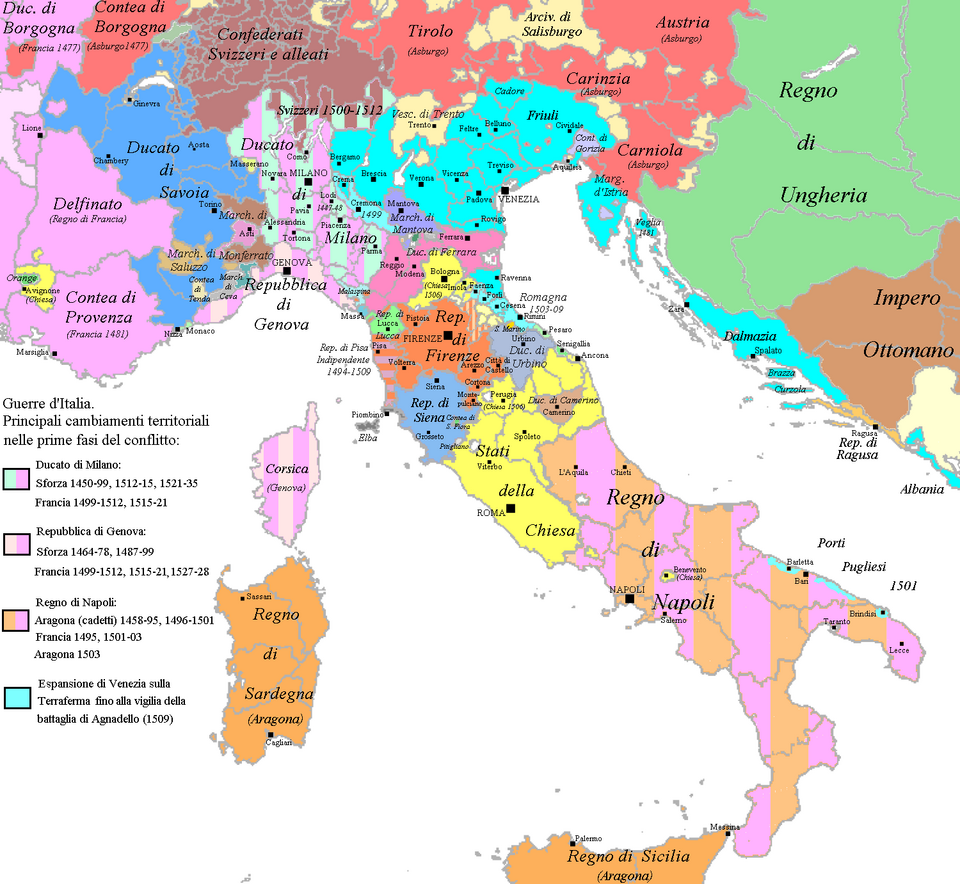
1508 - 1511 - League of Cambrai (All Facts)
(Temporary, short-lived) Military Alliance between King Louis XII of France, Maximilian of the Holy Roman Empire, Pope Julius II and the Papacy, and King Ferdinand of Spain aimed at conquering the Republic of Venice and its Italian possessions that initiated the Fourth Italian War / namesake War
Alliance which was the brainchild of Pope Julius II, ostensibly set up as a “Holy League” against the Ottoman Turks
The pope’s more immediate use for the league was to recover for the papacy the towns of the Romagna region under Venetian rule
However, the French gained too strong a foothold in northern Italy; and the namesake league eventually turned against France during the Fourth Italian War / namesake War
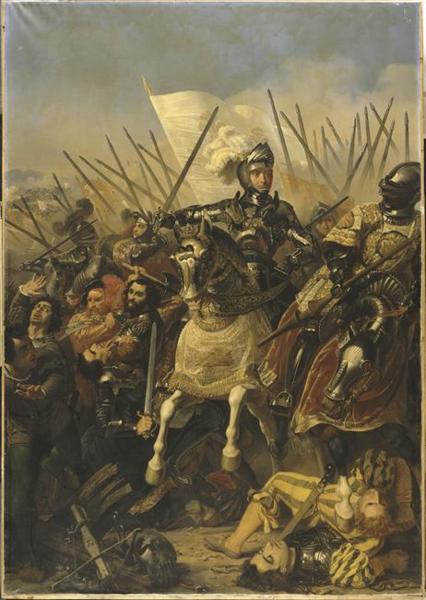
1509 - Battle of Agnadello (All Facts)
Battle in which Louis XII and his French forces, with support from France’s allies in the League of Cambrai (the Holy Roman Empire, the Papacy, and Spain) defeated the Republic of Venice during the Fourth Italian War / War of the League of Cambrai
Battle which allowed Pope Julius II to reoccupy the Romagna
Venice would eventually ally with France in the Fourth Italian War / War of the League of Cambrai
Battle which gave France a much stronger foothold in northern Italy
Battle after which the League of Cambrai turned against France, recognizing how strong it was becoming in the region of northern Italy
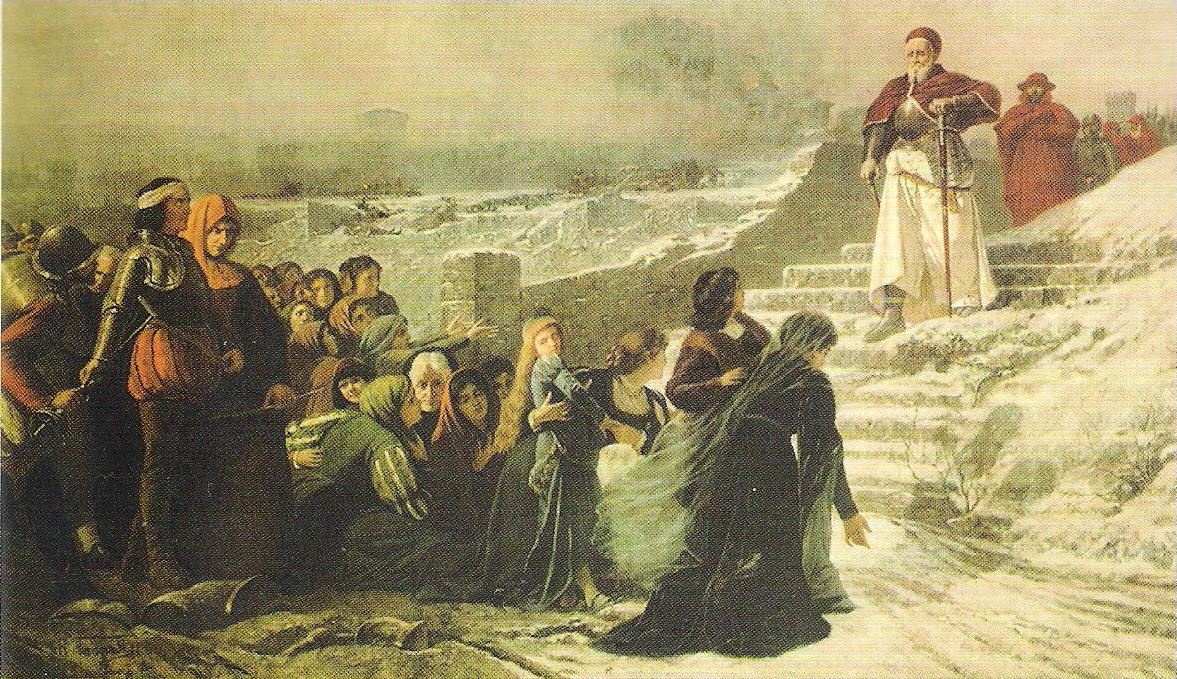
1511 - Siege of Mirandola (All Facts)
Battle in which Pope Julius II and his forces, with help from the Habsburgs (Spain) and the Republic of Venice, defeated France during the Fourth Italian War / War of the League of Cambrai
Battle that was part of Pope Julius II's campaign to keep France from dominating northern Italy during the Fourth Italian War / War of the League of Cambrai
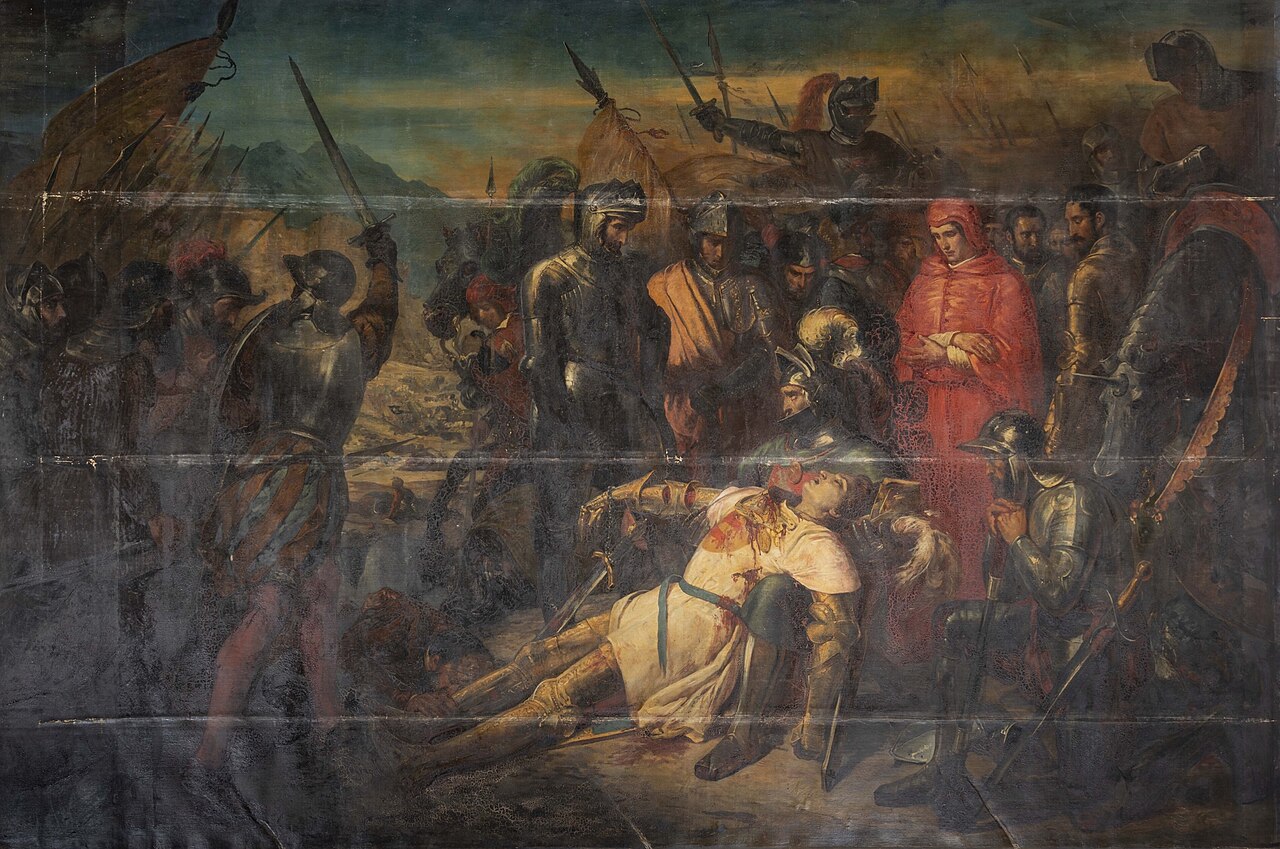
1512 - Battle of Ravenna (All Facts)
Battle in which France defeated Spain and the League of Cambrai / Holy League during the Fourth Italian War
Battle in which honors were declared even
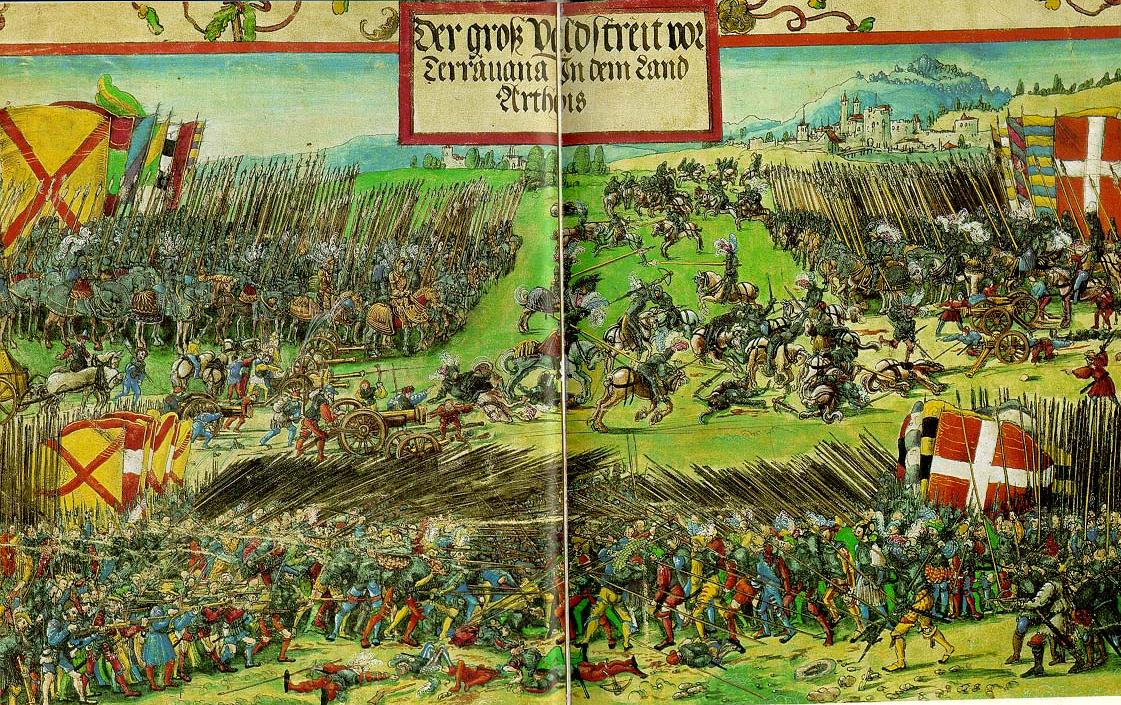
1513 - Battle of the Spurs (All Facts)
Battle in which Henry VIII of England and Holy Roman Emperor Maximilian and their forces defeated France during the Fourth Italian War / War of the League of Cambrai
Battle which began Henry VIII of England and Maximilian and the Holy Roman Emperor’s invasion of France, to check France’s expansion into northern Italy
1513 - Siege of Tournai (All Facts)
Battle in which King Henry VIII and England and Maximilian and the Holy Roman Empire defeated France during the Fourth Italian War / War of the League of Cambrai
Battle in which the namesake city, along with the city of Therouanne was captured
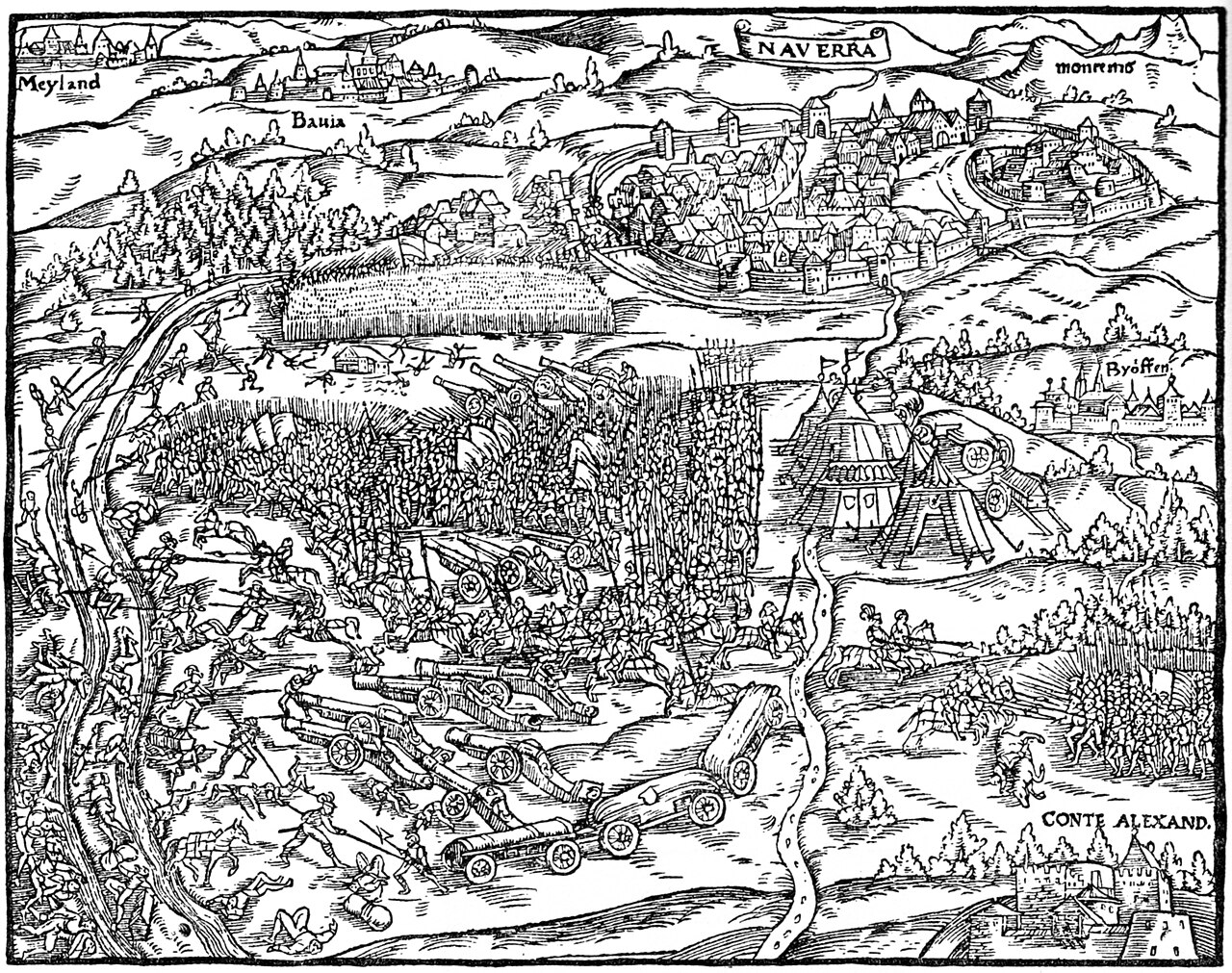
1513 - Battle of Novara (All Facts)
Battle in which Milan, with help from Pope Leo X and his Holy League, along with Cardinal Matthäus Schiner and his Swiss forces, defeated France and the Republic of Venice during the Fourth Italian War / War of the League of Cambrai
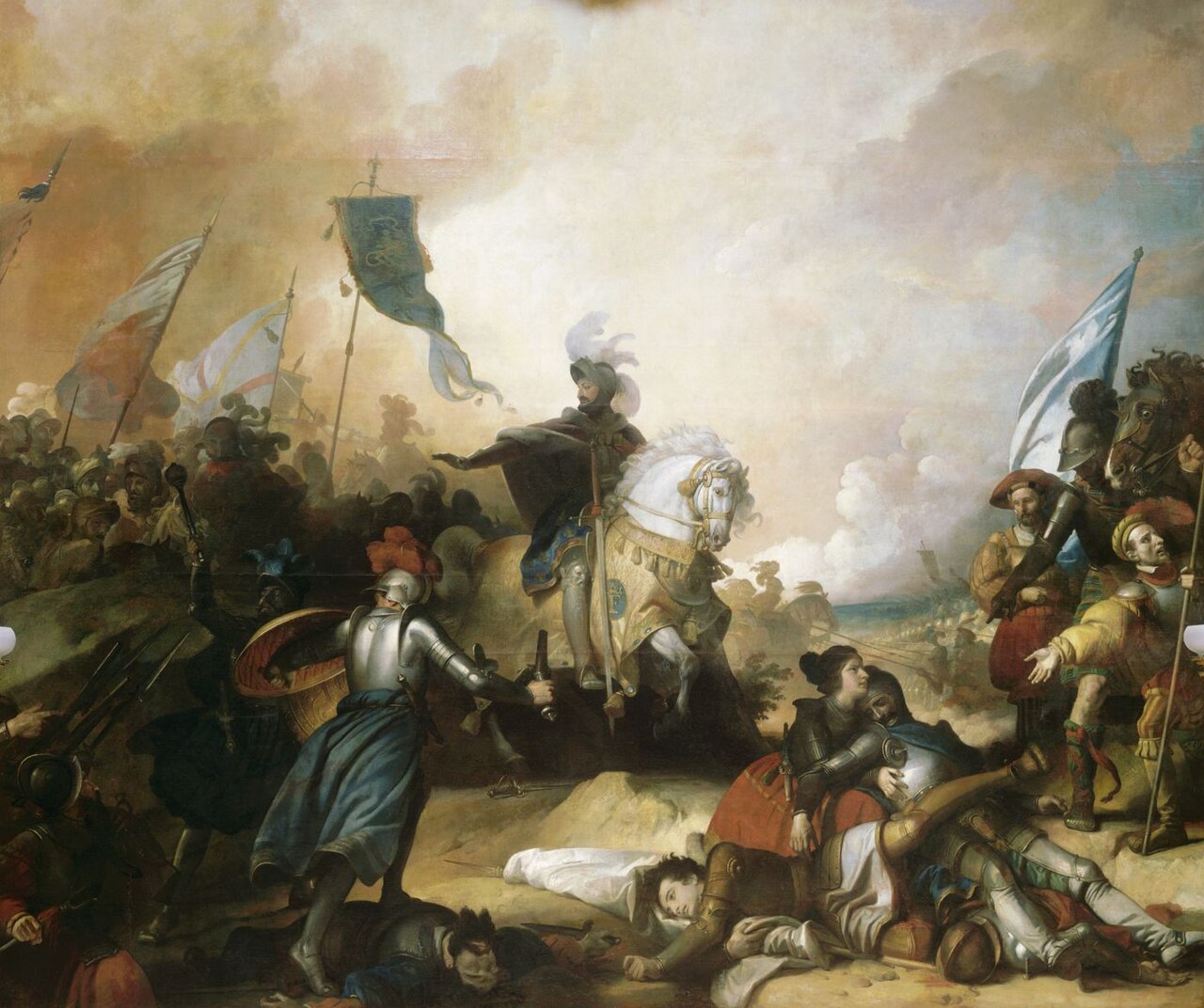
1515 - Battle of Marignano (All Facts)
Battle in which King Francis and France defeated Cardinal Matthias Schiner and Switzerland during the Fourth Italian War / War of the League of Cambrai
Battle in which King Francis
initially tried to bribe the Swiss to avoid fighting them, but that approach failed and cemented the legacy of French kings as bad at bribing
thus planned to fight against the Swiss carefully knowing he was forced to fight
negotiated treaties with England, Austria, and Venice prior to it
assembled an army of 40K French artilleryman and German light infantry
crossed the Alps with his forces and drove the Swiss back into Lombardy, where he tried but failed to set up a last-ditch negotiation with the Swiss at Gallarate where he demanded the recognition of French claims to Lombardy and Milan and the withdrawal of the Swiss from Italy
Battle in which the Swiss pikemen fought hard, but ultimately were defeated
Battle after which King Francis and his forces marched towards and seized Milan in Italy
Battle after which King Francis of France and Switzerland signed the Treaty of Fribourg
1515 - Treaty of Fribourg (All Facts)
(Perpetual) Peace Treaty signed between King Francis of France and Matthäus Schiner and Switzerland (the Old Swiss Confederacy) that ended the Battle of Marignano and ended French-Swiss conflict in the Fourth Italian War / War of the League of Cambrai
1516 - Concordant of Bologna (All Facts)
Treaty signed between King Francis of France and Pope Leo X of the Papacy which
made peace between France and the Papacy and thus ended French-Papal conflict in the Fourth Italian War / War of the League of Cambrai
regulated the French church
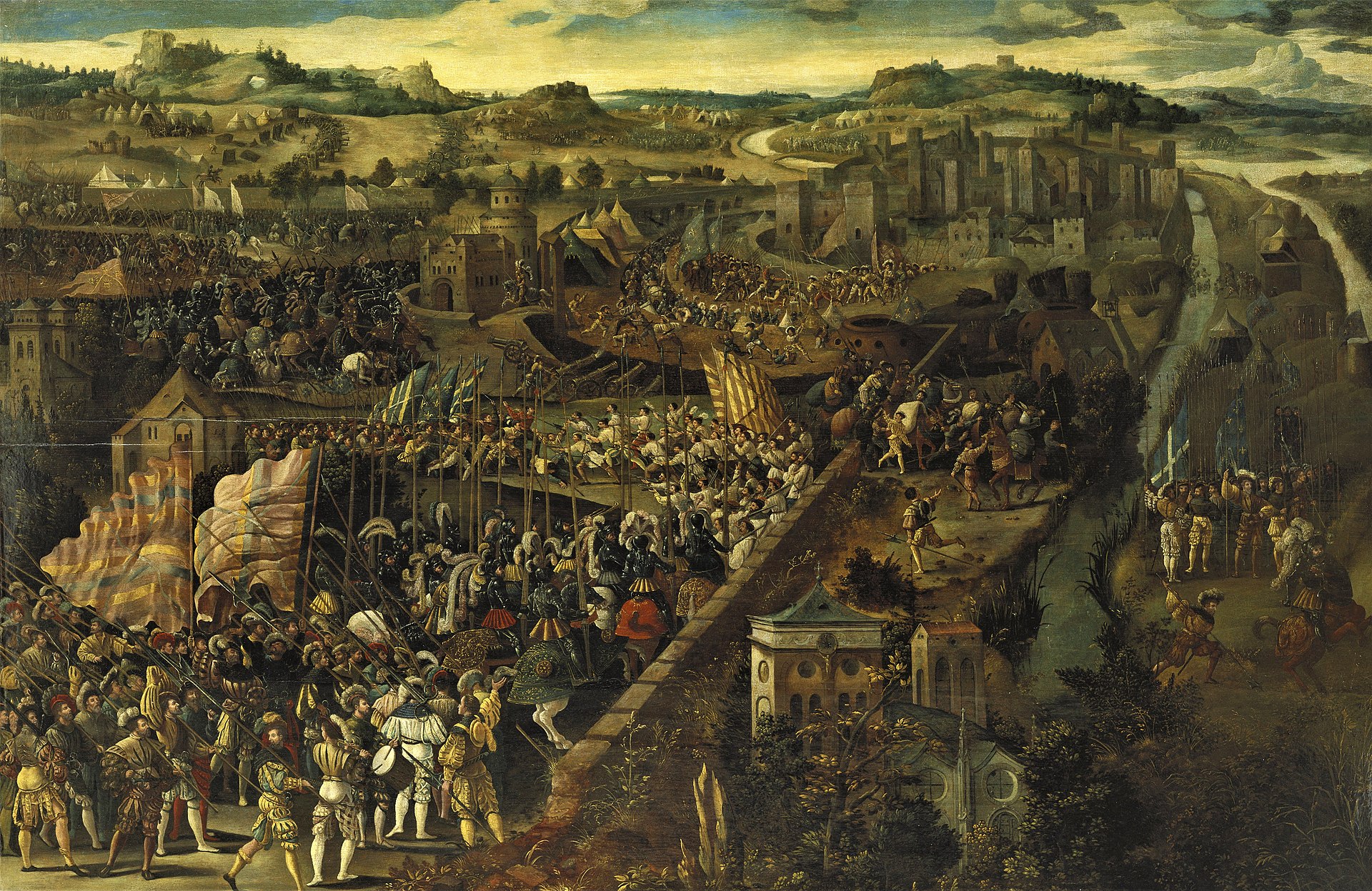
1521 - 1526 - Fifth Italian War / Four Years’ War (All Facts)
Conflict in which Charles V and the Habsburgs (the Holy Roman Empire and Spain) defeated King Francis and the Valois (France)
Conflict upon which King Francis of France lost his war with Holy Roman Emperor Charles V for supremacy in Europe
Conflict which saw the
Holy Roman Empire’s invasion of Champagne
Battle of Bicocca
Siege of Marseilles
Battle of Pavia
Conflict which saw
a modernization of European military forces, especially with regards to new arms (guns), defenses (Bastion Fort), and tactics / strategies
new tactics being developed for mounted troops using new carbines (arquebus) and horse pistols, which became the masters of the battlefield, replacing and eventually contributing to the elimination of armored cavalry and knights in armor
the implementation of the Bastion / Star Fort (“trace italienne;” a circuit of low, thick walls punctuated by square bastions), which
replaced the high and thin walls of the Middle Ages as new defenses
were designed to absorb the punishment of the heavy siege guns which were a part of every successful army by that time
changed the entire pattern of warfare because the cities protected by them could no longer be taken by traditional methods of blowing a hole in the walls and pouring infantry through the breach and instead forced towns to be encircled by siege-works and batteries and starved and frightened into submission
essentially made warfare more a matter of engineering and logistics
the advent of the gun bring about great changes at sea since
ships no longer rammed and boarded each other, but pounded each other with formidable arrays of guns firing through ports in ships’ sides
gunships eventually set the pattern which all maritime nations must have followed if they wanted to avoid facing inevitable defeat
Conflict which ended with the Treaty of Madrid
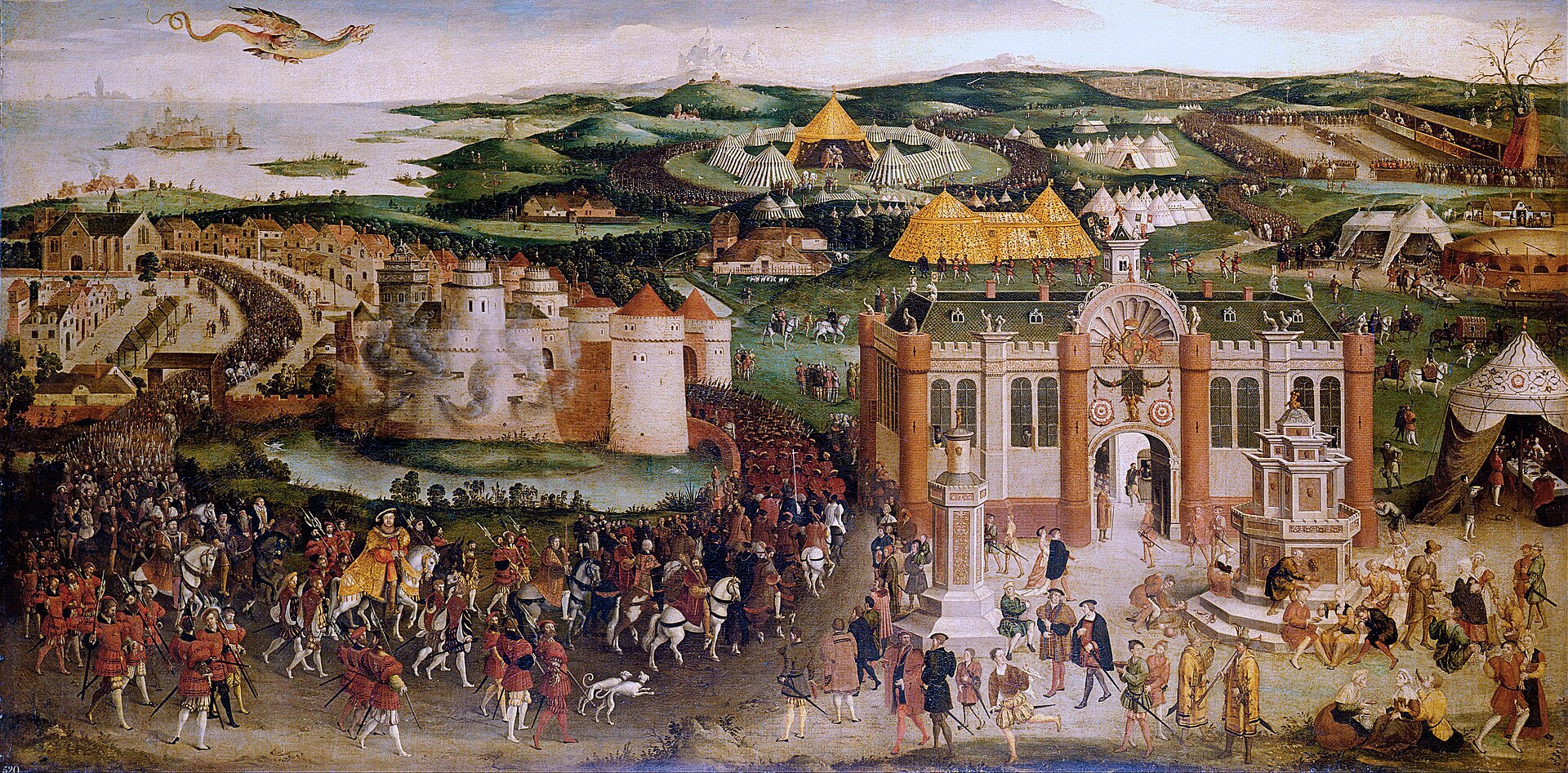
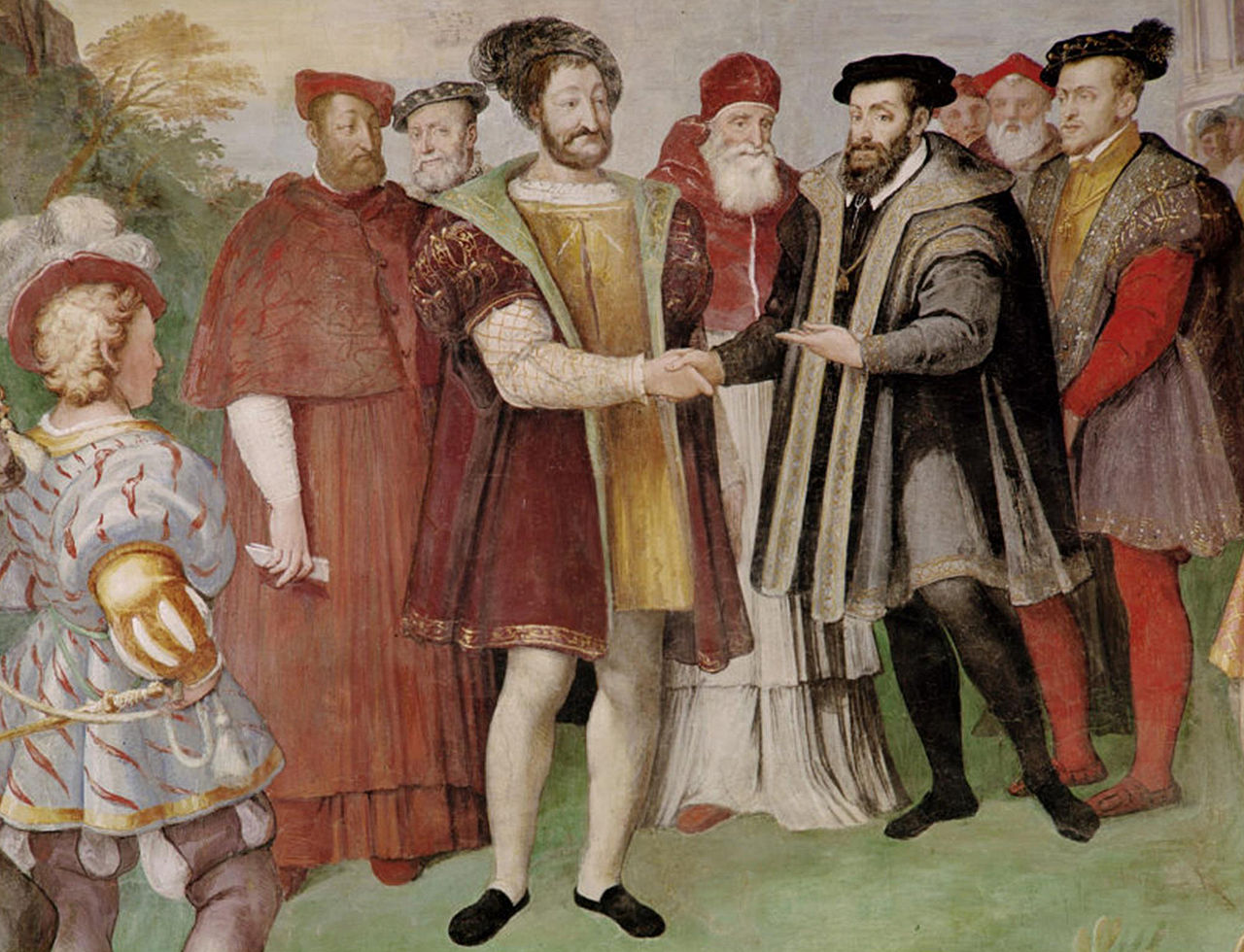
1520 - The Field of the Cloth of Gold (All Facts)
Summit meeting between King Francis of France and King Henry VIII of England in which they
swore to build a chapel dedicated to Our Lady of Friendship on the spot where they met
were attended only by their ministers, Wolsey and Bonivet, respectively
talked in a pitched tent between their two luxurious camps for several hours
knew King Francis owed King Henry VII two million crowns because he was the guarantor of the French debt to England at the time
displayed their opulence, in which the French pavilions were made of the namesake materials and King Henry VIII spent a seventh of his annual income on the meeting (his tent was a two-story palace of wood and glass)
Summit meeting between King Francis of France and King Henry VIII of England in which
Henry VIII appeared as Hercules while his knights jousted and fought on foot
There were banquets and dances as chivalry ruled the namesake
The two kings wrestled, with King Francis having won the match
Summit meeting between King Francis of France and King Henry VIII of England in which
Henry VIII reluctantly agreed to ally with King Francis, but the alliance soon shattered
Henry VIII believed it would have been better for him to ally himself with the Holy Roman Emperor Charles V rather than King Francis
1522 - Battle of Bicocca (All Facts)
Battle in which the Habsburgs (Spain and the Holy Roman Empire), supported by the Papacy and the Duchy of Milan, defeated the Valois (France), supported by the Republic of Venice and Switzerland, during the Fifth Italian War / Four Years’ War
Battle after which the imperial army of the Holy Roman Empire occupied the Republic of Genoa, where a doge who supported Holy Roman Emperor Charles V was appointed
1524 - Siege of Marseilles (All Facts)
Battle in which Charles de Bourbon, a Frenchman, became lieutenant for Holy Roman Emperor Charles V and the Habsburgs and defeated the Valois (France) after invading Provence
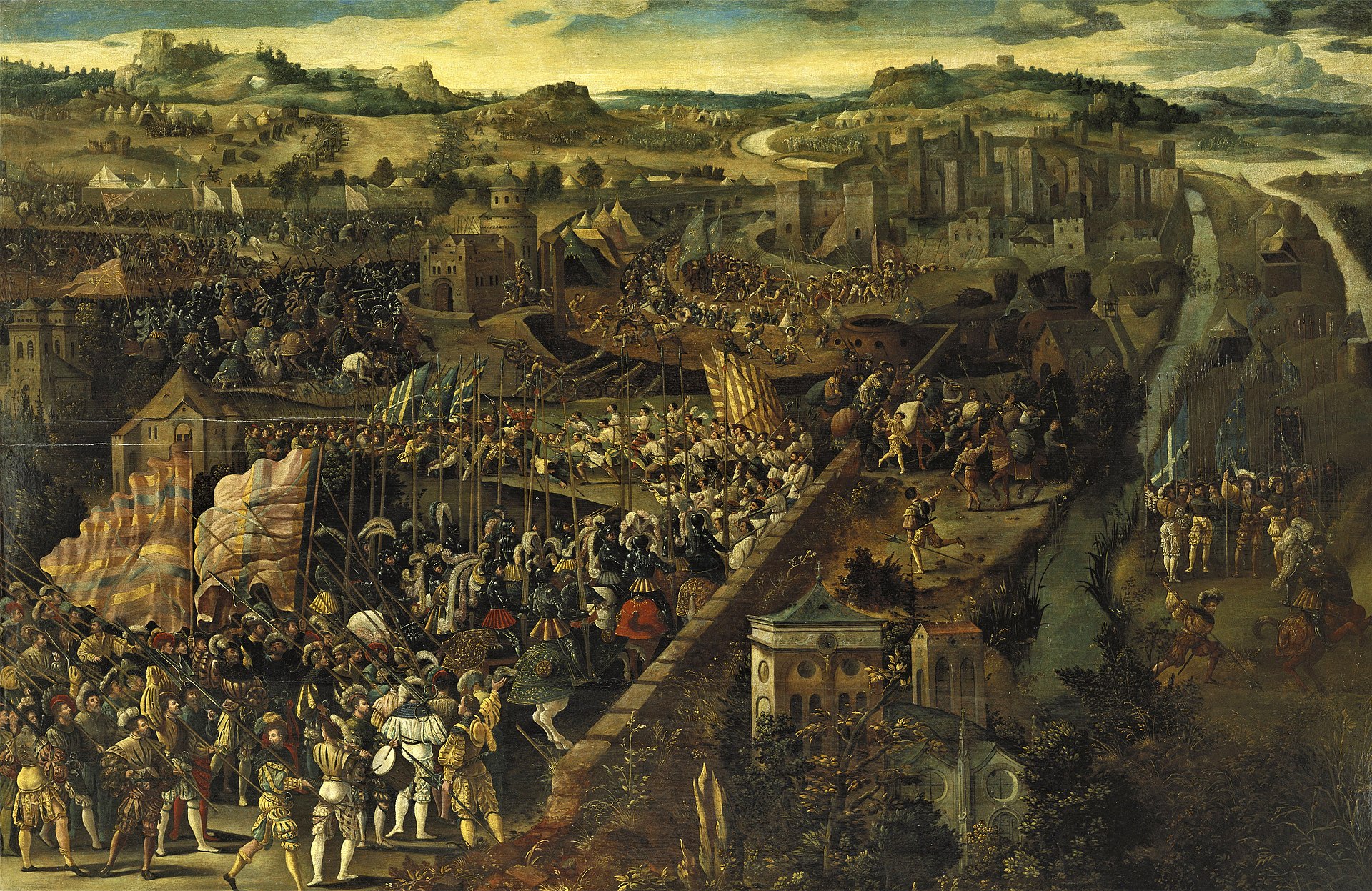
1525 - Battle of Pavia (All Facts)
Battle in which the Habsburgs (Spain and the Holy Roman Empire) defeated King Francis and the Valois (France) during the Fifth Italian War / Four Years’ War
Battle which took place in Lombardy in Italy
Battle before which
Pope Clement VII tried and failed to mediate between its two parties and battle was joined before first light in the morning
Battle which began when
King Francis of France decided to lay siege to the namesake city; with an army of French and Italian infantry, German and Swiss mercenaries, and a strong train of artillery
Battle during which
the siege initially went well; the French guns having broke down the defenses and King Francis’s regiments having stormed into the breaches
Antonio de Levya, the Spanish governor of the namesake town, had built new fortifications inside the walls, making it so that the French were routed by the namesake town’s defenders
the French forces retreated to mount a classic siege throughout the winter
King Francis, reinforced by Venetian troops, became sure of victory as the namesake town ran short of food and ammunition
the imperial forces of the Holy Roman Empire had been gathering at the town of Lodi, near the namesake, and had had marched on the namesake earlier in the month catching King Francis between the anvil of the namesake and the hammer of the attacking imperial army
the French guns have King Francis and France the advantage at first, but, he eventually ordered his forced to cease fire, since he believed in chivalry rather than guns
King Francis led his knights in a disorganized charge without waiting for the infantry and in the shambles that ensued 6K Frenchmen died
Battle which ended when
King Francis of France had his horse shot from under him by an arquebus (a new type of gun at the time) and demounted, fought on foot, only to have his face blooded and his having surrendered his sword to the enemy
Battle after which
King Francis of France was held captive by Lannoy (the viceroy of the Kingdom of Naples)
King Francis of France essentially lost his war with Holy Roman Emperor Charles V for supremacy in Europe
King Francis of France was forced to sign a humiliating peace treaty with Holy Roman Emperor Charles V
1526 - Treaty of Madrid (All Facts)
Peace Treaty signed between King Francis of France (Valois) and Charles V of the Holy Roman Empire and Spain (Habsburgs), which ended the Fifth Italian War / Four Years’ War
Peace Treaty in which
Holy Roman Emperor Charles V agreed to
release King Francis of France from captivity
King Francis of France agreed to
abandon and concede Burgundy to the Holy Roman Empire
give up claims to Flanders, Artois, Tournai, and all of Italy
pardon the rebel Charles of Bourbon
Peace Treaty which was declared null and void by King Francis of France following his release from captivity
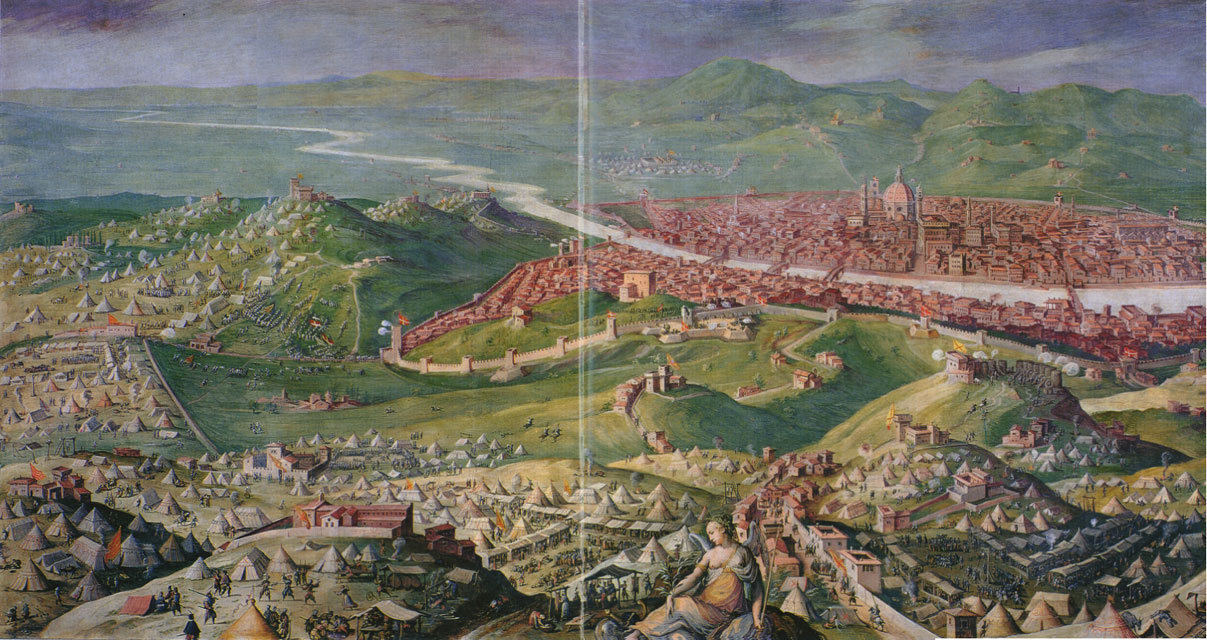
1526 - 1530 - Sixth Italian War / War of the League of Cognac (All Facts)
Conflict in which Holy Roman Emperor Charles V and the Habsburgs (the Holy Roman Empire and Spain) defeated King Francis and the Valois (France), supported by the League of Cognac (England, Switzerland, and the Italian city-states of Florence, Venice, Milan, and Genoa)
Conflict which ended the Republic of Florence (it was no longer a republic after the namesake conflict)
Conflict during which the Papacy switched sides, initially supporting the League of Cognac, but then defecting to the Habsburgs
Conflict which saw
The Sack of Rome
Conflict which ended with
The Treaty of Cambrai / Ladies Peace / “Pax de Daimes”
1526 - 1529 - League of Cognac (All Facts)
Anti-Habsburg military alliance formed by France, Venice, Florence, and Milan; as well as England, Switzerland, and the Kingdom of Navarre within Spain to curb the overwhelming dominance of Charles V in Italy and the Holy Roman Empire, Spain, and Italian city-states that supported him
It was initially formed by the Papacy, but the Papacy, by the end of the namesake conflict / Sixth Italian War, switched to the side of Charles V and the Holy Roman Empire
1527 - Treaty of Westminster (All Facts)
Peace Treaty signed between King Francis of France and King Henry VIII of England, in which they agreed to ally themselves against Holy Roman Emperor Charles V and the Holy Roman Empire
Peace Treaty in which King Henry VIII and England effectively join France in the League of Cognac
1529 - Treaty of Cambrai / Ladies Peace / “Pax de Daimes” (All Facts)
Peace Treaty signed between Louise of Savoy (on behalf of King Francis of France) and Margaret of Austria (on behalf of Holy Roman Emperor Charles V) which ended the Sixth Italian War / War of the League of Cognac
Peace Treaty in which
King Francis of France
renounced all its rights in Italy, Flanders, and Artois
agreed to pay a ransom of two million crowns
Charles V of the Holy Roman Empire
renounced any claims to Burgundy
1532 - Edict of Union (All Facts)
Edict issued during the reign of King Francis, it
incorporated the duchy of Brittany into the Crown lands of France
was thus a critical step in the formation of modern-day France
1534 - Affair of the Placards (All Facts)
Incident in which anti-Catholic posters appeared in public places in Paris and in four major provincial cities, Blois, Rouen, Tours and Orléans during the reign of King Francis of France
These posts violently criticized the Catholic mass
Some of them even appeared on the royal chateau at Blois
Incident which caused a wave of sectarian hatred to engulf Paris
Incident which represented the beginnings of Protestantism in France and the influence Martin Luther had on France
Incident in which there were rumors hat Protestants plan to murder faithful Catholics at Mass
Incident after which King Francis of France was expected to take harsh action against the Protestant reformers

1535 - Conquest of Tunis (All Facts)
Conflict in which King and Holy Roman Emperor Charles and his forces defeated Hayreddin Barbarossa and his Ottoman forces and takes the namesake city from him
Conflict in which 60K allied troops took the namesake city, along with the port of La Goleta and the bulk of Barbarossa’s fleet of 80 galleys
Conflict in which King and Holy Roman Emperor Charles allowed his soldiers five days of pillaging and 30K inhabitants were reported to have been killed
Conflict which began when King and Holy Roman Emperor Charles chose to invade after Barbarossa’s fleet had ravaged southern Italy at the behest of the Turkish sultan
As a result, King and Holy Roman Emperor Charles believed that Spanish possession of the namesake would effectively cut off Barbarossa from Constantinople
Conflict in which a combined fleet of Spanish and Genoan galleys sailed from Barcelona to Sardinia, where more ships joined their fleet with 22K German and Italian troops
Conflict in which King and Holy Roman Emperor Charles’ shock troops, the formidable “tercio” were the first to land at La Goleta, followed by artillery and a detachment of cavalry
Conflict in which Barbarossa chose to remain behind the walls, trusting the extreme heat to wear down the enemy
War in which many of King and Holy Roman Emperor Charles’s forces dying of dysentery
Conflict in which Barbarossa had not reckoned with the firepower of the fleet and land-artillery who pounded the walls for five hours before the infantry broke through, causing the namesake to fall more easily
1536 - 1538 - Seventh Italian War (All Facts)
Conflict between King Francis of France (Valois), with support from the Ottoman Turks; and Charles V of Spain and the Holy Roman Empire (Habsburgs) which ended in a stalemate
Conflict which began when
King Francis of France tried to invade and pursue Piedmont
Holy Roman Emperor Charles V’s troops invaded Provence, in pursuit of the army of King Francis of France
Conflict during which
Anne of Montmorency drove back Holy Roman Emperor Charles V and his forces, having applied scorched-earth tactics
Conflict which ended with the Truce of Nice
1536 - Treaty of Friendship and Alliance in Lyons (All Facts)
(Naval) Treaty signed between King Francis of France and King John III of Portugal, in which they formed an alliance against Spain

1537 - 1540 - Third Ottoman-Venetian War (All Facts)
War in which the Ottoman Turks defeated the Republic of Venice
War which saw
The Siege of Corfu
The Battle of Prevesa

1537 - Siege of Corfu (All Facts)
Battle in which the Ottoman Turks and France tried and failed to capture the namesake island from the Republic of Venice during the Third Ottoman-Venetian War

1538 - Truce of Nice (All Facts)
Truce made between King Francis of France (Valois) and Charles V of the Holy Roman Empire and Spain (Habsburgs), which ended the Seventh Italian War / Four Years’ War
Truce in which France gained Piedmont and Savoy from the Holy Roman Empire
1539 - Treaty of Toledo (All Facts)
Treaty between King Francis of France and Charles V of the Holy Roman Empire, in which they agreed that neither of them would form future alliances with England; given King Henry VIII’s split with the Roman Catholic Church

1540 - 1547 - Third Habsburg-Ottoman War (All Facts)
War in which Suleiman and his Ottoman forces defeated Ferdinand and the Habsburgs (Holy Roman Empire and Spain)

1541 - Siege of Buda (All Facts)
Battle in which Suleiman and his Ottoman forces defeated Holy Roman Emperor and Hungarian King Ferdinand in the namesake Hungarian city during the Third Habsburg-Ottoman War
Battle after which Hungary became a (Turkish) province of the Ottoman Empire
1542 - Treaty of Nuremberg (All Facts)
Peace Treaty between Holy Roman Emperor Charles V and the Duke of Lorraine at the time
Peace Treaty which made the Duchy of Lorraine become independent of the Holy Roman Empire
1542 - 1546 - Eighth Italian War (All Facts)
Conflict between King Francis of France (Valois), with support from the Ottoman Empire; and Charles V of Spain and the Holy Roman Empire (Habsburgs), with support from Italy and King Henry VIII and England; which ended in a stalemate
Conflict which began when
King Francis of France reopened hostilities with Holy Roman Emperor Charles V after he had appointed his son Philip to claim the Duchy of Milan
Holy Roman Emperor Charles V violated the Treaty of Toledo and allied with King Henry VIII of England against King Francis and France
Conflict which saw the
Siege of Nice
Battle of Ceresole
Siege of Saint-Dizier
Siege of Boulogne
Conflict which contributed to the delay of the convention of the Council of Trent
Conflict which ended with the Treaty of Crepy
1543 - The Siege of Nice (All Facts)
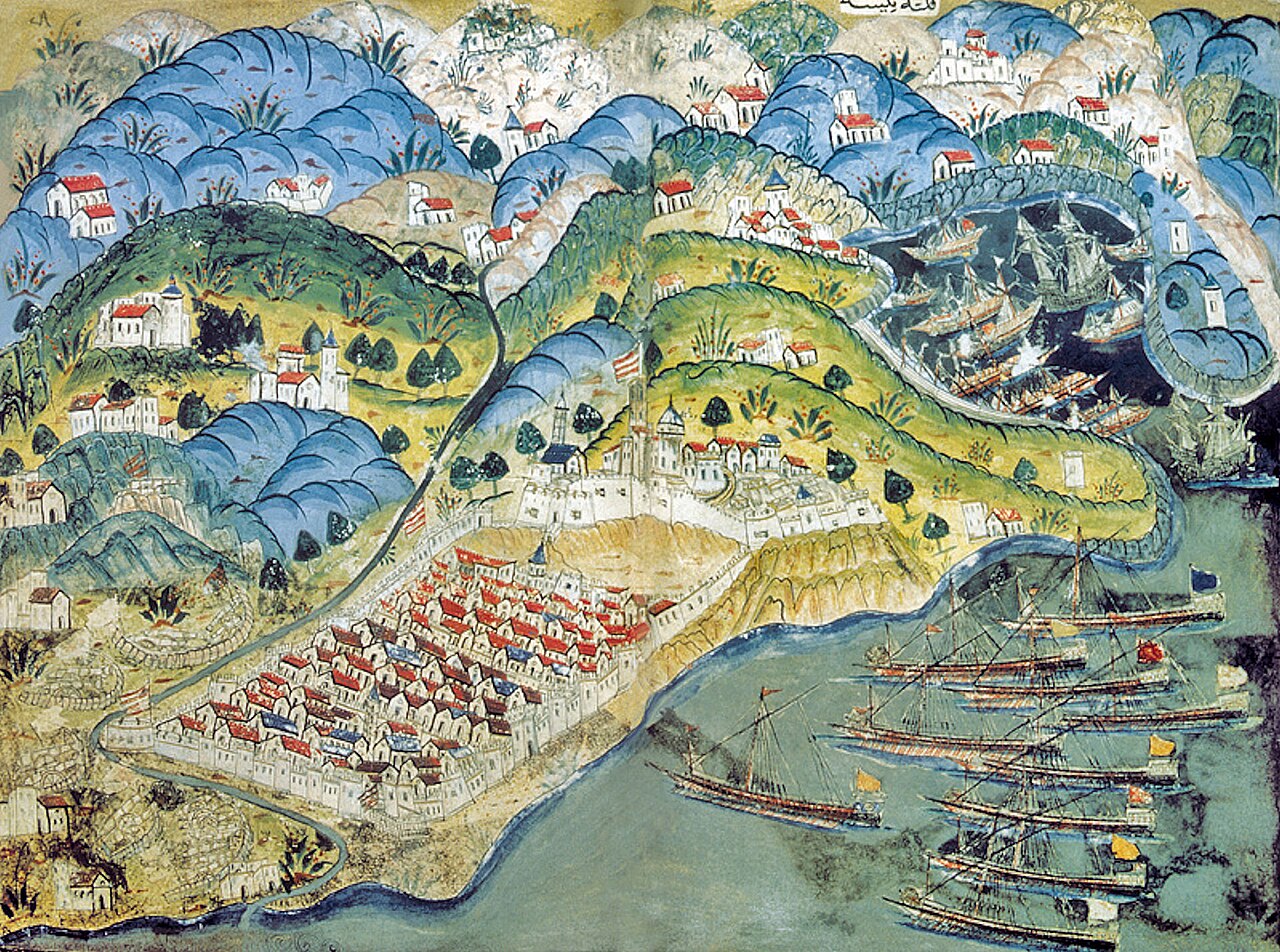
Battle in which the Holy Roman Empire, Spain, and Italy (Habsburgs) defeated France and the Ottoman Empire during the Eighth Italian War
Battle during which
Hayreddin Barbarossa and his Ottoman forces bombarded, besieged, and sacked the namesake Holy Roman imperial town in France, capturing the namesake gateway to Italy from France
the namesake town was captured and sacked by Hayreddin Barbarossa and Turkish pirates rampaged through its burning ruins, looting and raping and setting it ablaze
Battle which strained relations between the French and Ottoman Turks given that the Turkish pirates violated the agreement made between the governor of the town and the joint French and Turkish forces, in which the French blamed the Turks and the Turks blamed the French
Battle during which Muslims paced the decks of Hayreddin Barbarossa’s ships while Christian slaves, some of which were French, were chained to the galley’s oars and rowing benches
Battle during which the Ottoman forces took to raiding French villages, carrying off peasants to replace rowers killed by the fever
Battle during which the Ottoman forces took Christian slaves and sold them in the marketplace as the muezzin called for Muslim prayer in Christian Toulon
1544 - Battle of Ceresole (All Facts)
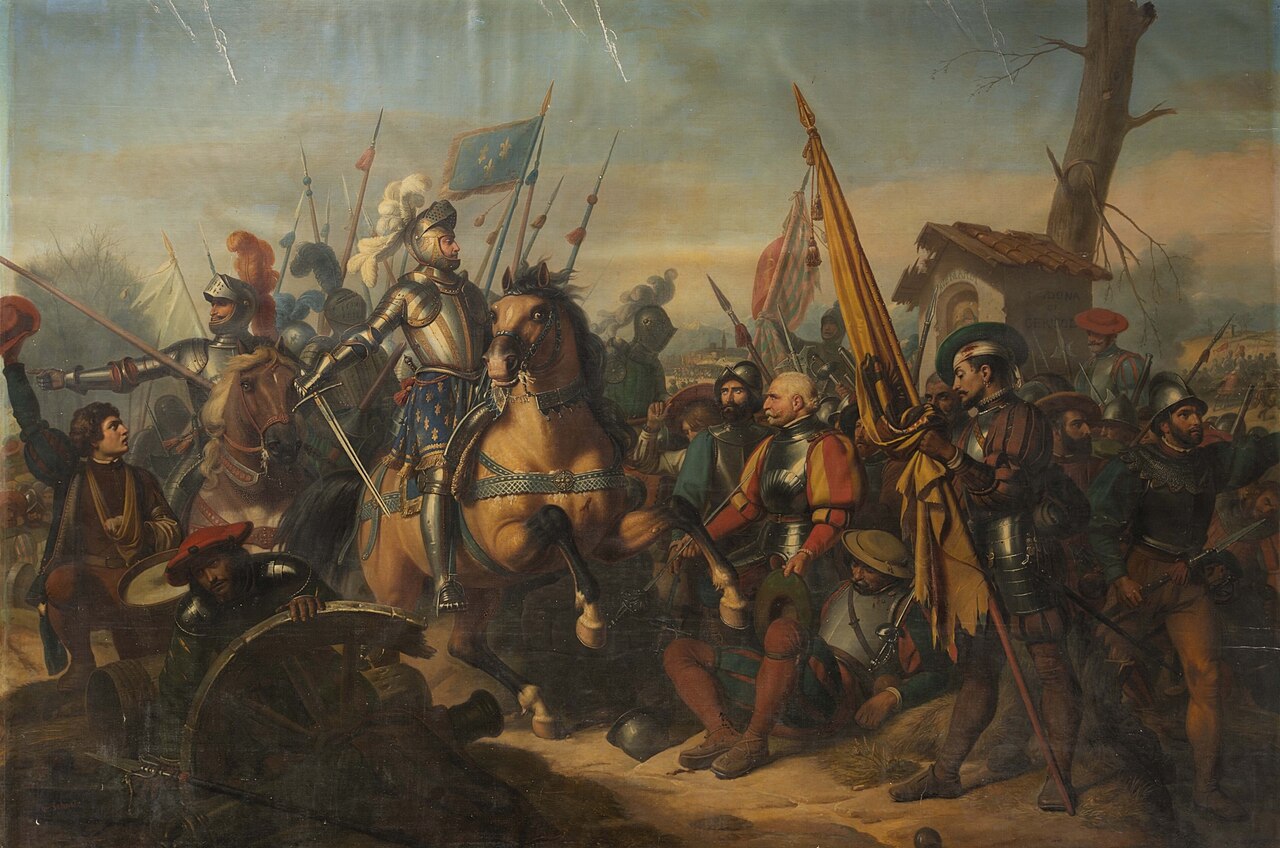
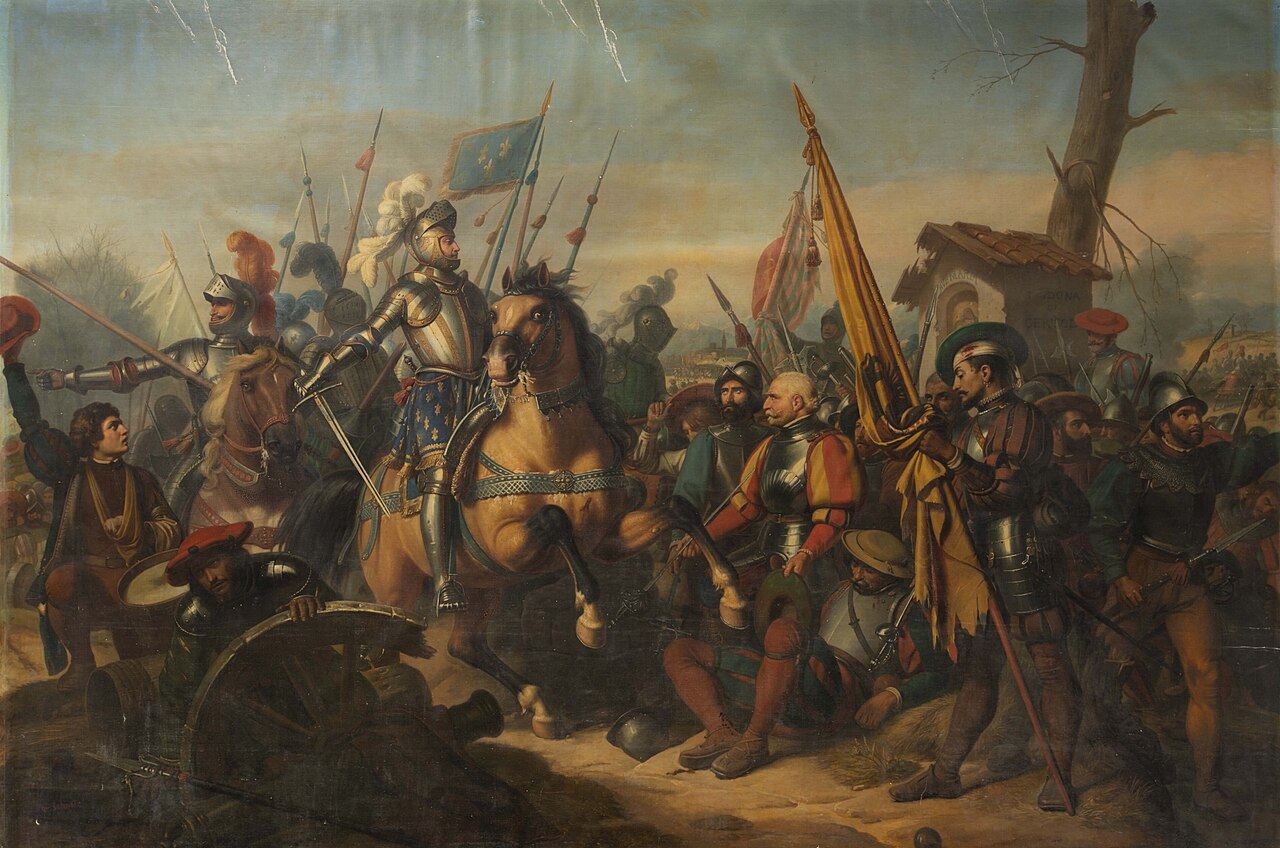
Battle in which France defeated the Holy Roman Empire and Spain (in in the namesake city south of Turin, in Italy) during the Eighth Italian War
1544 - Siege of Saint-Dizier (All Facts)
Battle in King Henry VIII and Holy Roman Emperor Charles V and their combined forces defeated France and took the namesake city (having threatened Paris at the time) during the Eighth Italian War
1544 - Siege of Boulogne (All Facts)
Battle in King Henry VIII, with the support from afar of Holy Roman Emperor Charles V and their combined forces defeated and took the namesake city from France, during the Eighth Italian War
1544 - Treaty of Crepy (All Facts)
Peace Treaty signed between King Francis of France (Valois) and Charles V of the Holy Roman Empire and Spain (Habsburgs), which ended the Eighth Italian War
which was made in an effort to restore Catholic unity in Europe
in which King Francis of France
promised to support Holy Roman Emperor Charles V against the Protestants if they rejected the decisions made in the Council of Trent
had his son, the Duke of Orleans, be promised to be married to a Habsburg princess, either
Mary, daughter of Holy Roman Emperor Charles V with a dowry that is the Netherlands
Anne, daughter of Habsburg King Ferdinand of Bohemia, Hungary, and Croatia with a dowry that is Milan
agreed to support Holy Roman Emperor Charles V in his war against the Ottoman Turks
in which a secret between them was agreed in which King Francis of France promised to help Holy Roman Emperor Charles V
reform the church
work towards bringing the German Protestants back into the Catholic fold, lending his army for the purpose if necessary
1545 - Merindol Massacre (All Facts)
Massacre carried out against the Waldensians (proto-Protestant group of France) in the namesake area in Provence in France
Massacre in which villages were pillaged, women were burnt alive in a church, and men were rounded up to be enslaved in the galleys
Massacre which began with rumors that the Waldensians were plotting sedition; however, these rumors were started deliberately by Jean Meynier, a local baron who coveted the land of a neighbor of his who happened to be Waldensian and he was given the task by King Francis to stamp out such “sedition,” which was done with great cruelty and he ended up seizing the land which he coveted
1546 - 1547 - Siege of St. Andrew’s Castle (All Facts)
Battle in which the French captured Scottish Protestants and imprisoned them as galley slaves afterwards, including John Knox; whom were not released until the French paid the English 400K crowns via the Treaty of Boulogne
1550 - Treaty of Boulogne (All Facts)
Peace Treaty signed between England and France
Peace Treaty which ended the Rough Wooing between England and Scotland
After the treat was signed, English troops withdrew from Scotland
Peace Treaty in which the English surrendered the namesake French city in exchange for 400K crowns and the release of Protestant Scots including John Knox
These Protestant Scottish prisoners were originally captured by the French at the Siege of St. Andrews Castle
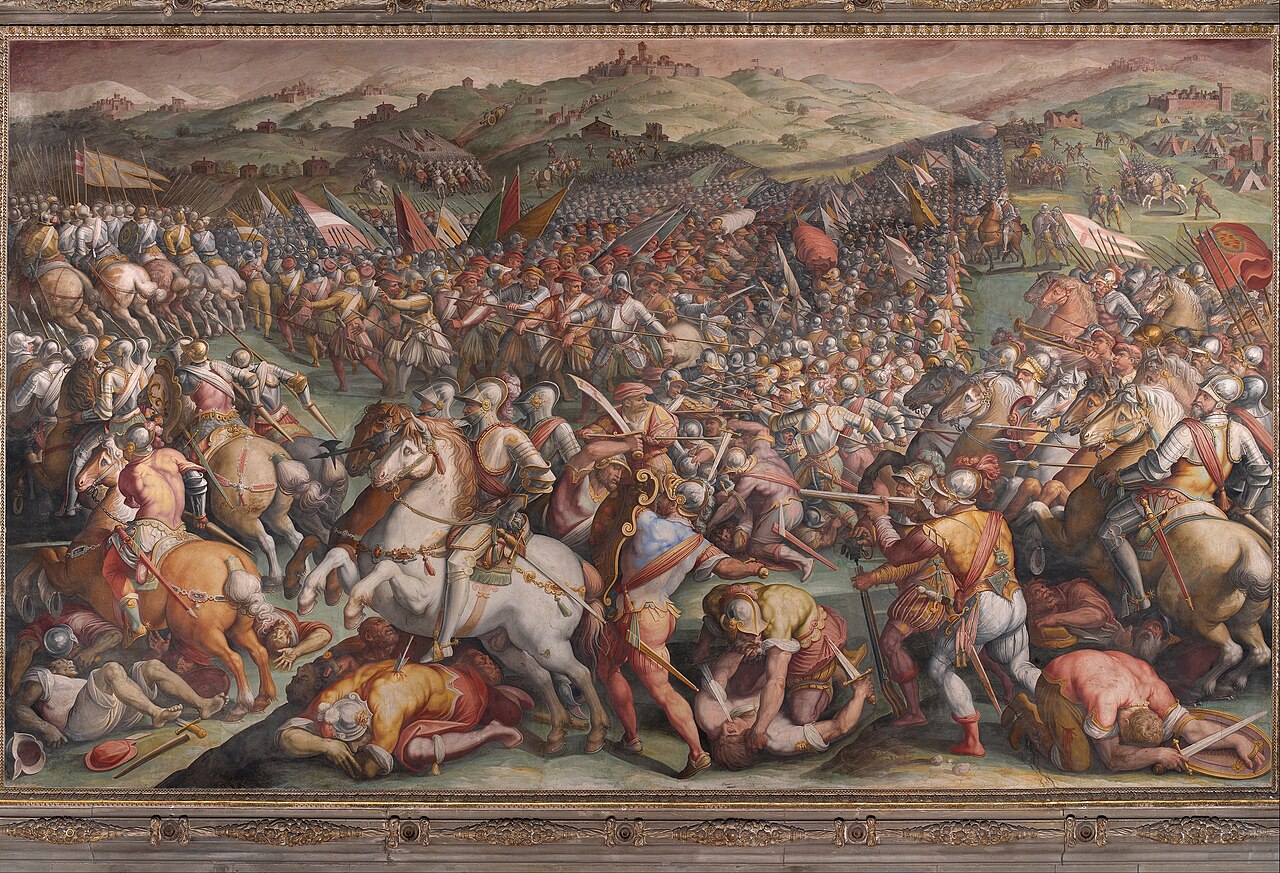
1551 - 1559 - Ninth Italian War (All Facts)
Conflict in which Charles V and Philip II and the Habsburgs (the Holy Roman Empire and Spain) defeated King Henry II and the Valois (France), ending the Italian Wars
Conflict which began when
King Henry II of France declared war against Holy Roman Emperor Charles V, with the intent of recapturing parts of Italy and ensuring French, rather than Habsburg, domination of European affairs
King Henry II of France publicly disavowed the Council of Trent
Conflict which saw
The Siege of Metz
The Battle of Marciano
The Siege of Siena
The Battle of St. Quentin
The Siege of Calais
The Siege of Thionville
The Battle of Gravelines
Conflict which included the Siege of Siena, a brutal 15-month blockade in which Cosimo de Medici and the Habsburgs (Holy Roman Empire) defeated the Valois (France) and took Siena from the French, during the namesake war
Conflict which ended with the Treaty of Cateau-Cambresis

1551 - 1562 - Fourth Habsburg-Ottoman War (All Facts)
War in which Suleiman and his Ottoman forces defeated the Habsburgs (Holy Roman Empire and Spain)

1551 - Siege of Tripoli (All Facts)
Battle in which the Ottoman Empire and France captured the namesake city from the Knights Hospitaller during the Fourth Habsburg-Ottoman War (All Facts)
1552 - Treaty of Chambord (All Facts)
Treaty signed between King Henry II of France and Maurice of Saxony, in which they agreed to ally against Holy Roman Emperor Charles V
Treaty in which
Henry II promised to prove Maurice of Saxony with troops and money
Maurice of Saxony promised to provide the formal possessions of the bishoprics of Metz, Toul, and Verdun; formerly captured by the French in the prior year
Treaty which forced Charles V to be beaten and forced to flee across the Alps
1552 - 1553 - Siege of Metz (All Facts)
Battle in which Francois de Lorraine and his French forces defeated Holy Roman Emperor Charles V and his forces, thus preventing the Holy Roman Empire’s capture of the namesake city, during the Ninth Italian War
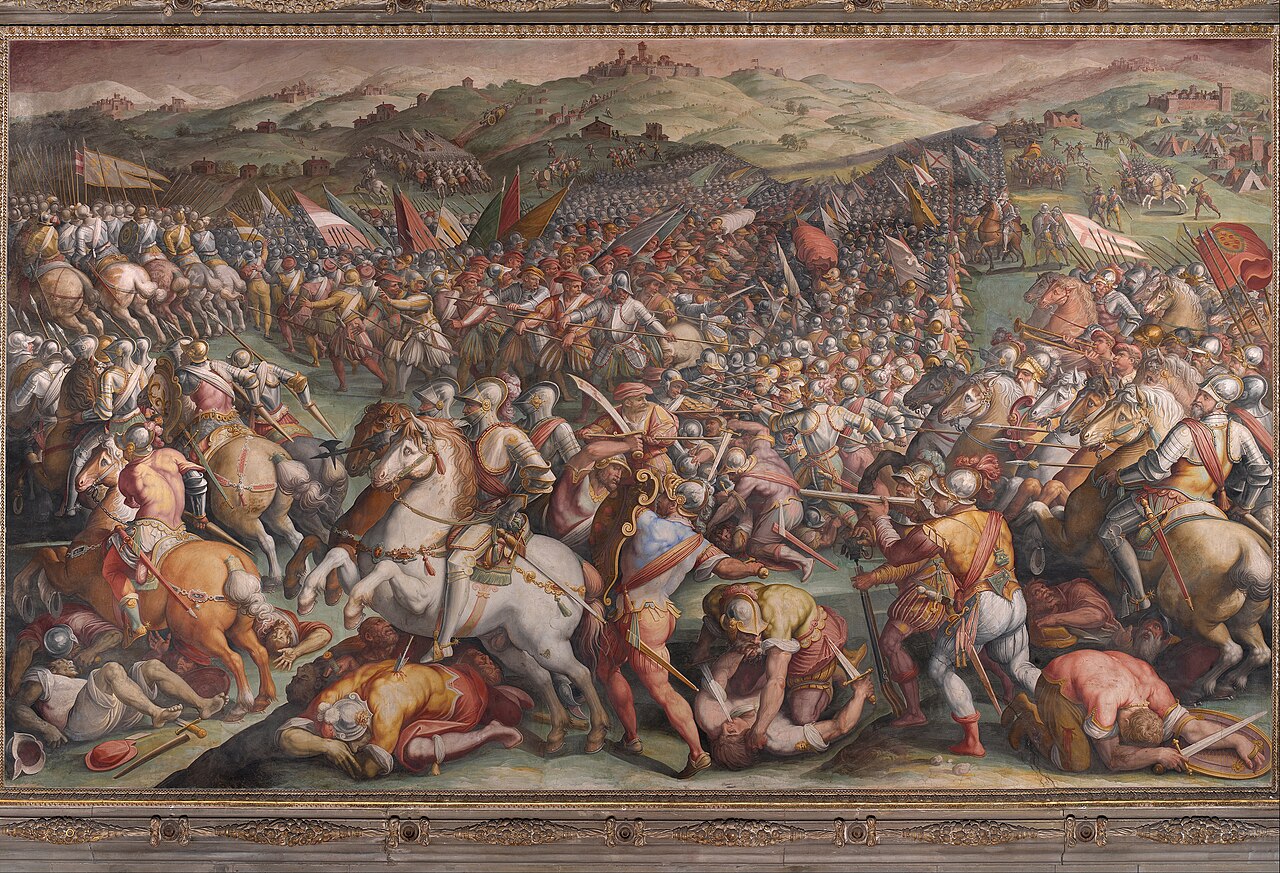
1553 - Battle of Marciano (All Facts)
Battle in which the Habsburgs (Holy Roman Empire) defeated the Valois (France) in Tuscany during the Ninth Italian War