JC PD Geri
 Call Kai
 Learn
Learn Practice Test
 Spaced Repetition
 Match
Match Flashcards
 Knowt Play
1/70

There's no tags or description
Looks like no tags are added yet.
Name | Mastery | Learn | Test | Matching | Spaced | Call with Kai | Chat |
|---|
No analytics yet
Send a link to your students to track their progress
71 Terms
BP changes in elderly*
vessels stiffen d/t atherosclerosis
→ systolic HTN or orthostatic hypotension
HR/rhythm changes in elderly*
pacemaker cells decline → afib or dysrhythmias
temp changes in elderly*
inc susceptibility to hypothermia
skin changes in elderly
Decreased dermal vascularity
Wrinkles and laxity
Thin, fragile, loose skin
Abdominal fat distribution changes
Macules and actinic purpura
Actinic keratosis, seborrheic keratosis, leukoplakia, nummular eczema
hair/nails changes in elderly
Nails dull, yellow, and thicken
Hair grays
Axillary hair diminishes
Alopecia
breast changes in elderly
Females → increased nodularity, become smaller/more flaccid as glandular tissue atrophies and is replaced by fat
Males → develop gynecomastia d/t meds, obesity and/or hormonal changes
eye changes in elderly
Pupils become smaller
Presbyopia (loss of near vision)
Decrease in overall visual acuity
Increased risk of cataracts, glaucoma (acute angle glaucoma), macular degeneration
ear changes in elderly
presbycusis (hearing loss)
neck changes in elderly
Neck vessels → tortuosity, cervical bruits, increased pressure of the jugular veins, increased risk of aneurysm
Cervical lymph nodes less palpable
throat/nose/mouth changes in elderly
Submandibular glands more palpable
Angular cheilitis → maceration d/t overclosure of jaw
Dental loss/orthodontic disease
Decreased salivation
Decreased olfaction
heart changes in elderly (long)
Myocardial contraction less responsive and stiff
Risk of heart failure increases
S3 and S4 heart sounds
Systolic aortic murmurs
Valve concerns, mitral regurgitation
Aortic sclerosis and increased risk of stenosis
peripheral vascular changes in elderly
Concern for peripheral vascular disease
Concern for aneurysm
Chronic effects of lifestyle → smoking, ETOH, obesity, DM
Temporal arteritis
genitalia changes in elderly
Females → menopause (45-52), diminished vaginal lubrication, libido unchanged
Males → 50% experience ED, increased risk of prostate cancer d/t age, libido unchanged but frequency of intercources declines after 75
MSK changes in elderly
Loss of muscle/bone mass (osteoporosis)
Loss of height
Loss of ligament tensile strength, ROM diminishes
Strength training can reverse/slow process
mental status changes in elderly
Short term memory loss
Increased susceptibility to MS changes
Risk of dementia, Alzheimer's, functional decline
motor sensory changes in elderly
Motor system changes, tremors
Diminished reflexes
Diminished vibration sensory testing
functional capacity definition*
Ability to perform activities necessary or desirable to daily life
basic ADLs (DEATHS)
Dressing
Eating
Toileting / Transfering
Shower/Bathing
instrumental ADLs (SHAFFFTTT)
Shopping
Housework
Farmaceuticals
Finances
Food (cooking)
Transportation
Tech
Ability to keep a schedule of activities
fall risk with elderly
Gait speed → predicts functional decline and early mortality;
higher risk of future falls and decreased independence
tug test (timed up and go test - time it takes for a person to rise from chair, walk 3 M turn around and sit down)
cognition screening in elderly
Basic cognitive screens can lead to detailed mental status examination, neuropsychiatric testing and/or medical testing
Screening for dementia → Montreal cognitive assessment, mini cog
mood changes in elderly - what 2 questions to ask?
Late-life unipolar depression remains underdiagnosed
2 questions
During the past month have you been bothered by feeling down, depressed or hopeless
During the past month have you been bothered by little interest or pleasure in doing things
Can open up further testing and further discussions
polypharmacy changes in elderly
Increased risk of drug-drug interactions
Have them bring in medications and review them during each visit
Ask about alternative medical therapy (OTC meds, vitamins, herbs, and supplements)
social support in elderly
early identification and intervention
identify caregiver burnout
watch for elder abuse
goal of care for elderly
Positive and personal health goals, independence goals, social goals, functional goals
Clinical tools is: goal assessment scaling but can be and usually is informal
advanced care preferences in elderly
do this early while pt has cognitive capacity
Choosing appropriate decision maker → power of attorney/health care proxy
Clarify values and preferences over time
Help guide desired therapy if pt is unable to speak for themselves
DNR orders
Palliative care preferences
nutrition/weight changes in elderly
Undernutrition increases w/ age
Assess nutrition from food choice, preparation and personal/cultural significance, to swallowing, digestion, and bowel regularity
Nutrition screening tools
urinary incontinence in elderly - can lead to, conerns?
Can lead to skin maceration/infection
Social isolation
Concerns for hygiene
causes of urinary incontinence
DIAPERS
→ Delirium, infection, atrophic vaginitis/urethritis, pharm, excess output, restricted mobility, stool impactions
sexual function changes in elderly
Libido intact among elderly
May need access to lubrication and tx for ED
Can still have risk for STIs
Concern for elder abuse
alcohol + med changes in elderly - threshold, inc risk for?
“Alcoholism threshold” → 7 drinks/week after age 65
Increase risk for cognitive and health regulatory complications → memory, esophagitis, sleep disorders, HTN
Risk for med complications → warfarin, DM, etc
Increased risk for other addictive substances
vision/hearing tests for elderly
10 minute geriatric screener
Eye chart
Whisper test
Increase referral testing if warranted
dentition changes in elderly
Dental hygiene dependent on ADLs
Can complicate and be complicated by comorbid conditions such as HTN, DM, polypharmacy
Xerostomia (dry mouth)
Prosthetic devices, dentures
pain changes in elderly - acute vs. persistent pain
Acute pain → distinct onset, short duration, obvious pathology
Persistent pain (>3 m) → psychological and/or functional impairment, fluctuates in character intensity, range of causes
living situation changes in elderly - household safety and fall prevention
Adequate alarms systems and plans for care/evaluation, access to 911
Removal of tripping hazards
Adequate lighting and accessibility
Adequate grab bars and safety rails, ramps for walking, etc
immunizations in elderly
Influenza A & B
Pneumococcal
Zoster (shingles) → contraindicated in HIV, leukemia, lymphoma, neoplasms affecting bone marrow or lymphatic system
Tb & Tdap → q 10 years
2 most common geriatric murmurs?
aortic sclerosis
mitral regurg/insuff
cancer screening changes in elderly (breast, colon, lung, cervical, prostate, skin)
Breast cancer → 50-74y
Colorectal cancer → 50-75y; FOBT yearly and colonoscopy q 10 years
Lung cancer → 55-80; annual screening w/ low dose CT if smoking history, discontinue after >15y smoke free
Cervical cancer → no recommendation if low risk and neg pap
Prostate cancer → PSA no longer recommended
Skin cancer → insufficient evidence to warrant routine whole body routine skin eval
spirituality awareness when working w/ elderly
be open to all beliefs
be aware of cultural/personal/gender in faith
be aware beliefs can change
initial survey of elderly
bp target <150/90
hypothermia, fever
weight loss, undernutrition
balance, gait irregularities
mood/affect
involuntary mvmt
frailty, motor
speech
RR, O2, BMI, HR
depigmented patches of skin = ?
pseudoscars
skin inspection in elderly
Note age related skin changes: skin dryness, flakiness, wrinkling
watch skin coloration (actinic purpura)
depigmented patches = pseudoscars
watch for basal cell carcinoma, squamous cell carcinoma, melanomas
actinic lentigines (liver spots), actinic keratosis, seborrheic keratoses
painful vesicular lesion → suspect varicela zoster
detect pressure ulcers
eye inspection in elderly
watch for yellow of sclera, arcus senilis (white ring around limbus) or senile ptosis
test visual acuity, note presbyopia (loss of near vision), EOMs, pupil constriction
red reflex, cataracts, disc cupping = glaucoma, drusen = macular degeneration
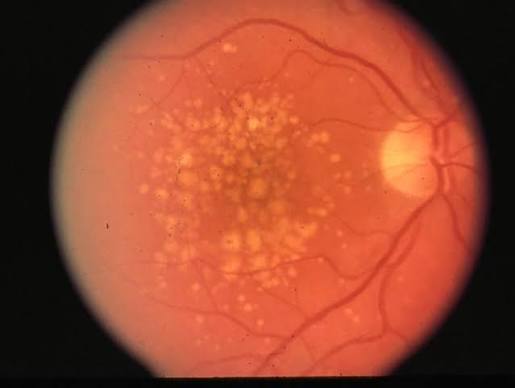
drusen = ?
macular degeneration
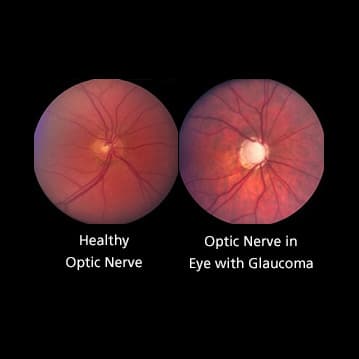
disc cupping = ?
glaucoma
ear check for elderly
occlude one year and use whispered voice
check for cerumen
consider audiometry
mouth check in elderly
dryness, quality of salivary prod
look for lesion, tumors, dental sores, caries, gingivitis
look for angular cheilitis
neck inspection for elderly
jvp
carotid upstrokes
carotid bruits
goiters (thyroid)
examine lymph node extends to clavicular nodes
lungs review with elderly
review smoking hx
assess talking, exertional effort
coughing, wheezing
auscultate all fields
spirometry
cardiac assessment in elderly
auscultate s1 and s2 at PMI, listen for S3 S4
listen for murmurs
_ HR gives better detection of arrythmias than radial pulse
apical
what should you confirm diminished pulse findings with? why?
ABI
to intervene early if peripheral vascular disease
breast/axilla exam in elderly
lumps, masses
paget’s disease
breast exam
tail of _ extends into the axilla
spence
the breast exam should always include the _ area
axillary
eczema-like scaling around the nipple = ?
paget’s disease
abdomen assessment in elderly
Inspect for masses, pulsations
Palpate right and left of midline for pulsations, assess width of aorta
Auscultate for bruits: aorta, renal and femoral arteries
female assessment in elderly
Inspect for age related changes
Inspect urethra for caruncles, bulging d/t urethrocele or urethral diverticulum
clitoral enlargement
atrophy, discharge, mucus (prolapse, cystocele, urethrocele, mass)
bimanual/rectovaginal exam (colorectal cancer)
vervical/uterine/adnexal tenderness
enlarging uterine fibroids
enlarging uterine fibroids may be?
malignant leiomyosarcomas
estrogen stimulated mucus is seen w?
HRT
endometrial hyperplasia
estrogen tumors
female ob/gyn masses names
condylomata, (wart like growth)
fibromas,
leiomyomas,
sebaceous cysts
lipomas
male genitalia assessment
Examine penis, scrotum, testicles, epididymis
Perform digital rectal exam to evaluate prostate for symmetry, nodularity, size and evaluation of masses
Rectal masses suggest colorectal cancer
r/o prostate cancer if prostate nodules or dissymmetry are present
if male has rectal mass, suspect?
colorectal cancer
MSK assessment in elderly
Mobility screening tests
TUG test
10 min Geriatric Screener
Look for degenerative joint changes/arthritis
Consider increased bone fragility d/t osteoporosis and compression fractures of the spine
nervous system assessment in elderly
Assess memory, affect and changes in cognition
Evaluate changes in gait and balance
Widening of gate, slowing and lengthening of stride, difficulty turning, etc
Evaluate for parkinsons
sx of parkinson’s
Pill rolling tremor and resting tremor
Rigidity
Akinesia (loss of muscle movement)
Postural instability
highest prevalence of conditions in geriatrics
PNA
UTI (highest risk of delirium)
other names for essential tremor
intention tremor
what exam condition that may need to be accommodated with elderly individual with motility issue?
exam pt where they are
annual wellness visit was signed into law by?
obama