4.7 Regulation and control of basal metabolic rate and growth by thyroid hormones
 Call Kai
 Learn
Learn Practice Test
 Spaced Repetition
 Match
Match Flashcards
 Knowt Play
1/12

There's no tags or description
Looks like no tags are added yet.
Name | Mastery | Learn | Test | Matching | Spaced | Call with Kai |
|---|
No analytics yet
Send a link to your students to track their progress
13 Terms
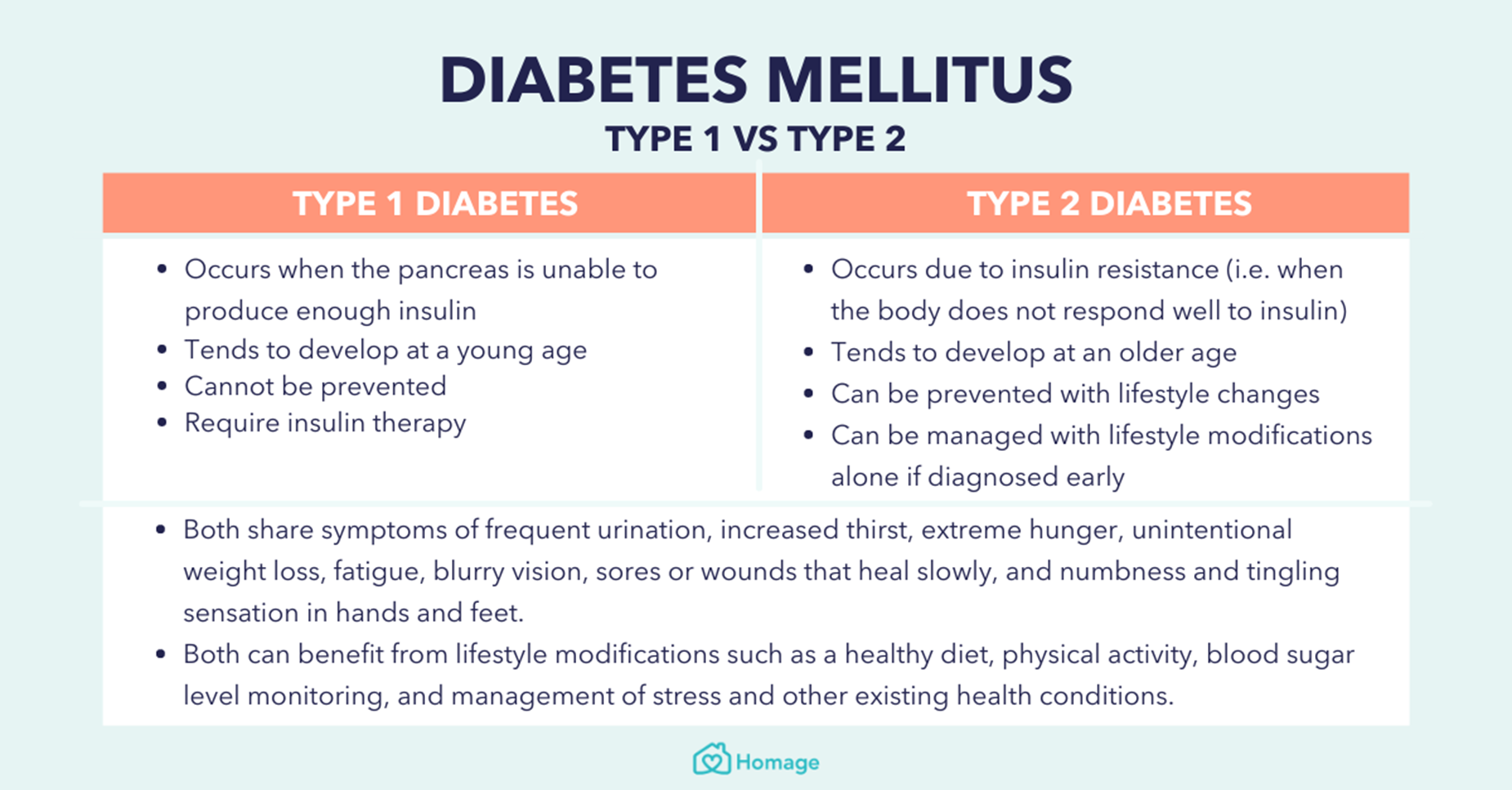
Diabetes
•Type 1 diabetes is an autoimmune condition in which the immune system is activated to destroy the cells in the pancreas which produce insulin.
•Normally:
•The pancreas secretes insulin into the bloodstream.
•Insulin circulates, allowing sugar to enter your cells.
•Insulin lowers the amount of sugar in your bloodstream.
•As your blood sugar level drops, so does the secretion of insulin from your pancreas.
•In the case of Type 1 diabetes the insulin secreting cells have been destroyed so do not release insulin in response to increased blood sugar levels.
Managing diabetes
•Constant monitoring of blood sugars in essential. This can be done by:
•Finger prick tests
•Continuous monitoring system
•
•Insulin is needed to be delivered in response to blood glucose measurements.
•Insulin pump
•Daily injections (often done many times throughout the day)
•
compare
Hypoglycaemia
•Low blood sugar (hypoglycaemia). This occurs when your blood sugar level drops below your target range.
•Symptoms:
•Sweating
•Shakiness
•Hunger
•Dizziness or lightheadedness
•Rapid or irregular heart rate
•Fatigue
•Headaches
•Blurred vision
•Irritability
•
later signs
•Later signs and symptoms of low blood sugar, which can sometimes be mistaken for alcohol intoxication in teens and adults, include:
•Lethargy
•Confusion
•Behavior changes, sometimes dramatic
•Poor coordination
•Convulsions
Thyroid gland
•Foods like fish, dairy, eggs and seaweed are rich in the mineral iodine.
•The thyroid gland uses iodine from the foods you eat to make two (main) hormones:
•Triiodothyronine (T3)
•Thyroxine (T4)
•T3 and T4 work together to regulate your basal metabolic rate.
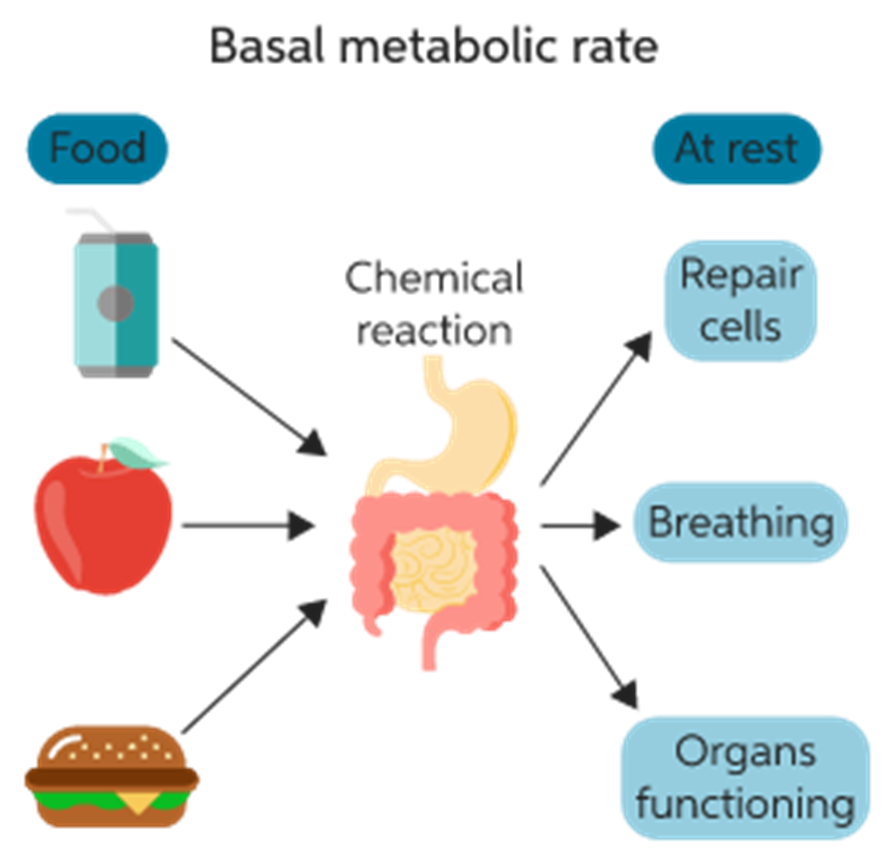
What is basal metabolic rate?
•Even when resting, your body uses energy by performing basic functions to sustain life, such as:
•breathing
•circulation
•nutrient processing
•cell division
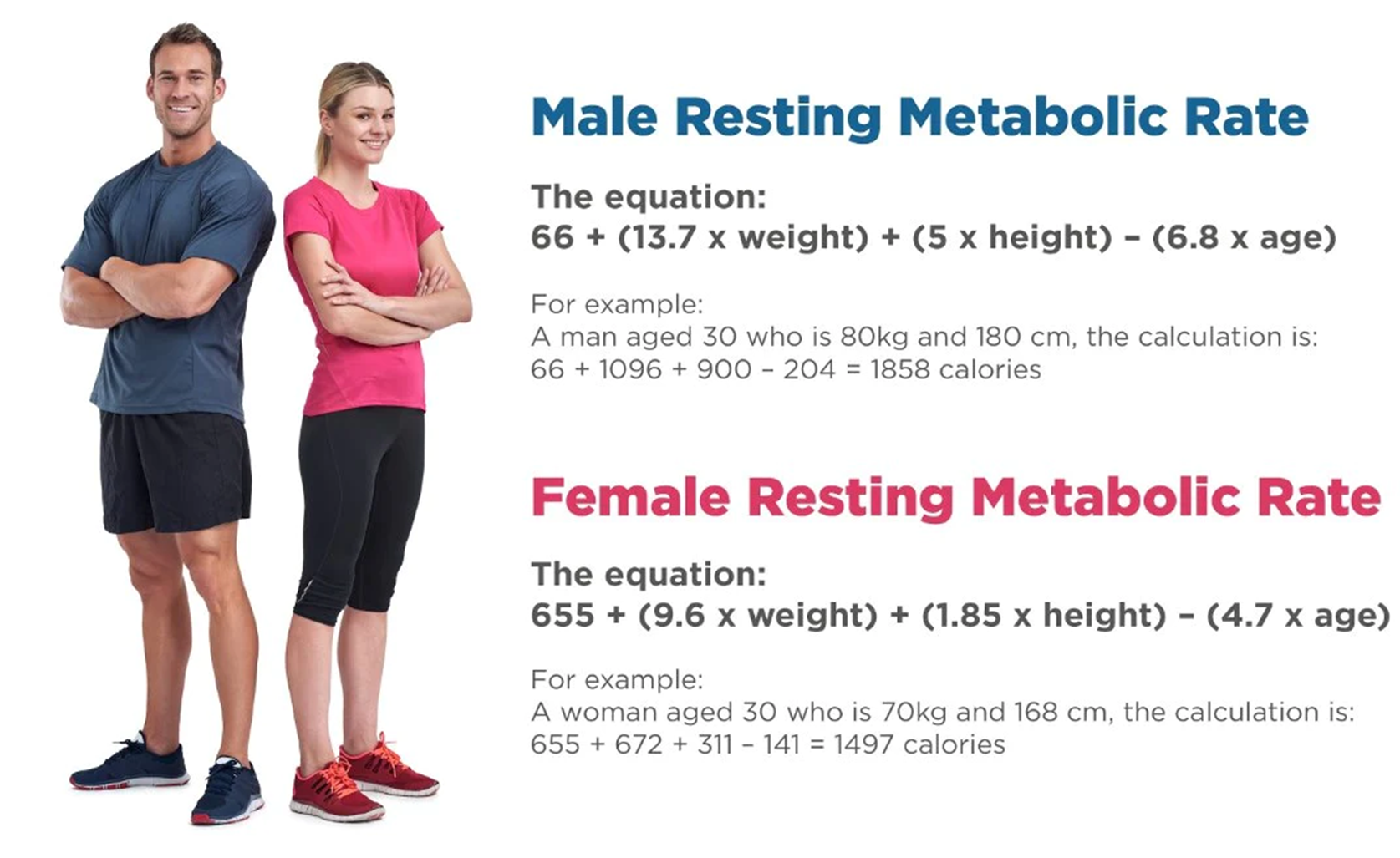
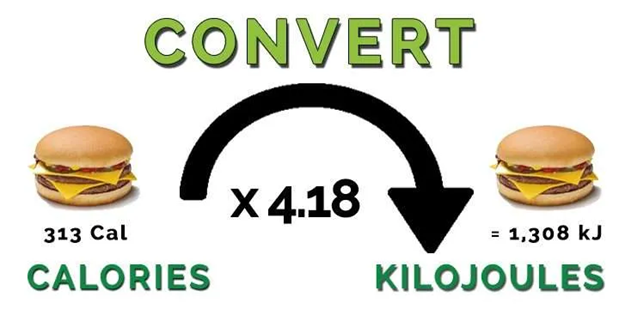
•Basal metabolic rate is the number of kilojoules your body needs to accomplish its most basic (basal) life-sustaining functions.
formula
coversion
Role of thyroxine
•Regulate metabolic rate
•Critical for brain development in foetuses and newborn babies
•Direct effect on muscle growth and bone development
•Significant effect on the cardiovascular, reproductive and nervous system
•As thyroxine has such far-reaching and important effects on cells, it is important that it’s production is tightly regulated…
Thyroid control:
•It is important that T3 and T4 levels are neither too high nor too low.
•The hypothalamus produces thyrotropin-releasing hormone (TRH) that signals the pituitary to tell the thyroid gland to produce more or less of T3 and T4 by either increasing or decreasing the release of a hormone called thyroid-stimulating hormone (TSH).
terms
Glucose → a simple sugar that is the body’s main source of energy. It travels in the blood and is used by cells for respiration.
Glycogen (sometimes misspelled “glucogen”) → the stored form of glucose found mainly in the liver and muscles. The body converts glucose into glycogen for storage.
Glucagon → a hormone made by the pancreas. It raises blood glucose levels by causing glycogen to be broken down into glucose.
Insulin → another hormone made by the pancreas. It lowers blood glucose levels by helping cells absorb glucose and by converting excess glucose into glycogen.
Glycolysis → the process where glucose is broken down to release energy during cellular respiration.
Gluconeogenesis → the production of glucose from non-carbohydrate substances when the body needs more glucose.