Vector-borne diseases of small animals
 Call Kai
 Learn
Learn Practice Test
 Spaced Repetition
 Match
Match Flashcards
 Knowt Play
1/38

There's no tags or description
Looks like no tags are added yet.
Name | Mastery | Learn | Test | Matching | Spaced | Call with Kai |
|---|
No analytics yet
Send a link to your students to track their progress
39 Terms
List the main vector borne diseases
Ehrlichiosis
Anaplasmosis
Lyme borreliosis
Babesiosis
Bartonellosis
What are the bacterial tick borne diseases
Ehrlichiosis
Anaplasmosis
Rickettsiosis
Lyme borreliosis
What are the protozoal tick borne diseases?
Babesiosis
Hepatozoonosis
What are the viral tick borne diseases?
Tick-borne encephalitis
What aetiological agent causes Ehrlichiosis?
E. canis —> infects monocytes
What transmits Ehrlichiosis?
Rhipicephalus sanguineus
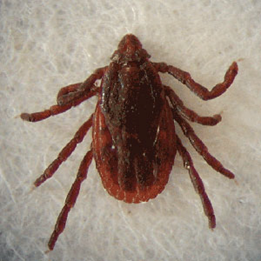
What are the phases of ehrlichiosis?
Acute (2-4 weeks)
Lymphadenopathy & splenomeglay
Thrombocytopaenia (anaemia, petechiae, epistaxis, melaena)
Ocular signs (uveitis, retinal detachment)
Subclinical (months to years)
Recovery from acute phase
Mild asymptomatic thrombocytopaenia
Chronic
Signs of bone marrow dx
Bleeding tendencies —> petecchiae, ecchymosis, epistaxis
2° infection
History & diagnostic testing to differentiate
What clinicopathological changes are present with ehrlichiosis?
Acute/subclinical —> thrombocytopaenia
Chronic —> pancytopaenia
Lymphocytosis
Hypoalbuminaemia, hyperglobulinaemia
Monoclonal gammopathy
Proteinuria
How do you diagnose Ehrichiosis?
Cytology —> Morula within monocytes (low sensitivity)
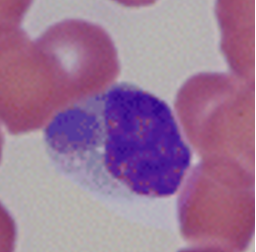
Serology IFA/ELISA —> abs between 7-28 days (acute phase might be missed)
PCR —> low sensitivity
What is an Idexx 4DX test?
Serology
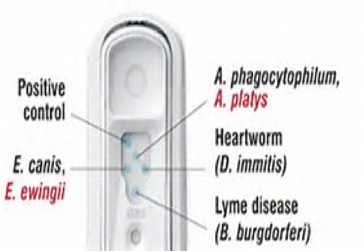
What are the limitations of testing for serology?
+ve test can be because of past dx
Many can recover spontaneously and be positive for months/years
Seroprevalence high in dogs from endemic areas
12-14 days for antibodies to be produced so active infection can be -ve
How does a PCR compare to doing serology?
-ve serology rules out Ehrlichia (except for active infections less than 14 days old), whereas a +ve PCR confirms Ehrlichia infection
How do you treat Ehrlichiosis?
Doxycycline
10mg/kg PO q24hrs for 28 days
How do you prevent ehrilichiosis?
Tick control
What aetiological agents cause anaplasmosis and what transmits them?
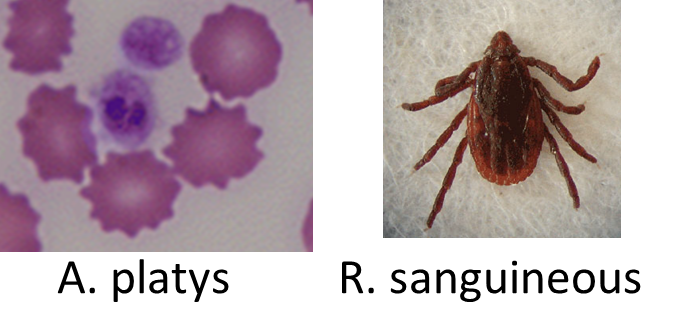
A. phagocytophilum spread by Ixodes ricinus
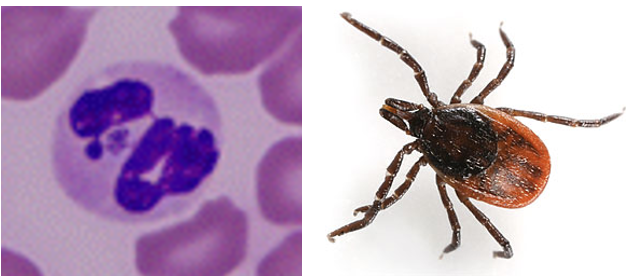
A. platyus spread by Rhipicephalus sanguineus (ONLY US)
What does A. phagocytophilum cause?
Canine granulocytic anaplasmosis
What signs are associated w/ anaplasmosis?
Usually subclinical, self limiting
Fever, lethargy, inappetance, lameness, lymphadenomegaly, splenomeglay, neutrophilic (immune-mediated) polyathritis → joint effusions + pain
Thrombocytopenia
NB- Zoonotic
What is the main difference between anaplasma and ehrlichia?
Anaplasma does not have a chronic form
What clinical pathological changes are associated with anaplasmosis?
Thrombocytopenia (neutropenia, lymphopenia more rarely)
Lack of lymphocytosis (unlike Ehlrichia)
Non specific changes in biochem —> hyperglobinaemia, hypoalnbuminae
What tests can be used to diagnose anaplasmosis?
Cytology —> morula within neutrophils
Serology —>IFA/ELISA good for >7-10 days
Paired titres
Cross reactivity between Anaplasma and Ehrlichia can lead to false +ves
PCR —> good sensitivity
How is anaplasmosis treated?
Doxyxycline
prevention with tick control
What aetiological agent causes lyme borreliosis & what transmits it?
B. burgdorferi
Ixodes ricinus transmits
What is the significance of a +ve titre for lyme disease?
A high titre does not predict illness
May not get clinical signs
What are the forms of lyme disease?
Lyme arthritis
Lyme nephritis
Proteinuria → protein-losing nephropathy
Thromboembolism, pulmonary thromboembolism, hyperextensive damage, nephrotic syndrome, PUPD
How is lyme borreliosis diagnoesd?
Cytology —> presence of morulas in joint effusion
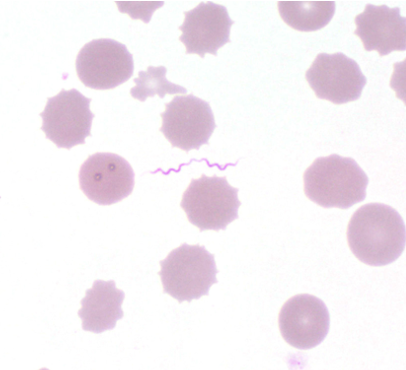
Serological
4dx snapp test —> does not react w/ vaccine
Lyme C6 Quant —> quantified can be used to monitor respsonse to tx
If a dog is seropositive for lyme borreliosis what should you do?
Screen for proteinuria (UPCR)
Check for vector borne co-infections
Tick control!
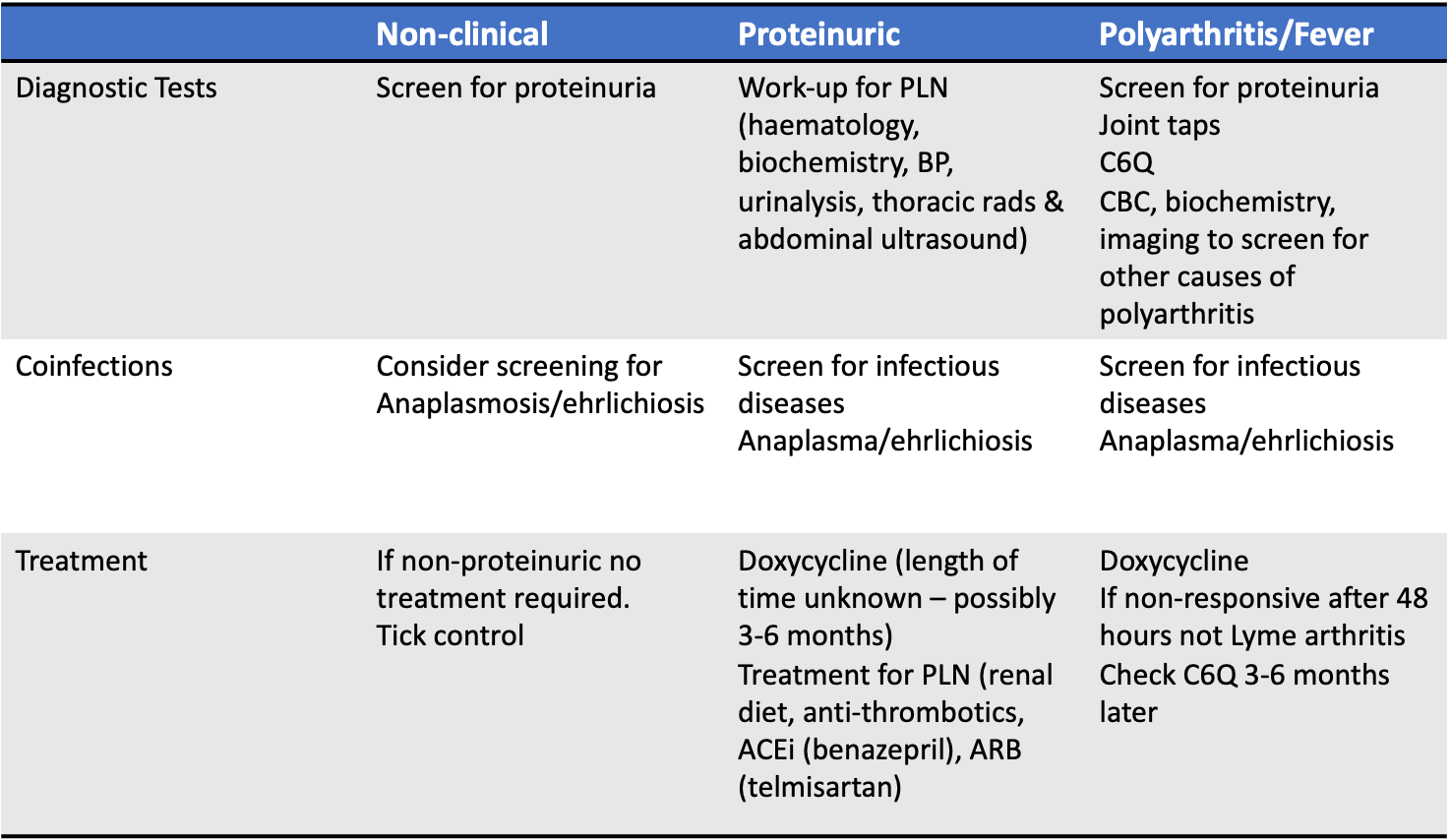
How is lyme borreliosis treated?
Doxycycline
control with tick control
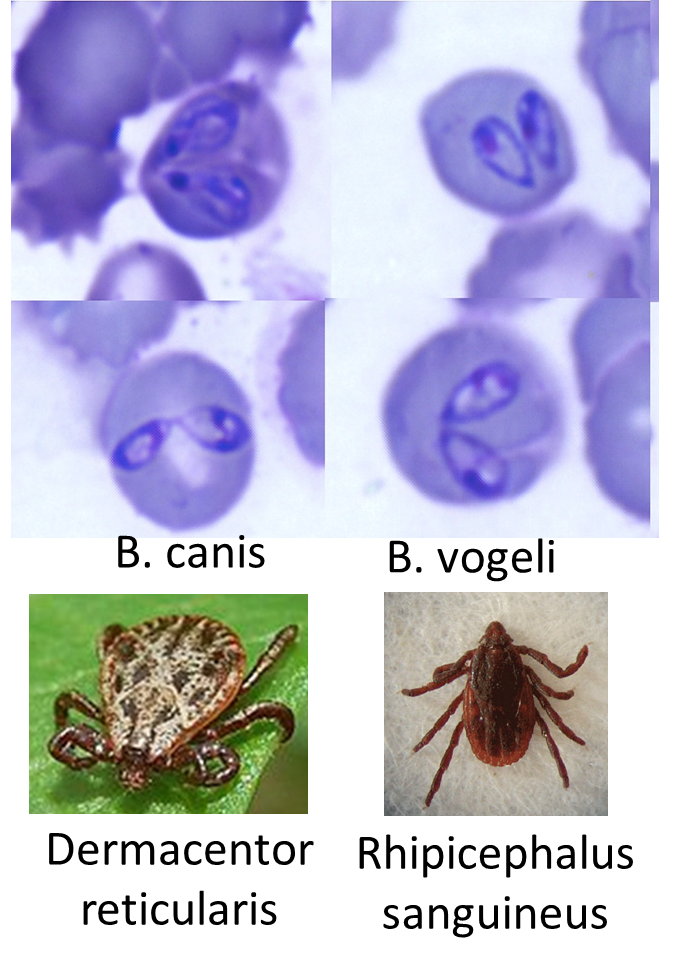
What are the two species of babesia causing large babesiosis & their vectors?
B. canis —> dermacentor reticularis
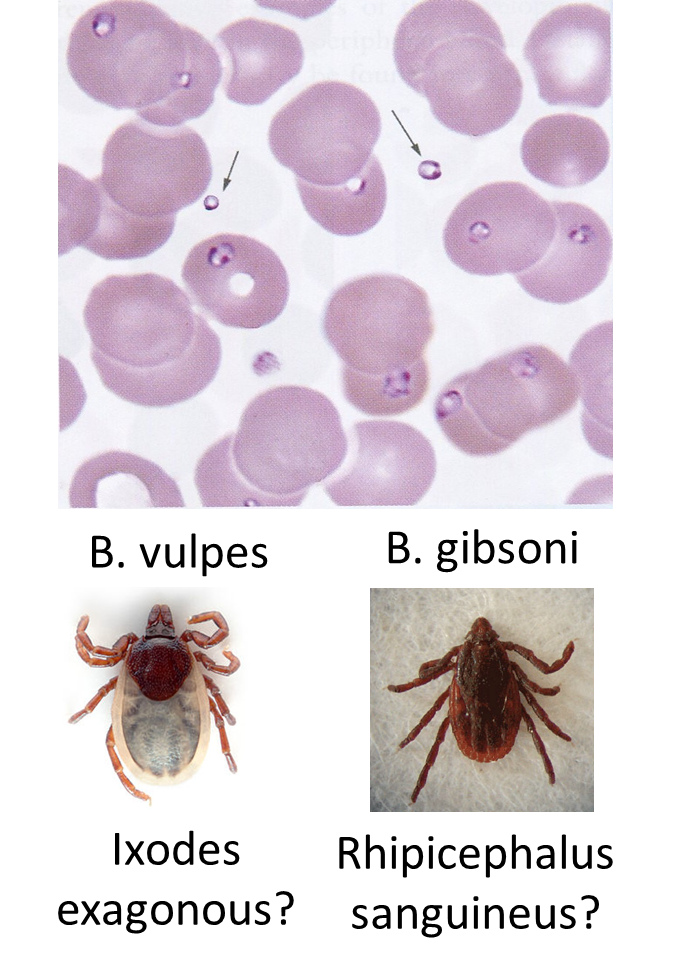
B. vogeli —> rhipicephalus sanguineus
What are the two species of babesia causing small babesiosis and their vectors?
B. vulpes —> Ixodes hexagonous
B. gibsoni —> Rhipicephalus sanguineus
What are the clinical signs of babesia?
Intravascular haemolysis —> pallor, icterus, regenerative anaemia, haemoglobinuria, haemoglobinaemia
Thrombocytopenia —> petechiae, epistaxis
Lymphadenomegaly
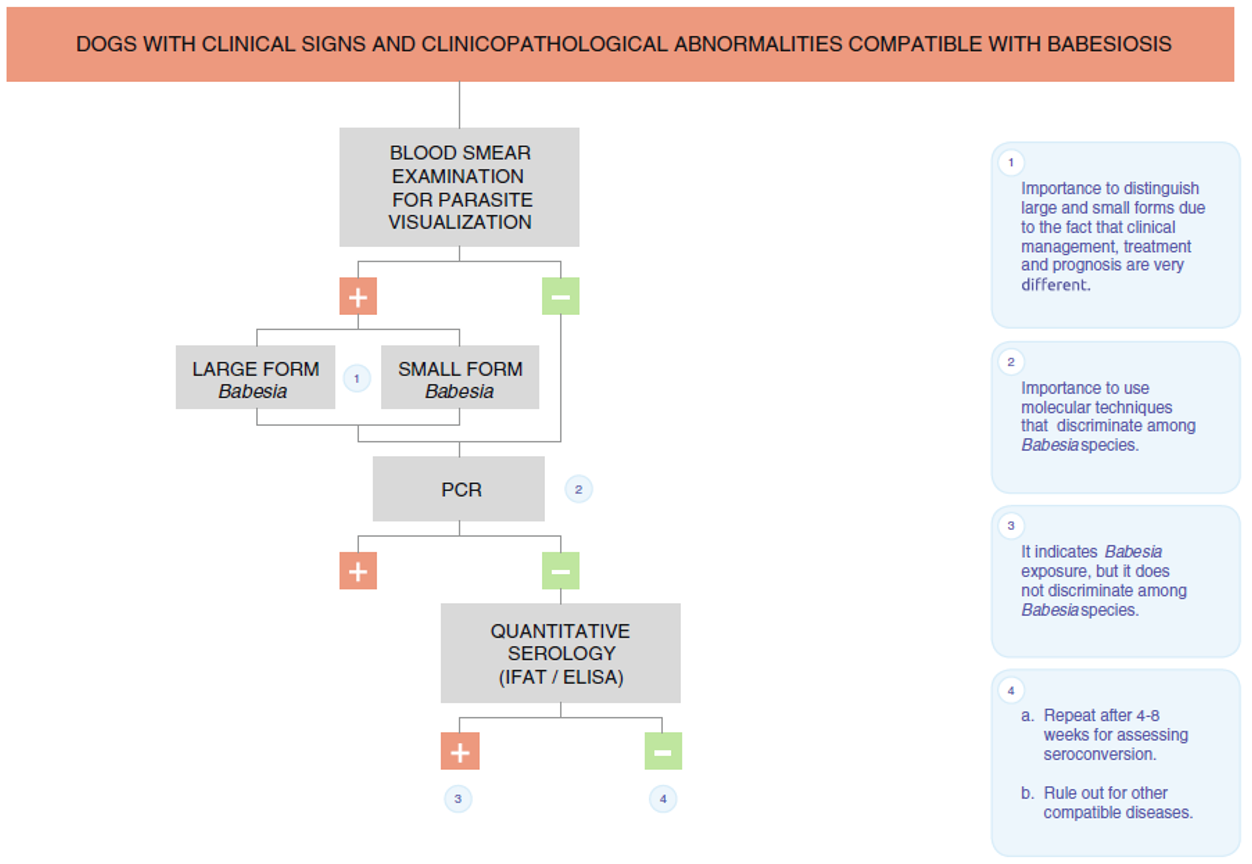
How do you diagnose babesiosis?
Cytology —> poor sensitivity but good first step
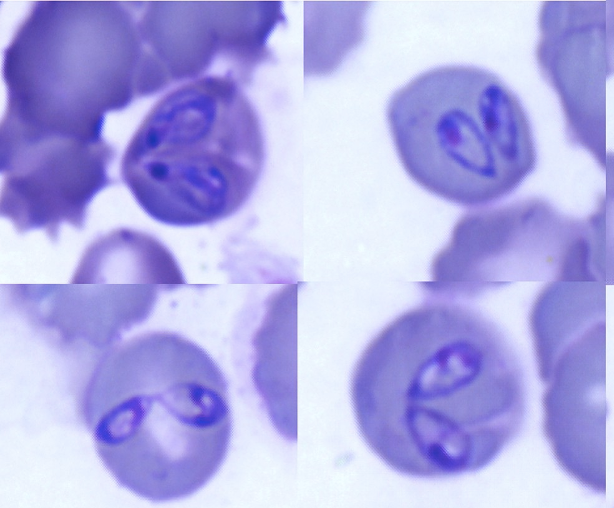
Antibodies (IFA) —> high titre indicates exposure but not active infection
PCR to identify species
What is used to treat babesia?
Imidocarb (large babesia)
Some dogs remain chronically infected and at risk of relapse particularly with immunosuppression oand splenectomy
How is babesiosis prevented?
Vaccine (pirodog) —> reduced clinical signs
Tick control
What aetiologicla agent causes bartonellosis and what transmits it?
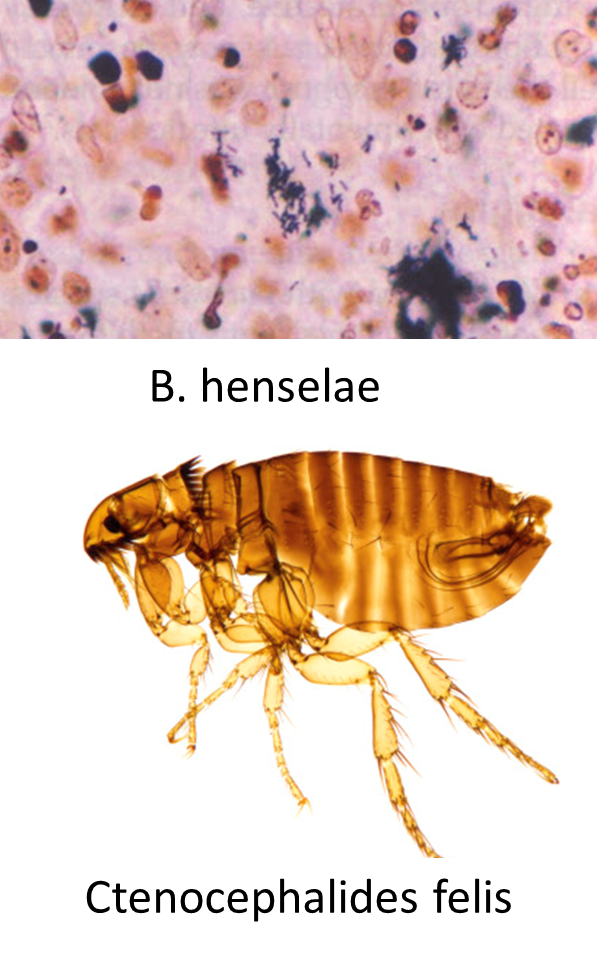
B. henselae
Ctenocephalides felis
What does bartenellosis cause in dogs?
Endocarditis
Signs —> fever (also afebrile), lethargy, lymphoadenomegaly
Complications —> thromboembolic disease, neutrophilic polyarthritis, heart failure
Signs —> lameness, epistaxis, cough
What clinicopathological chnges are associated with bartonellosis?
Not specific —> non-regen anaemia, thrombocytopenia, neutrophilia
How is bartenellosis diagnosed?
Culture (blood / tissue) —> low sensitivity
Enrichment PCR —> low sensitivity (as culture) but diagnostic test of choice
Serology (IFA/ELISA) —> positive does not means active disease. Also bacteraemia can be present without antibodies.
How do you treat bartonella?
Doxycycline and fluoroquinolone
(prognosis for bartonella endocarditis = guarded)
How is bartenollosis prevented?
Flea control