BCH4024 Quiz 2
 Call Kai
 Learn
Learn Practice Test
 Spaced Repetition
 Match
Match Flashcards
 Knowt Play
1/42

There's no tags or description
Looks like no tags are added yet.
Name | Mastery | Learn | Test | Matching | Spaced | Call with Kai |
|---|
No analytics yet
Send a link to your students to track their progress
43 Terms
What are the names of the 7 non polar aliphatic amino acids
glycine, alanine, proline, valine, leucine, isoleucine, methionine
what are the names of the 3 aromatic amino acids
phenylalanine, tyrosine, trptophan
what are the names of the 5 polar uncharged amino acids
serine, threonine, cysteine, asparagine, glutamine
what are the names of the 3 positively charged amino acids
lysine, histidine, arginine
what are the names of the 2 negatively charged amino acids
aspartate, glutamate
where are the nonpolar amino acids often found
internal portions of proteins
is glycine optically active
glycine is not optically active because it has an extra H as its R group which makes it symetrical
what is the special structure of proline
proline is the only structure with a secondary amine where the amine is bound ot two carbons
what is the difference between glycine and alanine
alanine has a methyl group instead of two H groups like glycine
what is the difference between leucine and isoleucine
leucine has a branching V shape off of a single carbon whereas isoleucine has a methyl coming off of the starting carbon
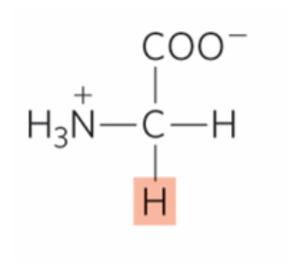
name this amino acid
glycine
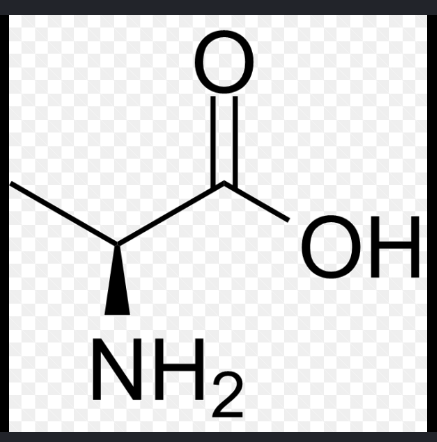
name this amino acid
alanine
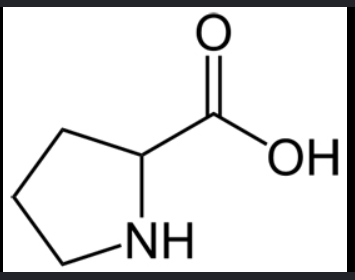
name this amino acid
Proline
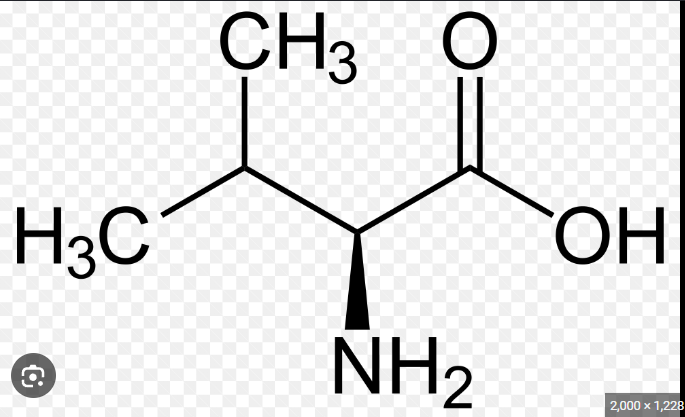
name this amino acid
Valine
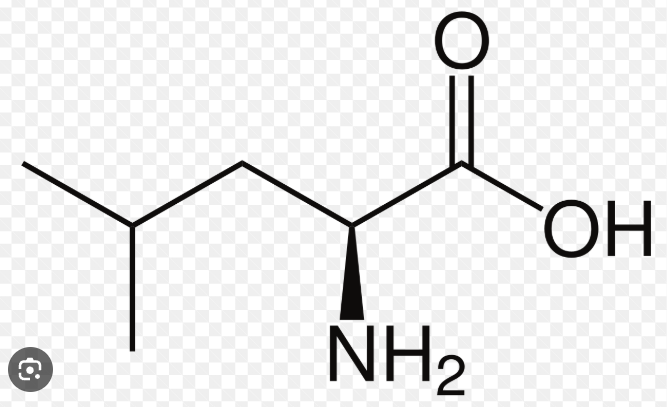
name this amino acid
leucine
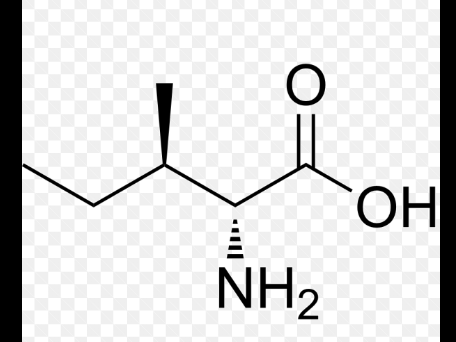
name this amino acid
isoleucine
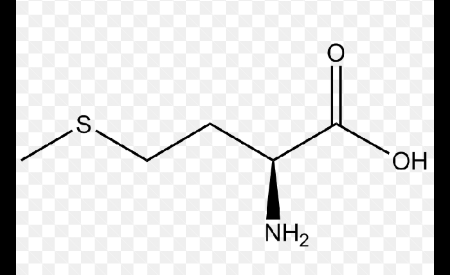
name this amino acid
methionine
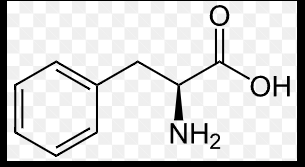
name this amino acid
phenylalanine
what is the difference between phenylalanine and alanine
phenylalanine has an aromatic ring comming off of a R group carbon.
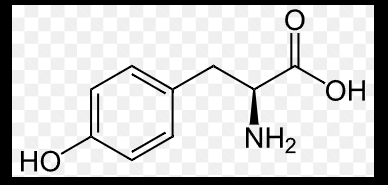
name this amino acid
tyrosine
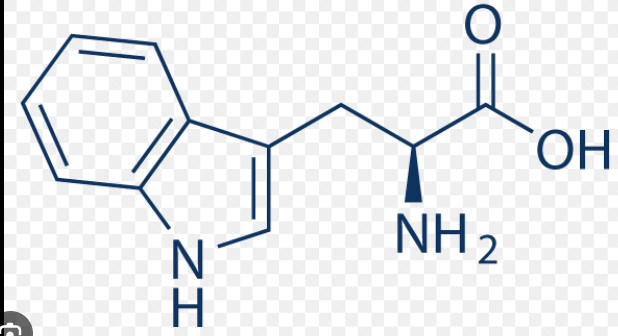
name this amino acid
tryptophan
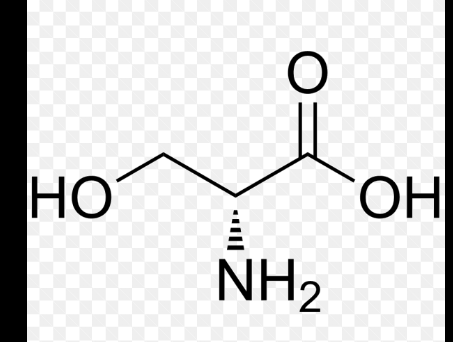
name this amino acid
serine
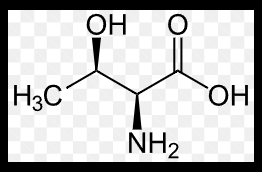
name this amino acid
threonine
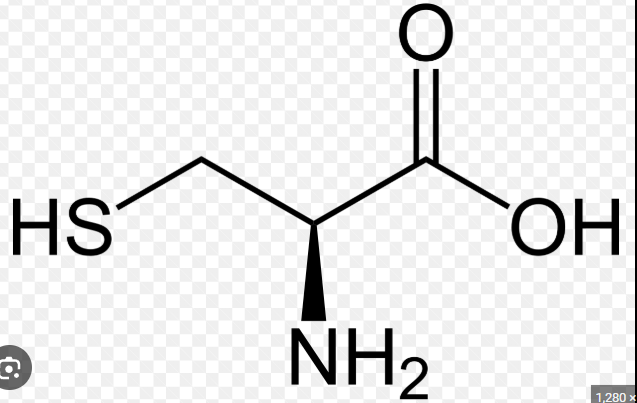
name this amino acid
cysteine
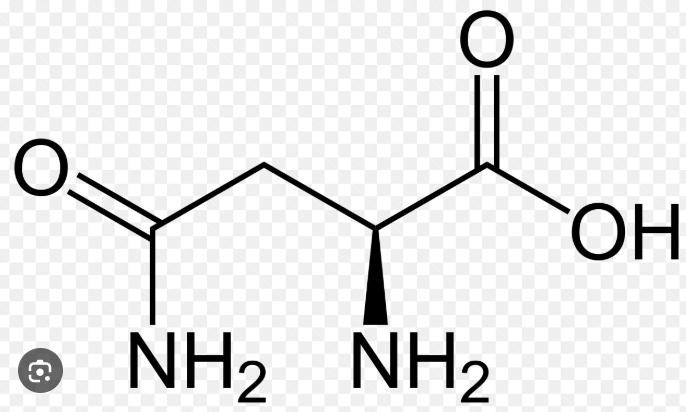
name this amino acid
asparagine
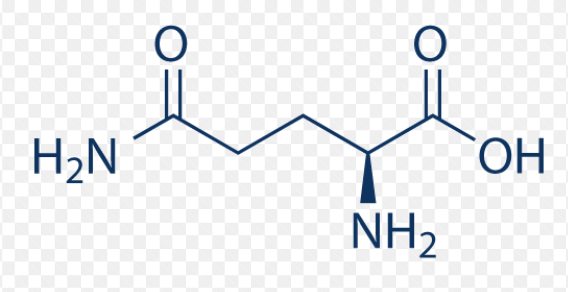
name this amino acid
glutamine
what is the difference between tyrosine and phenylalanine
tyrosine has an OH group on the para position of the 6 numbered ring
what do phenylalanine and tyrosine have in common
they both have an aromatic ring comming off of a R group carbon
what does tyrosine and tryptophane have in common
both have an aromatic ring
what does phenylalanine and tryptophan have in common
both have an aromatic ring
of all the amino acids which is the only one to have a double ring
tryptophan
comparing in terms of polarity of the 3 aromatic amino acids, which two are the more polar
tyrosine and tryptophan
of the three aromatic amino acids, which one contains a nitrogen that is not the standard amino group.
tryptophan
what amino acid readily forms a disulfide bond with another form of itself
cysteine
among the polar uncharged amino acids which amino acid(s) contain a sulfur
cysteine
among the polar uncharged amino acids which amino acid(s) contain a OH group
Serine and Threonine
what is the difference between Threonin and Serine
Serine only has 1 carbon in its R group whereas Threonine has 2 carbons one of which is a methyl
what is the difference between asparagine and glutamine
glutamine’s R group chain is one carbon longer than asparagine
in the polar uncharged amino acids which amino acids(s) have a amide group
asparagine and glutamine
what is the isoelectric point (pI)
it is the pH where the average amino acid charge is 0
what is the henderson-hasselbalch equation
pH (or pI) = pKa + log [A-]/[HA]
what is the equation used for calculating pI
pI = (pKa1+pKa2)/2
what is the total number of sequences possible for amino acids at each position
20n where n is the number of residues within the peptide