repro p2p flashcards
 Call Kai
 Learn
Learn Practice Test
 Spaced Repetition
 Match
Match Flashcards
 Knowt Play
1/17

Earn XP
Description and Tags
. Describe the structure of the testis and the epididymis. 2. Outline the anatomy of the male reproductive tract, identifying glans penis, erectile tissues, vas deferens, epididymis and testis. 3. Describe the differences in male penis anatomy between ram, boar, bull dog and stallion. 4. Compare the fibroelastic and musculovascular penis anatomy and relate this to how they obtain erection. 5. Explain how erection in the dog penis differs to that of the stallion and describe the function of the bulbus glandis and Os penis. 6. Identify the muscles associated with the male reproductive tract and explain the function of the cremaster muscle and retractor penis muscle. 7. Describe the role of the spermatic cord and list the structures contained within. 8. Identify structures involved in castration
Name | Mastery | Learn | Test | Matching | Spaced | Call with Kai |
|---|
No analytics yet
Send a link to your students to track their progress
18 Terms
how do the terminal abdominal aorta branches caudally to supply the pelvis
external and internal iliac arteries
external iliac artery
branches
supply area
|
internal iliac
|
testis and epididyis
location
roles
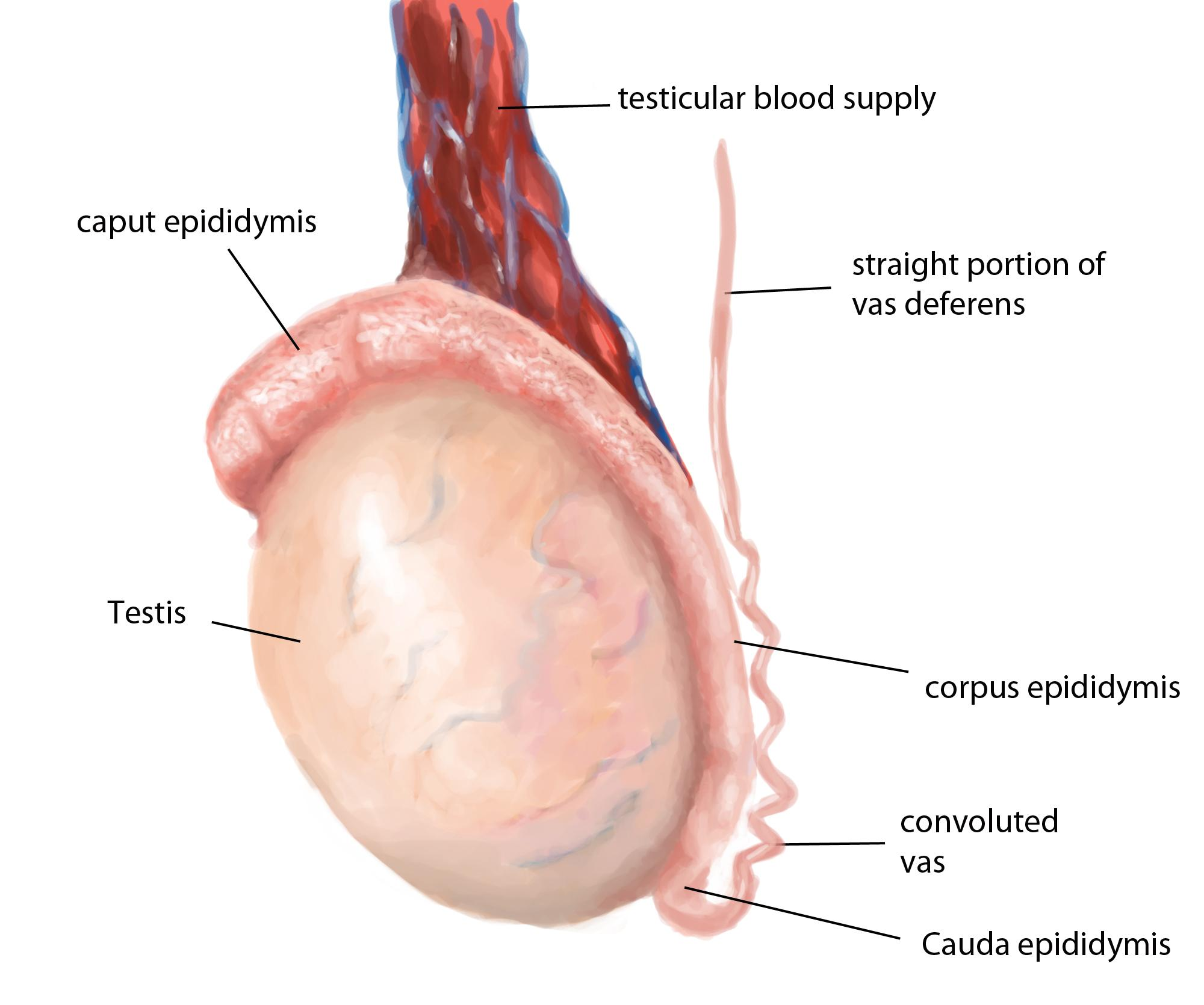
The testes and epididymis are paired structures, located within the scrotum. The testes are the site of sperm production and hormone synthesis, while the epididymis has a role in the storage of sperm.
what are the layers of the tunica vaginalis and what does it form
what is it derived from
parietal and visceral
wraps around structures entering and leaving the testis to form the spermatic cord
derived from the abdominal peritoneum
what is the pampiniform plexus and how does it aid spermatogenesis
what does it surround
where is it located
where does it reach and then drain into
network of veins in the male spermatic cord and the female broad ligament
surrounds the testicular artery and located within the spermatic cord, extending from the upper part of the scrotum up to the deep inguinal ring where it drains into the testicular vein
countercurrent heat exchanger (absorbs heat from blood in testicular artery allowing optimal temperature for spermatogenesis)
which species have an os penis
primates
carnivora
rodents
insectivores
What is the function of the os penis and the bulbus glandis in the dog
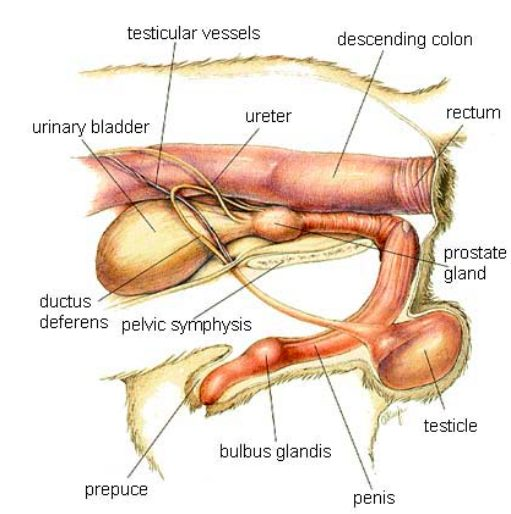
os penis provides structural support and helps maintain copulatory tie
bulbus swells to form the copulatory tie
which species have fibroelastic penis
ruminant, pig, camelids
which species have a musculovascular penis
humans and stallion
corkscrew glans penis in the pig
corresponds with the sow cervix which has interdigitating pads that form a reciprocal spiral allowing the boar to deposit a large volume of seme directly into the sows uterus bypassing the cervix entirely meximising chances of fertilisation
urethral process in the ram
what is it an extension of
where does it extend beyond
what does it allow
terminal extension of the urethra
small flexible tube extending beyond the glans penis and allows distribution of semen over a wide area within the ewes reproductive tract during copulation
broad deposition of sperm maximising the chances of fertilisation
ampulla function
what is it the terminal portion of
what does it join and what does it form
terminal portion of ductus deferens
joins duct of the seminal vesicles to form the ejaculatory duct which enters the prostatic urethra
function of prostate gland
production and secretion of prostatic fluid
alkalinity and sperm protection
mixes with seminal vesicle fluid in ejaculatory duct
PSA prodcution for liquefication of semen
secretes nutrients for sperm eg citric acid
smooth muscle that contract during ejaculation SNS, help push prostatic fluid and sperm from vas deferens and fluid fromseminl vesicles into urethra where it is expelled as semen
function of seminal vesciles
secretion makes up to 70 percent of total semen volume
fluids from seminal vesicles in late ejaculate fractions. these fluids contain alkaline fluid, fructose, prostaglandins, clotting factors
function of bulbourethral gland
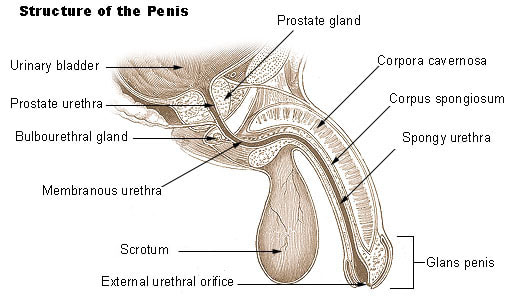
lubricate the spongy urethra for the passage of the ejaculate
neutralise acidic urine that remians in the spongy urethra
production of PSA
secrete clear glycoproteins and alkaline fluid
(pre ejaculate)
pre ejaculate
neutralise aciidty in the urethra
glycoproteins for lubrication
structures associated with castration dog
testes
scrotum
spermatic cord
scortal ligamebt
vaginal tunus