midterm 1 lab
 Call Kai
 Learn
Learn Practice Test
 Spaced Repetition
 Match
Match Flashcards
 Knowt Play
1/165

There's no tags or description
Looks like no tags are added yet.
Name | Mastery | Learn | Test | Matching | Spaced | Call with Kai |
|---|
No analytics yet
Send a link to your students to track their progress
166 Terms
What is experimental design
A scientific experiment that answers a question using measurable data and controlled variables.
What is an independent variable
a factor whose value we alter in an experiment to see if the alteration affects the dependent variable. What the scientist (yes that's you!) changes in an experiment.
What is a dependent variable
something you observe, to see whether its value “depends” on the values of the independent variable. [How will the (dependent variable) respond to a change in the (independent variable)?
What is a standardized variable
The variable that stays the same between experimental groups.
What is a microorganism
A small living thing that requires a microscope or visual aid to see.
Where are microorganisms found
Everywhere — they are ubiquitous.
What is the microbiome (normal flora)
All the microorganisms living in or on your body.
What are non-pathogenic microbes
The vast majority of microbes; they do not cause disease.
What are pathogenic microbes
A small percentage of microbes that have the ability to cause disease.
What is a culture in microbiology
The growth that occurs when microorganisms are grown on or in media.
What are the three main types of culture media by form
Broth (liquid), Slants and Deeps (solid, deep), and Culture plates (solid, shallow).
What is Trypticase Soy Agar (TSA)
A general purpose agar specifically for growing bacteria.
What is Blood Agar
TSA with sheep's blood added; it grows more types of bacteria including "picky" bacteria.
What is Sabouraud Dextrose Agar (SDA)
Agar specialized for growing fungi (yeasts and molds).
What are dermatophytes
Fungi that cause superficial infections in skin, hair, and nails.
What is aseptic technique and why is it used in microbiology
A methodical technique used for transferring microbes we cannot see, ensuring only the microbe of interest is transferred and avoiding contamination of the culture and ourselves.
What is a colony
A visible mass of microbial cells that arose from a single cell.
What is the Streak Plate Technique
A technique used for obtaining pure cultures from a mixed culture containing two or more species.
How do you calculate total magnification
Multiply the magnification of the objective lens by the magnification of the ocular lens (10×).
What happens to the field of view diameter as magnification increases
It gets smaller.
What are the three main cell shapes
Cocci (sphere), Bacilli (rod), and Spirilli (everything else).
What are the four main cell arrangements
Singles (1), Diplo (2), Strepto (chain, more than 2), Staphylo (cluster).
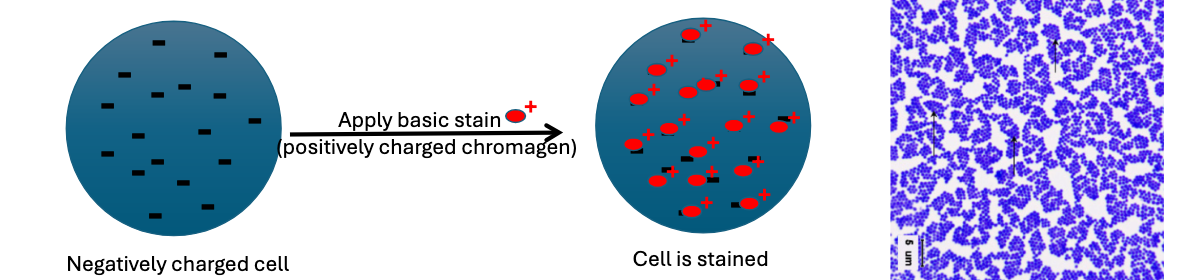
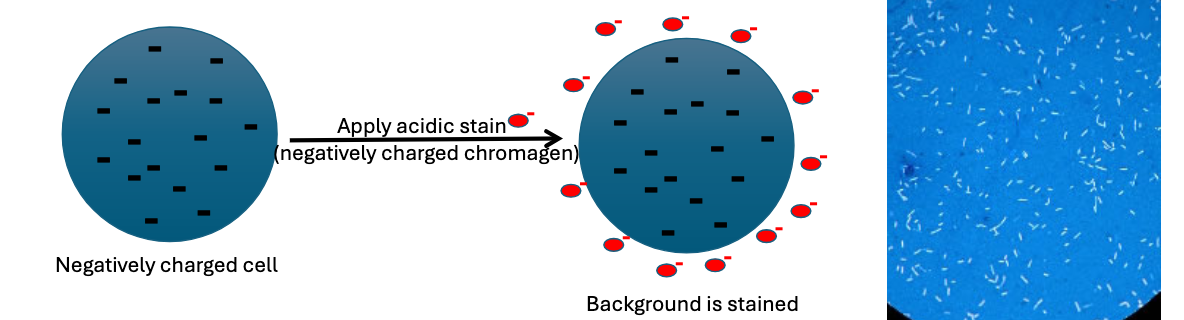
Is the inside of a cell more positive or negative
Negative.
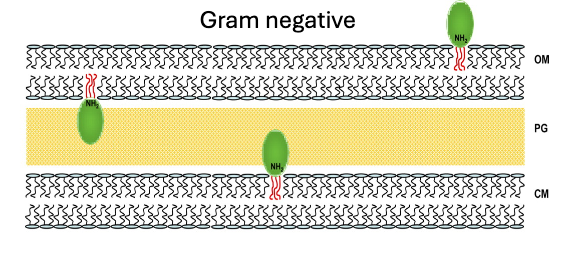
What is the cell wall structure of Gram negative bacteria
An outer membrane layer, a thin layer of peptidoglycan, and an inner membrane layer.
What is the cell wall structure of Gram positive bacteria
A thick layer of peptidoglycan and an cell membrane layer.
What is the differential step in a Gram stain
The decolorization wash — washing with alcohol.
Why do Gram positive cells stay purple after the Gram stain decolorization
Alcohol dehydrates the peptidoglycans, trapping the iodine and crystal violet complex inside the thick peptidoglycan layer.
Why do Gram negative cells lose color after Gram stain decolorization
Alcohol breaks up the phospholipid outer membrane layer; the thin peptidoglycan cannot retain the dye, which gets washed out.
What kind of bacteria is targeted by hand sanitizer, and why
Gram negative bacteria, by destroying their outer membrane. It does not work as well on Gram positive bacteria.
What makes acid fast cell walls different from Gram positive cell walls
Acid fast walls have slightly less peptidoglycan and contain high concentrations of hydrophobic waxy lipid (mycolic acid) that prevents uptake of dyes.
Why are acid fast cell walls a virulence factor
The waxy mycolic acid layer makes the bacteria more resistant and more likely to cause disease.
What is the Ziehl-Neelsen Method/acid fast stain method
using carbolfuchsin and heat to penetrate the waxy cell wall, then acid-alcohol wash to remove stain from non-acid fast bacteria, followed by methylene blue counter stain.
What are the two functions of a capsule
Disguise (from the host immune system) and adhesion (stickiness for attachment).
Why is a capsule a virulence factor
It protects bacteria from phagocytosis and helps attachment to surfaces and other bacteria, aiding biofilm formation.
What is the function of an endospore
It is a dormant form of bacteria that protects it from harsh environments.
What is sporulation
The process of making an endospore from a vegetative (normal, metabolically active) cell, triggered by harsh environmental changes.
What does an endospore contain
DNA, RNA, ribosomes, enzymes, and molecules needed to resume metabolism.
What is germination in the context of endospores
The return of an endospore to the vegetative (metabolically active) state.
What is an obligate aerobe
An organism that requires oxygen to carry out metabolism.
What is a facultative anaerobe
If O2 is around, they prefer to and willl use it during ATP production, but if it isn't present, they can make ATP in other ways!
What is an obligate anaerobe
don't use O2 at all, and can't live in the presence of O2 (it is toxic to them!)
What is an aerotolerant anaerobe
don't use O2 at all, but can live in its presence, if necessary. they are indifferent to oxygen.
What are micro-aerophiles
require a small amount of O2 to live, but they are only minimally tolerant of oxygen: they can only grow where there are small amounts (2-10%) of O2 present.
What is the role of oxygen in metabolism
It serves as the final electron acceptor in the electron transport chain (ETC).
What does Superoxide Dismutase (SOD) do
It neutralizes radicals by converting superoxide into hydrogen peroxide and oxygen.
What does Catalase do
It neutralizes hydrogen peroxide by converting it to water and oxygen.
Can anaerobic organisms neutralize toxic forms of oxygen
No; aerobic organisms can, but anaerobic organisms cannot.
What is selective media
Media based on TSA (all purpose) plus an inhibitor that allows only certain bacteria to grow.
What can an inhibitor in selective media be
A toxin that affects some bacteria but not others, or a missing ingredient essential to some bacteria but not others.
What does a positive result mean on selective media
Growth on the media.
What does a negative result mean on selective media
No growth on the media.
What is PEA agar and how does it work
PEA (phenyl ethyl alcohol) agar is selective media; phenyl ethyl alcohol disrupts the outer membrane of Gram negative bacteria, selecting for Gram positive bacteria.
What is a reactant (substrate)
The starting material in a chemical reaction that is added to the media.
What is differential media
Media that distinguishes bacteria based on specific chemical reactions.
What is an indicator in differential media
A chemical added to media that provides visualization of a specific biological or chemical reaction, such as a change in pH or metabolic activity.
What are hemolysins
Enzymes present in some bacteria that can lyse (break open) red blood cells.
On blood agar, what does a positive result look like
Yellow and transparent media around colonies (hemolysis occurred).
On blood agar, what does a negative result look like
Red and opaque media (no hemolysis).
What is the substrate, enzyme, and product on blood agar
Substrate: red blood cells. Enzyme: hemolysins. Product: broken red blood cells.
What is Mannitol Salt Agar (MSA) selective for
Halophiles; the 7.5% NaCl (salt) inhibitor prevents non-halophiles from growing.
What is MSA differential for
Fermentation of mannitol; bacteria that ferment mannitol produce acid, turning the phenol red indicator from pink/red to yellow.
What does a positive result on MSA look like
Yellow media and bacteria (pH below 6.8, fermentation occurred).
What does a negative result on MSA look like
Red or pink media and bacteria (no fermentation).
Can MSA be used to test if non-halophilic bacteria ferment mannitol
No, because the salt would prevent non-halophiles from growing, so they would never produce the enzyme to ferment mannitol.
What do the results on MSA plates mean (bacteria on top pink vs bottom yellow)
Bacteria on top (pink): halophile but cannot ferment mannitol. Bacteria on bottom (yellow): halophile that can ferment mannitol.
What is the Bile Esculin Test selective for
Bile-tolerant bacteria; bile is the inhibitor and prevents bile-intolerant bacteria from growing.
What is the Bile Esculin Test differential for
Hydrolysis (breakdown) of esculin; the product esculetin reacts with iron to produce a black/dark brown color.
What does a positive Bile Esculin Test look like
Black or dark brown media.
What does a negative Bile Esculin Test look like
Pale, golden brown media.
What does the Catalase test look for
Whether bacteria have the enzyme catalase; hydrogen peroxide is added, and bubbles (water and gaseous oxygen) indicate a positive result.
What is epidemiology
The study of where, how, why, and to whom diseases occur, and how diseases are transmitted within populations.
What is incidence
The number of new cases of a disease during a certain time frame.
What is prevalence
The total number of cases of a disease during a certain time frame.
What is morbidity
A measure of how many people are affected by a disease.
What is mortality
A measure of how many people die from a disease.
What is a sporadic disease
A disease that is hard to predict, often associated with natural disasters.
What is an endemic disease
A disease that is always present in a population at some level.
What is an epidemic
An unexpected increase in the number of disease cases in a specific geographical area.
What is a pandemic
An infection that has reached multiple continents.
What is a reservoir in epidemiology
The natural place where a disease-causing organism normally lives and multiplies.
What is the mode of transmission
The way a disease spreads from one person or host to another.
What are the modes of disease transmission
Direct contact, indirect contact (contaminated objects), droplet transmission, airborne transmission, vector-borne transmission, and food/water-borne transmission.
What are nosocomial infections
Healthcare-associated illnesses, including UTIs from catheterization, surgical site infections, lower respiratory tract infections, cutaneous infections, and bacteremia from IV/catheterization.
What is the chain of transmission for nosocomial infections
Patient → healthcare worker/object (magazine, door handle, etc.) → patient.
Cell shape is the same as colony shape — true or false
False. Cell shape is not the same as colony shape.
coccus

diplococci

diplococci encapsulated

staphylococci
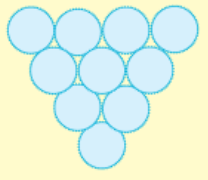
streptococci

sarcina
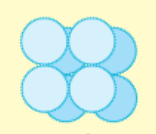
tetrad

coccobacillus
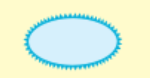
bacillus

diplobacilli

palisades
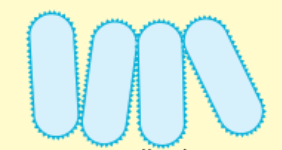
streptobaccilli

positive stain
negative stain
gram negative wall