Lvl 2: Corporate issuers
 Call Kai
 Learn
Learn Practice Test
 Spaced Repetition
 Match
Match Flashcards
 Knowt Play
1/28

There's no tags or description
Looks like no tags are added yet.
Name | Mastery | Learn | Test | Matching | Spaced | Call with Kai | Chat |
|---|
No analytics yet
Send a link to your students to track their progress
29 Terms
Stock dividend
not taxable
does not affect the shareholder’s proportionate ownership
does not change the value of each shareholder’s ownership
favors long-term investors, lower the company’s cost of equity financing
increase the stock’s float, improves the liquidity of the shares and dampens share price volatility
lower stock price will attract more investors
cash dividend affects a company’s capital structure, whereas a stock dividend has no economic impact on a company
no impact on financial ratios
Stock Splits
no economic effect on the company
shareholders’ total cost basis does not change
same dividend payout ratio
perfect capital market assumptions
dividend policy should have no impact on its cost of capital
assuming a company has a given capital budget, accepts all projects with a positive net present value + current capital structure and debt ratio are optimal
issue additional common shares in the amount of its capital budget
newly issued shares would exactly offset the value of the dividend
dividend policy matters
investors prefer a dollar of dividends to a dollar of potential capital gains from reinvesting earnings
dividend income has traditionally been taxed at higher rates than capital gains
factors that affect dividend policy
investment opportunities
expected volatility of future earnings
financial flexibility
tax considerations - double taxation; dividend imputation tax system (taxed once); split rate tax (distributed earnings taxed lower)
shareholder preference for current income
flotation cost
fees to issue shares
adverse price impact from increase supply of shares
impairment of capital rule
net value of the remaining assets as shown on the balance sheet be at least equal to some specified amount
Lintner’s model
Expected increase in dividends = (Expected earnings × Target payout ratio − Previous dividend) × Adjustment factor
Adjustment factor = 1 / no. of years the adj will take place
share repurchase methods
buy in open market - flexible - no legal obligation
buy fixed number at fixed price - if more demand, prorate - done quickly
dutch auction - range of acceptable prices - fill lowest first
direct negotiation - premium to market price
impact of share repurchase on EPS
internally financed - increase EPS if the funds would not earn the cost of capital if retained
externally financed - increase EPS if earnings yield > after tax cost of debt
impact of share repurchase on BV per share
BVPS decrease if market price > bv per share
dividend vs share repurchase
high dividend tax - share repurchase have tax advantage
if management views shares as undervalued - share repurchase
share repurchase flexible - not obliged to carry through
offset dilution from employee stock options
increase leverage - change capital structure
dividend coverage ratio
income / dividends
FCFE coverage ratio
FCFE / (Dividends + share repurchases)
principal–agent vs principal–principal
principal–agent - dispersed ownership - weak shareholders + strong managers
principal–principal - concentrated/dispersed ownership + concentrated voting power- strong shareholders + weak managers (minority weak shareholders)
cost of debt
rd = rf + Credit spread
traded debt - YTM - more liquid better
credit rating - YTM of companies with similar credit ratings
infer credit rating with IC ratios, financial leverage ratio
amortizing loan lower cost of debt
Top-Down External Factors
Capital availability - lower cost of capital
market conditions - interest rate, inflation, macro
legal and regulatory consideration - country risk
tax jurisdiction - higher marginal tax rate - greater benefit of using debt
Bottom-Up Company Specific Factors
revenue, earnings , cf volatility - sales risk (uncertainty of price and units); customer concentration risk; financial leverage
asset nature and liquidity - highly liquid assets - lower cost of capital
financial strength, profitability leverage
security features - callability (higher); putable (lower); convertible (lower); cumulative (lower); share class
equity risk premium - forward dividend discount model
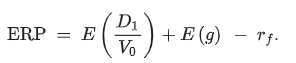
Macroeconomic Modeling - Grinold-Kroner
ERP = [DY + Δ(P/E) + i + g – ΔS] – E(rf).
Expected capital gain = Δ(P/E) + i + g – ΔS
Expected repricing = Δ(P/E)
Earnings growth per share = i + g – ΔS
g = real economic growth
ΔS = change in shares outstanding
expected inflation

Bond Yield Plus Risk Premium Approach
re = rd + RP,
RP is a risk premium to compensate equity investors for additional risk relative to the risk of investing in the company’s debt
Expanded CAPM
size premium
company specific risk premium

Build-Up Approach
re = rf + ERP + SP + IP + SCRP,
country risk premium (CRP)
CRP = Sovereign yield spread x (Volatility of equity market) / (volatility of bond market)

Restructuring
cost restructuring - outsourcing / offshoring (relocating operations)
balance sheet restructuring - sale leaseback; dividend recapitalization (reduce equity share repurchase with cheaper debt)
Reorganization
leveraged buyout -
comparable company analysis
data readily available
difficult to find comparable
sensitive to mispricing on market
yields fair-trading price ; must add takeover premium to get fair takeover price
comparable transaction analysis
no takeover premium - embedded in multiple
few comparables
exclude old transactions
risk that acquirers over/under paid.
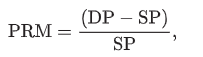
takeover premium
PRM = takeover premium (as a percentage of stock price)
DP = deal price per share of the target
SP = unaffected stock price of the target (one week prior)