288 final exam
 Call Kai
 Learn
Learn Practice Test
 Spaced Repetition
 Match
Match Flashcards
 Knowt Play
1/97

There's no tags or description
Looks like no tags are added yet.
Name | Mastery | Learn | Test | Matching | Spaced | Call with Kai |
|---|
No analytics yet
Send a link to your students to track their progress
98 Terms
acute injury
mechanical failure of soft tissue due to excessive force occurring in a single bout
chronic injury
mechanical failure of soft tissue due to repeated micro trauma occurring over an extended period of time
chronic injury is a …
gradual onset of prolonged during
open injury
exposed and breaks the skin surface
closed injury
unexposed and does not involve disruption of the skin surface
load and stress
external or internal force acting on the tissue
strain of a mechanical stress
the extent of deformation that might occur
yield point of the stress-strain (load deformation) curve
the load is greater than mechanical capabilities of the tissue
Mechanical failure begins to occur during this part of the stress-strain curve
after the yield point
6 primary mechanical forces that cause injury
tension, torsion, compression, shear, bending, combined
tension
creates a pulling action trying to elongate the structure
compression
creates a pushing action tending to shorten the structure
a shortstop is hit in the shin by a batted ball that took a bad hop, what type of force?
compression
shear force
forces that act parallel in opposite directions to the cross section or surface of body
bending
loading about an axis for a combination of tension and compression
torsion
load applied causing structure to twist around an axis
combined loading occurs when
the body part is subjected to multiple minor loads
the two main mechanical properties of bone
shape and size
more bone mass is correlated to an increase in
bone strength
where are mechanical stresses most concentrated
in places of sudden shape changes
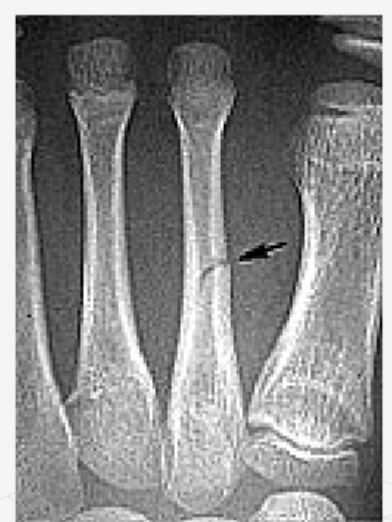
what type of fracture?
incomplete
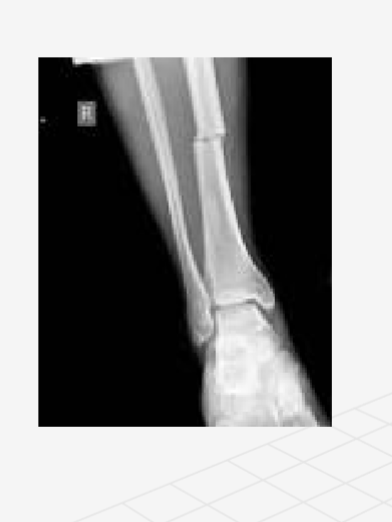
what type of fracture?
transverse
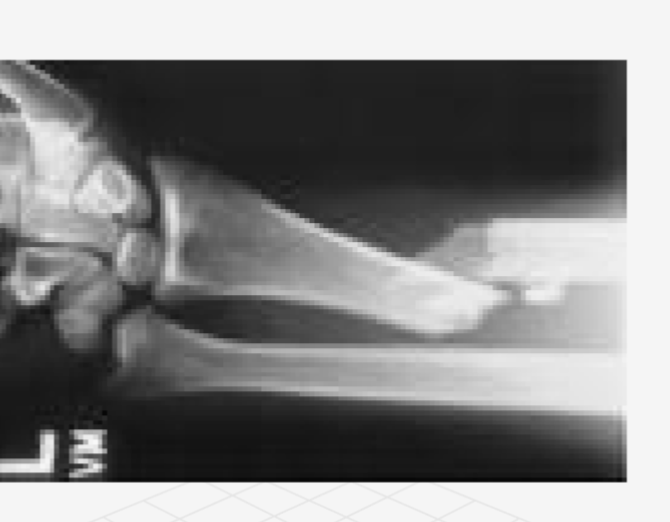
what type of fracture
displaced
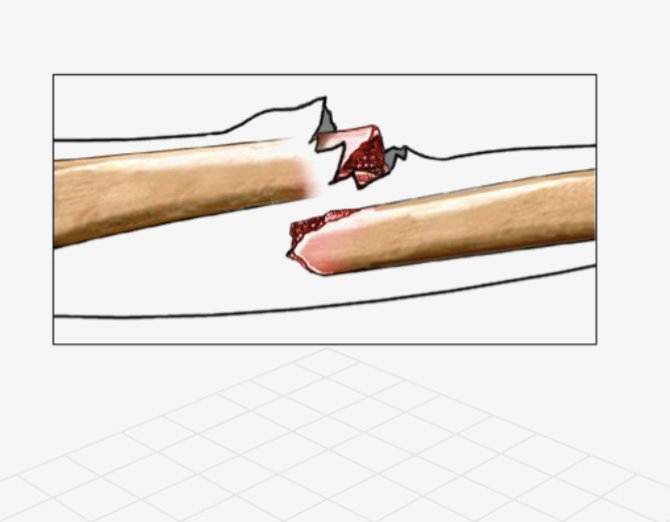
what type of fracture
open
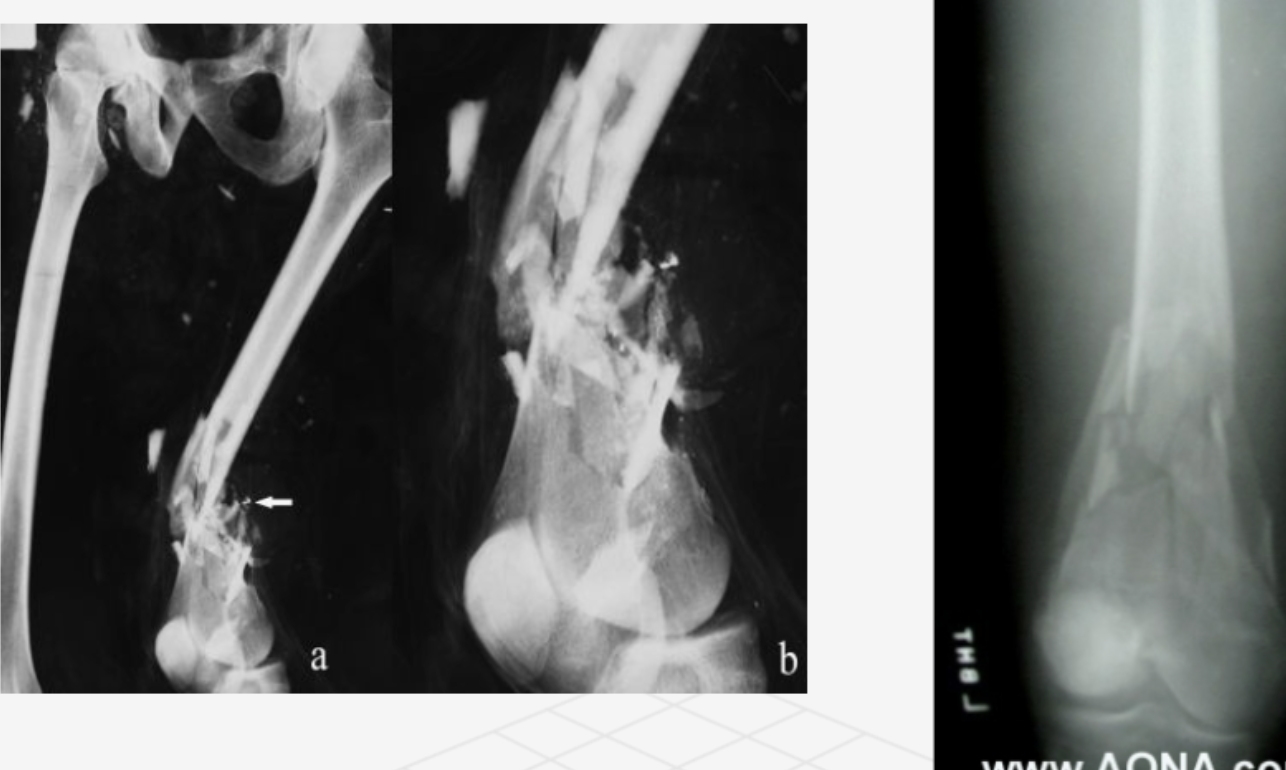
what type of fracture
comminuted
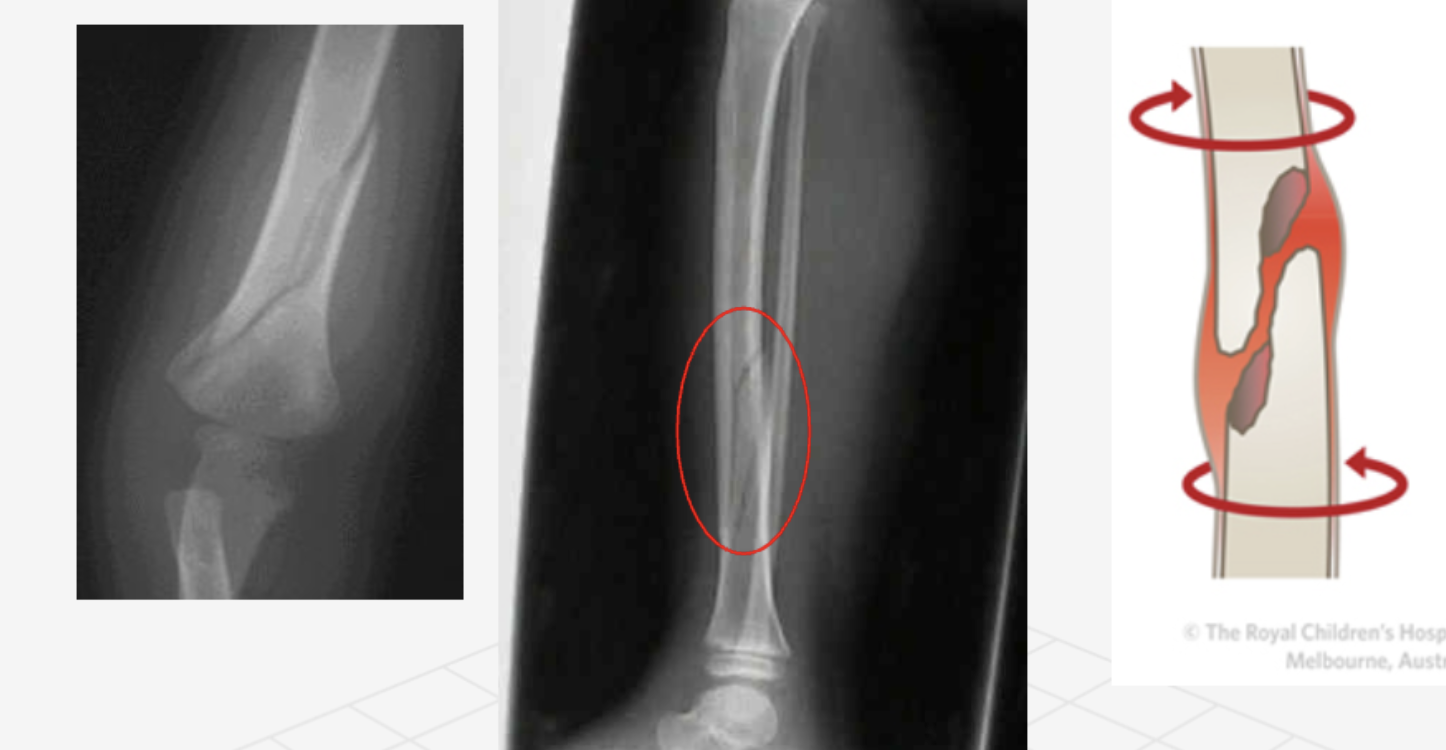
what type of fracture
spiral
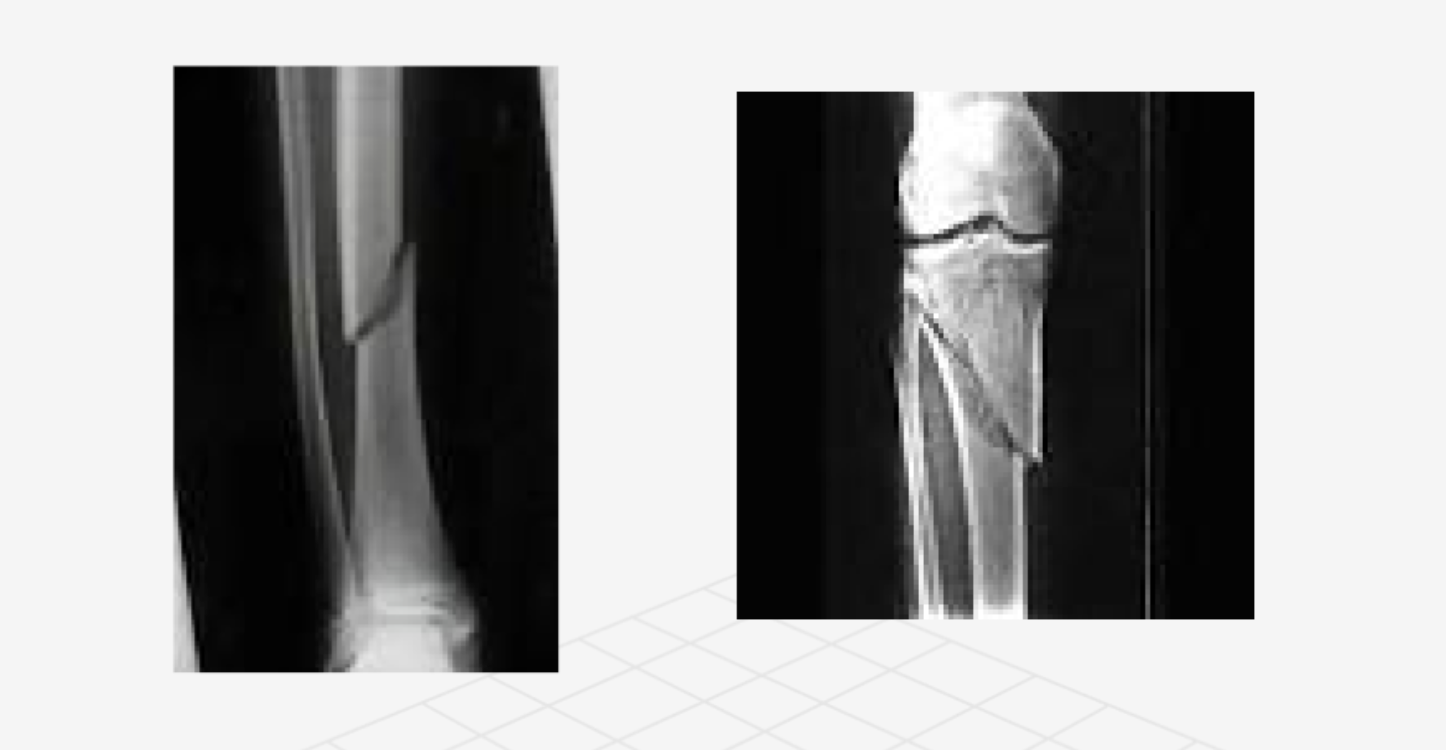
what type of fracture
oblique
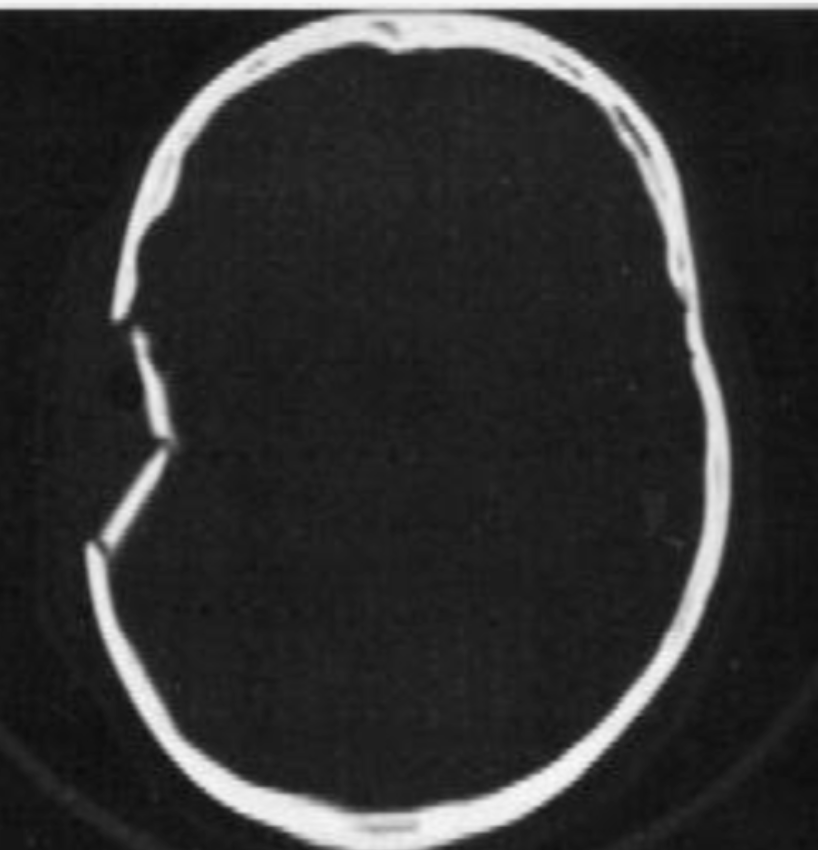
what type of fracture
depression
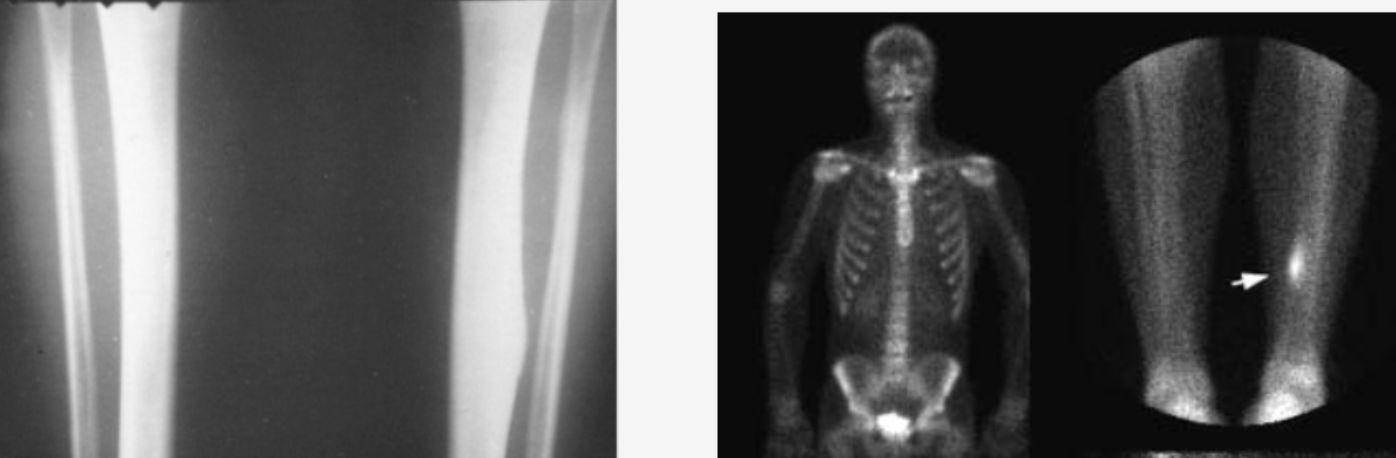
what type of fracture?
stress
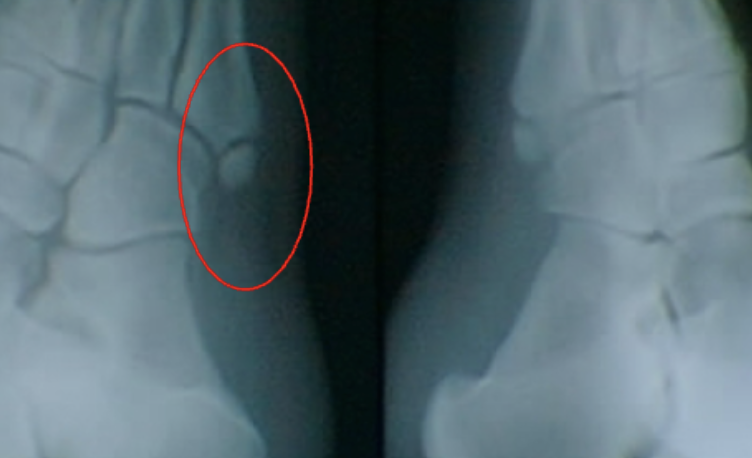
what type of fracture?
avulsion
3 types of chronic muscle injury
myositis, fasciitis, myositis ossificans
what does the body do while a fracture is healling?
osteoblasts extra bone called callus
osteoclasts will reshape the bone
where is dislocation more common?
upper extremities
dislocation
bone is completely out of the joint
sublaxation
a partial dislocation
what symptom is always present with a dislocation?
deformity
how to treat a dislocation when one occurs
it should be treated as a fracture until ruled as a dislocation by an xray
healing of a fracture typically requires
immobalization by casting or splinting the bone
soft tissue types
tendon, ligament, muscle, bursa
the tendon functions to
Execute joint motion by transmitting forces from muscles to bones
A ligament functions to
Join bones and provide stability to joints
ligaments and tendons are _______ meaning that they do not contract or create force
inert structures
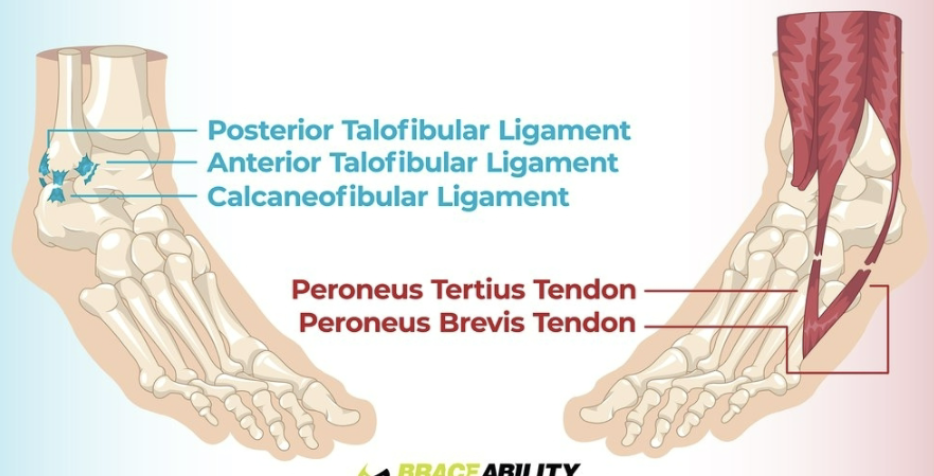
the left foot injury in the image is ________, the right foot is a ________
sprain, strain
sprain
disruption of a ligament
strain
disruption of muscle or tendon
what does it mean for the tendon to be highly collagenous in composition (what its made up of)?
they have high resistance to tension forces
what soft tissue is highly collagenous in composition?
tendon
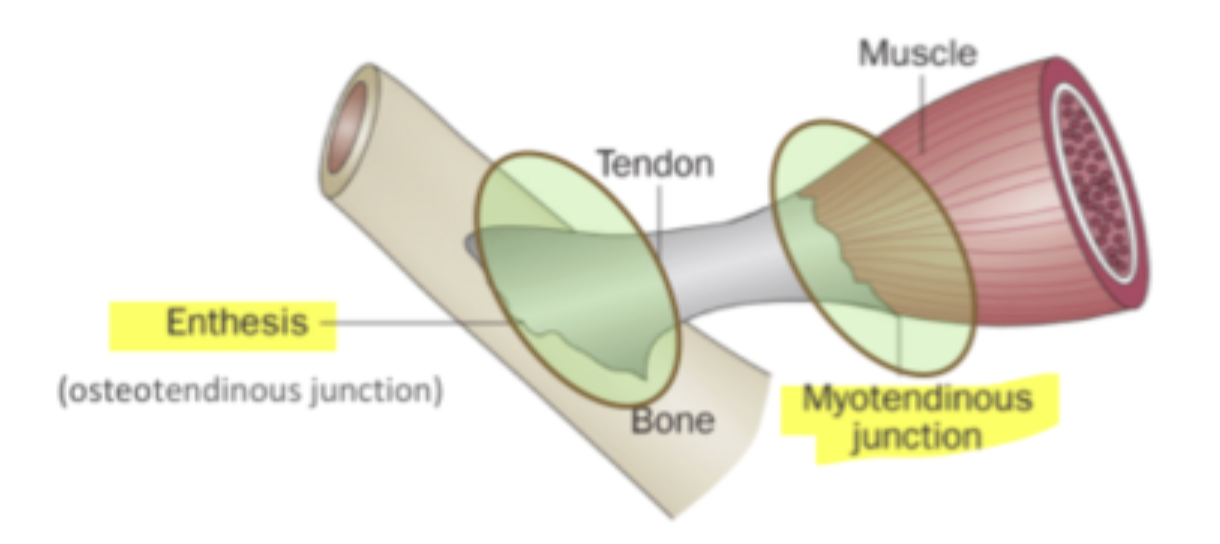
where are the tendons strongest at?
in the middle of the tendon
where are the tendons weakest at
myo-tendinous and osteo-tendinous junctions
acute inflammation of the tendon
tendinitis
inflammation of the synovial fluid surrounding a tendon
tenosynovitis
chronic degenaration of the tendon due to injury failing to heal
tendinosis
bruising of the tendon that causes a direct blow
contusion
Mild overstretching, no tissue disruption, firm feeling, no instability
first degree ligament sprain
Partial disruption or macrotearing of the ligament, soft feeling, slight instability
second degree ligament sprain
Complete disruption of the ligament with nothing to feel and severe instability
third degree ligament sprain
skeletal muscle injury caused by neurological, repetitive trauma, other injury
Muscle guarding (spasm)
skeletal muscle injury caused by eccentric muscle contraction
Muscle Soreness (DOMS)
skeletal muscle injury caused by dehydration, electrolyte imbalance, fatigue
Muscle Cramping (Heat Cramps)
sudden traumatic blow that can affect superficial or deep tissue and rated by ROM
muscle contusions
stretch or tear in the muscle that makes the muscle contract abnormally
muscle strains
Overstretching or microtearing of muscle or tendon
first degree muscle injury
Stretching and partial tearing of muscle or tendon fibers with severe symptoms and loss of muscle function
second degree muscle injury
complete rupture of the muscle
third degree muscle injury
3 types of chronic muscle injuries
myositis, fascitis, myositis ossificans
chronic myositis
inflammation of muscle
chronic fasciiitis
inflamation of fascia within the muscle
chronic myositis ossificans
repeat trauma your muscle can ossify
bursitis
inflammation in fluid filled sac in places where friction occurs between bony surfaces and tendons
compression of a neural structure occurs
when a direct blow occurs causing acute swelling
no sensation nerve injury
anesthesia
tingling, burning, numbness as symptoms of nerve injuries
paresthesia
hypersensitivity from this type of nerve injury
hyperesthesia
combined loading
multiple intermediate loads because the body rarely undergoes one mode only
A football player suffers repeated blows to his left quadriceps. What type of injury could be sustained?
contusion has occured, could lead to myocitis
A basketball player steps on another player’s foot and
sustains a lateral ankle injury
• What forces are applied?
• What type of injury has occurred?
force: ankle torsion
injury: lateral ankle sprain
menengitis
infection of the membranes that cover your brain and spinal cord
dura mater spaces
epidural and subdural space
where is Cerebrospinal fluid
between arachenoid and pia mater membranes
concussion
An injury caused by a direct blow to the head, neck, or body that causes an impairment of neural function
is a concussion a functional or structural injury?
functional
coup
in the front when your head strikes the object
contracoup
after your head strikes the front, it strikes the back causing confusion and swelling
assesing head injuries for an unconscious person
suspect a cervical neck injury, if no life threatening conditions then stabilize spine and wait for EMS
when you palpate the skull and cervical spine, look for:
points of tenderness and deformities
PEARL
pupils are equal and reactive to light
balance error scoring system
quantifiable tool of balance with 6 total trials
three different stances
two different surfaces
athletes can return to play after concussion when…
all symptoms are resolved
second impact syndrome
rapid swelling of the brain following a second head impact occuring before the symptoms of a previous concussion are resolved
what is the mortality rate of second impact syndrome
50%
intracerebral hematoma impact
the head hits a stationary object
care for intracerebral hematoma
hospitalization and diagnostic imaging
epidural hematoma impact
blow to the head that results in a tear of meningeal arteries
subdural hematoma
involves venous bleeding
mandible fracture mechanism of impact
direct blow
orbital fracture mechanism of impact
direct trauma to the eyeball
retinal detachment mechanism of injury
blow to the eye