Art History 2 Final
 Call Kai
 Learn
Learn Practice Test
 Spaced Repetition
 Match
Match Flashcards
 Knowt Play
1/31

There's no tags or description
Looks like no tags are added yet.
Name | Mastery | Learn | Test | Matching | Spaced | Call with Kai |
|---|
No analytics yet
Send a link to your students to track their progress
32 Terms
realism
came after romanticism and before impressionism
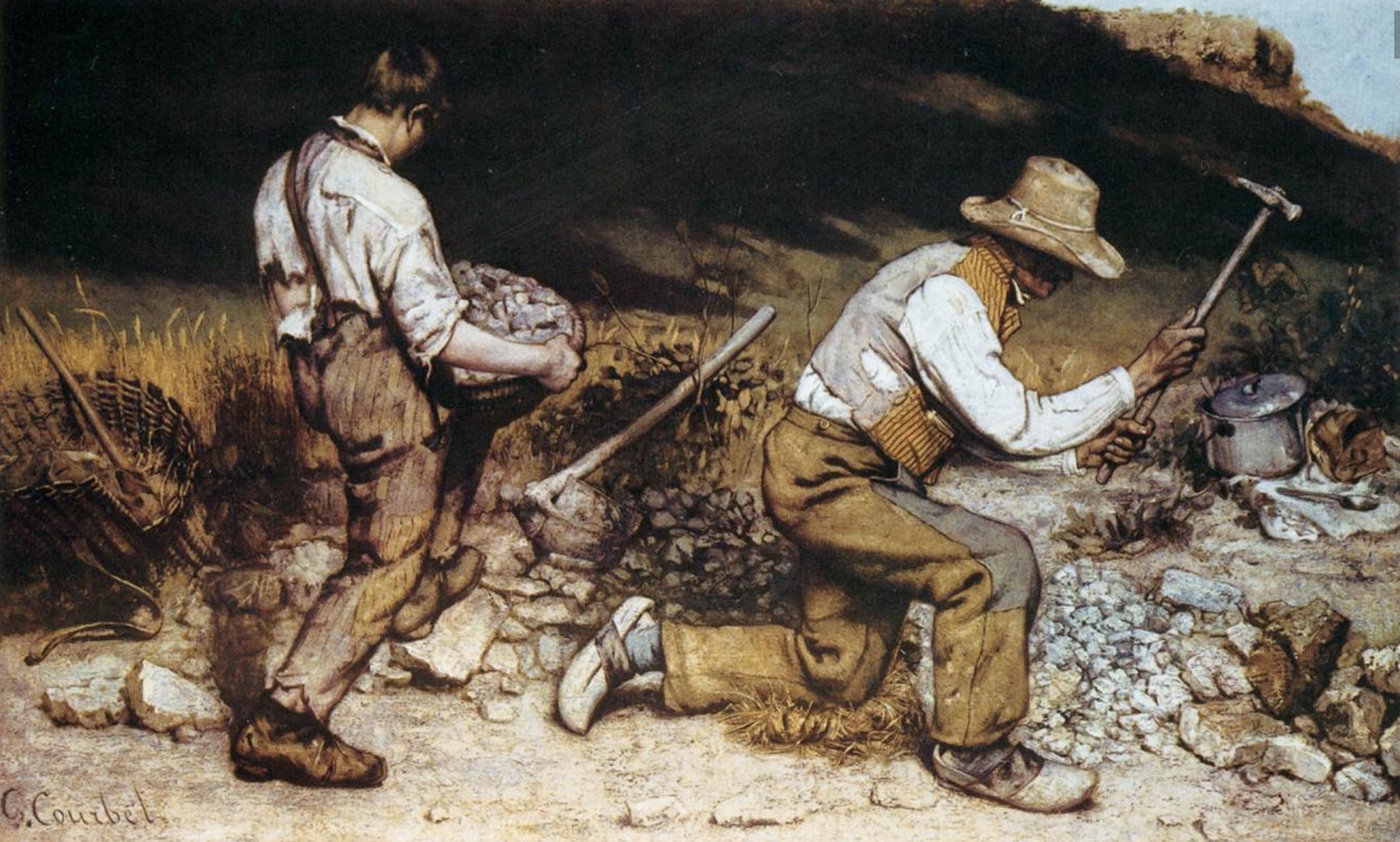
The Stonebreakers, Gustave Courbet
destroyed
formerly in Gemaldegalerie, Dresden
no commissioner, created on his own
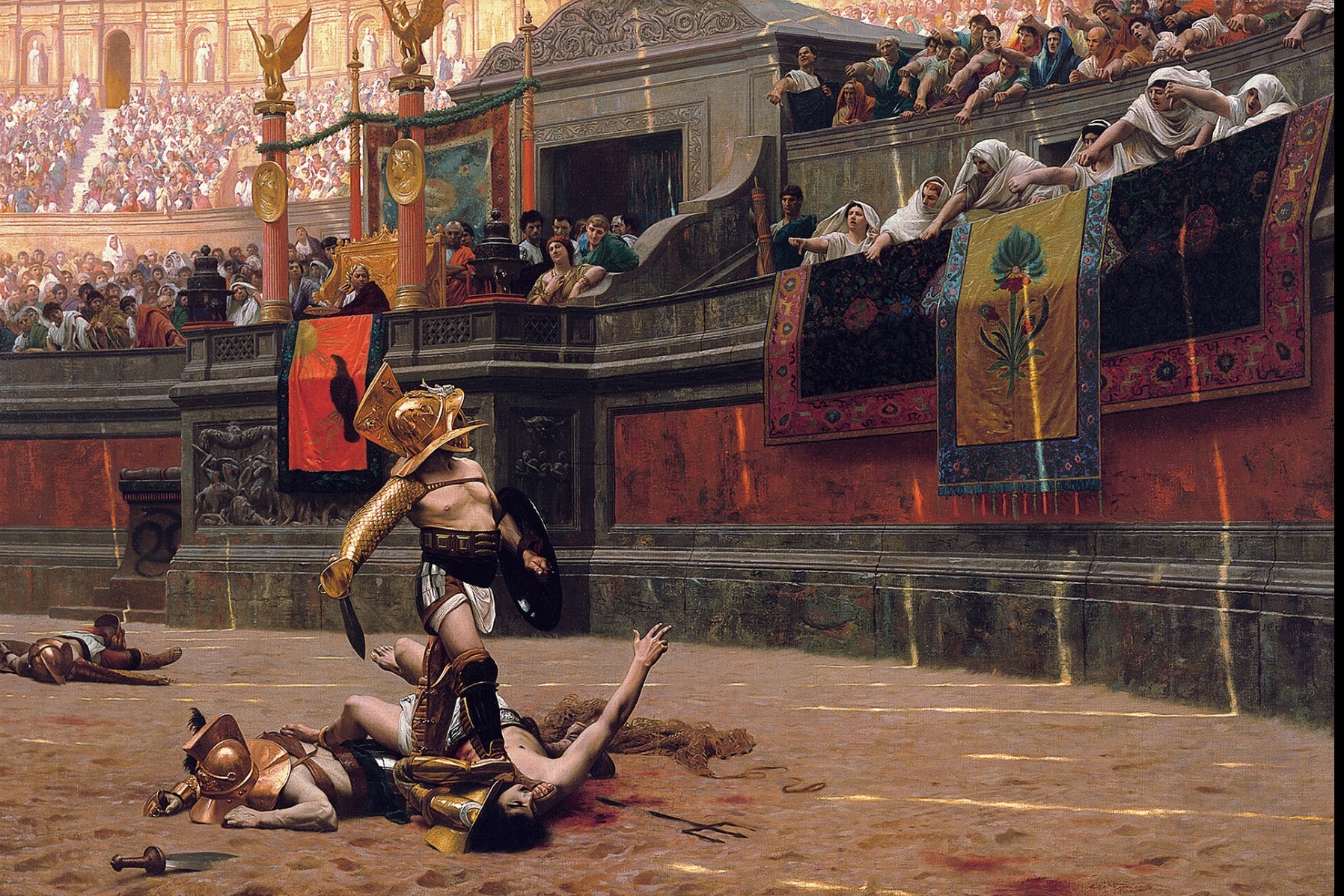
Pollice Verso, Jean-Léon Gérôme
“thumbs down”
Jean- Francios Millet
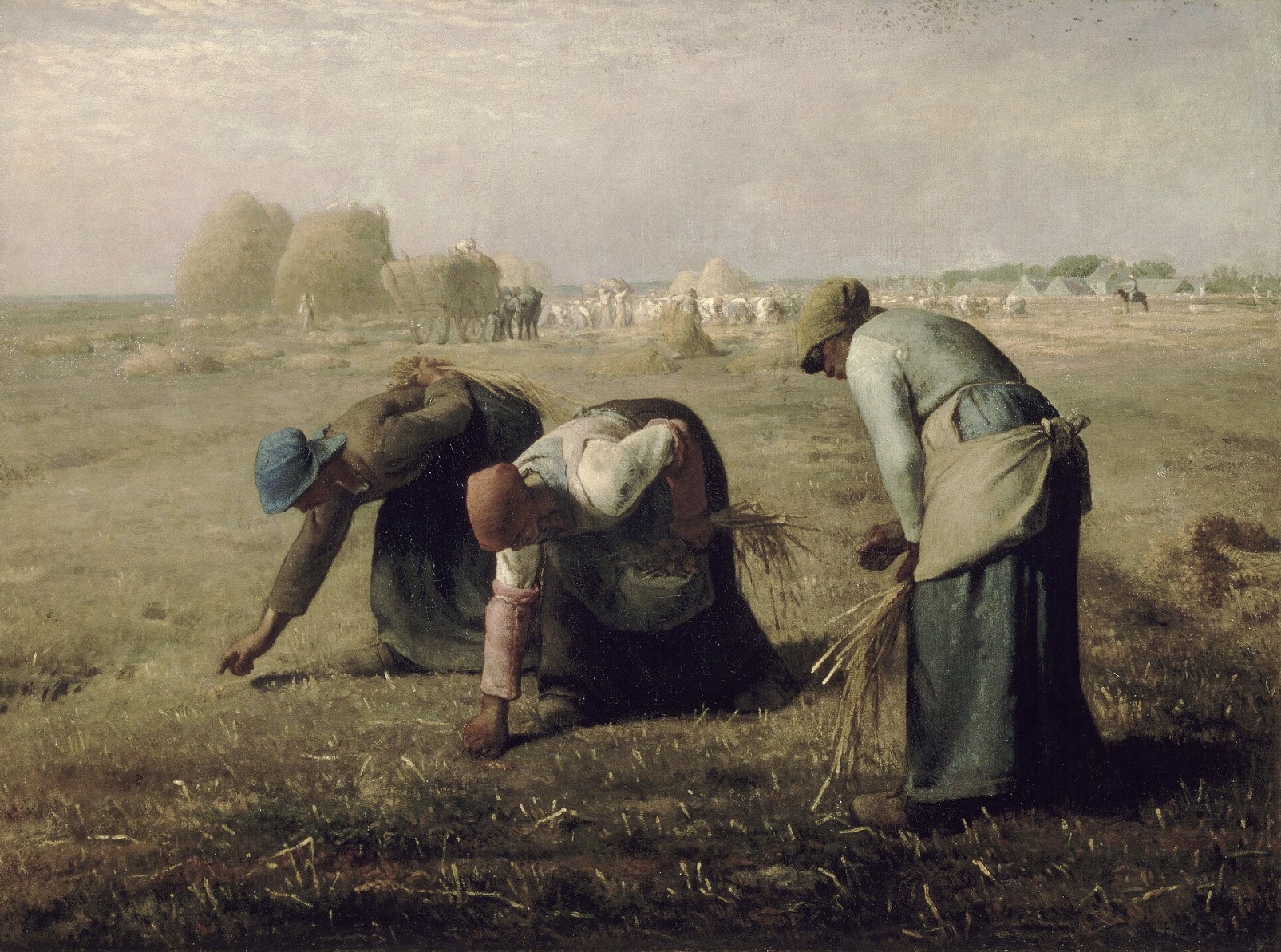
The Gleaners, Jean -Francois Millet
three women are collecting stray ears of wheat left in the field after harvest
indigent farm laborers
three phases of repetitive and exhausting that this hard work requires: bend over, pick up, then get up
there is a man on a horse in the background watching them and making sure they don’t stop
Edouard Manet
father of modern art
didn’t want to be called an impressionist
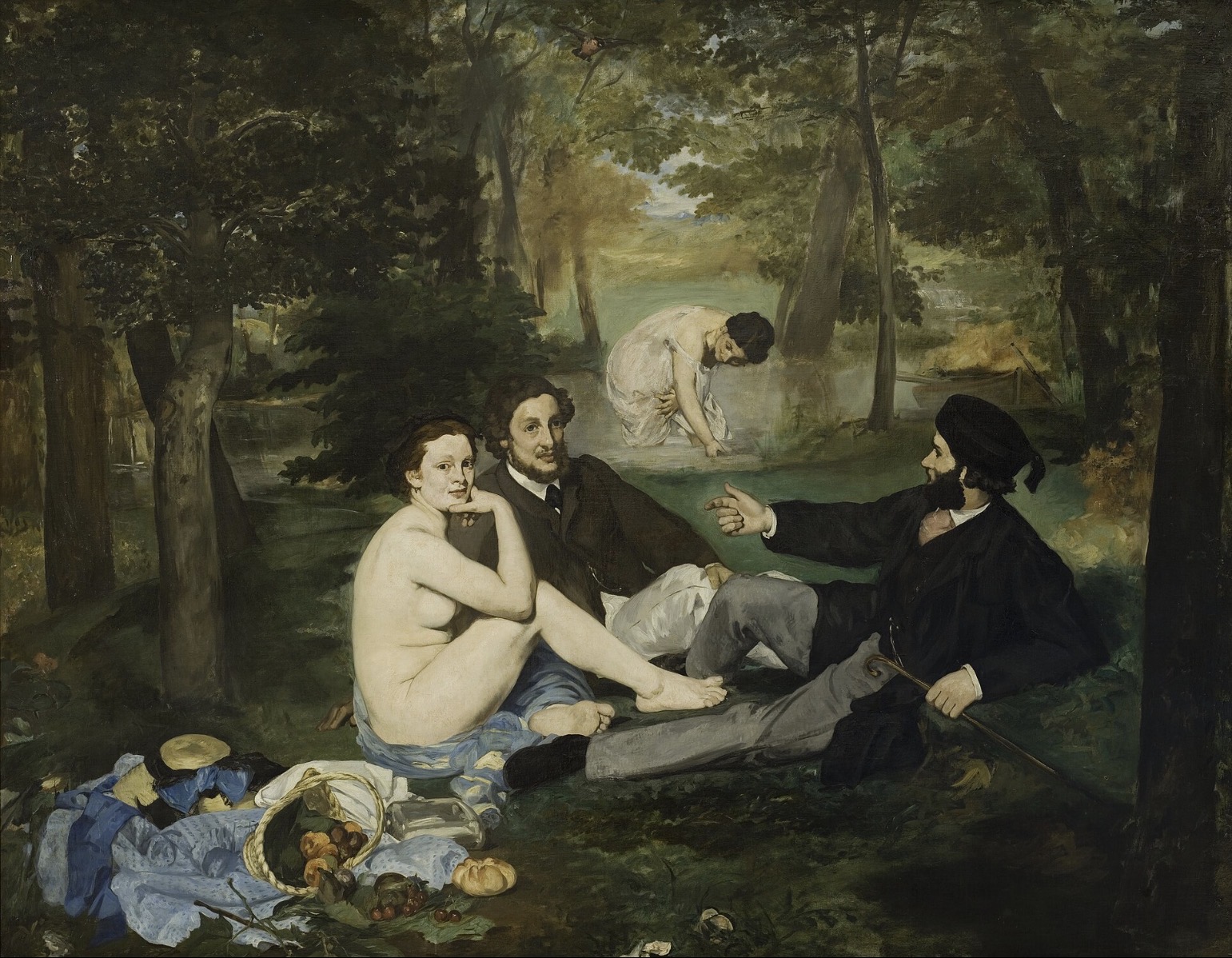
Le dejeuner sur l’herbe (Picnic on the Grass), Edouard Manet
the women are naked, while men are clothed
Scandalous- she is an ordinary woman not Venus or an angel, she’s not symbolic
Her clothes are laying in the corner of the painting
Perspective is off
Spots of light, no direct source
Debuted and rejected at the Salon
The Salon
exhibition is living artists
Cannon of neoclassicism
Classic antiquity wanted
More than 4,000 works rejected
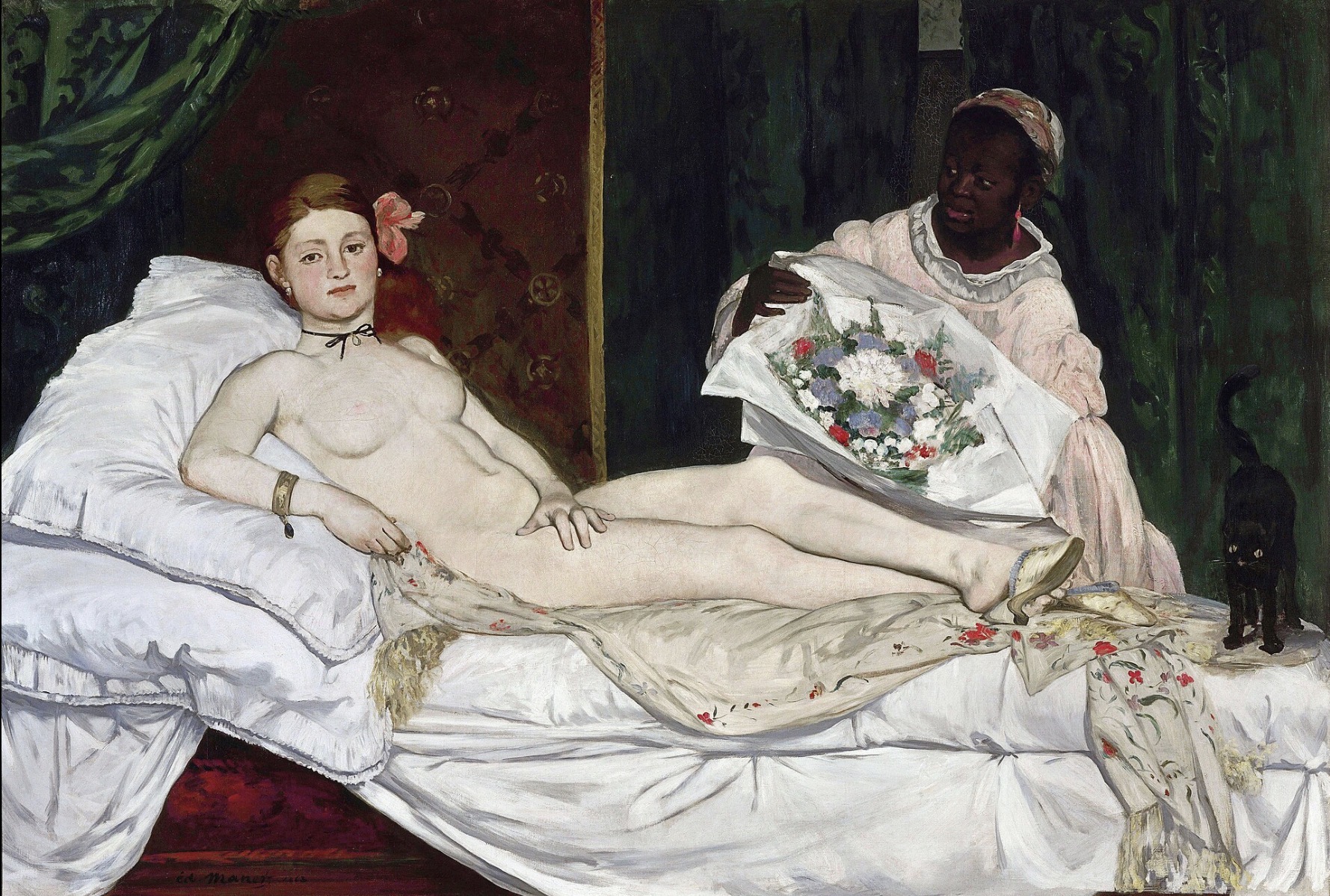
Olympia, Edouard Manet
shock at the Salon
She’s a prostitute
Replica/inspired by the Venus of Urbina
Many people said she had short legs and a yellow tone
The real scandal- this is the gaze of someone sleeping with a prostitute
Not considered impressionism
This made an anticipation for the modern movement
Impressionism
1874- the first exhibition studio of the photographer Felix Nadar
Louis Leroy shows “the exhibition of the impressionists”
Between 1874- 1886 eight impressionists exhibitions were held in Paris
according to tradition this painting would have been considered a sketch/unfinished
Capturing quickly a landscape in front of you
A pleasant vision of life at the time
Higher class
Claude Monet
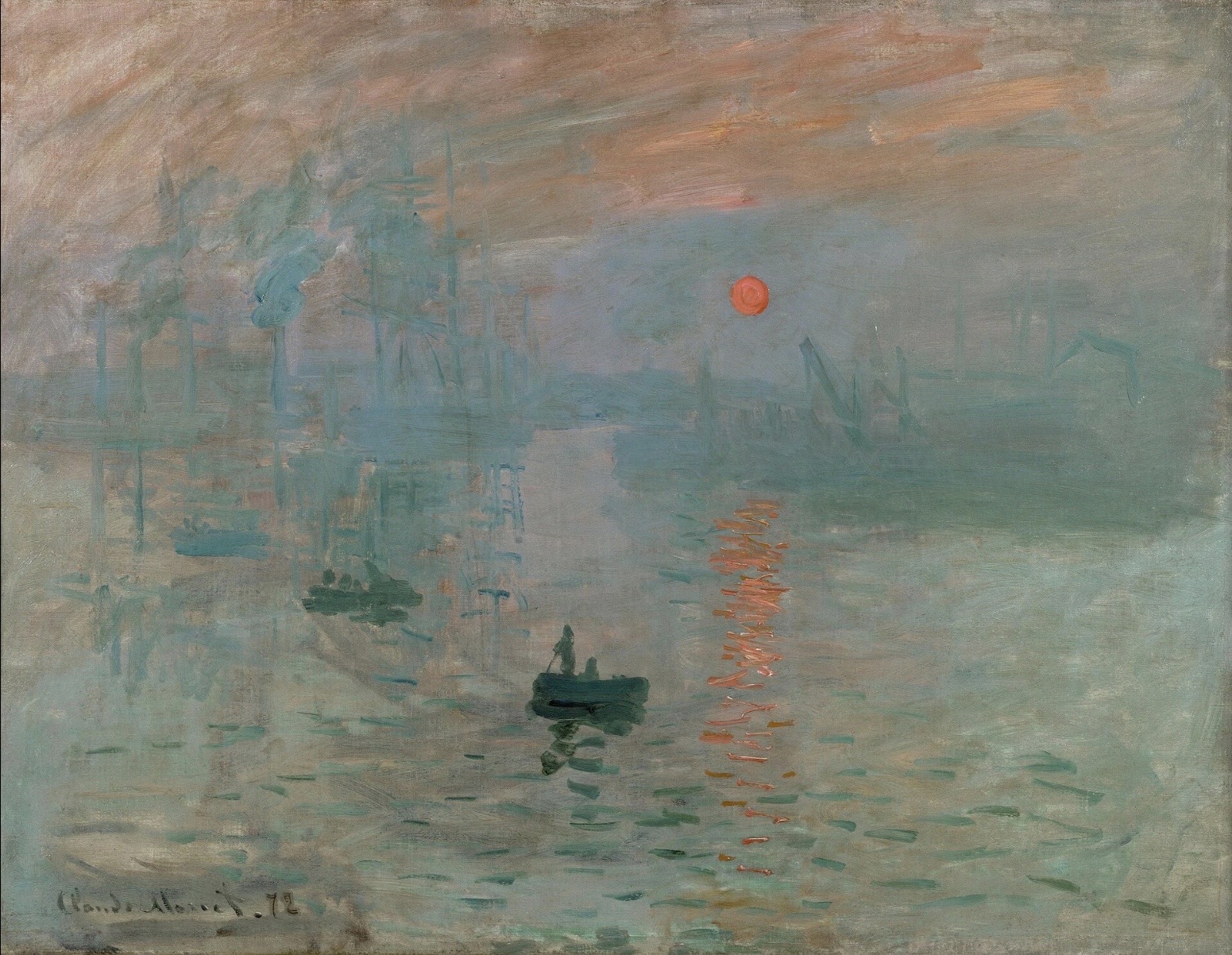
Impression, Sunrise, Claude Monet
No contours
Applied directly to canvas
China of color
Painting outdoor: light, air, movement
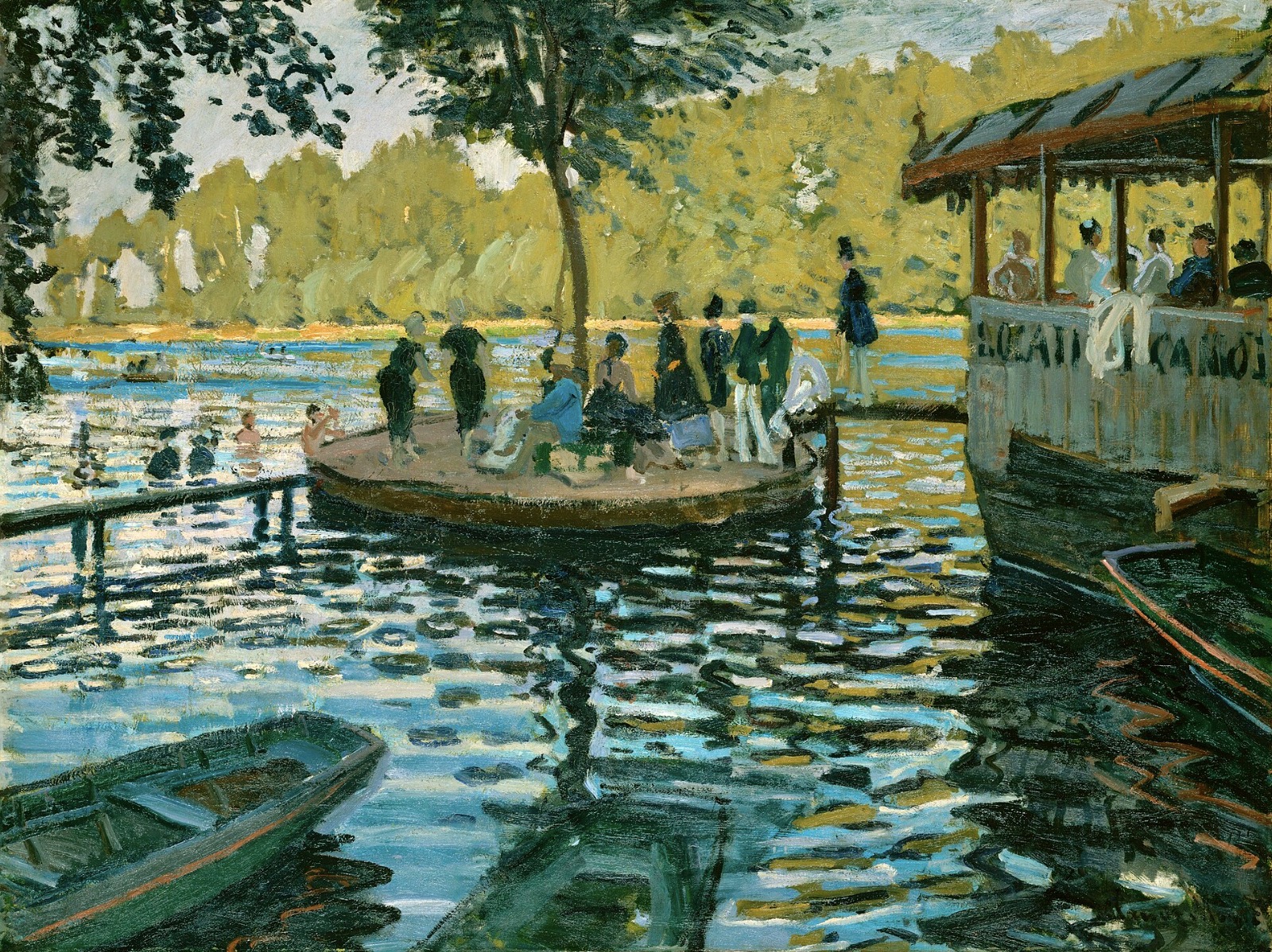
“La Grenouilliere”, Claude Monet
short, broken, quick brushstrokes
Pure, unblended colors
Contour line has not disappeared
Emphasis on the effect of light
Use of synthetic pigments
Render shadows in color
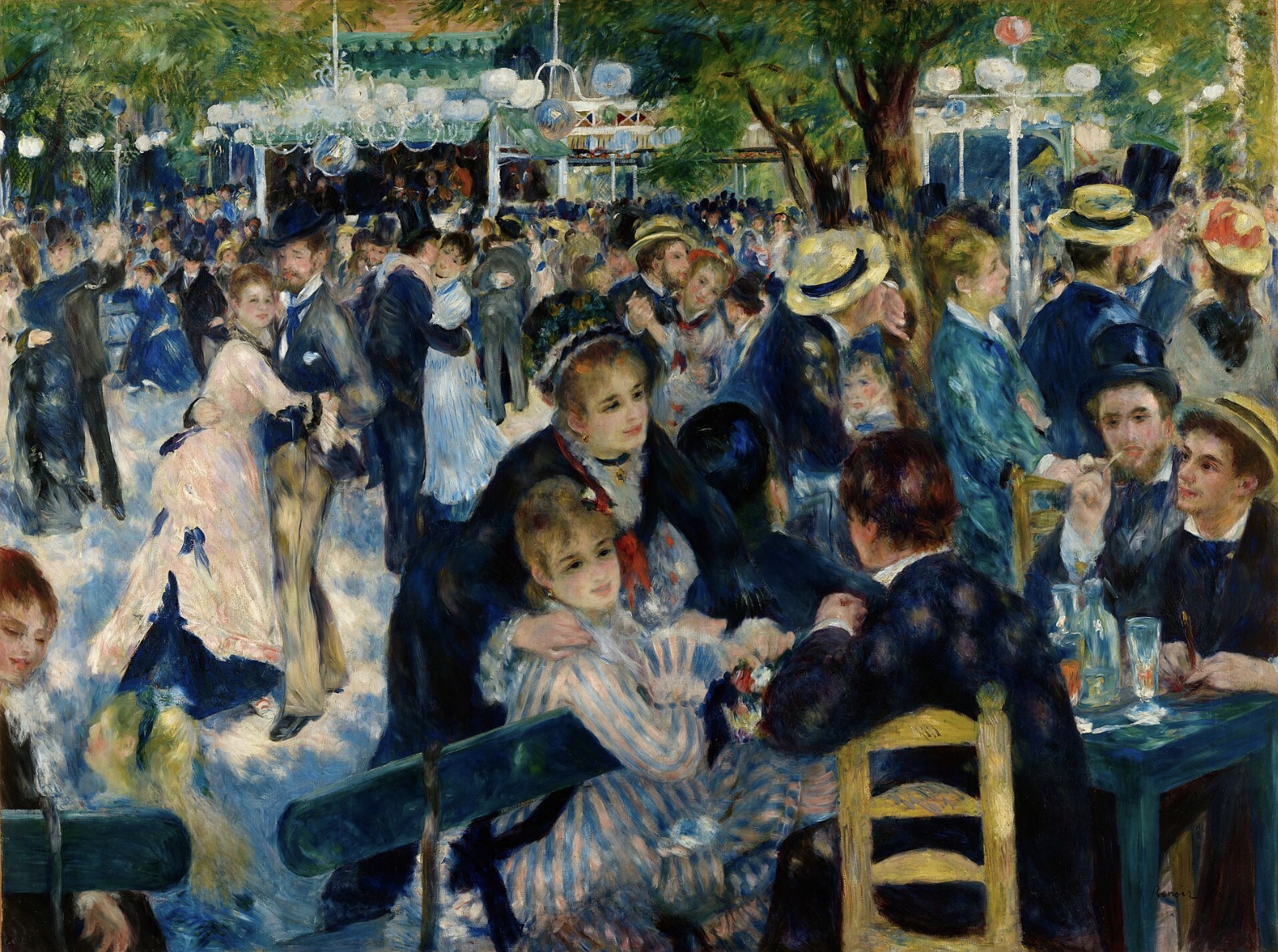
Call at the Moulin de la Gallette, Auguste Renoir
under threes, due to the spotted light
Edgar Degas
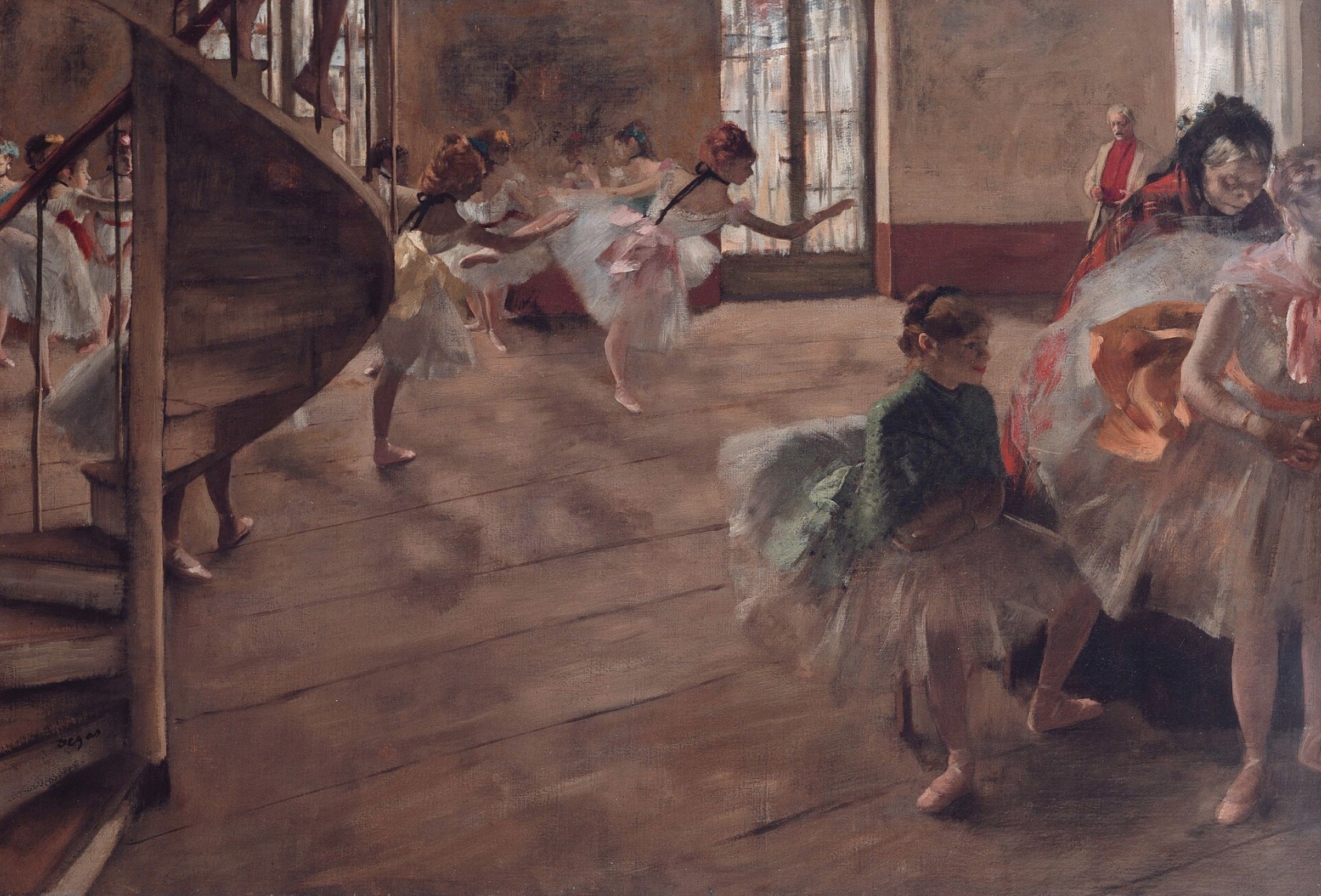
The Rehearsal, Edgar Degas
‘indoor’ impressionism
Not staged
“En plein air”
to work outdoors/ paint outside
Post Impressionism
not a style, the rejection of Impressionism
The father’s of post-Impressionism, all had different styles, but all rejected Impressionism
George Seurat- pointalism
Paul Gauguin- synthesism
Paul Cezanne- solid architectural geometries
Vincent Van Gogh- emotional colors and form
George Seurat (1859-1891)
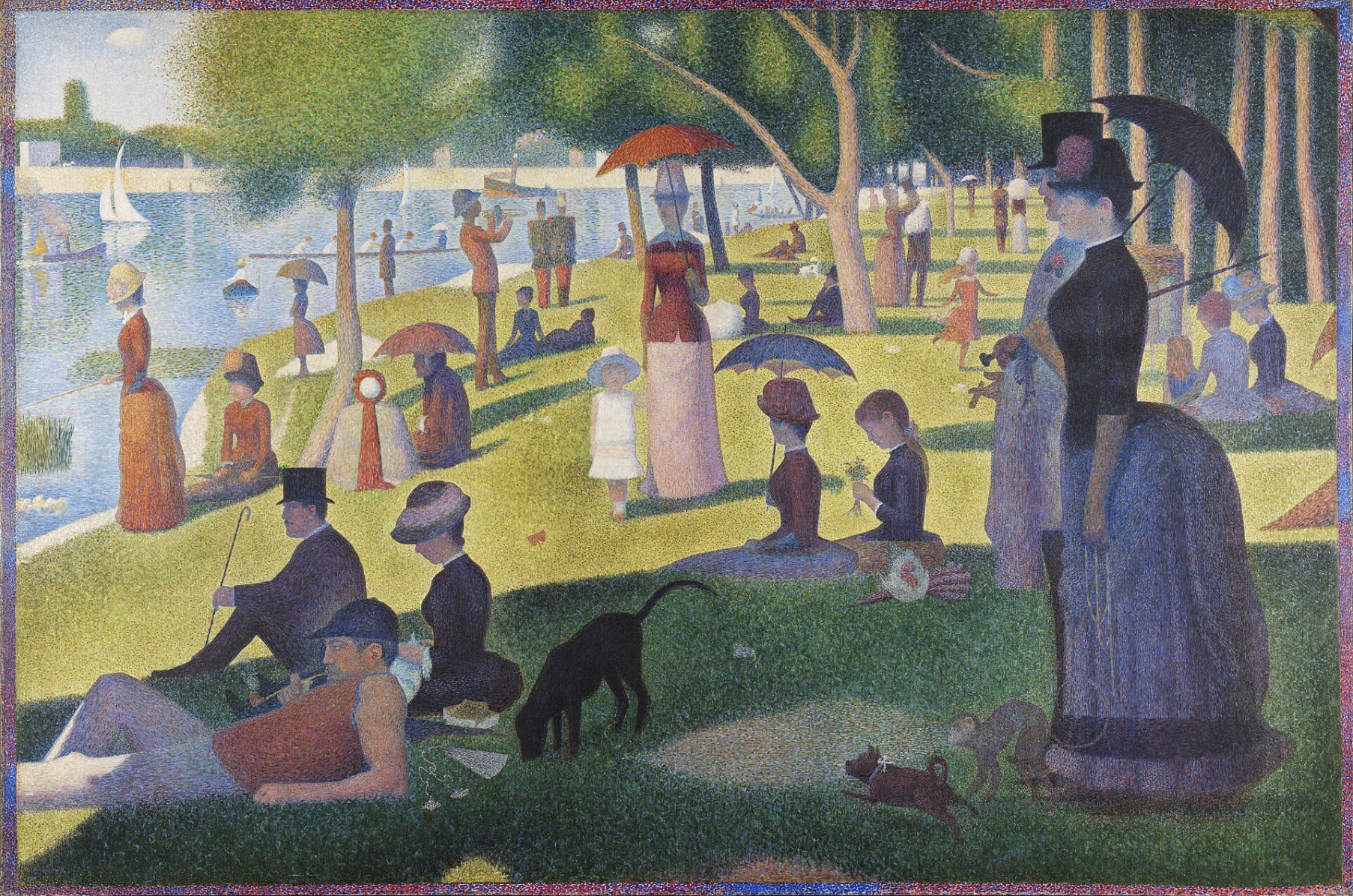
A Sunday at La Grande Jatte, George Seurat
neo-Impressionism
Pointilism
This may have taken years, unlike that of Impressionism
Music of social classes, working and light
Direct light source
Affect of the wind, blowing four different directions
First rejection of impression
Paul Gauguin (1848-1903)
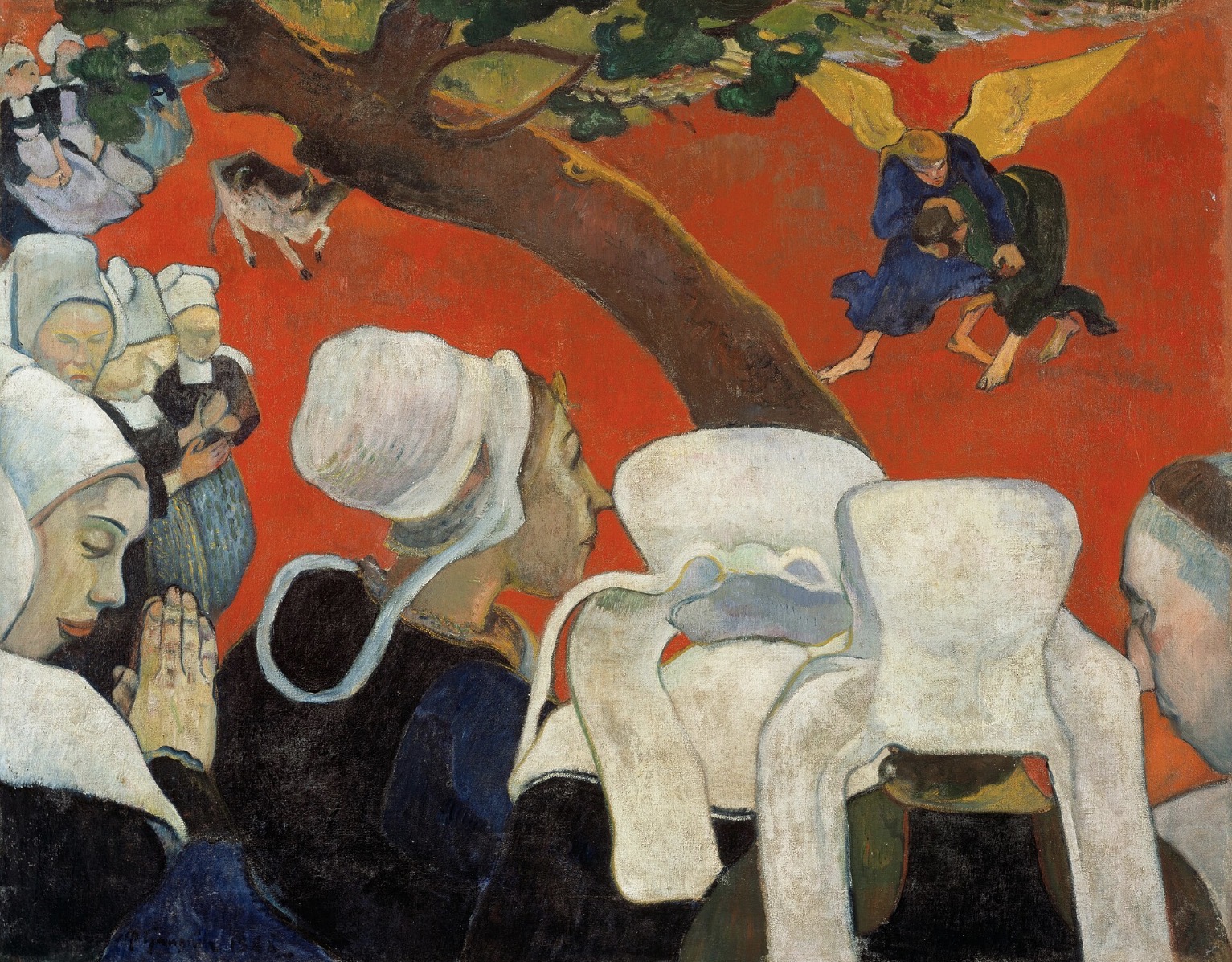
Vision after the Sermon (Jacob wrestling with the angel), Paul Gauguin
non-traditional landscape- pure color
The cow and angel are basically floating
No perspective, flat and two-dimensional
Strong contour, every figure is enclosed by a dark line
Being flat and two-dimensional is important, because it shows its not real, fantasy, imagination, metaphysical vs third-dimensional, reality
Going back to the metaphysical art of the Middle Ages
The women are having a vision
Priest on bottom right
Vision of the mind, one woman has her eyes closed and one has them open
Introduced synthesism, extremely synthetic
Dark contours outlining areas of flat color
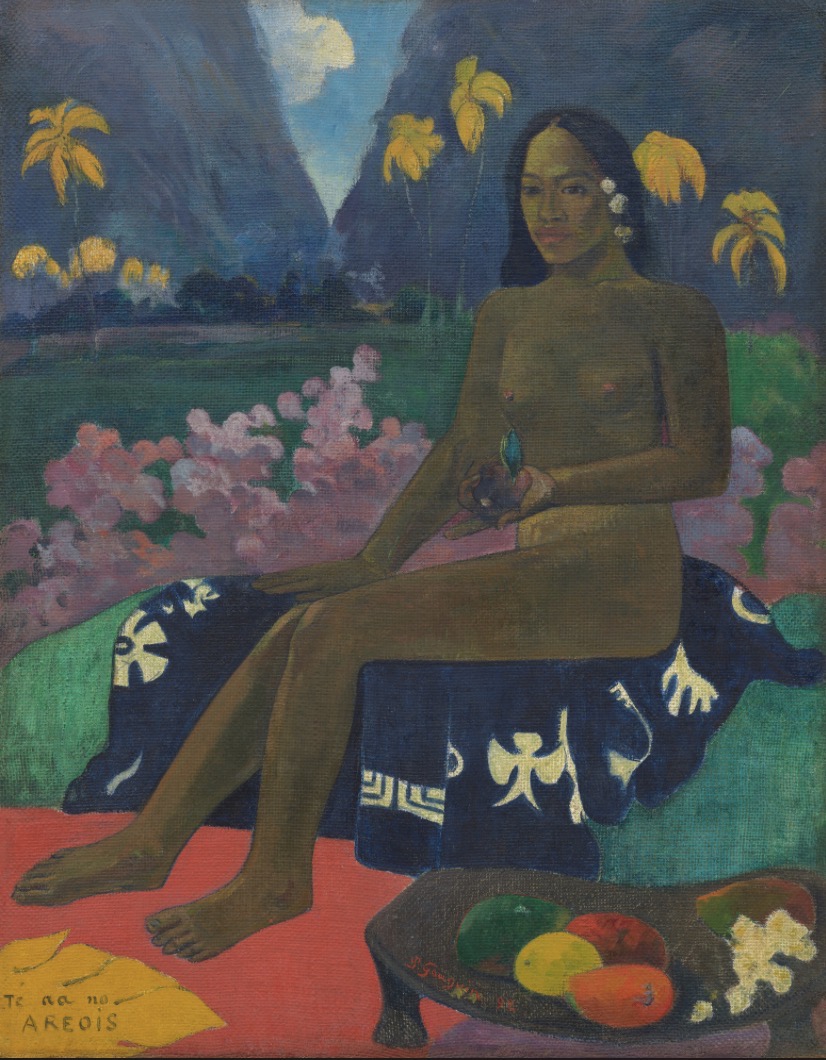
The Seed of the Areoi, Paul Gauguin
Paul Cezanne (1839-1906)
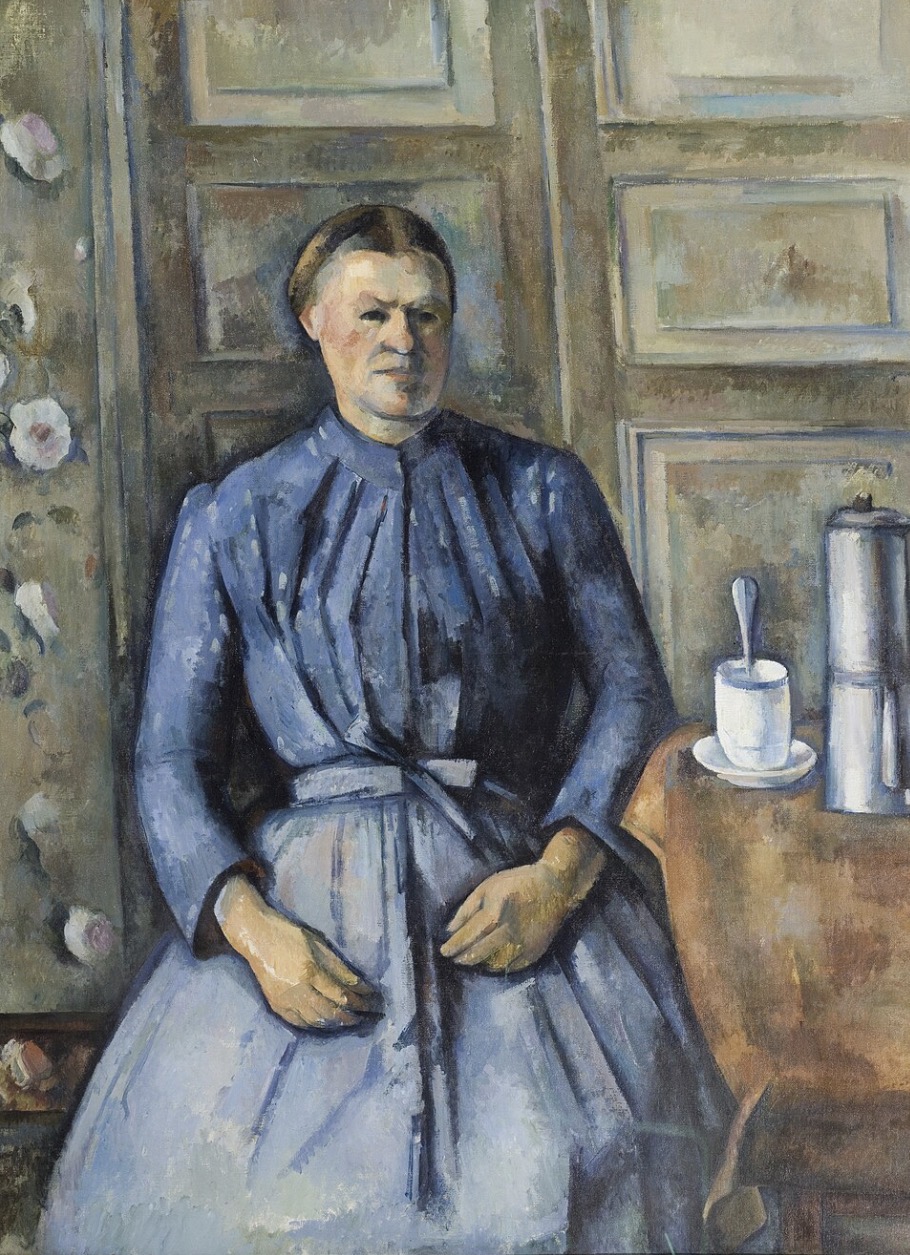
Woman with a Coffeepot, Paul Cezanne
still, no movement
Capturing the essence
His wife
Triangle in the torso
Cylindrical arms
Sphere head
Broke the most important rule of the renaissance
Double perspective, not observing reality
Introduction of an intellectual perspective
Woman is seen from a frontal view
Table is seen from above
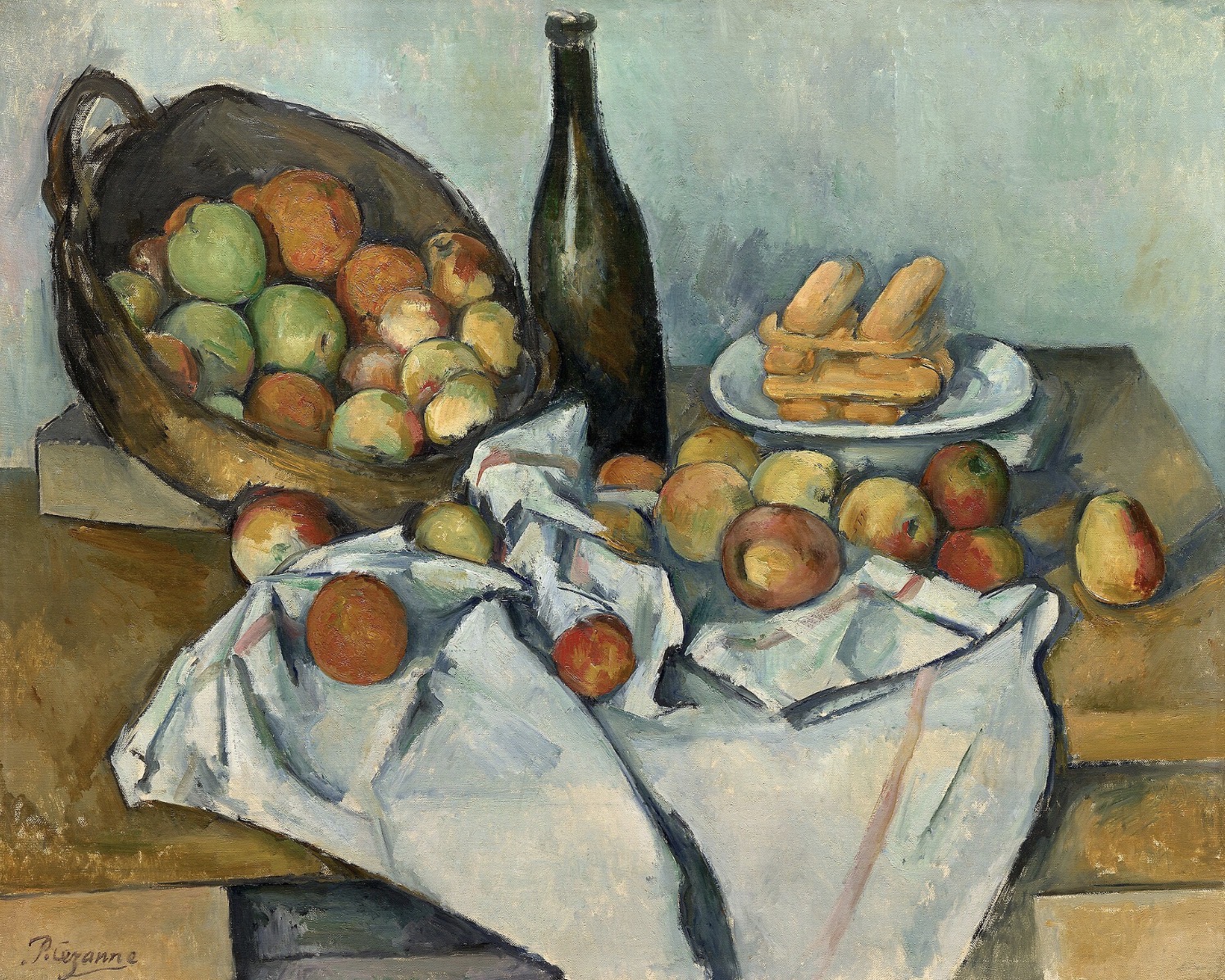
The Basket of Apples, Paul Cezzane
geometrical forms
Double perspective
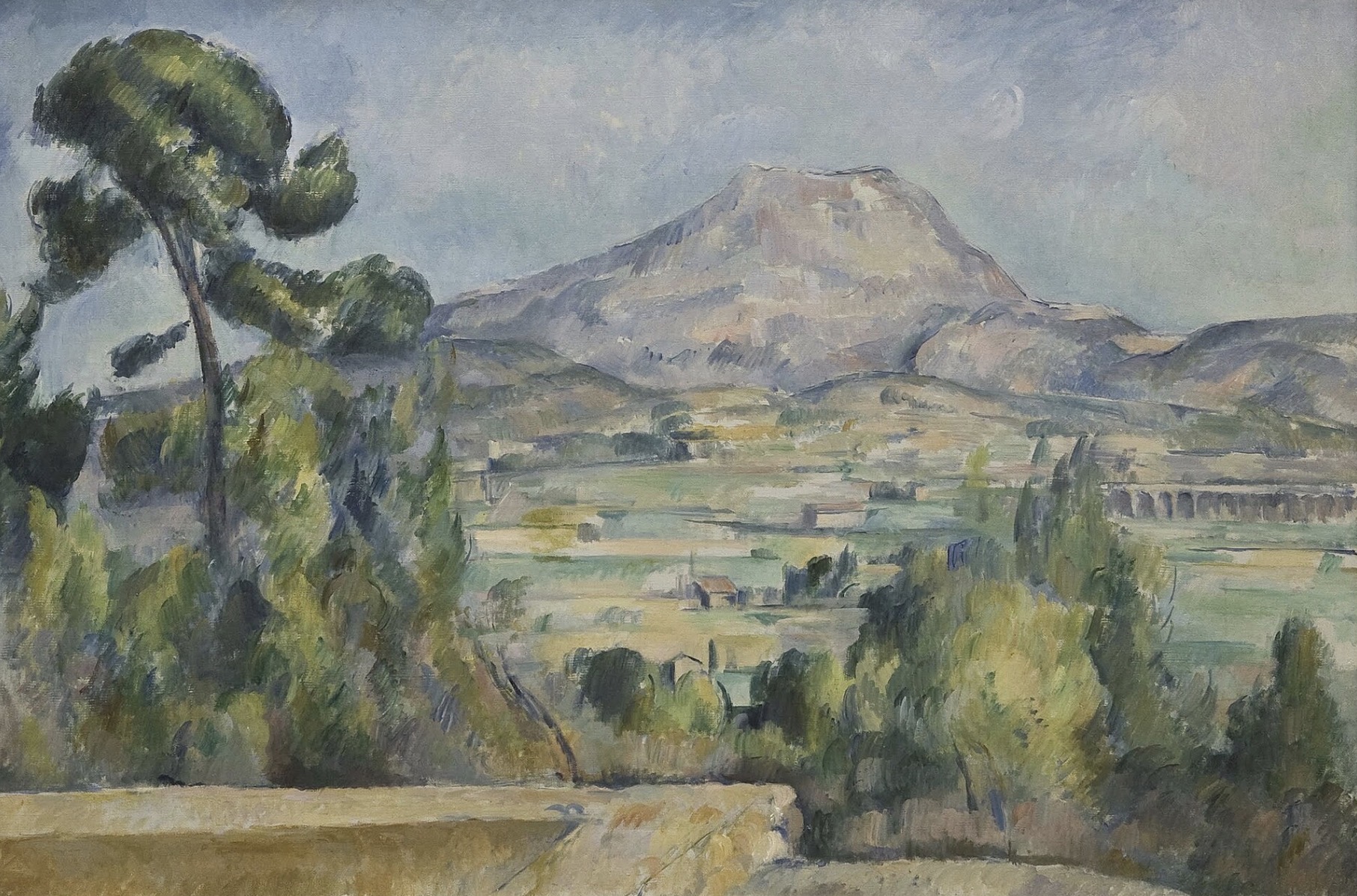
Mont Saint-Victorie, Paul Cezzane
made around 20 paintings of this mountain
Wanted to capture its beauty
Can see the contours
Geometrical houses
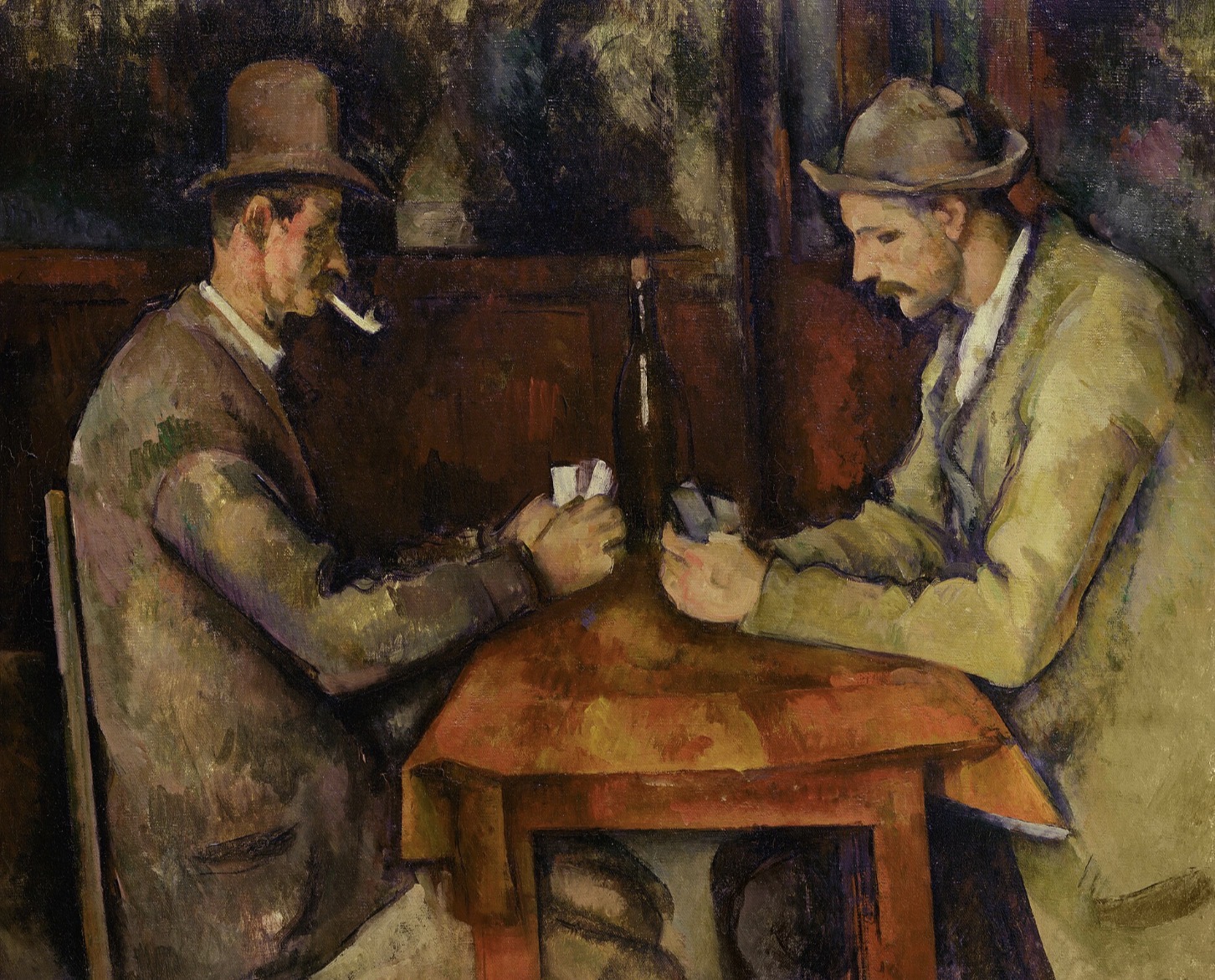
The Card Players, Paul Cezzane
Vincent Van Gogh (1853-1890)
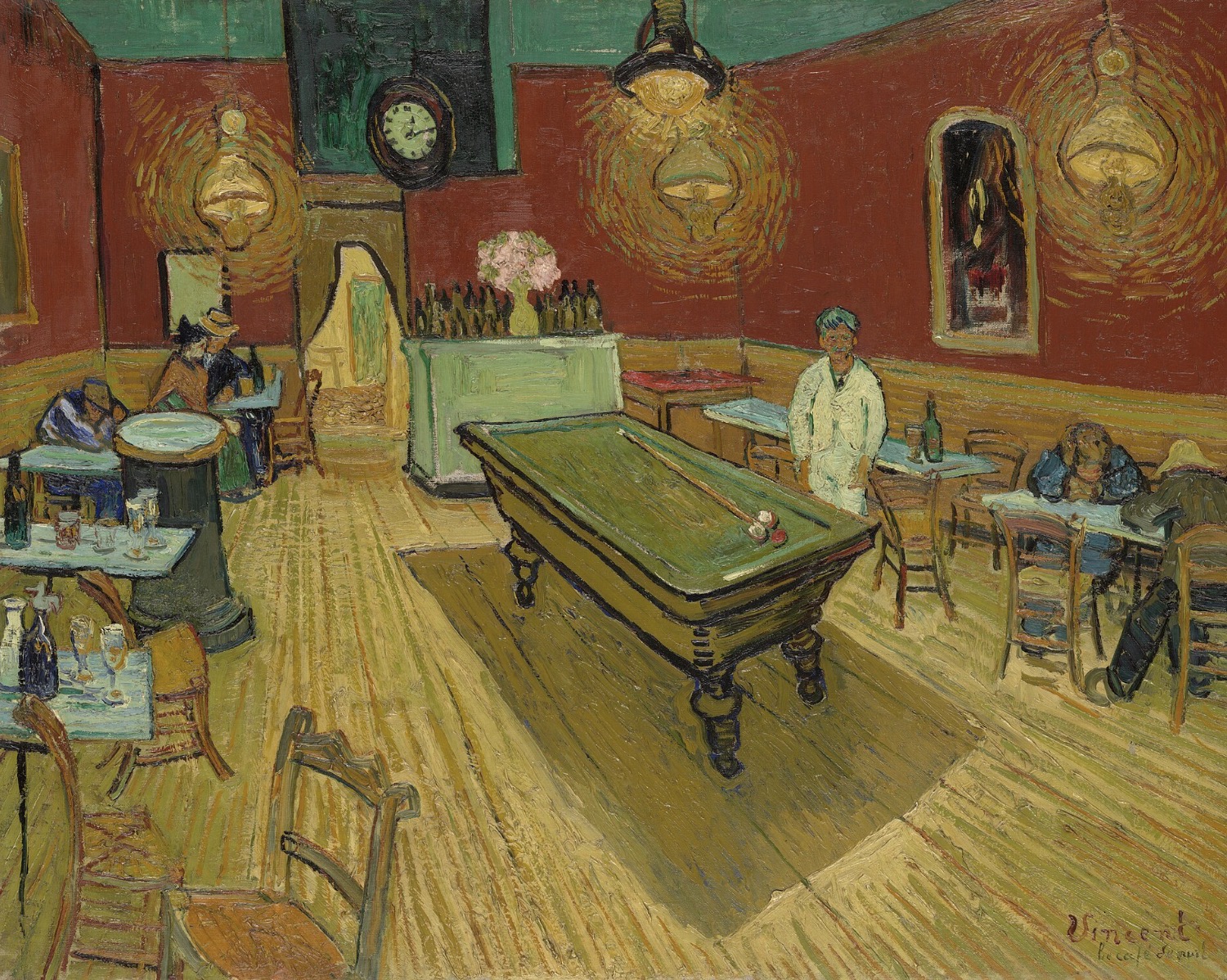
Night Cafe, Vincent Van Gogh
a cafe in the south of France
Emotional colors, represents an inner sentiment
Used color and brushwork to express himself
“The cafe is a place where you can ruin yourself, go crazy and commit a crime”
The colors are unpleasant, but they make you feel something
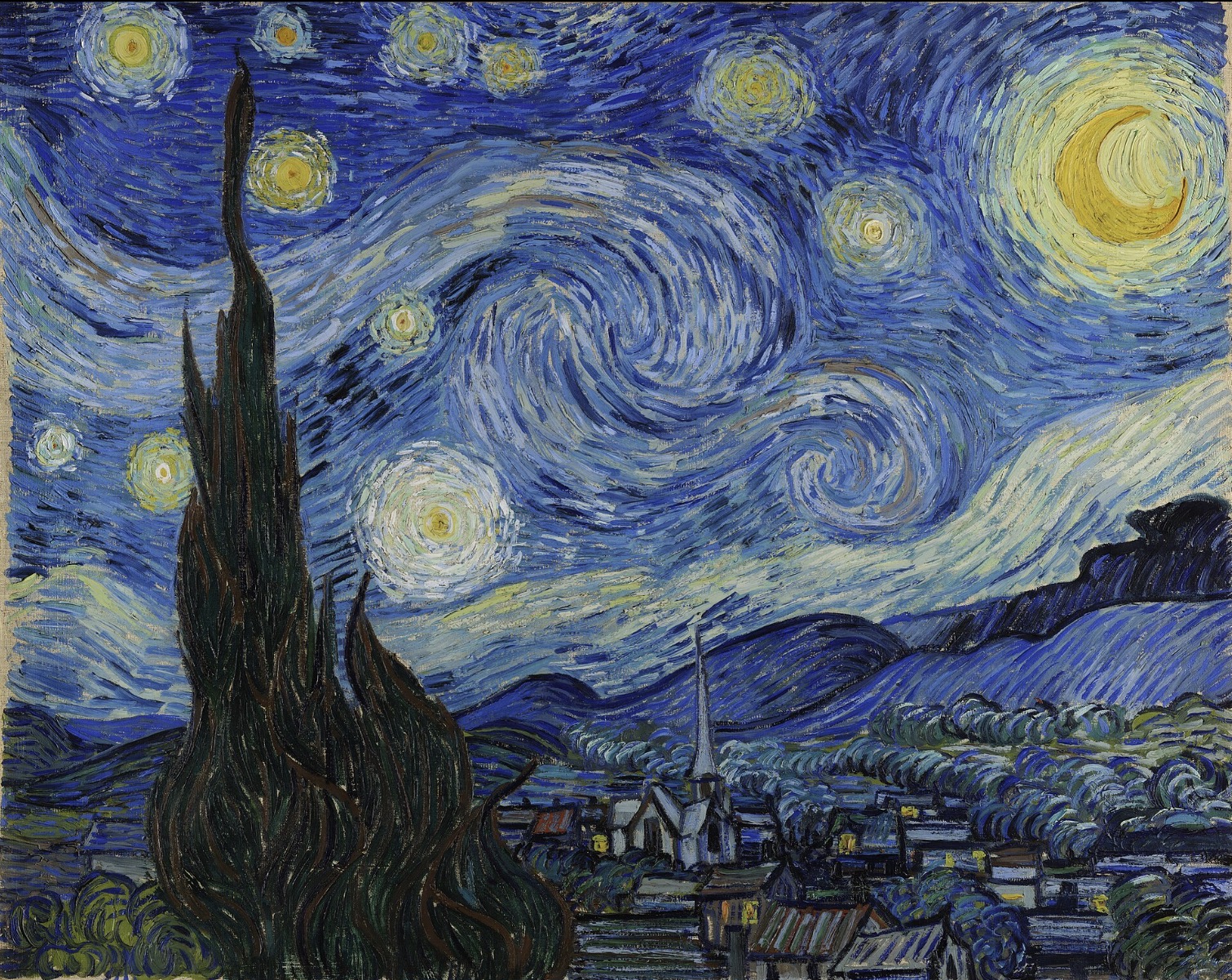
Starry Night, Vincent Van Gogh
painted in an asylum
He painted it when thinking about his suicide
Caught looking at the sky a lot
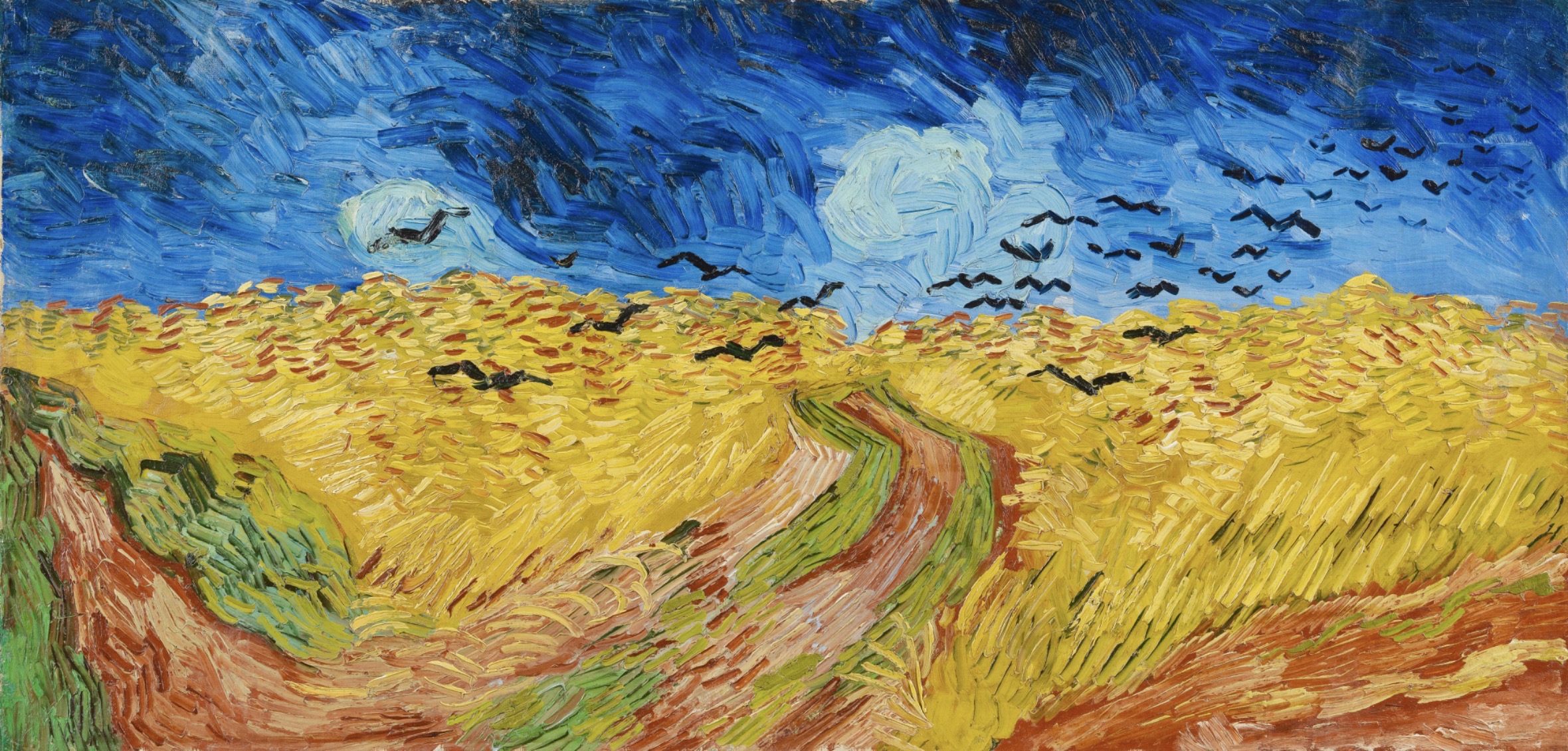
Wheat Field with Crows, Vincent Van Gogh
Van Gogh committed suicide a few days after he finished this painting and two large others