ARCH2283 - Final (Accumulative Portion), ARCH2283 - Final Exam
 Call Kai
 Learn
Learn Practice Test
 Spaced Repetition
 Match
Match Flashcards
 Knowt Play
1/122

There's no tags or description
Looks like no tags are added yet.
Name | Mastery | Learn | Test | Matching | Spaced | Call with Kai | Chat |
|---|
No analytics yet
Send a link to your students to track their progress
123 Terms
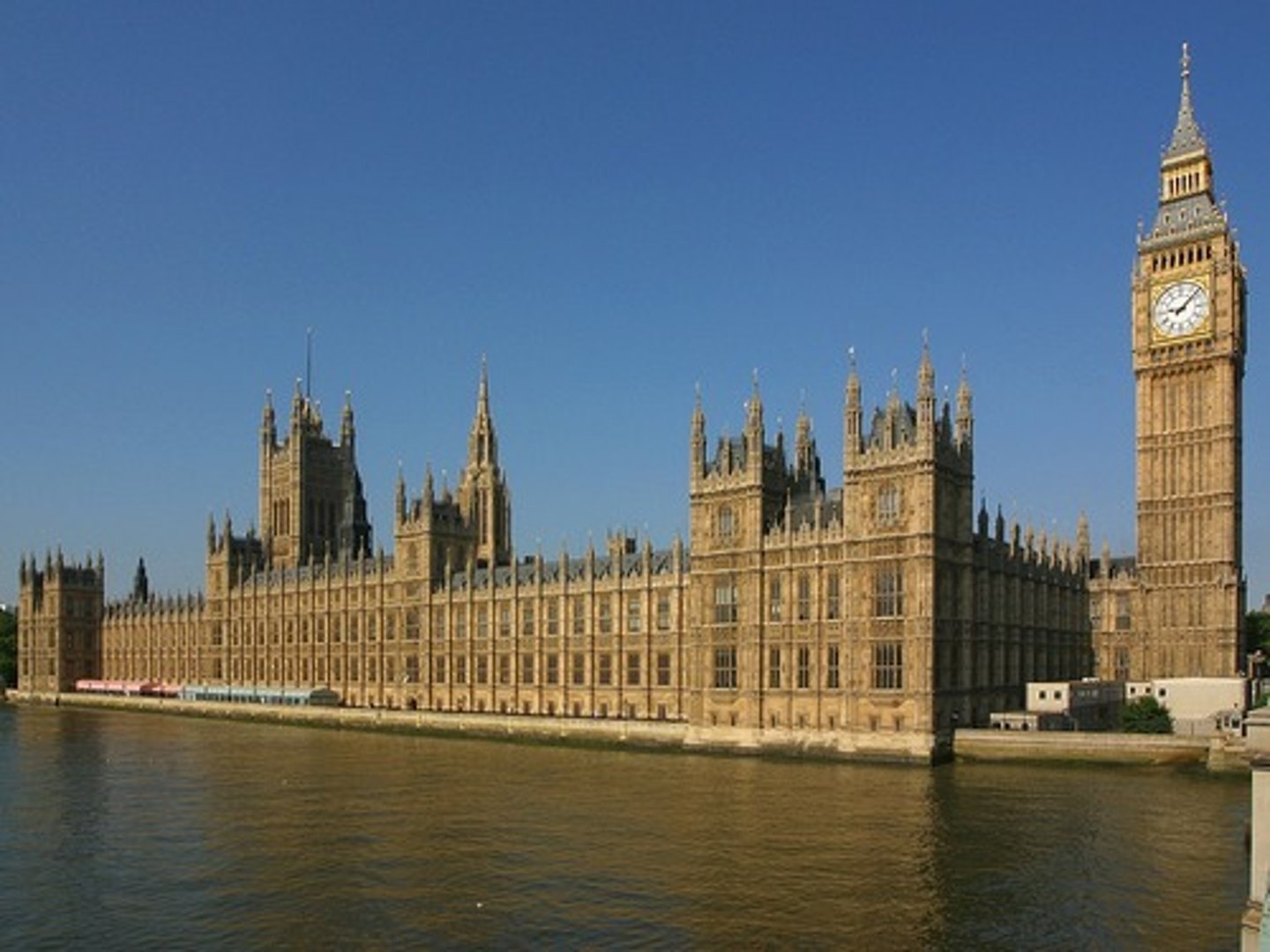
Houses of Parliament
London, England
19th Century
Charles Barry & A.W.N. Pugin
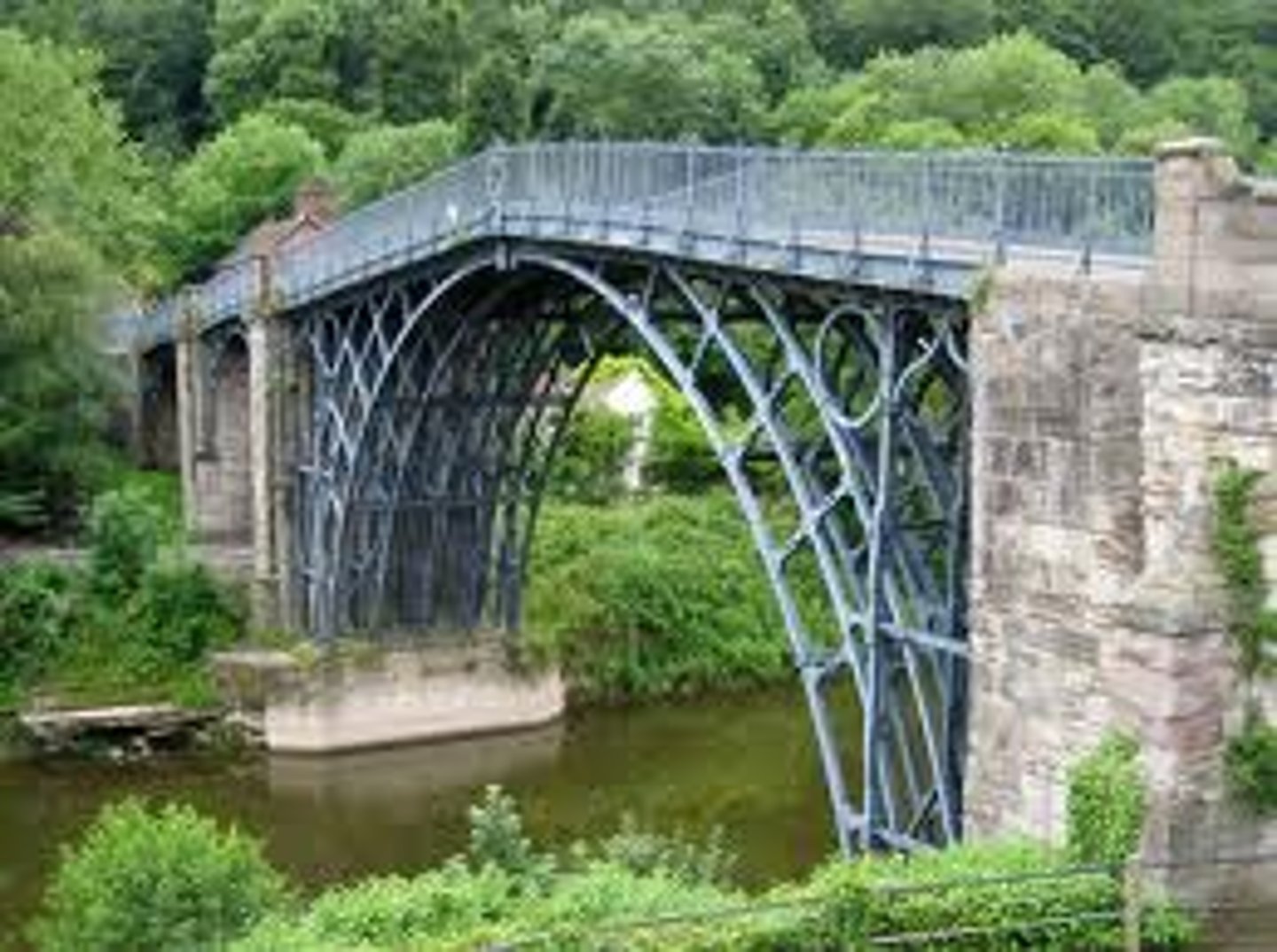
Severn River Bridge
Coalbrookdale, England
18th Century
Abraham Darby III & Thomas F. Pritchard
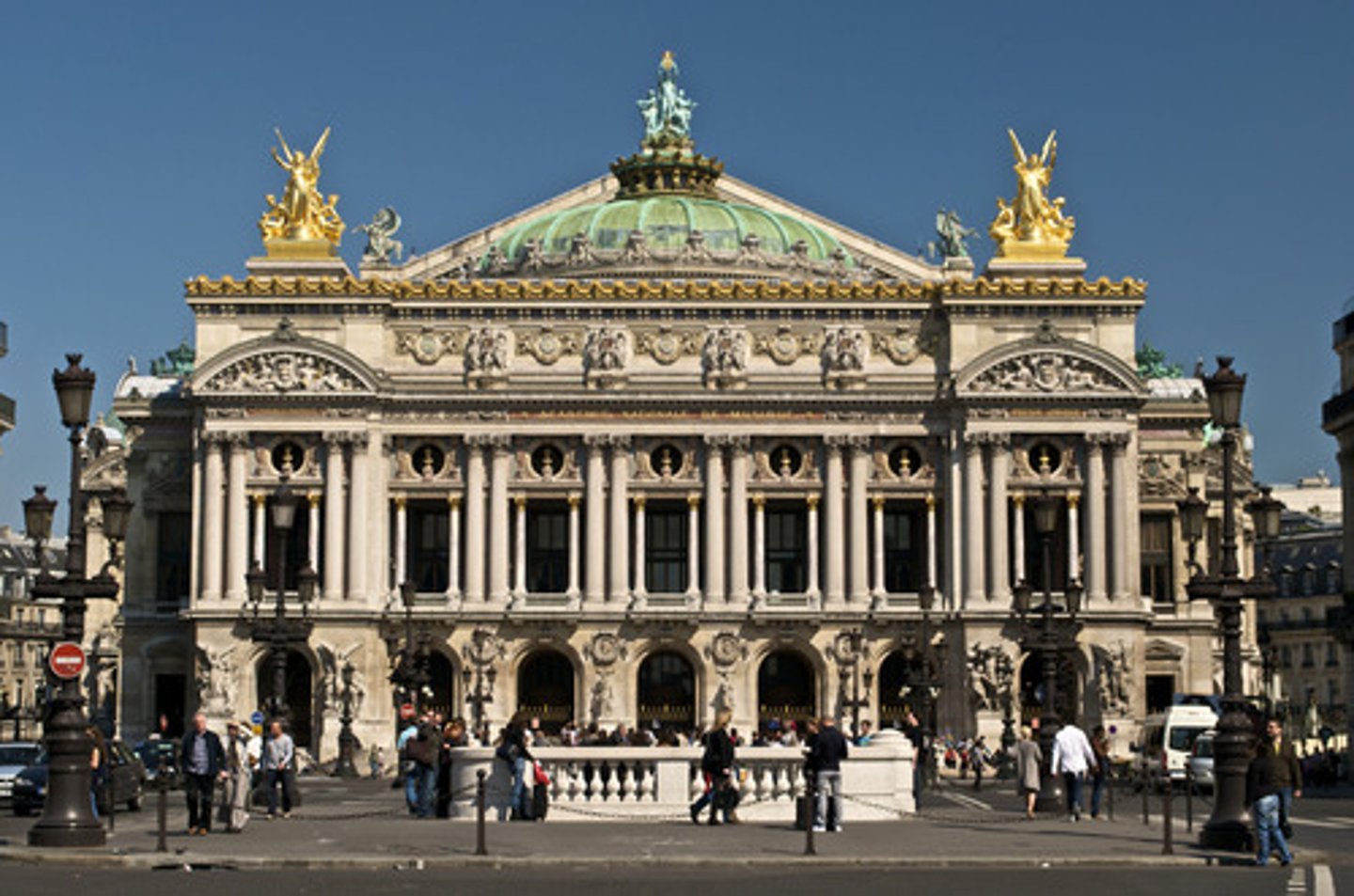
Opera House
Paris, France
19th Century
Charles Garnier
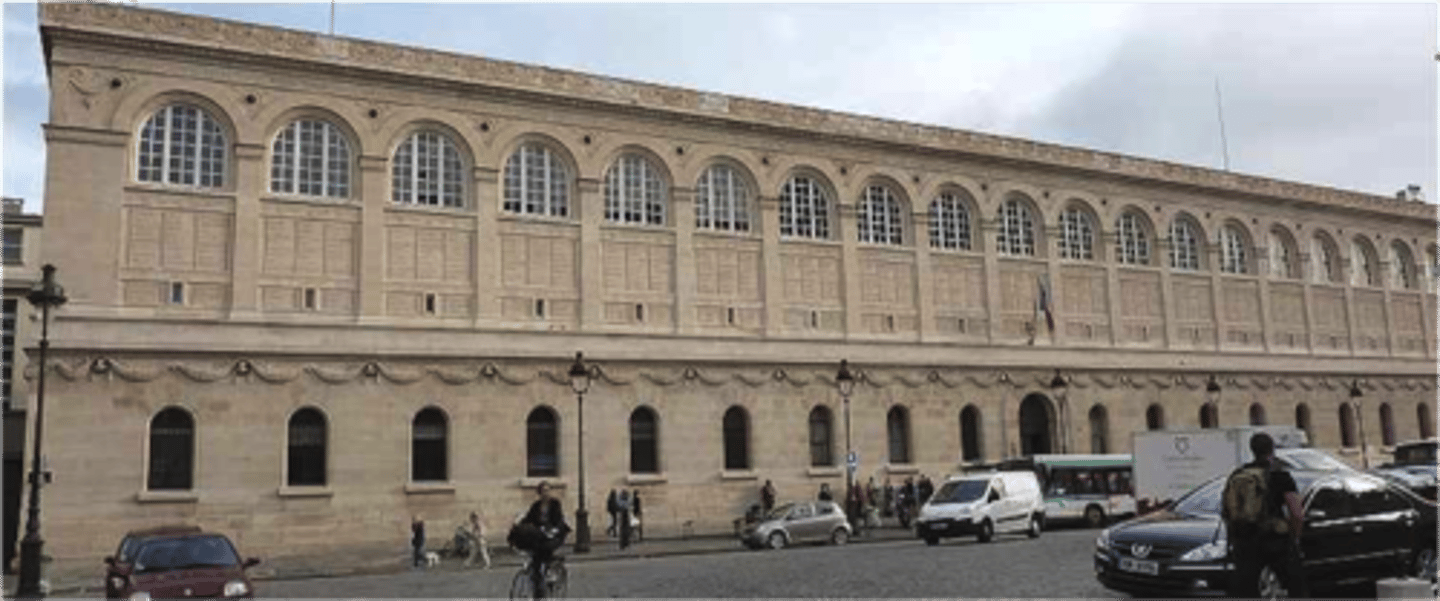
Bibliotheque Sainte-Genevieve (Sainte-Genevieve Library)
Paris, France
19th Century
Henry Labrouste
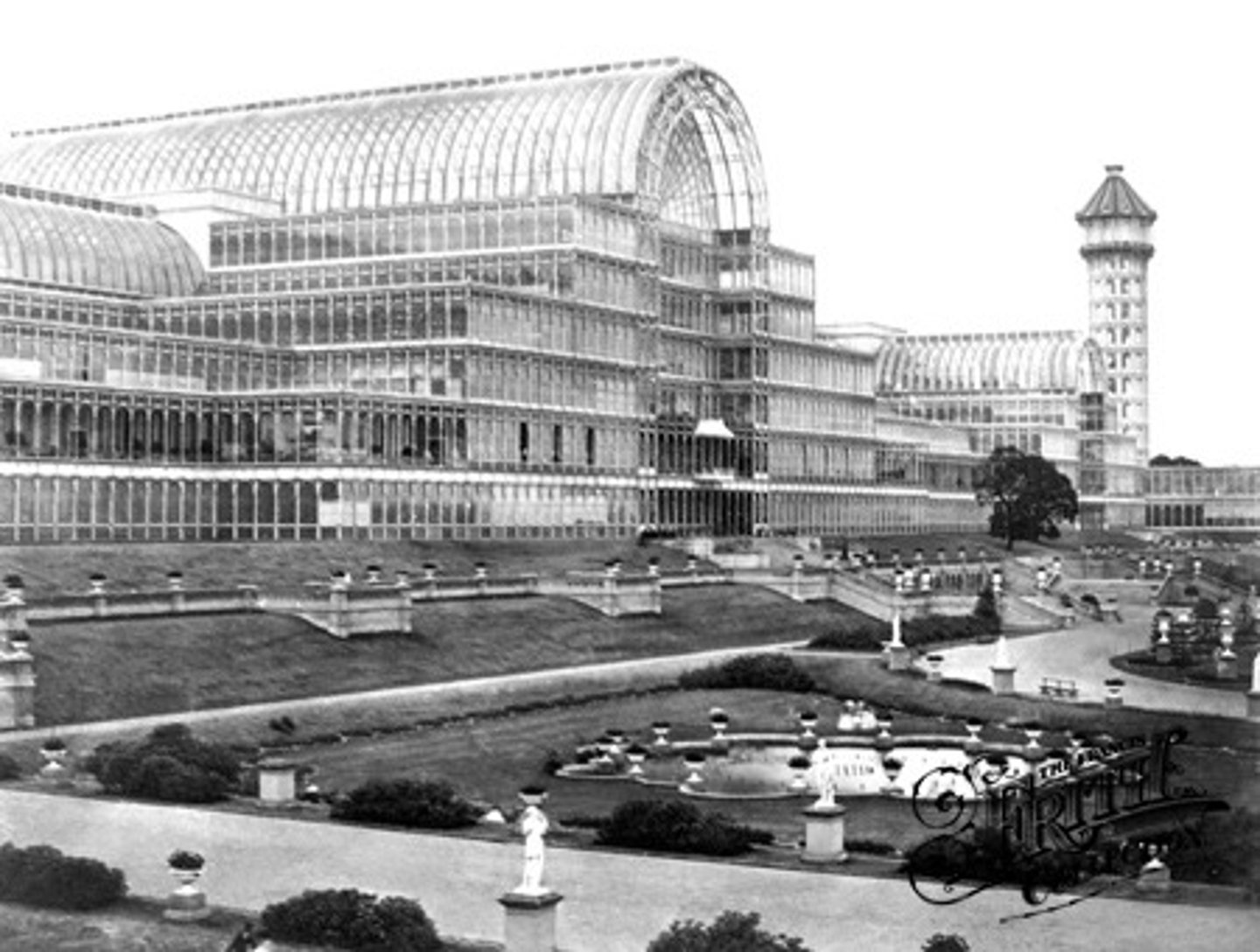
Crystal Palace
London, England
19th Century
Joseph Paxton
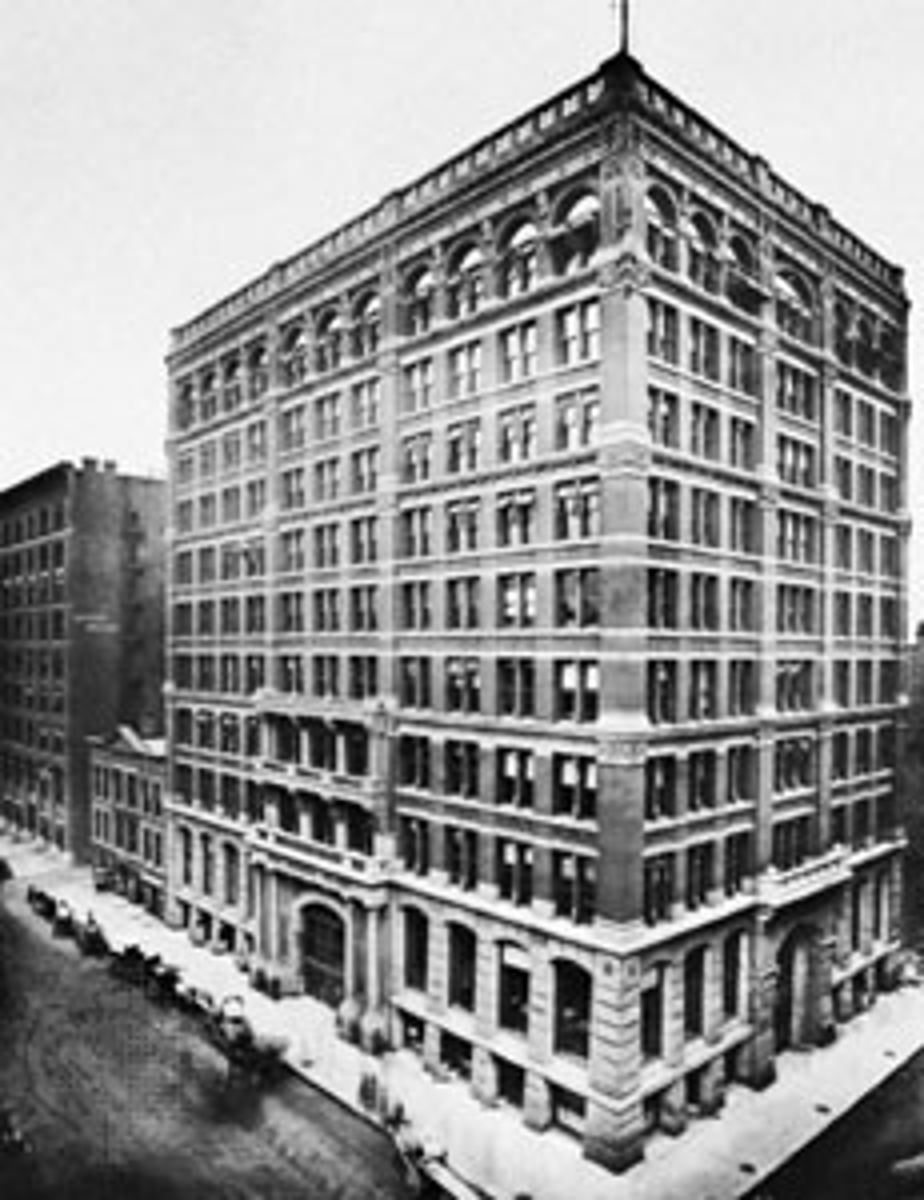
Home Insurance Building
Chicago, Illinois
19th Century
William Le Baron Jenney
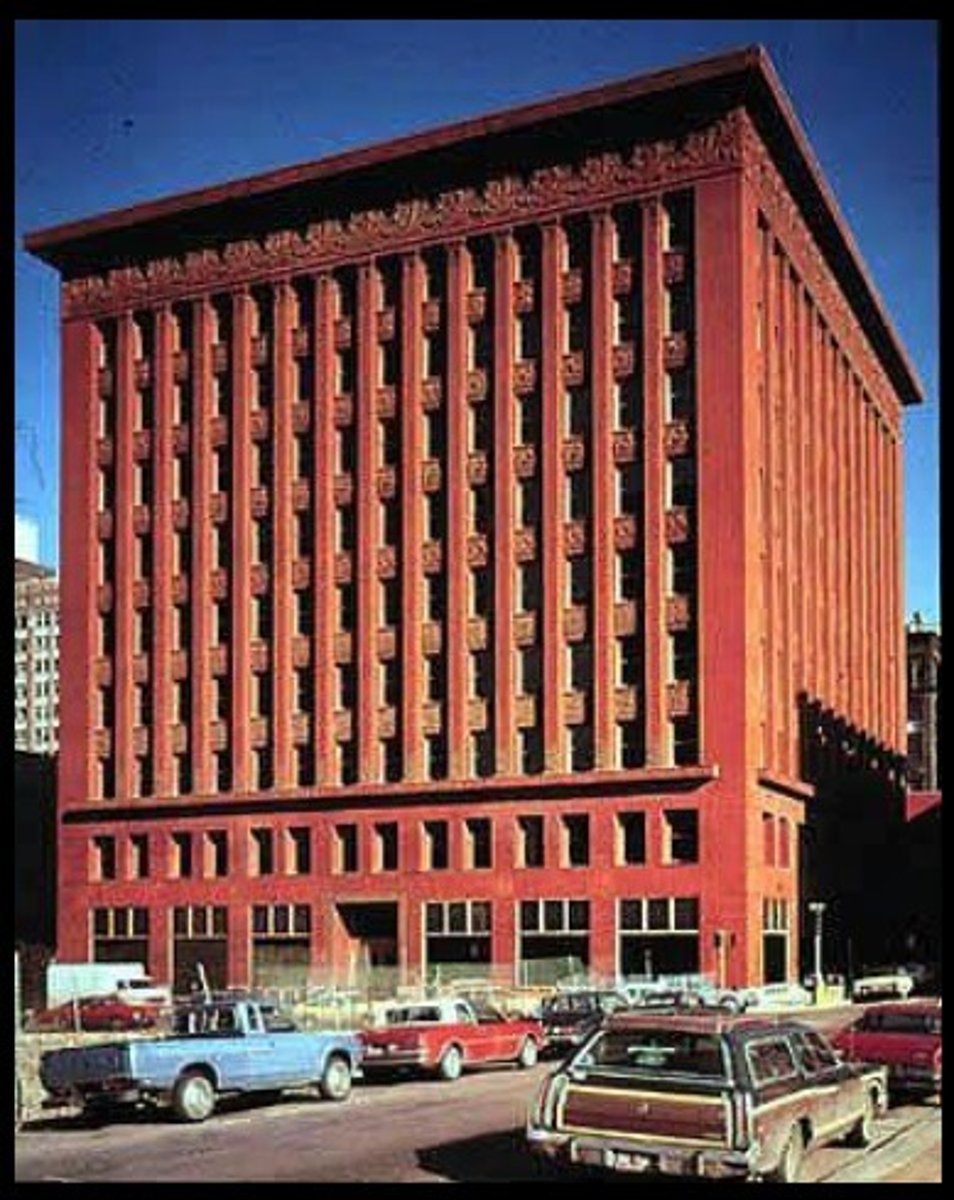
Wainwright Building
St. Louis, Missouri
19th Century
Dankmar Adler & Louis Sullivan
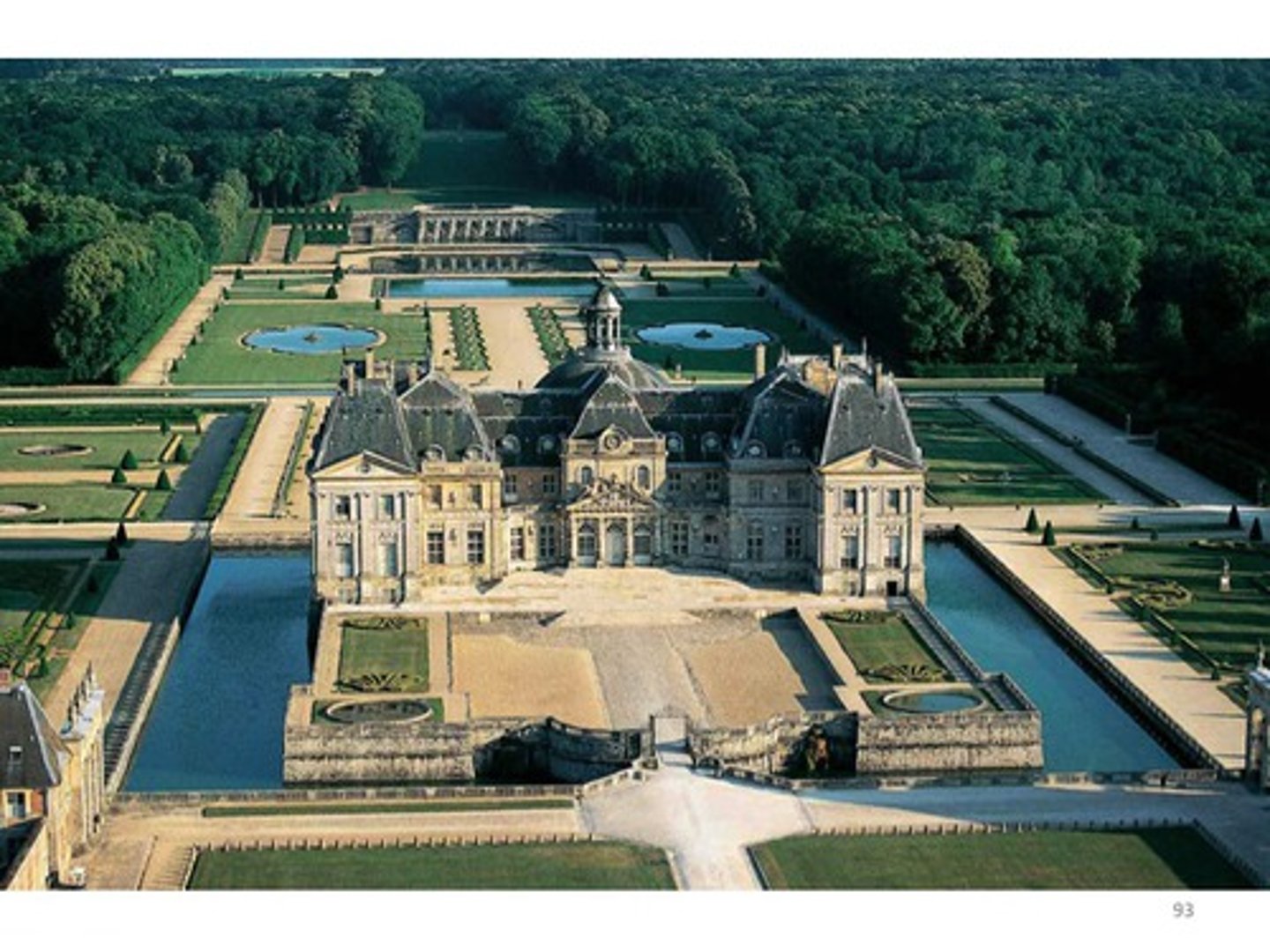
Château of Vaux-le-Vicomte
Vaux-le-Vicomte, France
17th Century
Architect: Louis Le Vau
The Chateau of Versailles
Versailles, France
17th Century
Envelope Design: Louis Le Vau
North/South Wings: Jules Hardouin-Mansart
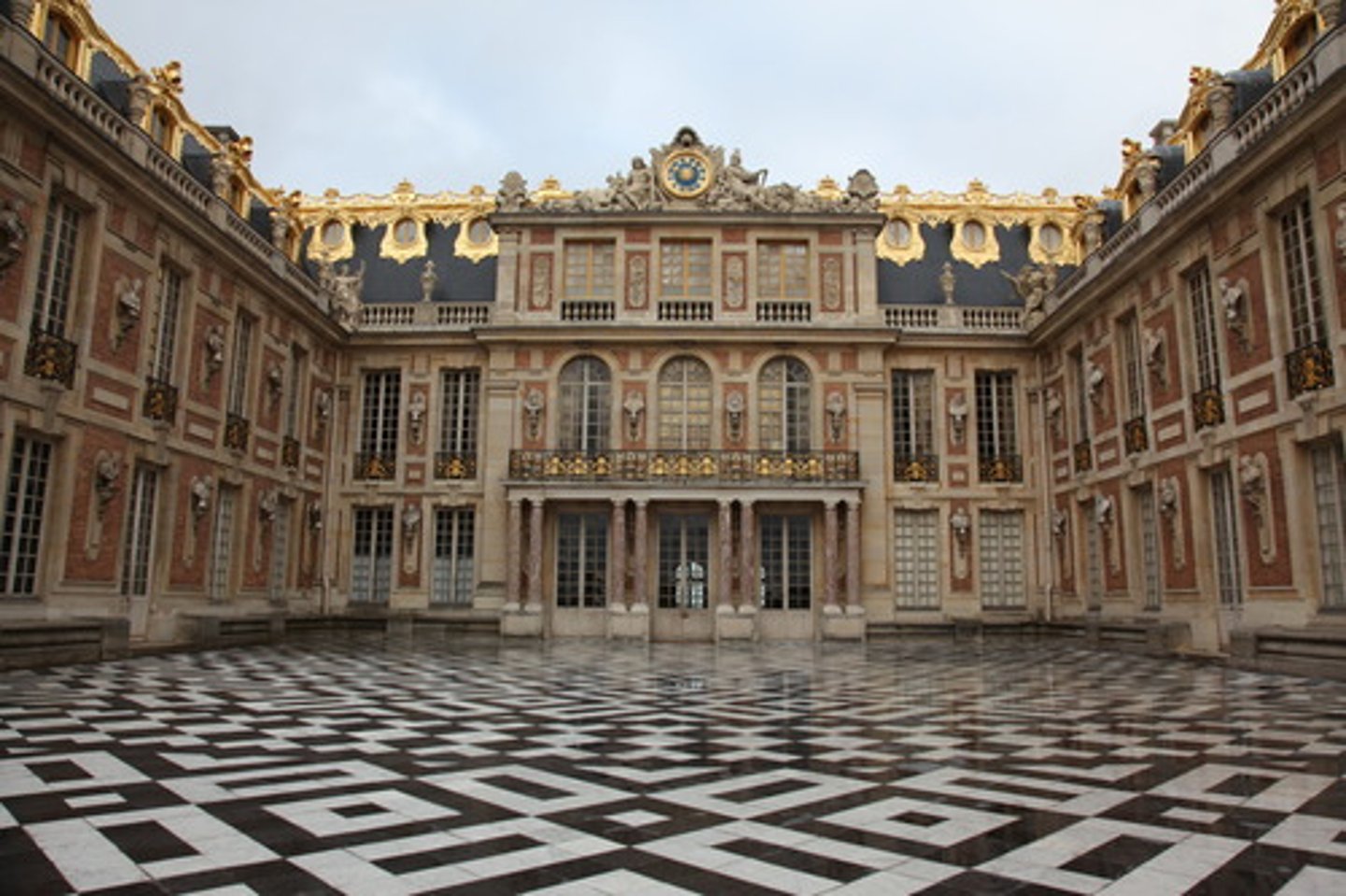
Banqueting House
London, England
17th Century
Architect: Inigo Jones
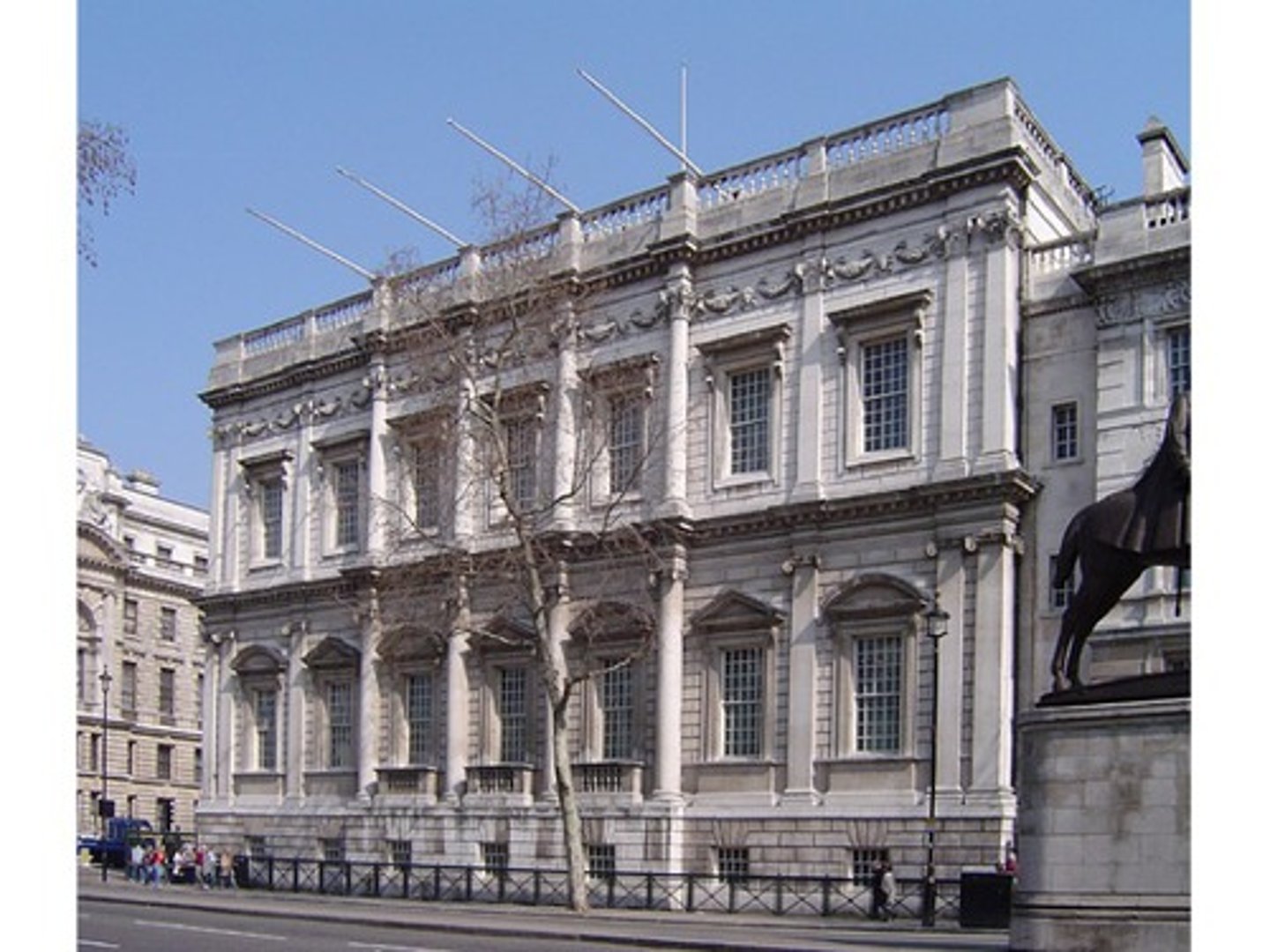
St. Paul's Cathedral
London, England
17th-18th Century
Architect: Christopher Wren
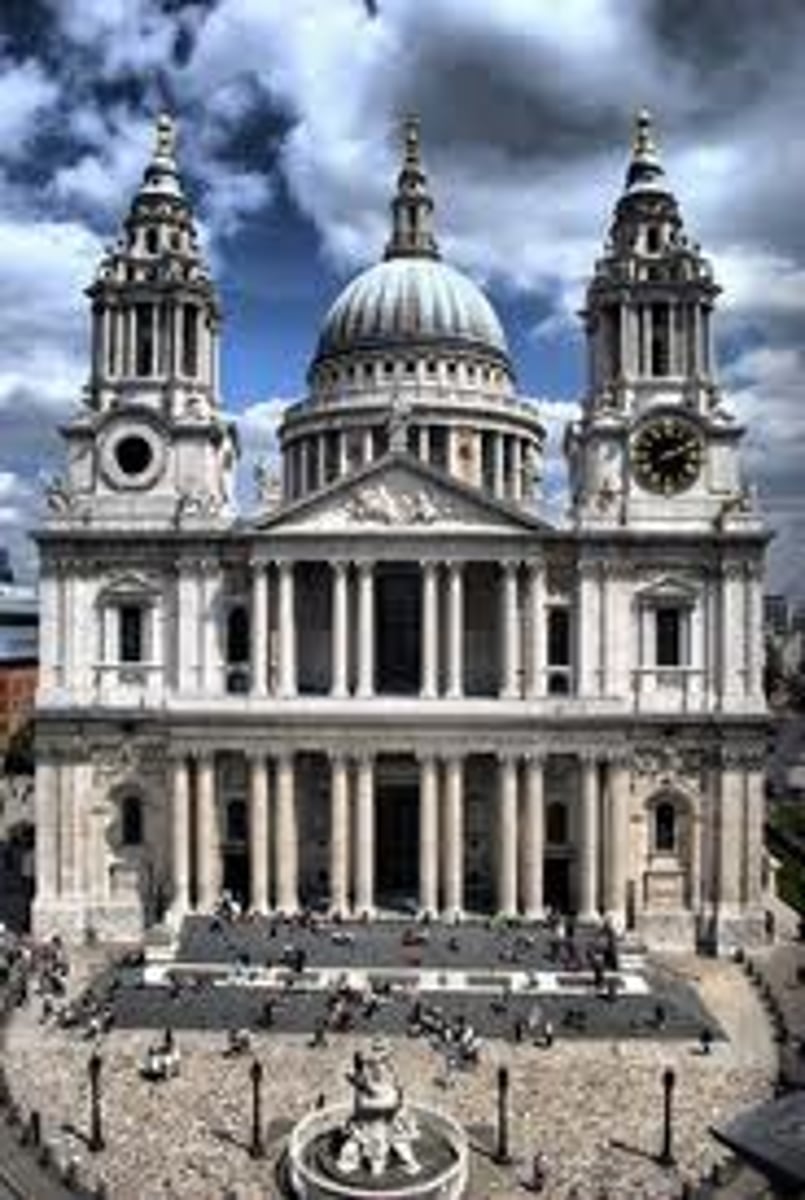
St. Martin-in-the-Fields
London, England
18th Century
Architect: James Gibbs
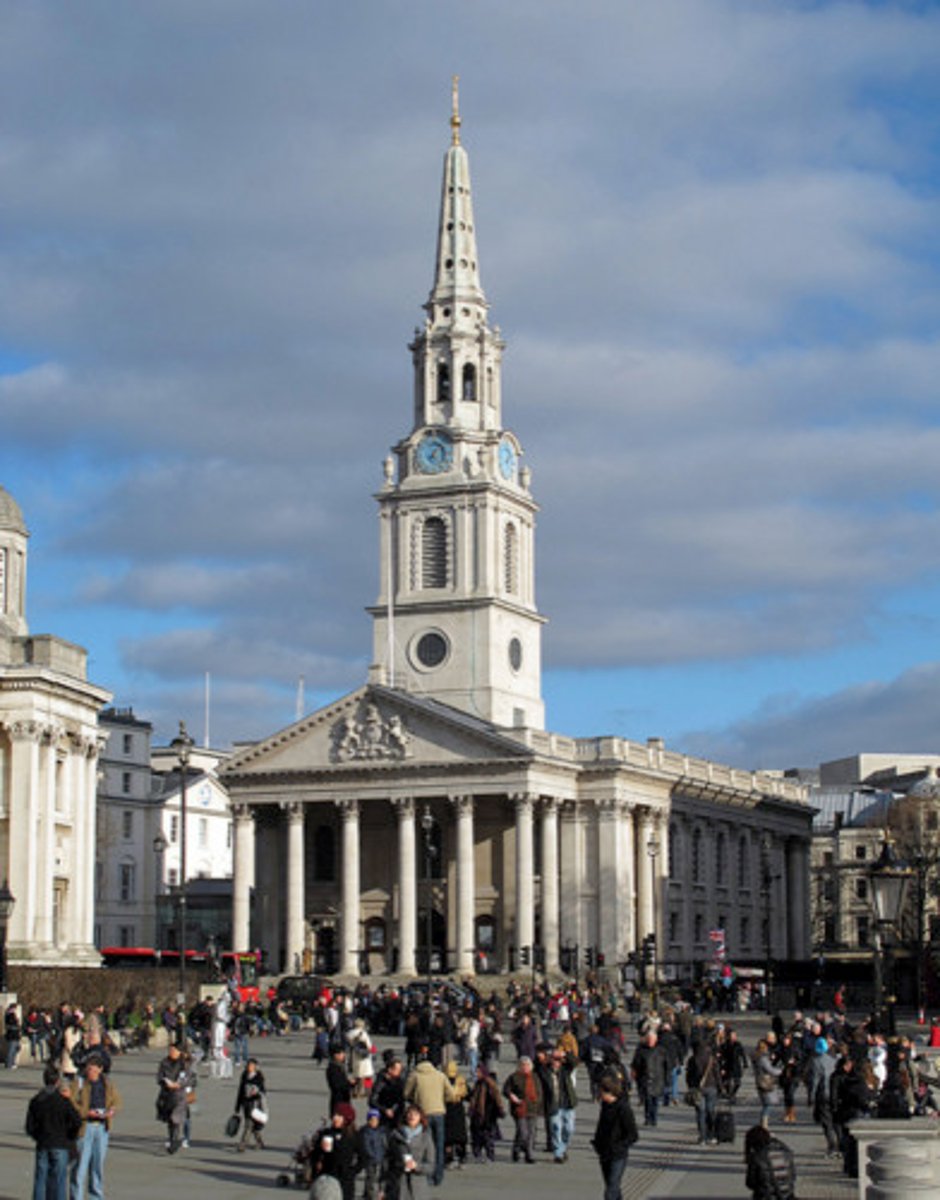
Petit Trianon
Versailles, France
18th Century
Architect: Ange-Jacques Gabriel
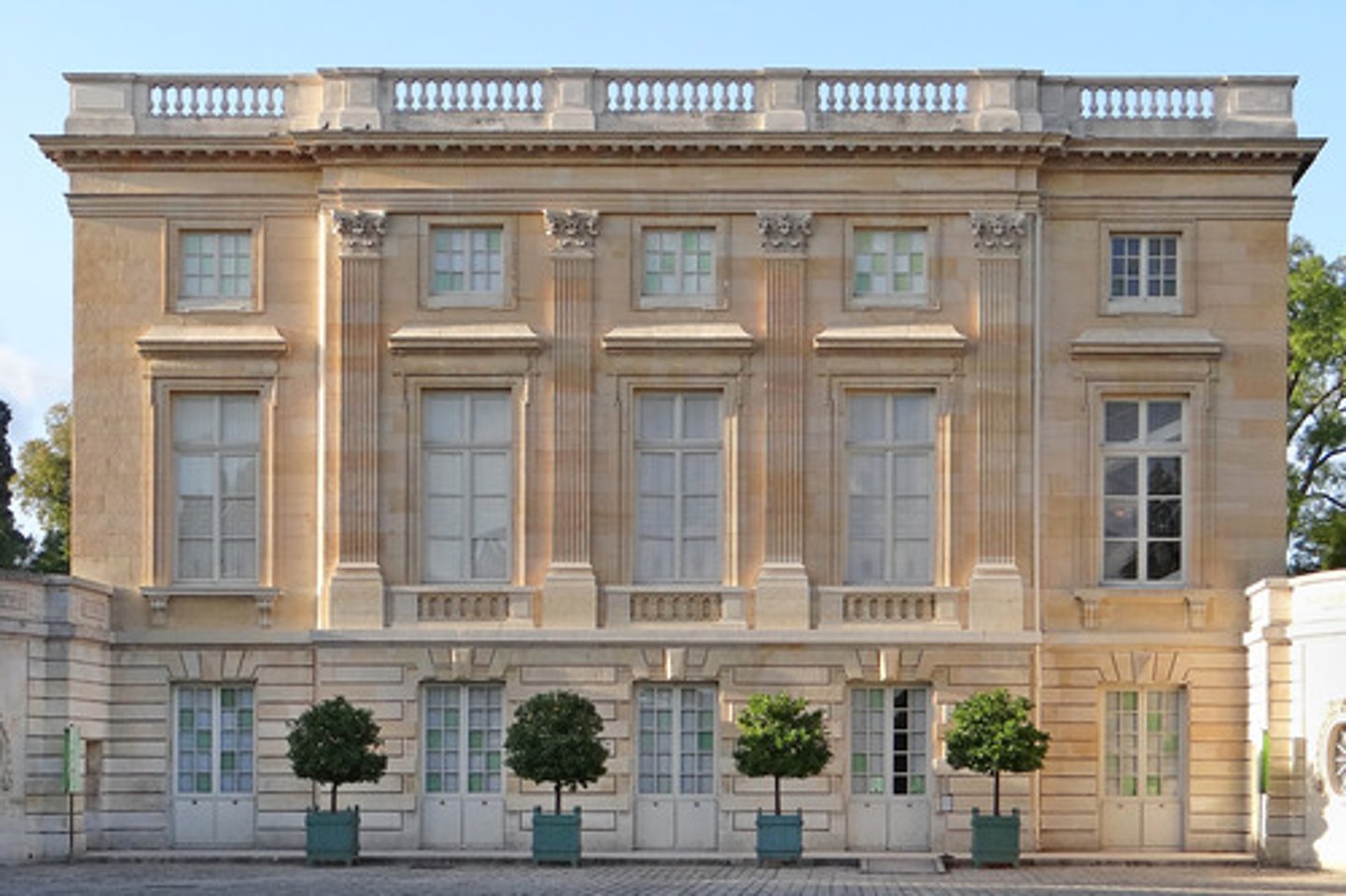
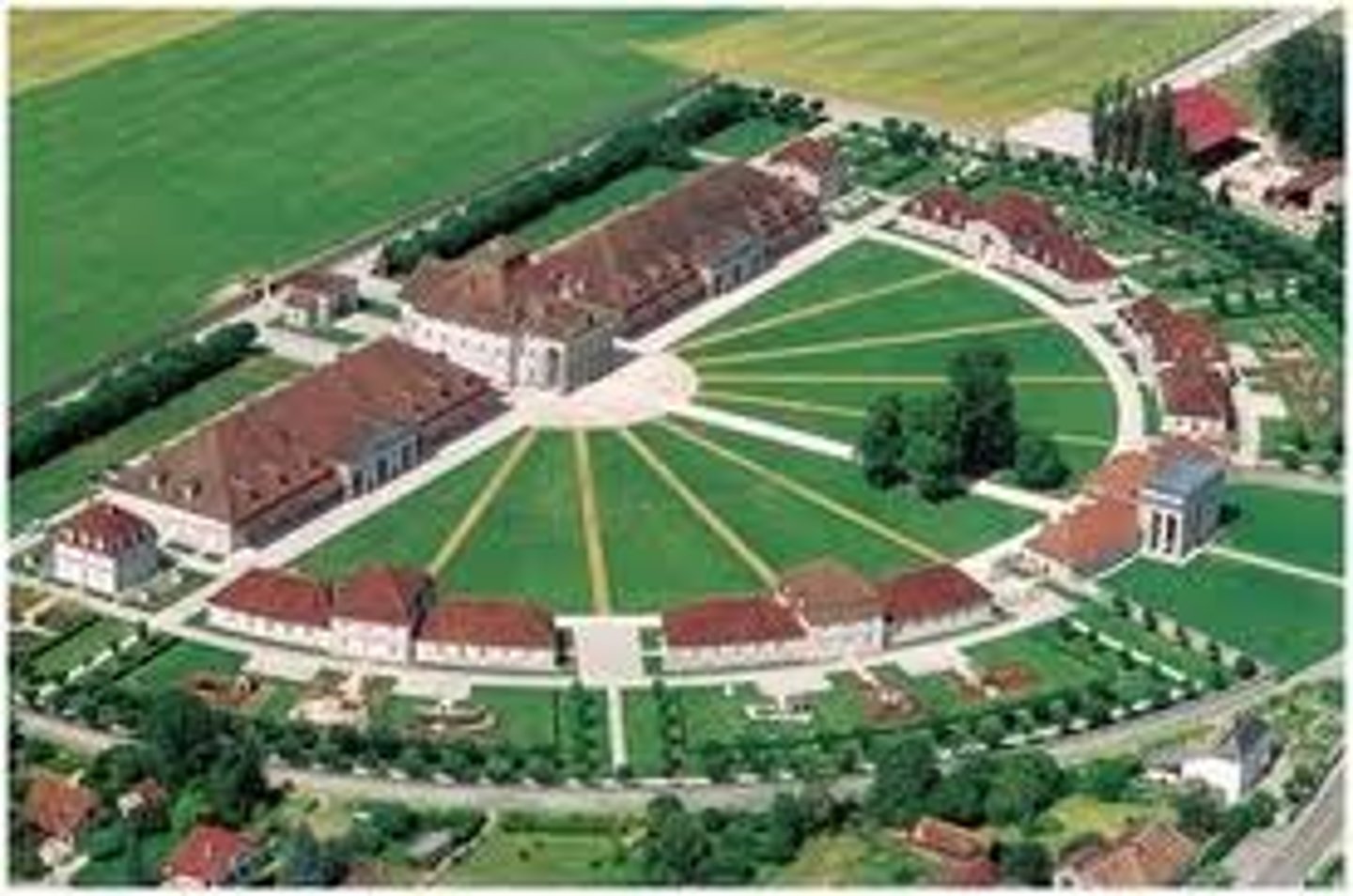
Royal Saltworks
Arc-et-Senans
18th Century
Architect: Claude-Nicolas Ledoux
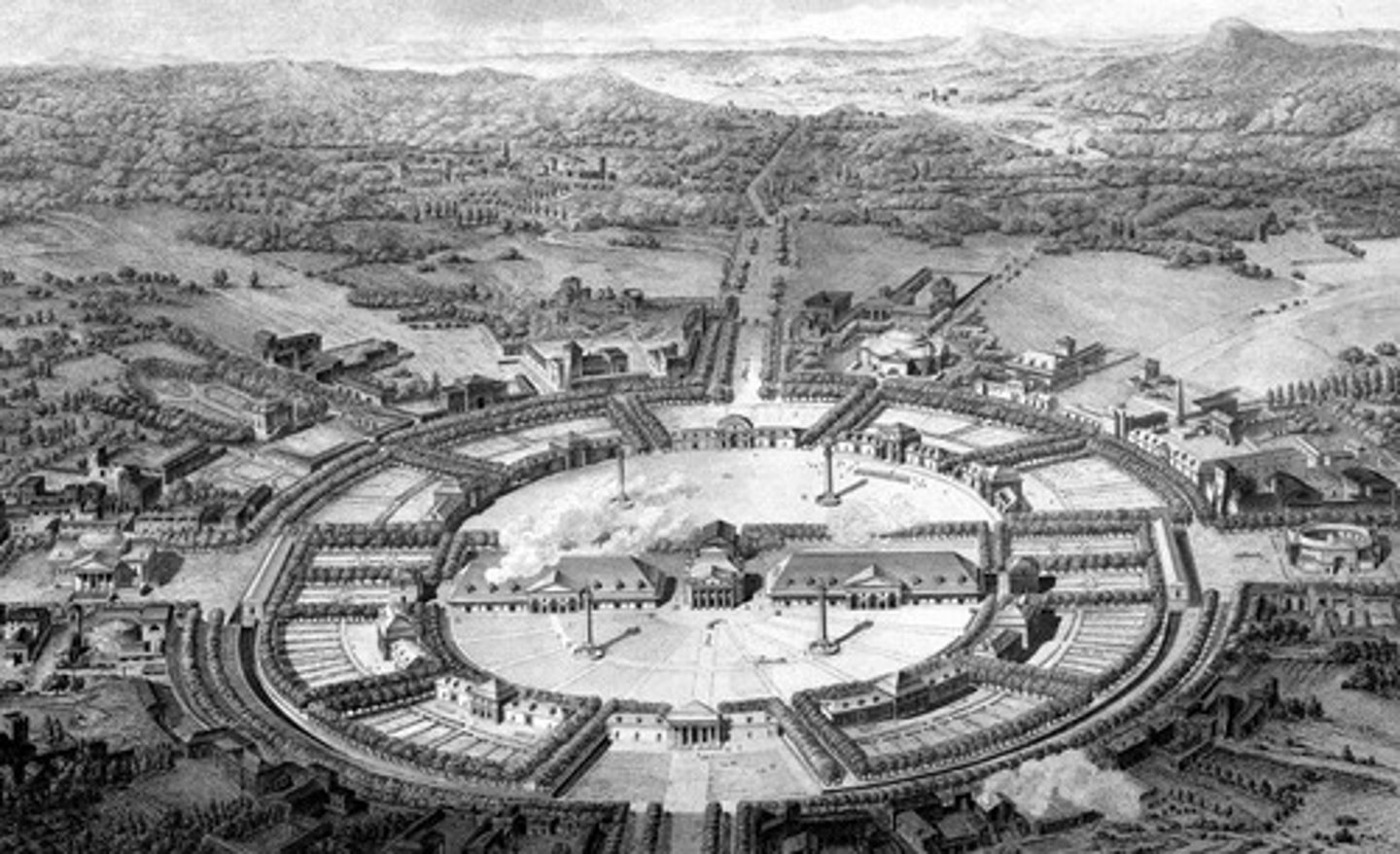
Ideal City of Chaux
Project
Published 19th Century
Architect: Claude-Nicolas Ledoux
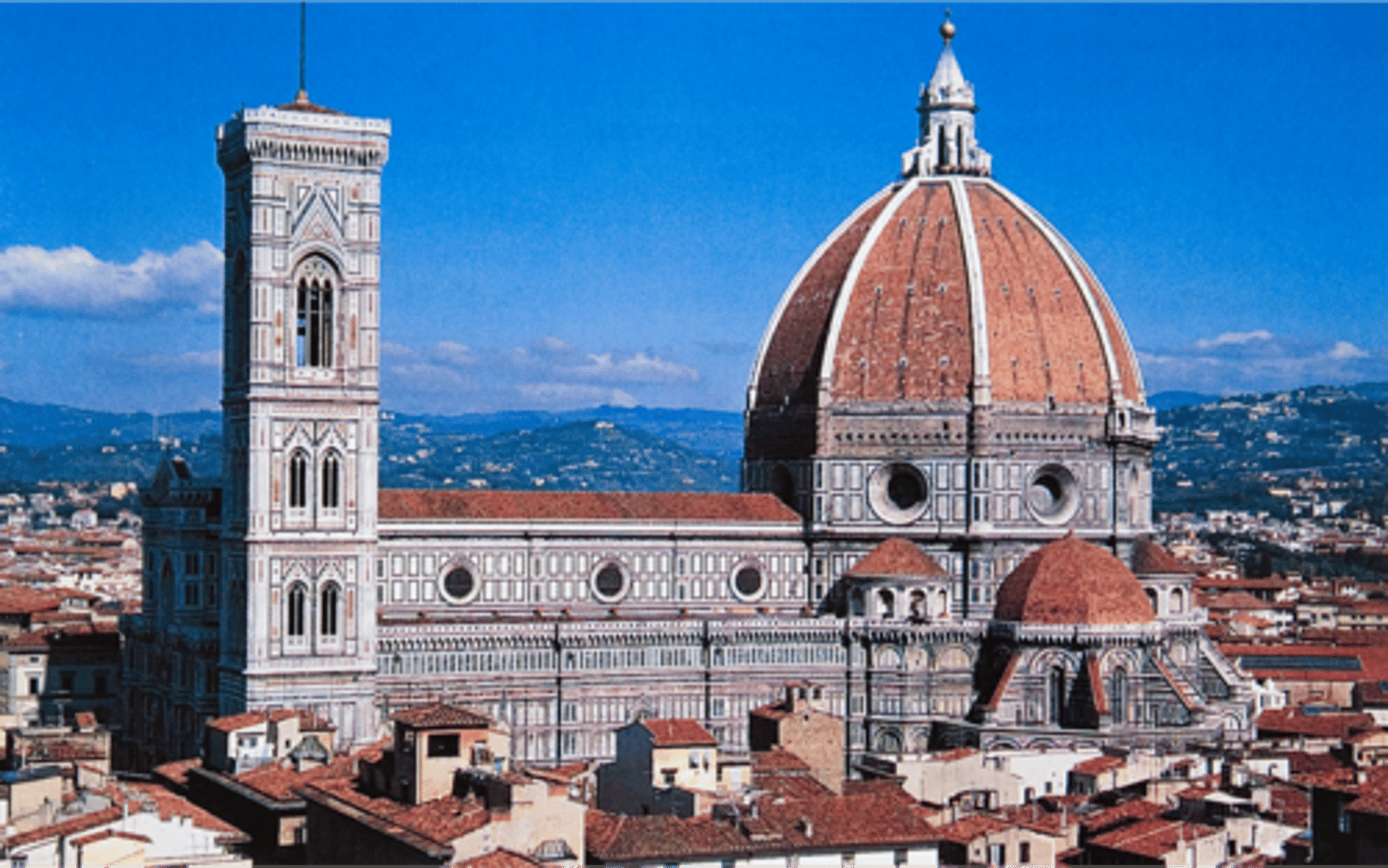
Florence Cathedral
Florence, Italy
1296 A.D.
Architect: Unknown
Dome ONLY Architect: Filippo Brunelleschi
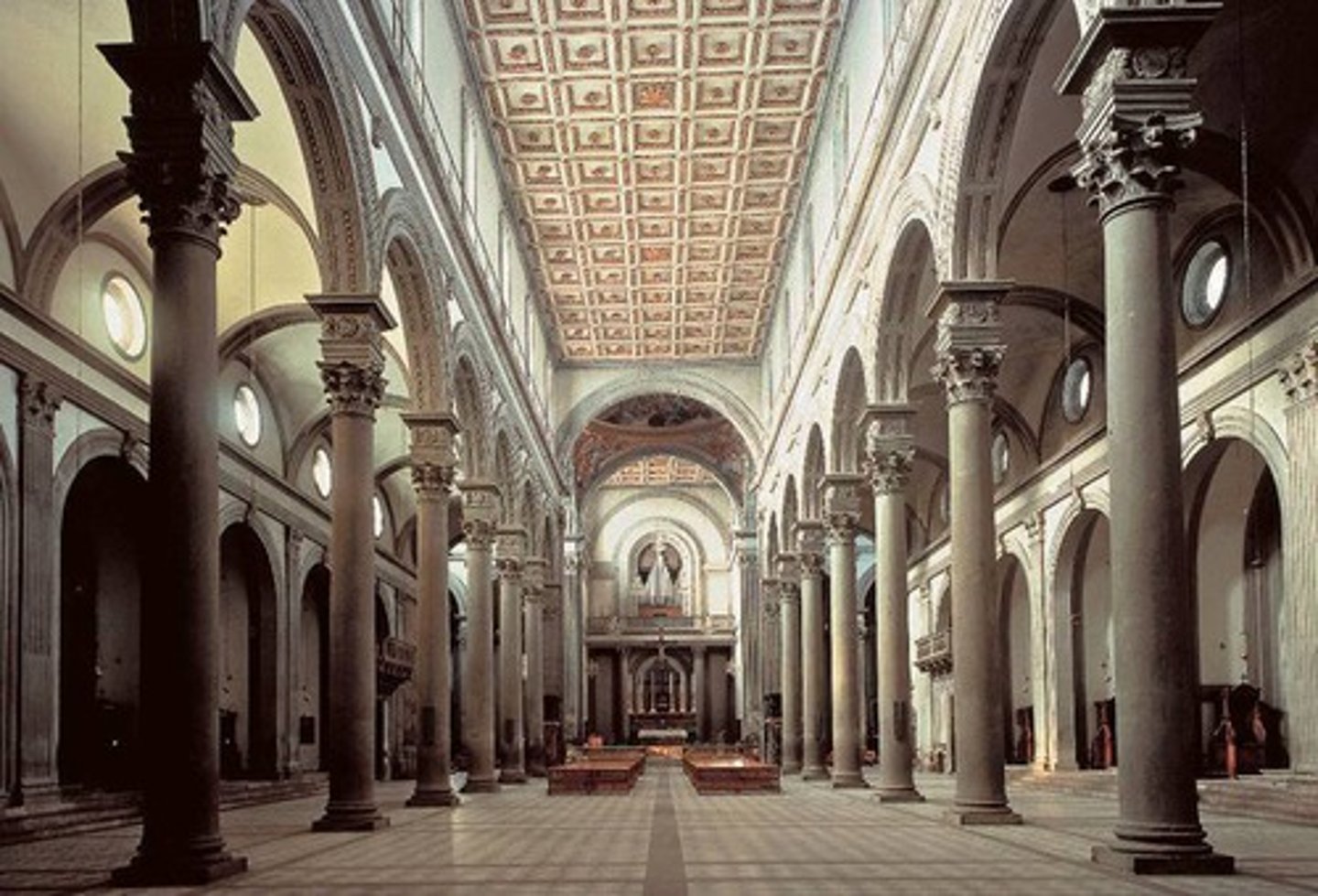
San Lorenzo
Florence, Italy
1421 A.D.
Architect: Filippo Brunelleschi
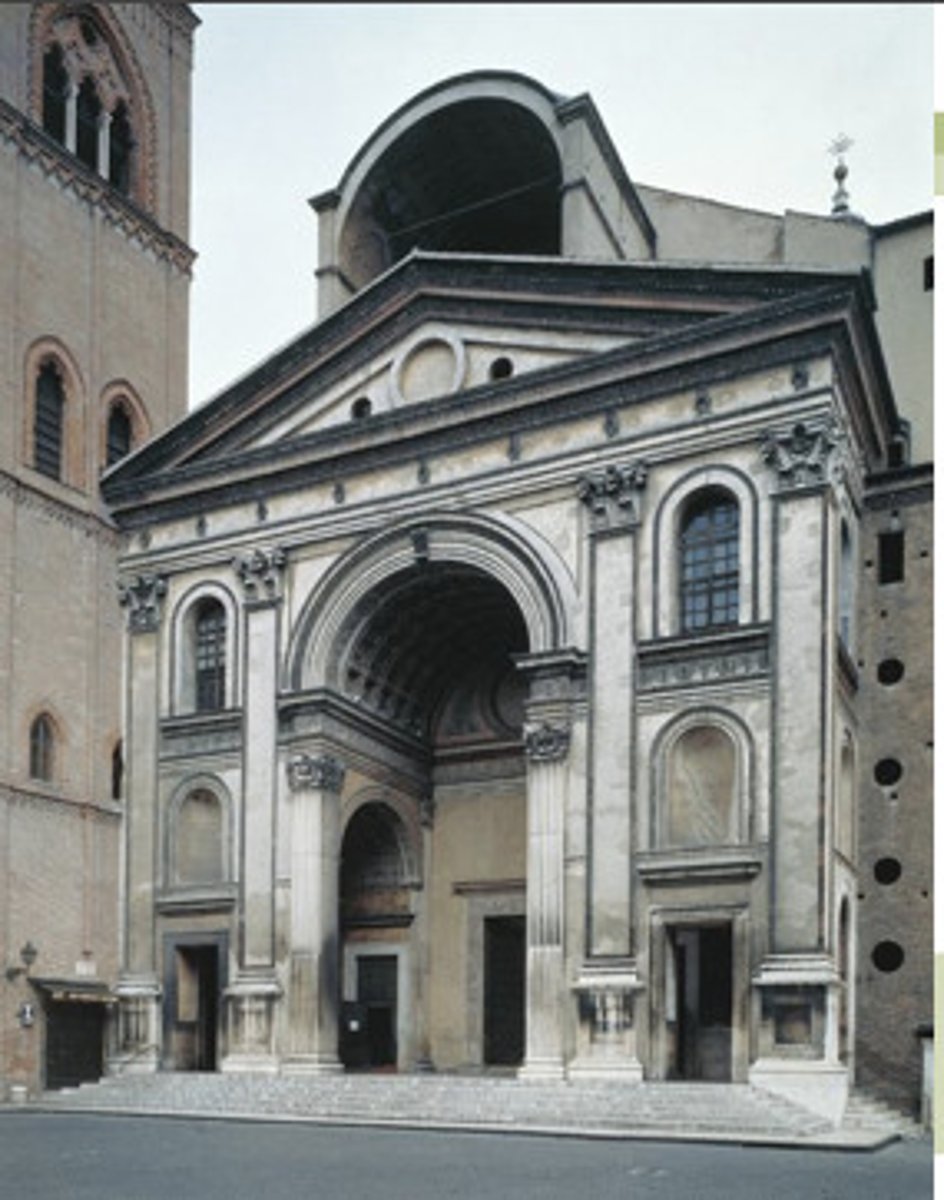
Sant' Andrea
Mantua, Italy
1470 A.D.
Architect: Leon Battista Alberti
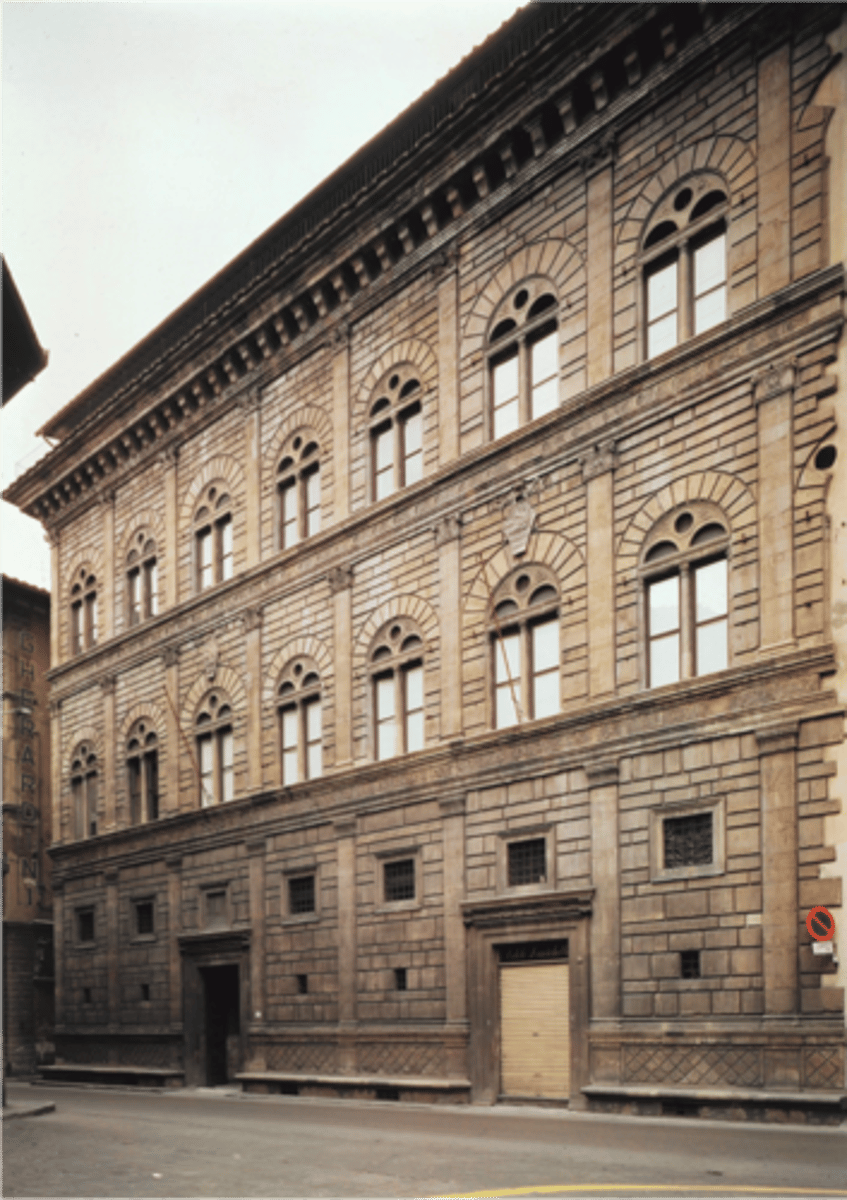
Rucellai Palace
Florence, Italy
1455 A.D.
Architect: Unknown
Facade ONLY Architect: Leon Battista Alberti
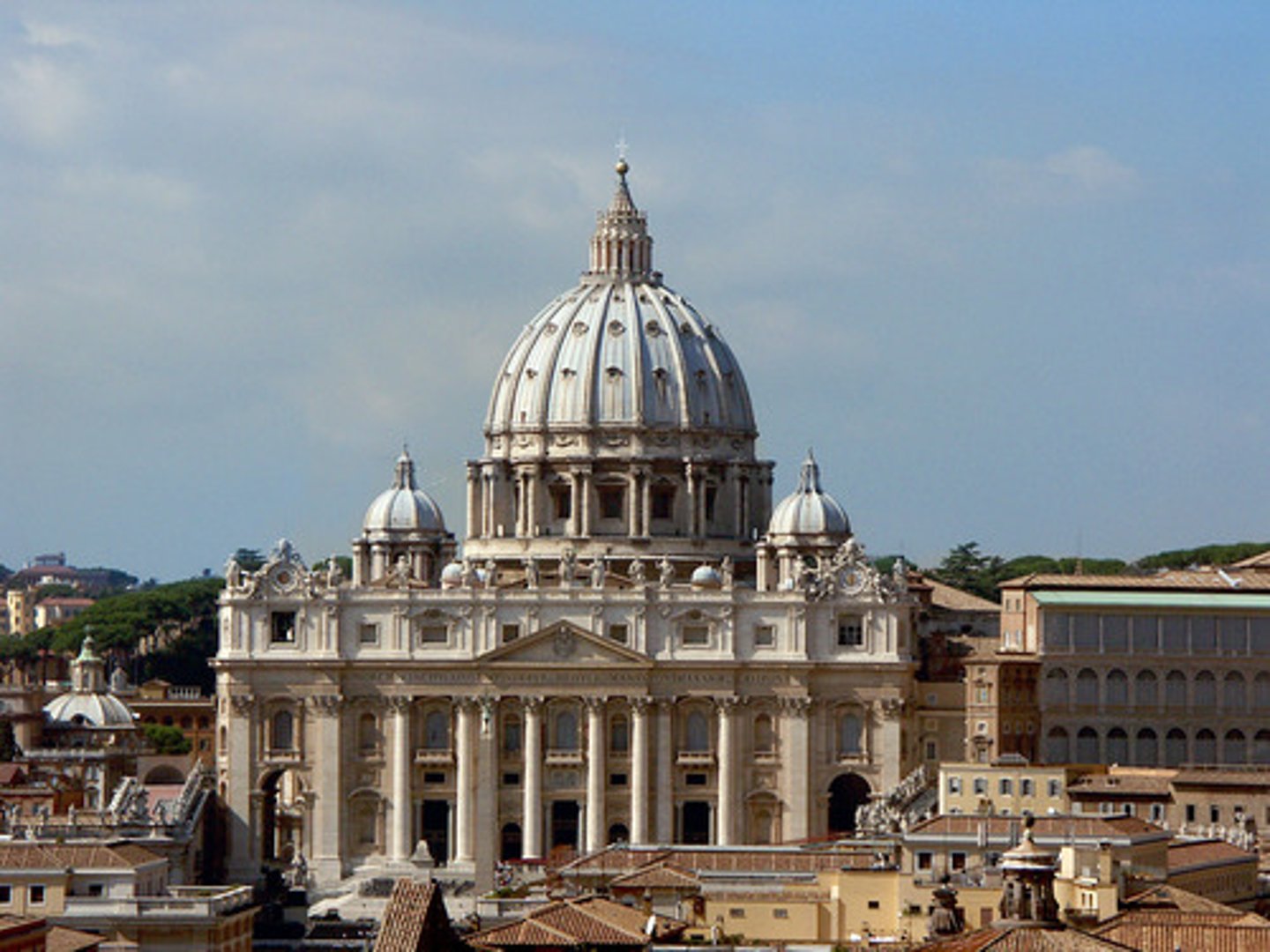
New St. Peter's
Rome, Italy
1506 A.D.
Architect: Donato Bramante
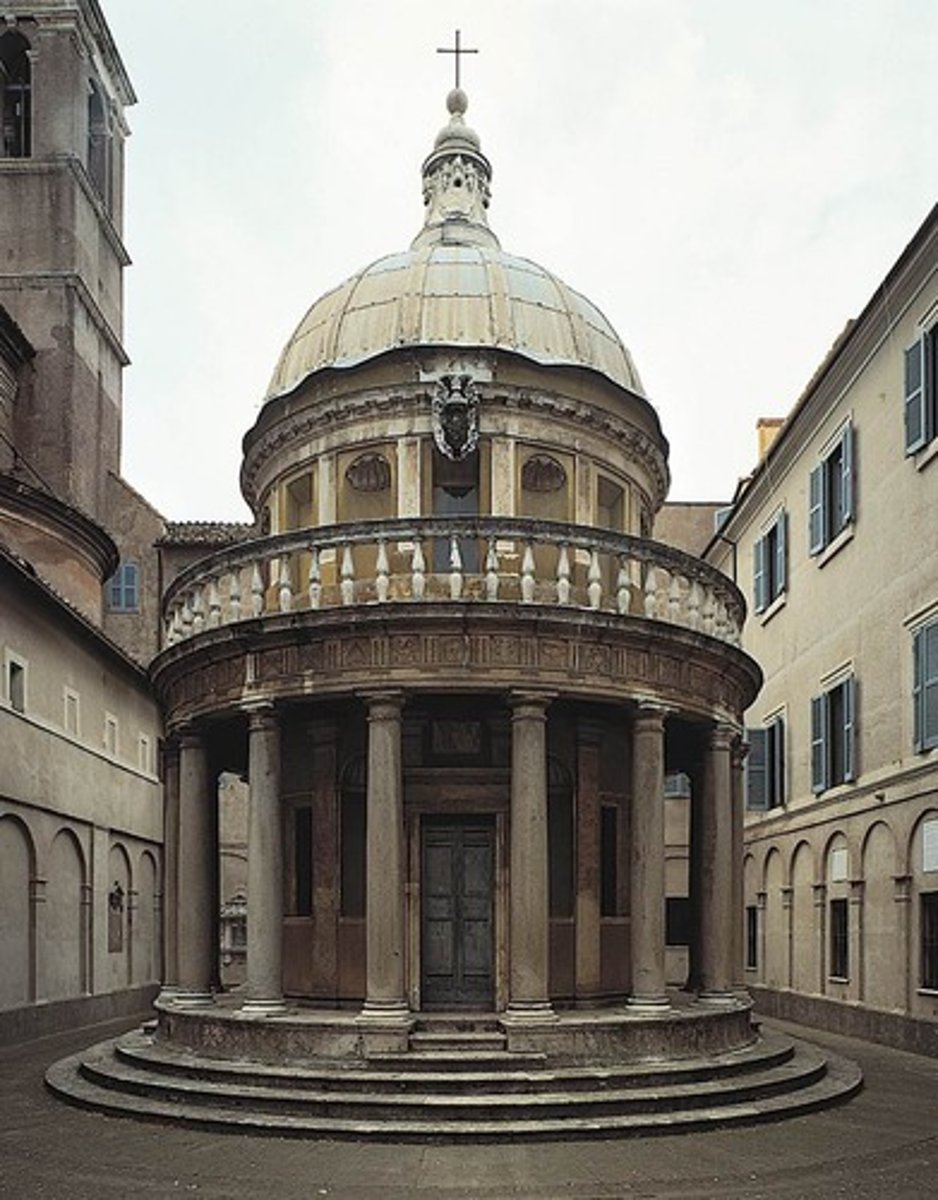
Tempietto at San Pietro
Rome, Italy
1502 A.D.
Architect: Donato Bramante
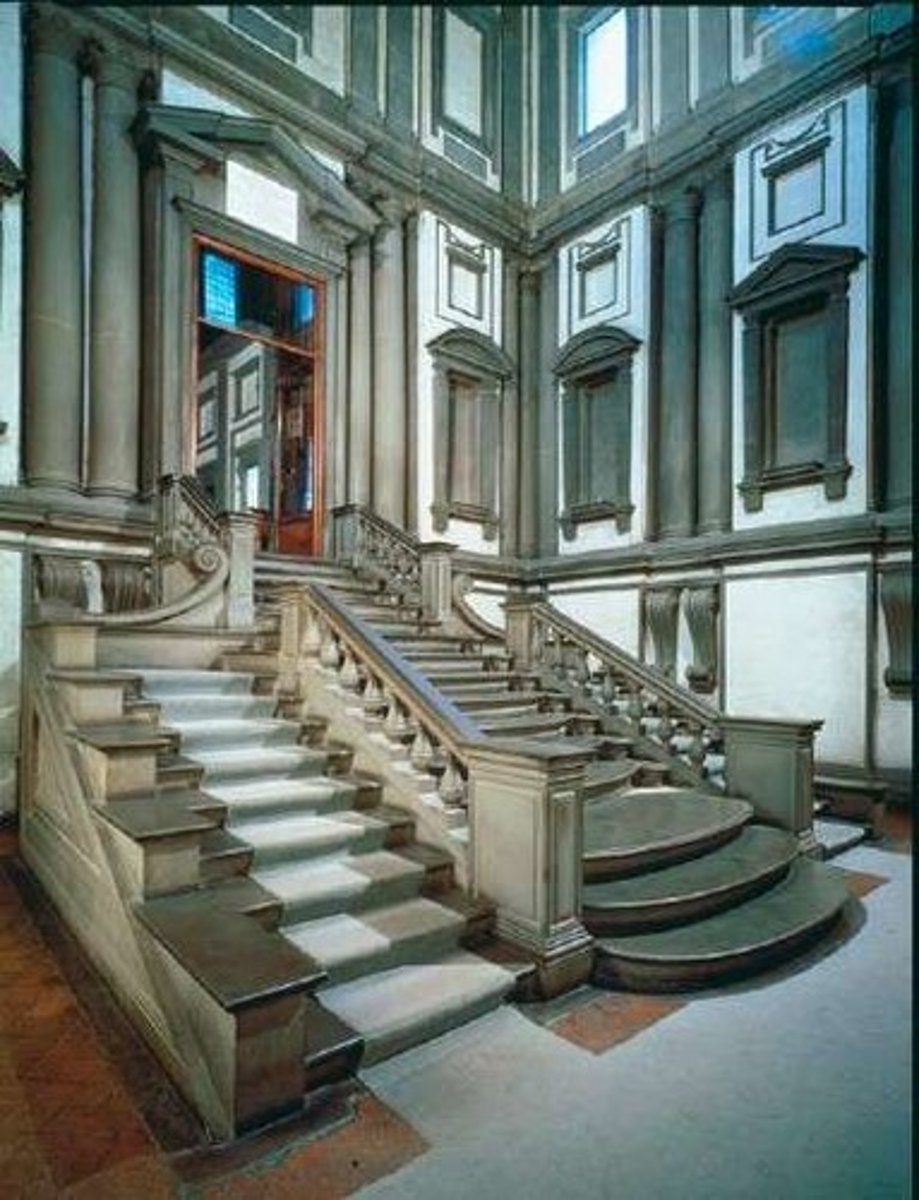
Laurentian Library
Florence, Italy
1523 A.D.
Architect: Michelangelo Buonarroti
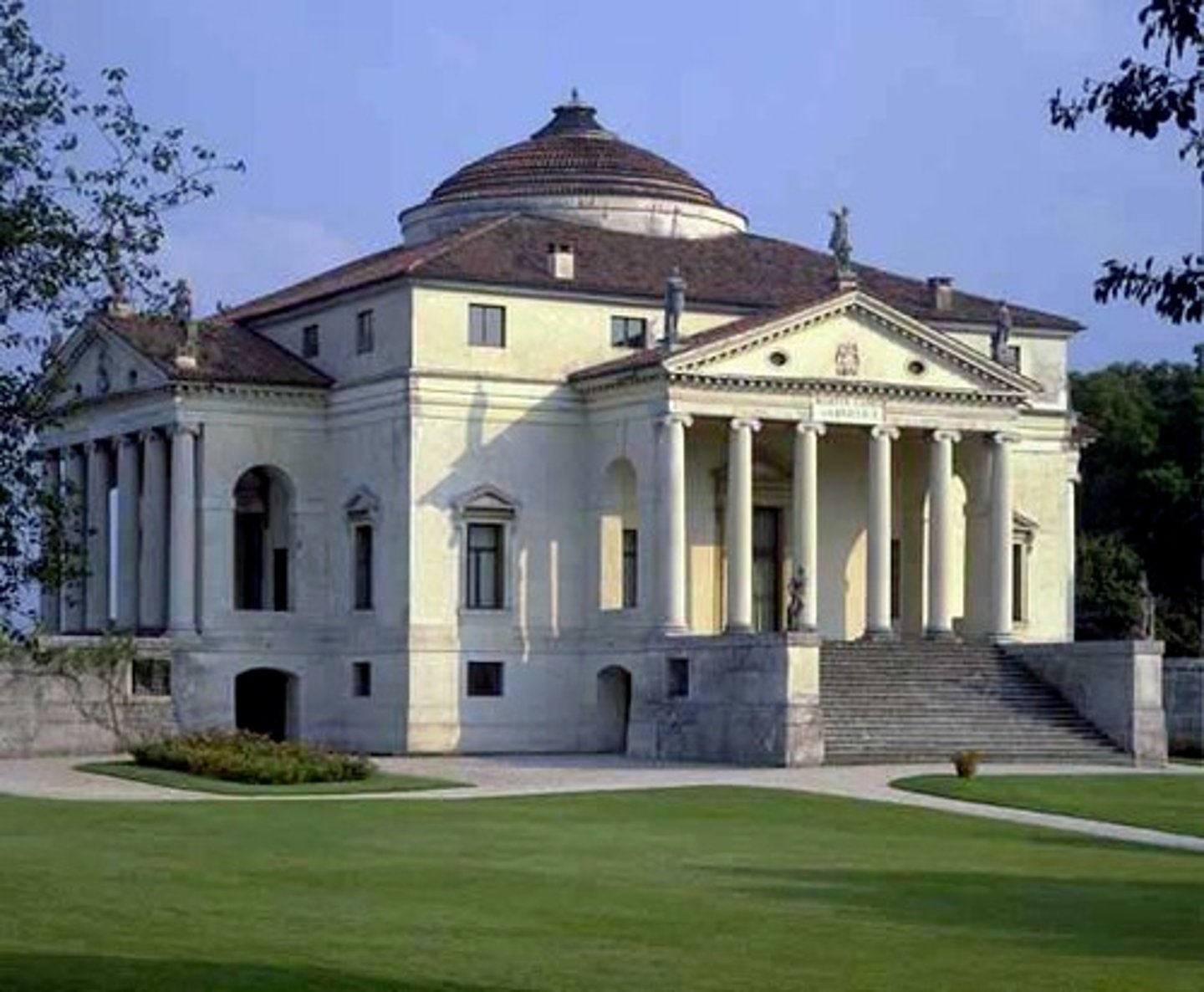
Villa Rotonda
Vicenza, Italy
1566 A.D.
Architect: Andrea Palladio
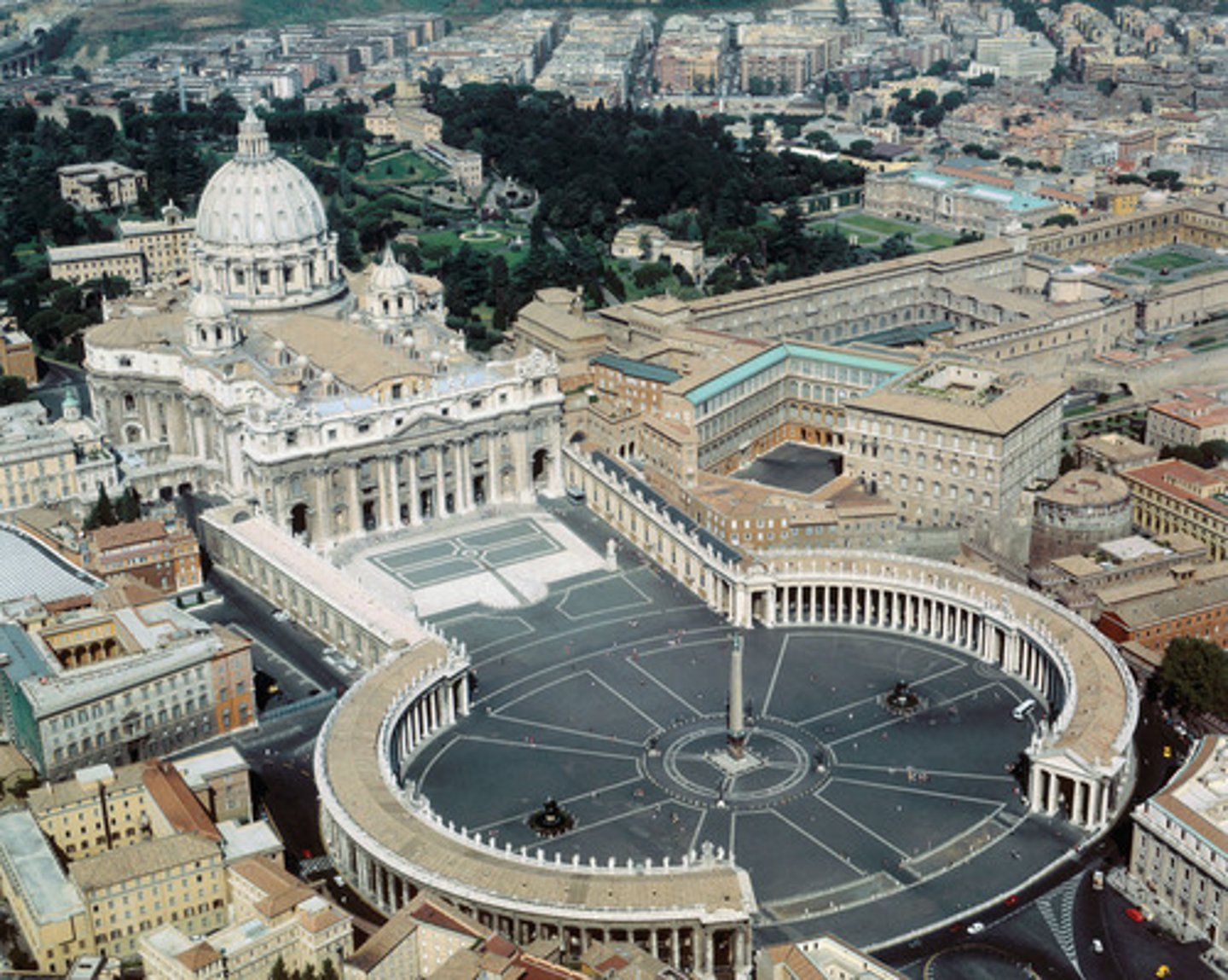
St. Peter's Piazza
Rome, Italy
1656 A.D.
Architect: Gianlorenzo Bernini
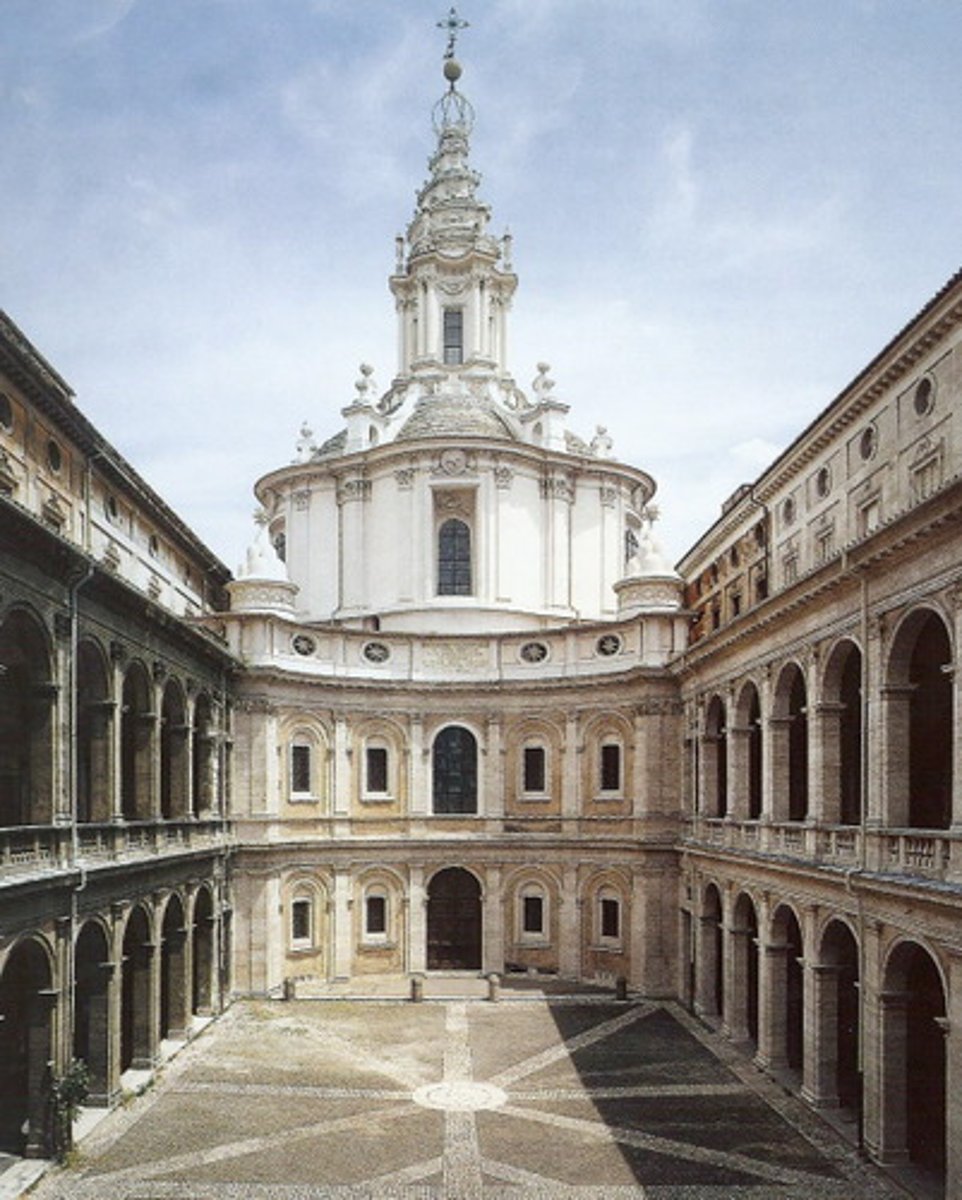
Sant'Ivo della Sapienza
Rome, Italy
1642 A.D.
Architect: Francesco Borromini
He was self-taught in Gothic architecture and became an expert. He was in charge of creating the elevations, but he found the design not Gothic enough for his standards.
What was A.W.N. Pugin's expertise and role in the design of the Houses of Parliament?
He was trained as a Neo-Classical architect, specializing in Italian architecture. He knew his experience wasn't enough to win the competition, so he hired A.W.N. Pugin to assist. Created the plan for the Houses of Parliament.
What was Charles Barry's architectural background and why did he hire A.W.N. Pugin?
Perpendicular Gothic frames set in horizontals and verticals to create a grid design.
What is Perpendicular Gothic Architecture?
The slight tilt of Westminster Hall caused the entry to be positioned diagonally, and four hallways intersected into an octagon to disguise the angular misalignment in the design.
What is the significance of Westminster Hall being tilted at a slight angle?
Large, pointed arched windows, an elaborate throne, and a Hammerbeam ceiling.
What architectural features are found in the House of Lords in the Houses of Parliament?
Big Ben, which refers only to the bell, but the tower is officially named Elizabeth Tower.
What is the clock tower of the Houses of Parliament commonly known as?
Victoria Tower is the largest of the three towers.
What is the largest tower of the three in the Houses of Parliament?
A ceiling that features cantilevers pointing out with pointed arches placed at the ends of them.
What is a Hammerbeam ceiling?
A Hammerbeam ceiling.
What type of ceiling is present in the Westminster Hall?
The English believed they invented Gothic architecture, and Westminster Abbey, a Gothic example, was nearby, so the two buildings would need to harmonize.
Why were only Gothic and Elizabethan architectural styles allowed in the design of the Houses of Parliament?
Gothic architecture and Elizabethan architecture.
What two architectural styles were allowed in the competition for the design of the Houses of Parliament?
A great portion of the Palace burned down, prompting the need for reconstruction.
What caused the need to rebuild the Houses of Parliament (Palace of Westminster)?
Gothic Revival (Neo-Gothic)
What architectural style does the Houses of Parliament belong?
He believed Gothic architecture reflected true Catholic values, while classicism was tied to Protestantism and seen as bad. Architecture should be "honest" inside and out, and good design could inspire moral living.
What were A.W.N. Pugin's beliefs about architecture?
Contrasts - used just two pictures to show the moral decline from medieval to modern times.
What book was written by A.W.N. Pugin?
Morality and Architecture
(Extra Credit): What was the name of the book written by David Watkin?
The École des Beaux-Arts was the most important architecture school of that era, with many great works produced by its students.
What is the importance of the Ecole des Beaux-Arts?
They were not held on campus; students rented spaces off-site and hired their own architecture professors, who visited once a week to give critiques.
What was unique about the design studio system at the École des Beaux-Arts?
There were no grades or diplomas. Progress was based on how many competitions you won and how many years you studied.
How were students evaluated at the École des Beaux-Arts?
A prestigious architecture competition offered to French students after 5-6 years of study at the École. Only French citizens could enter. It required designing a complex architectural project under strict conditions. Winning the Grand Prix awarded the student a scholarship to study in Rome for several years, and often guaranteed lifetime employment in government or prestigious architectural positions.
What was the Grand Prix de Rome at the École des Beaux-Arts?
Anyone from around the world could attend, but the entrance exam was strictly in French.
Who could attend the École des Beaux-Arts, and what was required?
It was a room filled with full-size plaster copies of statues—called "plaster casts"—used for drawing and study. These were later considered obsolete and discarded.
What was the Hall of Casts at the École des Beaux-Arts?
A drawing that analyzed and broke down a historical building into its components.
What is an Analytique at the École des Beaux-Arts?
A former monastery.
What was the original site of the École des Beaux-Arts in Paris?
After an assassination attempt on the emperor near the old opera house due to narrow streets, the government funded a new, more open and public location for safety and prestige.
Why was a new Paris Opera House built, and how was it funded?
An architectural competition was held, which Garnier won. He met with the emperor, but the empress disliked the design, saying it lacked a clear style. Garnier defended it as the style of Napoleon III, and Napoleon ate that up.
How was Charles Garnier selected to design the Paris Opera House?
The lower façade resembles the Louvre, especially with its coupled columns, and also references Michelangelo's Palazzo Nuovo in Rome, using major and minor classical orders.
What architectural influences can be seen in the façade of the Paris Opera House?
The entire building was designed around circulation. The central circular auditorium is surrounded by corridors, entrances, and staircases to accommodate crowds and social interaction. Major donors had their own entrances.
How was the Paris Opera House planned and why is circulation so important?
It was horseshoe-shaped, which caused complaints due to poor visibility from some "bathtub" seats. Despite being the focal point, it occupies only a small part of the overall building.
What is notable about the layout of the auditorium in the Paris Opera House?
The exterior dome doesn't actually cover the auditorium or the stairwell. Now, it shelters a separate space used for rehearsal dinners.
What is unusual about the dome of the Paris Opera House?
It is known for its use of "coupled" columns and is considered an example of Parisian-style architecture.
What is significant about the Louvre design?
Augustus Welby Northmore Pugin.
(Extra Credit): What are Pugin's full three names?
It was the major fuel of the Industrial Revolution, was abundant in the surrounding area. The Iron Bridge was a demonstration of the uses of local coal mines.
What role did coal play in the creation of the Severn Iron Bridge?
The bridge consists of two pieces with five sets of iron frames holding up the pedestrian path, showcasing the use of iron in construction.
How was the Iron Bridge constructed, and what was its design?
The Iron Bridge was originally painted red but tarnished over time. It was repainted in 2017.
What was the original color of the Iron Bridge?
The Iron Bridge was a toll bridge, and it cost half a penny to cross.
How much did it cost to cross the Iron Bridge when it was first built?
A library built for the students of the University of Paris.
What is the purpose of the Bibliothesque Sainte-Genevieve?
Saint Genevieve, the patron saint of Paris.
Who is the Bibliothesque Sainte-Genevieve named after?
The façade lacks pure classical orders and emphasizes arches instead of projecting temple fronts. It is undifferentiated, with little ornamentation, and contradicts the standard architectural principle of emphasizing the entrance.
How does the façade of the Bibliothèque Sainte-Geneviève differ from classical examples like the Louvre?
The façade features panels with inscriptions of about 800 authors' names, representing a monumental catalog of great works of literature, symbolizing the function of the library.
What symbolic feature is included on the façade of the Bibliothèque Sainte-Geneviève?
The library plan consists of two intersecting rectangles at different levels: the ground floor is for storing books, while the first floor is dedicated to reading.
What is the layout of the Bibliothèque Sainte-Geneviève, and how is it designed for its function?
The reading room has double-barrel vaulted ceilings with high-set windows to accommodate bookshelves. Iron was used to support the vault while maximizing natural light. Open flames were prohibited, and the library was generally only open during the day.
What are the key features of the reading room in the Bibliothèque Sainte-Geneviève?
Iron
What controversial material was used inside the Bibliothèque Sainte-Geneviève?
Iron was used to support the barrel vault and allow for more natural light, giving the library a more modern feel.
Why was iron used in the construction of the Bibliothèque Sainte-Geneviève?
A garden architect, not a traditional architectural architect. He was employed by a Duke and specialized in designing greenhouses.
Who was Joseph Paxton, and what was his background in architecture?
The Great Conservatory, a large greenhouse designed by Paxton, made primarily of glass and iron.
What building inspired the design of the Crystal Palace?
It was meant to be a temporary exhibit hall for the Great Exhibition of Art and Industry, the first World's Fair.
What was the purpose of the Crystal Palace?
Prince Albert, the husband of Queen Victoria.
Who was the driving force behind the construction of the Crystal Palace?
The original Commissioners' Plan featured a large dome and was similar to a train station design. However, it was deemed too time-consuming (estimated 15 months to build). Paxton's alternative plan, using prefabricated iron and glass, could be built in just 9 months.
What was the original plan for the Crystal Palace, and why was it changed?
Paxton's design used iron and glass, with prefabricated pieces that were transported by railroad and assembled like a jigsaw puzzle. Every dimension of the building was a multiple of 24 feet.
How was the Crystal Palace constructed, and what was its unique design?
Some opposed the building of the Crystal Palace due to concerns about cutting down trees. Paxton responded by building the structure above the trees, preserving them inside the palace.
How did Paxton address opposition to the construction of the Crystal Palace?
After the event, the materials from the Crystal Palace were reused on a larger scale. The new Crystal Palace stood for about 80 years until it burned down. Iron, when left unprotected, is at risk of significant damage.
What happened to the Crystal Palace after the Great Exhibition, and how long did it last?
it is a German term that translates to "spirit of the time," referring to the cultural, intellectual, and moral climate of a particular era.
What does the term "Zeitgeist" mean?
In architecture, people believed they were possessed by the spirit of the Zeitgeist, meaning architects sought to define a style reflective of the technological and cultural spirit of the time.
How was the concept of Zeitgeist applied to architecture?
The steam railroad
What technological innovation influenced the architectural Zeitgeist of the 19th century?
It refers to a group of architecture firms in Chicago who focused on creating skyscrapers. The term was coined by art historians to make historic connections to the past, categorizing architects based on their location.
What is the "Chicago School" of architecture, and how did it relate to skyscrapers?
The primary purpose of a skyscraper is to make money for investors. It is seen as a "machine that makes the land pay," driven by economic needs rather than purely functional ones.
What is the primary purpose of a skyscraper?
European architecture was influenced by compact cities constrained by political factors and walls, whereas American cities had more freedom for vertical development, leading to the rise of skyscrapers.
How did European architecture differ from American architecture, particularly regarding skyscrapers?
The term "Downtown" originated in New York City. When you move north, you're moving "up," and when you move south, you're moving "down."
What is the origin of the term "Downtown"?
The Safety Elevator, designed by Elisha Graves.
What invention contributed to making skyscrapers more practical and efficient?
Considered to be the first skyscraper. First building where steel was used, originally designed in iron but later constructed with steel after a deal with a steel company.
What is significant about the Home Insurance Building in Chicago?
The skeleton frame.
What particular factor defines a skyscraper?
The controversy centered on whether it was the first true "skeleton frame" building. Architects argued it had a skeleton frame, but engineers disagreed. It was ultimately ruled a skeleton frame, though not a pure version.
What was the controversy surrounding the Home Insurance Building?
Dankmar Adler, an immigrant, wanted to be both an engineer and architect. He established his own architecture firm in Chicago and became a business partner to Louis Sullivan.
Who was Dankmar Adler?
Louis Sullivan, the son of immigrants, briefly attended MIT before studying architecture in Paris which he failed to finish. He joined forces with Dankmar Adler to form an architecture firm. Sullivan was the artistic and design partner, contributing significantly to American architecture.
Who was Louis Sullivan?
The building was commissioned by Ellis Wainwright.
Who commissioned the Wainwright Building?
Sullivan designed the building in a U-shape with a light court in the center and double-loaded corridors. This design allowed each office to have access to windows, which was crucial at the time due to the lack of electricity.
How did Sullivan ensure that each office in the Wainwright Building had access to natural light?
The ground floor was used for stores, while the upper floors were designated for offices. Bathrooms were located on the top floor, and each floor was designed for specific uses.
What was the layout of the Wainwright Building?
Sullivan believed the exterior should reflect the function of the building. The middle floors used a repetitive pattern of columns and girders, indirectly reflecting the skeleton frame of the building. The vertical design emphasized the building's height, while the horizontal elements were pushed back into the facade.
How did Sullivan reflect the building's function in the exterior design?
The phrase expresses the principle that the design of a building should be based on its intended use, not just its appearance. Sullivan argued that form should reflect the purpose of the building, rather than being driven solely by aesthetic concerns. THIS IS THE LAW OF NATURE.
What was the significance of the phrase "Form ever follows function" by Louis Sullivan?
Sullivan emphasized the verticality of the building by manipulating the lines of the facade. He used twice as many vertical elements as needed and "pushed back" the horizontal elements, creating the effect of a soaring, taller structure.
What were some of the ways Sullivan designed the facade to make the building appear taller?
"The Tall Office Building Artistically Considered" - Lippincott's Magazine.
What magazine article was written by Louis Sullivan?
It is a metal structure used to support a building, made of columns and girders. It saves space and reduces the need for thick walls, which would occupy valuable interior space. However, iron's melting point was a concern.
What is a skeleton frame in architecture?
It is a protective veneer that covers the skeleton frame. It doesn't support the building's weight but serves to protect and ornament the exterior of the structure.
What is a curtain wall in architecture?
Terra cotta, meaning "baked earth," is a clay-based material often used in building construction for decorative or structural purposes.
What is terra cotta?